
Hyundai Motor Company has transformed itself from a budget-focused automaker into one of the most competitive brands in the global car market. Over the past decade, Hyundai has earned praise for improving reliability, introducing advanced technology, offering generous warranties, and designing vehicles that compete directly with established Japanese and European rivals.
Models like the Hyundai Palisade, Elantra Hybrid, and Tucson have helped the brand build a stronger reputation among families, commuters, and SUV buyers alike. However, not every Hyundai model has achieved the same level of success.
Some vehicles have struggled with transmission issues, engine failures, poor resale value, or disappointing long-term durability. That makes careful research extremely important before buying any Hyundai vehicle, whether new or used.
One of the biggest reasons Hyundai attracts buyers is value. The company often includes premium features at a lower price point than competitors. Many Hyundai vehicles come equipped with advanced driver assistance systems, touchscreen infotainment displays, heated seats, wireless smartphone connectivity, and efficient powertrains, even in lower trims.
Hyundai has also made significant progress in electric vehicles with the Ioniq lineup, proving the brand is serious about innovation and future mobility. Buyers who choose the right Hyundai model can often enjoy excellent fuel economy, comfortable interiors, modern styling, and lower ownership costs compared to many rivals in the same segment.
At the same time, some Hyundai models have developed reputations for costly mechanical problems. Certain engines, especially older Theta II units, became notorious for excessive oil consumption, knocking sounds, and catastrophic failures. Some dual-clutch transmissions introduced in specific Hyundai vehicles caused jerky acceleration and reliability complaints.
In other cases, weak resale value or underwhelming driving dynamics made some Hyundai models less attractive compared to competitors from Toyota, Honda, Mazda, or Kia. Understanding which models consistently deliver dependable ownership experiences and which ones should be avoided can save buyers thousands of dollars in repair bills and frustration.
Whether you are shopping for a practical commuter car, a spacious SUV, or a fuel-efficient hybrid, this guide will help you identify the Hyundai models that truly deserve consideration and the ones that may cause regret later. By focusing on long-term value instead of just sticker price, buyers can make smarter decisions and enjoy a far better ownership experience.
Also Read: 10 Cars With Insurance Premiums Lower Than a Compact Sedan
Hyundai Models Worth Buying
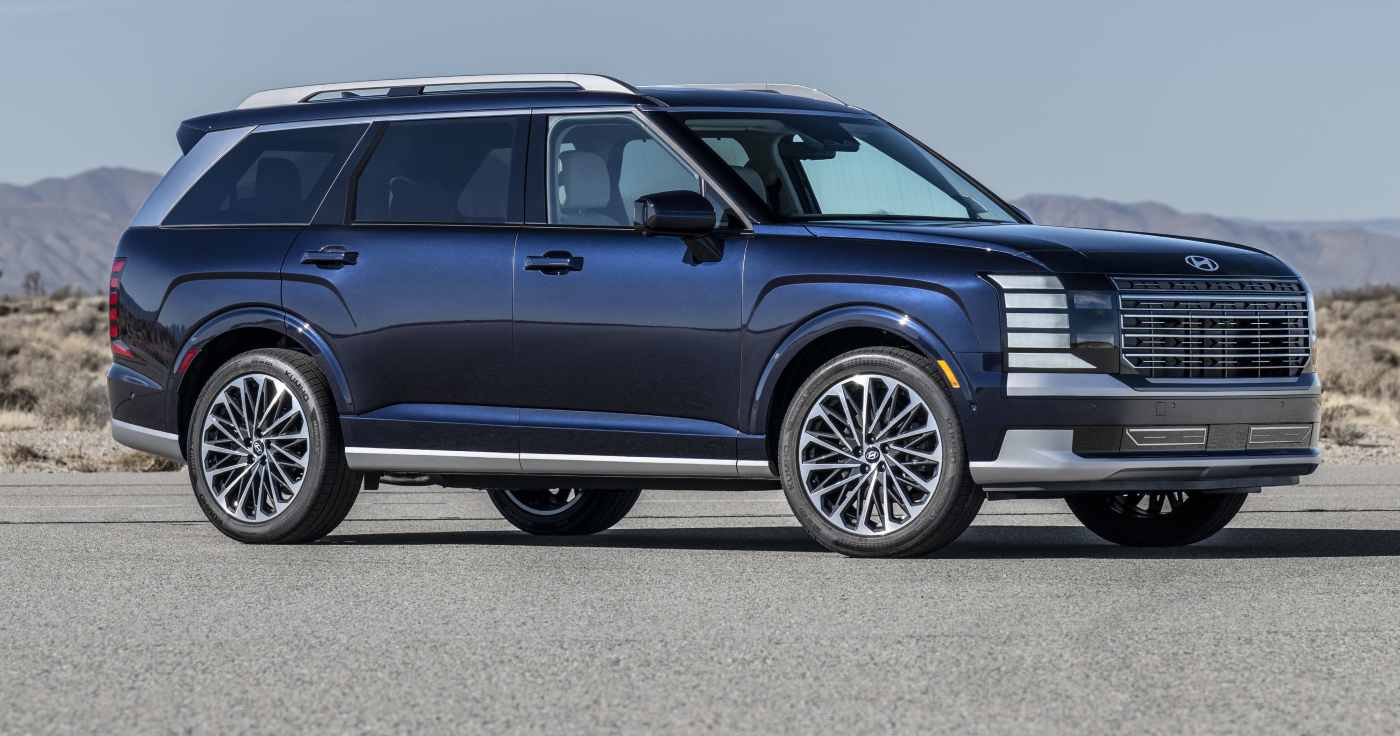
1. Hyundai Palisade
The Hyundai Palisade has quickly become one of Hyundai’s most respected and successful vehicles. Introduced as a flagship three-row SUV, the Palisade impressed buyers with upscale styling, a spacious cabin, and strong refinement.
Unlike many midsize SUVs that prioritize aggressive design over practicality, the Palisade balances comfort, technology, and family friendliness extremely well. Its premium interior materials, quiet ride quality, and smooth V6 engine give it an experience that feels more expensive than its price suggests. For families seeking a reliable and comfortable SUV without luxury brand pricing, the Palisade stands out as an exceptional choice.
One of the strongest aspects of the Palisade is interior comfort. The SUV offers spacious seating across all three rows, making it ideal for larger families or frequent road trips. Even adults can sit comfortably in the third row, which is rare in this segment.
Performance is another area where the Palisade performs well. Its V6 engine delivers smooth acceleration and enough power for highway driving, merging, and towing small trailers. The ride quality remains composed even on rough roads, while steering is light enough for city driving.
Unlike some competitors that use small turbocharged engines paired with complicated transmissions, the Palisade relies on a more traditional and proven setup that contributes to better reliability. Owners frequently report satisfaction with long-distance comfort and daily usability.
Safety technology is also a major reason why the Palisade deserves recognition. Hyundai equipped the SUV with advanced driver assistance features, including adaptive cruise control, lane keeping assist, blind spot monitoring, and forward collision warning.
Crash test ratings have generally been strong, giving buyers additional confidence when transporting families. Hyundai’s warranty coverage further strengthens the ownership experience because it remains one of the best warranties available in the automotive industry.
Long-term ownership costs are another positive factor. While maintenance expenses naturally increase with any large SUV, the Palisade generally avoids the severe reliability problems associated with some older Hyundai vehicles. It also retains respectable resale value thanks to strong consumer demand. For buyers wanting a practical, comfortable, and feature-rich family SUV, the Hyundai Palisade remains one of the best vehicles Hyundai currently produces.
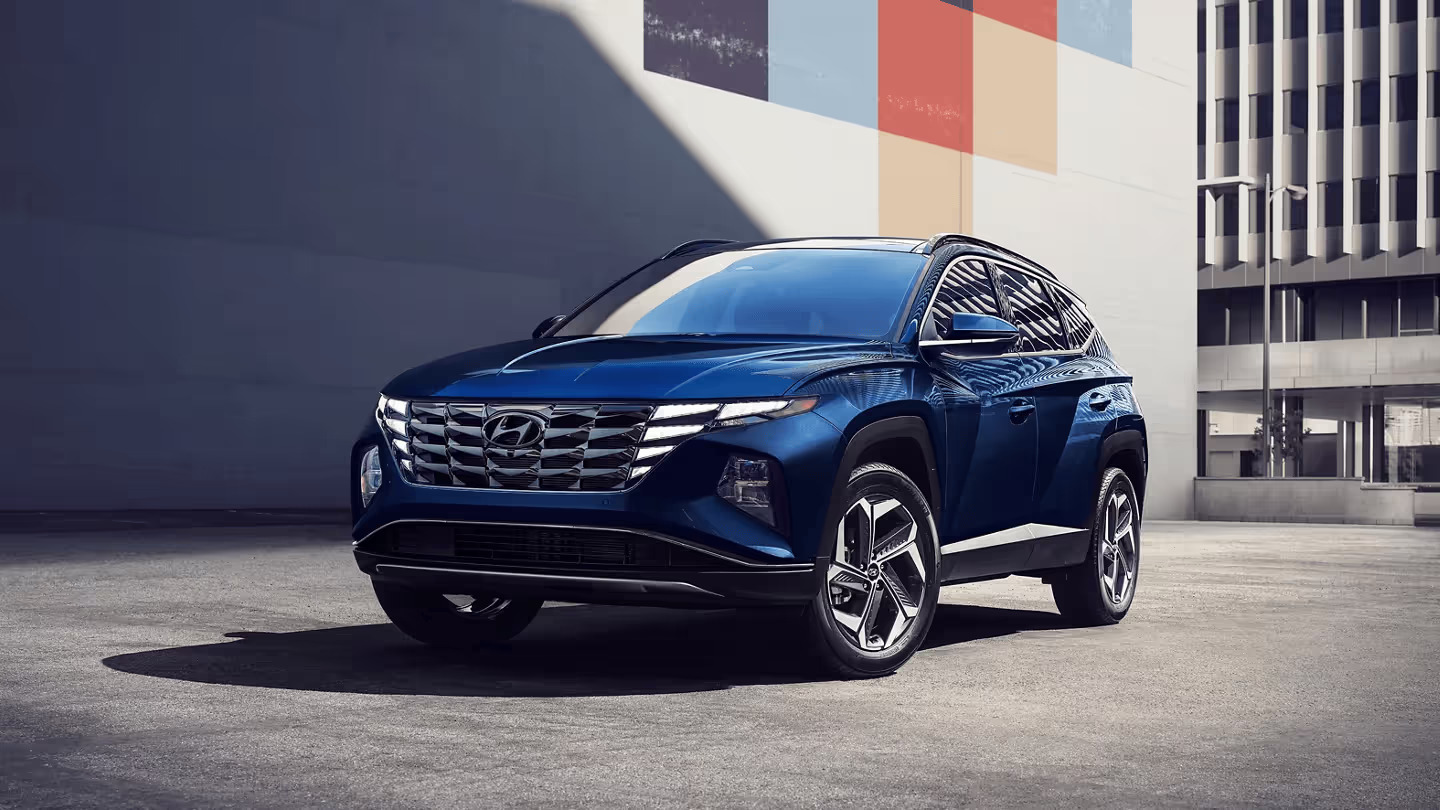
2. Hyundai Tucson Hybrid
The Hyundai Tucson Hybrid represents Hyundai’s growing strength in hybrid technology. Unlike earlier Hyundai hybrids that sometimes struggled to stand out, the Tucson Hybrid combines impressive fuel efficiency with modern styling and practical usability.
It competes directly against popular compact SUVs such as the Toyota RAV4 Hybrid and Honda CRV Hybrid, yet often undercuts them in price while offering more standard features. This combination of efficiency, comfort, and value makes the Tucson Hybrid one of the smartest Hyundai purchases available today.
Fuel economy is one of the biggest reasons buyers gravitate toward the Tucson Hybrid. Rising fuel costs have made hybrid SUVs increasingly attractive, and the Tucson Hybrid delivers strong mileage without sacrificing performance. Unlike some underpowered hybrid systems, Hyundai’s setup provides responsive acceleration and smooth operation.
The transition between gasoline and electric power is refined, creating a more pleasant driving experience than many budget hybrids. This balance between efficiency and drivability gives the Tucson Hybrid broad appeal among commuters and families alike.
Reliability has generally been encouraging for newer Tucson Hybrid models. Hyundai learned from some of its earlier powertrain issues and improved quality control in newer generations. Owners often report smooth ownership experiences with relatively low maintenance needs.
Hybrid components are covered by strong warranty protection, helping reduce concerns about expensive battery-related repairs. Compared to many conventional gasoline SUVs, the Tucson Hybrid can save drivers substantial fuel costs over time.
Another advantage is styling. Hyundai transformed the Tucson from a relatively conservative SUV into a bold and eye-catching design. Sharp body lines, distinctive lighting, and a futuristic front fascia make the vehicle stand out in crowded parking lots. Buyers who want an efficient SUV that does not look boring often appreciate the Tucson Hybrid’s visual appeal.
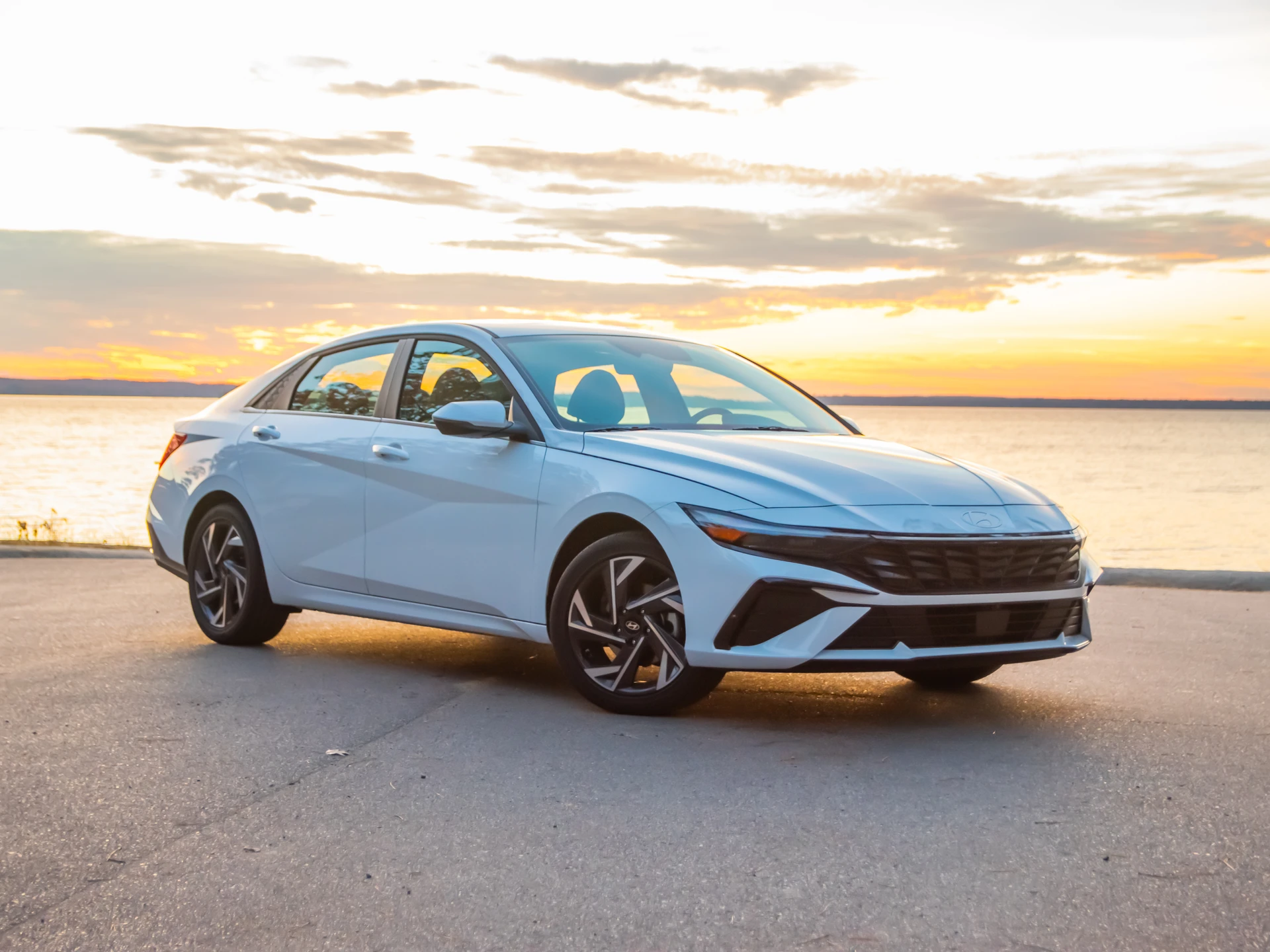
3. Hyundai Elantra Hybrid
The Hyundai Elantra Hybrid is one of the most underrated compact sedans on the market. At a time when many manufacturers are abandoning traditional sedans in favor of SUVs, Hyundai continues to refine the Elantra into an efficient, comfortable, and technology-rich commuter car.
The hybrid version takes these strengths further by offering outstanding fuel economy while maintaining affordability. For buyers seeking a practical daily driver with low operating costs, the Elantra Hybrid is an excellent option.
Fuel efficiency remains the headline feature of the Elantra Hybrid. The vehicle consistently delivers impressive mileage figures, making it ideal for commuters who spend significant time on highways or in urban traffic.
Unlike some hybrids that prioritize efficiency at the expense of driving enjoyment, the Elantra Hybrid feels responsive and composed during everyday driving. Its powertrain operates smoothly, and the transmission setup provides a more natural feel than continuously variable transmissions found in many rivals.
The interior also stands out for its thoughtful design. Hyundai created a driver-focused cabin with intuitive controls and modern technology integration. Higher trims include premium features such as digital instrument displays, heated seats, wireless charging, and advanced infotainment systems.
Even entry-level versions feel well-equipped compared to similarly priced competitors. The seats are comfortable for long drives, and passenger space is respectable for a compact sedan.
Reliability and ownership costs are additional strengths. Compared to some older Hyundai sedans known for engine troubles, the newer Elantra Hybrid has demonstrated stronger dependability.
Maintenance costs remain relatively low, and Hyundai’s long warranty coverage provides peace of mind for buyers planning long-term ownership. Insurance costs are often reasonable as well, adding to the sedan’s affordability.
Another important factor is value retention. While many compact sedans struggle with resale value, fuel-efficient hybrids continue attracting buyers in the used car market. The Elantra Hybrid’s blend of economy and modern features helps it maintain a stronger appeal over time.
Buyers who want a practical, efficient, and technologically advanced sedan without paying premium brand prices should strongly consider the Hyundai Elantra Hybrid.
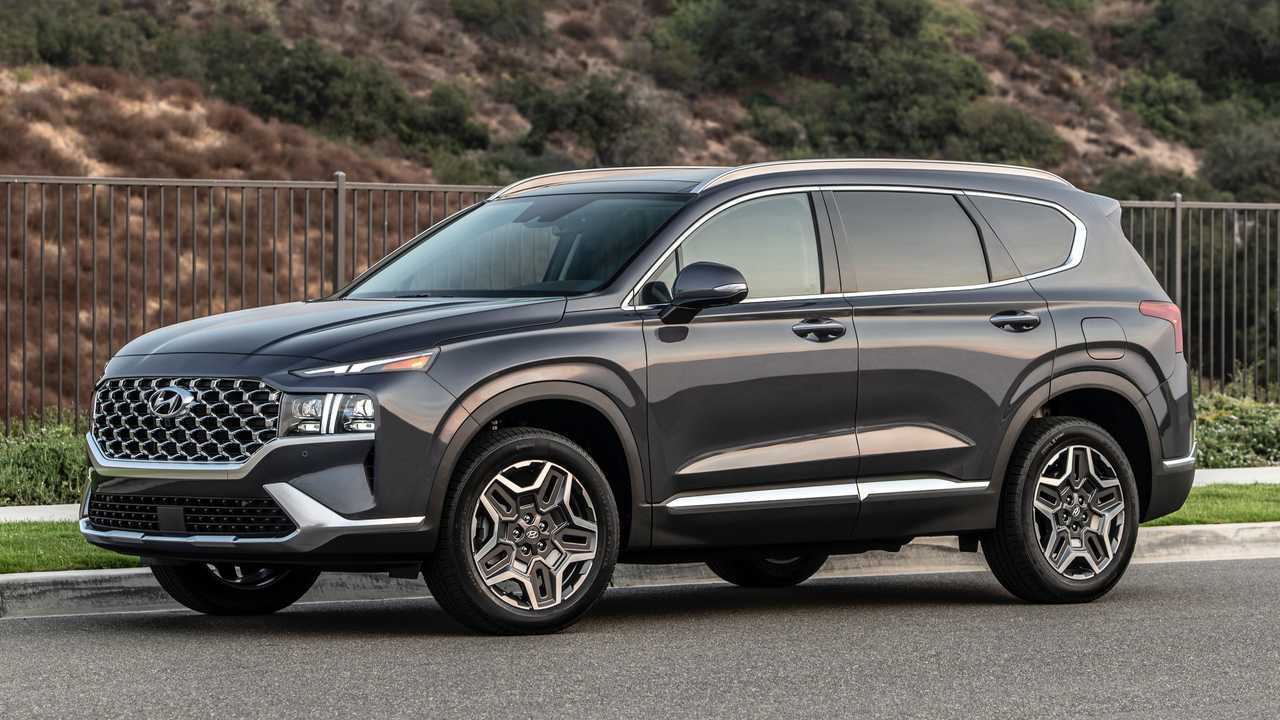
4. Hyundai Santa Fe
The Hyundai Santa Fe has been one of Hyundai’s most dependable and versatile SUVs for years. Positioned between the Tucson and Palisade, the Santa Fe appeals to buyers who want more space than a compact SUV without the bulk of a large three-row vehicle.
Hyundai continuously refined the Santa Fe through multiple generations, improving ride quality, safety technology, and interior refinement. The result is an SUV that offers broad appeal to families, commuters, and road trip enthusiasts alike.
Comfort is one of Santa Fe’s strongest qualities. The SUV provides supportive seating, a smooth suspension setup, and a quiet cabin that reduces road noise effectively.
Long drives feel relaxing rather than tiring, which is important for families and commuters. Hyundai also designed the cabin with practicality in mind, offering ample storage compartments and user-friendly controls. Higher trim levels introduce luxury-like touches that make the Santa Fe feel more upscale than many mainstream rivals.
Engine options in the Santa Fe generally provide a good balance between efficiency and performance. Buyers can choose between naturally aspirated engines, turbocharged options, and hybrid powertrains depending on their priorities. Unlike some competitors with overly aggressive transmissions or rough turbo setups, the Santa Fe tends to deliver smooth and predictable power delivery. This contributes to a more refined driving experience in everyday conditions.
Safety is another reason the Santa Fe remains highly regarded. Hyundai equipped the SUV with numerous driver assistance features, including blind spot monitoring, adaptive cruise control, lane centering assistance, and automatic emergency braking. These technologies help make daily driving safer and less stressful. Strong crash test ratings have also boosted the Santa Fe’s reputation among family buyers.
Long-term ownership satisfaction tends to be solid as well. While no vehicle is completely immune to maintenance needs, the Santa Fe has avoided many of the severe reliability controversies that affected some older Hyundai products.
It also offers strong value compared to similarly equipped competitors from more expensive brands. Buyers seeking a comfortable, practical, and feature-rich midsize SUV often find the Santa Fe difficult to beat at its price point.
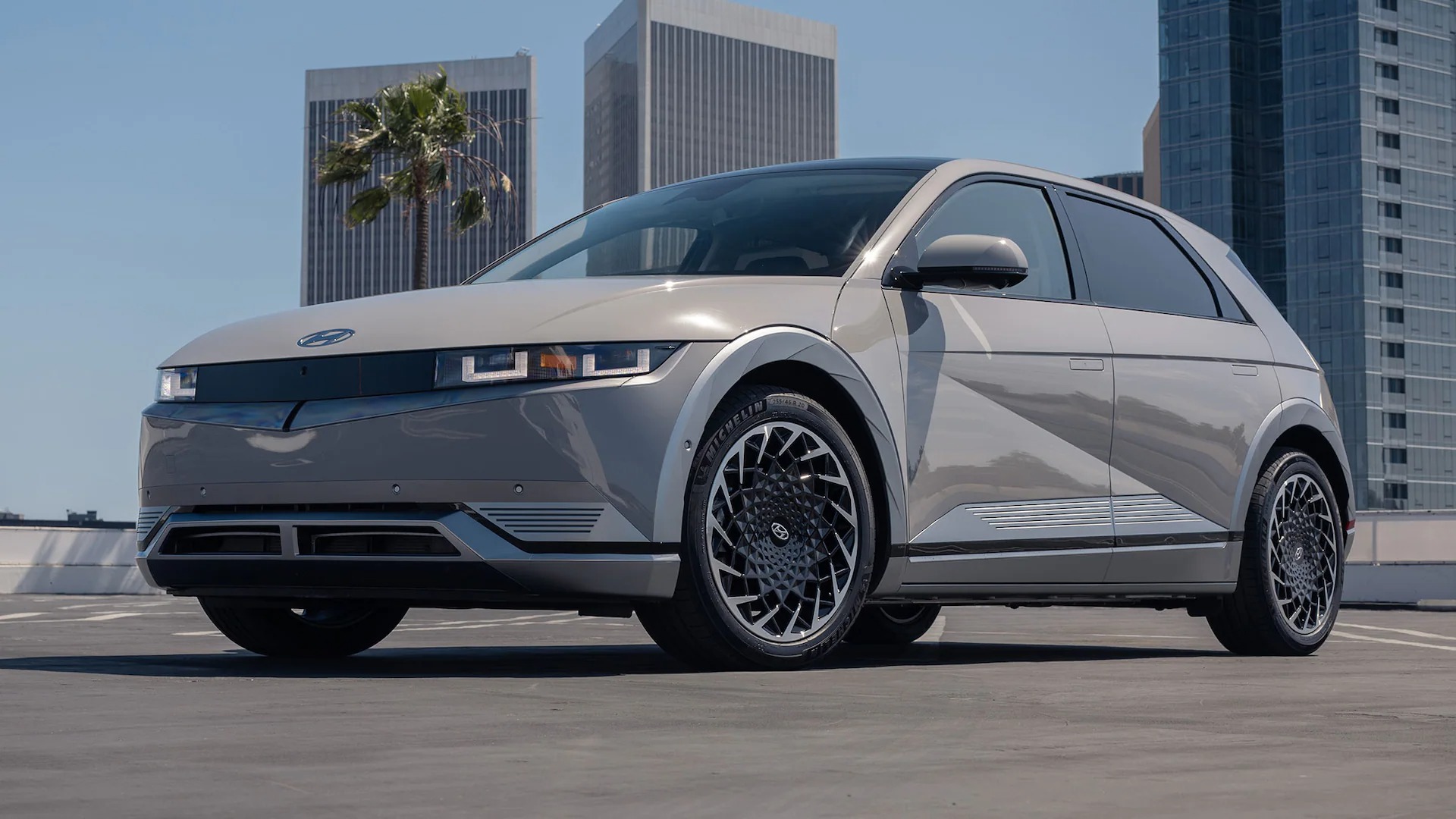
5. Hyundai Ioniq 5
The Hyundai Ioniq 5 represents Hyundai’s boldest leap into the electric vehicle market. Rather than creating a generic electric crossover, Hyundai designed the Ioniq 5 with futuristic styling, advanced technology, and practical usability. The vehicle has received widespread praise for combining innovation with everyday comfort.
As electric vehicles continue gaining popularity, the Ioniq 5 stands out as one of the strongest EV choices available from a mainstream manufacturer.
One of the most impressive aspects of the Ioniq 5 is its charging capability. Hyundai engineered the vehicle with fast charging technology that allows drivers to recharge quickly at compatible charging stations.
This significantly improves convenience during road trips and reduces one of the biggest concerns many buyers have about electric vehicles. Driving range is also competitive, making the Ioniq 5 practical for both city commuting and longer journeys.
Interior space is another major advantage. Thanks to its dedicated electric platform, the Ioniq 5 offers a spacious cabin with a flat floor design and flexible seating arrangements.
Performance is surprisingly strong as well. Electric motors provide instant torque, allowing the Ioniq 5 to accelerate quickly and smoothly. The vehicle remains quiet and refined even at highway speeds, contributing to a premium feel. Buyers can choose between Rear Wheel Drive and All Wheel Drive configurations depending on their driving needs and climate conditions.
Perhaps most importantly, the Ioniq 5 demonstrates Hyundai’s commitment to long-term innovation. Unlike some early electric vehicles that felt experimental, the Ioniq 5 feels polished and well-engineered.
Strong warranty coverage, competitive pricing, and advanced technology make it a compelling alternative to more expensive EV brands. For buyers ready to transition into electric driving, the Hyundai Ioniq 5 is one of the most attractive options in the market today.
Also Read: 10 Cars That Survive Being Used as Daily Uber Vehicles
Hyundai Models to Skip
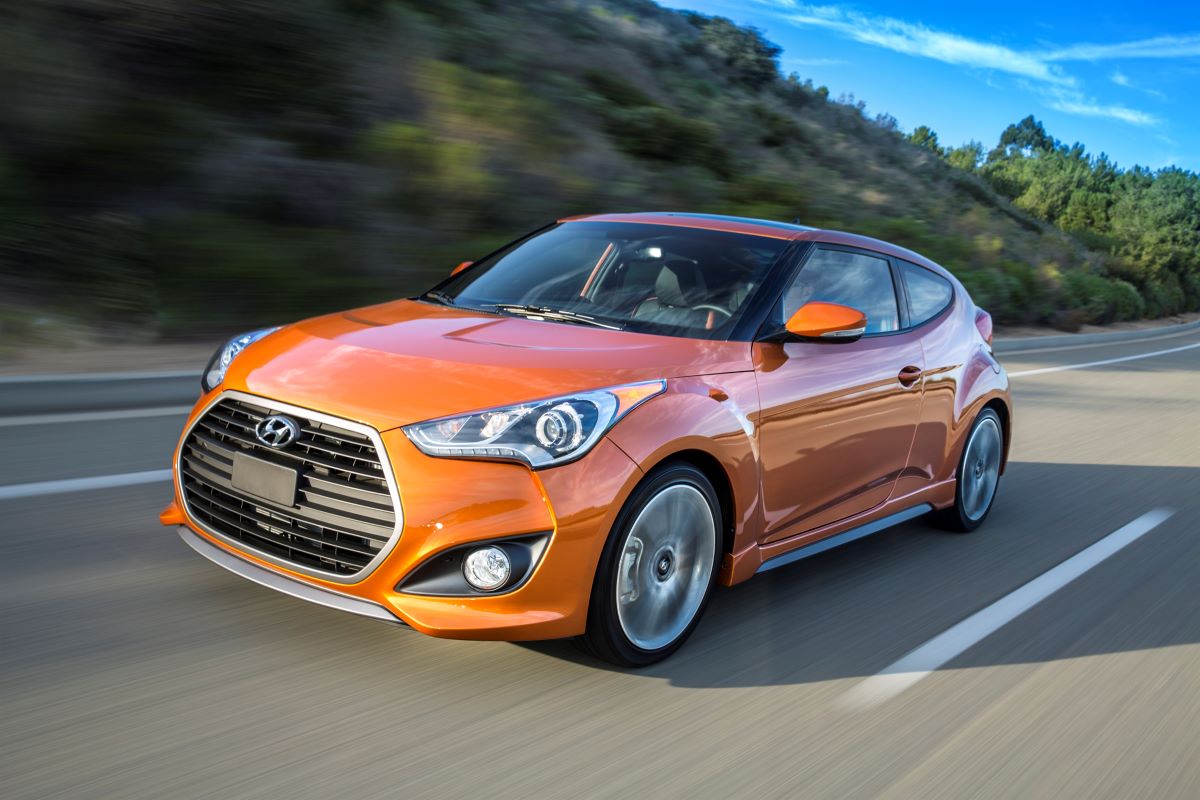
1. Hyundai Veloster
The Hyundai Veloster attracted buyers with its unusual three-door design and sporty appearance, but certain dual-clutch transmission models developed significant reliability concerns.
While the Veloster looked fun and youthful, many owners reported jerky shifting behavior, hesitation during acceleration, and premature transmission wear. These problems became particularly frustrating in stop-and-go traffic, where the transmission often struggled to operate smoothly.
One of the main issues involved the dual clutch transmission itself. Unlike traditional automatic transmissions that prioritize smoothness, dual clutch systems can feel abrupt at low speeds.
In the Veloster, this characteristic often became excessive, causing drivers to experience shuddering and inconsistent acceleration. Some owners required costly repairs or software updates to address transmission behavior. Buyers expecting a smooth daily driving experience were often disappointed.
Interior quality also became a critical point in some Veloster models. While the design looked sporty, certain cabin materials felt cheap compared to competitors in the compact hatchback segment.
Road noise levels could become tiring during long highway drives, and rear passenger access remained awkward because of the unconventional door configuration. Although the car targeted younger buyers seeking style, practicality suffered in several important ways.
Resale value is another concern. Because the Veloster appealed to a niche audience, the used market demand has not always remained strong.
Buyers looking for practical hatchbacks often preferred alternatives from Honda, Mazda, or Volkswagen. As a result, some Veloster owners experienced faster depreciation than expected. This weak resale performance further reduced the vehicle’s long-term value proposition.
While some enthusiasts enjoyed the Veloster’s distinctive styling and sporty character, the reliability concerns surrounding certain dual-clutch models make them difficult to recommend. Buyers seeking affordable sporty transportation are often better served by more proven alternatives with stronger long-term dependability and smoother driving characteristics.
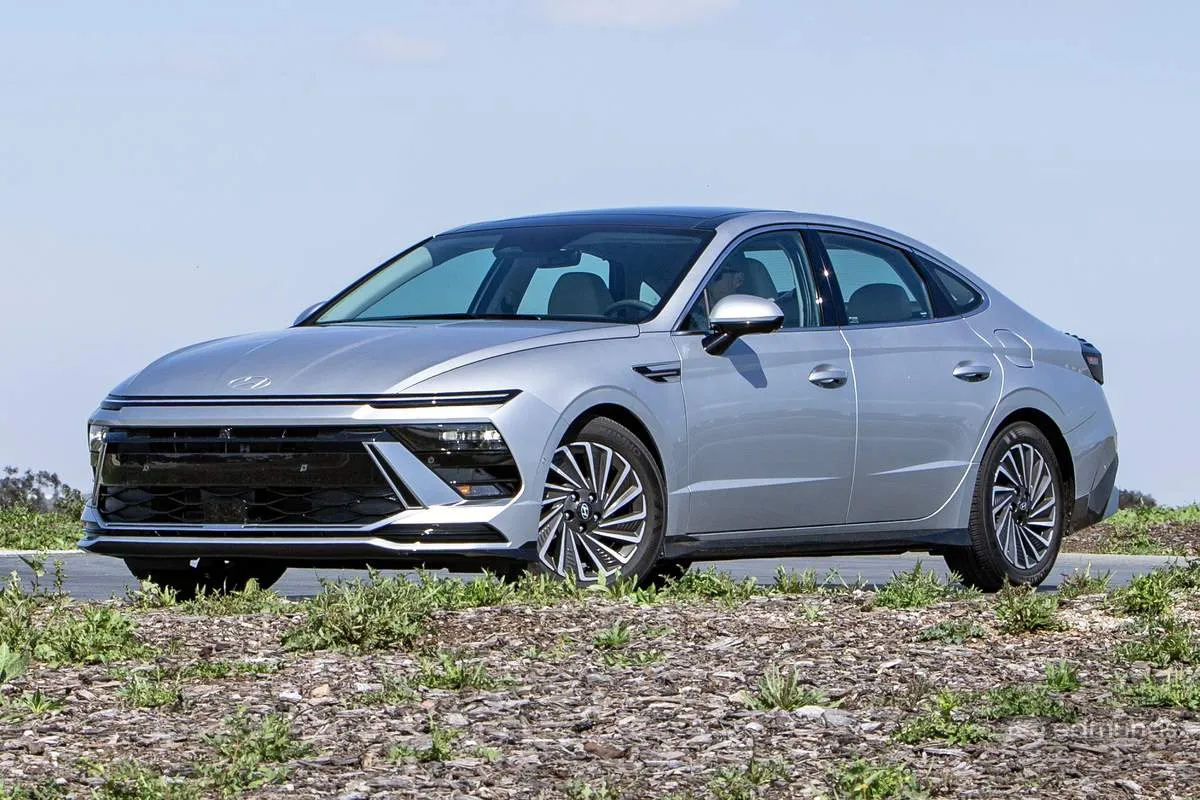
2. Hyundai Sonata
The Hyundai Sonata has been one of Hyundai’s best-selling sedans for years, but models equipped with the Theta II engine developed some of the company’s most notorious reliability problems.
Engine failures, excessive oil consumption, knocking sounds, and even fire-related recalls severely damaged the reputation of these vehicles. While not every Sonata experienced catastrophic problems, the risks associated with affected model years remain significant enough to warrant caution.
Many owners reported engine knocking symptoms long before complete engine failure occurred. In some cases, engines seized unexpectedly while driving, creating serious safety concerns.
Hyundai issued recalls and extended warranties for certain vehicles, but the widespread nature of the problem harmed consumer confidence. Buyers searching for used Sonatas from affected years should carefully verify recall completion and maintenance history before considering a purchase.
Another issue involved oil consumption. Some Theta II engines burned oil excessively between service intervals, forcing owners to add oil frequently to prevent damage. Drivers who neglected this issue sometimes experienced accelerated engine wear or complete engine failure. Repair costs could become extremely expensive once warranty coverage expires, making ownership financially stressful for many people.
Although the Sonata offered attractive styling and generous features for the price, these positives became overshadowed by mechanical concerns. Competing midsize sedans from Toyota and Honda generally delivered stronger reliability records and better long-term ownership satisfaction. Buyers prioritizing dependability often choose rival models instead of risking costly engine repairs.
The Sonata itself is not universally problematic because newer generations have improved substantially. However, used Sonata models equipped with the Theta II engine deserve careful scrutiny. Buyers who prioritize long-term reliability should either research very carefully or avoid these specific versions altogether in favor of newer Hyundai models or more proven alternatives.
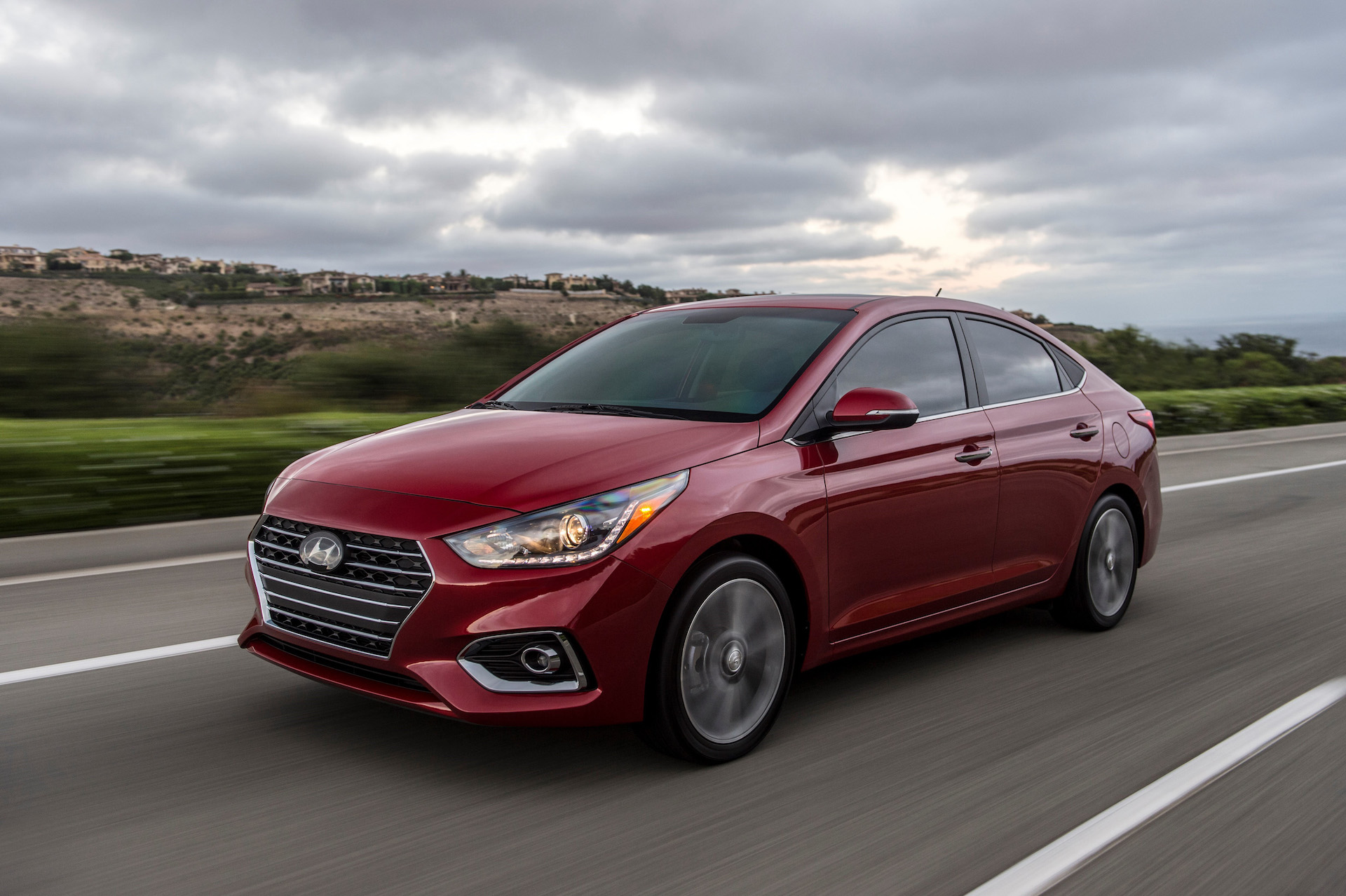
3. Hyundai Accent
The Hyundai Accent was designed as an affordable entry-level car, but its budget-focused nature created several compromises that make it difficult to recommend in today’s market.
While the Accent offered low purchase prices and decent fuel economy, it often lagged behind competitors in refinement, interior quality, and long-term value. Buyers seeking cheap transportation could find themselves sacrificing too much comfort and durability.
One major drawback was interior quality. Many Accent models used hard plastics and basic materials throughout the cabin, creating an experience that felt inexpensive even by economy car standards. Road and wind noise were often pronounced at highway speeds, making long trips less comfortable. Seating support also tended to be limited, especially for taller drivers or passengers spending extended time in the vehicle.
Performance was another weak area. The Accent’s small engine prioritized fuel efficiency over acceleration, resulting in sluggish performance during highway merging or uphill driving. While this may not matter to every buyer, competitors like the Honda Fit and Toyota Yaris often deliver more engaging driving experiences without sacrificing practicality. The Accent simply struggled to stand out in a crowded subcompact market.
Although the Accent fulfilled basic transportation needs, it rarely excelled in any category beyond affordability. In a segment where reliability, efficiency, practicality, and comfort all matter, stronger alternatives existed. Buyers looking for inexpensive transportation could often find better long-term value in competing compact cars with stronger reputations for durability and refinement.
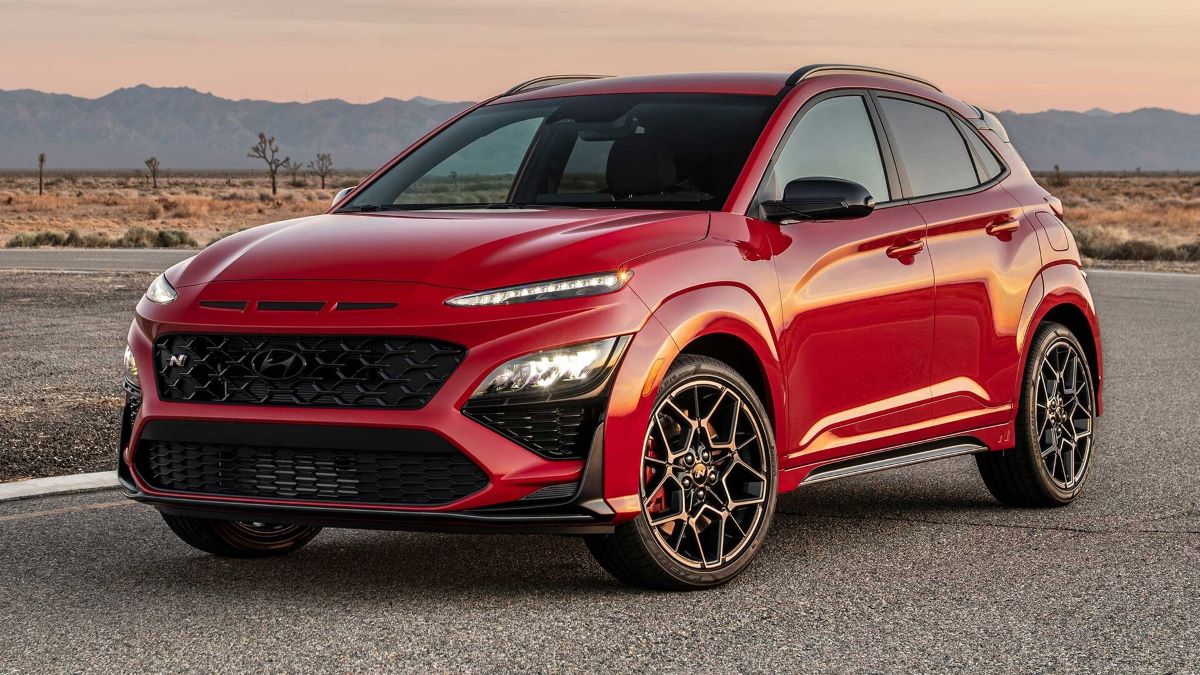
4. Hyundai Kona
The Hyundai Kona became popular thanks to its stylish design and compact dimensions, but early models equipped with certain transmission setups generated reliability concerns.
The transmission problems became especially noticeable during low-speed driving. Some drivers reported delays when accelerating from stops, while others complained about abrupt gear changes that made city driving unpleasant. Software updates improved performance in certain cases, but not all issues disappeared completely. These concerns created uncertainty about long-term durability and ownership costs.
Ride comfort also received mixed reviews. Although the Kona handled reasonably well for a small crossover, some versions featured firm suspension tuning that transmitted road imperfections into the cabin.
Another issue involved pricing. Higher trim Kona models approached the price territory of larger and more refined compact SUVs. Once equipped with optional features, the value advantage diminished considerably. Buyers could often find roomier alternatives with smoother drivetrains for similar money, reducing the Kona’s competitiveness in certain configurations.
The Kona is not entirely a bad vehicle because newer versions have improved significantly. However, early transmission-related complaints make specific model years less appealing for used car buyers. Anyone considering an older Kona should research reliability records carefully and prioritize well maintained examples with documented service histories.
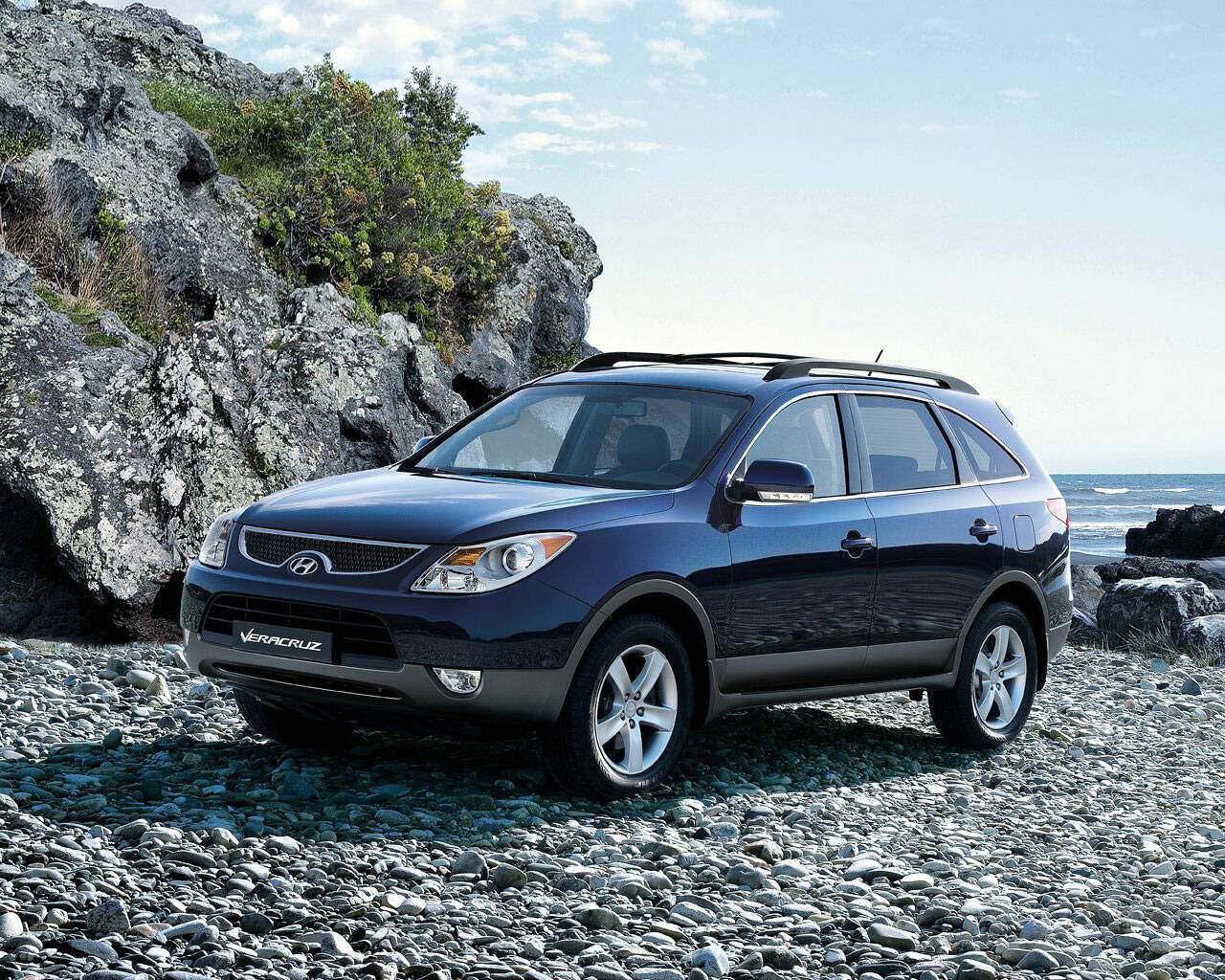
5. Hyundai Veracruz
The Hyundai Veracruz was Hyundai’s attempt to enter the midsize crossover market before the Palisade arrived, but the vehicle failed to achieve lasting success. While it offered decent interior space and comfortable seating, the Veracruz struggled with an aging design, mediocre fuel economy, and limited long-term appeal. Over time, it became overshadowed by more refined and reliable competitors.
One of the biggest problems with the Veracruz was timing. The vehicle arrived during a period when Hyundai was still developing its reputation for quality and refinement.
As a result, many buyers remained skeptical about spending significant money on a Hyundai crossover when more established alternatives from Toyota, Honda, and Ford were available. The Veracruz never achieved the same consumer confidence as later Hyundai SUVs.
Fuel economy also disappointed many owners. The Veracruz used a relatively large V6 engine that delivered acceptable performance but consumed more fuel than some rivals. As fuel prices increased, buyers increasingly preferred more efficient crossover options. The Veracruz’s operating costs, therefore, became less attractive over time.
Interior technology aged poorly as well. Compared to modern SUVs, the Veracruz lacks advanced safety systems, updated infotainment features, and premium cabin materials. This makes older examples feel noticeably outdated in today’s market. Repair parts availability can also become more challenging as the vehicle ages further.
