
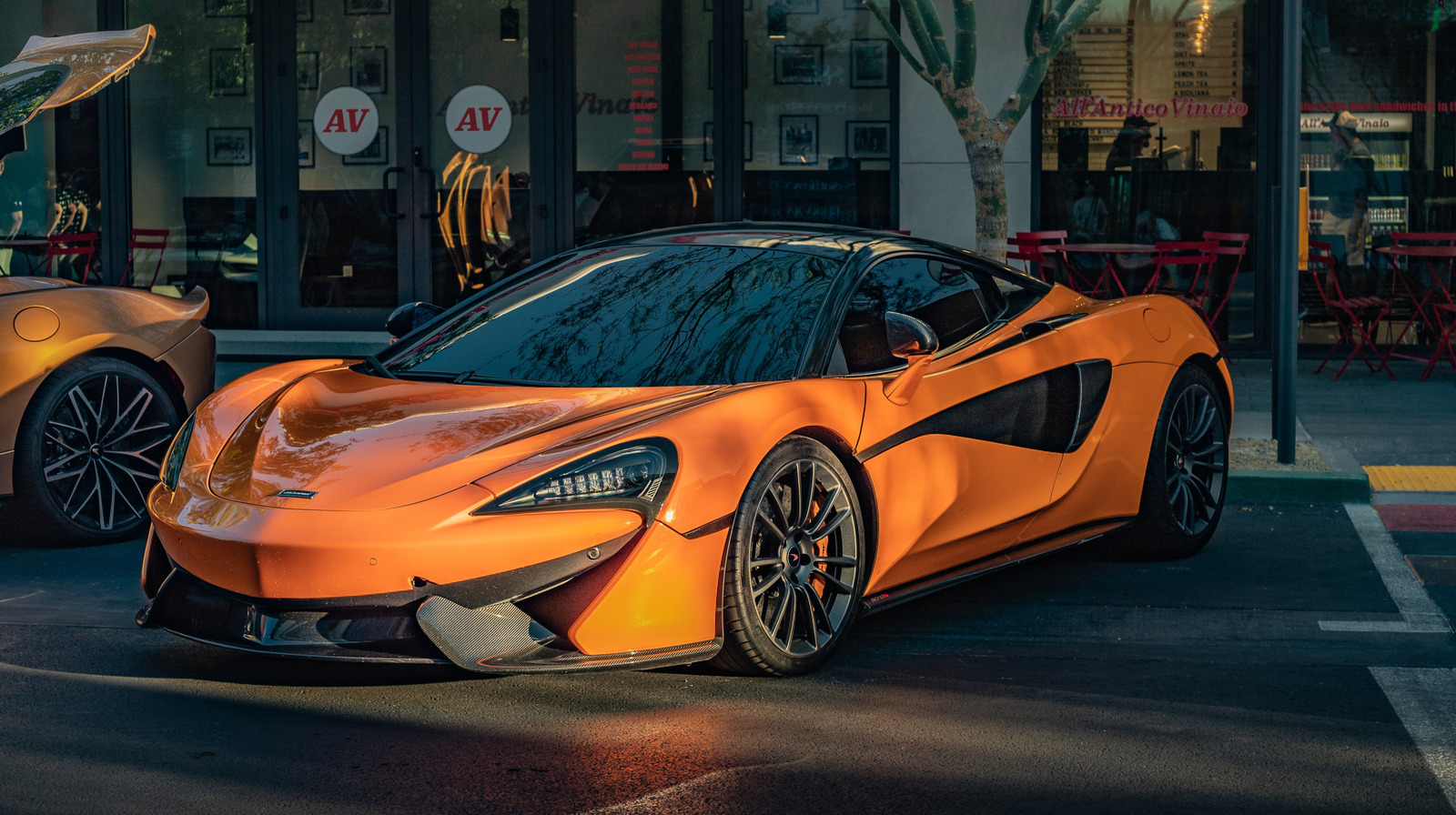
Sticker shock has a funny way of changing perspective. A brand-new Dodge Hellcat now sits at a price point that once belonged to exotic machinery most people only saw in magazines. That move opens an interesting door for buyers willing to think beyond showroom floors and into the pre-owned performance market.
Instead of a factory-fresh muscle car, that same budget can land something far more exotic in layout, design, and driving experience. Mid-engine supercars bring a very different flavor to performance driving. With the engine placed behind the driver and ahead of the rear axle, these cars deliver balance, sharper turn-in, and a sense of connection that front-engine layouts struggle to replicate.
Even at lower speeds, the way they respond to steering inputs feels precise and alive. For many enthusiasts, that alone is worth stepping away from conventional performance options. What makes this conversation even more interesting is how depreciation works.
Exotic cars often lose value quickly in their early years, which creates opportunities for buyers who are patient and informed. Models that once commanded six-figure price tags can now be found at or below the cost of a new Hellcat, sometimes with reasonable mileage and solid maintenance history.
This list highlights ten mid-engine machines that offer that experience without crossing into unrealistic pricing. Each one brings its own personality, strengths, and quirks. Some focus on raw driving feel, others lean into luxury, and a few deliver a balance of both. The common thread is simple: all of them give you supercar architecture for the price of a modern muscle icon.
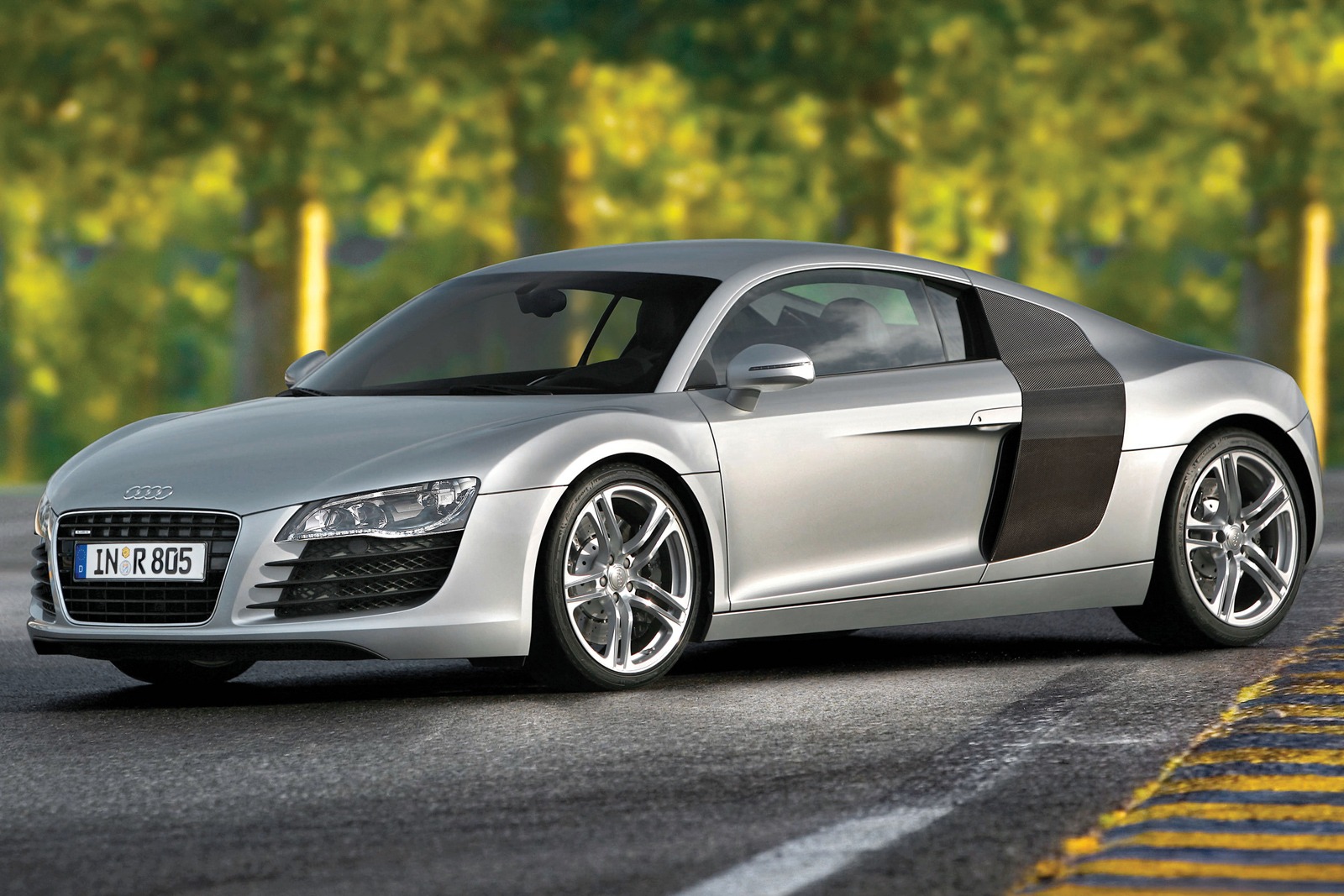
1. Audi R8 V8 Coupe (2008-2012)
- Engine: 4.2L naturally aspirated V8
- Horsepower: 420 hp
- Torque: 430 Nm
- Length: 4431 mm
- Width: 1904 mm
Precision meets usability in a way that few exotic cars manage to achieve. The Audi R8 V8 Coupe from its early production years offers a rare blend of supercar performance and daily comfort, which explains why it still attracts attention long after its debut.
Under the rear glass sits a 4.2-liter naturally aspirated V8 engine derived from Audi’s RS lineup. It produces around 420 horsepower, which may not sound extreme by modern standards, yet the delivery is smooth, linear, and satisfying.
Power builds steadily as revs climb, rewarding drivers who enjoy working through the gears rather than relying on brute force alone. Driving an R8 feels different from the moment you settle into the seat. Visibility is surprisingly good for a mid-engine car, and the cabin layout is clean without unnecessary distractions.
Controls are placed logically, making it easy to focus on the road rather than learning a complicated interface. That simplicity adds to the sense of control behind the wheel. Quattro all-wheel drive sets this car apart from many rivals. Instead of feeling nervous at the limit, the R8 maintains a strong grip and composure.
Corners can be approached with confidence, and the car responds predictably even when pushed harder than expected. That characteristic makes it approachable for drivers stepping into a mid-engine platform for the first time. Build quality remains a strong point. Audi’s attention to materials and assembly shows in how these cars age. Interior surfaces hold up well, and mechanical reliability has proven better than many competitors in the same category.
Routine maintenance is still necessary, though the ownership experience tends to be less stressful compared to some Italian alternatives. Depreciation works in favor of buyers here. Early R8 V8 models can often be found within Hellcat pricing territory, especially examples with higher mileage.
For that money, you are getting a car that still feels special every time it starts up. Styling also deserves mention. Clean lines, wide stance, and the iconic side blade design give the R8 a timeless presence. It does not rely on exaggerated shapes to stand out. Instead, it carries a refined look that ages gracefully.
Choosing this car means accepting modest power figures by today’s standards, yet the complete package still delivers excitement. Balance, usability, and design combine to create something that feels genuinely rewarding in everyday driving situations.
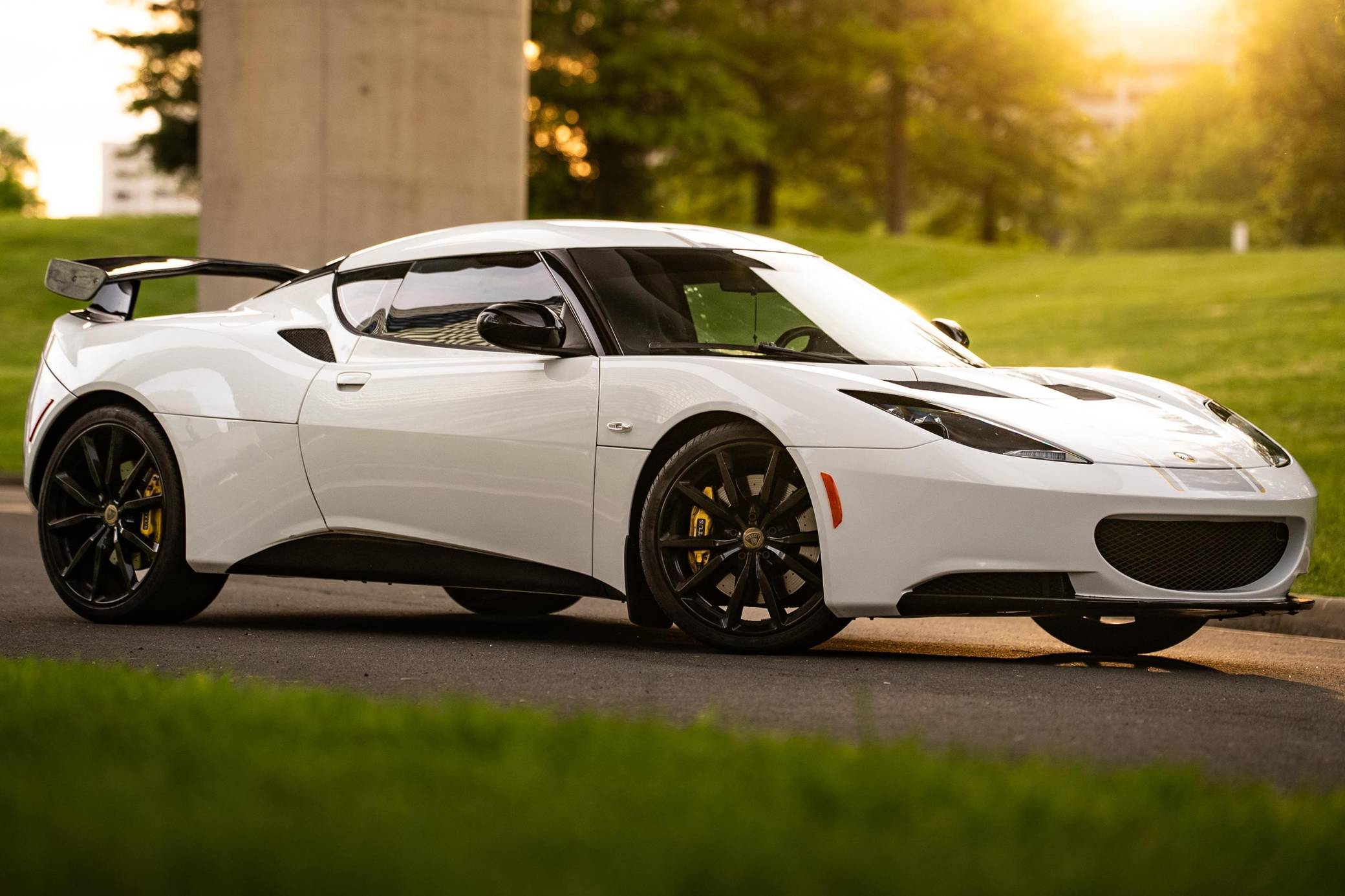
2. Lotus Evora S (2011-2014)
- Engine: 3.5L supercharged V6
- Horsepower: 345 hp
- Torque: 400 Nm
- Length: 4350 mm
- Width: 1972 mm
Lightweight philosophy takes center stage with the Lotus Evora S. Instead of chasing massive horsepower numbers, this car focuses on the connection between driver and machine, creating an experience that feels pure and engaging.
Power comes from a supercharged 3.5-liter V6 sourced from Toyota. Output sits around 345 horsepower, which works perfectly given the car’s low weight. Acceleration feels immediate, and throttle response remains sharp across the rev range. There is no sense of delay or hesitation when pressing the pedal.
Handling defines the Evora S. Steering feedback is among the best in any modern performance car, providing clear information about grip levels and road texture. Each input produces a direct reaction, making the car feel like an extension of the driver rather than a separate machine.
Ride quality surprises many first-time drivers. Despite its performance focus, the Evora manages to absorb bumps without becoming uncomfortable. Suspension tuning strikes a careful balance between control and compliance, which allows longer drives without fatigue.
Interior design leans toward simplicity. Materials may not match luxury brands, though the layout prioritizes function over appearance. Seats provide strong support during spirited driving, and the driving position encourages focus.
Weight reduction plays a major role in how the car behaves. Without excessive mass to manage, braking distances shorten and cornering becomes more precise. This approach creates a driving experience that feels alive even at moderate speeds.
Ownership requires a certain mindset. Lotus vehicles often demand attention to maintenance and may not offer the same level of dealer support as larger brands. Buyers willing to accept that trade-off gain access to one of the most engaging platforms available.
Pricing places the Evora S firmly within reach of buyers considering a new muscle car. That fact alone makes it appealing. Instead of straight-line performance, you gain a machine built around balance and communication.
Styling reflects Lotus heritage with clean lines and compact proportions. It avoids unnecessary aggression, focusing instead on aerodynamic efficiency and purposeful design. Driving the Evora S is less about numbers and more about feeling.
Each journey becomes memorable because of how the car interacts with the road. For enthusiasts seeking that connection, few options deliver at this price point.
Also Read: 10 Rarest Japanese Supercars
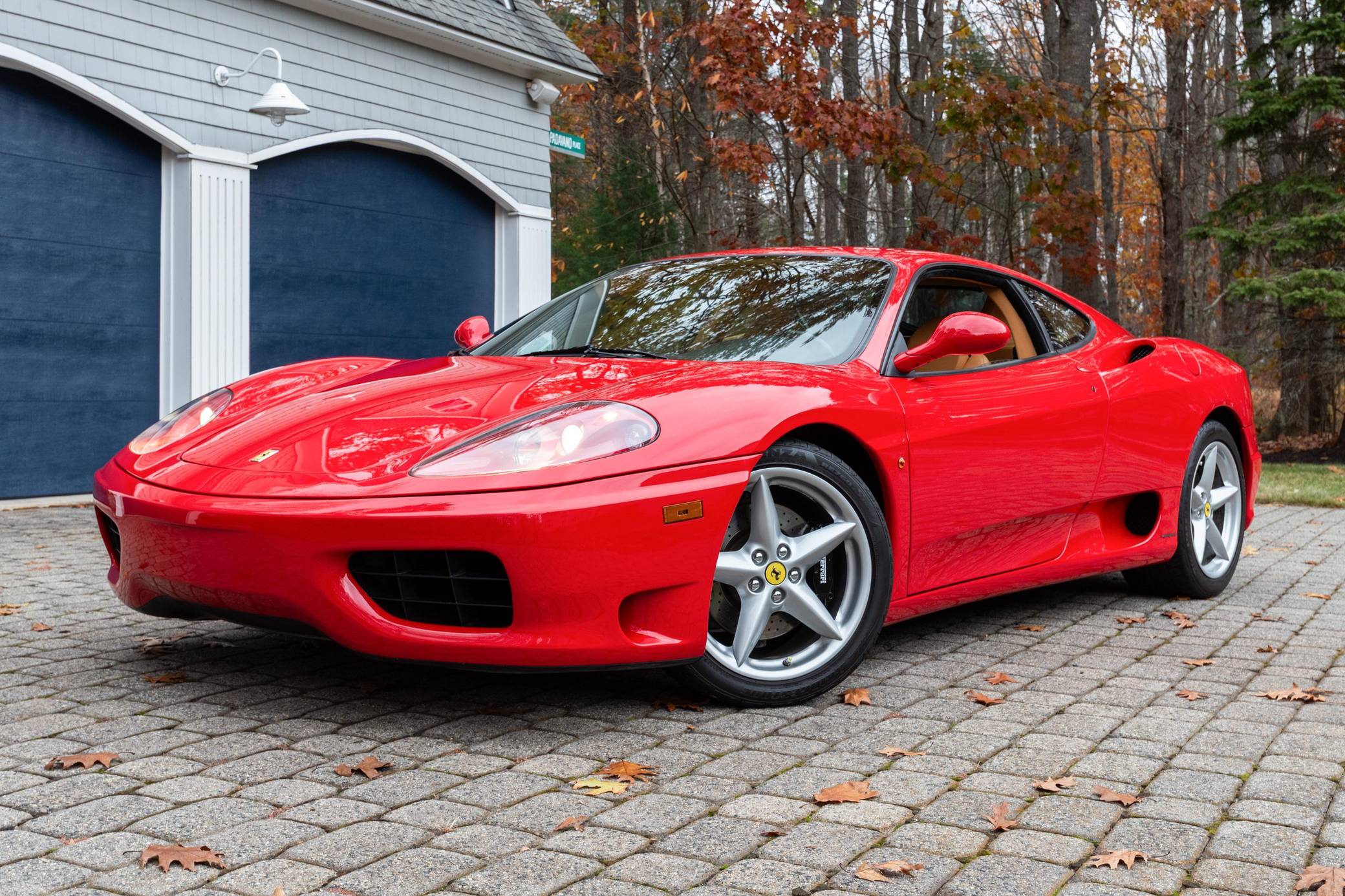
3. Ferrari 360 Modena (1999-2005)
- Engine: 3.6L naturally aspirated V8
- Horsepower: 400 hp
- Torque: 373 Nm
- Length: 4477 mm
- Width: 1922 mm
Owning a Ferrari once required a much higher financial commitment than it does today. The 360 Modena stands as one of the most accessible ways to enter that world, offering classic Italian character in a mid-engine package. A 3.6-liter V8 engine produces around 400 horsepower and revs with a distinctive sound that defines the driving experience.
Unlike turbocharged engines, this unit thrives on higher revs, encouraging drivers to push it toward redline. Design plays a major role in the car’s appeal. Curved body panels, low stance, and signature Ferrari proportions create a presence that still turns heads.
This model marked a transition toward more modern styling while maintaining traditional cues. Driving dynamics reflect Ferrari’s focus on performance. Steering feels responsive, and the chassis communicates clearly. The car rewards smooth inputs, allowing drivers to build confidence as they become familiar with its behavior.
Transmission options include both manual and automated variants. Manual versions attract strong demand due to their involvement and rarity. The gated shifter delivers a tactile experience that many enthusiasts consider irreplaceable. Maintenance represents an important consideration.
Ferrari ownership requires commitment to proper servicing, and costs can exceed those of other cars on this list. Buyers who budget accordingly often find the experience worthwhile. Interior design emphasizes driver focus. Controls are straightforward, and visibility is better than expected. While materials show their age in some examples, the layout remains functional. Depreciation has brought the 360 Modena into a more accessible range.
Clean examples can be found near the price of a new Hellcat, making it one of the most recognizable names available at this level. Sound remains one of its strongest qualities. Few cars deliver the same level of auditory excitement, especially at higher engine speeds.
That alone adds emotional value beyond raw performance numbers. Choosing this car means accepting higher maintenance costs, yet the reward comes in the form of a genuine Ferrari driving experience. Few alternatives provide the same sense of occasion every time the engine starts.
4. Acura NSX (1991-2001)
- Engine: 3.0L-3.2L naturally aspirated V6
- Horsepower: 270-290 hp
- Torque: 285-305 Nm
- Length: 4430 mm
- Width: 1810 mm
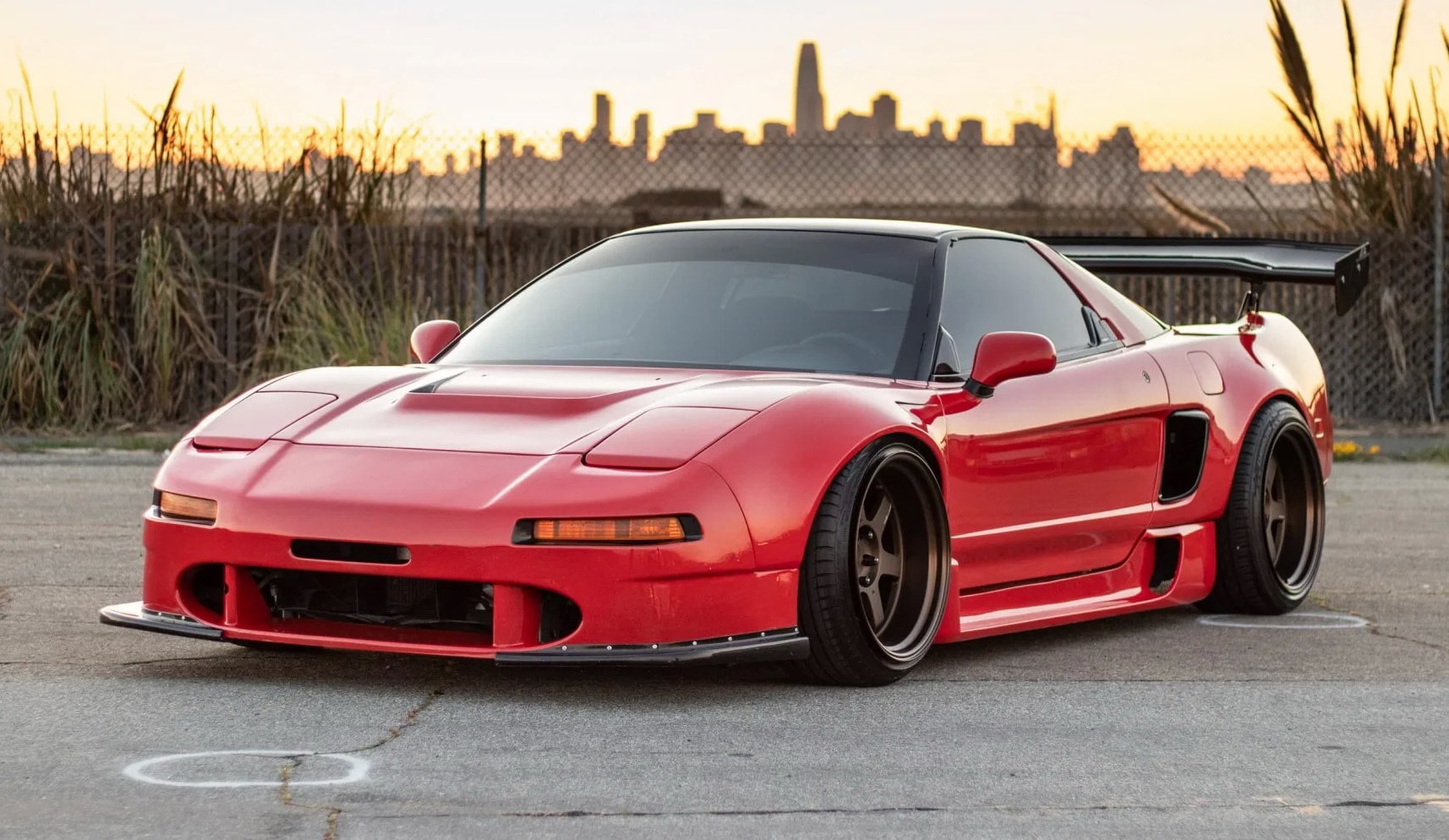
Reliability meets exotic design in the Acura NSX. Developed with input from racing legend Ayrton Senna, this car changed how people viewed supercars by proving they could be both exciting and dependable.
Power comes from a naturally aspirated V6 engine producing around 270 to 290 horsepower, depending on the model year. Numbers may appear modest, yet the lightweight aluminum construction allows the car to perform effectively.
Driving feels stands out immediately. Steering is precise, and the chassis responds predictably. Instead of overwhelming drivers, the NSX encourages confidence through its balanced nature. Build quality remains impressive even decades after production ended.
Honda’s engineering approach ensures that many examples continue to run smoothly with proper care. This reliability factor sets it apart from many rivals. Interior comfort exceeds expectations for a car of its era. Seats provide support without sacrificing comfort, and controls are easy to understand. Visibility also ranks highly, making the car easier to drive in daily conditions.
Styling reflects early 1990s design, yet it still carries a clean and purposeful appearance. Pop-up headlights add character, while the low stance reinforces its performance intent. Ownership costs tend to be more manageable compared to European alternatives. Parts availability and service expertise contribute to a less stressful experience.
Driving an NSX feels approachable. It does not demand constant attention or punish mistakes harshly. That quality makes it suitable for drivers new to mid-engine layouts. Pricing varies depending on condition and mileage, though many examples remain within reach of buyers considering modern performance cars.
Clean, well-maintained units command higher values due to their reputation. This car represents a different approach to performance. Instead of chasing extreme figures, it focuses on balance, usability, and reliability. For many enthusiasts, that combination holds lasting appeal.
5. Porsche Cayman S (987.2, 2009-2012)
- Engine: 3.4L flat-6
- Horsepower: 320 hp
- Torque: 370 Nm
- Length: 4347 mm
- Width: 1801 mm
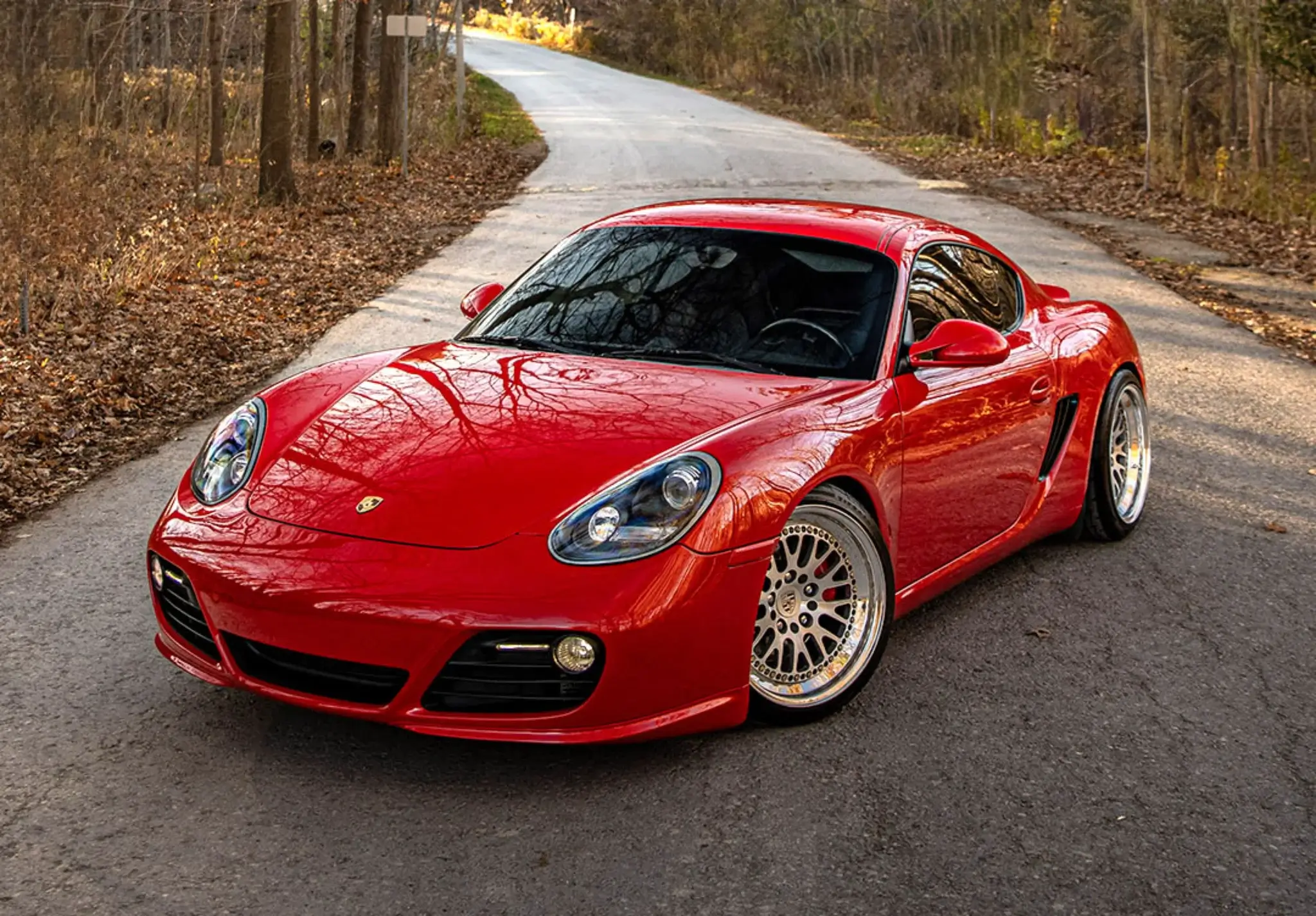
Precision engineering defines the Porsche Cayman S from the 987.2 generation. Built with a focus on driving dynamics, this car delivers one of the most balanced experiences available at its price point. A 3.4-liter flat-six engine produces around 320 horsepower and delivers power smoothly across the rev range.
The sound carries a distinct tone that builds as speed increases, adding character to each drive. Handling remains the standout feature. Mid-engine placement provides excellent weight distribution, allowing the car to corner with confidence.
Steering input translates directly into movement, creating a strong connection between driver and road. Transmission options include manual and PDK dual-clutch systems. Both provide satisfying performance, though manual versions appeal to drivers seeking a more involved experience.
Interior quality reflects Porsche standards. Materials feel solid, and the layout prioritizes functionality. Controls are intuitive, reducing distraction during driving. Ride comfort strikes a balance between firmness and usability. Suspension tuning allows the car to handle daily driving without becoming harsh, while still maintaining strong performance capabilities.
Reliability improved in this generation due to updated engine components. Buyers often seek the 987.2 specifically because of these improvements, making it a desirable option. Styling remains clean and timeless. Proportions are well balanced, and the design avoids unnecessary elements. This simplicity helps the car age gracefully.
Ownership costs sit lower than many exotic alternatives. Routine maintenance remains important, though expenses tend to be more predictable. Pricing places the Cayman S comfortably below the cost of a new Hellcat in many cases. That value makes it an attractive choice for buyers seeking a refined driving experience.
Driving this car feels controlled and engaging without becoming overwhelming. It offers a level of precision that builds confidence, making it suitable for both spirited drives and everyday use.
6. Chevrolet Corvette C8 Stingray (2020-2022)
- Engine: 6.2L naturally aspirated V8
- Horsepower: 495 hp
- Torque: 637 Nm
- Length: 4630 mm
- Width: 1934 mm
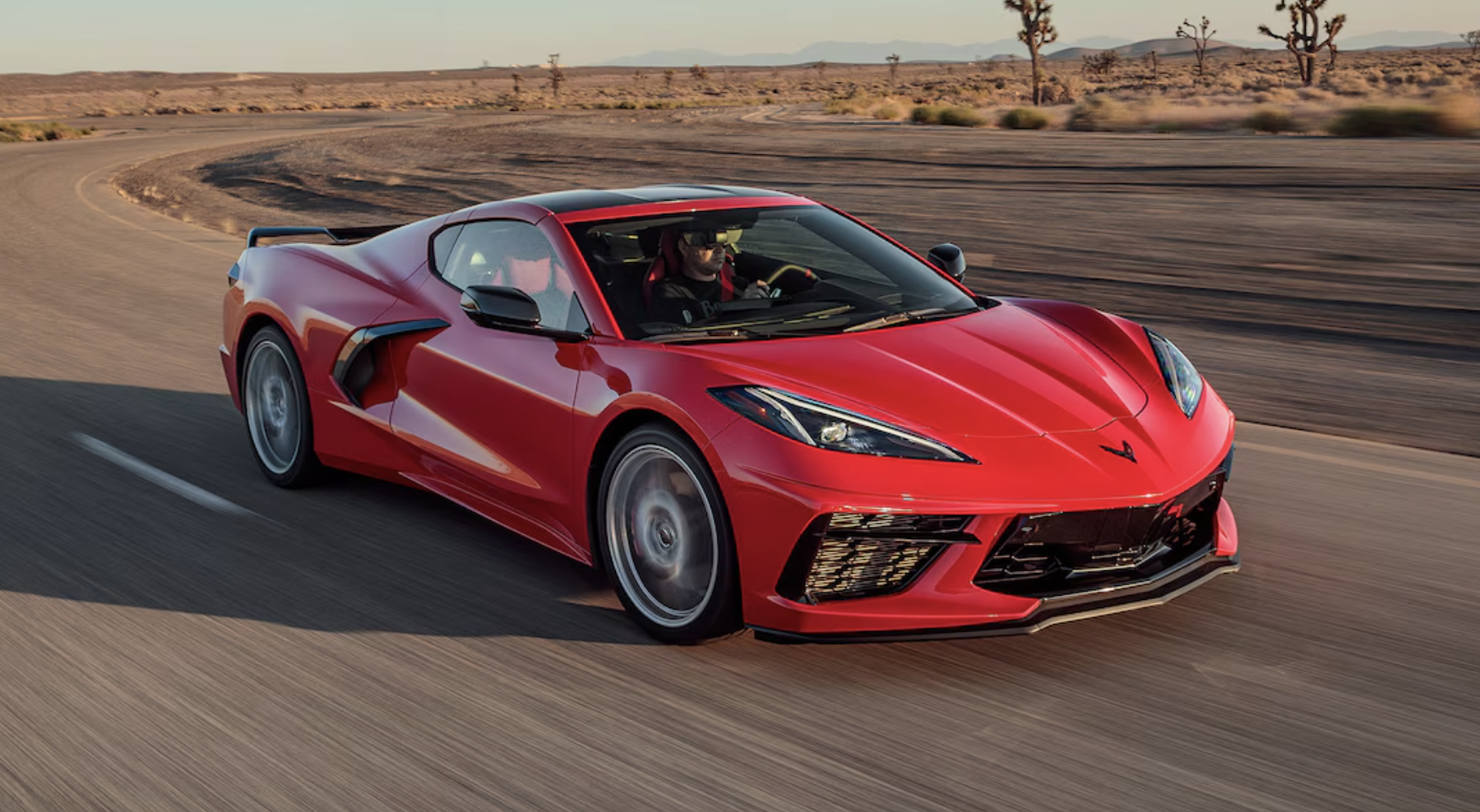
A major turning point arrived when Chevrolet moved the Corvette to a mid-engine layout with the C8 Stingray. That decision transformed the car from a traditional front-engine sports machine into something that directly challenges established exotics, all while staying within a reachable price bracket.
Power comes from a naturally aspirated 6.2-liter V8 producing 495 horsepower when equipped with the performance exhaust. Acceleration feels immediate, with strong low-end torque pushing the car forward effortlessly.
Unlike smaller turbocharged engines, this V8 delivers a broad and satisfying power band that does not require constant high revs to feel exciting. Driving dynamics represent the biggest change. Placing the engine behind the driver improves balance, allowing sharper turn-in and better traction when exiting corners.
The car feels planted, especially during aggressive driving, and confidence builds quickly as speed increases. This is not a Corvette that demands caution at every corner entry. Interior design moves closer to luxury territory than previous generations.
Materials feel more refined, and the driver-focused layout places controls within easy reach. The long row of climate buttons along the center divider may look unusual at first, though it becomes intuitive after some time behind the wheel.
Technology adds another layer of appeal. Digital displays provide clear information, while driving modes allow customization of throttle response, suspension behavior, and steering feel. This adaptability makes the car suitable for both relaxed cruising and spirited driving sessions.
Practicality remains surprisingly strong for a supercar-style machine. Storage areas in both the front and rear provide usable space for luggage, making longer trips possible without compromise. Daily driving becomes realistic rather than theoretical.
Reliability expectations are higher than those of many exotic competitors due to Chevrolet’s broader service network. Maintenance costs also remain more manageable, which reduces long-term ownership stress. Styling brings sharp lines and aggressive proportions that reflect its new layout.
Wide stance, low roofline, and angular bodywork create a presence that rivals cars costing far more. Attention follows wherever it goes. Pricing places early C8 models right around Hellcat territory, especially used examples with moderate mileage. That makes it one of the most compelling options for buyers wanting modern performance with exotic architecture.
Choosing the C8 Stingray means stepping into a new chapter for American performance cars. It delivers serious capability without abandoning usability, making it a strong contender in this category.
7. Lamborghini Gallardo Coupe (2004-2008)
- Engine: 5.0L V10
- Horsepower: 500 hp
- Torque: 510 Nm
- Length: 4300 mm
- Width: 1900 mm
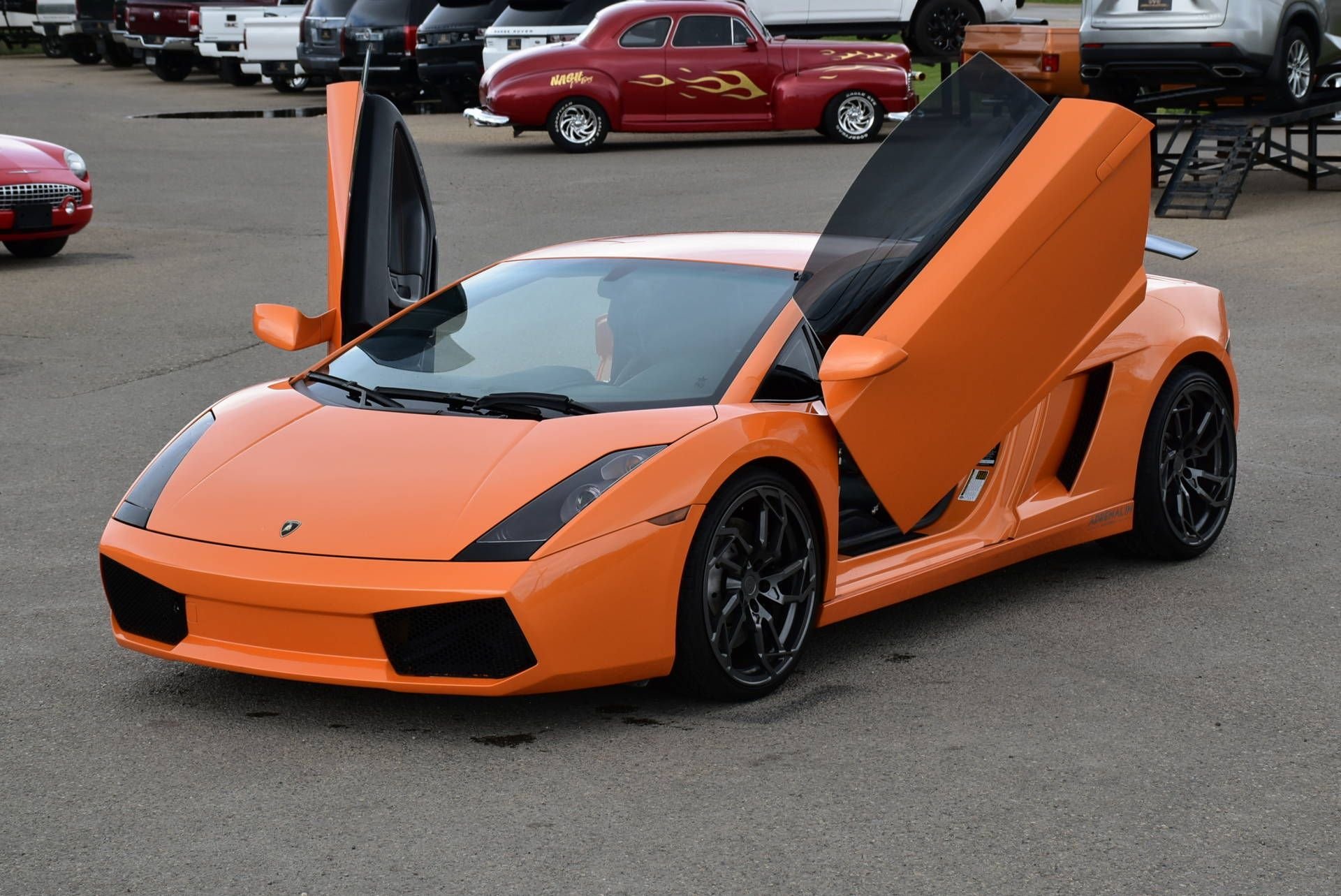
Drama defines the Lamborghini Gallardo Coupe from its early production years. This car brings sharp styling, high-revving power, and a sense of occasion that few vehicles can replicate, especially at its current market value.
A 5.0-liter V10 engine produces around 500 horsepower and delivers one of the most distinctive exhaust notes available. The sound builds as revs climb, creating an experience that feels theatrical every time the throttle is pressed. This engine encourages spirited driving in a way that feels natural rather than forced.
Exterior design reflects Lamborghini’s bold approach. Angular lines, low stance, and wide proportions give the Gallardo an unmistakable presence. It looks aggressive even when parked, and that visual impact remains one of its strongest attributes.
Driving the Gallardo feels intense compared to more refined alternatives. Steering requires attention, and the car responds quickly to driver inputs. It rewards confidence while reminding the driver that it demands respect. All-wheel drive provides added traction, helping manage the V10’s power output. This system improves stability during acceleration and cornering, making the car more approachable than earlier rear-wheel-drive exotics.
Interior quality varies depending on condition, though the layout remains straightforward. Controls focus on driving rather than luxury, and materials reflect the era in which the car was built. Transmission options include a gated manual and an automated manual system.
Manual versions attract strong interest due to their engagement and rarity. Each gear change becomes part of the experience rather than a simple action. Ownership requires planning. Maintenance costs can be high, and proper servicing is essential to keep the car in good condition.
Buyers willing to invest in upkeep often find the experience worthwhile. Depreciation has brought early Gallardo models into a more accessible price range. Clean examples can fall within Hellcat pricing, especially those with higher mileage.
Driving this car feels like stepping into a different category of performance. Sound, design, and presence combine to create something that leaves a lasting impression long after the engine shuts off.
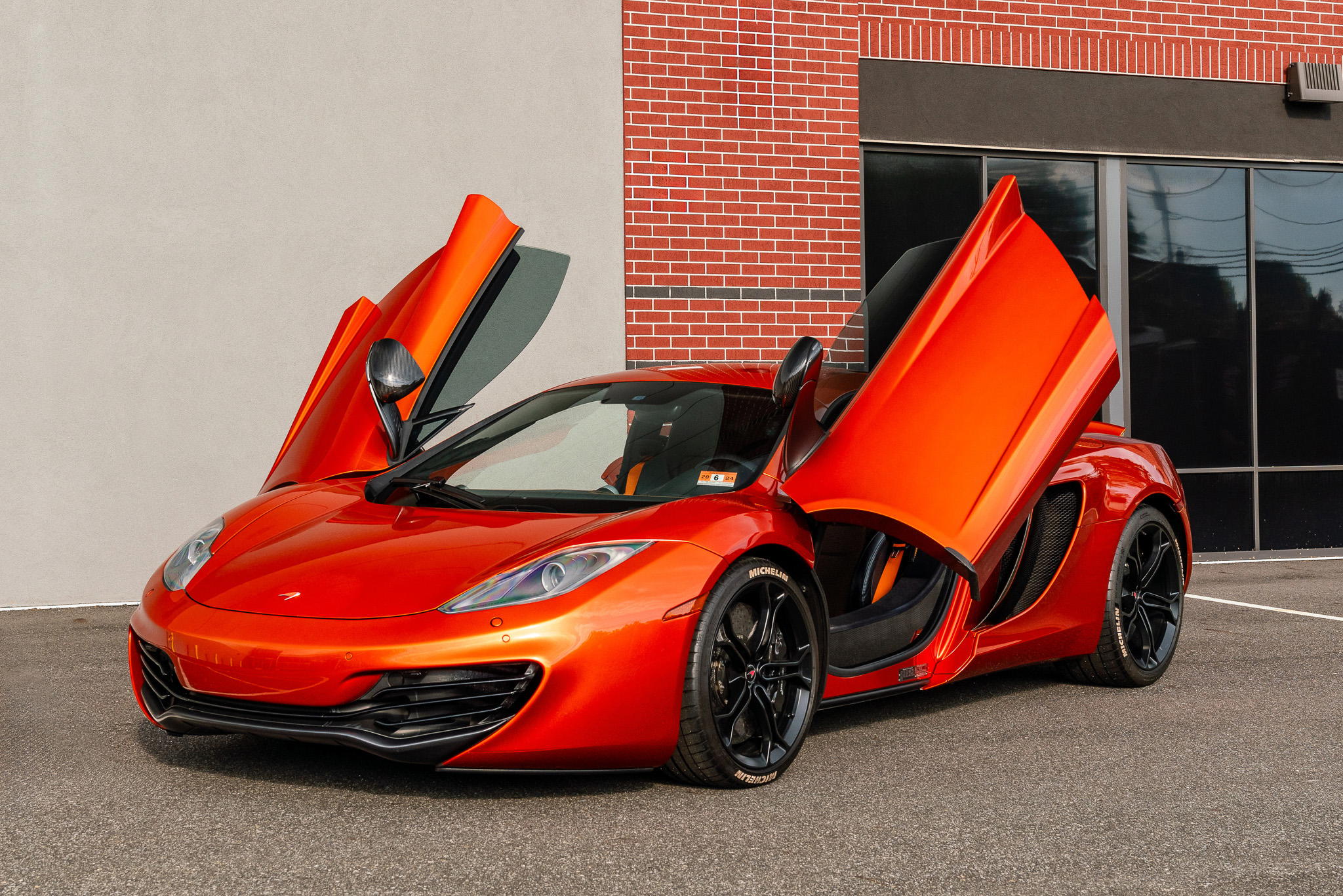
8. McLaren MP4-12C (2012-2014)
- Engine: 3.8L twin-turbo V8
- Horsepower: 592 hp
- Torque: 600 Nm
- Length: 4509 mm
- Width: 1908 mm
Innovation defines the McLaren MP4-12C. When it arrived, it introduced advanced engineering concepts that changed expectations for modern supercars, and today it sits within reach of buyers considering far more conventional options.
A twin-turbocharged 3.8-liter V8 engine produces around 592 horsepower, delivering strong acceleration across the rev range. Turbocharging provides immediate thrust, and the car reaches high speeds with minimal effort. Power delivery feels controlled rather than overwhelming.
Chassis construction sets this car apart. The carbon fiber tub provides strength while keeping weight low. This design improves handling and safety, creating a platform that responds quickly to driver inputs. Suspension technology plays a major role in how the car behaves.
Hydraulic systems replace traditional anti-roll bars, allowing the car to remain composed during cornering while maintaining ride comfort. This approach creates a balance that few competitors achieve. Interior design leans toward minimalism.
Controls are simple, and the focus remains on driving rather than unnecessary features. Visibility is better than expected, which helps build confidence behind the wheel. Driving experience feels refined. Steering remains precise, and the car maintains stability even at higher speeds.
It does not feel intimidating, which makes it easier to enjoy in various driving conditions. Reliability concerns have been discussed among owners, though many issues relate to early production examples. Proper maintenance and updated components help address these concerns.
Styling reflects McLaren’s design language with smooth surfaces and aerodynamic shaping. The car avoids excessive decoration, focusing instead on performance-driven form. Pricing places the MP4-12C within reach of buyers looking at new performance cars. Depreciation has worked heavily in favor of those entering the market today.
Owning this car provides access to advanced engineering without the original price tag. It offers a blend of speed, control, and innovation that continues to feel modern.
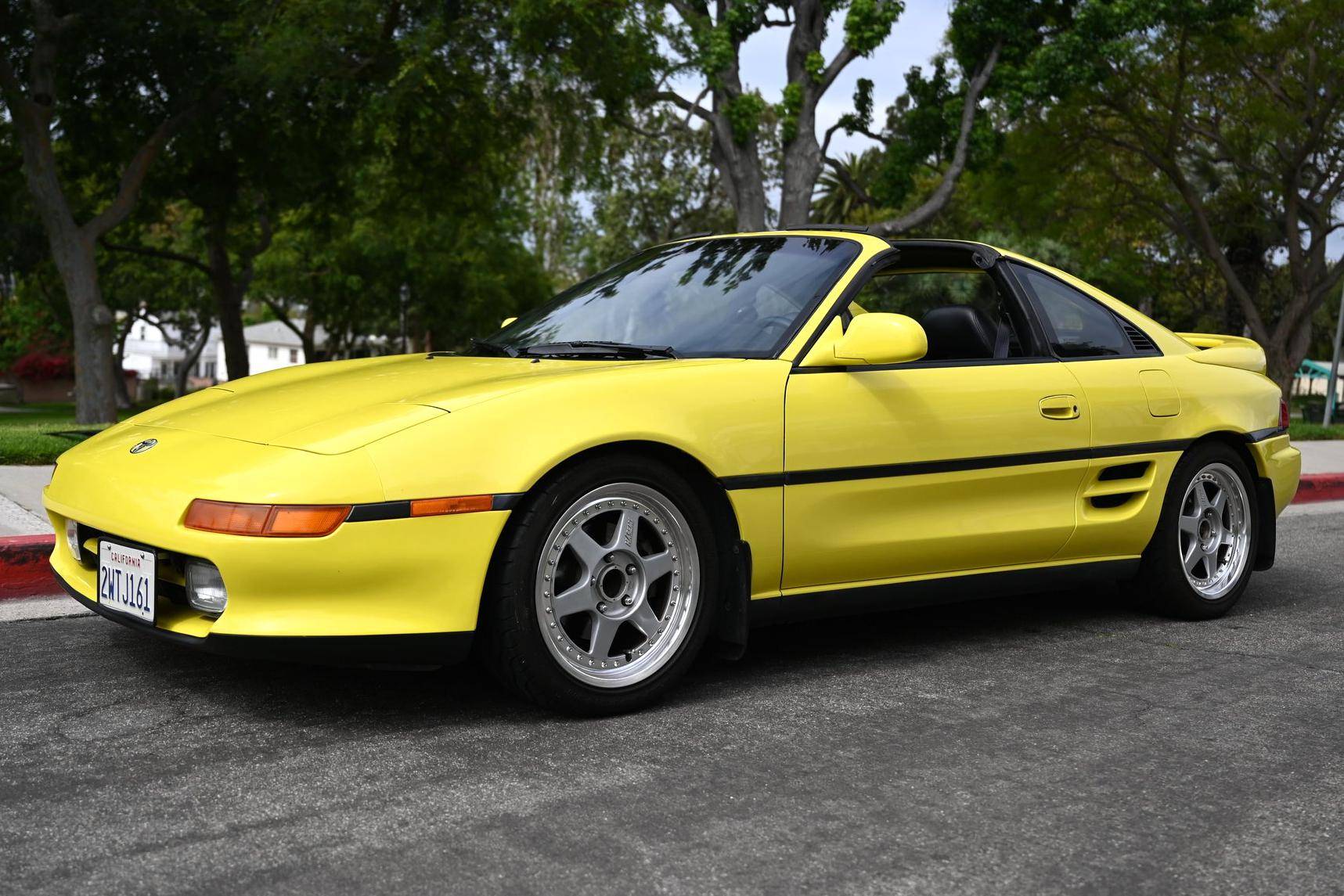
9. Toyota MR2 Turbo (SW20, 1991-1995)
- Engine: 2.0L turbocharged I4
- Horsepower: 200 hp
- Torque: 304 Nm
- Length: 4170 mm
- Width: 1695 mm
Compact size meets mid-engine balance in the Toyota MR2 Turbo. This car proves that supercar layout does not require extreme pricing, offering an engaging experience in a smaller package. A turbocharged 2.0-liter four-cylinder engine produces around 200 horsepower.
While output may seem modest, the car’s lightweight design allows it to feel quick and responsive. Acceleration remains lively, especially when boost builds. Handling defines the MR2 Turbo. Mid-engine placement creates sharp turn-in, and the car responds quickly to steering inputs.
Early versions gained a reputation for challenging behavior at the limit, though later revisions improved stability. Driving experience feels raw compared to modern cars. There are fewer electronic aids, which means the driver remains fully involved. Each input produces a direct response, creating a strong connection with the road.
Interior design reflects its era with simple controls and a straightforward layout. Comfort levels are basic, though the focus remains on driving rather than luxury. Reliability stands out as a strong point. Toyota’s engineering ensures that well-maintained examples can continue running for years without major issues. Parts availability also supports long-term ownership.
Styling captures the spirit of 1990s sports cars with low proportions and clean lines. It may not attract the same attention as larger exotics, though it carries its own charm. Ownership costs remain manageable compared to other mid-engine cars.
Maintenance is relatively straightforward, making it accessible for enthusiasts entering this category. Pricing sits well below Hellcat levels, often leaving room for upgrades or restoration work. This makes it one of the most affordable ways to experience mid-engine dynamics.
Driving the MR2 Turbo delivers excitement through balance rather than raw power. It rewards skill and attention, creating an experience that feels engaging at any speed.
Also Read: 8 Forgotten Japanese Sports Cars Faster Than Most Supercars
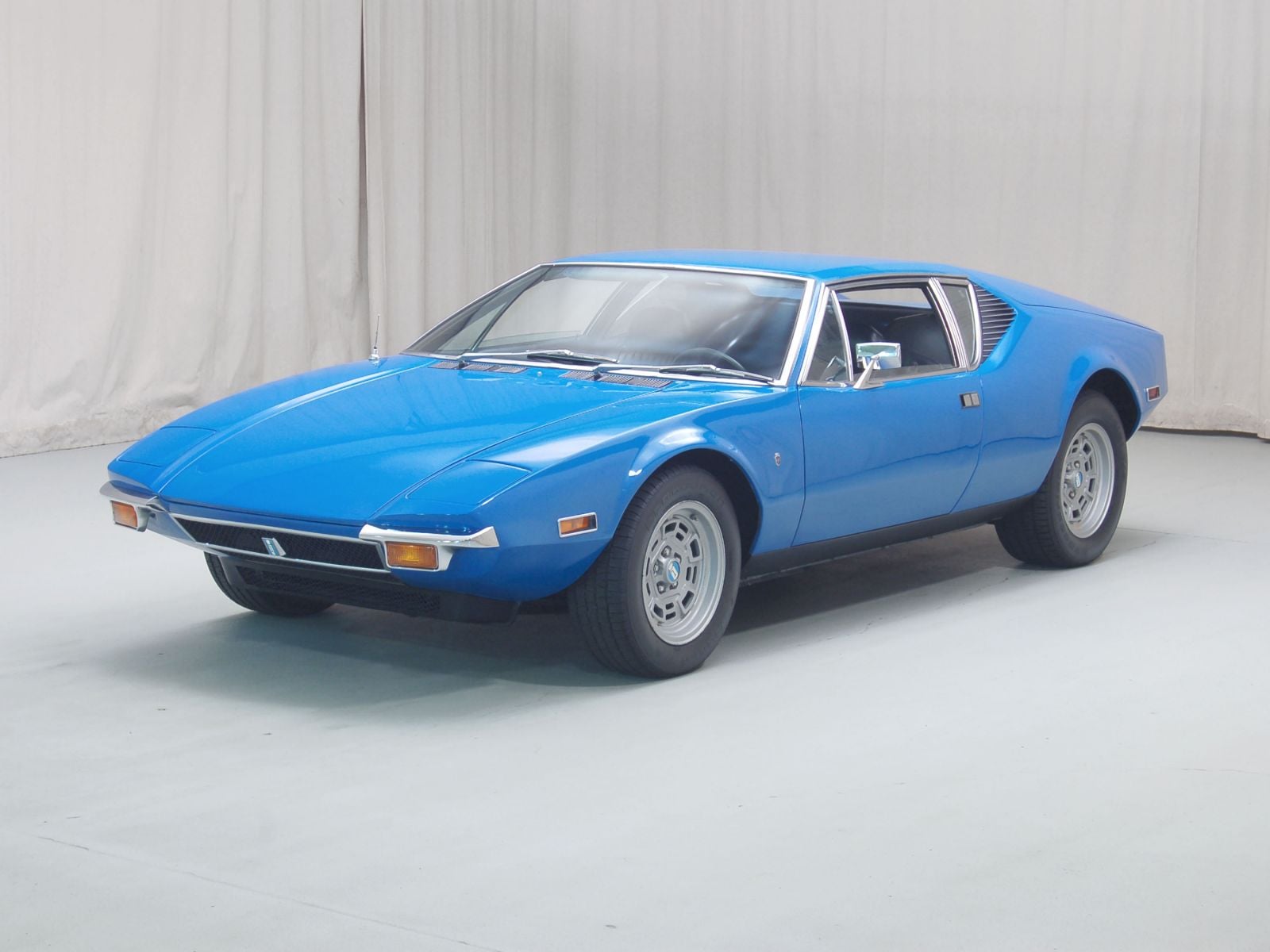
10. De Tomaso Pantera (1971-1992)
- Engine: 5.8L V8
- Horsepower: 300-350 hp
- Torque: 450-475 Nm
- Length: 4270 mm
- Width: 1830 mm
Classic design meets American power in the De Tomaso Pantera. This car combines Italian styling with a Ford V8 engine, creating a unique blend that stands apart from modern supercars. Power comes from a naturally aspirated V8 producing around 300 to 350 horsepower, depending on configuration. The engine delivers strong torque, providing immediate response when accelerating.
Driving the Pantera feels mechanical and direct. There are no electronic aids, and the car demands full attention from the driver. Steering, braking, and acceleration all require deliberate input, creating a raw experience. Exterior design reflects classic supercar proportions with a wide stance and low profile.
Sharp edges and simple lines give the car a timeless appearance that still attracts attention decades later. Interior layout remains basic by modern standards. Controls are straightforward, and comfort levels reflect the era in which the car was built. The focus stays on driving rather than convenience.
Handling can feel demanding compared to newer vehicles. Suspension design and tire technology from its time require respect, especially during spirited driving. Ownership involves commitment. Maintenance knowledge and parts sourcing play a role in keeping the car in good condition. Enthusiast communities often provide valuable support.
Pricing varies depending on condition, though many examples fall within the reach of buyers considering modern performance cars. This makes it one of the few classic mid-engine options available at this level. Driving the Pantera offers a connection to a different era of automotive design.
Sound, feel, and presence combine to create an experience that modern cars rarely replicate. Choosing this car means embracing its character. It may not offer modern refinement, though it delivers something equally valuable: a direct and engaging driving experience rooted in automotive history.
