
Japanese performance cars built a reputation for precision engineering, high-revving engines, and technology that often appeared years ahead of their rivals. During the 1990s and early 2000s, Japan produced sports cars that quietly embarrassed European exotics costing two or three times more.
Some became legends, like the Nissan GT-R and Toyota Supra, but several other machines faded into the background despite offering shocking speed, handling balance, and tuning potential. Many enthusiasts today still underestimate how quick these forgotten Japanese sports cars truly were during their era.
What made these vehicles special was not only straight-line performance. Japanese manufacturers focused heavily on lightweight construction, clever turbocharging systems, advanced all-wheel-drive layouts, and durable engines capable of handling immense stress.
A few of these cars reached performance numbers that rivaled Ferraris, Lamborghinis, and Porsches from the same decade. Others gained cult status in underground racing scenes before eventually disappearing from mainstream attention.
Another reason these cars remain underrated is production volume. Some were sold in limited markets, while others arrived during financial downturns that prevented them from becoming global icons.
A handful suffered from weak marketing despite delivering extraordinary driving experiences. Today, collectors are beginning to rediscover them, pushing values upward as enthusiasts realize how advanced these machines actually were.
Unlike many modern sports cars loaded with electronic assistance, these Japanese models demanded skill and involvement from the driver. Turbo lag, raw steering feel, mechanical gearboxes, and aggressive power delivery created personalities that modern performance vehicles rarely replicate.
Even decades later, several of these forgotten machines remain capable of outrunning contemporary sports cars on highways and racetracks.
Here are eight forgotten Japanese sports cars that proved Japan could build machines faster than many supercars people still worship today.
Also Read: 10 Best Vehicles for Drivers With Bad Backs
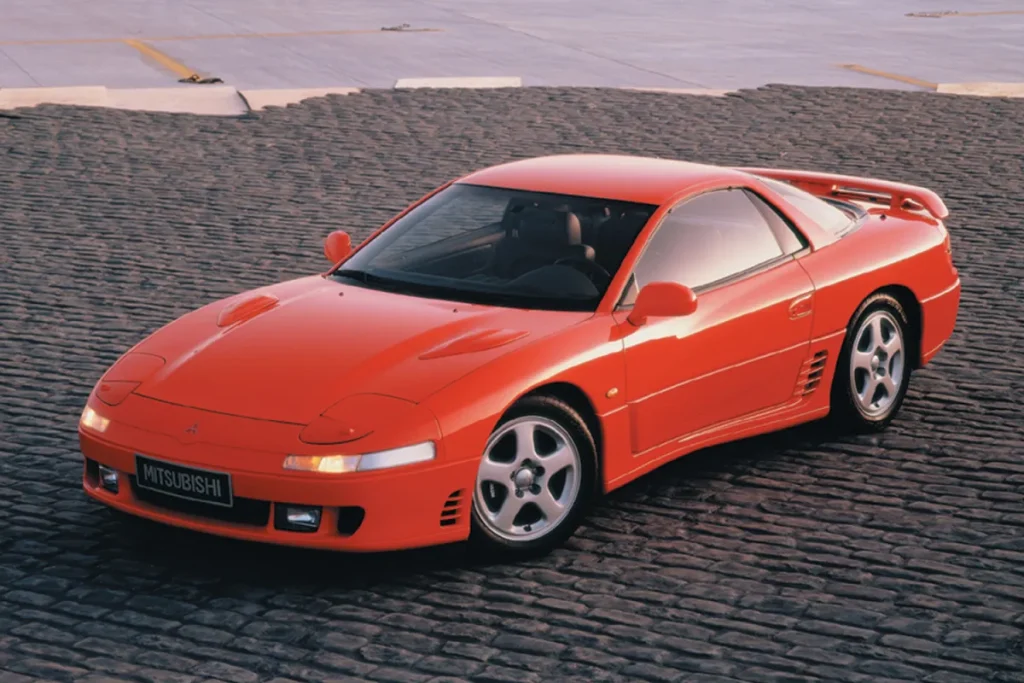
1. Mitsubishi 3000GT VR-4
During the 1990s horsepower war between Japanese manufacturers, the Mitsubishi 3000GT VR-4 arrived like a technological showcase disguised as a grand touring coupe.
While many people remember the Toyota Supra and Mazda RX-7, the 3000GT VR-4 often gets overlooked despite having performance numbers that terrified established European rivals.
Mitsubishi engineered this car with active aerodynamics, electronically controlled suspension, four-wheel steering, and all-wheel drive long before many competitors adopted similar technology.
Its twin-turbocharged V6 produced brutal acceleration for the era. Launching the car aggressively allowed it to hit 60 mph in under five seconds, placing it directly beside exotic machinery that cost dramatically more.
The All-Wheel Drive system delivered incredible grip, particularly during wet conditions where Rear-Wheel Drive sports cars struggled to maintain traction. High-speed stability also became one of its defining strengths because the car felt planted even beyond speeds many drivers would never attempt.
The interior reflected Mitsubishi’s ambition to compete with premium grand tourers rather than lightweight, track-focused machines.
Drivers received comfortable seating, advanced electronics, and a refined cabin that made long-distance driving effortless. That balance between luxury and speed separated the 3000GT VR-4 from rawer competitors like the RX-7.
Unfortunately, the car carried substantial weight, which caused critics to dismiss it compared with lighter sports cars. Yet that same weight contributed to exceptional highway stability and a confident driving character at very high speeds.
Tuners later discovered the engine could handle major horsepower increases with relatively minor upgrades, helping the car become respected in underground tuning communities.
Today, the Mitsubishi 3000GT VR-4 remains one of the most technologically ambitious Japanese sports cars ever produced, yet it rarely receives the recognition given to other icons from the same generation.
- Engine: 3.0-liter twin-turbocharged V6
- Torque: 307 lb ft
- Horsepower: 320 hp
- Length/Width: 179.7 inches / 72.4 inches
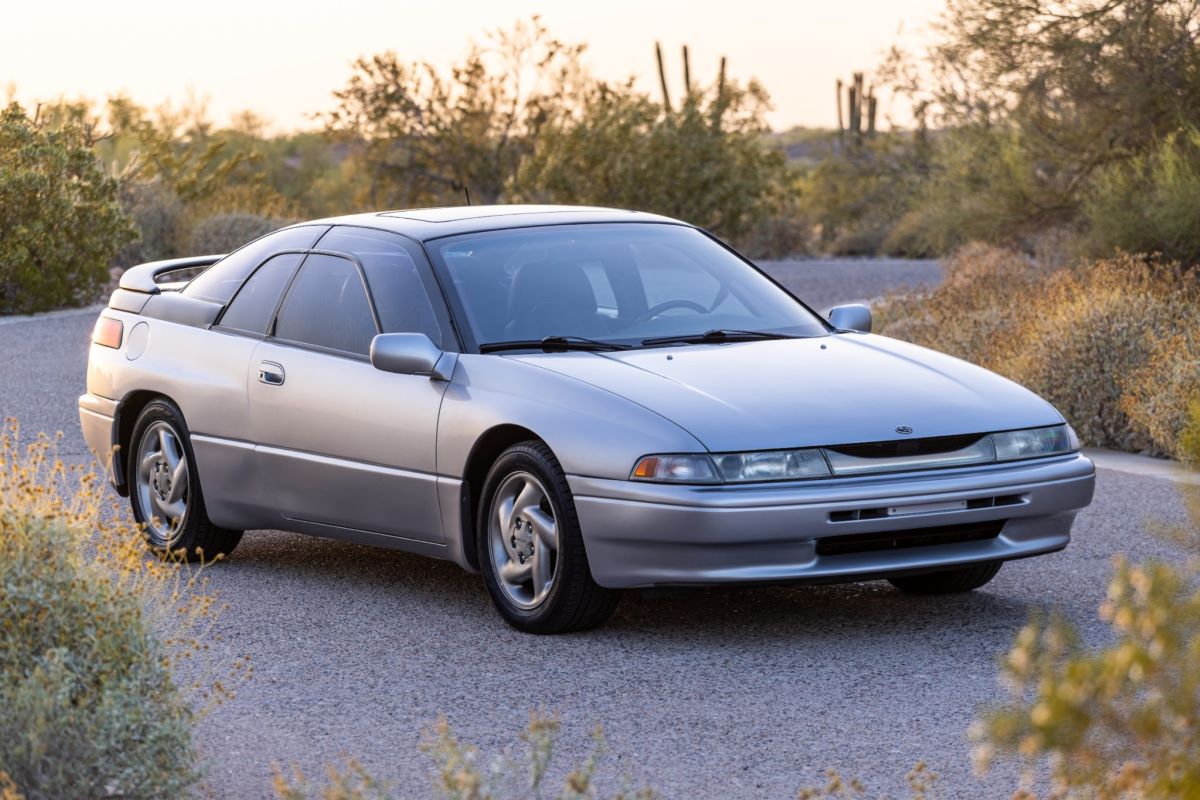
2. Subaru SVX
The Subaru SVX never looked like a conventional sports coupe, and that unusual identity became both its greatest strength and biggest weakness. Designed by Giorgetto Giugiaro, the SVX carried futuristic styling that still appears unconventional decades later.
The dramatic window-within-window side glass design immediately separated it from anything else on the road. Beneath that strange appearance sat a surprisingly capable high-speed performance machine that many people failed to understand.
Subaru developed the SVX as a luxury performance coupe intended to challenge European grand tourers. Instead of relying on turbocharging, the company installed a smooth 3.3-liter flat-six engine producing strong power delivery across the rev range.
Combined with Subaru’s advanced all-wheel-drive system, the SVX became exceptionally stable at high-speed cruising. It was less about brutal aggression and more about refined velocity.
Magazine testers during the 1990s praised the car’s ability to cover long highway distances effortlessly. At higher speeds, the SVX remained composed and quiet while many lighter sports cars became nervous or uncomfortable.
The aerodynamic body also contributed to impressive stability and reduced wind noise. Drivers who spent serious time behind the wheel often appreciated the car far more than casual observers did.
Unlike many Japanese sports cars focused entirely on track performance, the SVX behaved almost like a futuristic luxury missile.
The suspension absorbed rough pavement smoothly while still providing enough athleticism for spirited driving. Subaru’s aircraft-inspired engineering philosophy could be felt throughout the cabin and chassis design.
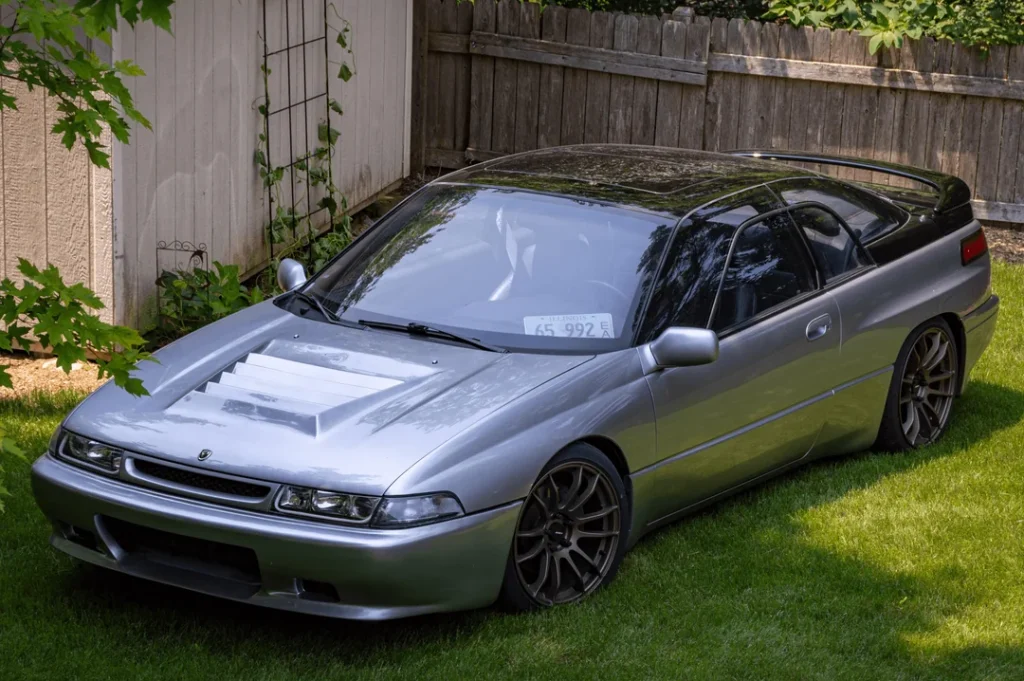
The main problem involved timing and market positioning. Buyers struggled to understand why a Subaru carried a premium price tag, especially one with styling so unconventional. Sales remained disappointing, and the car slowly disappeared from mainstream conversation.
Despite its commercial failure, the Subaru SVX deserves recognition as one of Japan’s most unique performance coupes. It combined sophistication, speed, and individuality in ways few manufacturers dared attempt during the era.
- Engine: 3.3-liter naturally aspirated flat six
- Torque: 228 lb ft
- Horsepower: 230 hp
- Length/Width: 182.8 inches / 69.7 inches
3. Nissan Stagea 260RS Autech
Most people saw the Nissan Stagea and assumed it was simply a practical family wagon. That misunderstanding allowed one of Japan’s most outrageous sleeper performance cars to remain hidden for years.
The Stagea 260RS Autech carried genuine Skyline GT-R DNA underneath its long-roof body, making it capable of humiliating respected supercars while carrying luggage and passengers comfortably.
Built by Autech in collaboration with Nissan, the 260RS borrowed the legendary RB26DETT twin-turbo inline six engine directly from the R33 Skyline GT-R.
It also received the advanced ATTESA all-wheel drive system and aggressive suspension tuning that transformed the wagon into a brutally fast machine. Enthusiasts quickly realized the car was far more than a practical estate vehicle with sporty styling.
Acceleration felt violent for something shaped like a family hauler. The turbo boost arrived hard in the mid-range, and the all-wheel drive system launched the Stagea forward with remarkable grip.
Drivers unfamiliar with the car often underestimated it at traffic lights or highway pulls, only to watch the wagon disappear ahead with astonishing speed. That sleeper personality became one of its biggest attractions.
Inside, the cabin maintained a practical layout with generous cargo space and comfortable seating. Owners could use the car daily without sacrificing utility, yet still enjoy performance comparable to expensive sports cars from the same era. This dual personality gave the Stagea an identity few vehicles could replicate successfully.
Another reason the Stagea became respected among enthusiasts involved tuning potential. The RB26 engine earned a legendary reputation for durability and massive aftermarket support.
Many modified examples produced power figures capable of competing with modern supercars while retaining full practicality. That combination made the car especially popular in Japan’s street racing culture.
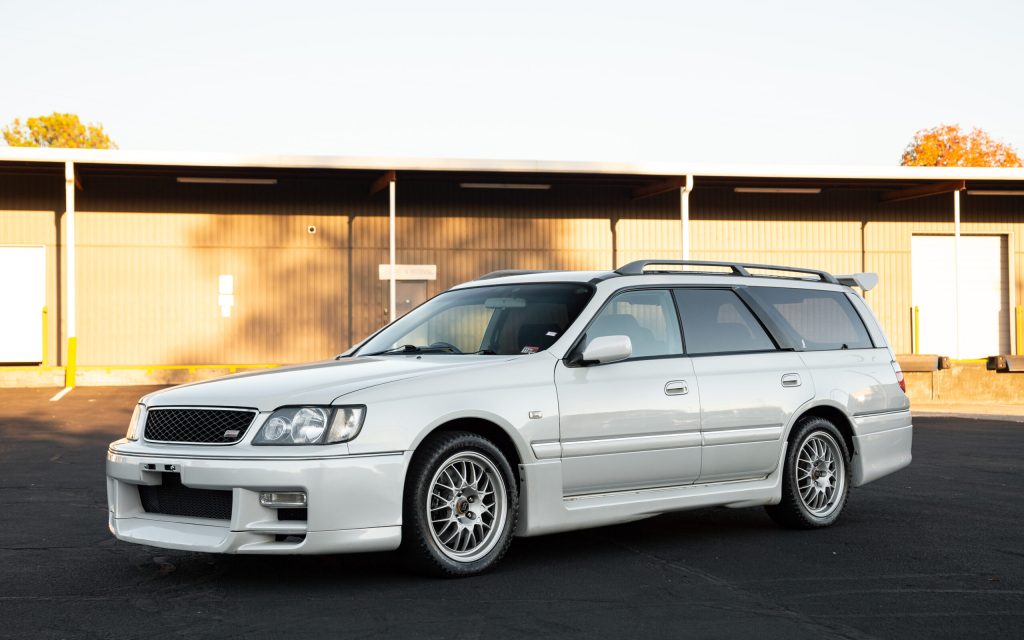
Because it was never officially sold in many global markets, the Stagea remained relatively unknown outside dedicated enthusiast circles. Today, imported examples attract growing attention as collectors recognize how rare and special this forgotten performance wagon truly was.
- Engine: 2.6-liter twin-turbocharged inline six
- Torque: 271 lb ft
- Horsepower: 276 hp
- Length/Width: 189 inches / 69.3 inches
4. Mazda Eunos Cosmo
The Mazda Eunos Cosmo represented Japan at its most ambitious and experimental. Released during the economic boom years, this luxury grand tourer carried technology and engineering ideas that felt almost unreal for the early 1990s.
While most enthusiasts focus on the RX 7, the Eunos Cosmo quietly became one of the most advanced Japanese performance cars ever built.
Its biggest claim to fame came from the engine bay. Mazda installed the world’s first production twin-turbo three-rotor rotary engine into the Cosmo, creating a powerplant unlike anything offered by European rivals.
The smoothness and high-revving nature of the rotary gave the car an entirely different personality compared with piston-powered sports cars. Power delivery felt silky yet relentless once boost pressure increased.
The Cosmo was designed for high-speed luxury touring rather than aggressive corner carving. Long highways suited its character perfectly because the car remained stable, refined, and quiet at higher speeds. Drivers could cruise comfortably for hours while still having enough power to challenge serious sports cars whenever needed.
Mazda also packed the interior with futuristic electronics rarely seen during the era. The dashboard featured an advanced touchscreen system controlling climate functions, navigation, and entertainment years before such technology became common. For early 1990s buyers, the cabin looked astonishingly modern and sophisticated.
Unlike lightweight rotary sports cars, the Eunos Cosmo emphasized comfort and prestige. Rich materials, smooth ride quality, and elegant styling helped position it closer to luxury European coupes than track-focused Japanese machines. That approach made the car unique within Mazda’s lineup.
One reason the Cosmo faded into obscurity involved limited availability. It remained largely confined to the Japanese domestic market, preventing wider international recognition. Rotary complexity and fuel consumption also discouraged mainstream buyers.
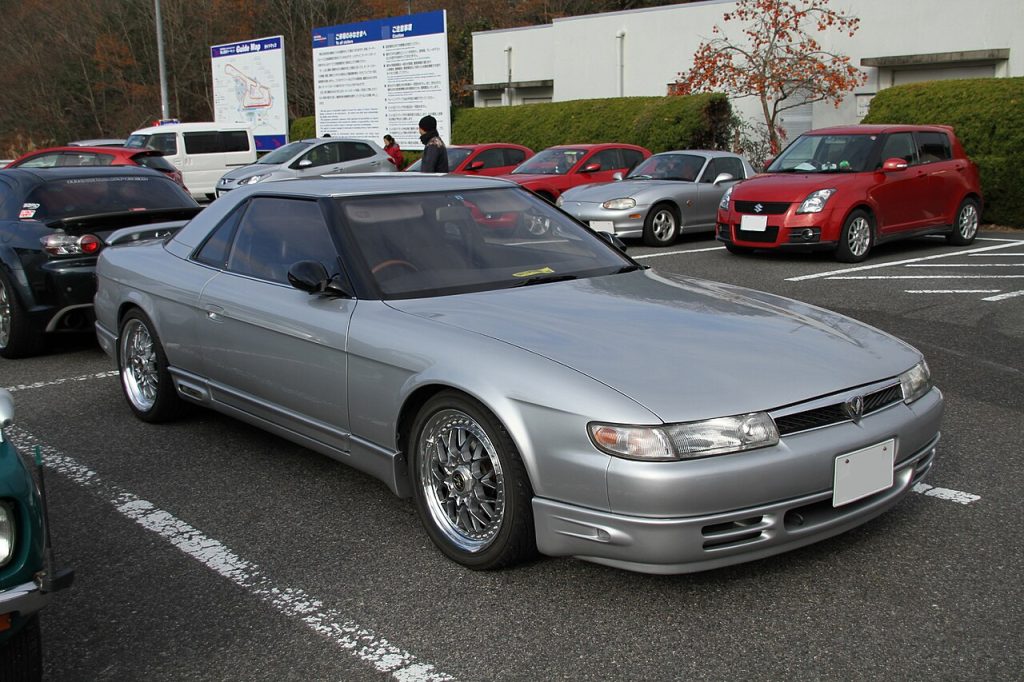
Today, the Eunos Cosmo stands as a reminder of a period when Japanese automakers pursued bold engineering ideas without compromise. It remains one of the most fascinating forgotten grand tourers ever created by Japan.
- Engine: 2.0-liter twin-turbocharged three-rotor rotary
- Torque: 294 lb ft
- Horsepower: 276 hp
- Length/Width: 189 inches / 70.5 inches
5. Toyota Soarer 2.5 GT Twin Turbo
The Toyota Soarer spent much of its life hidden behind the popularity of the Supra, yet many enthusiasts who actually drove both cars understood how special the Soarer truly was.
Developed as a luxury performance coupe, it combined refinement, technology, and frightening turbocharged speed in a package that could embarrass respected European sports cars during highway runs.
In Japan, the Soarer earned enormous respect for its smooth power delivery and high-speed stability, though outside enthusiast circles it rarely received the recognition it deserved.
One of the biggest reasons the Soarer became so capable involved its legendary 1JZ-GTE engine. This 2.5-liter twin-turbocharged inline six developed a reputation for durability and tuning potential that bordered on absurd.
Even stock examples delivered rapid acceleration, especially once both turbochargers were fully engaged. The engine produced power in a smooth wave rather than an uncontrollable explosion, giving the car a refined yet dangerous personality at higher speeds.
Toyota designed the chassis to prioritize comfort without sacrificing athletic ability. Unlike stripped-out sports coupes focused entirely on track driving, the Soarer excelled during long-distance cruising.
The suspension absorbed rough roads gracefully while still maintaining enough precision for spirited cornering. Drivers could spend hours behind the wheel without fatigue, something many aggressive sports cars struggled to achieve.
Inside, the cabin reflected Japan’s obsession with advanced technology during the early 1990s. Digital displays, premium materials, electronic climate systems, and sophisticated audio equipment gave the Soarer an upscale atmosphere closer to a luxury grand tourer than a street racing machine.
That balance between comfort and serious performance became one of the car’s defining strengths.
The Soarer also gained popularity within tuning communities because the 1JZ engine tolerated massive power upgrades. Modified examples regularly produced horsepower figures far beyond factory numbers while maintaining reliability.
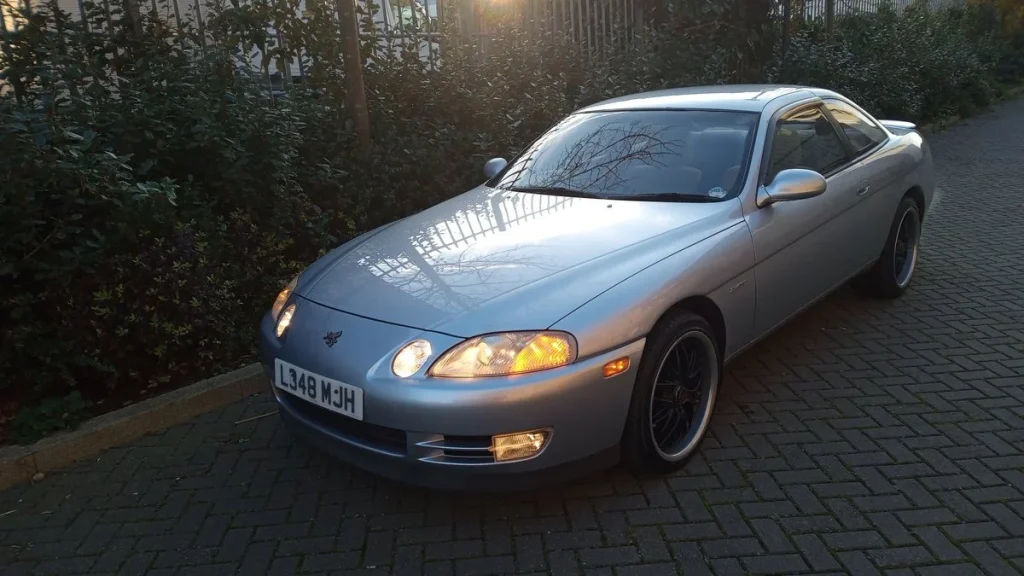
Street racers quickly discovered the car could compete against much more expensive performance machines with relatively minor modifications.
Despite its abilities, the Soarer remained overshadowed by the Supra because buyers viewed it as the more mature and luxurious option. Today, enthusiasts increasingly appreciate the car for blending speed, durability, and sophistication into one deeply underrated Japanese performance coupe.
- Engine: 2.5-liter twin-turbocharged inline six
- Torque: 268 lb ft
- Horsepower: 276 hp
- Length/Width: 191.3 inches / 71.4 inches
6. Honda NSX Type S Zero
The original Honda NSX already forced the automotive world to rethink what a supercar could be, but the extremely rare Type S Zero pushed the formula into far more focused territory.
While Ferrari models of the same era demanded constant compromise and intimidating driving skill, Honda engineered the NSX Type S Zero to deliver exotic performance with precision, reliability, and balance that few competitors could match.
Despite its brilliance, this lightweight version remains forgotten outside dedicated Japanese performance circles.
Honda approached the Type S Zero with a ruthless philosophy centered around weight reduction and driver involvement. Engineers removed sound insulation, traction control, electric seat adjustments, and several luxury features to sharpen the driving experience.
The result was a lighter, more responsive machine that felt dramatically more alive than the already impressive standard NSX.
Its naturally aspirated V6 engine delivered power with razor-sharp throttle response rather than relying on turbochargers for dramatic surges. Drivers needed to work the gearbox aggressively and push the engine toward higher revs to unlock its full character.
That interaction created an intensely rewarding experience because every movement felt precise and mechanical. Instead of overpowering the driver, the NSX encouraged confidence and smooth technique.
The handling balance became one of the car’s greatest strengths. Mid-engine layout, lightweight aluminum construction, and meticulous suspension tuning allowed the Type S Zero to corner with astonishing composure.
Many testers during the era believed it offered superior steering feel compared with several European supercars costing significantly more. Fast corners especially revealed how beautifully the chassis communicated grip levels to the driver.
Another remarkable aspect involved reliability. Unlike many exotic supercars requiring expensive maintenance and constant mechanical attention, the NSX could handle daily driving with surprising ease.
Owners received genuine supercar performance without the fear of catastrophic mechanical failures associated with Italian rivals from the same decade.
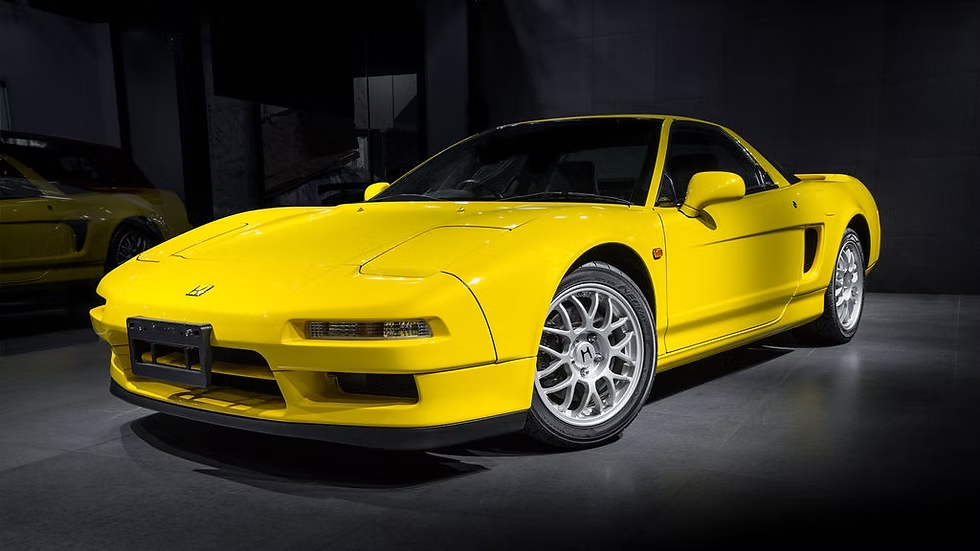
Because production numbers remained extremely limited, the Type S Zero never achieved mainstream recognition. Yet enthusiasts who understand Japanese performance history often consider it one of Honda’s greatest engineering achievements.
Decades later, the car still represents a perfect blend of discipline, purity, and speed rarely seen in modern performance vehicles.
- Engine: 3.2-liter naturally aspirated V6
- Torque: 224 lb ft
- Horsepower: 280 hp
- Length/Width: 174.2 inches / 71.3 inches
7. Tommykaira ZZII
The Tommykaira ZZII looked less like a traditional Japanese sports car and more like a machine stolen directly from a futuristic racing simulator. Built by the small tuning company Tommykaira, the ZZII represented one of the boldest performance projects Japan ever attempted.
While major manufacturers carefully balanced regulations, comfort, and mass-market appeal, Tommykaira ignored convention entirely. The company wanted to build a lightweight monster capable of competing with the fastest supercars in the world, and the result became one of the most forgotten high-performance Japanese cars ever created.
At the center of the ZZII sat Nissan’s legendary RB26DETT engine, the same basic powerplant that powered the Skyline GT-R. Tommykaira heavily modified the twin-turbocharged inline six and mounted it in a mid-engine layout rather than placing it at the front like the Skyline.
That single engineering decision transformed the car’s balance and handling characteristics completely. Combined with an advanced all-wheel-drive system, the ZZII delivered traction and acceleration levels that bordered on outrageous for the early 2000s.
The body itself was built using lightweight materials to keep the weight extremely low. Unlike grand touring coupes that emphasized luxury and comfort, the ZZII focused almost entirely on raw performance.
Its aggressive aerodynamic design, low roofline, and wide stance gave the car an appearance closer to a Le Mans prototype than a road car. Even standing still, the machine looked dangerous.
Performance estimates shocked enthusiasts who learned about the project. The ZZII was expected to accelerate from 0 to 60 mph in roughly three seconds while reaching top speeds above 200 mph.
Those figures placed it directly beside elite European supercars that carried dramatically higher price tags and far larger corporate backing. On paper, Tommykaira had created a genuine Japanese supercar killer.
Inside, the cabin remained sparse and driver-focused. Racing-inspired seats, minimal distractions, and a purposeful cockpit reflected the car’s uncompromising mission. Every aspect of the design centered around speed and handling rather than luxury. Drivers sat low within the chassis, creating an intense sensation of connection with the machine.
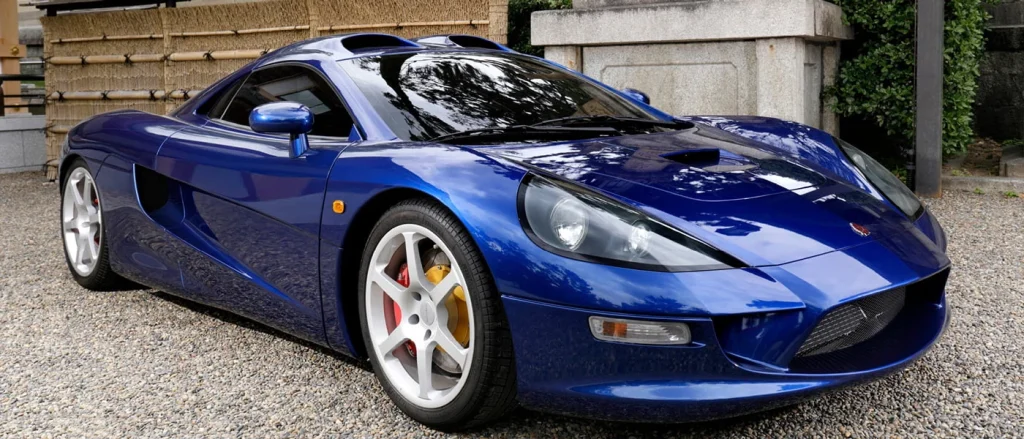
Unfortunately, financial realities destroyed the project before full production could begin. Only a prototype was completed, leaving the ZZII trapped in automotive mythology rather than becoming a mainstream performance icon. Its appearance in racing games later helped build cult status among enthusiasts who never saw one in real life.
Today, the Tommykaira ZZII remains one of Japan’s greatest lost automotive dreams. Had production succeeded, it might have completely changed the global perception of Japanese supercars during the early 2000s.
- Engine: 2.6-liter twin-turbocharged inline six
- Torque: 328 lb ft
- Horsepower: 550 hp
- Length/Width: 172 inches / 72 inches
8. Autozam AZ 1
The Autozam AZ 1 proved that outrageous performance experiences do not always require massive horsepower figures. Tiny, strange-looking, and almost cartoonish at first glance, the AZ-1 became one of the most entertaining Japanese sports cars ever produced.
Mazda developed this miniature mid-engine machine during the golden era of Japanese experimentation, when automakers willingly created bizarre niche vehicles simply because they could.
Although its dimensions resembled a Kei car designed for crowded city streets, the AZ-1 delivered a driving experience that felt closer to an exotic supercar than most people expected.
What immediately separated the AZ 1 from ordinary compact cars were its gullwing doors and mid-engine layout. Those dramatic design choices gave the tiny coupe genuine supercar theater.
Climbing into the cockpit felt special every single time because few vehicles at any price offered such an unusual sense of occasion. The low seating position and compact dimensions created the sensation of driving a scaled-down race car rather than an economy vehicle.
Power came from a turbocharged three-cylinder engine mounted behind the seats. On paper, the horsepower figure looked unimpressive compared with larger sports cars. Yet the AZ-1 weighed so little that every bit of power felt energetic and immediate.
Tight corners became the car’s true playground because the lightweight chassis changed direction with astonishing eagerness. Drivers could attack twisty roads confidently without needing dangerous speeds to feel excitement.
Unlike modern performance vehicles loaded with electronic systems and insulation, the AZ 1 provided an incredibly raw experience.
Steering inputs felt direct, road imperfections were transmitted clearly through the chassis, and turbo boost added playful energy to acceleration. The car constantly demanded driver attention, which made even short trips memorable.
Another fascinating aspect involved the engineering ambition behind the project. Mazda could easily have built a conventional kei sports car, yet the company invested in advanced chassis tuning and exotic styling details rarely seen within the segment.
That willingness to create something so unconventional reflected the fearless creativity present within Japan’s automotive industry during the early 1990s.
Commercially, the AZ 1 struggled because buyers found it impractical and expensive for its size category. Production numbers remained low, and the car gradually disappeared into obscurity outside dedicated enthusiast communities.
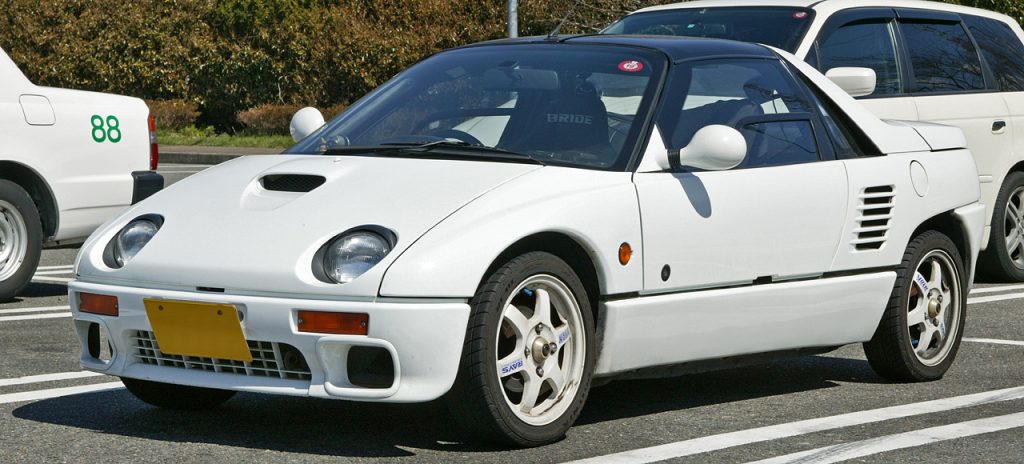
Today, the Autozam AZ-1 has become a cult classic admired for its fearless individuality. It may not have possessed the monstrous horsepower of traditional supercars, but few cars at any price deliver such a unique and unforgettable driving experience.
- Engine: 657 cc turbocharged inline three
- Torque: 63 lb ft
- Horsepower: 63 hp
- Length/Width: 129.7 inches / 54.5 inches
Japanese sports cars earned worldwide respect because they challenged established performance brands using innovation, reliability, and engineering creativity rather than massive budgets alone.
While famous icons like the Supra and GT-R dominate most conversations today, many other Japanese machines quietly delivered supercar-level speed and driving excitement without receiving the same recognition.
Cars such as the Mitsubishi 3000GT VR 4, Subaru SVX, and Toyota Soarer proved that Japanese manufacturers could blend comfort, technology, and frightening acceleration into packages that rivaled expensive European exotics.
Some of these forgotten models succeeded because of advanced engineering. The Nissan Stagea 260RS combined Skyline GT-R performance with wagon practicality, while the Honda NSX Type S Zero demonstrated how precision and balance could outperform brute force.
Others stood out because manufacturers dared to experiment with radical concepts. The Mazda Eunos Cosmo introduced futuristic luxury and rotary power, while the Autozam AZ-1 delivered supercar character in an incredibly small and lightweight package.
Several of these cars also gained cult status due to their tuning potential. Engines like Nissan’s RB26 and Toyota’s 1JZ became legends because they handled enormous horsepower upgrades without sacrificing durability. That strength helped many forgotten Japanese sports cars survive long after competitors disappeared from roads and racetracks.
Another reason these vehicles remain fascinating today is their individuality. Each car carried a completely different personality. Some focused on luxury grand touring, others prioritized razor-sharp handling, and a few existed purely to chase outrageous performance numbers.
Unlike many modern sports cars that feel similar due to strict regulations and shared technology, these Japanese machines reflected bold experimentation and fearless engineering ambition.
Today, collectors and enthusiasts are finally rediscovering these overlooked performance icons. Their values continue rising as people recognize how influential and advanced they truly were.
More importantly, they remind enthusiasts of a period when Japanese automakers took enormous risks and created unforgettable sports cars that still command respect decades later.
Also Read: 10 Vehicles That Lost Their Best Feature in the Redesign
