
Buying a vehicle ranks among the biggest financial decisions most households make. Along with that expense comes a clear set of expectations. Buyers want fuel efficiency that matches window sticker claims, technology that works without constant resets, daily comfort that does not fade after a few months, and mechanical systems that inspire confidence rather than worry.
When a vehicle delivers those basics, owners tend to remain satisfied, speak positively about their experience, and consider the same brand again when it is time to replace the car. When those expectations fall short, the reaction is swift and visible. Owner satisfaction ratings decline, online forums fill with repeated complaints, and social platforms become outlets for frustration.
Independent survey organizations such as J.D. Power, Consumer Reports, and TrueRating capture these moves clearly through owner feedback and long-term data tracking. Once dissatisfaction takes hold at scale, advertising messages struggle to restore trust.
During the 2026 model year, several vehicles recorded declines in owner satisfaction that stood apart from the rest of the market. In some cases, early reliability concerns emerged after the initial excitement of ownership faded.
In others, advanced driver assistance systems and infotainment features failed to perform with the consistency buyers expected. Pricing also played a role, as some owners reported feeling that the cost they paid did not align with the quality or experience they received.
The vehicles discussed here were selected based on compiled owner surveys, recurring complaint patterns, and published satisfaction reports from 2026. Each example highlights where buyer expectations and real-world ownership results diverged, and why that gap matters for shoppers evaluating similar models.
For anyone researching a purchase or trying to understand current ownership sentiment, this overview offers a clear look at where promises made during the sales process did not fully match daily reality.
1. 2026 Ford Bronco Sport Badlands AWD
- Engine: 2.5L hybrid inline-4
- Horsepower: 225 hp combined
- Torque: 163 lb-ft (engine) + electric assist
- Length: 193.5 in
- Width: 72.4 in
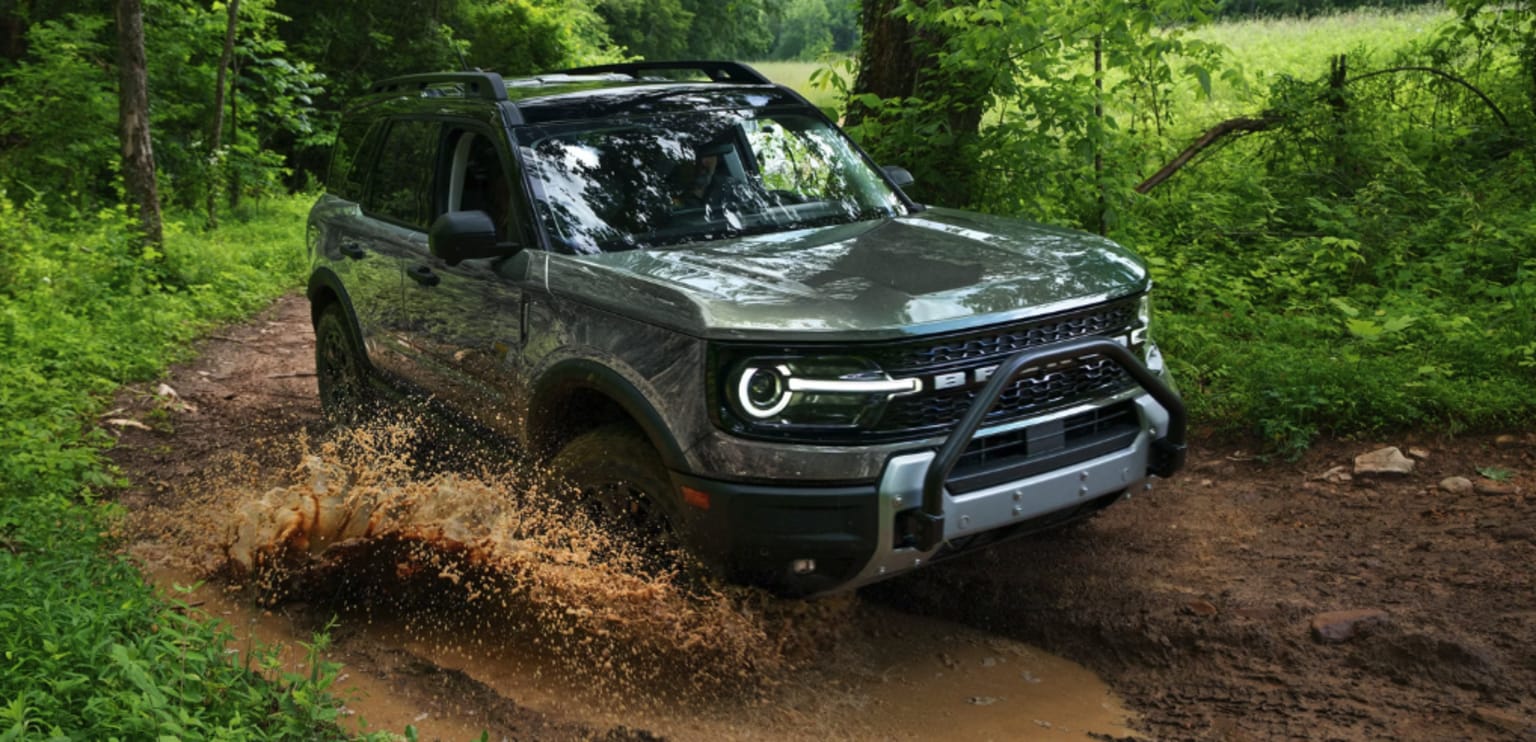
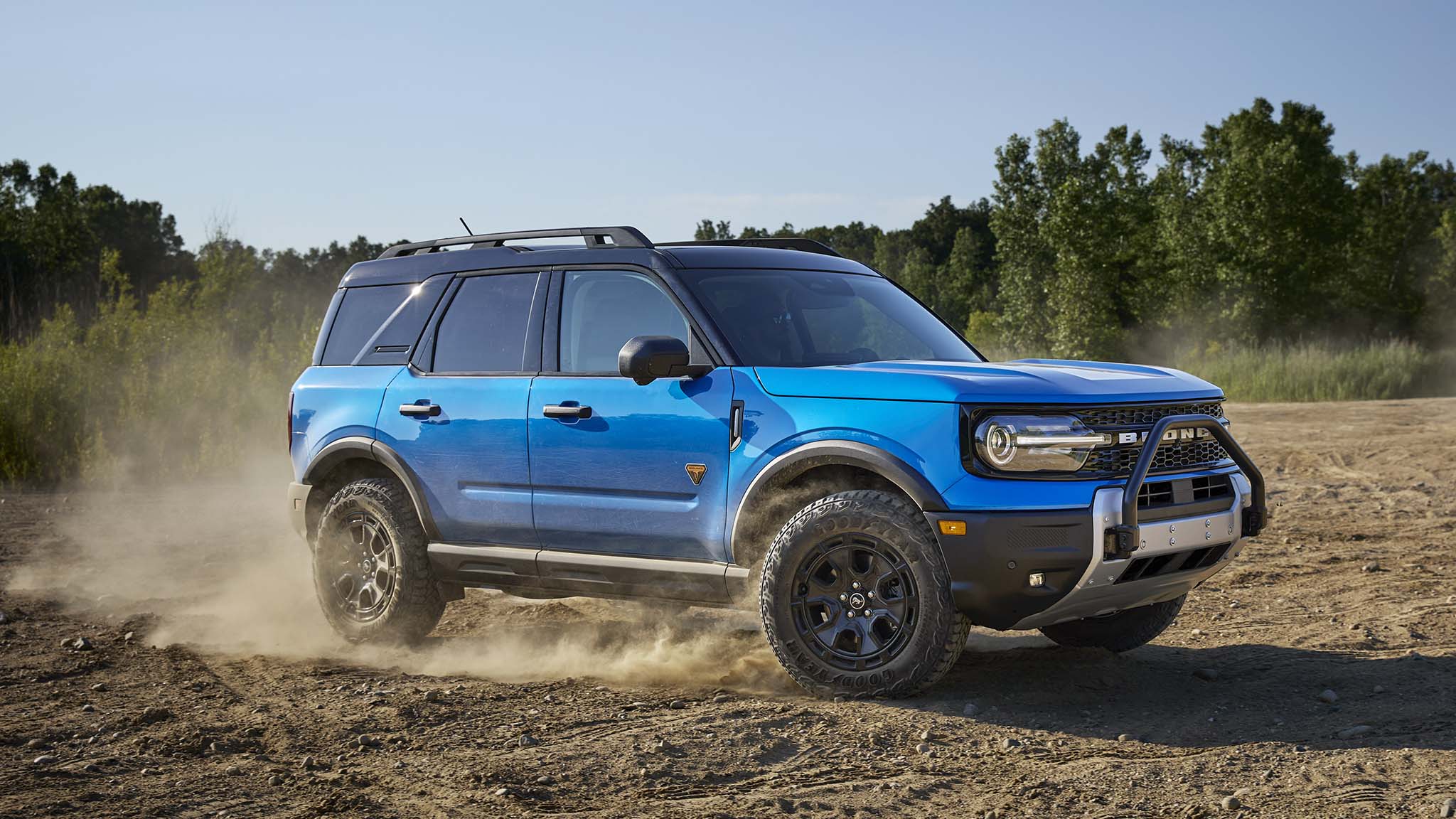
The 2026 Ford Bronco Sport Badlands AWD entered the market with a clear identity built around trail readiness and outdoor use. Ford’s promotional messaging placed strong emphasis on rugged styling, off-road hardware, and the promise of dependable performance away from paved roads.
Many buyers accepted that message at face value, believing they were purchasing a compact utility vehicle capable of handling demanding roads while still serving as a dependable daily driver. Ownership feedback from the 2026 model year, however, presents a more restrained assessment shaped by repeated practical concerns.
A large share of owner dissatisfaction centers on the 2.0-liter EcoBoost turbocharged engine. While the power output suits the vehicle’s intended role, real-world use has exposed durability concerns that buyers did not anticipate. Owner reports frequently reference turbocharger reliability issues, cooling challenges during sustained low-speed trail use, and electronic faults linked to the terrain management system.
These issues appear often enough across independent ownership channels to form a pattern rather than isolated incidents. For buyers who associate the Badlands trim with mechanical resilience, repeated warning lights and unexpected service visits undermine confidence.
Technology performance has also played a role in shaping owner sentiment. The SYNC 4 infotainment system fitted to the Badlands trim has generated a steady flow of complaints. Wireless smartphone integration disconnects without warning, screen freezes require full system restarts, and voice command accuracy varies unpredictably.
These problems are more than minor annoyances for owners who use the vehicle during trips where navigation reliability matters. For a vehicle priced above forty thousand dollars, repeated software interruptions create frustration rather than convenience. Ride quality on regular roads has further influenced owner satisfaction.
Suspension tuning on the Badlands trim favors wheel articulation and ground compliance, which benefits trail use but introduces drawbacks during daily driving. Owners who spend long hours on highways or uneven city roads often describe the ride as restless and tiring. Buyers who expected a balanced blend of off-road capability and commuter comfort have reported difficulty reconciling those expectations with daily experience.
Dealer service experiences have compounded these concerns. Multiple owners describe repeat visits for unresolved software or electronic complaints, with updates applied that fail to provide lasting solutions. Time spent returning to service departments stands in direct opposition to the adventure-focused ownership image that influenced many purchasing decisions.
Independent reliability and dependability studies from J.D. Power and Consumer Reports have reflected weaker results for the Bronco Sport platform in recent years. Feedback from the 2026 ownership cycle indicates that this trend has not improved in a meaningful way.
Buyers considering the Badlands trim should approach the purchase with a clear understanding that marketing imagery and daily ownership realities do not always align.
2. 2026 Volkswagen ID.4 Pro S AWD
- Engine: 2.5L turbocharged inline-4
- Horsepower: 328 hp
- Torque: 326 lb-ft
- Length: 204.5 in
- Width: 79.6 in
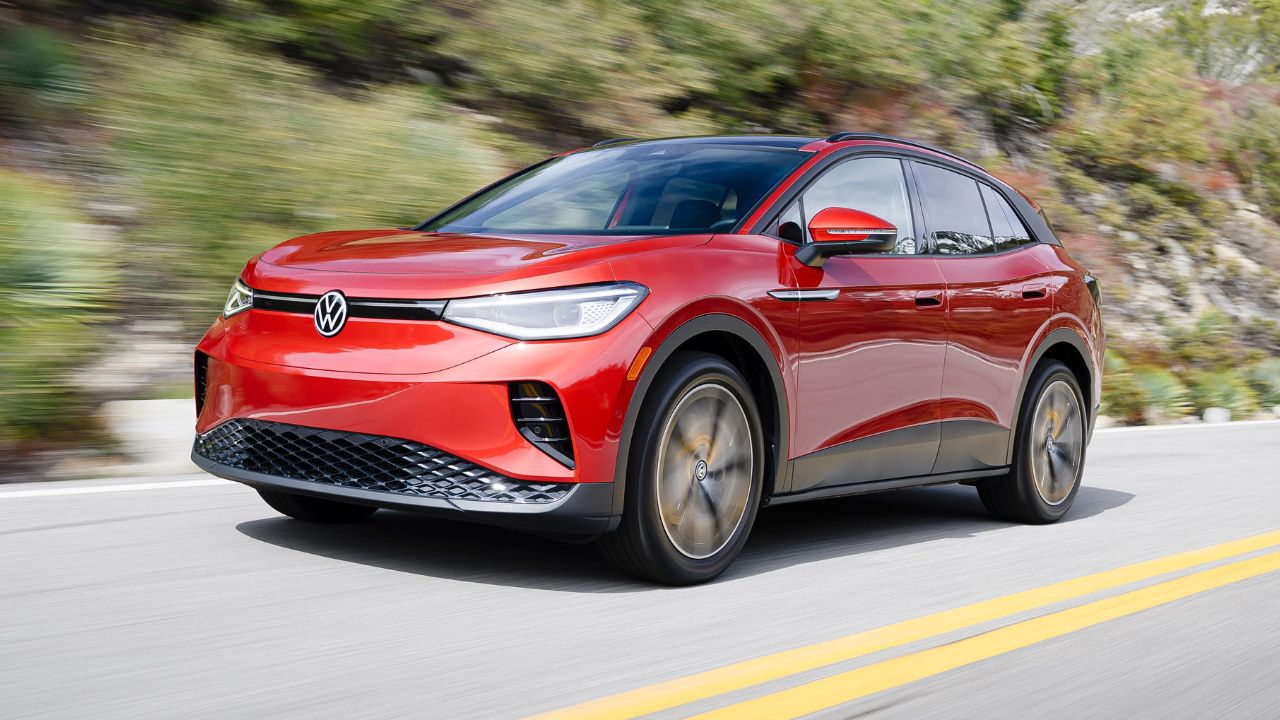
The 2026 Volkswagen ID.4 Pro S AWD was positioned as a premium electric crossover designed to bring European refinement into the American EV market. Buyers were drawn by its dedicated electric platform, clean exterior design, competitive EPA range rating, and Volkswagen’s long-standing reputation for solid engineering.
With pricing beginning around fifty-two thousand dollars, expectations were firmly set at a premium ownership standard. Owner feedback from the 2026 model year indicates that those expectations were not consistently met. Software reliability stands out as the most common source of dissatisfaction. The ID.4’s infotainment and vehicle management systems rely heavily on Volkswagen’s MEB software architecture.
Owners have documented repeated glitches affecting navigation accuracy, screen responsiveness, and system stability. Over-the-air updates intended to resolve earlier faults sometimes introduced new problems, leaving owners uncertain whether each update would improve or disrupt daily use. For buyers at this price level, frequent system irregularities create uncertainty rather than reassurance.
Driving range experience has also shaped owner sentiment. While the EPA rating of roughly 260 miles in AWD configuration appears reassuring on paper, actual usage conditions often produce lower results. Cold temperatures, sustained highway speeds, and heavy climate control use reduce usable range in ways that many buyers did not anticipate.
Owners in colder regions report winter driving ranges closer to two hundred miles, a figure that alters trip planning and increases charging frequency. Public charging experiences have added further strain. Although the ID.4 uses the widely adopted CCS charging standard, owners have reported inconsistent charging sessions at third-party stations.
Failed session initiations, slower-than-expected charge rates, and premature session termination are commonly cited. For drivers who depend on public charging infrastructure, these interruptions erode trust in the vehicle’s long-distance capability. Interior presentation at the Pro S trim level has received mixed reactions.
Buyers expecting premium materials commensurate with the price have described interior finishes as serviceable rather than upscale. Comparisons with similarly priced electric crossovers, particularly the Tesla Model Y Long Range AWD, frequently leave ID.4 owners feeling that material quality and assembly precision fall short of expectations.
Aggregated owner satisfaction surveys from J.D. Power and Consumer Reports reflect this growing frustration. For prospective buyers, the ID.4 Pro S AWD demands careful consideration of whether its electric credentials and design appeal justify the ownership challenges reported by current drivers.
Also Read: 10 Cars Where the AdBlue System Costs $2,000 to Repair
3. 2026 Chevrolet Equinox EV 2LT FWD
- Engine: 2.0L turbocharged inline-4
- Horsepower: 255 hp
- Torque: 295 lb-ft
- Length: 199.2 in
- Width: 74.8 in
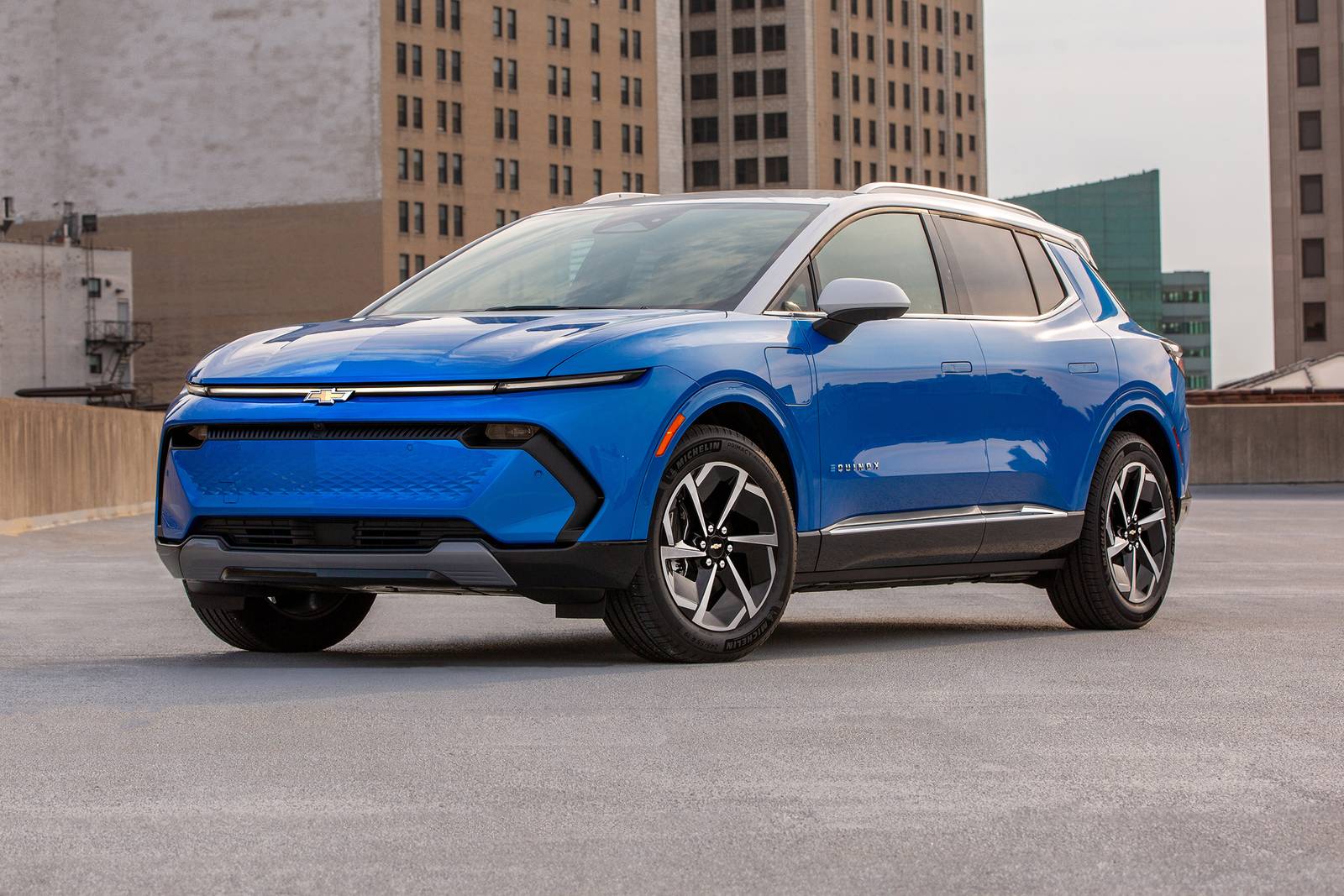
General Motors positioned the 2026 Chevrolet Equinox EV as the electric vehicle for mainstream America: approachable pricing, familiar Equinox nameplate, practical crossover form factor, and a promised range that made daily EV ownership seem simple. For a portion of buyers, it has delivered on that promise adequately.
For a vocal and growing segment of 2026 owners, the execution gap between what was promised and what was delivered has produced one of the sharpest satisfaction score drops in the mainstream EV segment. Owner complaints about the 2026 Chevrolet Equinox EV 2LT FWD concentrate around three areas. GM’s Ultifi software platform, which manages the infotainment, vehicle settings, and connected services experience, has generated consistent reports of system instability.
Screen freezes, Bluetooth connectivity drops between the vehicle and paired smartphones, and backup camera display delays of three to five seconds have all appeared in owner accounts with enough frequency to establish a pattern. For a vehicle positioned as technologically current and accessible, software instability at this scale undermines the core product promise.
Charging behavior has also drawn criticism. Level 2 AC charging at the advertised 11.5 kW rate has not been consistently achieved by all owners across all compatible chargers. Some 2026 Equinox EV owners report charging sessions settling at lower rates without a clear explanation, extending overnight charging times beyond what the vehicle’s specifications suggested.
For buyers who planned their home charging routine around the rated charge speed, discovering that real-world behavior does not consistently match the specification is a practical daily inconvenience. Customer service responsiveness to documented complaints has added to dissatisfaction levels. Owner reports describe dealer service visits where technicians were unable to reproduce reported software issues, resulting in vehicles being returned without repair.
Subsequent software updates have addressed some complaints partially but have not resolved the root issues for all affected owners. When buyers spend $35,000 to $40,000 on a vehicle and spend their service visits being told the problem cannot be reproduced, satisfaction scores inevitably reflect that experience.
Range delivery in real-world conditions has also fallen short of the EPA-rated 314 miles for some owners, with mixed-condition observed ranges of 250 to 275 miles being more representative at highway speeds. That is a real-world performance gap that influences daily planning and long-trip confidence for buyers who chose the Equinox EV specifically for its range claim.
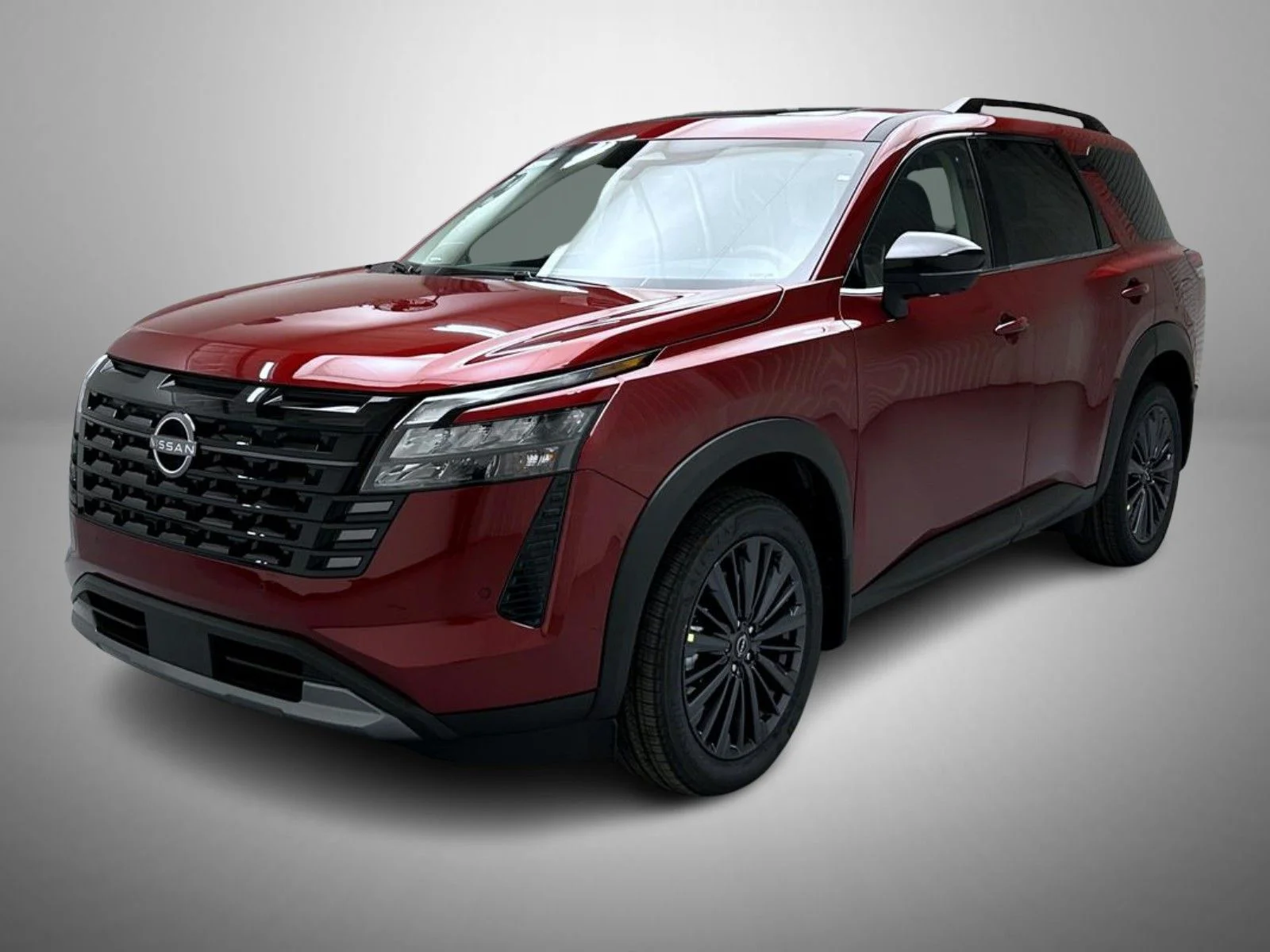
4. 2026 Nissan Pathfinder SL 4WD
- Engine: 2.3L turbocharged inline-4
- Horsepower: 315 hp
- Torque: 350 lb-ft
- Length: 189.4 in
- Width: 75.4 in
Nissan’s Pathfinder carries a loyal following built on years of family SUV credibility, and the redesigned version that arrived in 2022 addressed many of the styling and technology criticisms of its predecessor. Owner satisfaction data from the 2026 model year, however, shows that a critical powertrain concern that has followed the Pathfinder across recent model years has not been resolved convincingly, and buyers who entered the purchase expecting a reliable family hauler have found cause for frustration.
CVT reliability remains the central concern in 2026 Nissan Pathfinder SL 4WD owner feedback. Nissan’s continuously variable transmission has accumulated a multi-year documented history of performance degradation and outright failure at mileage ranges that buyers of a $46,000 family SUV do not anticipate encountering.
Reports of shuddering during acceleration, overheating during towing or sustained grade climbing, and abrupt transmission failure requiring expensive replacement have all appeared in the 2026 ownership year data. Nissan has offered extended coverage on the CVT through dealer service programs in response to documented complaints, but owners who have experienced mid-ownership CVT issues report that the warranty claim process has been inconsistent across dealer service departments.
Some have received prompt coverage. Others have faced disputes about whether their failure circumstances qualify for coverage. Inconsistent warranty administration compounds the dissatisfaction that the mechanical issue itself creates. Fuel economy in real-world conditions has also disappointed buyers who compared the EPA combined rating of 22 to 24 miles per gallon against actual ownership experience.
Owners operating the Pathfinder with a full passenger load, in hilly or mountainous roads, or during frequent towing situations consistently report real-world fuel economy falling in the 18 to 21 miles per gallon range, which adds up to meaningful additional annual fuel cost compared to the EPA figure used during the purchase evaluation.
Technology reliability beyond the powertrain has contributed to additional dissatisfaction points. ProPILOT Assist, Nissan’s hands-on highway driving assistance system, has received critical feedback from owners who find its behavior in construction zones, tight highway curves, and varied weather conditions less predictable than the purchase presentation suggested.
A driver assistance system that requires frequent manual intervention due to inconsistent performance does not reduce driver fatigue. It adds a different kind of it.
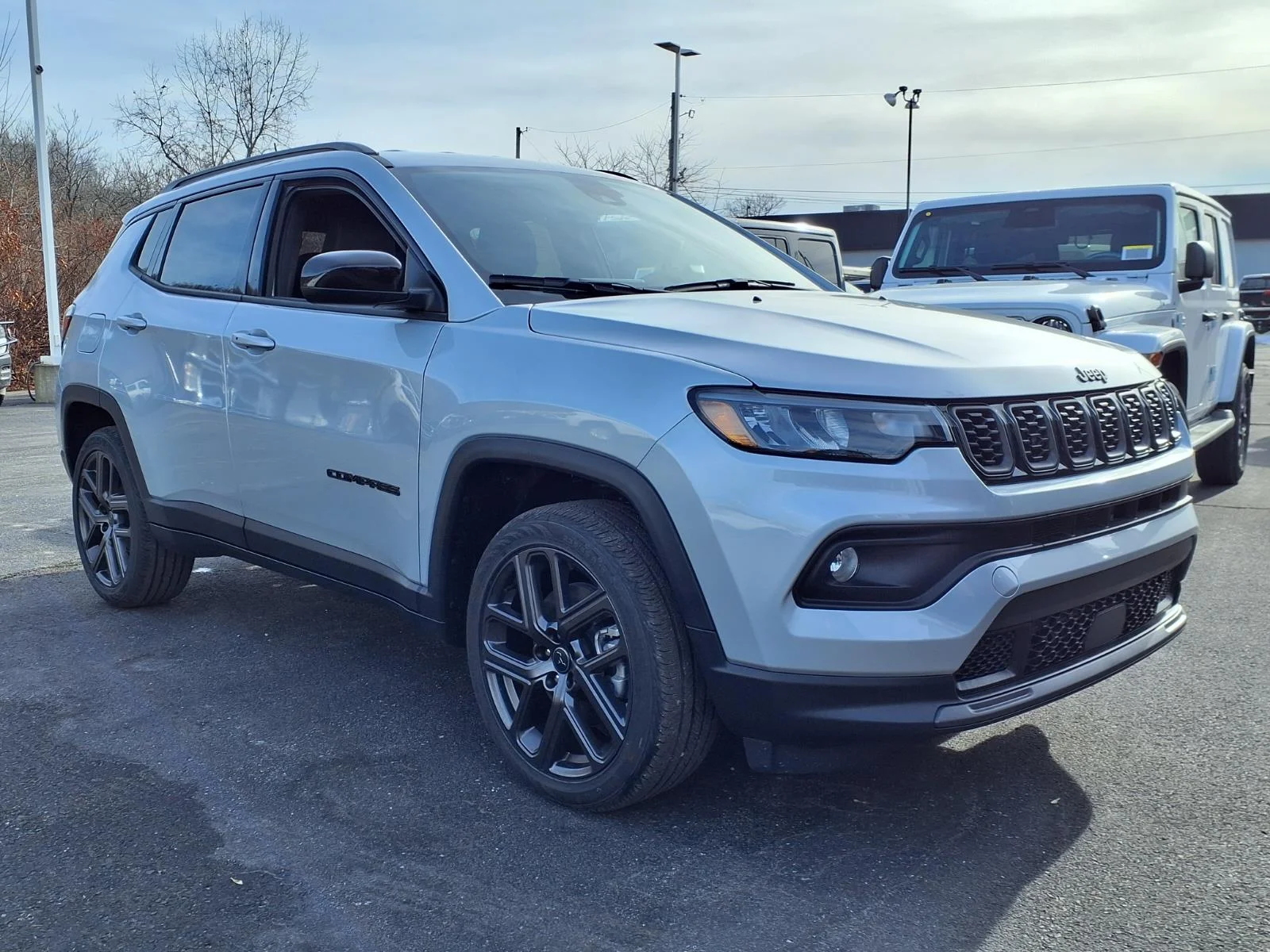
5. 2026 Jeep Compass Latitude Lux 4WD
- Engine: 2.5L turbocharged inline-4
- Horsepower: 277 hp
- Torque: 311 lb-ft
- Length: 190.2 in
- Width: 74.8 in
The compact SUV market in 2026 is crowded with well-rounded products that combine mechanical dependability, polished road manners, and strong equipment levels at prices that buyers increasingly scrutinise. Within this environment, the 2026 Jeep Compass Latitude Lux 4WD faces a difficult task.
Pricing sits at the centre of owner concerns. With a starting figure close to thirty-five thousand dollars, the Compass Latitude Lux enters direct competition with rivals that deliver more refined cabins, smoother power delivery, and better-integrated technology. Owners frequently describe a post-purchase realisation that vehicles from Honda, Mazda, Subaru, or Toyota offer a more complete experience for similar money. This realisation often comes after extended daily use, when initial styling appeal and brand familiarity lose influence.
Interior presentation has been a repeated source of disappointment. While the Latitude Lux trim carries premium branding cues, materials inside the cabin fail to meet expectations associated with the price. Hard plastics in visible areas, average seat cushioning, and modest sound insulation leave owners feeling shortchanged. Competing models at similar prices present cabins that feel calmer, better finished, and more thoughtfully assembled, reinforcing the perception gap.
Powertrain behaviour has also drawn criticism. The turbocharged 1.3-litre engine delivers adequate performance on paper, yet many owners report that it feels strained during highway merging and overtaking. Engine noise becomes more pronounced under load, while transmission responses lack the smoothness buyers expect in this segment. Long-distance driving exposes these traits more clearly, leading to fatigue and reduced driving confidence for owners who spend substantial time on motorways.
Road and wind noise intrusion further undermines the driving experience. At speeds above sixty-five miles per hour, cabin isolation falls behind class standards. Owners comparing the Compass with rival compact SUVs often describe a quieter and more settled ride elsewhere, particularly on extended journeys.
Technology performance has not provided relief. The Uconnect infotainment system, while visually modern, has generated complaints regarding slow response times, delayed touch inputs, and unreliable wireless phone integration. For buyers paying mid-thirty-thousand-dollar prices, such issues feel out of place. Technology that requires patience becomes a daily irritation rather than a convenience.
Fuel efficiency has added another layer to owner frustration. Real-world consumption frequently trails the published combined figure, especially for drivers making short trips or operating in colder climates. When buyers discover that competitors deliver closer alignment between advertised and actual consumption, dissatisfaction deepens.
Service experience has compounded these concerns. Owners report difficulty securing timely appointments, delays in obtaining replacement parts, and service staff unfamiliar with recurring issues. When both the vehicle and the support structure disappoint, confidence erodes quickly. The 2026 Compass Latitude Lux 4WD reflects a product that has struggled to justify its pricing within a segment that continues to advance rapidly.
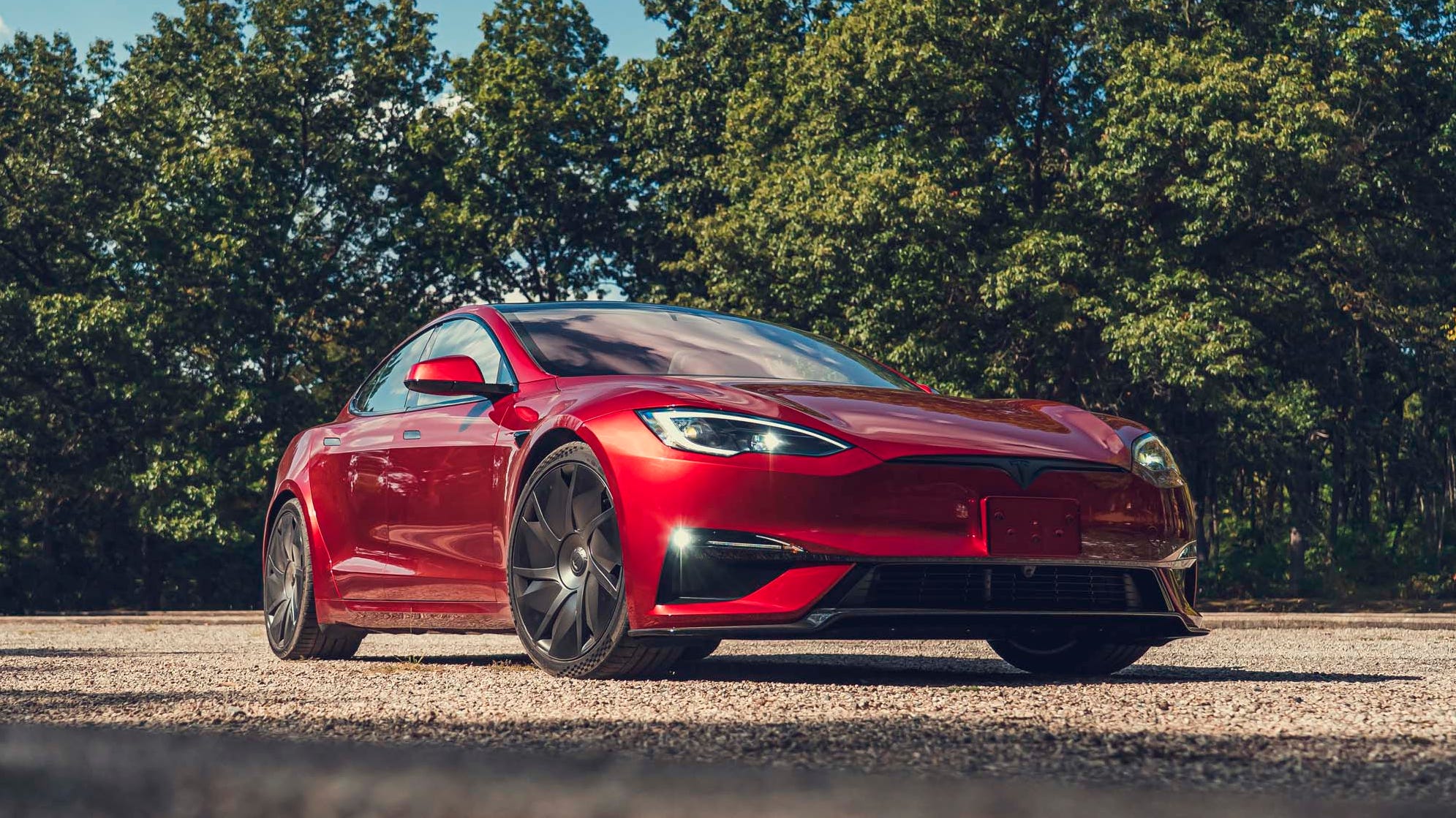
6. 2026 Tesla Model S Long Range AWD
- Engine: 2.0L turbocharged inline-4
- Horsepower: 241 hp
- Torque: 260 lb-ft
- Length: 192.8 in
- Width: 75.4 in
The Tesla Model S once occupied a position few electric vehicles could challenge. It combined long driving range, strong acceleration, advanced software, and brand prestige in a single package. By 2026, that advantage has narrowed. Owner satisfaction data indicate that while the Model S remains capable, the distance between it and newer competitors has reduced enough to alter buyer perceptions.
With a starting price near seventy-five thousand dollars, expectations are high. Buyers at this level anticipate exemplary build quality, a refined ownership experience, and support services aligned with luxury-brand standards. Feedback from 2026 owners suggests that these expectations are not consistently fulfilled.
Building consistency continues to attract criticism. Reports of uneven panel gaps, misaligned interior trim, and cosmetic imperfections appear more frequently than buyers expect in this price bracket. Owners familiar with premium offerings from German and Japanese manufacturers often note that such issues are rare elsewhere, heightening dissatisfaction when encountered in a Model S.
Software updates, once celebrated as a strength, have become a source of mixed reactions. While remote updates remain convenient, changes to driver assistance behaviour, braking calibration, and user interface layout have unsettled some owners.
Adjustments that alter familiar driving responses create uncertainty, particularly when updates introduce new glitches alongside improvements. Owners who value predictability express fatigue with frequent behavioural changes imposed without choice.
Charging convenience has also lost some of its earlier advantage. The Supercharger network remains extensive, yet increased vehicle volumes have produced congestion at popular locations. Owners report waiting during peak travel periods, a scenario that was uncommon when many first purchased. What once felt exclusive now feels crowded, diminishing perceived value.
Service access represents another pressure point. Mobile service options receive praise for minor repairs, yet physical service centres struggle to keep pace with demand in many regions. Appointment delays and limited availability frustrate owners accustomed to faster turnaround from traditional luxury brands.
None of these issues erases the Model S’s strengths in range, performance, or technology depth. However, satisfaction scores reflect a move in perception. As competing electric sedans approach similar capability levels, the tolerance for imperfections at a seventy-five-thousand-dollar price point declines.
The 2026 Model S Long Range AWD illustrates how market maturity reshapes owner expectations, even for vehicles that once defined their category.
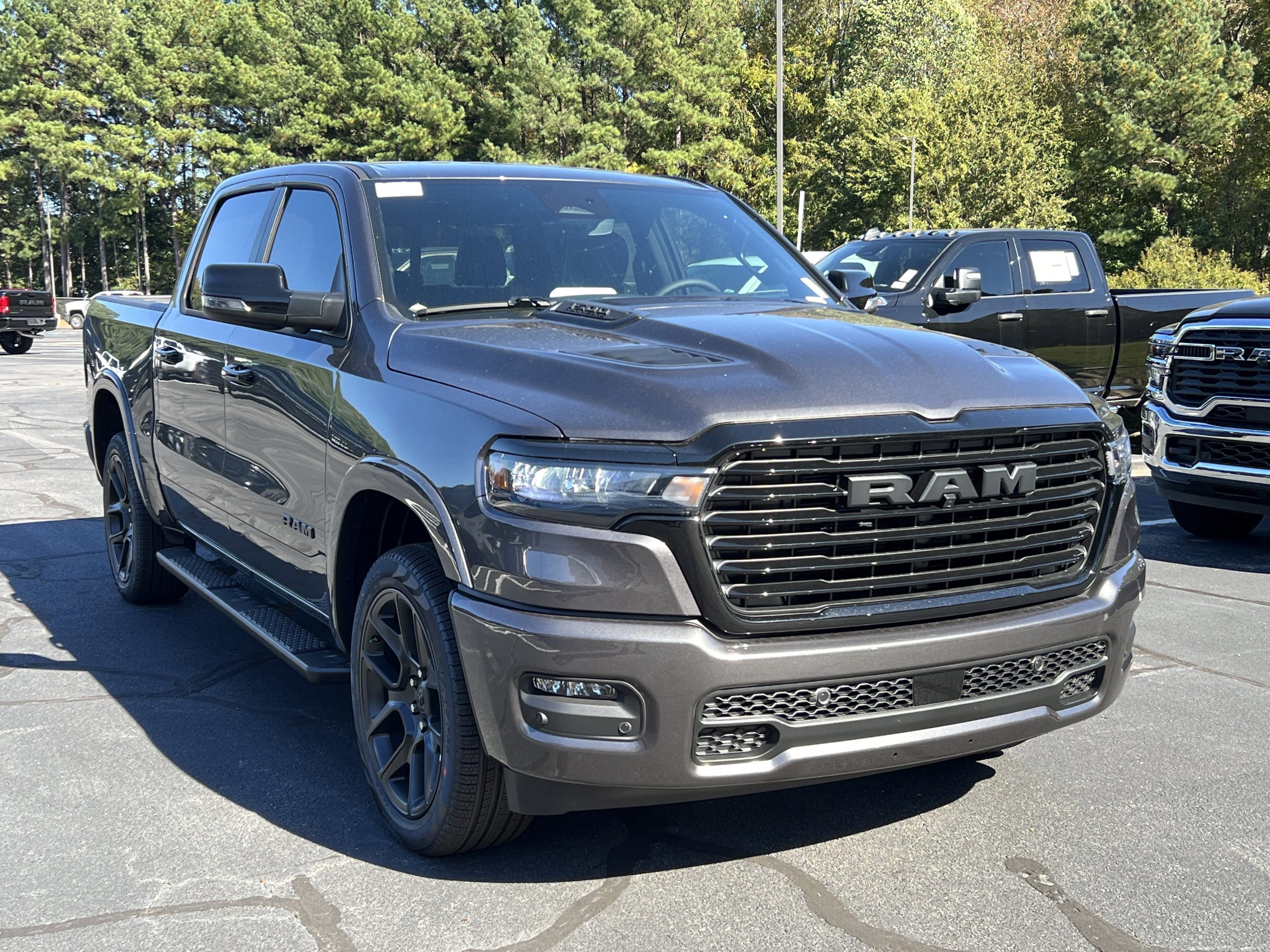
7. 2026 Ram 1500 Laramie 4WD
- Engine: 2.0L turbocharged inline-4
- Horsepower: 201 hp
- Torque: 221 lb-ft
- Length: 186.1 in
- Width: 72.4 in
Ram’s 1500 has consistently received recognition as one of the most refined full-size trucks available, and its coil-spring rear suspension, upscale interior options, and available air suspension have attracted buyers who want truck capability without sacrificing ride quality.
Owner satisfaction data from the 2026 Ram 1500 Laramie 4WD, however, shows that the truck’s hardware strengths are being undermined by its electronics and software performance, which is generating frustration among owners who expected better from a vehicle starting at approximately $57,000.
Uconnect 5 infotainment system problems head the 2026 Laramie complaint list. Owners report system reboots occurring during active navigation sessions, voice command recognition that performs inconsistently with different regional accents and speech patterns, and wireless Apple CarPlay sessions that drop without warning and require manual reconnection.
For a truck used for daily business commuting, job site coordination, and personal travel, an infotainment system that cannot maintain a stable wireless connection throughout a working day is a genuine productivity problem, not just a convenience annoyance.
Ram’s Active-Level Four-Corner Air Suspension, an available feature on the Laramie trim, has generated a specific set of complaints from owners who paid for the capability. Reported issues include inconsistent leveling behavior when the system transitions between height modes, compressor noise that some owners describe as intrusive in quiet environments, and software calibration errors that produce incorrect ride height in specific load conditions.
For a premium feature on a $57,000 truck, performance that requires multiple dealer visits to address is not an acceptable ownership experience. Fuel economy from the 3.6-liter Pentastar V6 in real-world truck use has also disappointed owners who chose it over the V8 option, expecting better efficiency.
Mixed real-world observations consistently fall in the 16 to 19 miles per gallon range in typical truck use, which narrows the fuel economy advantage over the 5.7-liter HEMI V8 to a gap that does not justify the performance trade-off for many owners who made the choice based on EPA figures.
Also Read: 10 Cars Where Owners Reported Brake Failures Under 30,000 Miles
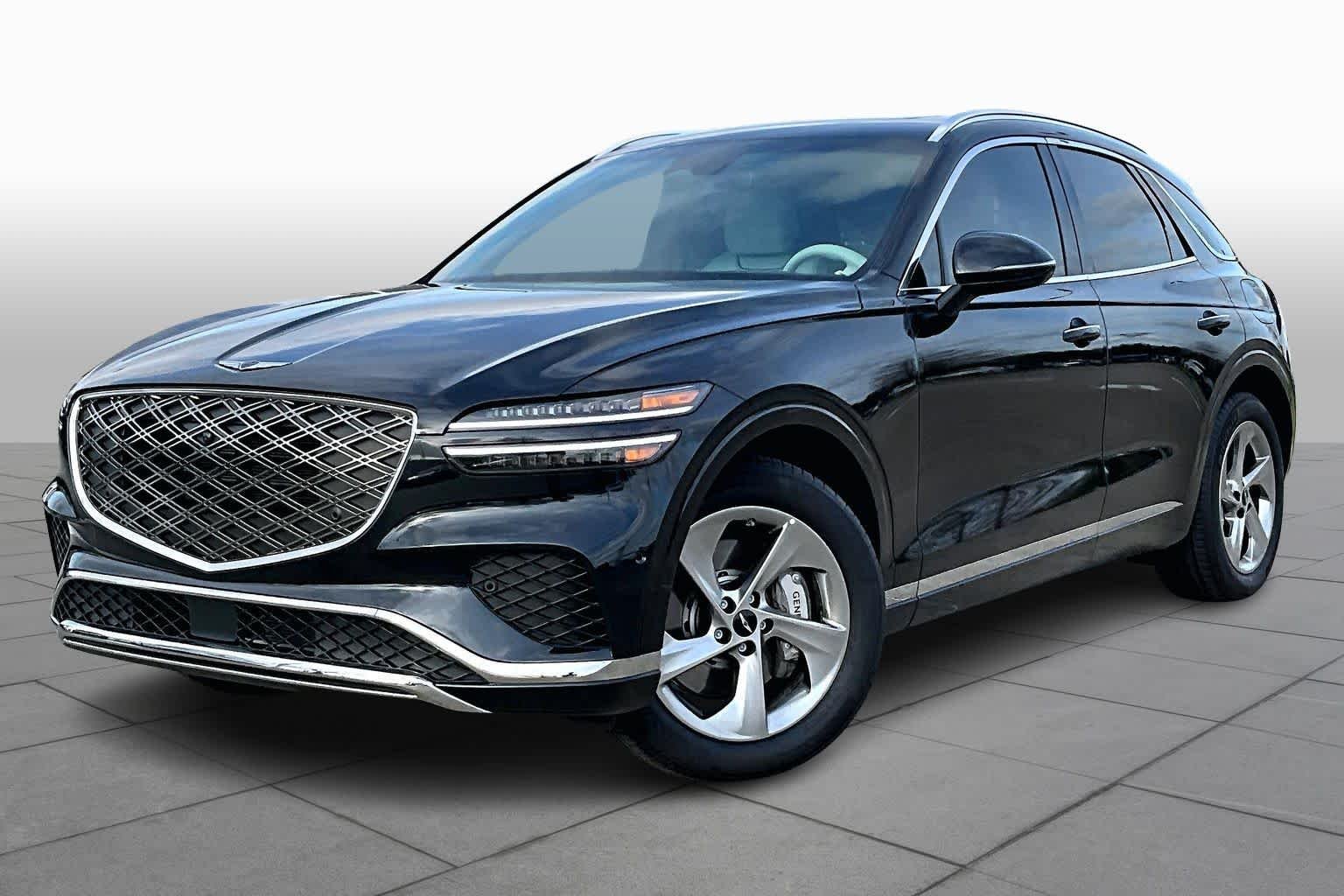
8. 2026 Genesis GV70 2.5T Standard AWD
- Engine: 3.4L twin-turbo V6
- Horsepower: 349 hp
- Torque: 479 lb-ft
- Length: 197.1 in
- Width: 78.0 in
Genesis has positioned itself as a genuine luxury alternative to German and Japanese premium brands, and the 2026 Genesis GV70 2.5T Standard AWD is one of the brand’s most important retail products. At an MSRP starting around $45,000, it competes directly with the BMW X3 xDrive30i, the Audi Q5 45 TFSI Quattro, and the Mercedes-Benz GLC 300 4MATIC.
Owner satisfaction data from 2026 reveals that while the GV70’s hardware quality is broadly appreciated, two areas are generating dissatisfaction that the brand’s luxury aspirations make particularly visible. Genesis’s dealer network is the first concern. Unlike established luxury brands with decades of service infrastructure development, Genesis operates through a limited network of dedicated Genesis Studios and Hyundai dealerships with Genesis-trained staff.
Service appointment availability, parts turnaround times for warranty repairs, and service advisor familiarity with GV70-specific complaint patterns have all been cited in 2026 owner feedback as falling below the expectations that a $45,000 premium vehicle purchase creates.
Owners who have experienced warranty repair situations describe service timelines that stretch longer than comparable BMW or Lexus experiences in the same markets. When a luxury vehicle is in the dealer service bay for two weeks waiting for a part, the ownership experience suffers in a way that erases the goodwill created by the vehicle’s design quality and driving refinement.
Infotainment system reliability has also drawn criticism from 2026 GV70 owners. Genesis’s connected car platform has produced reports of navigation system errors, touch response inconsistency in cold temperatures, and Bluetooth audio connection instability across multiple device types. At $45,000, buyers expect technology that performs reliably every day, not technology that introduces uncertainty into the daily commute.
