
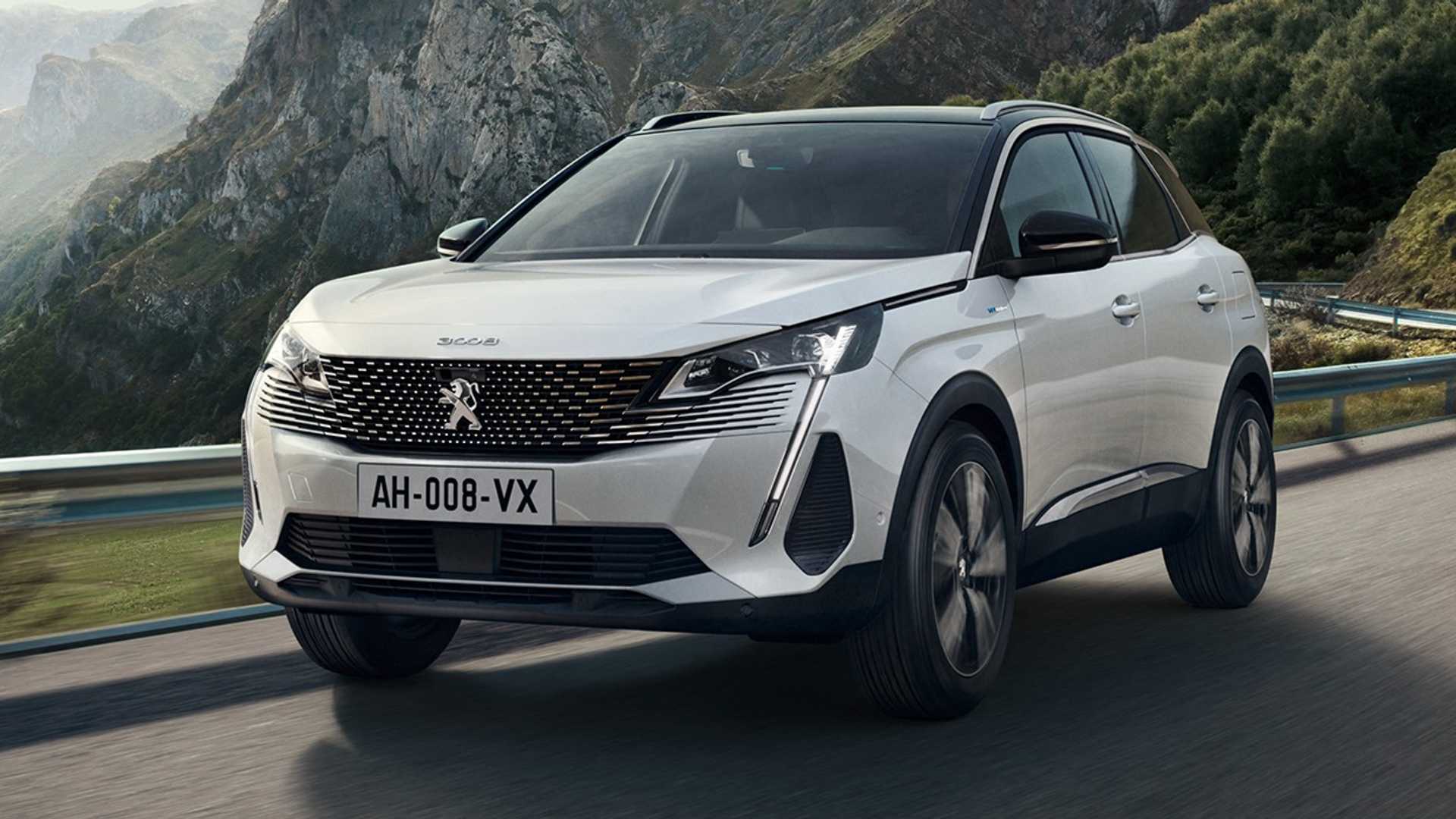
Diesel vehicles have evolved significantly in recent years as manufacturers work to meet increasingly strict emissions standards. A major part of this evolution is the AdBlue system, which reduces nitrogen oxide emissions through Selective Catalytic Reduction technology. While effective in improving environmental performance, this system has also introduced new and often unexpected ownership costs.
Across many modern vehicles, the AdBlue setup relies on complex, tightly integrated components such as pumps, heaters, NOx sensors, and sealed fluid tanks. When a single component fails, repairs often require replacing the entire assembly rather than an individual part.
This design choice, combined with labor-intensive access and mandatory software recalibration, frequently results in repair bills exceeding $2,000. The vehicles covered in this list illustrate how widespread this issue has become across different segments, including luxury SUVs, sedans, and commercial vans, and why it is an important consideration for diesel owners today.
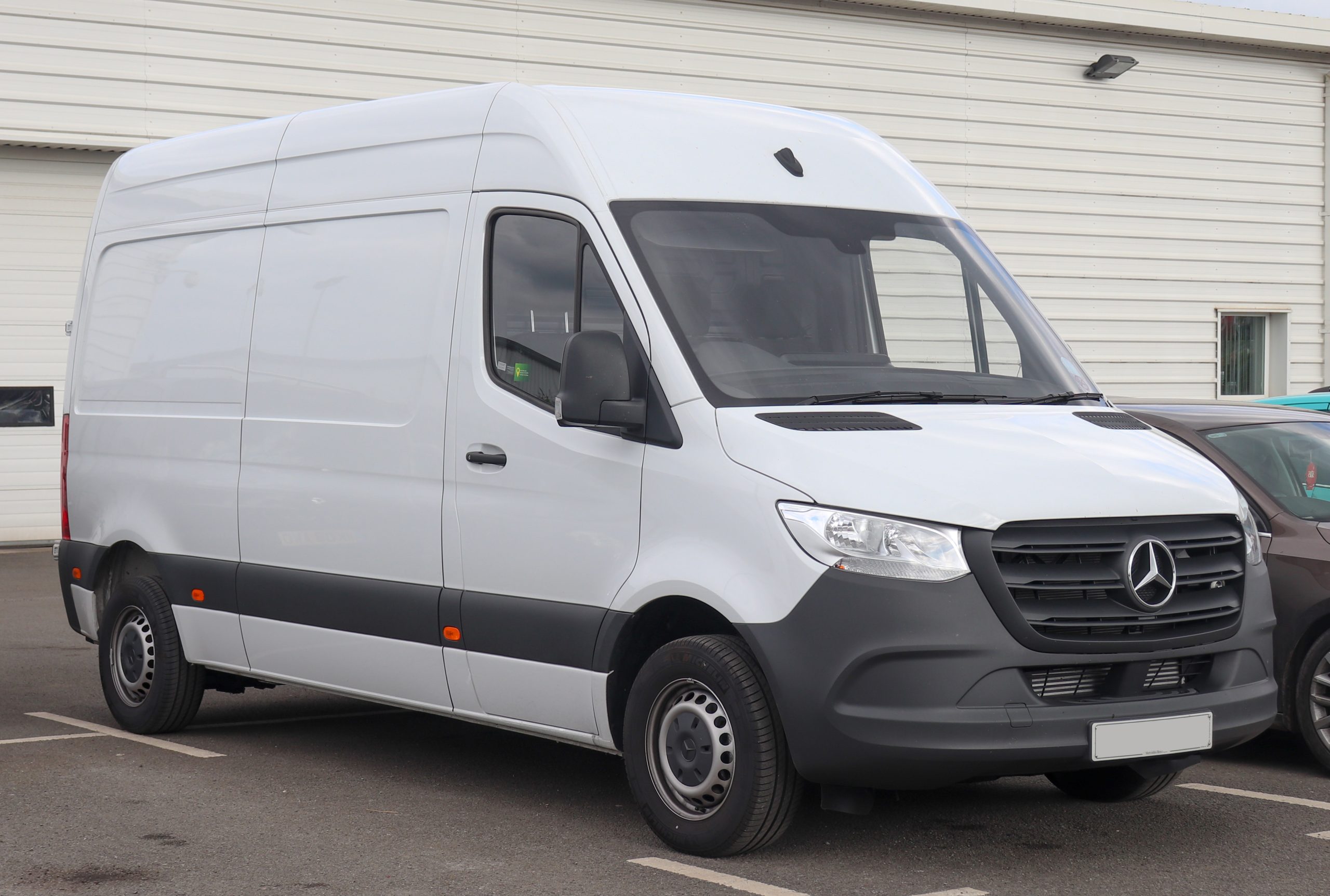
1. Mercedes-Benz Sprinter
The Mercedes-Benz Sprinter is widely respected for its durability, cargo capacity, and commercial versatility, but it has also developed a reputation for extremely expensive AdBlue system failures. Many owners face repair bills exceeding $2,000 when key components inside the Diesel Exhaust Fluid (DEF) system stop working. Common problems include failed tank heaters, damaged pumps, and faulty NOx sensors, all of which can trigger the van’s strict emissions protection software.
One major reason costs become so high is Mercedes-Benz’s integrated tank design. Instead of replacing a single failed component, mechanics often must replace the entire AdBlue tank assembly because the internal parts are permanently sealed. Labor expenses also rise because technicians must remove the tank, recalibrate the system, and perform specialized diagnostics using Mercedes-specific equipment.
Another serious issue is the vehicle’s “no-start countdown” software. When the system detects an emissions fault, the van may enter limp mode or eventually refuse to start entirely until repairs are completed and the software is reset. For commercial operators who depend on daily vehicle uptime, this can create major operational disruptions.
Despite these concerns, the Sprinter remains one of the most capable commercial vans available. It offers two turbocharged 2.0-liter diesel engines producing 170 or 211 horsepower, paired with a nine-speed automatic transmission. Rear-wheel drive comes standard, while all-wheel drive is optional with the more powerful engine. The van can tow up to 7,500 pounds and deliver a maximum payload capacity of 6,812 pounds, depending on configuration.
Inside, the Sprinter focuses on practicality, offering flexible cargo layouts, optional passenger seating, and available technology such as a 10.3-inch touchscreen with wireless smartphone integration. Safety features include automated emergency braking, while advanced driver-assistance systems are available as options.
| Specification | Details |
|---|---|
| Engine | 2.0L Turbocharged 4-cylinder diesel |
| Horsepower | 170 hp / 211 hp |
| Torque | 295 lb-ft / 332 lb-ft |
| Length | 233.5 in |
| Width | 79.5 in (without mirrors) / ~92–93.6 in (with mirrors) |
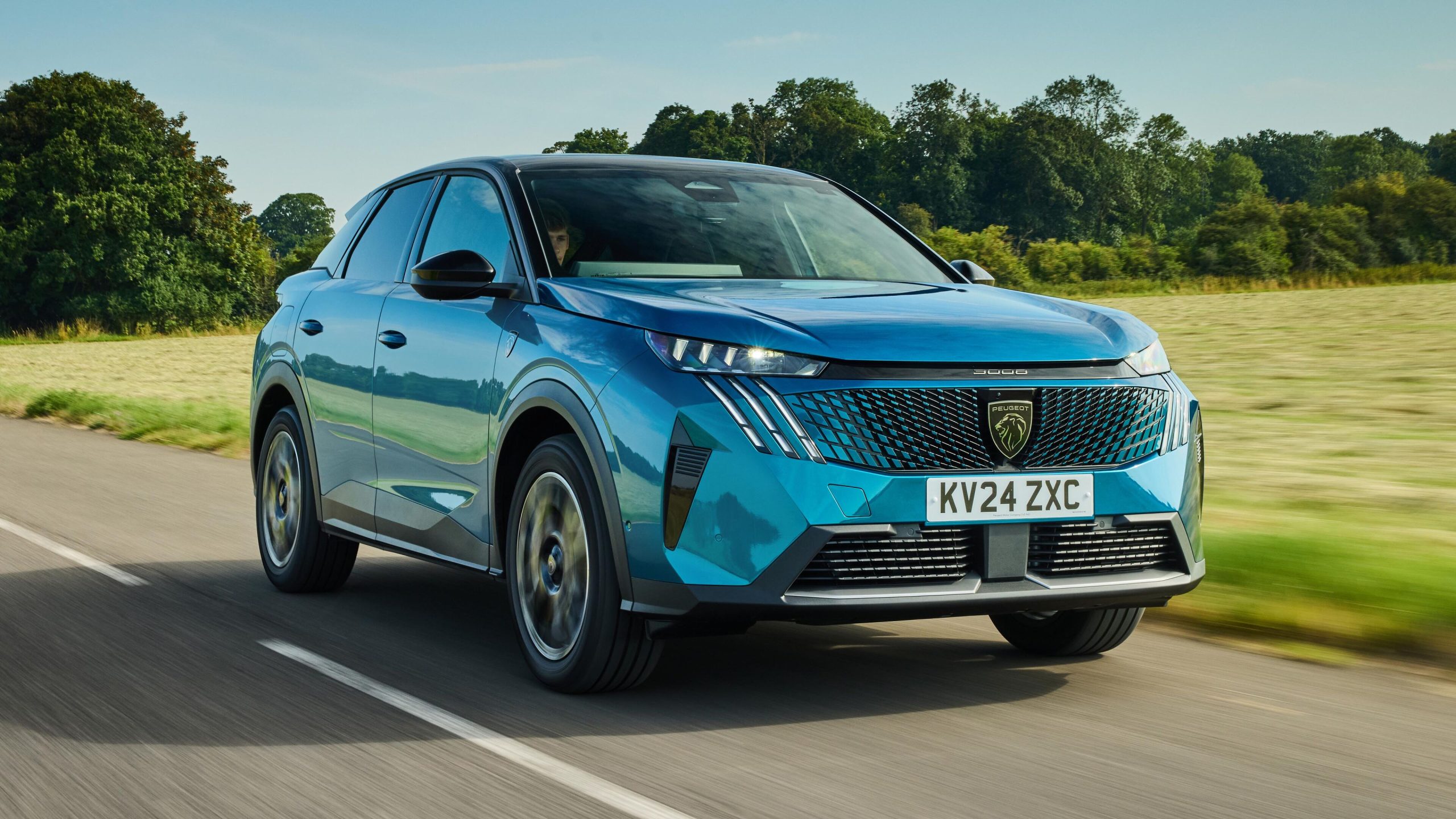
2. Peugeot 3008
The Peugeot 3008 has earned praise for its stylish design, refined cabin, and electrified powertrain options, but many owners face serious problems with its AdBlue emissions system. A commonly reported defect involves the AdBlue tank’s ventilation valve, which can clog and create pressure buildup inside the plastic reservoir. This may cause the tank to deform, crack, or fail completely.
Repair costs frequently range from $2,000 to $3,000 because Peugeot integrates critical components such as the pump, level sensor, and pressure regulator directly into the sealed tank assembly. Since these parts cannot be replaced individually, dealerships usually replace the entire unit. Additional expenses often include NOx sensors, injector repairs, ECU recalibration, and specialized diagnostic labor.
AdBlue crystallization is another major concern. The urea-based fluid can harden inside the system, damaging injectors and electronic components. Many owners seek goodwill assistance from Peugeot, which may cover a portion of repair costs for vehicles with complete dealership service histories. Others choose software modifications known as “AdBlue Deletes,” though legality depends on local emissions regulations.
Despite these reliability concerns, the third-generation 3008 remains one of Peugeot’s strongest family-oriented SUVs. Introduced in 2023, it offers mild-hybrid, plug-in hybrid, and fully electric versions. The mild-hybrid model pairs a turbocharged 1.2-liter engine with a 48V electric system for improved city efficiency, while the plug-in hybrid produces up to 195 horsepower and offers approximately 52 miles of electric driving range.
Inside, the 3008 features Peugeot’s advanced i-Cockpit layout with a curved digital display, premium materials, and practical cargo space. The crossover also includes modern safety technologies such as lane-keeping assist, adaptive cruise control, and wireless smartphone connectivity, helping it compete with premium European rivals.
| Specification | Details | Details |
|---|---|---|
| Engine | 1.2L Turbo 3-cylinder Mild-Hybrid | 1.6L Turbo 4-cylinder Petrol |
| Horsepower | 136 hp | 165–180 hp |
| Torque | 230 Nm | 240–300 Nm |
| Length | 4,510–4,542 mm | 4,510–4,542 mm |
| Width | 1,850–1,895 mm | 1,850–1,895 mm |
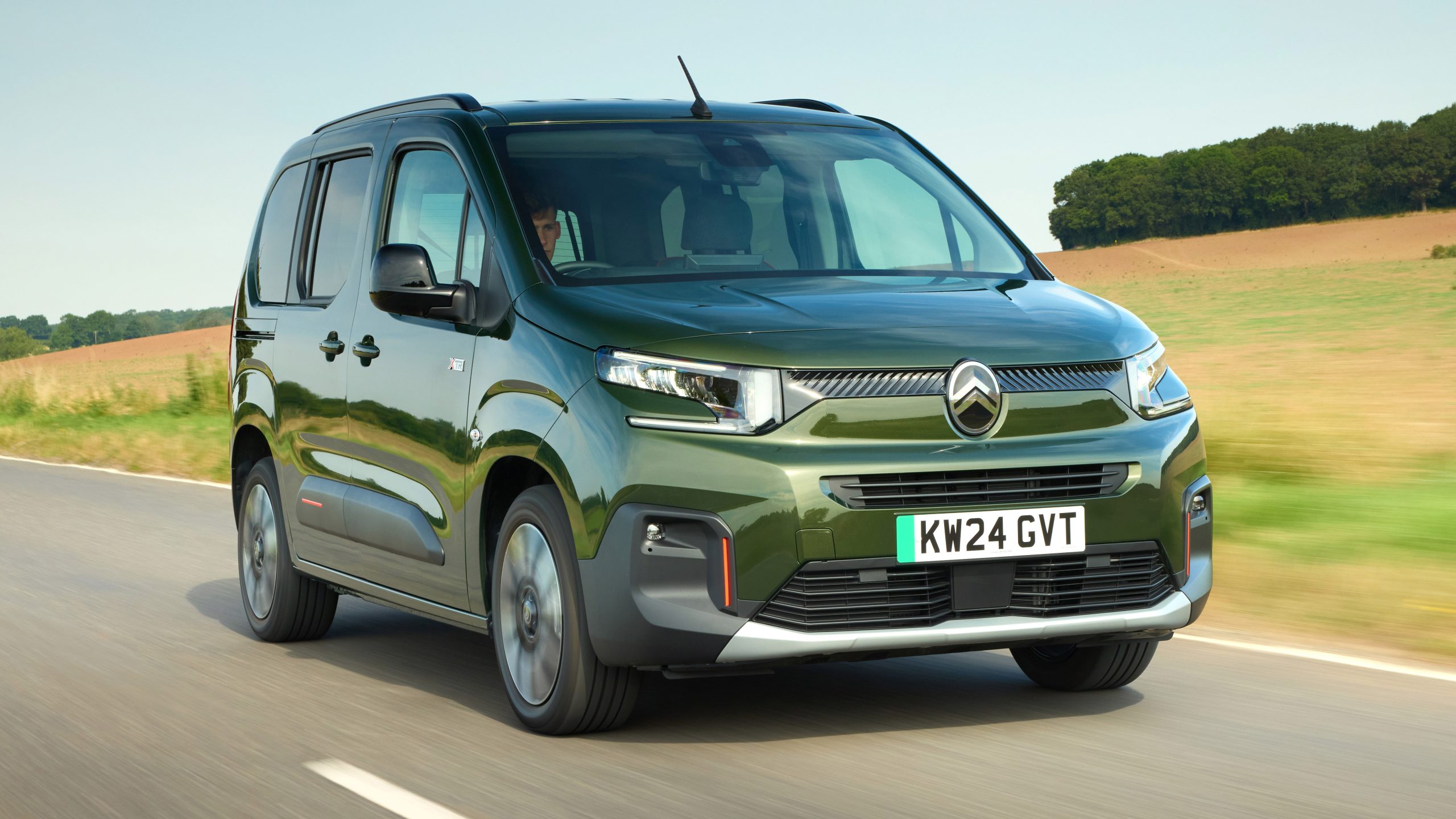
3. Citroën Berlingo
The Citroën Berlingo is widely appreciated for its spacious interior, practical design, and family-friendly versatility, but many diesel models suffer from expensive AdBlue system failures. The issue stems from Stellantis’ sealed AdBlue tank design, where the pump, heater, pressure sensor, and electronic control components are integrated into one non-serviceable unit. If a single internal part fails, owners are often forced to replace the entire tank assembly.
Repair costs frequently exceed $2,000 because the replacement process is labor-intensive and requires specialized dealer software for ECU coding and system recalibration. Crystallized AdBlue fluid is a major contributor to failures, damaging pumps, injectors, and internal electronics. Many owners seek manufacturer goodwill assistance because the defect is widely documented across Citroën and Peugeot diesel vehicles. Some also turn to remanufacturing specialists who rebuild damaged tank assemblies at lower cost.
Despite these reliability concerns, the Berlingo remains one of the most practical compact MPVs on the market. The latest generation offers petrol, diesel, and fully electric powertrains, along with improved styling and upgraded cabin technology. Citroën has also refined ride quality, giving the Berlingo a smoother and more comfortable driving experience than older van-based people carriers.
Inside, the Berlingo focuses heavily on flexibility and cargo practicality. Sliding side doors, fold-flat rear seats, generous storage areas, and up to 775 liters of boot space make it ideal for families and commercial users alike. Newer models also include a 10-inch infotainment display, digital instrument cluster, adaptive cruise control, reversing cameras, and multiple driver-assistance features.
| Specification | Details | Details | Details |
|---|---|---|---|
| Engine | 1.2L PureTech Petrol | 1.5L BlueHDi Diesel | 1.6L Diesel |
| Horsepower | 110 hp | 99–129 hp | 74–99 hp |
| Torque | 205 Nm | 250–300 Nm | 230–250 Nm |
| Length (M / XL) | 4,403 mm / 4,753 mm | 4,403 mm / 4,753 mm | 4,403 mm / 4,753 mm |
| Width | 1,848 mm | 1,848 mm | 1,848 mm |
4. Audi Q7 3.0 TDI
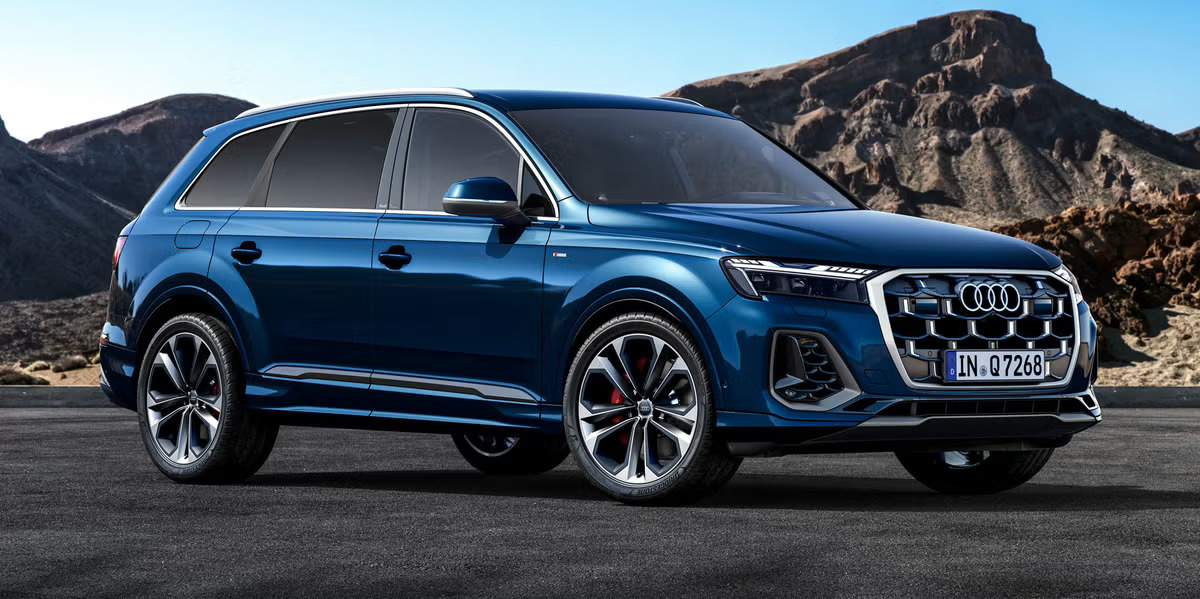
The Audi Q7 3.0 TDI is a premium seven-seat luxury SUV that combines strong diesel performance, advanced quattro all-wheel drive technology, and a spacious, high-tech cabin. First introduced in 2005, the Q7 became Audi’s flagship SUV and evolved into a lighter, more refined second-generation model with improved efficiency and comfort.
Powered by a 3.0-liter turbocharged V6 diesel engine, the Q7 delivers up to 160kW and 500Nm of torque in the entry-level variant, paired with an eight-speed automatic transmission and Audi’s renowned quattro AWD system. Despite its large size, the SUV offers impressive fuel efficiency, averaging around 5.8–6.2L/100km. The cabin is highly practical, featuring seven seats, flexible cargo space, premium materials, Audi’s Virtual Cockpit digital display, and advanced infotainment with navigation, Bluetooth, and Wi-Fi hotspot capability.
The Q7 is also recognized for its smooth ride quality, refined handling, and advanced safety technologies such as adaptive cruise control, lane assistance, automatic emergency braking, and 360-degree parking cameras. Its towing capacity of 3500kg further enhances its versatility for family and long-distance use.
However, the Q7 3.0 TDI is also known for expensive AdBlue (SCR emissions system) repairs. The vehicle uses a complex dual-reservoir AdBlue setup with integrated heaters, pumps, and sensors housed inside a sealed tank assembly. If one component fails, Audi typically requires replacement of the entire tank unit, leading to repair costs between $2,000 and $2,500.
Crystallization of AdBlue fluid can also damage pumps and injectors, while software recalibration and labor-intensive access to the tank significantly increase repair expenses. Because the vehicle activates a “no-start” countdown when faults occur, owners are often forced to repair the issue immediately.
| Specification | 3.0L V6 TDI (218 hp) | 3.0L V6 TDI (249 hp) | 3.0L V6 TDI (272 hp) |
|---|---|---|---|
| Engine | 3.0L Turbocharged V6 Diesel | 3.0L Turbocharged V6 Diesel | 3.0L Turbocharged V6 Diesel |
| Horsepower | 218 hp | 249 hp | 272 hp |
| Torque | 500 Nm | 600 Nm | 600 Nm |
| Length | 5,052 mm | 5,052 mm | 5,052 mm |
| Width | 1,968 mm | 1,968 mm | 1,968 mm |
5. Volkswagen Touareg TDI
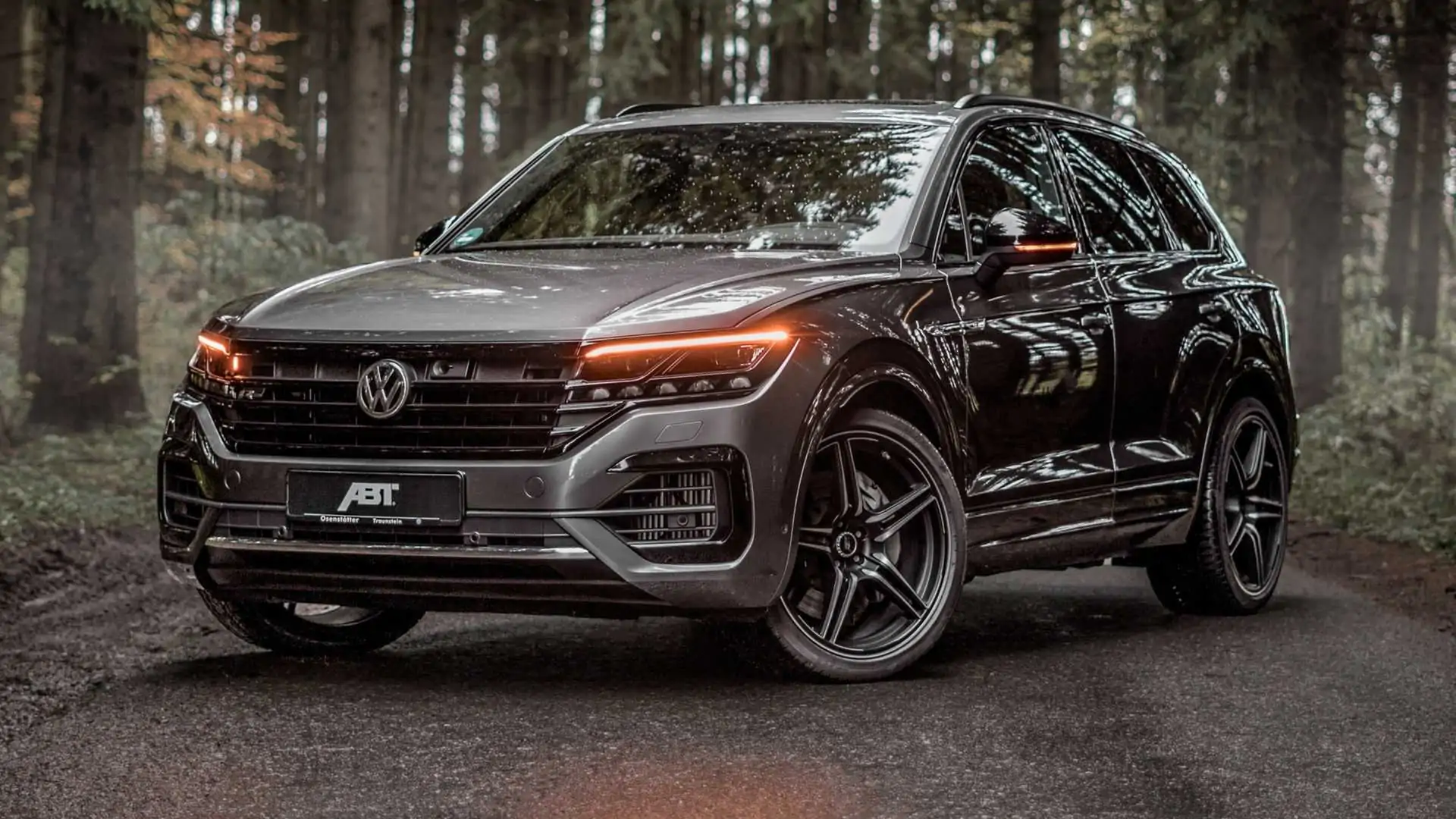
The Volkswagen Touareg TDI is a premium midsize SUV that blends luxury, off-road capability, and strong diesel performance. Developed alongside the Porsche Cayenne, the Touareg gained recognition for offering refined driving dynamics, a comfortable interior, and impressive towing and highway cruising ability. The 2015 refreshed model introduced updated styling, improved safety technologies, and enhanced efficiency, making it one of Volkswagen’s most advanced SUVs of its time.
Powered by a 3.0-liter turbocharged V6 diesel engine, the Touareg TDI delivers strong low-end torque and respectable fuel economy for a large SUV. The engine produces approximately 240 hp and 406 lb-ft of torque, paired with an eight-speed automatic transmission. Performance remains impressive, with 0–60 mph achieved in around 7 seconds while still maintaining highway fuel efficiency close to 29 mpg.
The Touareg also introduced several advanced driver-assistance systems, including adaptive cruise control, autonomous emergency braking, blind-spot monitoring, and lane-departure warning. Its spacious cabin, premium build quality, and composed ride quality made it a practical alternative to luxury European SUVs.
However, the Touareg TDI is notorious for expensive AdBlue (SCR emissions system) repairs. The SUV uses a highly integrated Selective Catalytic Reduction system where the heater, sensors, pumps, and tank components are built together. If a single component, such as the heater or NOx sensor, fails, owners are often forced to replace the entire tank assembly. Crystallized AdBlue fluid can also damage pumps, injectors, and even the SCR catalytic converter itself, causing cascading failures throughout the emissions system.
Repair costs frequently exceed $2,000–$2,500 because of expensive OEM parts, labor-intensive access beneath the vehicle, and mandatory software calibration after repairs. Additionally, the Touareg activates a “no-start” countdown if emissions faults are ignored, eventually immobilizing the SUV until repairs are completed.
| Specification | Details |
|---|---|
| Engine | 3.0L V6 Turbo Diesel TDI |
| Horsepower | 240 hp |
| Torque | 550 Nm |
| Length | 4,795–4,801 mm |
| Width | 1,940 mm |
Also read: 10 Cars Where Owners Reported Brake Failures Under 30,000 Miles
6. BMW X5 xDrive35d
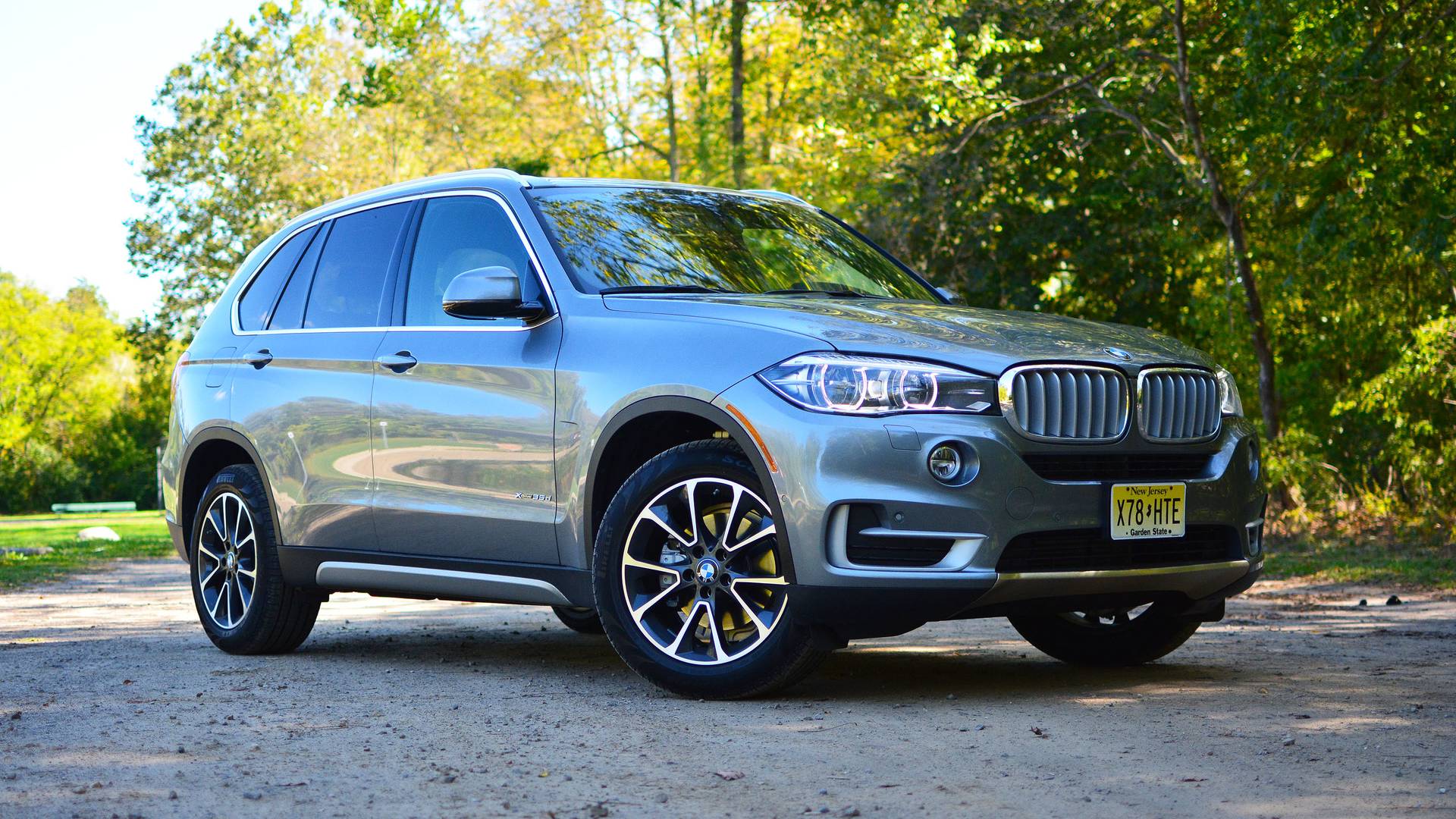
The BMW X5 xDrive35d is a luxury midsize diesel SUV that combines premium comfort, strong performance, and efficient long-distance cruising. As part of BMW’s third-generation X5 lineup, the xDrive35d introduced a refined 3.0-liter turbocharged inline-six diesel engine paired with BMW’s advanced all-wheel-drive system and an eight-speed automatic transmission. The model became popular for delivering a balance of sporty driving characteristics, spacious practicality, and impressive fuel economy for a vehicle of its size.
Inside, the X5 offers a luxurious cabin with premium materials, a large 10.2-inch infotainment display, comfortable seating, and generous cargo space. The elevated seating position and expansive visibility contribute to its reputation as a capable family SUV. Despite its size, the diesel-powered X5 delivers respectable acceleration, reaching 0–60 mph in approximately 7.3 seconds while achieving fuel economy figures as high as 31 mpg highway.
However, the xDrive35d is also known for expensive AdBlue (DEF/SCR emissions system) repairs. BMW designed the system with a complex dual-tank setup featuring active and passive fluid reservoirs, transfer pumps, heaters, and multiple NOx sensors. Over time, AdBlue fluid can crystallize within the transfer lines and injectors, causing blockages, overheated pumps, and sensor failures. Since many components are integrated into sealed assemblies, BMW often requires replacing entire tank modules instead of individual parts.
Repair costs commonly exceed $2,000 because of expensive proprietary components, labor-intensive underbody access, and required software recalibration after repairs. The AdBlue tank alone may cost between $1,000 and $2,000, while NOx sensors can exceed $500 each. Additionally, BMW’s electronic control system activates a “no-start” countdown when emissions faults are detected, forcing owners to repair the issue before the vehicle becomes immobilized. These repair costs make the X5 diesel particularly expensive to maintain once out of warranty.
| Specification | Details |
|---|---|
| Engine | 3.0L TwinPower Turbo Diesel I6 |
| Horsepower | 255 hp |
| Torque | 560 Nm |
| Length | 4,907 mm |
| Width | 1,938 mm |
7. Porsche Cayenne Diesel
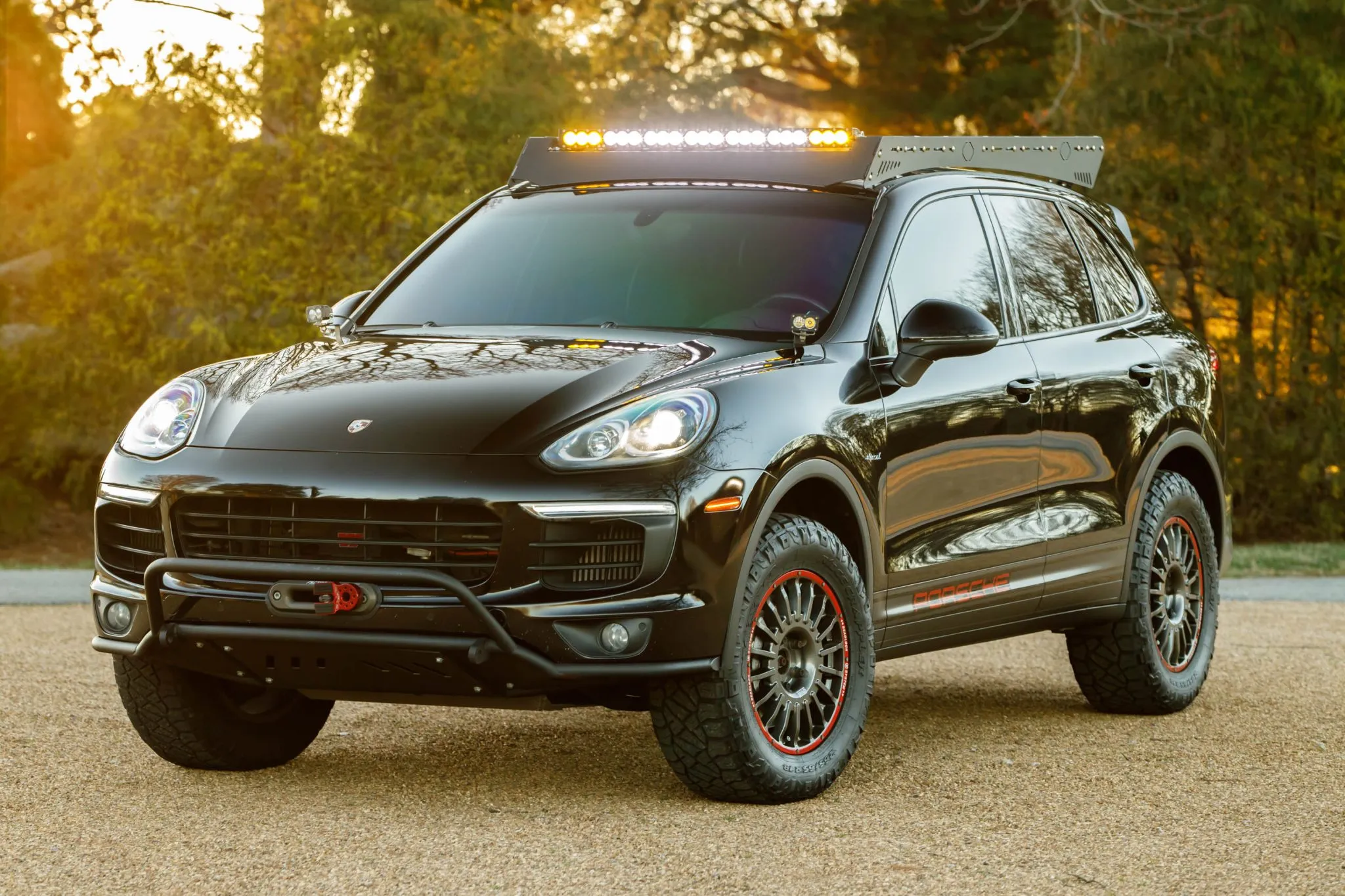
The Porsche Cayenne Diesel is a luxury midsize SUV built on a shared platform with the Volkswagen Touareg and Audi Q7. It uses a 3.0-liter turbocharged V6 diesel engine paired with an eight-speed automatic transmission and Porsche’s all-wheel-drive system. The model is known for combining strong diesel torque, long-distance efficiency, and surprisingly sharp driving dynamics for a large SUV.
It produces 240 hp and 406 lb-ft of torque, giving it solid mid-range performance. The Cayenne Diesel accelerates from 0 to 60 mph in about 6.8 seconds while still delivering excellent fuel economy of up to 29 mpg on the highway. With a large fuel tank, it can achieve a driving range of over 700 miles, making it ideal for long-distance touring. Despite its size and weight, it also performs well dynamically with strong braking and high cornering grip for its class.
The main drawback is the expensive AdBlue emissions system. The SCR setup includes integrated tanks, pumps, heaters, and NOx sensors that are not easily serviced individually. When failures occur or when AdBlue fluid crystallizes, entire modules often need replacement. This is made worse by tight engine packaging, high Porsche OEM parts pricing, and the need for specialized labor and ECU recalibration after repairs. As a result, repair costs commonly exceed $2,000 to $2,500.
The system also includes a “no-start” countdown that eventually immobilizes the vehicle if emissions faults are not fixed. This makes repairs urgent and unavoidable. Preventive maintenance, such as keeping the tank filled, using certified AdBlue fluid, and relying on experienced independent specialists, can help reduce risk.
Inside, the Cayenne Diesel features a high-end cabin with premium materials, advanced infotainment, and extensive customization options. Many examples reach over $100,000 when fully optioned, reflecting its position as a premium luxury SUV.
| Specification | Details |
|---|---|
| Engine | 3.0L Turbocharged V6 Diesel |
| Horsepower | 240 hp |
| Torque | 550 Nm |
| Length | 4,846 mm |
| Width | 1,938 mm |
8. Land Rover Discovery TD6
The Land Rover Discovery TD6 combines luxury, comfort, and serious off-road capability, but its diesel exhaust fluid (DEF/AdBlue) system is notoriously expensive to repair. The vehicle uses a highly integrated emissions setup where the DEF pump, sensors, and heater are built directly into the tank assembly. If one component fails, Land Rover often requires replacement of the entire tank, with parts alone commonly exceeding $1,000. Accessing the system is also difficult because mechanics must remove major underbody components such as the exhaust and parts of the suspension, driving labor costs dramatically higher. As a result, repairs frequently total between $2,000 and $3,000.
The system is also sensitive to DEF quality and contamination. Old or low-quality fluid can crystallize inside the lines and injector, causing blockages and triggering fault codes like “Incorrect Quality Fluid.” Fixing these issues may require flushing the system or even replacing the SCR catalyst. Land Rover’s proprietary diagnostic software further increases costs because many repairs and system resets must be performed using dealer-level tools.
Another major concern is the “no-start countdown.” If the vehicle detects a DEF malfunction or the tank runs dry, emissions regulations require the SUV to begin a mileage countdown. Once it reaches zero, the Discovery will refuse to start until the issue is repaired.
Despite these ownership challenges, the TD6 remains highly regarded for its smooth highway comfort, strong low-end torque, and relaxed driving experience. Its 3.0-liter diesel V6 produces 254 hp and 443 lb-ft of torque, paired with an eight-speed automatic transmission. While not especially sporty, the Discovery excels as a refined long-distance family SUV with impressive off-road ability, strong fuel economy, and exceptional ride comfort.

| Specification | Details |
|---|---|
| Engine | 3.0L V6 Turbocharged Diesel |
| Horsepower | 254 hp |
| Torque | 443 lb-ft |
| Length | 195.6 in |
| Width | 81.6 in |
9. Mercedes-Benz E-Class BlueTEC
The Mercedes-Benz E-Class BlueTEC is a premium diesel luxury sedan that combines refined engineering, strong highway efficiency, and long-distance comfort. Built on the W213-generation E-Class platform, it represents Mercedes-Benz’s continued development of advanced diesel technology, using Selective Catalytic Reduction (SCR) with AdBlue injection to reduce emissions.
The lineup includes both a 2.0-liter four-cylinder E220d and a 3.0-liter V6 E350d. The E350d is the more powerful option, producing 254 hp and 457 lb-ft of torque, while the E220d delivers 192 hp and 295 lb-ft of torque. Both engines are paired with a 9-speed automatic transmission that prioritizes smooth, low-RPM cruising and fuel efficiency.
Performance is strong but focused on comfort rather than sportiness. The E350d accelerates from 0 to 60 mph in about 5.8 to 7.2 seconds, depending on configuration, while the E220d is slower but still efficient. The diesel engines are designed for relaxed, low-stress driving, with excellent torque delivery at low RPM and strong highway efficiency reaching up to 41 mpg in ideal conditions.
However, the BlueTEC AdBlue system is a known cost concern. It relies on integrated components such as tank heaters, NOx sensors, dosing modules, and pumps. Many of these parts are not individually serviceable. When failures occur, especially due to crystallized AdBlue or heater malfunctions, entire tank assemblies must be replaced. Combined with labor-intensive access under the chassis and mandatory ECU recalibration, repair costs often exceed $2,000.
The system also includes a “no-start” lockout if emissions faults are not resolved, making repairs unavoidable. Preventive maintenance, including using high-quality AdBlue fluid and addressing warnings early, can help reduce long-term costs. Independent European specialists may also offer more affordable repair options compared to dealership servicing.
Inside, the E-Class delivers a high-end luxury experience with advanced infotainment, premium materials, and a quiet, comfortable ride designed for long-distance travel.
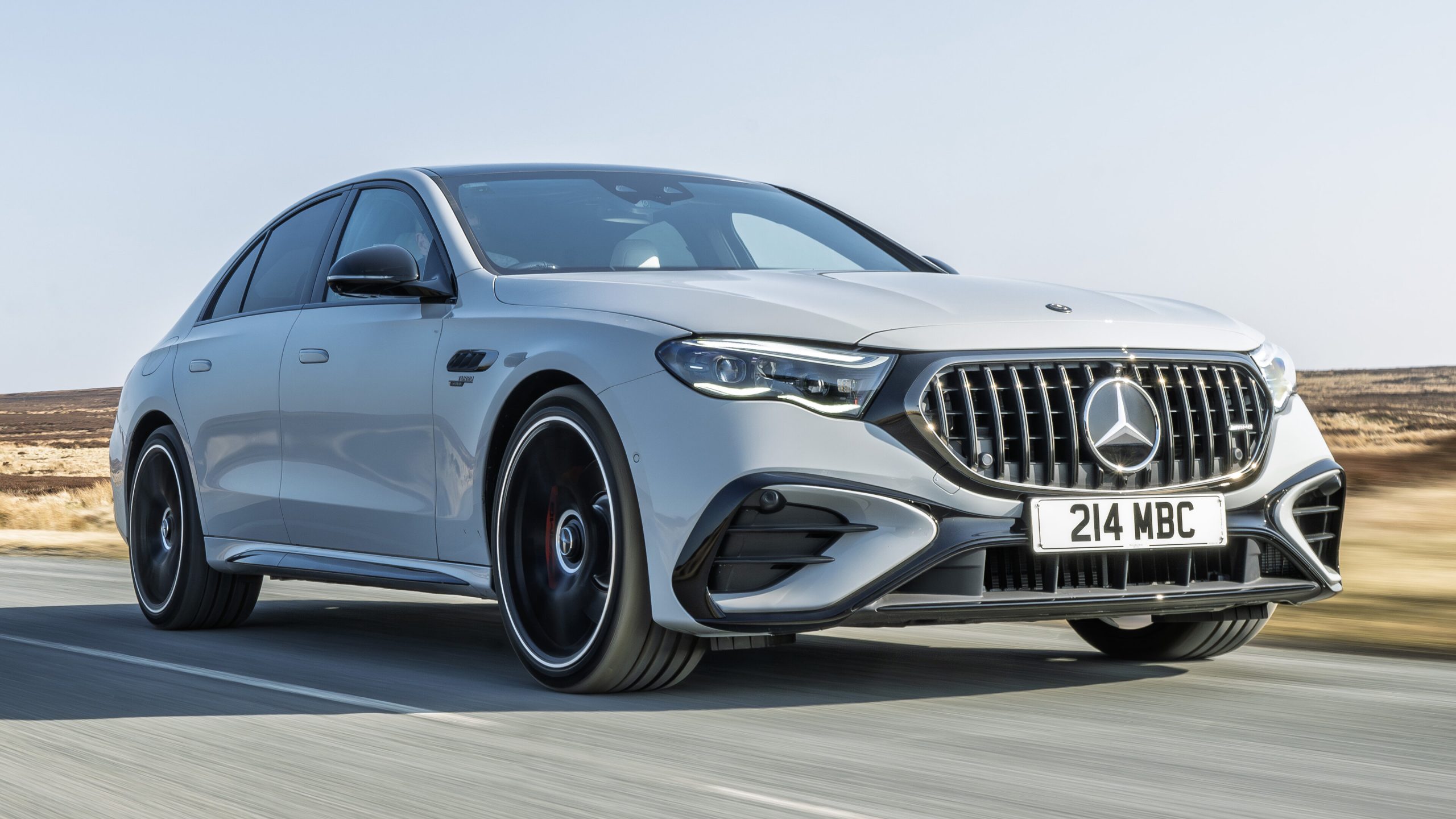
| Specification | Details |
|---|---|
| Engine | 2.1L I-4 Turbo Diesel (BlueTEC) |
| Horsepower | 195 hp |
| Torque | 500 Nm |
| Length | 4,877 mm |
| Width | 1,854 mm |
10. Volkswagen Caddy TDI
The Volkswagen Caddy TDI is a compact diesel panel van designed for commercial use, offering strong practicality, sliding-door access, and sedan-like driving comfort uncommon in utility vehicles. Despite its work-focused purpose, it delivers surprisingly refined road manners thanks to modern diesel engineering and Volkswagen’s DSG transmission, making it suitable for small business owners who need both cargo space and daily drivability.
The Caddy offers a spacious cargo area of around 3.2 cubic meters, flexible access through sliding side doors, and a comfortable cabin that can handle long working days. The diesel engine provides solid low-end torque, enabling confident acceleration even when fully loaded. In real-world use, the Caddy can reach 0 to 100 km/h in around 8 seconds, depending on load and configuration, which is strong for a commercial van.
However, ownership costs can rise significantly due to the AdBlue Selective Catalytic Reduction system. The system is highly integrated, meaning components such as the tank, pump, heater, level sensor, and injector are not individually serviceable. If any single part fails, the entire AdBlue module often needs replacement. This design, combined with tight underbody packaging and labor-intensive access requirements, frequently results in repair bills between $2,000 and $3,000.
A common issue is AdBlue crystallization, where urea fluid hardens and blocks injectors, damages pumps, and clogs lines, especially if the heater fails or fluid levels are neglected. Additional costs may arise from NOx sensor failures or ECU-triggered “no-start” countdowns, which force immediate repairs to avoid vehicle immobilization.
Because of these high costs, some owners rely on independent VAG specialists or ECU software remapping solutions that disable the AdBlue system entirely, although these may not be legal in all regions. Preventive maintenance, including using certified fluid and avoiding low-tank operation, is essential to reduce failure risk.
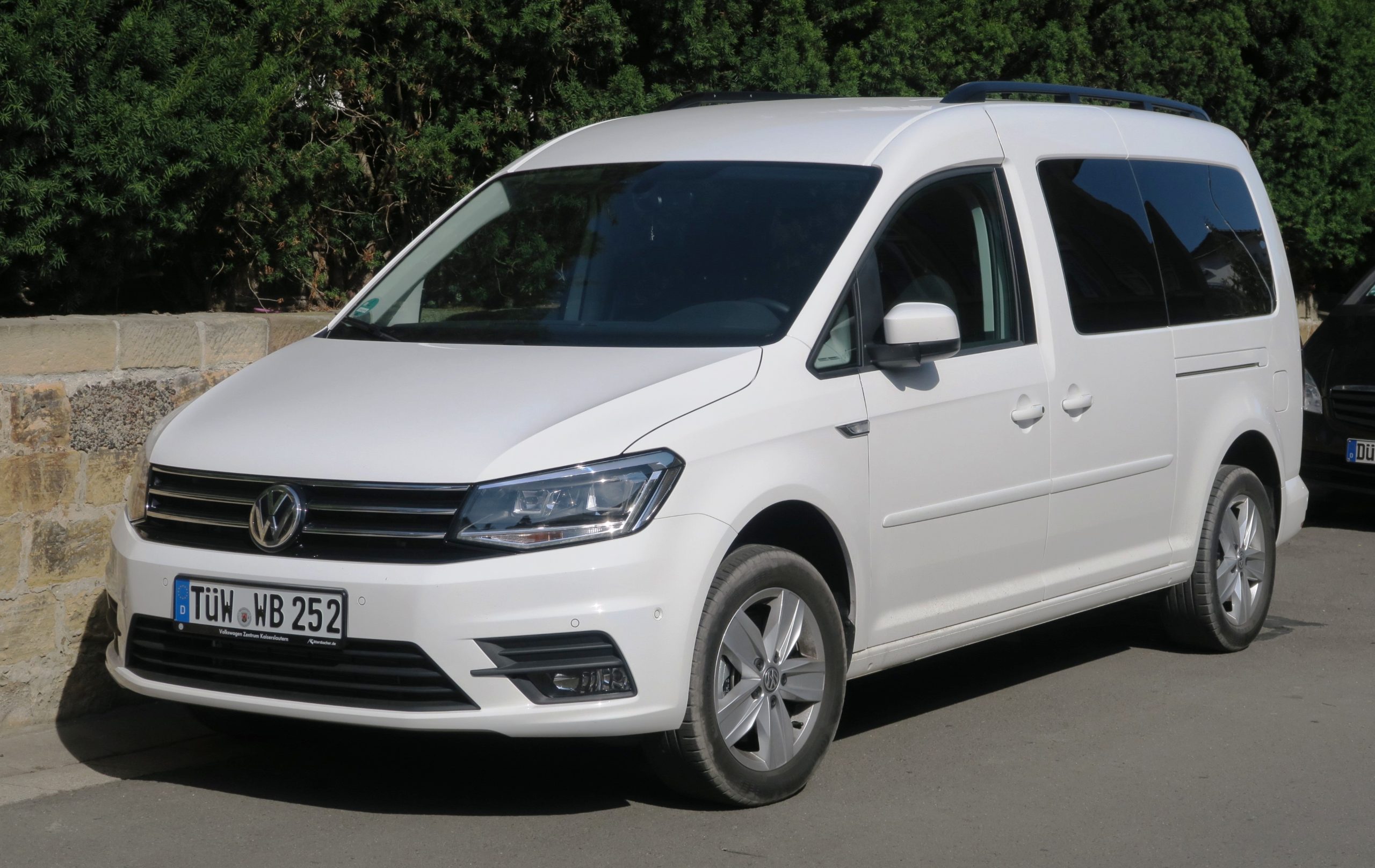
| Specification | Details | Details |
|---|---|---|
| Engine | 2.0L TDI | 2.0L TDI (higher tune) |
| Horsepower | 102 hp | 122 hp |
| Torque | 250 Nm | 320 Nm |
| Length (Standard / Maxi) | 4,500 mm / 4,853 mm | 4,500 mm / 4,853 mm |
| Width | 1,855 mm | 1,855 mm |
Even though diesel technology continues to improve in terms of efficiency, torque delivery, and long-distance performance, the long-term ownership experience is increasingly shaped by emissions system complexity. The AdBlue system, while essential for meeting regulatory requirements, has become one of the most expensive components to maintain when faults occur.
Many of the vehicles featured share similar weaknesses, particularly the use of sealed modules that cannot be repaired at the component level. This means that relatively small failures, such as crystallized fluid, faulty sensors, or pump malfunctions, often lead to full system replacements.
In addition, software-driven “no-start” safeguards can force immediate repairs, leaving owners with little flexibility once a fault is detected. As seen across these examples, the cost of compliance has become a significant factor in diesel ownership. Understanding these potential expenses is essential for anyone considering a modern diesel vehicle.
Also read: 5 Cars Where Trade-In Beats Private Sale vs 5 Where It Doesn’t
