Brake problems are among the most frightening issues any car owner can experience because they directly affect safety every single time the vehicle is driven. Drivers expect brakes to last well beyond 30,000 miles with only routine maintenance like pad replacement or rotor resurfacing.
When serious failures appear early, owners quickly lose confidence in the entire vehicle. A strange grinding sound, soft pedal feel, sudden vibration, or complete loss of braking performance can turn an ordinary drive into a dangerous situation within seconds.
Modern cars rely on increasingly complex braking systems that include electronic brake boosters, regenerative braking technology, anti-lock systems, advanced sensors, and computerized stability controls.
These systems improve stopping performance when functioning properly, but they also create more opportunities for expensive failures and difficult diagnoses. Some owners reported premature brake wear so severe that rotors and pads required replacement long before expected mileage.
Others faced sticking calipers, brake fluid leaks, electronic braking malfunctions, or sudden loss of stopping power while driving.
What makes these situations especially frustrating is that many affected cars were relatively new. Owners often assumed warranty coverage would solve everything quickly, only to discover repeated dealership visits, delayed parts availability, or disagreements about whether the failures resulted from defects or driving habits.
In several cases, drivers replaced brake components multiple times before reaching 30,000 miles.
Not every vehicle on this list suffers widespread catastrophic brake failure, and many owners never experience serious issues. Still, enough complaints surfaced through service records, owner forums, recalls, and dealership reports that certain models developed troubling reputations for brake-related problems appearing far earlier than buyers expected.
For drivers, early brake failure creates more than financial stress. It damages trust. Once confidence in stopping power disappears, every commute, highway trip, or emergency braking situation feels far more nerve-racking than it should in a modern vehicle designed around safety and reliability.
Also Read: 10 Pickups Built Stronger Before the Aluminium Body Switch
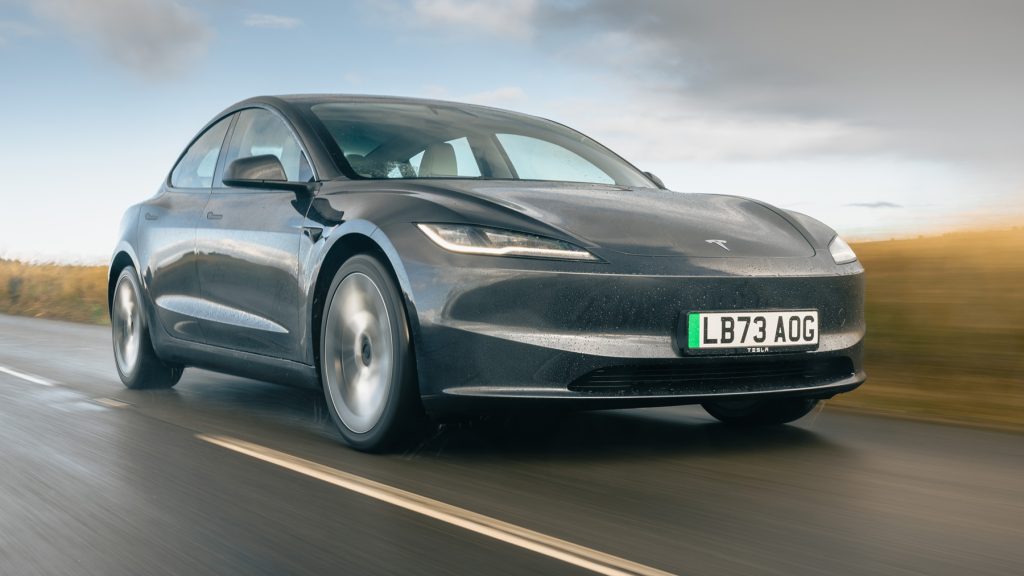
1. Tesla Model 3
The Tesla Model 3 transformed the automotive market by making electric cars feel fast, modern, and technologically advanced at a price far below traditional luxury EVs.
Owners praised the instant acceleration, minimalist interior, and impressive software features. Yet among the many discussions surrounding the Model 3, brake-related complaints appeared surprisingly often during the first few years of ownership.
One unusual factor behind these complaints involved regenerative braking. Because the electric motor slows the car aggressively when drivers lift off the accelerator, the physical brake components are used less frequently than in conventional vehicles.
While that sounds beneficial in theory, some owners discovered it created unexpected issues. Brake rotors occasionally developed rust, uneven wear, or corrosion much earlier than expected because the pads were not engaging regularly enough to keep surfaces clean.
Drivers living in colder or wetter climates reported the problem most frequently. Moisture sitting on underused rotors sometimes caused grinding noises, vibration, or reduced stopping smoothness during braking. Several owners needed rotor resurfacing or complete brake replacement surprisingly early despite relatively low mileage.
Other complaints centered around inconsistent brake pedal feel. Some drivers described sudden transitions between regenerative braking and physical braking that felt unpredictable during stop-and-go traffic. A few owners claimed the brake pedal occasionally felt soft or delayed before the system responded fully, creating anxiety during emergency stops.
Tesla’s software-heavy design added another layer of concern. Updates occasionally changed regenerative braking behavior, altering how the vehicle slowed in everyday driving. Some owners appreciated the changes, while others disliked how inconsistent the car felt after software revisions modified braking sensitivity or energy recovery strength.
Service experiences varied widely. Certain owners received quick fixes under warranty, while others described difficulty convincing service centers that unusual brake wear represented a legitimate issue rather than normal EV behavior.
Since Tesla operates differently from traditional dealership networks, repair scheduling sometimes became frustrating for owners needing immediate brake inspections.
The Model 3 remains one of the most influential electric cars ever produced, and many owners absolutely love driving it.
Still, premature rotor wear, corrosion concerns, and inconsistent brake feel created enough complaints that the vehicle developed a reputation for brake-related frustrations appearing earlier than many buyers expected from a modern EV.
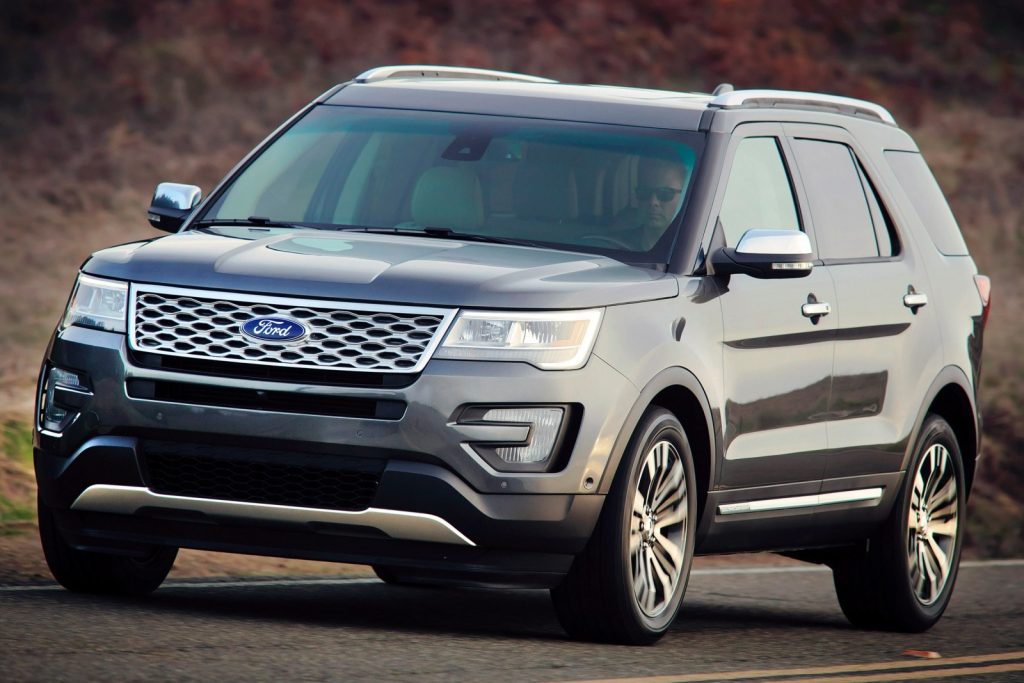
2. Ford Explorer
The Ford Explorer has remained one of the best-selling family SUVs in America for decades because it balances passenger space, comfort, and everyday practicality.
Families rely on it for commuting, road trips, and hauling children through heavy traffic daily. That dependence makes brake reliability especially important because owners expect a large family vehicle to stop confidently under all conditions.
Unfortunately, some Explorer owners reported serious brake problems long before reaching 30,000 miles.
One of the most common complaints involved warped rotors and severe brake vibration. Drivers described steering wheel shaking during highway braking, pulsation through the brake pedal, and loud grinding noises appearing far earlier than expected. Some owners replaced pads and rotors multiple times within relatively short ownership periods.
The Explorer’s size and weight likely contributed to some of the wear. Modern SUVs have become heavier due to larger cabins, added safety equipment, and advanced technology systems.
Frequent stop-and-go driving, heavy passenger loads, and towing can place enormous stress on braking components. Still, many owners felt the brake systems wore out far too quickly compared with previous vehicles they had owned.
Certain Explorer drivers also complained about electronic brake booster problems. In some cases, the brake pedal became unusually hard, requiring more force than expected to stop the SUV.
That issue created serious concern because drivers suddenly felt uncertain about emergency braking capability in crowded traffic situations.
Dealership visits became frustrating for many owners because brake wear often falls into a gray area between warranty coverage and maintenance responsibility.
Some service departments blamed driving habits or environmental conditions rather than acknowledging potential component weaknesses. Owners who expected long-lasting factory brakes became irritated when facing expensive repairs on relatively new vehicles.
Another issue involved repeated repairs failing to solve the problem permanently. Several owners replaced rotors and pads only to experience vibration returning thousands of miles later. That pattern damaged confidence because drivers no longer trusted the braking system even after repairs were completed.
The Explorer still delivers strong practicality and comfortable highway manners, but early brake complaints became a major frustration for a noticeable group of owners. Once drivers begin questioning whether their family SUV will stop smoothly and predictably, the entire ownership experience becomes far more stressful than it should be.
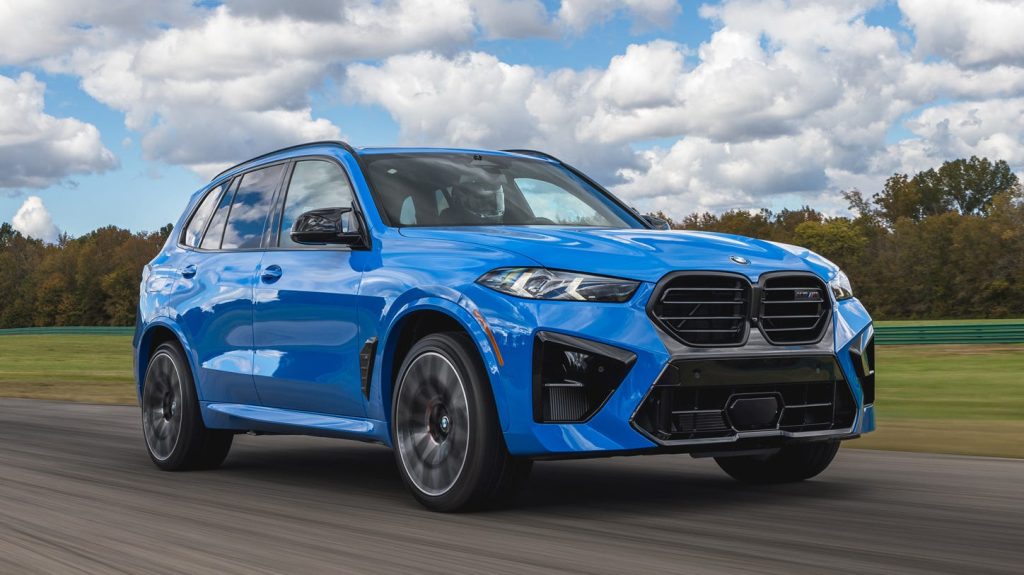
3. BMW X5
The BMW X5 built its reputation around blending luxury, performance, and SUV practicality into one premium package. Buyers expected sharp handling, powerful engines, and refined comfort, but some owners encountered brake problems much sooner than anticipated.
Since the X5 carries substantial weight and strong acceleration capability, its braking system works hard during everyday driving. Unfortunately, several owners reported excessive brake wear before reaching 30,000 miles.
Many complaints centered around premature rotor and pad deterioration. Drivers described loud squealing, steering wheel vibration during braking, and pulsation through the pedal after relatively low mileage.
Some owners were surprised to learn their luxury SUV already required expensive brake service despite careful driving habits and mostly highway use.
BMW’s softer brake compounds partly contributed to the issue. The company prioritizes strong stopping performance and smooth brake feel, but softer materials can wear faster. Owners expecting premium durability became frustrated once dealership service advisors recommended full brake jobs much earlier than anticipated.
Certain X5 drivers also reported electronic brake system warnings appearing unexpectedly. Dashboard alerts related to parking brakes or braking assistance systems created additional anxiety because modern BMWs rely heavily on integrated electronics.
Repairs often involved more than simple pad replacement once sensors and computerized modules entered the process.
Repair costs added another layer of frustration. Luxury SUV brake service rarely comes cheaply, and some owners faced surprisingly large invoices while the vehicle was still relatively new. Once rotors, pads, sensors, and labor were included, routine brake work felt excessive for a low-mileage vehicle.
The X5 still offers impressive road manners and upscale comfort, but premature brake wear became a recurring ownership complaint that disappointed drivers expecting stronger long-term durability from a premium SUV.
4. Nissan Altima
The Nissan Altima earned popularity by offering affordable pricing, comfortable seating, and strong fuel economy for commuters and families. It became a common sight on highways and city streets because owners viewed it as practical daily transportation.
That practicality made brake-related complaints especially frustrating because buyers expected simple, dependable operation without major repair concerns.
Some Altima owners reported brake pedal softness developing early in ownership. Drivers described situations where the pedal traveled farther than expected before the car responded properly. Others experienced grinding noises or uneven braking despite relatively modest mileage accumulation.
Premature brake wear also surfaced frequently in owner discussions. Pads and rotors occasionally required replacement well before owners anticipated routine brake service. Certain drivers noticed vibration during highway braking, while others complained about squeaking and scraping noises becoming constant companions during city driving.
A separate concern involved braking and confidence during sudden stops. Some owners claimed the vehicle felt unstable or slow to respond under heavy braking conditions, especially when carrying passengers or driving at highway speeds. While not every complaint pointed toward complete brake failure, the inconsistency damaged trust in the car’s stopping ability.
Dealership experiences varied significantly. Some owners received warranty assistance for defective components, while others were told the wear resulted from normal driving conditions. That inconsistency created frustration because many drivers believed the brake systems simply were not lasting as long as expected.
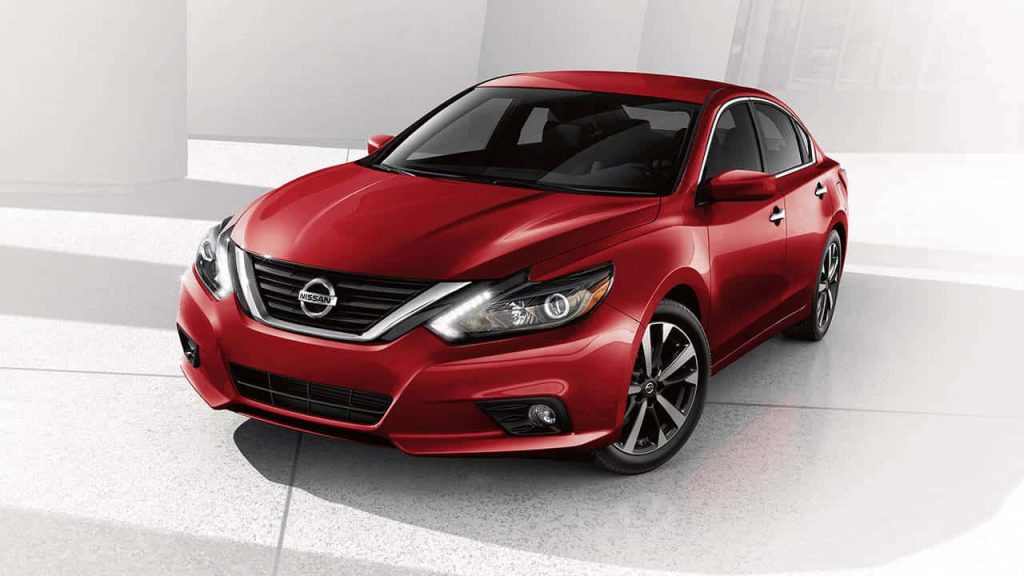
The Altima remained comfortable and economical in many areas, but repeated brake complaints hurt owner satisfaction. For people buying the car specifically to avoid expensive surprises, premature brake repairs became an unwelcome ownership headache that appeared much earlier than many expected.
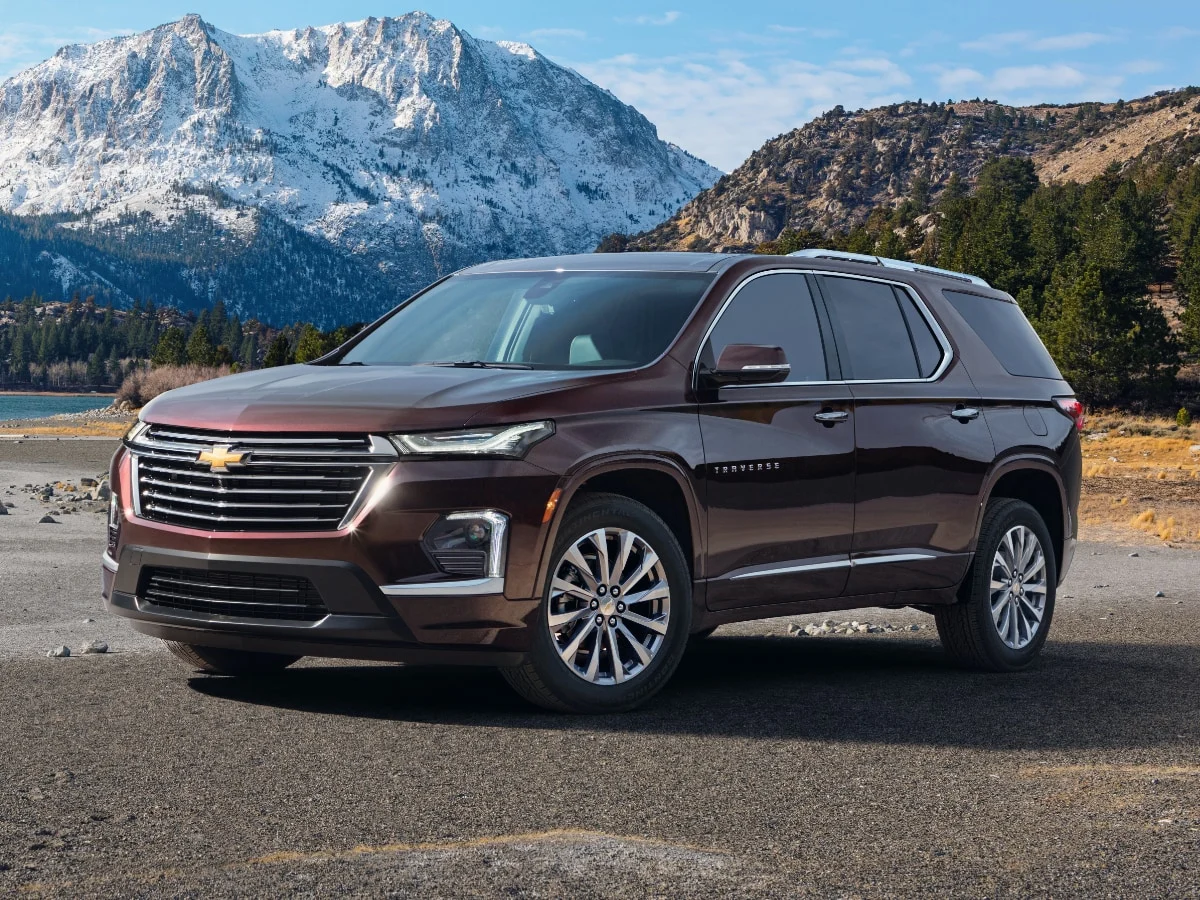
5. Chevrolet Traverse
The Chevrolet Traverse became popular among large families because it offered spacious seating, strong cargo capacity, and comfortable highway driving without stepping into full-size SUV pricing.
Parents depended on it for school runs, vacations, and daily commuting, which made brake reliability extremely important. Some owners, however, discovered brake problems appearing much earlier than expected.
One of the biggest complaints involved rapid brake wear. Several Traverse owners reported replacing pads and rotors before reaching 30,000 miles, even when the SUV spent most of its time on ordinary suburban roads.
Drivers noticed squealing sounds, grinding noises, and steering wheel vibration during braking far sooner than expected for a modern family vehicle.
The Traverse’s size and weight likely played a role in the issue. Fully loaded with passengers and cargo, the SUV places significant stress on its braking system during stop-and-go traffic. Still, many owners believed the components should have lasted substantially longer under normal driving conditions.
Some drivers also complained about brake pedal pulsation during highway stops. In certain cases, warped rotors became a recurring problem despite repeated repairs. Owners who replaced brake parts once often feared the same symptoms would return again later, damaging confidence in the vehicle’s long-term durability.
Service experiences created additional frustration. Some dealerships treated the problem as ordinary maintenance rather than acknowledging unusually early wear. Owners who expected warranty coverage sometimes ended up paying expensive repair bills themselves because brake components were classified as wear items.
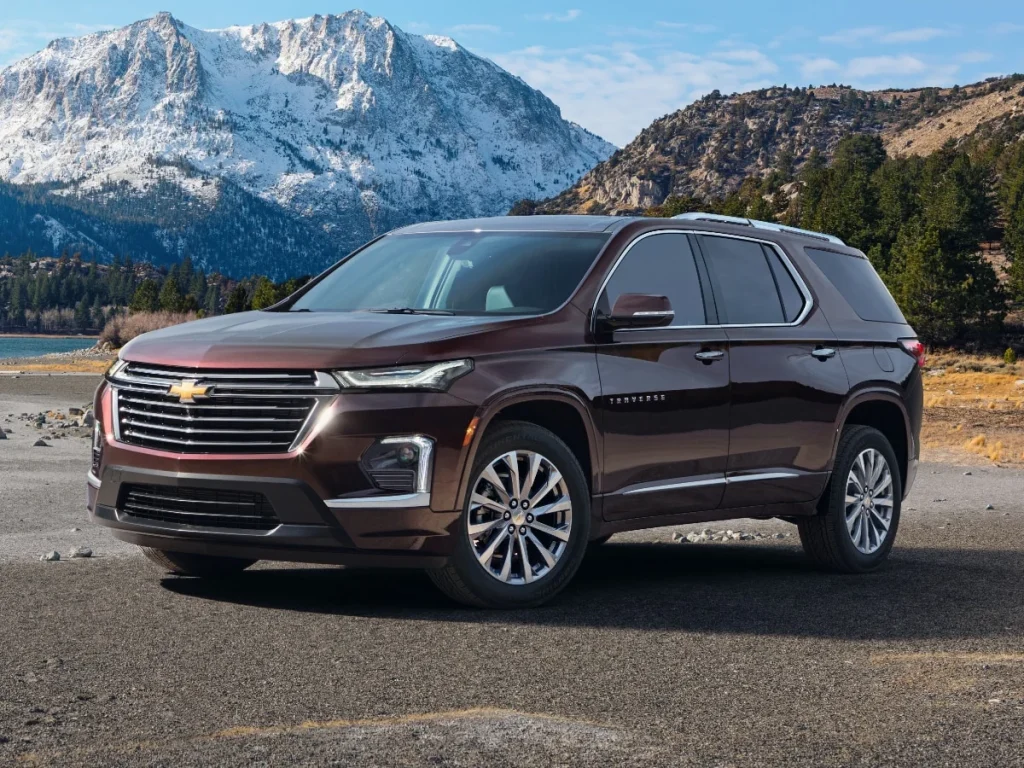
The Traverse remained practical and comfortable in many areas, but recurring brake complaints disappointed families expecting dependable transportation without constant repair concerns.
6. Audi Q7
The Audi Q7 combined luxury styling, advanced technology, and strong performance into a premium three-row SUV package. Buyers appreciated the smooth ride quality and upscale cabin, but some owners encountered brake issues surprisingly early in ownership.
Since the Q7 is both heavy and powerful, its braking system handles significant demands during everyday driving.
Several owners reported excessive brake dust and unusually rapid pad wear within the first 20,000 to 30,000 miles. Luxury performance-oriented brake systems often prioritize stopping power over longevity, but many Q7 owners still felt the wear occurred far too quickly for such an expensive vehicle.
Brake vibration also became a common complaint. Drivers described shaking through the steering wheel and pulsation in the brake pedal during moderate and hard stops. Some owners replaced rotors and pads only to experience similar symptoms again later, leading to frustration about repeated maintenance costs.
Electronic brake-related warnings occasionally added more concern. Dashboard alerts involving parking brake systems or braking assistance features created anxiety because modern Audi models rely heavily on interconnected electronics. Diagnosing those systems could become expensive once sensors and software enter the repair process.
Repair costs shocked many first-time luxury SUV owners. Routine brake service on the Q7 often involved premium-priced components and high labor rates. What some expected to be ordinary maintenance quickly turned into large dealership invoices.
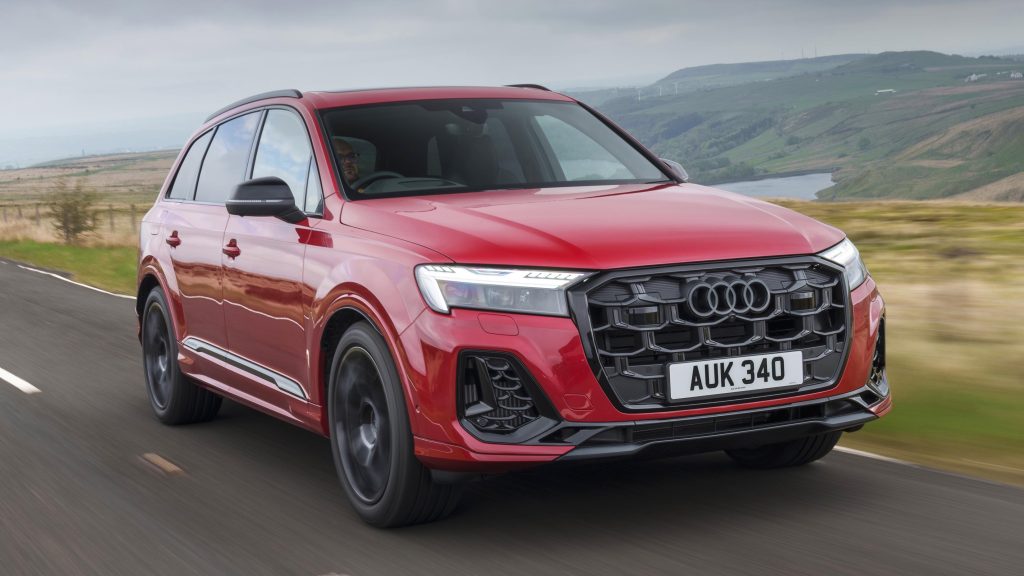
The Q7 still delivered impressive comfort and refined road manners, but early brake wear became one of the more disappointing ownership experiences for drivers expecting premium durability alongside luxury performance.
7. Honda Odyssey
The Honda Odyssey built its reputation around family practicality, smooth driving manners, and long-term dependability. Parents trusted it for everything from daily school runs to cross-country road trips, which made brake reliability especially important.
While many Odyssey owners remained satisfied with the minivan, some reported brake problems much earlier than expected.
One recurring complaint involved warped front rotors creating noticeable vibration during braking. Drivers described steering wheel shaking and brake pedal pulsation appearing before 30,000 miles, particularly during highway stops. Some owners replaced brake components only to experience similar symptoms again later.
The Odyssey’s role as a family hauler likely increased brake stress. Carrying multiple passengers, cargo, and frequent stop-and-go suburban driving placed constant pressure on the braking system. Still, many owners believed the brakes should have lasted longer under ordinary use conditions.
A few drivers also reported premature brake pad wear that required replacement far earlier than expected. Grinding noises and squealing became common frustrations for owners who expected Honda-level durability without major maintenance concerns during early ownership.
Dealership responses varied. Certain owners received warranty assistance, while others were told the wear represented normal driving conditions. That inconsistency created frustration because many families purchased the Odyssey specifically for dependable long-term ownership.
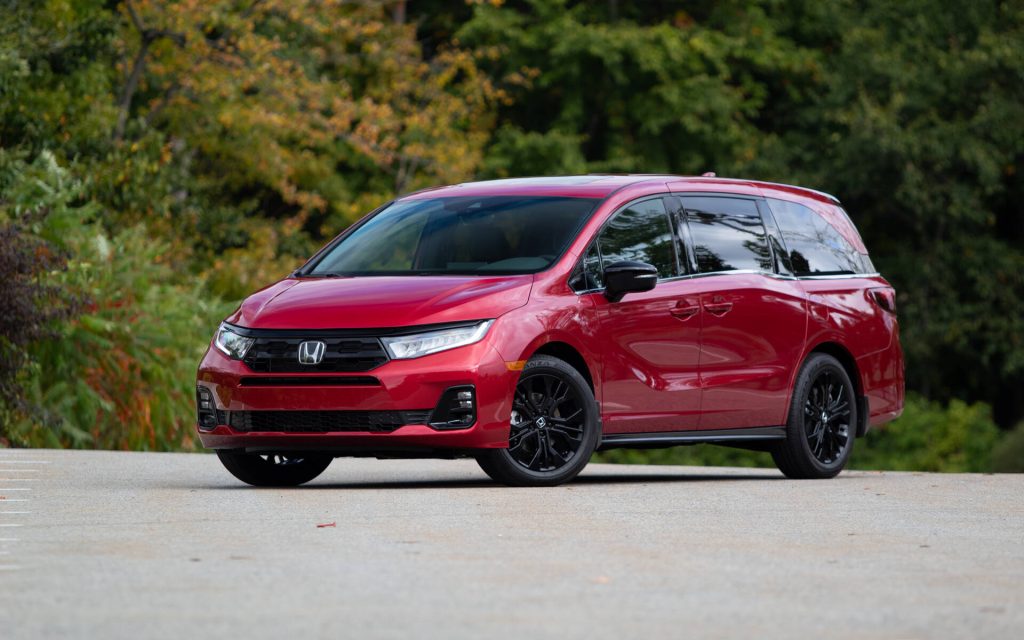
The Odyssey still excels at comfort and practicality, but early brake wear complaints became a disappointing issue for owners expecting stress-free family transportation.
8. Jeep Grand Cherokee
The Jeep Grand Cherokee attracted buyers wanting a mix of luxury, off-road capability, and strong road presence. Powerful engine options and upscale interiors helped the SUV compete in a crowded market, but brake complaints surfaced among some owners much earlier than expected.
Several Grand Cherokee drivers reported excessive rotor wear and vibration during braking before reaching 30,000 miles. Steering wheel shake during highway stops became one of the most common frustrations. Some owners replaced pads and rotors multiple times, only for the problem to return later.
The SUV’s weight and available high-performance engines contributed to heavy brake demands. Drivers who towed trailers or navigated steep terrain sometimes noticed accelerated wear even sooner. Yet many owners felt the braking components lacked durability, considering the vehicle’s premium pricing.
Certain drivers also describe an inconsistent brake pedal feel. Sudden changes in responsiveness created anxiety during emergency braking situations, especially in heavy traffic. A few owners complained about electronic brake system warnings appearing unexpectedly as well.
Repair costs became another concern. Brake service on newer Grand Cherokees often involved expensive parts and dealership labor, making repeated repairs frustrating on relatively new vehicles. Owners expecting rugged reliability became disappointed when brake problems appeared so early.
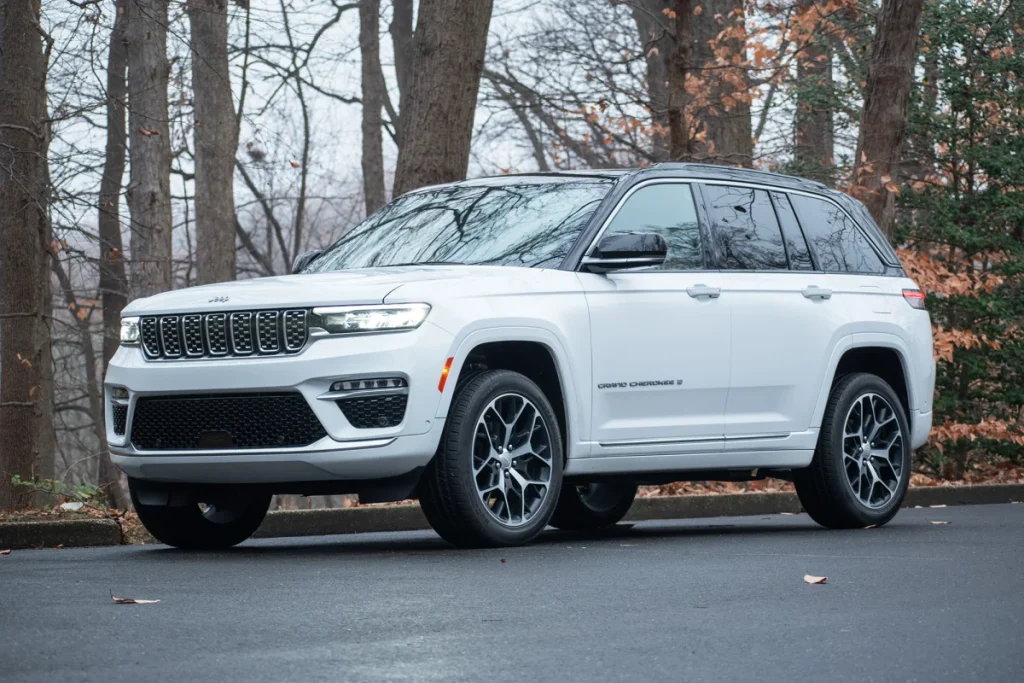
The Grand Cherokee still offers strong capability and upscale comfort, but premature brake wear damaged confidence for some owners who expected better long-term durability from a modern SUV.
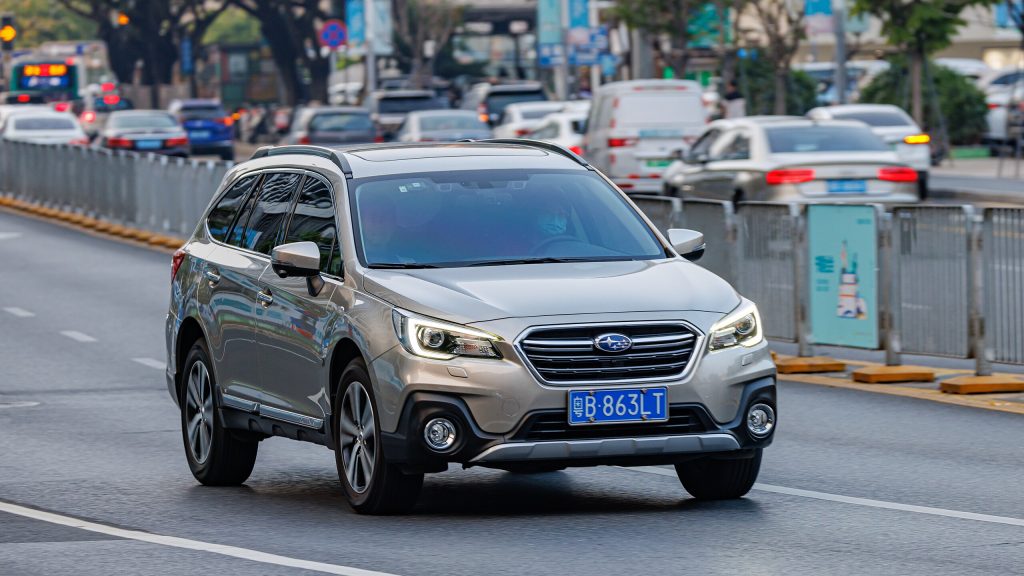
9. Subaru Outback
The Subaru Outback became one of the most trusted vehicles for families, outdoor enthusiasts, and commuters wanting all-weather capability without stepping into a full-size SUV.
Buyers appreciated the standard all-wheel drive system, comfortable ride quality, and reputation for practicality. Yet some owners encountered brake problems far earlier than expected, creating frustration in a vehicle known for dependable everyday use.
Several Outback drivers reported excessive brake pad and rotor wear before reaching 30,000 miles. Squealing noises, grinding sounds, and steering wheel vibration during braking appeared frequently in owner discussions.
Some owners were surprised to learn they already needed major brake service despite relatively gentle driving habits and mostly highway commuting. Several complaints involved warped rotors causing pulsation through the brake pedal. Drivers described the vehicle shaking during moderate or hard braking situations, especially at highway speeds.
In certain cases, owners replaced brake components only to experience similar symptoms again later, damaging confidence in the braking system’s durability.
Subaru owners also discussed soft brake pedal feel in some models. While not always connected to total brake failure, inconsistent stopping responses created anxiety during sudden traffic situations or downhill driving.
Drivers expecting predictable braking performance felt uncomfortable when the pedal response changed unexpectedly.
The Outback still delivers excellent practicality and strong foul-weather capability, but recurring brake-wear complaints disappointed owners expecting longer-lasting components and fewer early maintenance expenses.
10. Hyundai Santa Fe
The Hyundai Santa Fe gained popularity by offering attractive styling, modern technology, and strong value for families wanting a midsize SUV without luxury-level pricing.
Many buyers viewed it as a dependable daily vehicle packed with comfort features and advanced safety systems. Unfortunately, some owners reported brake-related issues surprisingly early in ownership.
Premature brake wear became one of the most common complaints. Certain Santa Fe owners noticed grinding noises, squealing brakes, and vibration during stops before reaching 30,000 miles. Some required rotor and pad replacement much sooner than expected for a modern family SUV.
Several drivers also described inconsistent brake feel. The pedal occasionally felt softer than normal, particularly during repeated braking in traffic or on steep roads. While not every case involved catastrophic failure, the changing brake response damaged driver confidence quickly.
Electronic brake-related warnings appeared in some reports as well. Dashboard alerts connected to braking assistance systems or parking brake functions created additional frustration because modern SUVs rely heavily on integrated electronics. Diagnosing these issues sometimes required repeated dealership visits.
Owners also became irritated by repair costs appearing so early in the vehicle’s life. Many purchased the Santa Fe expecting affordable ownership, so unexpected brake repairs within low mileage ranges felt especially disappointing.
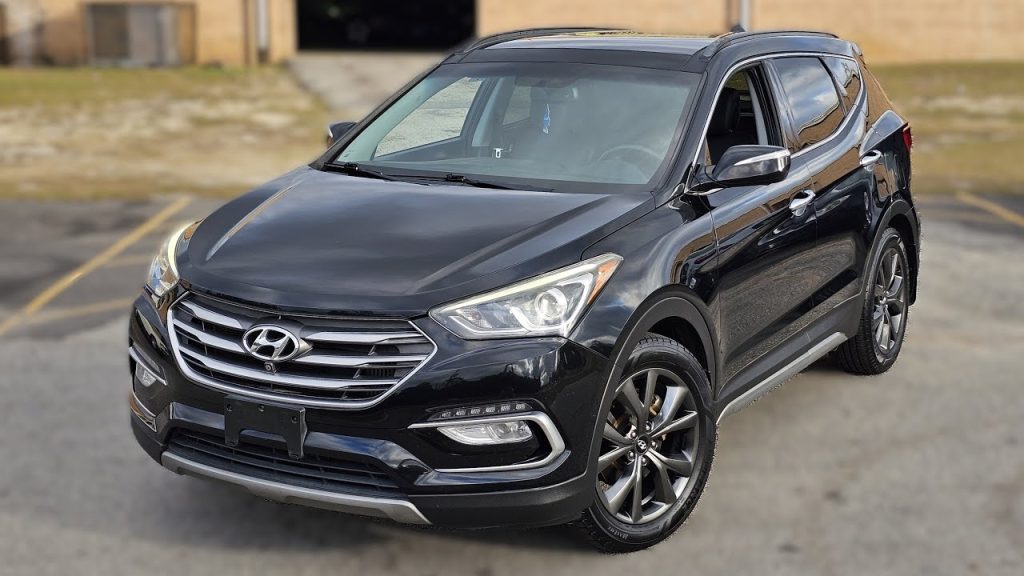
The Santa Fe still provides comfortable seating and strong feature value, but brake complaints became a noticeable weakness for some owners who expected a more trouble-free ownership experience during the first years of driving.
Modern cars and SUVs have become faster, heavier, and more dependent on advanced electronic systems than ever before. While manufacturers continue improving safety technology, many owners have discovered that brake reliability has not always kept pace with those changes.
Across several popular models, drivers reported brake problems appearing before 30,000 miles, creating serious frustration because braking performance is one of the most critical safety features in any vehicle.
Vehicles like the Tesla Model 3 introduced a unique challenge tied to regenerative braking. Because the car slows itself using the electric motor, traditional brake components sometimes experience corrosion and uneven wear from limited use.
Owners reported grinding noises, vibration, and inconsistent brake feel that appeared surprisingly early for a modern electric vehicle. Meanwhile, the Ford Explorer became associated with warped rotors, steering wheel shake, and premature brake wear, especially in heavily loaded family-driving situations.
Luxury SUVs also generated significant complaints. The BMW X5 and Audi Q7 both delivered impressive stopping power, but owners often faced expensive brake jobs much earlier than expected.
Premium brake compounds improved performance but wore rapidly, leading to repeated rotor and pad replacements. Electronic brake warnings and vibration during braking added more frustration for drivers expecting high-end reliability alongside luxury pricing.
Mainstream family vehicles were not immune either. The Nissan Altima, Chevrolet Traverse, Hyundai Santa Fe, and Honda Odyssey all developed reputations among certain owners for premature brake wear, soft pedal feel, or recurring rotor vibration.
Families purchasing these vehicles expected dependable long-term transportation with minimal maintenance surprises. Instead, some found themselves paying for brake repairs well before they anticipated needing major service.
The Jeep Grand Cherokee added another layer of concern because its combination of SUV weight and powerful engine options created heavy stress on braking systems. Owners towing trailers or driving in mountainous areas often reported accelerated wear and repeated vibration issues.
Subaru Outback owners also complained about rotor problems and an inconsistent stopping feel despite the vehicle’s reputation for dependable everyday practicality.
One pattern appeared repeatedly across many of these vehicles. Owners often replaced pads and rotors only for the same symptoms to return later. That cycle damaged confidence because drivers no longer trusted the repairs to provide lasting solutions. Dealership responses also varied significantly.
Some customers received warranty assistance, while others were told the problems resulted from driving habits or ordinary wear, even when failures occurred at surprisingly low mileage.
Modern braking systems now involve far more than pads and rotors alone. Electronic brake boosters, regenerative systems, parking brake modules, sensors, and computerized driver-assistance features all add complexity.
When something fails, diagnosis and repair costs rise quickly. Owners expecting affordable maintenance suddenly face expensive dealership visits tied to integrated electronic systems rather than simple mechanical fixes.
Not every example of these vehicles suffers serious brake problems, and many owners continue driving them without major concerns. Still, enough complaints surfaced that these models became associated with early brake wear, vibration, inconsistent pedal feel, and braking system malfunctions.
For drivers, few problems create anxiety faster than questioning whether a vehicle will stop safely and predictably in an emergency. Once that trust disappears, the entire ownership experience changes dramatically, no matter how comfortable, advanced, or enjoyable the vehicle may be in other areas.
Also Read: 10 Best Sports Cars. From the 1980s