
Car redesigns are supposed to improve what buyers already love. Better technology, sharper styling, stronger engines, improved comfort, and smarter features usually create excitement before a new model arrives at dealerships. Sometimes that excitement fades quickly once drivers actually spend time with the updated vehicle.
A growing number of 2026 redesigns created exactly that reaction. Certain automakers chased dramatic styling changes while sacrificing practicality. Others filled cabins with oversized touchscreens while removing physical controls that people genuinely preferred.
Several redesigned vehicles also became more expensive without delivering enough real improvement to justify the higher prices. Buyers noticed those problems immediately. Loyal owners who loved earlier generations suddenly started complaining about ride quality, visibility, confusing controls, weak engines, and interiors that felt cheaper despite rising sticker prices.
Some redesigns looked modern in photographs but felt frustrating during daily driving. That does not mean every 2026 vehicle became bad. Plenty still offer decent reliability, safety, or efficiency. The disappointment comes from knowing the previous versions often did certain things better.
A redesign should move a car forward rather than strip away the qualities that made people buy it in the first place. Here are eight vehicles where the 2026 redesign created more frustration than excitement.
1. 2026 Toyota Camry XSE
- Engine: 2.5L 4-cylinder hybrid
- Horsepower: 225 hp (approx)
- Torque: 163 lb-ft (engine) + electric assist
- Length: 193.5 in
- Width: 72.4 in
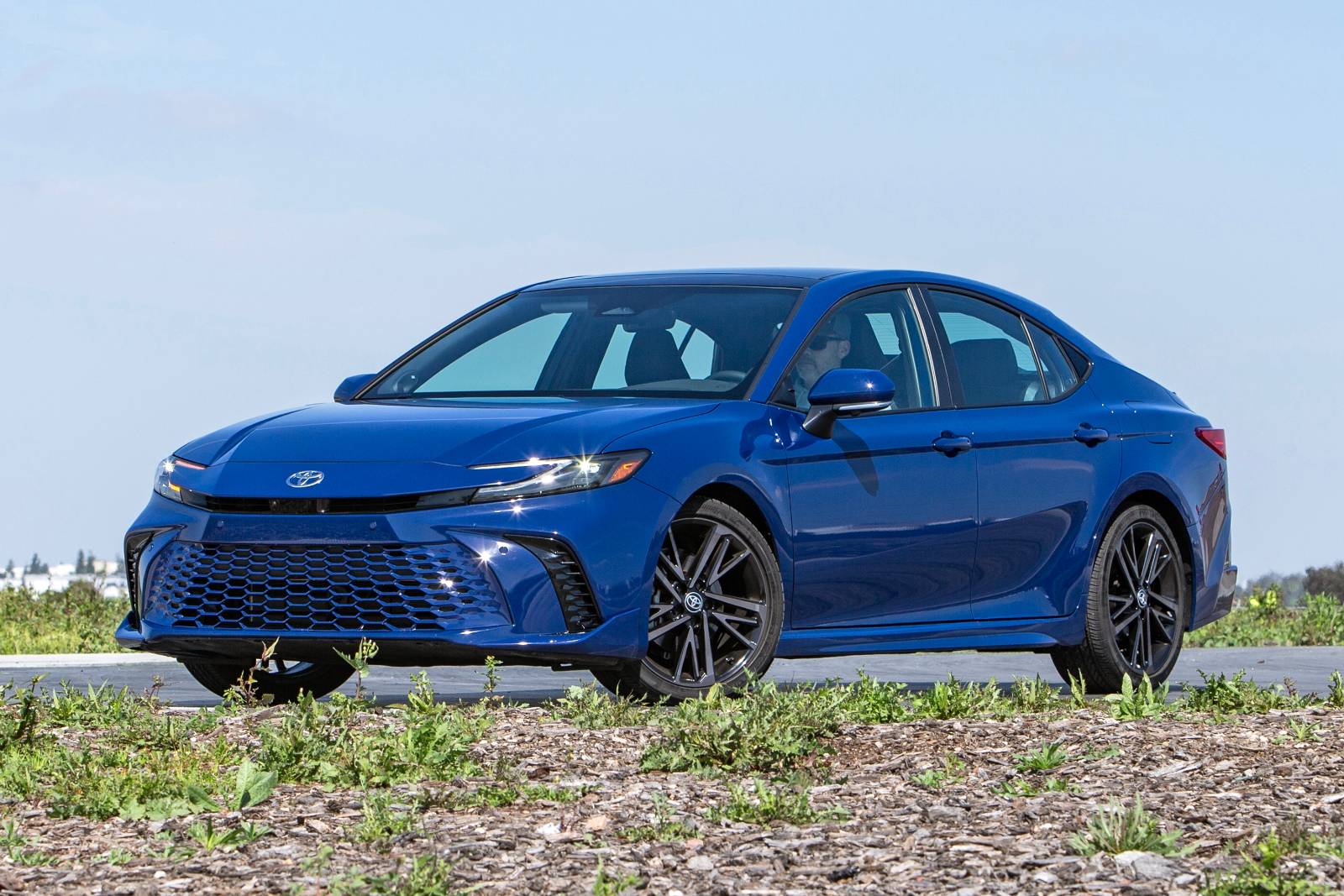
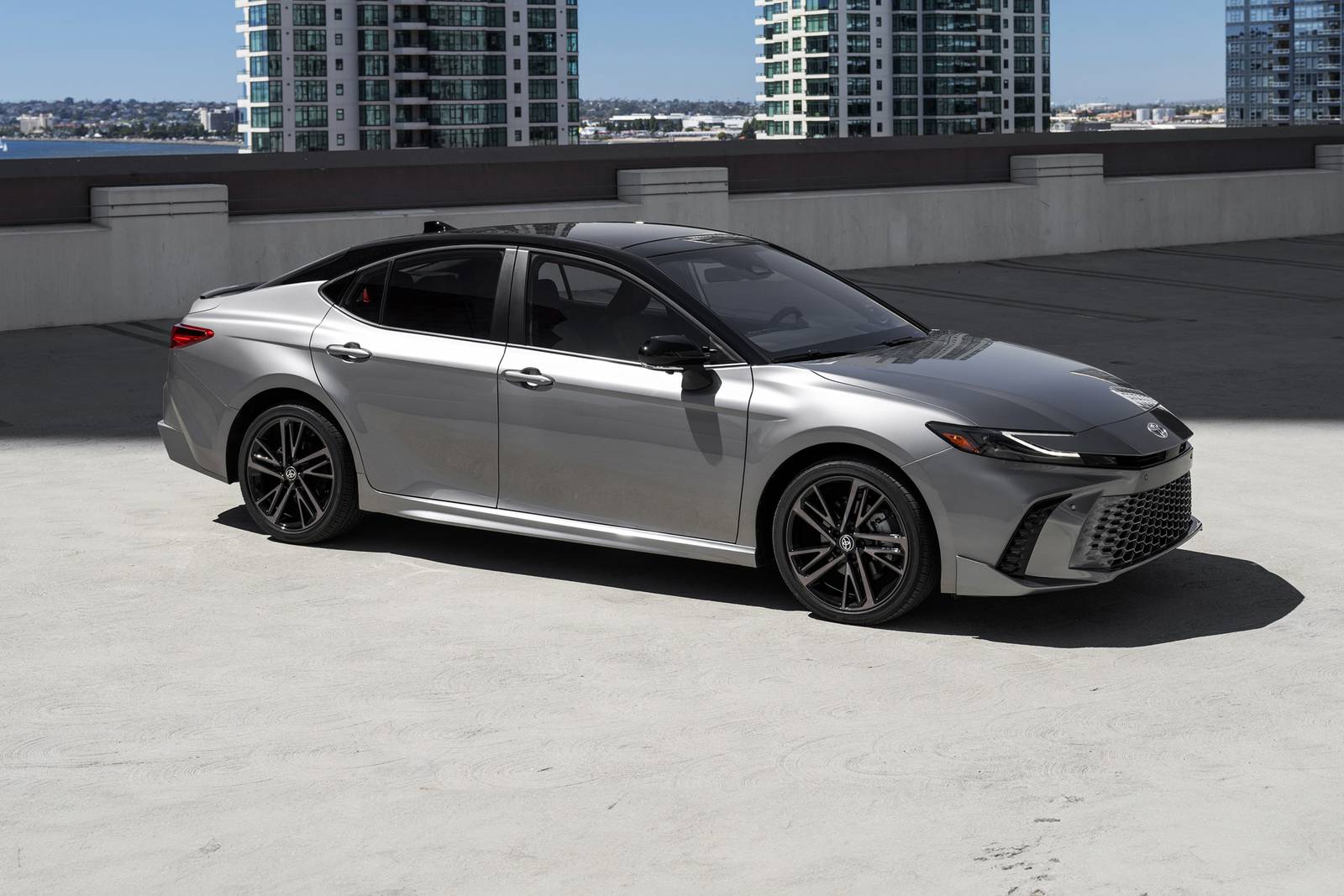
Toyota built its reputation on consistency, which made the 2026 Toyota Camry XSE redesign surprisingly divisive among longtime buyers. Previous Camry generations succeeded because they balanced comfort, reliability, user-friendly controls, and conservative styling without trying too hard to impress people.
The newest version attempted to look sportier and more futuristic, though that effort created several compromises drivers immediately noticed. Exterior styling became far more aggressive. Sharp creases, oversized grille openings, and exaggerated lighting elements gave the Camry a personality that feels forced instead of elegant.
Earlier models carried cleaner proportions that aged gracefully. The redesign chases trends likely to feel outdated within only a few years. Cabin changes disappointed traditional Camry buyers even more. Toyota replaced several physical climate and audio controls with touchscreen-based menus that demand more driver attention during everyday use.
Adjusting simple settings now requires extra taps and screen interaction, which feels less practical during traffic or highway driving. Ride comfort also suffered. Previous Camry models absorbed rough pavement smoothly while remaining quiet during long trips.
The redesigned XSE trim leans harder toward sporty handling, creating a firmer ride that becomes tiring on broken roads. Drivers wanting a relaxed daily commuter may find the newer suspension setup less pleasant than the outgoing model.
Powertrain choices created mixed reactions, too. Hybrid technology dominates the lineup now, which helps fuel economy but removes some of the smooth, effortless feel buyers enjoyed from earlier V6-powered Camrys. Acceleration remains acceptable, though the driving experience feels less refined during hard acceleration.
Interior materials surprisingly fail to justify the higher price tag. Certain trim pieces and panel finishes feel cheaper than expected for a midsize sedan approaching premium pricing territory. Some owners expected a richer atmosphere, considering how much pricing had increased compared with previous generations.
Rear visibility became another complaint. Sloping rooflines and thicker rear pillars create a more cramped feeling from the driver’s seat. Parking and lane changes feel slightly less natural than before, especially for drivers transitioning from older Camry models.
Technology overload also frustrates buyers who prefer simplicity. Digital displays dominate the dashboard, though some graphics and menu layouts feel cluttered instead of intuitive. Toyota once excelled at straightforward ergonomics. The redesign moved away from that strength.
2. 2026 Chevrolet Traverse RS
- Engine: 2.5L turbo 4-cylinder
- Horsepower: 328 hp
- Torque: 326 lb-ft
- Length: 204.5 in
- Width: 78.6 in
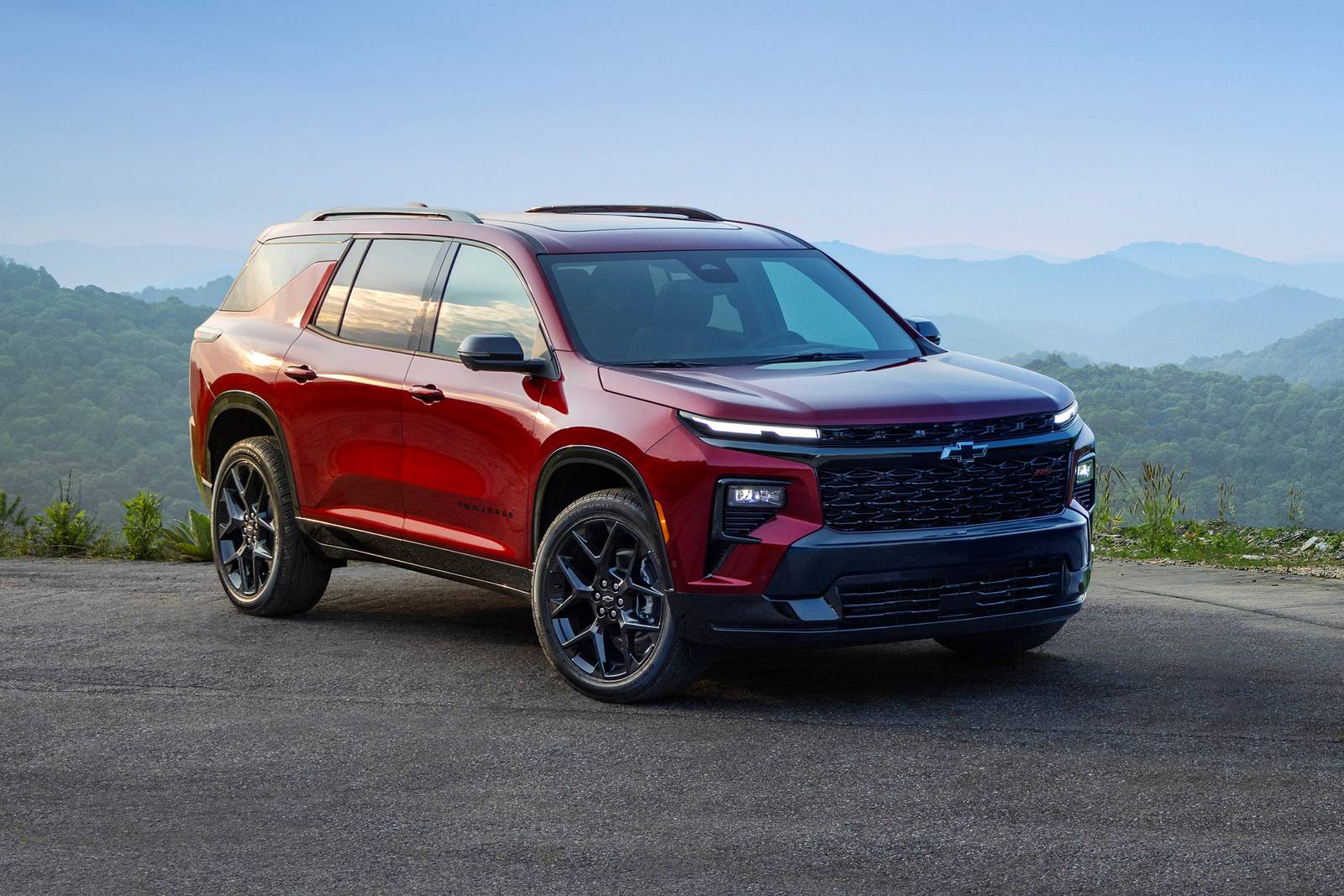
Families expecting a smoother and more refined crossover from the redesigned 2026 Chevrolet Traverse RS often leave disappointed after extended driving. Chevrolet attempted to transform the Traverse into a bolder and more rugged SUV, though the redesign sacrificed several qualities that made earlier versions practical family vehicles.
Styling changed dramatically. Squared body panels, larger front grilles, and truck-inspired details give the Traverse RS a heavier appearance than before. Some buyers appreciate the tougher image, but others feel Chevrolet abandoned the clean and approachable styling that previously appealed to suburban families.
Cabin usability also became less friendly. Touchscreen size increased substantially, yet physical controls decreased at the same time. Climate adjustments, seat settings, and audio functions now require more screen interaction than necessary. Parents managing children, groceries, and daily errands usually prefer quick buttons rather than layered digital menus.
Third row comfort surprisingly regressed despite the vehicle’s large footprint. Headroom feels tighter because of the lower roofline design, while seat cushioning lacks the comfort buyers expected from a family-oriented SUV. Longer road trips become less enjoyable for passengers sitting in the rear.
Ride quality changed noticeably, too. Chevrolet tuned the RS trim toward a firmer and more athletic feel, though that choice hurts daily comfort. Rough pavement sends more vibration through the cabin compared with previous Traverse generations that emphasized smooth cruising.
Turbocharged four-cylinder power replaced the older V6 engine, creating another source of frustration. Fuel economy improves slightly, though the new engine sounds strained under heavy acceleration or when carrying passengers and cargo. Drivers accustomed to the effortless feel of a naturally aspirated V6 may dislike the new power delivery.
Cargo flexibility no longer feels class-leading either. Design changes around the rear suspension and cabin packaging reduced some usable storage space. Families who frequently haul sports equipment, luggage, or large shopping loads may notice the difference quickly.
Interior quality also creates mixed reactions. Certain upper trim materials feel upscale, though lower cabin surfaces still rely heavily on hard plastics that fail to match the vehicle’s rising price point. Buyers spending near luxury crossover money expect better consistency throughout the interior.
Visibility became another weak spot. Larger pillars and smaller rear windows create more blind spots than before, making parking lots and lane changes slightly more stressful. Large family vehicles should inspire confidence rather than uncertainty during tight maneuvers.
Also Read: 10 Cars Under $25,000 That Get Over 40 MPG
3. 2026 BMW 5 Series 530i
- Engine: 2.0L turbo 4-cylinder
- Horsepower: 255 hp
- Torque: 295 lb-ft
- Length: 199.2 in
- Width: 74.8 in
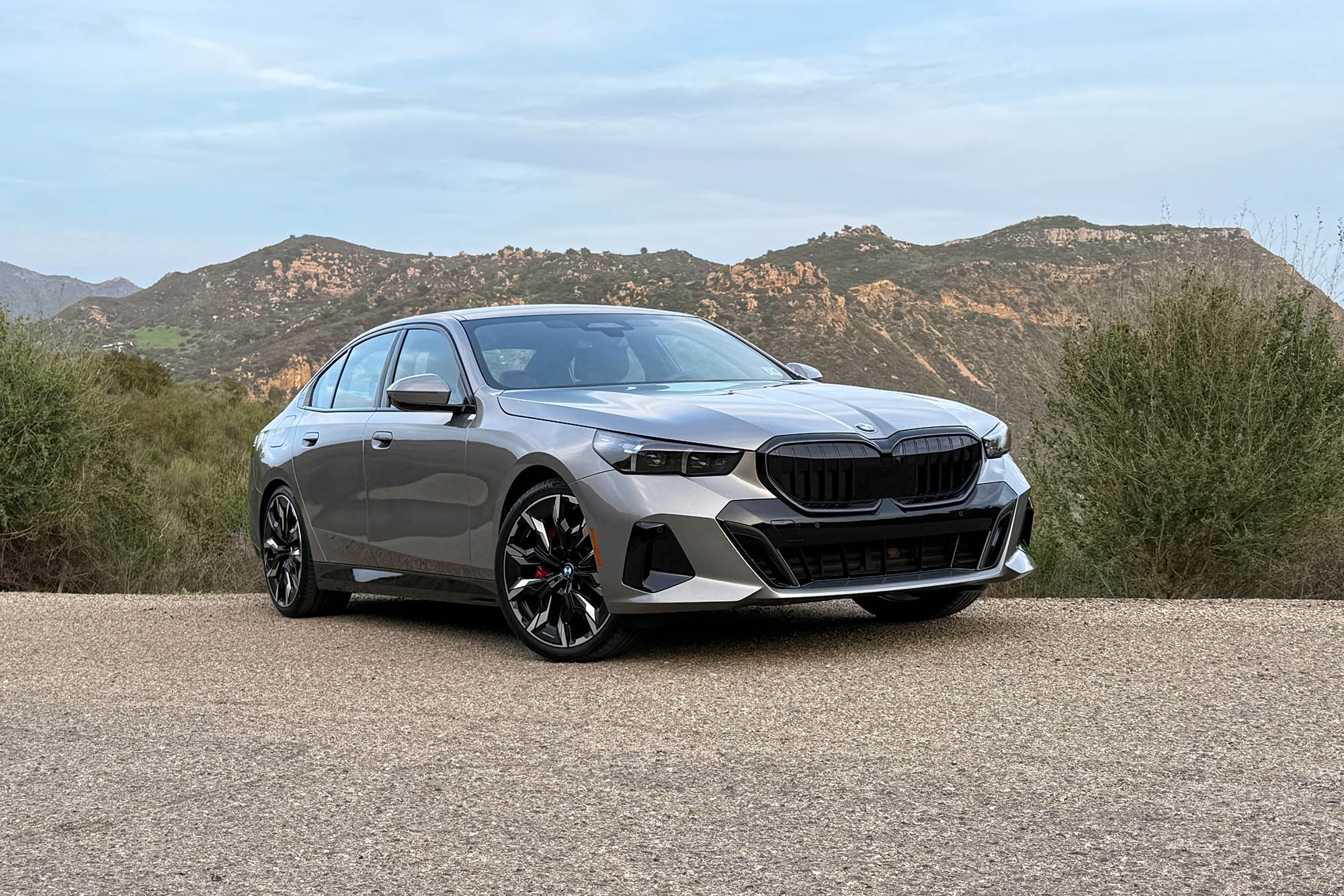
BMW used to produce midsize luxury sedans that balanced comfort with driver engagement in a very natural way. The 2026 BMW 5 Series 530i takes a different direction, leaving many long-time buyers feeling disconnected from what the badge once represented.
Exterior styling draws mixed reactions. Large illuminated grille elements, sharp lighting signatures, and stretched proportions give the sedan a more dramatic appearance. Earlier 5 Series models leaned toward understated design, with clean surfaces and restrained detailing. The latest design choice leans heavily toward attention-seeking styling rather than quiet sophistication.
Interior design changes affect daily usability. BMW reduced physical controls and moved many core functions into the central touchscreen system. Adjusting climate settings, seat temperature, or ventilation requires menu interaction instead of simple tactile buttons. This adds extra steps to routine driving adjustments.
Driving feel also changed. Older 5 Series sedans delivered steering feedback that felt direct and natural, with a balanced ride that worked well on both highways and winding roads. The 530i feels heavier and more insulated from the road surface, reducing the sense of connection between driver and vehicle.
The turbocharged four-cylinder engine provides acceptable performance for commuting and highway use. Acceleration is smooth, though the engine lacks the character associated with earlier BMW six-cylinder models. The driving experience feels more functional than engaging.
Interior technology introduces a learning curve. The curved display setup combines multiple functions into a single digital interface. While visually modern, menu depth can make routine adjustments less straightforward, especially while driving.
Rear seat space and cabin openness feel slightly reduced due to design changes. Thicker structural elements and a lower roof profile affect headroom and openness compared to previous generations. Pricing places the 530i in a more demanding position within the luxury segment.
Optional packages increase the cost quickly, placing it closer to higher-tier competitors from Genesis and Lexus that offer stronger standard equipment. Ride quality depends heavily on wheel selection. Larger wheels improve appearance but make rough road surfaces more noticeable inside the cabin.
Earlier generations balanced comfort and handling more effectively. Some early ownership feedback mentions software glitches and minor interior fit concerns. These reports vary, though they affect buyer confidence in a segment where build quality expectations remain very high.
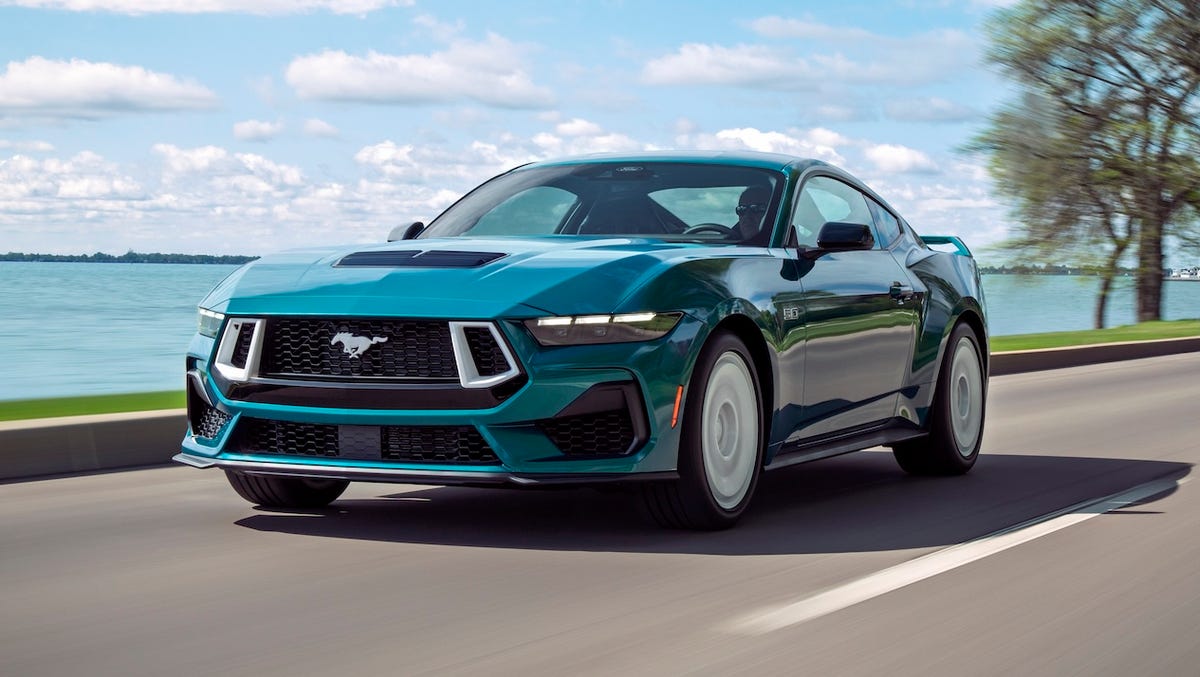
4. 2026 Ford Mustang EcoBoost Premium
- Engine: 2.3L turbo 4-cylinder
- Horsepower: 315 hp
- Torque: 350 lb-ft
- Length: 189.4 in
- Width: 75.4 in
Ford’s 2026 Mustang EcoBoost Premium continues the brand’s effort to modernize its sports coupe lineup, though several updates change the traditional character that long-time buyers associate with the nameplate. Exterior styling adopts sharper edges and more aggressive detailing.
Slim headlights, enlarged air openings, and revised body surfaces create a more futuristic appearance. Earlier Mustang models carried a stronger link to classic muscle car proportions, with simpler lines that aged more gracefully.
Interior design places strong emphasis on digital displays. A large screen setup replaces much of the traditional dashboard layout. Many common functions, including climate control and drive settings, now depend on screen interaction rather than physical switches, which changes the ease of daily operation.
Material quality varies across the cabin. Upper sections present a modern appearance, though lower interior panels still rely on harder plastics that feel less refined compared to some competitors in the same price range.
The turbocharged EcoBoost engine delivers solid acceleration for daily use. Power delivery is smooth, though the exhaust sound and mechanical character feel less authentic than earlier naturally aspirated or V8 Mustang models. Artificial sound enhancement through the audio system changes the natural engine feel.
Ride tuning focuses more on handling precision than comfort. Road irregularities are more noticeable during city driving and highway travel. Previous Mustang generations offered a softer balance between comfort and sport tuning.
Rear visibility remains limited due to thick pillars and small rear glass. Lane changes and parking require more attention than many modern sports coupes in similar categories. Pricing positions the EcoBoost Premium close to entry-level luxury performance vehicles. This creates stronger competition from models offering higher-quality interiors and more refined ride characteristics.
Fuel efficiency remains steady but does not show major improvement compared to earlier versions, despite engineering updates. Many traditional Mustang buyers describe the latest EcoBoost Premium as a model that pushes technology and design advancement while moving away from the simpler driving character that defined earlier generations.
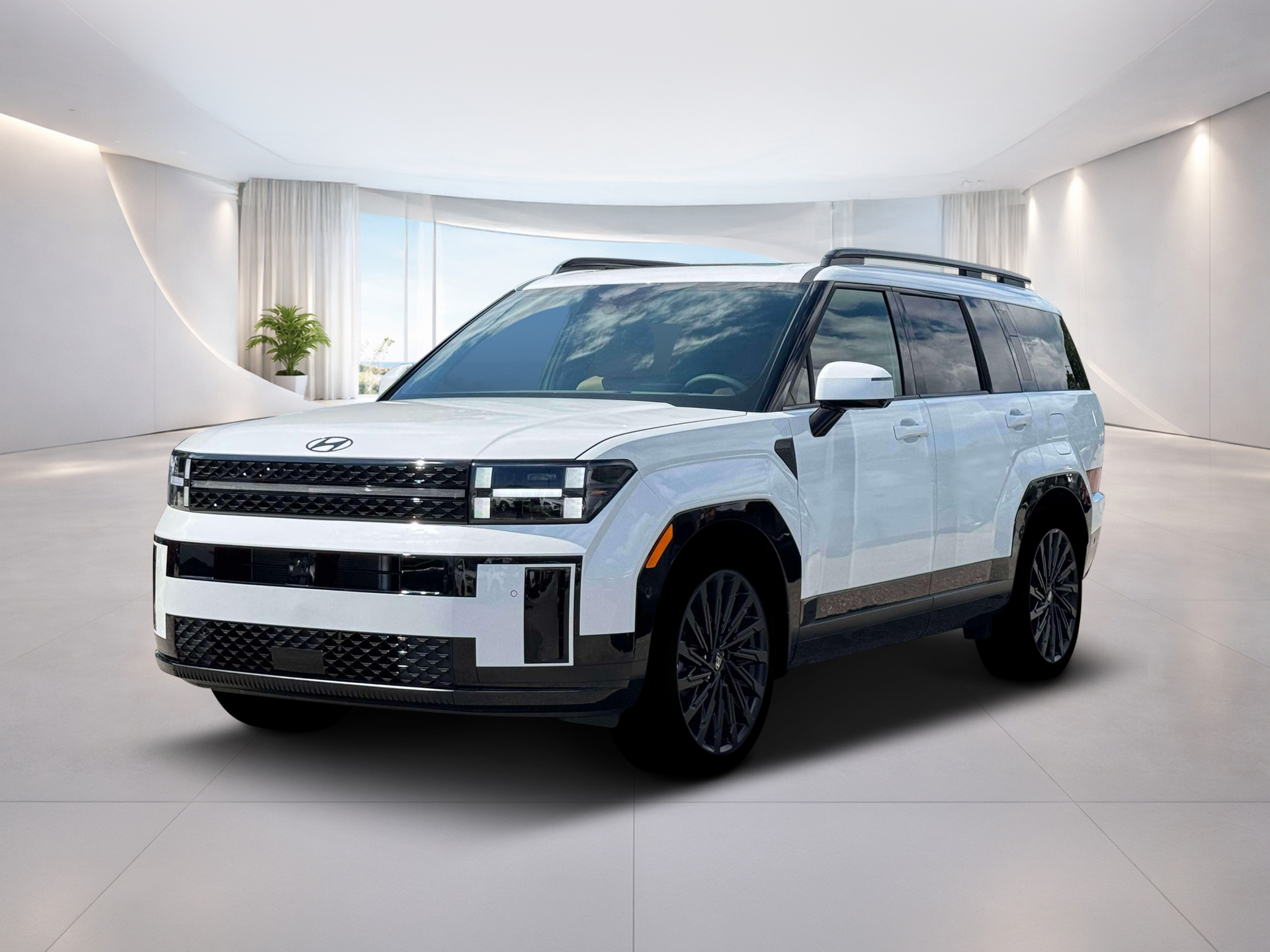
5. 2026 Hyundai Santa Fe Calligraphy
- Engine: 2.5L turbo 4-cylinder
- Horsepower: 277 hp
- Torque: 311 lb-ft
- Length: 190.2 in
- Width: 74.8 in
Hyundai completely transformed the Santa Fe for 2026, and reactions became divided almost immediately. Earlier generations built their popularity through smooth styling, practical interiors, comfortable ride quality, and solid value for families wanting an affordable midsize SUV. The redesign pushed the Santa Fe in a far more rugged direction, though plenty of buyers believe Hyundai sacrificed usability while chasing attention.
Styling represents the biggest source of debate. Boxy body panels, oversized fenders, upright proportions, and unusual lighting signatures give the Santa Fe a shape that resembles a futuristic off-road vehicle more than a family crossover.
Photographs generated curiosity online, but real-world impressions have been less positive for certain buyers. Previous models carried cleaner lines and a more polished appearance that appealed to a wider audience. Interior layout changed just as dramatically.
Hyundai filled the dashboard with digital screens and glossy surfaces, creating a cabin that looks modern at first glance but becomes frustrating during daily use. Climate settings and secondary controls now depend heavily on touch-sensitive panels that are harder to operate while driving. Earlier Santa Fe models balanced technology and practicality far better.
Passenger comfort also took a step backward in some areas. Front seats remain supportive, though the second and third rows feel tighter than buyers expected from a larger exterior design. Roof shape and cargo packaging decisions reduced usable passenger space despite the SUV appearing physically larger than before.
Ride quality no longer feels as refined either. Hyundai tuned the suspension to support the vehicle’s tougher image, though rough pavement now creates more cabin movement and vibration than older Santa Fe generations. Families expecting a relaxed highway cruiser may feel disappointed after longer trips.
Powertrain refinement creates another issue. Turbocharged engines deliver respectable acceleration, though engine noise becomes coarse during hard acceleration. Earlier V6-powered Hyundai SUVs often felt smoother and quieter under stress.
Cargo practicality also suffers from the redesign’s styling priorities. Taller floor heights and awkward rear storage shapes reduce some usable space. Families loading strollers, luggage, sports equipment, or moving supplies may notice the difference quickly.
Technology overload continues to cause frustration. Digital gauge layouts, touchscreen menus, and customizable displays look impressive initially, though some owners report software lag and confusing menu structures. Simple tasks should not require multiple layers of interaction in a family SUV.
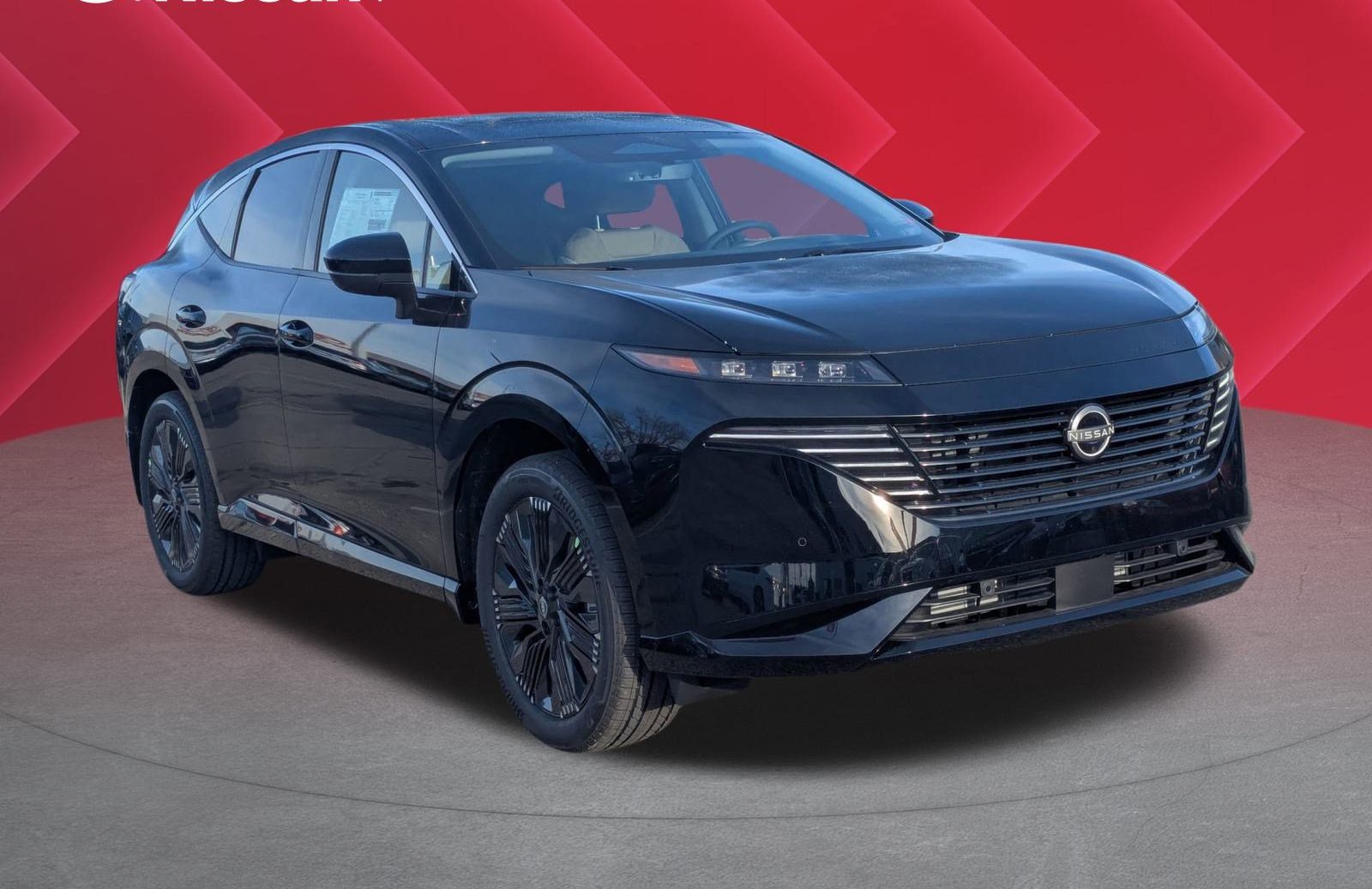
6. 2026 Nissan Murano Platinum
- Engine: 2.0L VC-Turbo 4-cylinder
- Horsepower: 241 hp
- Torque: 260 lb-ft
- Length: 192.9 in
- Width: 75.4 in
Nissan spent years trying to reinvent the Murano, and the 2026 Platinum redesign may have pushed too far in the wrong direction. Older Murano models earned praise for soft ride quality, comfortable seats, and distinctive styling that stood apart without becoming excessive. The newest version attempted to look futuristic and upscale, though the result feels less practical and less refined than buyers expected.
Exterior styling changed radically. Sharp lighting signatures, oversized grille treatments, and coupe-inspired rooflines transformed the Murano into something far flashier than before. Certain buyers appreciate bold styling, though others feel Nissan sacrificed elegance for attention-grabbing design choices.
The interior presentation initially looks impressive because large digital displays stretch across the dashboard. After extended use, frustrations begin appearing quickly. Touch-sensitive controls replaced several physical buttons, making simple adjustments more distracting during daily driving. Climate controls especially feel awkward compared with the straightforward layout used in earlier Muranos.
Seat comfort, once one of the Murano’s strongest advantages, also changed for the worse. Cushioning feels firmer, and certain drivers complain that long trips create more fatigue than previous generations. Earlier, Murano seats felt soft and relaxed, which matched the SUV’s calm personality perfectly.
Ride quality lost some of its smoothness, too. Nissan tuned the suspension toward sharper handling, though the difference in cornering ability remains minor while comfort suffers noticeably. Rough pavement now sends more impact through the cabin than buyers expected from a midsize crossover focused on comfort.
Engine refinement creates mixed reactions as well. Turbocharged power improves acceleration slightly, though engine sound quality feels harsher than the smooth V6 engines used in older Murano models. Hard acceleration produces more noise and vibration than expected in an upscale trim level.
Rear visibility became another weak point because of the sloping roofline and narrow rear glass. Parking lots and highway merging require more caution than before. Family-oriented crossovers should create confidence during daily use, not additional stress.
Cargo practicality also declined. Stylish rear design choices reduced usable storage height and rear loading convenience. Buyers hauling groceries, travel luggage, or larger household items may find the cargo area less accommodating than older Murano generations.
Technology reliability concerns appeared quickly after launch. Some owners reported frozen screens, delayed touchscreen responses, and occasional connectivity problems involving smartphone integration systems. Heavy reliance on digital controls makes those issues even more irritating.
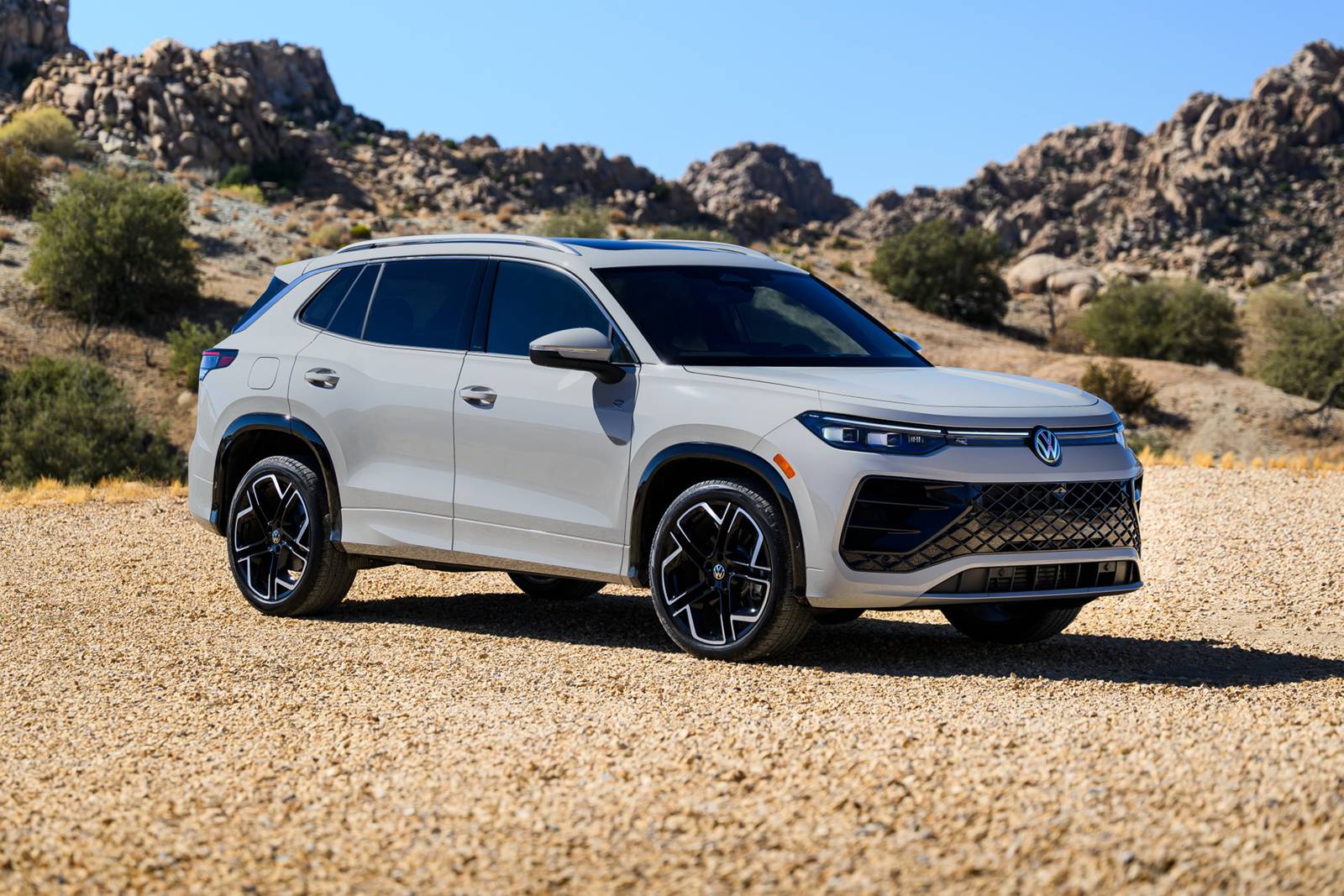
7. 2026 Volkswagen Tiguan SEL R-Line
- Engine: 2.0L turbo 4-cylinder
- Horsepower: 201 hp
- Torque: 221 lb-ft
- Length: 186.1 in
- Width: 73.0 in
The 2026 redesign of the Volkswagen Tiguan represents a deliberate move toward a more technology-driven and visually modern compact crossover. While the intention behind this update is clear, several of the changes introduced have reduced the everyday practicality that previously made the Tiguan a dependable choice for families and daily commuters.
Buyers familiar with earlier versions may find that the new direction places greater emphasis on appearance and digital integration than on usability and comfort. Externally, the revised Tiguan adopts a cleaner and more streamlined design language. Sharper lighting elements and smoother body panels give the vehicle a contemporary appearance. However, this refinement comes at the expense of individuality.
Earlier versions carried a quiet confidence through balanced proportions and restrained detailing. The 2026 model blends more easily into a crowded market where many crossovers share similar styling cues, making it less visually distinctive than before.
Inside the cabin, the most prominent change is the move toward a screen-dominated interface. Volkswagen has reduced the number of physical controls, replacing them with touchscreen-based systems that manage climate settings, seat adjustments, and other functions.
While this approach aligns with current industry trends, it introduces practical challenges. Drivers may find it necessary to divert attention from the road to operate basic controls, particularly in motion. Previous Tiguan models achieved a better balance by combining digital displays with tactile buttons that could be used without visual distraction.
Material quality presents a mixed impression. Upper surfaces offer a soft-touch finish that aligns with the vehicle’s price category, yet lower sections of the cabin still rely on harder plastics. Competing models within the same price range have moved toward more consistent interior refinement, and buyers expecting a near-luxury feel may find the Tiguan’s execution uneven.
Ride comfort has also changed in character. The adoption of larger wheels and firmer suspension tuning produces a ride that feels less forgiving on uneven roads. Earlier versions were appreciated for their composure during long-distance travel, absorbing road imperfections with minimal disturbance to occupants.
The current setup introduces a more noticeable impact from road surfaces, which may reduce comfort during extended use. The turbocharged engine continues to provide acceptable performance for daily driving conditions.
Acceleration meets basic expectations, though the engine can produce a strained sound under heavier loads, such as overtaking or carrying multiple passengers. Previous Volkswagen models often delivered a smoother mechanical character, and this difference may be evident to drivers familiar with the brand.
Rear seating space, once a practical advantage, has seen a reduction in perceived openness. Changes in packaging and cargo arrangement have slightly limited passenger comfort, particularly for taller occupants. Families who rely on generous rear space may notice this adjustment during regular use.
Technology integration, while extensive, introduces additional concerns. Touch-sensitive sliders used for volume and climate adjustment remain difficult to operate without visual confirmation. This design choice has attracted criticism in earlier Volkswagen products, and its continued use affects ease of operation during driving.
Also Read: 5 Cars Perfect for Rural Areas vs 5 That Need Dealer Fixes for Every Issue
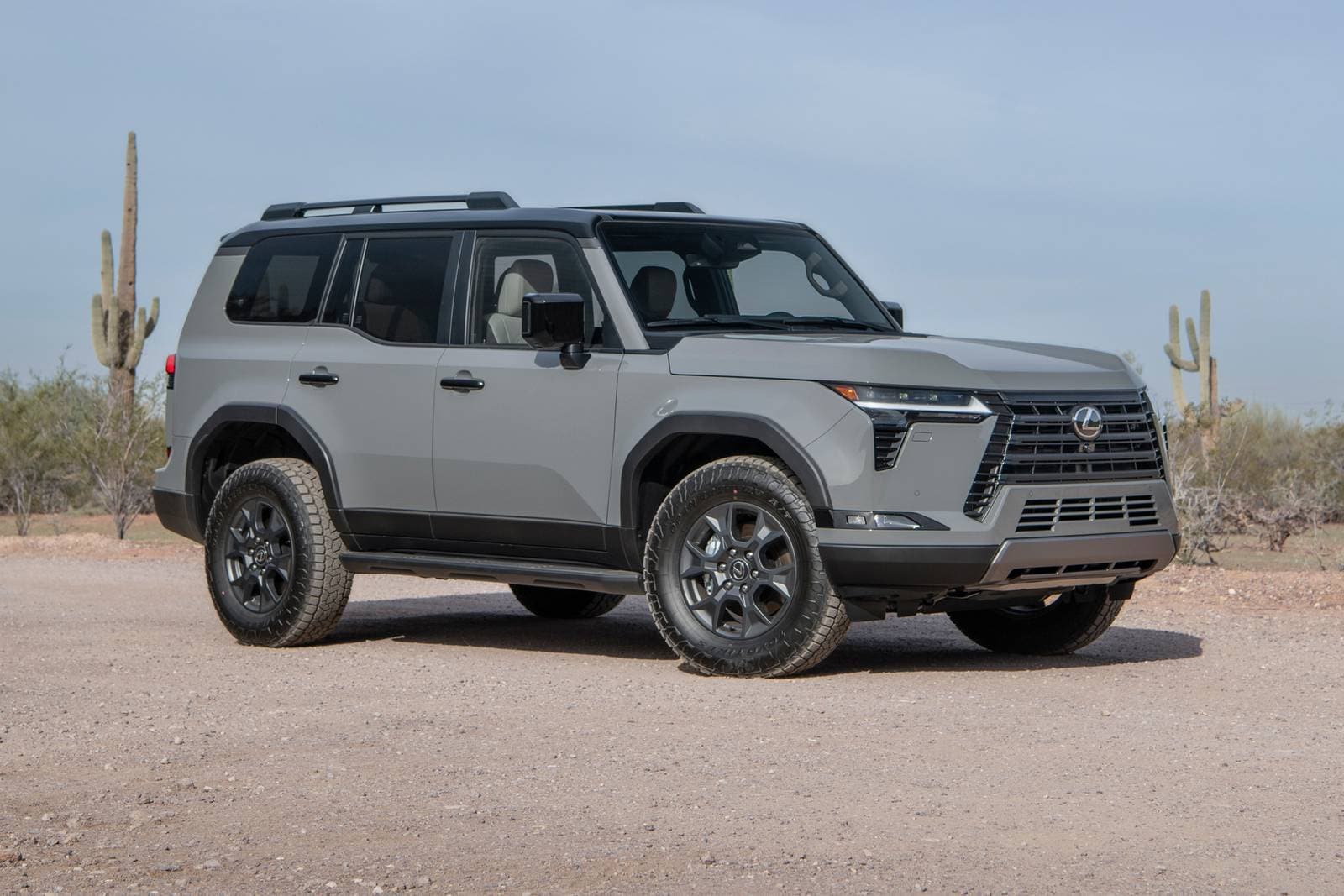
8. 2026 Lexus GX 550 Premium+
- Engine: 3.4L twin-turbo V6
- Horsepower: 349 hp
- Torque: 479 lb-ft
- Length: 197.1 in
- Width: 78.0 in
The introduction of the 2026 Lexus GX 550 Premium+ marks a decisive change in direction for a model that previously built its reputation on durability, comfort, and understated luxury. The redesign introduces a more rugged appearance and updated engineering, yet it also alters characteristics that long-standing owners had come to value.
The exterior design has undergone a complete transformation. The new GX adopts a more upright and angular form, with bold grille styling and pronounced body lines. This approach aligns with current trends that favour a more adventurous visual identity.
While this appearance appeals to buyers seeking a stronger presence on the road, it departs from the smoother and more refined look that defined earlier versions. For some, the change represents progress; for others, it feels like a departure from the model’s established identity.
Ride quality has been affected by the redesign. Earlier GX models were recognised for their ability to absorb road imperfections and deliver a calm driving experience. The current version introduces firmer suspension tuning, particularly in configurations with larger wheels.
This results in a driving experience that feels more active, with increased feedback from the road surface. Long-distance journeys may feel less relaxed compared to previous generations. Interior design reflects a move toward modern digital integration. Large display screens dominate the dashboard, while traditional controls have been reduced. Although this layout creates a visually striking cabin, it can reduce ease of operation.
Previous Lexus interiors were widely regarded for their intuitive design, allowing drivers to adjust settings with minimal distraction. The new configuration requires greater interaction with digital menus, which may affect convenience during daily use.
The transition from a naturally aspirated V8 engine to a turbocharged V6 represents another major change. The new engine delivers improved efficiency and adequate power, yet it lacks the smooth and effortless character that defined the earlier V8. Acceleration is accompanied by more noticeable engine noise, which alters the sense of refinement associated with the GX name.
Third-row seating continues to present challenges. Space and accessibility remain limited, reducing its practicality for regular use by adult passengers. Families seeking a fully functional three-row vehicle may find the arrangement less accommodating than expected.
Visibility from the driver’s position has also been affected. Thicker structural pillars and a higher beltline reduce outward visibility, requiring greater reliance on camera systems for parking and manoeuvring. While these systems assist the driver, they do not fully replace the confidence provided by clear sightlines.
