Lincoln has spent decades building a reputation around quiet luxury, smooth rides, and comfortable long-distance cruising. While the brand has never chased the high-performance image of some European luxury automakers, it has carved out a loyal following among drivers who value refinement, spacious interiors, and understated elegance.
Over the years, Lincoln has produced some genuinely impressive vehicles that combine comfort, reliability, and strong value in the used market. At the same time, not every Lincoln has lived up to the brand’s promise.
Certain models struggled with aging platforms, expensive maintenance issues, poor fuel economy, or outdated technology that failed to compete with rivals from Lexus, Cadillac, Acura, and even Ford’s own higher trim SUVs. That makes buying a used Lincoln a decision that deserves careful research.
The good news is that several Lincoln models stand out as smart purchases because they offer premium features for far less money than comparable luxury vehicles. Buyers can often find upscale interiors, advanced driver assistance systems, and smooth V6 or hybrid powertrains at surprisingly affordable prices.
Many of the better Lincoln models also benefit from sharing dependable engineering with Ford vehicles, which can help reduce ownership costs compared to some European luxury brands. However, the opposite is also true.
Some Lincoln models became known for transmission problems, electrical gremlins, weak resale values, or interiors that felt outdated almost immediately after release. In those cases, the lower purchase price may not justify the headaches that follow.
This article breaks down three Lincoln models that are genuinely worth buying and three that are better left alone. The goal is not simply to praise or criticize individual vehicles but to explain why certain Lincolns succeed while others disappoint.
Factors such as reliability history, ownership costs, comfort, driving experience, long-term durability, and value all play a role in these rankings. Whether you are searching for a comfortable luxury SUV, a stylish sedan, or an affordable used luxury vehicle with premium features, understanding which Lincoln models stand out can save you thousands of dollars and years of frustration.
Some of these vehicles remain hidden gems in the used market, while others have become cautionary tales for luxury car shoppers.
Also Read: 10 Cars With Insurance Premiums Lower Than a Compact Sedan
3 Lincoln Models Worth Buying
1. Lincoln Navigator
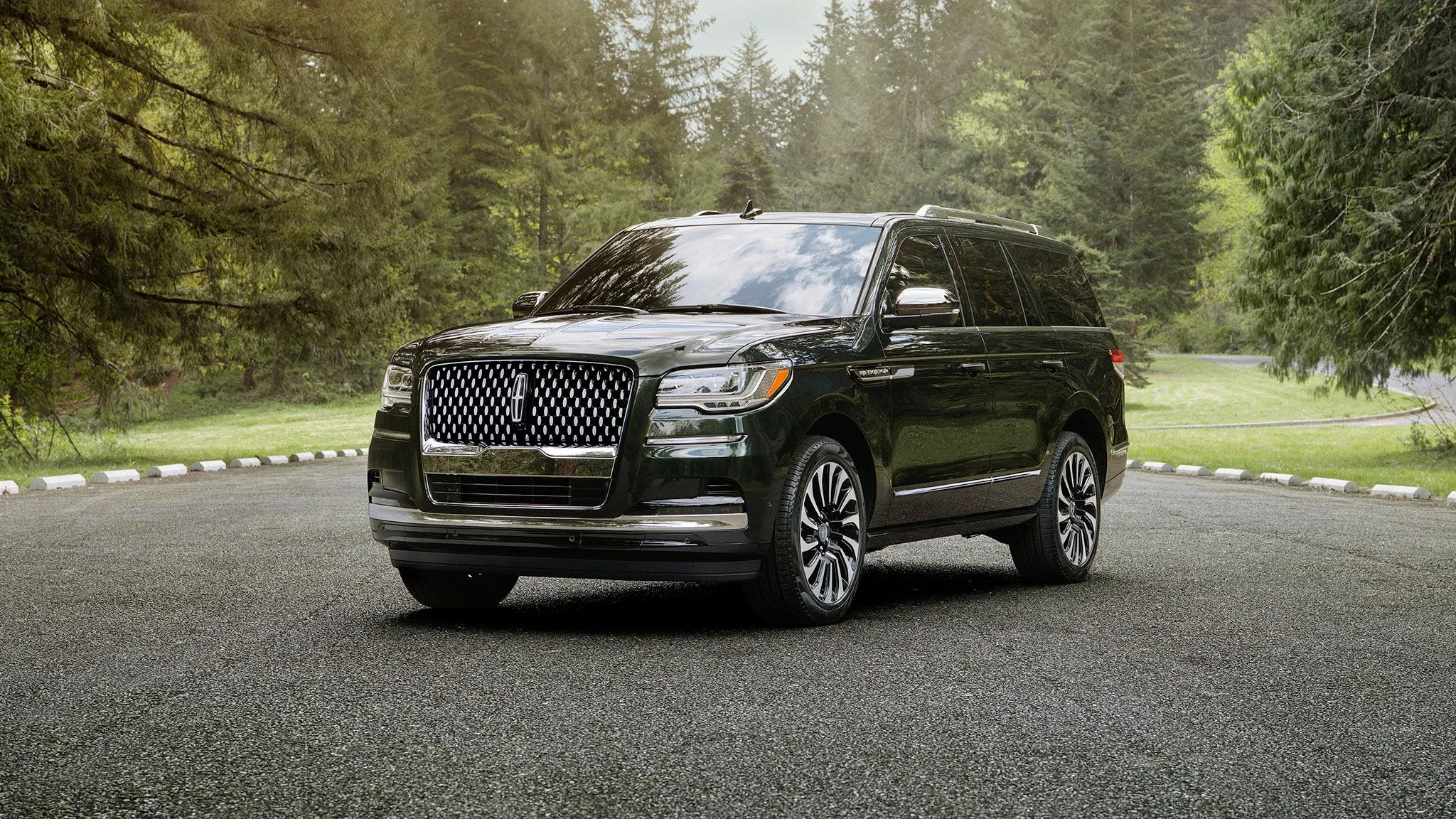
The Lincoln Navigator remains one of the strongest vehicles the brand has ever produced, particularly the fourth-generation models introduced in 2018. This full-size luxury SUV successfully blends massive interior space with premium craftsmanship and modern technology.
Unlike older body-on-frame SUVs that prioritized toughness over comfort, the newer Navigator delivers an impressively refined driving experience. The suspension absorbs rough roads exceptionally well, while cabin insulation keeps outside noise to a minimum.
For families, road trip enthusiasts, or buyers who simply want commanding road presence with true luxury credentials, the Navigator stands near the top of its segment.
One of the biggest strengths of the Navigator is its interior quality. Lincoln made a major leap forward with upscale materials, elegant design, and highly supportive seats. The available Perfect Position front seats are among the best in the industry, offering extensive adjustability and massage functions that rival far more expensive luxury SUVs.
Second and third row passengers also enjoy excellent space, making the Navigator a practical option for large families. Cargo capacity is another major advantage, especially in the extended wheelbase Navigator L variant. Unlike some luxury SUVs that sacrifice utility for style, the Navigator remains genuinely usable.
Performance is another reason the Navigator deserves praise. The twin turbocharged 3.5-liter EcoBoost V6 delivers strong acceleration despite the vehicle’s enormous size. It produces impressive torque that makes highway merging, towing, and passing effortless.
The engine also performs better than many older V8-powered competitors in terms of fuel economy. While no full-size luxury SUV is inexpensive to operate, the Navigator generally avoids the catastrophic reliability issues that plague some rivals. Maintenance costs can still be high, but the shared engineering with Ford products helps keep parts availability relatively manageable.
Technology is another area where the Navigator excels. Lincoln equipped newer models with large infotainment screens, advanced driver assistance systems, adaptive suspension technology, and premium audio systems that improve the ownership experience.
Features such as adaptive cruise control, lane keeping assist, and a head-up display make long drives significantly easier and more relaxing. The infotainment system became more user-friendly in recent years, correcting one of the major complaints associated with older Lincoln products.
Perhaps most importantly, the Navigator offers outstanding value in the used luxury SUV market. Buyers can often find well-equipped examples for significantly less than comparable Cadillac Escalade or Mercedes-Benz GLS models.
Depreciation works in the buyer’s favor here, allowing used Navigator shoppers to access high-end luxury features without spending six figures. For anyone seeking a large luxury SUV with comfort, space, and strong road trip capability, the Navigator is easily one of the best modern Lincoln models worth buying.

2. Lincoln MKZ Hybrid
The Lincoln MKZ Hybrid is one of the most underrated luxury sedans in the used car market. While it never generated the excitement of German luxury competitors, it quietly became one of Lincoln’s smartest and most dependable vehicles.
Combining premium comfort with excellent fuel efficiency and strong long-term reliability, the MKZ Hybrid offers an appealing balance that many luxury sedans fail to achieve. Buyers who prioritize comfort, low ownership costs, and efficiency over aggressive performance often find the MKZ Hybrid surprisingly satisfying.
A major advantage of the MKZ Hybrid is its proven hybrid powertrain. Borrowing heavily from Ford’s reliable hybrid engineering, the system delivers excellent fuel economy without introducing excessive complexity. Many owners report well over 40 miles per gallon in real-world driving, which is remarkable for a midsize luxury sedan.
Unlike some luxury hybrids that become expensive nightmares as they age, the MKZ Hybrid has earned a relatively strong reputation for durability. Battery reliability has generally been solid, and repair costs remain more reasonable than those associated with European luxury hybrids.
Comfort is another area where the MKZ Hybrid performs well. The cabin emphasizes quietness and smoothness rather than sporty handling. Soft suspension tuning helps absorb road imperfections, making the car ideal for commuting and highway driving.
Lincoln also improved interior quality significantly in later model years, with attractive materials, comfortable seats, and a sleek dashboard layout. While it may not match the handcrafted feel of top-tier luxury brands, it still provides an upscale environment that feels genuinely premium for the price.
The MKZ Hybrid also stands out because of its value proposition. Used luxury sedans often depreciate heavily, but the MKZ Hybrid benefits from lower operating costs that help offset depreciation concerns.
Buyers can frequently find newer low-mileage examples at prices comparable to ordinary midsize sedans. That means shoppers gain access to luxury features such as heated and ventilated seats, advanced safety systems, premium audio, and sophisticated styling without paying luxury brand premiums for maintenance and repairs.
Another reason the MKZ Hybrid deserves consideration is its understated design. Some luxury cars chase aggressive styling trends that quickly become dated, but the MKZ maintains a sleek and elegant appearance.
The split wing grille from earlier models and cleaner front end styling in later versions give the car a distinct identity without appearing overly flashy. This subtle design approach appeals to buyers who want comfort and sophistication without attracting unnecessary attention.
For drivers seeking an affordable used luxury sedan with excellent fuel economy, strong reliability, and premium comfort, the Lincoln MKZ Hybrid represents one of the best values Lincoln has produced in recent years. It may not dominate performance comparisons, but it excels where many luxury buyers spend most of their time: daily commuting and long-distance cruising.
3. Lincoln Aviator
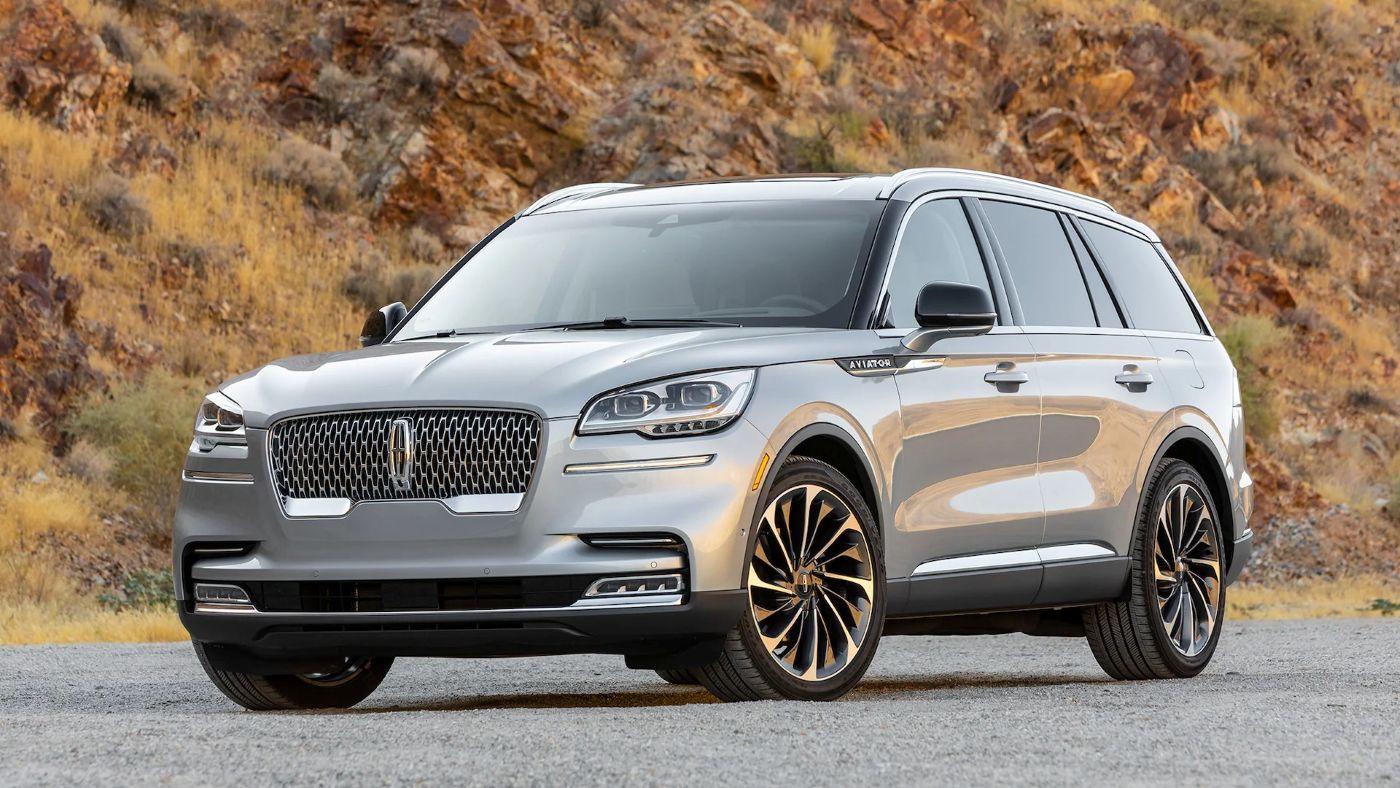
The modern Lincoln Aviator represents one of the clearest signs that Lincoln has successfully reinvented itself in recent years. Introduced for the 2020 model year, the Aviator combines elegant styling, strong performance, and advanced technology in a package that feels genuinely competitive with established luxury SUVs from Europe and Japan.
Unlike some older Lincoln models that struggled with identity issues, the Aviator has a clear mission: deliver premium comfort with effortless power and modern sophistication.
One of the first things buyers notice about the Aviator is its design. Lincoln moved away from the awkward styling cues that hurt previous generations and instead created a sleek, upscale SUV with strong road presence.
The proportions look balanced and refined, while the interior feels modern and inviting. High-quality materials, ambient lighting, and minimalist design elements help create a luxurious atmosphere that punches above the vehicle’s price point. The cabin especially impresses at night, where subtle lighting and quiet operation contribute to a relaxing experience.
Performance is another area where the Aviator shines. Its twin turbocharged V6 engine delivers smooth and powerful acceleration, making the SUV feel significantly quicker than many competitors in its class.
Power delivery is effortless, and the available plug-in hybrid Grand Touring variant adds even more performance while offering limited electric driving capability. Despite its size, the Aviator remains composed on the road and prioritizes comfort without becoming excessively soft or disconnected.
The Aviator also performs well in terms of passenger comfort and technology. The available front seats provide excellent support during long trips, and second row captain’s chairs create a more premium experience for rear passengers.
Lincoln’s driver assistance technologies, including adaptive cruise control and lane centering systems, work smoothly and help reduce fatigue during highway driving. The infotainment system is far more intuitive than older Lincoln setups, helping the Aviator feel modern rather than outdated.
Another major advantage of the Aviator is value retention compared to some luxury rivals. Although depreciation still affects luxury SUVs heavily, used Aviator models often provide exceptional feature content for the money.
Buyers can access premium leather interiors, panoramic sunroofs, advanced safety systems, and strong towing capability at prices below similarly equipped German competitors. This makes the Aviator attractive for shoppers seeking luxury without excessive badge premiums.
Importantly, the Aviator represents a broader improvement in Lincoln’s quality and brand direction. While early production models experienced some quality control concerns, later examples have shown meaningful improvement.
The vehicle feels thoughtfully engineered and more cohesive than many older Lincolns that seemed too closely tied to Ford counterparts. For buyers wanting a modern luxury SUV that emphasizes comfort, elegance, and smooth performance, the Aviator stands out as one of Lincoln’s best recent achievements.
Also Read: 10 Cars That Survive Being Used as Daily Uber Vehicles
3 To Avoid
1. Lincoln MKT
The Lincoln MKT is one of the strangest and least successful vehicles Lincoln has ever produced. Despite offering spacious seating and decent practicality, the MKT struggled with awkward styling, weak brand identity, and uninspiring driving dynamics that prevented it from resonating with luxury buyers.
Even years after production ended, the MKT remains difficult to recommend unless a buyer has extremely specific needs and finds an unusually good deal.
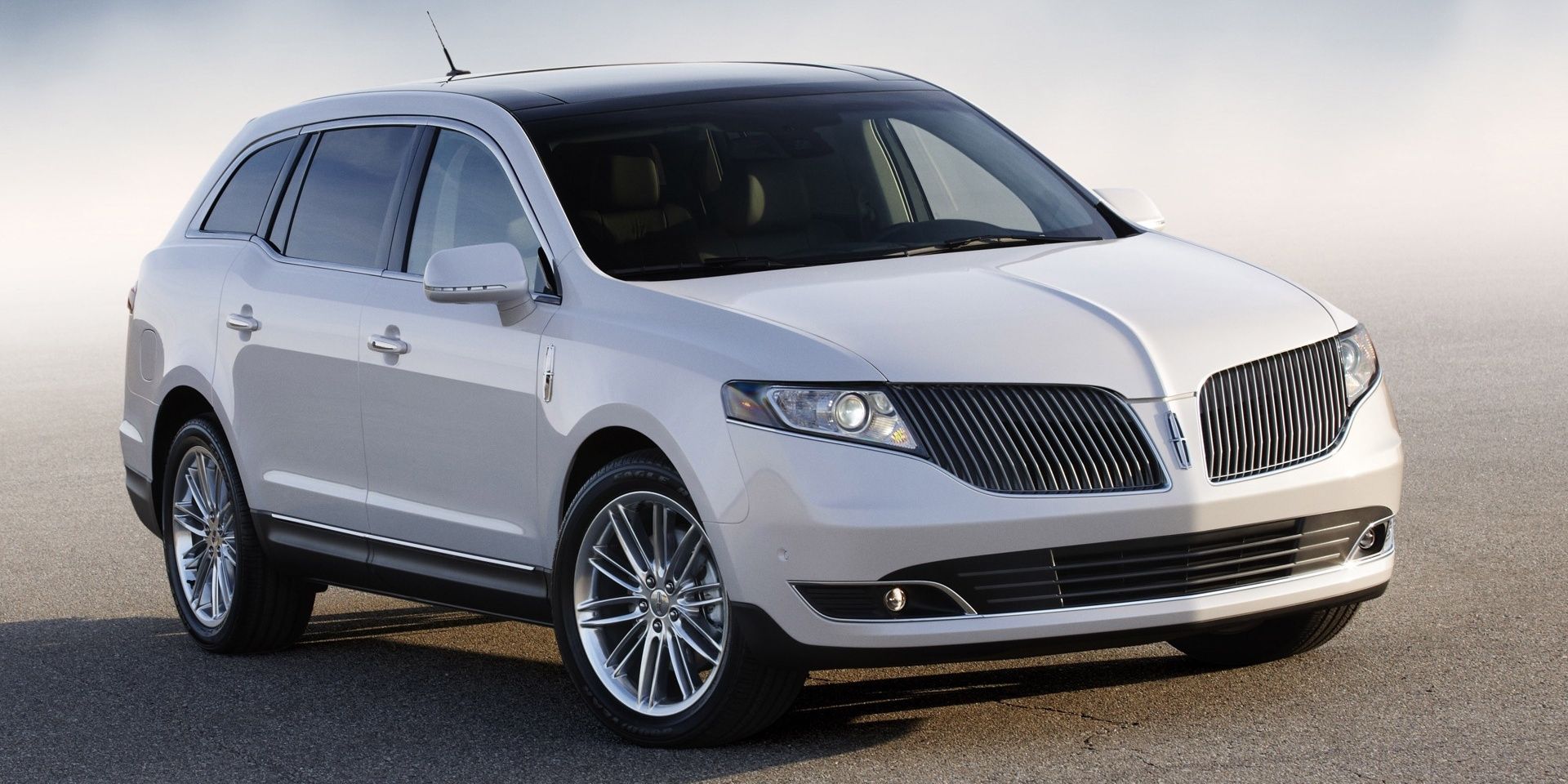
The most obvious problem with the MKT is its appearance. The vehicle attempted to blend crossover utility with wagon-like proportions and luxury styling, but the final result looked bulky and awkward from nearly every angle.
The split grille design used on earlier models became especially controversial and quickly aged poorly. Luxury buyers often place significant value on aesthetics and emotional appeal, and the MKT simply failed to create either. Even today, it remains one of the least attractive vehicles Lincoln has produced.
Beyond styling, the MKT also struggled with identity. It was unclear whether Lincoln intended the vehicle to compete with luxury crossovers, family haulers, or executive transportation vehicles.
While limousine companies appreciated the spacious rear seating, ordinary consumers often ignored the model entirely. Sales remained weak throughout its production run, and that lack of popularity now impacts resale value and long-term desirability.
Driving dynamics also disappoint. Although available turbocharged engines provide reasonable acceleration, the MKT never feels particularly refined or enjoyable to drive. The large dimensions and heavy body contribute to clumsy handling, while the suspension tuning lacks the sophistication found in better luxury SUVs.
Some competitors manage to combine comfort with responsive handling, but the MKT feels disconnected and outdated behind the wheel.
Reliability concerns further hurt the MKT’s reputation. Certain models experienced issues involving the EcoBoost engine, electronic systems, and transmission components. Repair costs can rise quickly as the vehicle ages, particularly because luxury trim features and complex electronics become increasingly expensive to maintain.
Since the MKT never developed a strong enthusiast following or broad popularity, some buyers also worry about future parts support and resale demand.
Perhaps the biggest reason to avoid the MKT is that there are simply better alternatives available. Buyers shopping for a comfortable luxury crossover can often find newer and more attractive Lincoln SUVs, such as the Aviator or Nautilus, for similar money. Even mainstream SUVs from other brands frequently offer superior technology, efficiency, and styling.
The MKT represents an era when Lincoln struggled to define itself, and unfortunately, that uncertainty shows clearly in the final product.
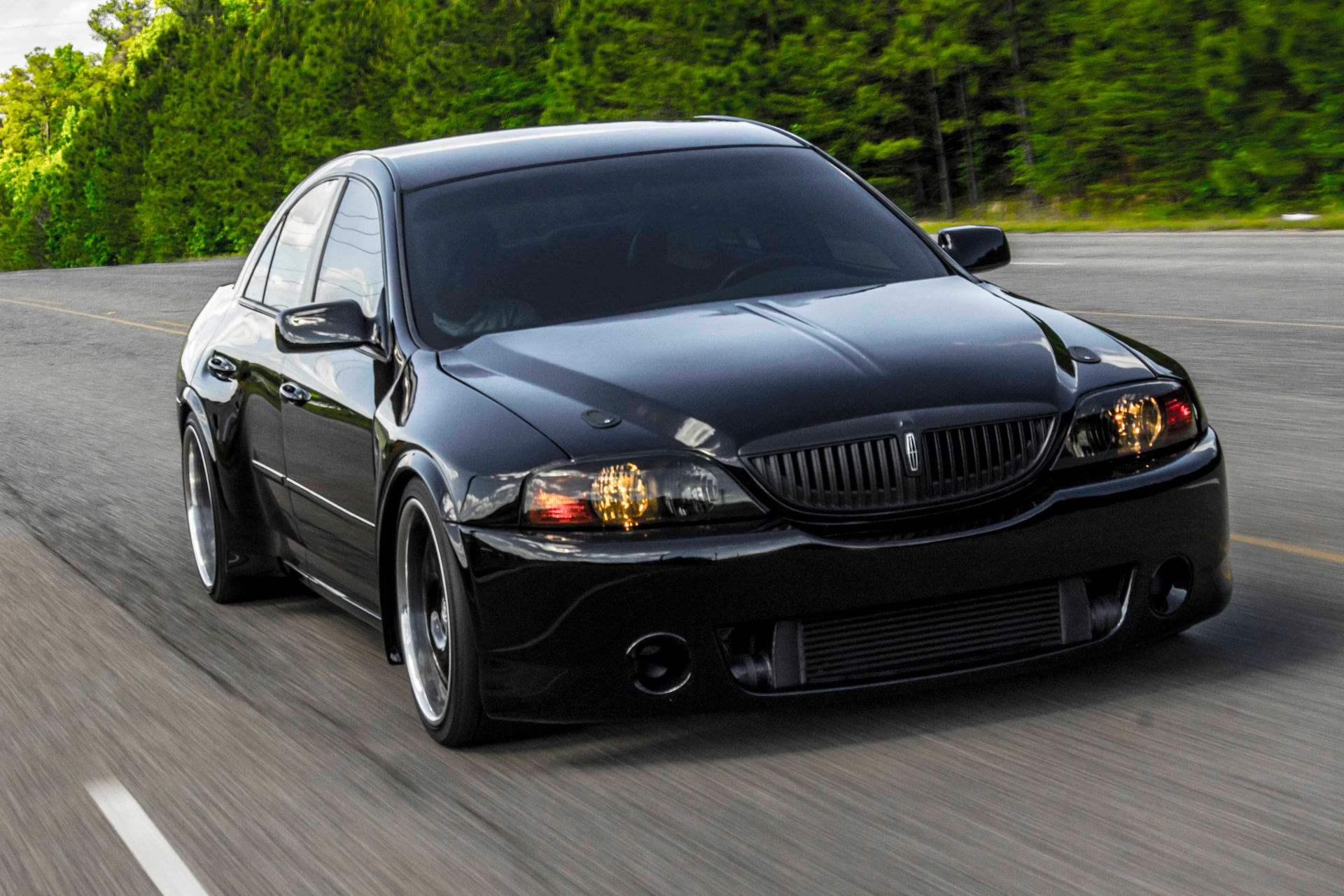
2. Lincoln LS
The Lincoln LS arrived with ambitious goals in the early 2000s. Lincoln hoped the Rear Wheel Drive sports sedan could challenge European competitors like BMW and Mercedes-Benz while helping modernize the brand’s image. On paper, the LS appeared promising.
It offered balanced handling, available V8 power, and a more driver-focused personality than traditional American luxury sedans. Unfortunately, the reality proved far less impressive over time, and the LS eventually became known more for reliability frustrations than for luxury or performance.
One of the biggest issues with the Lincoln LS is its aging reliability. While the platform initially impressed reviewers for its handling balance, many owners later encountered persistent mechanical and electrical problems. Ignition coil failures became common, leading to rough-running engines and expensive repairs.
Cooling system issues, transmission concerns, and electrical gremlins also affected long-term ownership satisfaction. As the cars aged, maintaining them became increasingly difficult and costly.
Interior quality represents another weak point. Although the LS attempted to deliver European-inspired luxury, many cabin materials failed to age gracefully. Plastics became brittle, electronic components deteriorated, and interior trim often developed rattles or wear that undermined the premium experience. Compared to Japanese luxury sedans from the same era, the LS feels less durable and less refined over the long term.
The LS also suffers from identity problems similar to the MKT. Lincoln wanted the car to feel sporty, but the execution never fully matched true sports sedans from Germany.
Steering feel lacked precision, and the driving experience failed to create the engaging character buyers expected. At the same time, traditional Lincoln customers often found the car too firm and not luxurious enough. As a result, the LS struggled to establish a loyal audience.
Parts availability and maintenance can also become frustrating today. Because the LS was discontinued years ago and never achieved major sales success, sourcing certain components may require extra effort. Labor costs can rise quickly due to the vehicle’s complex engineering and aging systems. Buyers attracted by low purchase prices often underestimate how expensive ownership can become once repairs begin to accumulate.
Most importantly, there are far better used luxury sedans available from the same era. Lexus models such as the ES and GS generally offer stronger reliability and better long-term ownership experiences. Even some Cadillac sedans from the period have aged more gracefully.
The Lincoln LS deserves some credit for attempting to push the brand in a new direction, but the final product failed to deliver the reliability, refinement, and driving excitement necessary to compete successfully.
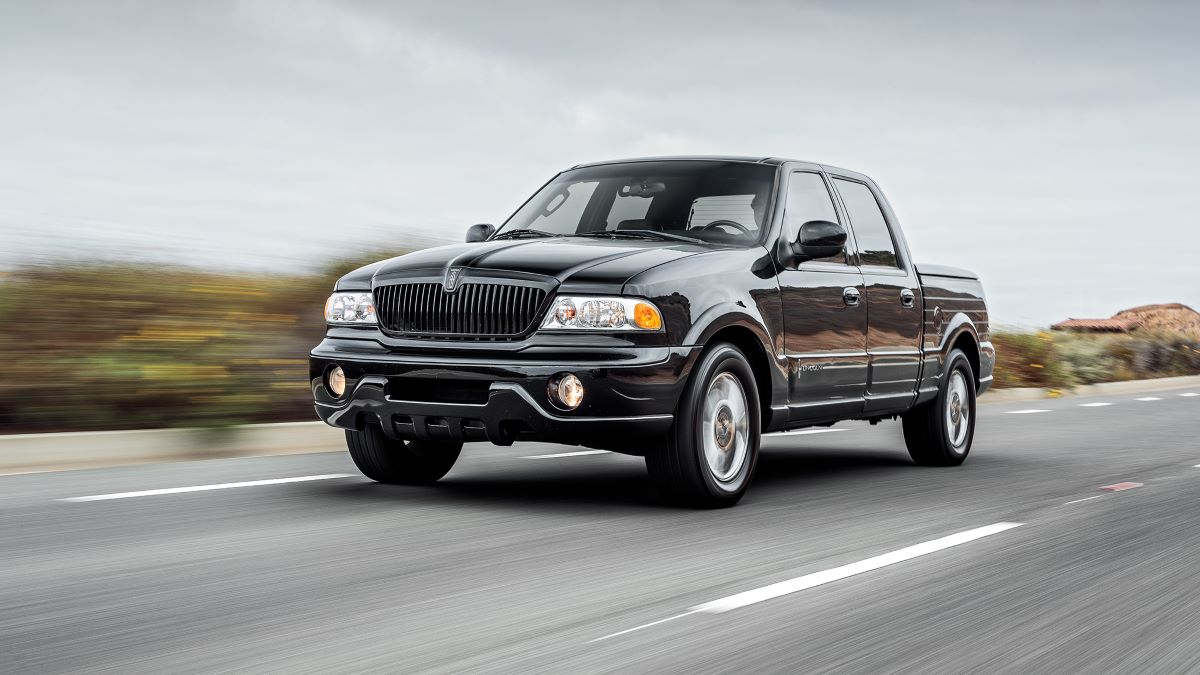
3. Lincoln Blackwood
The Lincoln Blackwood remains one of the most infamous failures in luxury automotive history. Introduced for the 2002 model year, the Blackwood attempted to combine pickup truck utility with high-end luxury, but the result was a deeply confused vehicle that appealed to almost nobody.
Production lasted only a single year, and the Blackwood quickly became a symbol of poor market research and misguided product planning.
At first glance, the Blackwood looked distinctive. Based on the Ford F-150 platform, it featured unique body panels, upscale interior materials, and a carpet-lined cargo bed with imitation wood trim. Unfortunately, these design choices created more problems than benefits.
Traditional truck buyers disliked the limited practicality, while luxury buyers had little interest in a pickup that lacked genuine utility. The cargo bed itself became one of the vehicle’s biggest failures because it could not handle the rugged work expected from a truck.
Another major issue was the lack of Four Wheel Drive. At a time when many truck buyers expected all-weather capability and off-road confidence, the Blackwood came exclusively with Rear Wheel Drive.
This significantly limited its appeal in colder climates and made the vehicle feel disconnected from mainstream truck expectations. Buyers willing to spend luxury money on a pickup generally wanted versatility alongside comfort, but the Blackwood sacrificed too much utility.
Performance also disappointed. While the V8 engine delivered reasonable power for the era, the Blackwood never felt especially quick or refined. Ride quality was comfortable enough, but the driving experience lacked the polish buyers expected from a luxury vehicle carrying a premium price tag. Interior materials were upscale compared to standard trucks, yet the execution still felt too closely tied to mainstream Ford products.
Reliability and ownership costs further complicate Blackwood today. Since the model was produced in extremely limited numbers, finding replacement parts can become difficult and expensive.
Certain trim pieces and body components are particularly rare. While some collectors now appreciate the Blackwood because of its unusual history, owning one requires patience, specialized knowledge, and a willingness to deal with limited support.
The Blackwood also failed because it entered the market too early and with the wrong approach. Modern luxury trucks such as the Ford F-150 Limited and Ram 1500 Tungsten have proven there is genuine demand for upscale pickups. However, those trucks succeed because they maintain full truck capability while adding luxury features.
The Blackwood removed too much functionality in pursuit of exclusivity, leaving buyers with a vehicle that neither luxury consumers nor truck enthusiasts truly wanted. Unless someone specifically collects rare automotive oddities, the Blackwood is best avoided.