
Finding a comfortable car can become surprisingly difficult for drivers taller than 6 feet 4. Many vehicles look spacious from the outside, yet feel cramped once taller drivers actually sit behind the wheel.
Limited headroom, short seat cushions, low rooflines, awkward pedal placement, and restricted legroom can turn even short drives into uncomfortable experiences. Long highway trips become especially frustrating when knees press against dashboards or heads sit dangerously close to the roof.
Automakers often focus heavily on styling and aerodynamic design, which sometimes sacrifices cabin space for taller occupants. Sporty sedans with sloping roofs may look attractive, but they force taller drivers into awkward seating positions.
Compact crossovers can also disappoint because raised seating heights sometimes reduce available headroom more than expected.
The best cars for tall drivers do far more than simply provide extra legroom. Seat adjustability matters enormously because taller drivers need enough range to position themselves comfortably without sacrificing visibility or control access.
Wide door openings also help, especially for people who struggle to enter low vehicles. Steering wheel adjustment becomes equally important because many tall drivers prefer sitting farther back while still maintaining a comfortable reach to the controls.
Another overlooked factor is long-distance comfort. Some vehicles technically provide enough space but use seats lacking thigh support or proper cushioning for larger body types. Taller drivers often notice fatigue more quickly in poorly designed cabins, particularly during commuting or road trips.
Fortunately, several automakers have prioritized interior packaging extremely well. Certain sedans, SUVs, and trucks manage to combine stylish designs with genuinely spacious cabins that accommodate tall drivers comfortably without forcing awkward compromises.
Some even offer enough rear-seat room behind tall front occupants, something surprisingly rare in modern vehicles.
The vehicles on this list stand out because they consistently provide generous headroom, excellent seat adjustability, strong visibility, and comfortable driving positions for drivers well above average height. These are the cars that taller drivers repeatedly praise for feeling natural and comfortable instead of cramped and restrictive.
Also Read: 8 Discontinued Pontiac Models Ranked by Collector Value Today
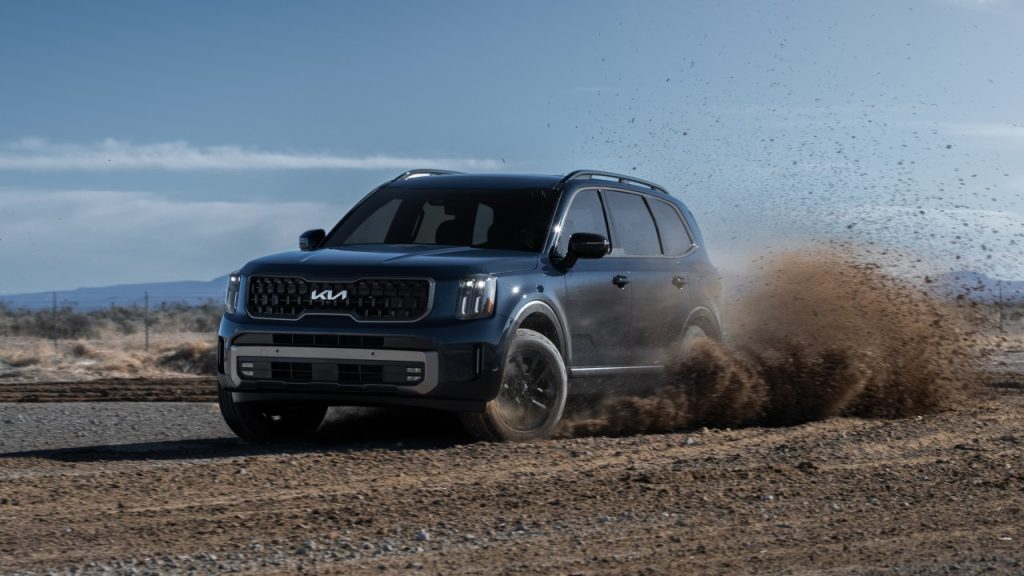
1. Kia Telluride
The Kia Telluride quickly became one of the most praised family SUVs on the market, and much of that praise comes from how comfortably it accommodates taller drivers.
People over 6’44 often struggle finding vehicles that provide enough legroom and headroom simultaneously, yet the Telluride manages both extremely well without forcing awkward seating positions.
One reason tall drivers appreciate the Telluride is the upright cabin design. Unlike SUVs using aggressively sloped rooflines for sporty styling, the Telluride prioritizes interior comfort. This creates generous headroom in both front and rear seating areas, allowing taller occupants to sit naturally without constantly brushing the ceiling.
Seat comfort is another major advantage. The front seats provide long cushions with excellent thigh support, something taller drivers notice immediately during highway travel. Multiple power adjustments also help drivers position themselves comfortably without compromising steering wheel reach or visibility.
Entry and exit feel easier than in lower sedans as well. Taller drivers often dislike dropping into sports cars or compact crossovers because repeated movement becomes tiring over time. The Telluride’s ride height allows people to slide in naturally rather than climbing down into the cabin.
Visibility remains excellent from the driver’s seat. Large windows and an upright windshield create an open feeling that helps the SUV feel spacious instead of claustrophobic. Even drivers sitting farther back still maintain good sightlines to mirrors and controls.
Another impressive detail involves second-row space behind tall front occupants. Many vehicles accommodate tall drivers only by sacrificing rear passenger comfort, but the Telluride still leaves enough room for adults in the back seats even when the front seats are pushed rearward.
Ride comfort further improves the experience. The suspension absorbs rough pavement smoothly, reducing fatigue during long trips. Taller drivers often spend more time adjusting positions in uncomfortable vehicles, but the Telluride’s supportive seating and relaxed driving posture make long journeys easier.
Fuel economy remains average for a three-row SUV, though most buyers willingly accept that tradeoff because of the cabin comfort and practicality offered. For drivers above 6 feet 4 inches wanting space without moving into a full-size truck, the Telluride stands out as one of the best-balanced choices available.
2. Ford F-150
The Ford F-150 remains one of the best vehicles for tall drivers because full-size pickup trucks naturally provide cabin dimensions that many sedans and crossovers simply cannot match. For drivers over 6 feet 4 inches, the F-150 offers exceptional legroom, wide seating areas, and a commanding driving position that feels comfortable even during extremely long trips.
One of the first things taller drivers notice is how much shoulder and hip room the truck provides. Unlike narrow midsize vehicles that force occupants into tight seating positions, the F-150’s cabin feels open and spacious. Drivers can stretch out comfortably without constantly adjusting posture.
Seat adjustability is another huge strength. Ford offers highly adjustable front seats with long cushions and strong support, helping taller occupants avoid leg fatigue during extended driving. Steering wheel adjustment range also works exceptionally well, allowing drivers to sit farther back without struggling to reach controls.
Headroom remains generous even in models equipped with panoramic sunroofs, an area where many vehicles fail taller drivers badly. The upright seating position further helps because drivers are not forced into awkward reclining angles just to avoid hitting the roof.
Crew cab models especially impress taller buyers because rear seat space stays enormous even when front seats move fully rearward. Families with multiple tall passengers often appreciate this flexibility since few vehicles comfortably fit several large adults simultaneously.
Another major advantage is ease of entry. Taller drivers frequently complain about climbing out of low cars repeatedly during daily errands or work. The F-150’s ride height allows easier access without crouching excessively, making the truck feel more natural for larger body types.
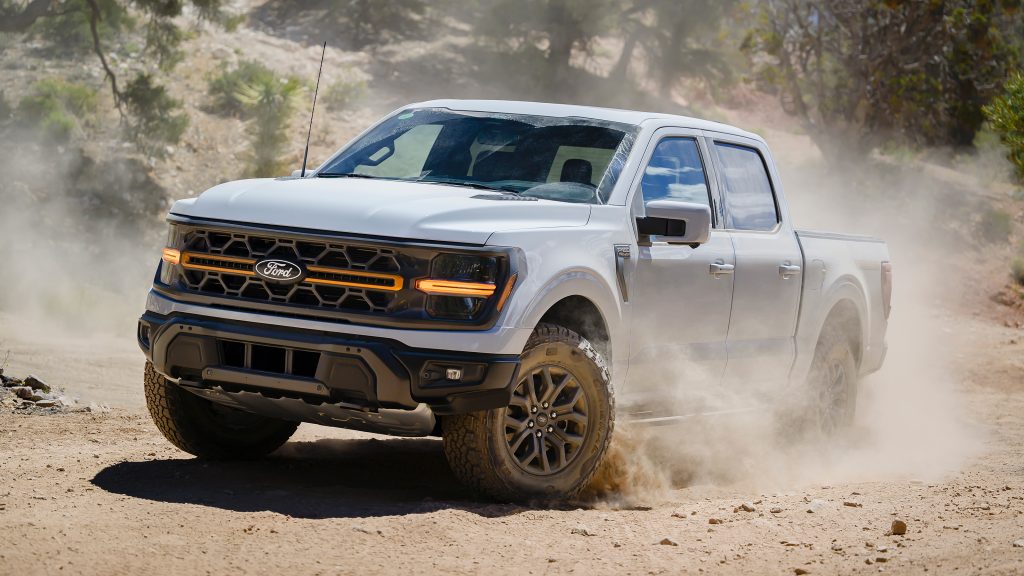
Ride quality improved dramatically in recent generations, too. Older trucks sometimes bounced heavily on rough roads, but modern F-150 models provide far smoother highway comfort while still maintaining towing and hauling capability.
Parking large trucks in crowded cities can become difficult, and fuel economy varies depending on engine choice. Still, tall drivers often find those compromises worthwhile because few vehicles provide such consistent comfort and usable space.
For drivers over 6 feet 4 inches wanting room to stretch out without sacrificing capability or long-distance comfort, the F-150 continues to stand among the best choices available in today’s market.
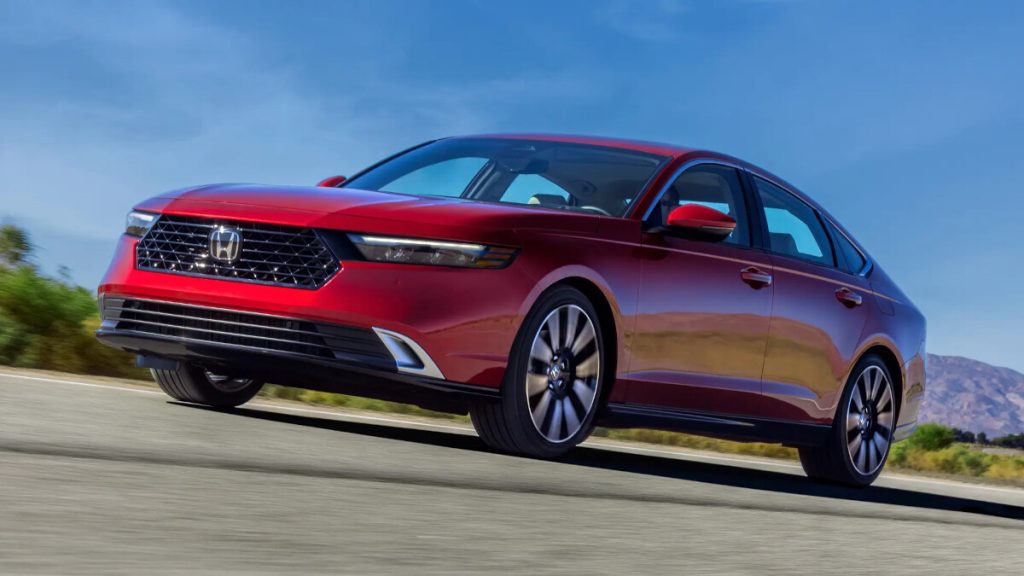
3. Honda Accord
The Honda Accord proves that tall drivers do not always need large SUVs or pickup trucks to remain comfortable. Among midsize sedans, the Accord consistently stands out because of its intelligent cabin packaging and excellent seating position.
Drivers over 6’44 often discover they fit more naturally inside the Accord than in some larger vehicles with less efficient interior layouts.
A major reason involves legroom design. Honda positioned the dashboard and center console carefully to avoid crowding the driver’s knees, which becomes a serious issue in many modern sedans. Taller drivers can extend their legs comfortably without constantly pressing against hard interior surfaces during longer trips.
The roofline also contributes heavily to comfort. Although the Accord maintains sleek exterior styling, Honda avoided sacrificing too much headroom in pursuit of sporty proportions. Even drivers with longer torsos usually sit comfortably without brushing the headliner.
Seat comfort remains another standout strength. The front seats provide excellent support across the lower back and thighs, reducing fatigue during highway driving. Taller drivers especially appreciate the longer seat cushions because shorter cushions often leave their legs unsupported during extended travel.
Visibility is surprisingly good for a modern sedan as well. Thin roof pillars and a relatively open cabin help the Accord feel spacious instead of cramped. Many tall drivers mention that they never feel trapped inside the car despite its lower profile compared with SUVs.
The rear passenger room also deserves attention. Even when tall drivers move the front seat significantly backwards, rear occupants still retain usable legroom. That makes the Accord more practical for families or commuting with passengers.
The Accord’s smooth ride quality further improves comfort. Suspension tuning balances stability with softness effectively, helping reduce fatigue during daily driving. Highway cruising feels calm and composed even after hours behind the wheel.
Low seating height may still bother drivers who prefer easier entry and exit found in SUVs. However, once seated, many taller drivers realize the Accord offers far more usable space than expected.
For people wanting a comfortable sedan instead of a bulky SUV, the Accord continues ranking among the smartest choices available for taller body types thanks to its thoughtful interior design and relaxed driving position.
4. Chevrolet Tahoe
The Chevrolet Tahoe remains one of the easiest vehicles for tall drivers to live with because it was designed around space and long-distance comfort from the beginning. Full-size SUVs naturally provide generous cabin dimensions, though the Tahoe goes further by combining those dimensions with excellent seating comfort and relaxed highway manners.
Tall drivers immediately notice the amount of headroom available. Even with optional sunroofs installed, the cabin still feels extremely open. The upright seating position also prevents the crouched posture that many people experience in lower vehicles with aggressive rooflines.
Legroom is equally impressive. Drivers above 6’4″ can move seats far backwards without compromising steering wheel reach, thanks to the Tahoe’s broad adjustment range. Wide footwells also prevent knees and legs from feeling squeezed during long drives.
Seat design helps tremendously during highway travel. Cushions are large and supportive, especially in higher trims, offering extra adjustments and ventilation features. Taller drivers often struggle with short seat bottoms in smaller vehicles, but the Tahoe provides strong thigh support that reduces fatigue significantly.
Another advantage is visibility. Sitting higher above traffic creates a commanding driving position, and large windows help the SUV feel airy instead of enclosed. Parking a vehicle this large still requires attention, though outward visibility remains better than that of many modern SUVs with smaller windows.
Rear seat space remains excellent even when tall drivers occupy the front row. Families with multiple taller passengers appreciate that everyone can sit comfortably without forcing awkward compromises in seating position.
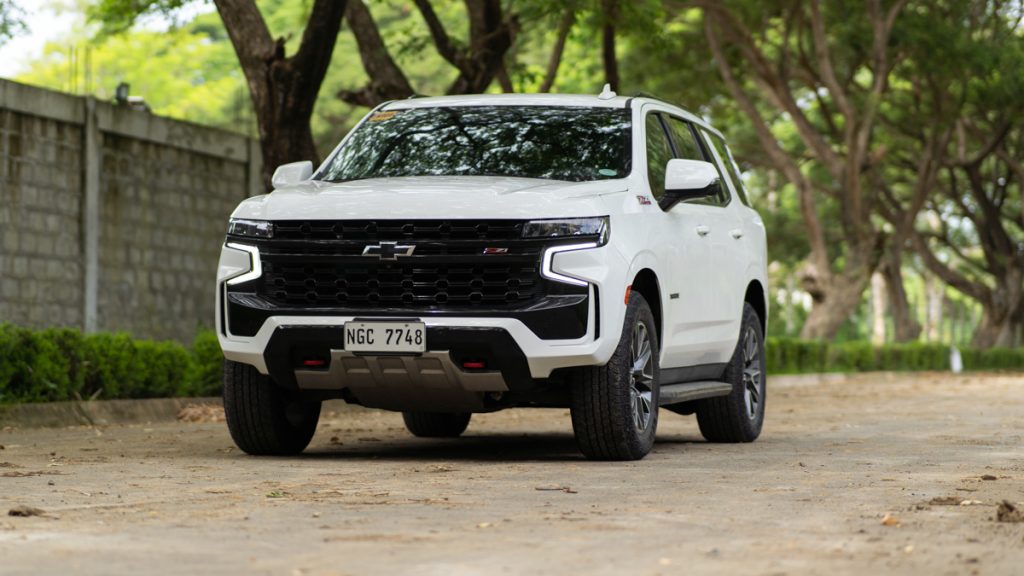
Ride comfort also stands out. The Tahoe absorbs rough pavement smoothly, making it especially comfortable for road trips and long commutes. Highway stability feels strong, and cabin noise stays relatively low considering the SUV’s size.
The biggest drawbacks involve fuel economy and maneuverability in crowded urban environments. Large dimensions can make tight parking stressful, and operating costs exceed those of smaller crossovers considerably. Yet for taller drivers prioritizing comfort and space, the Tahoe often feels worth those sacrifices.
Few vehicles allow drivers above 6 feet 4 inches to stretch out as naturally as the Tahoe. Its combination of spacious seating, strong visibility, and relaxed ride quality makes it one of the best full-size SUVs available for taller body types.
5. Subaru Outback
The Subaru Outback became popular among taller drivers because it combines SUV-like practicality with a more comfortable and natural driving position than many traditional crossovers.
While it may not appear enormous from the outside, the interior packaging is extremely efficient, giving drivers over 6 feet 4 inches far more usable room than expected.
One of the Outback’s biggest strengths is headroom. Subaru avoided aggressively sloping rooflines, allowing taller occupants to sit upright comfortably without lowering the seat excessively. Drivers with longer torsos especially appreciate this because many modern crossovers sacrifice vertical space for sporty styling.
Seat comfort also receives strong praise. The front seats are wide, supportive, and designed for long-distance travel rather than aggressive sporty driving. Taller drivers often struggle with short seat cushions in smaller vehicles, though the Outback provides better thigh support than many competitors.
The driving position feels natural and relaxed. Large windows create excellent visibility in all directions, helping the cabin feel open instead of confined. Taller drivers sitting farther back still maintain comfortable access to controls and mirrors because of the steering wheel’s generous adjustment range.
Another overlooked benefit involves entry and exit height. The Outback sits higher than a sedan but lower than a large SUV, allowing easier movement in and out without requiring a climb upward or a drop downward. Many taller people find this balance ideal for daily use.
Cargo flexibility adds more practicality. Drivers who enjoy outdoor activities or road trips appreciate the spacious rear area and roof-carrying capability. Even with front seats adjusted fully rearward, rear passengers usually still retain decent legroom.
Ride quality remains calm and composed, especially during highway driving. The suspension absorbs rough roads effectively without creating excessive body movement. Combined with supportive seating, this helps reduce fatigue during longer trips.
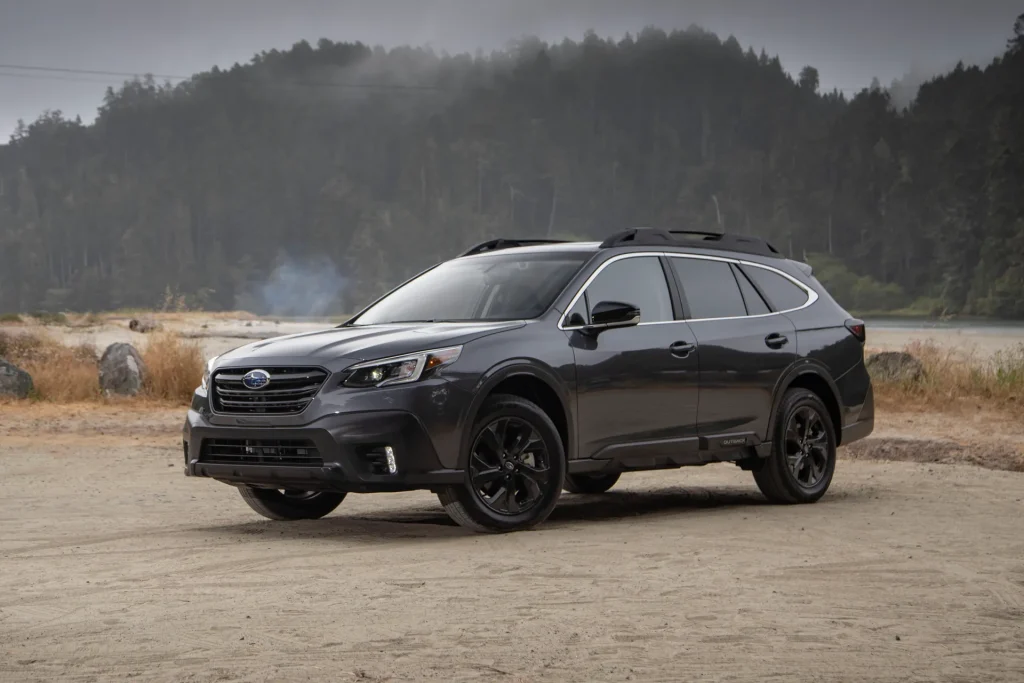
Acceleration is not particularly sporty in base models, and some buyers dislike the continuously variable transmission feel. Still, comfort and usability matter far more to many tall drivers than outright speed.
The Outback succeeds because it avoids sacrificing practicality and comfort in pursuit of trendy styling. For taller drivers wanting versatility without stepping into a huge SUV or truck, it remains one of the smartest choices available.
6. BMW 7 Series
Luxury sedans often prioritize rear passenger comfort more than driver space, yet the BMW 7 Series manages to provide exceptional room for tall drivers while still delivering the premium experience expected from a flagship sedan.
Drivers over 6 feet 4 inches frequently praise the 7 Series because it allows them to stretch out comfortably without compromising driving posture or visibility.
The first thing taller occupants notice is the seat adjustability. BMW offers extensive adjustments, including thigh extensions, lumbar controls, and multiple cushion settings.
This flexibility allows drivers to fine-tune seating positions far more precisely than in ordinary sedans. Long highway drives become dramatically more comfortable because legs and lower backs receive proper support.
Headroom remains generous despite the sleek luxury styling. BMW designed the roofline carefully enough that taller drivers usually avoid brushing the ceiling even with panoramic roof options installed. Combined with the low but natural seating position, the cabin feels spacious rather than cramped.
Legroom is equally impressive. The distance between the pedals, dashboard, and seat allows taller drivers to extend their legs comfortably without awkward bending. Wide cabins also prevent shoulders and elbows from feeling squeezed near the centre console.
Ride quality contributes heavily to comfort as well. The 7 Series glides over rough pavement with remarkable smoothness, reducing fatigue during long trips.
Taller drivers often notice discomfort more quickly in stiff-riding vehicles because cramped positions amplify road impacts, but the BMW’s suspension minimizes that issue effectively.
Visibility is decent for a luxury sedan of this size, though thicker roof pillars can occasionally limit certain angles. Still, the driving position feels commanding and relaxed compared with many sport-oriented luxury cars.
The biggest drawbacks involve ownership costs. Maintenance, repairs, and depreciation become expensive quickly once warranties expire. Some drivers may also find the technology systems overly complicated during daily use.
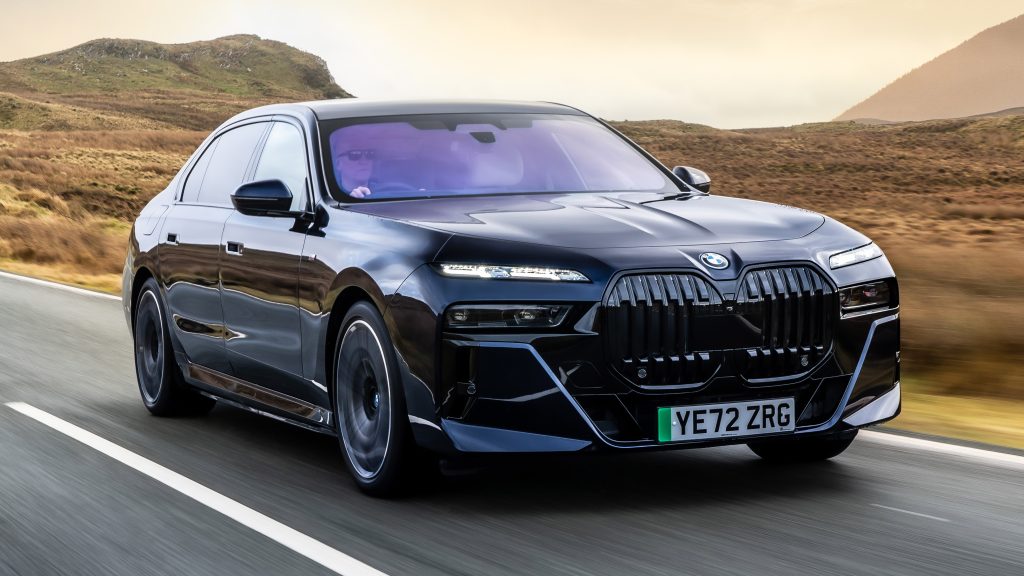
Yet for tall drivers wanting maximum comfort in a sedan rather than an SUV, the 7 Series remains difficult to beat. Its combination of spacious seating, premium ride quality, and extensive seat customization makes it one of the most accommodating luxury cars available for larger body types.
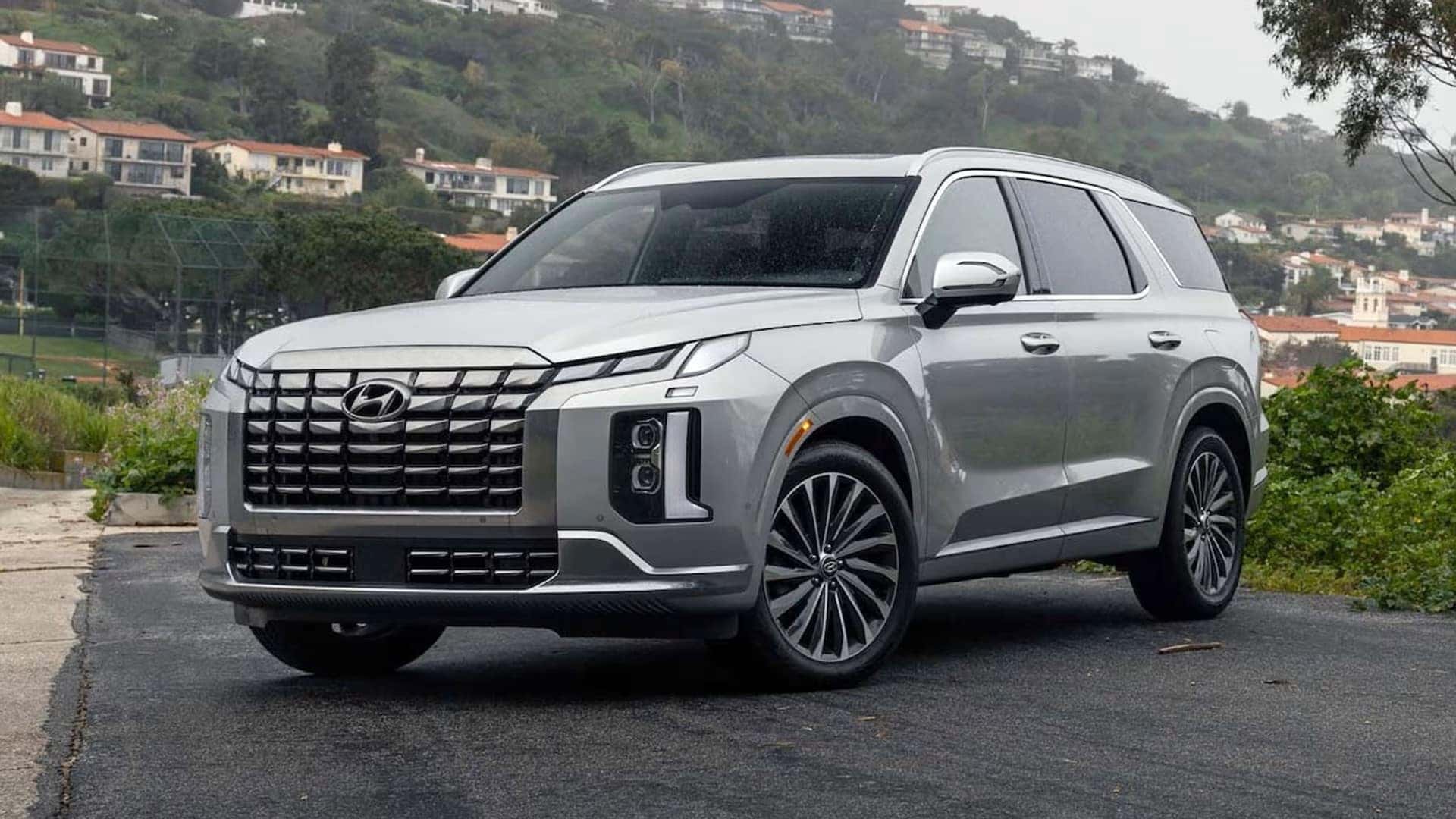
7. Hyundai Palisade
The Hyundai Palisade became a favorite among taller drivers because Hyundai focused heavily on interior comfort and passenger space instead of chasing overly aggressive styling trends.
Many SUVs appear large externally, but waste valuable cabin room with thick rooflines and cramped seating layouts. The Palisade avoids those mistakes and delivers one of the most accommodating interiors in its segment.
Headroom immediately stands out once taller drivers enter the cabin. The upright roof design creates generous vertical space in both the front and rear rows. Even drivers with long torsos can sit comfortably without lowering the seat excessively or tilting awkwardly to avoid touching the headliner.
Seat comfort is another major advantage. Hyundai equipped the Palisade with wide front seats offering excellent cushioning and strong thigh support. Taller drivers often experience leg fatigue in vehicles with short seat bottoms, but the Palisade’s seating design works extremely well during long-distance travel.
The driving position feels open and relaxed. Large windows improve outward visibility while helping the interior feel airy instead of confined. The steering wheel adjustment range also allows taller drivers to sit farther back naturally without struggling to reach controls comfortably.
Another strength involves second-row practicality. Even with tall front occupants moving seats rearward, rear passengers still retain respectable legroom. Families with multiple tall members appreciate this flexibility because very few midsize SUVs manage cabin packaging so effectively.
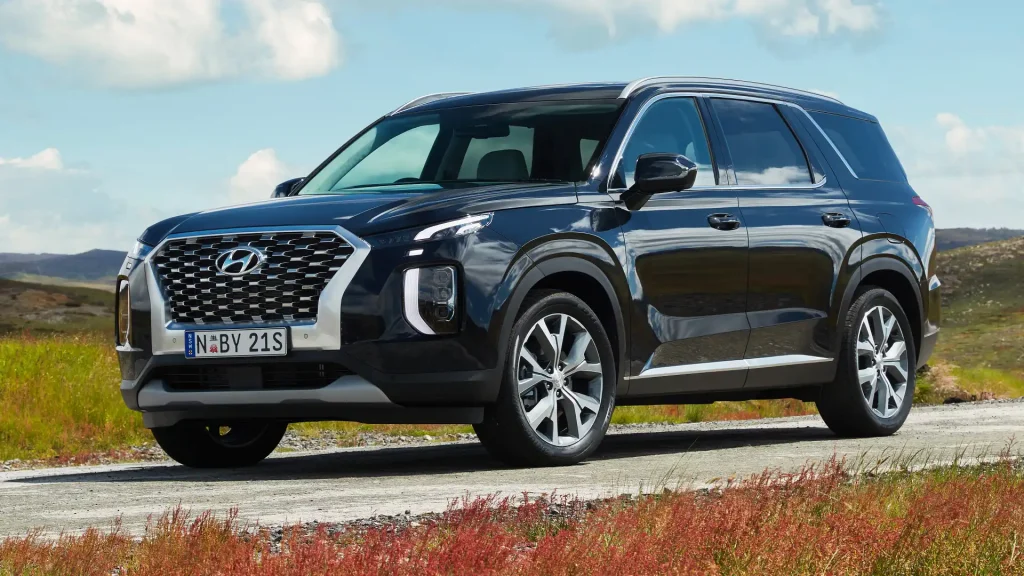
Ride quality contributes strongly to comfort as well. The suspension absorbs rough roads smoothly, helping reduce fatigue during road trips and daily commuting. Highway stability feels composed and quiet, giving the Palisade a near-luxury atmosphere in higher trims.
Fuel economy remains average for a three-row SUV, and some buyers may prefer more athletic handling. However, most tall drivers prioritize comfort and space far above sporty cornering ability.
The Palisade succeeds because it focuses on real-world usability instead of sacrificing practicality for dramatic styling. Drivers above 6’44 often discover it provides enough room to relax naturally, making it one of the best modern SUVs for taller body types.
8. Mercedes-Benz S-Class
The Mercedes-Benz S-Class has long represented comfort and refinement at the highest level, and that philosophy extends directly to taller drivers. Few sedans provide the same sense of effortless space and relaxation behind the wheel. Drivers above 6 feet 4 often describe the S-Class as one of the rare luxury cars where they never need to compromise posture or comfort.
Seat engineering plays a huge role in that experience. Mercedes designs the S-Class seats with extensive adjustability, including thigh extensions, massage functions, lumbar controls, and multiple seating profiles. Taller drivers can customise support precisely for their body shape, which becomes especially valuable during long highway trips.
Legroom feels exceptional because the cabin dimensions allow drivers to stretch out comfortably without crowding pedals or dashboards. Wide interiors also create more shoulder room than many sport-focused luxury sedans, helping the cabin feel open rather than restrictive.
The roofline deserves praise, too. Despite elegant exterior styling, Mercedes maintained enough headroom for taller occupants even in models equipped with panoramic glass roofs. Combined with the upright seating geometry, the car feels naturally accommodating instead of forcing awkward seating angles.
Ride quality further separates the S-Class from ordinary vehicles. Advanced suspension systems absorb rough pavement with remarkable smoothness, making long drives feel far less tiring. Taller drivers often become more sensitive to cramped positions and road harshness, but the Mercedes minimizes both effectively.
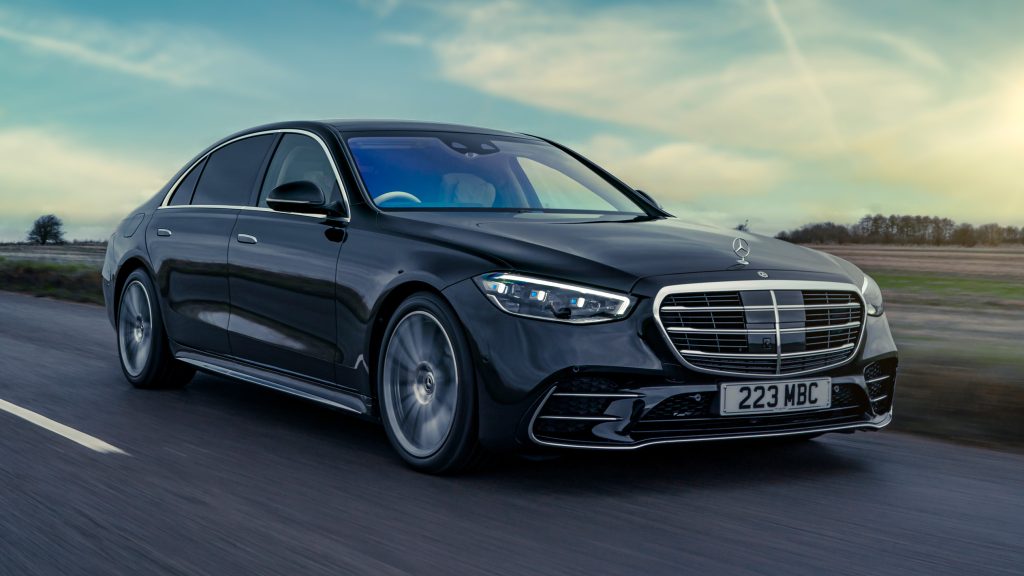
Visibility remains respectable for a large luxury sedan, and the driving position feels commanding without becoming truck-like. Quiet cabins also reduce stress during daily commuting and highway travel.
The obvious downside involves cost. Purchase prices, maintenance expenses, and repairs can become extremely expensive once warranty coverage ends. Technology systems may also overwhelm drivers preferring simpler controls.
Still, for taller drivers prioritising maximum comfort in a luxury sedan, the S-Class remains one of the best choices available. It combines spacious seating, exceptional ride quality, and premium refinement in a way very few vehicles can match, especially for people significantly taller than average.
9. Volvo XC90
The Volvo XC90 stands out as one of the best luxury SUVs for drivers over 6’4″ because Volvo designed the cabin around comfort and ergonomics rather than flashy styling alone. Taller drivers often struggle in premium SUVs where sloping rooflines and oversized centre consoles reduce usable space, but the XC90 avoids many of those common problems.
One of its biggest strengths is seat comfort. Volvo has built a reputation for designing some of the best seats in the industry, and the XC90 continues that tradition.
Front seats provide excellent thigh support, adjustable lumbar settings, and enough cushion length for taller legs during long highway drives. Many taller drivers notice reduced fatigue almost immediately compared with tighter luxury crossovers.
The cabin also feels airy and open. Large windows and a clean dashboard layout prevent the claustrophobic feeling found in some modern SUVs. Headroom remains generous even with panoramic roof options installed, allowing taller occupants to sit naturally without lowering the seat excessively.
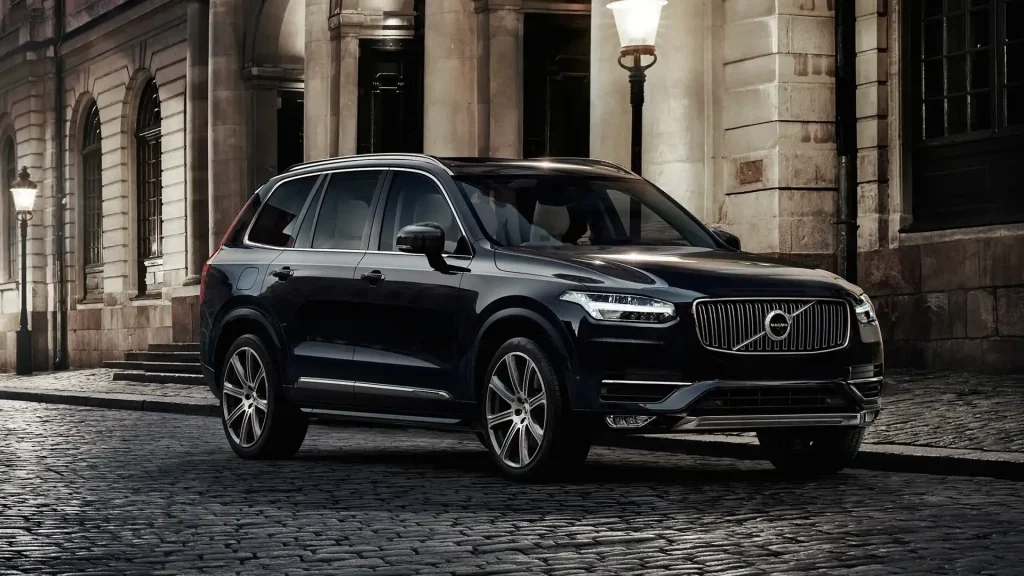
Legroom is equally impressive. Drivers can stretch out comfortably while still maintaining proper steering wheel reach because Volvo includes a wide range of seat and steering adjustments. Rear seat space also remains practical even when taller people occupy the front row.
Ride quality further improves long-distance comfort. The XC90 absorbs rough pavement smoothly while maintaining stable highway manners. Quiet cabin insulation helps create a relaxed atmosphere during commuting or road trips.
The touchscreen-focused controls can frustrate some owners, and repair costs are higher than those of mainstream SUVs. However, for tall drivers prioritising comfort, visibility, and refined road manners, the XC90 remains one of the strongest luxury SUV choices available today.
