
For shorter drivers, finding the right car involves much more than simply adjusting the seat forward. Many modern vehicles are designed around average height assumptions that can create frustrating visibility issues for drivers with smaller frames.
Thick roof pillars, tall dashboards, oversized center consoles, and limited seat adjustment ranges can make some cars feel difficult and uncomfortable to drive safely.
Visibility is often the biggest concern. Shorter drivers may struggle to see over the hood, judge corners accurately, or maintain clear sightlines around large roof pillars and mirrors.
Parking and lane changes can become stressful when seating positions do not provide enough outward visibility. That is why the best cars for shorter drivers usually combine compact exterior dimensions with upright seating positions and large windows.
Seat adjustability also matters enormously. Vehicles with wide ranges of height adjustment, tilt steering wheels, adjustable pedals, and supportive seating allow shorter drivers to position themselves correctly without sitting dangerously close to airbags or steering wheels.
A car might technically fit a shorter driver, but poor ergonomics can still lead to discomfort and fatigue during long drives.
Another overlooked factor is control placement. Some larger vehicles require awkward stretching to reach infotainment screens, climate controls, or center armrests. Smaller drivers often benefit from cabins designed with intuitive layouts and closer reach distances.
Ride height influences confidence, too. SUVs and crossovers sometimes help because they provide a more commanding view of traffic, though excessively large vehicles can become intimidating if visibility around corners remains limited. Compact sedans and hatchbacks frequently perform well because of their manageable size and easier maneuverability.
Technology can help as well. Features like surround view cameras, parking sensors, blind spot monitoring, and adjustable seating memory systems reduce stress during everyday driving. However, strong natural visibility still matters more than relying entirely on electronics.
The best cars for shorter drivers create confidence behind the wheel rather than forcing constant adjustment and compromise.
These vehicles stand out because they combine visibility, accessibility, manageable dimensions, and smart ergonomic design in ways that make driving easier, safer, and more comfortable for people of below-average height.
Also Read: 8 Discontinued Pontiac Models Ranked by Collector Value Today
1. Honda Fit
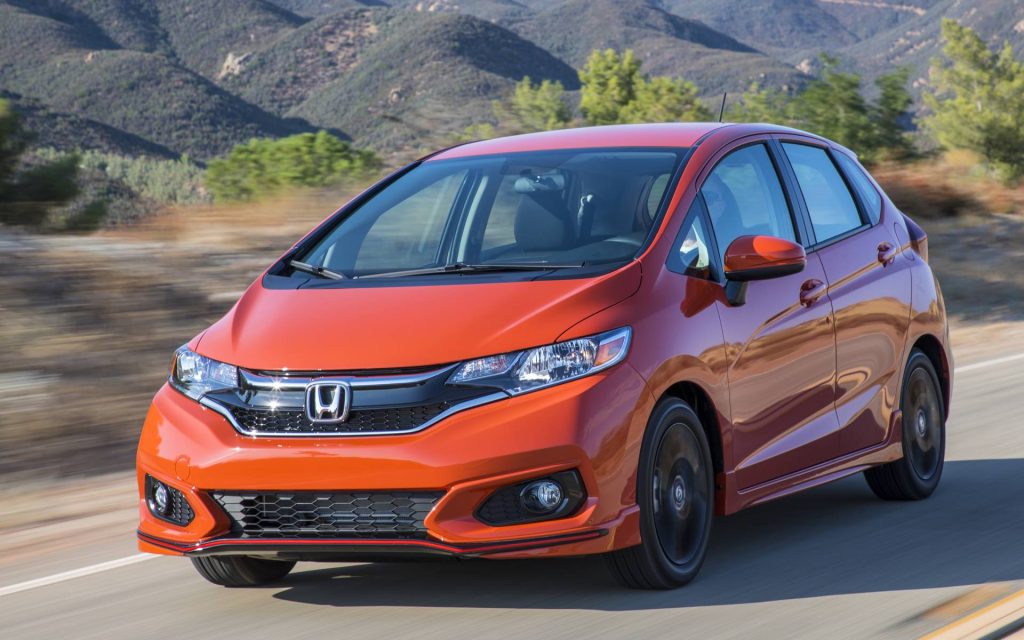
The Honda Fit became one of the most loved small cars among shorter drivers because it combines excellent visibility with simple, intelligent interior design.
While many compact cars feel cramped or difficult to position comfortably, the Fit manages to feel open and easy to drive despite its small footprint. For shorter drivers, that combination creates confidence almost immediately.
The Honda Fit stands out for its impressive visibility and driver-friendly design. Its large windows, upright windshield, and slim roof pillars help create a wide field of vision, making it easier to monitor traffic and judge distances in tight areas.
Drivers who prefer a clear view of the road benefit from the Fit’s open cabin layout, which avoids the boxed-in feeling common in vehicles with tall dashboards and smaller windows.
The seating position also works in its favor. The driver sits slightly higher than in many small hatchbacks, improving the view of the road without creating the intimidating height of a large SUV. Seat height adjustment provides enough flexibility for drivers to find a comfortable position while maintaining safe steering wheel distance.
Another reason shorter drivers appreciate the Fit is its compact exterior size. Parking in crowded areas feels simple because the car is easy to manoeuvre and visibility remains strong in every direction. Turning radius and predictable handling further reduce stress during city driving.
The interior layout is equally practical. Controls are positioned within easy reach, and the cabin avoids oversized center consoles that crowd legroom or arm movement. Shorter drivers can operate climate and infotainment systems comfortably without awkward stretching.
Despite its small size, the Fit offers surprising interior space. Honda’s clever packaging creates generous headroom and cargo flexibility, helping the car feel larger inside than expected. Rear seat practicality is especially impressive for such a compact vehicle.
Ride quality leans toward firmness on rough roads, and highway noise becomes noticeable during longer trips. Acceleration is also modest compared with larger vehicles. Yet most buyers choosing the Fit prioritize usability and visibility far more than performance.
The Honda Fit succeeds because it removes many of the frustrations shorter drivers encounter in larger or more aggressively styled vehicles. Excellent sightlines, easy maneuverability, and smart ergonomics make it one of the most confidence-inspiring small cars ever designed for drivers with smaller frames.
2. Subaru Crosstrek
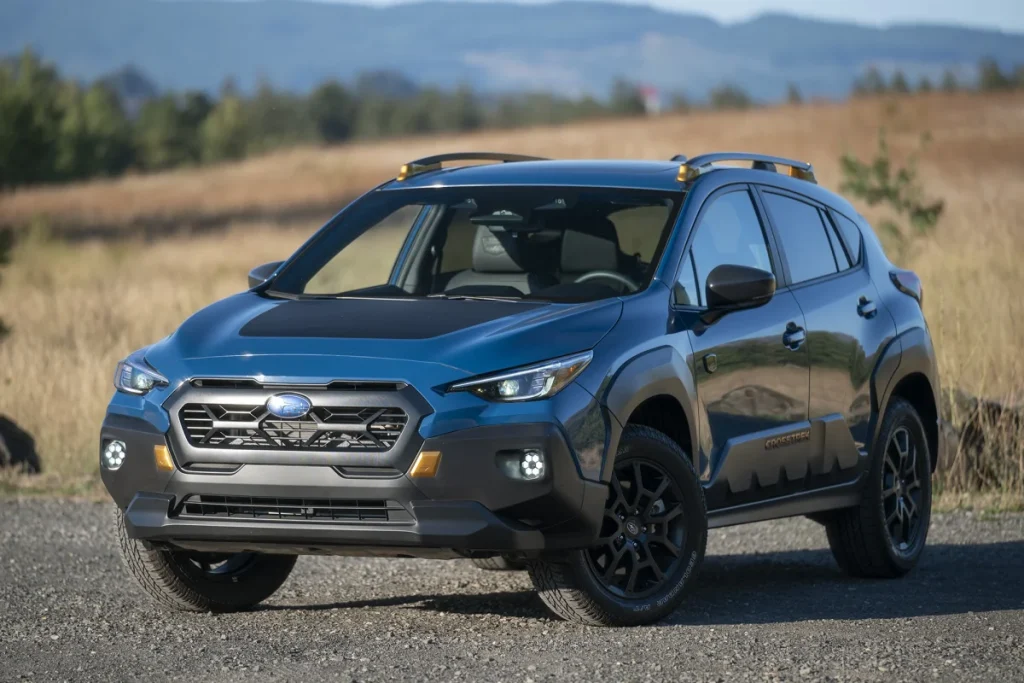
The Subaru Crosstrek works exceptionally well for shorter drivers because it blends compact dimensions with the higher seating position of a crossover. Many SUVs feel too bulky or difficult to judge from behind the wheel, but the Crosstrek keeps things manageable while still improving visibility compared with low sedans.
One of the Crosstrek’s biggest advantages is its upgraded driving position. The slightly elevated seating height provides a clearer view of surrounding traffic and road edges while still maintaining the manageable feel of a compact vehicle.
This balance gives drivers a greater sense of confidence and visibility without the challenges that often come with maneuvering larger SUVs in crowded parking areas or narrow city streets.
Visibility remains excellent in nearly every direction. Subaru designed the vehicle with large windows and relatively slim roof pillars, helping reduce blind spots and making lane changes feel easier. The upright cabin layout also allows drivers to judge the front corners more naturally than in many aggressively styled crossovers.
Seat adjustability further improves comfort. Drivers can raise or lower the seat enough to find a secure position while still maintaining proper steering wheel reach. Controls remain logically placed and easy to access, reducing the need for awkward stretching.
The Hyundai Kona is designed to feel simple and approachable from the moment you get behind the wheel. Its compact size, strong visibility, and thoughtfully arranged interior work together to create an easy, confidence-building driving experience.
In everyday situations like city traffic or tight parking spaces, these qualities make the Kona feel intuitive and manageable, helping reduce stress and making it especially practical for urban driving.
Ride comfort adds to the experience as well. The suspension absorbs rough pavement smoothly, and the upright seating position reduces fatigue during commuting. Visibility during bad weather also benefits from the Crosstrek’s excellent window design and higher ground clearance.
Cargo practicality is another pleasant surprise. Despite manageable exterior dimensions, the vehicle offers enough storage flexibility for groceries, luggage, and outdoor gear without feeling oversized.
Acceleration from the base engine can feel modest, and road noise becomes noticeable at highway speeds. Still, those drawbacks rarely outweigh the Crosstrek’s usability advantages.
For shorter drivers wanting an SUV-style driving position without sacrificing confidence or maneuverability, the Subaru Crosstrek remains one of the most balanced and easy-to-live-with choices available today.
3. Mazda CX-5
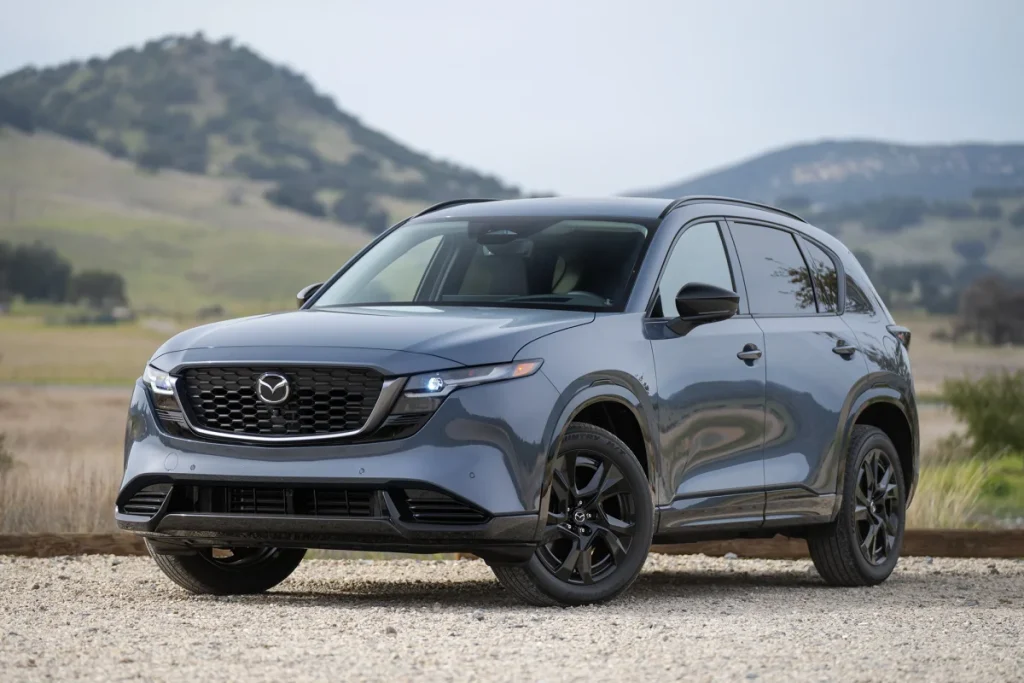
The Mazda CX 5 stands out as one of the best SUVs for shorter drivers because it combines compact dimensions with a driving position that feels secure, natural, and confidence-inspiring.
Many crossovers attempt to look aggressive by using thick roof pillars and high beltlines, but the CX-5 manages to maintain attractive styling without severely compromising visibility. That balance makes a major difference for drivers with smaller frames.
One of the first things shorter drivers notice is how easy it is to judge the vehicle’s size from behind the wheel. The hood does not feel excessively tall or distant, and the front seating position allows drivers to maintain a clear view of the road ahead.
Mazda designed the dashboard and windshield angle carefully so the cabin feels open instead of overwhelming.
Another important benefit is the generous seat adjustment range. The driver’s seat can be positioned high or low enough to let shorter drivers find a comfortable and properly aligned seating position without needing to move too close to the steering wheel.
This adjustability supports better posture, improves control, and helps create a more relaxed and confident driving experience.
Combined with a tilt and telescoping steering column, this allows a comfortable and safe driving posture even for people well below average height.
Visibility remains strong around the sides as well. Roof pillars are slimmer than in many modern SUVs, reducing blind spots and helping lane changes feel more manageable. Parking also becomes easier because the CX-5 does not feel bulky or difficult to park.
The CX-5’s compact exterior dimensions make it much easier to maneuver in crowded parking lots and narrow city streets. Its manageable size helps drivers feel more in control without sacrificing the elevated seating position that improves road visibility.
This balance between practicality and comfort allows the CX-5 to deliver the confident driving feel of an SUV while remaining approachable and easy to handle in everyday situations.
Interior ergonomics deserve praise, too. Controls are positioned logically within close reach, and the center console avoids feeling oversized or intrusive. Many shorter drivers dislike cabins where climate and infotainment controls require constant stretching, but Mazda kept everything driver-focused and accessible.
Ride quality strikes a smart balance between comfort and control. The suspension absorbs rough pavement effectively without feeling excessively soft or unstable. Highway driving feels secure and composed, which helps reduce fatigue during longer trips.
Another benefit involves the seating itself. The front seats provide strong support and comfortable cushioning, helping shorter drivers maintain proper posture during commuting. Higher trims add memory functions and additional adjustments that improve personalization even further.
Cargo space is practical without making the SUV excessively large. Drivers can still enjoy everyday usability without sacrificing maneuverability or visibility.
Fuel economy remains competitive, though the rear seat area can feel slightly tighter than certain rivals. Some drivers may also prefer a softer suspension setup focused purely on comfort.
The Mazda CX-5 succeeds because it makes shorter drivers feel in control instead of overwhelmed. Strong visibility, compact proportions, excellent ergonomics, and a comfortable driving position combine to create one of the most confidence-inspiring compact SUVs available today.
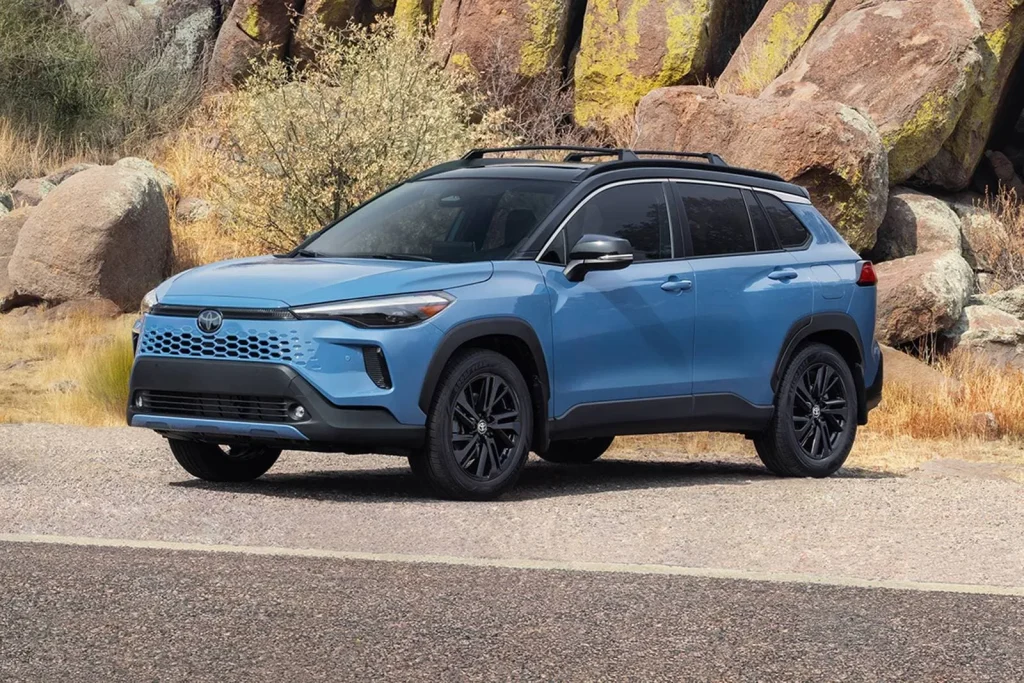
4. Toyota Corolla Cross
The Toyota Corolla Cross became an excellent choice for shorter drivers because it takes the familiarity and ease of the Corolla sedan and combines it with a more accessible crossover design.
Many smaller SUVs attempt to feel rugged or sporty by sacrificing visibility and simplicity, but the Corolla Cross focuses heavily on comfort, practicality, and manageable driving characteristics.
The upgraded seating position is one of its strongest qualities. Shorter drivers benefit immediately from sitting slightly higher than they would in a sedan because it improves visibility in traffic and makes it easier to judge surrounding vehicles.
At the same time, the Corolla Cross avoids becoming so tall that entry and exit feel awkward or intimidating.
Visibility throughout the cabin remains impressively good. Toyota designed the SUV with relatively large windows and a straightforward dashboard layout that prevents the front of the vehicle from feeling overly massive. Drivers can judge corners and parking distances naturally instead of relying entirely on cameras and sensors.
Seat adjustability also helps create a comfortable fit. The driver’s seat can be raised enough for shorter occupants to maintain strong outward visibility while still keeping a safe steering wheel distance. The steering column adjustment range supports this further, allowing drivers to create a more relaxed posture behind the wheel.
Compact dimensions make the Corolla Cross especially appealing for urban driving. Parking garages, narrow streets, and crowded shopping areas become far easier to navigate compared with larger crossovers. The SUV feels predictable and manageable, helping newer or less confident drivers feel more comfortable quickly.
The interior layout supports usability, too. Controls remain close and easy to operate, and Toyota avoided creating a cluttered cabin with excessive buttons or oversized center consoles. Shorter drivers can comfortably reach climate controls, infotainment systems, and storage areas without awkward stretching.
Ride comfort leans toward softness, which helps reduce fatigue during commuting. The suspension handles rough roads calmly without creating harsh impacts or excessive bouncing. Combined with supportive seats, the Corolla Cross feels relaxing during daily driving.
Another practical strength involves entry and exit. The seating height allows drivers to slide into the cabin naturally without dropping down deeply or climbing upward excessively. For shorter drivers, that balanced motion feels far easier than in many sedans or larger SUVs.
Performance remains modest, especially with the standard engine, and enthusiasts may find the handling less engaging than sportier rivals. Rear cargo space is also adequate rather than class-leading.
Still, the Corolla Cross performs especially well in the areas many smaller drivers value most. It delivers strong visibility, easy accessibility, straightforward controls, and a confidence-inspiring driving experience without adding unnecessary complexity.
These practical qualities make it one of the most comfortable and user-friendly modern SUVs for everyday driving.
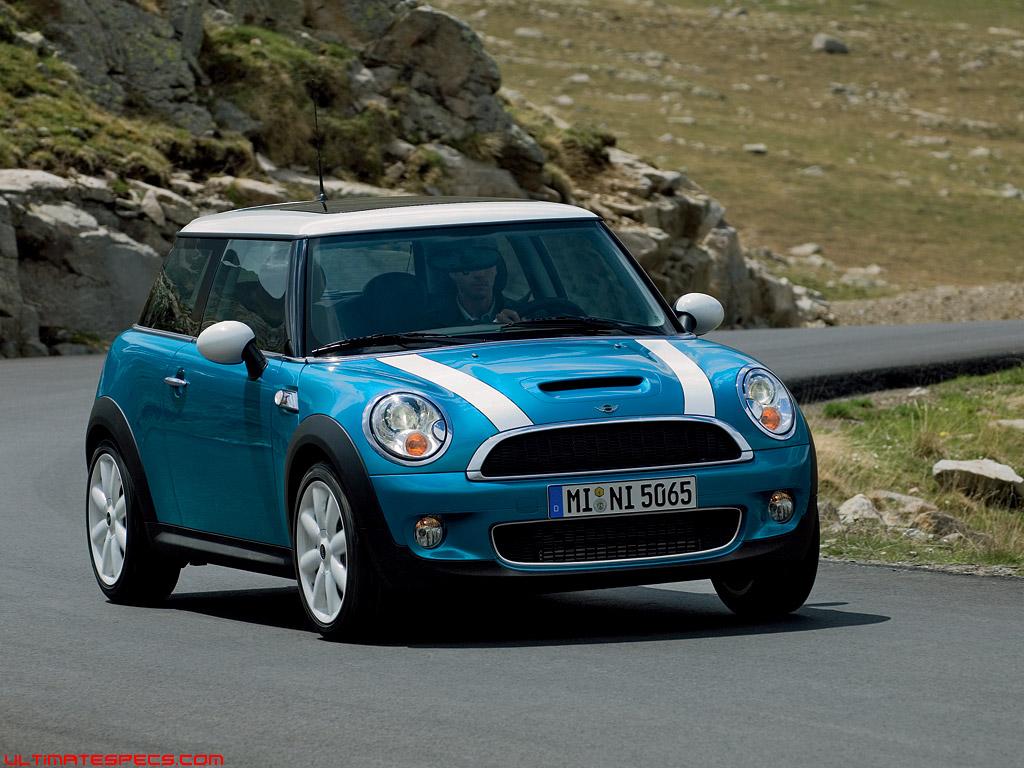
5. Mini Cooper
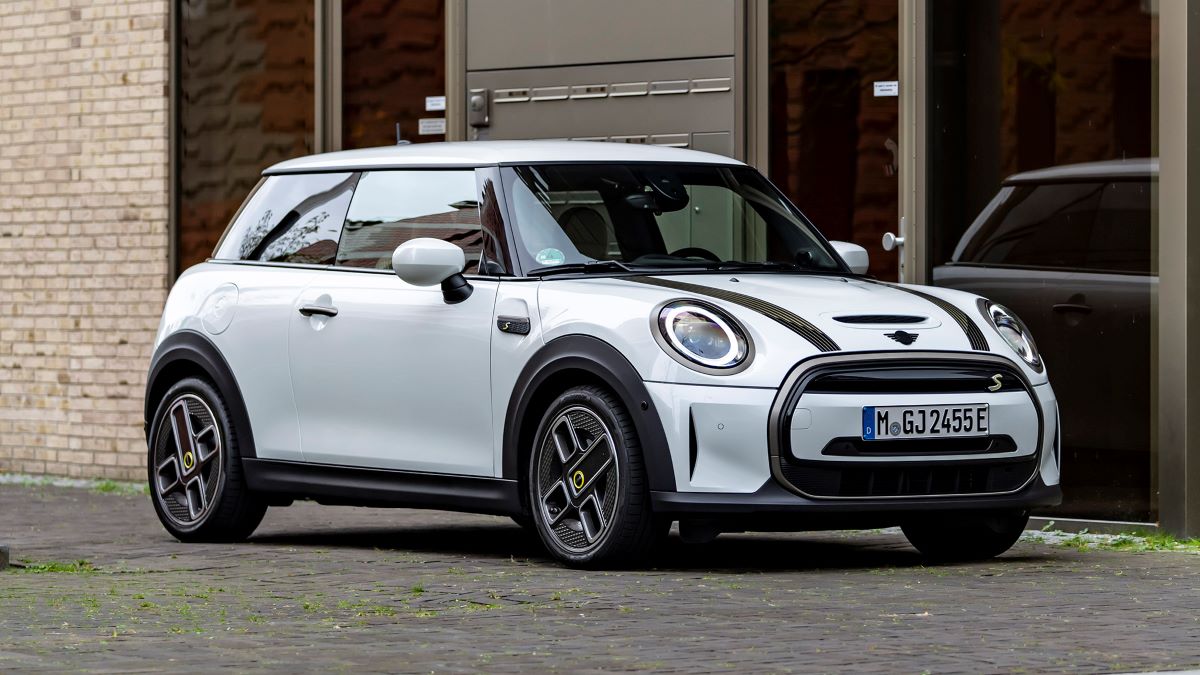
The Mini Cooper may look playful and compact from the outside, but it also happens to be one of the easiest and most confidence-inspiring cars for shorter drivers.
Many people with smaller frames struggle in vehicles where the hood feels too long, the seating position feels buried, or visibility is compromised by thick pillars. The Mini avoids most of those frustrations by emphasizing smart packaging and excellent road awareness.
One of the Mini’s biggest strengths is how easy it feels to position on the road. Its compact proportions, short hood, and upright windshield provide excellent visibility, making it easier to judge distances in traffic and tight parking situations.
The clear sightlines and manageable size help create a more confident and controlled driving experience, especially in busy urban environments.
The seating position also works extremely well. Drivers sit relatively upright compared with many sporty hatchbacks, improving visibility without sacrificing comfort. Seat height adjustment allows shorter occupants to raise themselves enough to maintain a commanding view of the road while still sitting at a safe distance from the steering wheel and airbags.
Another major advantage involves the compact exterior dimensions. Tight city streets, crowded parking garages, and parallel parking situations become dramatically easier in the Mini Cooper than in larger sedans or SUVs. Many shorter drivers appreciate feeling fully in control rather than intimidated by oversized vehicles.
Visibility around the cabin remains strong, too. Roof pillars are reasonably slim, and the windows create an open atmosphere despite the car’s small size. Blind spots feel far less severe than in many modern vehicles with dramatic styling.
The interior layout is quirky but functional. Controls sit within close reach, and the compact cabin prevents drivers from feeling disconnected from important functions. Shorter drivers usually find it easy to operate climate controls, infotainment systems, and steering wheel functions comfortably.
Ride quality can feel firm on rough pavement, especially in sportier trims with larger wheels. Rear seat space is also limited, and cargo practicality trails many compact hatchbacks. However, most Mini buyers prioritize personality and maneuverability over maximum utility.
The Mini Cooper stands out because it creates a sense of confidence rather than stress behind the wheel. Its excellent visibility, compact dimensions, and natural driving position make the car feel comfortable and easy to adjust to almost immediately.
For city driving in particular, few vehicles feel as effortless and enjoyable to maneuver on a daily basis.
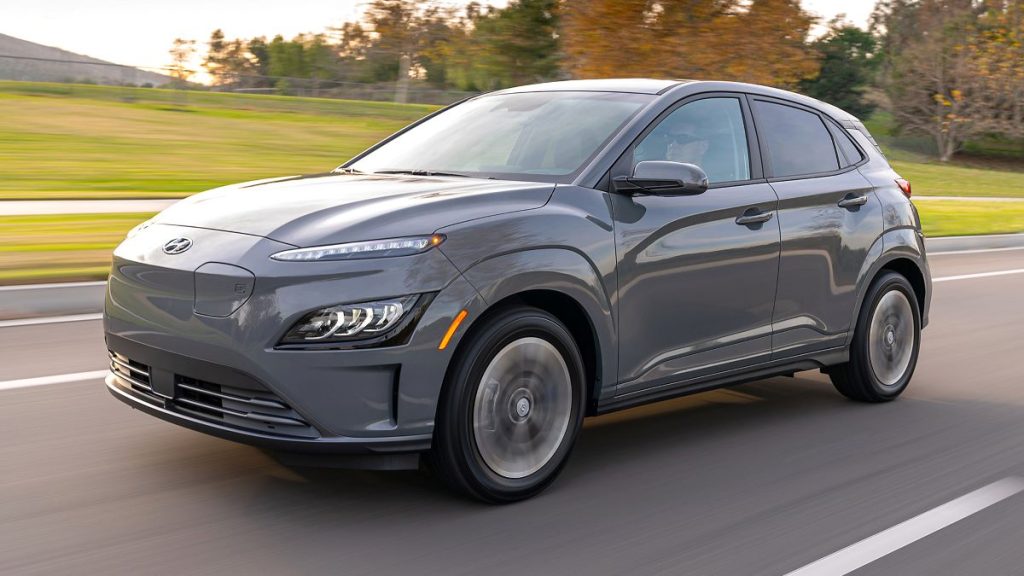
6. Hyundai Kona
The Hyundai Kona has become a favorite among shorter drivers because it combines crossover visibility with compact dimensions that never feel overwhelming.
Some SUVs provide good outward visibility but become difficult to manoeuvre because of their size. Others are small enough for easy parking but suffer from cramped interiors and poor seating positions. The Kona balances these qualities extremely well.
The upgraded seating position is one of its biggest strengths. Shorter drivers benefit from sitting slightly higher than in a traditional sedan because it improves sightlines in traffic and creates a stronger sense of control. Yet the Kona remains compact enough that it never feels bulky or intimidating during city driving.
Visibility is another important advantage. Hyundai designed the Kona with a relatively upright cabin and manageable dashboard height, allowing drivers to judge corners and surrounding traffic more naturally. Blind spots are also less severe than in many sport-styled crossovers with thick roof pillars.
Seat adjustability helps create a secure driving posture, too. Drivers can raise the seat enough to improve visibility without needing to move excessively close to the steering wheel. Combined with a telescoping steering column, this makes it easier for shorter occupants to find a comfortable and safe position.
Parking becomes simple because of the Kona’s compact footprint. Crowded shopping centers, narrow streets, and tight garages feel less stressful compared with larger SUVs. Responsive steering and good visibility further improve confidence in urban environments.
Interior ergonomics are another pleasant surprise. Hyundai positioned controls logically and kept important functions within easy reach. Shorter drivers do not need to stretch awkwardly to operate climate settings or infotainment systems.
Ride comfort remains balanced for daily commuting. The suspension handles rough roads reasonably well while still maintaining stable highway manners. Supportive front seats also help reduce fatigue during longer trips.
Cargo space is not as generous as that of larger crossovers, and rear seat room can feel slightly tight for taller passengers. Performance from base models is also more practical than exciting.
Still, the Hyundai Kona stands out for its approachable and easy-to-use nature. Its compact footprint, clear visibility, and well-planned interior layout help build confidence quickly and reduce stress in everyday driving.
These traits make it especially well-suited for city use, where tight spaces and frequent maneuvering demand a vehicle that feels intuitive and manageable from the start.
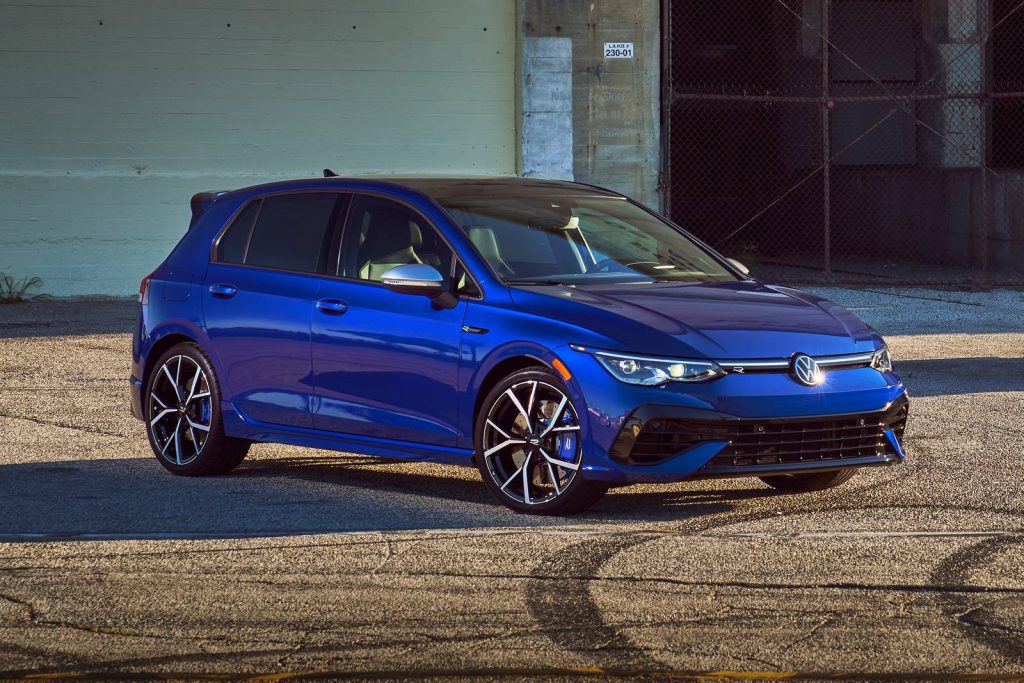
7. Volkswagen Golf
The Volkswagen Golf has remained one of the smartest cars for shorter drivers because it combines compact dimensions with outstanding visibility and intelligent interior packaging.
Many modern hatchbacks attempt to look aggressive by shrinking windows and thickening roof pillars, but the Golf continues to prioritize practicality and ease of driving. That design philosophy works extremely well for people with smaller frames.
One of golf’s greatest strengths is how natural the driving position feels. The seat sits high enough to provide strong visibility without creating the towering sensation some drivers dislike in SUVs. Shorter drivers can easily see over the dashboard and judge the front corners of the car without needing awkward seating adjustments.
The seat adjustment range is especially impressive for a compact car. Drivers can raise the seat significantly while still maintaining a safe steering wheel distance. Combined with the adjustable steering column, this creates a comfortable and controlled posture for a wide range of body types.
Visibility throughout the cabin remains excellent. Large windows and relatively slim roof pillars help reduce blind spots, making lane changes and parking less stressful. Urban driving becomes much easier when drivers can clearly judge surrounding traffic and curb distances.
The Golf’s compact dimensions also make it highly practical for everyday driving. Its responsive handling and smaller footprint help drivers navigate tight parking spaces and busy urban streets with ease. Many people appreciate vehicles that feel controlled and approachable rather than bulky, and the Golf provides that sense of comfort and confidence behind the wheel.
Interior ergonomics also deserve praise. Controls sit within easy reach, and the dashboard layout feels clean and intuitive. Drivers can access climate controls, infotainment systems, and storage areas comfortably without excessive stretching.
Ride quality strikes a strong balance between comfort and responsiveness. The suspension absorbs rough pavement well enough for daily commuting while still maintaining stable handling during highway travel. Supportive front seats further improve long-distance comfort.
The rear seat and cargo space remain surprisingly practical considering the car’s compact footprint. The hatchback design also improves visibility when reversing compared with traditional sedans.
Some newer Golf trims rely heavily on touchscreen controls that may frustrate drivers preferring physical buttons. Pricing can also climb quickly in higher trims.
Still, the Golf succeeds because it feels approachable and easy to drive from the first moment behind the wheel. For shorter drivers wanting visibility, maneuverability, and comfort without stepping into a crossover, it remains one of the best all-around compact cars available.
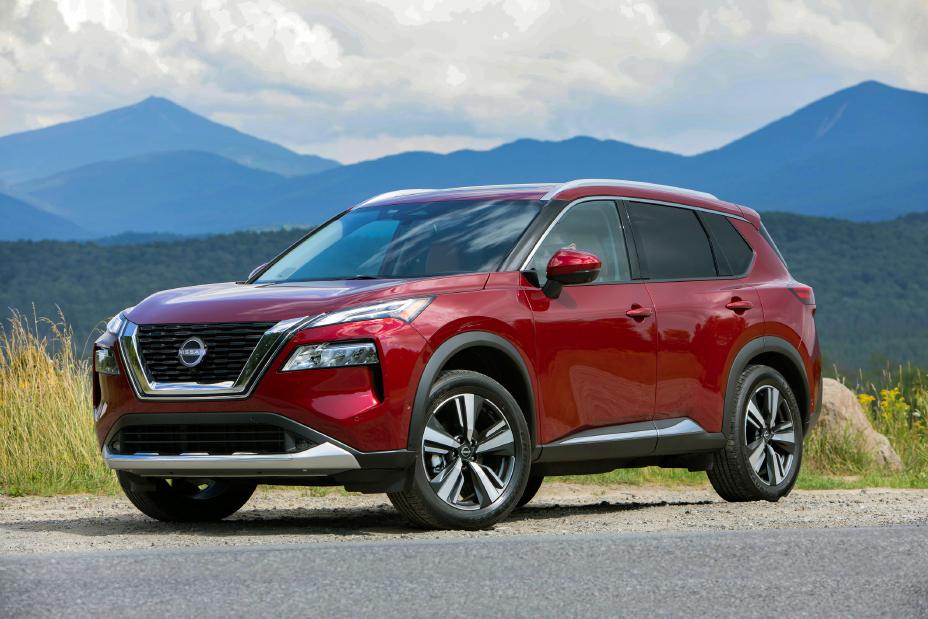
8. Nissan Rogue
The Nissan Rogue rounds out this list because it combines crossover practicality with a driving experience that feels especially comfortable and confidence-inspiring for shorter drivers.
Many compact SUVs provide upgraded seating positions, but still feel difficult to judge because of bulky styling or limited visibility. The Rogue avoids much of that frustration through smart cabin design and approachable dimensions.
One of the Rogue’s most noticeable features is its elevated seating position, which provides improved visibility over surrounding traffic without the overwhelming size of a larger SUV. The higher viewpoint creates a greater sense of awareness on the road, making daily driving feel more comfortable and controlled. Drivers who value clear sightlines and a confident driving position are likely to appreciate how well the Rogue balances visibility with easy handling.
Visibility throughout the cabin remains strong thanks to large windows and a relatively open interior layout. The dashboard does not feel excessively tall or bulky, helping drivers judge distances naturally during parking and lane changes. Roof pillars are also less intrusive than in many aggressively styled competitors.
Seat comfort plays another important role. Nissan’s front seats are soft and supportive, especially during longer drives. The company’s focus on seat cushioning helps reduce fatigue, and the power seat adjustment range allows shorter drivers to position themselves properly without sitting dangerously close to the steering wheel.
Another advantage involves maneuverability. The Rogue feels compact enough for city driving while still offering enough interior space for families and cargo. Parking in crowded areas becomes much easier compared with larger midsize SUVs.
Interior controls remain easy to reach as well. Climate settings, infotainment systems, and storage areas are positioned logically so drivers can operate them comfortably without awkward stretching. The cabin also feels airy instead of cramped, helping reduce stress during commuting.
Ride quality leans toward comfort rather than sportiness. The suspension absorbs rough pavement effectively, making daily driving calmer and less tiring. Highway cruising feels stable and quiet, too, adding to the relaxed character.
Acceleration from the powertrain may not satisfy performance-focused drivers, and some people dislike the continuously variable transmission feel. However, most buyers prioritizing visibility and usability care more about comfort than aggressive driving dynamics.
The Nissan Rogue succeeds because it removes many of the common frustrations shorter drivers encounter in larger SUVs. Strong visibility, comfortable seating, easy maneuverability, and practical ergonomics combine to create a crossover that feels genuinely user-friendly every day.
Also Read: 9 Pickup Trucks That Got $20,000 More Expensive in 10 Years
