
Knee pain changes the way people interact with vehicles every single day. For drivers dealing with arthritis, past injuries, joint stiffness, or chronic knee problems, entering and exiting a vehicle can become surprisingly difficult.
Even short drives may cause discomfort when seats sit too low, door openings are narrow, or driving positions force awkward leg angles. That is why choosing the right SUV matters far more than many buyers initially realize.
The best SUVs for drivers with knee problems usually share several important qualities. Seat height becomes one of the biggest factors because vehicles sitting too low force occupants to bend their knees deeply when entering or standing up.
Extremely tall trucks can create the opposite problem by requiring drivers to climb upward awkwardly. Most people with knee discomfort prefer SUVs with hip-level seating positions that allow smooth entry and exit without excessive strain.
Door design also matters. Wide openings make it easier to swing legs in and out naturally, especially for older drivers or people with reduced mobility. Seat cushioning and adjustability become equally important because poorly supported legs and hips can worsen discomfort during long drives.
Ride quality also plays a major role. Stiff suspensions and harsh impacts increase fatigue quickly for people managing joint pain. Softer suspensions, combined with supportive seats, help reduce knee stress during commuting and highway travel.
Another overlooked detail involves cabin ergonomics. Drivers with knee problems benefit from enough legroom to stretch comfortably without constantly keeping knees bent at sharp angles. Adjustable steering wheels and pedals can further improve driving posture and reduce discomfort over time.
Fortunately, several SUVs now focus heavily on comfort and accessibility instead of purely sporty styling. Some provide luxurious seating systems with memory functions and power adjustments, while others simply succeed through intelligent cabin design and smooth ride tuning.
The SUVs on this list stand out because they consistently provide easy access, supportive seating, relaxed driving positions, and comfortable ride quality that make daily driving far easier for people dealing with knee pain or mobility limitations.
Also Read: 8 Discontinued Pontiac Models Ranked by Collector Value Today
1. Subaru Forester
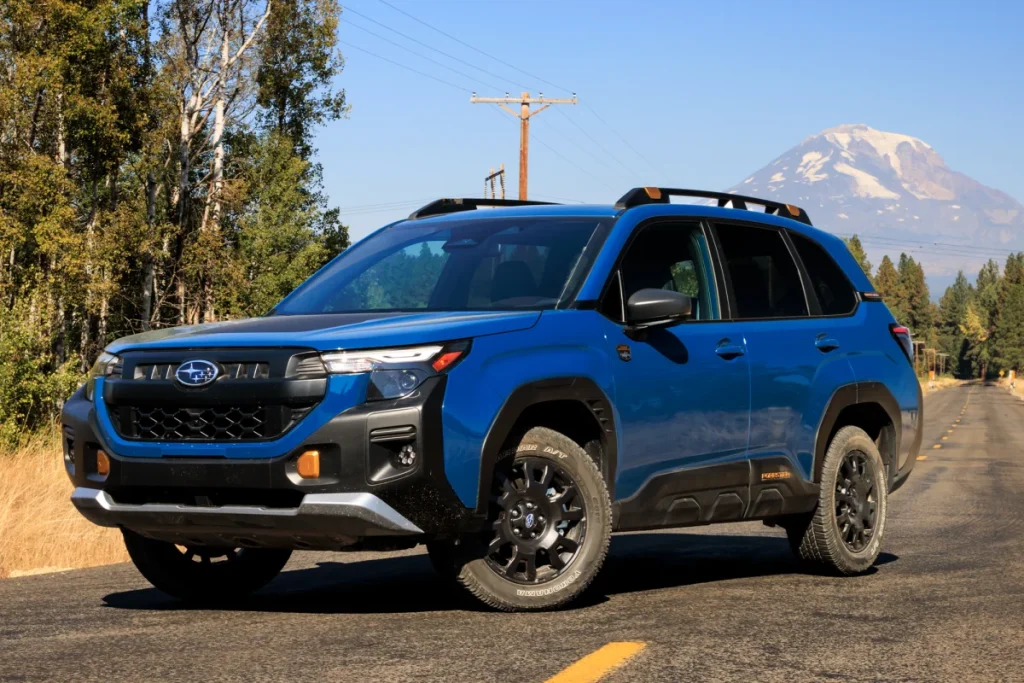
The Subaru Forester has earned a strong reputation among drivers with knee problems because it makes entering and exiting the vehicle remarkably easy. Unlike many modern SUVs that use sporty low rooflines or overly tall ride heights, the Forester maintains a balanced seating position that feels natural for people with joint discomfort.
One of the biggest advantages is seat height. Drivers do not need to crouch deeply into the cabin as they would in a sedan, and they also avoid climbing upward awkwardly as required in certain trucks. Instead, the Forester allows occupants to slide in smoothly with minimal strain on the knees.
Large door openings help significantly as well. The doors open wide, creating plenty of space to move legs in and out naturally. For drivers managing arthritis or stiffness, this can make a major difference during daily errands and repeated stops.
Visibility is another area where the Forester performs extremely well. Large windows and an upright seating position reduce the need for uncomfortable twisting or leaning while driving. Drivers can sit in a relaxed posture with good outward visibility instead of constantly adjusting their positions.
Seat comfort remains impressive for a mainstream SUV. Front seats provide supportive cushioning and enough space to stretch legs comfortably during longer drives. Higher trims add power adjustments and lumbar support that improve long-distance comfort further.
Ride quality also supports drivers with knee pain. The suspension absorbs rough roads effectively without feeling harsh or unstable. Daily commuting becomes less tiring because bumps and vibrations are controlled.
The Forester’s boxy design may not look as sporty as some rivals, and acceleration from the standard engine feels modest. However, most drivers prioritizing comfort and accessibility care more about ease of use than aggressive performance.
Another practical benefit involves cargo height. The rear cargo floor sits low enough to reduce lifting strain when loading groceries or luggage, helping drivers avoid unnecessary knee stress outside the cabin, too.
For people wanting a dependable SUV with excellent accessibility and comfortable ergonomics, the Subaru Forester remains one of the smartest and most physically friendly choices available today.
2. Hyundai Santa Fe
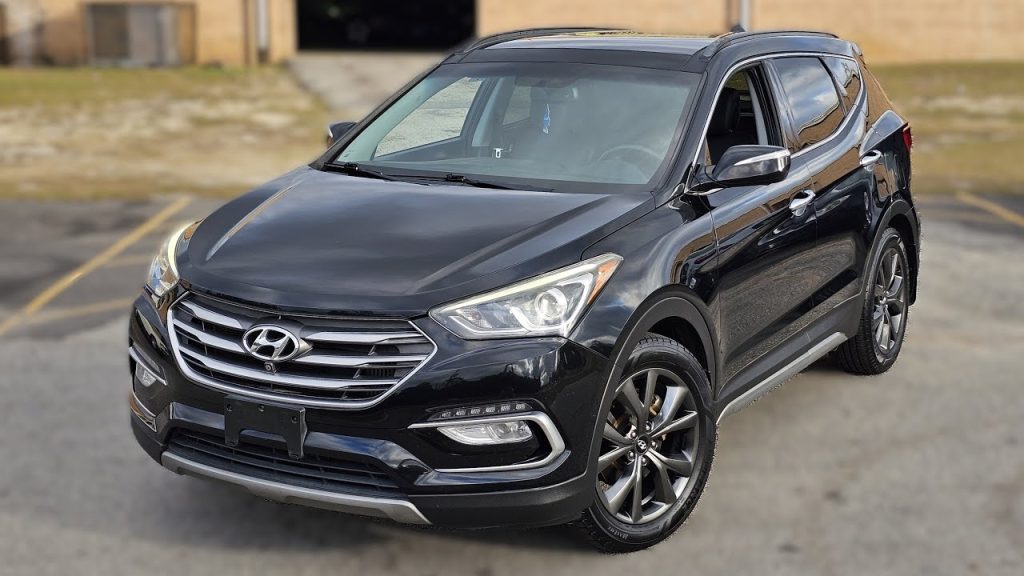
The Hyundai Santa Fe combines comfort, accessibility, and smooth ride quality in a way that works extremely well for drivers dealing with knee pain. Many midsize SUVs focus heavily on styling or sporty handling, but the Santa Fe succeeds because it prioritizes real-world usability and relaxed daily driving.
One of its strongest qualities is entry height. The SUV sits at an ideal level where drivers can move in and out without placing excessive pressure on their knees. Seats are positioned high enough to avoid deep bending but not so high that climbing becomes difficult.
The front seats themselves are designed for comfort during long drives. Cushions provide good support beneath the thighs and hips, helping reduce fatigue during commuting or road trips. Higher trims offer power adjustments, lumbar support, heating, and ventilation systems that allow drivers to fine-tune seating posture more effectively.
Ride quality further improves comfort. The suspension absorbs potholes and rough pavement smoothly, reducing repeated impacts that can aggravate knee discomfort over time. Highway travel feels calm and stable instead of stiff or overly firm.
Interior space also contributes positively. Drivers have enough legroom to stretch naturally without keeping their knees bent tightly against the dashboard. Wide door openings and a relatively open cabin layout make movement easier for people with mobility concerns.
Another advantage is the Santa Fe’s quiet interior. Reduced road and wind noise creates a more relaxed environment during driving, which often helps reduce physical tension and fatigue.
Technology remains easy to use compared with some competitors, who are overloaded with complicated menus. Controls are positioned logically, allowing drivers to operate climate settings and infotainment features without awkward reaching.
Fuel economy stays competitive for the segment, though the SUV is not especially sporty during aggressive driving. Most buyers seeking comfort and accessibility consider that a worthwhile compromise.
The Santa Fe succeeds because it delivers comfort in everyday situations where drivers with knee pain notice it most. Easy access, supportive seating, and smooth road manners combine to make it one of the best midsize SUVs for mobility-focused buyers.
3. Honda CR-V
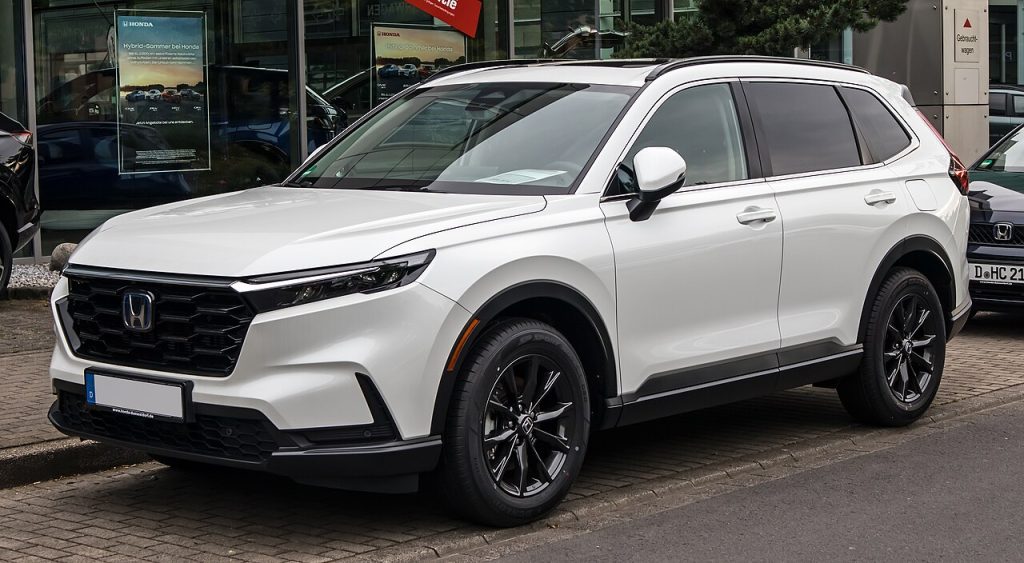
The Honda CR-V has become one of the most practical SUVs for drivers with knee problems because it combines easy accessibility with excellent everyday comfort. Many compact SUVs attempt to look sporty with low rooflines and cramped interiors, but the CR-V focuses more on usability and ergonomic design.
Its seating height is one of the biggest reasons drivers with joint discomfort appreciate it. The CR-V sits at a level where occupants can slide into the cabin naturally, instead of dropping downward like in a sedan or climbing upward into a large truck. Repeated entry and exit throughout the day becomes far less stressful on the knees.
Door openings are also wide enough to allow comfortable movement. Drivers can swing their legs in and out without awkward twisting, which is especially important for older buyers or people dealing with arthritis.
The seats themselves are supportive and well-shaped for longer drives. Honda designed the front seating area with generous legroom and comfortable cushioning that reduces pressure during commuting. Higher trims add power adjustments and lumbar support, helping drivers maintain better posture behind the wheel.
Ride comfort further improves the experience. The suspension absorbs bumps and rough pavement smoothly, helping prevent repeated jolts that can aggravate knee discomfort during daily driving. Highway manners remain calm and predictable as well.
Another strength involves cabin layout. Controls are easy to reach, visibility remains excellent, and the interior feels open instead of cramped. Drivers can position themselves comfortably without constantly adjusting posture.
Fuel economy is excellent for the segment, and Honda’s reliability reputation gives owners additional peace of mind. Some buyers may want more powerful acceleration, but most drivers prioritize comfort, value, and smoothness more than performance.
The CR-V continues to stand out because it succeeds in ordinary daily situations that matter most to people with mobility concerns. Comfortable access, practical ergonomics, and relaxed driving manners make it one of the best compact SUVs for drivers with knee pain.
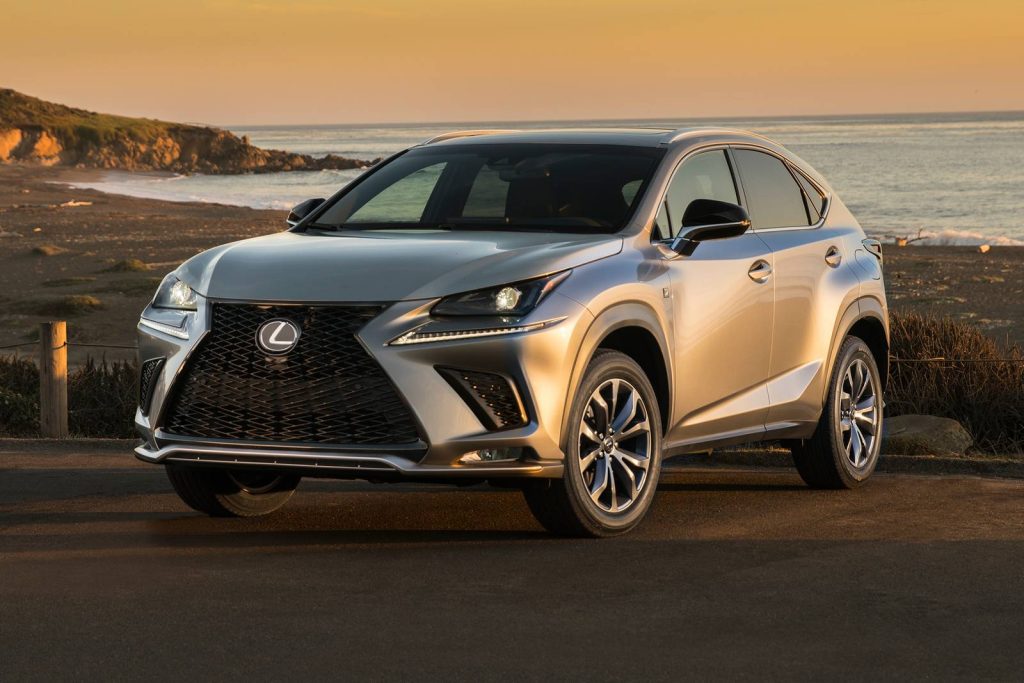
4. Lexus NX
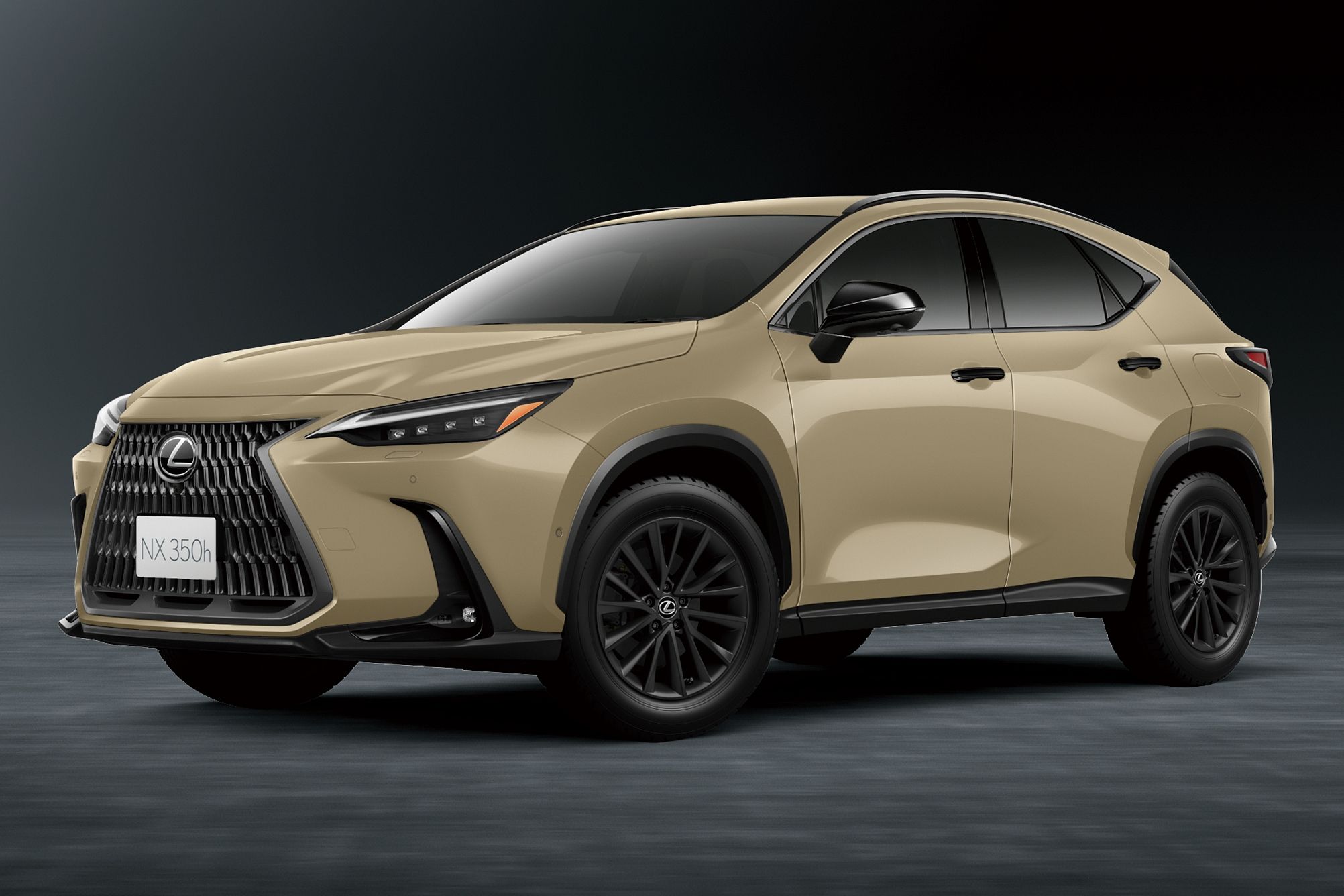
The Lexus NX offers luxury-level comfort in a compact SUV package that works extremely well for drivers dealing with knee pain. Lexus focused heavily on ride smoothness, supportive seating, and cabin accessibility, helping the NX feel far more relaxing than many sport-oriented rivals.
One major advantage involves the seating position. The NX sits at a comfortable height that allows easy entry and exit without placing excessive strain on the knees. Drivers do not need to crouch deeply into the seat or climb awkwardly upward, which makes everyday errands much easier physically.
The front seats are another standout feature. Lexus designed them with soft yet supportive cushioning that helps reduce pressure during long drives. Power adjustments and lumbar support allow drivers to fine-tune their seating posture carefully, something especially valuable for people managing chronic discomfort.
Ride quality remains one of the smoothest in the compact luxury SUV segment. The suspension absorbs rough roads effectively while maintaining stable highway manners. Drivers with knee issues often notice how much less fatigue they feel after spending time in vehicles tuned for comfort instead of aggressive handling.
The cabin also feels quiet and refined. Reduced road noise helps create a calmer environment, lowering stress during commuting or longer trips. Visibility remains good for a luxury crossover, and the interior layout supports a relaxed driving posture.
Another advantage involves reliability. Many luxury SUVs become stressful to own because of frequent repair concerns, but Lexus maintains a strong reputation for dependability. Drivers with mobility limitations often appreciate avoiding unnecessary service visits and breakdown worries.
Cargo loading is easy too because the rear opening sits at a practical height, reducing strain when lifting groceries or luggage.
The NX is not the sportiest SUV in its class, and rear-seat space trails larger competitors slightly. Yet for drivers prioritizing comfort, accessibility, and smooth road manners, the Lexus NX remains one of the best luxury compact SUVs available today.
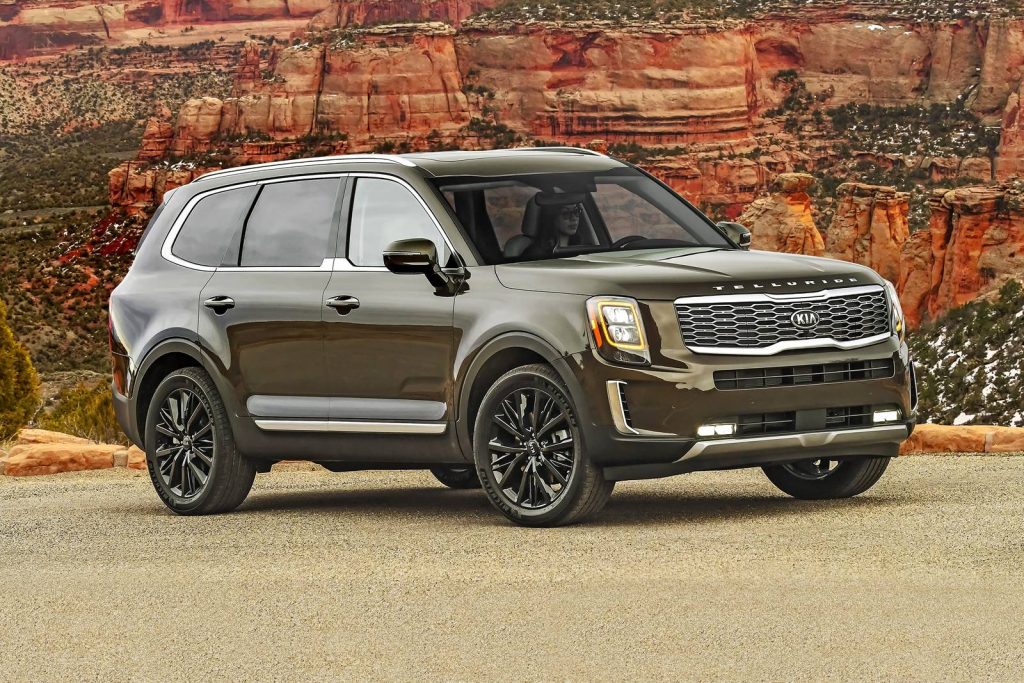
5. Kia Telluride
The Kia Telluride became one of the most praised family SUVs on the market because it balances comfort, accessibility, and interior space exceptionally well.
For drivers with knee problems, those qualities matter far more than flashy styling or aggressive performance numbers. The Telluride succeeds because it makes everyday driving physically easier and less tiring.
Its seating height is nearly ideal for people dealing with joint pain. Drivers can enter the cabin without lowering themselves deeply or climbing excessively high. The movement feels natural and controlled, which becomes extremely valuable during repeated trips throughout the day.
Wide door openings further improve accessibility. Taller openings and generous cabin space allow drivers to move their legs in and out comfortably without awkward twisting. This is especially important for older drivers or anyone managing stiffness and reduced flexibility.
Seat comfort stands out immediately. The front seats are wide, supportive, and designed for long-distance travel. Higher trims include power adjustments, memory settings, lumbar support, heating, and ventilation features that help drivers create a more comfortable posture during commuting and road trips.
Ride quality is another major strength. The suspension absorbs rough roads smoothly, reducing harsh impacts that can aggravate knee discomfort. Highway driving feels calm and quiet, which lowers fatigue during extended travel.
The cabin layout also works well ergonomically. Controls are easy to reach, visibility remains excellent, and the upright seating position allows drivers to maintain a relaxed posture naturally.
Another practical benefit involves the interior room. Even taller drivers can stretch their legs comfortably without feeling cramped against the dashboard or center console.
Fuel economy remains average for a three-row SUV, though most buyers seeking comfort and accessibility willingly accept that compromise. For drivers with knee pain wanting a spacious and easy-to-use SUV, the Telluride remains one of the strongest mainstream options available today.
6. Buick Envision
The Buick Envision quietly excels as an SUV for drivers with knee problems because it prioritizes comfort and smoothness instead of sporty driving dynamics. Many compact luxury crossovers focus on sharp handling and aggressive styling, but the Envision delivers a softer and more relaxed experience that feels far friendlier for people dealing with joint discomfort.
One of its biggest advantages is easy entry and exit. The vehicle sits at a comfortable height where drivers can slide naturally into the seat without placing heavy strain on their knees. Large door openings also provide enough space for comfortable movement during daily errands and commuting.
Seat comfort plays a major role in Envision’s appeal. Buick designed the front seats with soft cushioning and supportive contours that reduce pressure during long drives. Higher trims include power lumbar adjustments and memory settings, helping drivers maintain healthier posture over extended periods behind the wheel.
Ride quality remains especially impressive. The suspension absorbs rough pavement smoothly, preventing sharp jolts and vibrations from constantly reaching the cabin. Drivers with knee discomfort often notice how much less tiring daily driving feels in softer riding vehicles like the Envision.
Interior quietness contributes positively too. Buick insulated the cabin extremely well, helping reduce stress and fatigue caused by road noise during longer drives. Visibility also remains strong because of the SUV’s relatively upright design and large windows.

Another benefit involves cabin ergonomics. Controls are positioned logically, and there is enough legroom for drivers to sit comfortably without sharply bending their knees during travel.
Performance is not particularly sporty, and some buyers may prefer more aggressive styling. Yet drivers prioritizing physical comfort usually value smoothness and accessibility far more than fast-cornering ability.
The Envision succeeds because it avoids unnecessary harshness in nearly every aspect of the driving experience. For people wanting a quiet and physically comfortable compact SUV, it remains one of the best underrated choices available today.
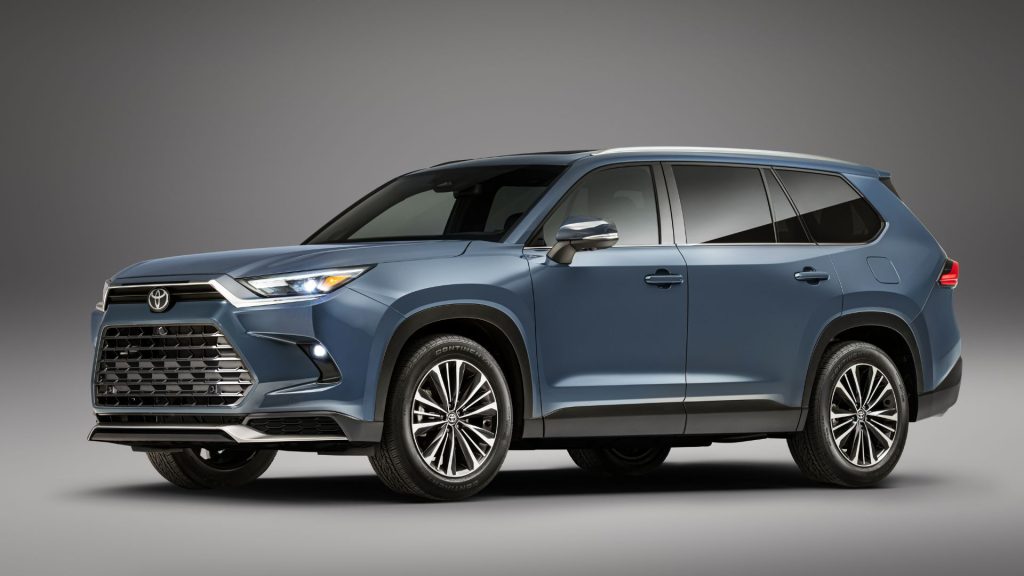
7. Toyota Highlander
The Toyota Highlander works extremely well for drivers with knee problems because it combines smooth accessibility with the dependable comfort Toyota has refined for years.
Many midsize SUVs feel either too large and awkward or too low for easy movement, but the Highlander finds a balance that makes daily driving noticeably less stressful for people with mobility concerns.
Its ride height is one of the key reasons drivers appreciate it. The seating position allows occupants to slide into the cabin naturally without crouching deeply or climbing excessively high. Repeated entry and exit during errands or commuting becomes much easier on sore knees.
The front seats are designed with long-distance comfort in mind. Cushions provide good support beneath the thighs and lower back, helping reduce fatigue during extended highway driving. Higher trim levels include power adjustments, lumbar support, heating, and ventilation systems that improve comfort even further.
Ride quality remains calm and controlled. Toyota tuned the suspension to absorb rough roads smoothly, minimising the sharp impacts that often aggravate knee discomfort. Highway cruising feels quiet and stable, helping drivers remain relaxed during longer trips.
Another important strength is cabin space. Drivers have enough legroom to stretch comfortably, and the center console layout avoids crowding knees awkwardly. Visibility is excellent as well, reducing the need for uncomfortable twisting or leaning while driving.
The Highlander also benefits from Toyota’s strong reliability reputation. Drivers dealing with physical discomfort often prefer dependable vehicles that minimize repair-related stress and unexpected breakdowns.
Performance is more comfort-focused than sporty, and some buyers may want stronger acceleration from non-hybrid models. Yet most people, prioritizing ease of use and physical comfort, find the Highlander exceptionally well-suited for everyday driving.
For drivers with knee pain seeking a reliable and comfortable family SUV, the Highlander remains one of the safest and most practical choices available.
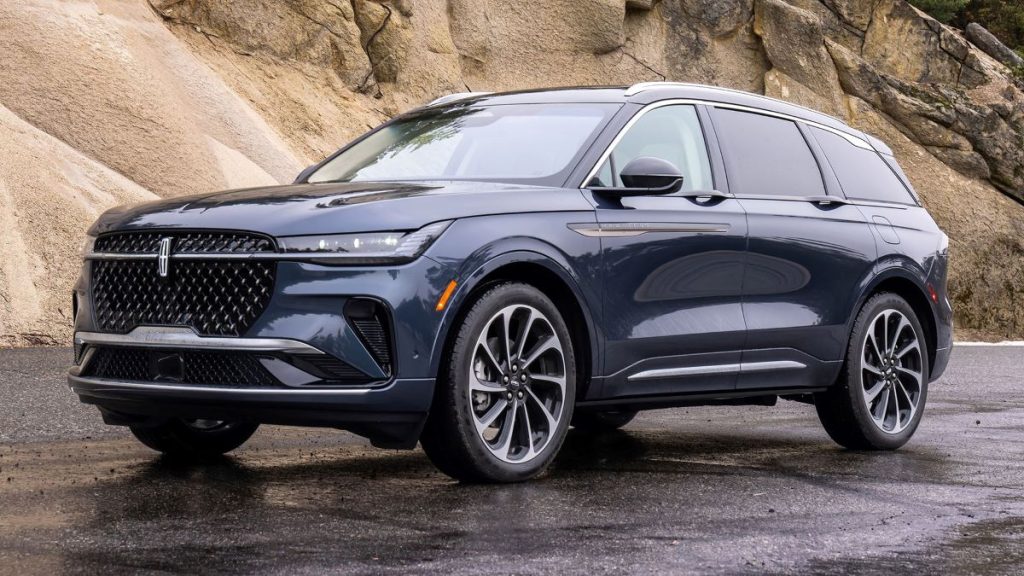
8. Lincoln Nautilus
The Lincoln Nautilus delivers a comfort-focused driving experience that feels specifically designed for people wanting less physical strain during daily travel. Drivers with knee problems often struggle in SUVs that prioritize sporty handling over accessibility, but the Nautilus emphasizes smoothness, supportive seating, and easy cabin access instead.
One of the first things drivers notice is how effortless entry and exit feel. The SUV sits at an ideal height where occupants can move into the seat naturally without awkward bending or climbing. Wide door openings provide additional space for comfortable leg movement, especially valuable for older drivers or people dealing with arthritis.
Seat quality stands among the best in the midsize luxury SUV segment. Lincoln equips the Nautilus with soft but supportive seats offering extensive adjustments, lumbar support, memory functions, and massage features in higher trims. These features help drivers reduce tension during long commutes and highway trips.
Ride quality further separates the Nautilus from firmer competitors. The suspension smooths rough pavement effectively, helping to minimize vibration and impact while travelling through the cabin. Drivers with knee discomfort often notice reduced fatigue immediately in softer riding vehicles like this.
Cabin quietness also contributes heavily to comfort. Road noise remains low, creating a calm environment that reduces stress during driving. Visibility stays strong thanks to large windows and a relaxed seating position.
Interior space works well ergonomically, too. Drivers have enough legroom to sit comfortably without sharply bending their knees, and controls remain easy to reach without awkward stretching.
Fuel economy is average for the class, and sporty drivers may prefer more aggressive handling responses. However, buyers prioritizing comfort and mobility support usually consider those trade-offs unimportant.
The Nautilus succeeds because it focuses on making everyday driving easier and more relaxing. For drivers with knee pain wanting luxury-level comfort without sacrificing practicality, it remains one of the best midsize SUVs available today.
9. Honda Pilot
The Honda Pilot has built a strong reputation as one of the most comfortable and practical midsize SUVs for families, but it also deserves recognition as one of the best choices for drivers dealing with knee problems.
Honda designed the Pilot around comfort, accessibility, and long-distance usability rather than aggressive styling or sporty driving dynamics. Those priorities make a major difference for people who experience pain or stiffness getting in and out of vehicles every day.
One of the pilot’s greatest strengths is its seating height. The SUV sits at a very natural level that allows drivers to enter and exit without placing unnecessary pressure on the knees.
Unlike lower sedans that force occupants to bend deeply while sitting down or taller trucks that require climbing upward awkwardly, the Pilot offers a balanced step in motion that feels easy and controlled. For drivers managing arthritis or joint discomfort, this alone can dramatically improve everyday usability.
The wide door openings make access even easier. Drivers can move their legs into the cabin naturally without twisting or squeezing into a tight space. This becomes especially valuable during repeated stops throughout the day, such as grocery trips, medical appointments, or commuting.
Seat comfort is another major advantage. Honda gave the Pilot supportive and generously sized front seats designed for extended travel. The cushions provide strong support beneath the thighs and hips, helping reduce fatigue during longer drives.
Higher trims add power adjustments, lumbar support, heating, ventilation, and memory settings that allow drivers to create a seating position tailored to their comfort needs.
The Pilot’s interior layout also works extremely well ergonomically. There is plenty of legroom for stretching comfortably, and the center console design avoids crowding knees awkwardly. Controls are positioned logically within easy reach, helping drivers maintain a relaxed posture behind the wheel.
Ride quality further strengthens the Pilot’s appeal. The suspension absorbs rough roads smoothly without feeling harsh or unstable.
Drivers with knee pain often become more sensitive to repeated impacts and vibration, but the Pilot isolates occupants from rough pavement effectively. Highway driving feels composed and quiet, reducing physical stress during long trips.
Visibility remains excellent, too. Large windows and an upright driving position allow drivers to maintain awareness without excessive leaning or twisting. Even parking and maneuvering feel easier than in some bulkier three-row SUVs.
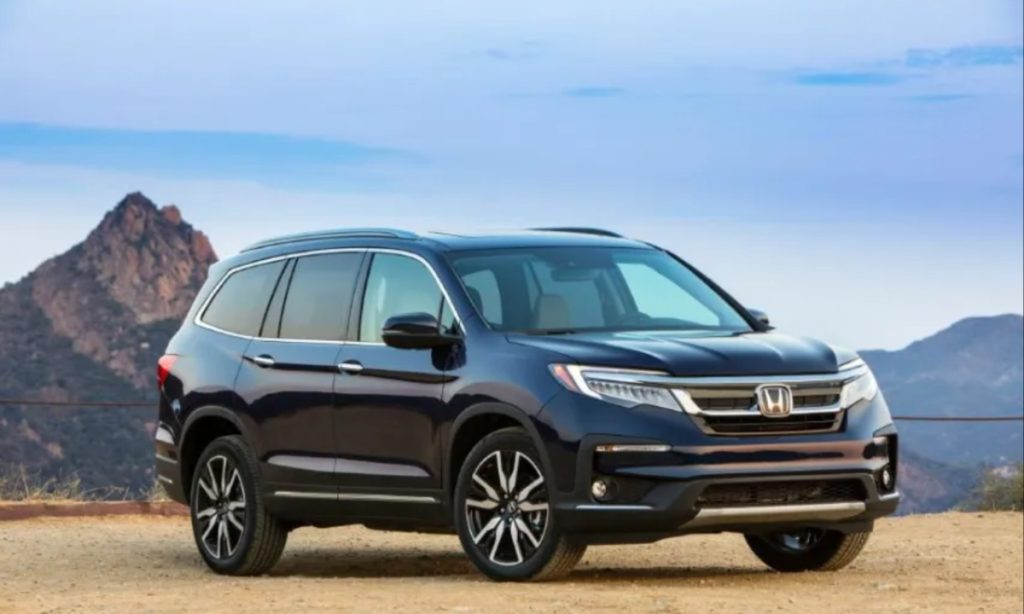
Another overlooked benefit involves reliability. Drivers with mobility concerns often prefer dependable vehicles because breakdowns and unexpected repairs create additional physical stress. The Pilot’s reputation for long-term durability gives many owners peace of mind.
Fuel economy is respectable rather than exceptional, and some buyers may prefer more athletic handling. However, people prioritizing comfort and accessibility usually value smoothness and ease of use far more than sporty performance.
The Honda Pilot succeeds because it addresses the practical realities that drivers with knee problems face every day. Comfortable access, supportive seating, spacious ergonomics, and gentle ride quality combine to create an SUV that feels genuinely accommodating instead of simply spacious.
Also Read: 10 Cars That Are Still Being Driven After Two Decades
