
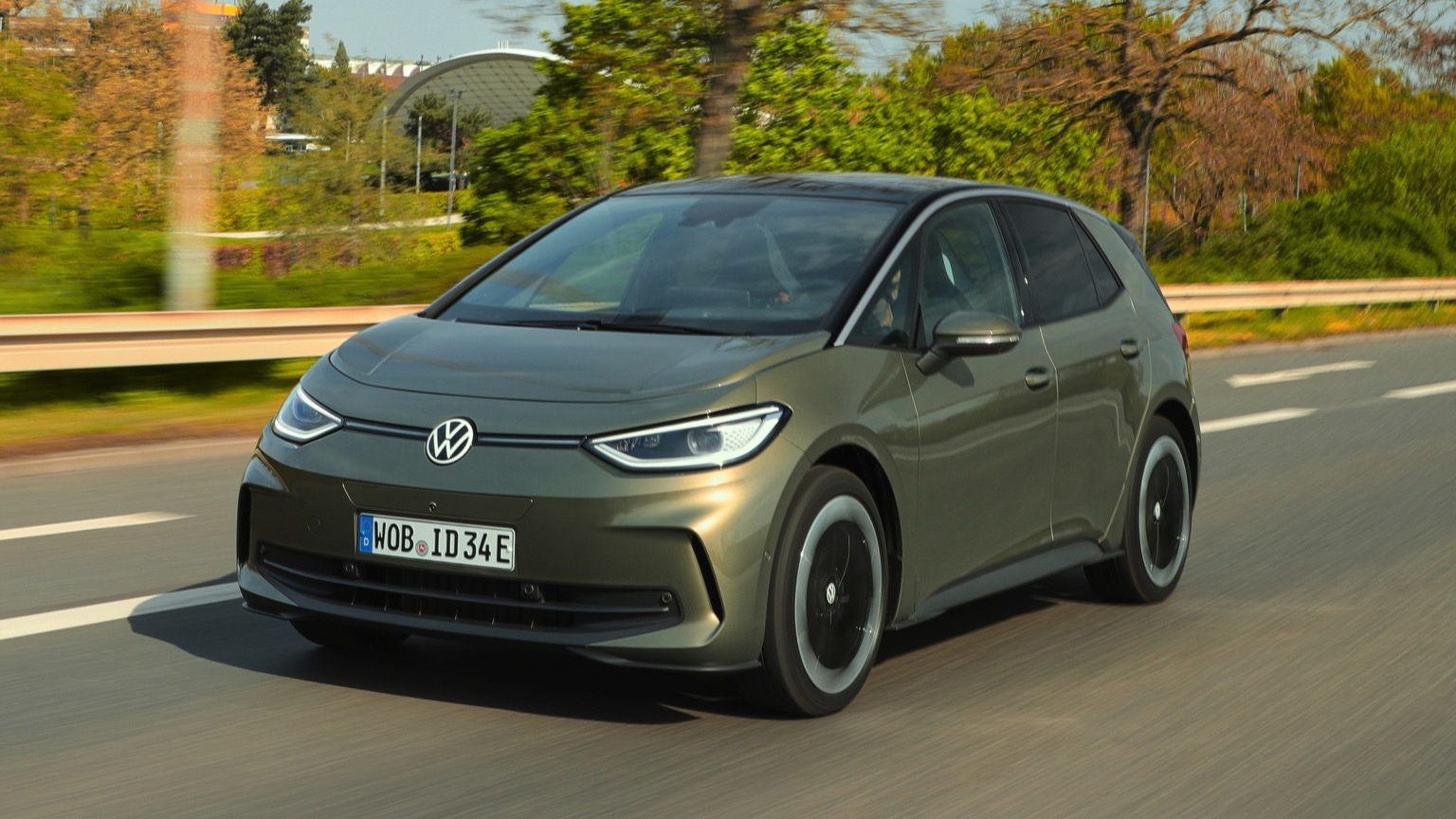
The electric vehicle market in 2026 is more competitive, advanced, and crowded than ever before. Nearly every major automaker now offers at least one fully electric vehicle, and consumers are no longer limited to a small handful of choices. Buyers can now choose from affordable compact EVs, luxury electric sedans, rugged electric trucks, family SUVs, and high-performance sports models.
Battery technology has improved significantly, charging networks are expanding rapidly, and driving range anxiety is steadily becoming less of a concern for everyday drivers. Yet despite all this progress, not every electric vehicle deserves your money in 2026.
Some EVs stand out because they offer excellent range, strong reliability, smart technology, comfortable interiors, and competitive pricing. Others look impressive on paper but suffer from poor build quality, unreliable software, disappointing range, excessive pricing, or questionable long-term value.
As EV adoption grows worldwide, consumers are becoming more informed and less willing to tolerate unfinished products or inflated prices. Buyers today want vehicles that combine practicality, efficiency, durability, safety, and innovation without sacrificing everyday usability.
The biggest challenge for many shoppers is separating marketing hype from real-world performance. Some automakers promise futuristic experiences but fail to deliver dependable ownership. Others quietly produce highly refined EVs that outperform expectations in nearly every category.
Range numbers alone no longer define a great electric vehicle. Charging speed, battery longevity, software stability, resale value, driver assistance systems, warranty coverage, maintenance costs, and interior comfort all play major roles in determining whether an EV is truly worth buying.
Another important factor in 2026 is charging infrastructure compatibility. Vehicles with access to broader fast charging networks have a major advantage over those relying on fragmented or unreliable systems.
Buyers are also paying closer attention to long-term ownership costs, especially as battery replacement concerns and depreciation trends become more widely discussed. The best EVs in 2026 are the ones that balance innovation with practicality while offering confidence to owners over many years of use.
This article explores six electric vehicles that genuinely deserve consideration in 2026 because of their value, performance, reliability, and ownership experience. It also highlights six EVs that buyers may want to avoid due to pricing concerns, software issues, disappointing quality, or weak competitive positioning.
Whether you are planning your first EV purchase or considering upgrading from an older electric model, understanding which vehicles deliver real value can save you money, frustration, and regret in the long run.
Also Read: 10 Cars With Insurance Premiums Lower Than a Compact Sedan
6 EVs Worth Buying in 2026
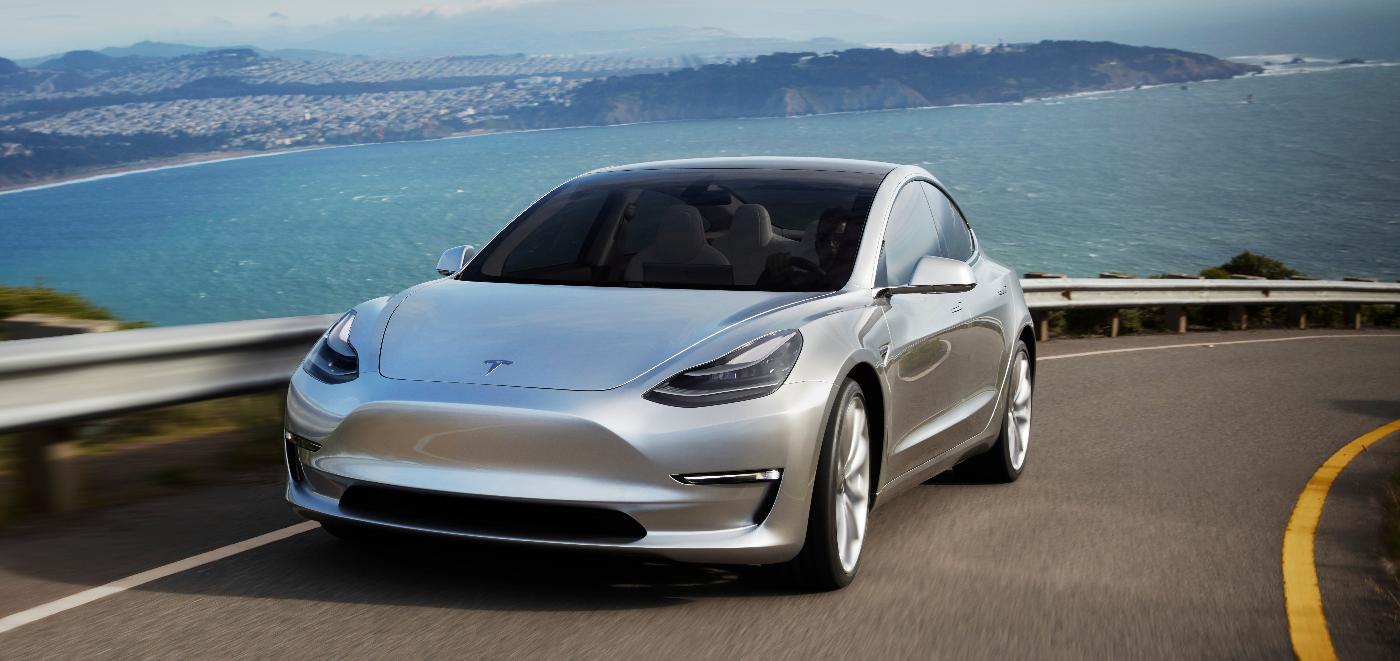
1. Tesla Model 3
The Tesla Model 3 remains one of the most efficient and technologically refined electric sedans in 2026, and its core advantage still lies in its exceptional energy efficiency.
The vehicle is engineered with a highly optimized aerodynamic profile and drivetrain system, allowing it to extract more kilometers per unit of battery energy compared to most competitors in its segment. This efficiency directly translates into lower charging frequency, reduced running cost, and improved long-distance usability.
Another major strength of the Model 3 is its charging ecosystem and software integration. Tesla’s global Supercharger network continues to be one of the most reliable and widely available fast-charging infrastructures, which significantly reduces range anxiety during intercity travel.
Combined with intelligent route planning, real-time charger availability, and automatic battery preconditioning, the Model 3 offers one of the most seamless long-distance EV experiences available today.
From a software standpoint, the Model 3 benefits from continuous over-the-air updates that enhance not only infotainment features but also battery management, driving dynamics, and efficiency optimization. This means the vehicle effectively improves over time, extending its functional lifespan beyond traditional automotive update cycles. For buyers in 2026, this makes it feel less like a static product and more like an evolving platform.
Additionally, Tesla’s manufacturing refinements in recent production cycles have improved build consistency and cabin refinement compared to earlier generations. While it still prioritizes minimalism over luxury materials, the driving experience is highly polished, making it one of the most well-rounded EV sedans for efficiency-focused buyers.
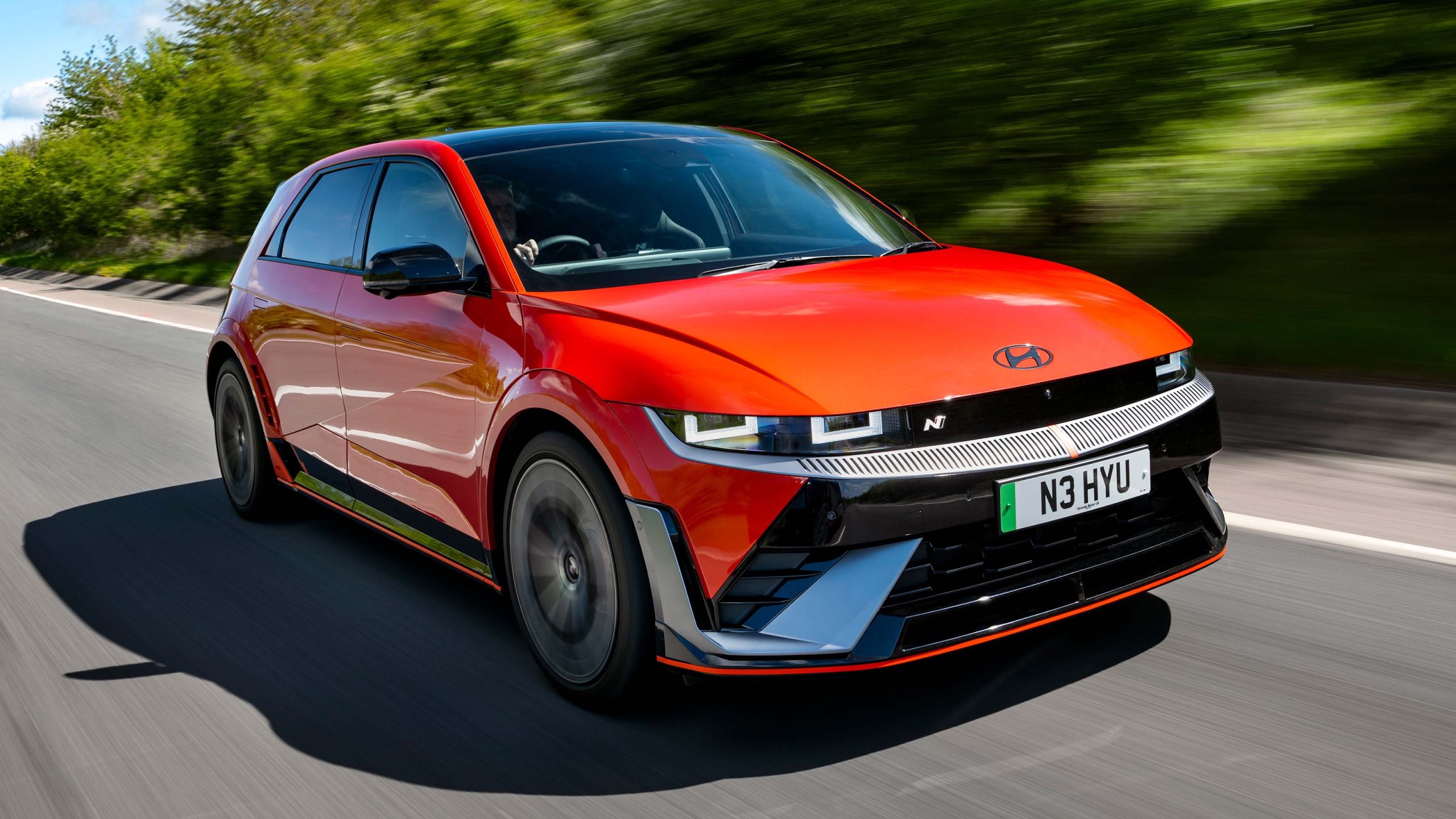
2. Hyundai Ioniq 5
The Hyundai Ioniq 5 is widely regarded as one of the most practical and well-balanced electric crossovers in 2026, primarily because it combines futuristic design with highly usable everyday functionality. Built on Hyundai’s dedicated E-GMP electric platform, it benefits from flat-floor architecture, improved cabin space utilization, and advanced battery packaging that enhances both comfort and stability.
One of the standout features of the Ioniq 5 is its 800-volt electrical architecture, which enables ultra-fast DC charging speeds. In real-world conditions, this allows the battery to charge from low to usable levels in a very short time compared to many competing EVs. This makes it especially valuable for users who frequently travel between cities or rely on public charging infrastructure rather than home charging.
Inside the cabin, the Ioniq 5 offers a spacious, lounge-like environment that prioritizes passenger comfort. The flat floor design allows for flexible seating arrangements and a more open feel, which is uncommon in traditional compact SUVs.
The materials used are modern and durable, and Hyundai has focused heavily on reducing cabin noise, resulting in a quiet and relaxed driving experience even at highway speeds.
From a reliability standpoint, Hyundai has significantly improved its EV technology over recent years. Battery thermal management systems are more stable, and warranty coverage in many regions remains among the strongest in the industry. This reduces long-term ownership risk and makes the Ioniq 5 a dependable choice for families and daily commuters who want a stress-free EV experience.
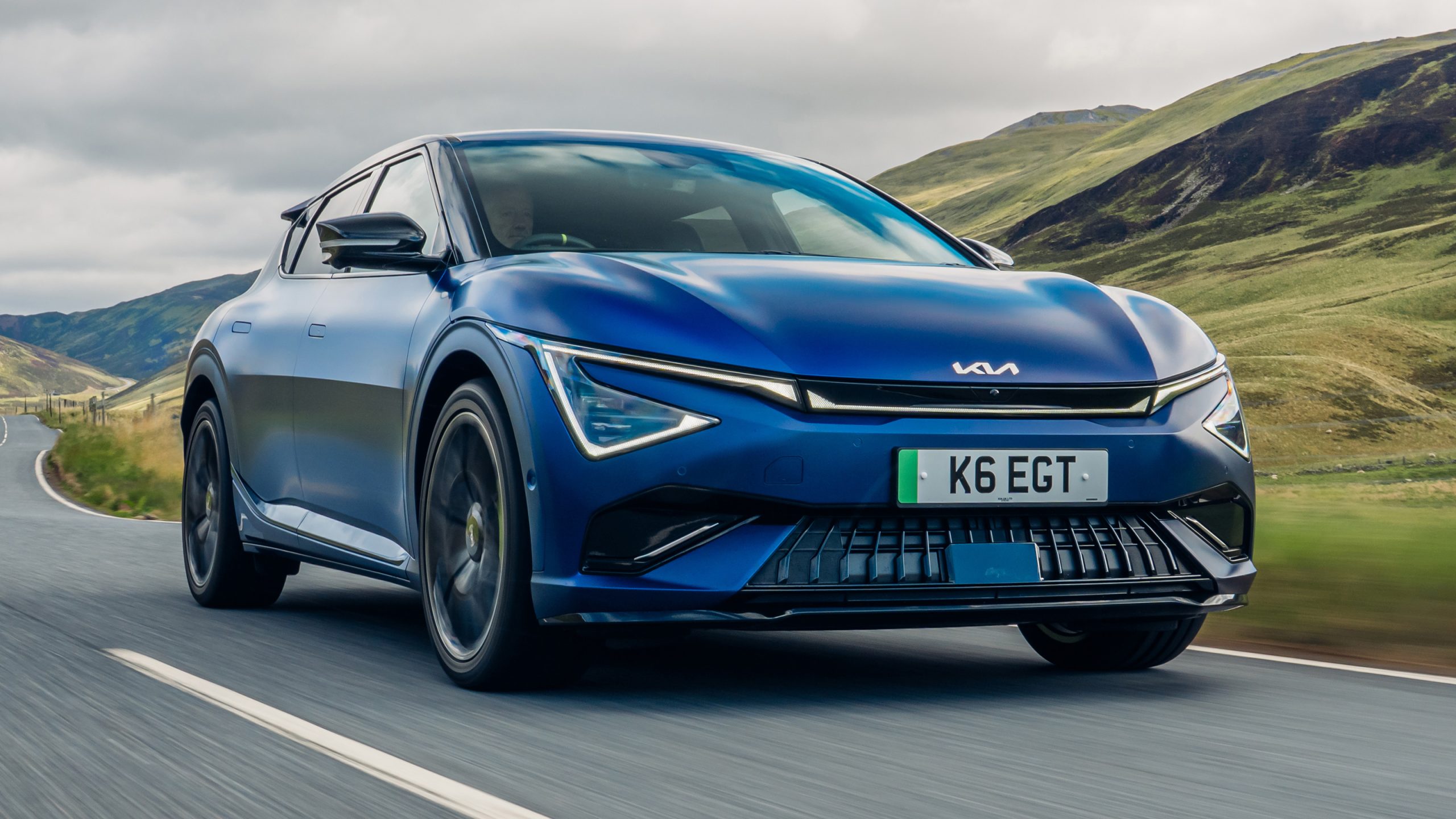
3. Kia EV6
The Kia EV6 shares its underlying platform with the Hyundai Ioniq 5, but it is tuned for a very different driving personality. While the Ioniq 5 emphasizes comfort and space, the EV6 focuses on sporty handling, sharper acceleration, and a more driver-centric feel. This makes it one of the most engaging electric crossovers available in 2026 for users who still enjoy dynamic driving characteristics.
Performance is one of the EV6’s strongest attributes, especially in its higher-performance variants. The instant torque delivery typical of electric vehicles is complemented by well-calibrated chassis tuning that keeps the vehicle stable during cornering and highway driving. Despite its sporty nature, it does not compromise significantly on ride comfort, making it suitable for both spirited driving and long-distance cruising.
The EV6 also benefits from the same 800-volt fast-charging system as the Ioniq 5, allowing it to recharge rapidly when connected to compatible chargers. This makes it highly practical for users who prioritize minimal downtime during travel. Its real-world range is competitive within its segment, and efficiency improvements over earlier model years have made it more predictable in everyday use.
In terms of design and usability, the EV6 offers a futuristic interior with a driver-focused cockpit layout. While early software iterations had some usability concerns, updates have improved infotainment responsiveness and system stability. As a result, the EV6 in 2026 feels significantly more refined and complete than its initial launch versions.
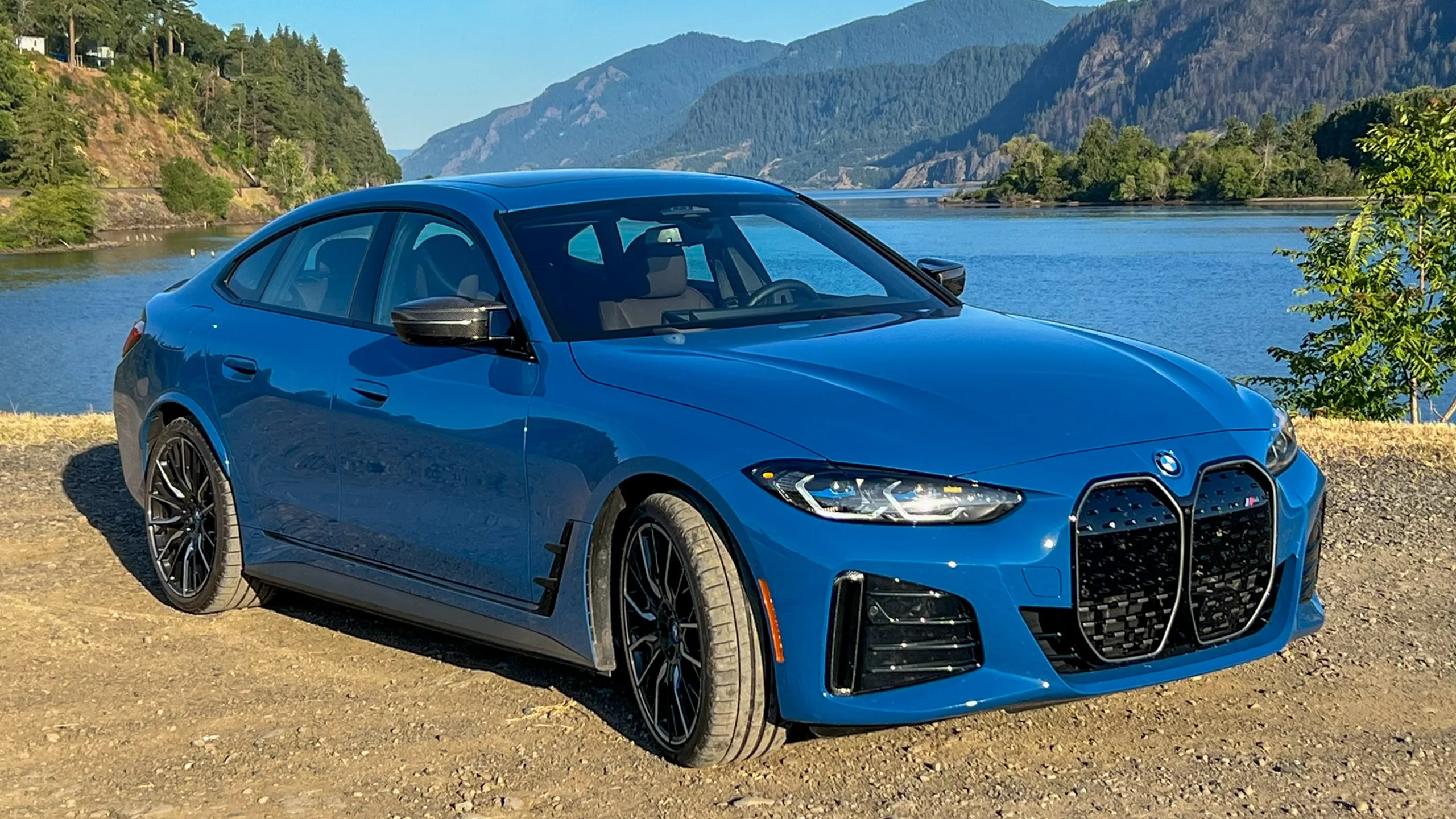
4. BMW i4
The BMW i4 stands out in 2026 as one of the most traditional driving-focused electric sedans in the premium segment. Unlike many EVs that prioritize futuristic design or extreme efficiency, the i4 retains BMW’s long-standing engineering philosophy centered on driving precision, balanced chassis dynamics, and highway stability.
One of the key strengths of the i4 is its steering feedback and suspension tuning, which deliver a driving experience that feels familiar to those transitioning from internal combustion BMW models. The vehicle maintains excellent composure at high speeds, and its weight distribution is carefully managed to ensure stability during cornering. This makes it particularly appealing to drivers who value engagement and control over minimalistic EV design.
The battery system in the i4 is engineered for consistent real-world range rather than exaggerated peak numbers. This results in more predictable daily usage, especially in mixed driving conditions involving city traffic and highway cruising. While it may not always lead in outright efficiency, it offers reliability in performance expectations, which is often more valuable in premium ownership scenarios.
Inside, the BMW i4 features a high-quality cabin with advanced infotainment integration and premium materials. The system is more conventional compared to ultra-minimalist EV interiors, which many drivers find easier to adapt to. Combined with BMW’s established service network and long-term durability reputation, the i4 remains one of the safest luxury EV choices in 2026.
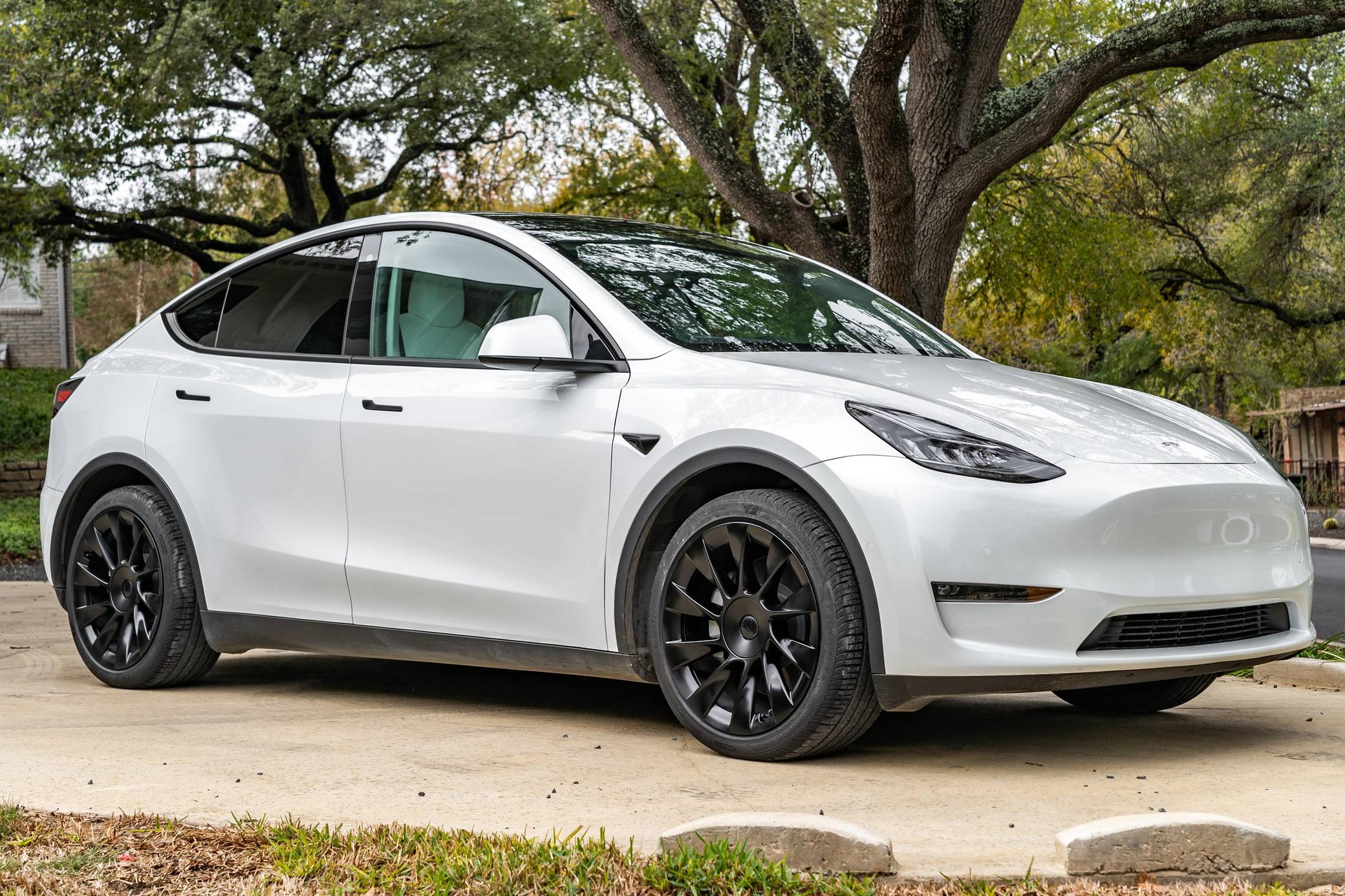
5. Tesla Model Y
The Tesla Model Y continues to dominate the compact electric SUV category in 2026 because of its unmatched combination of practicality, efficiency, and ecosystem integration. It offers one of the most spacious interiors in its class, with excellent cargo capacity and a flexible seating layout that makes it suitable for families, travel, and urban commuting alike.
Efficiency remains a major advantage of the Model Y, especially when compared to larger and heavier electric SUVs. Its aerodynamic design and optimized drivetrain allow it to deliver strong real-world range without requiring an oversized battery pack, which helps keep weight and charging times under control. This efficiency advantage becomes even more noticeable during highway driving and long-distance travel.
The Model Y also benefits from Tesla’s mature software ecosystem, which includes advanced navigation, predictive energy management, and seamless integration with its global fast-charging network. These features reduce the friction commonly associated with EV ownership and make long trips significantly easier to plan and execute.
Although the interior design remains minimalistic, Tesla has improved build quality and material consistency in newer production cycles. For buyers in 2026, the Model Y represents one of the most complete all-purpose EV packages available, balancing cost of ownership, practicality, and charging convenience better than most competitors.
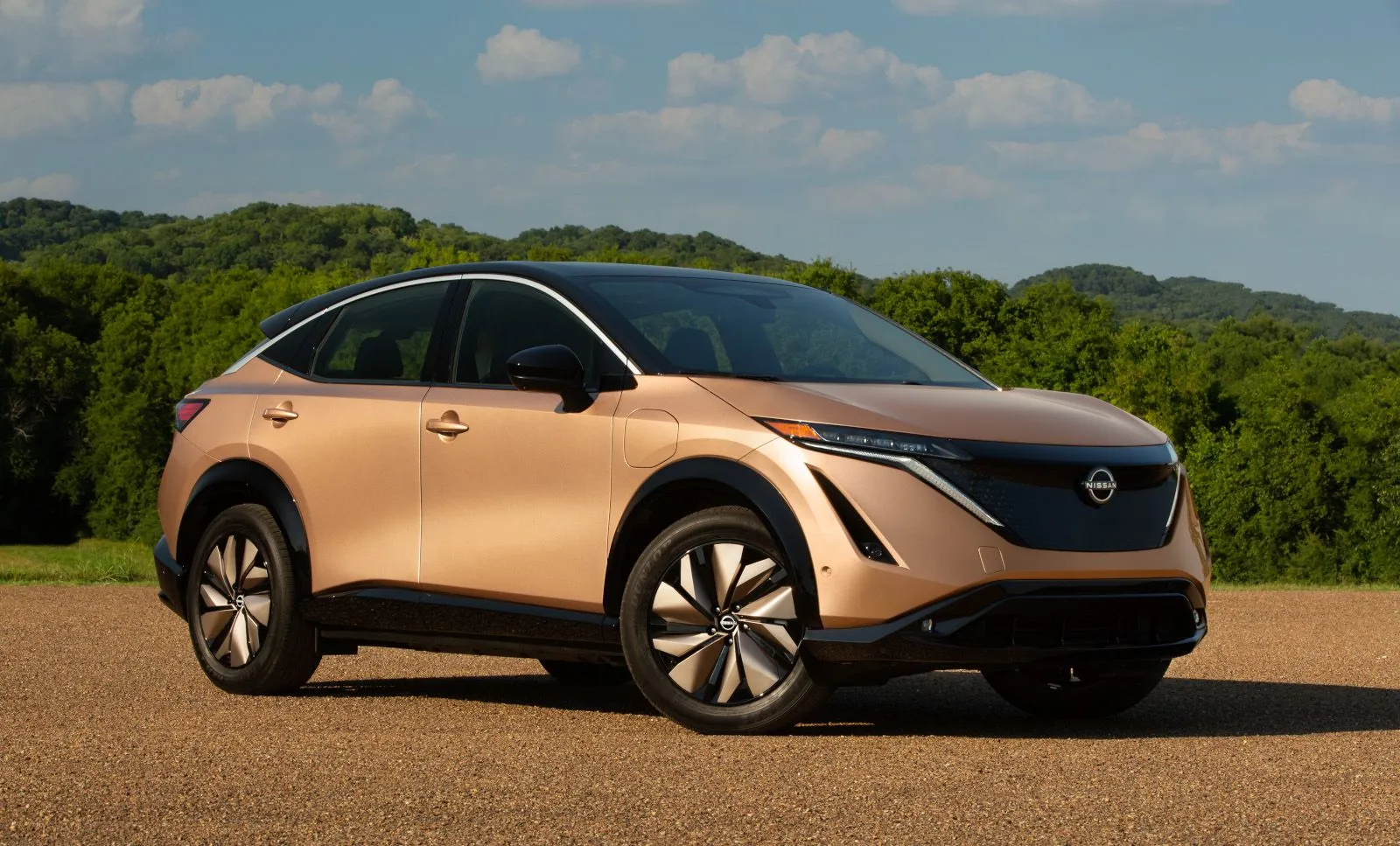
6. Nissan Ariya
The Nissan Ariya is often overlooked in discussions about top EVs, but in 2026, it stands out as a strong comfort-focused electric crossover with a refined driving experience. It is designed primarily for drivers who prioritize smoothness, quietness, and ease of use over aggressive performance or cutting-edge technology.
One of the Ariya’s strongest qualities is its ride comfort. The suspension is tuned to absorb road imperfections effectively, making it particularly well-suited for urban driving and long highway journeys. Cabin insulation is also well-executed, resulting in a quiet interior environment that enhances driving relaxation.
The interior design of the Ariya is modern and minimalist in a different way compared to Tesla. It retains physical usability elements while integrating digital displays in a clean, user-friendly layout. This makes it easier for traditional drivers to transition into electric mobility without feeling overwhelmed by fully touchscreen-based controls.
From a long-term ownership perspective, Nissan’s early experience with electric vehicles, especially through the Leaf platform, contributes to a level of confidence in battery durability and system stability. While it may not lead to fast charging or performance metrics, it remains a dependable and comfortable EV choice for everyday use.
Also Read: 10 Cars That Survive Being Used as Daily Uber Vehicles
6 EVs to Skip or Avoid in 2026
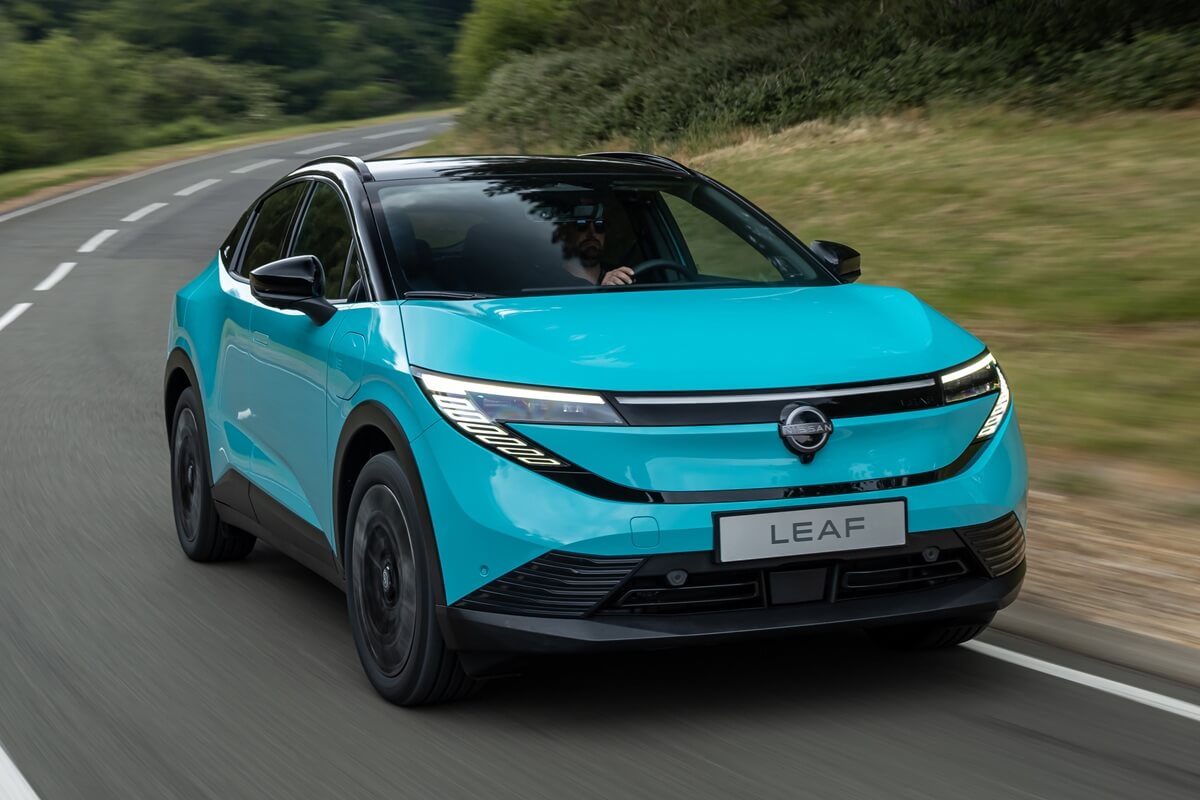
1. Nissan Leaf
The Nissan Leaf, especially older generations produced before the latest major updates, is increasingly difficult to recommend in 2026 due to its aging technology stack and limited real-world usability compared to modern EV standards.
While it played a historic role in popularizing electric mobility globally, its design priorities reflect an earlier era of EV development when range expectations were lower and fast charging infrastructure was still limited. As a result, it now feels constrained in both performance and convenience when placed alongside newer electric vehicles that offer significantly better efficiency and charging speeds.
One of the biggest drawbacks of older Leaf models is their relatively limited fast charging capability. Many variants still rely on the CHAdeMO charging standard, which is being phased out or supported less widely in several regions.
This creates a practical problem for long-distance travel, as drivers may struggle to find compatible charging stations or experience slower charging sessions compared to CCS-based modern EVs. In addition, the charging curve is not optimized for high-speed replenishment, meaning longer waiting times even when compatible chargers are available.
Battery thermal management is another concern. Early Leaf models do not use advanced liquid cooling systems, which leads to faster performance degradation in hot climates or under repeated fast charging conditions.
Over time, this can reduce usable range and make the vehicle less predictable for daily commuting or highway usage. In markets with high ambient temperatures, this limitation becomes even more noticeable and can significantly impact long-term ownership satisfaction.
From a resale perspective, older Nissan Leaf models also face steep depreciation because buyers increasingly prefer EVs with higher range, faster charging, and more advanced infotainment systems. While the Leaf may still serve as a basic city commuter car, its lack of modern flexibility makes it a less competitive choice in 2026 for anyone seeking a balanced or future-proof electric vehicle.
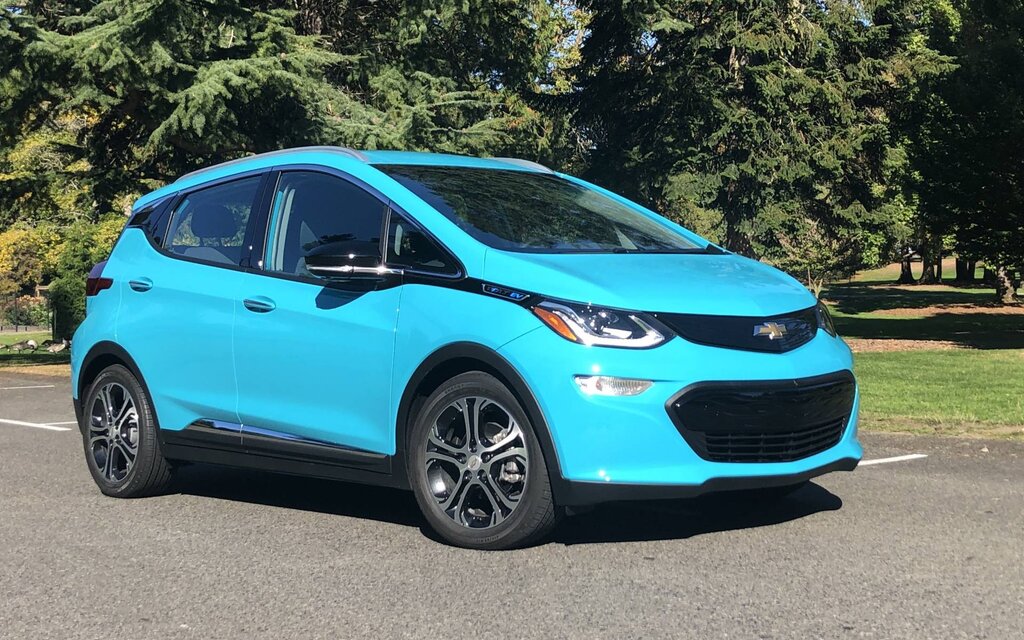
2. Chevrolet Bolt EV
The Chevrolet Bolt EV is often seen as one of the more affordable entry points into electric driving, but in 2026, it struggles to compete with newer platforms that offer better charging infrastructure, improved safety engineering, and more refined battery systems.
Although General Motors made significant improvements to later versions of the Bolt, the architecture still reflects an earlier generation EV design philosophy that prioritizes cost efficiency over cutting-edge performance and long-distance convenience.
One of the key limitations of the Bolt EV is its charging speed. It lacks the advanced high-voltage architecture seen in newer EVs, which means charging times are significantly longer compared to competitors equipped with 400 volt or 800 volt systems.
For urban users who charge at home, this may not be a major issue, but for highway travel or users without consistent home charging access, it becomes a meaningful disadvantage that affects daily usability.
Battery history also plays a role in its reputation. Earlier Bolt models experienced widely reported battery recall issues, which, although addressed, still influence consumer confidence in long-term reliability.
Even though newer battery packs are safer, the legacy perception impacts resale value and buyer trust. In a market where battery health is one of the most critical EV buying factors, this historical context cannot be ignored.
Interior design and infotainment systems in the Bolt EV also feel dated compared to modern competitors. While functional, they lack the advanced connectivity, driver assistance integration, and digital refinement that newer EVs now offer as standard. This makes the Bolt feel more like a transitional vehicle rather than a long-term technology platform for future mobility needs.
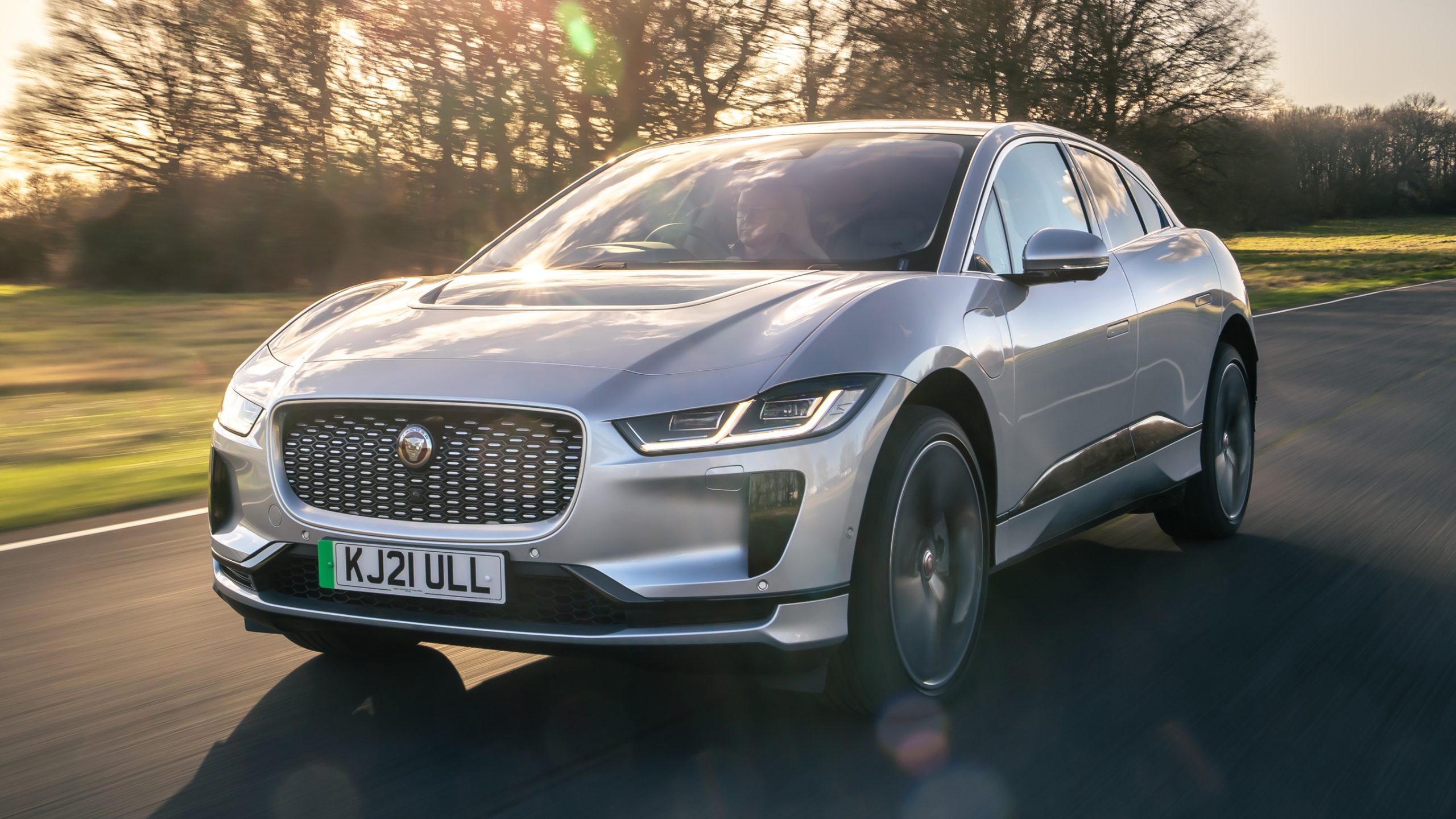
3. Jaguar I Pace
The Jaguar I-Pace entered the market as one of the first luxury electric SUVs and was initially praised for its design and driving performance. However, by 2026, it is increasingly viewed as an early-generation premium EV that has not kept pace with rapid advancements in battery efficiency, software integration, and charging technology.
While it still offers strong acceleration and a premium cabin experience, its underlying technology platform has aged in ways that are difficult to ignore in today’s competitive electric vehicle market.
One of the most significant drawbacks of the I-Pace is its relatively slow charging performance compared to newer electric SUVs.
Modern competitors now use advanced electrical architectures that allow much faster charging sessions, while the I-Pace remains limited by older system design choices. This affects long-distance travel convenience and reduces its practicality for users who rely heavily on public fast charging networks.
Software and infotainment stability have also been recurring concerns. Over the years, users have reported system lag, occasional glitches, and slower interface responsiveness compared to rivals. In an era where EVs are increasingly defined by their digital experience, these issues make the vehicle feel less refined than expected in the luxury segment.
Depreciation is another major factor working against the I-Pace. Because newer luxury EVs offer better range, faster charging, and improved software ecosystems, the I-Pace loses value more quickly in the used car market. This makes it a riskier purchase for buyers who care about long-term financial value in addition to driving performance.
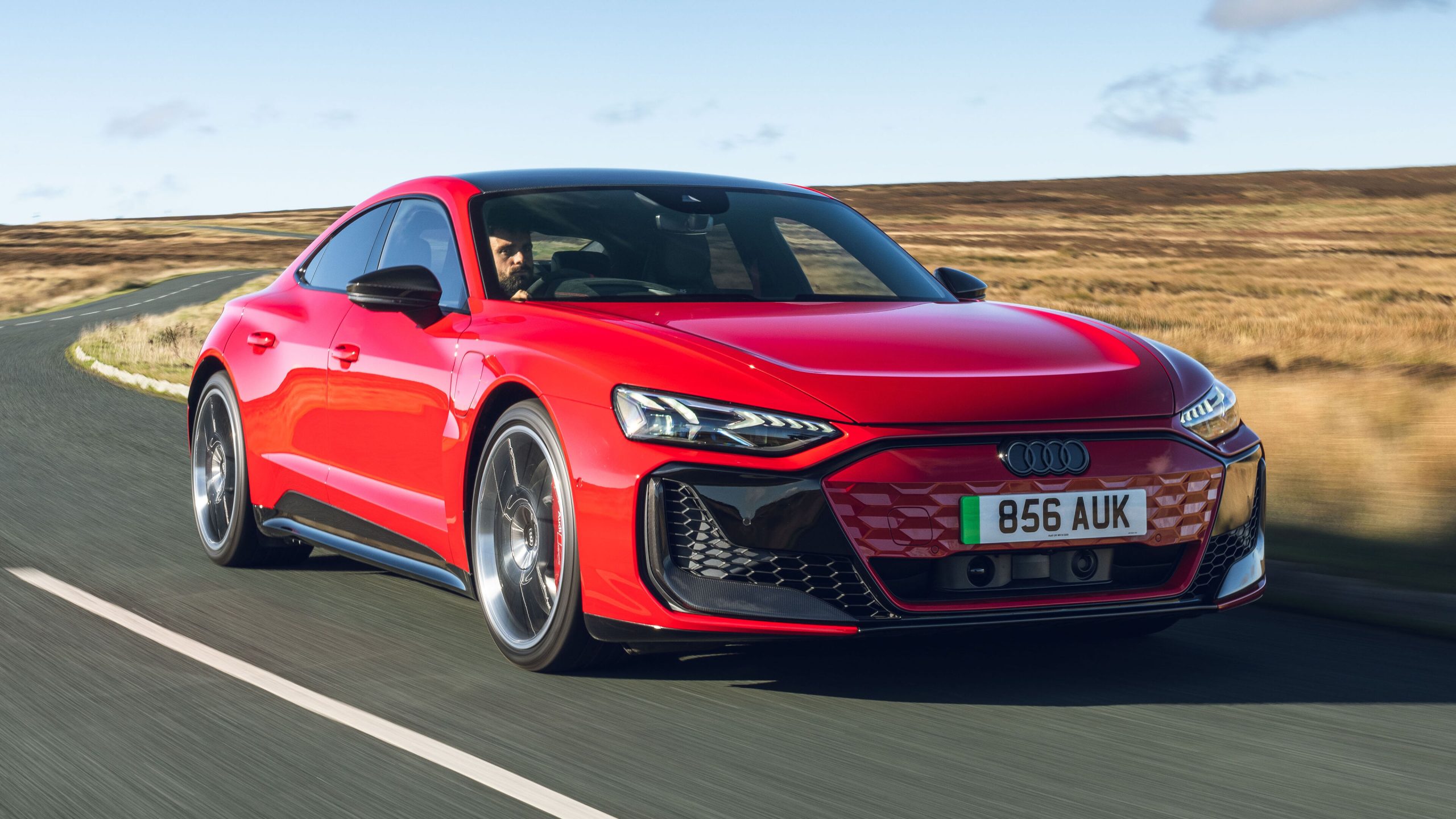
4. Audi E-Tron
Early versions of the Audi e-tron represent Audi’s first serious step into the electric SUV market, but by 2026, they are clearly outclassed by newer EV platforms in terms of efficiency, range optimization, and charging speed.
While Audi maintained its signature build quality and luxury interior feel, the underlying electric architecture was not as advanced as what competitors later introduced, which has resulted in noticeable performance gaps.
One of the most discussed limitations is energy efficiency. The early e-tron models are heavy and consume more power per kilometer compared to newer EVs with optimized aerodynamics and lightweight platforms. This results in a shorter real-world range than many competitors in the same segment, especially under highway driving conditions where aerodynamic efficiency plays a major role.
Charging speed is another area where these models fall behind. Modern EVs increasingly use 800-volt systems that allow ultra-fast charging, while early e-tron versions rely on older architectures that deliver slower charging times. For users who depend on public charging infrastructure, this difference significantly affects convenience and travel planning flexibility.
Despite their premium interior quality and strong ride comfort, these vehicles also lack the software sophistication and energy optimization features found in newer EV platforms. Over time, this makes them feel less aligned with current expectations for intelligent mobility systems that continuously improve through updates and smart energy management.
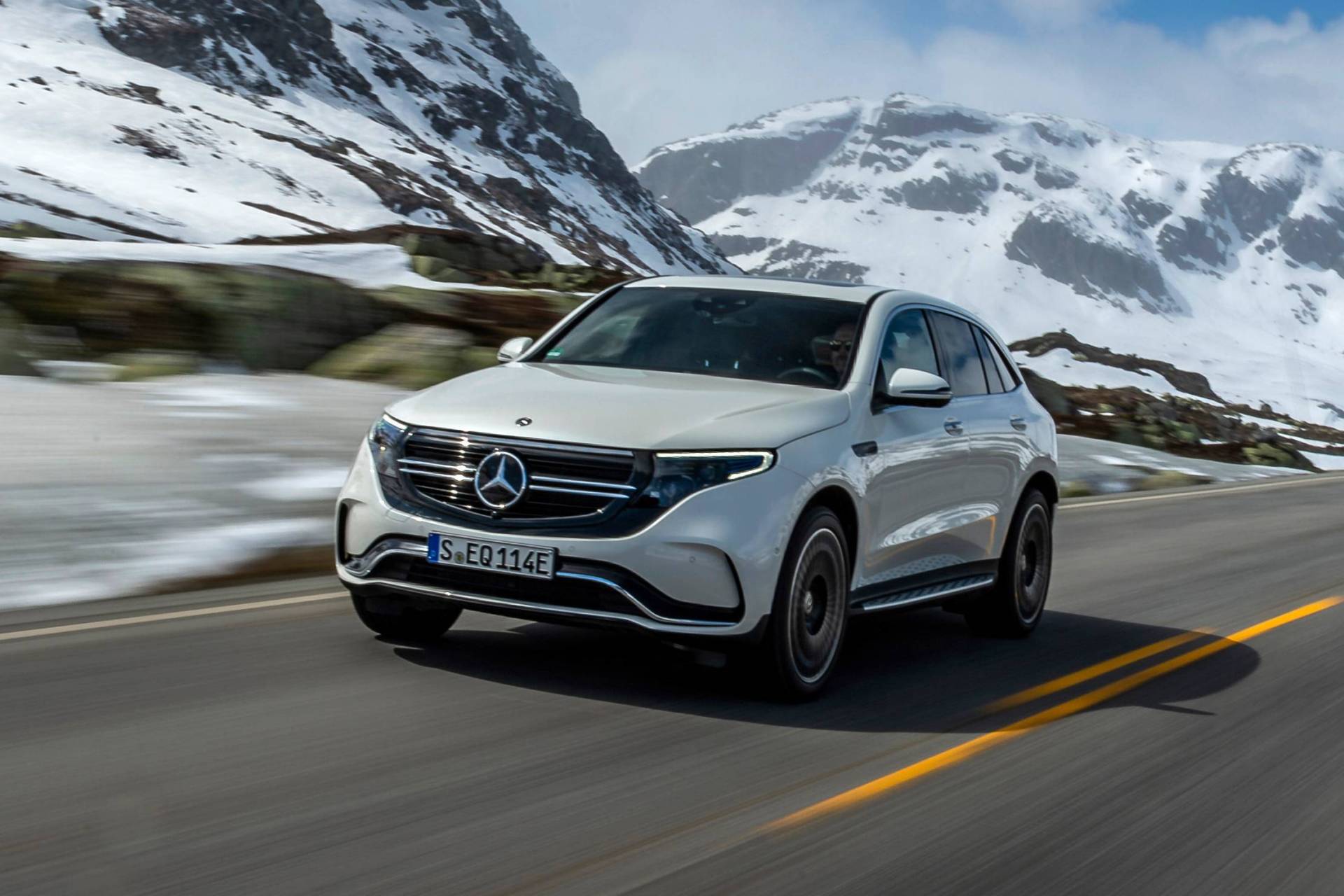
5. Mercedes EQC
The Mercedes-Benz EQC was an important early step for Mercedes in the electric SUV segment, but in 2026, it is widely considered outdated compared to newer models in the EQ lineup and competing electric SUVs. While it maintains the brand’s reputation for comfort and luxury, it falls short in critical EV performance areas such as range efficiency, charging speed, and platform innovation.
One of the primary concerns is that the EQC was built on a modified internal combustion platform rather than a dedicated EV architecture. This design choice limits its ability to maximize interior space efficiency, battery placement, and weight distribution. As a result, it does not achieve the same level of optimization seen in newer ground-up electric vehicle designs.
Charging performance is also relatively modest by modern standards. With the industry rapidly moving toward faster charging systems, the EQC feels slower and less convenient during long-distance travel. This becomes especially noticeable when compared to newer luxury EVs that can add significant range in a short charging session.
In addition, the EQC lacks some of the more advanced software and energy management systems that are now becoming standard in premium EVs. While it delivers a comfortable and quiet driving experience, it does not offer the same level of technological refinement or future-ready architecture as newer electric Mercedes models.
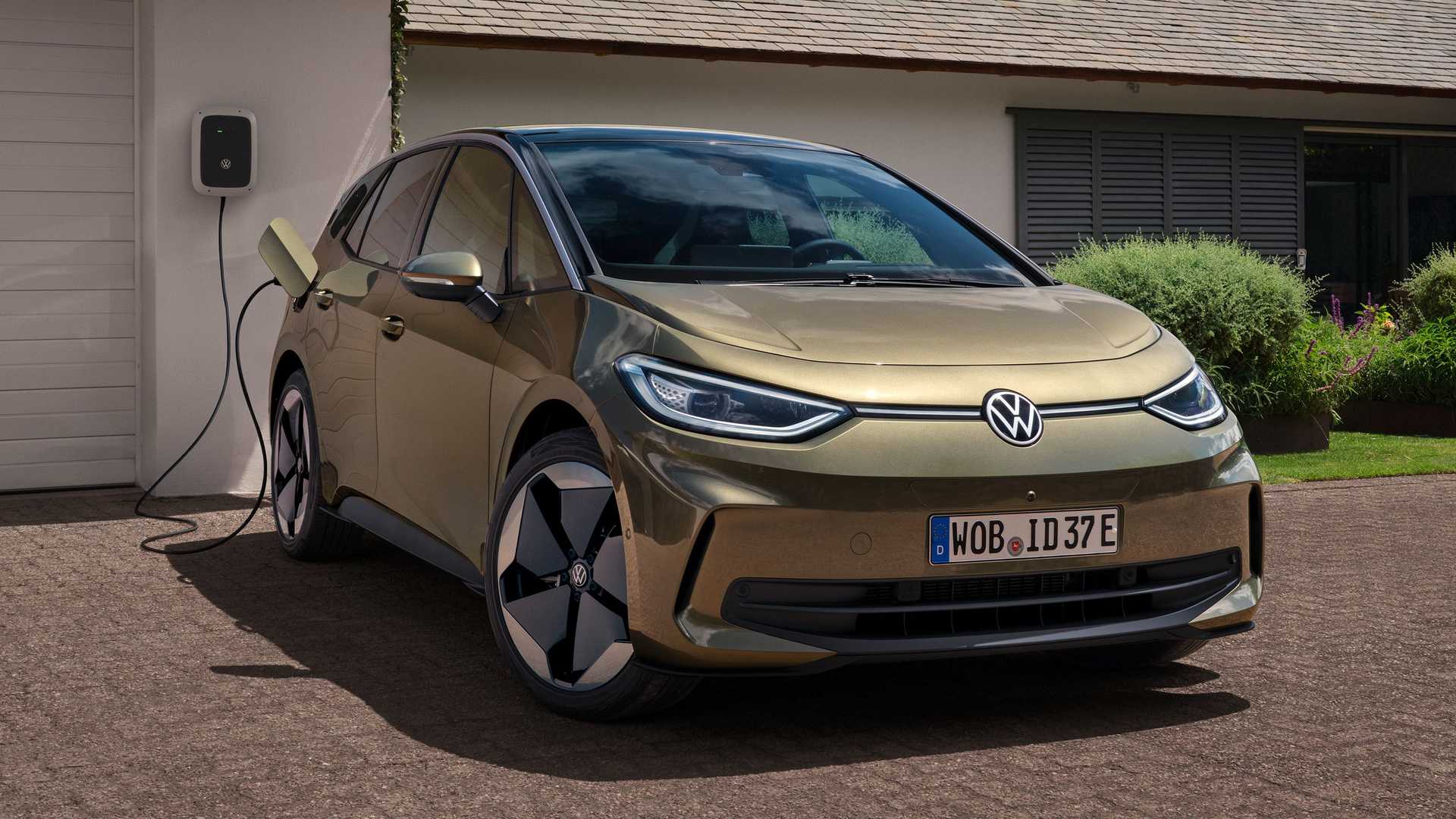
6. Volkswagen ID 3
Early Volkswagen ID.3 models were part of the brand’s first wave of mass-market electric vehicles, and while they represented an important step toward electrification, the initial production versions suffered from software instability and user experience issues that still affect their reputation in 2026. Volkswagen has improved later iterations significantly, but early units continue to show the limitations of a platform still under development at launch.
One of the most frequently cited issues is infotainment performance. Early software versions were criticized for slow response times, occasional system freezes, and a lack of intuitive usability. Although updates have improved functionality, older vehicles may still not deliver the smooth digital experience expected from a modern EV.
Another concern is charging and range competitiveness. While the ID.3 performs adequately for city and suburban use, it does not stand out in fast charging speed or long-distance efficiency compared to newer rivals. As charging networks become faster and more widespread, EVs that cannot fully utilize high-speed charging infrastructure feel increasingly less attractive.
Build quality perceptions also varied in early production batches, which has influenced resale value and buyer confidence. In a market where software maturity and long-term reliability are key decision factors, early ID.3 variants struggle to compete against newer, more refined electric platforms that offer better integration and performance.
