
Buying an SUV should feel like a smart decision, not something you spend the next three years second-guessing every time you pull out of the driveway. Yet that is exactly what happens to a surprising number of buyers who choose a vehicle based on looks, price, or brand name without digging into what actual owners experienced after the honeymoon period ended.
Owner satisfaction data is some of the most honest information available to car shoppers, precisely because it comes from people who have already paid their money, driven the vehicle in real conditions, dealt with the service department, and lived with the daily frustrations that no press release ever mentions.
When more than half of a vehicle’s owners say they would not buy it again, that is not a minor complaint. That is a majority verdict delivered by the people with the most skin in the game. SUV shoppers in 2025 have more choices than at any previous point in automotive history. That abundance of options is genuinely good news because it means walking away from a vehicle that does not meet your standards is easier than ever.
It also means there is no good reason to settle for a vehicle that documented owner feedback has flagged with serious concerns about ride quality, reliability, technology execution, or value retention. This page covers nine SUVs where owner dissatisfaction has been loud, consistent, and well-documented across owner forums, review platforms, and reliability surveys.
Each vehicle receives an honest assessment supported by real owner feedback, specific complaint patterns, pricing context, and a clear explanation of why the gap between what buyers expected and what they experienced is large enough to warrant serious caution.
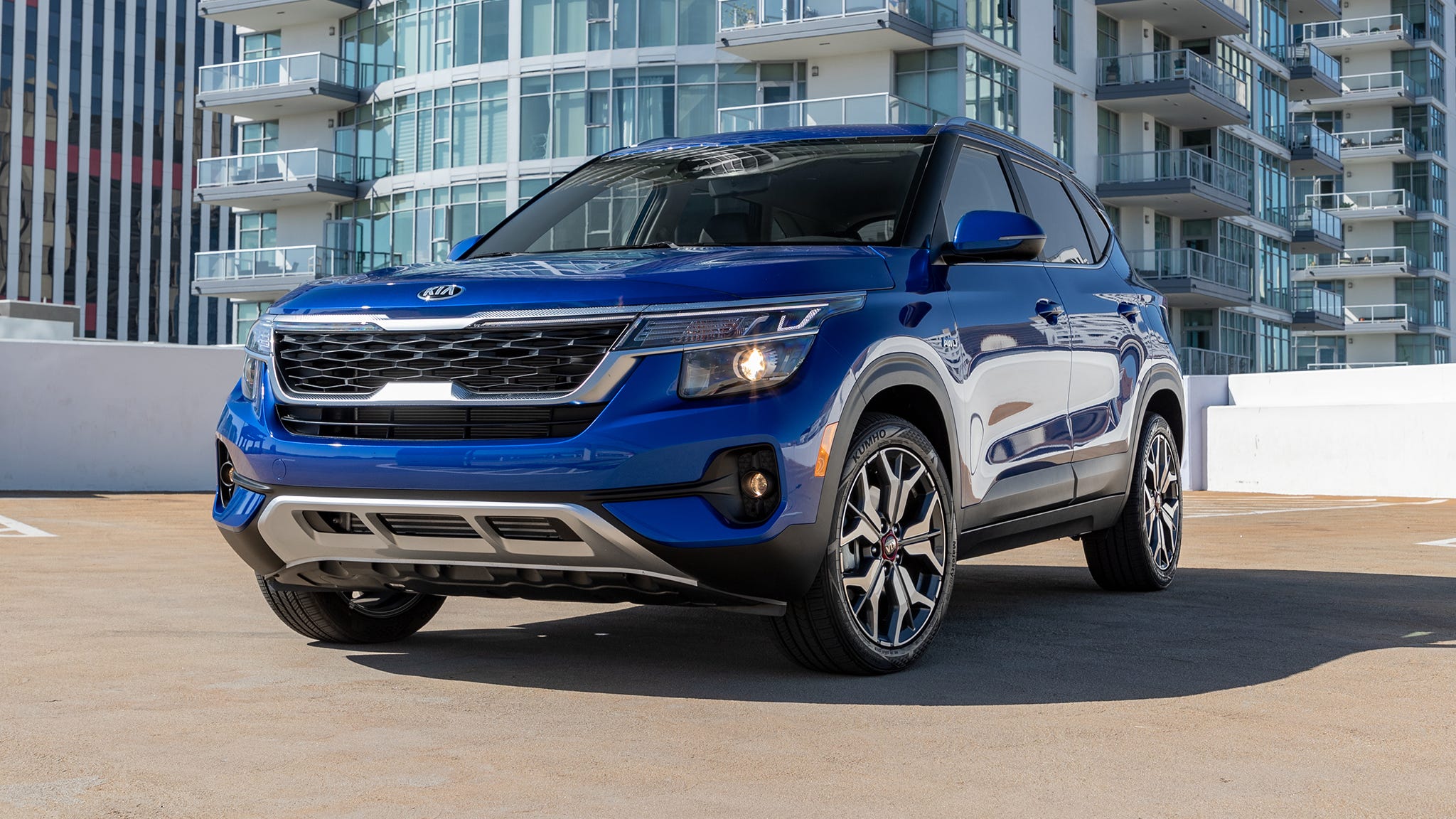
1. Kia Seltos S Turbo AWD
- Engine: 1.6L Turbo I4
- Horsepower: 195 hp
- Torque: 195 lb-ft
- Length: 172.0 in
- Width: 70.9 in
At first glance, the 2025 Kia Seltos S Turbo AWD makes a compelling case for itself. Its exterior design is contemporary and confident, the dual 10.25-inch interior screens create a tech-forward cabin impression, and its MSRP starting around $23,690 positions it as an accessible entry point into the subcompact SUV segment.
Kia’s brand has spent years building credibility through improved reliability scores and strong warranty coverage, which makes the Seltos S Turbo look even more attractive on paper to shoppers who associate the brand name with its better models.
Living with the Seltos S Turbo reveals a different picture that owner feedback on Edmunds and other platforms documents with consistency. Ride quality is one of the primary complaints that surfaces repeatedly across ownership accounts.
Owners describe the ride character as noticeably stiff and jarring on road surfaces that comparable subcompact crossovers absorb without drama. A vehicle in the $23,000 to $28,000 price range should not be producing passenger fatigue on routine commutes, and the Seltos S Turbo’s suspension tuning generates exactly that outcome for owners who drive on anything other than smooth pavement.
Cabin noise at highway speed is a companion complaint that tracks closely with the ride quality issues. Road and wind noise intrusion into the Seltos S Turbo’s interior at speeds above 60 mph is consistently described as more pronounced than buyers expected from a vehicle with Kia’s current-generation interior quality aspirations.
Owners who cross-shopped against the Hyundai Kona N Line AWD or the Chevrolet Trailblazer RS AWD frequently report that competing vehicles in the same price range provide meaningfully better acoustic isolation.
Interior lighting setup has generated a specific and unusual category of complaint from Seltos S Turbo owners. Multiple forum posts describe the ambient and functional lighting arrangement as frustrating to use and poorly positioned for practical nighttime visibility of controls.
This sounds like a minor detail until it becomes a daily irritant that accumulates across thousands of miles of ownership. Buyers who value a well-thought-out interior environment find the Seltos S Turbo’s approach to interior lighting a genuine daily frustration rather than a minor inconvenience.
Turbocharged powertrain in the Seltos S delivers 195 horsepower from a 1.6-liter unit, which provides adequate performance for urban and suburban use. Transmission calibration is where that performance advantage gets partially undermined, with hesitation during initial throttle input and gear selection behavior that owners describe as inconsistent during routine driving conditions.
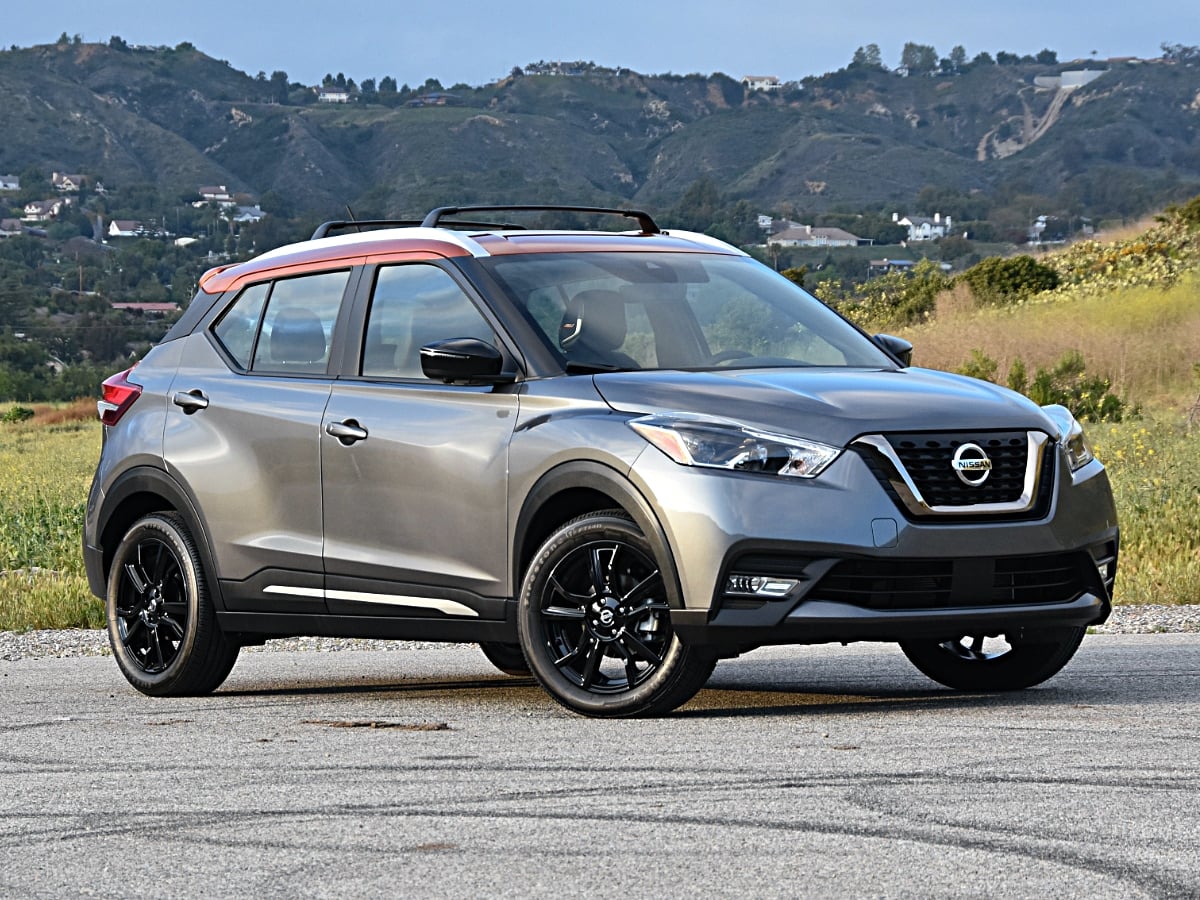
2. Nissan Kicks SR FWD
- Engine: 1.6L I4
- Horsepower: 122 hp
- Torque: 114 lb-ft
- Length: 169.1 in
- Width: 69.3 in
Nissan’s Kicks SR FWD entered the market as a genuinely affordable subcompact option with an appealing exterior and a feature set that made it look competitive at its introductory price point. Starting at $22,430 for the 2025 model year, it remains positioned as a budget-friendly entry into the SUV segment, and its exterior design draws positive attention from shoppers encountering it for the first time.
Intuitive technology layout and a comfortable seating position for front occupants are real strengths that reviewers have consistently acknowledged. What reviewers have equally consistently criticized is the powertrain, and owner complaints on Edmunds amplify those concerns with the specificity of real experience.
Nissan’s 1.6-liter naturally aspirated engine, producing 122 horsepower, moves the Kicks SR through urban traffic adequately at low speeds and light throttle demands. Highway driving, merging, and any situation requiring confident acceleration from the vehicle reveal how far the engine falls short of acceptable performance for a vehicle that has seen its transaction prices climb toward $25,000 in well-configured examples.
CVT transmission behavior in the Kicks SR compounds the engine’s limitations. Owners posting on Edmunds describe the transmission as unreliable and unpredictable, with complaints about hesitation, jerking behavior during low-speed maneuvering, and a general sense that the drivetrain’s responses do not match driver inputs with the consistency that daily driving requires.
Dashboard quality concerns appear alongside transmission complaints in owner feedback, with multiple owners reporting interior trim issues and material quality problems that feel out of place on a vehicle costing over $22,000.
Absence of AWD across most Kicks SR configurations is a practical limitation that buyers in northern and mountain states discover at the worst possible moment if they purchase without carefully checking specifications.
A vehicle positioned as a crossover SUV that does not offer all-wheel drive as a standard or readily available option is asking buyers to make assumptions that the vehicle’s marketing does not always correct proactively.
Discovering after purchase that the vehicle has no AWD path for upgrade is a limitation that creates lasting frustration for buyers who assumed the crossover category implied weather-capable traction management.
Also Read: 9 Hyundai SUVs Ranked From Worst To Best
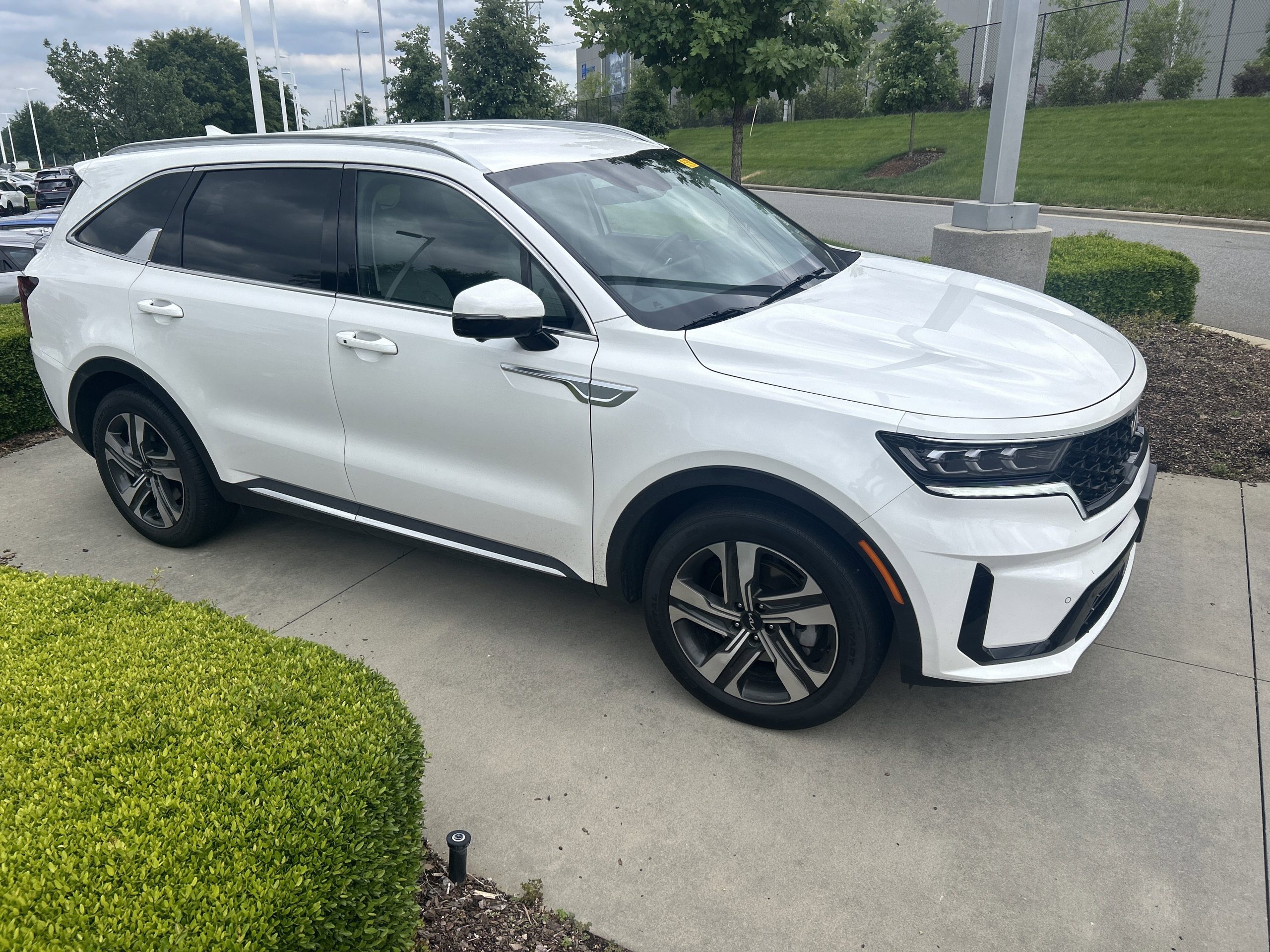
3. Kia Sorento Hybrid SX AWD
- Engine: 1.6L Turbo Hybrid I4
- Horsepower: 227 hp
- Torque: 258 lb-ft
- Length: 189.0 in
- Width: 74.8 in
Kia’s Sorento Hybrid SX AWD carries enough genuine strengths to explain why buyers are initially attracted to it. Smooth hybrid powertrain integration produces a composed, refined driving character during daily use. Exterior design is contemporary and attractive across the Sorento lineup. Kia’s warranty coverage remains among the best in the segment.
Starting at $38,890 for the Sorento Hybrid, the pricing positions it as a value-oriented alternative to more expensive three-row competitors. Those strengths bring buyers to the dealership. What they discover after purchase is a different conversation.
Third-row seating in the Sorento Hybrid SX AWD is a consistent disappointment for buyers who purchased specifically because of the three-row designation. Interior dimensions in the third row provide space appropriate for children or shorter adults on short trips, but adult passengers assigned to the third row on longer journeys report discomfort, insufficient headroom, and knee contact with the seatback ahead.
A buyer who purchased the Sorento Hybrid because they needed genuine three-row capability for regular adult passenger transport discovers the limitation after purchase, when reconfiguring around it is no longer an option. Cargo capacity with all three rows in use is minimal to the point that multiple owners have described it as functionally inadequate for family use.
Three-row SUV buyers have specific cargo expectations that include room for luggage alongside a full passenger load. Sorento Hybrid SX AWD owners who load all seven seats for a road trip discover a cargo area that cannot accommodate the bags that seven travelers generate.
That limitation directly undermines the primary use case that drove the purchase decision. Infotainment system issues have appeared in owner complaints with enough frequency to constitute a documented pattern.
Sorento Hybrid SX AWD owners posting on Edmunds describe system freezes, connectivity drops with paired devices, and interface behavior that requires multiple inputs to accomplish functions that should respond immediately.
Steering wheel malfunction complaints and audio system inconsistencies also appear in owner feedback, creating a picture of technology integration that does not match the vehicle’s near-$40,000 price expectation.
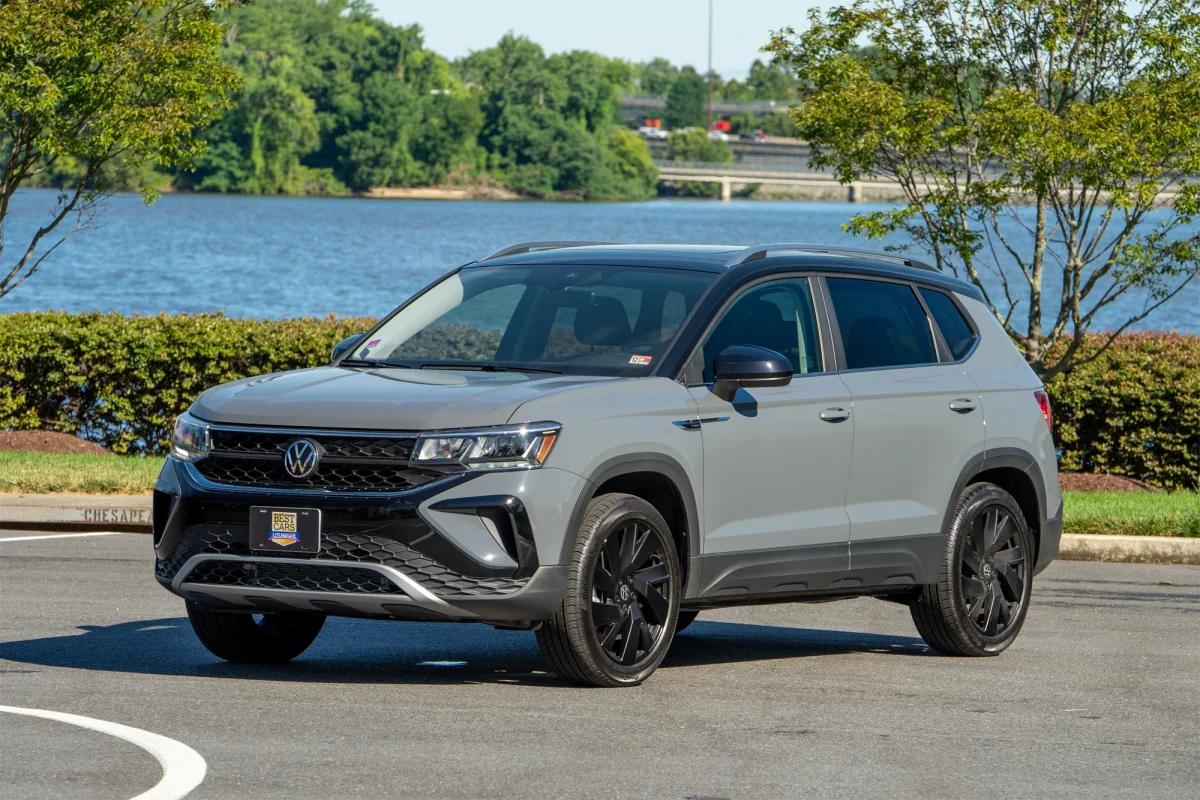
4. Volkswagen Taos SEL 4Motion AWD
- Engine: 1.5L Turbo I4
- Horsepower: 158 hp
- Torque: 184 lb-ft
- Length: 175.8 in
- Width: 72.5 in
Volkswagen’s Taos SEL 4Motion AWD positions itself as a compelling compact crossover option that combines German brand cachet with an accessible price point starting at $25,495. 4Motion AWD adds weather-capable traction management to the package, and the Taos SEL’s feature content is genuinely competitive for the segment.
Buyers who approach the Taos with a preference for European brand engineering quality and interior design find the vehicle appealing through the research and test drive phases of the purchase process. Transmission behavior is where the Taos SEL 4Motion AWD’s ownership experience diverges from buyer expectations.
Volkswagen’s dual-clutch 7-speed automatic transmission, which is the standard transmission across Taos configurations, has generated a specific and consistent complaint pattern from owners who describe its behavior as lazy, hesitant, and poorly calibrated for the low-speed driving conditions that represent the majority of daily use.
Dual-clutch transmissions are technically efficient and can deliver crisp performance when properly calibrated, but the Taos’s DSG application has produced owner dissatisfaction that shows up persistently across forums and ownership surveys.
Low-speed maneuvering in parking lots, residential areas, and stop-and-go traffic reveals the transmission’s weakest behavior. Owners describe a reluctance to engage smoothly from a standing start, a tendency to hesitate when the driver requests acceleration from low speeds, and an inconsistency between throttle input and vehicle response that creates a lurching quality during situations that should be handled with complete smoothness.
At $25,000 to $30,000, a transmission that frustrates buyers during the driving scenarios they encounter most frequently is a serious ownership liability. Highway noise intrusion into the Taos SEL 4Motion’s cabin at sustained cruising speed is a secondary complaint that accompanies the transmission frustration in owner accounts.
Engine and road noise at 65 to 75 mph is described as more prominent than competing vehicles in the segment provide, which compounds driver fatigue during longer trips. Volkswagen’s brand positioning implies a level of cabin refinement that the Taos SEL 4Motion does not consistently deliver relative to segment expectations, creating a gap between brand expectation and vehicle reality that owners notice most acutely after they have driven competing vehicles.
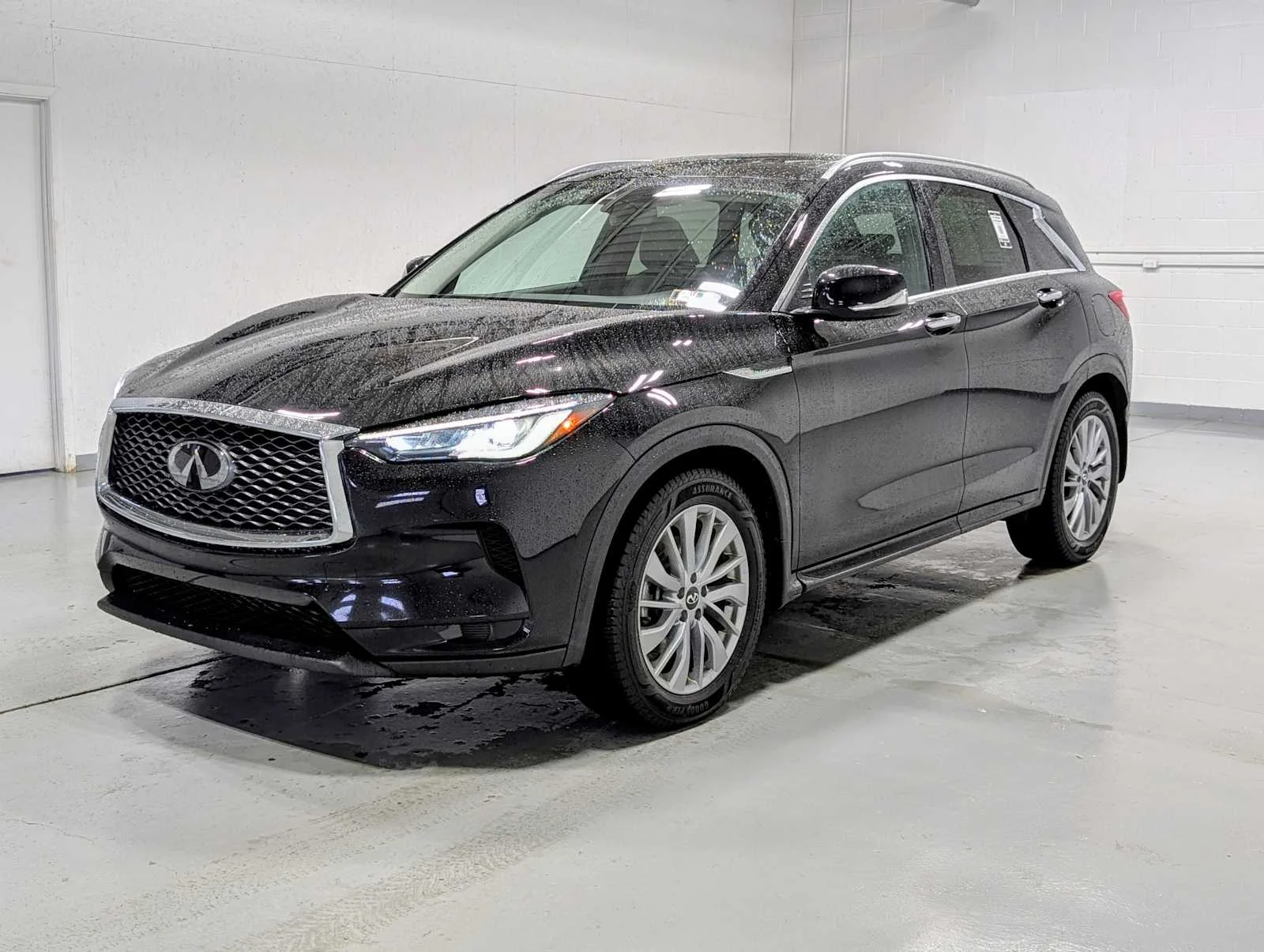
5. Infiniti QX50 Luxe AWD
- Engine: 2.0L Turbo I4 (VC-Turbo)
- Horsepower: 268 hp
- Torque: 280 lb-ft
- Length: 184.7 in
- Width: 74.9 in
Infiniti’s QX50 Luxe AWD arrives with a starting MSRP of approximately $43,000, placing it firmly in the premium compact crossover segment alongside Acura RDX Technology SH-AWD, Genesis GV70 2.5T AWD, and Volvo XC40 Recharge Pure Electric.
At that price, buyers have a right to expect current technology, strong performance, and an ownership experience that matches the luxury brand premium they are paying. QX50 Luxe AWD owner feedback consistently indicates that the vehicle falls short of those expectations in multiple categories that matter most at this price point.
Technology is where the gap between price and delivery is most apparent. Infiniti’s dual-screen infotainment arrangement in the QX50 has drawn persistent criticism from reviewers and owners for its division of functions across two separate screens in a configuration that requires more attention and interaction to accomplish routine tasks than single-screen systems from competitors handle more intuitively.
Performance from the 2.0-liter variable-compression turbocharged engine should theoretically be a highlight, as the engine’s variable compression ratio technology is genuinely innovative. Real-world driving experience does not always translate engineering innovation into driver satisfaction, and the QX50’s acceleration delivery has been described by owners as uninspiring and laggy during the everyday throttle inputs that highway driving and urban maneuvering demand.
An owner posting on Edmunds described the QX50 as a “gas hog,” which aligns with real-world fuel economy reports that fall below the figures buyers at this price expect from a modern turbocharged four-cylinder.
Acura RDX Technology SH-AWD, Genesis GV70 2.5T AWD, and Volvo XC40 Recharge Pure Electric all compete with the QX50 at comparable or similar pricing with technology systems, performance delivery, and owner satisfaction scores that measurably exceed what QX50 buyers report.
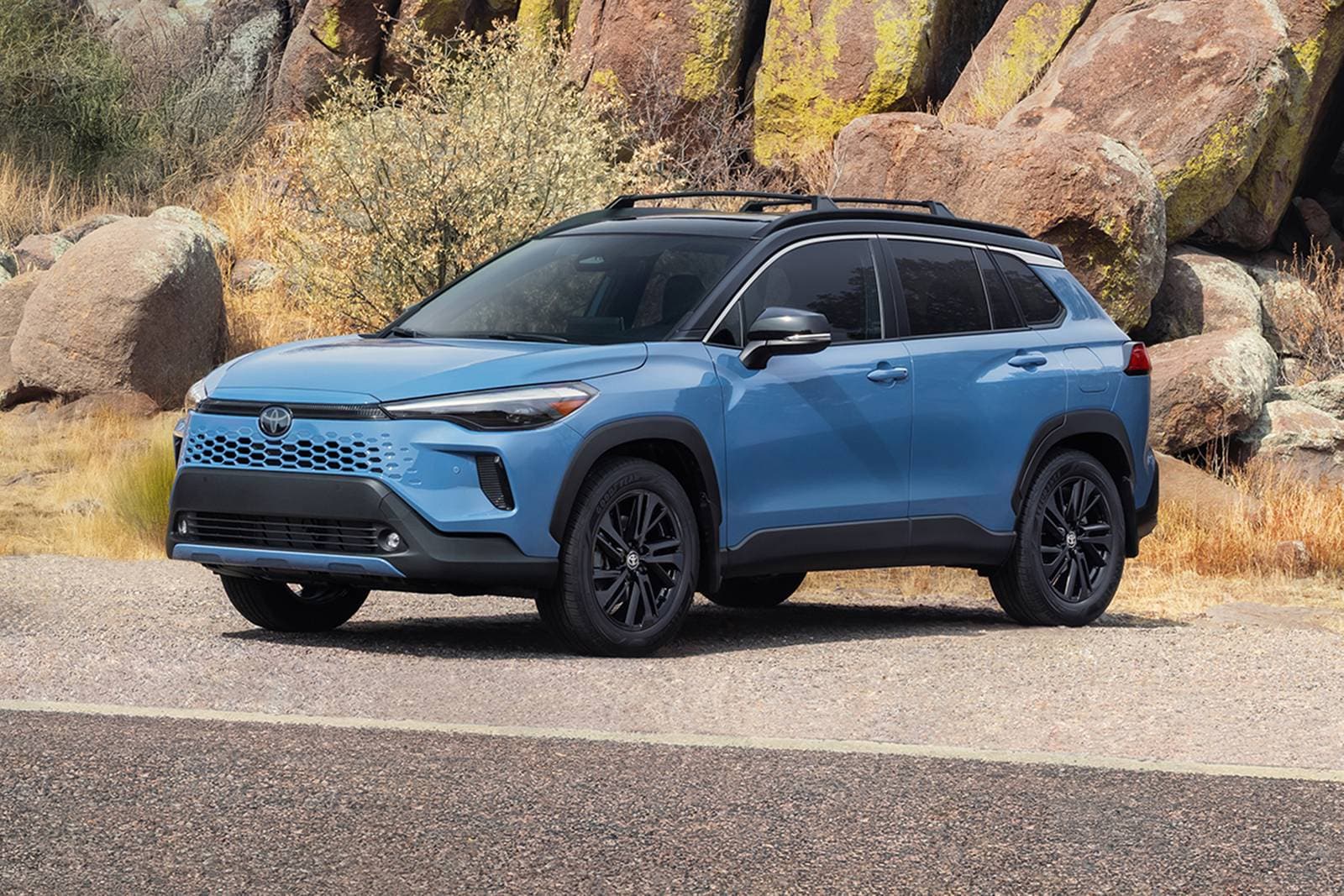
6. Toyota Corolla Cross XSE AWD
- Engine: 2.0L I4
- Horsepower: 169 hp
- Torque: 151 lb-ft
- Length: 175.6 in
- Width: 71.9 in
Toyota’s reliability reputation is one of the strongest in the automotive industry, and it does legitimate protective work for every vehicle the brand sells. Buyers who choose a Toyota expect that reputation to carry meaningful weight in their ownership experience, and for most Toyota models, it does.
Corolla Cross XSE AWD is a vehicle where the brand reputation is doing more heavy lifting than the vehicle itself earns, and buyers who use that reputation as their primary purchase justification discover a driving experience that the badge cannot redeem.
Starting at $24,135 for base configurations and climbing above $30,000 in XSE AWD trim, the Corolla Cross positions itself against competitors, including the Mazda CX-30 2.5 S AWD and Chevrolet Trailblazer RS AWD, that reviewers consistently recommend over the Toyota at comparable price points. Reviewers identify the driving experience as bland and uninvolving in a way that even conservative family crossover buyers find disappointing.
A vehicle does not need to be sporty to be engaging, but it should respond predictably and confidently to driver inputs, and the Corolla Cross XSE AWD’s driving character generates consistent descriptions of dullness from sources that are not demanding performance-oriented results.
Rear seat legroom below the segment average is a documented measurement-based limitation rather than a subjective complaint. Adult passengers in the rear seat of the Corolla Cross have less space than the class average provides, which is a meaningful practical shortcoming for a vehicle positioned as family transportation.
Buyers who specifically chose the Corolla Cross as a family vehicle with the expectation of comfortable rear passenger accommodation discover the limitation in the measurement data before purchase if they research carefully, and in daily use after purchase if they do not.
Owner complaints on Edmunds include reports of rattling engine noise from specific production examples and seating comfort criticism that describes the seat cushioning as inadequate for extended driving. Rattling noises from a vehicle in the $25,000 to $30,000 range are not quality expectations that buyers should be managing, and seat comfort issues on a daily driver create a cumulative physical discomfort that compounds across years of regular use.
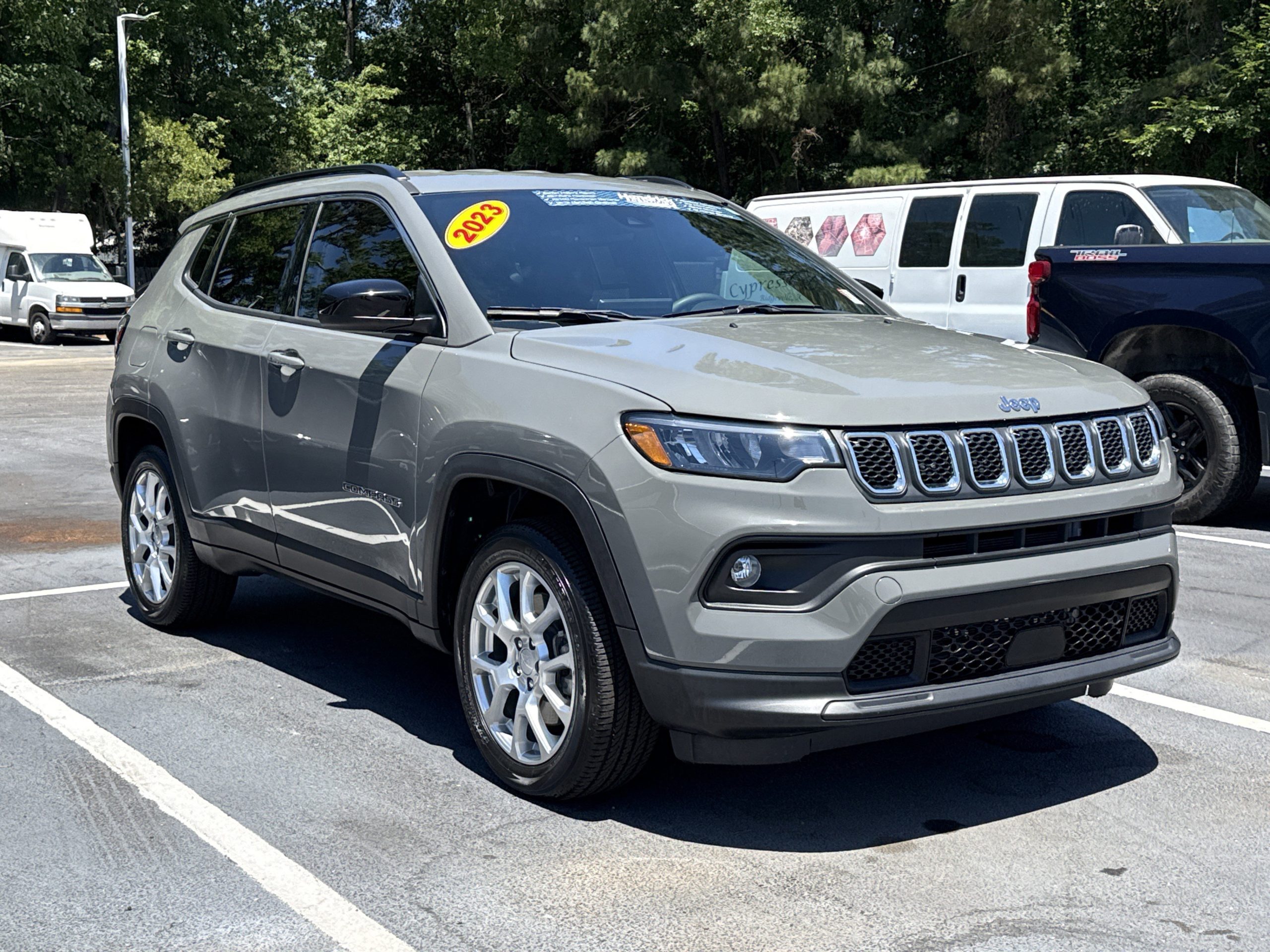
7. Jeep Compass Latitude Lux 4WD
- Engine: 2.0L Turbo I4
- Horsepower: 200 hp
- Torque: 221 lb-ft
- Length: 173.4 in
- Width: 73.8 in
Buying a vehicle that has not been redesigned since 2017 at 2025 prices is a transaction that deserves serious scrutiny, regardless of brand loyalty or model familiarity. Jeep Compass Latitude Lux 4WD carries a base MSRP of $26,900 and climbs well above that figure in common configurations.
At those prices, buyers are funding a vehicle architecture, safety technology baseline, and interior design philosophy that was developed and frozen before half the vehicles in its current competitive set existed. Seat comfort is one of the most consistent complaints in Jeep Compass ownership accounts.
Owners describe the seat cushioning and support as inadequate for the extended driving that daily transportation requires, with lower back discomfort appearing in ownership reviews with a frequency that reflects a structural limitation rather than individual sensitivity.
A vehicle whose primary daily use is commuting and family transportation should not generate back discomfort as a routine ownership outcome, and the Compass’s seat design has not been updated since the 2017 redesign that created the current configuration.
Control setup frustration is a specific complaint category that Jeep Compass owners articulate with detail. Physical control arrangement and infotainment interface design that was contemporary in 2017 has aged into a configuration that compares unfavorably against the current generation interfaces in competing vehicles.
Buyers who test-drive a 2025 Jeep Compass Latitude Lux 4WD directly after a 2025 Honda HR-V EX AWD or 2025 Ford Bronco Sport Big Bend 4WD consistently identify the control and technology gap as stark and uncomfortable, given the Compass’s pricing.
Paying current-year prices for an eight-year-old design requires a very specific reason to accept that trade-off, and the Compass ownership data does not offer one.
8. Audi Q4 E-Tron Premium Plus AWD
- Engine: Dual Electric Motors (EV)
- Horsepower: 295 hp
- Torque: 339 lb-ft
- Length: 180.7 in
- Width: 73.4 in
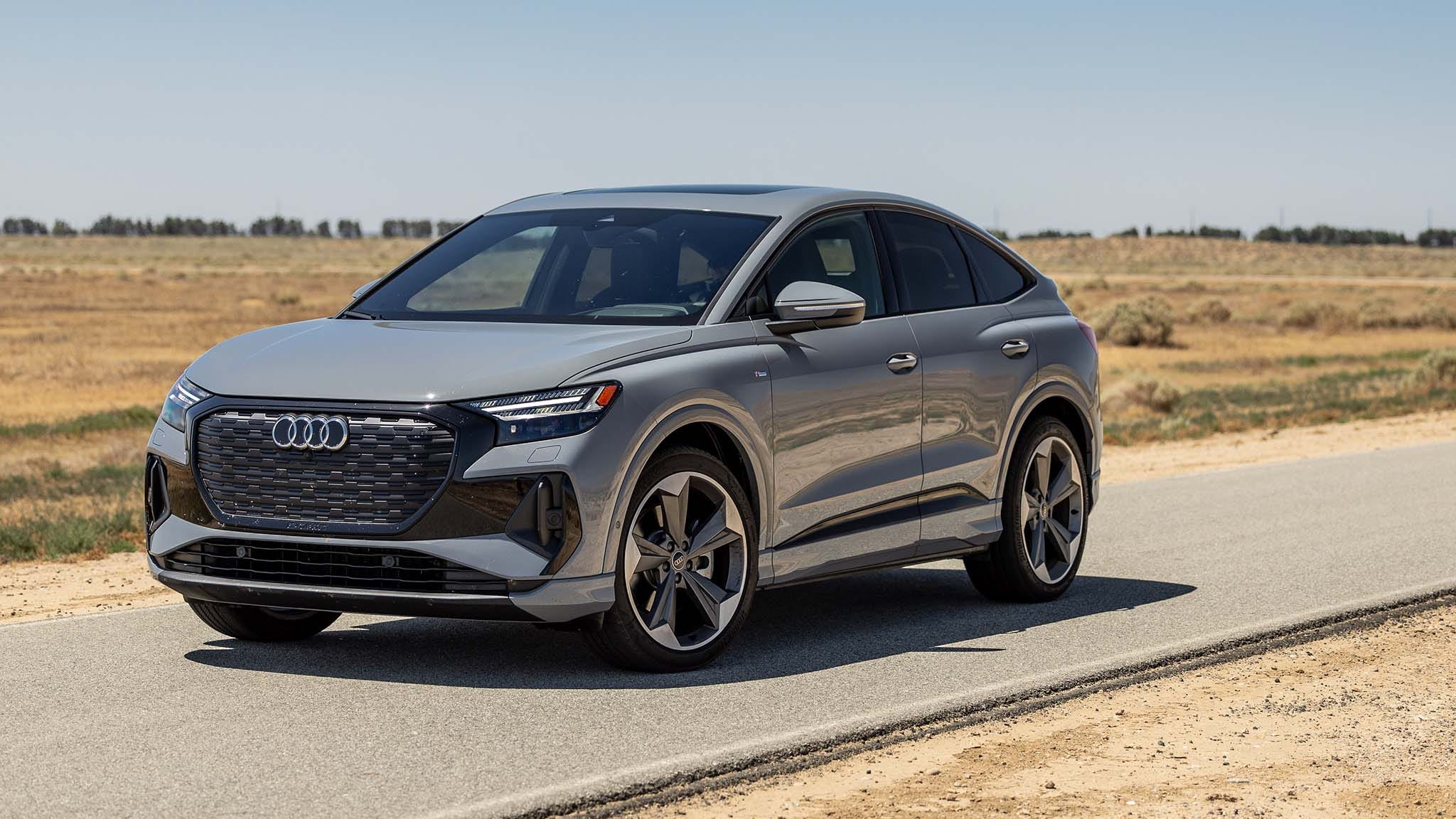
Audi’s Q4 E-Tron Premium Plus AWD arrives at a starting MSRP of $50,600, wearing the four-ring badge that carries specific luxury segment expectations. Electric vehicle buyers at $50,000 and above are comparing driving range, cargo capacity, charging infrastructure access, and technology integration against a competitive field that has become remarkably strong over the past three years.
Q4 E-Tron Premium Plus AWD owner feedback and reviewer assessments consistently identify gaps between the vehicle’s price and its delivery in categories that matter most to buyers in this segment. Cargo space is the most specific and measurable shortcoming that reviewers and owners raise consistently.
Driving range for the Q4 E-Tron Premium Plus AWD in dual-motor configuration delivers EPA-estimated figures that trail non-luxury competitors at comparable prices. Hyundai Ioniq 5 Limited AWD and Kia EV6 GT-Line AWD both provide more driving range from similar or lower prices, which removes the price premium’s justification from a practical EV ownership standpoint.
A luxury EV that provides less range and less cargo space than non-luxury alternatives at the same price creates a value proposition that owner feedback describes with words including “overpriced” on the Edmunds platform.
Steering wheel control sensitivity is a specific technology complaint that surfaces consistently in Q4 E-Tron assessments. Haptic touch-sensitive steering wheel controls respond to unintentional contact as readily as to deliberate input, creating accidental activations during routine steering inputs that drivers find disruptive and frustrating.
Physical buttons handle this task without error. Audi’s choice of touch-sensitive controls in a driving environment where the driver’s hands are in constant contact with the wheel produced a technology execution that prioritizes appearance over function in a way that experienced drivers notice immediately and find increasingly aggravating through daily use.
Also Read: 9 SUVs Where the Dashboard Screen Failed Within Two Years
9. Mazda CX-90 PHEV Turbo S Premium Plus AWD
- Engine: 2.5L Plug-in Hybrid I4
- Horsepower: 323 hp
- Torque: 369 lb-ft
- Length: 201.6 in
- Width: 77.6 in
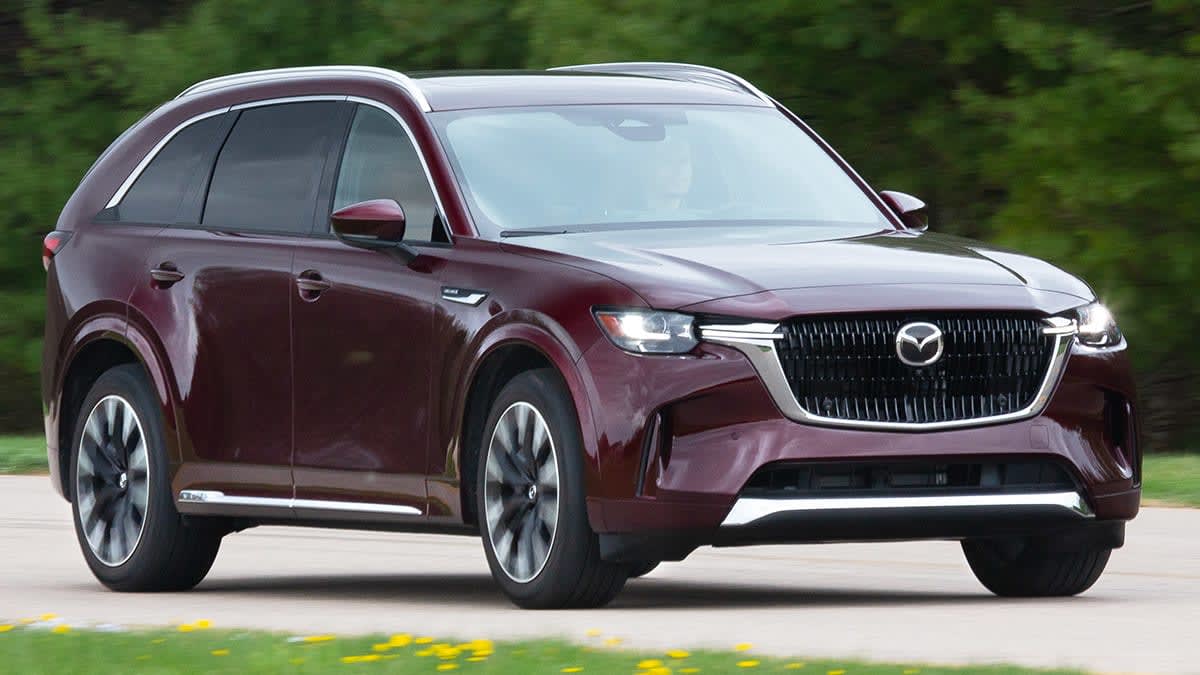
Mazda’s CX-90 PHEV Turbo S Premium Plus AWD is genuinely stunning in several respects. Interior design quality exceeds what most vehicles at its price point provide, with material choices, surface finish quality, and design coherence that rival vehicles costing considerably more.
Sporty handling character through Mazda’s tuned suspension and responsive powertrain creates an engaging driving experience that reviewers consistently praise. Starting at $51,475, those strengths make the CX-90 PHEV look like a compelling answer to buyers who want premium execution in a three-row SUV format.
Third-row accommodation is where the CX-90 PHEV’s practical limitations become most consequential for buyers who specifically need three-row capability. Owner feedback on Edmunds describes the third-row space as genuinely cramped for adults, with headroom and legroom constraints that restrict comfortable use to children or very short adults on short trips.
A three-row SUV at $51,000-plus that cannot carry adult passengers in the third row on longer journeys is providing less practical capability than its configuration and price suggest, and buyers who purchased specifically for the third-row capacity find that disappointment substantial.
Cargo space with all three rows occupied is described by reviewers as minuscule, a characterization supported by measured cargo volume figures that trail three-row competitors. Buyers who expect to load a family of seven with their luggage for a road trip discover a cargo area that forces choices between passengers and belongings rather than accommodating both comfortably.
At over $51,000, this practical shortcoming carries more financial weight than it would at a lower price point. Reliability concerns from owners add a layer of worry that the CX-90 PHEV’s excellent interior quality does not offset.
