
Buying an SUV often feels like a straightforward financial decision. Buyers compare sticker prices, monthly installments, insurance rates, and fuel economy before making a purchase. Yet many drivers underestimate the true cost of ownership over a decade.
The purchase price is only the beginning. Fuel expenses, maintenance, repairs, depreciation, tires, insurance, taxes, and unexpected component failures can quietly turn an affordable-looking SUV into a financial drain. In many cases, owners discover too late that the actual ten-year ownership cost is nearly double the original MSRP.
This reality is especially common among luxury SUVs, high-performance utility vehicles, and large body-on-frame models with expensive components and poor long-term reliability. While modern SUVs offer advanced technology, impressive towing capability, premium interiors, and strong performance, these features often come with long-term financial consequences that extend far beyond the dealership showroom.
Consumers frequently focus on monthly payments instead of lifetime expenses. A luxury SUV with a manageable lease payment may seem attainable, but ownership beyond warranty coverage can become extremely costly. Air suspension failures, turbocharger replacements, transmission rebuilds, electrical problems, and rapidly depreciating resale values all contribute to soaring ownership costs.
Fuel consumption is another major factor. Large SUVs with V8 engines or twin turbo powertrains can consume thousands of dollars in fuel every year, especially when driven regularly in urban environments. Insurance premiums for luxury and high-horsepower SUVs also remain consistently high due to expensive repair costs and elevated theft rates.
Another overlooked factor is depreciation. Some SUVs lose more than half their value within five years. This hidden expense significantly increases the true cost of ownership because the owner absorbs the difference between the purchase price and resale value.
Maintenance costs also accelerate as SUVs age. Sophisticated electronics, adaptive suspensions, large alloy wheels, and advanced driver assistance systems become expensive to repair once factory warranties expire. Owners who intend to keep their SUV for ten years often face repair bills that rival the cost of an economy car.
The SUVs featured in this article are not necessarily bad vehicles. Many are comfortable, capable, luxurious, and technologically advanced. However, they are among the models where ownership costs frequently shock buyers over the long term.
Understanding these expenses before purchasing can help consumers make smarter decisions and avoid financial regret. Here are nine SUVs where the true ownership cost can realistically double the original sticker price over a ten-year ownership period.
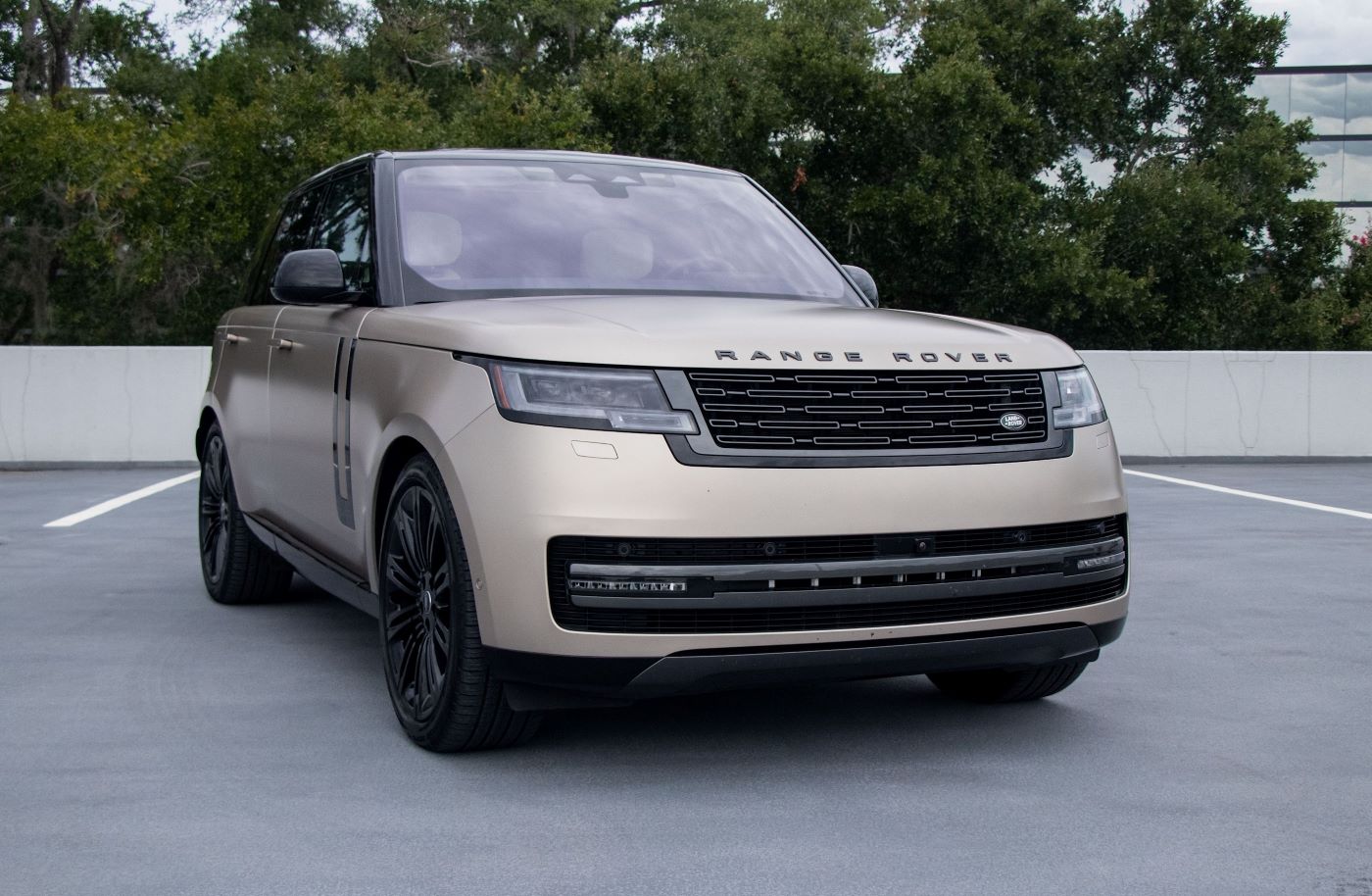
- Engine: 3.0L turbocharged inline 6 or 4.4L twin turbo V8 depending on trim
- Horsepower: 395 hp to 523 hp
- Torque: 406 lb ft to 553 lb ft
- Length: Approximately 198.9 inches
- Width: Approximately 78.1 inches
1. Range Rover
The Range Rover has long represented luxury, prestige, and off-road capability in one premium package. Buyers are attracted to its refined cabin, commanding road presence, advanced technology, and powerful engine lineup. However, ownership costs over a decade can become astonishingly high.
While the initial purchase price already places the Range Rover among the most expensive SUVs on the market, the long-term expenses often exceed expectations. Depreciation alone can erase tens of thousands of dollars within the first five years, creating one of the steepest value losses in the luxury SUV segment.
Maintenance and repair costs are major contributors to the high ownership burden. Air suspension systems commonly require expensive repairs as the vehicle ages. Electronic systems, infotainment components, adaptive driving features, and climate control systems can develop issues that require specialist servicing.
Labor costs for European luxury SUVs remain significantly higher than those for mainstream brands, and genuine replacement parts command premium pricing. Owners who keep their Range Rover beyond the factory warranty often encounter repair bills that quickly accumulate into thousands of dollars annually.
Fuel costs add another layer of expense. Many Range Rover variants feature large displacement engines or turbocharged powertrains that prioritize performance over efficiency. Urban fuel economy can be particularly poor, especially for supercharged V8 models.
Over ten years, fuel expenses alone may rival the cost of a compact sedan. Insurance premiums are also elevated due to expensive replacement parts, theft concerns, and high repair costs after collisions. Drivers in urban regions often pay exceptionally high insurance rates for luxury SUVs like the Range Rover.
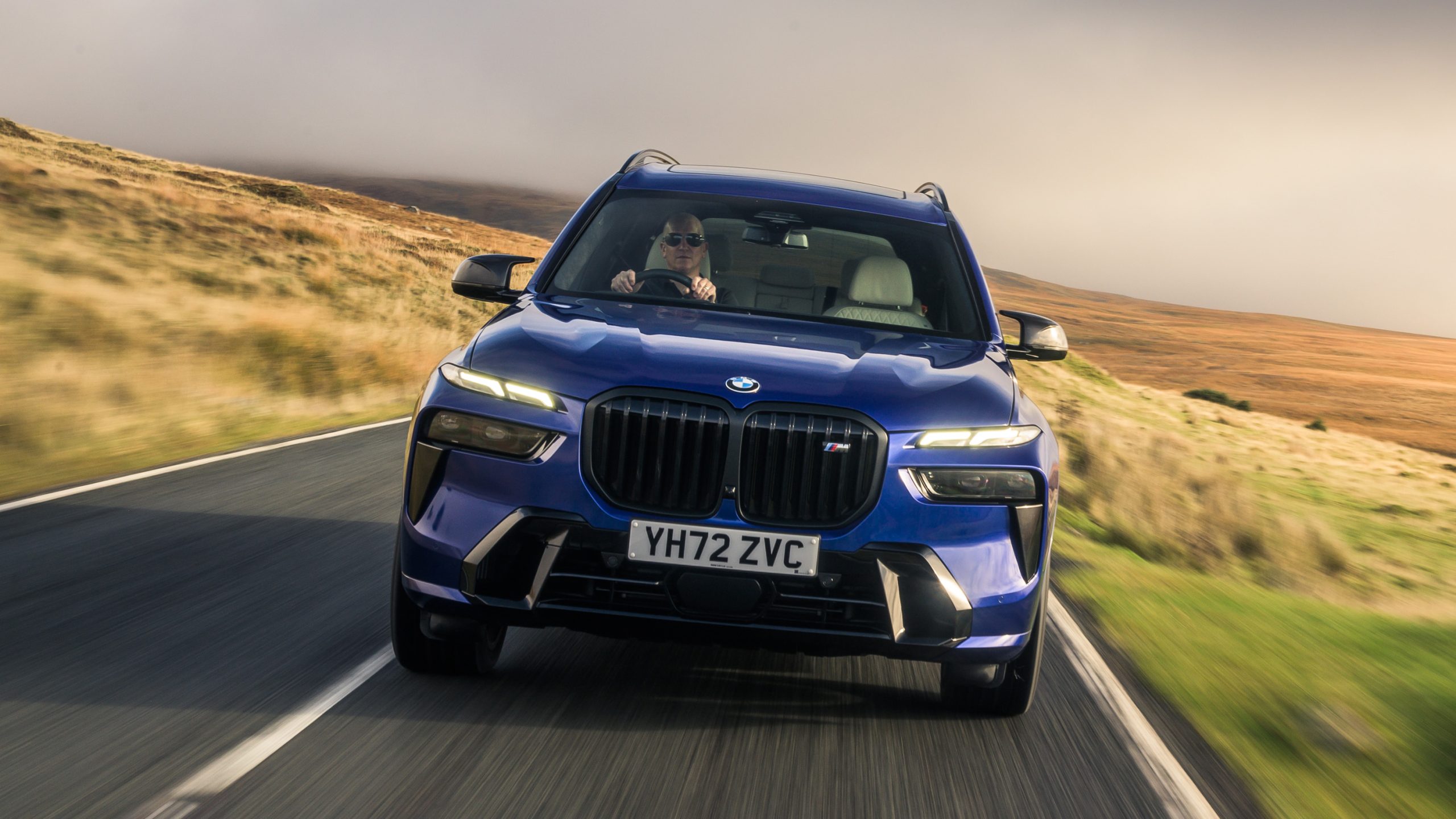
- Engine: 3.0L turbocharged inline 6 or 4.4L twin turbo V8
- Horsepower: 375 hp to 523 hp
- Torque: 398 lb ft to 553 lb ft
- Length: Approximately 203.6 inches
- Width: Approximately 78.7 inches
2. BMW X7
The BMW X7 is one of the most luxurious full-size SUVs produced by BMW. It combines a premium interior, advanced technology, strong performance, and spacious seating for large families.
While the X7 excels in comfort and driving dynamics, its long-term ownership costs can become extremely expensive. Buyers attracted by its elegant design and prestige often underestimate the financial commitment required to maintain a large German luxury SUV for ten years.
Depreciation is among the biggest cost factors affecting the X7. Luxury SUVs generally lose value rapidly, and the X7 follows this pattern closely. High initial pricing combined with expensive maintenance expectations weakens used market demand over time. Owners may see enormous value loss within the first few years, making depreciation one of the most significant hidden ownership expenses.
Maintenance costs steadily rise as the X7 ages. Advanced electronics, turbocharged engines, adaptive air suspension systems, and sophisticated driver assistance technologies require specialized servicing. Even routine maintenance can be expensive compared to mainstream SUVs.
Brake jobs, tire replacements, and suspension repairs cost significantly more due to the vehicle’s size and performance orientation. Once warranty coverage expires, owners often face repair bills that quickly escalate into several thousand dollars annually.
Fuel expenses also contribute heavily to total ownership costs. The X7 is a large, heavy SUV with powerful engines that prioritize performance and smooth acceleration. Fuel economy is respectable for its size, but still costly over long-term ownership. Drivers who frequently commute in traffic or use the vehicle for family road trips may spend substantial amounts on premium gasoline over a decade.
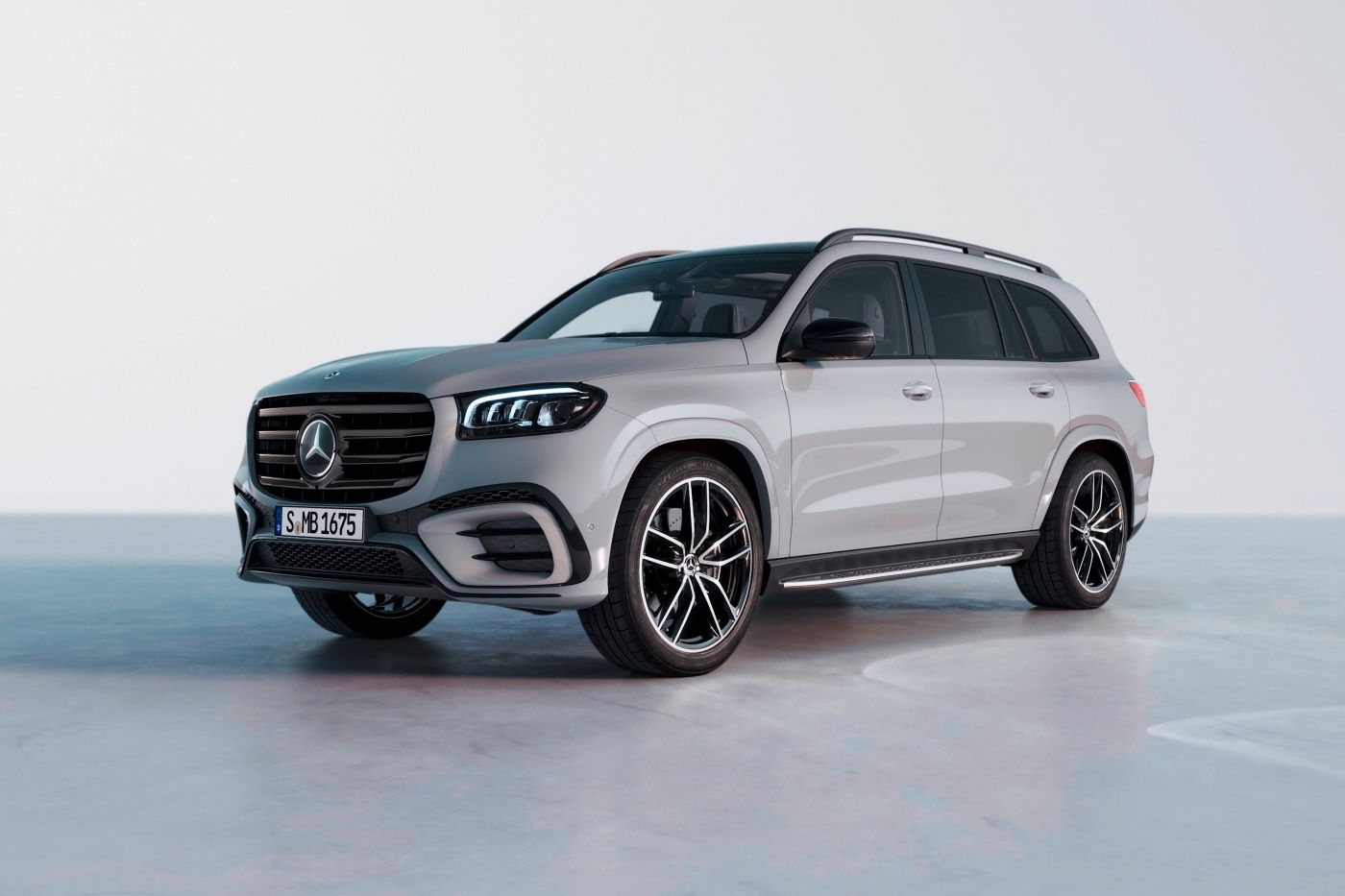
- Engine: 3.0L turbocharged inline 6 or 4.0L twin turbo V8
- Horsepower: 375 hp to 510 hp
- Torque: 369 lb ft to 538 lb ft
- Length: Approximately 205 inches
- Width: Approximately 79.9 inches
3. Mercedes-Benz GLS
The Mercedes-Benz GLS is often described as the S-Class of SUVs because of its focus on comfort, technology, and refinement. It delivers exceptional ride quality, advanced cabin technology, and powerful engines that appeal to affluent buyers. However, beneath its luxurious image lies a reality of extremely high long-term ownership expenses that can surprise even experienced luxury vehicle owners.
Depreciation hits the GLS particularly hard during the first several years of ownership. Luxury SUVs with expensive options and advanced technology lose value rapidly as newer models introduce updated features.
Buyers in the used market may hesitate to purchase aging luxury SUVs due to concerns about repair costs and reliability, further weakening resale value. This creates a substantial financial loss for original owners who plan to keep the SUV long term.
Maintenance and repair expenses become increasingly significant as the GLS ages. Air suspension systems, turbocharged engines, electronic driver assistance systems, and premium infotainment components are expensive to repair or replace.
Even basic maintenance services cost considerably more than mainstream SUVs because of specialized labor and premium components. Owners often face repair costs involving suspension systems, electrical modules, cooling systems, and drivetrain components after warranty expiration.
Fuel consumption adds another major expense category. The GLS is a large luxury SUV designed for comfort and performance rather than fuel efficiency. V6 and V8 engine options consume substantial amounts of premium fuel over time, especially during city driving or heavy traffic conditions. Over ten years, fuel costs can become a massive portion of the ownership equation.
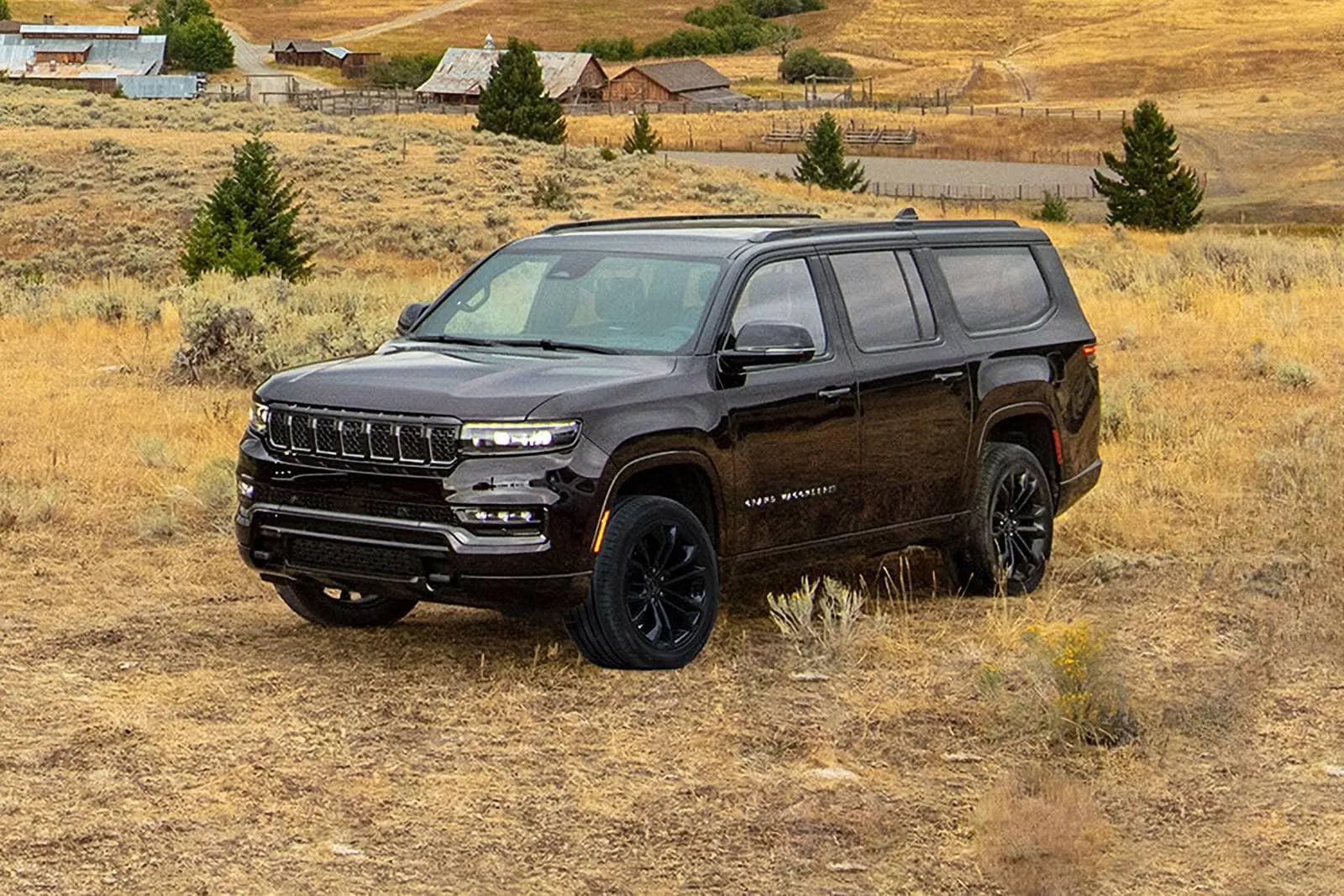
- Engine: 3.0L Hurricane twin turbo inline 6
- Horsepower: 510 hp
- Torque: 500 lb ft
- Length: Approximately 214.7 inches
- Width: Approximately 83.6 inches
4. Jeep Grand Wagoneer
The Jeep Grand Wagoneer reintroduced the Wagoneer nameplate as a premium American luxury SUV designed to compete with high-end European rivals.
With its massive size, upscale interior, and powerful V8 engine, the Grand Wagoneer targets buyers seeking luxury combined with rugged capability. However, ownership costs over a decade can become shockingly high due to fuel consumption, depreciation, maintenance, and insurance expenses.
Fuel economy is one of the biggest financial drawbacks associated with the Grand Wagoneer. Its large engine and heavy body result in significant gasoline consumption, particularly during urban driving. Families using the SUV for daily commuting, towing, or long-distance travel may spend enormous amounts on fuel over ten years. Rising fuel prices only intensify this burden over time.
Depreciation is another major issue. Large luxury SUVs often lose value rapidly because of high operating costs and changing consumer preferences. Buyers in the used market may hesitate to purchase aging luxury SUVs with uncertain long-term reliability and expensive maintenance requirements. As a result, resale values can decline sharply within just a few years of ownership.
Maintenance expenses continue to rise as the vehicle ages. The Grand Wagoneer includes sophisticated electronics, advanced driver assistance systems, premium suspension components, and luxury interior features that can become costly to repair outside warranty coverage. Tire replacements, brake service, and suspension work are particularly expensive due to the SUV’s large size and heavy weight.
Insurance costs also remain elevated. The Grand Wagoneer is expensive to repair after accidents because of its luxury features and large body structure. Advanced sensors, cameras, and premium materials increase repair complexity and parts pricing. Insurers account for these factors through higher annual premiums.
Although the Grand Wagoneer delivers impressive comfort, towing capability, and interior luxury, buyers should approach ownership with realistic financial expectations. Over a ten-year period, fuel costs, maintenance, repairs, depreciation, and insurance can combine to create total ownership expenses that dramatically exceed the original purchase price.
- Engine: 3.0L turbocharged V6 or 4.0L twin turbo V8
- Horsepower: 348 hp to 650 hp, depending on trim
- Torque: 368 lb ft to 626 lb ft
- Length: Approximately 194 inches
- Width: Approximately 78.1 inches
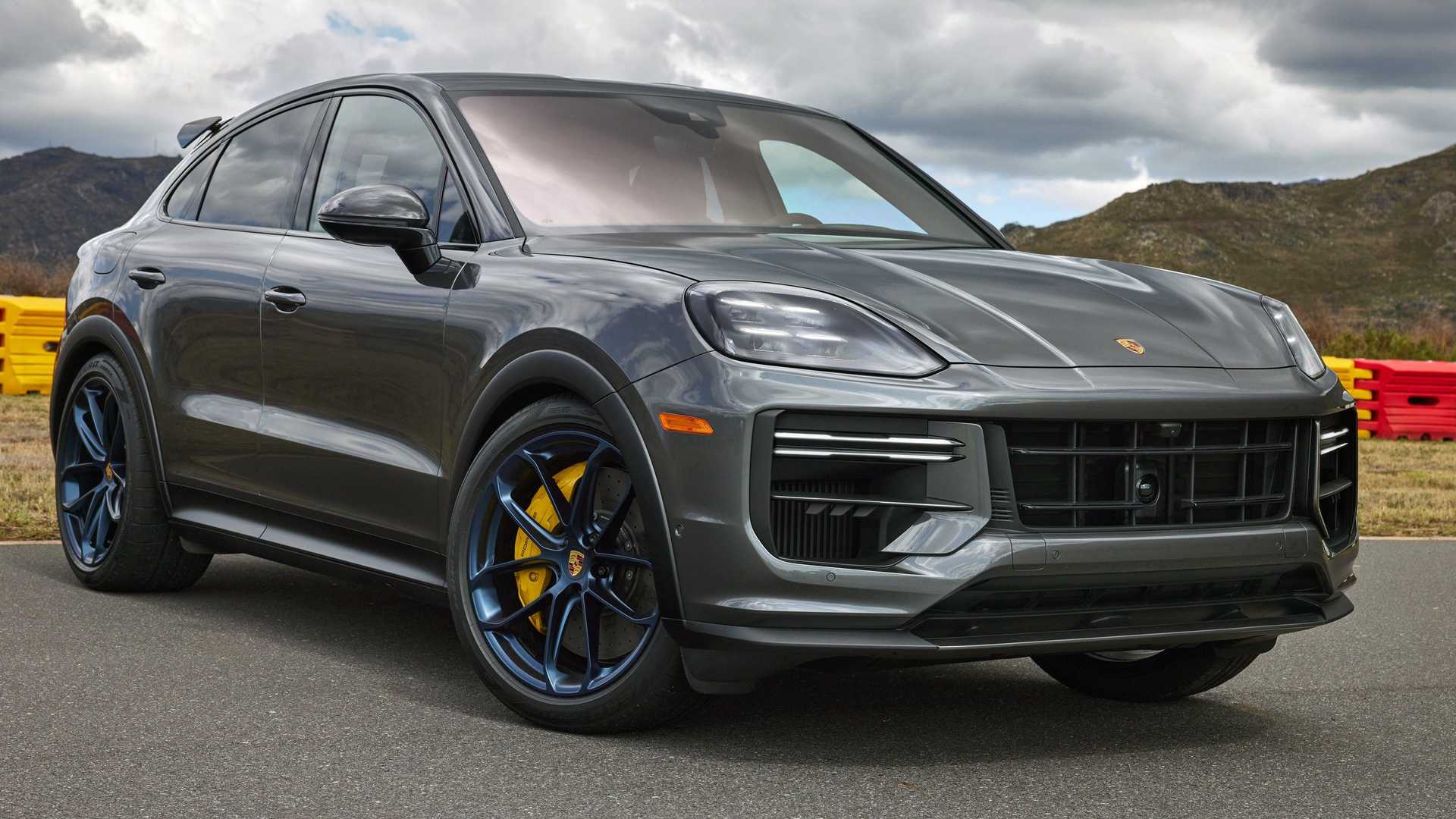
5. Porsche Cayenne
The Porsche Cayenne is widely praised for combining sports car performance with SUV practicality. It offers exceptional handling, powerful engines, and a luxurious interior that appeals to enthusiasts seeking both performance and utility. However, owning a Cayenne for ten years can become remarkably expensive due to maintenance demands, fuel costs, depreciation, and repair complexity.
Performance-oriented engineering contributes heavily to the Cayenne’s ownership expenses. High-performance brakes, large wheels, advanced suspension systems, and turbocharged engines require costly maintenance.
Tire replacements are particularly expensive because the vehicle uses large, high-performance tires that wear quickly under spirited driving conditions. Brake service costs also exceed those of mainstream SUVs due to premium components and specialized labor requirements.
Depreciation significantly affects total ownership costs. While Porsche vehicles generally retain value better than some luxury competitors, the Cayenne still experiences major value loss over time.
Older luxury performance SUVs often face declining demand because buyers fear expensive repairs and maintenance requirements. Owners may lose tens of thousands of dollars through depreciation alone within the first several years.
Fuel consumption can become another major long-term expense. Many Cayenne variants prioritize acceleration and performance rather than efficiency. Turbocharged V6 and V8 models consume substantial amounts of premium fuel, especially during aggressive driving or city commuting. Over ten years, fuel expenses can become a considerable financial burden.
Repair complexity also increases ownership costs. Advanced electronic systems, adaptive suspensions, and sophisticated drivetrain components require specialist servicing. Once warranty coverage ends, owners may face expensive repairs involving cooling systems, electronics, suspension components, or engine systems. Labor costs at luxury performance dealerships remain among the highest in the automotive industry.
Insurance premiums remain elevated because the Cayenne is both a luxury SUV and a high-performance vehicle. Repair costs after accidents are expensive due to premium materials and advanced technologies. Combined with depreciation, maintenance, fuel, and repairs, these factors can cause the total ten-year ownership cost of a Porsche Cayenne to reach double its original MSRP.
- Engine: 6.2L V8
- Horsepower: 420 hp
- Torque: 460 lb ft
- Length: Approximately 211.9 inches
- Width: Approximately 81.1 inches
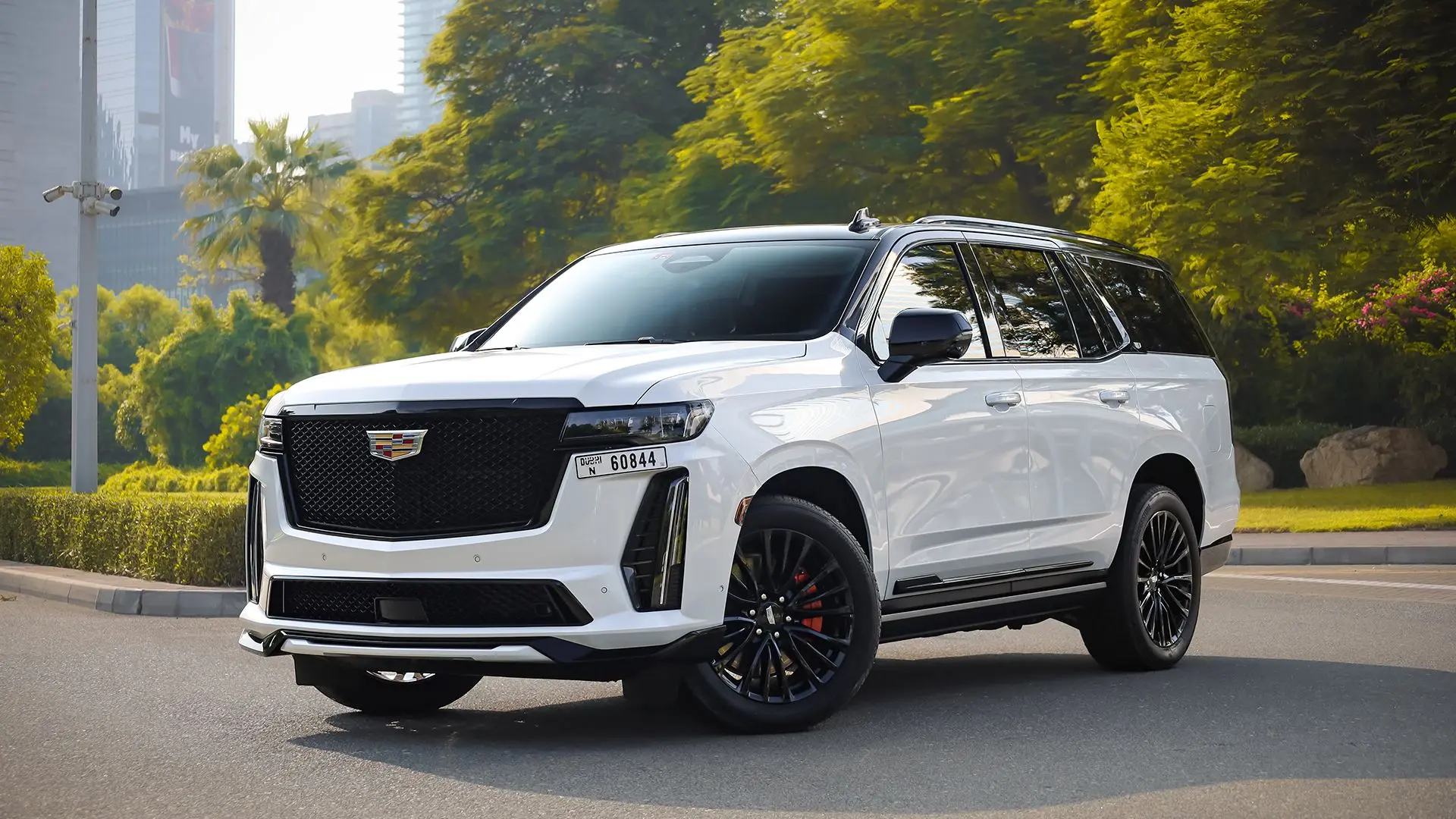
6. Cadillac Escalade
The Cadillac Escalade has become one of the most recognizable full-size luxury SUVs in North America. Known for its bold styling, spacious cabin, and powerful performance, the Escalade attracts buyers seeking status, comfort, and utility. However, long-term ownership costs can become far higher than expected, particularly over a ten-year ownership cycle.
Fuel expenses represent one of the largest ongoing costs associated with the Escalade. Its large V8 engines and heavy body structure result in considerable fuel consumption. Drivers who regularly commute, tow trailers, or travel long distances may spend enormous amounts on gasoline over the years. Fuel costs alone can add up to tens of thousands of dollars during a decade of ownership.
Depreciation also significantly impacts ownership expenses. Luxury SUVs lose value rapidly, especially as newer generations introduce updated technology and improved efficiency. While the Escalade maintains strong brand recognition, older models can still experience substantial value decline over time. Owners who financed the vehicle may find depreciation particularly painful.
Maintenance and repair costs rise steadily as the vehicle ages. Large SUVs place heavy demands on brakes, tires, suspension systems, and driveline components. The Escalade’s luxury features and advanced electronics add further repair complexity. Air suspension systems, infotainment components, and driver assistance technologies can require expensive repairs once warranty coverage expires.
Insurance premiums remain relatively high because the Escalade is costly to repair after accidents. Luxury body panels, advanced safety systems, and expensive replacement parts increase repair expenses. Theft concerns in certain markets also contribute to elevated insurance rates for the Escalade.
Despite these financial realities, the Escalade remains highly desirable because of its spaciousness, towing capability, and luxury image. Buyers who value comfort and road presence may accept the high ownership costs. However, prospective owners should understand that the total financial commitment over ten years can realistically double the original purchase price once all expenses are included.
- Engine: 3.0L turbocharged V6 or 4.0L twin turbo V8
- Horsepower: 335 hp to 591 hp
- Torque: 369 lb ft to 590 lb ft
- Length: Approximately 196.6 inches
- Width: Approximately 78.8 inches
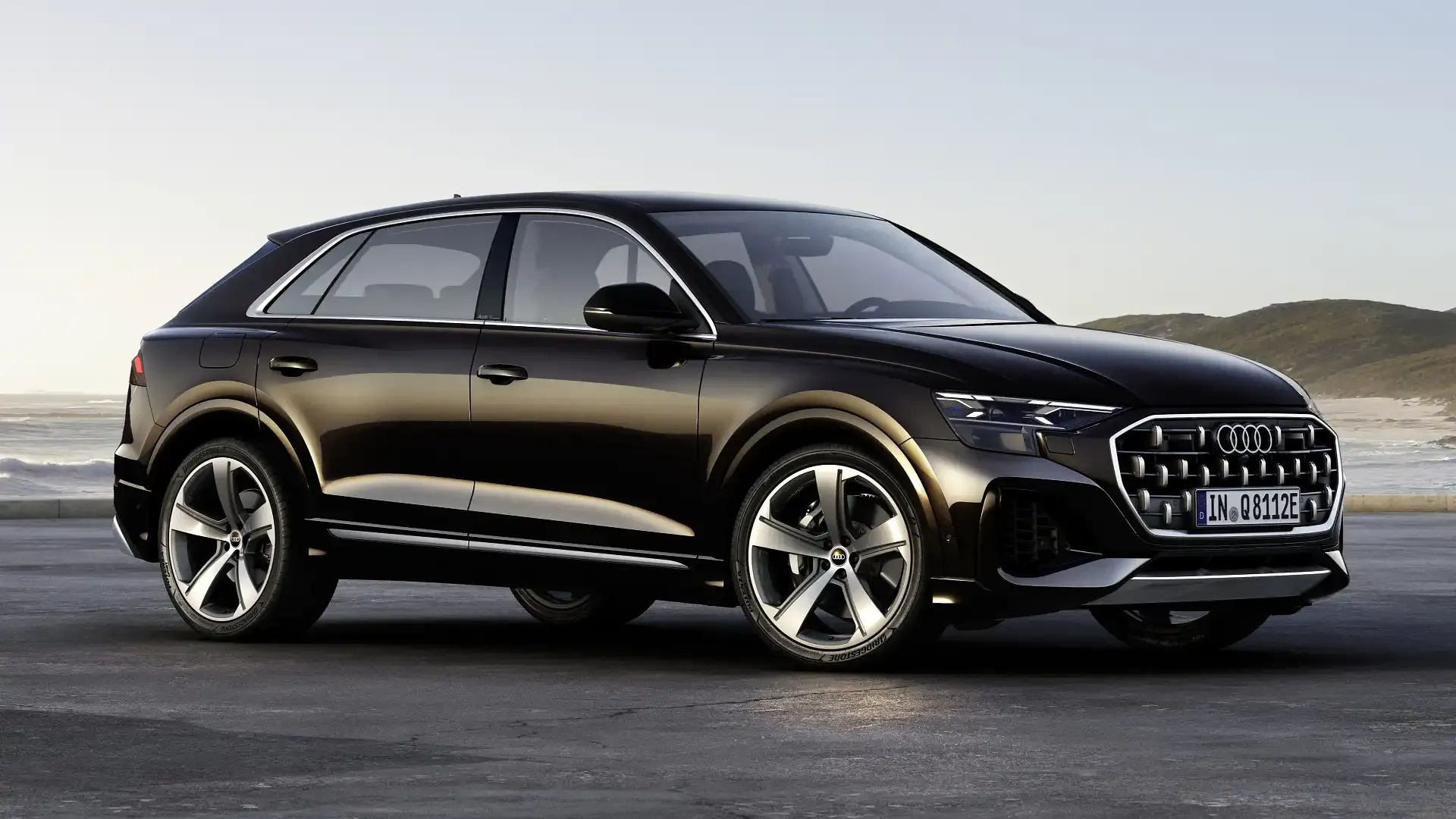
7. Audi Q8
The Audi Q8 delivers sleek styling, advanced technology, and sporty performance in a premium midsize SUV package. Its coupe-inspired design and luxurious interior appeal to buyers seeking sophistication and performance. Yet beneath its stylish appearance lies a long-term ownership profile that can become surprisingly expensive.
Depreciation affects the Audi Q8 heavily during the first several years. Luxury SUVs with expensive technology packages tend to lose value rapidly as newer models arrive with updated features and improved systems. Buyers in the used market may hesitate to purchase aging German luxury vehicles due to concerns about repair costs, reducing resale demand, and accelerating depreciation.
Maintenance costs steadily increase with age. Turbocharged engines, adaptive suspension systems, sophisticated infotainment technology, and advanced driver assistance systems all require specialized servicing. Even routine maintenance costs more than mainstream SUVs because of premium parts and labor rates. Owners may face expensive repairs involving suspension systems, electronics, cooling components, or drivetrain parts once the factory warranty ends.
Fuel costs also contribute significantly to total ownership expenses. Although the Q8 offers better efficiency than some larger luxury SUVs, premium fuel requirements and performance-oriented engines still create substantial long-term fuel spending. Drivers who frequently travel in urban traffic may see disappointing real-world fuel economy.
Insurance costs remain elevated due to expensive repair requirements. Modern luxury SUVs contain numerous sensors, cameras, and electronic systems integrated throughout the body structure. Minor collisions can result in surprisingly high repair bills because damaged sensors and electronics often require recalibration or replacement.
The Audi Q8 delivers an excellent combination of luxury, technology, and driving enjoyment. However, buyers considering long-term ownership should recognize that depreciation, maintenance, repairs, insurance, and fuel costs can collectively push total ownership expenses close to double the original MSRP over ten years.
- Engine: 3.5L twin turbo V6
- Horsepower: 450 hp
- Torque: 516 lb ft
- Length: Approximately 211.2 inches
- Width: Approximately 83.3 inches
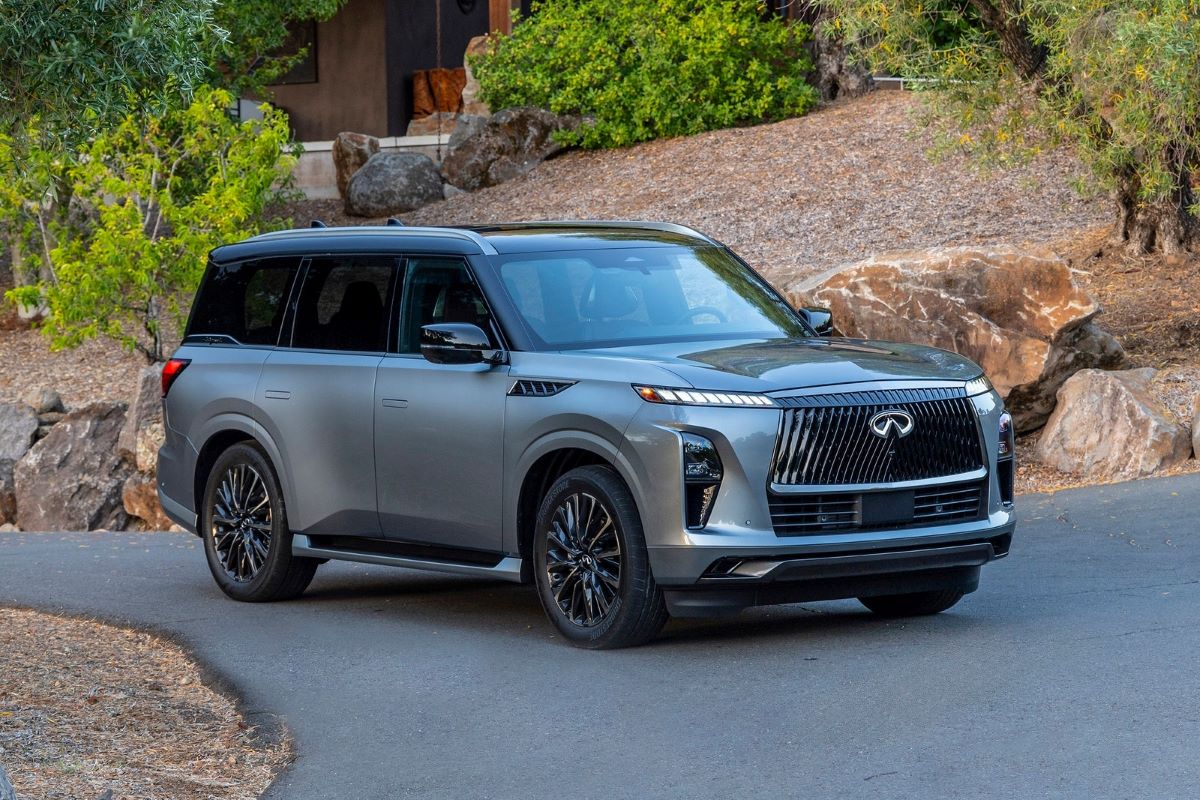
8. Infiniti QX80
The Infiniti QX80 offers a spacious cabin, strong towing capability, and traditional body-on-frame durability. It appeals to buyers seeking a large luxury SUV with a commanding presence and reliable V8 performance. However, long-term ownership costs can still become significantly higher than expected.
Fuel consumption is one of the largest expenses associated with the QX80. Its naturally aspirated V8 engine prioritizes power and towing strength over efficiency. Owners who use the SUV for daily commuting or family road trips may spend substantial amounts on gasoline over ten years. Rising fuel prices can further increase the long-term financial burden.
Depreciation also plays a major role in ownership costs. Although the QX80 has a reputation for durability, large luxury SUVs generally lose value rapidly over time. Newer competitors with updated technology and improved efficiency can weaken resale demand for older QX80 models, leading to steep depreciation losses.
Maintenance costs increase steadily as the vehicle ages. Large tires, heavy braking systems, suspension components, and luxury features require expensive servicing. While the QX80 may avoid some of the severe reliability issues associated with European luxury SUVs, repair bills can still become substantial over long-term ownership.
Insurance expenses remain elevated because of the vehicle’s size and repair costs. Full-size luxury SUVs are expensive to repair after accidents due to their large body structures and advanced electronics. Owners in urban regions may face particularly high insurance premiums.
The Infiniti QX80 delivers comfort, space, and durability that many buyers appreciate. However, prospective owners should understand that fuel, maintenance, depreciation, and insurance costs can combine to create ownership expenses far exceeding initial expectations over a decade.
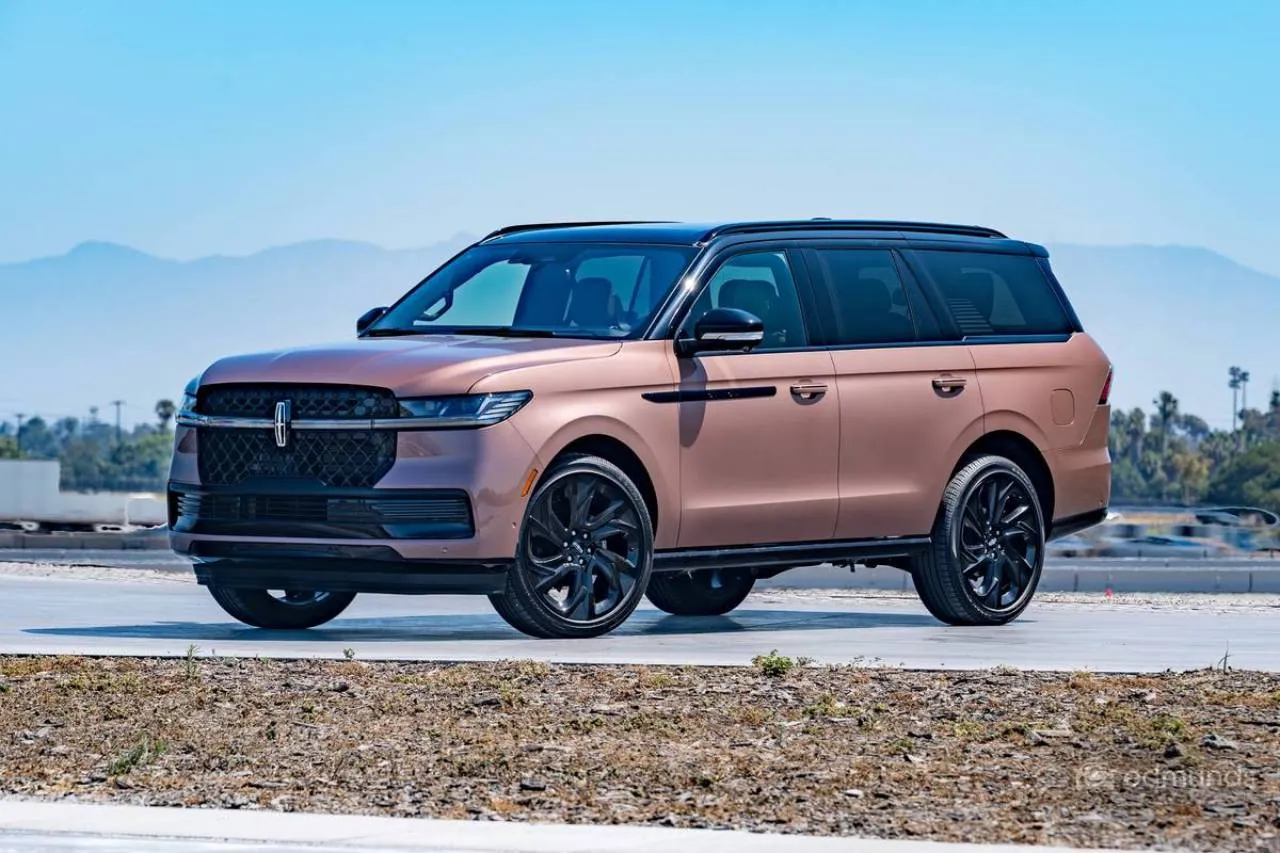
- Engine: 3.5-liter twin-turbocharged V6
- Horsepower: 450 hp
- Torque: 516 lb ft
- Length: 211.2 inches
- Width: 92.5 inches
9. Lincoln Navigator
The Lincoln Navigator combines American luxury, spaciousness, and strong towing capability in a premium full-size SUV package. It offers a refined interior, smooth ride quality, and advanced technology features that appeal to families and luxury buyers alike. Yet long-term ownership costs can become exceptionally high over a ten-year period.
Fuel expenses remain one of the Navigator’s largest ownership burdens. Its twin turbocharged engine delivers strong performance but consumes significant amounts of fuel, especially in city driving or towing situations. Large luxury SUVs inherently require more fuel than smaller vehicles, and these costs accumulate rapidly over long-term ownership.
Depreciation also contributes heavily to total ownership expenses. Luxury SUVs lose value quickly as newer generations introduce updated technology and improved efficiency. Buyers in the used market often avoid aging luxury SUVs due to concerns about maintenance and repair costs, weakening resale values further.
Maintenance and repairs become increasingly expensive as the Navigator ages. Advanced infotainment systems, turbocharged engines, electronic driver assistance systems, and adaptive suspension components all require specialized servicing. Large tires, brakes, and suspension parts add additional expense because of the vehicle’s size and weight.
Insurance premiums remain high because the Navigator is expensive to repair after accidents. Luxury features, advanced electronics, and large body panels contribute to costly repairs and elevated claims. Owners may also face higher registration fees and taxes depending on local regulations.
The Lincoln Navigator offers impressive luxury and practicality, making it highly appealing for large families and long-distance travel. However, buyers planning long-term ownership should prepare for significant expenses beyond the purchase price. Fuel, depreciation, maintenance, insurance, and repair costs can collectively double the original sticker price over ten years.
