
Hyundai has established itself as one of the most influential automobile manufacturers in the global SUV market, offering a wide range of vehicles that cater to different budgets, driving needs, and regional preferences.
From compact urban crossovers to full-size luxury SUVs and even futuristic hydrogen-powered models, Hyundai has built a diverse SUV lineup that appeals to both practical buyers and technology enthusiasts.
In markets like India, the United States, Europe, and South Korea, Hyundai SUVs have become synonymous with reliability, modern design language, feature-rich cabins, and competitive pricing, making them a strong rival to brands such as Toyota, Kia, Honda, and Mazda.
Over the years, Hyundai has refined its SUV strategy by introducing models that target specific segments, such as entry-level compact SUVs for first-time buyers, mid-size family SUVs for comfort-oriented users, and premium three-row SUVs for larger families who prioritize space and long-distance travel capability.
The evolution of Hyundai SUVs reflects the company’s broader design and engineering philosophy known as Sensuous Sportiness, which emphasizes bold styling, aerodynamic efficiency, and advanced technology integration.
Modern Hyundai SUVs are equipped with digital instrument clusters, large infotainment systems, advanced driver assistance systems, and multiple powertrain options, including petrol, diesel, hybrid, electric, and hydrogen fuel cell technology. This variety allows Hyundai to compete in nearly every SUV category worldwide.
At the same time, consumer expectations have increased significantly, with buyers now looking for strong safety ratings, fuel efficiency, connected car technology, and premium interior experiences even in budget segments. Hyundai has responded to these demands by continuously updating its SUV lineup with facelifts, generational upgrades, and new model introductions.
In this detailed ranking, we will evaluate nine Hyundai SUVs from worst to best based on a combination of factors, including performance, practicality, comfort, technology, global relevance, and value proposition. It is important to note that the term worst here does not imply poor quality.
Even the lowest-ranked Hyundai SUV in this list remains competitive in its category and offers strong value compared to many rivals. Instead, the ranking reflects how each model stands relative to others in Hyundai’s own SUV family. Smaller entry-level SUVs tend to rank lower due to limitations in space, power, and premium features, while larger and more advanced models rank higher due to superior engineering, comfort, and technological innovation.
We will also consider how each SUV fits into modern automotive trends such as electrification, safety advancements, and global market adaptability. For example, electric and hydrogen-powered SUVs represent the future direction of the automotive industry and therefore carry significant weight in the ranking.
Vehicles designed for global markets with higher build quality and advanced platforms tend to score higher than region-specific entry-level models. By the end of this article, readers will have a clear understanding of Hyundai’s SUV hierarchy and how each model contributes to the brand’s dominance in the global SUV segment.
Also Read: 10 Cars With Insurance Premiums Lower Than a Compact Sedan
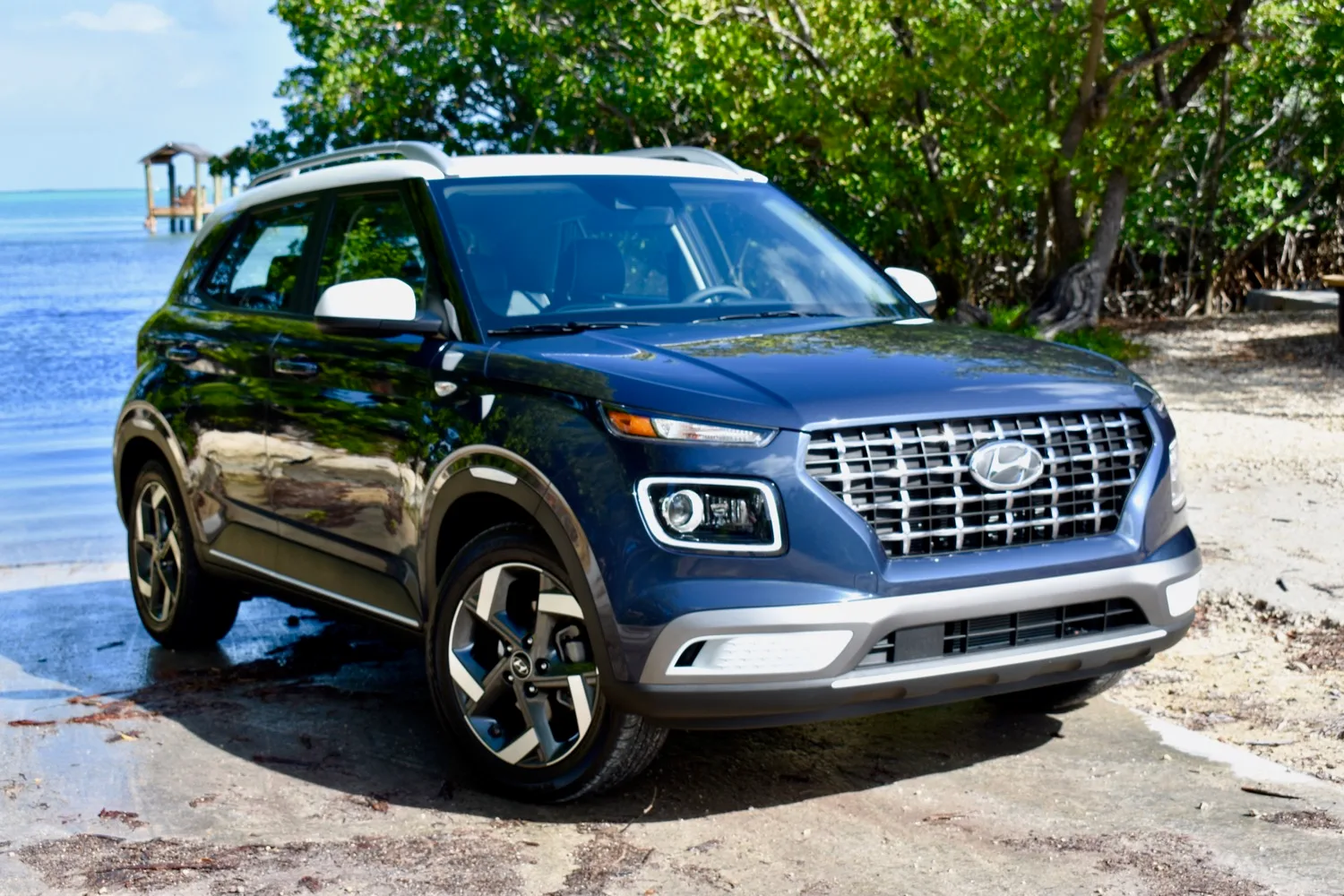
9. Hyundai Venue
The Hyundai Venue sits at the entry point of Hyundai’s SUV lineup and is primarily designed as a compact urban crossover for first-time SUV buyers. Its compact dimensions make it extremely easy to drive in crowded city environments, especially in regions with narrow roads and heavy traffic.
The Venue offers a practical balance between affordability and features, which makes it one of the most accessible SUVs in Hyundai’s global portfolio. However, its position at the bottom of this ranking is mainly due to its limited space, modest engine performance, and less premium road presence compared to larger Hyundai SUVs.
From a design perspective, the Venue carries a youthful and modern appearance, but it lacks the aggressive stance and road dominance seen in higher-ranked models like the Creta or Tucson. The front grille design is bold for its segment, and the lighting elements are stylish, but the proportions remain compact and functional rather than premium.
Inside the cabin, Hyundai has done a commendable job of including features such as touchscreen infotainment, smartphone connectivity, and connected car technology, but the material quality and cabin space reflect its entry-level positioning.
Performance-wise, the Venue is typically offered with small displacement petrol and diesel engines that prioritize fuel efficiency over raw power. This makes it suitable for daily commuting but less ideal for highway cruising with a full passenger load.
The suspension setup is tuned for comfort in city conditions, but high-speed stability is not its strongest attribute. This is expected in its segment, but it still places the Venue lower in a lineup that includes more powerful and refined SUVs.
In terms of safety and technology, the Venue offers essential features such as multiple airbags, ABS, electronic stability control, and basic driver assistance features, depending on the variant.
However, compared to global Hyundai SUVs, it lacks advanced semi-autonomous driving capabilities and premium safety systems. This again reflects its budget-friendly positioning rather than any engineering weakness.
The Hyundai Venue is a strong entry-level SUV that delivers excellent value for money, especially for urban drivers and first-time buyers. However, when ranked against the broader Hyundai SUV family, it naturally falls to the bottom due to its limited size, modest performance, and basic premium appeal compared to larger and more advanced models.
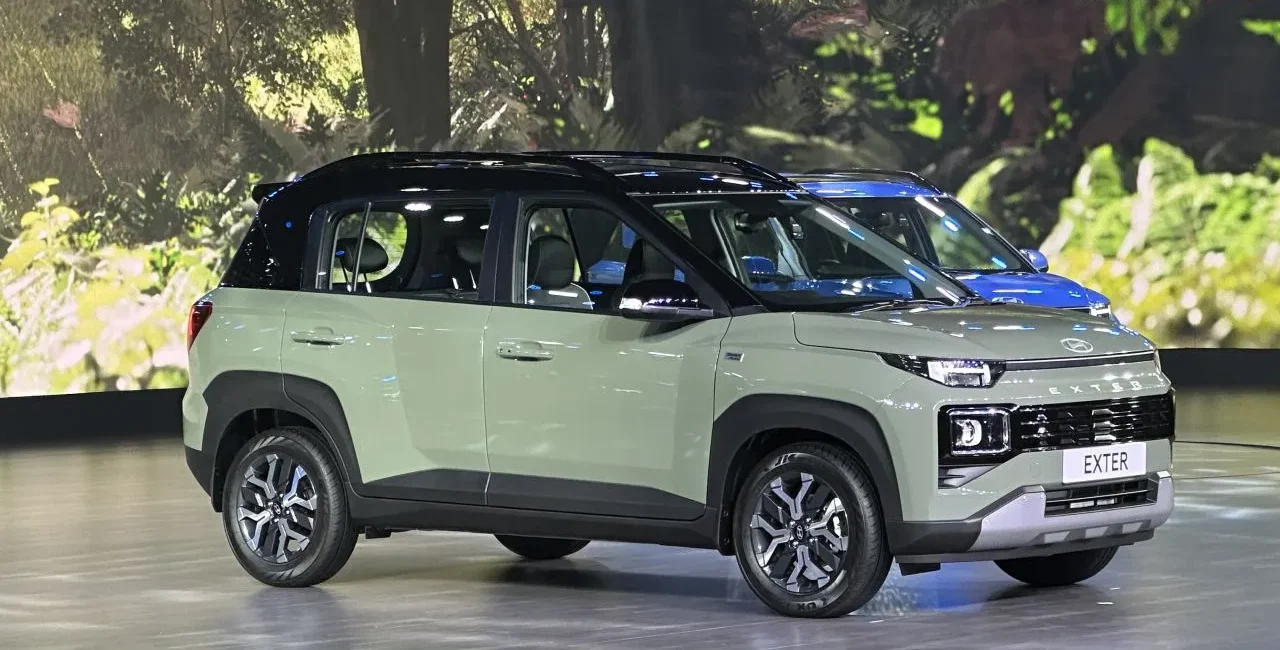
8. Hyundai Exter
The Hyundai Exter is a relatively new addition to Hyundai’s SUV lineup and is positioned slightly above the Venue in terms of design character and feature packaging. It is designed as a micro SUV that targets young buyers looking for an affordable yet stylish urban vehicle.
While it improves upon the Venue in some areas, such as interior design and safety features, it still remains in the entry-level category, which limits its ranking in the Hyundai SUV hierarchy.
The exterior design of the Exter is boxy and rugged, inspired by larger off-road-oriented SUVs. This gives it a more adventurous appearance compared to the softer design of the Venue. The H-shaped LED lighting signature and upright stance help it stand out in the micro SUV segment. However, despite its bold design language, the Exter remains a small vehicle with limited cabin space and compact proportions that restrict long-distance comfort for larger families.
Inside the cabin, the Exter offers a modern dashboard layout with digital displays and improved connectivity features. Hyundai has made an effort to include segment-leading features such as voice-enabled controls, connected car technology, and multiple safety features.
In fact, the Exter performs relatively well in safety expectations for its category, offering a stronger package than many competitors. However, the cabin materials and seating comfort still reflect its budget-oriented nature.
On the performance front, the Exter is powered by small petrol engines that are optimized for fuel efficiency and city driving. While the engine is adequate for everyday use, it does not provide strong acceleration or high-speed refinement. The driving dynamics are tuned for comfort and ease of use, making it suitable for urban environments but less capable on highways or challenging terrains.
The Hyundai Exter is a well-packaged micro SUV that brings modern styling and good feature content to an affordable segment. However, its small size, limited power, and entry-level positioning place it near the bottom of Hyundai’s SUV lineup when compared to more capable and refined models.
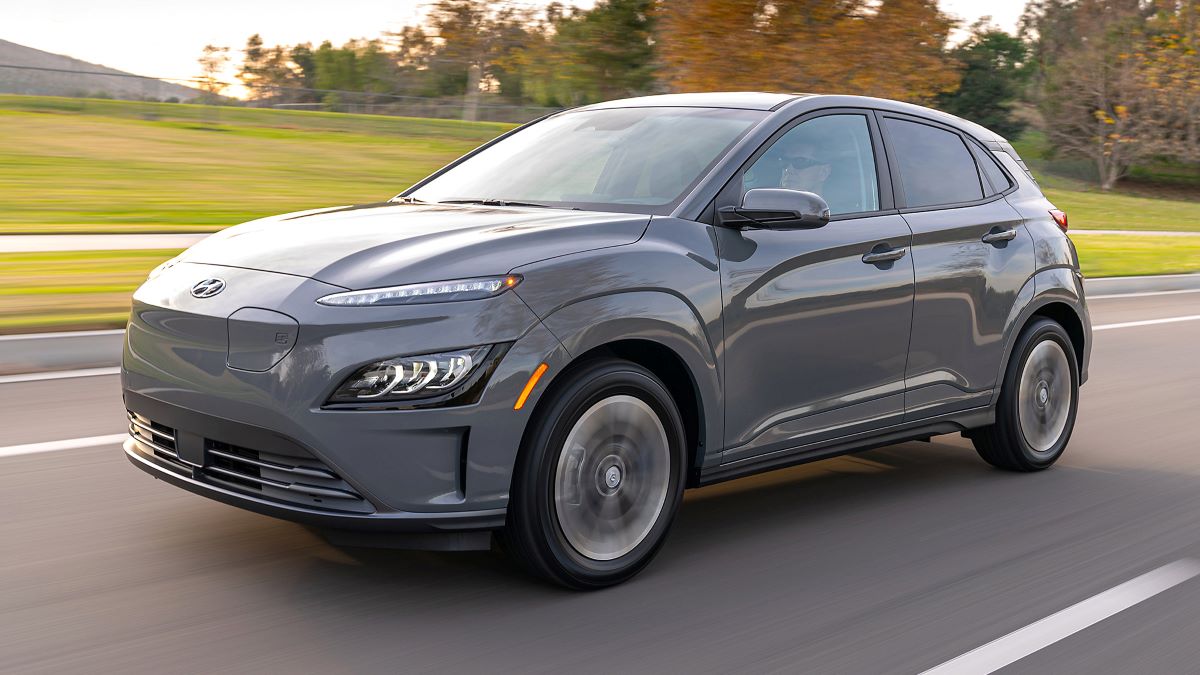
7. Hyundai Kona Electric
The Hyundai Kona Electric represents Hyundai’s early step into the fully electric SUV segment and holds a unique position in the lineup. Unlike conventional SUVs, the Kona Electric focuses entirely on electric mobility, offering zero-emission driving and instant torque performance. While it is technologically advanced, its compact size and limited global availability prevent it from ranking higher in Hyundai’s broader SUV family.
Design-wise, the Kona Electric features a futuristic appearance with a closed front grille, aerodynamic body panels, and distinctive lighting elements. It stands out significantly from traditional SUVs due to its EV-specific styling cues. However, its compact footprint places it in a smaller category compared to mid-size and large Hyundai SUVs, limiting its practicality for larger families or long-distance travel comfort.
Inside the cabin, the Kona Electric offers a clean and modern layout with digital instrumentation and touchscreen-based controls. The focus is on efficiency and minimalism rather than luxury.
The seats are comfortable for a small SUV, but rear seat space is somewhat limited compared to larger Hyundai models. Despite this, the vehicle provides a smooth and quiet driving experience that is characteristic of electric mobility.
Performance is one of the strongest aspects of the Kona Electric. The instant torque delivery makes it quick and responsive in city driving conditions, and the electric powertrain ensures a smooth and refined ride.
The driving range varies depending on battery configuration and driving conditions, but it is generally suitable for daily commuting and moderate distance travel. However, charging infrastructure dependency and range anxiety still affect its practicality in certain regions.
The Hyundai Kona Electric is an important step in Hyundai’s electrification journey. It offers strong performance and advanced technology, but remains limited by its size and segment positioning. This places it mid to lower in the ranking despite its innovative powertrain.
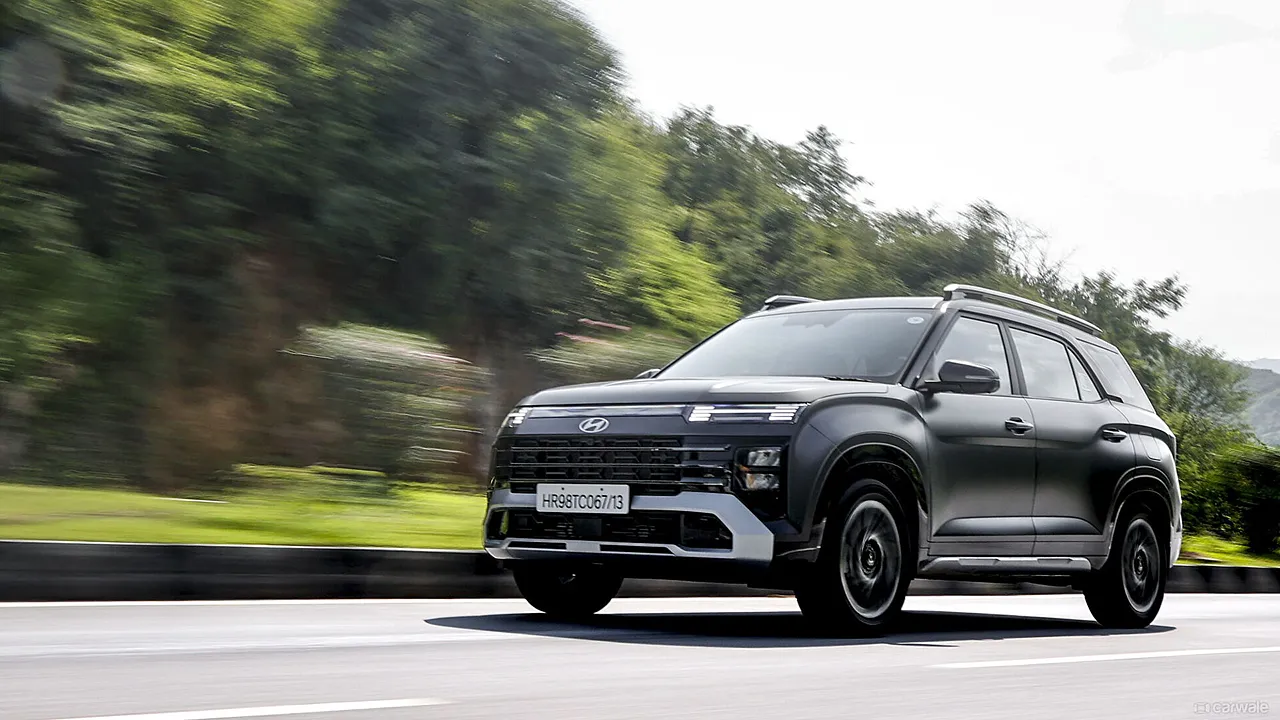
6. Hyundai Alcazar
The Hyundai Alcazar is a three-row SUV designed for families who need more space than the Creta but do not want to move into full-size SUV territory. It is based on the Creta platform but extended to accommodate an additional row of seating, making it a practical option for larger households.
Its position in the ranking reflects its balance between affordability, comfort, and functionality, though it still has limitations compared to more premium SUVs.
The exterior design of the Alcazar is slightly more premium than the Creta, with a redesigned front grille, longer body proportions, and enhanced road presence. The SUV looks more substantial and family-oriented, which aligns with its purpose. However, its underlying platform is still shared with a compact SUV, which limits its refinement compared to higher segment models.
Inside, the Alcazar offers a spacious cabin with flexible seating configurations. The second row is comfortable, especially in captain seat variants, and the third row is suitable for children or short trips. The infotainment system, digital displays, and connected features are in line with modern expectations. However, when all seats are occupied, luggage space becomes limited, which is a common trade-off in this segment.
Performance is adequate for family usage, with petrol and diesel engine options providing balanced efficiency and power. The driving experience is smooth in city conditions and stable on highways, but it does not offer the performance refinement of larger SUVs like the Tucson or Santa Fe. The suspension is tuned for comfort, which makes long journeys pleasant for passengers.
The Hyundai Alcazar is a practical family SUV that successfully bridges the gap between compact and full-size SUVs. Its limitations in platform sophistication and third row comfort place it in the middle of the ranking, despite its strong practicality.
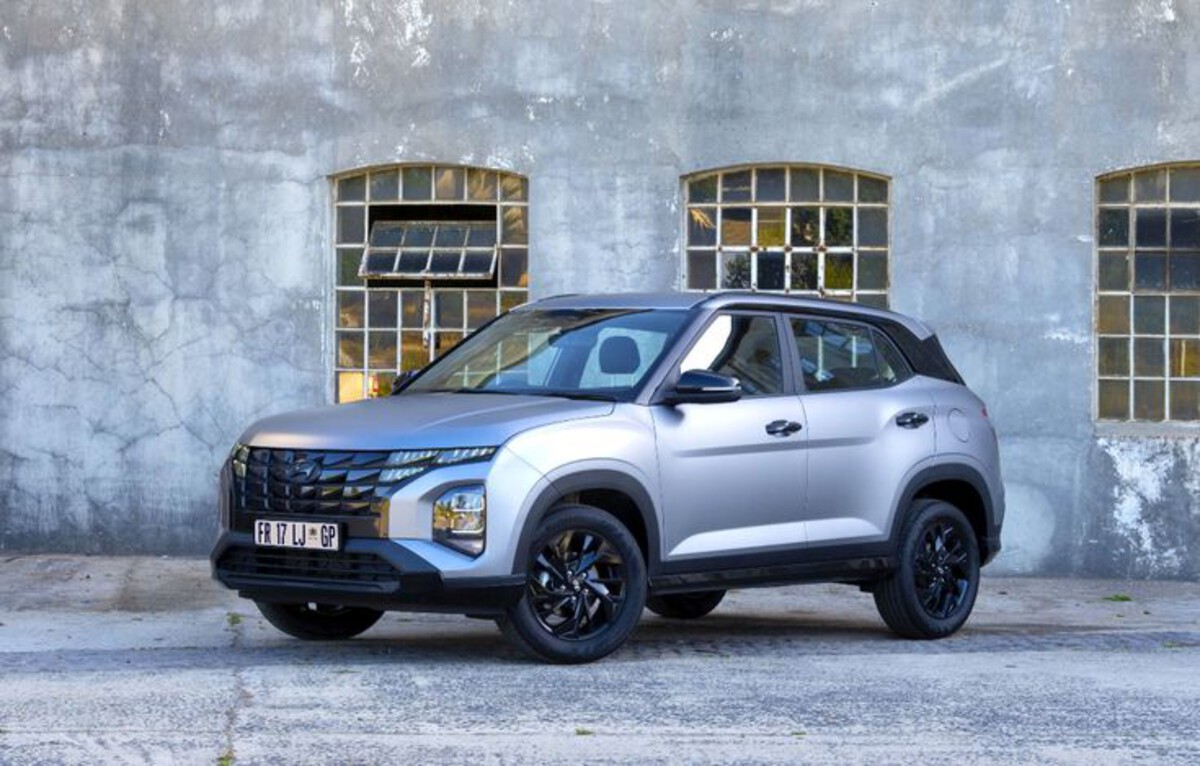
5. Hyundai Creta
The Hyundai Creta is one of Hyundai’s most popular SUVs globally and has played a major role in establishing the brand’s dominance in the compact SUV segment. It offers a strong combination of style, features, and practicality, making it a best seller in multiple markets. Despite its popularity, it ranks mid-way in this list because it belongs to the compact SUV category.
The Creta’s design is bold and modern, featuring Hyundai’s signature grille, split headlamp design, and strong road presence. It has evolved significantly over generations, becoming more premium and feature-rich. However, it still retains compact SUV proportions, which limit its space compared to larger Hyundai models.
Inside the cabin, the Creta offers one of the most feature-rich interiors in its segment. It includes a large touchscreen infotainment system, digital instrument cluster, panoramic sunroof in higher variants, and advanced connectivity features. The cabin quality is impressive for its price range, offering a near-premium feel in some trims.
Performance-wise, the Creta offers multiple engine options, including petrol and diesel variants that cater to different driving preferences. The ride quality is well-balanced, making it suitable for both city and highway driving. However, it is still designed for efficiency and comfort rather than high performance.
The Hyundai Creta remains a benchmark in the compact SUV segment, but its classification prevents it from ranking higher in a lineup that includes larger and more advanced SUVs.
Also Read: 10 Cars That Survive Being Used as Daily Uber Vehicles
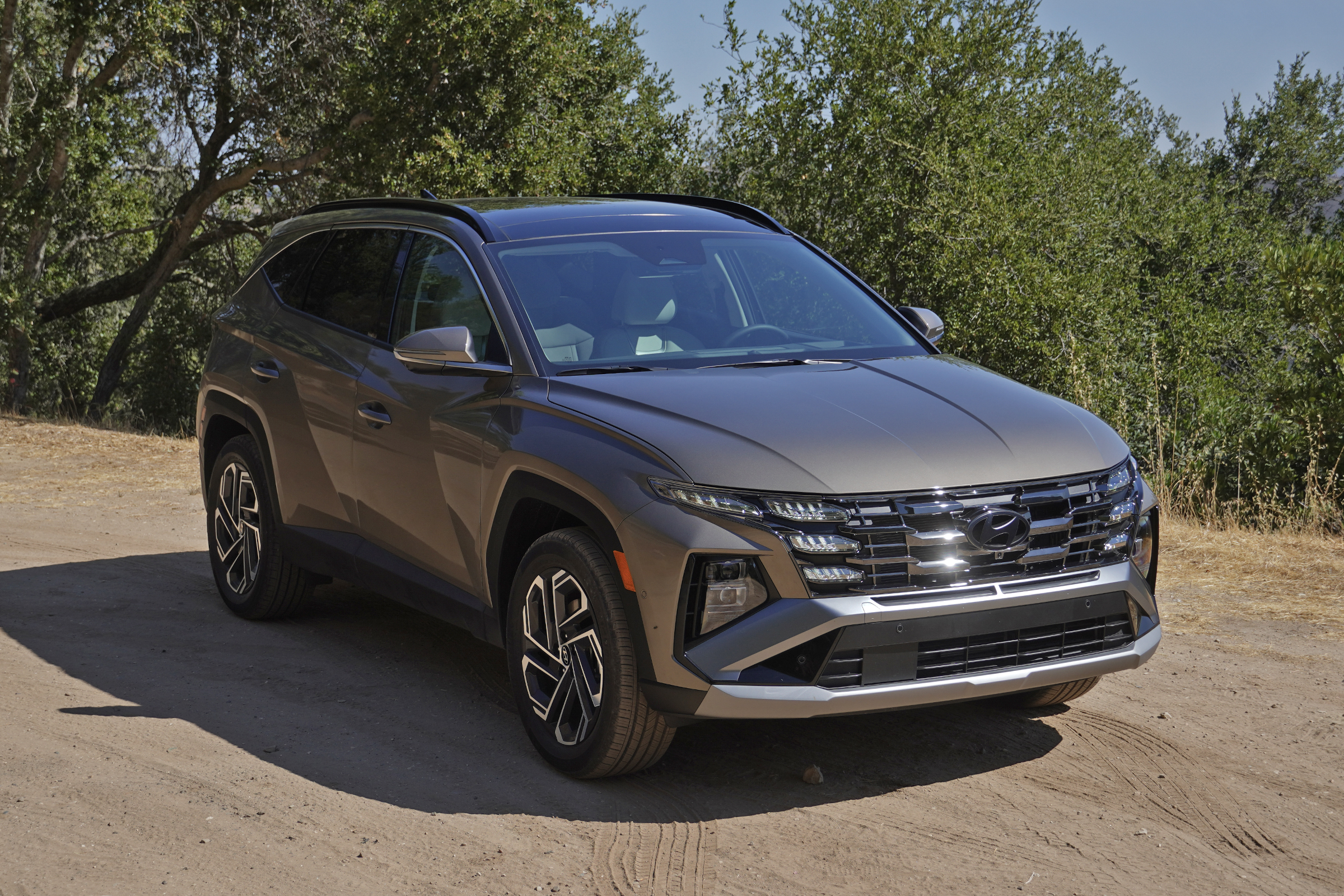
4. Hyundai Tucson
The Hyundai Tucson is a mid-size SUV that represents a significant step up in terms of design, technology, and refinement compared to compact SUVs. It is globally recognized and offers a more premium driving experience, which earns it a higher position in this ranking.
The exterior design of the Tucson is futuristic and bold, with sharp lines, a parametric grille design, and integrated lighting elements. It has a strong road presence and looks more upscale than smaller Hyundai SUVs. The design language reflects Hyundai’s modern design philosophy at a higher level of sophistication.
Inside, the Tucson offers a premium cabin with high-quality materials, advanced digital interfaces, and spacious seating. The infotainment system and digital cluster are seamlessly integrated, creating a modern cockpit experience. Passenger comfort is excellent, especially in the rear seats.
Performance is strong and refined, with engine options that deliver smooth acceleration and confident highway cruising ability. The suspension is tuned for comfort and stability, making it suitable for long-distance travel. Advanced driver assistance features further enhance safety and convenience.
The Hyundai Tucson is a well-rounded mid-size SUV that offers a strong balance of luxury, performance, and technology, placing it near the top of the ranking.
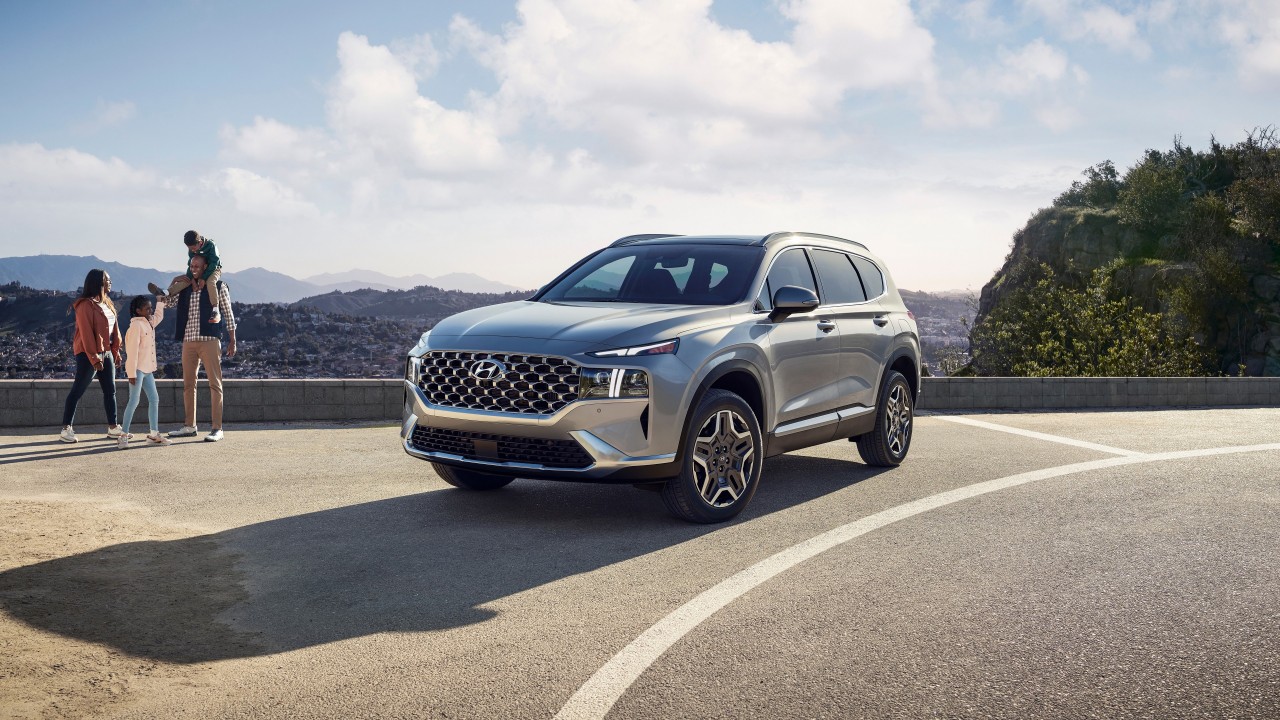
3. Hyundai Santa Fe
The Hyundai Santa Fe is a premium mid-size to large SUV that has built a strong global reputation for comfort, safety, and family-oriented design. It offers significantly more space and refinement than the Tucson, which helps it secure a top-three position.
The design of the Santa Fe is bold and boxy, emphasizing road presence and practicality. It is designed for families who need maximum interior space and comfort for long journeys. The exterior styling reflects a more mature and premium SUV identity.
Inside, the Santa Fe offers a luxurious cabin with high-quality materials, spacious seating across three rows, and advanced technology features. Comfort is a key focus, and the SUV excels in long-distance travel scenarios.
Performance is smooth and stable, with engine options designed to balance power and efficiency. The driving experience is composed, making it suitable for highways and family road trips. Safety features are comprehensive, contributing to its strong reputation.
The Santa Fe is a premium family SUV that offers excellent comfort and practicality, placing it high in Hyundai’s SUV lineup.
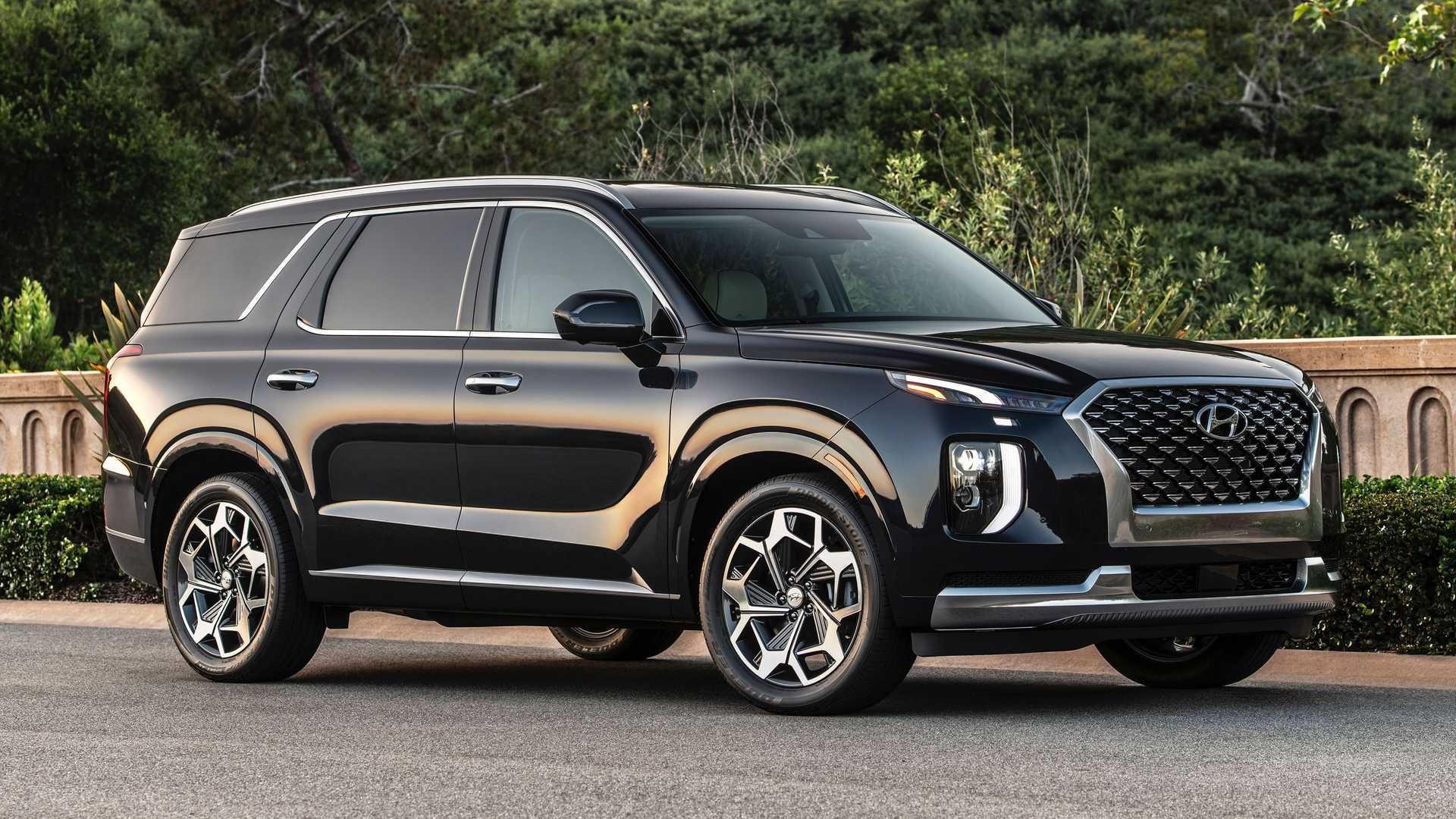
2. Hyundai Palisade
The Hyundai Palisade is one of Hyundai’s largest and most luxurious SUVs, offering a full-size three-row configuration designed for premium family travel. It is widely regarded as one of Hyundai’s flagship SUVs in global markets.
Its exterior design is bold and upscale, with a commanding presence that reflects its size and premium positioning. The SUV is designed to compete with luxury-oriented family SUVs and delivers a strong visual impact.
Inside, the Palisade offers a near-luxury experience with spacious seating, premium materials, and advanced comfort features. All three rows are designed for adult comfort, making it ideal for large families.
Performance is smooth and powerful, with engines that provide confident acceleration and highway stability. The ride quality is exceptionally comfortable, making it one of the best long-distance travel SUVs in Hyundai’s lineup.
The Palisade ranks second due to its size, luxury, and global appeal, only falling short of the most technologically advanced model.
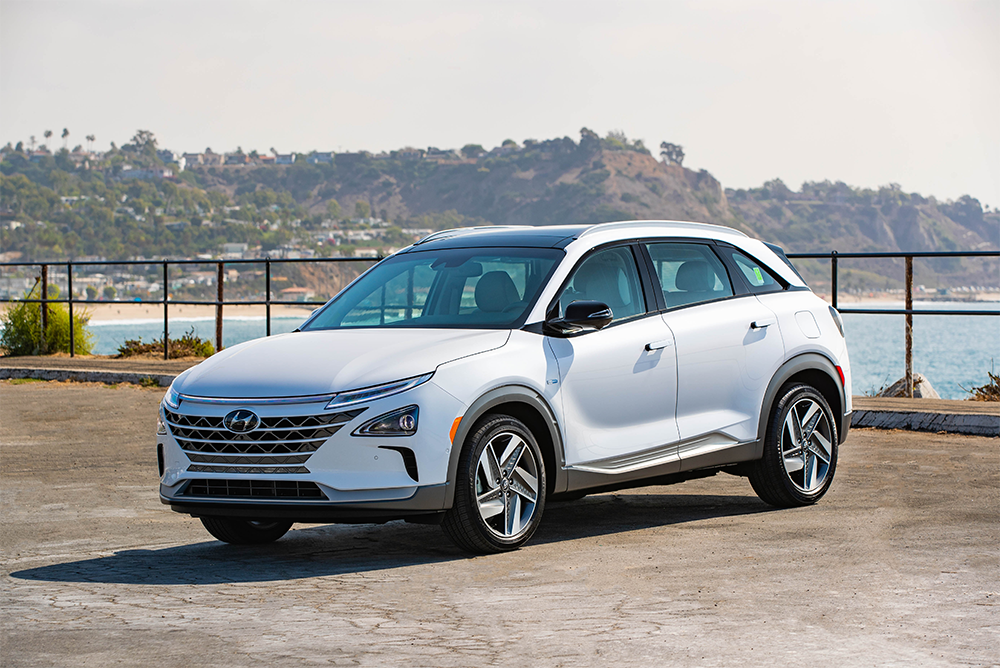
1. Hyundai Nexo
The Hyundai Nexo stands at the top of this ranking due to its groundbreaking hydrogen fuel cell technology, making it one of the most innovative SUVs in the world. It represents the future of sustainable mobility and positions Hyundai as a leader in alternative fuel technology.
The design of the Nexo is futuristic and aerodynamic, optimized for efficiency rather than traditional SUV styling. It stands out as a technology-focused vehicle rather than a conventional SUV.
Inside, the Nexo offers a modern and eco-focused cabin with advanced digital displays and smart features. The interior emphasizes sustainability and innovation.
Performance is unique due to its hydrogen fuel cell system, which produces electricity to power the electric motor. It offers smooth driving, quick refueling compared to battery EVs, and zero tailpipe emissions.
The Hyundai Nexo earns the top spot because it represents the pinnacle of Hyundai’s technological innovation and future-oriented SUV strategy, even though it is not as widely available as other models.
