
The electric vehicle revolution has moved well past the novelty stage. Millions of buyers are now asking a sharper, more practical question: which EV actually costs the least to own over five years? The sticker price is just the beginning of the story.
True cost of ownership means adding up depreciation, fuel (electricity), insurance premiums, maintenance, repairs, financing interest, and state registration fees every dollar that leaves your pocket from the day you drive off the lot to the day you hand over the keys.
The results are often surprising. A cheap EV on paper can quietly bleed money through rapid depreciation or high insurance rates. A pricier model can sometimes win on total cost if it holds its value well and stays off the service schedule.
Data from sources like Kelley Blue Book, Edmunds, and Vincentric make one thing clear: roughly half of today’s EVs are genuinely cheaper to own over five years than a comparable gas vehicle. The other half carry hidden costs that buyers frequently overlook.
This ranked guide cuts through the marketing noise. Each vehicle is assessed on all cost pillars not just its battery range or horsepower. Specs, real depreciation curves, insurance benchmarks, and charging costs are all factored in. Whether you are a budget-conscious daily commuter or a performance-minded driver who wants their money’s worth, this list gives you the complete picture.
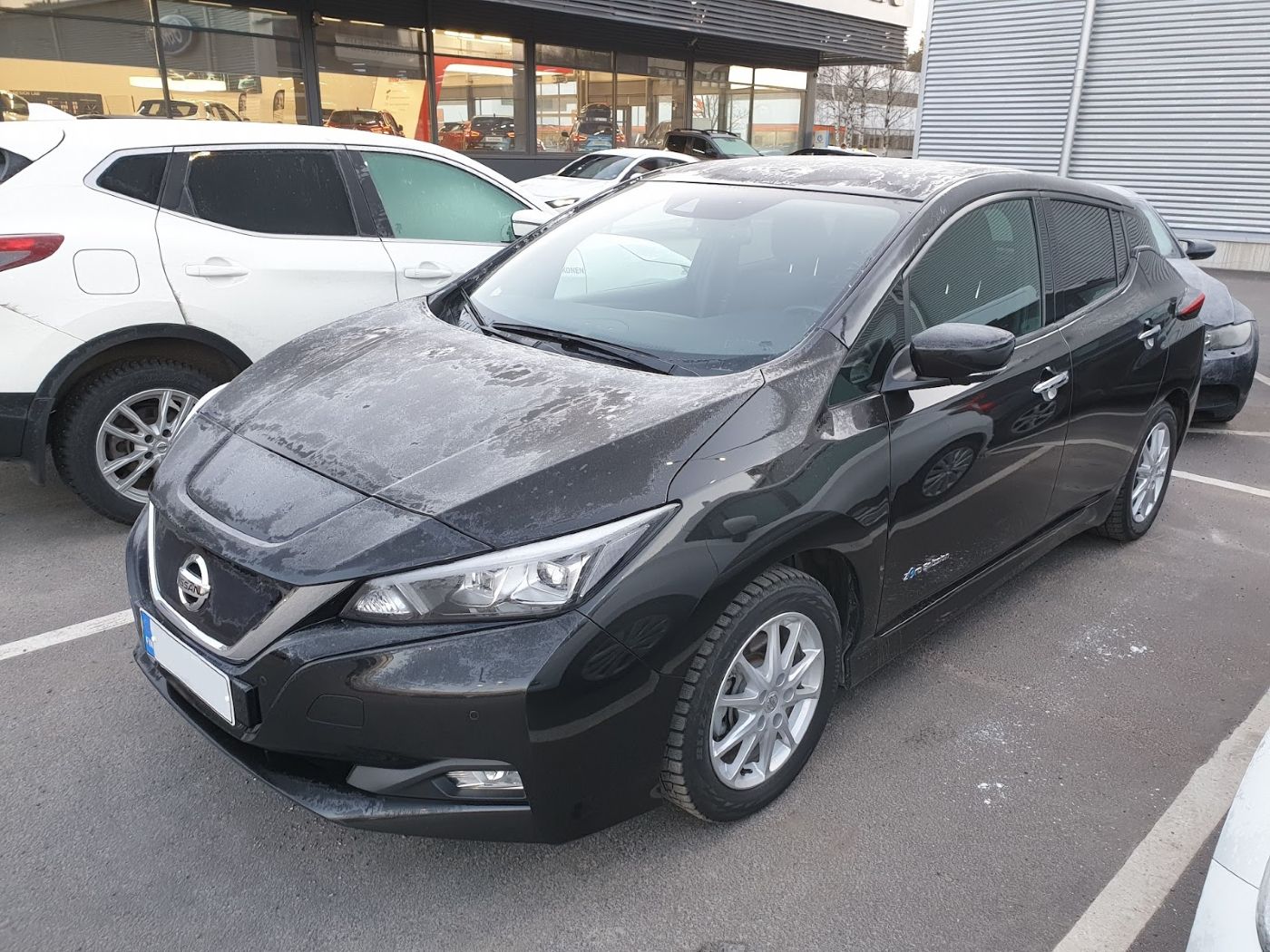
1. Nissan Leaf S, True 5-Year Cost: ~$45,500
The Nissan Leaf is the longest-running mass-market electric vehicle in history, and in 2025 it still dominates the true cost of ownership conversation.
No other new EV comes close to its five-year total, which sits at approximately $45,500 when all costs are factored in. That figure reflects a remarkably low purchase price combined with lean insurance costs and modest depreciation in absolute dollar terms.
The Leaf S is a no-frills machine, and that simplicity works in its financial favor. Its insurance premiums are among the lowest of any EV on the market, estimated at around $11,600 to $14,100 over five years.
Fuel costs run under $3,000 over the same period for drivers who charge at home overnight. Maintenance costs are predictably low, given the electric drivetrain’s minimal service requirements.
Specifications:
- Motor: Single AC Synchronous Electric Motor
- Horsepower: 147 hp
- Torque: 236 lb-ft
- Battery: 40 kWh
- EPA Range: 149 miles
- Length: 176.4 inches
- Width: 70.5 inches (with mirrors)
Where the Leaf S earns justified criticism is range. The base 40 kWh battery delivers just 149 miles of EPA-rated range, which is modest even by compact EV standards.
This may force some drivers to rely on public DC fast charging more often, eating into fuel savings. The CHAdeMO charging standard used by the Leaf is also increasingly rare at public stations compared to CCS or NACS.
For buyers on a strict budget entering the EV market for the first time, the Nissan Leaf S remains the smartest financial move available. Its low operating costs, reliable powertrain, and minimal insurance outlay make it the undisputed champion of true five-year cost efficiency.
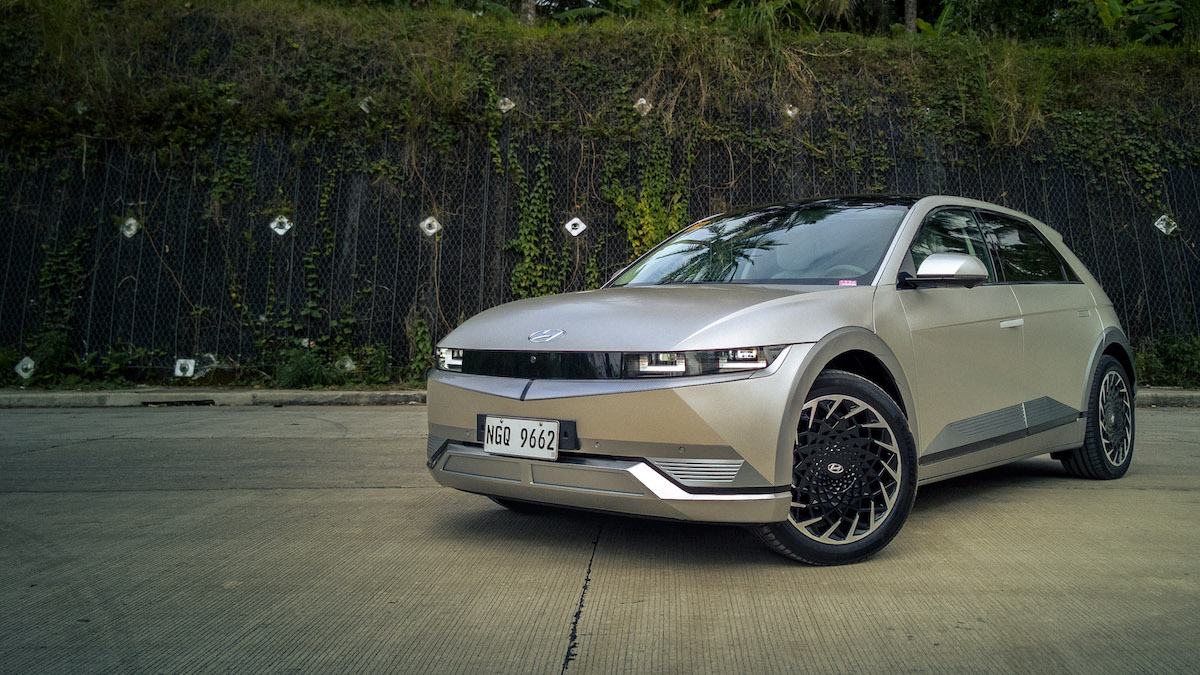
2. Hyundai Ioniq 5, True 5-Year Cost: ~$49,000–$55,000
The Hyundai Ioniq 5 is the rare vehicle that manages to combine cutting-edge technology, substantial range, and a genuinely competitive five-year cost of ownership.
It consistently ranks in the top tier for EV ownership value, sitting just behind the Nissan Leaf on total cost but offering a dramatically more capable and feature-rich experience. For buyers who want real-world usability without hemorrhaging money, this crossover is the benchmark.
Its ultra-fast 800V charging architecture is one of the most practical features in the EV segment today. The Ioniq 5 can charge from 10 to 80 percent in around 18 minutes on a compatible 350 kW DC fast charger.
This dramatically reduces the real-world friction of long-distance driving and lowers dependence on costly public charging sessions, keeping five-year fuel costs in a favorable range.
Specifications:
- Motor: Single or Dual AC Electric Motor
- Horsepower: 225 hp (RWD) / 320 hp (AWD)
- Torque: 258 lb-ft (RWD) / 446 lb-ft (AWD)
- Battery: 77.4 kWh (long range)
- EPA Range: Up to 303 miles (RWD)
- Length: 183.3 inches
- Width: 74.4 inches
Insurance costs for the Ioniq 5 are reasonable relative to its MSRP and class, typically running $13,000 to $16,000 over five years for standard trims.
Maintenance is predictably low, consistent with most modern EVs. Depreciation has stabilized as Hyundai’s strong reputation and ongoing demand keep residual values healthy. The Ioniq 5 loses value more gently than many competitors in its price bracket.
Safety technology is comprehensive across the lineup. Forward collision avoidance, lane-keeping assist, blind-spot monitoring, and driver attention warning all come standard.
The Ioniq 5 also received a five-star safety rating from NHTSA. These features contribute to relatively stable insurance rates, which is a cost factor many buyers underestimate. When comparing five-year totals with a comparable gasoline crossover, the Ioniq 5 typically comes out ahead by several thousand dollars.
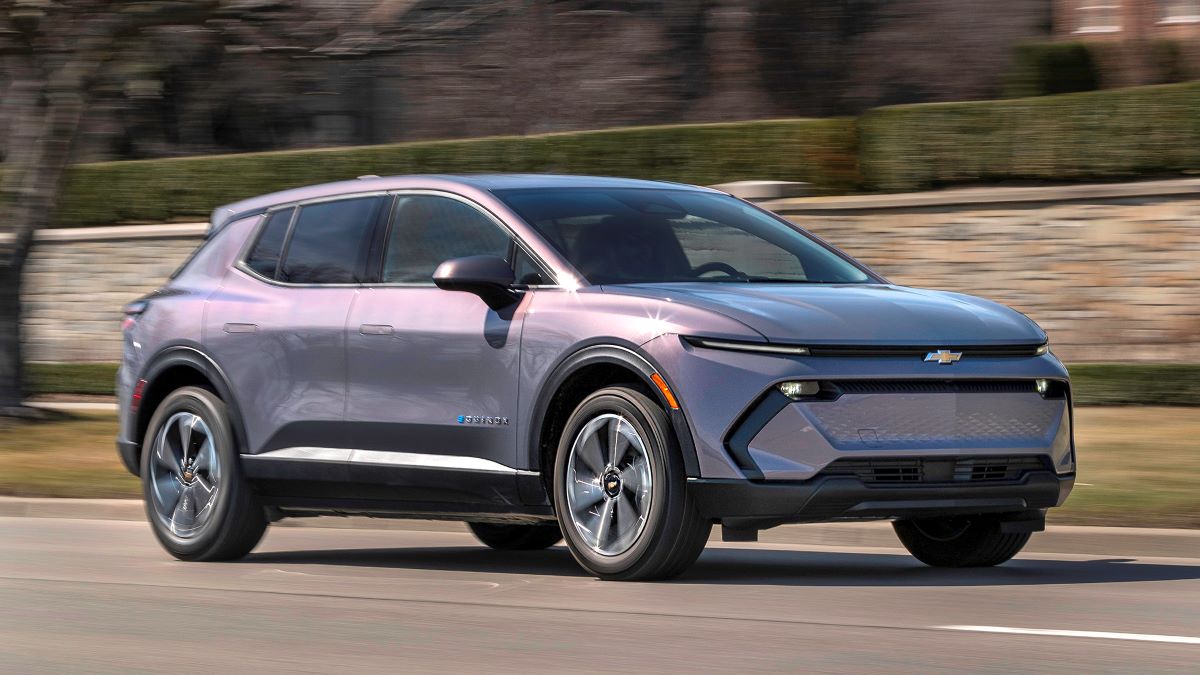
3. Chevrolet Equinox EV, True 5-Year Cost: ~$49,100
The Chevrolet Equinox EV is arguably the biggest surprise in the EV value conversation. Starting at just under $35,000, it undercuts most competitors in its class by thousands while delivering competitive range, a polished cabin, and strong real-world capability.
Kelley Blue Book places its five-year cost of ownership at approximately $49,100, putting it among the very best in the mainstream crossover segment.
Chevrolet’s decision to build the Equinox EV on the Ultium platform and price it aggressively was a deliberate move to capture mainstream buyers.
The base LT trim delivers up to 319 miles of EPA-estimated range, a number that competes directly with vehicles priced $8,000 to $12,000 higher. This range advantage keeps charging frequency low, which means real-world fuel costs stay lean over five years.
Specifications:
- Motor: Single Front-Mounted Electric Motor
- Horsepower: 210–290 hp (depending on trim)
- Torque: 242–333 lb-ft
- Battery: 73–85 kWh (trim dependent)
- EPA Range: Up to 319 miles
- Length: 182.7 inches
- Width: 72.6 inches
Out-of-pocket expenses over five years are estimated at around $27,144, which includes approximately $3,111 in fuel, $2,390 in maintenance, and $13,060 in insurance. Maintenance costs benefit from GM’s dealer network, which is one of the most extensive in North America. This accessibility reduces se
rvice delays and keeps costs predictable for buyers outside major metro areas. The extended service network is a genuine advantage over brands with fewer physical locations.
The interior is a significant step up from older Chevrolet offerings. A large 17.7-inch infotainment screen dominates the center console, paired with an 11-inch instrument cluster.
Wireless Apple CarPlay and Android Auto come standard. The Equinox EV also qualifies for the full $7,500 federal tax credit for eligible buyers, which, when applied at the point of sale, can reduce the effective purchase price to under $27,500. That single fact reshapes the entire five-year cost picture in a powerful way.
4. Hyundai Ioniq 6, True 5-Year Cost: ~$51,000–$57,000
The Hyundai Ioniq 6 is one of the most aerodynamically efficient production cars ever built, with a drag coefficient of just 0.21 Cd. That slippery shape translates directly into industry-leading range up to 361 miles on the SE RWD trim, which in turn keeps charging costs impressively low over a five-year ownership window.
It is the electric sedan for buyers who want maximum efficiency without stepping up to a luxury price tag. Like its Ioniq 5 platform sibling, the Ioniq 6 benefits from Hyundai’s 800V charging architecture.
It can accept up to 350 kW of DC fast charging power under ideal conditions, adding roughly 68 miles of range in just five minutes. For high-mileage drivers, this capability makes the Ioniq 6 far more practical than its range figures alone suggest. Lower charging frequency and shorter session times mean real-world energy costs are genuinely exceptional.

Specifications:
- Motor: Single or Dual AC Electric Motor
- Horsepower: 225 hp (RWD) / 320 hp (AWD)
- Torque: 258 lb-ft (RWD) / 446 lb-ft (AWD)
- Battery: 77.4 kWh (long range)
- EPA Range: Up to 361 miles (SE RWD)
- Length: 191.1 inches
- Width: 74.0 inches
Insurance costs track closely with the Ioniq 5 due to shared technology and safety features. Maintenance expenses are minimal across all trim levels. Hyundai’s powertrain is well-proven and increasingly familiar to independent shops.
Depreciation has been reasonably favorable for the Ioniq 6, which benefits from strong consumer demand and Hyundai’s growing reputation for EV quality and reliability.
The all-wheel drive dual-motor variant with 320 hp and 446 lb-ft of torque is a compelling choice for drivers who want both efficiency and genuine performance.
In this configuration, the Ioniq 6 dispatches the 0-60 mph sprint in approximately 4.7 seconds. Annual ownership costs for this model remain competitive with single-motor alternatives once the range and depreciation advantages are factored into the five-year equation.
Also Read: 9 Vehicles With the Weakest Engines for Their Price
5. Volkswagen ID.4, True 5-Year Cost: ~$52,000–$58,000
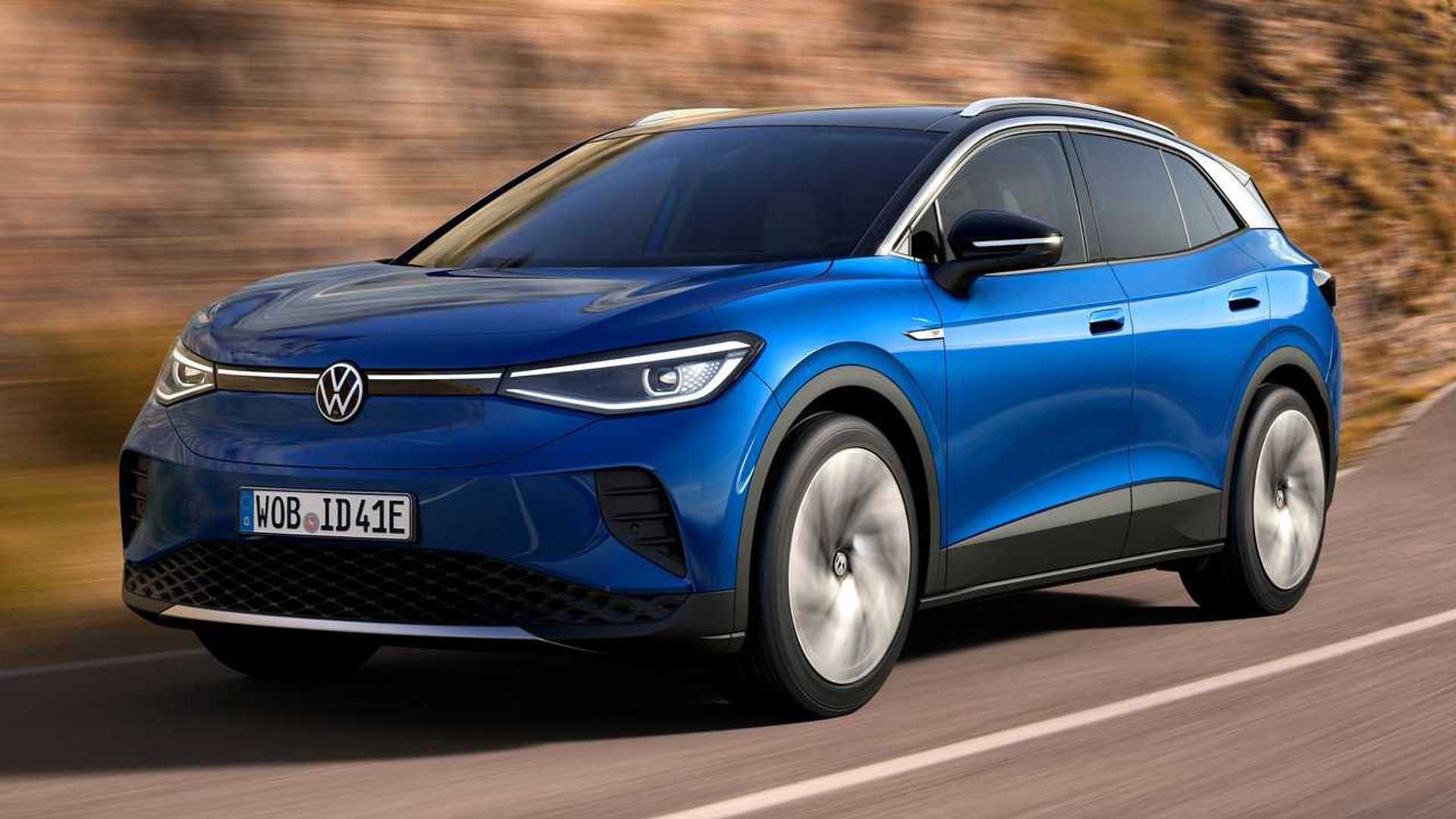
The Volkswagen ID.4 continues to earn its place as one of the most rounded, predictable, and cost-efficient electric crossovers in the mainstream market.
It depreciates more gently than many competitors, losing just under $20,000 in value over five years in base configurations, with a relatively stable residual performance that rewards buyers who plan to sell or trade in after the ownership window. For the total five-year cost, it competes strongly in the $52,000 to $58,000 range, depending on trim.
VW’s engineering heritage shows in the ID.4’s driving dynamics. The ride is composed and quiet, making it one of the most comfortable EVs to spend hours in.
The rear-wheel drive setup in the base Pro trim delivers 201 hp and 229 lb-ft of torque, modest but adequate for everyday driving. Stepping up to the dual-motor AWD variant unlocks 295 hp and 410 lb-ft of torque, with the more capable Pro S Plus reaching higher still. The power delivery is smooth and linear, a hallmark of VW’s MEB platform tuning.
Specifications:
- Motor: Single Rear or Dual Electric Motor
- Horsepower: 201 hp (RWD base) / 295 hp (AWD Pro S Plus)
- Torque: 229 lb-ft (RWD) / 410 lb-ft (AWD)
- Battery: 82 kWh
- EPA Range: Up to 291 miles (RWD Pro)
- Length: 180.5 inches
- Width: 72.9 inches
Fuel costs over five years are moderate, as the 82 kWh battery achieves a combined EPA efficiency of around 104 MPGe in RWD form. Home charging costs for typical mileage of 15,000 miles annually are estimated at well under $1,000 per year in most U.S. electricity markets.
Insurance premiums sit in a mid-range band, higher than the Nissan Leaf but lower than the Tesla twins. VW’s dealer network provides broad service access, keeping repair costs competitive and downtime manageable.
The ID.4 is eligible for the $7,500 federal EV tax credit when specific income and price thresholds are met, an eligibility that meaningfully reduces the effective cost.
That credit, combined with gentle depreciation and solid fuel efficiency, makes the ID.4 one of the most financially sensible choices in the family crossover segment. Its five-year cost profile rewards patient, pragmatic buyers who prioritize everyday comfort and reliability over excitement.
6. Kia EV6, True 5-Year Cost: ~$53,000–$61,000
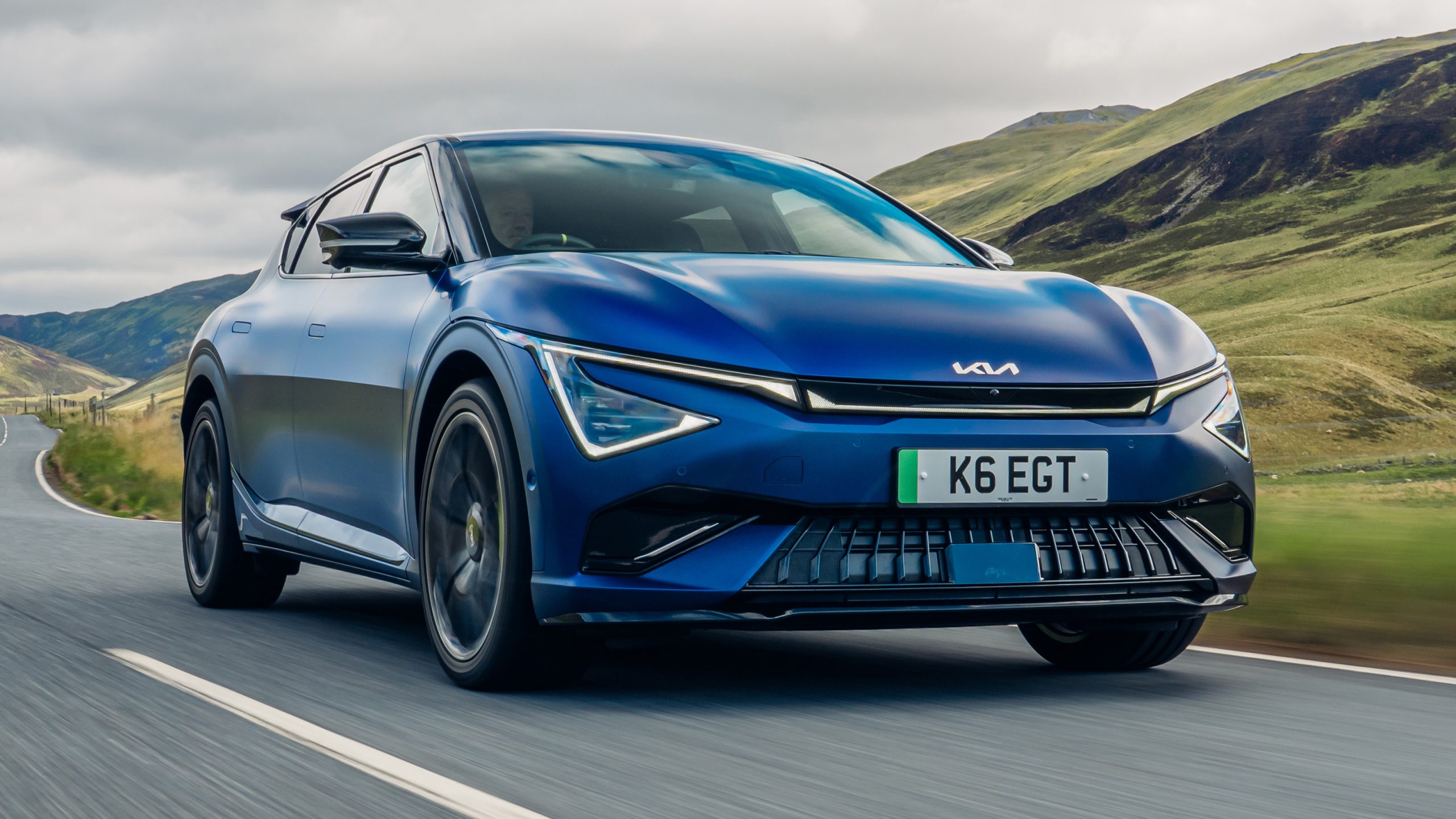
The Kia EV6 is the sports car of the practical EV crossover world, offering a striking design and genuinely driver-focused dynamics in a package that, for standard trims, still delivers respectable five-year ownership costs.
Refreshed for 2025 with updated styling, a larger battery, and improved technology, the EV6 is sharper than ever. Its five-year cost of ownership runs between approximately $53,000 and $61,000, depending on trim and configuration.
Performance is a genuine strength of the EV6 lineup. The base RWD long-range model delivers 225 hp and 258 lb-ft of torque with up to 310 miles of range. The AWD dual-motor variant jumps to 320 hp and 446 lb-ft.
Then there is the GT, which offers a staggering 601 hp and 545 lb-ft of torque, capable of a 3.2-second 0-60 mph time, but that version carries insurance costs and depreciation that push the five-year total into a different financial tier altogether.
Specifications:
- Motor: Single Rear or Dual Electric Motor
- Horsepower: 225 hp (RWD) / 320 hp (AWD) / 601 hp (GT)
- Torque: 258 lb-ft (RWD) / 446 lb-ft (AWD) / 545 lb-ft (GT)
- Battery: 77.4 kWh (long range)
- EPA Range: Up to 310 miles (RWD long range)
- Length: 184.4 inches
- Width: 74.4 inches
For the standard and AWD trims, the EV6’s 800V charging capability mirrors the Ioniq 5 and Ioniq 6, enabling 10-to-80 percent charges in roughly 18 minutes on capable infrastructure.
This is particularly valuable for buyers who take regular long trips. Five-year fuel costs remain competitive, and Kia’s standard EV service requirements keep maintenance bills low. Brake pads last longer than comparable ICE vehicles due to robust regenerative braking usage.
The EV6 sits in a competitive but realistic pricing bracket for what it delivers. Buyers who lean toward style and performance dynamics will find the five-year cost justifiable, especially against the Tesla Model Y, which carries steeper depreciation for a less dynamic driving experience. The EV6 is proof that responsible EV ownership and genuine driving pleasure do not have to be mutually exclusive.
7. Tesla Model 3, True 5-Year Cost: ~$55,000–$73,700
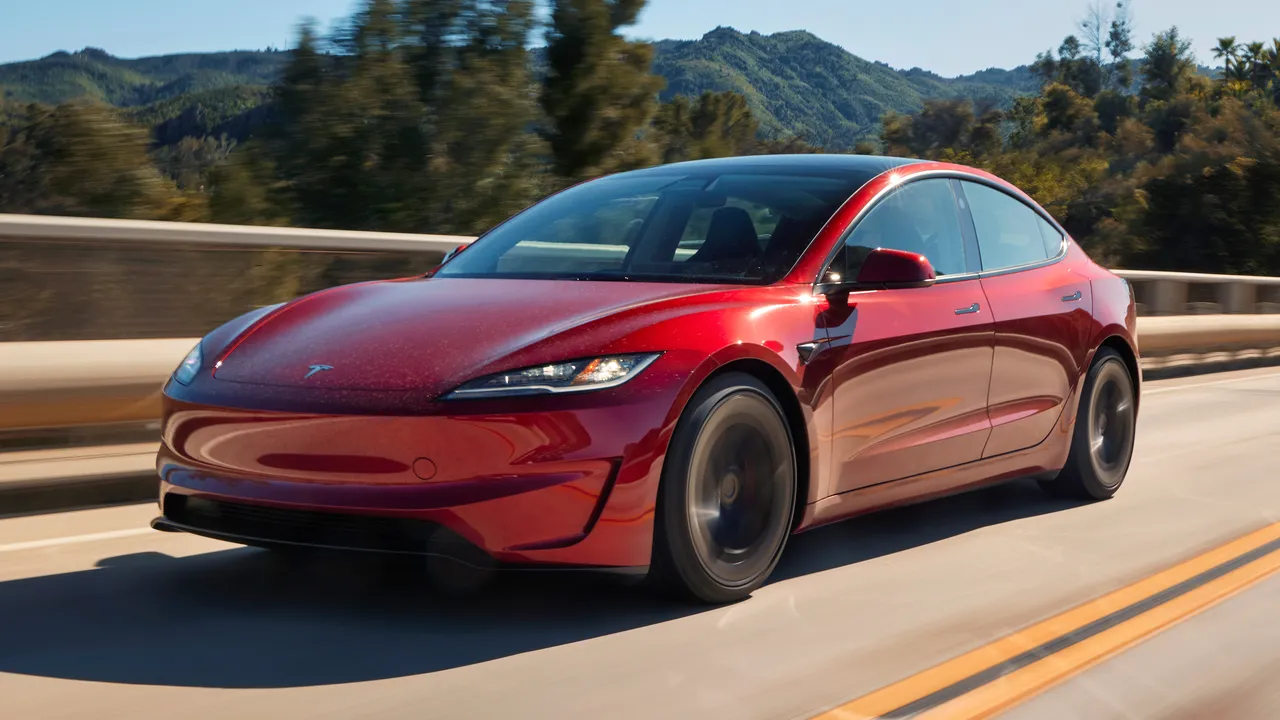
The Tesla Model 3 is the car that made EVs aspirational for millions of buyers, and it remains one of the most technically capable sedans in its price category.
However, the five-year ownership picture has become more complex in recent years. Depreciation has been steep KBB projects the Performance trim loses approximately $38,900 in value over five years, resulting in a five-year total cost of around $73,700 for that variant. The base Long Range RWD trim is more forgiving, with a five-year total closer to $55,000.
The Model 3 benefits enormously from Tesla’s Supercharger network, now the most extensive fast-charging infrastructure in North America and increasingly accessible thanks to the universal NACS connector adoption. Charging costs are predictable and efficient, with the base trim achieving an EPA combined rating of 132 MPGe.
Home charging for typical annual mileage adds roughly $800 to $1,000 per year to household electricity bills. Over five years, fuel costs typically run $4,000 to $4,800, depending on trim and driving habits.
Specifications:
- Motor: Single Rear or Dual Electric Motor
- Horsepower: 283 hp (RWD) / 510 hp (Performance AWD)
- Torque: 342 lb-ft (RWD) / 671 lb-ft (Performance AWD)
- Battery: 60–82.1 kWh
- EPA Range: Up to 358 miles (Long Range RWD)
- Length: 185.9 inches
- Width: 72.8 inches (without mirrors)
Maintenance costs are among the lowest in the segment Tesla’s streamlined service model requires minimal scheduled servicing. Insurance, however, runs considerably higher than Korean and domestic competitors, adding $19,000 to $24,800 over five years, depending on trim level and driver profile.
This insurance premium is one of the most important cost factors buyers overlook when comparing the Model 3 against more modestly priced alternatives. Tesla’s repair costs and parts availability remain a concern for some owners outside major cities.
The Long Range RWD Model 3 offers a much more balanced five-year profile. It combines genuine long-distance capability (358 miles of range), a refined ride, excellent software integration, and over-the-air updates that keep the car improving over time. For buyers who want Tesla’s ecosystem and network without maxing out the ownership cost, this trim is the sweet spot.
8. Ford Mustang Mach-E, True 5-Year Cost: ~$56,000–$65,000
The Ford Mustang Mach-E carries one of the most recognizable names in American automotive history on an entirely new type of vehicle. The five-year ownership cost for base trims lands in the $56,000 to $60,000 range, while the performance-focused GT pushes closer to $65,000.
Ford’s large dealer network, broad parts availability, and improving Mach-E reliability scores make it a pragmatically strong choice for buyers wary of newer brands.
Its 2025 pricing refresh brought the starting price down meaningfully, improving its competitive position against the VW ID.4 and Ioniq 5. The base RWD Select trim delivers 266 hp and 317 lb-ft of torque, with a range of up to 250 miles on the standard range battery.
Stepping up to the extended range RWD configuration pushes range to 320 miles one of the highest figures in the mainstream EV crossover class. The Mach-E also gained access to Tesla’s Supercharger network via NACS adapter, a practical upgrade that dramatically improves long-distance travel convenience.
Specifications:
- Motor: Single Rear or Dual Electric Motor
- Horsepower: 266 hp (RWD) / 346 hp (AWD GT)
- Torque: 317 lb-ft (RWD) / 428 lb-ft (AWD GT)
- Battery: 72–91 kWh (trim dependent)
- EPA Range: Up to 320 miles (RWD extended)
- Length: 186.7 inches
- Width: 74.1 inches
Ford’s BlueCruise hands-free highway driving system is one of the most capable semi-autonomous driver assistance systems available outside of Tesla, and it comes on upper trims without a subscription fee.
The Mach-E’s 15.5-inch vertically oriented touchscreen is one of the larger displays in the class, and the SYNC 4A software interface has been significantly improved since launch. Interior build quality is solid and in line with Ford’s mainstream market standards.
The Mach-E GT, with 346 hp, 428 lb-ft of torque, and a 0-60 mph time of around 3.5 seconds, adds performance credibility to the lineup but carries a noticeably higher insurance and depreciation burden.
For pure five-year financial efficiency, the standard RWD extended-range model is the smartest Mach-E to buy. It delivers the best range, competitive technology, and the most favorable ownership cost profile within the Mach-E family.
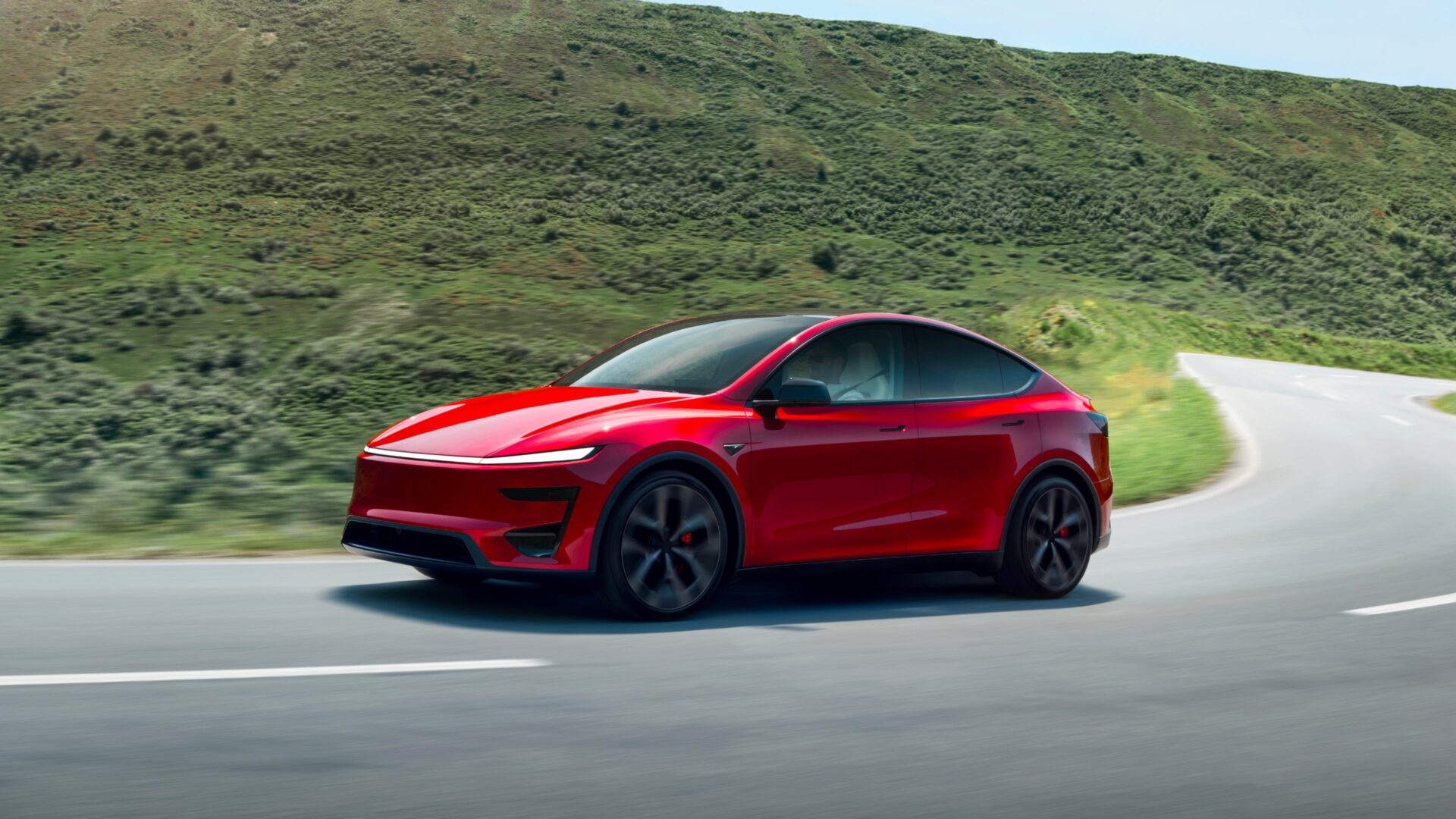
9. Tesla Model Y, True 5-Year Cost: ~$62,300–$81,100
The Tesla Model Y remains the world’s best-selling electric vehicle by volume, and for good reason, it packages Tesla’s technology, network, and brand credibility into a practical, family-sized crossover. However, its five-year cost of ownership is substantially higher than most rivals in its class.
The Standard RWD variant carries a five-year total of approximately $62,300, while the Performance AWD trim reaches $81,100, making it one of the more expensive EVs to own over a five-year period.
Depreciation is the Model Y’s biggest ownership cost liability. The Standard variant loses roughly $32,100 in value over five years, ending with a residual of approximately $12,500.
The Performance trim loses $37,700, leaving a residual of just $15,400 from an original price above $59,000. These depreciation curves are steeper than those of Korean competitors at similar price points, and they represent the single largest gap between the Model Y and more cost-efficient alternatives in the five-year calculation.
Specifications:
- Motor: Single Rear or Dual Electric Motor
- Horsepower: 283 hp (Standard RWD) / 507 hp (Performance AWD)
- Torque: 342 lb-ft (RWD) / 671 lb-ft (Performance)
- Battery: ~75–82 kWh
- EPA Range: Up to 327 miles (Long Range AWD)
- Length: 187.0 inches
- Width: 76.1 inches
Where the Model Y excels is in fuel efficiency, Supercharger access, and software ecosystem. Electricity costs over five years run approximately $3,400 to $9,600, depending on trim, local rates, and charging behavior. Tesla’s Supercharger network provides the most seamless long-distance charging experience in the industry.
Over-the-air software updates continuously improve performance, efficiency, and features without requiring a dealership visit, which is a genuine operational advantage over time.
The Model Y’s 76.2 cubic feet of cargo space with seats folded is genuinely class-leading. The interior is clean and minimalist, anchored by a 15.4-inch center touchscreen.
Build quality has improved in recent production years, but still generates more variation than Korean competitors. For buyers who prioritize Tesla’s network, software, and brand ecosystem above financial efficiency, the Model Y remains a compelling choice with the understanding that the ownership cost premium is real.
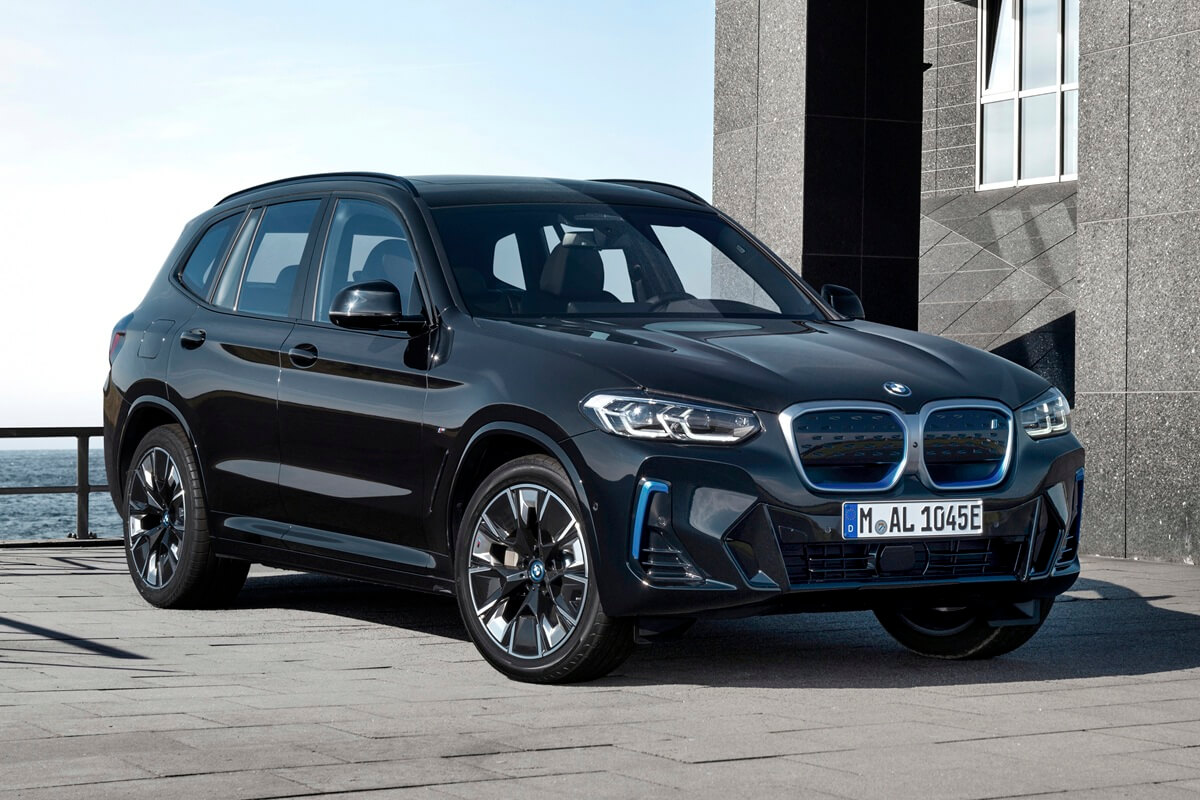
10. BMW iX3 / Luxury EVs Tier, True 5-Year Cost: ~$70,000+
The luxury EV segment, encompassing models like the BMW iX3, Mercedes EQE SUV, Audi Q8 e-tron, and Volvo EX90, presents a fundamentally different ownership cost equation.
Five-year totals for these vehicles generally begin above $70,000 and can climb well past $90,000 for performance or fully loaded variants. Buyers in this segment prioritize refinement, brand prestige, and cabin quality, but they do so at a measurable financial premium over mainstream EV choices.
The BMW iX3 is one of the more financially restrained options in the luxury EV space. Its 286 hp rear-mounted motor and 80 kWh battery deliver a capable combination of performance and efficiency.
The 295 lb-ft of torque provides brisk, linear acceleration appropriate for the car’s premium positioning. BMW’s driving dynamics tuning is immediately apparent, the iX3 handles with a composure and feedback quality that no Korean or American EV at a lower price point can match. This is where the premium is spent most convincingly.
Specifications (BMW iX3 reference):
- Motor: Single Rear Electric Motor
- Horsepower: 286 hp
- Torque: 295 lb-ft
- Battery: 80 kWh
- EPA Range: ~285 miles
- Length: 185.7 inches
- Width: 74.4 inches
Fuel costs are a relative bright spot The efficiency of modern luxury EVs is genuinely impressive, and charging costs over five years remain moderate regardless of badge. The iX3 achieves strong real-world efficiency, and BMW’s improving public charging partnerships reduce friction on longer journeys.
The interior quality, premium audio systems, and advanced driver assistance technology justify the premium for buyers whose priorities extend beyond financial optimization. For everyone else, the data is clear: the mainstream EVs ranked above offer dramatically better five-year financial outcomes.
Also Read: 10 Forgotten Sports Cars From the 1960s
