
The 1990s represented one of the most exciting eras in automotive history. Manufacturers across Japan, Europe, and America were locked in an unofficial horsepower war, producing machines that blended raw speed, mechanical purity, and bold styling into unforgettable performance cars.
While modern electric vehicles dominate acceleration records today, many enthusiasts overlook the fact that several legendary 1990s performance cars were capable of extraordinary top speeds and track performance that still command respect decades later. Among modern benchmarks, the Tesla Model S Plaid has become famous for brutal straight line acceleration and futuristic technology, but speed is more than a quarter mile number.
True performance includes high speed stability, driver engagement, engineering brilliance, and endurance under extreme conditions. Some forgotten performance icons from the 1990s delivered capabilities that continue to rival or surpass modern electric sedans in specific areas, especially top speed and sustained high speed driving.
The fascinating aspect of these forgotten machines is how advanced many of them were for their time. Engineers worked without today’s hybrid systems, torque vectoring software, or massive battery packs. Instead, they relied on lightweight construction, turbocharged engines, aerodynamic innovation, and race inspired engineering.
The result was a generation of vehicles that felt alive in ways many modern cars cannot replicate. Some were limited production homologation specials built to dominate motorsports.
Others were executive sedans hiding supercar levels of performance beneath understated styling. A few came from manufacturers that no longer produce such daring machines today. Despite their capabilities, many have faded from mainstream conversations because newer hypercars and EVs dominate headlines.
What makes these 1990s performance cars truly remarkable is their combination of analog driving feel and extreme capability. Drivers had to manage turbo lag, manual gearboxes, rear wheel drive oversteer, and minimal electronic assistance. These were machines demanding skill and rewarding bravery. Their achievements become even more impressive when considering the technology available at the time.
Reaching speeds above 180 mph during the 1990s required engineering excellence, especially when tire technology, aerodynamics, and safety systems were far less advanced than today. Yet several manufacturers managed to create vehicles that remain benchmarks in automotive history.
This article explores eight forgotten 1990s performance cars that, in different ways, could outperform or outclass a new Tesla Plaid. Some boast higher top speeds. Others deliver a more involving performance experience that enthusiasts still prefer today.
Each car reflects a unique chapter in automotive history and demonstrates why the 1990s remain a golden age for performance engineering. From twin-turbo Japanese legends to European autobahn monsters and American supercar experiments, these vehicles prove that true performance never becomes obsolete.
Also Read: 10 Cars Owners Routinely Drive Past 350,000 Miles
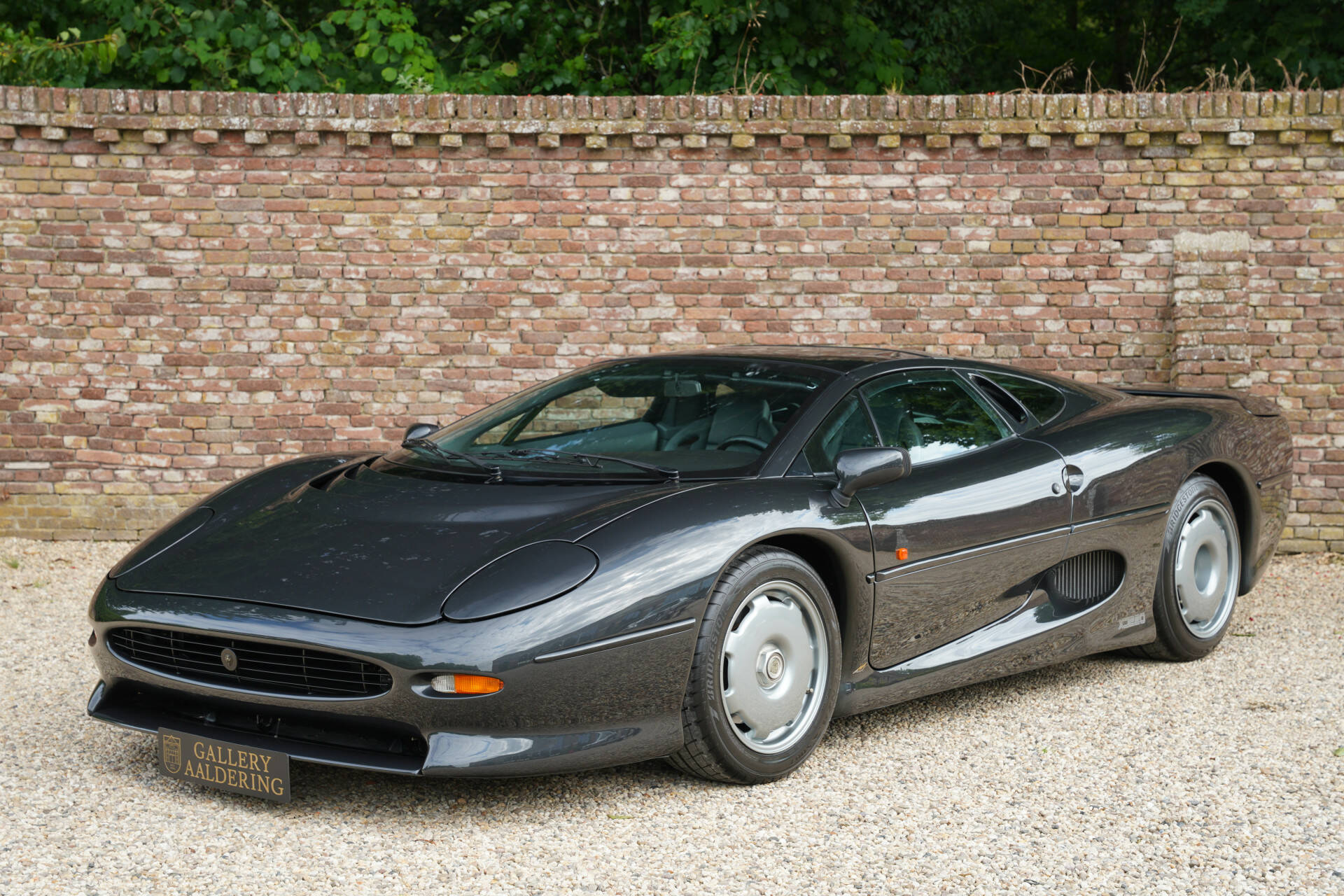
- Engine: 3.5 liter twin turbocharged V6
- Horsepower: 542 hp
- Torque: 475 lb ft
- Length: 194.1 inches
- Width: 78.6 inches
1. Jaguar XJ220
The Jaguar XJ220 stands as one of the most misunderstood supercars ever produced. Originally envisioned with a massive V12 engine and all wheel drive, the final production version arrived with a twin turbocharged 3.5 liter V6 producing around 542 horsepower.
Although critics initially complained about the engine change, history has shown that the lightweight turbocharged setup transformed the XJ220 into one of the fastest production cars of its era. During testing, it achieved a top speed exceeding 217 mph, making it significantly faster than many modern performance vehicles in outright velocity.
While the Tesla Plaid dominates acceleration from a standstill, the XJ220 represented a completely different type of speed focused on endurance and high speed stability.
One reason the XJ220 became forgotten is because of poor timing and economic recession. When the car launched in the early 1990s, global financial instability reduced demand for expensive supercars. Buyers who placed deposits became frustrated with specification changes and canceled orders.
Despite the controversy, the engineering achievements behind the XJ220 were extraordinary. Jaguar engineers created a sleek aerodynamic body with minimal drag, allowing the car to cut through air efficiently at speeds most road cars could never approach. Even today, its shape appears futuristic and elegant rather than outdated.
Driving the XJ220 required commitment and confidence. Unlike modern electric sedans with instant torque and computer controlled stability systems, the Jaguar delivered power aggressively through its rear wheels with little electronic intervention.
The turbochargers produced explosive acceleration once boost arrived, creating a dramatic driving experience impossible to replicate in silent electric vehicles. Enthusiasts often describe the XJ220 as intimidating yet thrilling because it demanded full driver attention at all times. That raw personality has become increasingly rare in modern automotive engineering.
Another factor contributing to the XJ220’s legendary status is its rarity. Only a small number were built, making surviving examples highly collectible today. Values have steadily risen as collectors recognize the significance of the model in supercar history. Unlike some flashy exotic cars from the same era, the Jaguar emphasized aerodynamic sophistication and mechanical capability over visual theatrics. Its understated design now feels timeless compared with more exaggerated modern hypercars.
The XJ220 deserves far greater recognition among performance enthusiasts. It proved that Britain could compete directly with Italian and German supercar manufacturers at the highest level.
More importantly, it demonstrated how innovative engineering could achieve astonishing speed without relying on modern digital technology. While the Tesla Plaid may dominate drag races and technology discussions, the XJ220 remains a symbol of fearless analog performance engineering from one of the greatest automotive decades ever.
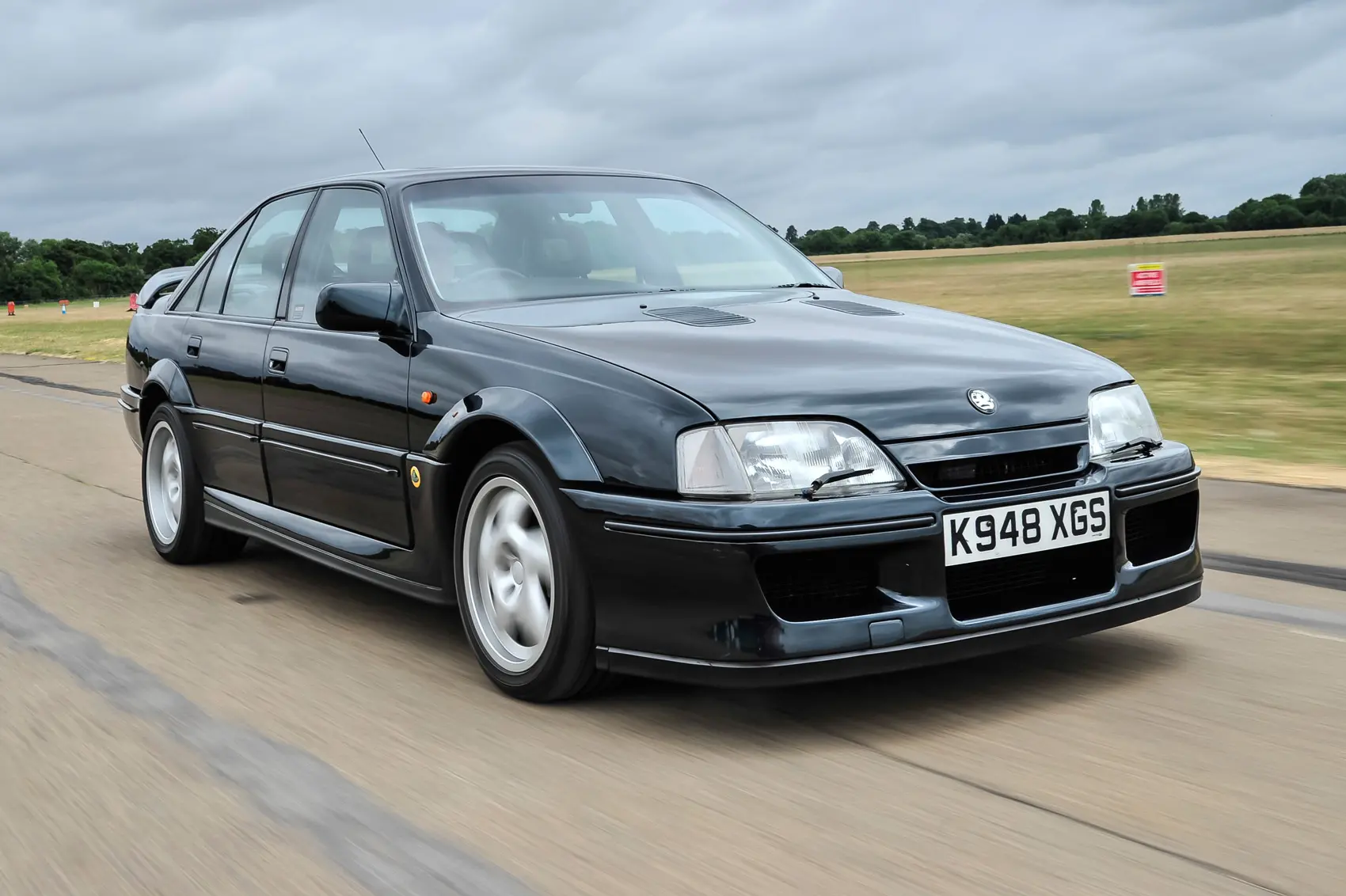
- Engine: 3.6 liter twin turbocharged inline 6
- Horsepower: 377 hp
- Torque: 419 lb ft
- Length: 188.2 inches
- Width: 69.7 inches
2. Lotus Carlton
The Lotus Carlton shocked the automotive world by transforming a practical executive sedan into one of the fastest four door cars ever built. Based on the Opel Omega platform, Lotus engineers heavily modified the car with a twin turbocharged 3.6 liter inline six engine producing around 377 horsepower. In the early 1990s, that figure was extraordinary for a family sedan.
More importantly, the Lotus Carlton could exceed 175 mph, making it faster than many Ferraris and Porsches of the time. This level of performance from a relatively understated sedan created controversy across Europe.
One reason the Lotus Carlton became legendary was its ability to embarrass exotic sports cars while carrying four passengers comfortably. The car looked aggressive but not outrageous, allowing it to blend into normal traffic while hiding immense performance potential.
This stealthy character made the Carlton especially appealing to enthusiasts who appreciated understated engineering excellence. Unlike many modern high performance sedans packed with electronic systems, the Lotus Carlton relied on mechanical tuning, suspension upgrades, and raw turbocharged power.
The driving experience was famously intense. The rear wheel drive layout combined with massive torque created a car that demanded respect, particularly in wet conditions. Turbo lag was significant by modern standards, but once boost arrived the acceleration became ferocious.
Drivers often described the Carlton as a machine that constantly felt on the edge of control, which added to its appeal among hardcore enthusiasts. In contrast, modern electric vehicles deliver effortless speed with remarkable stability but often lack the same emotional engagement.
The Lotus Carlton also became controversial because law enforcement agencies worried about criminals using such a fast sedan to evade police. British newspapers criticized the car heavily, questioning whether a family sedan should possess supercar performance capabilities. Ironically, this controversy only increased the car’s reputation and desirability.
Today, the Lotus Carlton represents one of the earliest examples of the super sedan formula that dominates modern luxury performance markets.
Despite its groundbreaking achievements, the Lotus Carlton remains underappreciated outside enthusiast circles. Many younger automotive fans have never experienced or even seen one in person. Yet its influence can still be felt in modern high performance sedans from German manufacturers. It proved that practicality and outrageous speed could coexist successfully.
Compared with the Tesla Plaid, the Carlton lacks futuristic technology and instant acceleration, but it offers something increasingly rare in modern cars: a truly raw and unpredictable driving experience that rewards skill and courage.
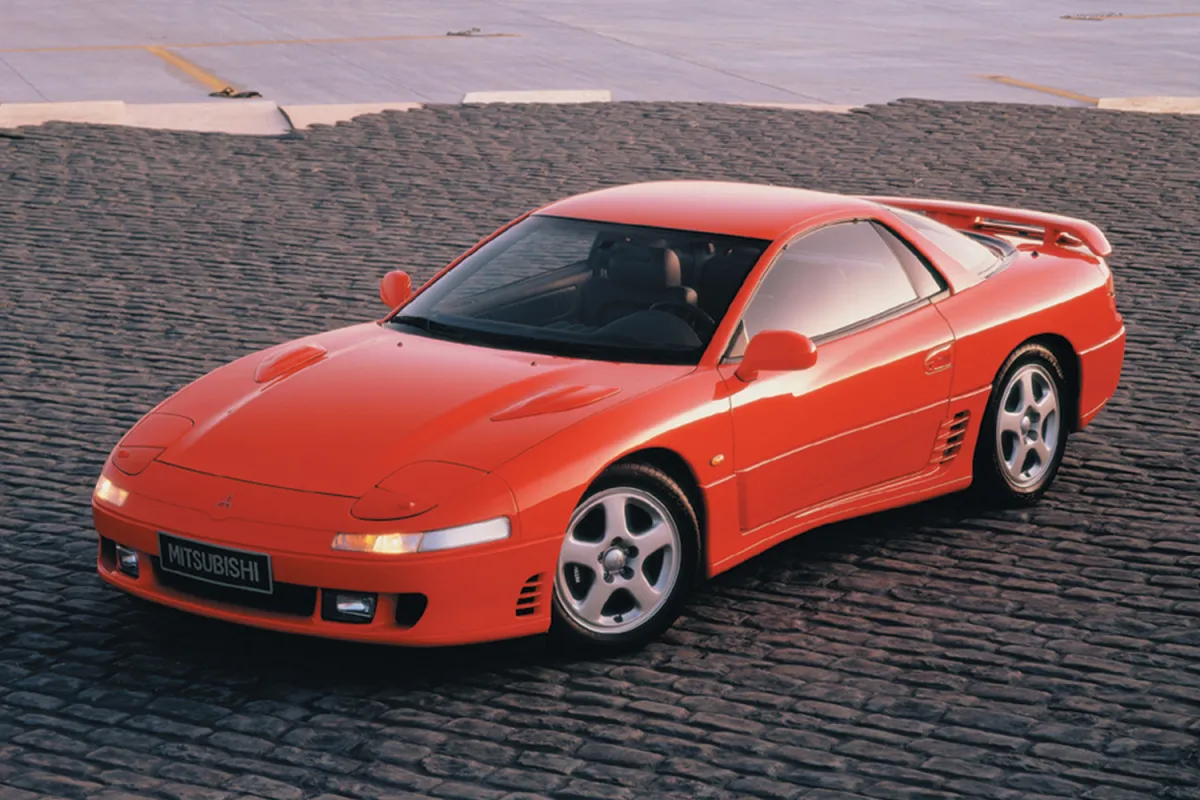
- Engine: 3.0 liter twin turbocharged V6
- Horsepower: 320 hp
- Torque: 315 lb ft
- Length: 179.7 inches
- Width: 72.4 inches
3. Mitsubishi 3000GT VR4
The Mitsubishi 3000GT VR4 was one of the most technologically advanced Japanese performance cars of the 1990s. Featuring all wheel drive, twin turbocharging, active aerodynamics, and four wheel steering, the VR4 showcased engineering ambition rarely seen outside exotic supercars.
Powered by a twin turbocharged V6 engine producing around 320 horsepower, the car delivered strong acceleration and impressive high speed stability. Although heavier than some competitors, the 3000GT VR4 demonstrated how Japanese manufacturers pushed technological boundaries during the golden era of performance engineering.
One of the reasons the 3000GT VR4 became forgotten is because it lived in the shadow of icons like the Nissan Skyline GT R and Toyota Supra.
However, the Mitsubishi offered a unique blend of technology and comfort that made it stand apart. The active aerodynamic system adjusted airflow at speed to improve stability, while the sophisticated all wheel drive system provided excellent traction. During the 1990s, these features felt incredibly futuristic and helped establish the VR4 as a serious grand touring performance machine.
The driving experience differed significantly from lightweight sports cars of the era. The VR4 emphasized high speed confidence and technological sophistication rather than pure simplicity. Its cabin featured advanced electronics and a comfortable interior, making it ideal for long distance performance driving.
Unlike the silent surge of a Tesla Plaid, the Mitsubishi delivered a mechanical and sensory experience filled with turbo sounds, gear changes, and engine character. Enthusiasts appreciated how the car balanced comfort with aggressive performance capabilities.
Another fascinating aspect of the 3000GT VR4 was its visual design. The sleek body lines and dramatic proportions captured the futuristic spirit of the 1990s. Pop up headlights and sculpted aerodynamics gave the car a distinctive personality that remains appealing today. Unlike many modern vehicles shaped primarily for efficiency, the Mitsubishi embraced dramatic styling while still achieving impressive aerodynamic performance.
Today, surviving VR4 models are becoming increasingly collectible as enthusiasts rediscover forgotten Japanese performance legends. The car represented an era when manufacturers experimented boldly with technology and design.
While the Tesla Plaid demonstrates the future of electric speed, the Mitsubishi 3000GT VR4 reflects a time when engineers pursued innovation through mechanical creativity and analog engineering. Its combination of turbocharged power, advanced systems, and unmistakable 1990s style ensures its legacy remains important among true automotive enthusiasts.
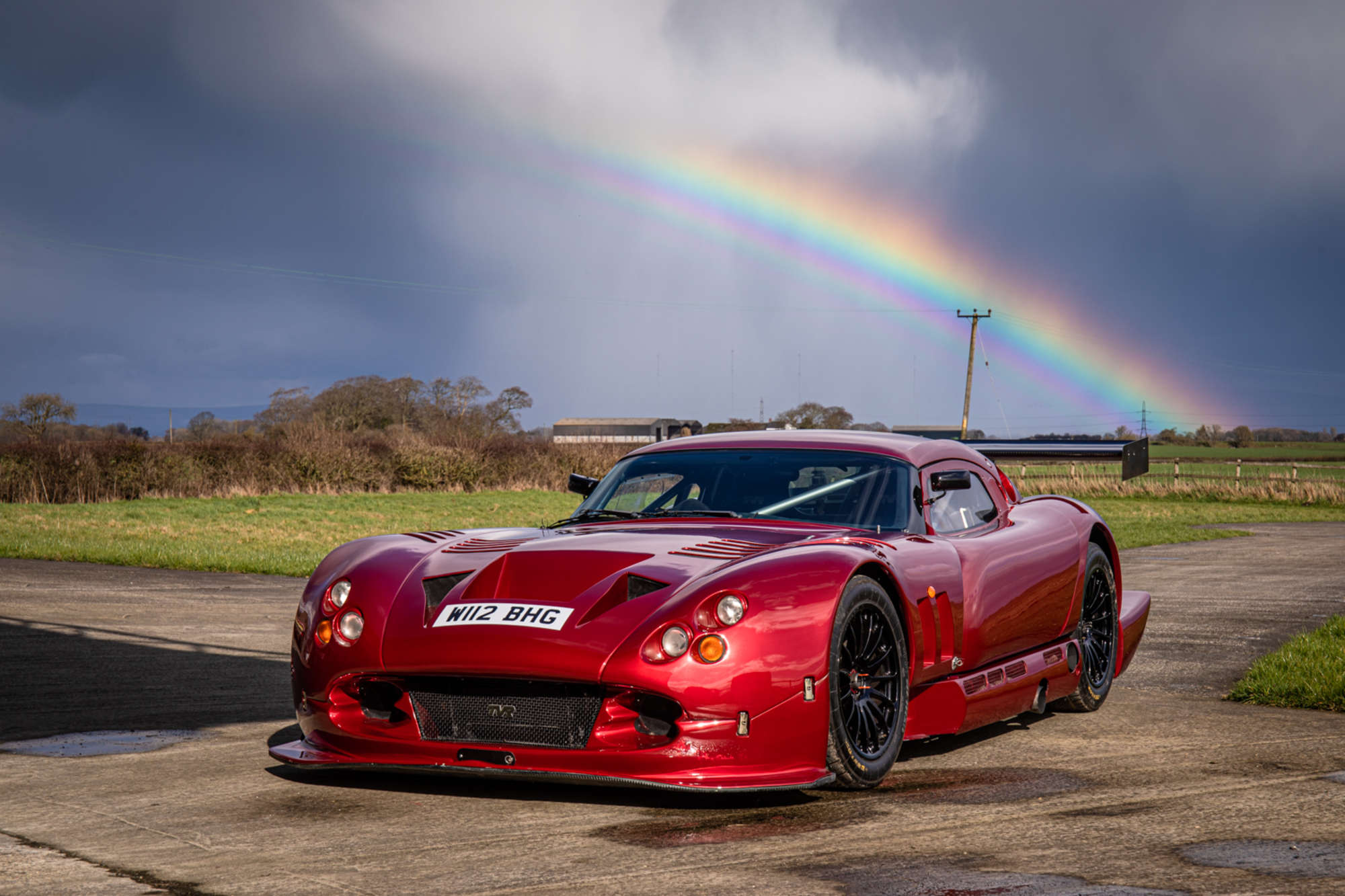
- Engine: 7.7 liter naturally aspirated V12
- Horsepower: Approximately 800 hp
- Torque: Approximately 650 lb ft
- Length: 168.0 inches
- Width: 76.0 inches
4. TVR Cerbera Speed 12
The TVR Cerbera Speed 12 remains one of the wildest performance cars ever attempted for road use. Built by the British manufacturer TVR, the Speed 12 was designed as a race inspired monster featuring a massive naturally aspirated V12 engine producing well over 800 horsepower.
During testing, the car displayed terrifying performance capabilities that even frightened experienced drivers. In fact, company founder Peter Wheeler reportedly declared the vehicle too dangerous for public roads after driving it himself. That reputation transformed the Speed 12 into an automotive legend.
Unlike modern electric performance cars designed around stability and software management, the Cerbera Speed 12 represented pure chaos on wheels. There were virtually no electronic safety systems to protect drivers from mistakes.
The lightweight chassis combined with enormous power created acceleration and speed levels almost unimaginable for the late 1990s. Although official top speed figures remain debated, estimates often exceed 240 mph. Such performance would place the TVR among the fastest road cars ever built even by modern standards.
The design of the Speed 12 perfectly matched its brutal character. Aggressive aerodynamics, wide fenders, and race inspired styling gave the car an intimidating presence.
Every element focused on maximizing speed and downforce rather than comfort or practicality. Inside, the cabin remained sparse and purposeful, emphasizing the machine’s motorsport origins. Driving one required complete concentration because the car delivered relentless power with minimal forgiveness.
Part of what makes the Speed 12 so fascinating is its rarity and mythical status. Only a handful were ever completed, and the car never entered full production. As a result, many enthusiasts know it primarily through stories, magazine features, and video game appearances.
Despite limited exposure, the Cerbera Speed 12 became symbolic of TVR’s fearless engineering philosophy. The company prioritized excitement and intensity above all else, creating vehicles that felt genuinely alive.
Compared with the Tesla Plaid, the TVR belongs to an entirely different universe of performance. The Plaid offers extraordinary acceleration with comfort and accessibility, allowing almost anyone to experience immense speed safely. The Cerbera Speed 12 demanded bravery, skill, and constant respect.
It represented the extreme edge of analog automotive engineering, where raw power and human capability determined the outcome. That uncompromising philosophy ensures the Speed 12 remains one of the most unforgettable forgotten performance cars of the 1990s.
Also Read: 8 SUVs Where Owners Hit 500,000 Without Major Repairs
- Engine: 3.2 liter twin turbocharged flat 6
- Horsepower: 536 hp
- Torque: 443 lb ft
- Length: 192.5 inches
- Width: 78.7 inches
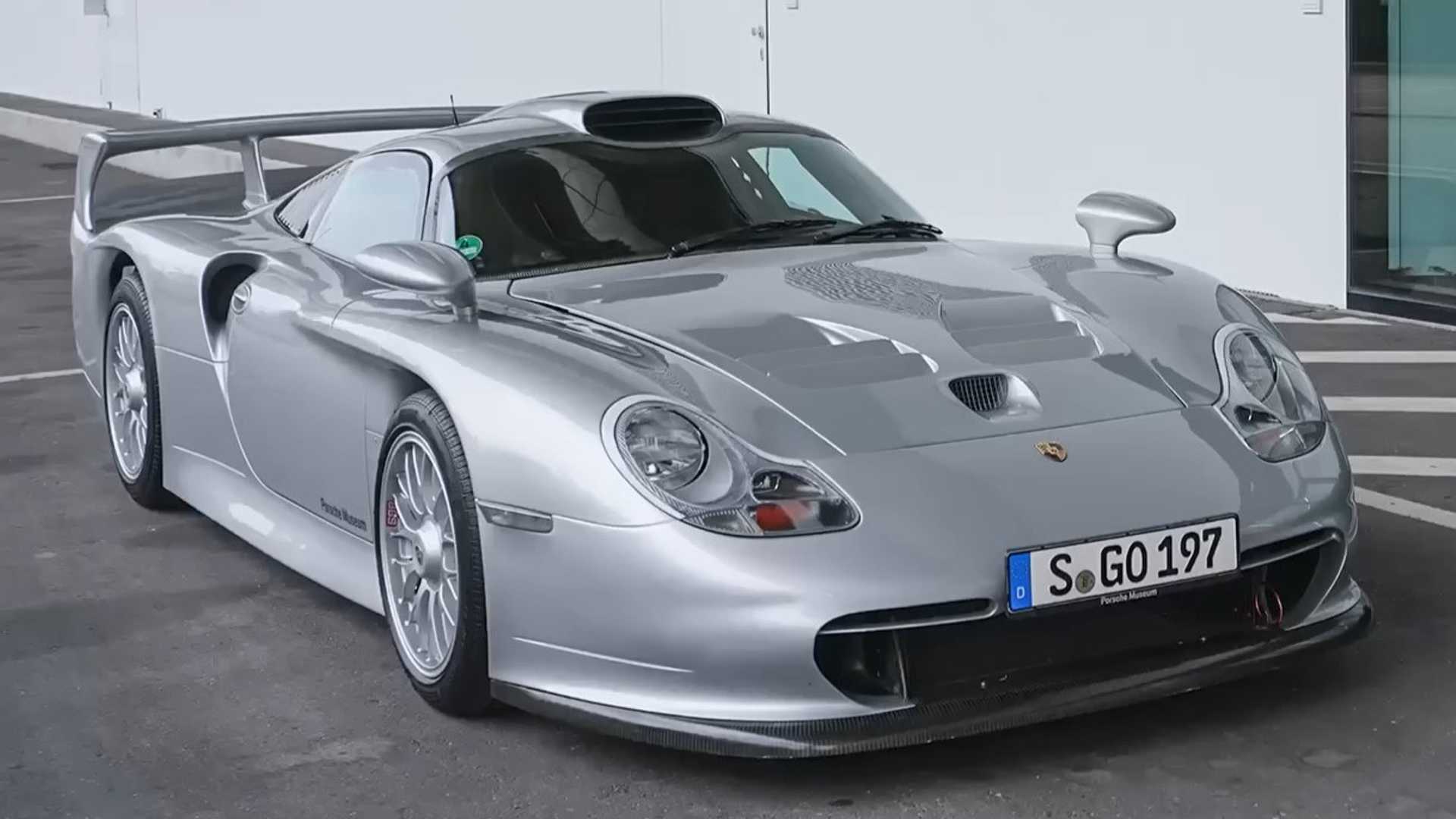
5. Porsche 911 GT1 Straßenversion
The Porsche 911 GT1 Straßenversion was essentially a Le Mans race car adapted for road use. Built to satisfy homologation requirements, this ultra rare machine shared much of its engineering with Porsche’s successful endurance racing program.
Powered by a twin turbocharged flat six engine producing around 536 horsepower, the GT1 Straßenversion delivered astonishing performance capabilities. With a top speed exceeding 190 mph, it became one of the fastest road legal cars of the 1990s and remains one of Porsche’s most extreme creations.
Unlike traditional 911 models, the GT1 used a mid engine layout derived from motorsport technology. This configuration dramatically improved handling balance and high speed stability.
The car’s aerodynamic bodywork generated significant downforce while minimizing drag, allowing exceptional track performance. Every aspect of the GT1 prioritized racing capability over luxury or convenience. Driving one felt remarkably close to piloting a professional endurance race car on public roads.
The rarity of the GT1 Straßenversion contributes heavily to its forgotten status among mainstream automotive audiences. Only a very small number were produced, making sightings incredibly uncommon even at prestigious car events.
However, among collectors and Porsche enthusiasts, the GT1 holds legendary status because it represents the peak of Porsche’s 1990s motorsport engineering. Its combination of race proven technology and road legality created an experience few vehicles could match.
One particularly impressive aspect of the GT1 was its ability to maintain stability at extremely high speeds. During the 1990s, achieving reliable performance above 190 mph required immense aerodynamic sophistication.
Porsche engineers leveraged their endurance racing expertise to ensure the car remained composed under demanding conditions. Compared with the Tesla Plaid’s instant electric acceleration, the GT1 delivered a more immersive and mechanical form of performance emphasizing precision and driver involvement.
Today, the GT1 Straßenversion is valued not only for rarity but also for historical significance. It symbolizes an era when manufacturers built homologation specials with direct links to elite motorsport competition. Modern hypercars may offer superior technology and efficiency, but few possess the same authentic racing heritage. The Porsche 911 GT1 Straßenversion remains a masterpiece of analog engineering and one of the greatest forgotten performance machines ever created.
- Engine: 5.7 liter naturally aspirated Lamborghini V12
- Horsepower: 492 hp
- Torque: 425 lb ft
- Length: 174.0 inches
- Width: 78.0 inches
6. Vector M12
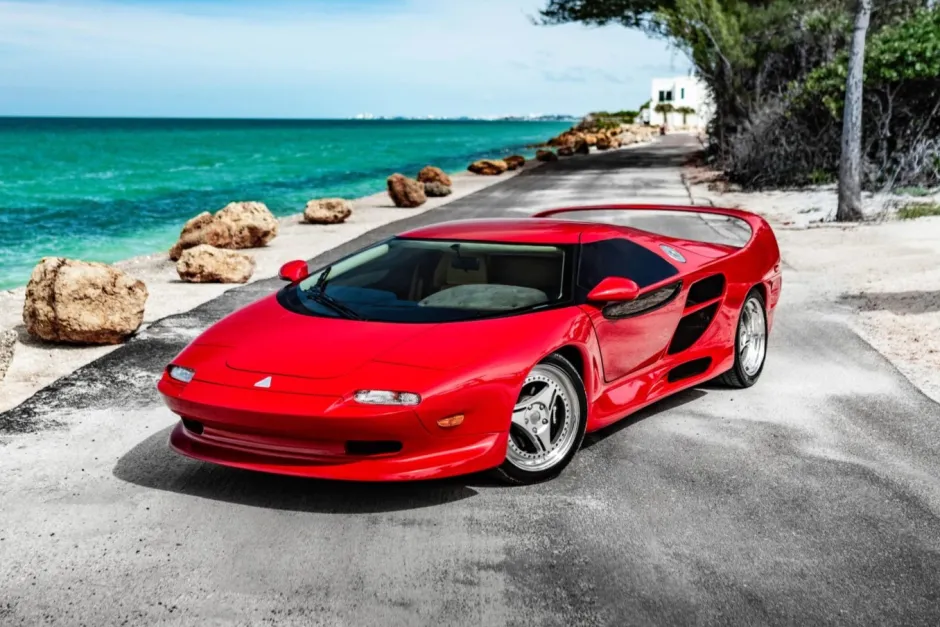
The Vector M12 represented America’s attempt to challenge European supercar dominance during the 1990s. Produced by the controversial American manufacturer Vector Motors, the M12 combined dramatic styling with Lamborghini sourced mechanical components.
Powered by a naturally aspirated V12 engine producing around 492 horsepower, the M12 delivered impressive performance wrapped in one of the most outrageous designs of the decade. Sharp angles, fighter jet inspired details, and extreme proportions made the car look more like science fiction than traditional automotive design.
One reason the Vector M12 faded into obscurity was the instability surrounding the company itself. Financial difficulties, production challenges, and management conflicts prevented Vector from establishing long term success.
Despite these struggles, the M12 demonstrated genuine engineering ambition. Built using lightweight composite materials and advanced chassis construction techniques, the car emphasized high speed performance and visual drama above mainstream appeal.
Driving the M12 was reportedly intense and demanding. Visibility remained limited, the cabin felt cramped, and the handling required concentration. Yet these characteristics added to the car’s unique personality. Unlike polished modern supercars designed for broad accessibility, the Vector felt raw and uncompromising. Enthusiasts admired its refusal to conform to conventional expectations. Every aspect of the car seemed designed to create maximum emotional impact.
The M12 also reflected the bold optimism of 1990s supercar culture. Manufacturers experimented aggressively with design and engineering, often prioritizing excitement over practicality. The result was a generation of unforgettable vehicles with distinctive identities. The Vector stood apart even within that environment because it embraced extreme aesthetics without hesitation. Today, its futuristic appearance still turns heads and sparks conversation wherever it appears.
- Engine: 2.0 liter turbocharged inline 4
- Horsepower: 250 hp
- Torque: 202 lb ft
- Length: 175.6 inches
- Width: 68.1 inches
7. Nissan Silvia S15 Spec R
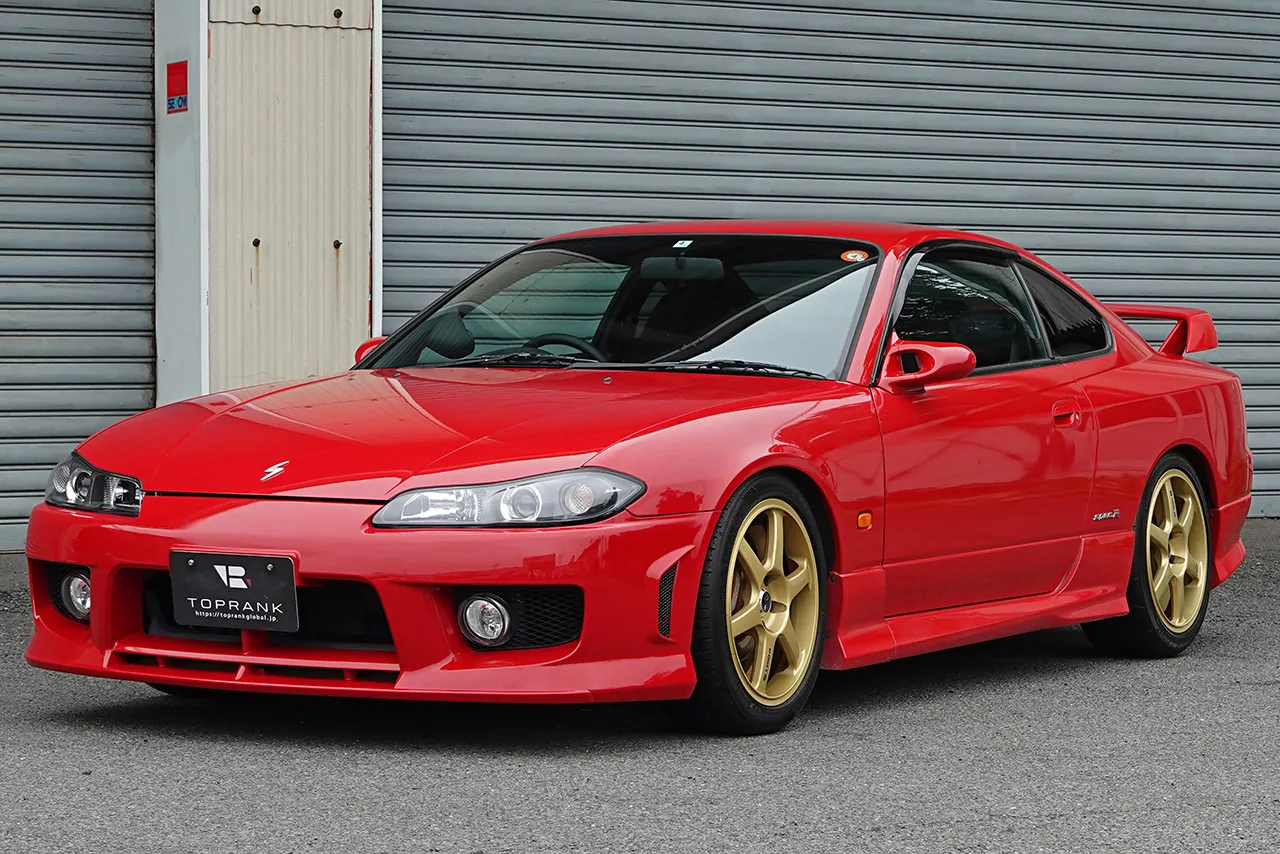
The Nissan Silvia S15 Spec R became one of the most beloved tuner cars of the late 1990s and early 2000s. Although not as powerful as some supercars on this list, the S15 earned legendary status through lightweight construction, balanced handling, and immense tuning potential.
Powered by a turbocharged 2.0 liter SR20DET engine producing around 250 horsepower, the Spec R delivered engaging rear wheel drive dynamics that made it a favorite among drifting enthusiasts and track drivers worldwide.
One reason the S15 deserves recognition alongside far more expensive performance machines is its extraordinary adaptability. Tuners quickly discovered that the SR20DET engine could reliably produce massive power increases with relatively simple modifications.
Many heavily modified S15 builds became capable of acceleration and track performance rivaling modern supercars. This flexibility helped establish the Silvia as one of the most influential Japanese performance platforms ever created.
The driving experience emphasized connection and agility rather than brute force. Lightweight construction allowed the car to feel responsive and alive through corners. Drivers appreciated the precise steering, communicative chassis, and controllable oversteer characteristics.
Unlike modern electric performance cars that isolate drivers from road feedback, the S15 provided constant sensory engagement. Every throttle input and steering correction directly influenced the car’s behavior, rewarding skilled driving techniques.
The styling of the S15 also contributed to its lasting appeal. Sharp headlights, compact proportions, and subtle aerodynamic elements created a clean yet aggressive appearance. The design captured the essence of late 1990s Japanese sports car culture without appearing excessive. Today, well preserved examples have become highly desirable among collectors and enthusiasts, especially in markets where the car was never officially sold.
Although the Tesla Plaid easily surpasses the stock S15 in acceleration, the Silvia represents a more accessible and customizable form of performance enthusiasm. It embodies the spirit of grassroots automotive culture where creativity and driver skill matter as much as factory specifications.
The S15’s influence continues through drifting competitions, tuner communities, and modern sports car development. Its legacy proves that unforgettable performance experiences do not always require extreme horsepower figures or advanced digital technology.
- Engine: 5.6 liter naturally aspirated V12
- Horsepower: 375 hp
- Torque: 406 lb ft
- Length: 188.0 inches
- Width: 72.0 inches
8. BMW 850CSi
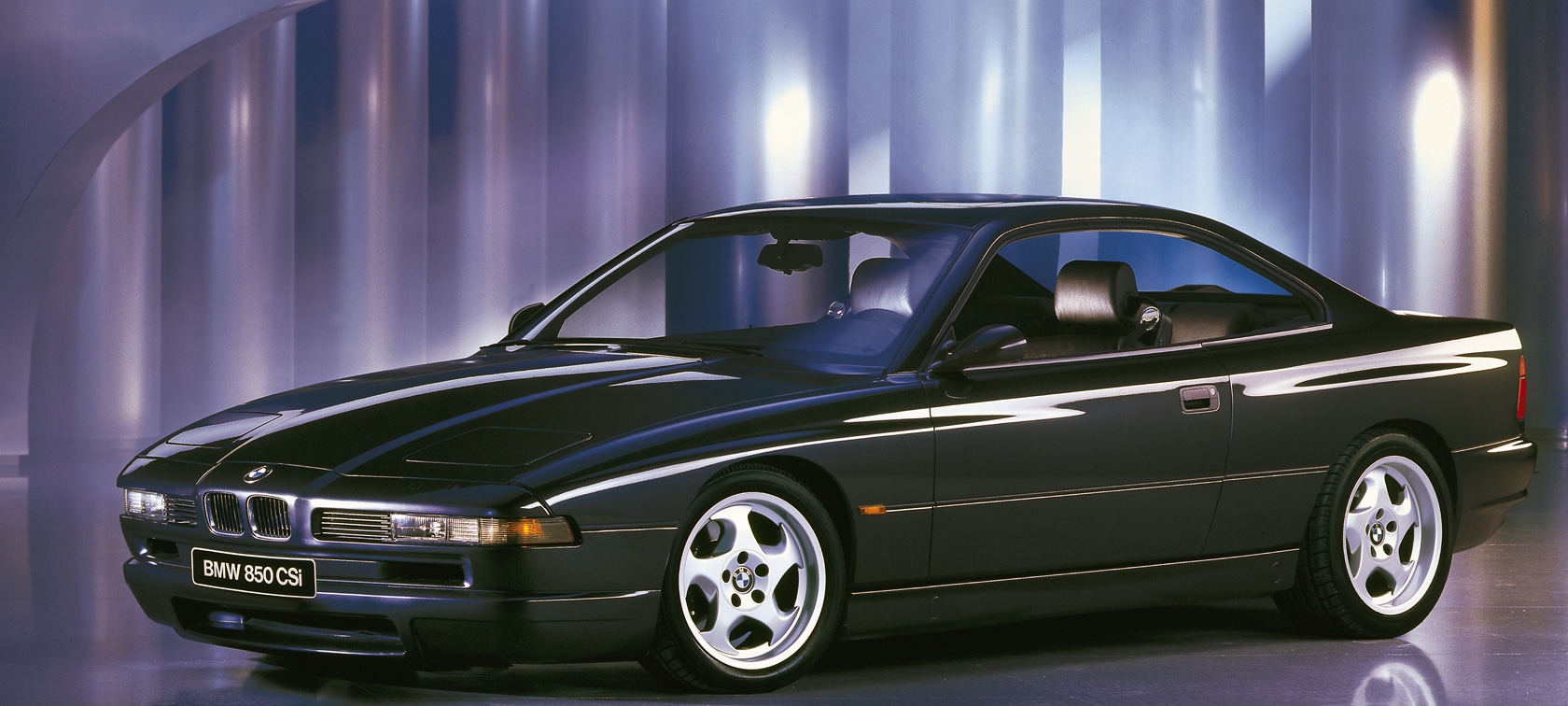
The BMW 850CSi represented the evolution of BMW’s luxurious grand touring philosophy during the 1990s. Powered by a naturally aspirated 5.6 liter V12 engine producing around 375 horsepower, the 850CSi delivered refined yet formidable performance.
Unlike lightweight sports cars focused purely on agility, the BMW emphasized high speed comfort, stability, and effortless power delivery. At autobahn speeds, the car demonstrated exceptional composure that rivaled dedicated exotic machines.
One reason the 850CSi became overlooked is because it arrived during a period when BMW enthusiasts focused heavily on smaller M division performance cars. However, the 850CSi offered a unique blend of luxury and engineering sophistication.
Features such as advanced suspension tuning, rear wheel steering characteristics, and aerodynamic refinement allowed the car to excel during long distance high speed driving. It represented grand touring performance at its finest.
The V12 engine played a central role in defining the car’s character. Smooth, powerful, and refined, the engine delivered acceleration with effortless confidence rather than dramatic aggression. Drivers appreciated how the car maintained stability and comfort even at extremely high velocities.
Compared with the immediate thrust of a Tesla Plaid, the BMW offered a more traditional and emotionally engaging performance experience centered around mechanical refinement and engine sound.
Today, the 850CSi stands as a reminder of an era when grand touring cars prioritized driving experience and engineering artistry above digital convenience. While modern electric sedans deliver astonishing straight line speed, few replicate the sense of occasion created by a handcrafted V12 coupe traveling effortlessly at high speed. The BMW 850CSi deserves recognition not only as a forgotten performance icon but also as one of the finest grand tourers ever produced.
