
The Dodge Hellcat changed the modern muscle car world forever. When Dodge introduced the supercharged 6.2-liter HEMI V8 in the mid 2010s, it created a horsepower war that redefined what American performance cars could deliver straight from the factory.
Suddenly, buyers could walk into a dealership and purchase a car with over 700 horsepower, brutal acceleration, and unmistakable supercharger whine without needing aftermarket modifications. Over time, the Hellcat badge expanded into multiple versions of the Dodge Challenger, Charger, Durango, and even specialty limited editions like the Demon and Jailbreak models.
Each variant offered a different personality, target buyer, and ownership experience. Some became instant legends because they balanced insane performance with everyday usability, while others ended up being expensive, impractical, difficult to maintain, or simply not worth the premium asking prices on the used market.
Today, choosing the right Hellcat is more complicated than ever. Certain models have become collector favorites with rising resale values, while others suffer from inflated prices, questionable drivability, or diminishing returns compared to less expensive trims.
Enthusiasts often debate whether the extra horsepower in top-tier variants actually improves the ownership experience or simply makes the car harder to enjoy outside a drag strip. Some buyers prioritize daily comfort and reliability, while others want exclusivity, track capability, or future collectability.
Understanding the differences between Hellcat variants is critical because the wrong purchase can lead to sky-high insurance costs, expensive maintenance, poor ride quality, and buyer’s remorse.
Not every Hellcat deserves the hype. Some variants hit the sweet spot between performance, practicality, and value. Others exist mainly as marketing showcases that command outrageous prices without offering meaningful advantages for real-world driving.
The best Hellcats provide a thrilling experience every time you start the engine while remaining manageable enough to enjoy regularly. The worst ones feel excessive, overpriced, or too specialized for ordinary roads. This guide breaks down five Hellcat models that are genuinely worth buying and five that are best avoided unless you are a hardcore collector or drag racing fanatic.
Whether you are planning to buy your first Hellcat or simply want to understand which versions stand out in the crowded lineup, this comparison highlights the models that deliver the best ownership experience and the variants that fail to justify their reputation.
Also Read: 10 Cars Owners Routinely Drive Past 350,000 Miles
Hellcats Worth Buying
- Engine: 6.2L Supercharged HEMI V8
- Horsepower: 717 hp
- Torque: 656 lb-ft
- Length: ~197.5 in (5,014 mm)
- Width: ~78.9 in (widebody)
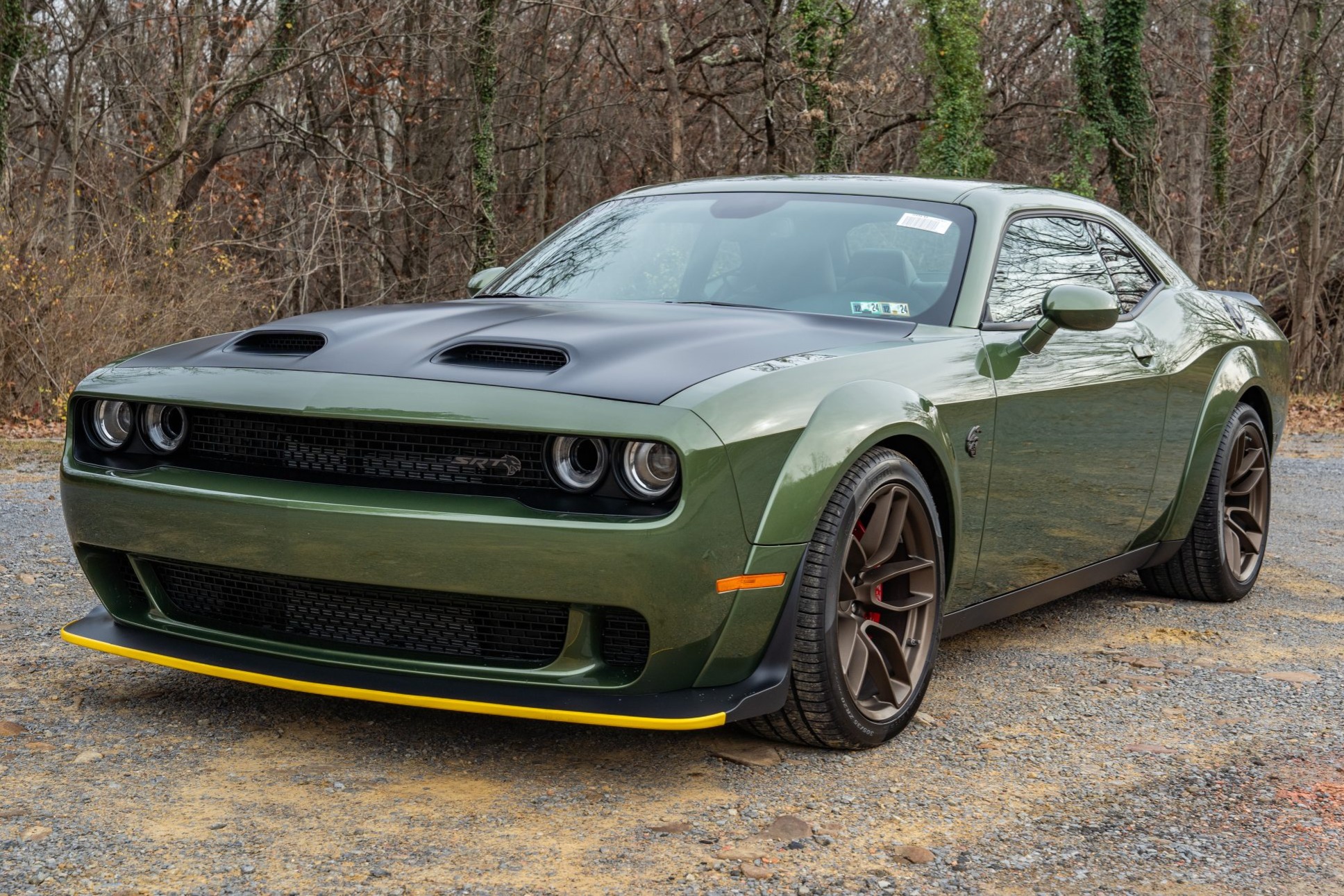
1. Dodge Challenger SRT Hellcat Widebody
The Challenger SRT Hellcat Widebody is arguably the best all around Hellcat ever made. It combines classic American muscle styling with enough modern engineering improvements to make the car genuinely usable on public roads.
The widebody package dramatically improves grip and stability thanks to wider tires and revised suspension tuning. Unlike the standard narrowbody Hellcat, the Widebody feels more planted during aggressive acceleration and cornering, giving drivers significantly more confidence behind the wheel.
One of the biggest reasons this model is worth buying is the balance it strikes between power and usability. With over 700 horsepower, it still feels outrageous, but it does not cross into the territory where traction becomes completely unmanageable.
The standard Hellcat engine provides more than enough excitement without introducing the higher maintenance costs and extreme fuel consumption associated with more powerful variants like the Redeye or Demon. For many enthusiasts, this is the sweet spot in the Hellcat lineup.
Another advantage is long-term value retention. The Challenger Hellcat Widebody has become one of the most recognizable modern muscle cars ever built. Enthusiasts appreciate its aggressive stance, classic proportions, and old school rear wheel drive character. As Dodge phases out many V8 performance models, demand for clean Widebody Hellcats continues to remain strong in both enthusiast and collector markets.
The interior is also more comfortable than many people expect. Unlike hardcore drag-focused variants, the Widebody can function as a legitimate grand touring car. It has decent highway comfort, usable technology, and enough cabin space for everyday driving. Buyers who want a Hellcat they can actually enjoy regularly, rather than keep hidden in a garage, often gravitate toward this model.
Most importantly, the Challenger Widebody delivers the emotional experience people expect from a Hellcat. The supercharger whine, violent acceleration, aggressive styling, and retro muscle car personality all come together perfectly. It feels special every time you drive it, yet it avoids many of the compromises found in more extreme versions.
- Horsepower: 717 hp
- Torque: 650 lb-ft
- Length: 201.0 inches
- Width: 78.3 inches
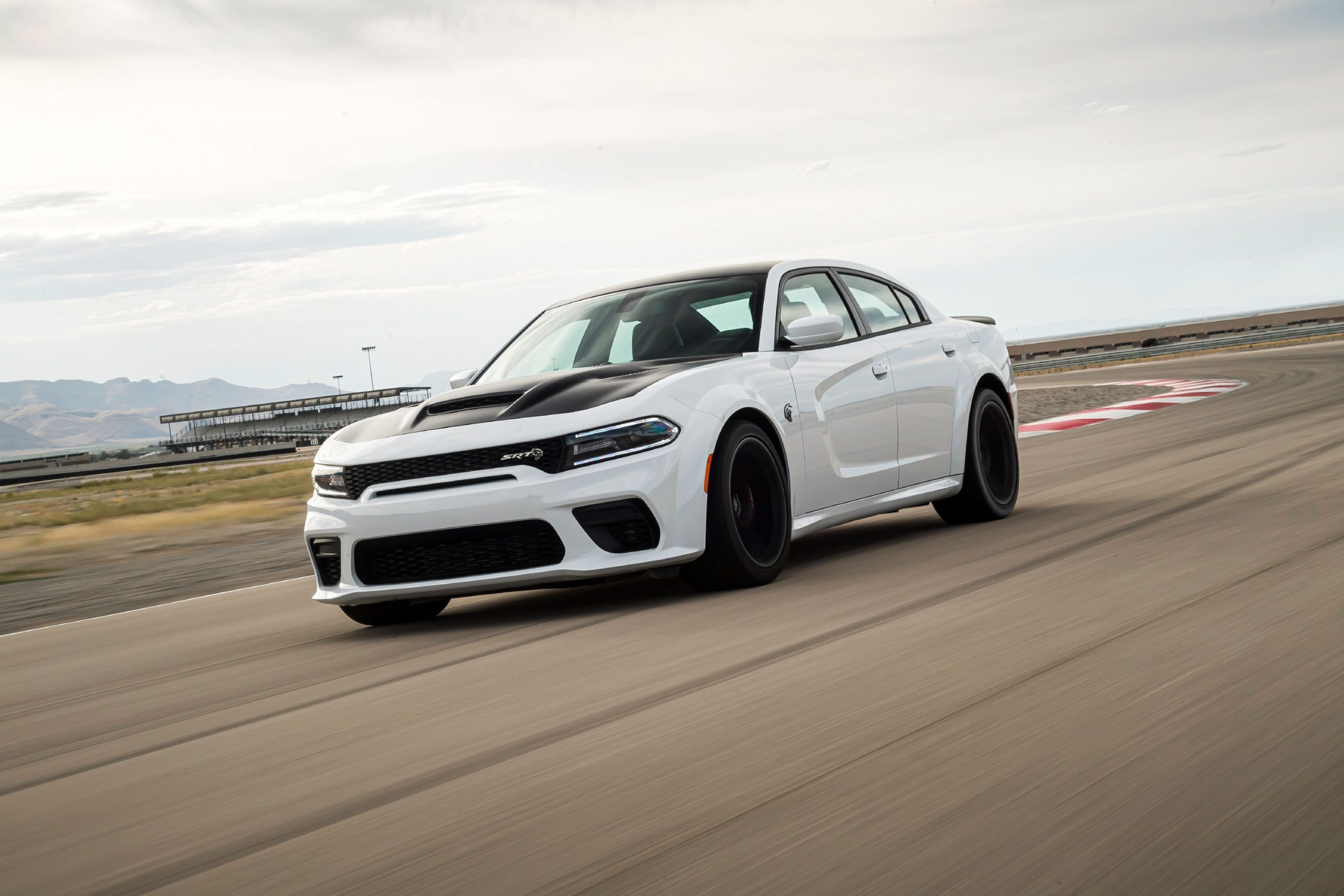
2. Dodge Charger Hellcat Widebody
The Charger Hellcat Widebody is one of the greatest performance sedans ever built. It combines four-door practicality with supercar-level straight-line performance, creating a vehicle unlike anything else on the road. Few cars can comfortably transport a family while simultaneously delivering over 700 horsepower and explosive acceleration.
One major reason this variant is worth buying is its versatility. Unlike the Challenger, the Charger offers genuine rear seat usability and easier daily livability. Owners can comfortably use it for commuting, road trips, grocery runs, and family transportation without sacrificing the thrill of driving a Hellcat. That combination makes it one of the most practical high-horsepower cars ever produced.
The Widebody package also transforms the Charger’s handling characteristics. Earlier narrowbody versions struggled with traction and stability under hard acceleration, but the wider tires and improved suspension setup make the car feel much more composed. Drivers gain increased confidence during spirited driving, especially in corners and highway merges.
Another reason enthusiasts love the Charger Hellcat Widebody is its sleeper appeal. Despite aggressive styling, it still resembles a traditional sedan to casual observers.
Many owners appreciate having a car that can embarrass sports cars at traffic lights while maintaining the practicality of a family vehicle. The idea of a full-size sedan producing this level of performance feels almost absurd in the best possible way.
The Charger Hellcat also benefits from strong aftermarket support and broad enthusiast communities. Parts availability, tuning options, and owner knowledge are plentiful. That makes ownership easier compared to rarer variants with specialized components and limited production runs. Buyers can modify, maintain, and personalize these cars relatively easily.
In the future, the Charger Hellcat Widebody may become one of the most celebrated American sedans ever built. With the automotive industry rapidly shifting toward electrification, the concept of a supercharged V8 family sedan already feels like a relic from another era. That emotional and historical significance only adds to its appeal.
- Engine: 6.2L Supercharged High-Output HEMI V8
- Horsepower: 797 hp
- Torque: 707 lb-ft
- Length: ~197.5 in
- Width: ~78.9 in (widebody version)
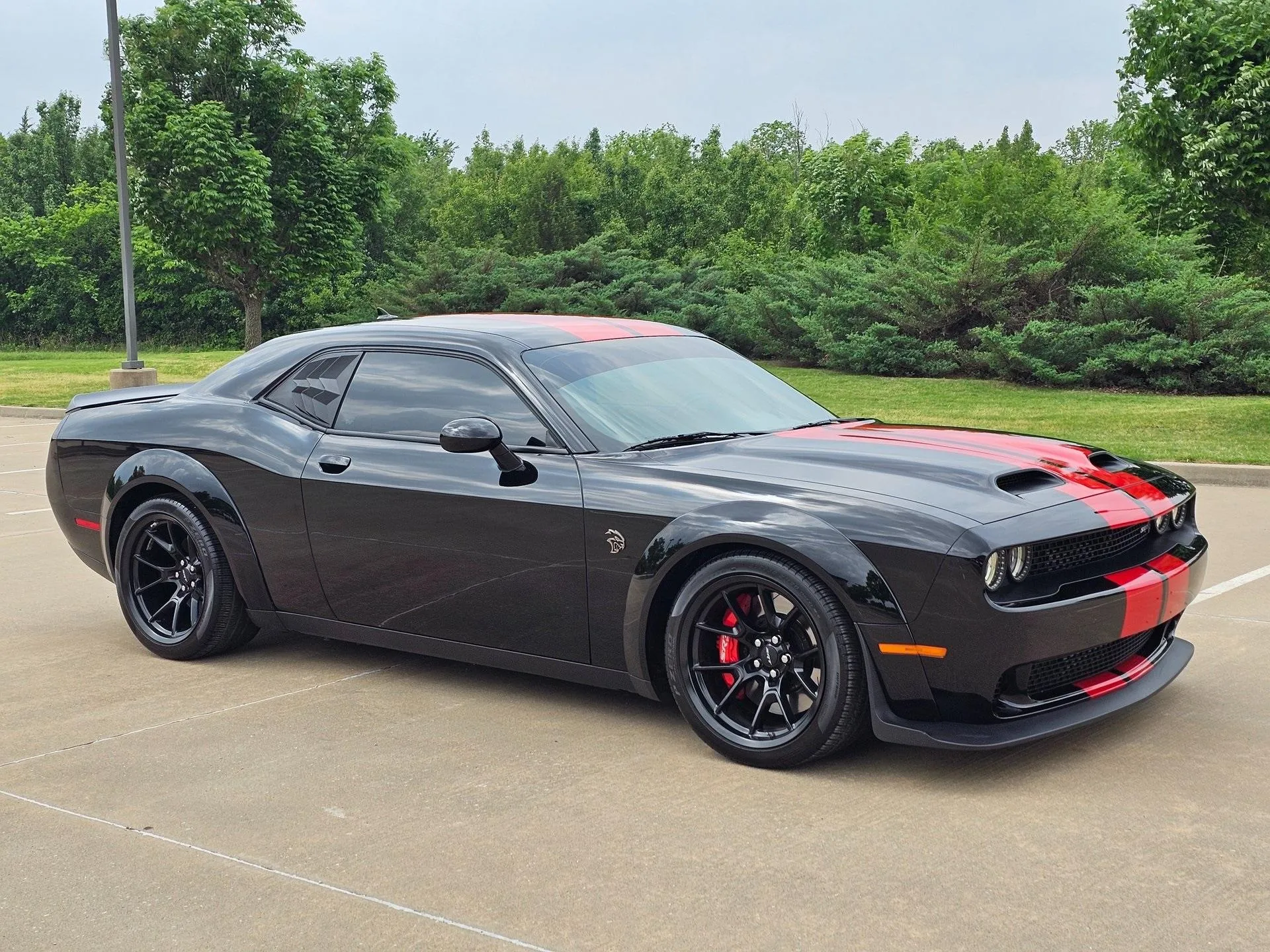
3. Dodge Challenger Hellcat Redeye
The Hellcat Redeye represents the point where Dodge pushed the standard Hellcat formula close to its practical limit without going completely overboard. Producing nearly 800 horsepower, the Redeye delivers savage acceleration while still remaining more usable than the Demon or Super Stock.
One reason the Redeye is worth buying is exclusivity combined with real-world usability. It offers significantly more power than the standard Hellcat while retaining comfortable seating, modern infotainment, and road trip capability.
Drivers get near hypercar levels of acceleration without sacrificing all practicality. That makes the Redeye one of the most exciting muscle cars available from the factory.
The upgraded internals and larger supercharger also give the Redeye stronger tuning potential. Enthusiasts looking to modify their cars often prefer the Redeye platform because it already includes reinforced components designed to handle extreme power levels. This makes it attractive to buyers interested in drag racing or aftermarket performance upgrades.
Another advantage is the visual aggression of the Redeye package. From the hood design to the widebody stance and unique badging, the car looks every bit as intimidating as its performance suggests. It captures the outrageous spirit of the Hellcat brand while offering a more refined ownership experience than ultra-specialized variants.
Collectors also appreciate the Redeye because it represents an important stage in Dodge’s horsepower escalation era. It bridged the gap between the original Hellcat and the truly extreme Demon models. That historical significance may help maintain strong resale value as V8 muscle cars become increasingly rare.
Despite the enormous horsepower figure, the Redeye remains surprisingly comfortable for long drives. The suspension tuning is firm but not unbearable, and the cabin still provides modern convenience features. Owners can genuinely enjoy the car outside drag strips and weekend meets, which is not true for every high-performance Hellcat variant.
- Engine: 6.2L Supercharged HEMI V8
- Horsepower: 710 hp
- Torque: 645 lb-ft
- Length: ~201.1 in
- Width: ~76.4 in
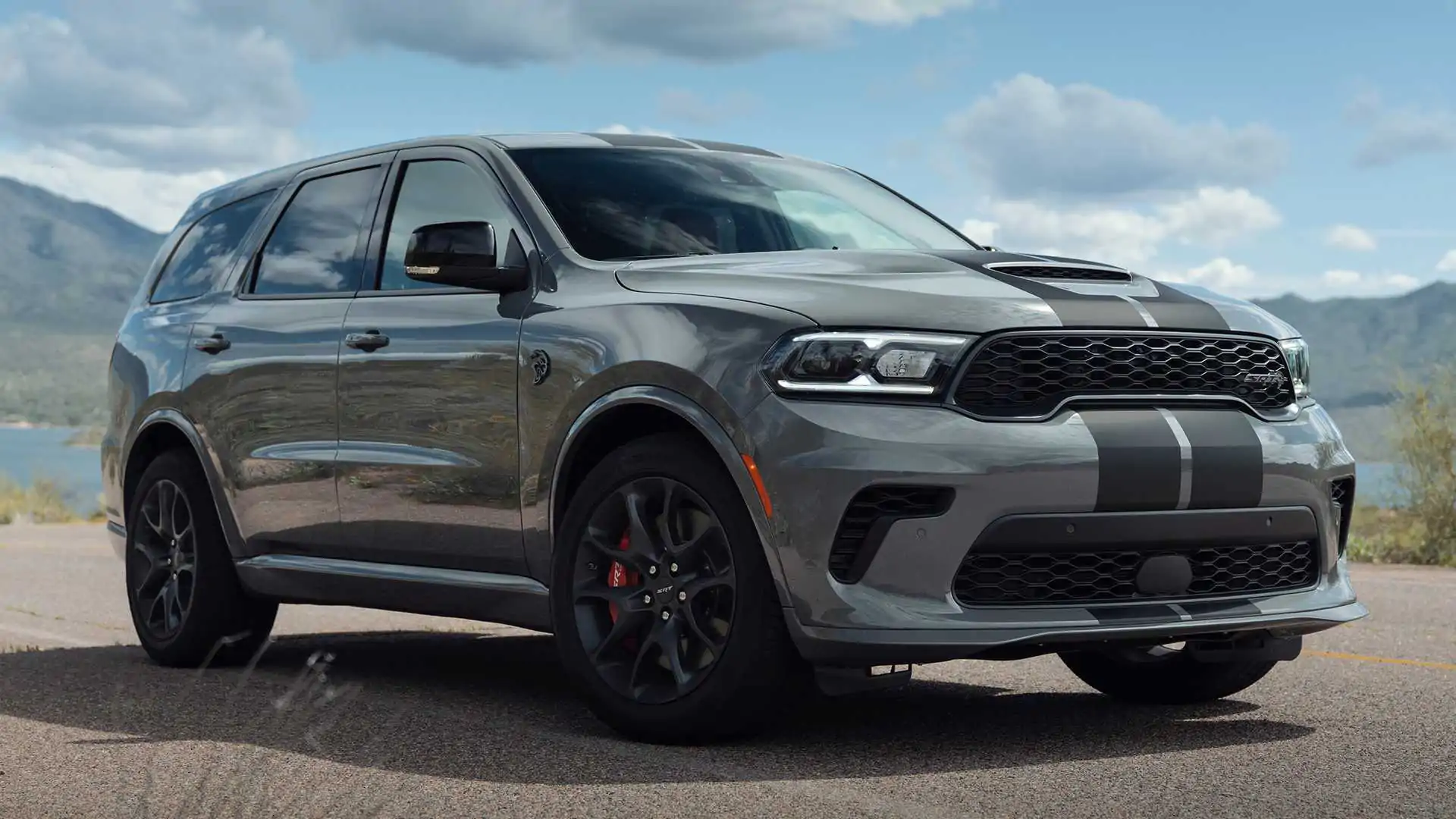
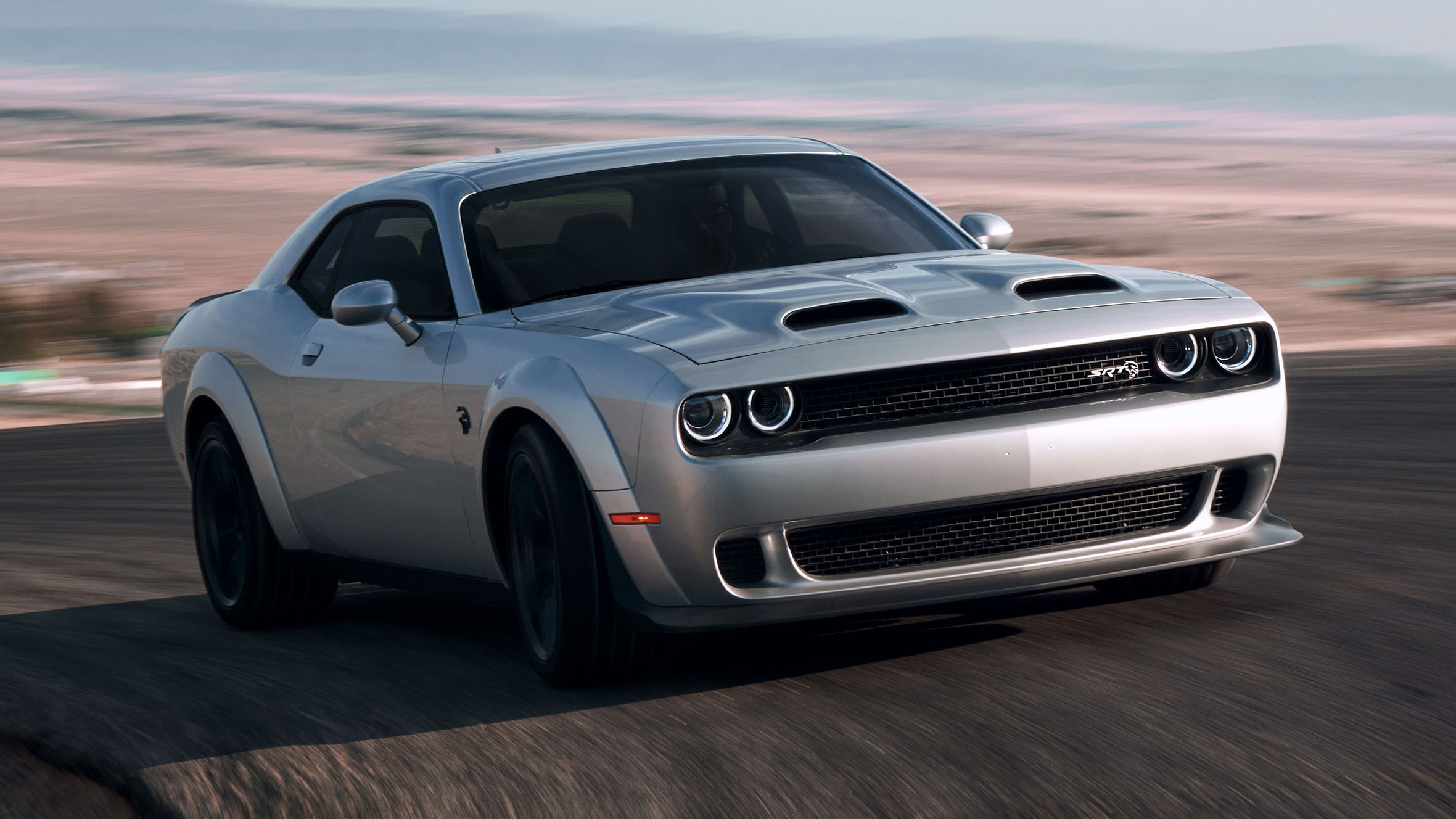
4. Dodge Durango SRT Hellcat
The Durango SRT Hellcat may be one of the most underrated vehicles in the entire Hellcat family. At first glance, the idea of a three-row SUV with a supercharged V8 sounds ridiculous. However, Dodge somehow created a performance SUV that combines family practicality with astonishing speed.
One of the biggest reasons this model is worth buying is its uniqueness. Very few SUVs can match its combination of towing capability, passenger space, and straight-line performance. It offers an ownership experience unlike anything else on the market. Drivers can haul children, luggage, and groceries while still producing supercar embarrassing acceleration numbers.
The All Wheel Drive system also gives the Durango Hellcat better traction than Rear Wheel Drive Hellcat cars. This makes launches more predictable and usable in varying weather conditions. Buyers living in regions with rain or colder climates often find the Durango easier to live with than the Challenger or Charger Hellcats.
Another major advantage is practicality. Unlike two-door muscle cars, the Durango offers substantial cargo space and three rows of seating. Owners with families do not need to sacrifice utility to enjoy Hellcat performance. For many buyers, this makes it the daily driver.
The Durango Hellcat also feels surprisingly refined on highways. It delivers strong long-distance comfort, solid interior quality, and modern technology features. While still aggressive and loud when pushed hard, it can settle into a relaxed cruising experience better than some of Dodge’s other high-performance models.
As performance SUVs continue dominating the market, the Durango Hellcat stands out because it retains old-school American muscle character. Most modern performance SUVs rely heavily on turbocharging and electronic systems, but the Durango Hellcat still feels raw, loud, and unapologetically mechanical. That gives it a personality many rivals lack.
- Engine: 6.2L Supercharged HEMI V8
- Horsepower: 717 hp
- Torque: 656 lb-ft
- Length: ~197.5 in
- Width: ~75.7 in (narrowbody)
5. 2018 to 2020 Standard Hellcat Models
Sometimes the best choice is not the most extreme version. Many enthusiasts consider the 2018 to 2020 standard Hellcat models the smartest buy in the lineup because they offer excellent performance without the inflated pricing associated with later specialty trims.
One major advantage is value for money. Buyers get over 700 horsepower, iconic styling, and the full Hellcat experience without paying collector premiums for Redeyes, Demons, or limited editions. This makes these model years particularly attractive in the used market.
The 2018 refresh also introduced important improvements in cooling, transmission calibration, and reliability. Earlier Hellcats had some heat management concerns during aggressive driving, but later versions addressed many of these issues. Buyers, therefore, gain a more refined ownership experience without sacrificing the raw personality of the original Hellcat concept.
Another reason these models are worth buying is simplicity. They avoid many of the overly specialized features found in drag-focused variants. Drivers can enjoy burnouts, highway pulls, and weekend cruising without constantly worrying about collector mileage or fragile specialty components.
Insurance and maintenance costs are also generally more manageable compared to top-tier Hellcat variants. While still expensive to own, they do not command the same premiums as ultra-high-horsepower editions. That makes them more realistic for enthusiasts who actually want to drive their cars regularly.
Perhaps most importantly, these Hellcats preserve the original spirit of the lineup. They represent the moment when Dodge shocked the automotive world by making outrageous horsepower accessible to ordinary enthusiasts. That historical importance gives them lasting appeal among muscle car fans.
Also Read: 8 SUVs Where Owners Hit 500,000 Without Major Repairs
Hellcat Variants That Aren’t Worth Buying
- Engine: 6.2L Supercharged HEMI V8 (drag optimized)
- Horsepower: 808 hp (pump gas), up to 840 hp (race fuel)
- Torque: 770 lb-ft
- Length: ~197.6 in
- Width: ~78.8 in (widebody stance)
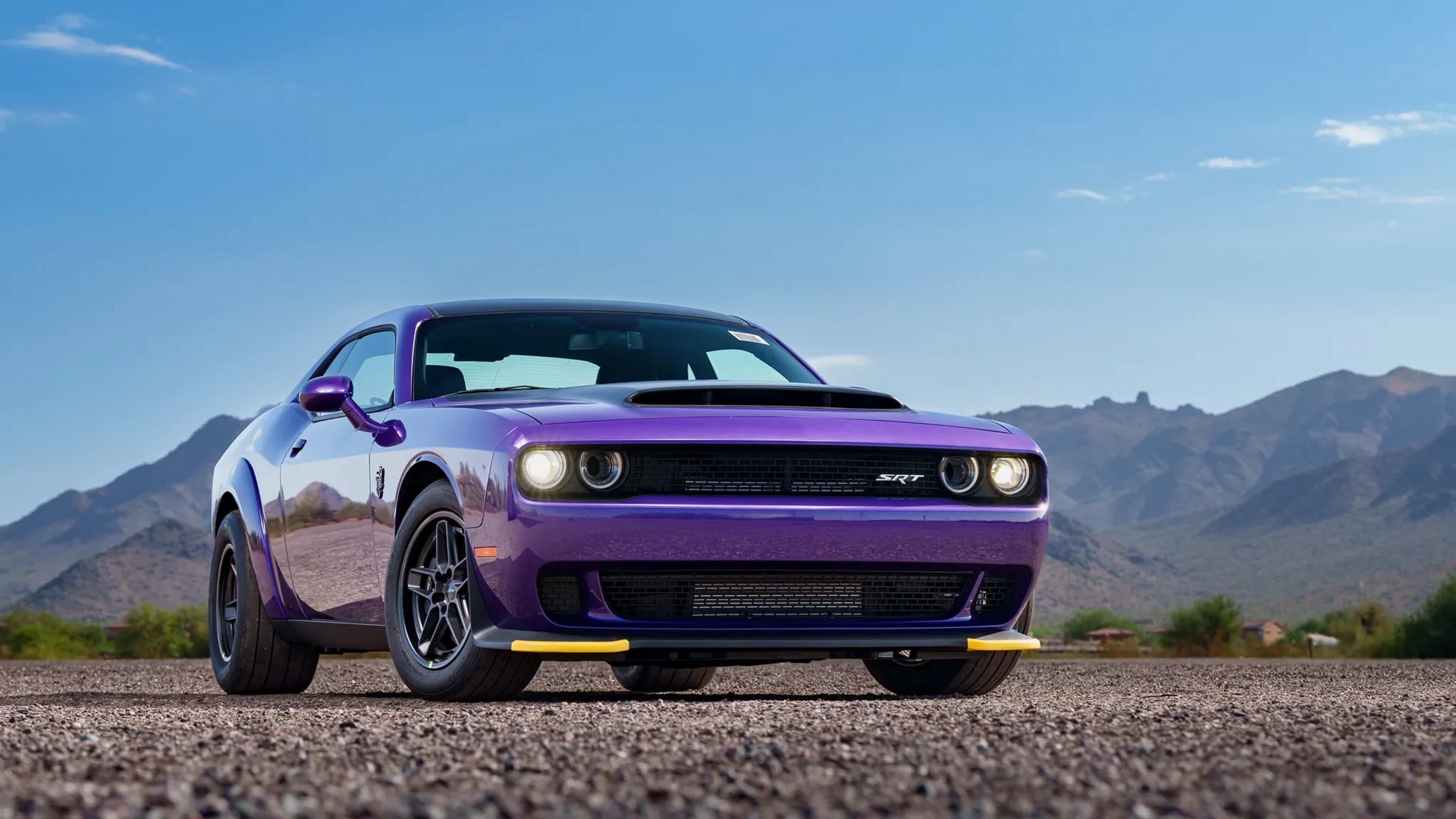
1. Dodge Challenger SRT Demon
The Demon is one of the most famous Hellcat variants ever produced, but for most buyers, it simply is not worth purchasing. While the car became an instant legend because of its drag strip capabilities, its real-world usability is extremely limited.
One major problem is price inflation. Since production numbers were limited, Demons now command massive premiums on the used market. Buyers often pay far more than the car is realistically worth simply because of hype and collectability. For the same money, enthusiasts could purchase multiple standard Hellcats or higher-quality exotic performance cars.
Another issue is practicality. The Demon was engineered primarily for straight-line drag racing. Its suspension setup, skinny front tires, and aggressive tuning make it far less enjoyable during normal driving conditions. On public roads, the car can feel overly specialized and difficult to fully appreciate.
Maintenance and replacement costs are also concerning. Many Demon-specific components are expensive and harder to source than standard Hellcat parts. Owners who actually drive their cars aggressively may face significant repair costs over time. That discourages many buyers from using the car regularly.
The Demon’s collectability ironically becomes another downside. Because values remain high, many owners are afraid to put meaningful mileage on their cars. Instead of becoming an enjoyable driving experience, ownership often turns into preserving a garage queen investment. That defeats the purpose of owning a muscle car for many enthusiasts.
While the Demon is undeniably iconic, it works better as a collector’s piece than a real-world enthusiast vehicle. Unless someone specifically wants a drag racing-focused collectible, there are far better Hellcat options available.
- Engine: 6.2L Supercharged High-Output HEMI V8
- Horsepower: 807 hp
- Torque: 707 lb-ft
- Length: ~197.5 in
- Width: ~78.9 in (widebody)
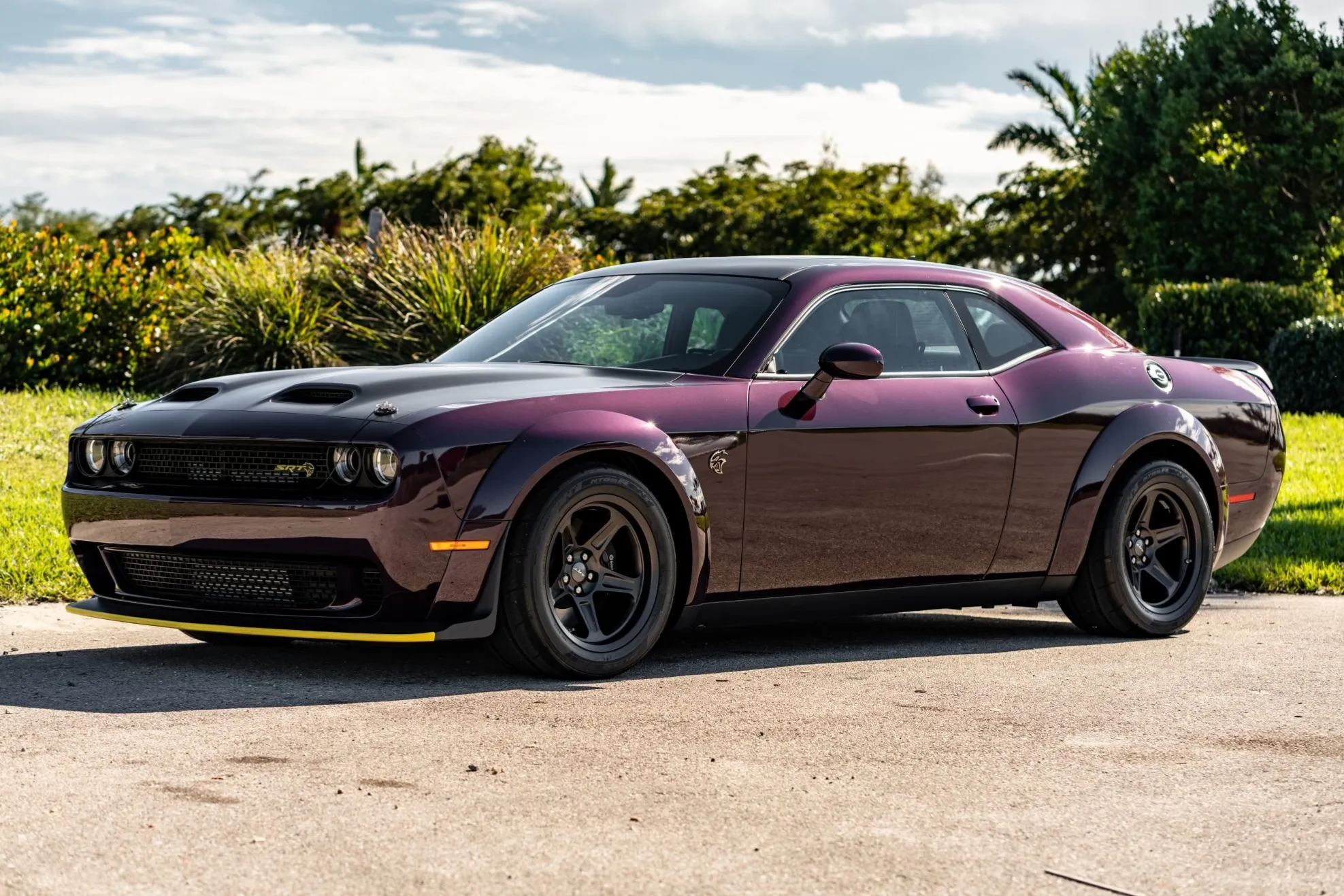
2. Dodge Challenger Super Stock
The Challenger Super Stock attempted to capture some of the Demon’s drag strip magic while remaining street legal, but the result feels awkwardly positioned within the Hellcat lineup.
One of the biggest problems with the Super Stock is redundancy. It overlaps heavily with the Redeye while adding specialized drag-oriented components that many drivers will never fully utilize. Buyers end up paying extra for performance capabilities they cannot realistically enjoy outside prepared racing surfaces.
Traction is another issue. Despite massive horsepower figures, the Super Stock can struggle to effectively deploy its power on normal roads. Without ideal conditions, much of the performance advantage becomes difficult to access. Drivers often experience wheelspin and instability instead of meaningful speed gains.
The suspension setup also sacrifices comfort for drag racing optimization. While dedicated racers may appreciate the tuning, everyday drivers often find the ride quality unnecessarily harsh. This limits the car’s usability as a daily-driven muscle car.
Another downside is value retention uncertainty. Unlike the Demon, the Super Stock does not carry the same legendary status. Yet it still commands premium pricing compared to standard Hellcats and Redeyes. That creates an awkward market position where buyers pay more without receiving the same collector appeal.
For most enthusiasts, the Redeye makes far more sense. It delivers nearly identical excitement while maintaining better road manners, comfort, and versatility. The Super Stock feels too specialized without offering enough unique advantages.
- Engine: 6.2L Supercharged HEMI V8
- Horsepower: 707 hp
- Torque: 650 lb-ft
- Length: ~197.5 in
- Width: ~75.7 in (narrowbody)
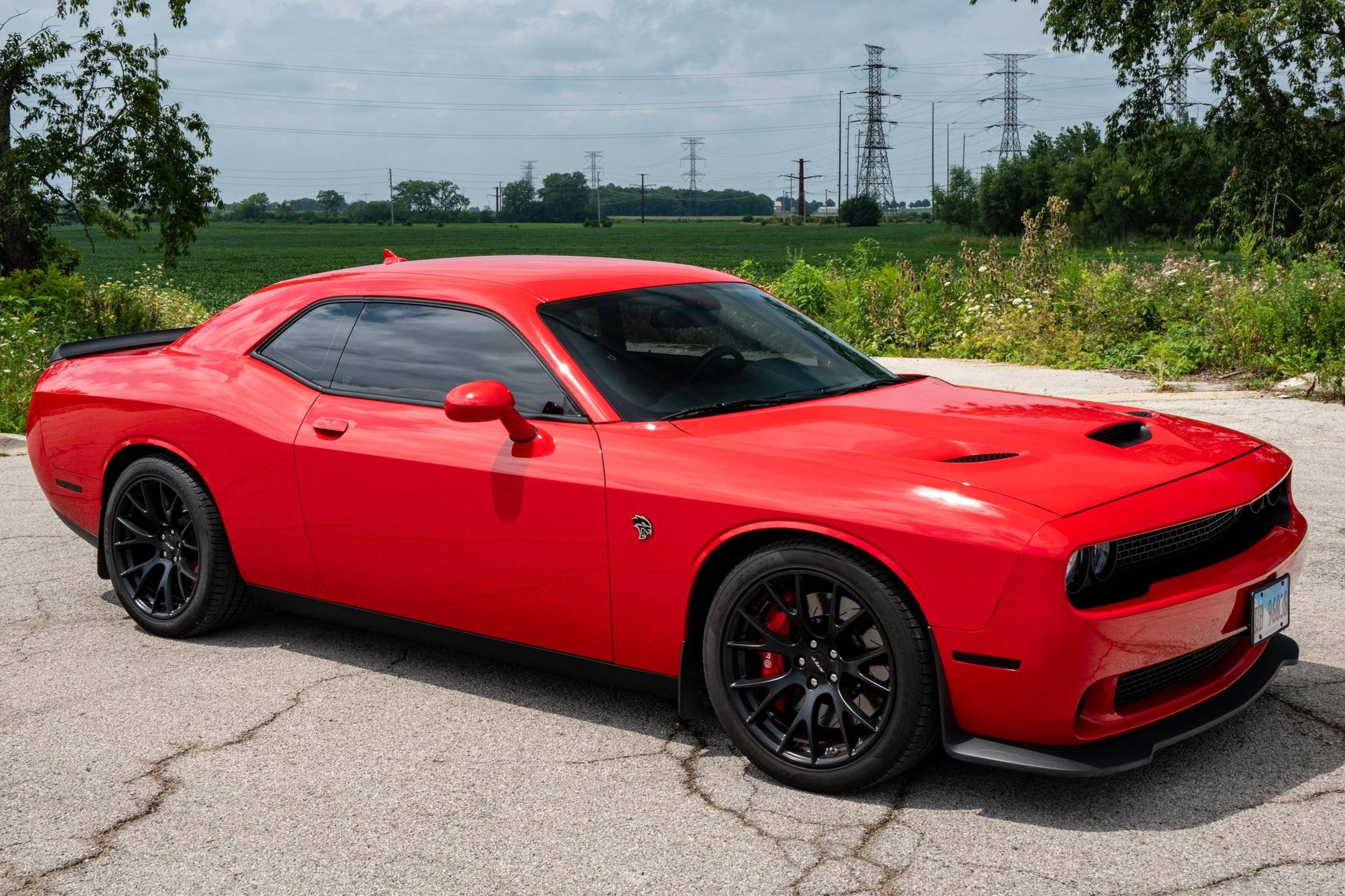
3. Early 2015 to 2016 Hellcats
The original Hellcats deserve respect for launching the horsepower revolution, but early production models are often less desirable than later versions due to refinement and reliability concerns.
One issue involves cooling and heat management. Early Hellcats developed reputations for struggling during sustained aggressive driving, particularly in hot climates or track environments. Dodge later improved cooling systems and drivetrain calibration in subsequent model years.
Interior technology also feels dated compared to later models. Infotainment systems, software responsiveness, and cabin refinement improved noticeably over time. Buyers purchasing early Hellcats may feel like they are missing out on important usability upgrades.
Another drawback is resale positioning. Because newer Hellcats offer meaningful improvements without massive price differences, early examples often occupy an awkward middle ground. They are not old enough to have true classic status yet, but they also lack the refinement of newer versions.
Reliability concerns can also become expensive. Older supercharged V8 performance cars require careful maintenance histories. Buyers who purchase neglected early Hellcats may face costly repairs involving cooling systems, driveline components, and tires.
While early Hellcats remain historically important, later models simply provide a more polished ownership experience. Unless someone specifically wants the first production years for collector reasons, newer variants are generally smarter purchases.
- Engine: 6.2L Supercharged HEMI V8 (standard or Redeye tune depending on build)
- Horsepower: 717 hp (standard) or 807 hp (Redeye Jailbreak)
- Torque: 656 lb-ft or 707 lb-ft
- Length: ~197.5 in
- Width: ~78.9 in (widebody options)
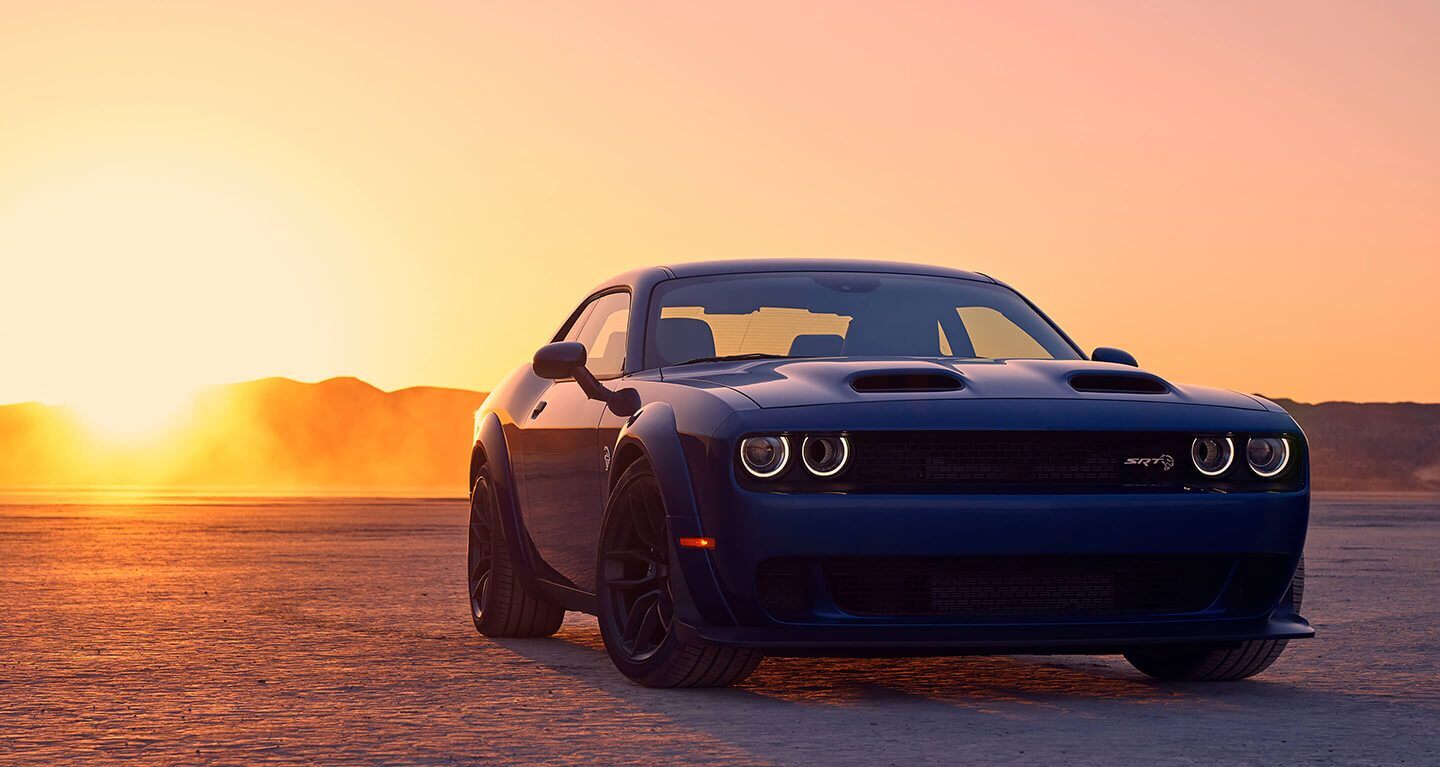
4. Hellcat Jailbreak Editions
The Jailbreak editions generated significant excitement because of expanded customization possibilities, but many buyers quickly realized they offered more cosmetic variety than meaningful performance improvements.
One of the biggest issues is pricing. Dealers often charged substantial premiums for Jailbreak models despite relatively minor mechanical differences compared to existing Hellcat variants. Buyers essentially paid extra for unique colors, badges, and trim combinations rather than transformative upgrades.
The customization aspect also loses novelty over time. While it initially sounds exciting to create highly personalized builds, most owners eventually care more about driving dynamics and ownership costs than exclusive stitching or paint options.
Another concern is long-term resale consistency. Highly customized factory configurations can sometimes limit future buyer interest. While certain combinations may become collectible, others could narrow the pool of interested buyers significantly.
Performance-wise, the Jailbreak models do not fundamentally change the Hellcat experience. Drivers expecting dramatic handling improvements or major horsepower gains may end up disappointed. The cars remain fast and entertaining, but not substantially different from cheaper alternatives.
For enthusiasts focused on actual driving enjoyment, standard Widebody Hellcats or Redeyes generally provide better value. Jailbreak editions appeal more to collectors interested in exclusivity than drivers seeking maximum performance per dollar.
- Engine: 6.2L Supercharged HEMI V8 (heavily modified)
- Horsepower: ~750 hp to 1,000+ hp (varies heavily)
- Torque: ~700 to 900+ lb-ft (varies heavily)
- Length: ~197.5 in (Challenger baseline)
- Width: Stock or aftermarket widebody conversion varies (~75.7 to 78.9 in)
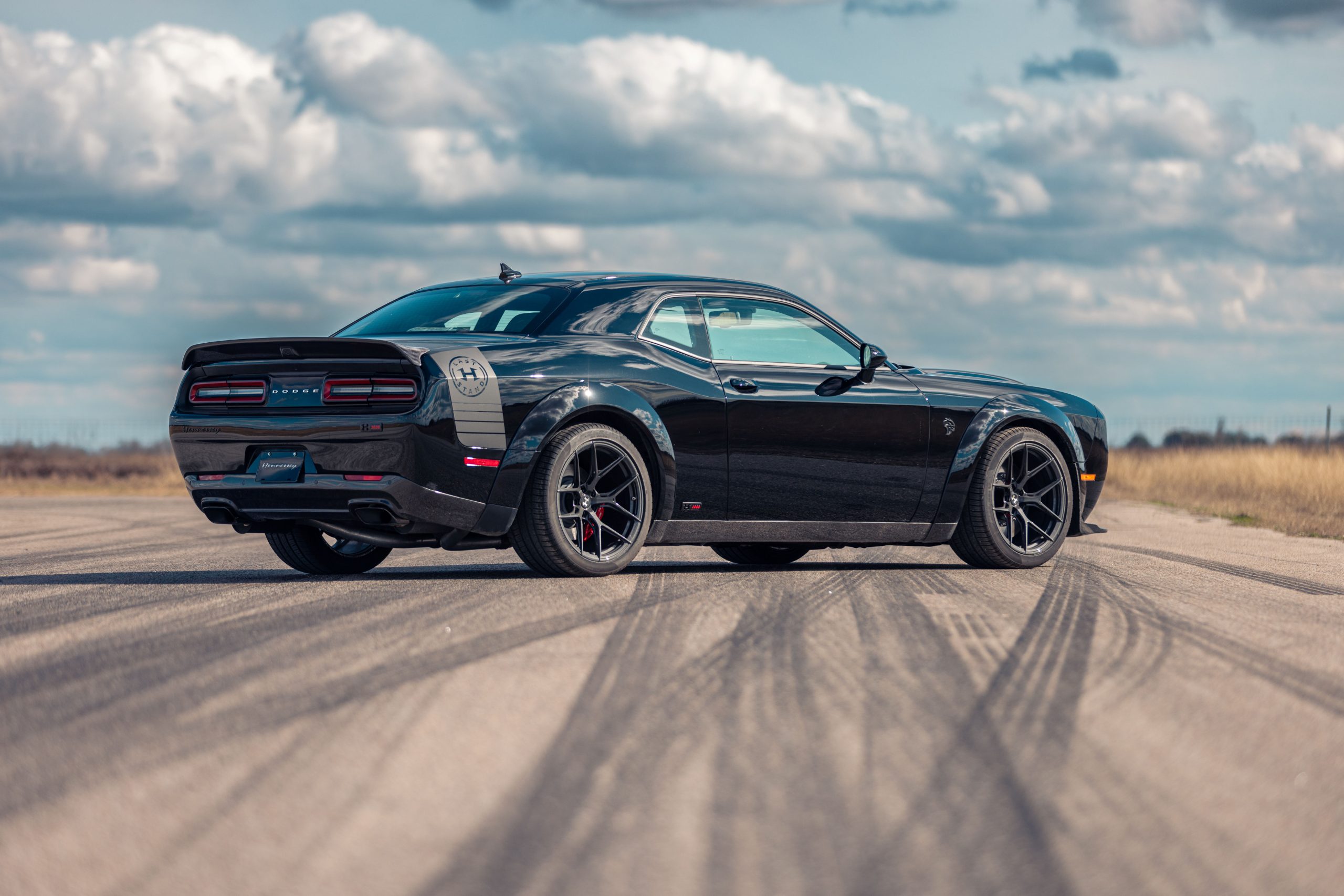
5. Extremely Modified Used Hellcats
Technically not a factory variant, heavily modified Hellcats deserve mention because they dominate the used market and frequently become ownership nightmares.
One major issue is reliability uncertainty. Many modified Hellcats have been subjected to aggressive tuning, racing, burnouts, and hard launches. While the Hellcat engine is robust, excessive modifications can significantly increase stress on driveline components.
Another problem involves questionable build quality. Some owners invest in professional tuning and premium aftermarket parts, but others rely on cheap modifications and poor installation practices. Buyers often have no reliable way to determine how well the car was maintained or tuned.
Insurance and financing can also become problematic. Modified performance cars sometimes face higher premiums or reduced financing options because lenders and insurers consider them higher-risk vehicles.
Resale value instability creates additional concerns. While sellers often expect to recover modification costs, most buyers prefer cleaner stock examples. This can create difficult negotiations and unpredictable market values.
Finally, modified Hellcats often lose the balanced engineering Dodge originally intended. Excessive horsepower upgrades may overwhelm the chassis, transmission, or tires, reducing drivability. For most buyers, a clean factory Hellcat offers a far more satisfying and dependable ownership experience.
