
American automakers produced dozens of memorable coupes during the late twentieth century and early 2000s, but not all of them received the recognition they deserved. Some arrived during difficult economic periods, while others suffered from weak marketing, rising insurance costs, or changing consumer demand.
A few were simply too advanced for their time. Long before modern enthusiasts began appreciating rare performance cars and forgotten grand tourers, many promising American coupes disappeared quietly from showrooms without getting the chance to build the legendary status they were capable of achieving.
What makes these discontinued models fascinating today is how differently people view them compared to when they were new. Cars once criticized for awkward styling or unusual engineering now attract collectors because they stand apart from modern designs.
Certain coupes introduced innovative drivetrains, bold interiors, and high-performance numbers that the market failed to appreciate in their own era. Others competed against dominant rivals like the Mustang or Camaro and struggled to survive despite offering impressive driving experiences.
Many of these vehicles also represented turning points for their brands. Some attempted to revive fading performance divisions, while others experimented with luxury and technology that buyers were not ready to embrace.
In several cases, the manufacturers canceled them just as the cars were beginning to improve. Had production continued for a few more years, these coupes might have become iconic staples of American performance culture instead of forgotten footnotes.
Today, enthusiasts searching for uncommon classics are rediscovering these overlooked machines. Their rarity, distinctive styling, and unique personalities make them increasingly desirable among collectors who want something different from mainstream muscle cars.
These are ten American coupes discontinued before they truly had the opportunity to become classics.
Also Read: 9 Honda Engines Famous for Crossing 10,000 RPM
1. Plymouth Prowler
The Plymouth Prowler looked unlike anything else on American roads during the late 1990s. Its exposed front wheels, dramatic fenders, chopped windshield, and hot-rod-inspired proportions gave it concept car energy at a time when most manufacturers played things safely.
People crowded around it at auto shows and dealerships because it appeared more like a custom build than a production vehicle. Plymouth wanted the Prowler to symbolize creativity and experimentation, and visually, it succeeded better than almost any domestic car of its era.
What prevented the coupe from reaching legendary status immediately was its controversial powertrain choice. Enthusiasts expected a roaring V8 under the hood, but Chrysler installed a V6 paired with an automatic transmission.
While the engine delivered respectable acceleration for the period, critics focused heavily on what the car lacked instead of appreciating what it offered. The aluminum-intensive construction, lightweight engineering, and balanced handling often went unnoticed beneath the complaints surrounding the drivetrain.
Another challenge came from timing. Plymouth itself disappeared shortly after the Prowler launched, leaving the car without a stable identity. Production numbers remained low, and the coupe never received the long development cycle needed to refine its reputation.
Had Chrysler continued evolving the platform with more performance options, the story might have been completely different.
Modern collectors now appreciate the Prowler far more than buyers did when it was new. Its styling still turns heads decades later, and few American cars possess such a daring personality.
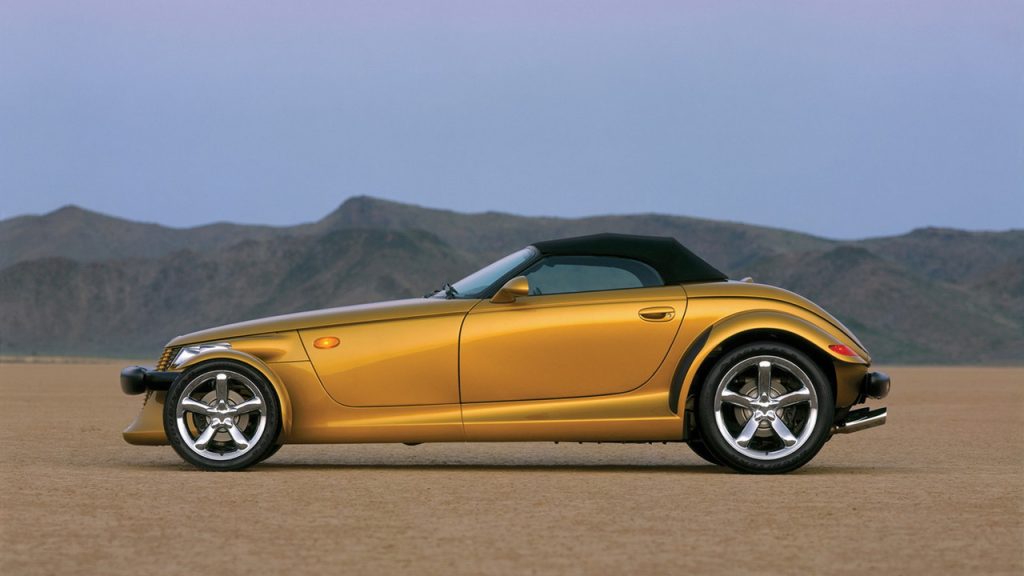
The coupe represented a rare moment when a manufacturer prioritized imagination over convention. Because it vanished so quickly, the Prowler never had enough time to mature into the respected icon it deserved to become during its own lifetime.
- Engine: 3.5-liter V6
- Torque: 255 lb ft
- Horsepower: 253 hp
- Length/Width: 165.1 in / 76.5 in
2. Cadillac XLR
Cadillac attempted something ambitious with the XLR. Instead of building another traditional luxury coupe, the company created a sharp-edged grand touring machine aimed directly at wealthy European buyers.
Sharing its platform with the Corvette gave the XLR genuine performance credibility, but Cadillac wrapped that engineering in futuristic styling, advanced technology, and a folding hardtop roof that looked exceptionally modern for the early 2000s.
The interior showcased Cadillac’s desire to reinvent itself. Real wood trim, digital displays, adaptive suspension systems, and premium materials gave the coupe a sophisticated atmosphere that contrasted sharply with older Cadillac products.
Even the exterior carried a dramatic presence. Its angular body lines and aggressive front fascia fit perfectly with the brand’s Art and Science design philosophy, making the car instantly recognizable.
Despite its strengths, the XLR struggled because it occupied an awkward market position. Corvette fans considered it too expensive and too luxurious, while traditional luxury buyers often preferred established European competitors from Germany.
Pricing also created problems. The high cost pushed the coupe into territory dominated by brands with stronger prestige among performance luxury customers.
The supercharged XLR V later improved the formula with substantial horsepower, but by then, Cadillac had already lost momentum. Sales remained limited, and production ended before the coupe could fully establish itself as a respected performance luxury icon.
In retrospect, the XLR appears ahead of its time. Modern luxury coupes combine technology, speed, and aggressive styling in much the same way Cadillac attempted years earlier.
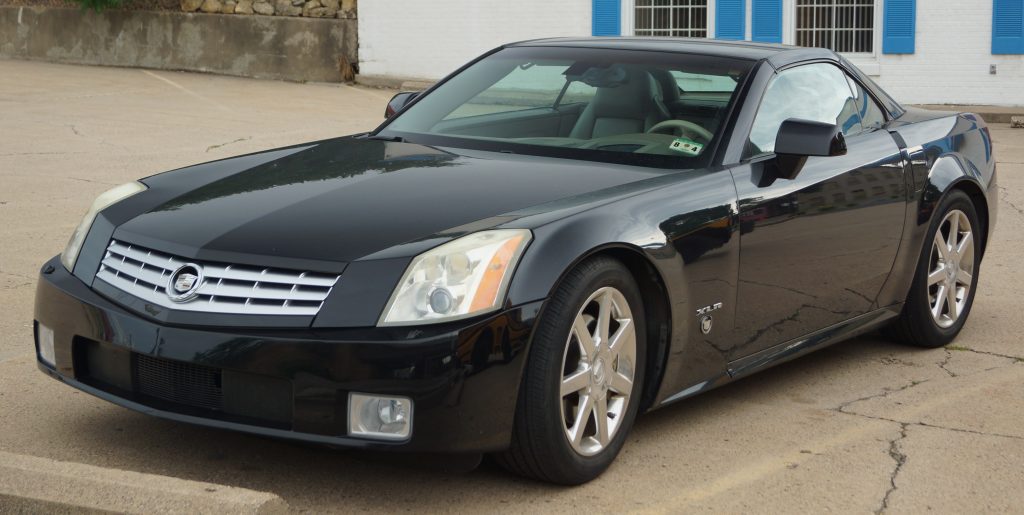
Collectors now recognize how distinctive the XLR truly was. It blended Corvette engineering with Cadillac luxury in a way no other American coupe had previously attempted. Had the model survived longer with continued refinement, it could have become one of the defining American grand tourers of the modern era.
- Engine: 4.6-liter Northstar V8
- Torque: 315 lb ft
- Horsepower: 320 hp
- Length/Width: 177.5 in / 72.6 in
3. Mercury Cougar XR7
During its early years, the Mercury Cougar earned praise for blending muscle car performance with upscale styling. By the late 1980s and early 1990s, however, the Cougar XR7 evolved into something very different.
Instead of chasing raw aggression like the Mustang, Mercury positioned the coupe as a refined personal luxury machine with smooth power delivery, aerodynamic styling, and a comfortable cabin designed for long highway drives.
The XR7 stood out because it balanced sporty character with mature sophistication. Buyers could enjoy V8 performance without sacrificing comfort, and the car carried a quieter, more composed personality than many competing American coupes of the period.
Its flowing body lines also separated it from the sharp, boxy styling trends common during the 1980s. At night, the long hood and sleek profile gave the Cougar an expensive appearance that many people underestimated.
Mercury faced a difficult challenge, though. The brand itself lacked a strong identity within Ford’s lineup. Younger enthusiasts gravitated toward the Mustang, while luxury buyers usually moved toward Lincoln or imported European coupes.
That left the Cougar trapped between categories without a dedicated audience large enough to guarantee long-term survival.
Another factor that hurt the XR7 involved shifting market demand. As the 1990s progressed, consumers began abandoning large personal coupes in favor of SUVs and sedans.
Mercury attempted redesigns and styling changes, but the Cougar gradually lost the confident image that once defined it. Production eventually ended before the model could reinvent itself for a new generation.
Today, surviving XR7 coupes attract enthusiasts who appreciate forgotten American touring cars. They offer comfort, V8 power, and understated styling rarely found in modern performance vehicles.
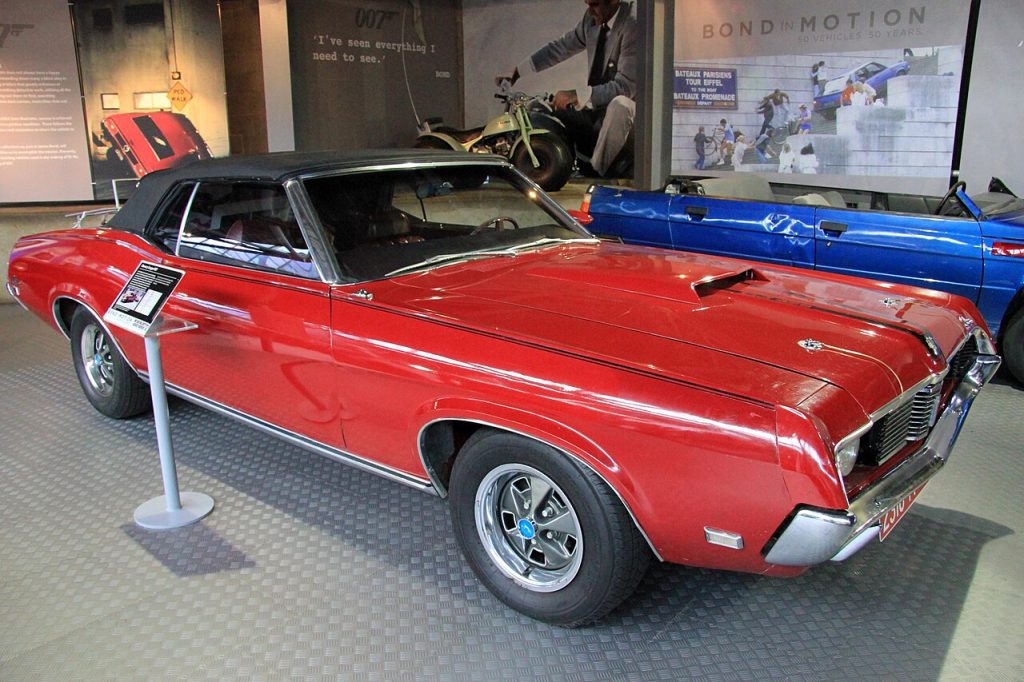
If Mercury had continued refining the formula instead of letting the car fade away, the Cougar XR7 might now stand beside the most respected American coupes of its era instead of remaining an overlooked classic.
- Engine: 5.0-liter V8
- Torque: 270 lb ft
- Horsepower: 225 hp
- Length/Width: 199.9 in / 71.1 in
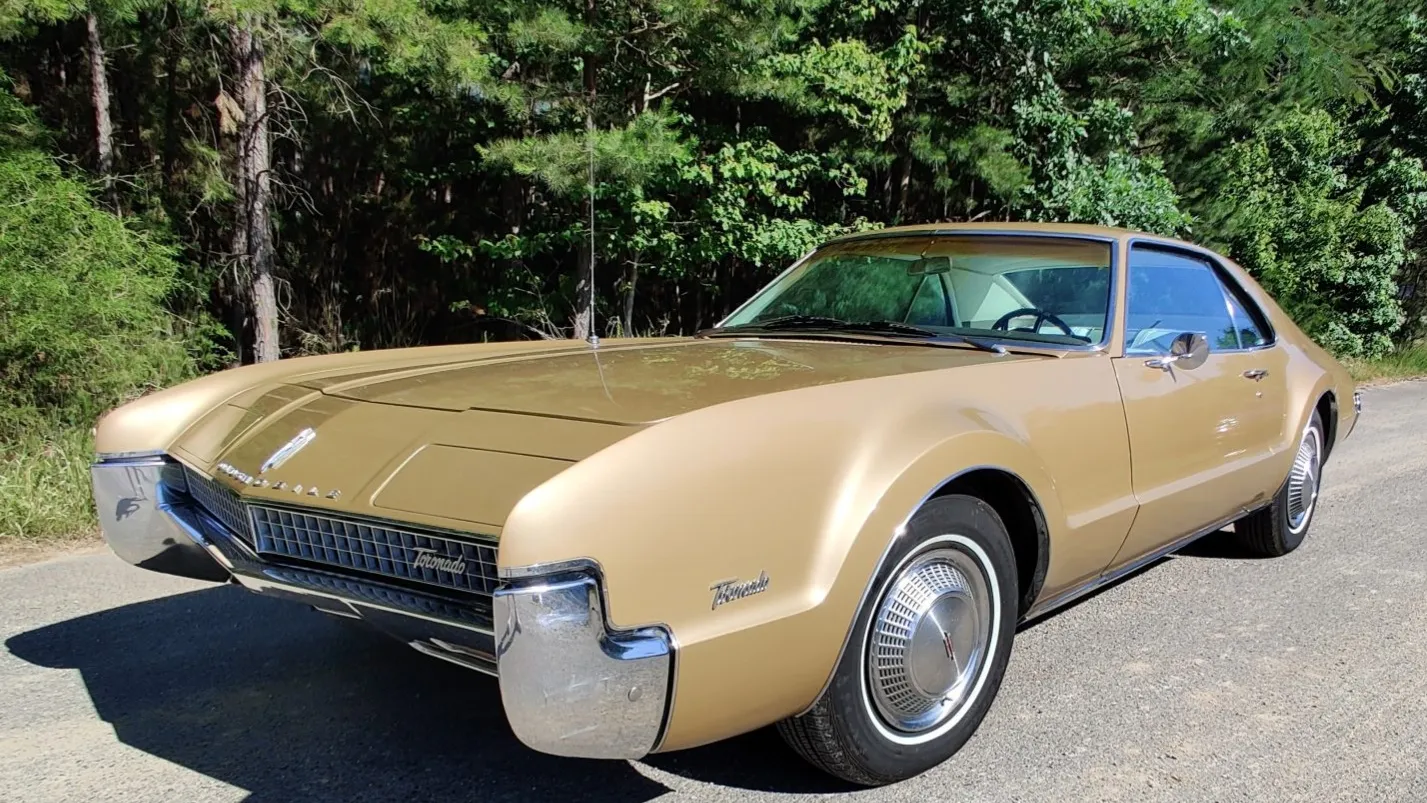
4. Oldsmobile Toronado
When Oldsmobile introduced the Toronado in the 1960s, the coupe shocked the automotive industry. American manufacturers rarely experimented with front-wheel drive on large performance-oriented cars, yet the Toronado combined bold engineering with dramatic styling and strong V8 power.
It looked futuristic, drove differently from its rivals, and quickly became one of the most technically interesting American coupes ever built.
The later generations continued emphasizing comfort and luxury while retaining the Toronado’s unmistakable presence. Wide body proportions, hidden headlights, and massive interiors gave the car a commanding road presence.
Drivers who wanted effortless highway cruising appreciated the smooth ride quality and torque-rich engines. The coupe delivered a uniquely American interpretation of grand touring luxury.
Unfortunately, Oldsmobile struggled to maintain excitement around the Toronado as the market changed. Rising fuel prices during the 1970s and increasing emissions regulations weakened performance across the industry.
At the same time, buyers slowly shifted toward smaller and more practical vehicles. Although the Toronado still offered comfort and distinctive styling, it no longer represented the future in the way it once had.
Brand decline also contributed heavily to its disappearance. Oldsmobile gradually lost relevance inside General Motors, and many of its most interesting vehicles disappeared before enthusiasts had the chance to fully appreciate them. By the early 1990s, the Toronado vanished quietly despite decades of innovation and personality.
Modern collectors often rediscover the Toronado with surprise because few cars from its era combined such daring engineering and luxury. The coupe helped prove that American manufacturers could produce advanced, unconventional vehicles without sacrificing comfort or style.
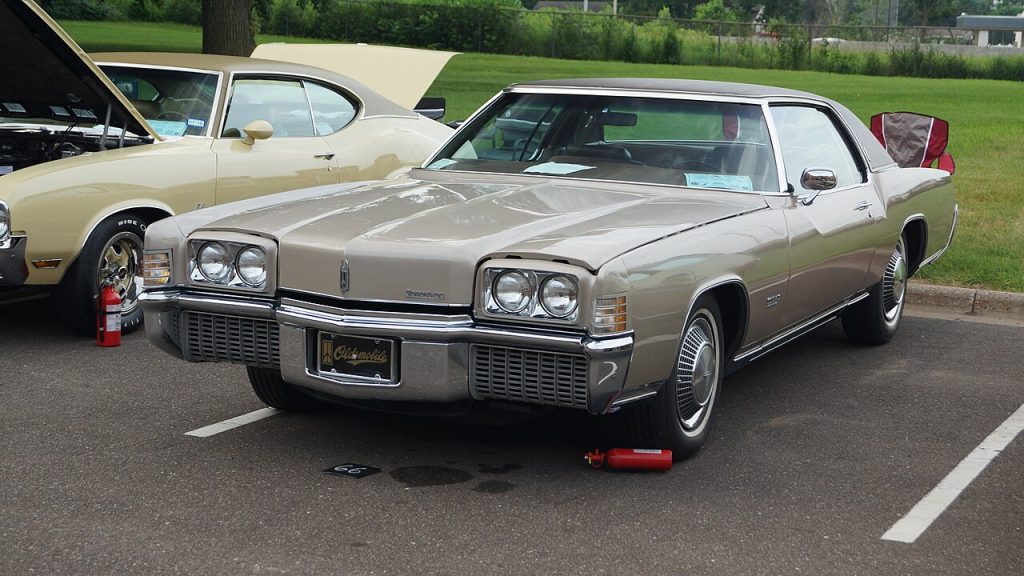
Had Oldsmobile remained stronger as a brand, the Toronado could have evolved into a lasting symbol of American luxury performance instead of becoming a forgotten pioneer.
- Engine: 7.5-liter Rocket V8
- Torque: 535 lb ft
- Horsepower: 400 hp
- Length/Width: 211 in / 79.8 in
5. Buick Reatta
The Buick Reatta arrived at a strange moment in American automotive history. Buick had built its reputation around comfortable sedans for older buyers, yet suddenly the company introduced a compact two-seat coupe with futuristic electronics and handcrafted production methods.
It was a dramatic shift in personality that many people did not expect from the brand. The Reatta attempted to combine luxury, technology, and sporty styling in a way few domestic manufacturers were trying during the late 1980s.
One of the coupe’s most memorable features was its interior technology. Early versions used a touchscreen-style control system that handled climate settings, radio functions, and onboard diagnostics.
At a time when digital dashboards still felt experimental, the Reatta seemed surprisingly advanced. The exterior also carried clean aerodynamic lines that aged better than many overly complicated designs from the same decade.
Instead of chasing raw muscle car performance, Buick focused on refinement. The Reatta provided a smooth driving experience with comfortable seats and quiet highway manners.
That approach confused some buyers because the coupe looked sportier than it actually behaved. Enthusiasts searching for aggressive performance often ignored it, while traditional Buick customers hesitated to embrace such an unusual vehicle.
Production numbers remained relatively low, partly because the car cost more than many people expected from Buick. The brand also lacked the youthful image needed to market a niche luxury coupe effectively. Before the Reatta could gain a dedicated following, Buick canceled the project entirely.
Years later, appreciation for the Reatta continues growing among collectors who value unusual American cars. The coupe represented a bold attempt by Buick to modernize its image through design and innovation rather than brute force.
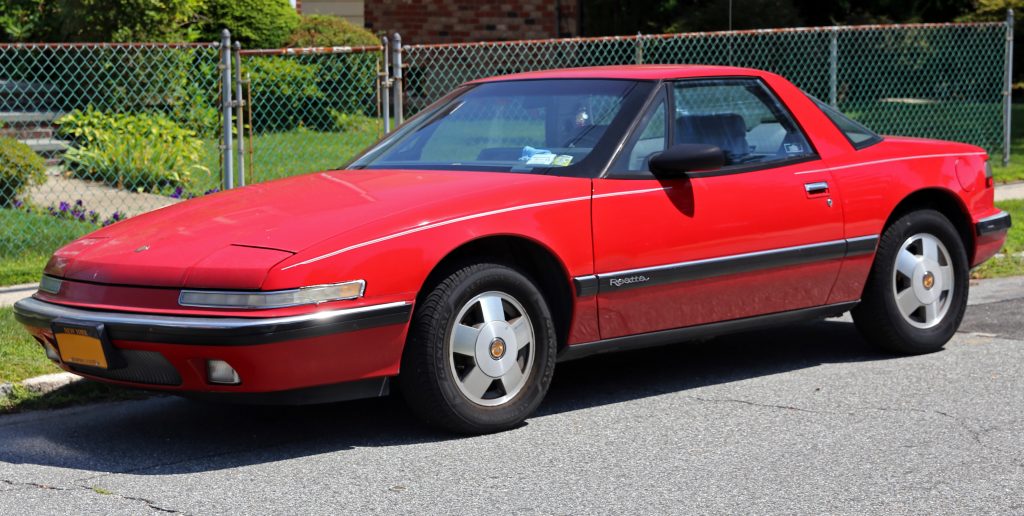
Had the company continued developing the platform with stronger performance and sharper marketing, the Reatta could have matured into one of the most respected American luxury sports coupes of its generation.
- Engine: 3.8-liter V6
- Torque: 220 lb ft
- Horsepower: 170 hp
- Length/Width: 183.7 in / 70.8 in
6. Dodge Stealth
The Dodge Stealth often lived in the shadow of its Japanese sibling, the Mitsubishi 3000GT, yet the coupe deserved far more recognition than it received.
Developed through a partnership between Chrysler and Mitsubishi, the Stealth brought advanced technology and aggressive styling into Dodge showrooms during the early 1990s. It looked modern, fast, and exotic compared to many American coupes available at the time.
Turbocharged versions delivered impressive performance with all-wheel drive, four-wheel steering, adaptive suspension, and active aerodynamics. Those features sounded incredibly advanced during the era, especially for a Dodge-branded coupe.
Drivers who experienced the high-performance R/T Turbo discovered a machine capable of competing with respected sports cars from Japan and Europe.
The problem came from identity confusion. Many American buyers did not know whether to view the Stealth as a domestic performance car or a rebadged import.
Traditional muscle car enthusiasts sometimes dismissed it because of its Japanese engineering roots, while import fans often preferred buying the Mitsubishi version directly. That left the Stealth caught between two different audiences.
Its timing also created challenges. Insurance costs for high-performance coupes rose sharply during the 1990s, and the sports car market began shrinking.
Dodge gradually shifted attention toward trucks and sedans instead of continuing investment in niche performance coupes. As a result, the Stealth disappeared before it could fully establish its own reputation.
Today, the coupe feels far more special than many people realized when it was new. Its combination of technology, turbocharged power, and sharp styling now represents a fascinating chapter in American performance history.
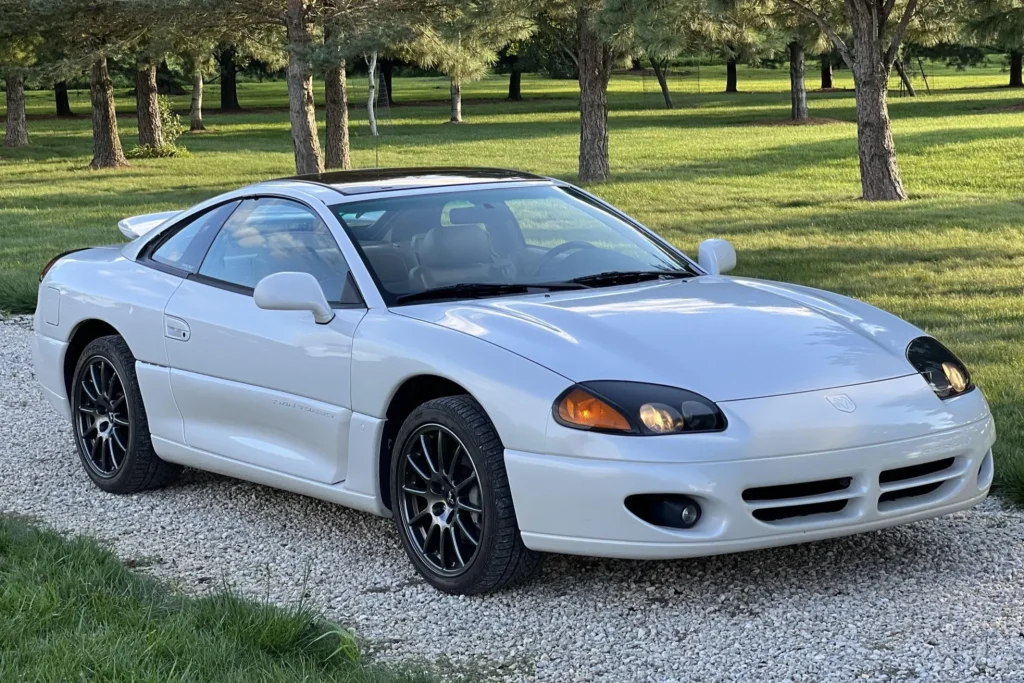
If Dodge had continued refining the Stealth instead of abandoning the concept, it might have become one of the defining American performance coupes of the 1990s.
- Engine: 3.0-liter twin-turbo V6
- Torque: 307 lb ft
- Horsepower: 320 hp
- Length/Width: 180.3 in / 72.4 in
7. Chevrolet Monte Carlo SS
The Chevrolet Monte Carlo SS spent years carrying a complicated reputation. Earlier generations earned respect during the muscle car era, but later versions from the 1980s and 2000s often struggled to gain appreciation despite offering strong personalities and recognizable styling.
Chevrolet attempted to balance performance, comfort, NASCAR-inspired heritage, and affordability within one package, creating a coupe that appealed to a broad audience without fully satisfying any single group. Because of that, the Monte Carlo SS never achieved the cultural status its potential suggested.
The 1980s Aero Coupe variants demonstrated how serious Chevrolet could become when connecting road cars to racing success. Their sloped rear glass and aerodynamic modifications came directly from NASCAR development, giving the Monte Carlo a distinctive shape unlike anything else on American roads.
Enthusiasts appreciated the V8 soundtrack and rear-wheel-drive layout, while casual buyers enjoyed the coupe’s comfortable ride and practical cabin space. It felt approachable yet still carried traces of genuine performance heritage.
Later generations shifted toward front-wheel-drive platforms, which alienated some longtime fans. Even so, Chevrolet continued trying to preserve the Monte Carlo’s sporty image through aggressive styling, supercharged engines, and special editions linked to famous NASCAR drivers.
The coupe remained visually bold during an era when many American cars became bland and forgettable. Wide grilles, muscular body lines, and performance-themed interiors helped it maintain a unique presence in dealerships.
One reason the Monte Carlo SS disappeared before becoming a celebrated classic involved changing consumer habits. By the mid 2000s, coupes declined rapidly in popularity as buyers moved toward trucks and SUVs.
Chevrolet also prioritized the return of the Camaro, leaving little room for another sporty coupe inside the company lineup. Without long-term development and continued investment, the Monte Carlo slowly faded away.
Modern enthusiasts increasingly recognize the Monte Carlo SS for what it represented. It bridged the gap between traditional American muscle and practical daily transportation while keeping motorsport connections alive.
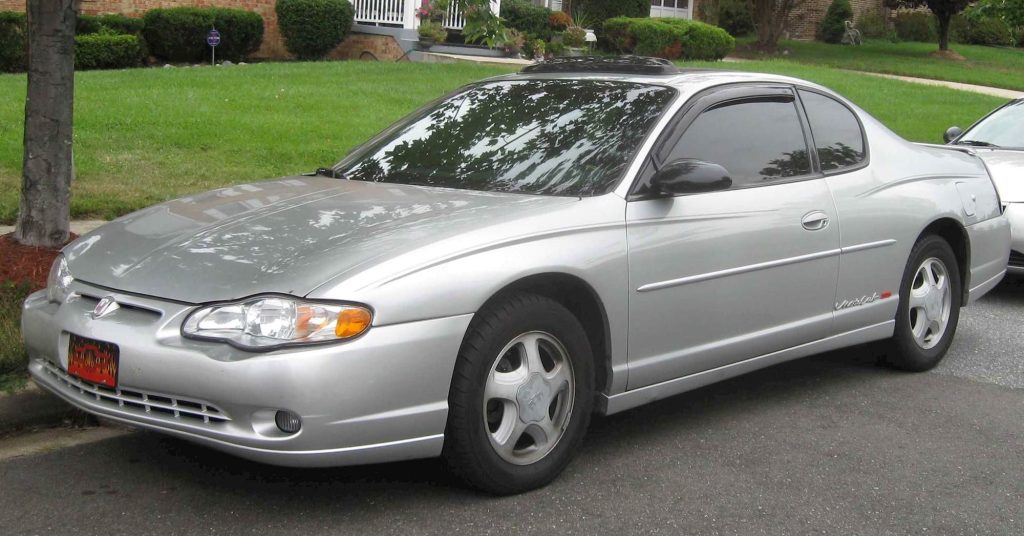
Had Chevrolet continued evolving the model with rear-wheel-drive performance platforms and stronger refinement, the Monte Carlo SS might now stand among the most admired American coupes instead of remaining an underappreciated performance survivor.
- Engine: 5.3-liter V8
- Torque: 323 lb ft
- Horsepower: 303 hp
- Length/Width: 198.3 in / 72.3 in
8. Ford Thunderbird Super Coupe
Ford transformed the Thunderbird dramatically during the late 1980s. Instead of building another large traditional personal luxury coupe, the company introduced a sleek aerodynamic design packed with sophisticated engineering.
The Thunderbird Super Coupe became the performance centerpiece of the lineup, featuring supercharged power, advanced suspension tuning, and a refined grand touring personality that separated it from many domestic rivals.
The supercharged V6 delivered strong low-end torque and respectable acceleration for its time. More importantly, the Super Coupe handled with confidence uncommon among larger American coupes from the era.
Independent rear suspension and carefully tuned chassis dynamics gave the car balanced road manners that surprised drivers expecting soft luxury behavior. Ford invested heavily in making the Thunderbird feel modern and capable rather than simply comfortable.
Inside the cabin, the coupe emphasized driver comfort without abandoning performance themes. Deep seats, clear instrumentation, and upscale materials created an environment suitable for long-distance travel. The exterior styling also aged remarkably well.
Smooth body lines and wide proportions gave the Thunderbird a clean, mature appearance that avoided excessive styling gimmicks common during the period.
Despite these strengths, the Super Coupe struggled to build lasting momentum. It entered a market increasingly dominated by Japanese imports that carried reputations for reliability and refinement.
Meanwhile, traditional American performance enthusiasts remained more interested in V8 muscle cars. The Thunderbird occupied an awkward middle ground as a sophisticated touring coupe that many buyers failed to fully understand.
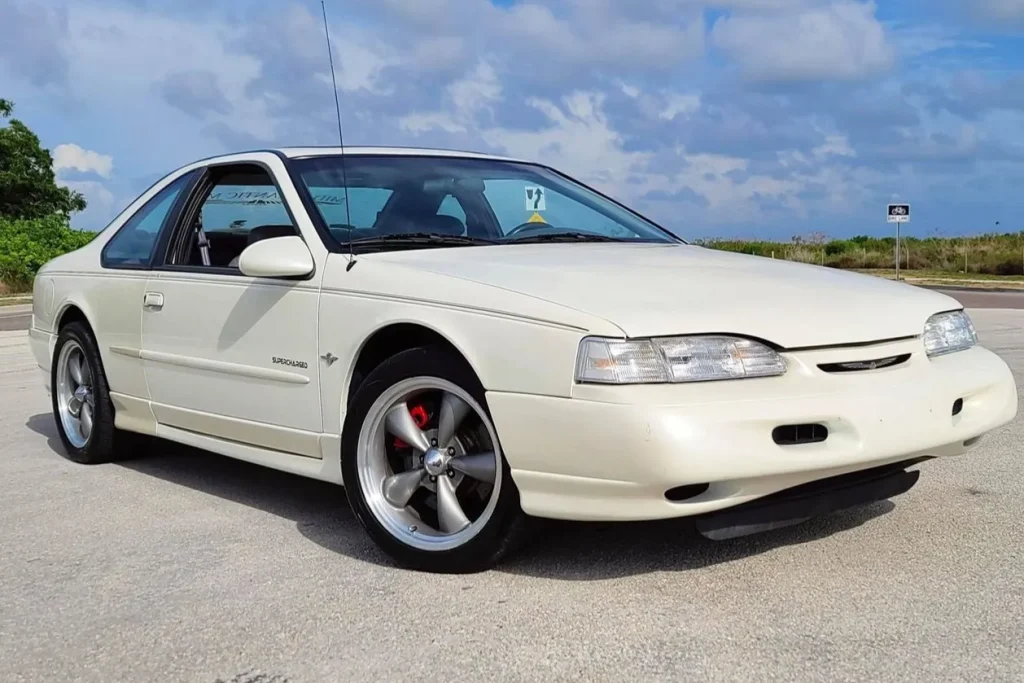
Production costs also hurt the model. The advanced engineering and supercharged setup made the car expensive to manufacture, limiting profitability. As sales declined throughout the 1990s, Ford gradually shifted attention elsewhere before eventually discontinuing the Thunderbird entirely.
Looking back today, the Super Coupe feels far more impressive than its sales numbers suggested. It combined comfort, technology, and genuine performance in a package that anticipated many modern sports coupes.
Had Ford continued refining the concept instead of abandoning it, the Thunderbird Super Coupe could have evolved into one of America’s defining grand touring machines rather than becoming a forgotten experiment from a transitional era.
- Engine: 3.8-liter supercharged V6
- Torque: 315 lb ft
- Horsepower: 230 hp
- Length/Width: 198.5 in / 72.7 in
9. Pontiac G6 GTP Coupe
Pontiac spent decades building an image centered around excitement and performance, but by the mid-2000s, the brand struggled to maintain a clear direction. The G6 GTP Coupe arrived during that uncertain period, attempting to combine sporty styling, modern features, and affordable performance into one sleek package.
Although many buyers overlooked it at the time, the coupe possessed far more personality than most midsize American cars from the same era.
Its styling immediately separated it from ordinary family transportation. The dramatic roofline, aggressive front fascia, and wide stance gave the G6 Coupe a much more athletic appearance than the sedan version. Pontiac also designed the doors differently from most coupes.
The front doors extended unusually far into the roof, creating a large opening that improved cabin access while giving the car a futuristic identity. Small details like that helped the G6 feel more special than people expected.
Performance from the GTP trim added credibility. The available V6 engine delivered strong acceleration, and the suspension setup balanced comfort with respectable handling.
Pontiac aimed to attract younger buyers who wanted something stylish and entertaining without paying luxury coupe prices. On winding roads, the car felt more responsive than many front-wheel-drive American coupes of the time.
The biggest obstacle facing the G6 coupe was Pontiac’s collapsing reputation within General Motors. Financial problems and brand confusion weakened consumer confidence, making it difficult for any Pontiac product to gain lasting traction.
Buyers also shifted rapidly toward crossovers and SUVs, reducing demand for sporty coupes across the industry. Before the G6 platform had the opportunity to mature through additional redesigns and performance improvements, Pontiac itself disappeared entirely.
Today, the G6 GTP Coupe represents one of the final attempts to preserve Pontiac’s sporty spirit before the brand vanished. Enthusiasts who revisit the car often realize it offered more style and character than critics acknowledged when it was new.
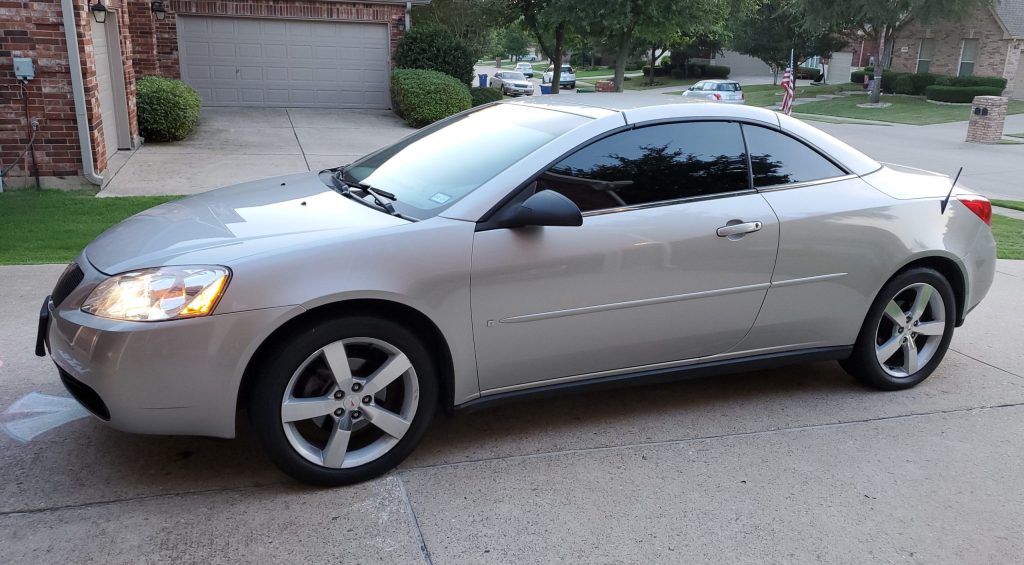
If Pontiac had survived long enough to refine the formula and strengthen performance development, the G6 Coupe might have earned recognition as a modern American classic instead of becoming a forgotten casualty of General Motors’ restructuring.
- Engine: 3.9-liter V6
- Torque: 240 lb ft
- Horsepower: 240 hp
- Length/Width: 189.1 in / 70.6 in
10. Chrysler Crossfire
The Chrysler Crossfire entered the market with enormous visual impact. Its long hood, sharply tapered rear section, deep body creases, and unusual proportions gave it a dramatic appearance unlike almost anything else produced by an American manufacturer during the early 2000s.
Even parked beside exotic European sports cars, the Crossfire attracted attention because its styling felt daring and unconventional.
Underneath the distinctive bodywork sat engineering borrowed from Mercedes-Benz during the DaimlerChrysler partnership years. That gave the coupe a more sophisticated mechanical foundation than many people realized.
Rear-wheel-drive handling, a solid chassis, and available supercharged performance in the SRT6 version allowed the Crossfire to deliver a driving experience far more serious than its critics often admitted.
The interior emphasized a sporty cockpit atmosphere with supportive seats, metallic trim, and a low driving position.
Chrysler hoped the car would reshape public perception of the brand by showing it could produce stylish, enthusiast-focused vehicles instead of only practical sedans and minivans. In many ways, the Crossfire succeeded aesthetically because the design still appears distinctive decades later.
Yet several factors prevented the coupe from reaching iconic status. The cramped interior limited practicality, while pricing placed it against established sports cars with stronger reputations.
Some buyers also viewed the Mercedes-sourced platform as outdated because parts of the engineering originated from an earlier generation SLK. Automotive journalists frequently focused on those criticisms instead of appreciating the car’s individuality.
Timing created another problem. The sports coupe market weakened significantly during the mid-2000s as consumer attention shifted toward SUVs.
Chrysler faced financial instability as well, reducing long-term investment in niche enthusiast vehicles. Production ended quickly, leaving the Crossfire without enough time to develop a broader fanbase.
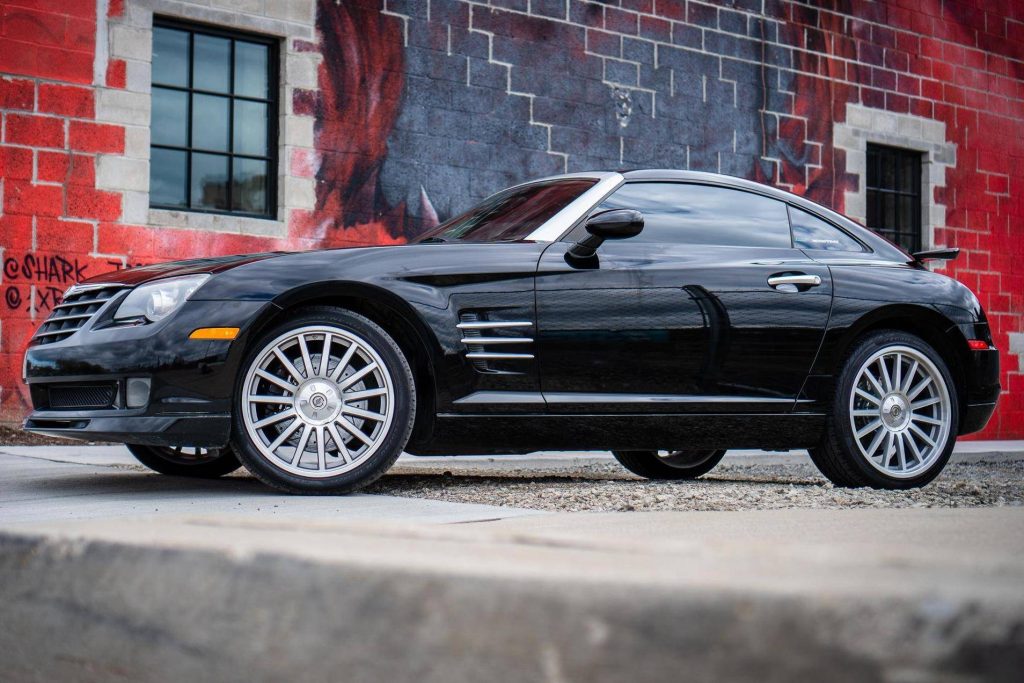
Modern enthusiasts increasingly appreciate the coupe because it feels refreshingly different from safer modern designs. The Crossfire combined German engineering, American styling ambition, and rear-wheel-drive dynamics into a package that stood apart from mainstream competitors.
Had Chrysler continued refining the concept with updated technology and stronger performance development, the Crossfire might now enjoy the same respect granted to many cult classic sports coupes from its era.
- Engine: 3.2-liter supercharged V6
- Torque: 310 lb ft
- Horsepower: 330 hp
- Length/Width: 159.8 in / 69.5 in
Also Read: 10 Modified Everyday Cars That Can Beat A Lamborghini In A Race
