
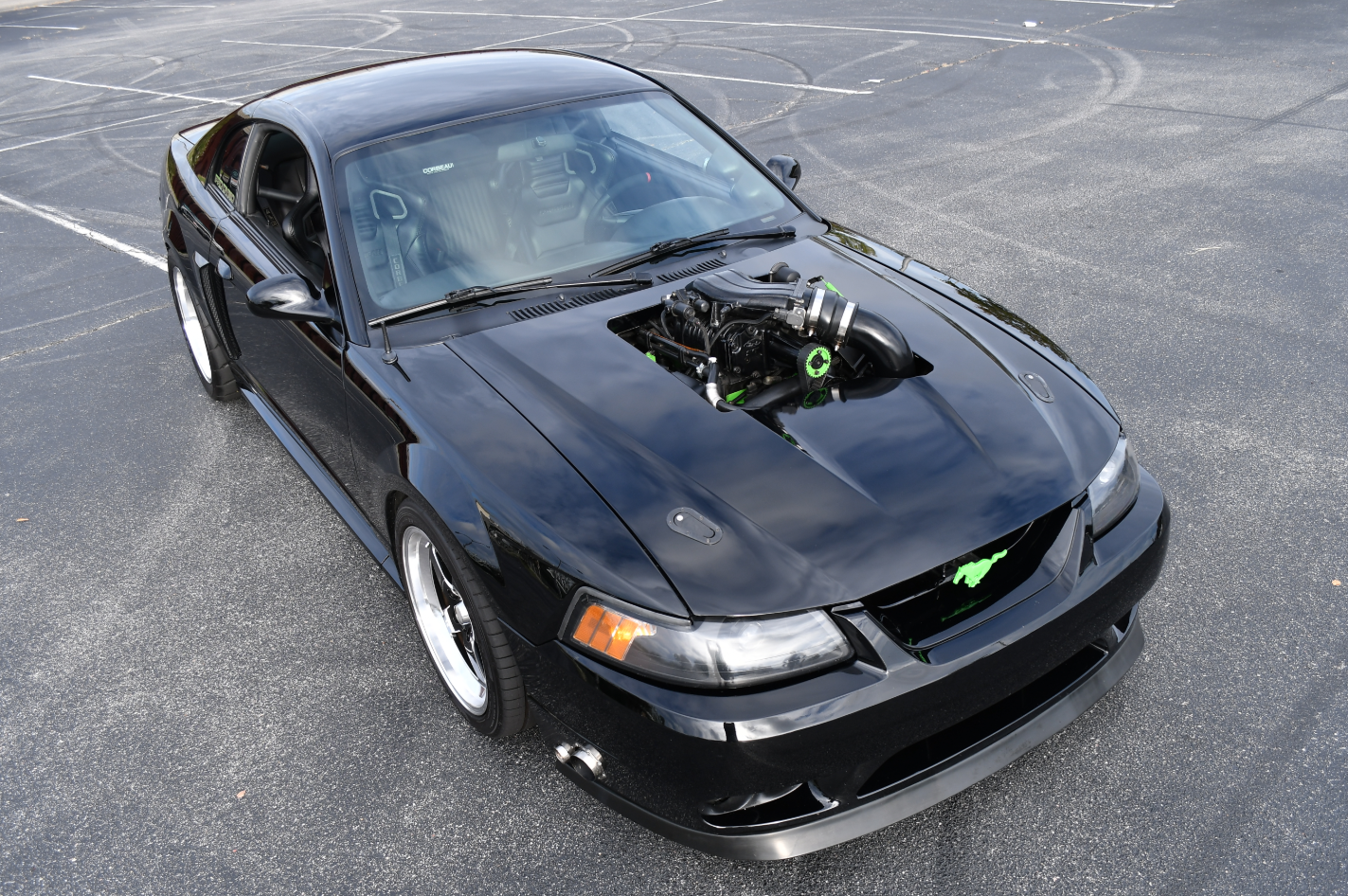
Modern supercars like Lamborghini models are engineered to dominate attention with extreme styling, exotic engines, and massive horsepower figures. For decades, people assumed nothing short of another supercar could challenge them in a straight-line race.
Yet the tuning world completely changed that belief. Today, heavily modified everyday cars can embarrass exotic machines costing several times more money, especially during short acceleration battles.
What makes this phenomenon so fascinating is the contrast involved. Many of these cars started life as practical sedans, hatchbacks, pickup trucks, or affordable coupes built for commuting duties rather than racetrack domination.
However, aftermarket tuning companies and passionate owners discovered enormous hidden potential beneath those ordinary appearances. With upgraded turbochargers, strengthened internals, improved fuel systems, and advanced ECU tuning, these vehicles transformed into genuine high-performance monsters.
Another major advantage modified everyday cars possess is the element of surprise. Lamborghini drivers expect challenges from Ferraris, McLarens, or other supercars.
They rarely anticipate a family sedan, old station wagon, or compact hatchback launching beside them with enough power to stay ahead. That sleeper car appeal became one of the most exciting parts of modern car culture.
Technology also helped narrow the performance gap dramatically. Modern all-wheel drive systems, launch control software, and high-grip tires allow modified street cars to deploy huge power efficiently. In many cases, these tuned vehicles produce acceleration figures that rival professional race machines from previous decades.
Of course, not every modified car becomes reliable or balanced. Some builds sacrifice comfort and durability in pursuit of maximum speed.
Others remain surprisingly usable despite producing four-digit horsepower numbers. The best examples combine shocking performance with enough practicality to remain street-driven regularly.
This list highlights ten modified everyday cars capable of beating certain Lamborghini models in real-world races. Some rely on enormous turbocharged power, while others use lightweight construction and all-wheel-drive traction to gain the advantage.
Each one proves supercar performance no longer belongs exclusively to exotic brands with multimillion-dollar budgets.
Also Read: 9 Best Cars for Drivers Over 6’4″
1. Nissan GT-R R35 Alpha Build
The Nissan GT-R R35 already earned the nickname “Godzilla” in factory form because of its ability to challenge exotic supercars at a much lower price. Once tuners began modifying the platform aggressively, the GT-R evolved into something even more terrifying.
High-end Alpha builds from tuning companies like AMS Performance transformed this everyday Japanese coupe into a machine capable of humiliating Lamborghinis during drag races and roll racing events.
Part of the GT-R’s dominance comes from its incredibly strong VR38DETT twin-turbocharged V6 engine. Nissan engineered the powertrain with serious durability from the beginning, allowing tuners to extract enormous horsepower safely using upgraded internals, larger turbochargers, and advanced fuel systems.
Some Alpha builds produce well above 1,500 horsepower while remaining street legal. Traction gives the GT-R another massive advantage. The sophisticated all-wheel-drive system launches the car with brutal efficiency, minimizing wheelspin even under extreme power levels.
Many high-horsepower rear-wheel-drive supercars struggle to deploy their power effectively from a standstill, while modified GT-Rs simply explode forward with incredible consistency.
The car’s appearance also contributes to its reputation. Although aggressive-looking, the GT-R still resembles a relatively practical coupe compared with dramatic Italian supercars. That sleeper quality makes the performance even more shocking when the car outruns machines costing several times more money.
Another reason tuners love the platform involves aftermarket support. Owners can choose from countless performance upgrades, allowing builds tailored for drag racing, highway pulls, or circuit driving. Some modified GT-Rs even achieve quarter-mile times deep into the seven-second range, territory once reserved only for professional race cars.
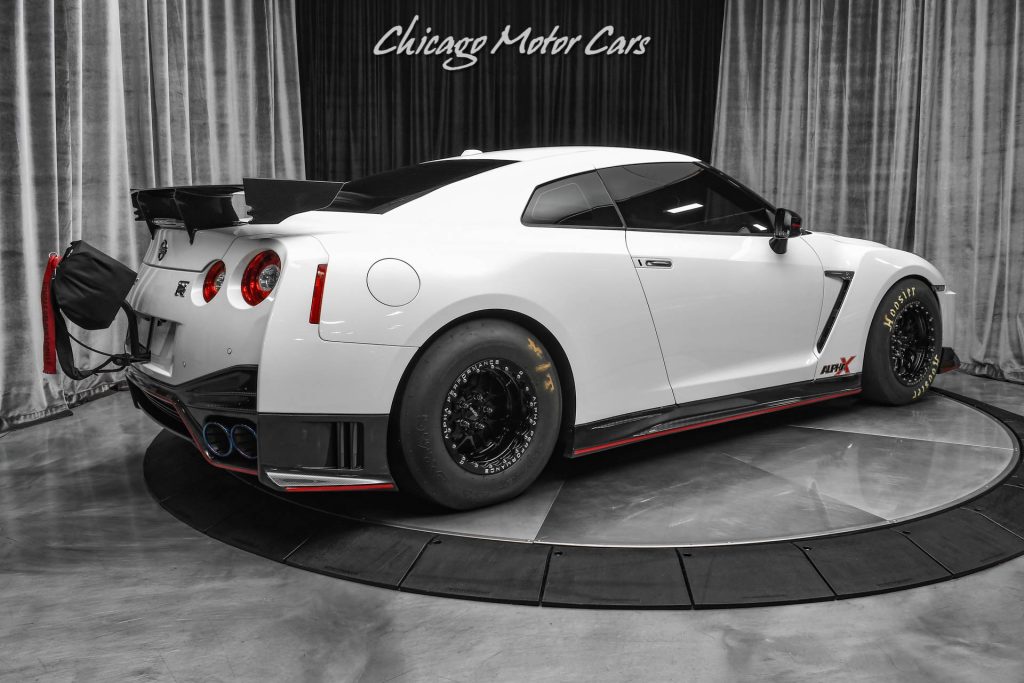
The GT-R completely changed how enthusiasts viewed Japanese performance engineering. It proved that a relatively practical coupe could become faster than many exotic supercars through intelligent technology and aftermarket tuning potential.
- Engine: 3.8-liter twin-turbocharged V6
- Torque: 1,150 lb ft modified
- Horsepower: 1,500 hp modified
- Length/Width: 185.4 in / 74.6 in
2. Toyota Supra Mk4 Single Turbo Build
The Toyota Supra Mk4 became legendary largely because of its tuning potential. During the 1990s, Toyota created a car that looked stylish and sporty, but few people realized how much power the famous 2JZ GTE engine could eventually handle.
Decades later, heavily modified Supras remain some of the fastest street cars in the world, capable of outrunning modern Lamborghinis during straight-line races.
The magic begins with the engine itself. Toyota massively overengineered the 3.0-liter inline six, equipping it with a cast-iron block and extremely durable internals. Tuners quickly discovered the factory bottom end could survive astonishing horsepower levels when paired with upgraded turbo systems and supporting modifications.
Single turbo conversions became especially popular because they unlocked huge top-end power. Large turbochargers allow modified Supras to generate four-digit horsepower figures relatively reliably compared with many exotic supercars.
Once boost builds fully, acceleration becomes explosive and often violent enough to overwhelm inexperienced drivers completely.
Unlike exotic supercars loaded with advanced electronic systems, many heavily modified Supras retain a more analog personality.
Drivers must carefully manage traction, throttle control, and turbo response manually. That rawness gives the car a very different feel compared with modern all-wheel-drive supercars relying heavily on computerized assistance.
The Supra’s cultural reputation also helped upgrade its status worldwide. Appearances in movies, racing games, and tuning culture transformed it into one of the most recognizable modified cars ever built. Enthusiasts admire the platform not only because it is fast but also because it symbolizes the golden age of Japanese performance engineering.

Although the Mk4 Supra originally began as a relatively affordable grand touring coupe, extreme builds now challenge hypercars costing millions. Few vehicles demonstrate the power of aftermarket tuning better than a properly built, single-turbo Supra.
- Engine: 3.0 liter single turbocharged inline six
- Torque: 900 lb-ft modified
- Horsepower: 1,200 hp modified
- Length/Width: 177.8 in / 71.3 in
3. Audi RS3 Built a Five-Cylinder Monster
The Audi RS3 may appear like a practical luxury commuter at first glance, but modified examples have become some of the most feared street-racing machines in modern car culture. What makes the RS3 especially dangerous for exotic supercars is how ordinary it looks compared with its shocking acceleration capabilities once heavily tuned.
Audi’s turbocharged five-cylinder engine forms the foundation of the car’s performance reputation. The unique firing order gives the engine a distinctive sound unlike traditional four-cylinder or V8s.
More importantly, the motor responds incredibly well to aftermarket modifications. Tuners regularly install upgraded turbochargers, strengthened engine internals, and high-flow fuel systems capable of supporting astonishing power levels.
One of the RS3’s greatest strengths is traction. The Quattro’s all-wheel-drive system launches the car aggressively with minimal drama, allowing modified builds to produce brutal acceleration from a standstill.
During drag races, many rear-wheel-drive Lamborghinis lose valuable time managing traction while the RS3 simply hooks up and disappears forward.
The compact size also helps the car feel extremely quick in real-world driving situations. Because the chassis remains relatively lightweight, even moderate horsepower upgrades dramatically improve performance.
Fully built examples producing more than 1,000 horsepower have become increasingly common within the tuning community.
Another fascinating aspect of the RS3 is its sleeper character. Unlike loud supercars attracting constant attention, the Audi still resembles a small executive sedan. Many people never expect a compact four-door luxury car to outrun six-figure exotic machines until they witness it firsthand.
Inside, the RS3 remains practical enough for daily driving despite massive performance capability. Owners can still enjoy comfortable seating, modern infotainment systems, and usable rear passenger space while possessing acceleration powerful enough to embarrass serious supercars.
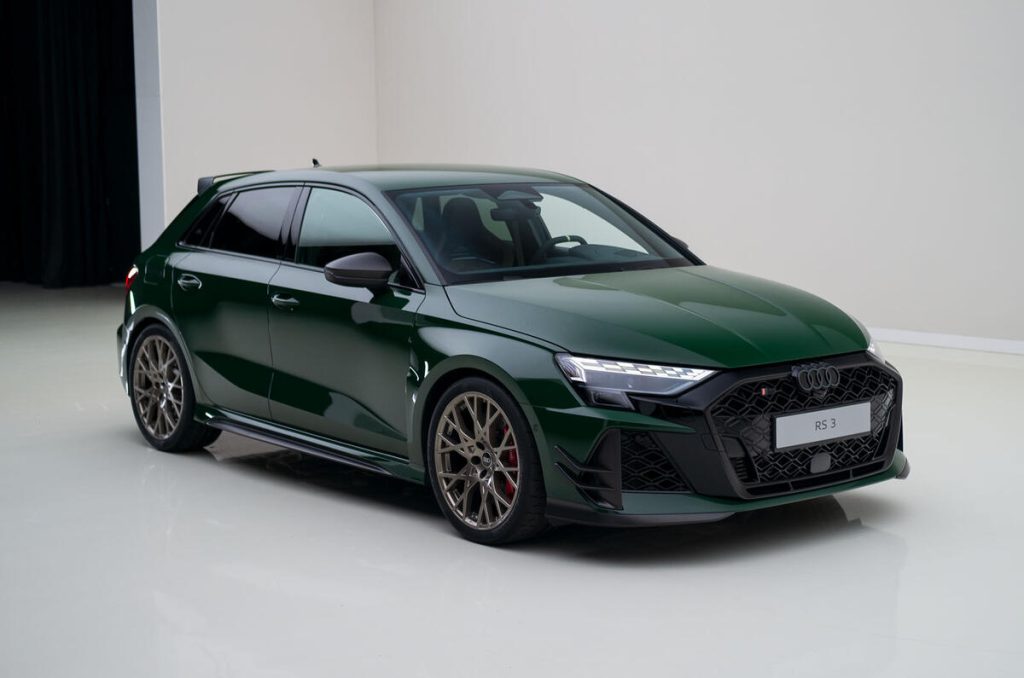
The RS3 proves modern compact sedans can become genuine performance weapons when paired with advanced turbocharging technology and sophisticated all-wheel-drive systems. Few modified daily drivers blend practicality and supercar-slaying speed so effectively.
- Engine: 2.5 liter turbocharged inline five
- Torque: 750 lb-ft modified
- Horsepower: 1,000 hp modified
- Length/Width: 178.9 in / 71.5 in
4. Ford F-150 Sleeper Twin Turbo Build
Most people associate the Ford F-150 with towing trailers, hauling equipment, or family transportation rather than beating Lamborghinis in races. That assumption makes modified F-150 sleeper builds especially entertaining. Beneath the body of an ordinary pickup truck, some owners hide enough horsepower to shock nearly every exotic car driver they encounter.
The modern F-150 platform offers enormous tuning potential, particularly for models equipped with turbocharged EcoBoost engines or large V8 powerplants.
Performance shops often install upgraded twin turbo systems, forged internals, stronger transmissions, and custom engine tuning to create truly outrageous street trucks. Certain builds now produce more than 1,200 horsepower while retaining completely functional interiors and cargo beds.
Traction plays a huge role in the truck’s effectiveness. Four-wheel-drive systems combined with wide drag tires allow these modified pickups to launch extremely hard from a standstill. In short drag races, the instant grip can help the truck gain an early advantage against more delicate rear-wheel-drive supercars struggling for traction.
Another reason sleeper trucks surprise so many drivers involves weight transfer. During acceleration, the truck’s suspension shifts weight rearward effectively, helping maximize grip under heavy throttle. Experienced builders also modify suspension geometry carefully to improve stability during high-speed runs.
Visually, many of these trucks remain intentionally understated. Owners often avoid flashy body kits or oversized wings, preferring factory paint and subtle wheels that disguise the vehicle’s true capability. That understated appearance creates one of the funniest reactions in car culture when a full-size pickup suddenly outruns a Lamborghini.

Despite the extreme modifications, many high-horsepower F-150 builds still function as usable daily vehicles. They can carry passengers, transport cargo, and handle regular street driving while possessing acceleration capable of challenging dedicated supercars.
The rise of modified street trucks demonstrates how modern tuning culture continues to break traditional automotive stereotypes. Speed no longer belongs exclusively to low-exotic coupes and hypercars.
- Engine: 5.0 liter twin-turbocharged V8
- Torque: 1,050 lb ft modified
- Horsepower: 1,200 hp modified
- Length/Width: 231.7 in / 79.9 in
5. Honda Civic AWD Turbo Drag Build
The Honda Civic built its reputation originally as an affordable and fuel-efficient commuter, not a supercar killer. That humble beginning is exactly why heavily modified Civic drag builds became so respected within tuning culture.
Few things embarrass exotic car owners more than losing a race to a compact hatchback or sedan that most people associate with daily commuting.
Honda’s small-displacement engines respond exceptionally well to turbocharging when built correctly. Tuners frequently strengthen the internals with forged pistons, upgraded rods, and reinforced sleeves before adding massive turbo systems capable of producing absurd boost pressure.
Once fully modified, these engines generate horsepower figures nobody would expect from such compact platforms.
Front-wheel drive originally limited the Civic’s ability to deploy huge power effectively, which led many builders to develop all-wheel-drive conversions. Those setups transformed the car completely. Instead of struggling for traction, the AWD Civic builds launch violently and achieves astonishing quarter-mile times that rival professional race vehicles.
Weight becomes another enormous advantage. Compared with heavy supercars and luxury performance cars, the Civic remains relatively lightweight even after modifications. That favorable power-to-weight ratio allows the car to accelerate with shocking intensity once boost arrives.
The visual simplicity adds even more charm to these builds. Many retain relatively stock appearances with only subtle aerodynamic changes and drag tires, revealing their true purpose. Watching a modest Honda pull away from an exotic Italian supercar creates a level of disbelief few other sleeper builds can match.
Another reason Civics dominate drag racing scenes involves affordability. Parts availability remains excellent, and the tuning community surrounding Honda platforms is massive. Builders constantly share knowledge, improving reliability and performance further with each generation of modifications.
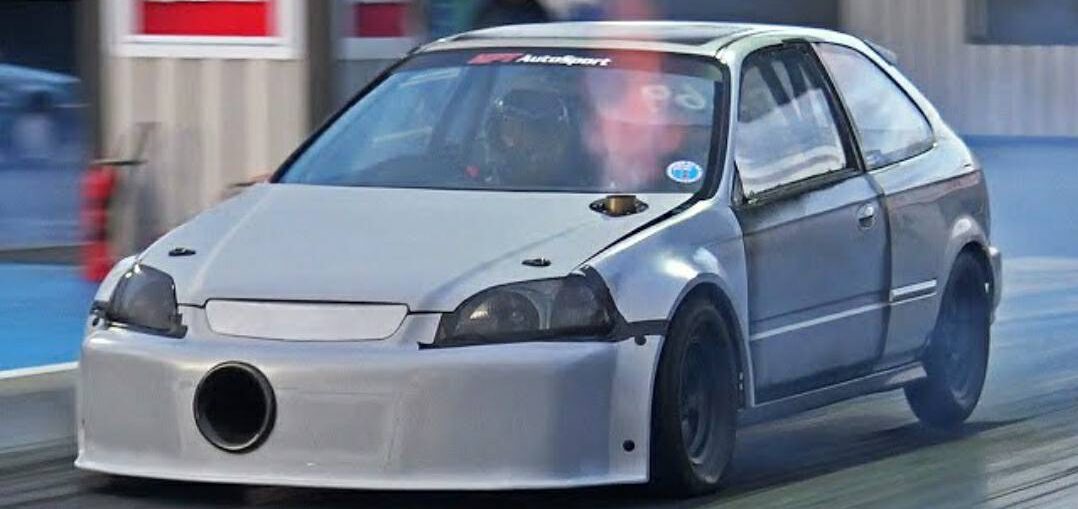
These extreme Civic builds prove supercar performance can emerge from almost any platform when engineering, tuning knowledge, and creativity combine successfully. Beneath the small body of a modified Honda often hides acceleration capable of terrifying far more expensive machines.
- Engine: 2.0 liter turbocharged inline four AWD build
- Torque: 650 lb-ft modified
- Horsepower: 900 hp modified
- Length/Width: 184 in / 70.9 in
6. BMW M3 G80 Big Turbo Build
The BMW M3 has always balanced luxury and performance, but the latest G80 generation unlocked tuning potential that shocked even longtime enthusiasts.
Equipped with BMW’s powerful twin-turbocharged inline six engine, modified M3 builds now produce enough acceleration to challenge serious exotic supercars while still carrying four doors and practical seating.
One major reason tuners love the G80 platform is the strength of the S58 engine. BMW engineered the motor with impressive durability from the factory, giving owners a strong foundation for aggressive upgrades.
Larger turbochargers, upgraded fueling systems, custom ECU tuning, and stronger cooling packages allow the engine to handle extreme horsepower increases surprisingly well.
All-wheel-drive versions transformed the M3 into an especially dangerous street racing machine.
Earlier high-horsepower rear-wheel-drive sedans often struggled to launch cleanly, but modern xDrive systems help modified G80 builds deploy power with remarkable efficiency. During roll races or drag events, the car accelerates with a level of force few people expect from a luxury sedan.
Unlike stripped-out race-focused builds, many tuned M3s retain complete interiors and advanced comfort features. Drivers can still enjoy heated seats, premium audio systems, navigation technology, and comfortable highway cruising while possessing enough power to outrun Lamborghinis costing several times more money.
The understated styling also enhances the sleeper effect. Although aggressive compared with normal sedans, the M3 still blends into traffic far more easily than low-exotic supercars covered in dramatic aerodynamic elements. That subtle appearance makes victories against supercars even more satisfying for many owners.
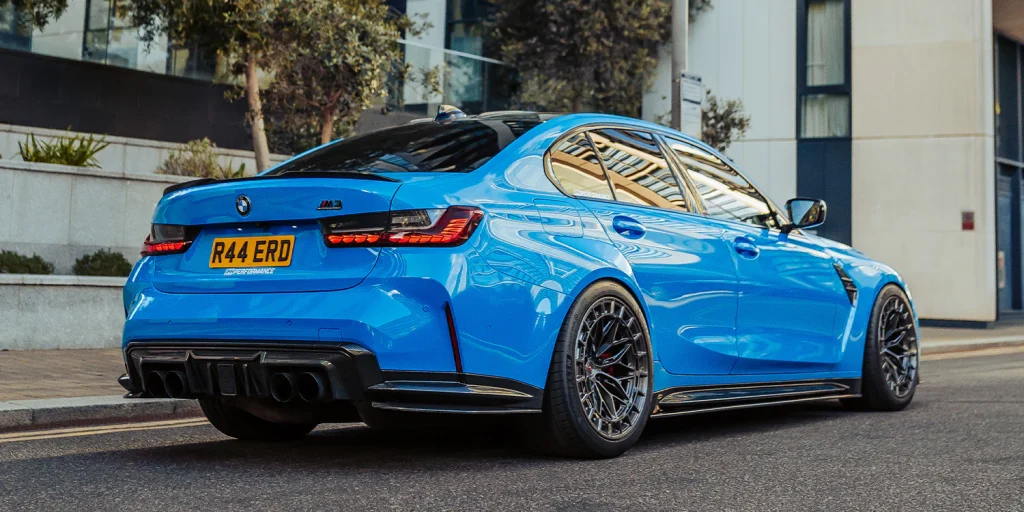
BMW’s chassis engineering further strengthens the package. Even with enormous power increases, the M3 remains balanced and confidence-inspiring at high speeds. Tuners frequently combine engine upgrades with suspension modifications and lightweight wheels to improve performance even further.
The G80 M3 demonstrates how modern sports sedans have evolved into incredibly versatile performance platforms. It delivers luxury, practicality, and devastating acceleration in one package capable of surprising nearly anything encountered on public roads.
- Engine: 3.0 liter twin-turbocharged inline six
- Torque: 850 lb-ft modified
- Horsepower: 1,100 hp modified
- Length/Width: 189.1 in / 74.3 in
7. Volkswagen Golf R Stage 3 Build
The Volkswagen Golf R might look like a sensible hatchback designed for grocery runs and daily commuting, but heavily modified examples have become terrifyingly quick.
Stage 3 Golf R builds regularly surprise supercar owners because they combine compact size, advanced all-wheel-drive traction, and massive turbocharged power inside a body shape most people completely underestimate.
Volkswagen’s turbocharged four-cylinder engine provides an excellent foundation for tuning. Once upgraded with forged internals, larger turbo systems, high-pressure fuel pumps, and aggressive ECU calibrations, the engine transforms into a serious performance weapon. Tuners frequently push these builds beyond 800 horsepower while maintaining decent street manners.
The Golf R’s all-wheel-drive system gives it an enormous real-world advantage. During launches, the car hooks up immediately and rockets forward with incredible consistency. In shorter races, that instant traction often allows the hatchback to jump ahead of more powerful rear-wheel-drive exotics struggling to manage wheelspin.
One reason enthusiasts love modified Golf Rs is their practicality. Even heavily upgraded examples still offer hatchback utility, usable rear seating, and relatively comfortable road manners. Owners can drive them daily without attracting excessive attention, then embarrass exotic machinery during late-night highway pulls or drag strip events.
The lightweight chassis also helps maximize performance. Compared with larger luxury performance cars, the Golf R carries less mass, allowing every horsepower increase to feel even more dramatic. Aggressive tuning combined with reduced weight creates acceleration that feels explosive from almost any speed.
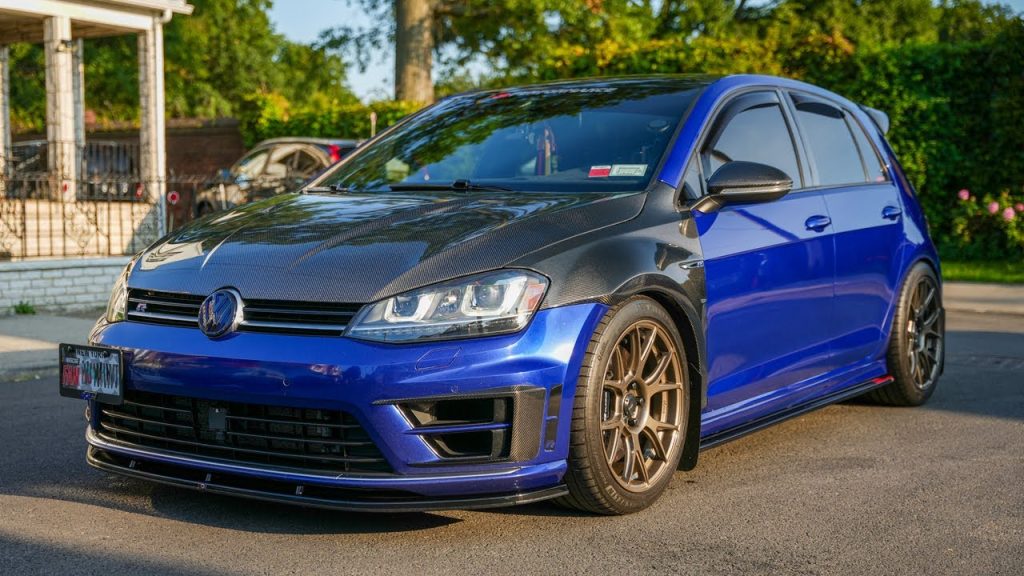
Another interesting aspect involves visual subtlety. Many modified Golf Rs remain nearly stock externally apart from upgraded wheels and lowered suspension. That sleeper appearance makes the car especially dangerous because rivals rarely realize what they are racing until it is too late.
Modern tuning culture thrives on unexpected combinations of practicality and extreme performance. The Golf R represents that philosophy perfectly by proving a compact hatchback can become fast enough to challenge vehicles once considered untouchable on public roads.
- Engine: 2.0 liter turbocharged inline four
- Torque: 700 lb-ft modified
- Horsepower: 850 hp modified
- Length/Width: 168.9 in / 70.4 in
8. Chevrolet SS Twin Turbo Sedan Build
The Chevrolet SS remains one of the most underrated sleeper cars ever sold in the United States. Originally designed as a comfortable rear-wheel-drive V8 sedan with strong performance potential, the Chevrolet SS became a favorite among tuners looking to create understated four-door monsters capable of destroying exotic supercars in straight-line races.
From the factory, the car already carried impressive hardware. Underneath the conservative exterior sat a naturally aspirated LS-based V8 paired with rear-wheel drive balance and a surprisingly capable chassis. Tuners quickly realized the engine could handle enormous power increases once fitted with properly engineered forced induction systems.
Twin turbo conversions transformed the SS completely. Large turbochargers, forged internals, upgraded transmissions, and high-flow fuel systems allowed builders to produce four-digit horsepower numbers without sacrificing the sedan’s everyday usability. When boost arrives fully, acceleration becomes violent enough to rival dedicated drag cars.
Unlike flashy supercars demanding attention constantly, the Chevrolet SS blends into traffic effortlessly. Most people mistake it for an ordinary family sedan because of its restrained styling. That anonymity creates the perfect sleeper formula.
Exotic car owners often underestimate the SS until the race begins and the turbocharged V8 launches the heavy sedan forward with shocking force.
Another advantage involves comfort. Even extremely modified examples still retain spacious cabins, functional rear seating, and smooth highway manners. Owners can transport families comfortably while possessing enough horsepower to outrun six-figure Italian exotics during roll races.
The LS engine family also benefits from massive aftermarket support and strong reliability when built correctly. Tuners continue developing new upgrades, making the platform increasingly competitive against far more expensive performance machines.
The Chevrolet SS proves that one of the most dangerous street racing weapons can hide inside a simple-looking four-door sedan. Beneath its calm appearance lies the potential for truly outrageous performance.
- Engine: 6.2 liter twin-turbocharged V8
- Torque: 1,000 lb-ft modified
- Horsepower: 1,300 hp modified
- Length/Width: 195.9 in / 74.8 in
9. Subaru WRX STI Closed Deck Build
The Subaru WRX STI built its reputation originally through rally racing success and all-weather performance, but heavily modified examples evolved into some of the fastest street cars in tuning culture.
What makes high-horsepower STI builds especially impressive is the contrast between the car’s practical four-door layout and its ability to challenge exotic supercars during acceleration battles.
Subaru’s turbocharged boxer engine creates a very distinctive driving experience. The low center of gravity improves balance, while the famous uneven exhaust rumble gives the STI an instantly recognizable sound.
Tuners seeking extreme power often replace the factory engine block with strengthened, closed-deck designs capable of surviving enormous boost pressure and aggressive tuning.
Once reinforced properly, these engines become capable of astonishing horsepower figures. Large turbochargers, upgraded fuel systems, race-grade engine management, and strengthened drivetrains transform the STI into a brutally fast machine. Some builds exceed 1,000 horsepower while still retaining street legality and everyday functionality.
The all-wheel drive system remains one of the car’s greatest strengths. Unlike many powerful rear-wheel-drive supercars struggling for traction during launches, the STI grips aggressively and delivers consistent acceleration from nearly any road surface. Rain, cold pavement, or rough streets rarely slow the car significantly.
Another factor contributing to the STI’s reputation is driver involvement. Even highly modified examples retain a raw mechanical personality.
Steering feedback feels direct, gear changes remain engaging, and the turbocharged boxer engine constantly communicates through vibration and sound. Drivers feel deeply connected to the machine rather than isolated by excessive electronics.
The visual appearance also enhances the sleeper appeal. Although aggressive-looking compared with normal sedans, the STI still resembles a practical compact performance car rather than an exotic supercar. That understated shape makes victories against Lamborghinis even more entertaining for owners and spectators alike.
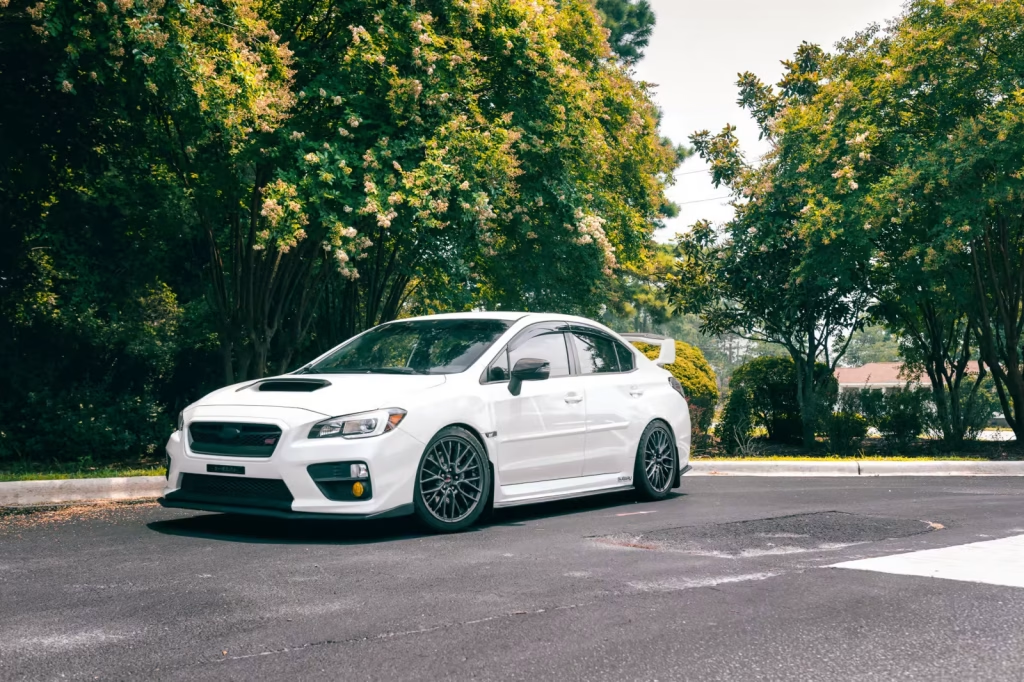
For decades, Subaru enthusiasts proved rally-bred engineering could become devastatingly effective on the street. The modified STI remains one of the clearest examples of an everyday sedan transformed into a genuine supercar threat.
- Engine: 2.5 liter turbocharged boxer four
- Torque: 800 lb-ft modified
- Horsepower: 1,000 hp modified
- Length/Width: 180.9 in / 70.7 in
10. Tesla Model S Plaid Track Tuned Build
The Tesla Model S Plaid transformed the high-performance car world by proving that a large luxury electric sedan could outperform many traditional supercars in straight-line acceleration. Even in stock form, the Plaid delivers astonishing speed, but track-focused modifications push its capabilities even further. Upgraded suspension systems, improved cooling hardware, specialized tires, and revised software tuning allow the car to perform more consistently under demanding driving conditions.
Unlike conventional performance vehicles that rely on turbocharged engines or high-revving powerbands, the Plaid uses a tri-motor electric setup that delivers instant torque the moment the accelerator is pressed. This immediate power response creates brutal acceleration that many gasoline-powered exotics struggle to match. The sensation is especially dramatic during launches, where the car reaches incredible speeds with almost no delay.

Track-oriented builds improve the platform’s durability and handling by enhancing thermal management and chassis stability. Modified cooling systems help prevent power loss during repeated high-speed runs, while upgraded suspension components improve traction and reduce unwanted body movement. Wider performance tires also increase grip during aggressive acceleration and cornering.
One of the car’s most unique characteristics is its understated appearance. Despite delivering hypercar-level acceleration, the Model S Plaid maintains a relatively clean and subtle design compared to many exotic supercars filled with aggressive vents and aerodynamic add-ons. That sleeper-like personality adds to its appeal for many enthusiasts.
Practicality also helps separate the Plaid from most supercars. It offers comfortable seating, advanced technology, generous cargo space, and quiet daily drivability while still delivering extraordinary performance. Although some enthusiasts miss the sound and drama of traditional engines, the Plaid demonstrates how electric vehicles are redefining modern performance and changing expectations for what a luxury sedan can achieve.
- Engine: Tri-motor electric powertrain
- Torque: 1,050 lb-ft estimated
- Horsepower: 1,020 hp modified tune
- Length/Width: 197.7 in / 77.3 in
