
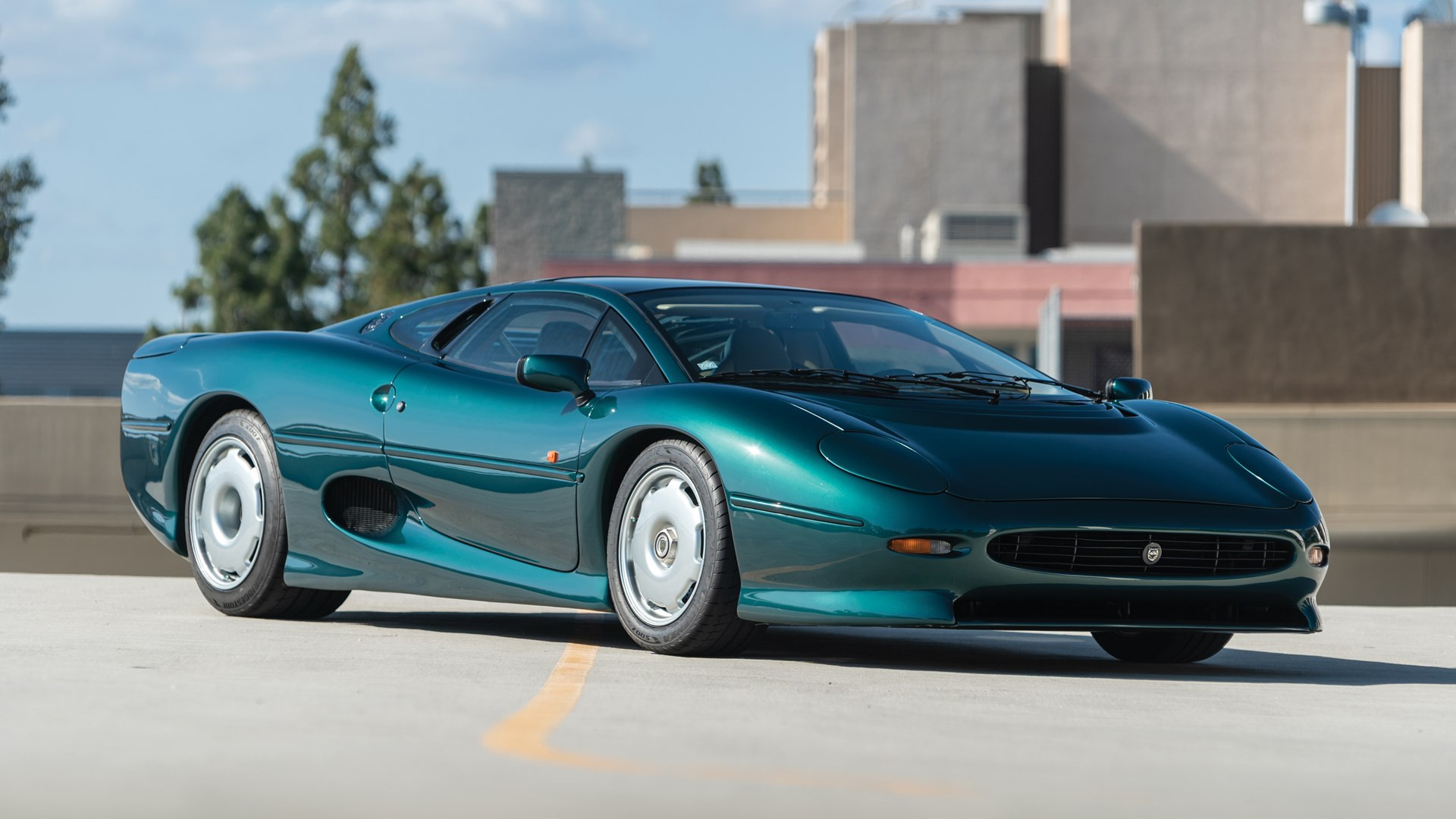
Posters hanging on bedroom walls during the 1990s carried a special kind of magic. Sharp body lines, giant rear wings, hidden headlights, screaming engines, and outrageous speed figures created machines that felt larger than life. Supercars from that decade carried personality in ways modern vehicles sometimes struggle to match.
Drivers did not buy them for touchscreen displays or driver aids. Raw sound, mechanical feel, and dramatic styling ruled everything. Three decades later, interest in 1990s supercars continues to rise for good reason. Plenty of these machines still deliver thrilling performance, yet some remain surprisingly attainable compared to modern exotic cars carrying six or seven-figure prices.
Buyers searching for something exciting can still find models that combine collector appeal with real driving enjoyment. Another reason these vehicles continue to attract attention comes from how different they feel from current performance cars.
Turbocharged engines today are fast, but 1990s supercars often demanded skill and attention. Steering carried more feedback. Gearboxes required patience. Cabin layouts focused on driving instead of endless menus and digital screens. Several forgotten gems from that era deserve fresh attention before prices climb even higher.
A smart purchase now could provide years of enjoyment while also holding strong value. From Italian legends to Japanese engineering masterpieces, these machines still have the power to make people stop and stare.
1. Jaguar XJ220
- Engine: 3.5L twin-turbo V6
- Horsepower: 542 hp
- Torque: 475 lb-ft (approx.)
- Length: 4,930 mm
- Width: 2,000 mm
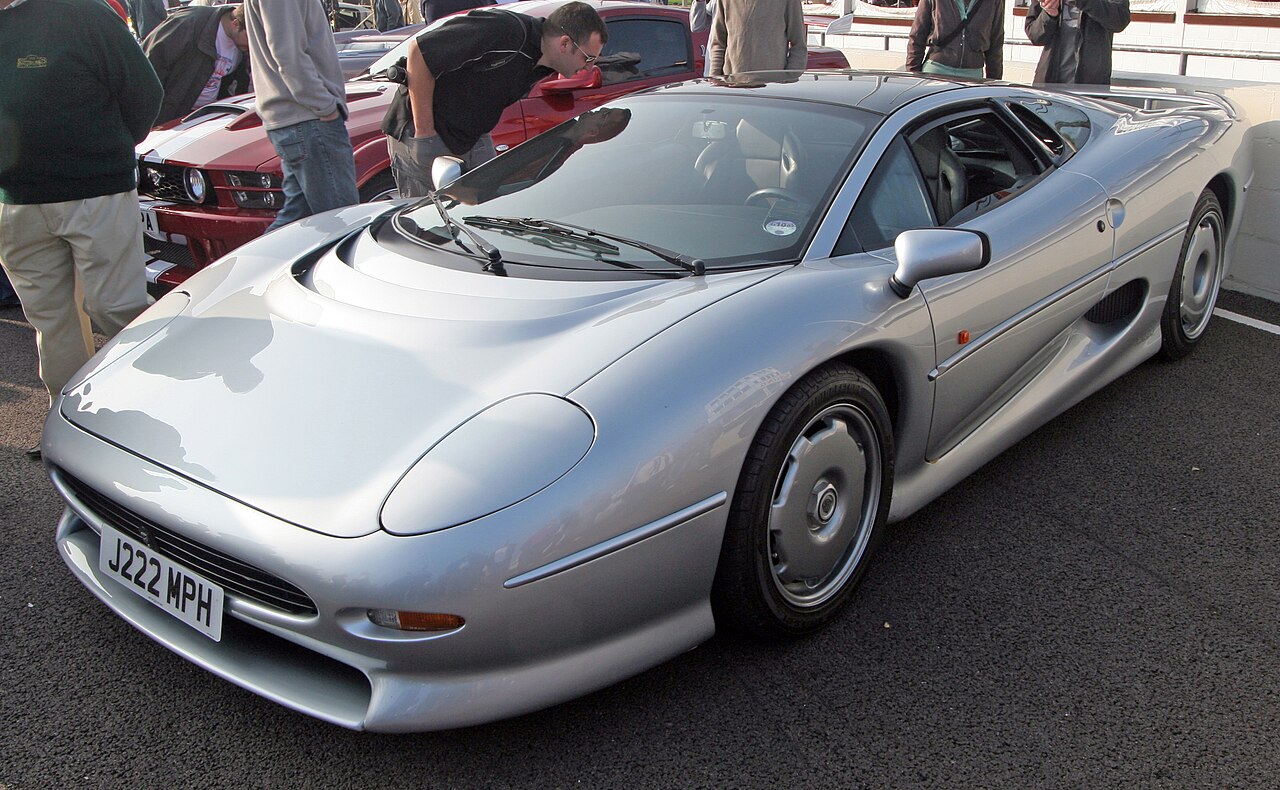
Wild ambition surrounded the Jaguar XJ220 from the moment it appeared. During the late 1980s, Jaguar wanted to create a machine capable of challenging Europe’s fastest exotic cars while also proving British engineering could still produce something truly extraordinary. What arrived during the early 1990s became one of the most fascinating supercars ever built. Long, low, and unbelievably sleek, the XJ220 still looks futuristic even decades after production ended.
Power came from a twin-turbocharged 3.5-liter V6 producing roughly 542 horsepower. That number sounded outrageous during the early 1990s, especially when combined with a top speed exceeding 210 mph. Drivers who experienced the car during its prime often described the acceleration as brutal. Turbo lag appeared before massive power arrived in a violent rush. Nothing about the experience felt tame or predictable.
Styling remains one of the car’s greatest strengths. Curves flow from front to rear without unnecessary clutter, giving the XJ220 an appearance that feels purposeful instead of exaggerated. Park one beside several modern supercars, and the Jaguar still draws attention immediately. Length alone gives it a dramatic presence. Few vehicles from any era possess proportions quite like it.
Criticism surrounded the XJ220 after launch because the production version differed from the original concept. Early prototypes featured All Wheel Drive and a V12 engine, yet Jaguar shifted directions before final production began. Some wealthy buyers became frustrated and canceled orders.
Time has softened those complaints. Today, collectors appreciate the final product for what it actually became rather than what early concepts promised. Inside the cabin, drivers encounter a layout filled with classic analog charm. Leather covers nearly every surface, while visibility remains surprisingly decent for such a low exotic car.
Nothing feels overloaded with technology. Simple gauges, physical controls, and straightforward design create a driving environment centered completely around the road ahead. Ownership demands commitment because parts availability and maintenance costs can challenge unprepared buyers.
Still, compared to several Italian rivals from the same era, the XJ220 sometimes trades for less money than expected. That pricing gap creates an interesting opportunity for collectors seeking something rare and historically important without entering the very top level of auction pricing.
2. Honda NSX Type R
- Engine: 3.0L naturally aspirated V6
- Horsepower: 276 hp (JDM-rated)
- Torque: 224 lb-ft (approx.)
- Length: 4,430 mm
- Width: 1,810 mm
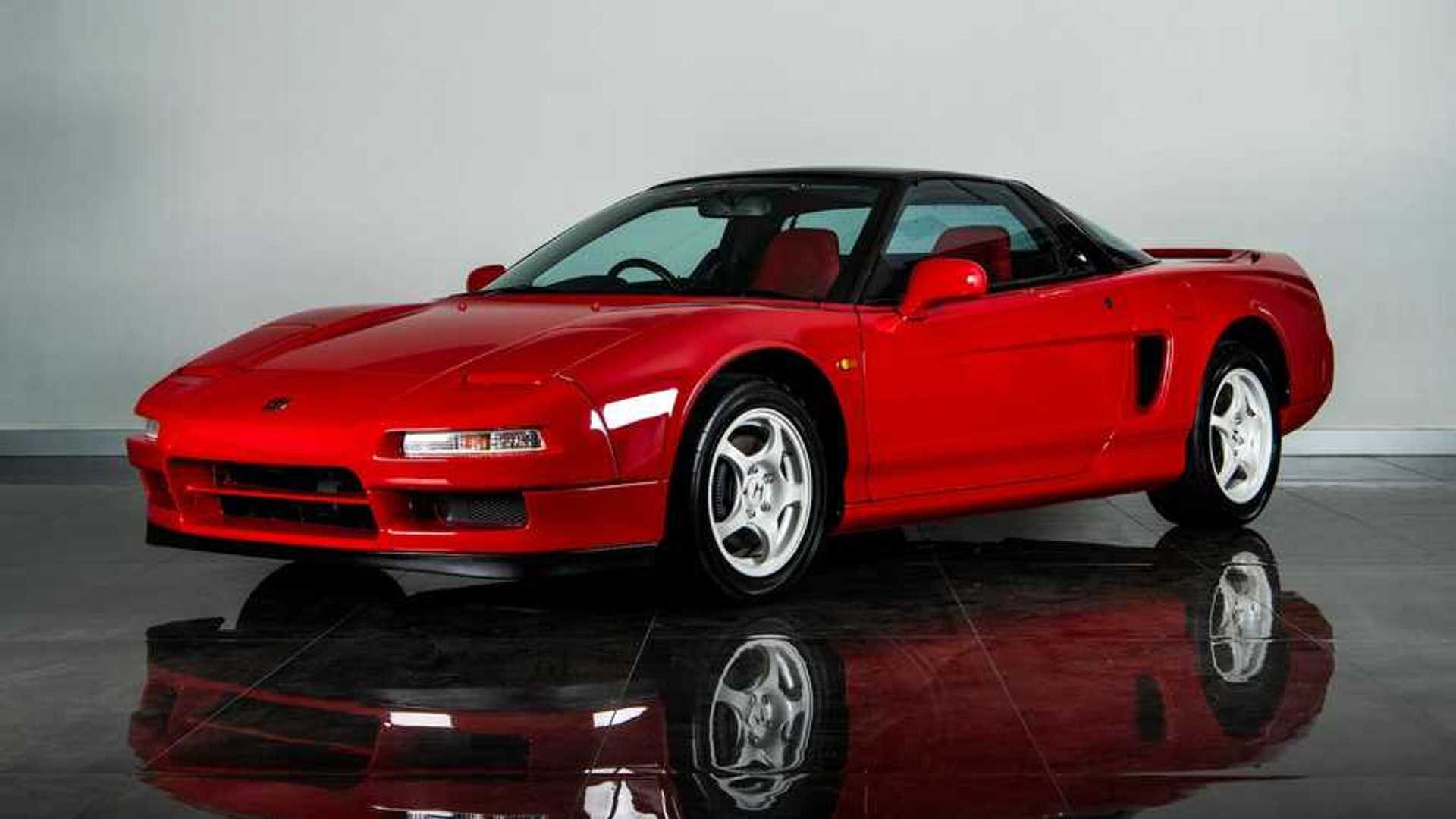
Precision rather than excess defined the Honda NSX Type R. While several supercars from the 1990s chased massive horsepower figures and outrageous styling, Honda followed another route entirely. Engineers focused on balance, lightweight construction, razor-sharp handling, and driver connection. That decision helped create one of the most respected performance cars ever produced.
Built exclusively for the Japanese market, the NSX Type R took the standard NSX formula and sharpened every aspect of it. Weight reduction became a major priority. Sound insulation disappeared, lighter wheels replaced standard units, thinner glass helped reduce mass, and racing-inspired seats reinforced the car’s focused personality. Results transformed an already impressive sports car into something genuinely special.
Power came from Honda’s naturally aspirated 3.0-liter V6 using VTEC technology. Output figures may appear modest beside turbocharged rivals, yet numbers alone fail to explain why enthusiasts adore this car. Throttle response feels immediate, engine sound builds beautifully toward redline, and the manual transmission delivers one of the greatest shifting experiences ever placed inside a road car.
Cornering ability stands at the center of the NSX Type R experience. Steering reacts instantly without feeling nervous, while chassis balance encourages confidence even at high speeds. Ayrton Senna famously contributed feedback during the development of the standard NSX, and traces of that racing influence remain obvious every time the car enters a curve.
Appearance differs subtly from ordinary NSX models. Buyers received lightweight wheels, revised suspension tuning, and smaller cosmetic changes that emphasized function instead of flash. Enthusiasts recognize the Type R immediately, yet casual observers may simply see a clean and elegant Japanese sports car. That understated nature gives the vehicle lasting appeal.
Reliability also separates the NSX Type R from several exotic competitors. Italian supercars from the same era often require expensive servicing and constant attention. Honda approached engineering differently. Properly maintained examples can remain dependable for years, making ownership less intimidating than buyers might expect from a rare performance car.
Values have climbed sharply during recent years, especially because production numbers remained extremely limited. Collectors now recognize the NSX Type R as one of Japan’s greatest automotive achievements. Demand continues to grow among younger enthusiasts searching for analog driving experiences unavailable in newer vehicles packed with electronic assistance systems.
Also Read: 6 European Supercars Worth Hunting In 2026
3. Venturi 400 GT
- Engine: 3.0L twin-turbo V6
- Horsepower: 400 hp
- Torque: 369 lb-ft (approx.)
- Length: 4,180 mm
- Width: 1,860 mm
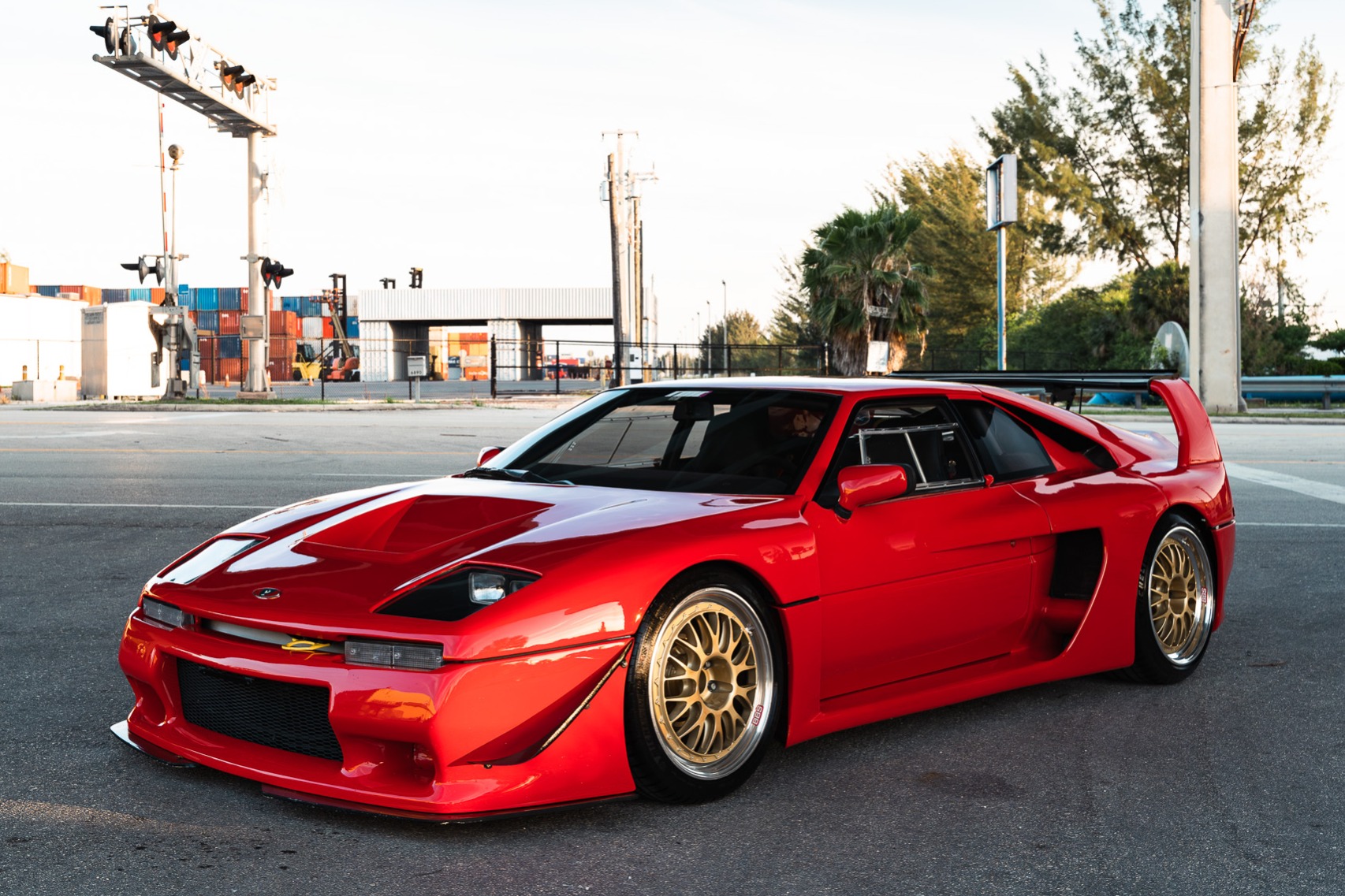
French supercars rarely receive the same attention as Italian or German machines, which helps explain why the Venturi 400 GT remains one of the hidden treasures from the 1990s. Built by a small manufacturer with ambitious goals, this unusual exotic car combined racing pedigree with striking design and impressive performance. Buyers seeking something truly uncommon should not ignore it.
Aggressive styling immediately separates the 400 GT from mainstream supercars of its era. Wide bodywork, dramatic air intakes, and muscular proportions create a look that feels purposeful and intimidating. Every angle communicates speed. Unlike certain rivals that depended heavily on brand reputation, the Venturi earned attention through sheer visual presence alone.
Twin turbochargers helped the mid-mounted V6 engine produce approximately 400 horsepower, a serious figure during the decade. Lightweight construction amplified performance even further. Acceleration arrived quickly, while handling benefited from the car’s racing background. Venturi competed in motorsports extensively, and that experience influenced chassis tuning and aerodynamic development.
Driving impressions often describe the 400 GT as raw and demanding. Steering inputs feel immediate, road imperfections reach the cabin clearly, and turbocharged power delivery requires respect. Drivers expecting modern luxury may feel surprised by how mechanical the experience remains. Enthusiasts searching for authenticity usually see that as a major advantage.
Production numbers stayed extremely low, which adds another layer of appeal for collectors. Spotting one at a car gathering remains exceptionally rare. Plenty of enthusiasts have never even seen a Venturi in person. That exclusivity helps the car stand apart from more familiar supercars appearing repeatedly at auctions and automotive events.
Cabin design carries classic 1990s charm through physical switches, analog gauges, and supportive seats. Nothing feels overloaded or artificial. Visibility remains acceptable considering the dramatic exterior shape, and the driving position keeps attention fixed directly on performance.
Because the brand lacks widespread recognition, values sometimes remain lower than comparable Italian exotics. Smart collectors understand how unusual that situation is. Rare production numbers, motorsport heritage, and distinctive styling normally create stronger market attention. As interest in forgotten 1990s supercars continues to increase, the Venturi 400 GT could gain much broader appreciation.
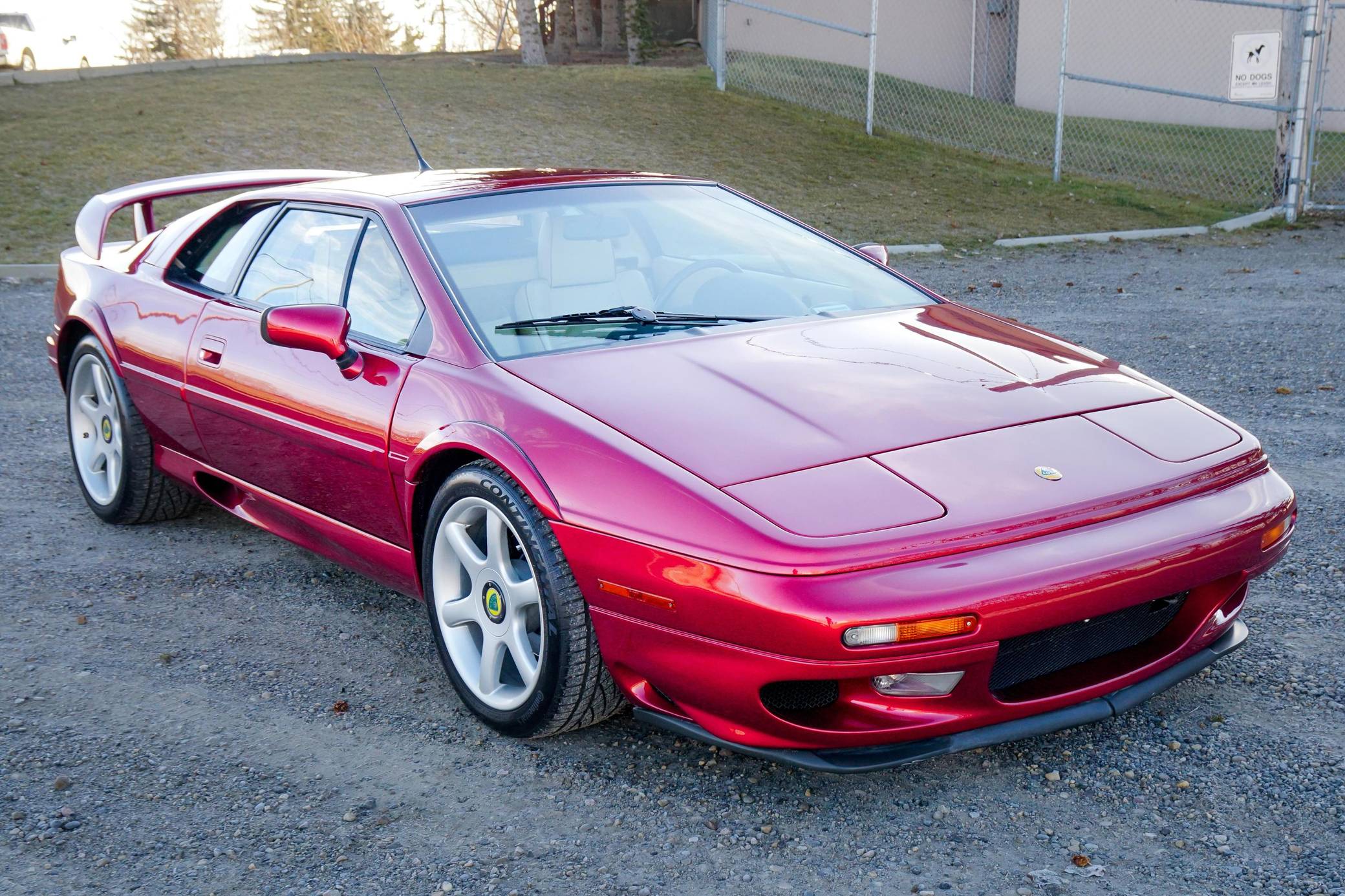
4. Lotus Esprit V8
- Engine: 3.5L twin-turbo V8
- Horsepower: 350 hp
- Torque: 295 lb-ft (approx.)
- Length: 4,370 mm
- Width: 1,880 mm
Sharp wedges and hidden headlights helped the Lotus Esprit become one of the defining sports car shapes of its generation. Introduced earlier than the 1990s yet heavily updated during that decade, the Esprit V8 represented the boldest version of Lotus’ famous mid-engine machine. Fast, dramatic, and wonderfully unconventional, it still feels special today.
Lotus finally gave the Esprit a V8 engine during the late 1990s, transforming the car into a much more serious supercar competitor. Twin turbochargers pushed output beyond 350 horsepower, allowing impressive acceleration and strong top speed performance. Weight remained relatively low, which helped the Esprit maintain the nimble handling character Lotus had always prioritized.
Styling deserves enormous credit because the Esprit continues looking sharp decades later. Angular bodywork carries unmistakable 1970s origins, yet updates throughout the years kept the design fresh enough to survive into the modern era successfully. Wide rear haunches, low roofline, and dramatic stance ensure attention follows the car everywhere.
Unlike certain exotic rivals focused mainly on straight-line speed, the Esprit V8 shines brightest on twisting roads. Steering response feels alive in the driver’s hands, while chassis balance encourages aggressive cornering. Lotus built its reputation around handling precision, and the Esprit demonstrates exactly why enthusiasts respected the company for decades.
Interior quality improved considerably by the time later V8 models arrived. Earlier Esprits sometimes suffered criticism for awkward ergonomics and inconsistent build quality, but final production examples felt far more refined. Leather surfaces, supportive seats, and updated controls created a cabin capable of handling longer drives comfortably.
Another appealing factor involves pricing. Compared with Ferraris and Lamborghinis from the same era, the Esprit V8 can still appear relatively attainable. Buyers receive exotic styling, strong performance, and genuine collector appeal without entering astronomical pricing territory. That balance makes the car particularly attractive for enthusiasts wanting an authentic supercar experience.
Driving one requires attention because turbocharged power arrives quickly, especially in older performance cars lacking modern electronic safety systems. That raw behavior forms part of the charm. Drivers feel connected directly to the machine rather than separated by computers and digital intervention.
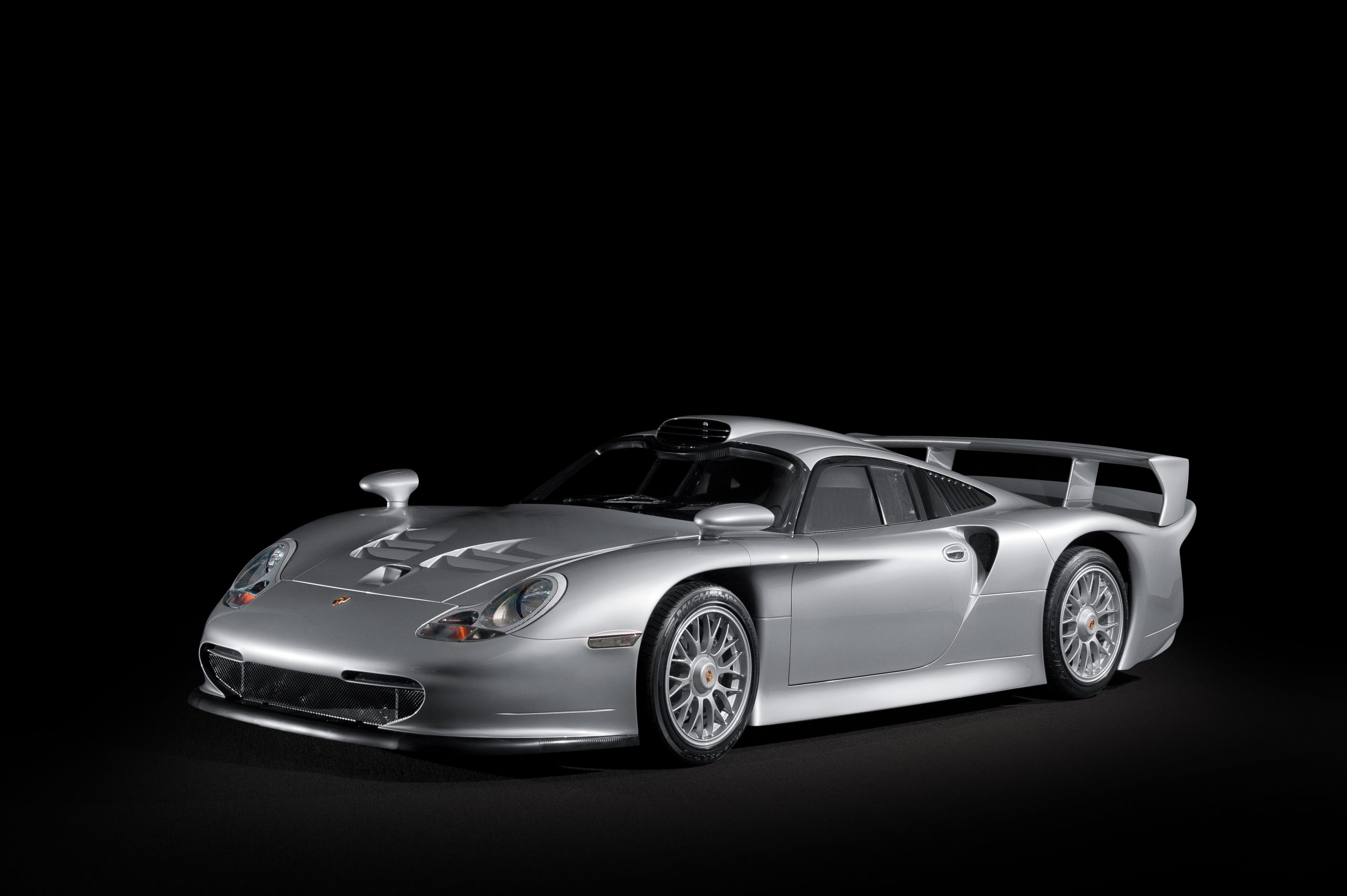
5. Porsche 911 GT1 Straßenversion
- Engine: 3.2L twin-turbo flat-six
- Horsepower: 536 hp
- Torque: 443 lb-ft (approx.)
- Length: 4,980 mm
- Width: 1,990 mm
Homologation specials carry a certain mystique, and the Porsche 911 GT1 Straßenversion sits near the top of that category. Built so Porsche could compete in endurance racing, this machine blurred the line between race car and street car more than almost anything else from the 1990s. Looking at it today still feels surreal because the proportions appear too extreme for public roads.
Although the name includes “911,” the GT1 shared very little with ordinary road-going 911 models. Engineers placed the engine behind the driver in true race car fashion rather than using the traditional rear engine layout. That decision created a completely different personality compared to standard Porsche sports cars.
Massive air intakes, stretched bodywork, and an impossibly low stance gave the GT1 a presence unlike anything parked beside it. Power came from a twin-turbocharged flat-six engine producing roughly 536 horsepower. During the late 1990s, that figure placed the GT1 among the fastest street-legal vehicles on Earth.
Acceleration felt savage, yet the car also delivered remarkable stability at speed thanks to its motorsport-focused aerodynamics. High-speed driving became its natural habitat. Few people will ever see one outside museums or elite collections because Porsche produced an extremely limited number for road use.
Estimates usually place production somewhere around twenty units, making the GT1 Straßenversion one of the rarest Porsche models ever sold publicly. Rarity alone creates enormous demand among collectors, though this car offers far more than exclusivity.
Cabin design reminds drivers immediately of the vehicle’s racing roots. Controls feel purposeful rather than luxurious, and visibility requires adjustment due to the low seating position and wide bodywork. Entering or exiting the car demands effort, which only strengthens the feeling that this machine belongs on a racetrack first and public roads second.
Driving impressions often describe the GT1 as intense and uncompromising. Steering reacts instantly, suspension remains firm, and turbocharged power arrives with frightening urgency. Nothing about the experience feels relaxed. Every mile reminds the driver that they are piloting something developed directly from endurance racing competition.
Collectors continue chasing the GT1 because it represents a period when manufacturers created outrageous street cars simply to satisfy racing regulations. Modern rules rarely allow such extreme homologation specials anymore. That fact gives the GT1 lasting historical importance beyond its performance figures.
Styling has aged remarkably well, too. Several supercars from the decade now look dated or overly complicated, yet the GT1 still appears clean and purposeful. Aerodynamic elements blend naturally into the shape rather than feeling decorative. Large rear bodywork, smooth curves, and race-inspired details create an unmistakable silhouette.
Ownership costs remain staggering, naturally. Parts availability, specialized servicing, and insurance expenses place the GT1 firmly in elite collector territory. Still, buyers capable of entering that level receive one of the greatest road-legal race cars ever produced.
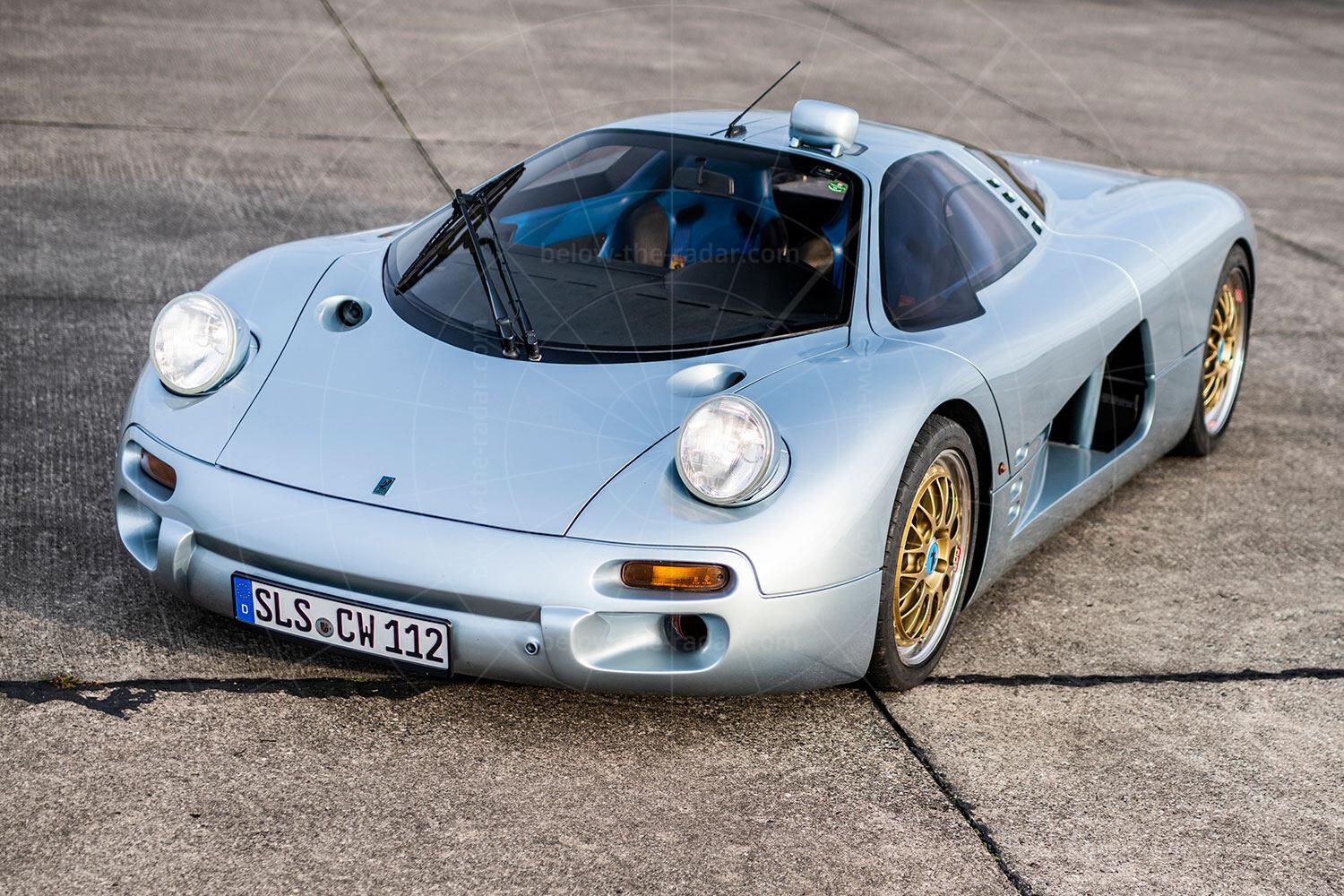
6. Isdera Commendatore 112i
- Engine: 6.0L V12
- Horsepower: 400 hp
- Torque: 428 lb-ft (approx.)
- Length: 4,650 mm
- Width: 1,980 mm
Some supercars become famous through racing victories or blockbuster films. Others earn attention simply because they look like machines from another planet. The Isdera Commendatore 112i belongs firmly in the second category. Created by a tiny German manufacturer, this breathtaking car combined futuristic styling with serious engineering ambition during the early 1990s.
Gullwing doors immediately steal attention. Opening upward dramatically, they transform the Commendatore into something closer to science fiction than traditional automotive design. Long bodywork, smooth curves, and covered rear wheels make the vehicle appear unlike nearly anything else produced during the decade. Even among exotic cars, the Isdera feels genuinely unusual.
Power came from a Mercedes-Benz-sourced 6.0-liter V12 engine delivering approximately 400 horsepower. While some rivals chased outrageous turbocharged output, the Commendatore relied on smooth, naturally aspirated performance paired with high-speed stability. Reports from the era suggested top speed approached 210 mph, placing the car firmly among elite company.
One fascinating detail involves the periscope-style rear mirror mounted above the roofline. Traditional side mirrors disappeared entirely in pursuit of aerodynamic efficiency. Small touches like that demonstrate how determined Isdera became while shaping this extraordinary machine.
Production numbers remained incredibly tiny. Only a single original Commendatore 112i existed for years, turning the car into one of the rarest supercars ever created. Later recreations appeared, though the original vehicle still carries immense mystique among collectors and enthusiasts fascinated by obscure automotive history.
Driving the Commendatore reportedly feels more refined than its appearance suggests. The Mercedes-derived engine provides smooth power delivery, while the long wheelbase contributes to impressive high-speed composure. That combination creates a grand touring personality rather than a brutal track-focused experience.
Interior styling reflects early 1990s luxury mixed with futuristic ambition. Leather surfaces, aircraft-inspired gauges, and dramatic visibility angles make the cabin memorable immediately. Sitting inside feels special before the engine even starts.
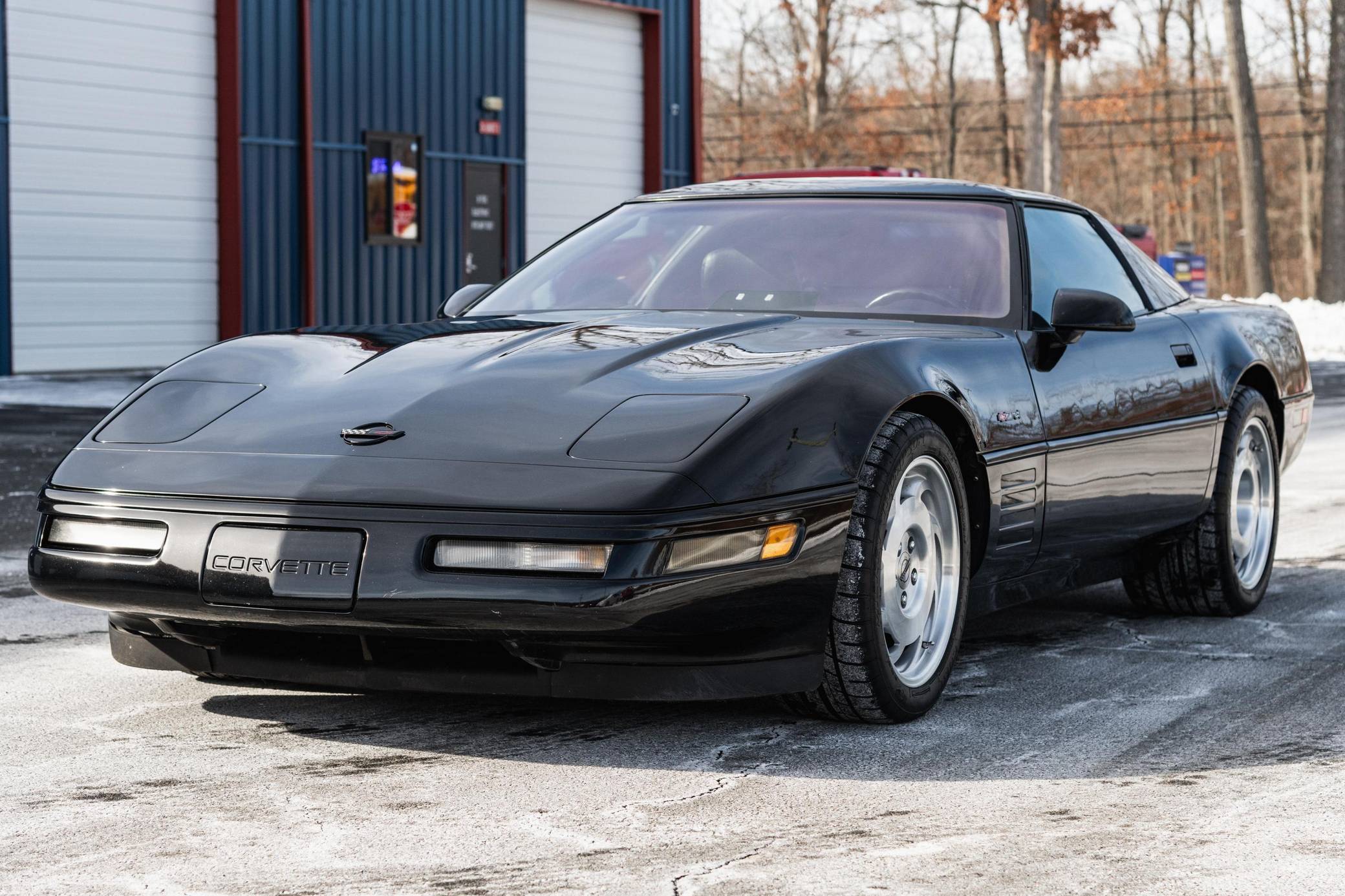
7. Chevrolet Corvette ZR-1 C4
- Engine: 5.7L LT5 V8
- Horsepower: 405 hp
- Torque: 385 lb-ft (approx.)
- Length: 4,510 mm
- Width: 1,940 mm
American supercars during the 1990s rarely received the same respect as European exotics, yet the Chevrolet Corvette ZR-1 C4 quietly proved the United States could build a world-class performance machine. Nicknamed “King of the Hill,” the ZR-1 transformed the familiar Corvette into something far more serious and technically advanced than most people expected.
Lotus played a major role in developing the car’s remarkable LT5 engine. Built with dual overhead camshafts and advanced engineering for its era, the 5.7-liter V8 produced up to 405 horsepower in later versions. Those numbers allowed the ZR-1 to challenge expensive European rivals while maintaining traditional American V8 muscle character.
Performance figures shocked plenty of critics at the time. Zero to sixty mph arrived quickly, top speed exceeded 175 mph, and high-speed stability impressed journalists worldwide. Chevrolet even used the car to set multiple endurance speed records, proving the ZR-1 possessed real engineering depth beyond straight-line acceleration.
Appearance stayed relatively restrained compared with flashy Italian competitors. Wider rear bodywork and unique wheels separated the ZR-1 from standard Corvettes, yet the design avoided excessive drama. That subtlety helps the car age gracefully today. Enthusiasts recognize its importance immediately, while casual observers may simply see a clean 1990s sports car.
Driving experience combines brute force with surprising sophistication. Steering remains responsive, suspension tuning balances comfort and control effectively, and the LT5 engine loves revving far more than traditional American V8s. Drivers expecting only raw muscle often leave impressed by the car’s refinement.
Value potential makes the ZR-1 especially attractive for buyers entering the collector market. Compared with several European supercars from the same decade, prices can still appear reasonable. That affordability allows enthusiasts to enjoy a genuinely special performance car without entering impossible financial territory.
Cabin design reflects classic early 1990s American styling through digital gauges, wide seats, and straightforward controls. While interior materials cannot match hand-built Italian exotics, the ZR-1 delivers comfort suitable for long drives. Owners can actually use the car regularly without constant fear of mechanical disaster.
Reliability also works in the Corvette’s favor. Properly maintained examples tend to remain durable, especially compared with temperamental exotic rivals requiring endless servicing. Parts availability stays better than that of many rare European cars, which helps ownership feel more practical.
Collectors have started recognizing the ZR-1’s historical importance recently. During an era when imported supercars dominated headlines, Chevrolet built something capable of competing honestly on performance rather than relying purely on price advantage. That achievement deserves respect.
Also Read: 10 Forgotten Japanese Supercars Worth Hunting in 2026
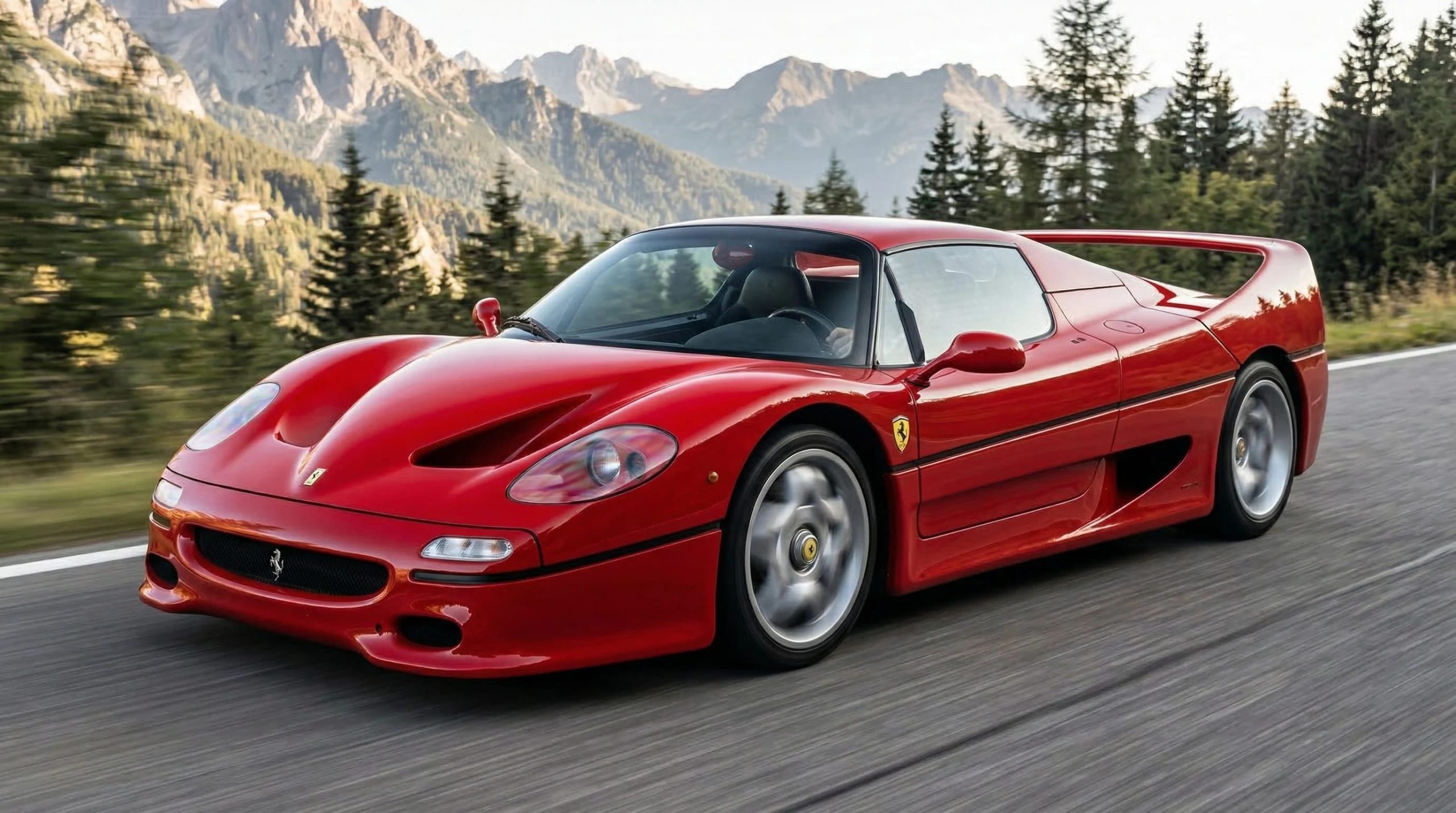
8. Ferrari F50
- Engine: 4.7L naturally aspirated V12
- Horsepower: 513 hp
- Torque: 347 lb-ft (approx.)
- Length: 4,480 mm
- Width: 1,980 mm
Emotion pours from every inch of the Ferrari F50. Built to celebrate Ferrari’s fiftieth anniversary, this extraordinary machine followed the legendary F40 while taking a completely different approach. Rather than relying heavily on turbochargers and brutal aggression, Ferrari created a naturally aspirated V12 supercar carrying direct Formula One influence.
At the center of the F50 sits a 4.7-liter V12 derived from Ferrari racing technology. Producing around 513 horsepower, the engine delivers one of the greatest soundtracks ever created. High revs unleash a mechanical scream that feels raw, urgent, and unforgettable. Drivers often describe the experience as closer to piloting a race car than operating a normal road vehicle.
Styling sparked debate when the car first appeared. Years later, appreciation has grown steadily because the design reflects exactly what the F50 intended to be: dramatic, functional, and unapologetically extreme. Large rear wing elements, wide bodywork, and removable roof panels create a shape impossible to mistake for anything else.
Unlike several modern hypercars loaded with electronic systems, the F50 remains refreshingly analog. Manual transmission, minimal driver aids, and immediate steering feedback demand skill and concentration. Every drive feels engaging because the car refuses to hide its personality behind computers.
Carbon fiber construction helped keep weight under control while increasing chassis rigidity. During the mid 1990s, that technology still felt exotic and advanced for a road car. Ferrari wanted owners to experience something carrying genuine racing influence rather than simple luxury.
Production numbers stayed limited, with 349 examples built worldwide. That exclusivity ensures strong collector demand today. Enthusiasts who once criticized the F50 for living in the shadow of the F40 now recognize how special the car truly is. Market values have climbed dramatically as appreciation continues to grow.
Driving the F50 at speed reportedly creates a thrilling sense of connection. Engine vibration, steering feel, and intake noise reach the driver constantly. Nothing feels muted or artificial. Pressing harder rewards skillful inputs while also demanding respect because electronic safety nets remain minimal.
Interior design reflects Ferrari’s focused approach during the era. Carbon fiber surfaces, exposed mechanical details, and simple instrumentation create an atmosphere centered completely around driving. Comfort exists, though excitement clearly mattered more during development.
