
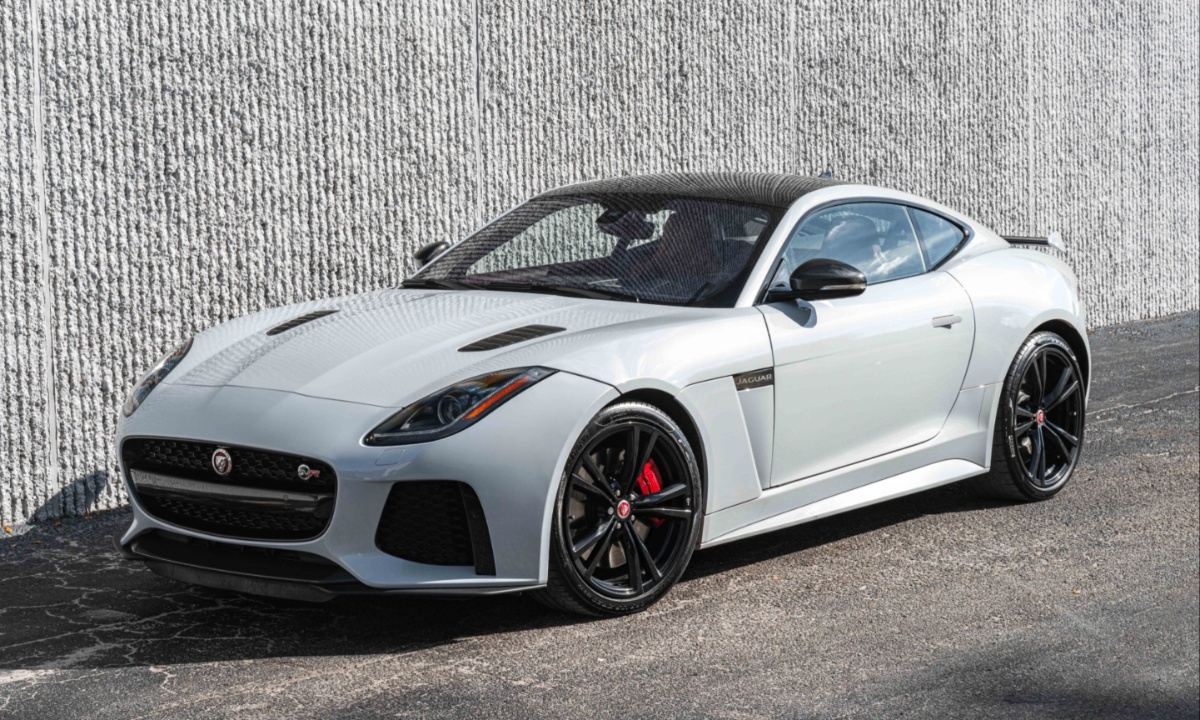
The idea of owning a supercar has traditionally been tied to extreme wealth, exclusivity, and price tags that place these machines far beyond the reach of most buyers.
For decades, supercars have represented the pinnacle of performance and design, often costing several times more than even the most luxurious sedans. However, the automotive market has evolved in fascinating ways, creating a unique segment where certain supercars are now priced within the same range as high-end luxury sedans.
This shift is not accidental. Depreciation plays a significant role, especially for performance-focused vehicles that lose value faster than their luxury counterparts. At the same time, advancements in engineering and manufacturing have allowed automakers to produce high-performance machines at relatively more accessible price points.
The result is a category of cars that deliver thrilling performance, striking design, and a genuine supercar experience without requiring hypercar-level budgets.
Luxury sedans, on the other hand, have also become more expensive over time. With cutting-edge technology, premium materials, and powerful engines, flagship sedans from established brands now command prices that rival entry-level or even mid-tier supercars.
This overlap creates an interesting dilemma for buyers. Should one choose the comfort and practicality of a luxury sedan, or opt for the excitement and prestige of a supercar at a similar price?
What makes this comparison even more compelling is the difference in driving experience. While luxury sedans focus on comfort, refinement, and advanced features, supercars prioritize speed, handling, and emotional engagement.
Choosing between the two is not just a financial decision but a lifestyle choice that reflects personal priorities and preferences.
This article highlights nine supercars that can be purchased for prices comparable to those of luxury sedans. Each example demonstrates how performance and exclusivity can be achieved without stepping into the highest price brackets.
These cars offer a unique opportunity for enthusiasts to experience the thrill of a supercar while staying within a budget that might otherwise be reserved for a premium four-door vehicle.
Also Read: 9 Engines Once Praised That Modern Buyers Should Avoid
1. Audi R8 V10
The Audi R8 V10 stands as one of the most approachable supercars ever built, combining everyday usability with genuine high-performance credentials. Unlike many of its rivals, it does not feel intimidating to own or drive, which makes it particularly appealing to buyers transitioning from luxury sedans.
Its pricing in the used market often places it directly alongside high-end executive cars, creating an interesting alternative for those seeking something more exciting.
One of the defining strengths of the R8 V10 is its naturally aspirated engine. Delivering a sharp and responsive driving experience, it provides a level of engagement that is difficult to replicate in modern turbocharged vehicles.
The sound alone transforms every drive into an event, something that even the most refined sedans cannot match.
Practicality is another area where the R8 distinguishes itself. While it is undoubtedly a supercar, it offers a level of comfort and usability that feels surprisingly familiar. The interior is well designed, with high-quality materials and intuitive controls. Visibility is better than that of many competitors, and the driving position feels natural even for daily use.
Maintenance and reliability also contribute to its appeal. Sharing components with other models in the Audi lineup helps keep costs relatively manageable compared to more exotic alternatives. This makes ownership less daunting, especially for those who are used to maintaining luxury sedans rather than high-performance machines.
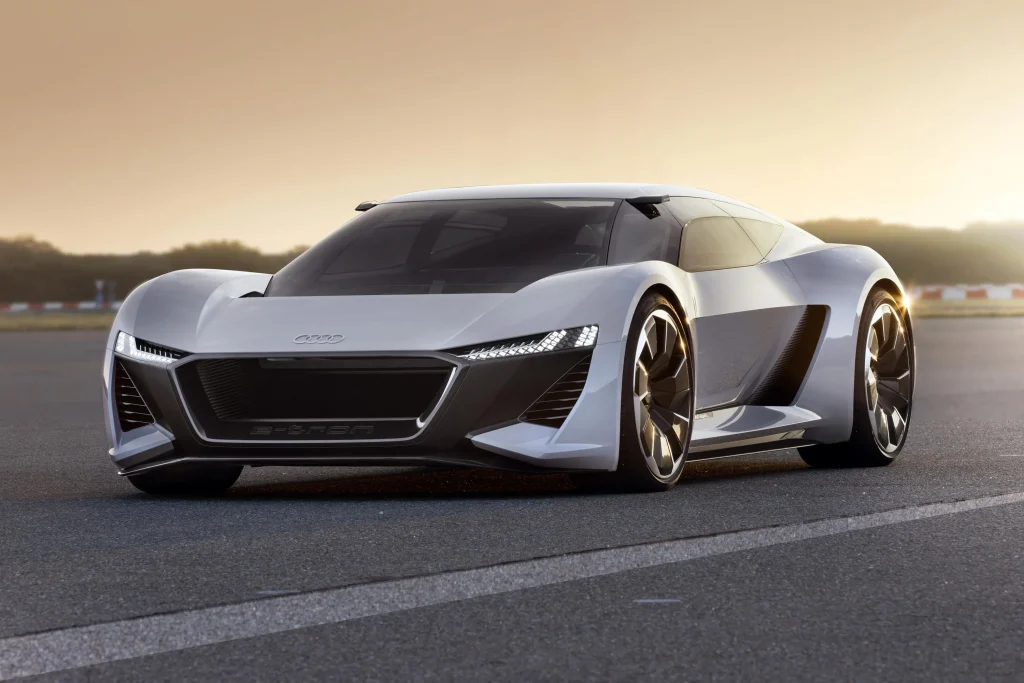
The R8 V10 bridges the gap between two worlds. It delivers the excitement and presence of a supercar while maintaining a level of practicality that aligns closely with premium sedans. For buyers looking to step into something more dynamic without completely sacrificing comfort, it presents a compelling option.
2. Porsche 911 Turbo
The Porsche 911 Turbo offers a different perspective on what a supercar can be. It blends performance with everyday usability in a way that few vehicles can match, making it a strong contender for buyers considering a luxury sedan. Its pricing, particularly in the pre-owned market, often overlaps with top-tier sedans, creating a unique value proposition.
Performance is where the 911 Turbo truly shines. With rapid acceleration and precise handling, it delivers a driving experience that rivals far more expensive supercars. At the same time, it maintains a level of refinement that makes it suitable for daily use. This dual nature is one of its greatest strengths.
The interior reflects Porsche’s commitment to quality and functionality. It offers a comfortable environment with advanced technology and premium materials. Unlike many supercars, the 911 Turbo provides usable rear seats and practical storage options, adding to its versatility.
Reliability is another key factor that sets it apart. Porsche has built a reputation for engineering cars that can handle regular use without constant issues. This makes the 911 Turbo a more approachable option for buyers who want performance without excessive maintenance concerns.
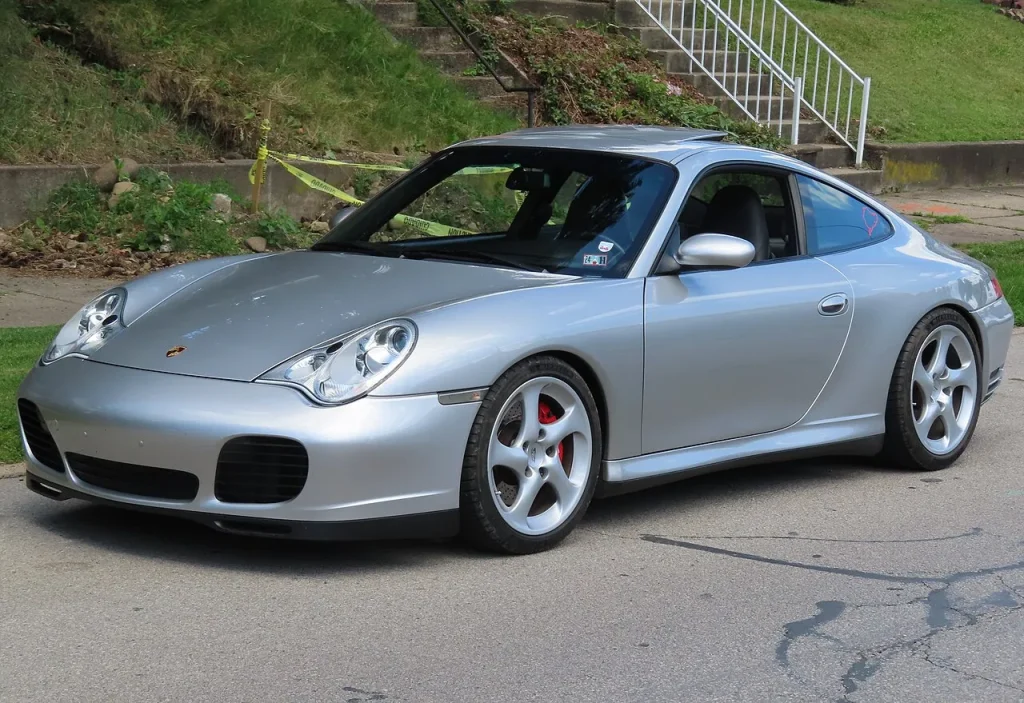
Driving the 911 Turbo feels effortless yet exhilarating. It adapts to different situations, whether navigating city traffic or enjoying open roads. This adaptability makes it a realistic alternative to a luxury sedan, offering both excitement and practicality in a single package.
3. Nissan GT-R
The Nissan GT-R has long carried the nickname “giant killer,” and for good reason. It delivers performance figures that rival far more expensive supercars, yet its price often aligns with well-equipped luxury sedans. This contrast makes it one of the most compelling choices for buyers who want extreme capability without stepping into exotic pricing territory.
At the heart of the GT-R lies a hand-built twin-turbo V6 engine that emphasizes precision and consistency. Unlike naturally aspirated engines that rely on revs, the GT-R delivers immediate power through forced induction, creating relentless acceleration.
What truly defines the experience, however, is how usable that performance feels. The car’s advanced All Wheel Drive system ensures that power is translated into grip, allowing drivers to access its full potential more confidently.
Step inside, and the GT-R reveals a cabin that prioritizes function over flamboyance. While it may not have the handcrafted feel of some European rivals, it offers a solid and driver-focused layout.
Over time, updates have improved material quality and technology, making it feel closer to a modern luxury sedan than its earlier versions did. This blend of performance and usability is a major part of its appeal.
Ownership brings a different kind of advantage. The GT-R benefits from Nissan’s broader engineering ecosystem, which helps keep parts availability and servicing more accessible than many supercars.
While maintenance is not inexpensive, it is generally more predictable and manageable compared to rarer exotic machines. This makes it easier for owners to integrate the car into regular use rather than treating it as a fragile asset.
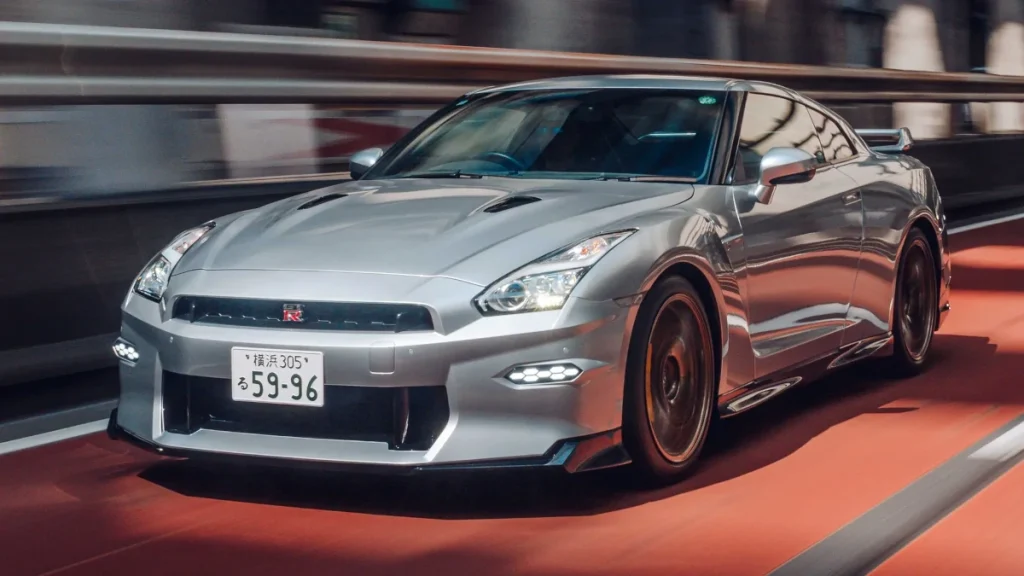
Another aspect worth noting is how the GT-R behaves in everyday scenarios. It can handle traffic, varied road conditions, and longer drives without feeling out of place. This versatility allows it to function in roles typically reserved for luxury sedans, while still delivering moments of intense performance when the opportunity arises.
The Nissan GT-R stands as a reminder that supercar performance does not always require supercar pricing. It offers a unique combination of speed, technology, and practicality that makes it a strong alternative to traditional luxury vehicles.
4. Chevrolet Corvette C8
The Chevrolet Corvette C8 represents a dramatic shift in the identity of the Corvette, moving to a mid-engine layout that places it firmly in supercar territory.
Despite this transformation, its pricing remains surprisingly competitive, often overlapping with high-end luxury sedans. This balance of design, performance, and affordability has made it one of the most talked-about cars in its segment.
From the moment you see the C8, its proportions signal a departure from previous generations. The mid engine configuration not only enhances performance but also gives the car a presence typically associated with far more expensive exotics.
This visual impact plays a significant role in how it is perceived, allowing it to stand alongside traditional supercars with confidence.
Performance is where the C8 truly delivers on its promise. The naturally aspirated V8 provides strong and immediate power, while the new layout improves balance and handling.
This results in a driving experience that feels both engaging and approachable. Unlike some supercars that demand constant attention, the C8 manages to feel accessible without losing its excitement.
Inside, the car introduces a more modern and driver-centric environment. The cockpit wraps around the driver, with controls positioned for ease of use.
Materials and technology have been significantly upgraded, bringing the interior closer to what buyers expect from premium vehicles. This makes it a viable alternative to luxury sedans in terms of comfort and features.
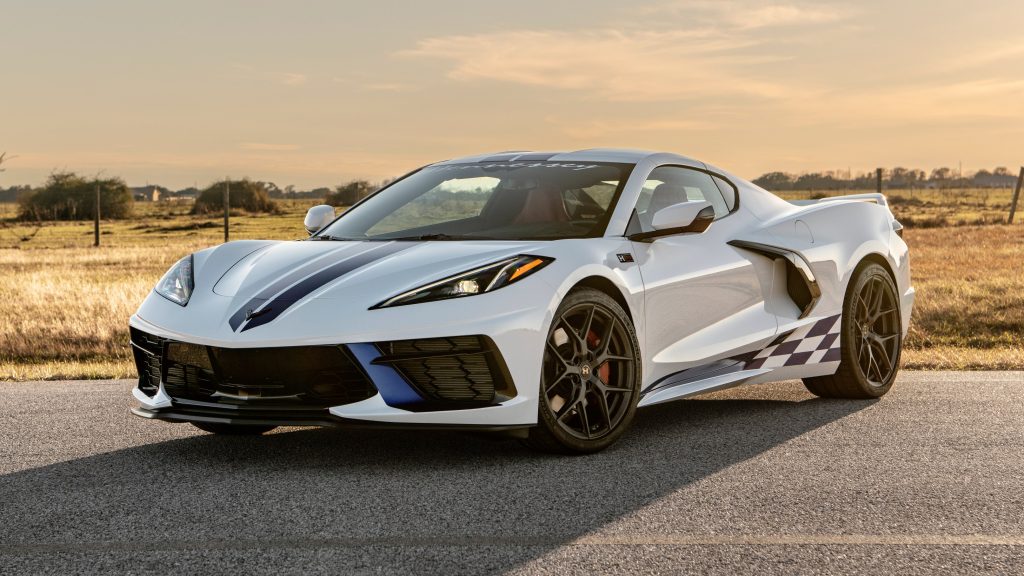
Ownership of the C8 also benefits from its positioning within the Chevrolet lineup. Service networks are widespread, and parts are more readily available compared to niche exotic brands. This accessibility reduces some of the uncertainty often associated with supercar ownership, making it easier to maintain and enjoy over time.
The Chevrolet Corvette C8 bridges a gap that few cars manage to address successfully. It delivers the look and feel of a supercar while maintaining a price point that competes directly with luxury sedans.
For many buyers, it represents an opportunity to experience mid-engine performance without stepping into an entirely different financial category.
5. Jaguar F-Type R
The Jaguar F-Type R approaches the supercar conversation from a different angle, blending dramatic styling with a personality that feels both aggressive and refined. While it may not always be labeled a traditional supercar, its performance credentials and presence place it firmly in that territory, especially when its pricing aligns with premium luxury sedans.
What sets the F-Type R apart immediately is its character. The supercharged V8 engine delivers not just speed but a theatrical driving experience.
The exhaust note is loud, expressive, and impossible to ignore, turning even short drives into memorable moments. Unlike more clinical performance machines, this car leans heavily into emotion, offering a sense of drama that many modern vehicles lack.
The design plays a major role in its appeal. Long, sculpted lines and a low stance give it a timeless yet aggressive look. It carries a sense of occasion that rivals far more expensive cars. Parked next to a luxury sedan, it stands out instantly, making it an attractive option for buyers who value visual impact as much as performance.
Inside, the F-Type R presents a more intimate environment compared to larger vehicles. The cabin is focused on the driver, with a layout that feels purposeful rather than overly complex. High-quality materials and a clean design create a premium atmosphere, though it maintains a sporty edge that reminds you of its performance intent.
Driving the F-Type R reveals its dual nature. It can behave calmly in everyday situations, offering a level of comfort that makes it usable on a regular basis.
At the same time, it transforms quickly when pushed, delivering strong acceleration and confident handling. This adaptability allows it to compete with luxury sedans in terms of usability while offering a far more engaging experience.
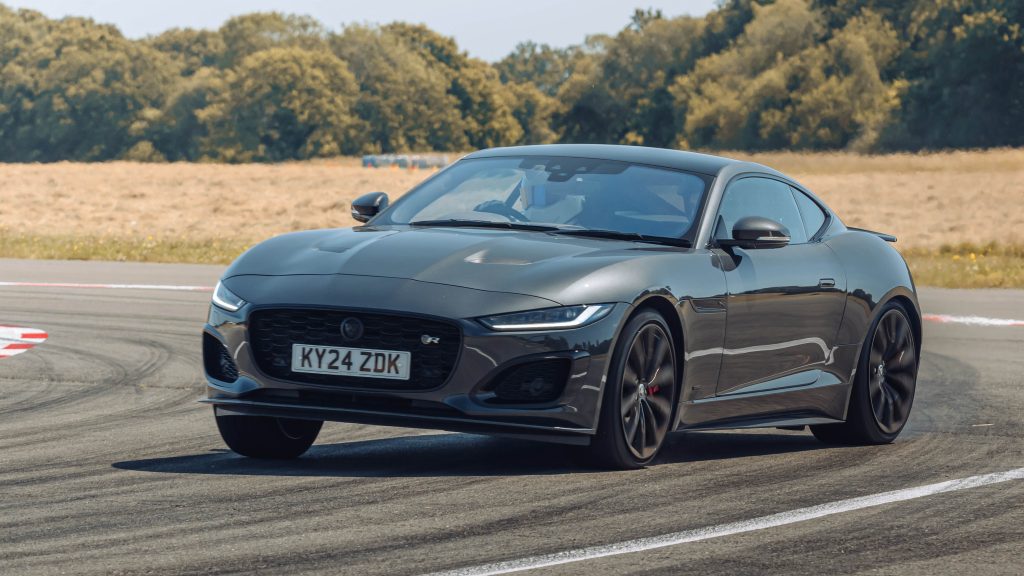
Ownership also carries a sense of individuality. The F-Type R is not as common as many executive sedans, which adds to its appeal. It feels like a deliberate choice rather than a default option, reflecting a desire for something more distinctive.
The Jaguar F-Type R proves that a supercar experience does not always require extreme pricing or uncompromising design. It offers a balance of performance, style, and usability that makes it a compelling alternative to traditional luxury vehicles.
6. Maserati GranTurismo MC Stradale
The Maserati GranTurismo MC Stradale presents a unique interpretation of what a supercar can be, combining Italian flair with grand touring capability. Its pricing often overlaps with high-end luxury sedans, yet it offers a level of exclusivity and emotional appeal that sets it apart from more conventional choices.
Rather than focusing purely on raw performance numbers, the MC Stradale emphasizes the experience of driving. Its naturally aspirated V8 engine delivers power in a smooth and progressive manner, accompanied by a distinctive sound that defines the car’s personality. This creates a sense of connection between driver and machine that feels authentic and engaging.
The exterior design is one of its strongest attributes. With flowing lines and a balanced stance, the GranTurismo carries an elegance that few cars can match. It does not rely on extreme angles or aggressive styling to make an impression. Instead, it uses proportion and detail to create a presence that feels both sophisticated and sporty.
Inside, the car offers a blend of comfort and performance orientation. The cabin is designed to accommodate longer journeys, making it more practical than many traditional supercars. High-quality materials, supportive seating, and a well-arranged layout contribute to an environment that feels both luxurious and focused.
Driving the MC Stradale reveals its versatility. It is capable of delivering strong performance when required, yet it remains composed and comfortable during relaxed driving.
This dual capability makes it suitable for a variety of situations, from spirited drives to extended trips. It behaves in a way that aligns closely with the expectations of a luxury sedan, while still offering a more engaging experience.
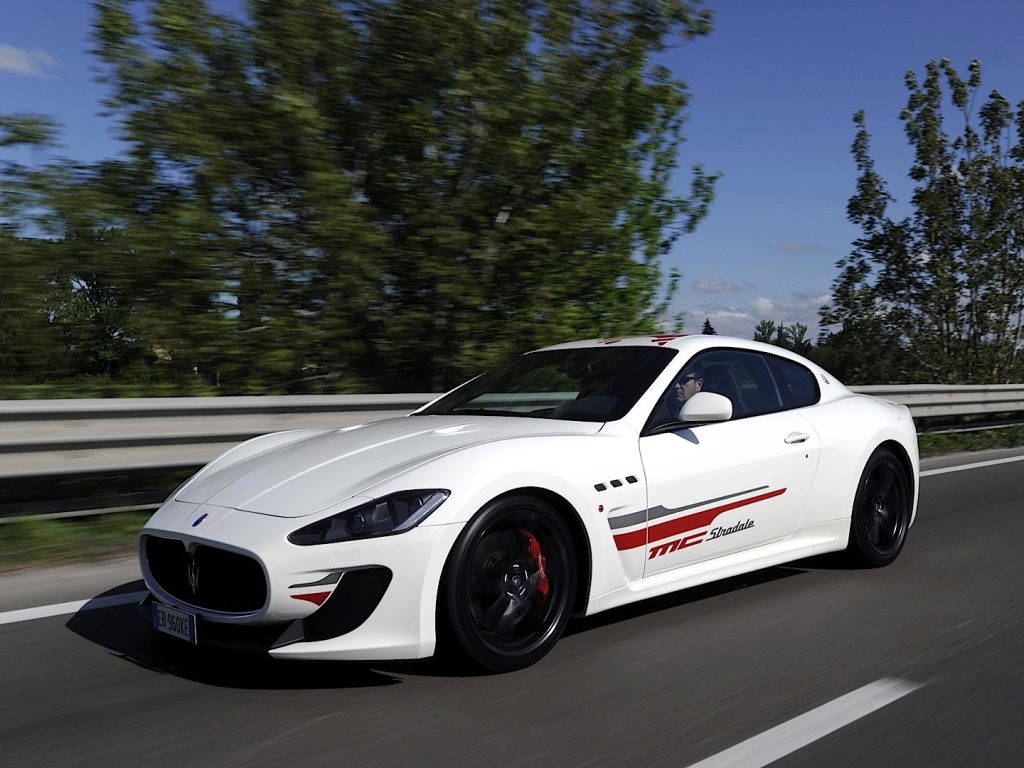
Ownership of the GranTurismo MC Stradale also carries an element of exclusivity. Maserati’s presence in this segment is less common than that of some competitors, which adds to the sense of uniqueness. For buyers who want something different from the typical luxury sedan, it provides an appealing alternative.
The Maserati GranTurismo MC Stradale stands as a reminder that performance and elegance can coexist. It offers a supercar-inspired experience without sacrificing the qualities that make a car enjoyable to live with on a daily basis.
7. McLaren 570S
The McLaren 570S introduces a distinctly different approach to the idea of an attainable supercar. Instead of relying on heritage or familiarity, it focuses on lightweight engineering and precision.
Its pricing, particularly in the secondary market, often places it within reach of buyers considering high specification luxury sedans, yet the experience it delivers feels far removed from anything in that category.
The first impression of the 570S comes from its construction. Built around a carbon fiber monocoque, it offers a level of structural rigidity that is rarely found at this price point. This foundation influences everything from handling to ride quality. The car feels tightly assembled, responding to inputs with a level of accuracy that highlights its engineering focus.
Power comes from a twin-turbocharged V8, but the way it is delivered is what defines the experience. Acceleration builds quickly, yet remains controllable, allowing drivers to feel connected rather than overwhelmed.
The steering is precise and communicative, providing feedback that enhances confidence. This sense of control sets it apart from many vehicles that prioritize comfort over engagement.
Inside the cabin, the 570S adopts a minimalist approach. Controls are simplified, and the layout avoids unnecessary complexity. While it may not offer the same level of traditional luxury as a high-end sedan, it compensates with a sense of purpose. Every element feels designed to support the driving experience rather than distract from it.
Ownership introduces a different rhythm compared to mainstream vehicles. The low ride height, wide stance, and distinctive doors require a degree of awareness in daily situations. Parking, entering tight spaces, and navigating uneven roads all demand attention. These are not obstacles but adjustments that become part of living with the car.
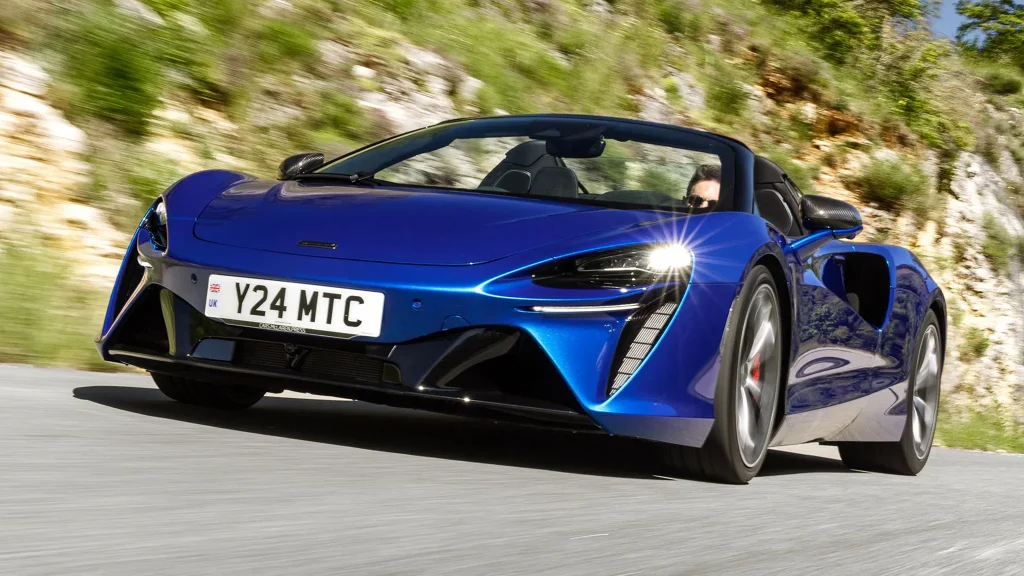
Another factor that shapes the experience is how the 570S is perceived. It carries a strong visual identity, drawing attention wherever it goes. This presence adds to the sense of occasion but also requires a level of care from the owner. Protecting the car and maintaining its condition becomes part of the routine.
The McLaren 570S offers a driving experience that feels focused and intentional. It stands apart from luxury sedans by emphasizing connection and precision, making it an appealing choice for those who prioritize how a car feels over how it isolates.
8. Lamborghini Huracán
The Lamborghini Huracán represents a bold and unmistakable take on the modern supercar. With its sharp design and naturally aspirated V10 engine, it delivers an experience that feels dramatic from the moment it starts. Despite its exotic nature, its pricing can align with top-tier luxury sedans, especially in the pre-owned space, making it an intriguing alternative.
The character of the Huracán is defined by its engine. The V10 produces a sound and response that feels immediate and engaging. There is a sense of urgency in the way it accelerates, creating an experience that feels alive at all times. Unlike quieter and more refined vehicles, this car makes its presence known with every movement.
Design plays a crucial role in its appeal. Angular lines, low proportions, and distinctive lighting give it a visual identity that is impossible to ignore. It looks fast even when standing still, and this visual energy translates into how it is perceived on the road. For many buyers, this sense of drama is a key reason to choose it over a more understated luxury sedan.
The interior reflects a similar philosophy. It is modern, bold, and focused on the driver. Digital displays and sharp design elements create an environment that feels futuristic. While it may not offer the same level of space or comfort as a sedan, it provides a sense of immersion that aligns with its performance capabilities.
Driving the Huracán involves embracing its personality. It is responsive and eager, encouraging the driver to engage with it actively. At the same time, improvements in technology have made it more manageable in everyday conditions. Features such as All Wheel Drive and advanced driving modes help balance performance with usability.
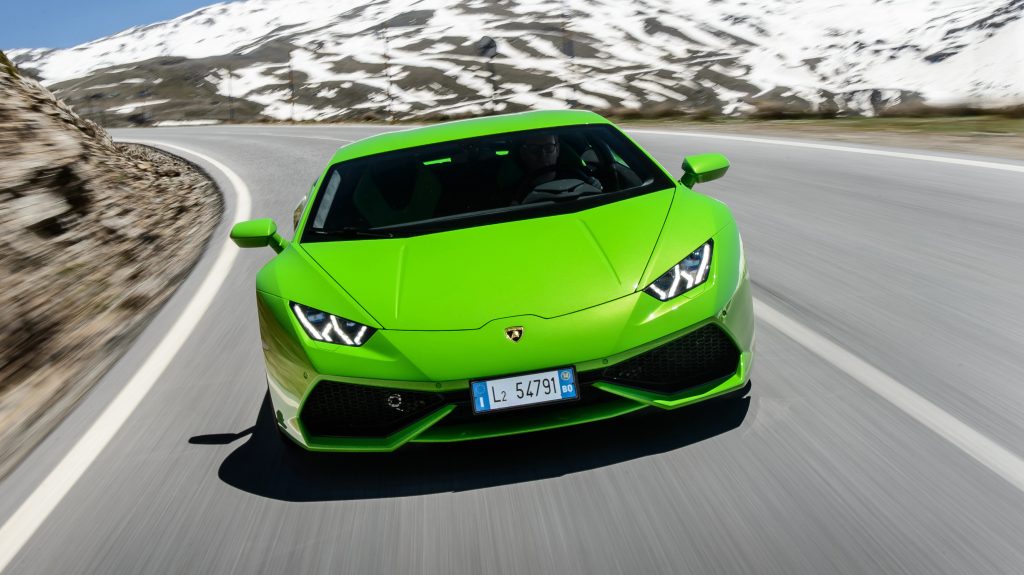
Ownership brings with it a sense of occasion that few cars can match. Every drive feels special, whether it is a short trip or a longer journey. This emotional connection often outweighs the compromises in practicality, making it a compelling choice for those who value experience over convenience.
The Lamborghini Huracán captures the essence of what many expect from a supercar. It delivers excitement, presence, and performance while remaining accessible enough to compete with the pricing of luxury sedans, offering a choice that is as emotional as it is practical.
9. Acura NSX (Second Generation)
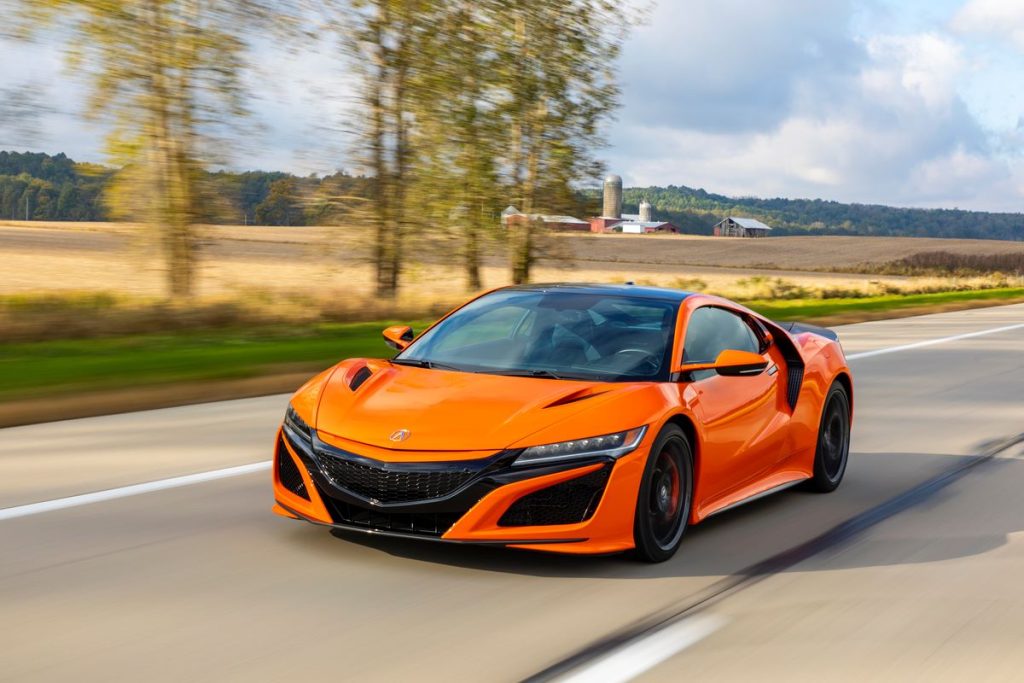
The second-generation Acura NSX approaches the supercar formula with a mindset that feels distinctly modern and highly calculated. Instead of relying purely on raw power or dramatic styling, it integrates hybrid technology with precision engineering to create a car that is both advanced and approachable.
Its pricing, especially in the pre-owned segment, often aligns with premium luxury sedans, making it one of the most technically sophisticated alternatives in this range.
At the core of the NSX is a hybrid powertrain that combines a twin-turbo V6 engine with multiple electric motors. This setup is not just about efficiency but about enhancing performance in a way that feels seamless.
Power delivery is immediate, with electric assistance filling gaps and creating a smooth yet forceful acceleration. The result is a driving experience that feels refined rather than overwhelming, setting it apart from more aggressive supercars.
The car’s All Wheel Drive system is another defining feature. Distributing power intelligently between the front and rear wheels, it provides exceptional stability and control.
This makes the NSX more accessible to a wider range of drivers, allowing them to experience high performance without feeling intimidated. In this sense, it mirrors the usability of a luxury sedan while offering a completely different level of capability.
Inside, the NSX focuses on clarity and function. The cabin is designed to be intuitive, with controls that are easy to understand and use. Materials are of high quality, though the emphasis is more on usability than opulence.
This creates an environment that feels practical and comfortable, aligning well with the expectations of buyers who might otherwise consider a high-end sedan.
Another important aspect of the NSX is how it fits into daily life. It is engineered to be driven regularly, not just admired occasionally. Ride quality, visibility, and overall usability are all designed with this in mind. Owners can use it in a variety of situations without feeling that they are compromising too much on comfort or convenience.
The Acura NSX offers a vision of the supercar that blends technology, performance, and usability in a balanced way. It may not deliver the same theatrical presence as some rivals, but it compensates with a level of sophistication that makes it uniquely appealing.
The relationship between supercars and luxury sedans has evolved in ways that create opportunities for buyers to rethink their priorities. What was once a clear distinction between performance and comfort has become a more nuanced decision, with certain supercars now offering pricing that directly competes with high-end sedans.
Each car in this list demonstrates a different approach to achieving that balance. Some focus on raw performance and emotional engagement, while others emphasize usability and refinement. This diversity allows buyers to choose a vehicle that aligns with their preferences, whether they value excitement, practicality, or a combination of both.
One of the most interesting aspects of this comparison is how it challenges expectations. A luxury sedan offers space, comfort, and advanced features, but a supercar provides an experience that goes beyond transportation. It transforms driving into something more engaging, creating moments that are memorable and distinct.
At the same time, these supercars show that accessibility is not solely defined by price. Factors such as maintenance, practicality, and daily usability still play a role in ownership. Buyers must consider how the car fits into their lifestyle, not just how it performs on paper.
In the end, choosing between a supercar and a luxury sedan at a similar price point becomes a deeply personal decision. It reflects what the buyer values most in a vehicle. Whether it is the quiet refinement of a sedan or the dynamic character of a supercar, both paths offer their own rewards.
The key lies in understanding the experience each one delivers and deciding which aligns more closely with individual expectations.
Also Read: 9 Engines With Problems That Only Appear After 100,000 Miles
