
European supercars continue dominating automotive dreams because they combine engineering brilliance, dramatic styling, racing heritage, and emotional driving experiences in ways few other vehicles can match.
While modern performance cars from America and Asia have closed the gap significantly in straight-line speed, European manufacturers still lead when it comes to chassis precision, exotic design language, and the sense of occasion surrounding every drive.
In 2026, collectors and enthusiasts searching for the right supercar are paying close attention not only to performance figures but also to rarity, future desirability, and long-term emotional value.
The current market has become especially interesting because several older naturally aspirated supercars are gaining importance as the industry moves toward electrification and hybridization.
Enthusiasts increasingly appreciate screaming V10 and V12 engines, gated manual transmissions, and analog steering feel because those characteristics are disappearing rapidly from modern automotive design. Cars once considered too expensive or too complicated to own are now viewed as future classics worth serious attention.
At the same time, certain newer European supercars remain underrated compared to their true capabilities. Some deliver astonishing performance but sit in the shadows of more famous rivals.
Others combine everyday usability with track-level engineering so effectively that collectors believe they will become far more valuable in coming years. Limited production numbers, unique drivetrains, and historical significance also play major roles in determining which cars enthusiasts should hunt for now before values rise even further.
Another major factor involves driving character. The best European supercars do not simply accelerate quickly.
They create unforgettable sensory experiences through engine sound, steering feedback, gearbox feel, and visual drama. Even standing still, these machines feel special in ways ordinary performance cars rarely achieve.
These six European supercars stand out in 2026 because they offer more than speed alone. Each one delivers a combination of rarity, engineering, emotion, and future collector potential that makes the hunt worthwhile for serious enthusiasts.
Also Read: 10 Strongest V8 Engines Ever Put in a Production Car
1. Lamborghini Gallardo LP560-4
The Lamborghini Gallardo LP560 4 occupies a fascinating place in supercar history because it represents the moment Lamborghini transformed the Gallardo from an aggressive but sometimes rough machine into one of the most complete supercars of its generation.
Earlier Gallardos already attracted attention through dramatic styling and glorious V10 sound, but the LP560 4 refined the formula significantly while preserving the emotional intensity enthusiasts expected from Lamborghini.
Its naturally aspirated 5.2-liter V10 engine became the centerpiece of the experience immediately. High-revving power delivery, razor-sharp throttle response, and an unforgettable exhaust note gave the Gallardo a personality modern turbocharged supercars struggle to duplicate.
Drivers experienced increasing urgency as the engine climbed toward redline, creating a thrilling mechanical sensation that felt alive and demanding. In an era increasingly dominated by hybrid systems and forced induction, naturally aspirated Lamborghini V10s continue growing more desirable every year.
The LP560-4 also corrected many weaknesses found in earlier versions. Lamborghini reduced weight, improved suspension tuning, and recalibrated the all-wheel-drive system carefully.
The car became noticeably sharper through corners while remaining stable during aggressive acceleration. Steering response improved as well, giving drivers more confidence and connection during spirited driving.
Styling still looks dramatic even years after production ended. Sharp body lines, low proportions, and signature Lamborghini design elements create a road presence impossible to ignore. Unlike certain supercars that begin appearing dated after a decade, the Gallardo LP560 4 still feels exotic and visually exciting today.
Another reason collectors continue hunting these cars involves usability. Compared to older Lamborghinis known for difficult ergonomics and unreliable behavior, the Gallardo benefited heavily from Audi engineering influence.
The interior quality improved dramatically, daily drivability became more realistic, and mechanical reliability surpassed many earlier Italian exotics. Enthusiasts gained a supercar capable of thrilling weekend drives without becoming unbearable during normal use.
Values for clean LP560-4 models continue attracting attention because buyers recognize the car as one of the last relatively analog Lamborghini experiences before heavy digital integration and hybridization changed the brand permanently. Manual transmission examples have become especially desirable, often commanding enormous premiums.
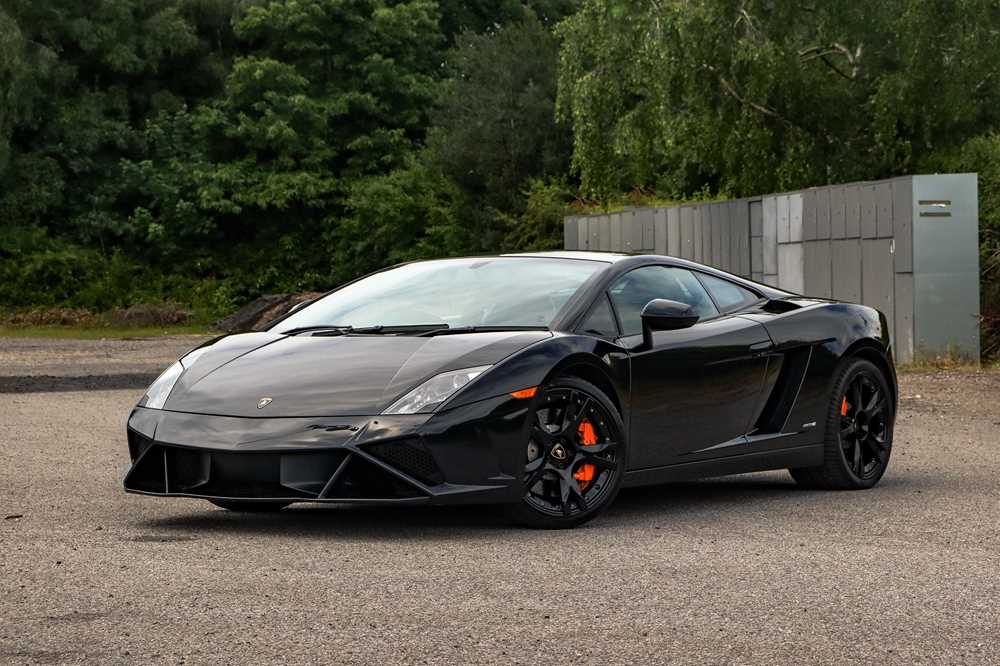
The Gallardo LP560-4 remains worth hunting in 2026 because it balances old-school exotic emotion with enough refinement to remain enjoyable and usable in the modern world.
- Engine: 5.2 liter naturally aspirated V10
- Torque: 398 lb ft
- Horsepower: 552 hp
- Length/Width: 171.0 in / 74.8 in
2. Ferrari 458 Speciale
The Ferrari 458 Speciale represents one of the greatest naturally aspirated supercars Ferrari has ever produced. Built as the ultimate evolution of the standard 458 Italia, the Speciale focused heavily on sharper handling, reduced weight, and extreme driver engagement rather than chasing luxury or grand touring comfort.
In 2026, enthusiasts hunt these cars aggressively because they symbolize the end of an important Ferrari era before turbocharging transformed the brand’s V8 lineup.
Its 4.5-liter naturally aspirated V8 engine delivers one of the most exhilarating soundtracks in modern automotive history. The engine revs ferociously toward a 9,000 rpm redline while producing razor-sharp throttle response impossible for turbocharged engines to replicate fully.
Drivers feel every increase in rpm through the cabin as the Speciale screams toward maximum speed with violent intensity. Few supercars create such a dramatic emotional connection between engine and driver.
Ferrari also transformed the chassis extensively compared to the ordinary 458 Italia. Revised aerodynamics, lighter materials, upgraded suspension calibration, and advanced electronic systems gave the Speciale astonishing agility and precision.
The car changes direction almost telepathically, allowing experienced drivers to attack corners with incredible confidence. Steering feel remains exceptionally direct, helping the car communicate constantly during aggressive driving.
Visually, the 458 Speciale looks more purposeful than the standard Italia. Larger aerodynamic openings, aggressive diffusers, and racing-inspired details create a machine that appears ready for track use even while parked. Yet Ferrari avoided unnecessary styling excess, allowing the car to maintain elegance alongside aggression.
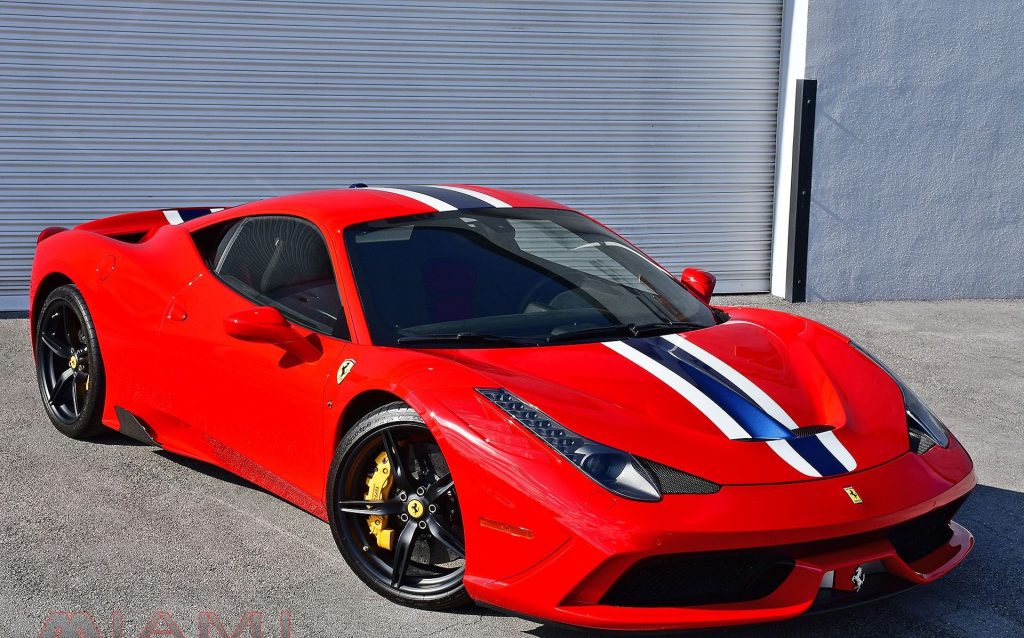
Another reason the Speciale remains highly desirable involves historical significance. It became the final naturally aspirated V8 special series Ferrari before the company moved toward turbocharged engines in later generations.
Collectors increasingly value cars representing the peak of naturally aspirated engineering because those experiences are disappearing rapidly from the automotive world.
Driving the 458 Speciale feels mechanical and emotional in ways many modern supercars no longer achieve. The engine demands high revs, the chassis rewards precision, and the steering communicates every surface change directly to the driver.
Enthusiasts searching for pure analog excitement continue viewing the Speciale as one of Ferrari’s greatest modern achievements.
In 2026, finding a clean, well-maintained 458 Speciale has become increasingly difficult because owners understand exactly how special these cars truly are.
- Engine: 4.5 liter naturally aspirated V8
- Torque: 398 lb ft
- Horsepower: 597 hp
- Length/Width: 180.7 in / 76.3 in
3. Porsche Carrera GT
The Porsche Carrera GT remains one of the most intimidating and respected supercars ever created because it refuses to compromise the driving experience for comfort or convenience.
Even decades after production ended, the Carrera GT still feels raw, demanding, and shockingly mechanical compared to modern hypercars loaded with electronic assistance systems.
In 2026, collectors and serious enthusiasts continue hunting these cars because nothing else delivers the same combination of motorsport engineering, analog behavior, and emotional intensity.
Its naturally aspirated 5.7-liter V10 engine forms the soul of the entire machine. Originally derived from a cancelled endurance racing project, the engine produces a completely different character from Ferrari or Lamborghini powerplants of the same era.
The Carrera GT revs with razor-sharp response while generating an unforgettable metallic scream as rpm climbs toward redline. Unlike turbocharged modern supercars delivering effortless acceleration, the Porsche demands driver commitment and precise throttle control constantly.
The six-speed manual transmission upgrades the experience even further. Porsche equipped the car with one of the most famous manual gearboxes ever fitted to a supercar, complete with a beautifully machined wooden shift knob inspired by classic racing cars.
Every gear change feels mechanical and deliberate. Drivers must balance clutch engagement, throttle input, and steering carefully because the Carrera GT punishes mistakes immediately. That challenging personality became part of its legend.
Visually, the Carrera GT still looks extraordinary in 2026. Low carbon fiber bodywork, dramatic side intakes, center exit exhaust placement, and perfectly balanced proportions create timeless road presence.
Unlike some early 2000s supercars that now appear dated, the Carrera GT continues looking elegant and aggressive simultaneously. Porsche avoided unnecessary styling theatrics and instead focused on pure motorsport-inspired design.
Another reason enthusiasts aggressively pursue the Carrera GT involves rarity and historical significance. Porsche produced relatively few examples, and the car represents the company’s final truly analog halo supercar before hybrid technology and electronic driving systems became dominant.
Later hypercars such as the Porsche 918 Spyder delivered astonishing speed through advanced technology, but the Carrera GT offers something emotionally different. It requires skill and concentration rather than relying on computers to protect the driver.
The chassis dynamics remain legendary among experienced drivers. Lightweight construction, race-derived suspension engineering, and minimal electronic intervention create extraordinary steering feel and feedback.
The car communicates constantly through the steering wheel, seat, and pedals. Every road surface change becomes part of the driving experience. Enthusiasts often describe the Carrera GT as one of the purest driver’s cars ever built because it demands total involvement at all times.
Collectors also recognize that naturally aspirated V10 manual supercars from major manufacturers will likely never exist again.
Modern emissions regulations, electrification trends, and changing customer expectations make cars like the Carrera GT nearly impossible to recreate today. That reality continues driving demand upward rapidly.
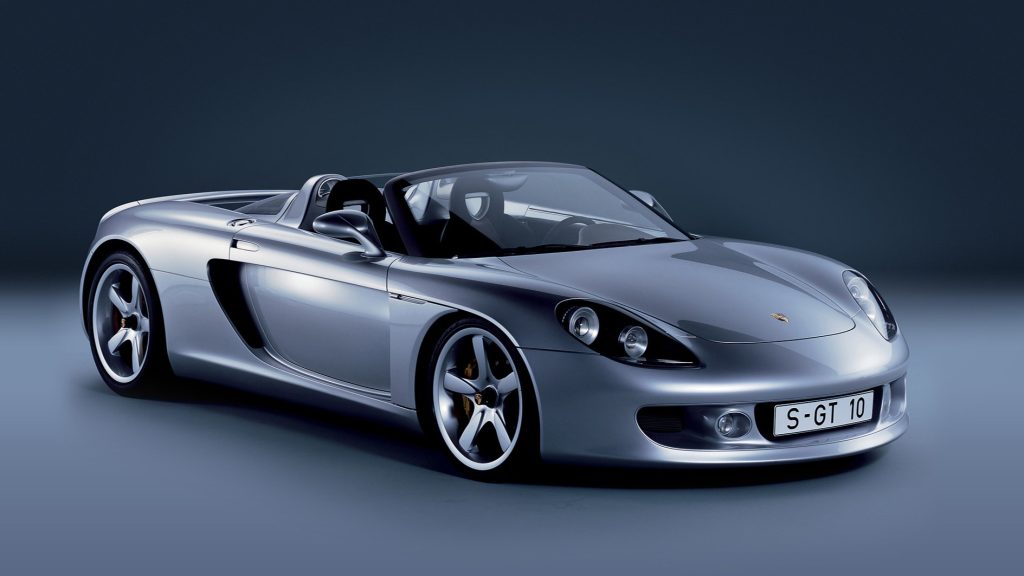
Maintenance and ownership still require serious commitment because the Carrera GT remains an exotic high-performance machine with expensive service needs. Yet owners often accept those costs willingly because few vehicles provide the same emotional reward. Driving the car feels special every single time, even at moderate speeds.
In 2026, the Porsche Carrera GT stands not simply as a valuable collector vehicle but as one of the defining supercars of the modern era. For enthusiasts wanting maximum driver involvement and mechanical purity, few machines remain more desirable.
- Engine: 5.7 liter naturally aspirated V10
- Torque: 435 lb ft
- Horsepower: 603 hp
- Length/Width: 181.0 in / 75.6 in
4. McLaren 675LT
The McLaren 675LT deserves serious attention in 2026 because it represents one of the finest modern driver-focused supercars produced during the turbocharged era.
While many contemporary exotics prioritized luxury features and digital refinement, McLaren engineered the 675LT around lightweight construction, aggressive aerodynamics, and intense driver engagement. The result became a machine that feels brutally fast yet incredibly precise at the same time.
The name itself carries historical importance. LT stands for Longtail, referencing McLaren’s legendary endurance racing heritage from the 1990s. Engineers treated the 675LT as far more than a simple power upgrade over the standard 650S.
They revised nearly every major system, including aerodynamics, suspension geometry, steering calibration, braking performance, and weight reduction measures. Approximately thirty per cent of the components changed compared to the regular model.
Its twin-turbocharged 3.8-liter V8 produces astonishing acceleration with almost violent urgency. Unlike older naturally aspirated supercars requiring constant high-RPM driving, the 675LT delivers immediate turbocharged force throughout the rev range.
Yet McLaren tuned the engine carefully enough that throttle response still feels sharp and engaging rather than numb or artificial. The titanium exhaust system also gives the car an aggressive soundtrack, far more emotional than many turbocharged rivals.
What truly separates the 675LT from ordinary supercars involves chassis communication. McLaren built the car around a carbon fiber monocell structure, creating extraordinary rigidity and low weight.
Steering feedback remains incredibly detailed, allowing drivers to feel subtle grip changes and road textures constantly. Through fast corners, the 675LT feels alive and responsive in ways many heavier supercars cannot replicate.
Aerodynamics also plays a huge role in the experience. Enlarged diffusers, active rear airbrakes, and extended bodywork generate serious downforce at speed.
The car feels planted and stable during aggressive driving while remaining surprisingly usable on public roads. McLaren successfully balanced racetrack capability with enough practicality for real-world enjoyment.
Visually, the 675LT looks more purposeful and aggressive than the standard 650S. Extended proportions, larger air intakes, lightweight wheels, and exposed carbon fiber surfaces create a machine that immediately communicates performance intent.
Yet the styling avoids becoming overly theatrical compared to certain Italian rivals. Everything appears engineered for function first.
Another reason collectors continue hunting the 675LT involves production rarity. McLaren built relatively few examples, and many enthusiasts consider the car one of the greatest modern McLarens ever created.
Later models became increasingly focused on hybrid technology and digital systems, while the 675LT still preserves a raw and connected driving experience that many enthusiasts deeply value.
The car also occupies an important place historically because it demonstrated McLaren’s ability to compete directly against Ferrari special series models, such as the 458 Speciale. Many reviewers even preferred the McLaren because of its sharper chassis behavior and astonishing steering precision.
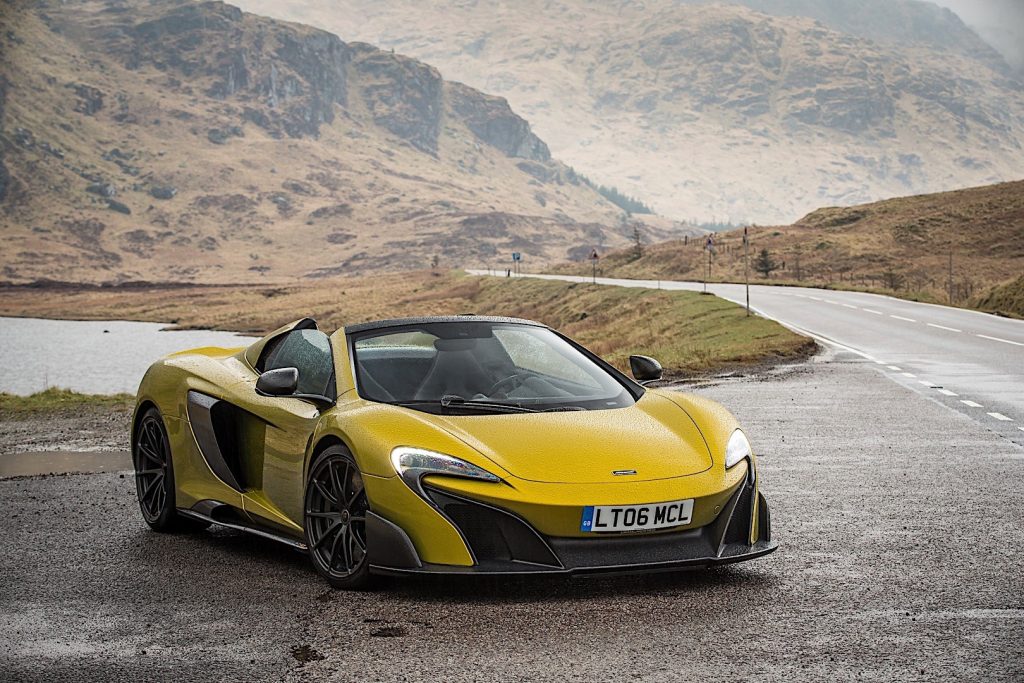
In 2026, the 675LT remains one of the smartest supercar hunts for enthusiasts wanting modern performance without sacrificing emotional driver engagement.
It combines extreme speed, rarity, and engineering purity in a package likely to become even more respected as automotive technology continues moving toward electrification and automation.
- Engine: 3.8-litre twin-turbocharged V8
- Torque: 516 lb ft
- Horsepower: 666 hp
- Length/Width: 179.0 in / 82.5 in
5. Audi R8 V10 Plus
The Audi R8 V10 Plus became one of the most important European supercars of the modern era because it combined exotic performance with everyday usability better than almost anything else in its class.
While many Italian supercars demanded compromises in comfort, visibility, and reliability, the R8 offered genuine supercar excitement wrapped inside a package drivers could realistically use daily. In 2026, enthusiasts continue hunting clean V10 Plus models because naturally aspirated supercars of this kind are disappearing rapidly.
Its 5.2-liter naturally aspirated V10 engine stands at the center of the experience. Shared closely with Lamborghini engineering, the engine produces razor-sharp throttle response and a screaming exhaust note that feels increasingly rare in the age of turbocharging and hybridization.
The V10 revs eagerly toward redline while delivering smooth and relentless acceleration across the entire powerband. Every tunnel and open highway becomes an excuse to hear the engine climb through the rev range.
Unlike some supercars that feel intimidating constantly, the R8 balances extreme performance with surprising accessibility.
Visibility remains excellent, the seating position feels comfortable during long drives, and the cabin ergonomics follow Audi’s traditionally logical design philosophy. Owners can cruise calmly through traffic one moment and unleash brutal acceleration the next without the car becoming exhausting or unpredictable.
The V10 Plus version sharpened the formula significantly compared to standard R8 models. Carbon ceramic brakes, lighter construction, revised suspension calibration, and increased horsepower transformed the car into something much more aggressive.
Steering response became sharper, handling precision improved, and the car gained a more focused personality without losing its daily drivability.
Audi’s Quattro all-wheel-drive system also helped separate the R8 from many rear-wheel-drive supercars. Massive traction allowed drivers to use the engine’s full performance confidently, even in poor weather conditions. The car launched with astonishing force while remaining stable and composed during aggressive acceleration.
Styling remains another major reason enthusiasts continue chasing these cars. The low stance, side blades, wide proportions, and clean body lines still look modern years after production. Unlike some exotic cars overloaded with dramatic vents and oversized wings, the R8 communicates performance through elegant simplicity.
Collectors also recognize the importance of the naturally aspirated V10 itself. Major manufacturers continue abandoning high-revving non-turbocharged engines because of emissions regulations and electrification.
The R8 V10 Plus, therefore, represents one of the final opportunities to own a relatively analog V10 supercar from a major European manufacturer.
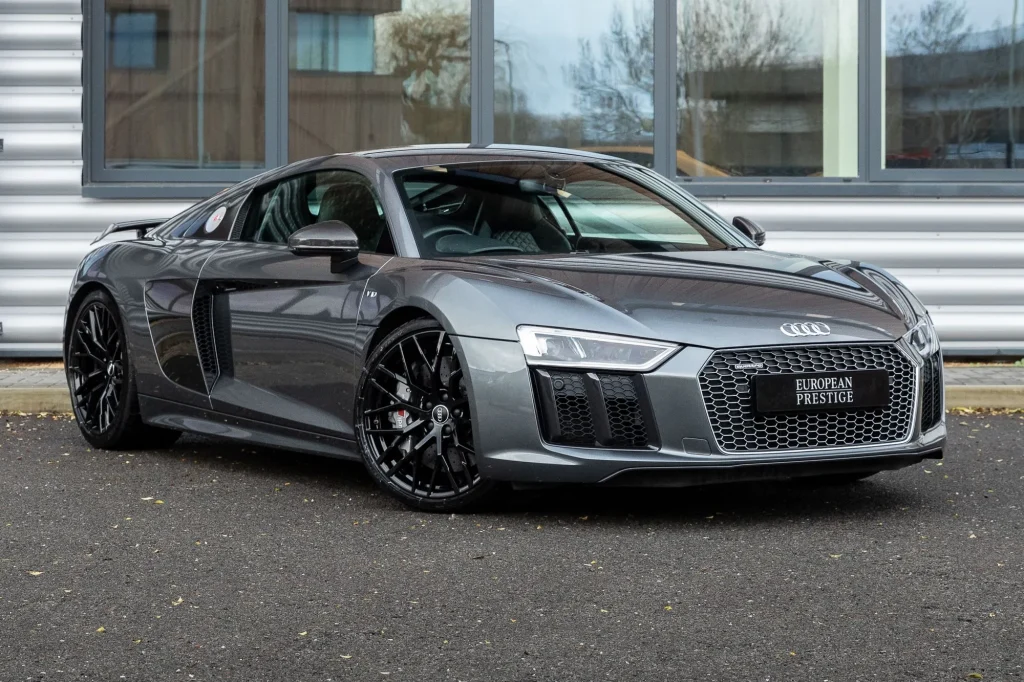
Reliability further strengthens the car’s desirability. Compared to older exotic supercars with fragile reputations, the R8 gained respect for durability and engineering consistency. Owners could enjoy supercar performance without constant fear of catastrophic maintenance nightmares.
In 2026, the Audi R8 V10 Plus remains worth hunting because it captures a disappearing era of naturally aspirated European supercars while still offering real-world usability that many rivals never achieved successfully.
- Engine: 5.2 liter naturally aspirated V10
- Torque: 413 lb ft
- Horsepower: 610 hp
- Length/Width: 174.4 in / 76.4 in
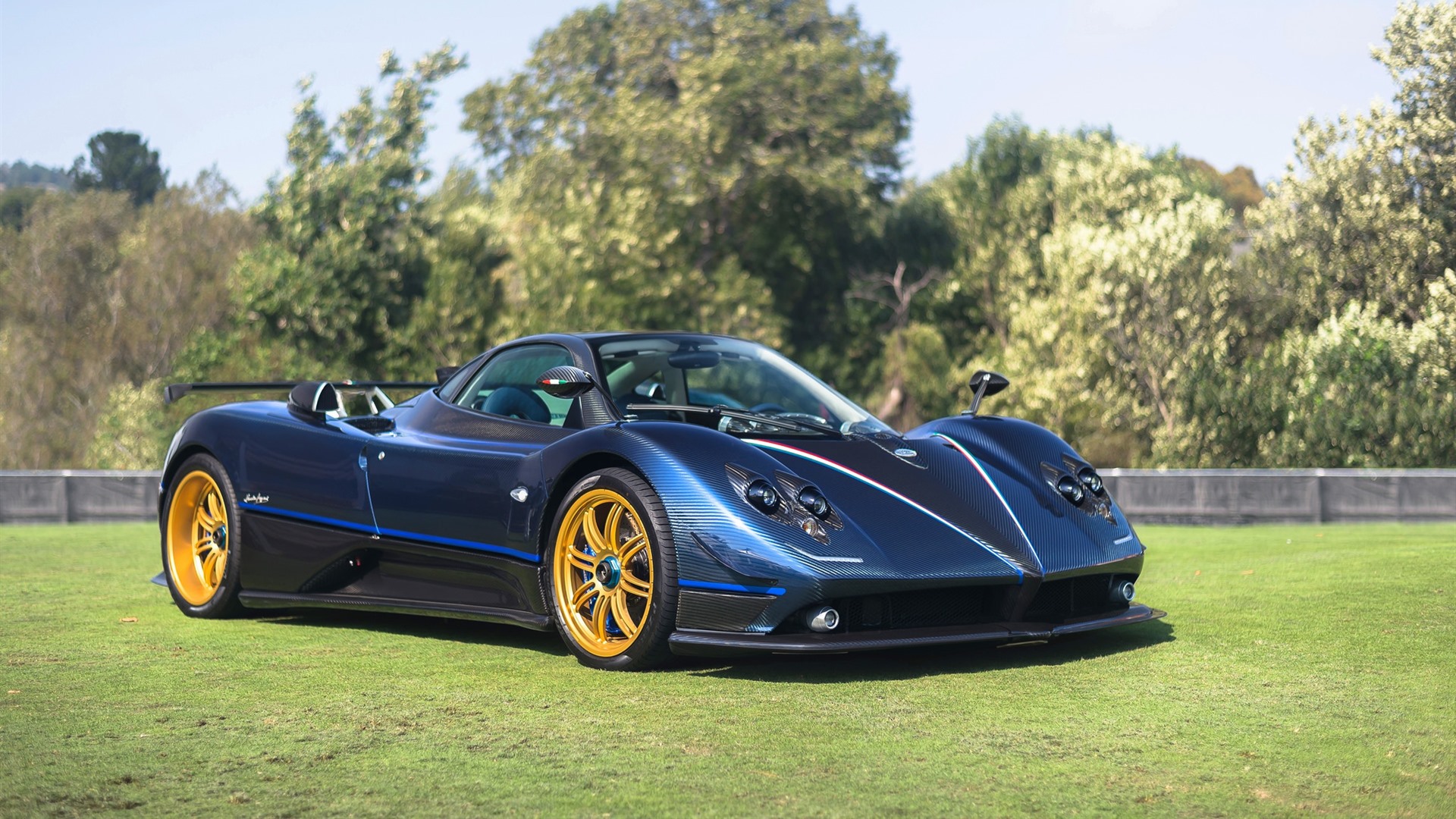
6. Pagani Zonda F
The Pagani Zonda F stands among the most extraordinary supercars ever created because it feels less like a production vehicle and more like a handcrafted piece of mechanical art.
Even in 2026, decades after its introduction, the Zonda F still shocks enthusiasts through its design, engine sound, and obsessive attention to detail. Few supercars combine emotional intensity and exclusivity at such an extreme level.
Its naturally aspirated 7.3-liter AMG-sourced V12 engine delivers one of the greatest soundtracks in automotive history. The engine roars, screams, and crackles with a violent mechanical character that feels completely unfiltered.
Unlike modern hybrid hypercars relying heavily on electric assistance, the Zonda F depends entirely on raw combustion power and immediate throttle response. Drivers experience every vibration and every rpm increase directly through the chassis.
Performance remains astonishing even by modern standards. Lightweight carbon fiber construction and immense V12 power give the Zonda explosive acceleration and terrifying high-speed capability.
Yet the car’s greatest strength involves emotional connection rather than numbers alone. Every drive feels dramatic because the Zonda constantly reminds the driver how mechanical and alive it truly is.
Pagani also approached craftsmanship differently from larger manufacturers. The interior resembles a luxury timepiece more than a normal supercar cabin.
Exposed carbon fiber, polished aluminum components, intricate gauges, and hand-finished details create an atmosphere unlike anything from Ferrari, Lamborghini, or McLaren. Every switch and surface feels individually crafted rather than mass-produced.
Styling helped turn the Zonda into a design icon immediately. Sweeping curves, exposed aerodynamic elements, center exit exhausts, and dramatic proportions create a shape that still looks futuristic years later. The car avoids following traditional supercar styling trends and instead carries a unique artistic identity instantly recognizable worldwide.
Another reason the Zonda F remains worth hunting involves rarity. Pagani produced extremely limited numbers, making each example highly collectible.
Enthusiasts understand the company will never recreate the same analog V12 formula again because modern regulations and changing technology have transformed the hypercar industry permanently.
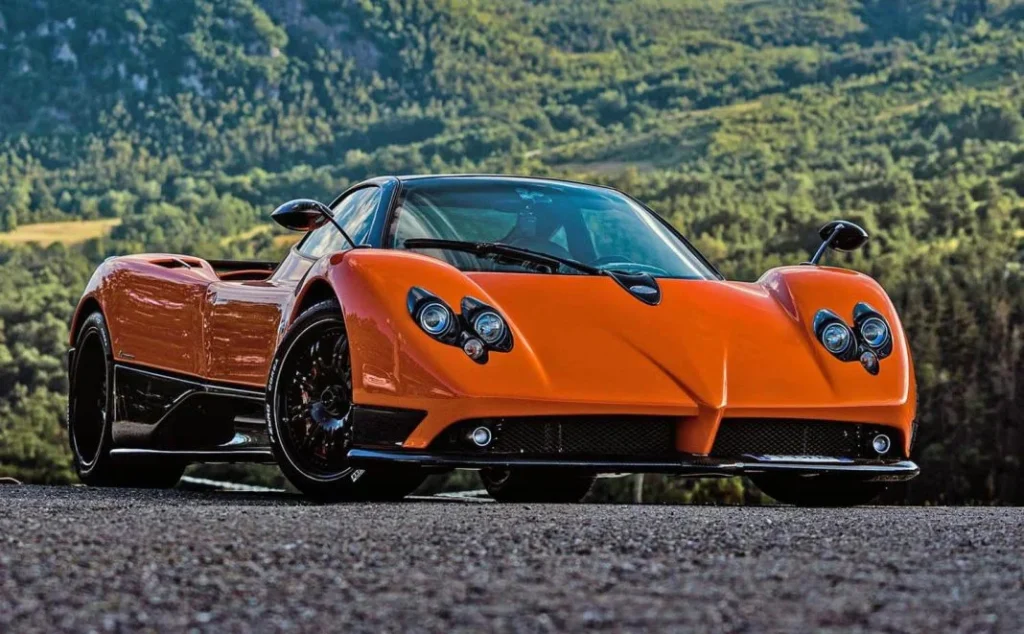
Driving the Zonda requires respect because the car feels raw and intensely connected to the road. Steering feedback remains incredibly direct, and the chassis communicates constantly during aggressive driving. Unlike heavily computerized modern hypercars, the Zonda demands driver involvement and concentration continuously.
Collectors in 2026 view the Zonda F as one of the final truly analog hypercars from the golden age of naturally aspirated European performance.
Values continue climbing because buyers recognize they are purchasing far more than transportation. The car represents engineering passion, handcrafted artistry, and emotional automotive theater at the highest possible level.
For serious supercar enthusiasts, hunting a Pagani Zonda F is not simply about ownership. It is about securing one of the most unforgettable automotive experiences ever created.
- Engine: 7.3 liter naturally aspirated V12.
- Torque: 575 lb ft
- Horsepower: 650 hp
- Length/Width: 173.0 in / 80.0 in
Also Read: 10 Forgotten Sports Cars From 1960s
