

The global automotive market operates very differently across countries, and pricing often reveals just how dramatic those differences can be.
A car that feels reasonably affordable in its home country may suddenly turn into an expensive luxury purchase once it reaches American dealerships.
Import taxes, transportation costs, emission regulations, safety compliance upgrades, dealer markups, and currency fluctuations all contribute to massive price increases in the United States.
Some vehicles become especially expensive in America because they are considered niche products. Manufacturers know buyers seeking imported models are usually enthusiasts willing to pay extra for rarity, uniqueness, or prestige.
In their home countries, though, those same cars may function as everyday transportation for ordinary families and commuters.
Government policies also shape automotive pricing in powerful ways. Certain countries support domestic manufacturing through tax structures or incentives that keep local vehicles affordable. Meanwhile, exporting those vehicles to America introduces layers of additional expense that dramatically inflate sticker prices.
Another interesting factor is cultural demand. Compact city cars, efficient vans, and diesel-powered vehicles may remain cheap and practical overseas because they match local driving habits. In the United States, however, those same vehicles become unusual imports that attract collectors or specialty buyers, pushing values much higher.
Manufacturers sometimes redesign exported models with larger engines, upgraded safety systems, and additional comfort features tailored specifically for American customers. Those modifications increase production complexity and cost. By the time the vehicle reaches a US showroom, its original affordable identity may be completely gone.
This list highlights ten vehicles that cost surprisingly little in their home countries but become expensive purchases in the American market.
Some are practical commuter cars, others are legendary enthusiast machines, and a few are family vehicles Americans rarely get to experience. Each one demonstrates how geography and market conditions can completely transform automotive pricing.
Also Read: 10 Motorcycles With Bigger Engines Than Most Cars
1. Nissan Skyline GT-R
In Japan, older generations of the Nissan Skyline GT-R were once attainable performance cars bought by enthusiasts who simply wanted speed and tuning potential. In the United States, however, these machines transformed into collector icons commanding enormous prices once import eligibility rules allowed them onto American roads.
The Skyline GT-R earned legendary status through motorsports success, advanced all-wheel-drive technology, and its famous RB26DETT engine. Japanese buyers during the 1990s could purchase used examples at relatively modest prices because the domestic market treated them as aging sports cars rather than untouchable collectibles.
American demand completely changed the story. Video games, movies, and internet car culture upgraded the GT-R into mythical territory. By the time legal imports became possible under the 25-year rule, US buyers were already obsessed with owning one. Limited supply combined with huge demand caused prices to rise dramatically.
Japanese enthusiasts often remember when R32 and R33 models sold cheaply in local classifieds. In America, those same vehicles now command prices comparable to brand-new luxury sports cars. Clean examples with minimal modifications have become especially valuable.
Import costs contribute heavily as well. Shipping, compliance inspections, registration work, and broker fees quickly add thousands of dollars before the vehicle even reaches a buyer. Dealers specializing in Japanese imports further increase pricing because of the GT-R’s cult reputation.
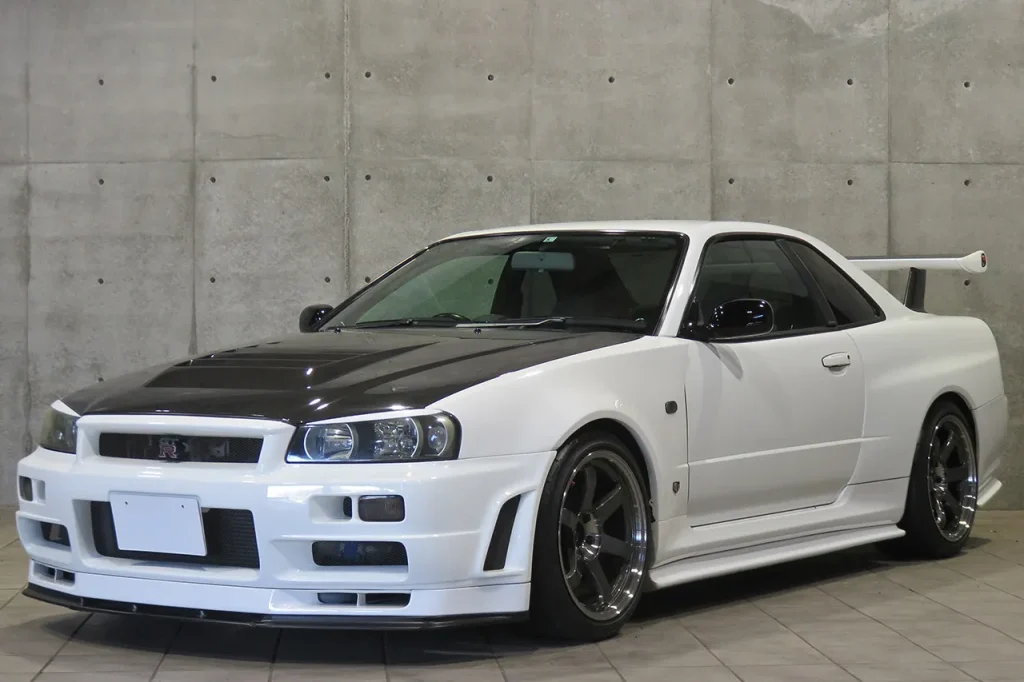
Interestingly, many Japanese owners originally modified these cars aggressively for racing or drifting. American collectors today frequently seek unmodified examples, which are increasingly rare and therefore much more expensive.
Despite the massive price inflation, the Skyline GT-R still delivers a driving experience that lives up to much of its reputation.
The combination of turbocharged power, sharp handling, and mechanical character makes it one of the most celebrated Japanese performance cars ever built. Yet in its homeland, it once existed as a far more affordable enthusiast machine than Americans could have imagined.
- Engine: 2.6-litre twin-turbocharged inline 6
- Torque: 260 lb ft
- Horsepower: 276 hp
- Length/Width: 178.0 inches / 69.7 inches
2. Suzuki Jimny
The Suzuki Jimny is a perfect example of how a simple and inexpensive home market vehicle can become surprisingly costly once it reaches American buyers through import channels. In Japan and many other global markets, the Jimny serves as a compact and affordable off-roader designed for practicality rather than luxury.
Japanese buyers appreciate the Jimny because of its small dimensions, dependable four-wheel-drive system, and low ownership costs.
It handles narrow mountain roads, crowded urban environments, and rough rural terrain without requiring the size or fuel consumption of larger SUVs. Pricing in its domestic market remains relatively accessible because Suzuki positions it as functional transportation.
The United States never officially received the modern Jimny, which instantly increases desirability among American enthusiasts. Small off-road vehicles developed a strong following in recent years, and many buyers became fascinated with the Jimny’s rugged styling and genuine off-road capability.
Importing one into America is not simple or cheap. Buyers often pay substantial shipping expenses, customs fees, registration costs, and importer commissions. Because supply remains extremely limited, sellers can charge premium prices far beyond what Japanese buyers typically pay at home.
Another reason for its inflated American value involves uniqueness. The Jimny offers something different from the oversized trucks and SUVs dominating US roads. Its compact footprint and lightweight construction make it feel refreshingly mechanical and straightforward compared with modern crossovers loaded with electronics.
Japanese versions also benefit from kei car regulations in certain trims, allowing owners to save money on taxes and insurance. American buyers receive none of those financial advantages, making ownership significantly more expensive.

The Jimny’s charm comes from its honesty. It was never designed to compete with luxury SUVs or high-horsepower trucks. Instead, Suzuki created a durable little off-roader capable of reaching places that much larger vehicles struggle to access.
That authenticity helped transform it into a highly desirable import that costs far more in America than it does in its home country.
- Engine: 1.5 liter inline 4
- Torque: 96 lb ft
- Horsepower: 101 hp
- Length/Width: 143.7 inches / 64.7 inches
3. Toyota Century
The Toyota Century occupies a fascinating place in the automotive world because it is treated like an ultra-premium luxury limousine in Japan while remaining relatively unknown to mainstream American buyers.
Once imported into the United States, however, the Century suddenly becomes an expensive collector item that often costs far more than its domestic Japanese pricing suggests.
In Japan, the Century has traditionally served politicians, executives, and wealthy professionals seeking understated luxury rather than flashy status symbols. Toyota intentionally designed it with conservative styling, smooth ride quality, and handcrafted comfort.
Unlike European luxury sedans focused on aggressive performance or dramatic styling, the Century emphasizes silence, refinement, and dignity.
Japanese buyers can purchase used older Century models at surprisingly reasonable prices because luxury sedans tend to depreciate heavily domestically.
High maintenance expectations and strict inspection requirements encourage many owners to replace vehicles frequently, creating opportunities for affordable used examples.
American enthusiasts see the Century very differently. Its rarity instantly gives it exotic appeal. The hand-built craftsmanship, V12 engine in older generations, and uniquely Japanese luxury philosophy make it stand out in a market dominated by German brands.
Importing a Century into America quickly raises costs. Shipping fees, customs charges, registration paperwork, and broker expenses all contribute to higher final pricing. Since only small numbers reach US shores, sellers often demand substantial premiums from collectors eager to own something unusual.
The interior quality surprises many first-time observers. Soft wool seating, polished wood trim, and limousine-style rear accommodations create an experience unlike most modern luxury cars. Toyota focused more on passenger comfort than technology overload, which gives the Century a timeless atmosphere.
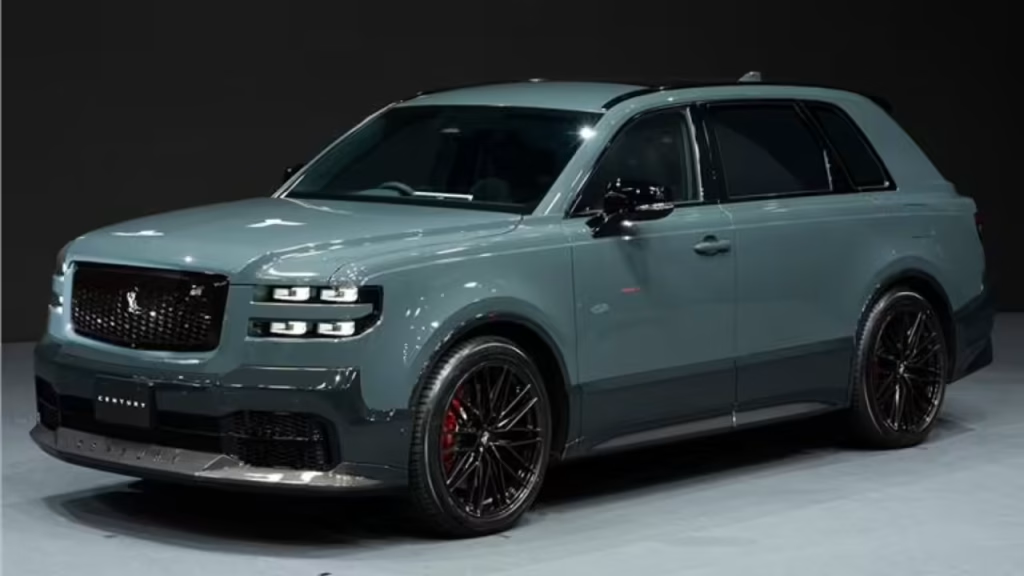
Another interesting detail is how discreet the car remains in Japan. Wealthy owners often prefer the Century precisely because it avoids excessive attention. In America, that same subtlety becomes part of its charm, attracting buyers tired of predictable luxury badges.
The Toyota Century demonstrates how a domestically respected but relatively attainable luxury sedan can transform into a highly expensive specialty import once it enters the American collector market.
- Engine: 5.0-liter V12
- Torque: 355 lb ft
- Horsepower: 276 hp
- Length/Width: 206.3 inches / 74.0 inches
4. Volkswagen Polo
The Volkswagen Polo has long been one of Europe’s most popular small hatchbacks because it delivers solid build quality, efficient engines, and practical dimensions at an affordable price.
In its home markets across Germany and other parts of Europe, the Polo is viewed as sensible transportation for commuters, students, and small families. In the United States, though, a vehicle like this would likely command a much higher price than many people expect.
European buyers benefit from a market built around compact cars. Narrow roads, expensive fuel, and urban congestion encourage manufacturers to produce efficient hatchbacks that remain affordable to large numbers of consumers. Volkswagen competes aggressively in this segment, which helps keep Polo pricing relatively reasonable.
American consumers traditionally favor larger sedans, trucks, and SUVs. Small European hatchbacks, therefore, become niche products rather than mass-market transportation.
If sold widely in the United States, the Polo would require additional modifications to satisfy American safety and emissions regulations, increasing production expenses considerably.
Import logistics also matter. Shipping vehicles from Europe to North America adds substantial cost before dealerships even receive the inventory. Currency exchange rates can further inflate pricing, especially during periods when the euro strengthens against the dollar.
The Polo’s interior quality is another reason it would appear expensive in America. European compact cars often feature materials and driving refinement superior to many similarly sized American economy cars. Buyers expecting low prices simply because of the vehicle’s size might be surprised once import-related costs are added.
Performance-oriented trims such as the Polo GTI become even more expensive abroad. In Europe, hot hatchbacks occupy an established enthusiast category with strong competition. In America, their rarity increases exclusivity and pushes transaction prices higher.
Many European drivers consider the Polo ordinary daily transportation, but American enthusiasts often admire its balanced handling and compact practicality. That difference in perception dramatically changes how the car would be valued in each market.
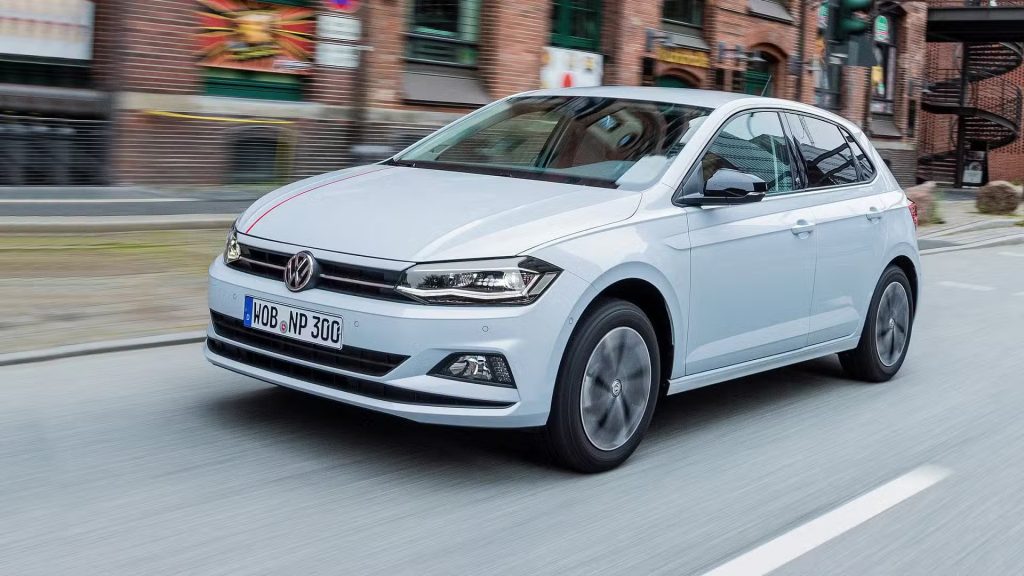
The Volkswagen Polo proves that a humble and affordable European hatchback can easily become a premium specialty vehicle once introduced into the American automotive environment.
- Engine: 1.0-liter turbocharged inline 3
- Torque: 129 lb ft
- Horsepower: 115 hp
- Length/Width: 160.1 inches / 68.0 inches
5. Tata Nano
The Tata Nano was introduced in India with one extraordinary mission: to provide affordable transportation for families who previously relied on motorcycles and scooters.
At launch, it became famous worldwide for being one of the cheapest production cars ever built. In its home country, the Nano represented practical mobility for budget-conscious buyers rather than a novelty item.
Indian customers viewed the Nano through a completely different lens than American automotive enthusiasts. The tiny hatchback focused on simplicity, fuel efficiency, and low operating expenses. Tata Motors intentionally minimized production costs by using lightweight engineering, compact dimensions, and basic equipment levels.
In the United States, however, a vehicle like the Nano would instantly become expensive for several reasons. Strict crash safety standards, emissions regulations, and highway performance expectations would require major redesigns.
By the time those modifications were completed, the Nano would lose much of the affordability that originally defined it.
Importing a rare Nano into America also creates exclusivity. Enthusiasts interested in unusual global vehicles sometimes pay surprisingly high prices simply because the car stands out from anything sold domestically. Shipping expenses, compliance paperwork, and registration hurdles further increase costs.
Another factor involves cultural perception. In India, the Nano was intended as everyday transportation for ordinary families. American buyers often treat imported microcars as collectibles or conversation pieces, dramatically altering their market value.
Despite its modest performance, the Nano demonstrated impressive ingenuity in packaging and efficiency. It consumed very little fuel, occupied minimal parking space, and offered protection from weather conditions that motorcycles could not provide. Those qualities made it highly practical for crowded urban environments.
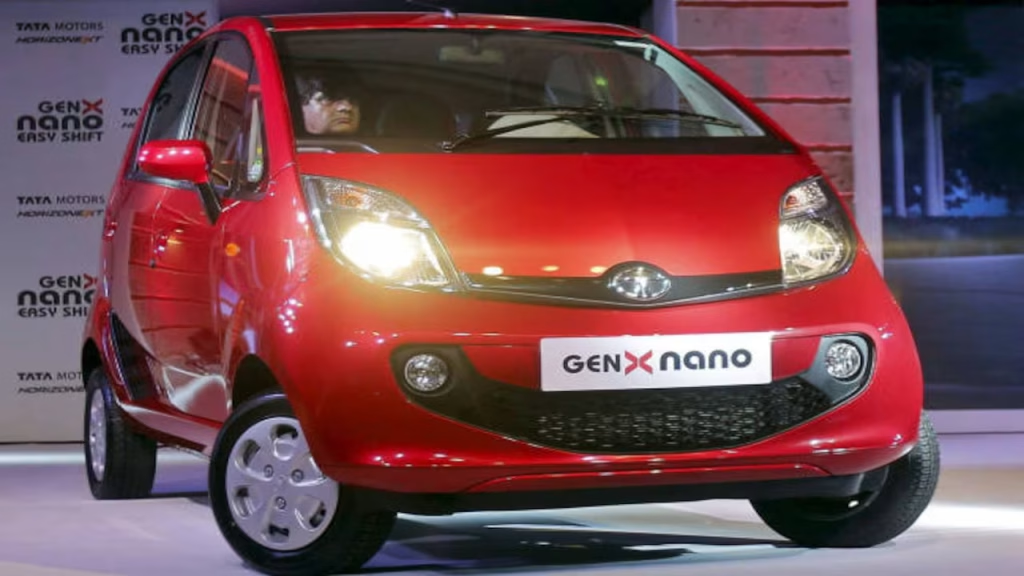
The car’s tiny dimensions would also feel unusual on American highways dominated by large pickups and SUVs. That contrast contributes to the fascination surrounding the Nano whenever examples appear outside India.
Although production eventually ended, the Nano remains one of the most important automotive experiments of the modern era.
It showed how manufacturers could rethink affordability from the ground up. What started as one of the world’s cheapest cars could easily become a costly curiosity once transported into the American market.
- Engine: 624 cc twin-cylinder
- Torque: 38 lb ft
- Horsepower: 37 hp
- Length/Width: 122.0 inches / 58.6 inches
6. Renault Kwid
The Renault Kwid was developed primarily for emerging markets where affordability and efficiency matter more than luxury features or high performance.
In countries like India and parts of South America, the Kwid became popular because it delivered SUV-inspired styling at a price accessible to first-time car buyers. In the United States, though, such a vehicle would likely become far more expensive than its original purpose intended.
Renault designed the Kwid to keep ownership costs extremely low. Compact dimensions, lightweight engineering, and small displacement engines helped reduce fuel consumption and manufacturing expenses.
Buyers in its home markets appreciated the raised seating position and practical cabin without demanding expensive premium technology.
American regulations would completely change the equation. Crash testing requirements, emissions compliance, and highway safety expectations would force substantial upgrades to the vehicle. Those modifications alone could dramatically increase its price before accounting for import expenses.
The Kwid’s uniqueness would also contribute to inflated American pricing. Compact hatchbacks with crossover styling remain uncommon among imported specialty vehicles. Enthusiasts interested in unusual international models often pay premium amounts simply because these cars are rarely seen on US roads.
Fuel efficiency remains one of the Kwid’s biggest strengths. In countries with expensive fuel and crowded traffic conditions, small engines make tremendous practical sense. American buyers, however, traditionally expect stronger acceleration and higher cruising speeds, requiring engineering changes that raise production complexity.
Inside the cabin, the Kwid focuses on functionality rather than luxury. Renault prioritized simple controls, efficient use of space, and budget-friendly materials. That straightforward approach helps maintain affordability in its domestic markets but would likely appear exotic or quirky to American enthusiasts.
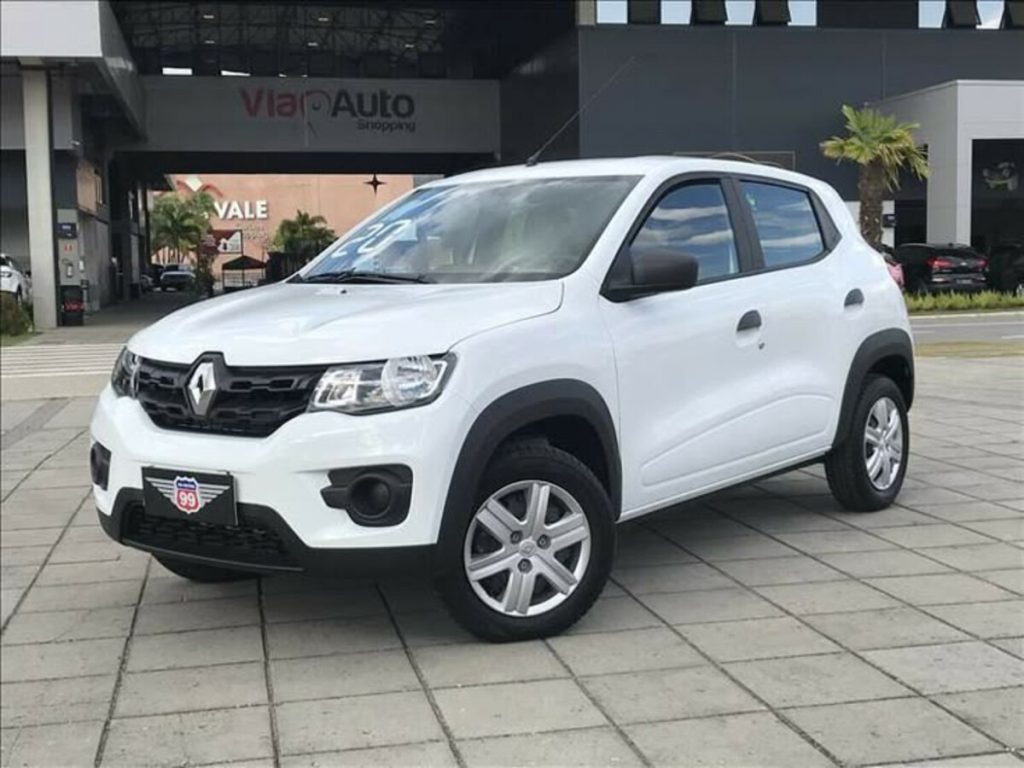
Another interesting detail is how the Kwid visually resembles a miniature SUV despite its low price. That design strategy helped Renault attract younger buyers wanting rugged styling without the expense of a full-size crossover.
The Renault Kwid proves that inexpensive transportation in one country can transform into a rare and costly import somewhere else, especially when regulations and cultural expectations differ dramatically between markets.
- Engine: 1.0 liter inline 3
- Torque: 67 lb ft
- Horsepower: 68 hp
- Length/Width: 146.1 inches / 61.8 inches
7. Fiat Panda
In Italy, the Fiat Panda has spent decades serving as one of the country’s most recognizable city cars. It is inexpensive, compact, easy to park, and perfectly suited for narrow European streets. American buyers, though, would likely encounter a very different pricing reality if the Panda were sold widely in the United States.
Italian consumers treat the Panda as honest everyday transportation rather than a fashionable specialty vehicle. Many families use it for commuting through crowded cities, short highway trips, and rural driving. Fiat designed the car around simplicity and practicality, allowing pricing to remain accessible for average buyers.
The United States market operates under different expectations entirely. Vehicles must satisfy stricter crash standards, more demanding emissions regulations, and customer preferences for larger cabins and stronger highway performance. Adapting the Panda for those conditions would significantly increase manufacturing costs.
Import logistics would push pricing even higher. Transporting small European cars across the Atlantic often makes little financial sense unless the vehicle occupies a premium niche. Dealers would likely market the Panda as a unique urban runabout rather than a basic commuter hatchback, changing how buyers perceive its value.
One reason the Panda remains affordable in Italy is that compact cars dominate the streets there. Fuel costs are high, parking spaces are limited, and old city centers were never designed for oversized SUVs. Fiat competes in a crowded market where efficiency matters more than luxury.
American enthusiasts often admire small European cars for their character and charm. The Panda’s upright shape, lightweight feel, and playful driving personality would probably attract buyers seeking something very different from mainstream crossovers. That uniqueness alone could inflate prices dramatically.
Special versions such as the Panda 4×4 further increase fascination abroad. In Europe, these rugged little hatchbacks handle snow-covered mountain roads and rough countryside terrain surprisingly well.
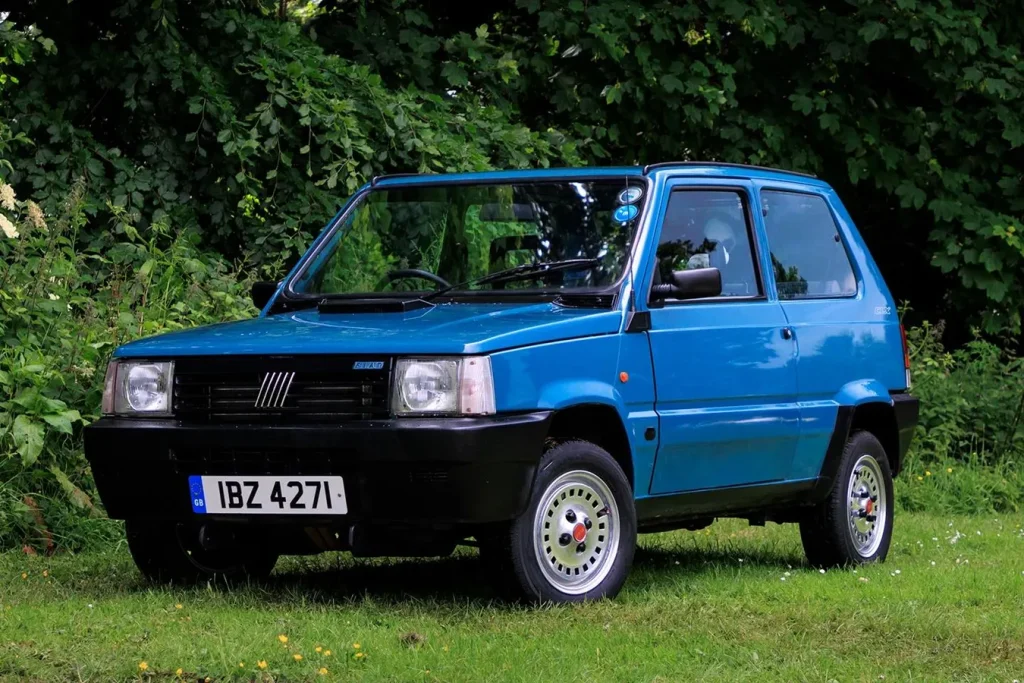
In America, they would almost certainly become collectible oddities commanding far more money than their original domestic prices suggest.
The Fiat Panda demonstrates how ordinary transportation in one country can become an expensive niche import somewhere else simply because market conditions and buyer expectations change completely.
- Engine: 1.0-liter mild hybrid inline 3
- Torque: 68 lb ft
- Horsepower: 70 hp
- Length/Width: 145.3 inches / 64.7 inches
8. Lada Niva
The Lada Niva developed a reputation in Russia and Eastern Europe as a rugged and affordable off-road vehicle capable of surviving extremely harsh environments.
For decades, buyers appreciated it because of its simplicity, mechanical durability, and low purchase price. In the United States, however, the Niva would likely cost far more because of rarity and import-related complications.
Russian buyers traditionally used the Niva for practical tasks rather than recreation. Farmers, rural drivers, and workers relied on it for rough terrain where sophisticated SUVs would become expensive liabilities. The vehicle’s straightforward engineering made repairs relatively simple, even in remote regions.
Its affordability in Russia came from domestic production and minimal luxury equipment. The Niva was never intended to compete with premium off-road vehicles. Instead, it focused on toughness and functionality. American buyers would view it very differently.
The United States off-road market increasingly values distinctive imported vehicles. Enthusiasts searching for unusual alternatives to mainstream SUVs would likely pay substantial amounts for a legally imported Niva. Limited availability alone creates higher prices.
Regulatory hurdles also matter. Meeting American safety and emissions requirements would require modifications that increase costs considerably. Shipping and registration expenses add even more financial pressure before the vehicle reaches a customer.
Despite its basic design, the Niva possesses genuine off-road ability. Short overhangs, compact dimensions, and permanent four-wheel drive allow it to navigate difficult terrain with surprising confidence. That capability gives it authenticity that many modern crossovers lack.
Another reason for growing international interest is the vehicle’s old-school mechanical character. Many modern SUVs rely heavily on electronics and luxury features, while the Niva feels intentionally simple and durable. Enthusiasts appreciate that raw personality.
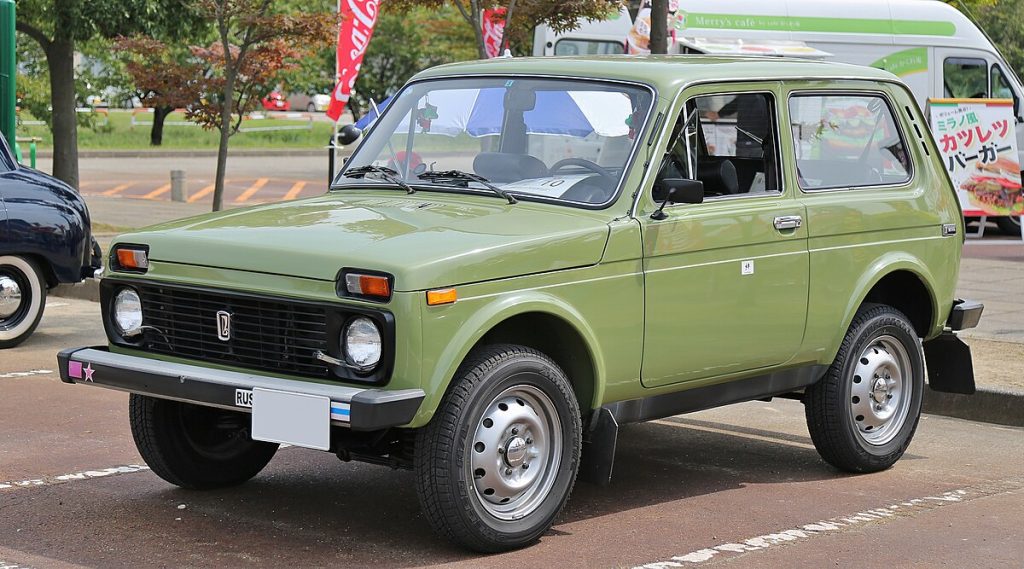
In Russia, the Niva remains a practical transportation for difficult conditions rather than an expensive collectible. Once introduced into foreign markets like the United States, though, rarity transforms it into something much more costly and unusual.
The Lada Niva proves that humble utility vehicles can gain cult status abroad, especially when they offer a driving experience completely different from mainstream modern automobiles.
- Engine: 1.7-liter inline 4
- Torque: 95 lb ft
- Horsepower: 83 hp
- Length/Width: 146.1 inches / 66.2 inches
9. Peugeot 208
The Peugeot 208 is one of Europe’s most successful compact hatchbacks, known for combining stylish design with efficiency and affordable ownership costs.
In France, buyers see the 208 as practical daily transportation that fits perfectly into crowded urban environments and narrow streets. Pricing remains competitive because Peugeot faces constant pressure from rivals like Renault, Volkswagen, and Opel in the small car segment.
American buyers would experience a very different situation if the 208 were officially sold in the United States.
Import expenses, federal safety compliance, emissions regulations, and transportation costs would push the price far beyond what European customers normally pay. Small hatchbacks also occupy a niche market in America, which reduces economies of scale.
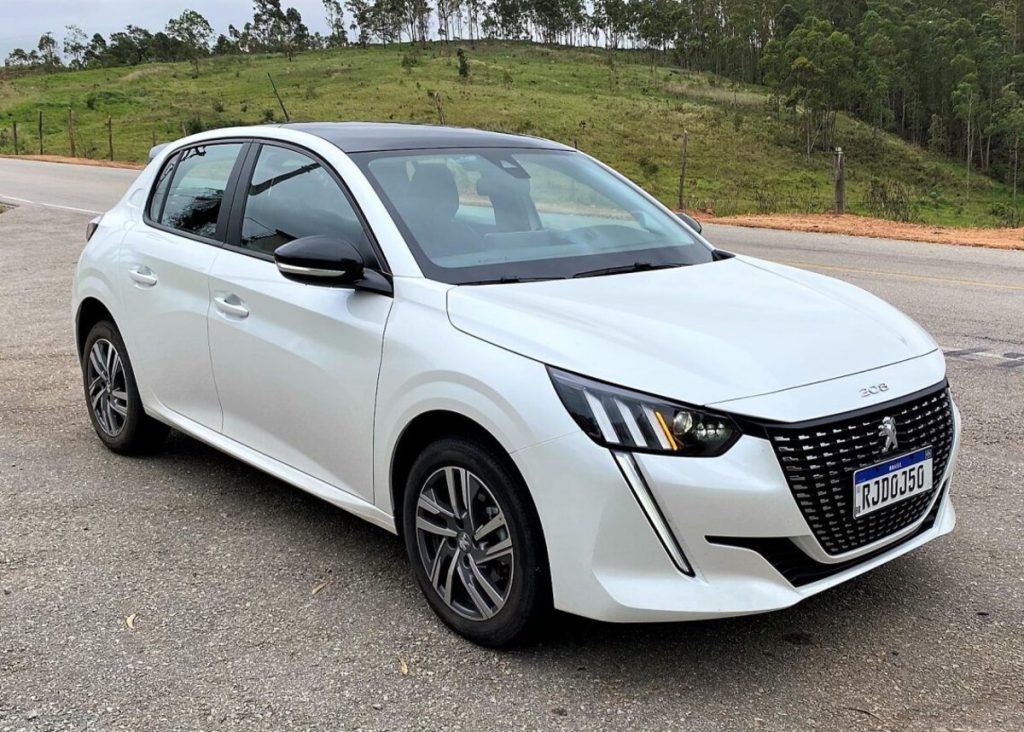
The 208 attracts attention because of its sharp styling and modern interior layout. European drivers appreciate its fuel economy and compact size, while American enthusiasts often view it as an unusual alternative to oversized crossovers.
Performance trims such as the GT models would likely become especially expensive in the United States because hot hatchbacks remain relatively rare compared with Europe.
- Engine: 1.2-liter turbocharged inline 3
- Torque: 170 lb ft
- Horsepower: 130 hp
- Length/Width: 159.8 inches / 68.5 inches
10. Dacia Duster
The Dacia Duster became famous across Europe for delivering SUV practicality at a price dramatically lower than many competitors. In Romania and several European markets, buyers appreciate the Duster because it offers solid ground clearance, simple engineering, and dependable utility without unnecessary luxury equipment.
American buyers would likely pay much more for a vehicle like the Duster because affordable compact SUVs with genuine rugged capability remain highly desirable. Importation costs, stricter regulations, and dealership markups would significantly inflate pricing.
Part of the Duster’s success comes from its straightforward approach. Dacia avoids expensive technology and focuses on functionality instead. European customers value the low ownership costs and practical nature of the SUV.
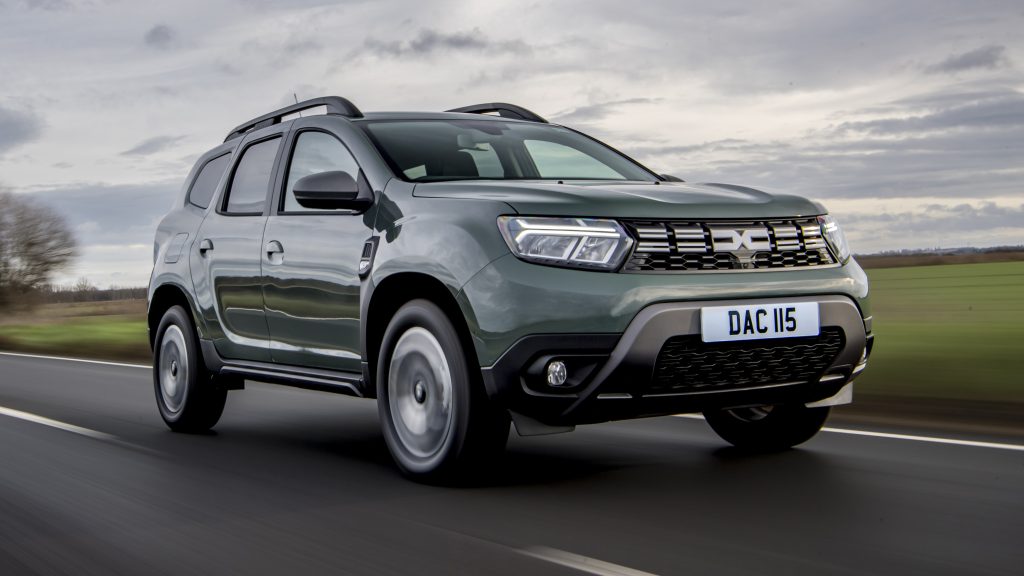
In the United States, though, the Duster would probably be marketed as an affordable adventure vehicle. That image alone could increase demand and push prices upward among buyers seeking something different from mainstream crossovers.
The Duster also benefits from efficient engines and manageable dimensions, qualities that help it thrive in European cities and rural roads alike.
- Engine: 1.3-liter turbocharged inline 4
- Torque: 184 lb ft
- Horsepower: 150 hp
- Length/Width: 170.8 inches / 71.2 inches
Also Read: 9 Pre-2010 Mustangs Still Worth More Than New Ones
