
The automotive world is filled with vehicles produced in massive numbers, but some cars were built in such limited quantities that spotting one today feels almost unreal. These rare machines often become legends because their production runs stayed below 5,000 units, making them far more exclusive than ordinary performance cars or luxury sedans.
In many cases, manufacturers created them to celebrate racing success, introduce advanced technology, or satisfy homologation requirements for motorsports competition.
Limited production cars attract enthusiasts for several reasons. Rarity naturally increases desirability, but many of these vehicles also delivered engineering ideas that stood far ahead of their time.
Some featured revolutionary drivetrains, lightweight construction methods, or aggressive styling that never appeared on mainstream models. Others became famous simply because manufacturers lost money building them, choosing innovation and prestige over profitability.
Another reason these vehicles remain fascinating involves how quickly they disappeared. A few survived only a year or two before regulations, economic downturns, or shifting market demand ended production. Because so few examples exist, collectors often pay extraordinary amounts to acquire well-preserved cars today.
Not every low-production vehicle was a supercar, either. Some were compact sports coupes, handcrafted sedans, or homologation specials created for rally racing.
Their limited numbers came from specialized purposes rather than extreme pricing. Yet all of them gained a special status among enthusiasts precisely because they were never common.
Cars built in tiny numbers also carry an entirely different ownership experience. Drivers frequently join close enthusiast communities where every surviving example is documented and recognized. Certain owners may travel years without seeing another identical car on the road.
This list highlights ten remarkable automobiles whose production runs stayed under 5,000 units. Some became motorsport icons, others evolved into collector investments, and a few nearly vanished from public memory. Each one proves that exclusivity often creates automotive legends long after production finally stops.
Also Read: 10 Motorcycles With Bigger Engines Than Most Cars
1. Jaguar XJ220
The Jaguar XJ220 arrived during the early 1990s as one of the fastest and most ambitious supercars the automotive industry had ever seen.
Despite the enormous excitement surrounding its launch, production remained extremely limited, with fewer than 300 units ultimately built. That tiny number transformed the XJ220 into one of the rarest and most misunderstood performance cars of its era.
Originally, Jaguar planned the XJ220 with a massive V12 engine and all-wheel drive. Early concept versions generated enormous enthusiasm among wealthy buyers eager to own Britain’s next exotic flagship.
However, changing economic conditions and engineering realities forced Jaguar to redesign the car before production began.
The final production version used a twin-turbocharged V6 engine developed from Jaguar’s racing program. Although some early buyers complained about the changes, the XJ220 still achieved astonishing performance. At launch, it became the fastest production car in the world, capable of exceeding 210 mph.
Its sleek shape looked radically futuristic for the time. The long body, flowing curves, and low stance created an appearance unlike anything else on the road. Even today, the XJ220 carries an unmistakable presence that immediately separates it from modern supercars.
Production numbers remained low partly because of the global economic downturn during the early 1990s. Many wealthy customers canceled orders, leaving Jaguar with far fewer buyers than originally expected. That commercial disappointment unintentionally increased the car’s exclusivity.
Inside the cabin, the XJ220 combined luxury touches with race-inspired functionality. Drivers sat extremely low, surrounded by wide body panels that constantly reminded them how massive the car actually was.
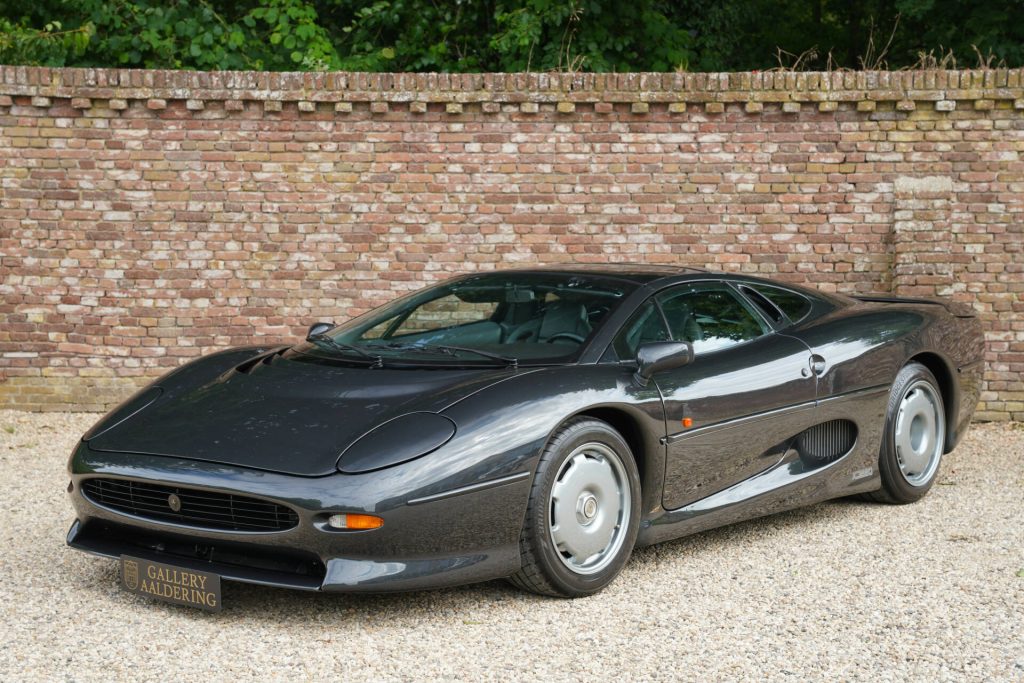
Collectors today appreciate the XJ220 not just for its rarity but also because it represents a fearless engineering project from an era when automakers pushed boundaries without compromise. Its limited production run ensured it would remain one of the most exclusive British supercars ever created.
- Engine: 3.5-liter twin-turbocharged V6
- Torque: 475 lb ft
- Horsepower: 542 hp
- Length/Width: 194.1 inches / 78.0 inches
2. BMW 507
The BMW 507 is widely considered one of the most beautiful cars ever produced, yet its stunning appearance could not prevent commercial failure during the 1950s. BMW built only 252 examples, making the 507 one of the rarest and most valuable roadsters in automotive history.
BMW originally intended the 507 to compete with luxury sports cars from Mercedes-Benz and European rivals entering the American market. Designed by Albrecht von Goertz, the car featured elegant proportions, flowing bodywork, and a timeless silhouette that still attracts admiration decades later.
Unfortunately, production costs became far higher than BMW expected. The handcrafted aluminum body and upscale engineering made the 507 extremely expensive to build. Pricing climbed so dramatically that very few customers could actually afford one.
Under the hood sat a smooth V8 engine delivering refined performance rather than brutal speed. The 507 focused more on grand touring comfort and prestige than aggressive racing behavior. Wealthy buyers who purchased one enjoyed exclusivity that few other cars could match at the time.
The low production numbers nearly pushed BMW into financial disaster. Developing such a costly niche vehicle drained resources from a company already struggling economically. Ironically, the same rarity that hurt sales eventually transformed the 507 into an automotive icon worth millions today.
One reason collectors admire the 507 so deeply involves its purity of design. Unlike many classic cars overloaded with chrome and decorative styling details, the BMW looked clean and sophisticated. Every curve appeared intentional.
Famous owners further increased the model’s mystique. Elvis Presley famously owned a 507 while serving in Germany, helping connect the roadster to celebrity culture and postwar European glamour.
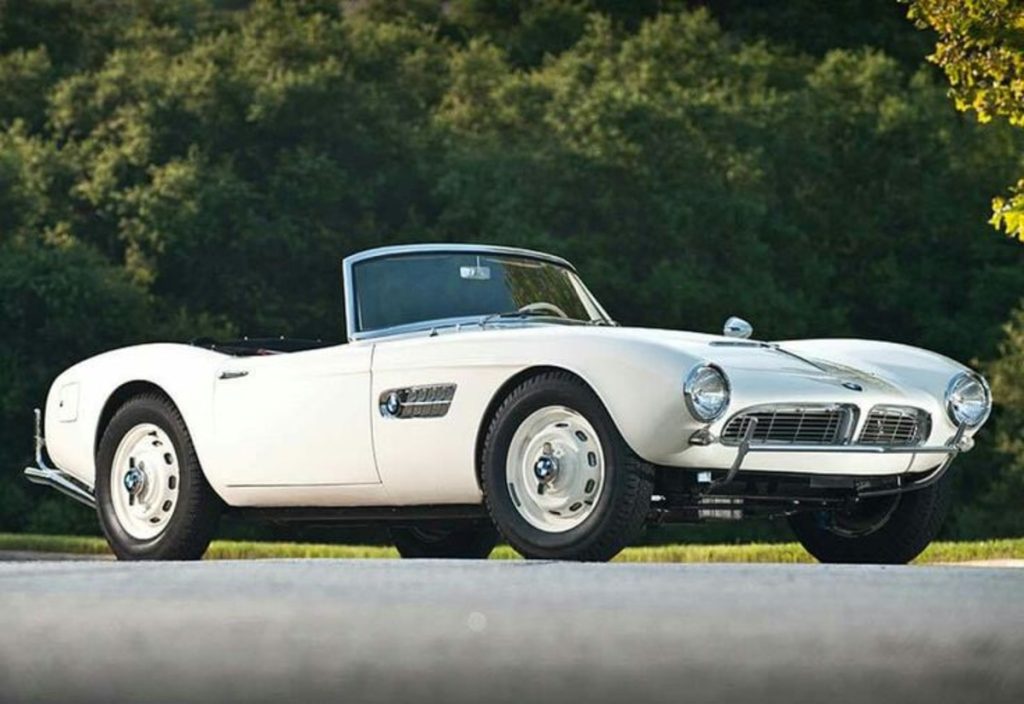
Today, surviving examples rarely change hands publicly because owners understand how historically significant the car has become. With fewer than 300 units produced, the BMW 507 stands as one of the most exclusive and elegant sports cars ever created.
- Engine: 3.2-liter V8
- Torque: 214 lb ft
- Horsepower: 150 hp
- Length/Width: 172.4 inches / 65.0 inches
3. Porsche 959
During the 1980s, the Porsche 959 represented a level of technological ambition almost unheard of for a road car. Porsche originally developed it as a Group B homologation special, but the finished product became far more advanced than anyone expected.
Production remained extremely limited, with only 337 units completed, instantly making the 959 one of the rarest and most influential supercars of its generation.
What separated the 959 from rivals was its extraordinary engineering sophistication. Porsche equipped the car with sequential twin turbochargers, adjustable suspension, lightweight composite materials, and an intelligent all-wheel-drive system years ahead of its time.
Many modern performance technologies trace their roots back to innovations introduced by the 959.
The car delivered incredible speed without feeling uncontrollable. While many 1980s supercars demanded constant attention from drivers, the Porsche combined stability with astonishing performance. It could accelerate aggressively in poor weather conditions while remaining surprisingly refined on normal roads.
Its appearance looked understated compared with flashy Italian exotics, yet every shape served an aerodynamic purpose. Enlarged fenders, smooth bodywork, and integrated spoilers gave the car a futuristic personality without relying on dramatic excess.
Porsche actually lost money producing each 959 because development costs became so extreme. The company treated the project as a technological showcase rather than a profitable business venture. That commitment to engineering excellence helped secure the car’s place in automotive legend.
American buyers faced another challenge because the 959 initially failed to meet US regulations. Several wealthy collectors fought for years to legalize imported examples, increasing the model’s mystique even further.
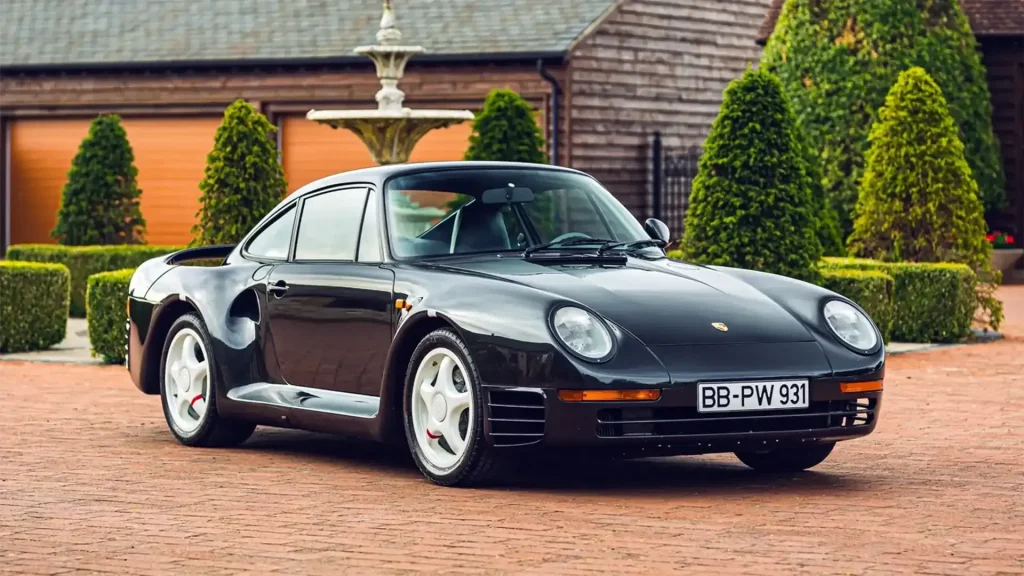
Today, the Porsche 959 is recognized not only as a rare collector car but also as one of the most important technological milestones in automotive history. Its tiny production run ensured exclusivity, while its groundbreaking engineering secured permanent respect among enthusiasts worldwide.
- Engine: 2.85-liter twin-turbocharged flat 6
- Torque: 369 lb ft
- Horsepower: 444 hp
- Length/Width: 167.3 inches / 72.4 inches
4. Ferrari F50
The Ferrari F50 arrived during the mid-1990s, carrying enormous expectations because it followed the legendary F40.
Ferrari approached the project with a completely different philosophy, focusing heavily on Formula One-inspired engineering and creating one of the rawest road cars the company had ever built. Production stayed limited to just 349 units, ensuring the F50 would remain exceptionally exclusive.
Unlike many supercars of its time, the F50 emphasized mechanical purity over luxury. Ferrari installed a naturally aspirated V12 derived directly from its Formula One technology, giving drivers an experience remarkably close to operating a race car on public roads.
The sound alone became unforgettable. As the engine climbed toward redline, the V12 produced a sharp and emotional scream unlike turbocharged rivals from the same era. Drivers constantly described the experience as intense and deeply physical.
Ferrari also used a carbon fiber monocoque chassis, advanced aerodynamics, and race-inspired suspension systems. The removable roof panel added another layer of drama, allowing owners to experience the engine soundtrack completely uncovered.
At first, the F50 existed in the shadow of the F40 because enthusiasts expected another brutal turbocharged monster.
Over time, however, collectors began appreciating the F50’s unique character. Its naturally aspirated engine and analog driving feel became increasingly valuable in a world moving toward electronic assistance and forced induction.
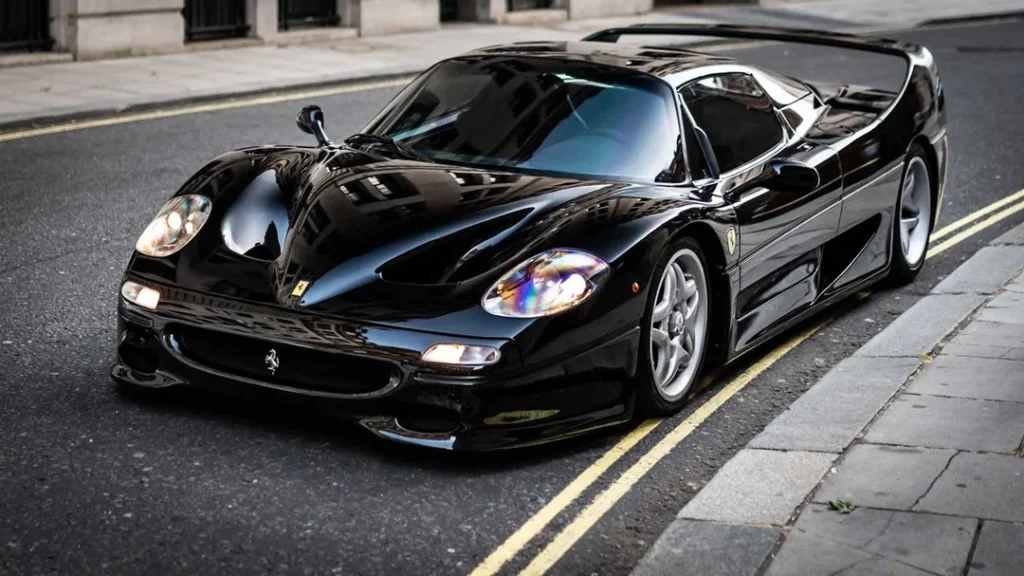
The production total of 349 units was intentional. Ferrari reportedly wanted to build one fewer car than the number of customers expected to purchase one, increasing exclusivity from the beginning.
Inside the cabin, the F50 remained surprisingly sparse. Thin seats, exposed carbon fiber, and minimal luxury features reminded occupants that the car prioritized performance above comfort.
Today, the Ferrari F50 ranks among the most desirable collector Ferraris ever produced. Its limited production numbers, Formula One connections, and unforgettable driving experience transformed it into one of the defining supercars of the 1990s.
- Engine: 4.7-liter naturally aspirated V12
- Torque: 347 lb ft
- Horsepower: 513 hp
- Length/Width: 176.0 inches / 78.0 inches
5. Mercedes-Benz CLK GTR
The Mercedes-Benz CLK GTR exists because of one purpose: to dominate FIA GT racing during the late 1990s. Mercedes needed a homologation special to qualify for competition, so the company created one of the wildest road-legal cars ever produced. Only 28 units were built, making the CLK GTR one of the rarest production cars in automotive history.
Unlike traditional supercars developed first for public roads, the CLK GTR started life as a race car. Engineers adapted the competition machine for street legality afterwards, which explains why the car feels so extreme even by modern standards.
Massive air intakes, an enormous rear wing, and a body stretched low to the ground made it look closer to Le Mans machinery than a grand touring coupe.
The naturally aspirated V12 engine produced brutal performance. Acceleration felt violent, and the soundtrack delivered pure motorsport aggression. Drivers often described the experience as intimidating because the car never tried to soften its racing roots for comfort.
Production numbers remained microscopic, partly because the project existed purely for homologation rules. Mercedes never intended to mass-produce the CLK GTR. Building enough road cars to satisfy regulations was the only goal.
The interior looked surprisingly luxurious compared with many race-derived vehicles of the era, though practicality remained nearly nonexistent. Visibility was limited, cabin entry required effort, and luggage space barely existed.
Collectors now treat the CLK GTR as automotive royalty because it represents a unique moment when manufacturers built road-legal race cars without compromise. Surviving examples rarely appear for sale, and values have climbed into extraordinary territory.
Its rarity also means many enthusiasts may never see one in person. Even major car events sometimes struggle to attract a genuine CLK GTR because production totals remained so low.
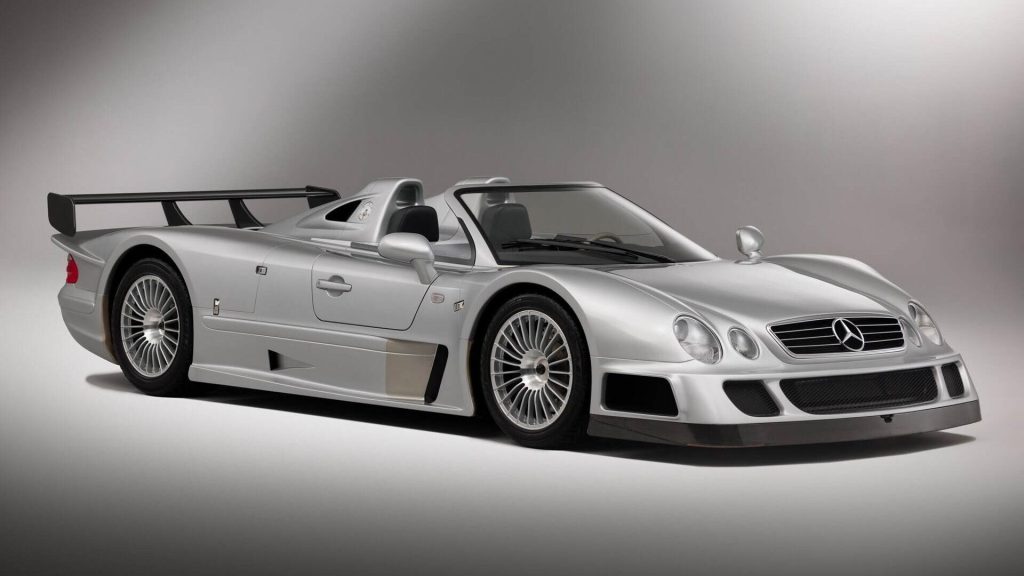
The Mercedes-Benz CLK GTR remains one of the clearest examples of how motorsport regulations accidentally created legendary road cars that instantly became unattainable icons.
- Engine: 6.9-liter naturally aspirated V12
- Torque: 572 lb ft
- Horsepower: 604 hp
- Length/Width: 191.0 inches / 77.6 inches
6. Acura NSX R GT
The Acura NSX R GT stands among the rarest Japanese performance cars ever built. Honda developed the car to satisfy Super GT racing homologation requirements, resulting in an ultra-limited production run of just five units. That tiny number transformed the NSX R GT into almost mythical status among enthusiasts.
Unlike the standard NSX, the R GT featured extensive aerodynamic revisions designed specifically for racing performance. Engineers added a prominent roof snorkel, revised front airflow management, and aggressive body modifications that immediately distinguished it from ordinary road-going versions.
Honda focused heavily on weight reduction and handling precision. The company stripped unnecessary luxuries while refining suspension tuning to create a machine intended for pure driving engagement. Every detail centered around maximizing responsiveness rather than comfort.
Because so few examples exist, spotting an NSX R GT is incredibly unlikely even in Japan. Most enthusiasts know the car only through photographs or racing history discussions. Its rarity exceeds many exotic European supercars despite Honda traditionally being associated with mass-market vehicles.
The naturally aspirated V6 delivered smooth yet sharp performance characteristics. Unlike turbocharged rivals, the NSX R GT relied on throttle response, chassis balance, and lightweight engineering to create excitement.
One fascinating aspect of the car involves its connection to Japanese motorsport culture. Homologation specials often became legendary because manufacturers built them primarily to satisfy racing regulations rather than generate profits. The NSX R GT perfectly represents that philosophy.
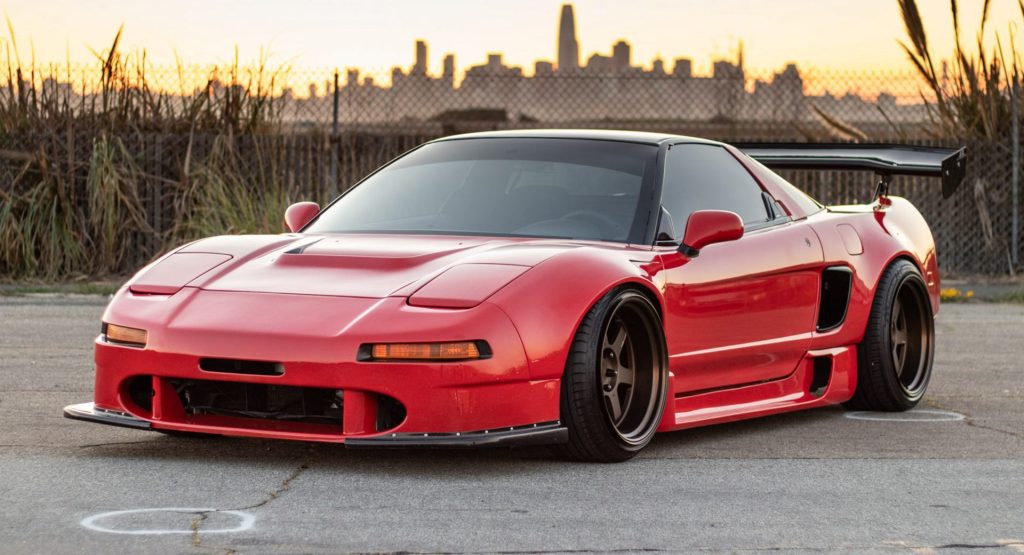
Collectors value the car not only because of its rarity but also because it symbolizes the peak of Honda’s analog performance engineering era. Modern performance cars increasingly depend on electronic assistance, while the NSX R GT focused entirely on mechanical purity.
With only five units ever produced, the Acura NSX R GT belongs to an incredibly exclusive category of automobiles that few people will ever witness outside museums or private collections.
- Engine: 3.2-liter naturally aspirated V6
- Torque: 224 lb ft
- Horsepower: 290 hp
- Length/Width: 174.2 inches / 71.3 inches
7. Aston Martin One 77
The Aston Martin One 77 was created to demonstrate everything the British manufacturer could achieve when cost limitations disappeared completely. Limited to only 77 units worldwide, the car instantly became one of the rarest and most prestigious modern supercars ever produced.
Every One 77 featured extensive hand-built craftsmanship. Aston Martin combined lightweight carbon fiber construction with a sculpted aluminum body shaped almost like rolling artwork. The design looked dramatic without appearing exaggerated, balancing elegance with aggression in a way few supercars manage successfully.
At the center of the machine sat a massive naturally aspirated V12 engine producing extraordinary performance. The power delivery felt relentless, yet the engine also carried the refined character expected from an Aston Martin flagship. Drivers often praised the soundtrack as one of the greatest ever created by a production road car.
Unlike manufacturers chasing large-scale sales, Aston Martin intentionally kept production extremely small to preserve exclusivity. Wealthy collectors from around the world competed for allocations long before production ended.
The cabin reflected the same handcrafted philosophy. Fine leather, exposed carbon fiber, and carefully machined controls created an atmosphere closer to bespoke luxury than ordinary performance vehicles. Every example received individual attention during assembly.
The One 77 also arrived during a period when naturally aspirated engines still dominated elite supercars. That characteristic became even more valuable later as turbocharging spread across the industry.
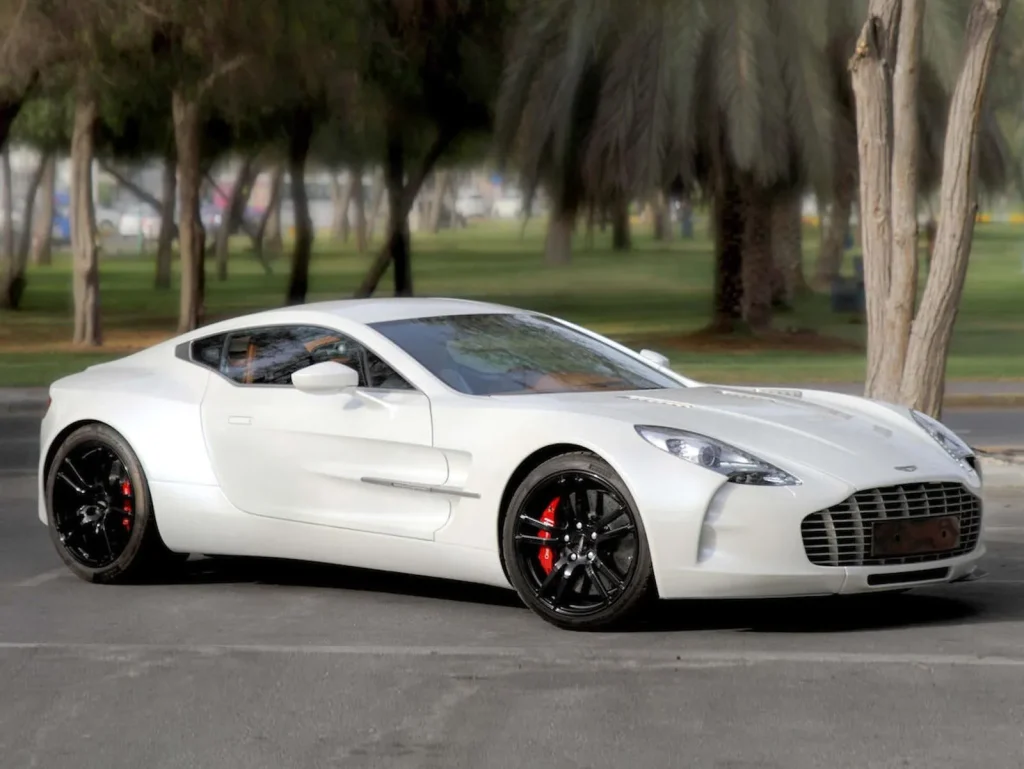
Because so few were built, the One 77 rarely appears outside private collections or major automotive events. Even experienced enthusiasts may never encounter one in person.
Collectors today appreciate the model for combining traditional British luxury with serious high-performance engineering. Its limited production numbers guaranteed rarity from the start, while the emotional V12 experience helped secure lasting admiration.
The Aston Martin One 77 remains one of the most exclusive and visually striking grand touring supercars ever produced.
- Engine: 7.3-liter naturally aspirated V12
- Torque: 553 lb ft
- Horsepower: 750 hp
- Length/Width: 181.8 inches / 78.7 inches
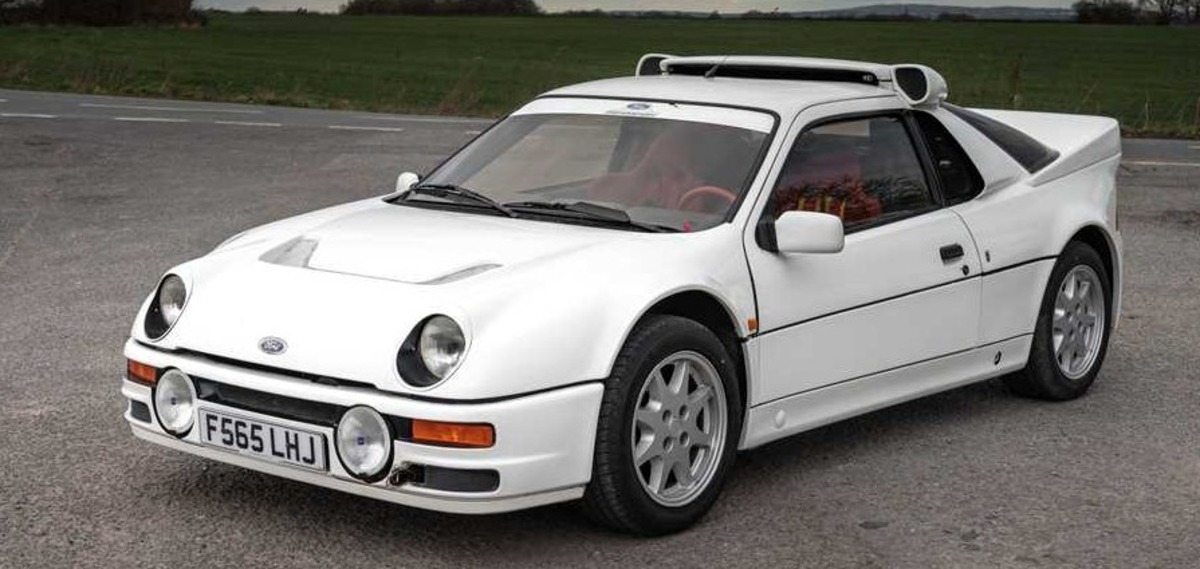
8. Ford RS200
The Ford RS200 emerged from one of the most dangerous and exciting eras in rally history. Developed for Group B competition during the 1980s, the RS200 became an advanced homologation special built in extremely limited numbers.
Ford produced roughly 200 road-going examples, instantly making it one of the rarest performance cars the company ever created.
Unlike many rally cars adapted from ordinary production vehicles, the RS200 was engineered specifically for motorsport from the beginning. Mid-engine placement, lightweight composite panels, and all-wheel-drive technology gave the car incredible capability on loose surfaces and unpredictable rally stages.
Its compact dimensions made the RS200 look deceptively small, but the performance was ferocious. Turbocharged power arrived aggressively, creating the explosive acceleration Group B machines became famous for during the era.
Ford designed the chassis with help from experienced racing engineers, resulting in a highly balanced platform capable of handling rough terrain at extreme speeds. The suspension setup allowed remarkable control even on gravel, snow, and muddy rally conditions.
Group B rallying eventually became infamous because of several fatal accidents, leading authorities to cancel the category entirely. That abrupt end increased the RS200’s mystique because production numbers stayed very low.
Road-legal examples retained much of the competition car’s personality. Visibility, cabin access, and everyday comfort were secondary concerns compared with performance. Drivers constantly felt connected to the car’s rally-focused origins.
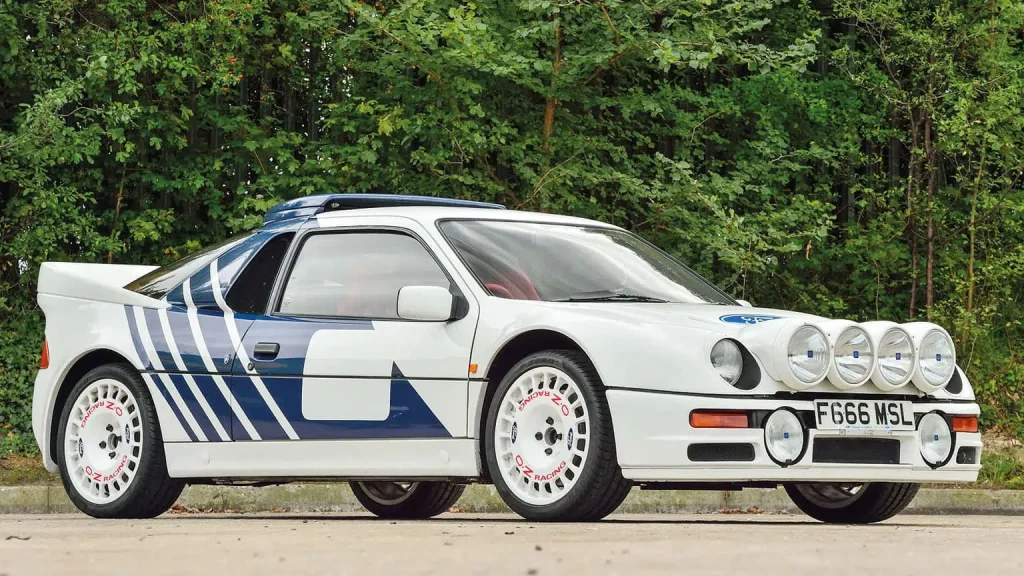
Collectors value the RS200 because it represents a fearless era when manufacturers pursued extreme engineering solutions in search of motorsport success. Few modern performance cars carry the same raw and unpredictable personality.
Today, surviving RS200 models command enormous attention whenever they appear publicly. Their rarity, rally heritage, and unmistakable turbocharged aggression ensure the Ford RS200 remains one of the most legendary homologation specials ever built.
- Engine: 1.8-liter turbocharged inline 4
- Torque: 214 lb ft
- Horsepower: 250 hp
- Length/Width: 157.0 inches / 69.0 inches
9. Lexus LFA
The Lexus LFA represented a dramatic shift for Toyota’s luxury division because it proved the company could build a world-class supercar capable of competing with Europe’s finest performance machines.
Development lasted nearly a decade, and the final production run stopped at only 500 units, making the LFA one of the rarest modern Japanese supercars ever created.
What truly separated the LFA from rivals was its extraordinary naturally aspirated V10 engine. Developed with assistance from Yamaha, the engine revved so quickly that Lexus had to install a digital tachometer because traditional analog gauges could not react fast enough.
The sound became legendary almost immediately, producing a sharp mechanical scream unlike any other production car.
The chassis relied heavily on carbon fiber-reinforced plastic to reduce weight and improve rigidity. Lexus originally planned to use aluminum construction, but completely changed direction during development after realizing carbon fiber offered better performance potential.
Its styling combined sharp edges with flowing aerodynamic surfaces. Large side intakes, sculpted rear fenders, and triple exhaust outlets created an appearance that looked futuristic without becoming excessive.
Unlike some limited-production supercars focused only on speed figures, the LFA emphasized emotional driving involvement. Steering feel, throttle response, and chassis balance all received obsessive attention from engineers.
Production remained intentionally low because the car served more as a technological showcase than a profit-generating project. Lexus reportedly lost money on each example due to the enormous research and development costs involved.
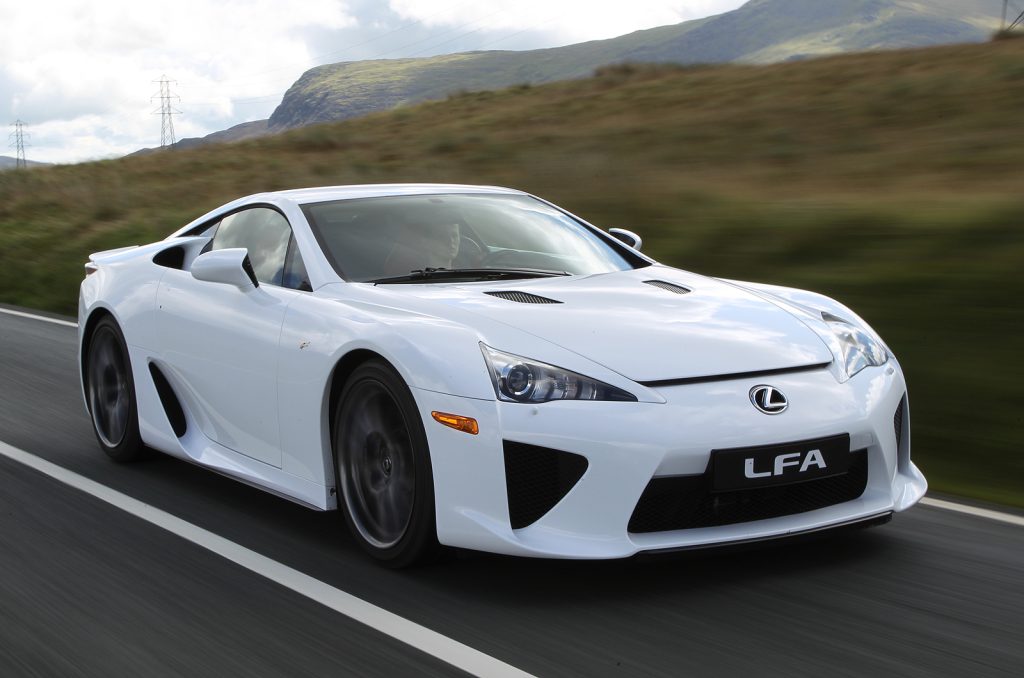
Inside the cabin, the LFA balanced luxury with motorsport inspiration. Drivers sat in a cockpit designed around focus and precision rather than flashy decoration.
Collectors now consider the LFA one of the greatest Japanese performance cars ever produced. Its tiny production run, unforgettable engine sound, and handcrafted engineering transformed it into an icon almost immediately after production ended.
- Engine: 4.8 liter naturally aspirated V10
- Torque: 354 lb ft
- Horsepower: 552 hp
- Length/Width: 177.4 inches / 74.6 inches
10. McLaren F1
The McLaren F1 is widely regarded as one of the greatest road cars ever created. Built during the 1990s under the direction of legendary engineer Gordon Murray, the car combined groundbreaking engineering with astonishing performance.
Only 106 units were produced, ensuring the F1 would remain extraordinarily exclusive from the moment it debuted.
The car’s most famous feature was its central driving position. Unlike conventional supercars, the driver sat directly in the middle of the cockpit with two passenger seats positioned slightly behind on either side. This unusual layout created exceptional visibility and a uniquely focused driving experience.
Power came from a naturally aspirated, BMW-sourced V12 engine that delivered breathtaking acceleration without relying on turbochargers. Even decades later, the McLaren F1 remains one of the fastest naturally aspirated production cars ever built.
Engineers obsessed over weight reduction throughout development. Gold-lined engine bay insulation, carbon fiber construction, and titanium components helped create a machine remarkably light for its performance level.
The F1 avoided unnecessary electronic driver aids because Murray wanted pure mechanical involvement. That philosophy gave the car a raw personality many modern hypercars struggle to replicate.
Its record-breaking top speed added even more fame. For years, the McLaren F1 held the title of the world’s fastest production car, reaching speeds previously thought impossible for a naturally aspirated road vehicle.
Collectors today treat the F1 almost like automotive art. Values have climbed into astonishing territory because surviving examples are extremely limited and historically important.
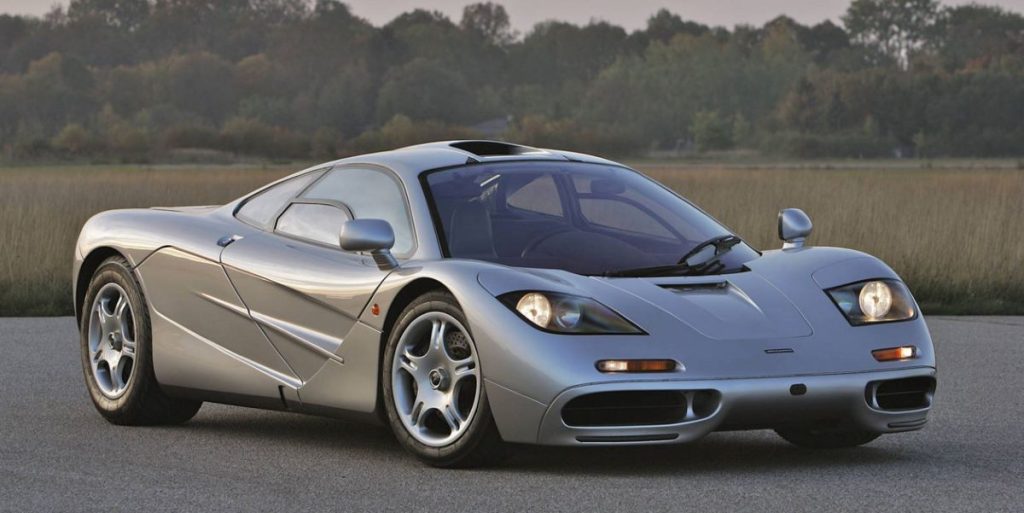
The McLaren F1 demonstrated what could happen when engineers pursued perfection without compromise. Its production numbers stayed tiny, but its influence on the supercar industry became enormous.
Even among rare exotic cars, the McLaren F1 occupies a category few vehicles will ever approach.
- Engine: 6.1-liter naturally aspirated V12
- Torque: 479 lb ft
- Horsepower: 618 hp
- Length/Width: 168.8 inches / 71.7 inches
Also Read: 9 Pre-2010 Mustangs Still Worth More Than New Ones
