
The automotive industry is filled with success stories, but for every legendary bestseller, several cars disappeared almost immediately after arriving on the market.
Some vehicles launched with huge expectations, expensive marketing campaigns, and bold engineering ideas, only to fail so badly during the first year that manufacturers abandoned them entirely.
In many cases, poor timing, confusing styling, high pricing, or weak performance destroyed sales before the cars even had a chance to establish themselves.
Launching a new car is one of the most expensive risks an automaker can take. Companies spend billions on research, development, production tooling, and advertising.
If buyers reject the product quickly, manufacturers often decide that continuing production would only increase financial losses. That leads to unusually short lifespans, where some cars survive barely a single model year before disappearing forever.
Not every failed vehicle was completely terrible, either. Certain cars suffered because the market simply was not ready for them. Others arrived during economic downturns, fuel crises, or major industry changes that immediately hurt consumer demand.
Some were badly misunderstood, while others genuinely deserved their poor reputation because of reliability issues or awkward design decisions.
Short production runs create strange legacies. A few of these vehicles eventually became collector curiosities precisely because they failed so dramatically. Their rarity and unusual stories now attract enthusiasts fascinated by automotive mistakes and forgotten experiments.
This list highlights ten vehicles that struggled almost instantly after launch and were discontinued after extremely short production periods. Some were luxury cars that nobody wanted to buy, while others attempted to create entirely new market segments before disappearing almost overnight.
Each one serves as a reminder that success in the automotive industry requires far more than simply building a new car. Timing, pricing, public perception, and market demand all matter just as much as engineering. Sometimes a single bad year is enough to end a vehicle’s story permanently.
Also Read: 10 Motorcycles With Bigger Engines Than Most Cars
1. Cadillac Cimarron
The Cadillac Cimarron remains one of the most infamous failures in luxury car history because it represented everything buyers did not expect from Cadillac during the early 1980s. Introduced as an attempt to compete with smaller European luxury sedans, the Cimarron immediately faced criticism for feeling far too similar to cheap General Motors economy cars.
At its core, the Cimarron shared major components with the Chevrolet Cavalier. While badge engineering was common during that era, Cadillac customers expected something far more sophisticated than a lightly upgraded compact sedan. Buyers quickly noticed the similarities, damaging the car’s credibility almost instantly.
The timing also worked against Cadillac. European brands such as BMW and Mercedes-Benz were building reputations for performance, refinement, and engineering quality. The Cimarron simply could not compete with those expectations despite carrying a premium price tag.
Performance disappointed many drivers as well. Early versions came with an underpowered four-cylinder engine that struggled to deliver the smooth acceleration luxury buyers demanded. Interior quality improvements over the Cavalier existed, but they were not dramatic enough to justify the higher cost.
Public reaction became overwhelmingly negative within the first year. Critics accused Cadillac of trying to fool customers by placing a luxury badge on an economy platform without making meaningful changes.
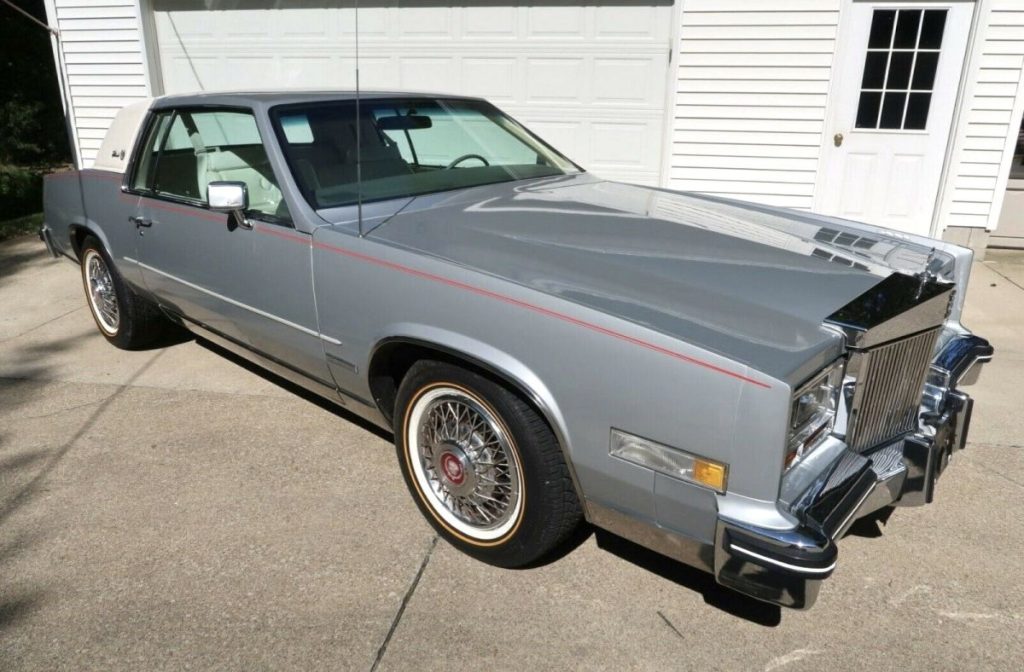
Although production technically continued for several years, the car’s reputation collapsed almost immediately after launch. Sales never reached expectations, and the Cimarron became symbolic of poor decision-making inside General Motors during that period.
The failure hurt Cadillac’s image significantly because loyal customers felt the company had abandoned its traditional standards. Rebuilding consumer trust afterwards required years of effort and major redesigns across the lineup.
Today, the Cimarron survives mostly as an example of how dangerous badge engineering can become when manufacturers underestimate buyer expectations in the luxury market.
- Engine: 1.8 liter inline 4
- Torque: 90 lb ft
- Horsepower: 88 hp
- Length/Width: 175.6 inches / 66.0 inches
2. Subaru SVX
The Subaru SVX arrived during the early 1990s, looking unlike anything else on the road. With futuristic styling, aircraft-inspired window designs, and grand touring ambitions, Subaru hoped the SVX would upgrade the brand into a more upscale performance category. Instead, the car struggled badly almost immediately after launch.
One major issue involved pricing. Subaru buyers traditionally valued practicality, affordability, and all-weather capability. The SVX costs dramatically more than typical Subaru models, pushing it into competition with luxury coupes from brands carrying far stronger premium reputations.
Its unusual styling also divided public opinion. Designed by Giorgetto Giugiaro, the SVX featured distinctive windows within windows that made the car instantly recognizable. Some people admired the futuristic appearance, while others found it awkward and strange.
Under the hood sat a smooth six-cylinder boxer engine paired exclusively with an automatic transmission in many markets. Enthusiasts expecting a sharper sports car experience often felt disappointed by the lack of a manual gearbox and the vehicle’s relatively heavy character.
Fuel economy became another problem during a period when buyers increasingly paid attention to operating costs. The SVX consumed more fuel than many customers expected from a Subaru product.
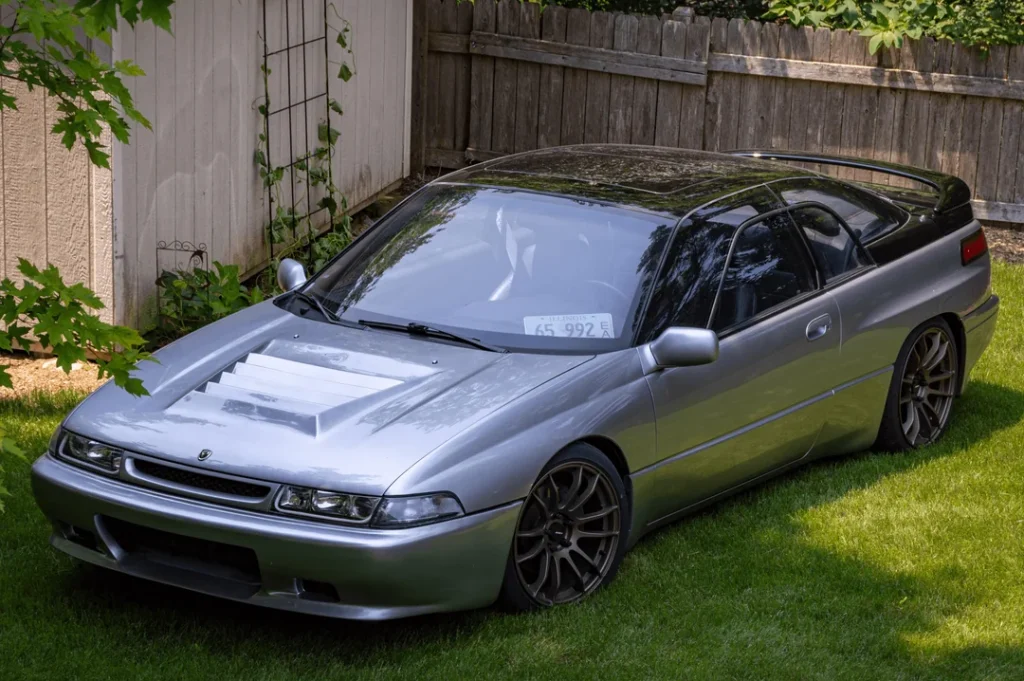
The car’s advanced engineering also created expensive maintenance concerns over time. Complex electronics and drivetrain systems contributed to ownership costs higher than the average Subaru customer wanted to accept.
Sales dropped rapidly after the initial excitement faded. Subaru realized quickly that the market for expensive, futuristic grand touring coupes under its brand identity was extremely limited.
Although production lasted longer than a single calendar year, the SVX effectively failed during its launch period because sales never approached expectations. Subaru quietly abandoned the concept afterward and returned its focus to practical all-wheel-drive vehicles.
Today, enthusiasts appreciate the SVX for its bold styling and unique personality. Yet its commercial failure demonstrated how difficult it can be for mainstream brands to suddenly move into unfamiliar market segments.
- Engine: 3.3-liter flat 6
- Torque: 228 lb ft
- Horsepower: 230 hp
- Length/Width: 181.1 inches / 69.7 inches
3. Lincoln Blackwood
The Lincoln Blackwood attempted something few manufacturers had seriously tried before: create a luxury pickup truck focused entirely on premium comfort instead of rugged utility. Ford believed wealthy buyers might embrace a high-end truck carrying Lincoln styling and upscale features. The market responded very differently.
Almost immediately after launch, buyers questioned the truck’s purpose. Pickup owners typically expect towing ability, cargo practicality, and durability. The Blackwood delivered luxury seating and wood trim but sacrificed much of the functionality people associated with trucks.
Its cargo bed became one of the biggest criticisms. Instead of a usable open bed, Lincoln installed a carpeted cargo area covered by a power-operated tonneau lid. The setup looked stylish but severely limited practicality. Many truck buyers considered it pointless for real work.
Rear-wheel drive only availability hurt sales further. Competitors increasingly offered four-wheel drive systems, especially for buyers living in colder climates or using trucks recreationally. The Blackwood lacked the rugged image many customers wanted.
Pricing also created problems. The truck cost far more than ordinary Ford pickups while offering less utility. Buyers willing to spend luxury-level money often preferred traditional luxury SUVs instead.
The styling divided opinions as well. Vertical chrome accents and a distinctive rear design attempted to separate the Blackwood from regular pickups, but many people found the appearance awkward rather than elegant.
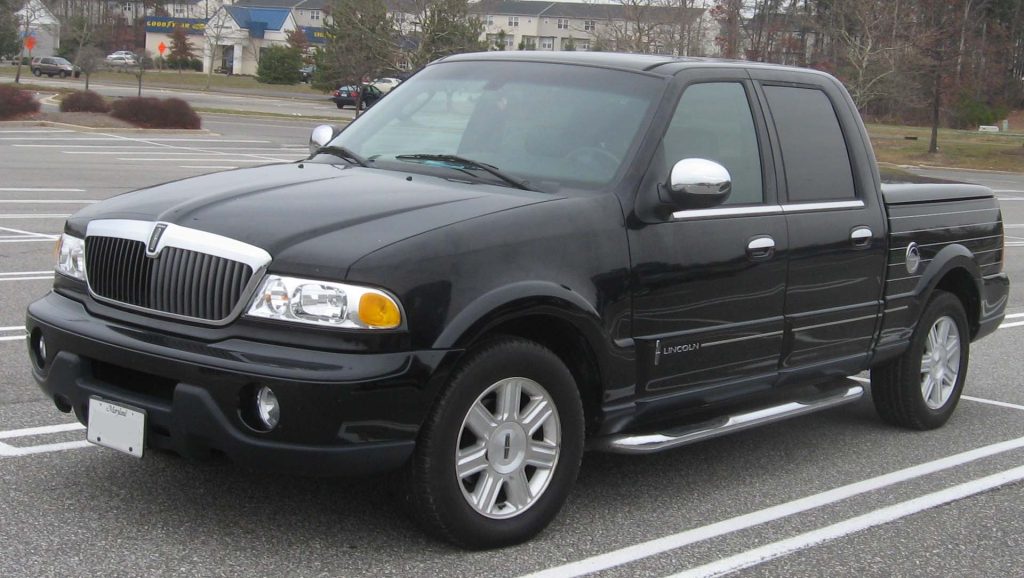
Sales collapsed extremely quickly. Lincoln discontinued the model after just one production year because demand remained disastrously low. Dealers struggled to convince traditional truck buyers or luxury customers that the Blackwood made sense.
Ironically, the truck later gained historical importance because it paved the way for luxury pickups that eventually became enormously successful. Modern high-end trucks now dominate parts of the market, but the Blackwood arrived before consumers fully embraced the concept.
Today, surviving examples remain rare, mostly because production numbers stayed tiny. The Lincoln Blackwood became one of the clearest examples of a vehicle failing, not necessarily because the idea was terrible, but because the market simply was not ready yet.
- Engine: 5.4-liter V8
- Torque: 355 lb ft
- Horsepower: 300 hp
- Length/Width: 219.9 inches / 78.8 inches
4. Suzuki X 90
The Suzuki X-90 looked like a strange experiment created without a clear target audience. Part SUV, part compact coupe, and part removable roof toy, the tiny vehicle confused buyers almost immediately after its arrival during the 1990s.
Suzuki designed the X90 around a small truck platform, giving it higher ground clearance and light off-road capability. However, the body featured only two seats and an oddly rounded shape that made it appear more like a novelty vehicle than serious transportation.
Public reaction focused heavily on the styling. The proportions looked unusual even during an era filled with experimental automotive designs. Tiny dimensions combined with a tall ride height created a shape many buyers simply could not take seriously.
Performance failed to improve the situation. The small four-cylinder engine delivered modest power at best, and acceleration felt slow even by compact SUV standards of the time. Buyers expecting sporty handling from the coupe-inspired body also left disappointed.
Practicality remained limited because of the cramped cabin and minimal cargo capacity. Traditional SUV buyers found it too small, while sports car shoppers saw little reason to choose it over conventional compact coupes.
The removable roof panels added some fun personality, but they could not overcome the broader identity crisis surrounding the vehicle. Consumers struggled to understand exactly what the X 90 was supposed to be.
Sales declined rapidly after the initial curiosity disappeared. Suzuki quietly discontinued the model after an extremely short production run because demand never developed properly.
Despite the commercial failure, the X90 later achieved cult status among enthusiasts who appreciate unusual automotive experiments. Its bizarre styling and quirky personality make it memorable decades later.
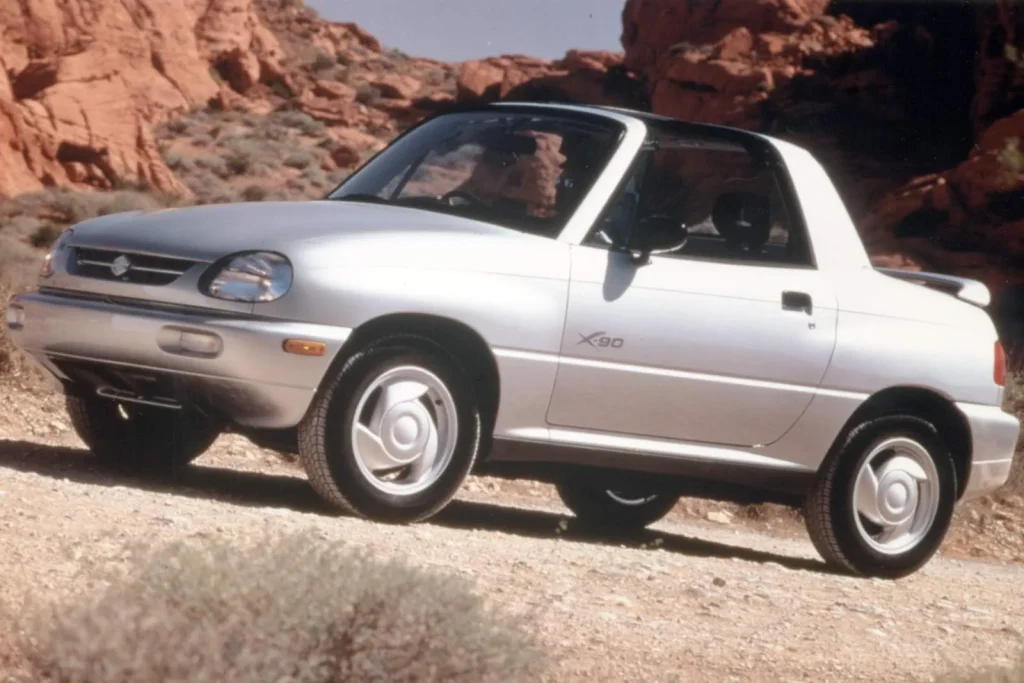
The Suzuki X-90 proved that being different alone does not guarantee market success. Buyers still need clear purpose, practicality, and strong value, especially when entering unfamiliar vehicle categories.
- Engine: 1.6-liter inline 4
- Torque: 98 lb ft
- Horsepower: 95 hp
- Length/Width: 146.1 inches / 66.5 inches
5. Volkswagen Phaeton
The Volkswagen Phaeton represented one of the boldest and most confusing decisions in modern automotive history. Volkswagen attempted to compete directly with luxury giants like Mercedes-Benz and BMW by building an ultra-premium sedan carrying a mainstream badge. Despite impressive engineering, the market rejected the idea almost immediately.
Developed under former Volkswagen chairman Ferdinand Piech, the Phaeton received extraordinary attention to detail.
Engineers designed the car to cruise comfortably at extremely high speeds while maintaining perfect cabin temperature even in brutal heat conditions. The technology and craftsmanship rivaled some of the finest luxury sedans in the world.
The problem was branding. Most buyers simply could not justify spending flagship luxury car money on a vehicle wearing a Volkswagen emblem. Consumers associated the company with practical hatchbacks and family transportation rather than elite executive sedans.
Its understated styling also created challenges. While some appreciated the subtle appearance, others felt the Phaeton looked too similar to cheaper Volkswagen models despite costing dramatically more.
The car’s complexity added another layer of difficulty. Advanced electronics, sophisticated suspension systems, and powerful engines made maintenance expensive. Potential buyers were worried about long-term ownership costs.
Sales struggled heavily right from the beginning, especially in the United States. Dealers found it difficult to explain why someone should choose a Volkswagen over established luxury brands carrying stronger prestige.
Fuel economy concerns hurt larger engine versions as well. W12-equipped models delivered impressive refinement but consumed fuel at rates many luxury buyers considered excessive.
Although production technically continued for years in some markets, the Phaeton failed commercially almost instantly after launch. Volkswagen eventually withdrew it from several countries because demand remained weak.
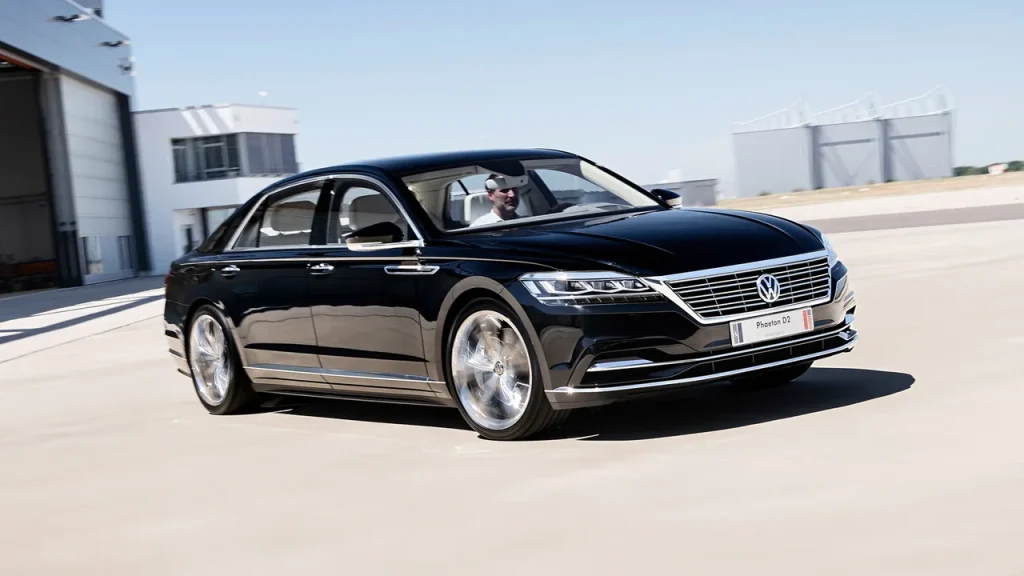
Ironically, many automotive journalists later praised the Phaeton for its engineering brilliance. Some even considered it one of the best luxury sedans of its era purely from a technical perspective.
The Volkswagen Phaeton demonstrated that exceptional engineering alone cannot guarantee success if public perception and brand identity conflict with the product’s positioning.
- Engine: 4.2-liter V8
- Torque: 317 lb ft
- Horsepower: 335 hp
- Length/Width: 203.7 inches / 74.9 inches
6. Chrysler TC by Maserati
The Chrysler TC by Maserati arrived during the late 1980s with ambitious expectations and celebrity-level marketing attention.
Chrysler partnered with Maserati, hoping to create an upscale luxury convertible blending Italian prestige with American comfort. Instead, the project became one of the most disappointing automotive collaborations of its era.
From the beginning, the car struggled with identity problems. Buyers expected something exotic because of the Maserati connection, but the TC shared many components with ordinary Chrysler models. The similarities became impossible to ignore once customers examined the car closely.
Styling failed to generate excitement as well. While not unattractive, the TC lacked the dramatic appearance many people expected from an Italian-influenced luxury convertible. Compared with European rivals, the design felt conservative and forgettable.
Performance also disappointed enthusiasts. Most versions used relatively modest engines paired with automatic transmissions that emphasized cruising comfort rather than sporty driving dynamics. Buyers seeking true Maserati excitement rarely found it here.
Pricing created another major obstacle. The TC costs significantly more than many mainstream luxury convertibles while lacking the prestige or performance to justify the premium. Consumers often choose established European alternatives instead.
Production delays hurt momentum before the launch even occurred. By the time the car finally reached dealerships, public excitement had faded considerably.
Sales collapsed quickly during the first year because demand never matched Chrysler’s expectations. Dealers struggled to explain exactly why the vehicle existed or who it targeted.
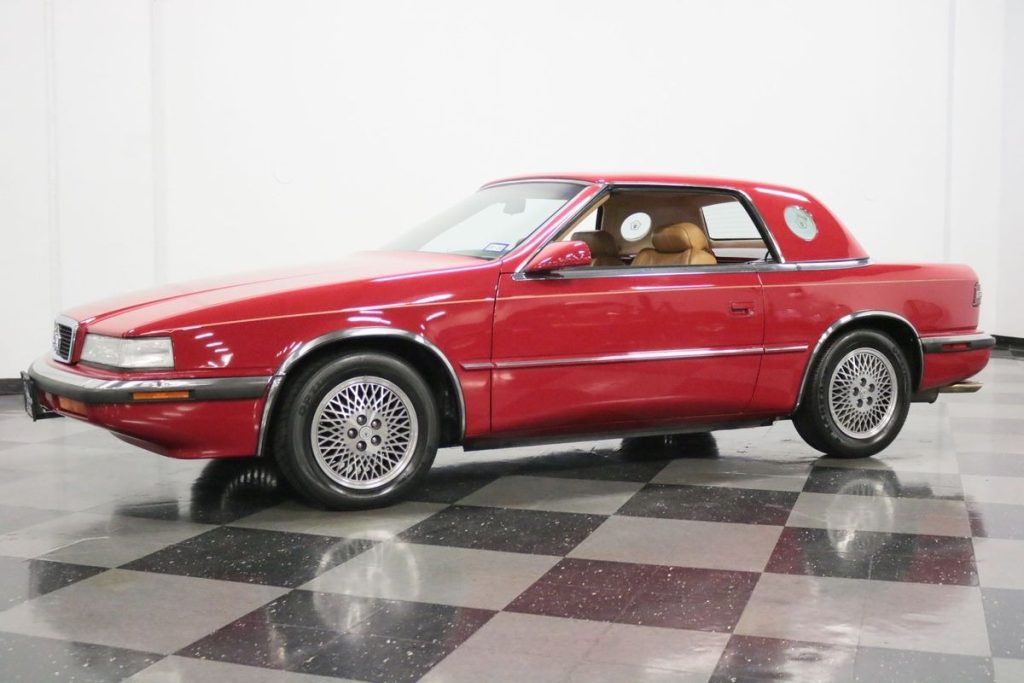
Although production lasted briefly beyond the launch period, the TC effectively failed from the start and disappeared soon afterwards. The partnership between Chrysler and Maserati quietly ended without achieving the luxury breakthrough executives originally imagined.
Today, the Chrysler TC by Maserati survives as an unusual curiosity from an era when automakers experimented heavily with brand collaborations. Its failure showed how difficult it can be to merge two very different automotive identities into a single successful product.
- Engine: 2.2-liter turbocharged inline 4
- Torque: 170 lb ft
- Horsepower: 160 hp
- Length/Width: 175.8 inches / 68.3 inches
7. Nissan Murano CrossCabriolet
The Nissan Murano CrossCabriolet looked like an automotive experiment nobody expected to reach production. Nissan combined a midsize crossover SUV with a soft-top convertible design, creating one of the strangest vehicles of the modern era. Public reaction turned negative almost immediately after launch.
The idea behind the CrossCabriolet centered around blending open-air driving with SUV practicality. In reality, removing the roof created major compromises. Structural reinforcements increased the weight, rear visibility suffered badly, and cargo space became limited compared with the standard Murano.
Styling quickly became the biggest controversy. The high ride height combined with convertible proportions produced awkward lines that many buyers found unattractive. Even people open to unusual vehicles struggled to accept the design.
Pricing created another serious problem. The CrossCabriolet costs significantly more than regular Murano models despite offering less practicality. Buyers interested in luxury convertibles usually preferred traditional coupes, while SUV shoppers wanted usable cargo space and family functionality.
Nissan also launched the vehicle during a period when crossover popularity was growing rapidly, but consumers still expected SUVs to remain practical above all else. A convertible SUV simply confused much of the market.
The heavy body structure affected performance and handling, too. Acceleration remained adequate, but the vehicle lacked the sharp driving character convertible buyers often expected.
Sales numbers dropped quickly after the first year because demand stayed extremely limited. Nissan eventually discontinued the CrossCabriolet after realizing the niche audience was far too small to justify continued production.
Despite its commercial failure, the vehicle later gained internet fame because of its sheer weirdness. Automotive enthusiasts frequently reference it when discussing unusual modern design decisions.
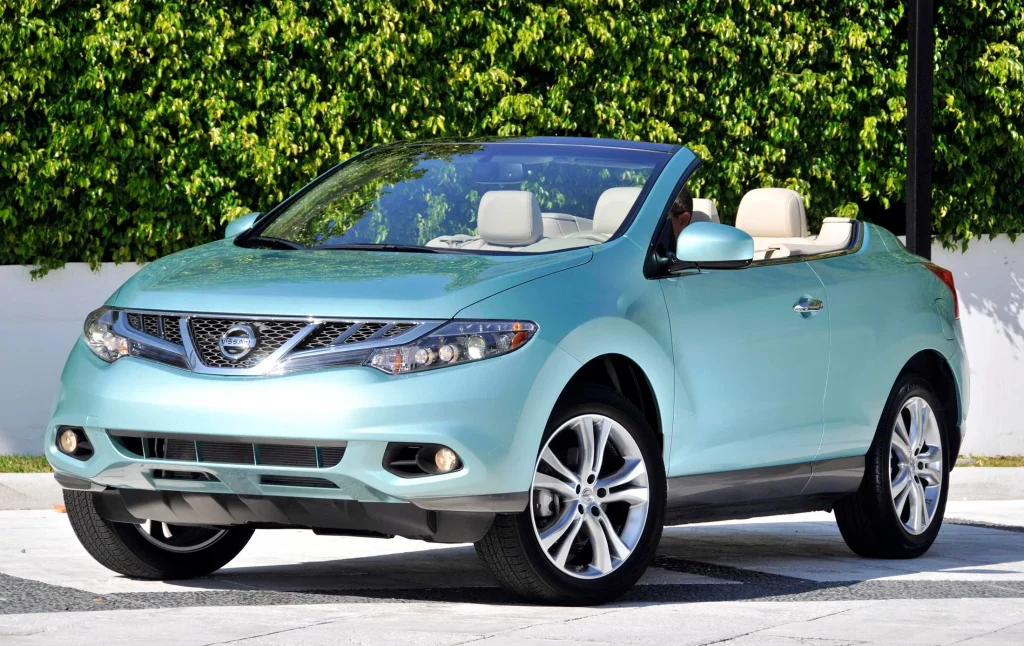
The Murano CrossCabriolet demonstrated how difficult it can be to merge completely different vehicle categories successfully. Convertible buyers and SUV customers wanted entirely different things, leaving the Nissan trapped awkwardly between both worlds.
- Engine: 3.5-liter V6
- Torque: 248 lb ft
- Horsepower: 265 hp
- Length/Width: 190.6 inches / 74.1 inches
8. Renault Avantime
The Renault Avantime remains one of the boldest automotive designs ever attempted by a mainstream manufacturer. Combining elements of a luxury coupe, minivan, and futuristic concept car, the Avantime looked unlike anything else on the road when it launched in the early 2000s. Unfortunately, buyers rejected it almost immediately.
Renault partnered with Matra to develop the vehicle, hoping consumers would embrace a completely new type of premium family transportation. The company envisioned buyers wanting coupe styling combined with spacious interiors and upgraded seating positions.
Instead, the Avantime confused almost everyone. The massive two-door body looked awkward to traditional luxury buyers, while families found the limited rear access impractical compared with ordinary minivans.
Its styling became highly controversial. Large glass areas, unusual proportions, and dramatic curves gave the car a futuristic appearance years ahead of mainstream trends. Some admired the originality, but many customers considered it bizarre.
Pricing added more pressure. The Avantime costs far more than conventional Renault models, placing it into competition with established premium brands carrying stronger reputations.
Reliability concerns also damaged confidence quickly. Early electrical and build quality problems created negative publicity during the crucial launch period.
The market simply did not understand where the Avantime fit. It was neither a proper sports coupe nor a practical minivan, leaving buyers uncertain about its purpose.
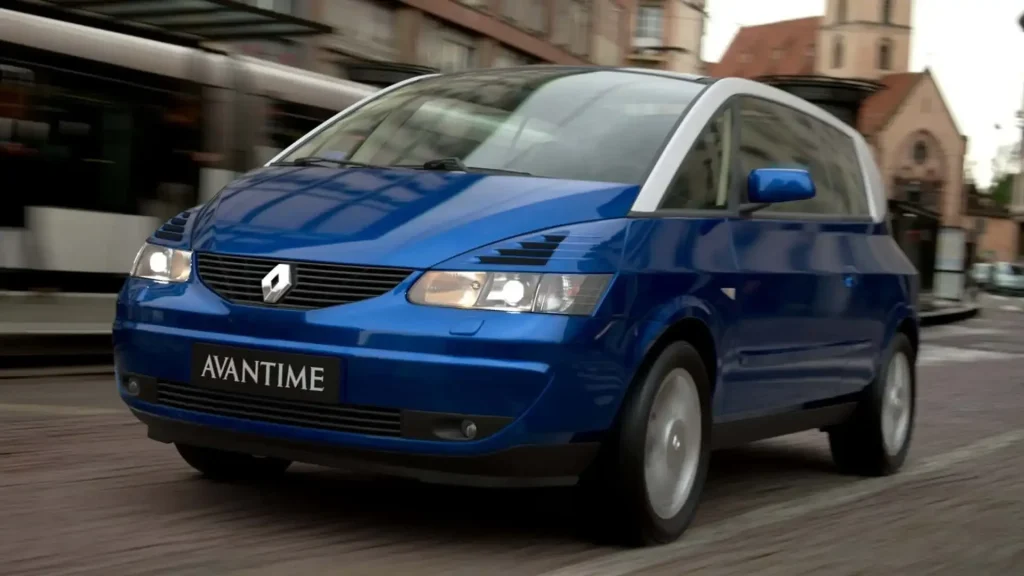
Sales collapsed rapidly during the first year. Production ended after a very short lifespan because demand remained catastrophically low, and Matra eventually shut down automobile manufacturing entirely.
Years later, some enthusiasts began appreciating the Avantime for its fearless originality. Modern crossover coupes and luxury SUVs now blend categories regularly, making the Renault appear strangely ahead of its time.
Still, commercial reality proved brutal. The Avantime failed almost instantly because consumers were not ready for such an unconventional interpretation of family luxury transportation.
- Engine: 3.0-liter V6
- Torque: 210 lb ft
- Horsepower: 207 hp
- Length/Width: 182.7 inches / 72.0 inches
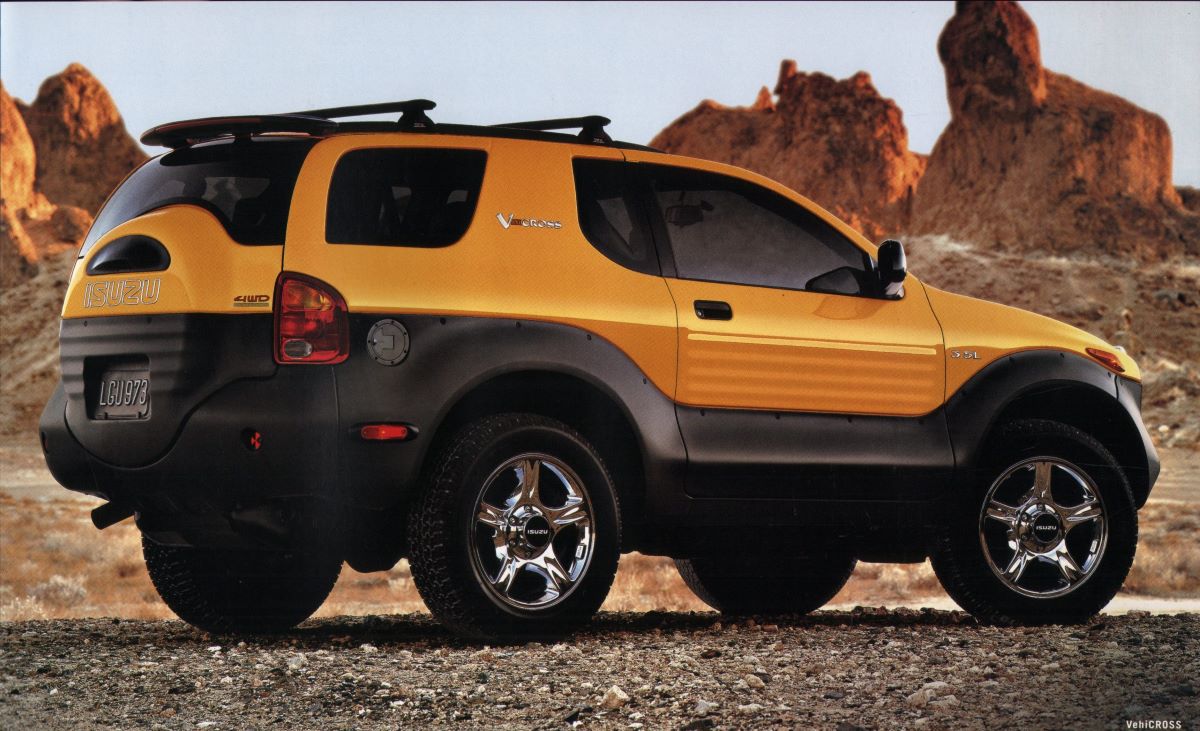
9. Isuzu VehiCROSS
The Isuzu VehiCROSS looked more like a futuristic concept vehicle than something intended for dealership showrooms. Introduced during the late 1990s, the SUV combined aggressive styling with serious off-road capability, but buyers never fully embraced the unusual package.
Its appearance instantly divided public opinion. Large body cladding, sharply angled windows, and muscular proportions made the VehiCROSS stand out dramatically from ordinary SUVs of the era. Some people admired the bold design, while others considered it too strange for daily use.
Underneath the radical exterior sat a capable off-road platform with advanced suspension technology and strong four-wheel drive hardware. Isuzu intended the vehicle to appeal to adventurous buyers wanting something more exciting than traditional family SUVs.
The problem involved practicality. The VehiCROSS offered limited cargo room and only two doors, reducing everyday usability compared with competing SUVs. Families often choose more spacious alternatives instead.
Pricing also created difficulties. Buyers willing to spend premium money on an SUV usually prefer luxury brands or larger vehicles, offering more comfort and interior space.
Fuel economy failed to help sales either. The V6 engine delivered respectable performance but consumed more fuel than many compact SUV buyers expected during that period.
The niche design limited the vehicle’s audience severely. Traditional SUV buyers wanted practicality, while sports coupe shoppers rarely considered purchasing a tall off-road vehicle.
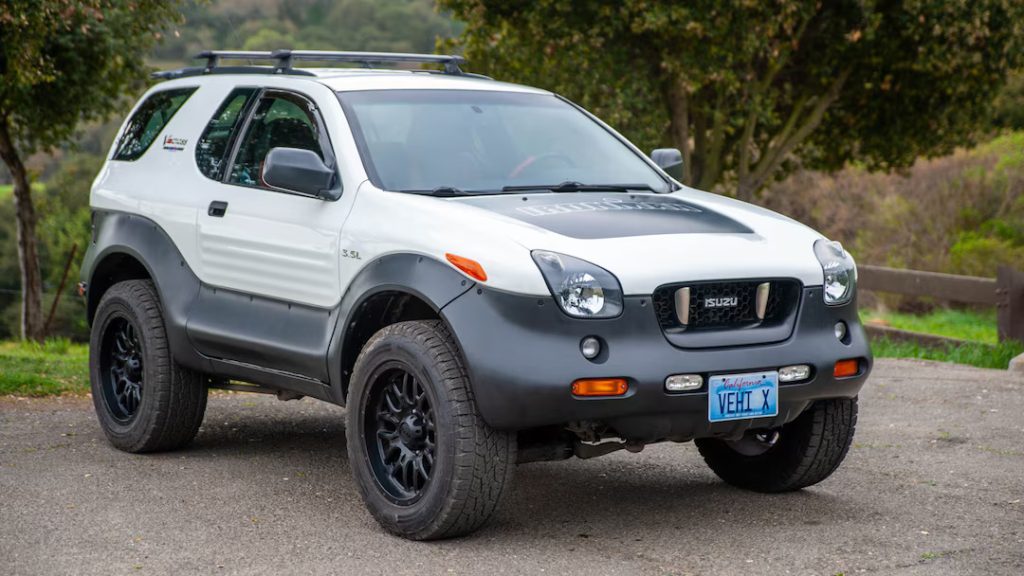
Sales slowed rapidly after launch, and Isuzu discontinued the VehiCROSS after a short production run because demand never developed properly.
Ironically, the SUV later gained cult status among enthusiasts who appreciated its daring styling and genuine off-road capability. Modern crossovers often feature aggressive designs inspired partly by vehicles like the VehiCROSS, making them seem surprisingly forward-thinking today.
The Isuzu VehiCROSS proved that originality alone cannot guarantee commercial success, especially when practicality and mainstream appeal become secondary priorities.
- Engine: 3.5-liter V6
- Torque: 230 lb ft
- Horsepower: 215 hp
- Length/Width: 163.8 inches / 70.0 inches
10. Saturn Relay
The Saturn Relay represented a major turning point for the Saturn brand, but not in a positive way. Instead of developing a unique minivan tailored to Saturn’s identity, General Motors relied heavily on badge engineering once again.
Buyers immediately noticed the similarities between the Relay and other GM minivans, damaging the vehicle’s credibility during its very first year.
Saturn originally built its reputation around affordable cars with unique styling and customer-friendly dealership experiences. Loyal customers expected something distinctive from the brand. The Relay, however, looked almost identical to its Chevrolet, Pontiac, and Buick counterparts.
Consumers quickly questioned why they should purchase the Saturn version instead of one of the nearly identical alternatives. The lack of individuality hurt sales almost immediately after launch.
Reliability concerns added further trouble. Early models suffered from electrical problems, interior quality complaints, and mechanical issues that damaged public confidence.
The minivan market itself was already shrinking because more buyers were switching toward SUVs and crossovers. Launching an uninspired family van during that transition period created even greater challenges.
Styling also failed to stand out. While functional enough for family use, the Relay lacked the memorable design elements needed to separate it from crowded competition.
Dealers struggled to generate excitement because customers could easily recognize the vehicle as another rebadged GM product. Saturn’s once strong identity began fading rapidly as more badge-engineered models entered the lineup.
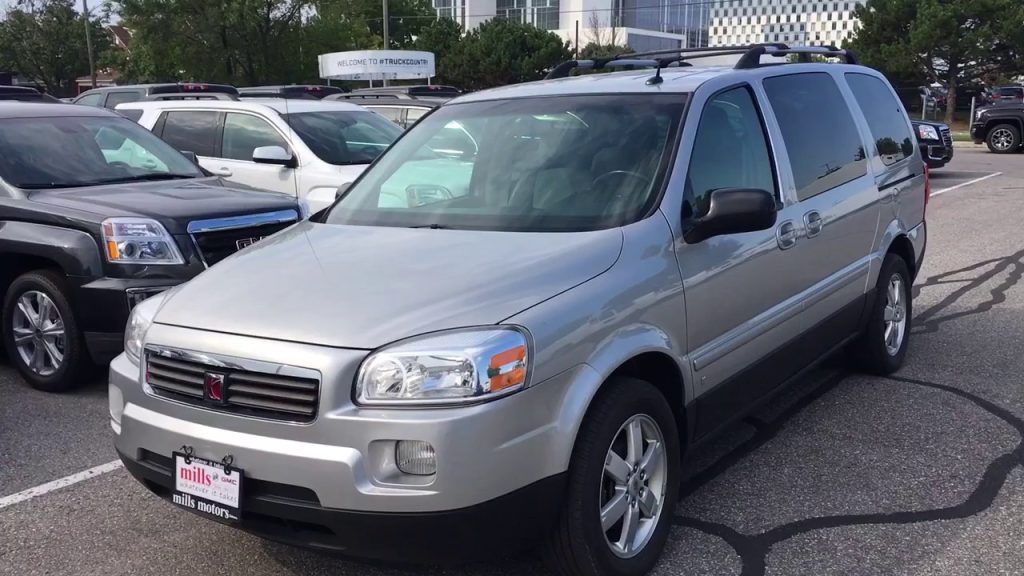
Sales disappointed almost immediately, and the Relay became symbolic of Saturn’s broader decline. Although production technically lasted beyond a single year, the vehicle failed commercially right from the beginning.
Today, the Saturn Relay is largely forgotten except by enthusiasts interested in failed automotive branding strategies. Its story demonstrated how quickly a company can lose loyal customers when originality disappears from its products.
- Engine: 3.5-liter V6
- Torque: 220 lb ft
- Horsepower: 200 hp
- Length/Width: 204.9 inches / 72.0 inches
Also Read: 10 Modified Mustangs That Are Better Than A Ferrari
