
Electric motorcycles have been gaining attention across the United States as riders look for cleaner transportation options, lower fuel costs, and new technology-driven riding experiences. Major manufacturers and startups alike have entered the space with models promising instant torque, reduced maintenance, and a quieter ride compared to traditional gasoline-powered bikes.
On paper, the shift toward electric motorcycles seems like a natural evolution of the motorcycle industry, especially as the automotive world increasingly embraces electrification. Urban commuters, eco-conscious riders, and tech enthusiasts are particularly drawn to the idea of owning a machine that produces zero tailpipe emissions while still delivering the thrill of two-wheel riding.
Government incentives and rising fuel prices in the US have also contributed to growing curiosity about electric alternatives, making them more visible in cities and online discussions.
However, despite the excitement and innovation surrounding electric motorcycles, significant challenges continue to hold them back from mainstream dominance in the American market. The United States has a unique transportation industry, shaped by long commuting distances, high-speed highways, rural expanses, and varying infrastructure development across states.
These conditions expose limitations in current electric motorcycle technology that are less noticeable in smaller countries or dense urban regions. Riders who expect convenience similar to gasoline motorcycles often encounter unexpected trade-offs in range, charging availability, and performance consistency.
Another major factor is the cost structure. While electric motorcycles reduce fuel and maintenance expenses over time, their upfront pricing is often significantly higher than that of comparable gasoline-powered bikes. Battery technology remains expensive, and replacement costs can be substantial.
This creates hesitation among potential buyers who are unsure about long-term value, especially in a market where traditional motorcycles are widely available and competitively priced.
In addition, the supporting ecosystem for electric motorcycles in the United States is still developing. Charging networks are expanding but remain unevenly distributed, particularly outside major metropolitan areas. Dealership support, repair expertise, and parts availability are also still catching up with demand.
These gaps can create inconvenience and uncertainty for riders who rely on their motorcycles for daily transportation or long-distance travel.
This article explores the nine biggest problems with electric motorcycles in the United States. Each section breaks down a key challenge in detail, helping readers understand the practical limitations behind the technology.
While electric motorcycles represent an exciting future, they still face real-world obstacles that need to be addressed before they can fully compete with traditional gasoline-powered machines in the American riding industry.
Also read: 10 Cars Where Owners Reported Brake Failures Under 30,000 Miles
1. High Purchase Cost and Pricing Gap
Electric motorcycles in the United States are often significantly more expensive than comparable gasoline-powered motorcycles, which remains one of the biggest barriers to adoption. The high upfront cost is largely driven by expensive battery packs, advanced electronics, and relatively low production volumes compared to traditional motorcycles.
While electric cars have benefited from large-scale manufacturing investments, the motorcycle segment has not yet reached the same level of economies of scale, making each unit more costly to produce and sell.
Another issue is that many electric motorcycle brands are positioned as premium or performance-focused products. Instead of competing directly with budget commuter bikes, they often enter the market with futuristic designs and high-tech features.
This positioning increases retail prices and makes entry-level ownership difficult for average riders in the US. As a result, many potential buyers compare electric motorcycles not with premium gasoline bikes but with affordable 300cc to 700cc machines that offer strong performance at a lower cost.
Financing options do exist, but they do not fully offset the perception of high initial investment. Riders often calculate value based on immediate affordability rather than long-term fuel savings.
Even when electric motorcycles promise lower maintenance and energy costs, the payback period can feel too long for consumers who prefer straightforward pricing and predictable resale value. This hesitation becomes even more pronounced in regions where gasoline prices are relatively low.
Finally, resale value uncertainty further amplifies the cost concern. The electric motorcycle market is still young, and long-term depreciation trends are not yet well established. Buyers worry that rapid battery technology improvements may reduce the value of older models quickly.
This combination of high purchase price, uncertain resale value, and limited incentives keeps many American riders hesitant to switch from traditional motorcycles.
2. Limited Charging Infrastructure
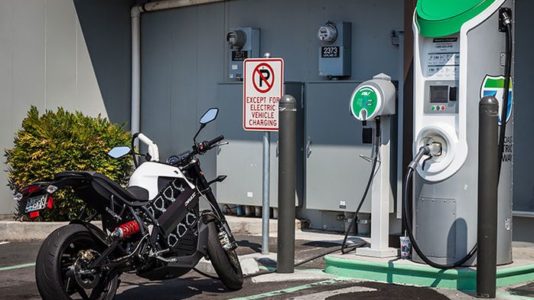
Charging infrastructure remains one of the most significant obstacles for electric motorcycle adoption in the United States. While electric car charging stations have expanded rapidly in recent years, motorcycle-friendly charging options are still relatively limited.
Many charging stations are designed primarily for cars and trucks, which can create accessibility challenges for two-wheeled vehicles in terms of parking space, plug compatibility, and safety.
In urban areas, riders may find charging stations with some convenience, but availability drops sharply outside major cities. The United States has vast rural regions and long highway stretches where charging stations are sparse or unevenly distributed. For motorcyclists who enjoy touring or cross-country travel, this lack of consistent infrastructure introduces uncertainty into route planning and trip reliability.
Another challenge is charging speed and station turnover. Even when stations are available, they may be occupied or located in areas that are not convenient for quick stops. Unlike gasoline stations, which are widespread and fast to use, charging stations often require longer dwell times, making them less practical for riders who value efficiency and flexibility. This can discourage spontaneous travel and limit long-distance usability.
Compatibility is also a concern. Different electric motorcycle manufacturers may use different charging standards or connectors, which can create confusion and limit access to certain charging networks. While standardization is improving, it is not yet fully unified across the industry. This fragmentation adds another layer of complexity for riders who expect simple and universal refueling options.
Finally, visibility and signage for charging stations are still developing. Gas stations are easy to locate almost anywhere in the US, but charging stations may be hidden inside parking garages, shopping centers, or private facilities.
This makes real-time planning essential, which reduces the spontaneity that many motorcycle riders value. Until infrastructure becomes as widespread and intuitive as gasoline refueling, range planning will remain a major limitation.

3. Range Anxiety in Real World Riding Conditions
Range anxiety is one of the most commonly discussed issues with electric motorcycles in the United States. While manufacturers often advertise impressive range figures under ideal conditions, real-world riding frequently produces lower results.
Factors such as speed, terrain, rider weight, and weather conditions can significantly impact battery consumption, making it difficult for riders to rely on advertised numbers.
Highway riding in the US presents a particular challenge. American highways often involve sustained high speeds, which drain electric motorcycle batteries faster than city commuting.
Riders traveling long interstate distances may find their range decreasing more rapidly than expected, forcing them to plan frequent charging stops or limit their travel distance. This contrasts with gasoline motorcycles, which can refuel quickly and continue long journeys with minimal interruption.
Temperature also plays a major role in range performance. Cold weather conditions, common in many US states during winter, can reduce battery efficiency and range. Riders in northern regions may experience noticeable drops in performance during colder months, which affects reliability and daily usability. This seasonal variation adds unpredictability to ownership.
Another psychological factor is uncertainty. Even when riders do not fully deplete their battery, the fear of running out of charge in remote areas can influence riding behavior.
This can lead to conservative riding patterns, such as avoiding highways or longer routes, which reduces the enjoyment and flexibility of motorcycle ownership. Riders often prefer machines that allow spontaneous travel without constant planning.
Finally, range anxiety is closely tied to infrastructure limitations. Without widely available fast charging options, riders must carefully calculate their travel distances. This planning requirement reduces the freedom traditionally associated with motorcycles. Until battery capacity increases significantly or charging stations become as common as fuel stations, range anxiety will remain a central concern for US riders.
4. Long Charging Times Compared to Gasoline Refueling
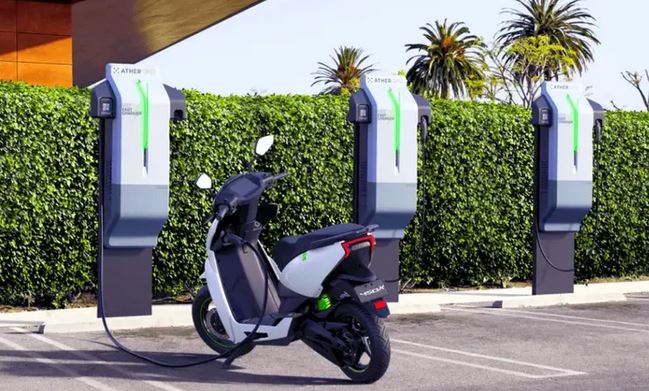
One of the most practical drawbacks of electric motorcycles in the United States is charging time. Unlike gasoline motorcycles, which can be refueled in just a few minutes, electric motorcycles often require significantly longer periods to recharge. Even with fast-charging technology, riders may need to wait anywhere from 30 minutes to several hours, depending on battery size and charger type.
This time difference fundamentally changes how motorcycles are used. Gasoline bikes allow riders to stop briefly and continue their journey almost immediately. Electric motorcycles, on the other hand, require riders to plan extended stops, which can disrupt travel schedules and reduce convenience. For commuters or long-distance riders, this difference can be a major disadvantage.
Charging time also affects daily usability. Riders who rely on motorcycles for commuting must consider overnight charging or workplace charging options. If such options are unavailable, the motorcycle may not always be ready for use when needed. This introduces an additional layer of planning compared to simply refueling a gasoline bike.
Infrastructure limitations further complicate the issue. Even when fast chargers are available, they may not always deliver maximum charging speeds due to shared usage or power limitations. This can extend waiting times and reduce the efficiency of charging stops. In busy areas, riders may also face queues, adding further delays.
Finally, long charging times reduce the spontaneity of motorcycle riding. One of the key appeals of motorcycles is the ability to quickly decide on a ride and go. Electric motorcycles introduce a scheduling element that can feel restrictive.
Until charging speeds become comparable to gasoline refueling convenience, this issue will continue to be a major drawback in the US market.
5. Battery Degradation and Replacement Costs
Battery degradation is a long-term concern for electric motorcycle owners in the United States. Over time, all lithium-ion batteries lose capacity, which reduces range and performance.
This natural wear and tear is influenced by charging habits, temperature exposure, and usage frequency. Riders who frequently fast-charge or expose their motorcycles to extreme temperatures may experience faster degradation.
Unlike gasoline motorcycles, where engines can last for many years with proper maintenance, electric motorcycles rely heavily on their battery systems. When battery capacity declines significantly, the entire riding experience is affected. Reduced range can make the motorcycle less practical for commuting or touring, forcing owners to reconsider usage patterns or upgrade earlier than expected.
Battery replacement costs are another major concern. Replacing a motorcycle battery pack can be expensive, sometimes representing a significant portion of the bike’s original value. This creates financial uncertainty for long-term ownership. Riders may hesitate to invest in electric motorcycles if they are unsure about future replacement expenses.
Warranty coverage can help mitigate some concerns, but it is often limited by time or mileage. Once warranties expire, owners bear the full cost of battery replacement. This uncertainty can affect resale value and long-term ownership satisfaction, especially in a market where technology is evolving rapidly.
Finally, recycling and disposal of large battery packs are still developing in the United States. While recycling programs exist, they are not yet as widespread or efficient as traditional automotive recycling systems. This adds another layer of complexity to ownership, raising questions about environmental impact and end-of-life battery management.
Also read: 5 Cars That’ll Cost You Under $400/Month
6. Performance Limitations in Cold Weather and Highways
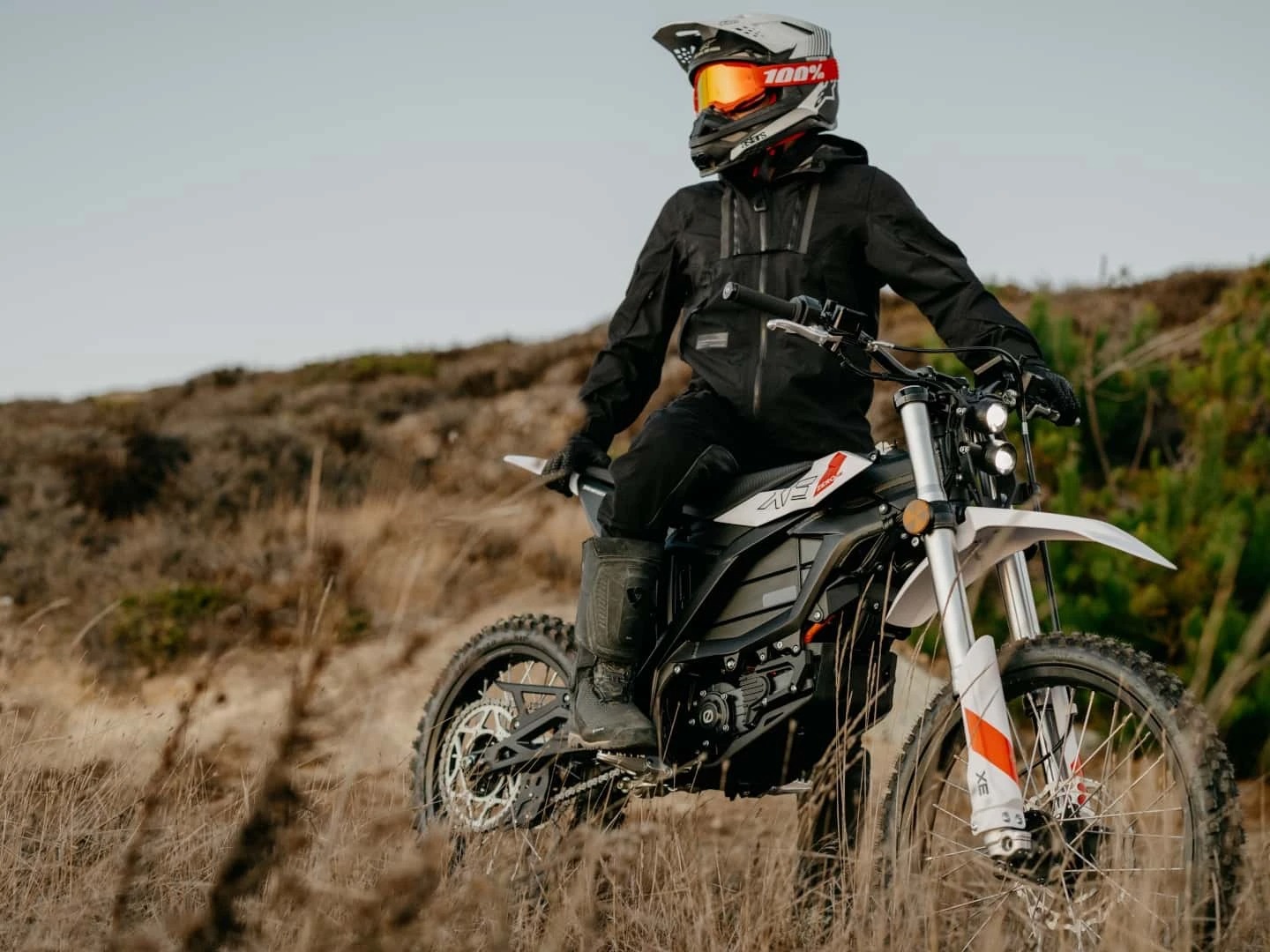
Electric motorcycles in the United States face noticeable performance limitations in cold weather conditions. Batteries operate less efficiently in low temperatures, which can reduce both power output and range. Riders in northern states or mountainous regions often experience this issue during winter months, making electric motorcycles less reliable year-round.
Highway performance is another concern. Sustained high-speed riding can strain battery capacity and reduce range more quickly than city riding. In a country like the United States, where highways are a primary mode of intercity travel, this limitation becomes especially important. Riders may find that electric motorcycles perform best in urban environments rather than long-distance travel.
Acceleration performance can also be affected under certain conditions. While many electric motorcycles offer strong torque and quick acceleration in ideal settings, battery temperature and charge level can influence performance consistency. Riders may notice reduced responsiveness when the battery is low or cold.
Wind resistance and aerodynamic drag at highway speeds further impact efficiency. Motorcycles naturally face more exposure than cars, and electric systems must work harder to maintain speed over long distances. This leads to faster energy consumption and a shorter effective range.
Environmental and highway-related limitations restrict the versatility of electric motorcycles in the US. While they excel in controlled urban environments, their performance in real-world American riding conditions remains inconsistent compared to gasoline-powered alternatives.

7. Higher Insurance Costs and Repair Complexity
Insurance costs for electric motorcycles in the United States can sometimes be higher or less predictable than for traditional motorcycles. Insurance companies are still gathering long-term data on electric motorcycle safety, repair costs, and theft risk. This uncertainty can lead to higher premiums or inconsistent pricing across providers.
Repair complexity is another significant issue. Electric motorcycles require specialized knowledge and diagnostic tools that are not as widely available as those for gasoline motorcycles. This means fewer repair shops are equipped to handle major issues, especially in smaller cities or rural areas.
Parts availability can also be limited. Since the electric motorcycle market is still developing, replacement components may not be stocked widely. This can result in longer repair times and higher service costs. Riders who depend on their motorcycles for daily transportation may find these delays inconvenient.
Accident repairs can be especially expensive due to battery system involvement. If a battery pack is damaged, repair or replacement costs can escalate quickly. This increases insurance claims and can influence ownership costs.
Finally, the learning curve for mechanics and technicians is still ongoing. As the industry matures, this issue may improve, but currently it remains a barrier to widespread adoption in the US motorcycle repair ecosystem.

8. Limited Model Availability and Dealership Support
The selection of electric motorcycles available in the United States is still relatively limited compared to gasoline motorcycles. While there are several innovative models on the market, the variety in terms of style, performance, and pricing is narrower. This restricts consumer choice and makes it harder for riders to find a model that fits their exact needs.
Dealership support is also uneven across the country. Many traditional motorcycle dealerships focus primarily on gasoline models and may not carry electric motorcycles at all. This limits opportunities for test rides, local servicing, and customer support.
Riders in smaller cities or rural areas may have little to no access to physical dealerships for electric motorcycles. This forces many purchases to be made online or through limited regional distributors, which can reduce confidence in after-sales support.
The lack of widespread dealership networks also affects brand visibility. Without physical presence, electric motorcycle brands may struggle to build trust among traditional riders who prefer in-person evaluation before purchasing.
As a result, limited availability and dealership support remain major barriers to mainstream adoption in the United States motorcycle market.

9. Environmental and Grid Dependency Concerns
While electric motorcycles are often promoted as environmentally friendly alternatives, their true environmental impact in the United States depends heavily on the energy grid. In regions where electricity is generated from fossil fuels, the emissions reduction may be less significant than expected.
Battery production also carries environmental costs. Mining and processing materials such as lithium and cobalt can have ecological impacts. These factors complicate the narrative that electric motorcycles are entirely clean transportation solutions.
Grid dependency is another concern. As more electric vehicles enter the market, demand on the electrical grid increases. In some areas, this may lead to strain during peak usage times or require infrastructure upgrades.
Riders also face indirect environmental considerations, such as charging efficiency and energy loss during transmission. These factors contribute to the environmental footprint of electric motorcycles.
While they still offer potential benefits over gasoline engines, especially in urban air quality improvement, their environmental advantages are complex and dependent on broader energy systems in the United States.
