
Modern vehicles are packed with advanced crash protection, radar sensors, and computerized driver aids, yet many older safety ideas quietly disappeared over the decades. Some were removed because technology improved, while others vanished due to cost, changing regulations, or poor consumer acceptance.
A few of these forgotten features were genuinely innovative and helped shape the systems drivers rely on today. Others were strange experiments that briefly appeared before fading from the automotive world entirely.
The automotive industry has always treated safety as a moving target. During the 1950s and 1960s, manufacturers focused heavily on protecting passengers during severe crashes with large physical components and mechanical solutions.
By the 1980s and 1990s, electronics began taking control, introducing sensors and automated systems that replaced many old-fashioned ideas. As a result, several once-common features disappeared from showrooms despite being considered cutting-edge in their era.
Some forgotten safety technologies were decades ahead of their time. Certain luxury cars offered directional headlights, inflatable seat belts, or built-in first aid kits long before buyers truly appreciated them.
In other cases, features disappeared because newer systems simply performed better. Large chrome bumpers gave way to lighter impact-absorbing structures, while vent windows and cornering lamps slowly vanished as body design evolved.
This article looks back at ten safety features that have mostly disappeared from modern vehicles. Each one tells a story about how automotive engineering changed through different generations.
Some deserve a comeback in updated form, while others remain fascinating reminders of a completely different era of car design.
From pop-up rollover bars to guide-matic dimmers, these forgotten systems reveal how manufacturers once approached the challenge of keeping drivers safe before computers and advanced software took control of the road.
Also Read: 10 Motorcycles With Bigger Engines Than Most Cars
1. Automatic Seat Belts
During the late 1980s and early 1990s, automatic seat belts appeared in many vehicles as manufacturers searched for ways to meet evolving American safety regulations. These systems used motorized shoulder belts that slid along the door frame whenever the driver entered or exited the car. The idea was simple.
Since many people refused to wear seat belts voluntarily, the vehicle would secure occupants automatically without requiring any action from the driver.
Several Japanese manufacturers adopted this system heavily. Cars like the Honda Prelude, Nissan 240SX, and Toyota Camry used motorized track-mounted belts that moved into position after the doors closed.
At the time, airbags were still expensive, so automatic belts became a cheaper way for automakers to satisfy passive restraint requirements.
The technology looked futuristic, especially during an era when electronic gadgets impressed buyers. Drivers often felt like they were entering a science fiction vehicle as the belt slid into place after turning the ignition key.
Yet real-world use revealed major flaws. Many systems only secured the upper body, leaving drivers responsible for manually fastening the lap belt. Some owners ignored the lap belt entirely, creating serious injury risks during crashes.
Reliability also became a problem. The electric motors and tracks occasionally failed, leaving belts stuck in awkward positions. Repairs were expensive because the mechanisms were buried inside door pillars and trim panels. Over time, buyers began seeing the systems as annoying rather than innovative.
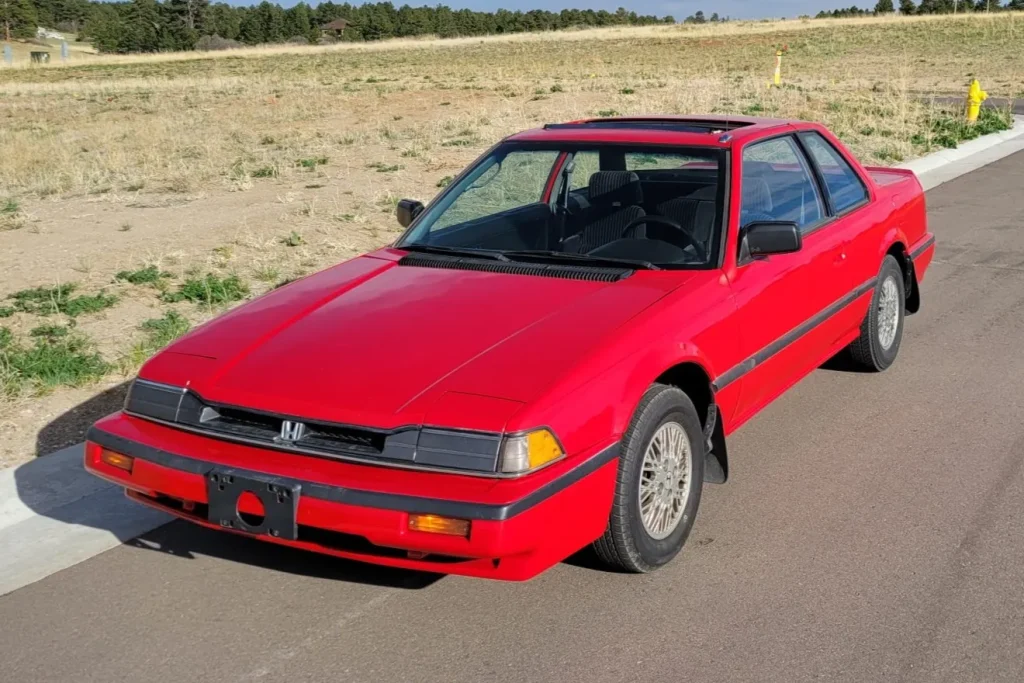
Once dual airbags became more affordable in the mid-1990s, automatic seat belts rapidly disappeared. Airbags provided better protection without the inconvenience of moving tracks and mechanical parts.
Today, automatic seat belts remain one of the most recognizable forgotten safety experiments from that transitional era between purely mechanical protection and modern electronic restraint systems.
2. Guide-Matic Automatic Headlight Dimmers
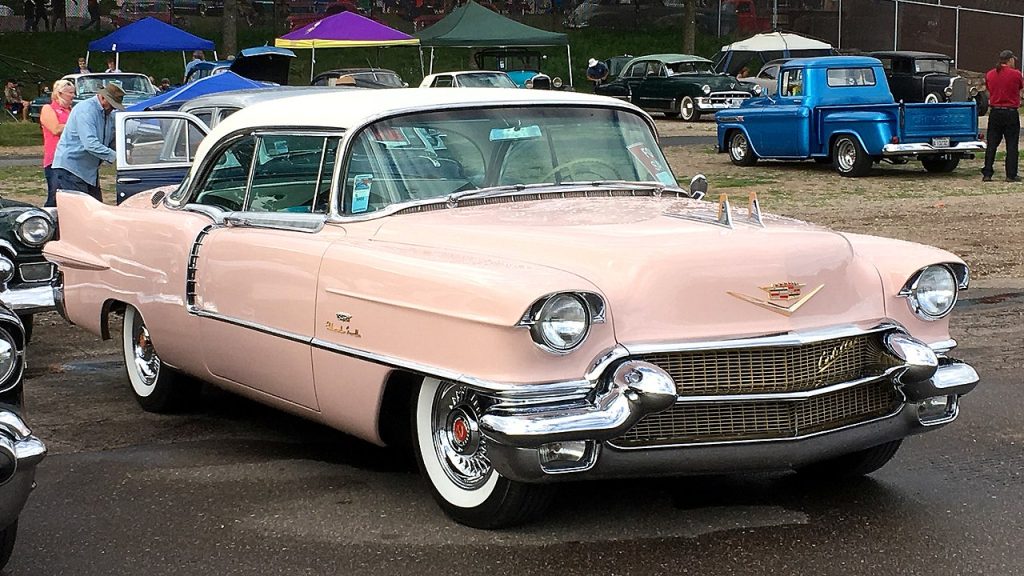
Long before adaptive LED headlights and automatic high beams became common, General Motors introduced an unusual safety feature called the Guide-Matic system. First appearing in the 1950s, it automatically dimmed high beams whenever another vehicle approached.
This technology attempted to solve one of the most irritating nighttime driving problems of the era: blinding glare from oncoming headlights.
The system worked using a photosensitive sensor mounted near the windshield or dashboard. When the sensor detected light from approaching cars, it switched the headlights from high beam to low beam automatically.
Once the road cleared, the high beams returned. For drivers traveling on dark rural highways, this feature felt remarkably advanced for its time.
Cadillac, Buick, and Oldsmobile offered Guide-Matic systems in premium models during the late 1950s and early 1960s.
Luxury buyers appreciated the convenience because constant manual switching between high and low beams could become tiring during long nighttime drives. The feature represented one of the earliest examples of driver-assistance technology entering consumer vehicles.
Despite the innovation, the system struggled with accuracy. Streetlights, reflective signs, and even brightly lit buildings could confuse the sensor.
Some drivers complained that the headlights dimmed too early or failed to react quickly enough when another car appeared around a curve. Weather conditions such as fog and rain also reduced effectiveness.
Cost became another obstacle. The technology added expense to already expensive luxury vehicles, limiting widespread adoption. As electronics improved decades later, manufacturers replaced these early systems with more reliable computerized automatic headlight controls.
Modern adaptive lighting systems owe much to the Guide-Matic concept, even though the original version vanished long ago.
It demonstrated that automakers were already experimenting with automated driving assistance more than half a century before today’s sophisticated semi-autonomous technologies became normal.
3. Pop-Up Rollover Bars
Convertible cars have always faced one major safety concern, rollover protection. During earlier decades, many convertibles lacked structural reinforcement strong enough to protect occupants if the car flipped upside down.
Manufacturers searched for ways to improve safety without ruining the open-air driving experience, leading to the development of pop-up rollover bars.
Mercedes-Benz became one of the most famous adopters of this system during the late 1980s and 1990s. The technology used hidden metal bars mounted behind the seats.
Sensors monitored sudden changes in vehicle angle and speed. If the car detected an impending rollover, spring-loaded or pyrotechnic mechanisms instantly deployed the bars upward within fractions of a second. The bars then worked with the windshield frame to create a protective survival space for passengers.
At the time, the feature looked extremely advanced. Drivers loved the fact that the rollover bars stayed hidden during normal driving, preserving the sleek styling of the convertible. Earlier fixed rollover hoops often made sports cars look bulky or awkward, so retractable systems offered a cleaner solution.
The engineering behind these systems was surprisingly complex. Manufacturers had to ensure the bars deployed fast enough to protect before the roof hit the ground.
Sensors also needed to avoid accidental deployment caused by potholes or aggressive driving maneuvers. Testing involved numerous simulated crash scenarios to guarantee reliability.
As safety regulations tightened, convertible chassis became significantly stronger. Reinforced windshield pillars, improved body rigidity, and stronger passenger cells reduced the need for dramatic pop-up bars in many modern designs.
Some current convertibles still use hidden rollover protection, but the feature no longer carries the futuristic identity it once had during the 1990s luxury performance era.
The pop-up rollover bar remains one of the most fascinating examples of invisible automotive safety engineering. It combined mechanical precision, crash detection technology, and stylish packaging in a way few older safety features managed to achieve.
4. Cornering Lights
Before adaptive headlights became common, cornering lights served as a practical way to improve visibility during nighttime turns. These small auxiliary lights activated whenever the driver used the turn signal or turned the steering wheel sharply. Their purpose was straightforward: illuminate the side area that the main headlights could not reach while cornering.
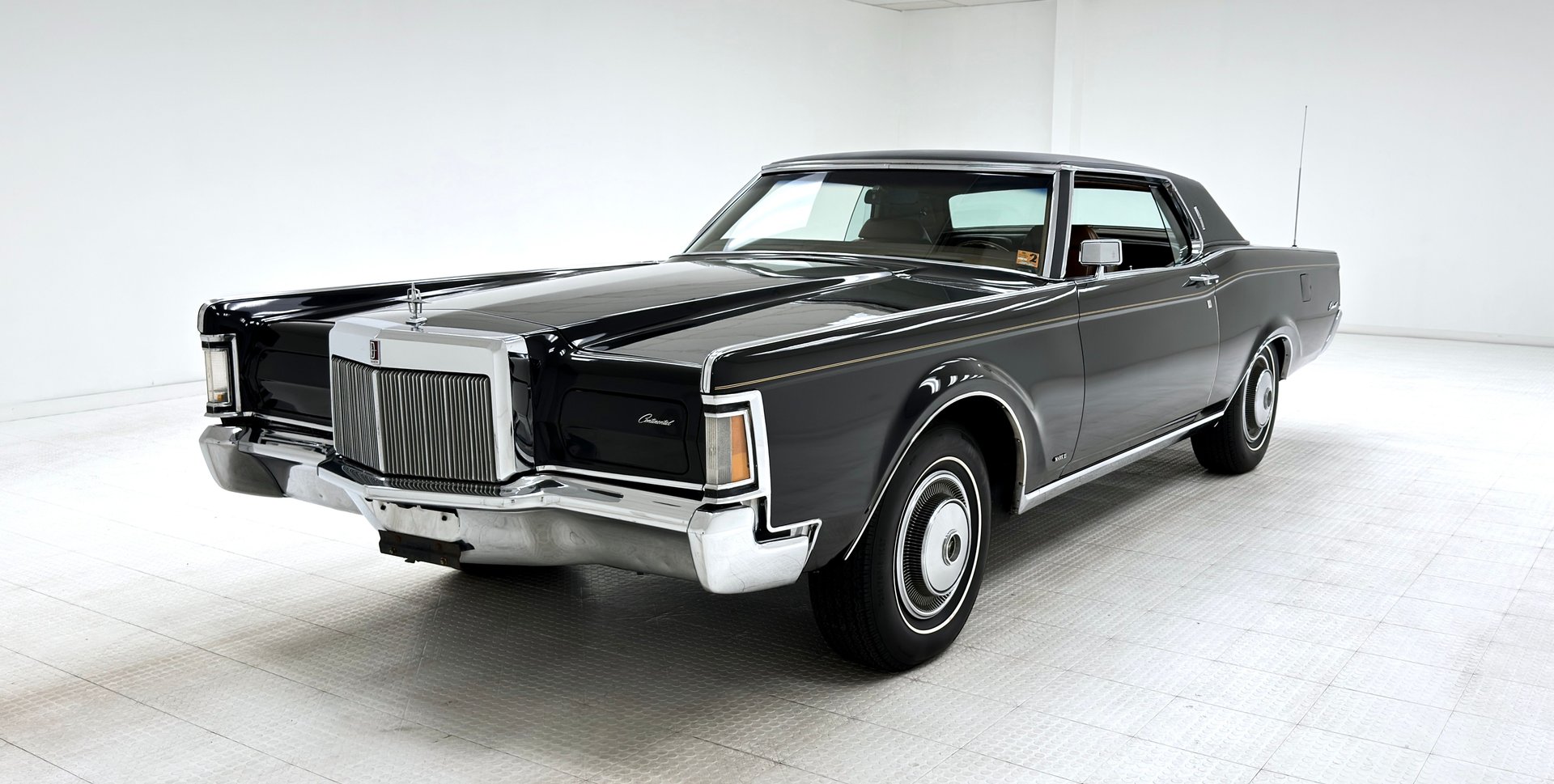
American luxury cars during the 1960s and 1970s frequently included this feature. Cadillac, Lincoln, and Chrysler products often placed cornering lamps near the front grille or beside the headlights. When activated, they cast additional light toward curbs, pedestrians, and side streets that might otherwise remain hidden in darkness.
The benefit became especially apparent in urban areas with poor street lighting. Drivers moving through narrow neighborhoods or tight parking lots gained a wider field of vision during low-speed turns and maneuvers. At a time when standard sealed-beam headlights provided relatively limited illumination, cornering lights offered practical real-world assistance by improving visibility and helping drivers spot obstacles, curbs, or pedestrians more easily in dim conditions.
Unlike many forgotten features, cornering lights were easy for drivers to appreciate immediately. They required no explanation and operated automatically without distracting the driver.
Still, the system gradually disappeared as headlight technology improved. Halogen bulbs, projector housings, and eventually adaptive steering headlights delivered broader and more precise illumination directly from the primary headlamp assembly.
Vehicle styling trends also played a role in their disappearance. Designers increasingly favored cleaner front-end shapes with integrated lighting systems, leaving less room for separate auxiliary lamps.
Aerodynamics became more important as fuel economy standards tightened, and additional lighting elements complicated front fascia design.
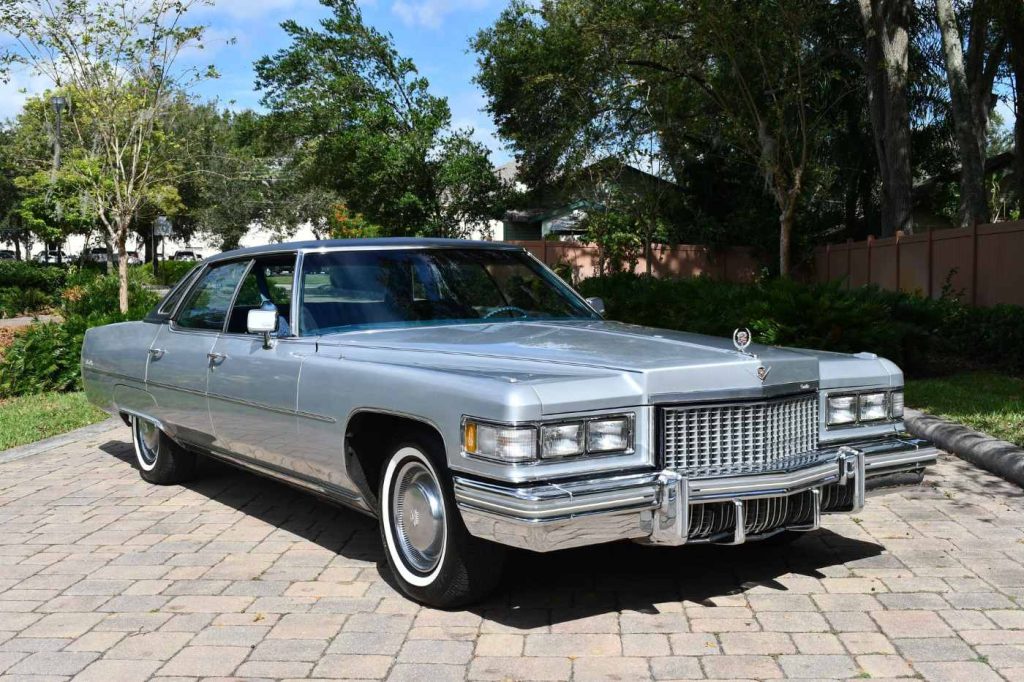
Modern luxury vehicles now use advanced matrix LED systems capable of dynamically adjusting beam patterns in real time. These technologies essentially perform the same task far more effectively than old cornering lamps ever could.
Even so, the original cornering light represented an early and surprisingly clever attempt to improve nighttime safety through targeted illumination rather than brute brightness alone.
5. Vent Windows
Vent windows, sometimes called wing windows, were once a common sight on cars built from the 1930s through the early 1980s. These small triangular glass panels sat at the front edge of side windows and could pivot outward to direct airflow into the cabin.
While many people remember them mainly for comfort, they also served an important safety role during an era before modern climate control systems became widespread.
Driving older vehicles in hot weather often meant opening windows completely, creating excessive wind noise and turbulence inside the cabin. Vent windows offered a smarter solution.
Drivers could angle them to pull fresh air into the car while keeping the main windows mostly closed. This helped reduce driver fatigue during long trips and improved visibility by minimizing interior fogging in humid or rainy conditions.
Truck drivers particularly appreciated vent windows because they provided constant airflow without forcing them to fully lower the side glass at highway speeds.
Some motorists even used them during winter to prevent windshield condensation while maintaining cabin warmth. The simple design gave drivers direct control over airflow long before electronically managed ventilation systems existed.
The feature slowly disappeared during the 1980s as automotive aerodynamics became more important.
Vent windows disrupted smooth airflow around the body and increased drag, negatively affecting fuel economy and wind noise. Manufacturers also discovered that fixed side glass improved structural rigidity and simplified door construction.
Advancements in air conditioning played a major role as well. By the late 1980s, climate control systems became standard equipment in many vehicles, reducing the need for creative airflow solutions. Flush-mounted windows also created a cleaner and more modern appearance that buyers preferred.
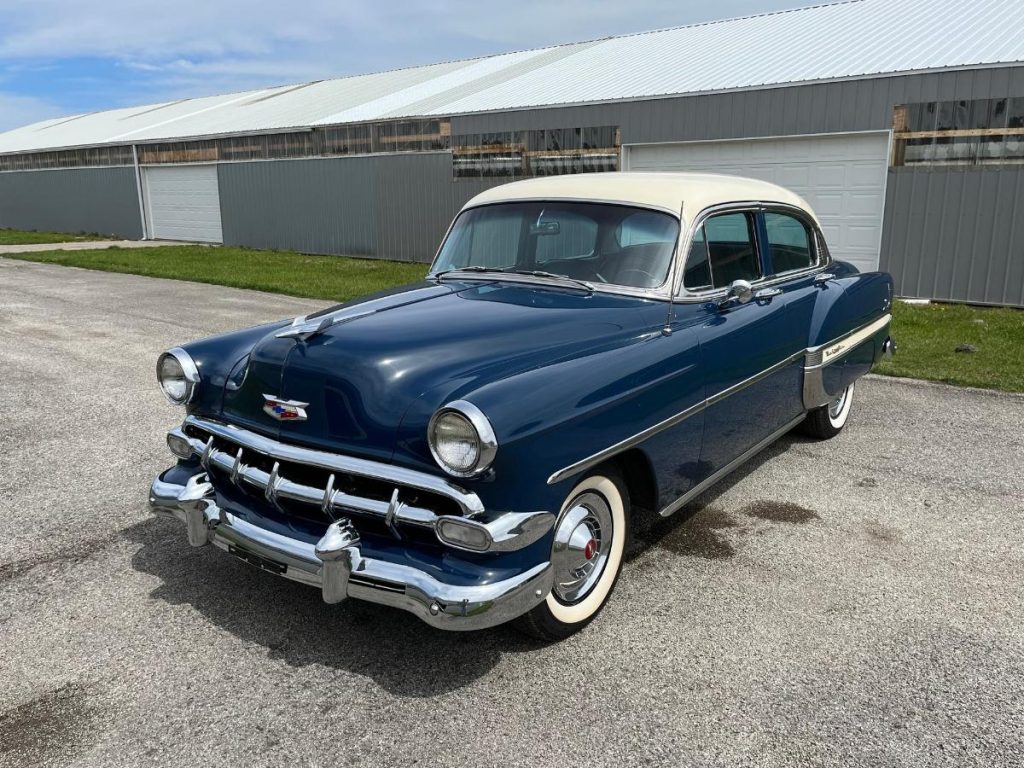
Although vent windows are mostly gone from passenger cars today, some enthusiasts still miss them. Classic car owners often praise how effectively they circulated fresh air compared to modern vehicles that rely heavily on air conditioning.
Their disappearance reflects how changing technology and design priorities can quietly eliminate practical features that once played a meaningful role in driver comfort and safety.
6. Padded Dashboards
Early automobiles featured dashboards made largely from painted metal, chrome, and hard plastic surfaces. During accidents, occupants could strike these rigid areas with severe consequences. By the late 1950s and 1960s, manufacturers began introducing padded dashboards as a major advancement in passenger protection.
The idea was straightforward but effective. Soft energy-absorbing materials covered sections of the dashboard likely to come into contact with occupants during collisions. Automakers realized that reducing impact severity inside the cabin could lower injuries even if seat belts were not being used consistently, which was common during that era.
American manufacturers aggressively promoted padded interiors as premium safety equipment. Ford, Chevrolet, and Plymouth advertisements frequently highlighted softer dashboards, padded sun visors, and recessed controls as modern protective innovations.
At the time, these features represented a major shift in automotive thinking. Companies were finally starting to acknowledge that passengers needed protection not only from external crashes but also from hard interior surfaces.
The materials used varied significantly. Some dashboards employed thick foam padding under vinyl coverings, while others used molded energy-absorbing plastics. Designers attempted to blend safety with attractive styling, though many early padded dashboards still appeared bulky compared to later interiors.
As automotive safety standards evolved, dashboard design changed dramatically. Airbags, collapsible steering columns, advanced seat belts, and improved crash structures transformed cabin engineering.
Modern dashboards remain padded to some extent, but the visibly soft and heavily cushioned appearance of earlier decades largely disappeared as manufacturers integrated protection more subtly into vehicle interiors.
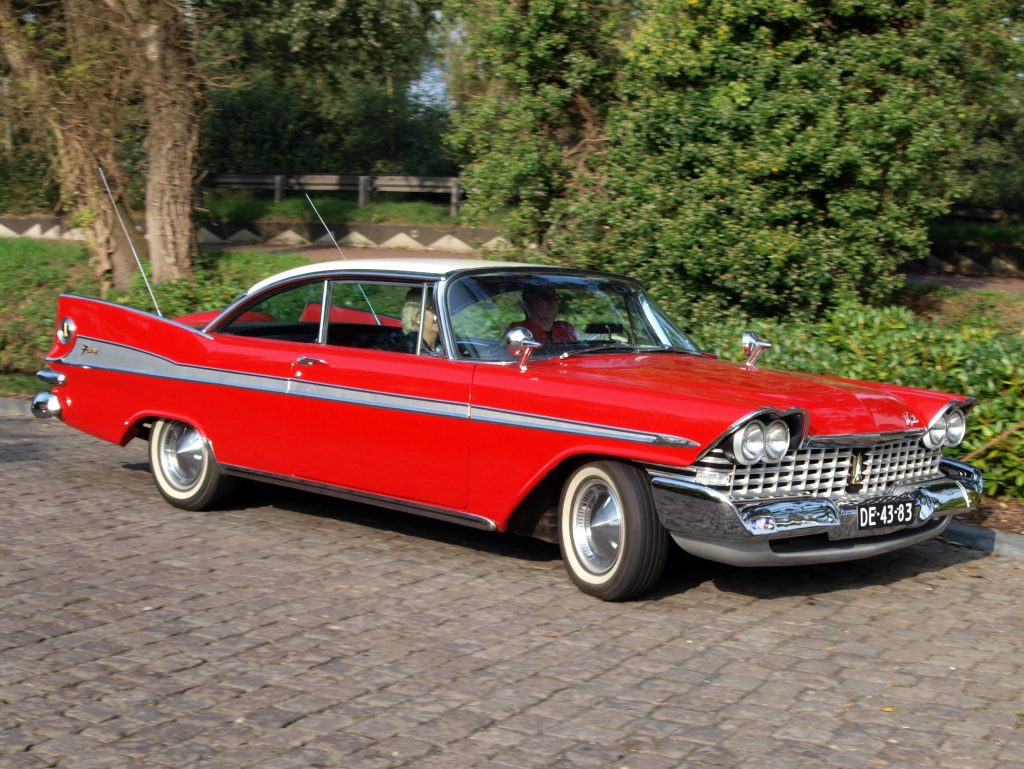
Another reason padded dashboards faded involved manufacturing advancements. Modern materials and computer-designed impact zones allow interiors to manage crash energy more efficiently without thick visible padding.
Buyers also began preferring sleeker interiors with sharper styling and integrated digital technology rather than oversized cushioned surfaces.
Even though modern cars still contain hidden impact-absorbing materials, the classic padded dashboard era marked one of the automotive industry’s earliest serious attempts to reduce injuries inside the passenger compartment instead of focusing only on preventing accidents themselves.
7. Built-In First Aid Kits
Several automakers once believed that safety extended beyond crash prevention and occupant protection.
Some manufacturers include factory-installed first aid kits directly inside the vehicle, giving drivers immediate access to emergency medical supplies after an accident or roadside incident.
While modern motorists usually carry personal kits separately, built-in versions were once considered a thoughtful and premium safety feature.
Volvo became especially associated with this idea during the 1970s and 1980s. The Swedish brand built its reputation around occupant protection, and integrated first aid kits reinforced that image. Mercedes-Benz, Saab, and BMW also offered neatly packaged kits stored inside armrests, glove compartments, or trunk panels.
These kits typically included bandages, antiseptic wipes, gauze, scissors, adhesive tape, and emergency instructions. Some luxury vehicles even packaged the supplies inside specially marked compartments for quick access during stressful situations.
At a time when roadside assistance services were far less common, carrying emergency medical supplies inside the car made genuine practical sense.
The feature also reflected a different philosophy toward automotive safety. Manufacturers wanted vehicles to help occupants both during and after accidents. In severe rural crashes where emergency responders could take time to arrive, a properly stocked first aid kit could prove extremely valuable.
Over time, however, integrated kits began disappearing. One reason involved liability concerns. Medical recommendations and supply expiration dates changed frequently, making it difficult for automakers to guarantee the long-term reliability of factory-provided kits.
Owners often forgot to replace expired materials, reducing effectiveness during real emergencies.

Cost-cutting also contributed to the decline. As vehicles became increasingly filled with electronic systems, manufacturers prioritized digital safety technologies over small physical additions like medical kits. Buyers also shifted toward carrying personalized emergency supplies tailored to individual needs.
Today, built-in first aid kits survive mainly in certain European luxury vehicles and specialty off-road models.
Even though they are less common now, these kits represented a time when automakers viewed emergency preparedness as an important extension of vehicle safety rather than simply an optional accessory.
8. Inflatable Seat Belts
Inflatable seat belts briefly appeared as one of the most creative attempts to improve passenger safety before disappearing from most modern lineups. Unlike traditional belts, these systems used airbag-style technology built directly into the shoulder belt itself.
During a collision, the belt inflated instantly, spreading crash forces across a larger area of the occupant’s body.
Ford introduced inflatable rear seat belts in models such as the Explorer and Flex during the early 2010s. The technology mainly targeted children and elderly passengers, who could suffer more severe chest injuries from concentrated belt pressure during high-speed crashes.
By expanding during impact, the belts reduced stress on the ribcage and neck while still restraining occupants securely.
The system worked using compressed gas stored beneath the seat. Crash sensors triggered rapid inflation in fractions of a second, similar to a conventional airbag deployment. Once inflated, the belt resembled a small padded tube stretched across the passenger’s torso.
Safety engineers praised the idea because it addressed a real problem. Traditional seat belts save lives, but they can also cause bruising or injury during violent impacts. Inflatable belts attempted to combine the strengths of airbags and seat belts into one integrated restraint system.
Despite the innovation, widespread adoption never occurred. Cost played a major role because inflatable systems were significantly more expensive than conventional belts. Child seat compatibility also created complications, as some car seats were not designed to work properly with expanding restraints.
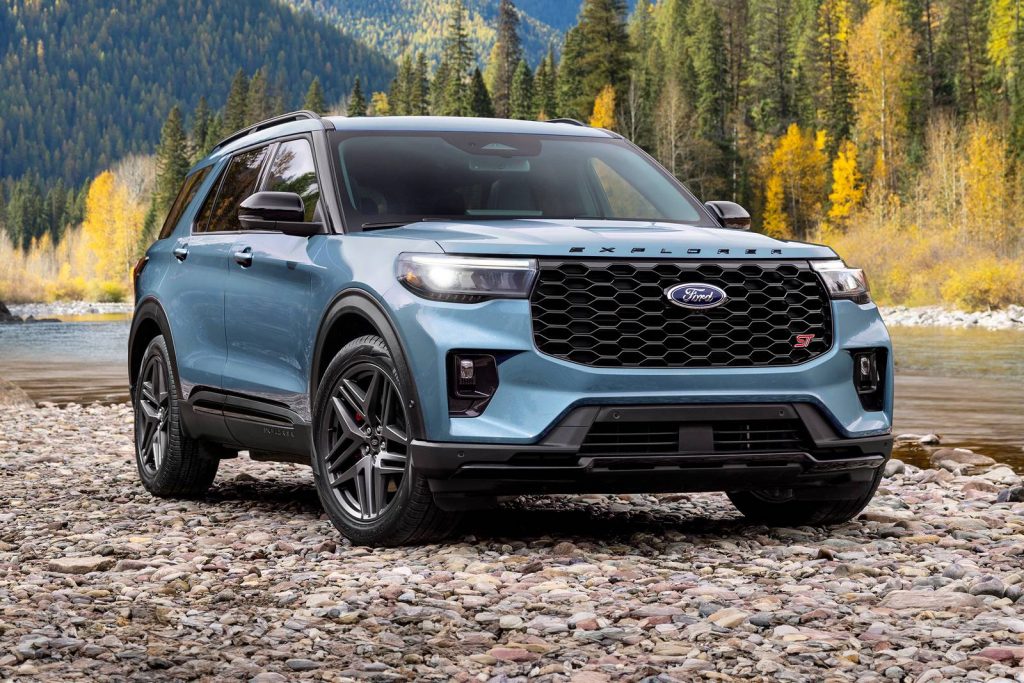
At the same time, airbag technology continued to improve rapidly. Advanced multi-stage airbags, better crash structures, and smarter seat belt pretensioners reduced the need for complex inflatable belts. Manufacturers eventually concluded that the added expense did not justify limited consumer demand.
Even though inflatable seat belts faded quickly, the concept remains one of the most inventive forgotten safety features of the modern automotive era. It demonstrated how manufacturers continued searching for new ways to reduce crash injuries beyond traditional restraint systems.
9. Five-Mile-Per-Hour Chrome Bumpers
During the 1970s, massive chrome bumpers became one of the most recognizable safety features on American cars.
Federal regulations required vehicles to withstand low-speed impacts of up to five miles per hour without major damage to essential components like headlights, fuel systems, or engine parts.
Automakers responded by designing enormous energy-absorbing bumpers capable of handling parking lot collisions and minor crashes.
These bumpers were not simply decorative chrome bars. Many used hydraulic shock absorbers or reinforced steel mounting systems designed to compress during impact and then return to shape afterward.
Large sedans from Cadillac, Chevrolet, and Lincoln often carried extremely heavy bumper assemblies extending far beyond the bodywork.
For everyday drivers, the benefits were obvious. Minor fender benders that would damage modern plastic bumpers sometimes left older vehicles with barely a scratch. Parking in tight urban spaces became less stressful because the bumpers could absorb small impacts without requiring expensive repairs.
The feature also created a sense of toughness that buyers appreciated during the era. Cars looked durable and substantial, with thick chrome components giving them an unmistakably solid appearance.
Some drivers even believed the heavy bumpers made the entire vehicle safer during larger collisions, though actual crash protection depended on many other structural factors.
Despite their durability, five-mile-per-hour bumpers came with serious disadvantages. The systems added considerable weight, hurting fuel economy during a decade already affected by oil crises and rising fuel prices. Designers also struggled to integrate the bulky bumpers attractively into vehicle styling.
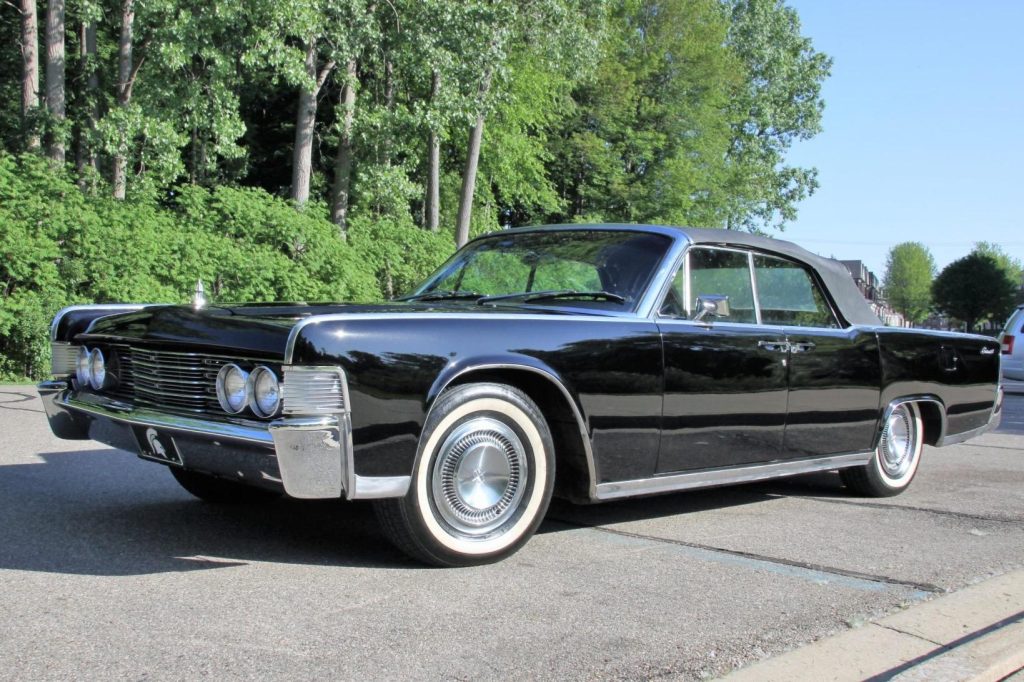
By the 1980s, automakers shifted toward lighter plastic bumper covers combined with hidden impact absorbers underneath.
These newer systems improved aerodynamics, reduced weight, and allowed smoother body designs while still meeting crash standards. Advances in materials engineering have also made modern bumpers more effective despite their smaller appearance.
Today, the giant chrome bumper stands as a symbol of an era when automotive safety often relied on visible mass and heavy mechanical solutions rather than lightweight materials and computerized engineering.
10. Door-Mounted Seat Belts
Door-mounted seat belts represented another unusual attempt to improve passenger restraint systems before airbags became universal. Instead of attaching the shoulder belt to the vehicle pillar, manufacturers mounted the entire belt directly onto the door itself.
When occupants opened the door, the belt moved outward with it, making entry and exit easier compared to fixed-position restraints.
General Motors used this design extensively during the 1970s and 1980s. Cars such as the Chevrolet Celebrity, Buick Century, and Oldsmobile Cutlass Ciera adopted the system as manufacturers searched for ways to encourage seat belt use while meeting safety regulations.
The concept offered practical advantages at first glance. Drivers no longer had to twist awkwardly to reach belts mounted behind their shoulders. The wider opening created by the moving belt improved accessibility, particularly in large coupes and sedans with long doors.
Some systems combined door-mounted belts with automatic shoulder restraint mechanisms, creating what appeared to be an advanced passive safety setup for the time. Automakers promoted these designs heavily in advertising, presenting them as user-friendly alternatives to traditional seat belts.
Real-world problems eventually became difficult to ignore. During severe crashes, doors could deform or partially open, compromising belt positioning and effectiveness. Engineers also faced challenges maintaining proper restraint geometry because the belt anchor moved with the door rather than remaining fixed to the vehicle structure.
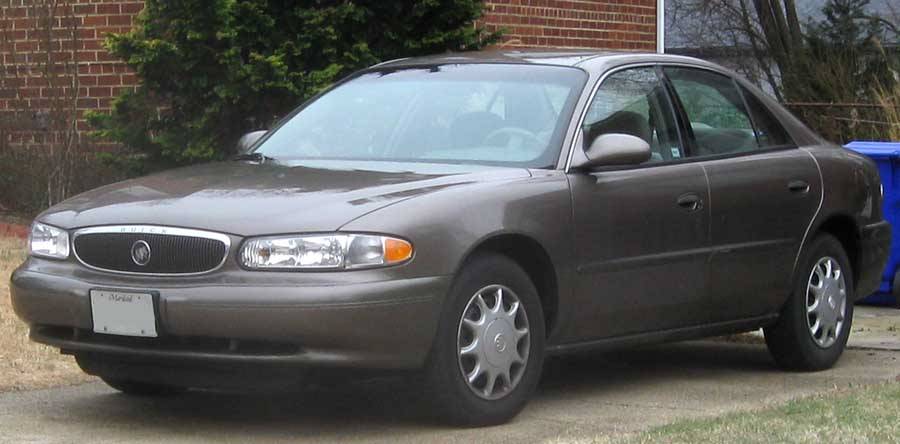
Long-term durability created additional concerns. Repeated door slamming placed stress on mounting hardware, hinges, and belt mechanisms. Repair costs increased as the systems aged, especially once electrical components became integrated into automatic versions.
The rapid advancement of airbags during the 1990s ultimately ended the popularity of door-mounted restraints. Modern fixed-position seat belts paired with pretensioners and advanced airbags provided far better crash performance while simplifying engineering complexity.
Although the design disappeared decades ago, door-mounted seat belts remain an interesting reminder of how automakers experimented aggressively with occupant protection during the transitional years before modern restraint systems became fully standardized.
Also Read: 9 Pre-2010 Mustangs Still Worth More Than New Ones
