

Cars today are no longer just mechanical devices meant to move people from point A to point B. They have transformed into connected, software-driven platforms on wheels, relying on sensors, cloud services, and constant data exchange with manufacturers and third-party systems.
What many drivers do not fully realize is that a growing number of features inside their vehicles are not simply “included” in the price they paid at purchase. Instead, they are often locked behind subscription-based models, trial periods, or software paywalls that activate only after registration or payment.
This shift has quietly changed the meaning of car ownership. In the past, buying a vehicle meant owning all its features outright. Today, many drivers unknowingly pay for hardware that already exists in their car, but they must subscribe to unlock full functionality.
Manufacturers justify this approach by claiming it allows continuous improvements, better connectivity, and more personalized driving experiences. However, it also means that several useful features remain hidden or partially disabled unless the owner pays recurring fees.
What makes this trend more interesting is that many of these features are already built into the vehicle at the factory. The hardware is installed, tested, and functional from day one. In many cases, only a software switch separates a standard driving experience from a premium one. This creates a situation where two identical cars on the road may behave differently depending on the subscription status of their owners.
These hidden features often include comfort upgrades, safety enhancements, convenience tools, and entertainment systems. Some drivers never discover them, while others only learn about them after seeing advertisements inside their own infotainment systems. The result is a growing ecosystem where cars behave more like smartphones, with apps, upgrades, and paid add-ons shaping the user experience.
In this article, we will explore 10 powerful features commonly hidden behind car subscription services. These are features you may already have hardware support for in your vehicle, but may not be fully using unless you activate them. Understanding them can help you make better decisions about your car, avoid unnecessary spending, and get the most value from what you already own.
Also Read: 10 Fastest Hennessey-Tuned Models & Ranked by Top Speed
1. Remote Start and Climate Control
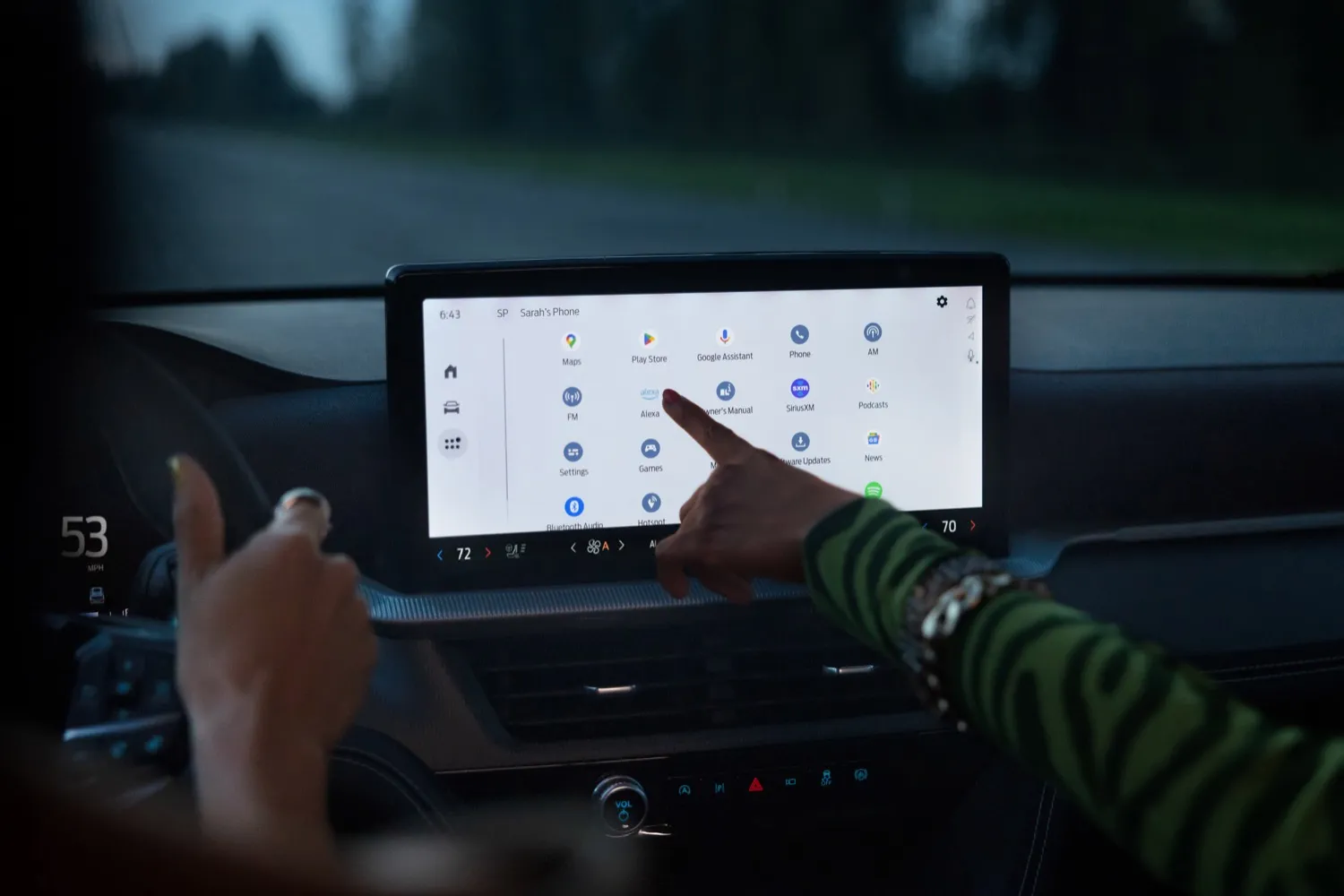
Remote start and climate control is one of the most widely recognized subscription-locked features in modern vehicles. Many cars are manufactured with the ability to start the engine remotely using a smartphone app or key fob, but this functionality is often restricted behind a paid service. The hardware is already installed, including engine control modules, telematics units, and temperature regulation systems.
When activated, this feature allows you to start your car from a distance so that the cabin reaches a comfortable temperature before you even enter.
In hot climates, the air conditioning can cool the interior, while in colder regions, the heater can warm it up. This is especially useful for improving comfort and safety, as it reduces the need to sit in extreme temperatures while waiting for the vehicle to adjust.
Many drivers are surprised to learn that their car already supports this capability from the factory. The reason it is often hidden is that manufacturers bundle it with connected services subscriptions. Without activation, the car may still have partial functionality, but remote activation through mobile apps remains disabled.
The subscription model typically includes additional features such as scheduling climate control, monitoring cabin temperature, and even activating defrost systems remotely. These tools are designed to improve convenience, but they also create recurring revenue streams for manufacturers.
Remote start and climate control demonstrate how modern vehicles separate hardware from software access. Even though the physical systems exist in the car, full usability depends on whether the driver chooses to pay for activation.

2. Heated and Ventilated Seats
Heated and ventilated seats are another common example of subscription-gated features in modern vehicles. While many drivers assume these are fixed hardware options chosen at the time of purchase, some manufacturers now install seat heating and cooling components in all variants of a model and restrict activation through software licensing.
These systems work using embedded heating coils and ventilation fans placed inside the seat structure. When activated, they regulate seat temperature to improve comfort during extreme weather conditions. Heated seats are especially valuable in cold climates, while ventilated seats help reduce discomfort during hot weather.
In subscription-based models, the hardware is pre-installed but remains inactive unless the owner pays to unlock it. This means two identical vehicles can be physically the same, yet one may offer enhanced comfort while the other does not, depending solely on software permissions.
Manufacturers argue that this approach simplifies production and allows flexible feature upgrades after purchase. Drivers can theoretically enable features later instead of paying upfront during the initial configuration. However, many customers feel frustrated when discovering that their car already contains hardware they cannot use without additional payment.
The emotional impact of discovering locked comfort features can be significant. Drivers often feel they are not accessing the full value of what they already purchased. This has led to growing debate in the automotive industry about fairness and transparency in subscription-based car features.
3. Advanced Driver Assistance Systems (ADAS)
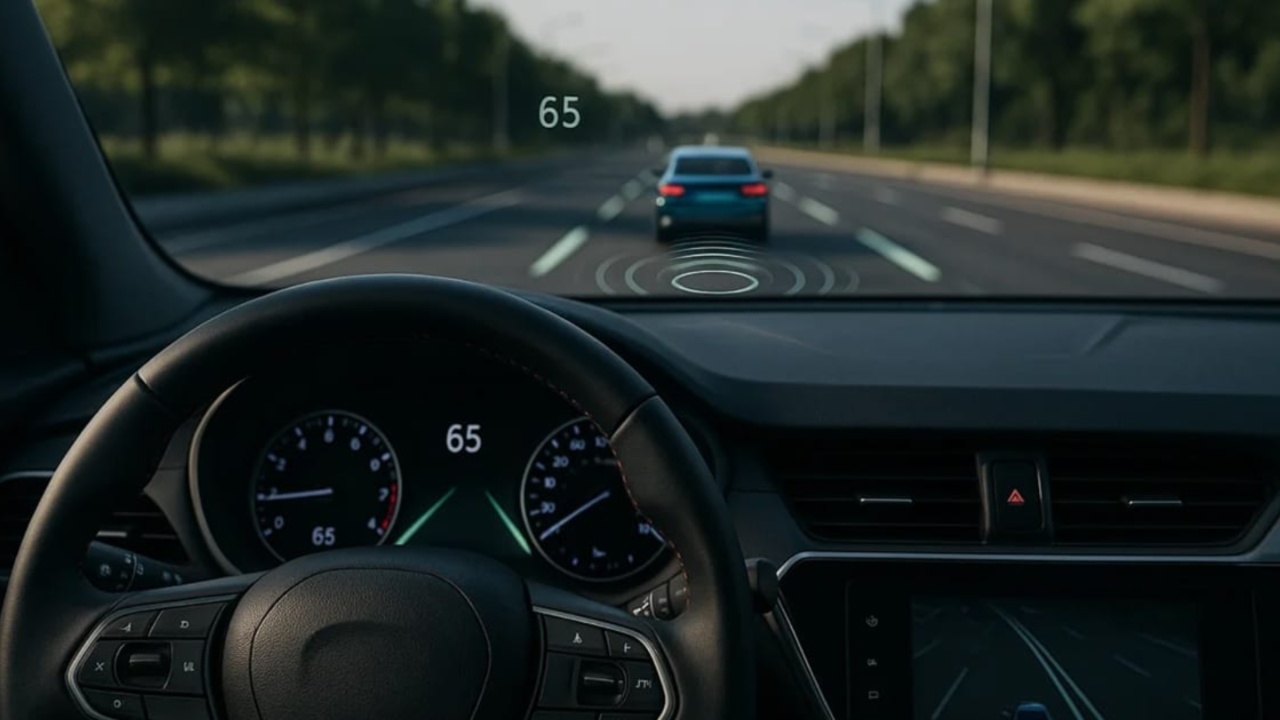
Advanced Driver Assistance Systems, commonly known as ADAS, include features such as lane keeping assistance, adaptive cruise control, collision warnings, and automatic emergency braking. These systems rely on cameras, radar sensors, and onboard computing units that are increasingly standard in modern vehicles.
In many cases, the hardware for these systems is installed across multiple trims of a vehicle lineup. However, full functionality may be locked behind subscription plans or optional software activation packages. This means the same car model may behave differently depending on whether the driver has paid to unlock ADAS features.
When enabled, ADAS can significantly improve driving safety and reduce fatigue. Lane keeping assistance helps maintain vehicle position on highways, while adaptive cruise control automatically adjusts speed based on traffic conditions. These features are designed to assist rather than replace the driver, but they provide an additional layer of safety.
Subscription models for ADAS often include periodic updates, improved object detection algorithms, and enhanced highway driving capabilities. Manufacturers argue that ongoing software development justifies recurring fees, as systems improve over time through machine learning and data collection.
However, critics point out that safety-related features should not be restricted behind paywalls. Since the hardware is already present, many drivers expect full access at the time of purchase. The debate continues as automotive technology becomes more software-driven.
4. Built-in Navigation and Live Traffic
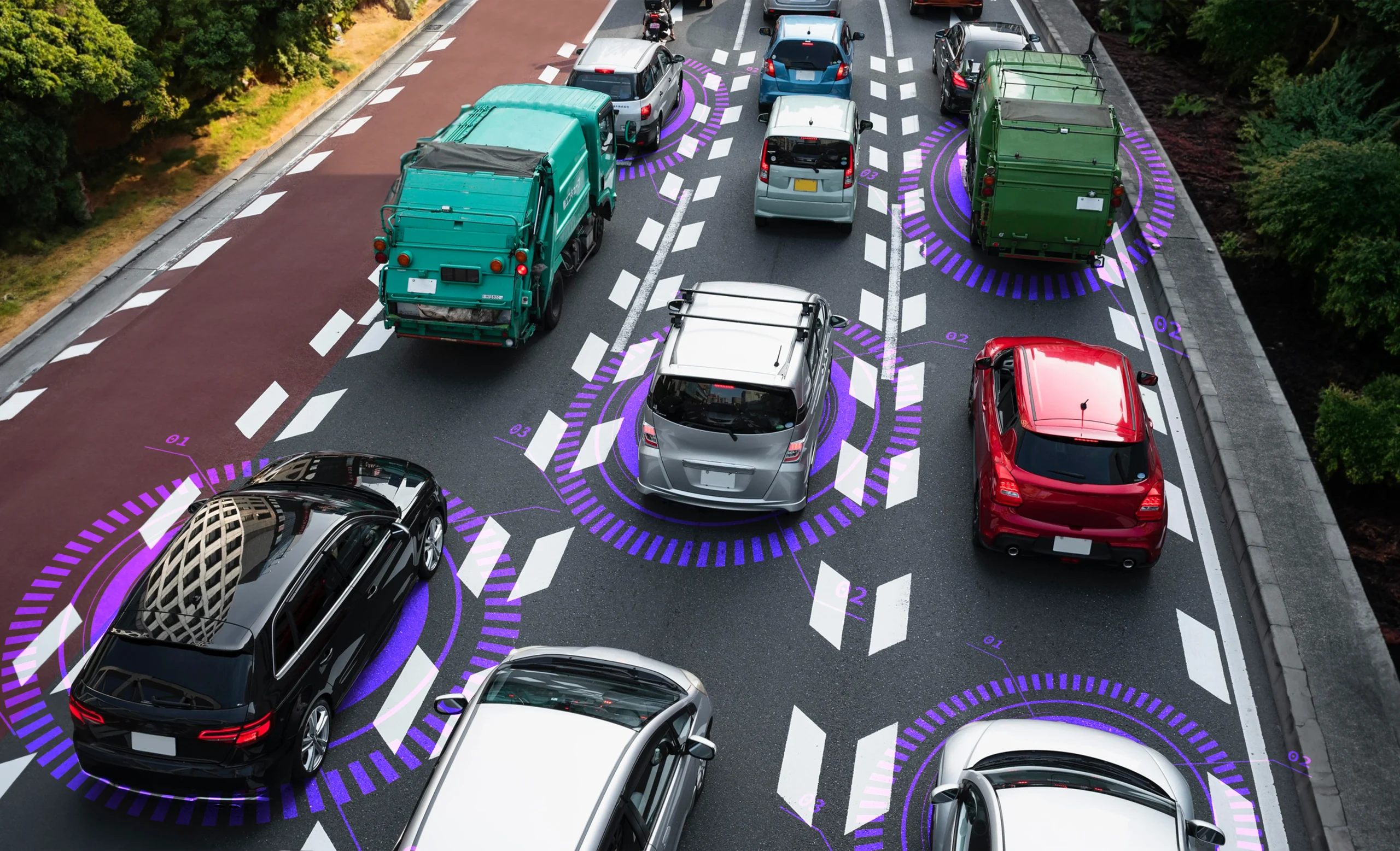
Built-in navigation systems with live traffic updates are commonly found in modern vehicles, but many of their most useful features are locked behind subscriptions. While basic offline maps may function without payment, real-time traffic updates, rerouting, and cloud-based search often require activation.
These systems rely on GPS modules, cellular connectivity, and cloud servers to provide accurate route guidance. When fully enabled, they can suggest faster alternative routes, predict traffic delays, and even adjust arrival time estimates based on live conditions.
Manufacturers often include the navigation hardware in all vehicles, but restrict premium services through subscription tiers. This allows them to offer free basic navigation while monetizing advanced features such as voice search, points of interest updates, and integration with smart assistants.
Drivers who rely on daily commuting benefit greatly from live traffic features. These tools can reduce travel time, avoid congestion, and improve fuel efficiency by optimizing routes. However, without subscription activation, the navigation system may feel outdated compared to smartphone-based apps.
This creates an interesting competition between built-in systems and external mobile applications. Many drivers prefer using free smartphone navigation instead of paying for built-in upgrades, even though their car already supports them.

5. Keyless Entry and Digital Key
Keyless entry and digital key systems allow drivers to unlock and start their vehicles without physically using a traditional key. Instead, smartphones, smart cards, or proximity sensors handle authentication. In many modern vehicles, the hardware required for these systems is already integrated, but full digital functionality may require subscription activation.
When enabled, the system detects the driver’s presence and automatically unlocks the doors as they approach. It can also allow remote access sharing, where vehicle owners temporarily grant access to family members or service providers through mobile apps.
Some manufacturers extend this feature into full digital key ecosystems, allowing complete control of the vehicle through a smartphone. This includes locking, unlocking, engine start authorization, and even driving restrictions for shared users.
Subscription-based access often includes security enhancements such as encrypted authentication, biometric verification, and remote disable features in case of theft. These improvements add convenience but also tie essential access controls to ongoing payments.
As vehicles become more connected, digital key systems are expected to replace traditional keys entirely. However, the transition raises concerns about dependency on software services and long-term access if subscriptions are not maintained.
Also Read: 10 Honda Cars Cheaper In Japan Than in the USA

6. Vehicle Health Monitoring
Vehicle health monitoring systems continuously track the condition of important components such as engine performance, battery health, tire pressure, and brake wear. Many modern vehicles are equipped with sensors capable of collecting detailed diagnostic data, but full reporting features are often subscription-based.
When activated, these systems provide real-time alerts about maintenance needs, potential mechanical issues, and efficiency improvements. Some even offer predictive maintenance, where the system estimates when parts may fail before they actually do.
This feature relies on onboard diagnostics systems combined with cloud analytics. Data from the vehicle is transmitted to manufacturer servers, where it is analyzed and converted into actionable insights for the driver.
Without subscription access, drivers may only receive basic warning lights on the dashboard. With full activation, they gain detailed reports, mobile notifications, and service scheduling recommendations.
Vehicle health monitoring is particularly valuable for long-distance drivers and fleet operators, as it reduces downtime and improves reliability. However, limiting access to such information raises questions about transparency in vehicle ownership.
7. Over-the-Air Updates and Feature Unlocks
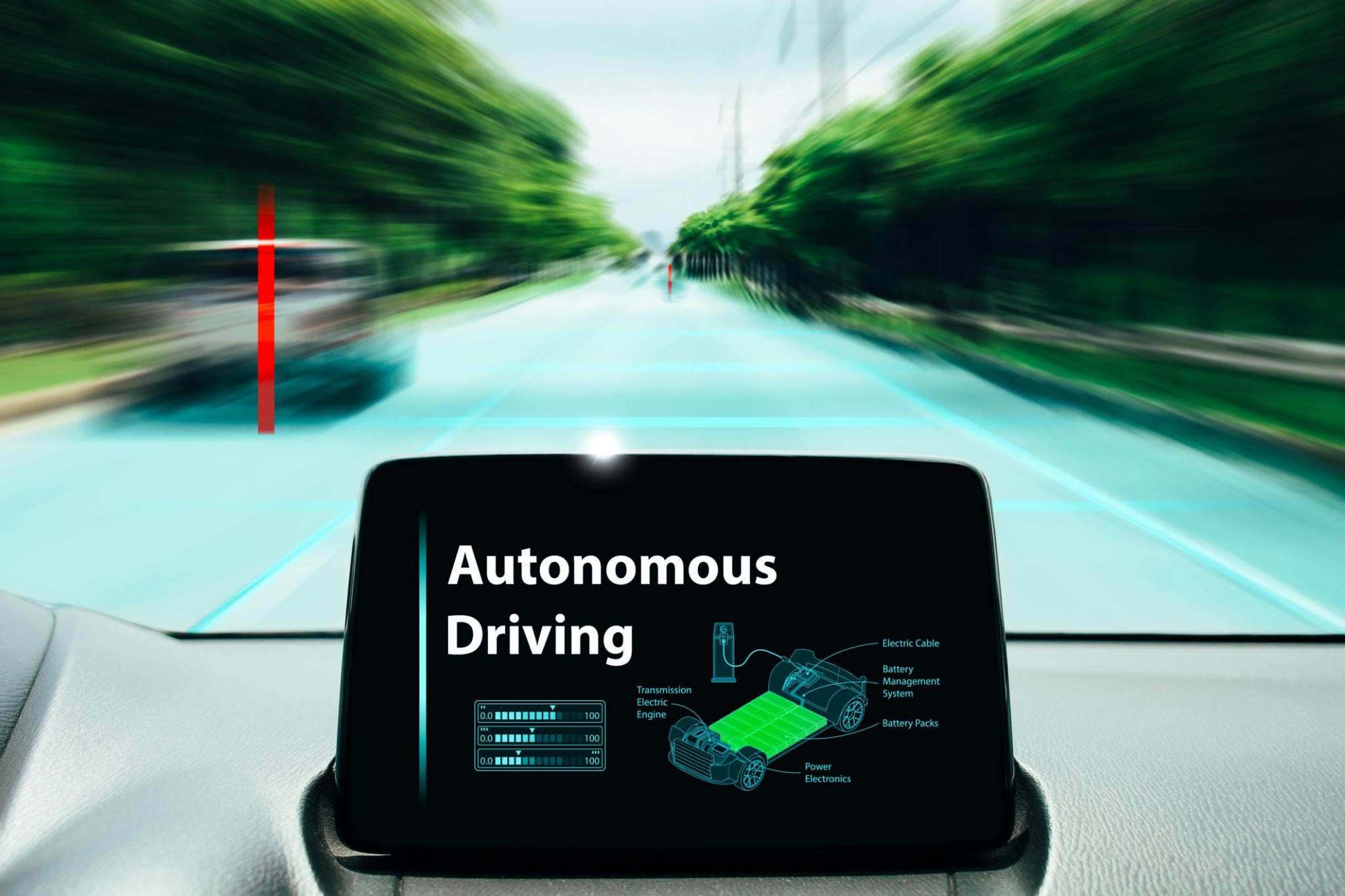
Over-the-air updates allow manufacturers to remotely update vehicle software without requiring a visit to a service center. These updates can include bug fixes, performance improvements, and in some cases, entirely new features that are unlocked through subscription payments.
Modern vehicles are designed with connected control units that receive updates via cellular or WiFi connections. This enables manufacturers to continuously improve vehicle performance long after purchase.
In subscription-based models, over-the-air updates may include performance upgrades, battery optimization improvements, and infotainment system enhancements. Some manufacturers even unlock additional horsepower or driving modes through paid updates.
This approach turns vehicles into evolving platforms rather than static machines. However, it also means that some capabilities may remain dormant until the owner chooses to activate them.
While convenient, this system raises questions about ownership rights. Many drivers feel that features already embedded in hardware should not require additional payments to unlock later.

8. Premium Sound System Equalizer
Modern cars often include advanced audio systems with multiple speakers, amplifiers, and digital signal processors. While basic audio playback is usually available to all users, premium equalizer settings and sound enhancement features are sometimes locked behind subscription plans.
When activated, these features allow drivers to customize audio profiles, enhance bass response, and simulate surround sound environments. Some systems also adjust audio output based on cabin acoustics for improved listening experiences.
Manufacturers use software to fine-tune sound performance, meaning the same hardware can deliver significantly different audio experiences depending on software access. This allows companies to sell audio upgrades without changing physical components.
Subscription models may also include access to streaming services, high-resolution audio formats, and personalized listening profiles. These features are designed to integrate entertainment more deeply into the driving experience.
For audiophiles, unlocking these enhancements can transform the in-car experience, making it feel more immersive and premium.
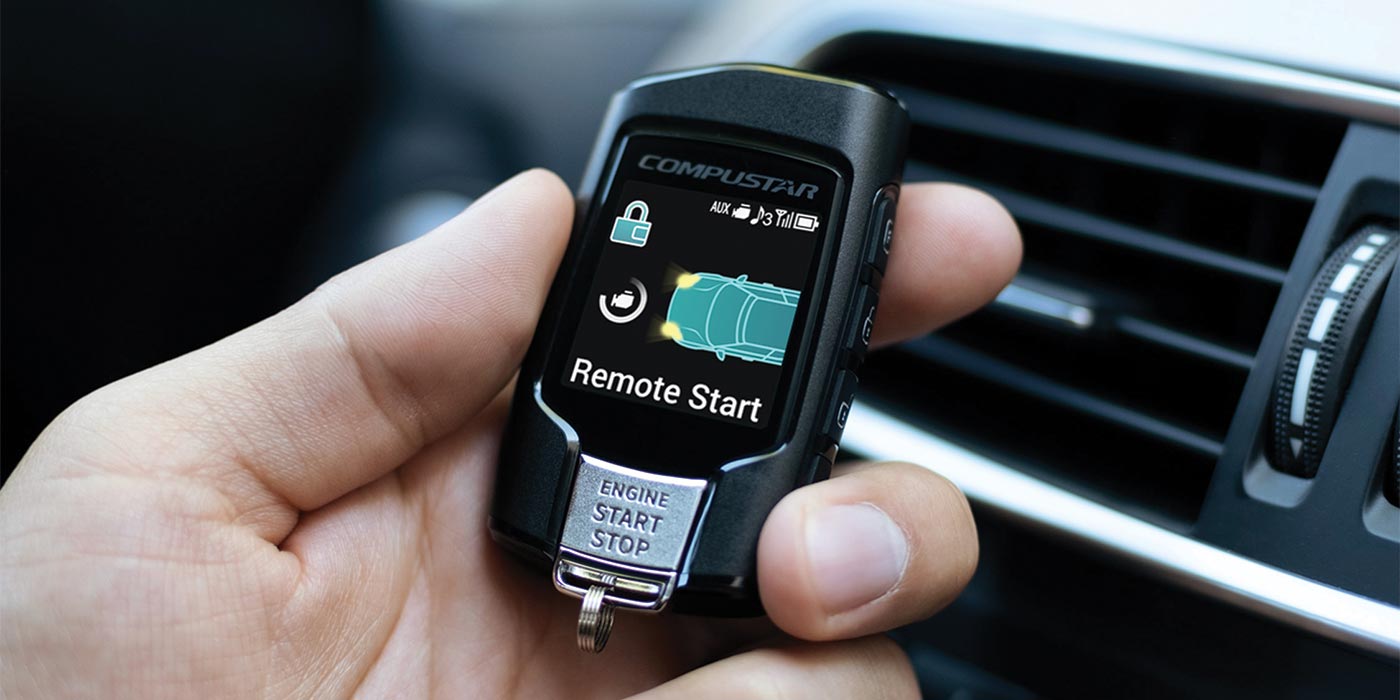
9. Remote Lock, Unlock, and Security Alerts
Remote locking and unlocking is a widely used connected car feature that allows drivers to control vehicle access from a smartphone. While basic versions may be included, advanced security alerts and remote monitoring are often subscription-based.
These systems allow users to lock or unlock their vehicles from anywhere in the world. They also provide notifications if doors are left open, windows are broken, or unauthorized access is attempted.
Some systems include GPS tracking, geofencing alerts, and real-time theft monitoring. If suspicious activity is detected, owners can receive instant alerts and take action remotely.
This feature is particularly valuable for urban drivers and those who frequently park in public spaces. It adds an extra layer of security and peace of mind.
However, reliance on subscriptions for essential security features raises concerns about long-term access if payments are discontinued.

10. Performance Modes and Driving Personalization
Performance modes and driving personalization systems allow drivers to adjust how their car behaves under different conditions. This includes steering sensitivity, throttle response, suspension stiffness, and braking behavior.
In many modern vehicles, the hardware required for these adjustments is already installed. Adaptive suspension systems, electronic throttle controls, and drive mode selectors are built into the vehicle architecture.
Subscription activation may unlock additional driving modes such as sport, eco, comfort, or custom profiles. These modes can significantly change driving dynamics and vehicle feel.
Some manufacturers also include AI-based personalization systems that learn driver habits and automatically adjust settings for optimal performance and comfort.
This feature highlights how modern cars are increasingly software-defined, where driving experience can be modified without physical changes.
