
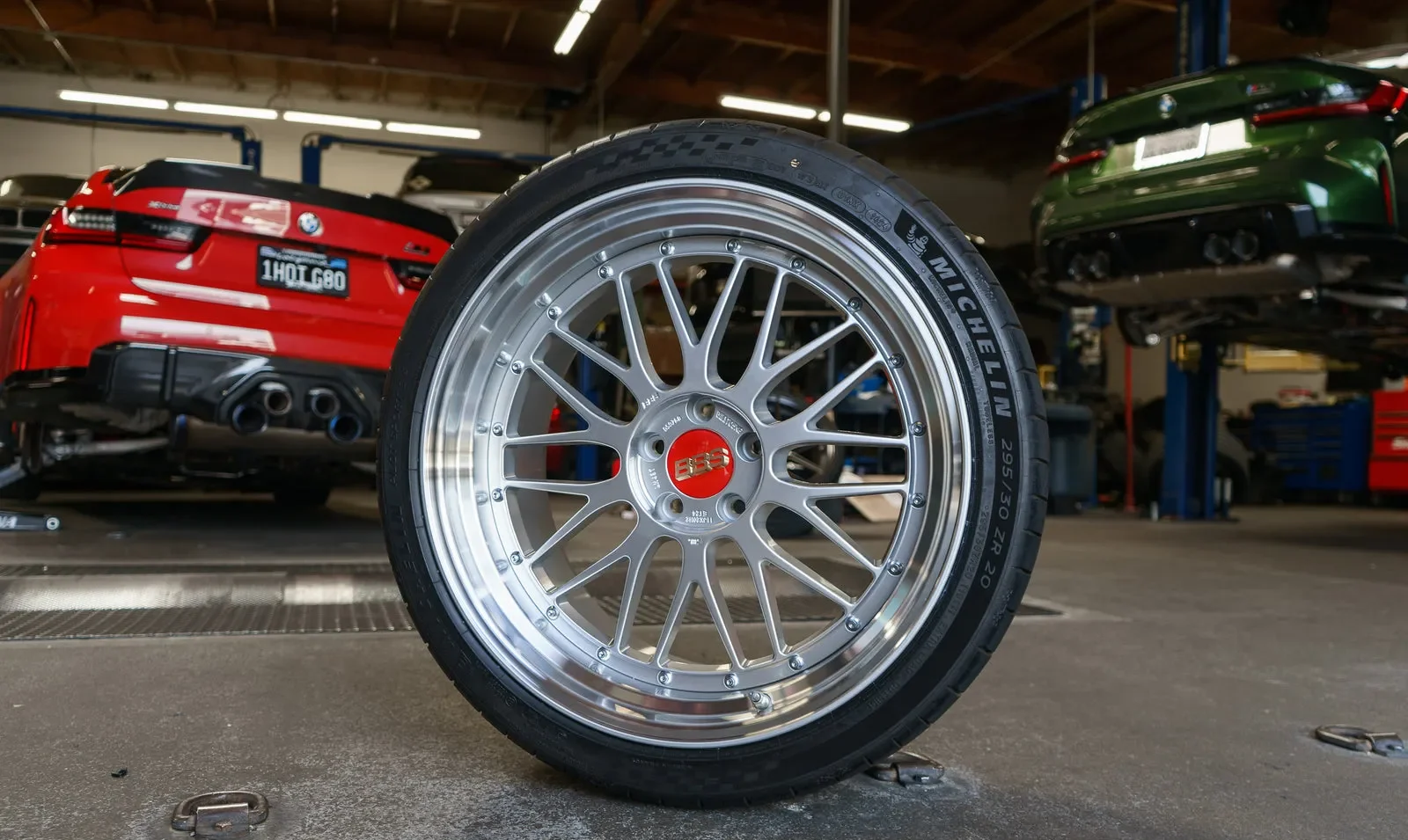
Buying a new car often feels exciting because modern vehicles come packed with premium features, luxury upgrades, and advanced technology packages designed to make driving more comfortable and enjoyable.
Many buyers walk into dealerships with a specific budget only to discover that adding a few attractive extras can increase the final price by thousands of dollars. Leather upholstery, panoramic sunroofs, advanced entertainment systems, oversized wheels, and premium sound packages may seem like worthwhile investments during the purchase process.
Dealers and manufacturers market these features aggressively because they improve the appearance of the vehicle and increase profit margins. However, many car owners fail to realize that expensive options rarely maintain their value over time. When it comes time to sell or trade in the vehicle, most buyers focus on reliability, mileage, condition, and maintenance history rather than luxury extras.
The automotive resale market operates very differently from the emotional environment of a showroom floor. A feature that feels impressive when the car is brand new may become outdated, unnecessary, or even undesirable several years later. Technology evolves rapidly, making once cutting-edge infotainment systems look old within a short period.
Cosmetic upgrades like oversized rims or custom paint often appeal only to a small group of buyers. In some cases, certain expensive options can even hurt resale value because they increase repair costs or create long-term maintenance concerns. Buyers shopping for used cars typically want practicality and affordability instead of high-maintenance luxury equipment.
Understanding which options fail to hold value can save buyers thousands of dollars over the life of a vehicle. Smart purchasing decisions involve separating emotional wants from financially sensible choices. While there is nothing wrong with paying for features that genuinely improve personal enjoyment, buyers should understand that many premium options are poor investments from a resale standpoint.
Spending heavily on upgrades with weak resale value can result in significant depreciation losses. Some options may increase the monthly payment dramatically while adding almost nothing to the future selling price of the car.
This article explores ten common car options that frequently add thousands to the purchase price but contribute very little to resale value. Each section explains why these upgrades lose value quickly, how buyers perceive them in the used car market, and what vehicle owners should consider before spending extra money.
Whether purchasing a luxury sedan, SUV, pickup truck, or sports car, understanding these depreciation traps can help consumers make more financially informed decisions while still enjoying their vehicles.
Also Read: 10 Fastest Hennessey-Tuned Models & Ranked by Top Speed
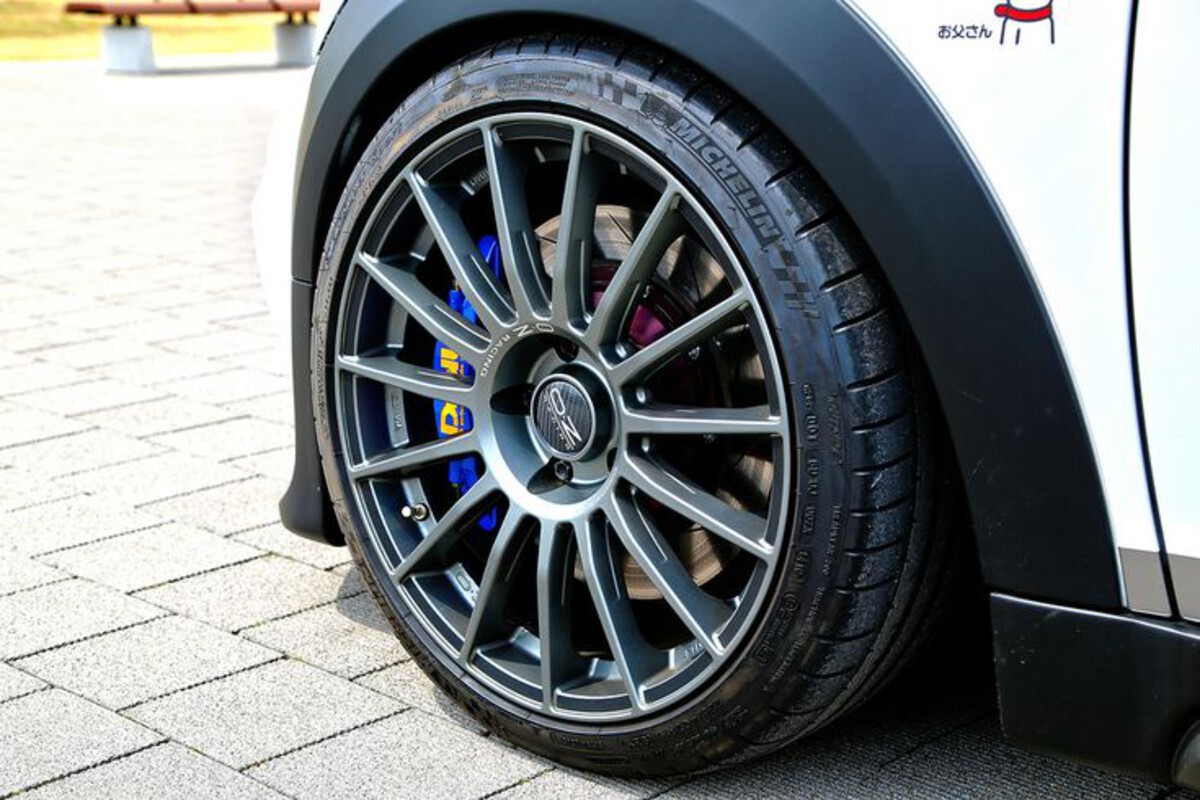
1. Oversized Premium Wheels
Large premium wheels are among the most expensive cosmetic upgrades available on modern vehicles. Many automakers offer wheel packages that can add anywhere from one thousand to five thousand dollars to the purchase price.
These oversized alloy wheels often improve the appearance of the car dramatically and help create a sportier, more aggressive look. Buyers frequently choose them because they enhance curb appeal and make the vehicle stand out from standard trims on the road.
Despite their visual appeal, oversized wheels usually contribute very little to resale value. Used car buyers rarely pay extra simply because a vehicle has larger factory wheels.
Most shoppers prioritize tire condition, ride comfort, fuel efficiency, and maintenance history over wheel design. In many cases, larger wheels actually create concerns because replacement tires are more expensive, and the ride quality can become harsher compared to smaller wheel setups.
Another issue is damage and wear. Large wheels are more vulnerable to curb rash, pothole damage, bent rims, and uneven tire wear. Potential buyers may see damaged wheels as a future expense rather than a premium feature. Expensive wheel packages also lose their exclusivity quickly because automotive styling trends change rapidly. A wheel design that looks modern today may appear dated within a few years.
Performance benefits are often minimal for everyday drivers. While enthusiasts may appreciate larger wheels for handling improvements, the average used car buyer focuses more on affordability and practicality.
Luxury wheel packages rarely return their original cost during resale or trade-in negotiations. Dealers typically value the vehicle based on trim level, mileage, and condition instead of optional wheel upgrades.
For buyers who truly enjoy the look of premium wheels, the upgrade may still provide personal satisfaction. However, it should be viewed as a lifestyle expense rather than an investment. Spending several thousand dollars on factory wheel packages almost never translates into equivalent resale value later.

2. Panoramic Sunroofs
Panoramic sunroofs have become one of the most popular premium features in modern vehicles. These large glass roof systems create an open and airy cabin atmosphere that many buyers find luxurious and visually impressive.
Automakers frequently include panoramic roofs in expensive option packages that can raise the vehicle price significantly. In some SUVs and luxury sedans, this feature alone may cost more than two thousand dollars.
Although panoramic sunroofs look attractive in showrooms, they add surprisingly little value in the used car market. Most secondhand buyers do not specifically seek out this feature, especially when purchasing older vehicles.
Over time, concerns about reliability and maintenance become more important than visual appeal. Panoramic roofs include complex mechanical systems, drainage channels, seals, and motors that can develop expensive problems as the vehicle ages.
Leaks are among the most common complaints associated with panoramic sunroofs. Water intrusion can damage interior electronics, headliners, carpets, and upholstery. Repairing drainage systems or replacing roof mechanisms can become very expensive. Used car buyers who are aware of these potential issues may avoid vehicles equipped with large sunroof systems altogether.
Another factor affecting resale value is climate preference. In extremely hot regions, many drivers rarely use panoramic roofs because excessive sunlight increases cabin temperatures dramatically.
Some owners eventually keep the roof permanently covered with the interior shade, reducing the practical value of the feature. Buyers looking for fuel efficiency may also dislike the slight weight increase associated with large glass roof systems.
Insurance and repair costs can also rise due to panoramic roofs. Replacing damaged roof glass is much more expensive than repairing a standard metal roof. As vehicles age, buyers tend to prioritize reliability and lower ownership costs over luxury features that may require future repairs.
Panoramic sunroofs certainly enhance the ownership experience for many people, but they rarely provide meaningful financial returns during resale. Consumers considering this option should purchase it for personal enjoyment rather than future value retention.
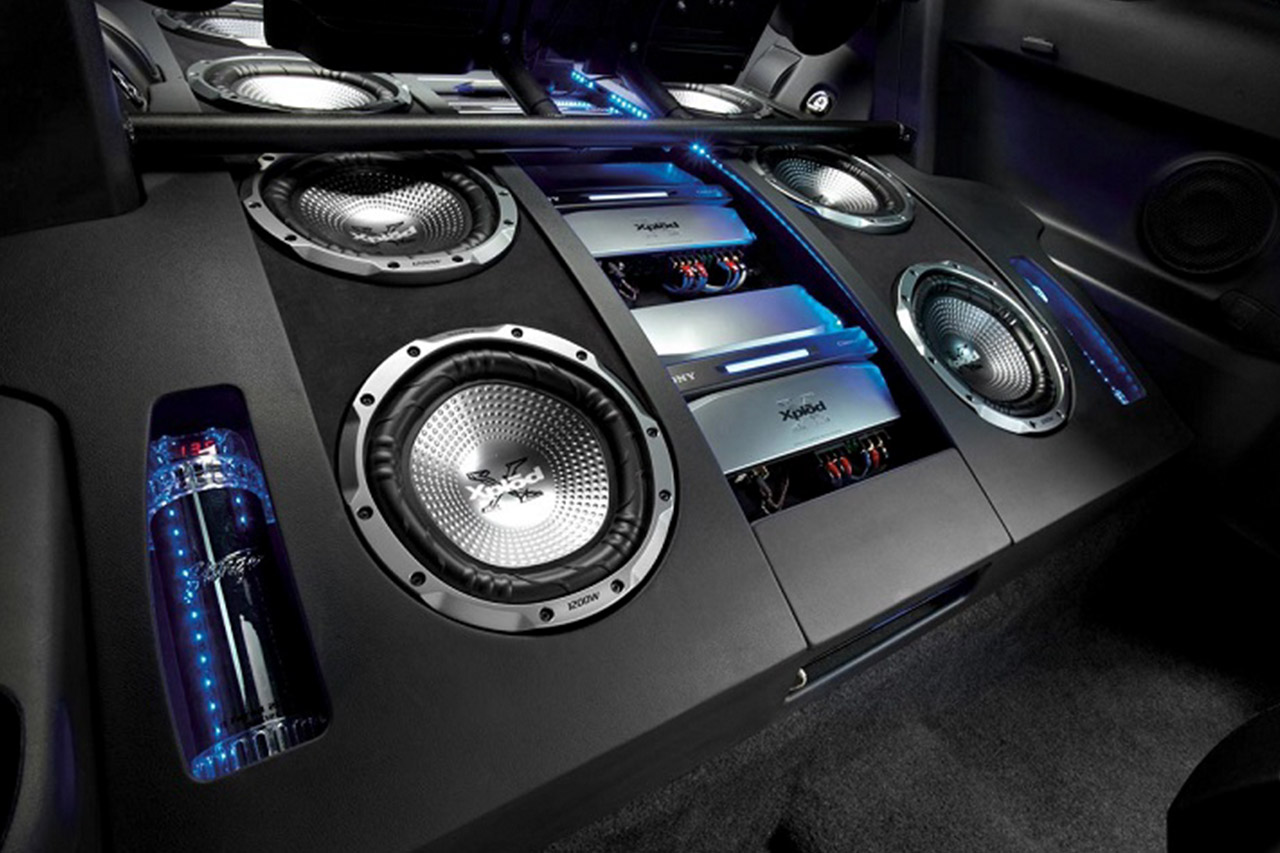
3. Premium Factory Audio Systems
Premium audio systems are heavily marketed by automakers as luxury upgrades that transform the driving experience. Brands partner with famous audio companies to create high-end speaker systems featuring advanced amplifiers, surround sound technology, and multiple speaker configurations throughout the cabin. These systems often cost thousands of dollars when included as part of luxury packages or standalone upgrades.
At the time of purchase, premium sound systems can feel impressive during test drives. Rich bass, enhanced clarity, and immersive sound quality may justify the additional expense for music enthusiasts. However, these expensive audio upgrades lose value quickly in the used car market because technology evolves rapidly and buyer preferences vary widely.
Most used car shoppers are unwilling to pay substantially more for upgraded speakers. Many buyers simply connect smartphones through Bluetooth and prioritize convenience over audiophile quality. Unlike performance upgrades or safety features, premium sound systems rarely influence final purchase decisions significantly. Dealers also tend to assign minimal additional trade-in value to upgraded factory audio packages.
Technology depreciation plays a major role in reducing resale value. Infotainment systems and audio interfaces can become outdated within just a few years. Features that once felt advanced may eventually appear slow, incompatible, or obsolete compared to newer systems available in current vehicles. As technology changes, the original premium price becomes difficult to justify.
Repair costs also concern buyers. Factory premium audio systems often rely on specialized components that are expensive to replace if damaged. Amplifier failures, speaker issues, and touchscreen malfunctions can lead to costly repairs that discourage secondhand buyers from paying extra for these features.
Additionally, aftermarket audio upgrades are widely available at lower costs. Buyers interested in better sound quality may prefer installing custom systems themselves instead of paying more for factory equipment included in a used car purchase price. This further reduces the resale advantage of premium audio packages.
For drivers who spend long hours commuting and value exceptional sound quality, factory audio systems may still enhance daily enjoyment. Financially speaking, however, they rarely recover their initial cost during resale or trade-in negotiations.
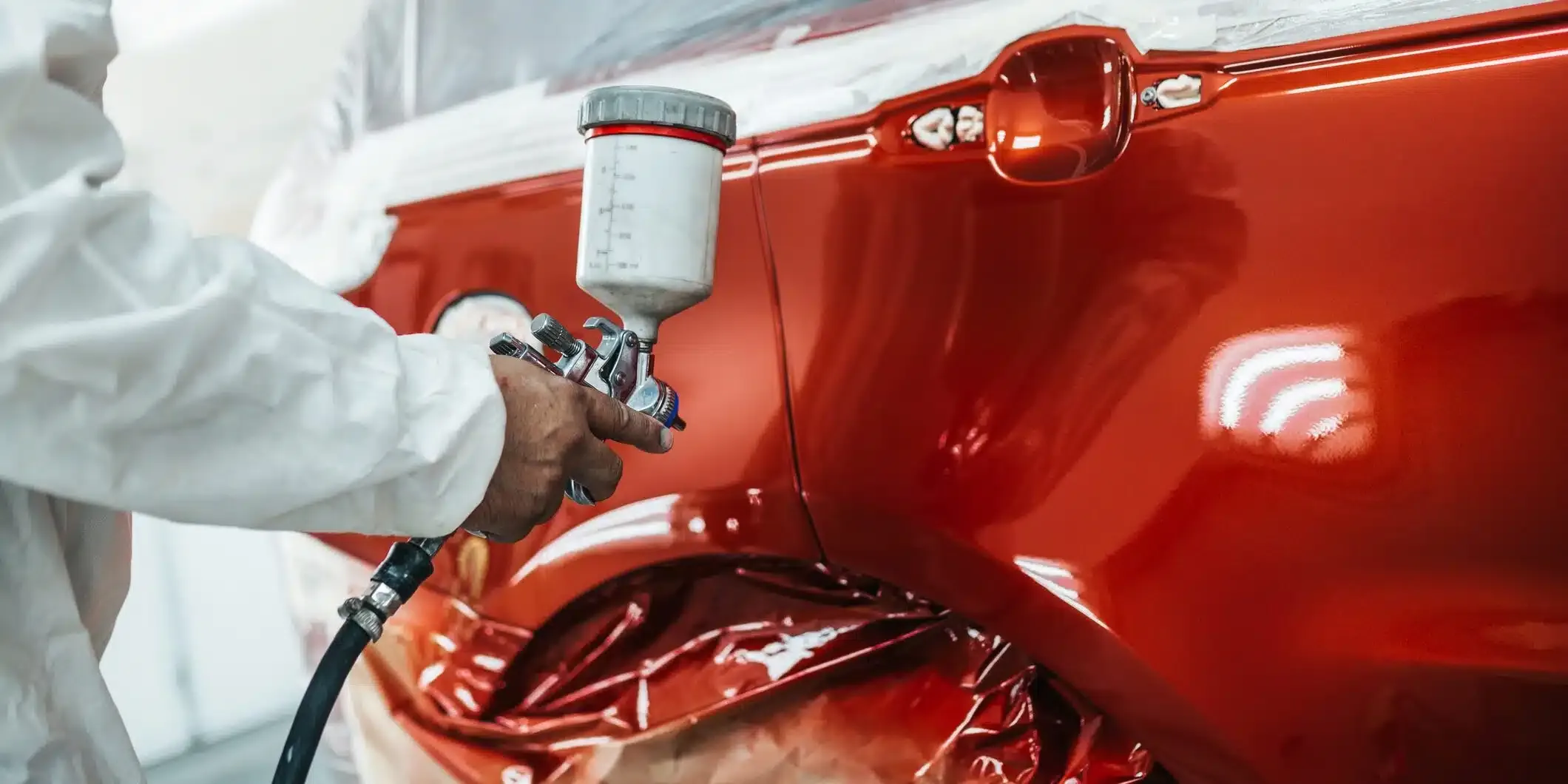
4. Custom Paint Colors
Automakers increasingly offer unique paint colors designed to help vehicles stand out from the crowd. Premium metallic finishes, matte paint options, pearl coatings, and exclusive colors can add several thousand dollars to a new vehicle purchase. Luxury manufacturers especially promote special paint programs as symbols of exclusivity and personalization.
While custom paint colors may create a striking appearance, they often contribute little to resale value and can sometimes make resale more difficult.
The used car market generally favors neutral colors such as black, white, silver, and gray because they appeal to the broadest range of buyers. Bold or unusual colors attract smaller audiences and may limit demand when selling the vehicle.
Personal taste plays a huge role in paint preferences. A bright orange sports car or lime green SUV may perfectly suit one owner, but discourage many potential buyers later. Vehicles with unconventional paint schemes can sit on dealer lots longer because fewer customers are willing to purchase them. As a result, dealerships may offer lower trade-in values to offset slower resale potential.
Repair costs also affect buyer perception. Special paint finishes are often more expensive and difficult to repair after scratches, dents, or accidents. Matching certain pearl or matte finishes requires specialized work that increases body shop costs significantly. Buyers aware of these expenses may avoid paying extra for rare paint options.
Matte finishes present additional challenges because they require unique cleaning methods and cannot be polished traditionally. Improper maintenance can permanently damage the finish, creating long-term ownership concerns. Used car buyers typically prioritize practicality and ease of maintenance over exclusivity.
Luxury manufacturers sometimes market limited edition colors as collectible features, but true value appreciation remains rare outside exotic or historically significant vehicles. Most mainstream vehicles simply experience normal depreciation regardless of expensive paint upgrades.
Consumers who genuinely love a unique color should not avoid it entirely, but they should understand that custom paint is usually a personal preference expense rather than a smart financial investment.
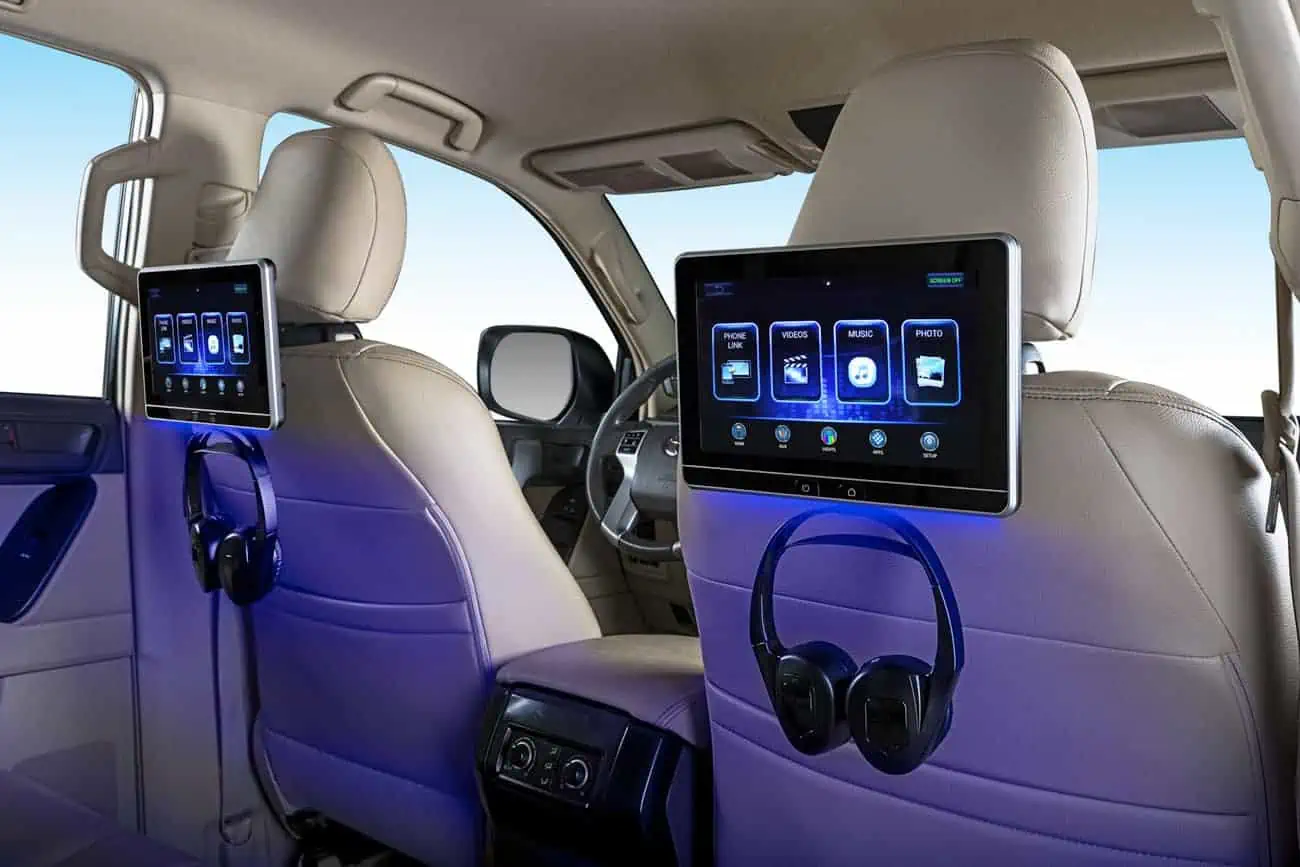
5. Rear Seat Entertainment Systems
Rear seat entertainment systems were once considered premium family-oriented upgrades that added luxury and convenience to SUVs and minivans. These systems often included ceiling-mounted screens, DVD players, wireless headphones, gaming inputs, and multimedia controls designed to keep passengers entertained during long trips. In the past, they represented cutting-edge in car entertainment technology.
Today, rear entertainment systems add very little resale value because personal devices have largely replaced them. Tablets, smartphones, and portable streaming devices provide more flexible and affordable entertainment options for passengers.
Most families now rely on individual screens rather than integrated vehicle systems, making factory entertainment packages less relevant than they once were.
Technology obsolescence happens quickly in this category. Older DVD-based systems may feel outdated within only a few years as streaming services dominate media consumption. Buyers shopping for used vehicles often see built-in entertainment systems as old technology rather than premium equipment worth paying extra for.
Maintenance and repair concerns further reduce resale appeal. Integrated screens, wiring systems, remote controls, and audio components can fail over time. Replacing factory entertainment hardware may become expensive, especially if parts are discontinued. Buyers seeking reliable transportation often prefer simpler vehicles without aging electronics that could require repairs.
Another factor is changing family priorities. Parents today may value advanced safety systems, cargo space, fuel economy, and connectivity features more than built-in rear entertainment equipment. As a result, these systems rarely influence resale negotiations significantly.
Even luxury SUVs equipped with expensive multimedia packages typically experience minimal resale benefits from rear entertainment options. Dealers often focus primarily on mileage, condition, and service history when evaluating trade-in values.
For families who frequently travel long distances, rear entertainment systems can still improve the ownership experience. However, buyers should recognize that these packages depreciate rapidly and rarely provide meaningful returns when selling or trading the vehicle later.
Also Read: 10 Honda Cars Cheaper In Japan Than in the USA
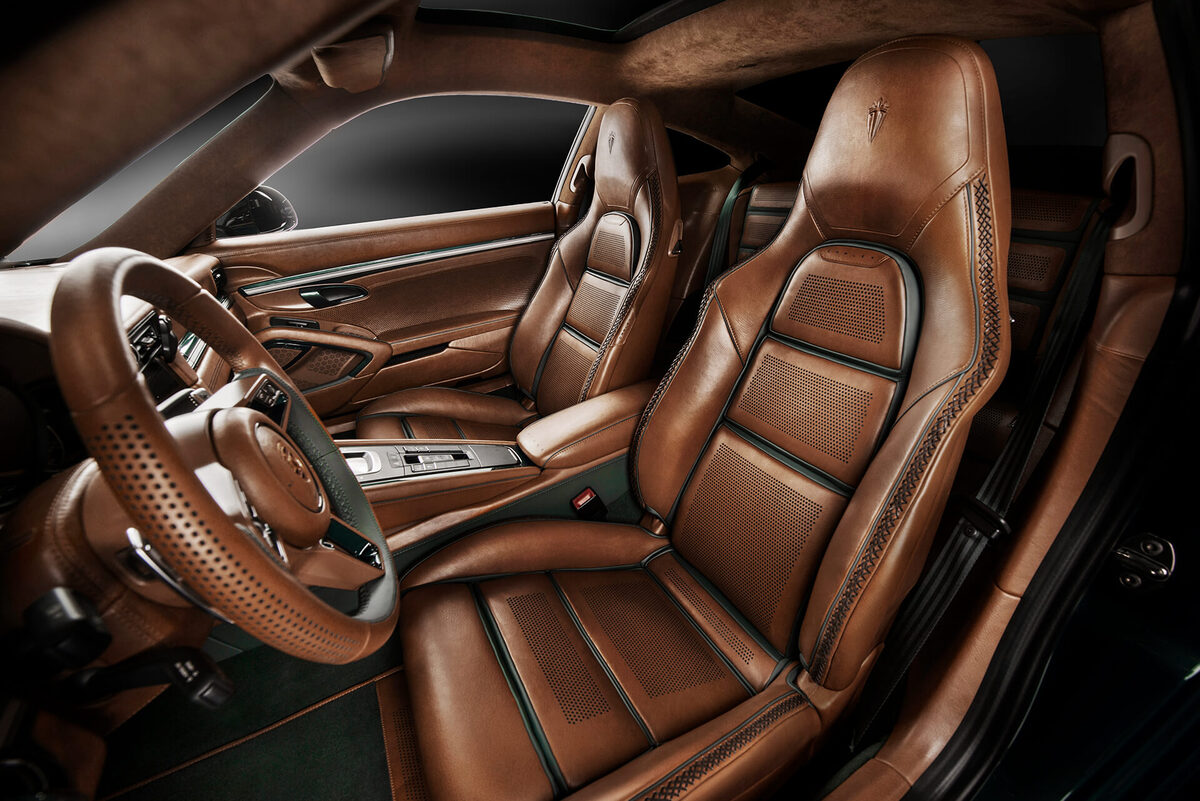
6. High-End Leather Interior Packages
Luxury leather interiors remain one of the most common premium upgrades offered by automakers. Soft leather seats, contrast stitching, ventilated seating surfaces, premium dashboard materials, and upgraded trim pieces create a sophisticated cabin environment that appeals strongly to many new car buyers. These packages often cost several thousand dollars and are heavily promoted in luxury vehicle advertising.
Although leather interiors can improve comfort and appearance, they generally fail to retain strong resale value relative to their original cost. Used car buyers appreciate clean interiors, but they rarely pay significantly more specifically for upgraded leather packages. Condition matters far more than material type in the secondhand market.
Leather interiors also age differently depending on maintenance and climate conditions. Cracking, fading, stretching, discoloration, and wear become more noticeable over time, especially in vehicles exposed to strong sunlight or frequent use. Buyers inspecting used cars may focus on visible wear rather than the original luxury appeal of the interior package.
Maintenance requirements further reduce practical value. Leather seats require conditioning, cleaning, and protection to remain attractive. Neglected leather can deteriorate quickly and become expensive to restore. Some buyers actually prefer cloth interiors because they are easier to maintain and less susceptible to extreme temperatures.
Modern synthetic materials have also improved dramatically. Many newer cloth and artificial leather interiors provide comfort and durability comparable to genuine leather at lower costs. As these materials become more common, traditional leather loses some of its exclusivity and resale advantage.
Luxury interior packages may contribute slightly to resale value in high-end vehicles, but the return is usually much lower than the original purchase price. Spending several thousand dollars on premium interior upgrades often results in only modest resale benefits years later.
Drivers who value comfort, aesthetics, and a premium cabin atmosphere may still enjoy leather packages during ownership. Financially, however, these upgrades should be viewed primarily as personal lifestyle choices rather than profitable investments.

7. Advanced Driver Personalization Features
Modern vehicles increasingly offer advanced personalization technology that allows drivers to customize seating positions, ambient lighting, climate settings, steering preferences, and digital display configurations.
Some luxury models even include biometric profiles, gesture controls, and AI-driven personalization systems. These features are often bundled into expensive technology packages that significantly increase purchase prices.
Despite their futuristic appeal, advanced personalization features contribute very little to long-term resale value. Most used car buyers focus on core functionality and reliability rather than highly specialized customization technology. Features that once seemed innovative can quickly become outdated as automotive software evolves rapidly.
Complex electronics also create reliability concerns. Personalized memory systems rely on sensors, motors, software modules, and electronic controls that may malfunction as the vehicle ages. Repairing these systems can become expensive and frustrating. Buyers shopping for older vehicles may actually prefer simpler technology setups with fewer potential failure points.
Another issue involves changing technology standards. Infotainment interfaces and digital customization systems can feel outdated much faster than mechanical vehicle components. A personalization system considered advanced today may appear slow or unintuitive within a few years compared to newer automotive software platforms.
Many drivers also underuse these features after the initial excitement fades. Owners often configure settings once and rarely adjust them again. As a result, future buyers may not see sufficient practical value to justify paying more for vehicles equipped with extensive personalization technology.
Privacy concerns are another emerging factor. Some advanced systems collect user data, driving habits, and profile information that certain buyers may dislike. Simpler vehicles with fewer digital tracking features can sometimes appeal more strongly to privacy-conscious consumers.
Luxury automakers continue developing increasingly sophisticated personalization systems, but their resale impact remains relatively weak. Buyers considering expensive technology packages should understand that software-driven luxury features depreciate rapidly and rarely maintain strong financial value over time.
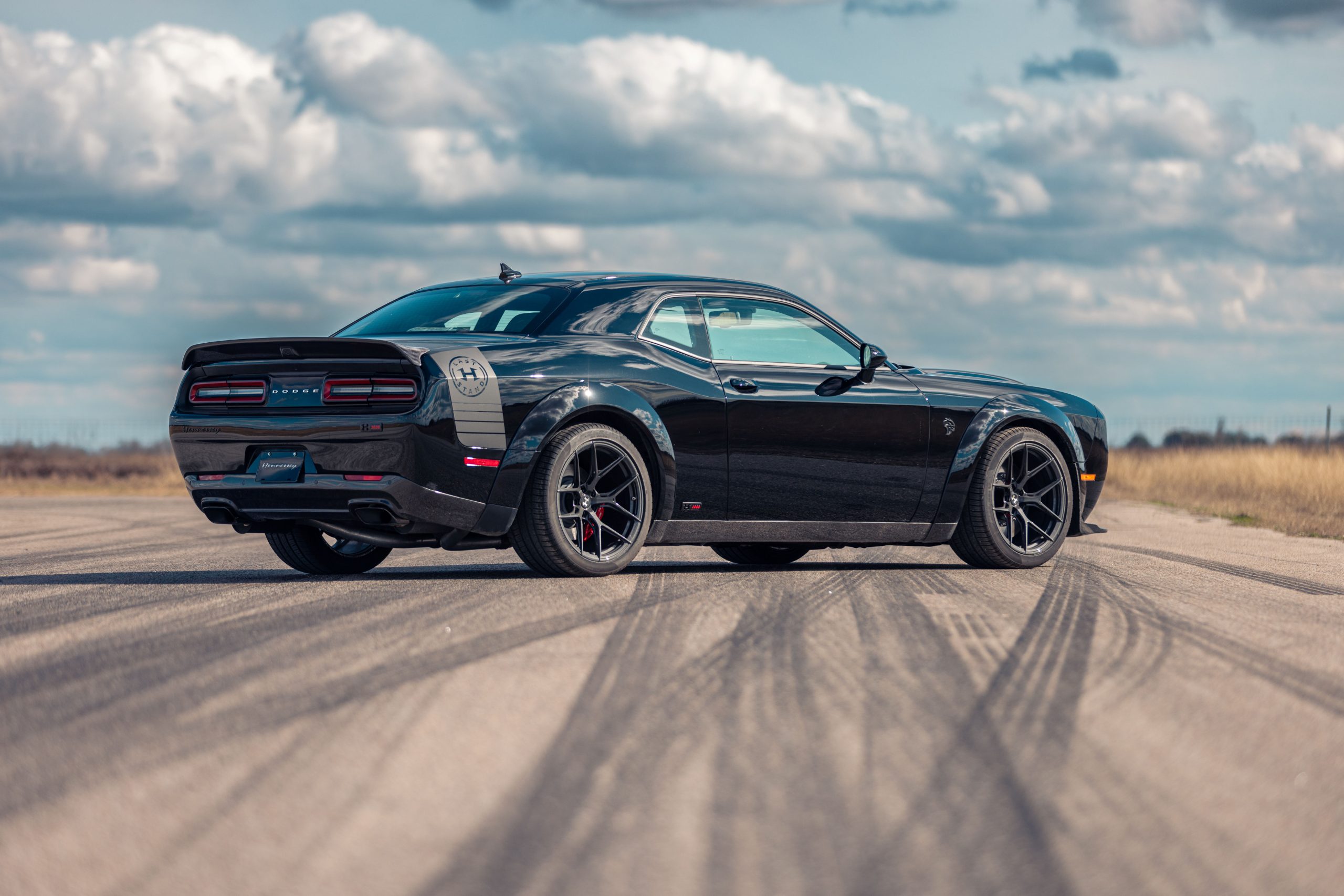
8. Performance Appearance Packages
Performance appearance packages are designed to make vehicles look sportier without necessarily improving actual performance significantly. These packages often include aggressive body kits, spoilers, sport seats, special badging, black trim elements, unique lighting designs, and cosmetic exhaust enhancements. Automakers market them heavily because they create emotional appeal and visually differentiate higher trim levels.
While these packages can dramatically improve showroom appeal, they often add little to resale value. Cosmetic styling preferences vary widely among buyers, and sporty appearance upgrades may not appeal to the broader used car market. Many secondhand buyers prioritize affordability, comfort, and reliability over aggressive aesthetics.
Trends in automotive styling also change quickly. Design elements considered modern and attractive today may appear excessive or outdated several years later. Large spoilers, dark trim packages, and aggressive body kits can lose popularity rapidly as consumer preferences evolve.
Insurance costs may increase slightly for vehicles marketed as sporty or performance oriented, even when actual performance improvements are minimal. Some buyers avoid these vehicles because they associate them with harder driving or increased maintenance risks.
Repair expenses can also become problematic. Custom bumpers, side skirts, spoilers, and trim pieces are often more expensive to replace after accidents or parking damage. Buyers aware of these costs may hesitate to pay extra for appearance-focused upgrades.
True performance enthusiasts typically seek vehicles with genuine mechanical improvements rather than purely cosmetic packages. As a result, appearance-focused upgrades often fail to command strong resale premiums compared to actual performance modifications such as upgraded engines or suspension systems.
Automakers profit substantially from performance appearance packages because production costs are often relatively low compared to retail pricing. Consumers should recognize that these packages primarily provide visual enjoyment during ownership rather than long-term financial value.
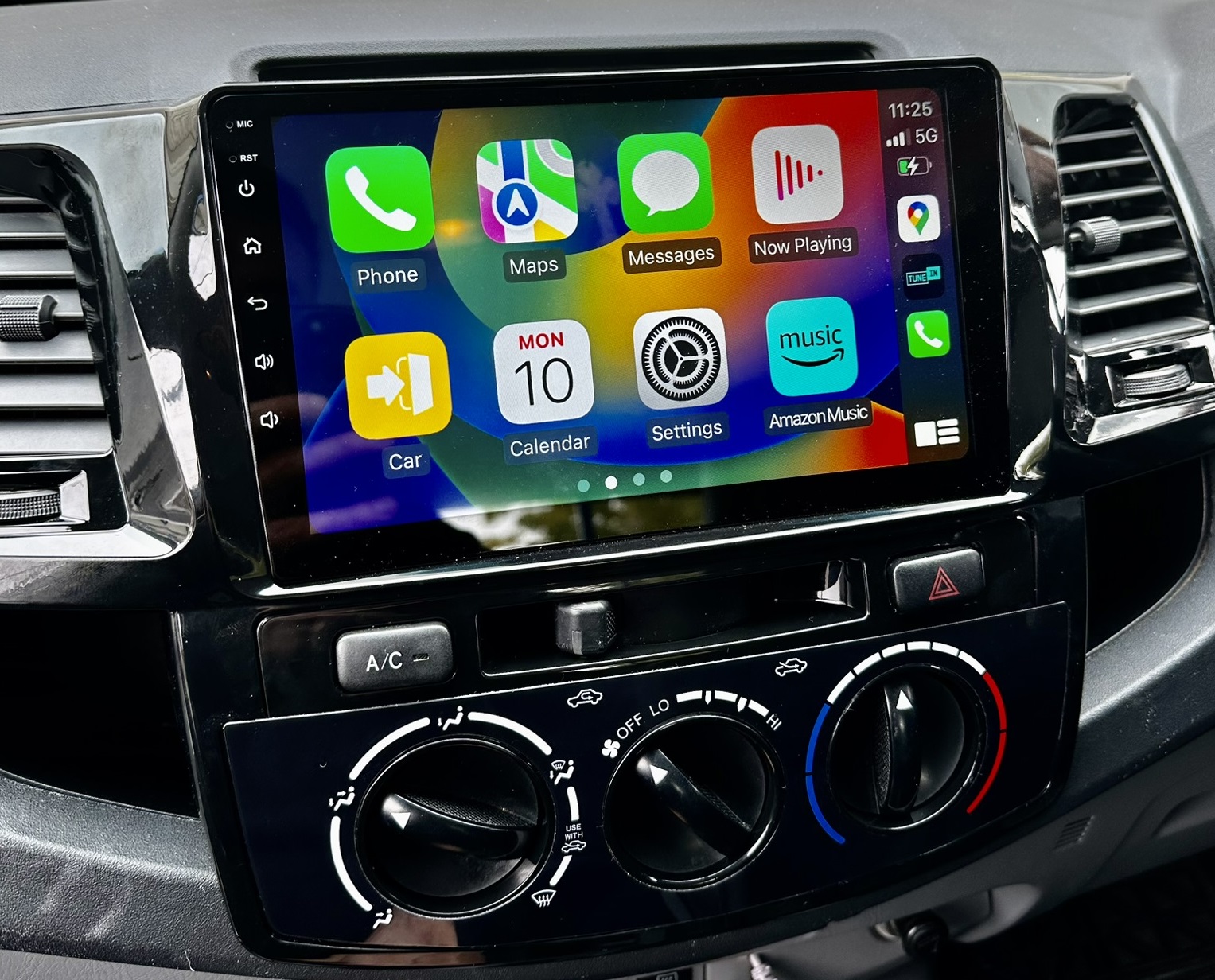
9. Built-In Navigation Systems
Built-in navigation systems were once considered revolutionary automotive technology. Drivers appreciated having integrated maps, voice guidance, and route planning directly within the vehicle dashboard. Manufacturers charged substantial premiums for factory navigation systems, especially before smartphone navigation became widespread.
Today, built-in navigation systems contribute very little to resale value because smartphone apps have largely replaced them. Applications like Google Maps and other navigation platforms provide real-time traffic updates, faster software improvements, and more accurate data than many factory systems. Most drivers now prefer using phones connected through Apple CarPlay or Android Auto rather than relying on outdated built-in maps.
Technology depreciation significantly impacts factory navigation systems. Software interfaces age quickly, map updates can become expensive, and processing speeds may feel slow compared to modern mobile devices. Buyers shopping for used vehicles rarely pay extra for navigation systems that may already seem technologically obsolete.
Map update costs create additional concerns. Some manufacturers charge subscription fees or expensive update prices to maintain accurate navigation data. Buyers may prefer avoiding these systems entirely if they plan to use smartphone navigation instead.
Screen failures and infotainment malfunctions can also become expensive repair issues. Integrated navigation hardware often requires specialized replacement parts that increase ownership costs. Simpler infotainment setups paired with smartphone connectivity are now viewed as more practical by many consumers.
Luxury vehicles once relied heavily on advanced factory navigation systems as prestige features, but changing technology habits have reduced their importance dramatically. Buyers increasingly expect smartphone integration rather than standalone navigation hardware.
Consumers purchasing new vehicles should think carefully before paying large premiums for factory navigation packages. In most cases, the resale advantage is minimal because modern buyers already carry superior navigation technology in their pockets every day.
10. Special Edition Trim Packages
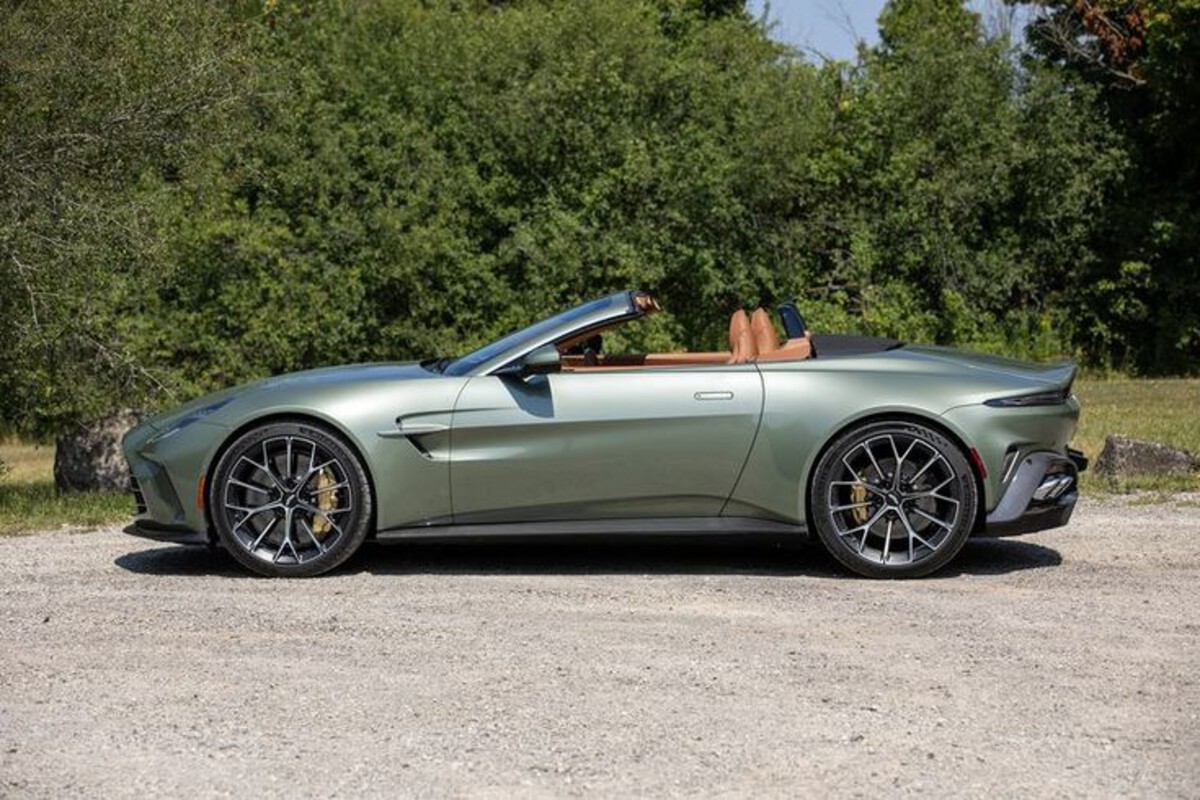
Automakers frequently release special edition trims designed to create exclusivity and excitement around specific models. These packages may include unique badges, custom wheels, exclusive colors, upgraded interiors, decorative trim, and limited production styling features. Manufacturers often price these editions significantly above standard trims to capitalize on consumer interest.
Although special edition vehicles can feel unique and desirable when new, most fail to maintain meaningful resale premiums over time. True collectible value is extremely rare outside of limited production sports cars, exotic vehicles, or historically significant models. Mainstream special editions generally depreciate like regular vehicles despite their higher initial prices.
Many buyers overestimate the future collectability of special edition trims. Dealers often market these vehicles aggressively, using words such as exclusive, limited, or rare, encouraging buyers to believe they are purchasing something that will hold value exceptionally well. In reality, most special editions are produced in relatively large numbers and offer mostly cosmetic differences.
Used car buyers usually focus more on practical factors such as mileage, reliability, fuel economy, and maintenance records than decorative trim upgrades. Special badging or unique interior accents rarely justify significantly higher resale prices in everyday vehicle categories.
Insurance and repair costs can also increase slightly for limited trim packages because replacement parts may be harder to source. Unique wheels, body panels, or interior components may cost more to repair after damage, reducing practical appeal for secondhand buyers.
Automotive trends change rapidly as well. Styling themes and branding concepts that feel exciting during launch periods may lose relevance within a few years. A special edition designed around a temporary trend may eventually appear dated instead of exclusive.
There are exceptions in the collector car world, particularly involving rare performance vehicles or iconic automotive milestones. However, the vast majority of mainstream special edition packages provide emotional satisfaction rather than long-term financial benefits. Buyers should approach them as personal enjoyment purchases rather than guaranteed value-preserving investments.
