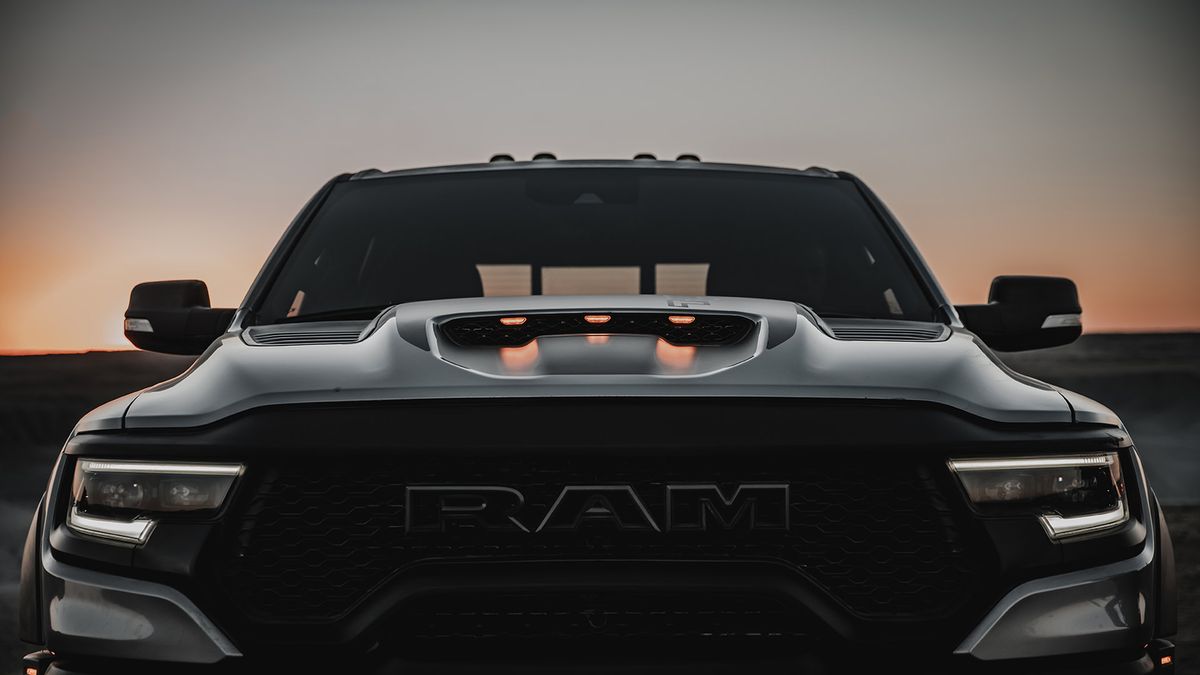
If you drive a modern electric pickup or a vehicle equipped with a high-voltage Positive Temperature Coefficient (PTC) ceramic heating element, you get blasted with hot air almost instantly.
If you drive a traditional heavy-duty diesel or a high-efficiency small-displacement gas truck without an auxiliary heater, you are in for a long, shivering wait.
The delta between these two worlds is widening significantly. As automotive engineering moves toward electrification and thermal management sophistication, the mechanics of cabin heating are fracturing.
This content breaks down the market into two distinct realities. We look at five trucks utilising advanced supplemental heating elements, heat pumps, or electric high-voltage systems that deliver cabin heat within 60 seconds of a cold start.
On the flip side, we break down five trucks relying entirely on legacy coolant loops or large cast-iron diesel blocks that can take up to 20 minutes to achieve comfortable interior operating temperatures in deep-winter conditions.
To understand why a select group of modern trucks can heat an entire cabin in under a minute, you have to look past the standard radiator loop.
Traditional automotive HVAC systems are entirely passive; they wait for the engine’s coolant to reach roughly 140°F to 180°F before a blend door opens, allowing an interior fan to blow air across the mini-radiator known as a heater core.
When outside temperatures drop below freezing, an aluminium or iron engine block takes several minutes of operation under load just to register a temperature change.
To bypass this mechanical lag, engineers utilise two primary technologies: high-output electrical PTC elements and advanced thermodynamic refrigerant reversing systems. A PTC ceramic heater acts like a heavy-duty hair dryer built directly into your dashboard’s plenum chamber.
When voltage is applied to these ceramic stones, they generate localised resistance heat instantly, scaling down their power consumption as they reach operational thresholds to prevent overheating.
In pure electric vehicles, this is paired with or replaced by a heat pump system. Instead of burning raw chemical or electrical energy to create heat, an automotive heat pump uses a closed-loop refrigerant cycle to absorb low-grade ambient thermal energy from the outside air, compresses it to multiply its temperature, and discharges it directly into the cabin.
When paired with high-voltage battery packs, these systems skip the combustion warming curve entirely, delivering instant comfort straight out of the driveway.
ALSO READ: 8 Trucks Construction Fleet Managers Buy First Every Time
5 Trucks With Heaters That Warm Up in 60 Seconds
1. Ford F-150 Lightning (Dual-Zone PTC & Heat Pump System)
The Ford F-150 Lightning handles sub-zero temperatures using a split thermal management strategy. Rather than waiting for a mechanical engine block to build friction heat, the Lightning routes high-voltage current directly from its lithium-ion battery pack into an advanced PTC cabin heater loop.
Starting with the mid-generation updates, Ford integrated an advanced vapour-injection heat pump system that operates down into deep sub-zero environments, minimising the immense battery draw that older resistive-only heaters suffered from.
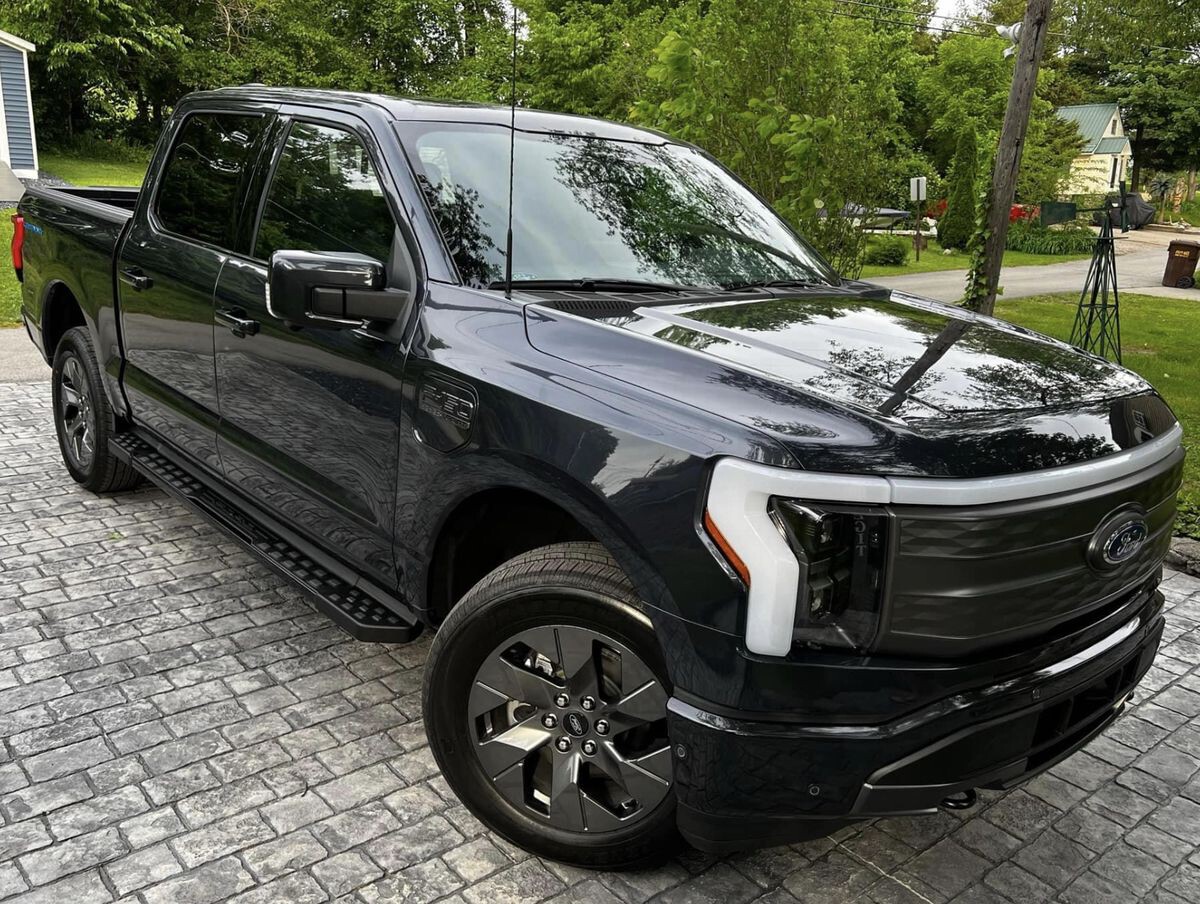
When you trigger the remote start via the FordPass application or step into the cabin, the high-voltage PTC heater receives immediate power.
Because it does not rely on fluid expansion or slow mechanical warming cycles, the air coming out of the vents reaches over 95°F within roughly 45 seconds of activation.
Also, Ford’s electronic control units partition battery conditioning pathways separately from cabin comfort loops. This prevents the interior HVAC from fighting the battery pack for thermal dominance, an engineering choice documented extensively in Ford’s official fleet towing and winter operating guidelines.
The structural advantage of this system is that it delivers peak heat output while the vehicle is completely static. Traditional combustion trucks must be driven under load to generate rapid thermal waste; the Lightning can sit completely still in a snowdrift and clear its entire windshield of thick frost in less than a minute without emitting a single gram of tailpipe emissions or wasting mechanical kinetic energy.
- Engine: Dual Three-Phase Fixed Magnet AC Electric Motors
- Torque: 775 lb-ft
- Horsepower: 580 hp
- Length: 232.7 inches
- Width: 80.0 inches (Mirrors folded)
2. Rivian R1T (High-Voltage Resistive Air Heater Platform)
Rivian’s approach to cold-weather performance relies on a dedicated 400°F resistive air heating system tucked directly into the primary HVAC module behind the dashboard.
Because the R1T lacks an internal combustion engine to serve as a passive heat generator, its thermal architecture treats cabin heating as a prioritised, on-demand electrical service.
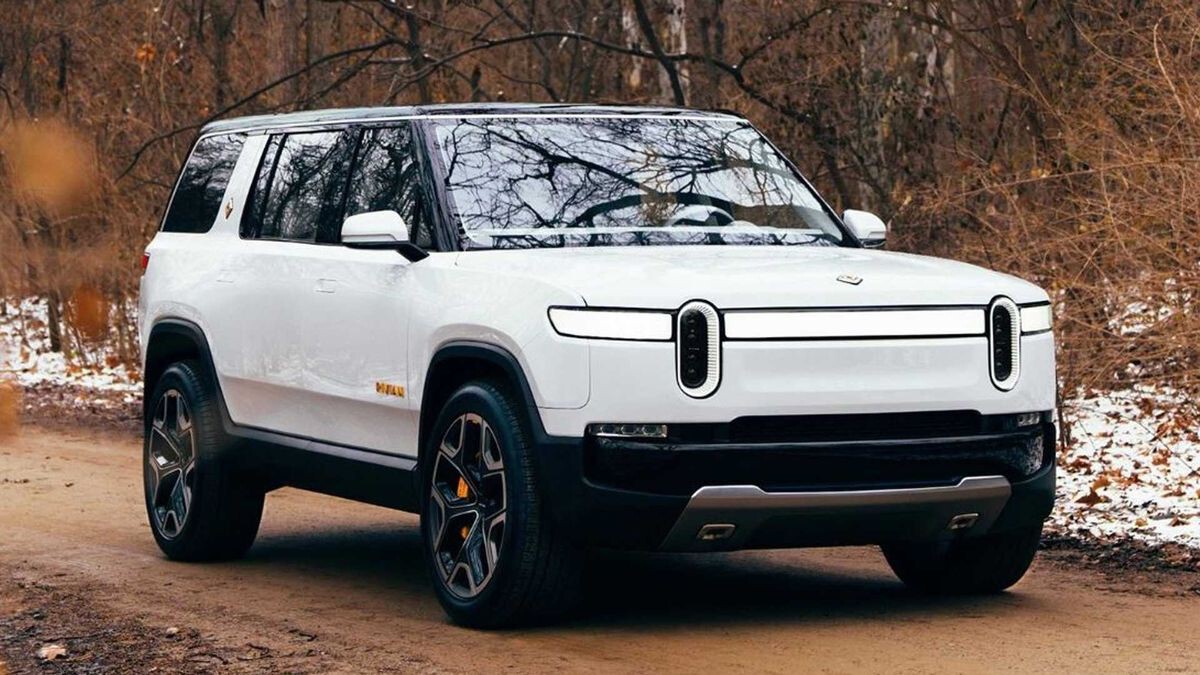
The moment the vehicle detects an occupant or a remote climate command, the solid-state relays close, sending high-voltage current through a specialised array of ceramic elements. The air passing over the cabin microfilter is warmed instantly before entering the distribution ducts.
Rivian’s software tuning plays a massive role here: the vehicle utilises localised zone targeting, combining rapid seat-heater element activation with intensive air duct routing to maximise perceived occupant warmth within the first 30 to 40 seconds of operation.
According to technical engineering releases from Rivian, the R1T’s thermal control loop continuously balances battery pack insulation requirements with cabin target parameters. Even when the truck has been cold-soaked overnight at -10°F, the electrical cabin heater provides immediate, blistering defrost capability long before a standard combustion truck’s mechanical thermostat would even consider opening.
- Engine: Quad-Motor or Dual-Motor AWD Electric Drive
- Torque: 908 lb-ft (Quad-Motor Configuration)
- Horsepower: 835 hp (Quad-Motor Configuration)
- Length: 217.1 inches
- Width: 79.0 inches (Mirrors folded)
3. Ram 1500 Tungsten / Limited (Supplemental Electric Cabin Heater)
For truck buyers who aren’t ready to go fully electric but still demand instant winter comfort, Stellantis engineered a clever mechanical workaround for premium trims of the Ram 1500. Select configurations equipped with cold-weather packages feature an internal, grid-style supplemental electric cabin heater.
This component is essentially a mini-PTC grid positioned inside the HVAC box, upstream of the traditional mechanical heater core.
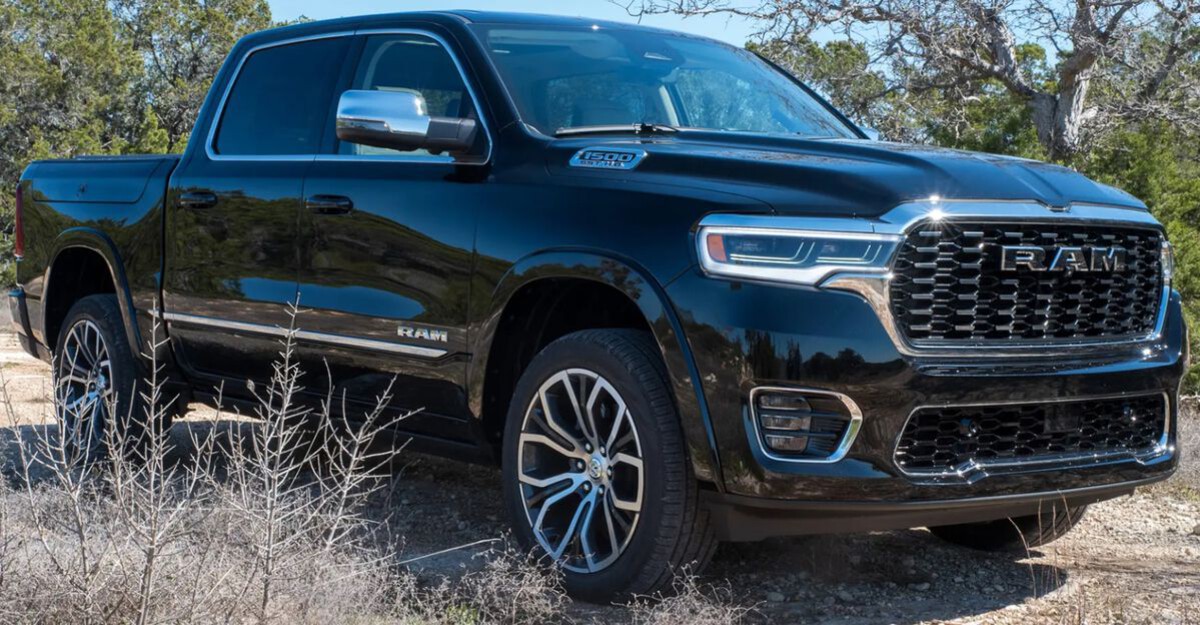
When you turn on a Ram 1500 featuring this system on a freezing morning, the engine control module reads the ambient air temperature and the engine coolant temperature.
Seeing that the coolant is cold, it triggers a set of heavy-duty relays that supply alternator current to the electric heating grid. Instead of waiting for the engine block to circulate hot fluids, the air blowing into the cabin is heated electrically right out of the gate.
As you drive down the road and the engine block naturally reaches its regular operational temperatures, the truck’s central computer smoothly transitions the climate workload away from the electric grid and onto the primary coolant loop.
It is a seamless handoff that grants owners the absolute best of both worlds: immediate 60-second comfort without sacrificing the long-distance towing capabilities of a traditional internal combustion platform.
- Engine: 3.0L Hurricane Twin-Turbo Inline-6
- Torque: 521 lb-ft (High Output Variant)
- Horsepower: 540 hp (High Output Variant)
- Length: 232.9 inches (Crew Cab / 5’7″ Bed)
- Width: 82.1 inches (Without mirrors)
4. GMC Hummer EV Pickup (Liquid-to-Air Heat Pump Architecture)
The GMC Hummer EV uses GM’s Ultium thermal architecture, a highly interconnected fluid loop that links the massive battery architecture, power electronics, and cabin HVAC systems into a single energy-sharing matrix.
Instead of discarding waste heat from the motors or struggling to generate standalone cabin warmth via primitive resistive loops alone, the Ultium system uses a complex multi-port valve system to capture and repurpose thermal energy wherever it appears.
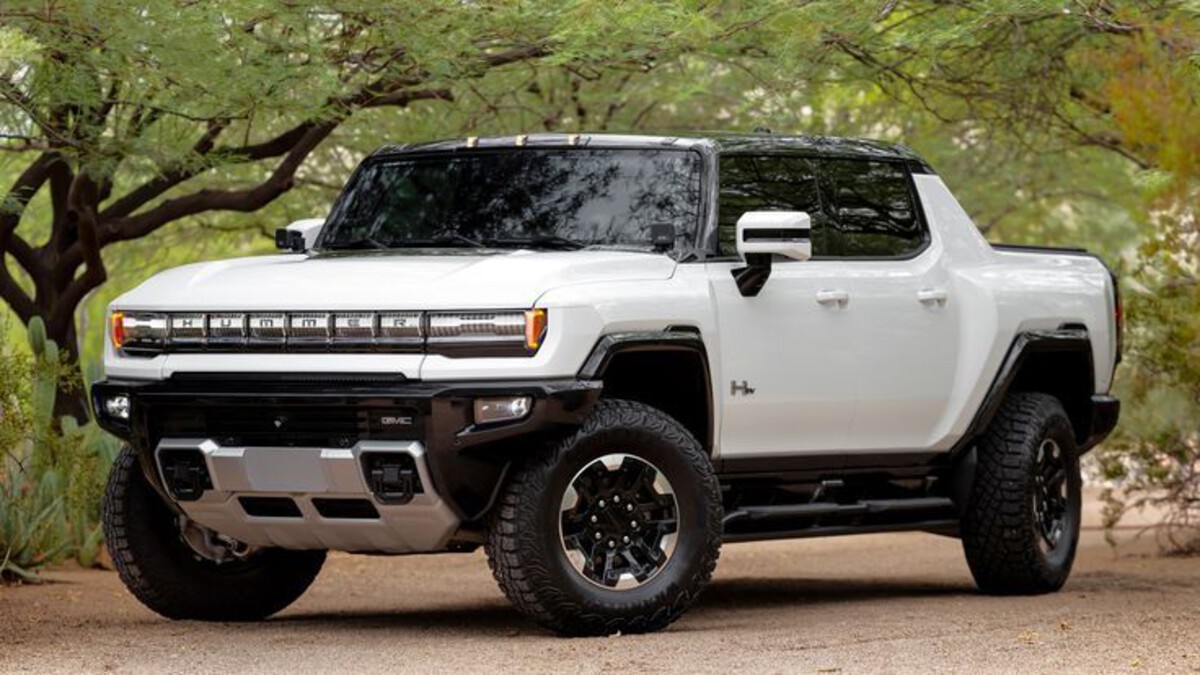
If you step into the Hummer EV when it is completely cold-soaked, the system uses a high-capacity electric heating element to flash-cook the air passing into the massive cabin space. Simultaneously, the heat pump extracts thermal energy from the ambient air outside and compresses it into usable interior heat.
GM’s engineering documentation notes that this system can even capture waste heat generated by the battery pack’s internal computers and electronics during startup routines.
The result is an absolute wall of hot air blowing from the vents in well under a minute. The sheer scale of the Hummer’s interior demands a high-volume system, and the Ultium platform satisfies this by pairing high-CFM (Cubic Feet per Minute) variable-speed blowers with instant-on electrical heating elements that entirely circumvent the classic internal combustion warmup curve.
- Engine: 3-Motor Electric Drive System
- Torque: 11,500 lb-ft
- Horsepower: Up to 1,000 hp
- Length: 216.8 inches
- Width: 86.7 inches (Without mirrors)
5. Tesla Cybertruck (800V Cabin PTC Matrix)
The Tesla Cybertruck utilises a specialised high-voltage architecture that heavily influences its climate control efficiency. Because it operates on a native 800°F electrical backbone rather than the more common 400°F setup, the truck can move electrical energy throughout its systems with incredible speed and lower current losses.
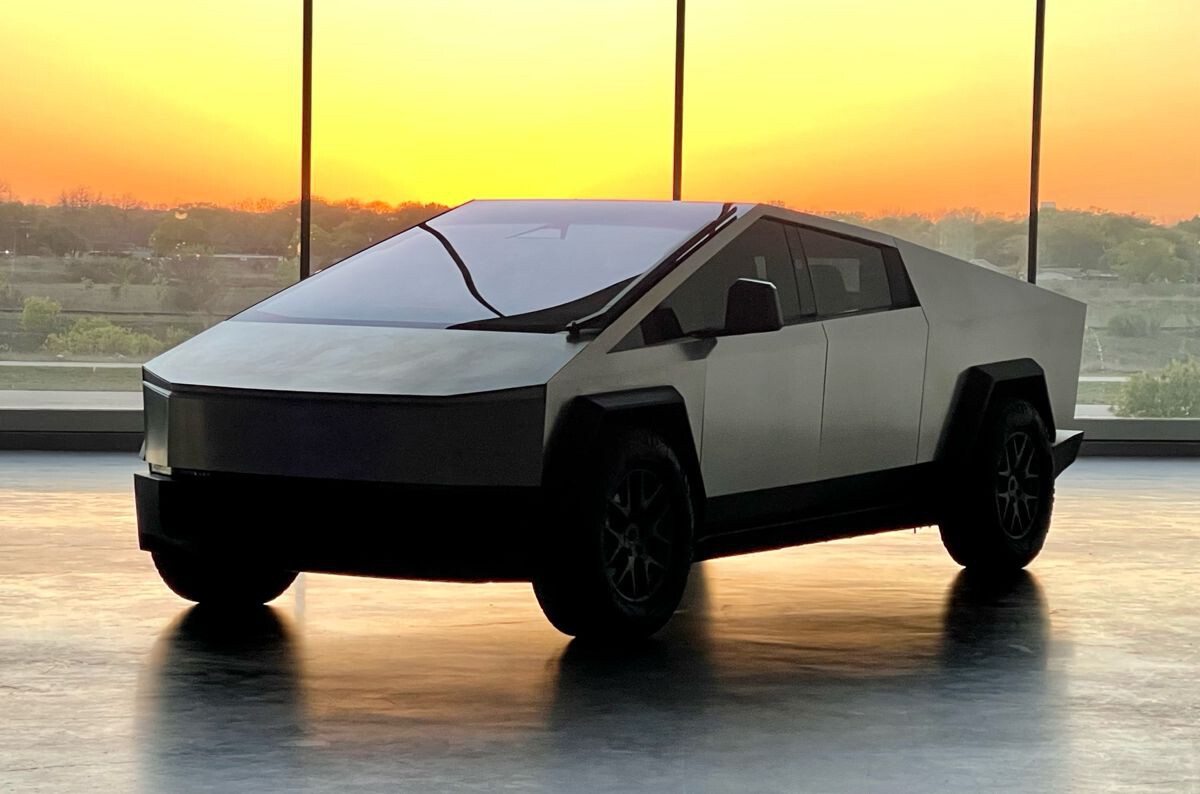
This high-voltage architecture powers a specialised version of Tesla’s octovalve heat pump and cabin heating system.
When a heating command is initiated, the Cybertruck does not just rely on ambient air extraction; it can intentionally run its drive units in a highly inefficient, heat-generating state while static to rapidly create thermal energy if needed.
This heat is harvested by the liquid coolant loops and pushed directly into the cabin air exchanger, supplemented by high-voltage resistive elements.
The air hitting your face transitions from freezing to genuinely hot in less than 45 seconds. The structural advantage here is sheer speed: by utilising an 800°F matrix, the heating elements achieve their peak operational temperature almost instantly upon receiving current, offering rapid windshield defrosting and total cabin comfort without the long mechanical delays that plague older vehicle architectures.
- Engine: Cyberbeast Tri-Motor AWD Platform
- Torque: 743 lb-ft
- Horsepower: 845 hp
- Length: 223.7 inches
- Width: 79.9 inches (Mirrors folded)
To understand the opposing end of the thermal spectrum, you have to look at the rigid laws of thermodynamics applied to large-displacement internal combustion engines, particularly those burning diesel fuel.
When a vehicle relies entirely on its engine cooling loop to provide cabin heat, the cabin interior is directly held hostage by the thermal efficiency of the powertrain.
Diesel engines are fundamentally designed to convert fuel into kinetic energy rather than waste heat. They feature massive cast-iron or heavy-alloy engine blocks, high-capacity oil pans, and cooling systems that hold gallons of fluid.
At idle, a modern clean-diesel engine operates with a massive surplus of cold intake air, meaning it burns so little fuel that it struggles to generate enough combustion heat to warm its own internal structural mass, let alone heat a coolant loop to the 150°F threshold required to blow functional cabin heat.
Also, driving a modern downsized, turbocharged gas truck gently in deep winter can also produce long warmup times. If an engine is highly efficient and features a large interior cabin to heat, the passenger compartment can actually act as a secondary radiator, shedding engine heat faster than the small motor can create it at low speeds.
Without an auxiliary or supplemental electric heater grid installed, these trucks require extensive driving under load before their dashboard vents stop blowing uncomfortable, lukewarm air.
ALSO READ: 8 Pickup Trucks With More Than 400bhp
5 That Take 20 Minutes
1. Chevrolet Silverado 2500HD Duramax (6.6L V8 Turbo-Diesel)
The Chevrolet Silverado 2500HD equipped with the 6.6L Duramax V8 is an absolute workhorse when it comes to towing massive loads, but it is notoriously slow to warm up its interior cabin on a freezing morning if it isn’t driven immediately under heavy engine load.
The core issue is the sheer structural mass of the engine platform: you are dealing with a massive cast-iron block, aluminium cylinder heads, and a cooling system that holds a vast amount of fluid.
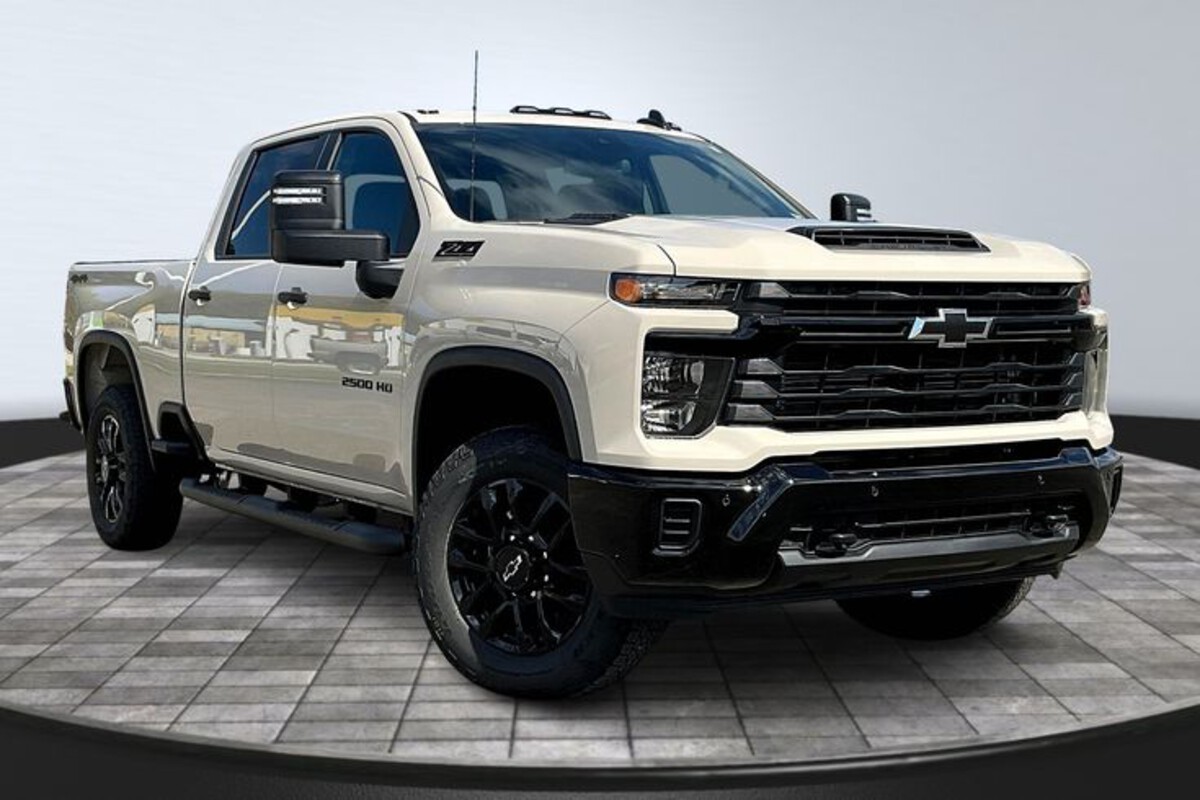
When idling in a driveway at 15°F, the Duramax diesel operates so efficiently that the massive metal engine block quickly absorbs the heat generated within the combustion chambers before it ever makes a significant dent in the coolant temperatures.
If you leave this truck idling without activating the elevated fast-idle mode, the coolant temperature needle may not move significantly for 15 to 20 minutes.
General Motors addresses this in its official heavy-duty owner operations documentation by recommending that drivers not let the vehicle idle for long periods to warm up; instead, they advise driving the truck gently after a brief 30-second start sequence.
Putting the transmission and torque converter under load forces the engine to burn more fuel, which finally creates the thermal waste required to feed the cabin’s heater core.
- Engine: 6.6L Duramax V8 Turbo-Diesel
- Torque: 975 lb-ft
- Horsepower: 470 hp
- Length: 250.0 inches
- Width: 81.8 inches (Without mirrors)
2. Ram 2500 Heavy Duty (6.7L Cummins Inline-6 Diesel)
The Ram 2500 Heavy Duty, featuring the legendary 6.7L Cummins Turbo-Diesel, is highly respected for its inline-six torque profile and industrial durability. However, that massive iron block acts like a massive thermal sponge in cold weather. Unlike gas engines that generate significant exhaust gas temperatures quickly, the Cummins inline-six runs exceptionally cool at idle.
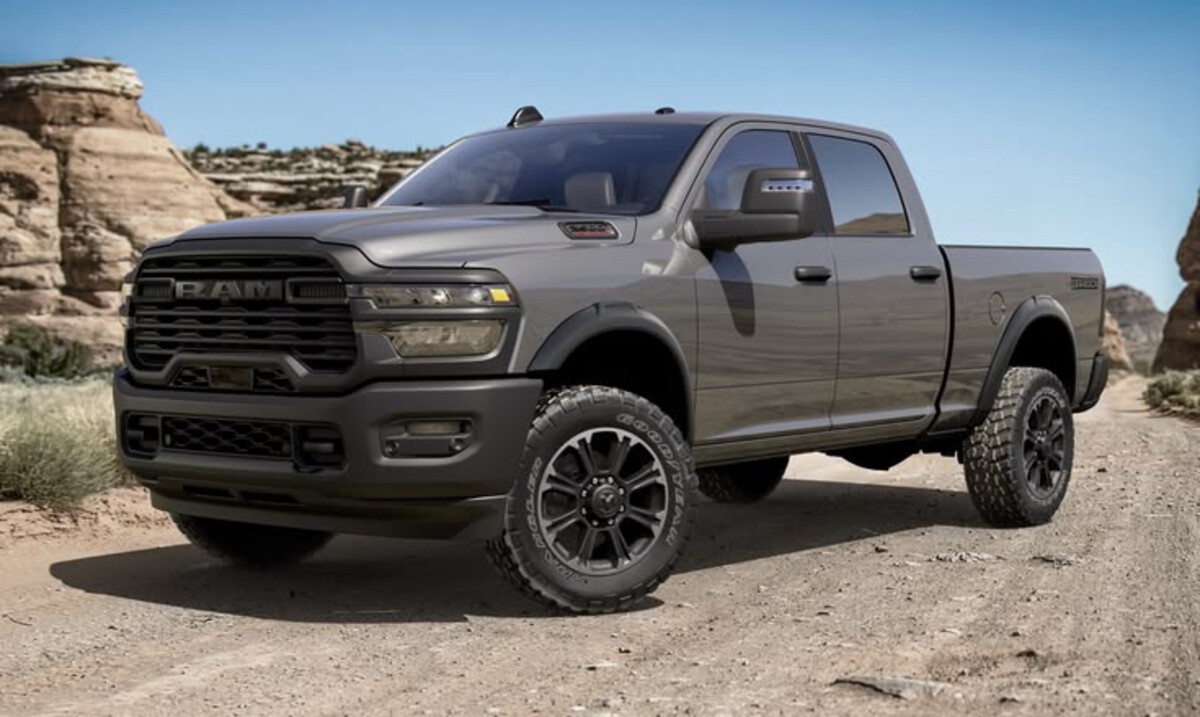
If you start a Cummins-powered Ram on a true winter morning and let it sit at a standard idle, the engine can run for 20 minutes straight without building enough cooling system pressure or thermal energy to provide comfortable cabin heat.
The airflow across the radiator and engine fan can actually counteract the small amount of combustion heat being produced. This long thermal lag is why Ram integrates a manual “Fast Idle” switch via the steering wheel cruise control buttons, allowing drivers to manually force the engine up to 1,100 RPM or higher while parked to generate friction heat.
Without utilising the fast-idle system or an external winter front grille cover to block cold ambient air from passing through the radiator, owners can expect a long, cold drive before the vents start blowing true, comfortable heat.
The Cummins is built to work hard under load, and until it is tasked with moving the truck’s immense curb weight down the highway, it keeps its thermal energy carefully contained within its thick iron walls.
- Engine: 6.7L Cummins Turbo-Diesel Inline-6
- Torque: 850 lb-ft
- Horsepower: 370 hp
- Length: 238.8 inches
- Width: 83.5 inches (With mirrors folded)
3. Ford F-350 Super Duty Power Stroke (6.7L V8 Diesel)
Ford’s 6.7L Power Stroke V8 diesel engine is a marvel of high-pressure fuel injection and variable-geometry turbocharging, producing incredible horsepower and torque figures.
But like its heavy-duty competitors, it contains an immense cooling system capacity designed to prevent overheating while pulling heavy trailers up mountain passes in mid-summer. In winter, this massive cooling capacity becomes a clear disadvantage for interior cabin heating.
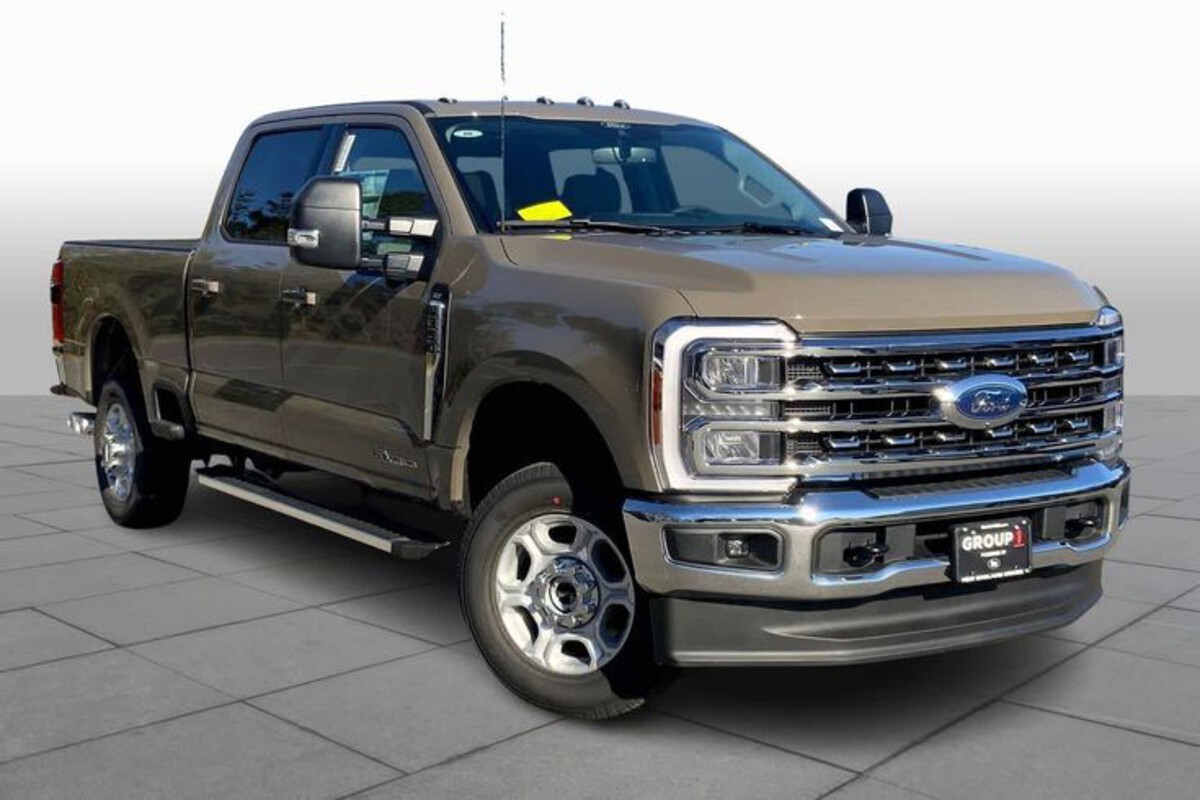
The Power Stroke engine loop holds over 30 quarts of coolant. Warming up that much liquid using only the waste heat produced by a highly efficient diesel engine at idle takes a long time.
If an owner does not opt for the optional “Rapid-Heat Supplemental Cab Heater” (Ford’s proprietary electric PTC add-on), a standard base-trim Power Stroke can easily take 15 to 20 minutes of idling or slow neighbourhood driving to clear ice from the windshield glass.
Because of this thermal reality, Ford’s commercial vehicle division offers factory-installed engine block heaters that owners must plug into a 120°F wall outlet overnight. Pre-heating the engine coolant via a shore-power electrical element is often the only way to ensure you have functional cabin heat within the first few miles of a northern winter commute.
- Engine: 6.7L Power Stroke V8 Turbo-Diesel
- Torque: 1,050 lb-ft
- Horsepower: 475 hp
- Length: 266.2 inches
- Width: 80.0 inches (Dual-Rear-Wheel model excluded)
4. Toyota Tundra (3.4L Twin-Turbo V6 i-FORCE)
Moving away from heavy-duty diesels, the modern downsized gasoline truck market also has its share of slow-warming cabins. The Toyota Tundra, powered by a high-efficiency 3.4L twin-turbo V6 engine, is a prime example.
While older V8 Tundras burned fuel rapidly at idle and threw off massive amounts of waste heat into the cabin almost immediately, the twin-turbo V6 is designed around tight thermal efficiency and reduced internal friction.
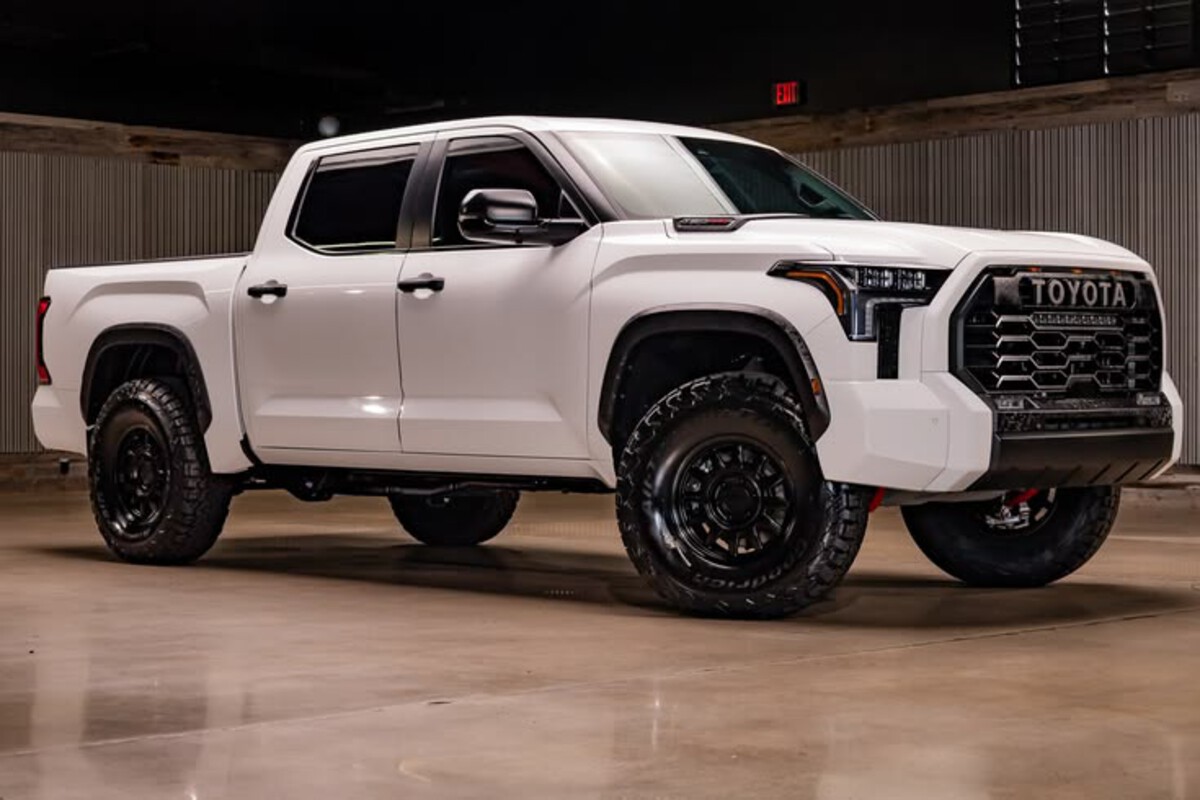
Because the engine blocks are smaller and highly optimised for fuel economy, they produce significantly less ambient waste heat when running without boost pressure.
If you start the Tundra in freezing weather and let it idle in the driveway, the computer keeps the engine running under very precise fuel-trim metrics. The engine simply does not waste energy as heat the way old, large-displacement naturally aspirated V8 engines used to.
In stop-and-go city traffic during a cold snap, the i-FORCE V6 can take up to 15 or 20 minutes to bring its entire coolant loop up to full operational temperature.
The cabin space of the CrewMax is exceptionally large, meaning the heater core acts as a highly effective cooling unit for the engine, pulling whatever small amount of heat the motor creates straight out of the coolant loop and lengthening the vehicle’s 8/10 warmup curve.
- Engine: 3.4L Twin-Turbo V6 i-FORCE
- Torque: 479 lb-ft
- Horsepower: 389 hp
- Length: 233.6 inches
- Width: 80.2 inches
ALSO READ: 8 Forgotten Pickup Trucks Built With Real V8 Power
5. Nissan Titan (5.6L Endurance V8 Platform)
The Nissan Titan, featuring its classic 5.6L Endurance V8, represents the older school of gasoline powertrain design. While large V8 engines generally produce more waste heat than modern downsized turbo-four or turbo-6 options, the Titan’s mechanical cooling layout and massive interior cabin volume combine to create surprisingly long warmup times in deep winter environments.
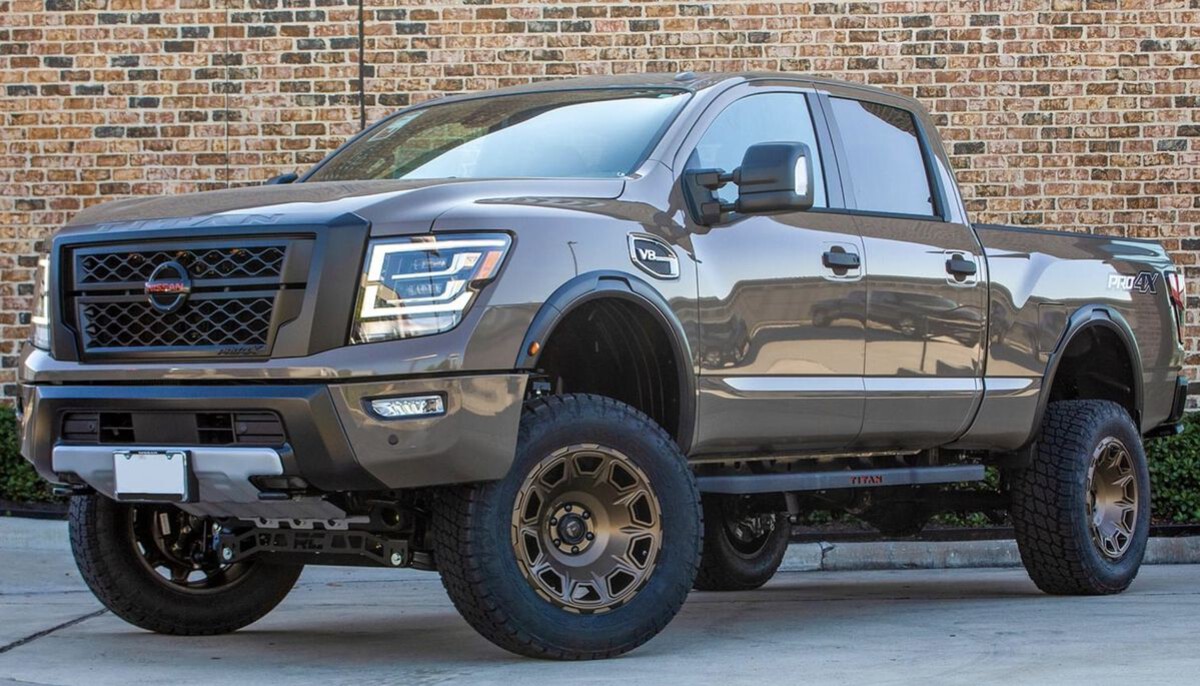
The Titan uses a heavy-duty mechanical engine-driven fan system rather than a purely electronic fan setup. When the vehicle is started cold, the mechanical fan clutch still draws a baseline amount of cold ambient air across the radiator and engine block, even when fully disengaged. This continuous airflow delays the engine from reaching its target operational temperature when idling in cold weather.
Also, the layout of the Titan’s interior heating core lines requires a significant volume of hot coolant to travel through the firewall to heat the large crew cab.
Without any secondary or electrical helper systems built into the HVAC unit, owners must wait for the massive aluminium engine block to heat its core oil and fluid supplies through physical driving before the cabin climate control system can successfully push out true, comfortable heat.
- Engine: 5.6L Endurance V8 Gasoline Engine
- Torque: 413 lb-ft
- Horsepower: 400 hp
- Length: 228.1 inches
- Width: 79.5 inches
The clear division between 60-second rapid heating and 20-minute delayed warming highlights a fundamental shift in modern automotive engineering. The classic strategy of letting a truck sit idling in the driveway to warm up is becoming an outdated and highly inefficient habit.
For modern internal combustion engines, especially large heavy-duty diesels, idling in extreme cold is actually counterproductive, causing incomplete fuel combustion, increased carbon buildup, and incredibly slow cabin warmup times.
If quick winter comfort is a high priority for your driving routine, paying close attention to a vehicle’s specific HVAC specifications is essential. Look beyond the standard heated seat options and verify if a truck features an autonomous heat pump, a high-voltage PTC dashboard matrix, or a dedicated secondary electric supplemental heater package.
As truck engineering continues to evolve, the ability to conquer freezing mornings will be decided by smart electrical design rather than the size of the engine block under the hood.