
Pickup trucks built around large V8 engines once represented the heart of American automotive culture. Before turbocharged V6 engines, hybrid systems, and downsized powertrains became common, truck manufacturers competed aggressively through cubic inches, torque figures, and thunderous exhaust sound.
Some pickups became legendary household names, but many powerful trucks quietly disappeared despite offering serious performance, towing capability, and unforgettable personalities.
A large number of these forgotten V8 pickups arrived during transitional periods in the truck market. Some were overshadowed by better-selling rivals, while others appeared before consumers fully appreciated sport-oriented trucks.
Certain models blended muscle car attitude with pickup practicality years before high-performance trucks became mainstream. Others focused purely on durability and work capability, powered by engines now respected for their reliability and tuning potential.
Today, enthusiasts increasingly rediscover these overlooked trucks because modern pickups often feel too expensive, overly digital, or excessively complicated. Older V8 trucks delivered a more mechanical experience.
Drivers heard every exhaust pulse, felt every gear change, and experienced torque in a raw way modern turbocharged engines sometimes struggle to replicate. Many of these forgotten models also carried unique styling that separated them from today’s increasingly similar truck designs.
Another reason these pickups deserve attention involves value. While certain collectible trucks command enormous prices, many forgotten V8-powered models remain surprisingly affordable despite offering strong performance and long-term reliability.
Enthusiasts searching for old-school truck character frequently turn toward these overlooked machines instead of mainstream collector favorites.
Some of the trucks on this list were quick in straight lines, while others earned reputations through durability, towing strength, or rugged off-road capability. What connects them all is authentic V8 power combined with personalities modern trucks rarely duplicate.
These eight forgotten pickup trucks may not receive the same recognition as famous performance models, but each one helped shape truck culture in its own unique way and still deserves appreciation from enthusiasts today.
Also Read: 10 Strongest V8 Engines Ever Put in a Production Car
1. Dodge Dakota R/T
The Dodge Dakota R/T arrived at a time when midsize pickups rarely focused on performance.
Most manufacturers treated smaller trucks as economical work vehicles, but Dodge took a completely different approach by installing a muscular V8 engine into the Dakota and tuning it for street performance. The result created one of the most entertaining sport trucks of the late 1990s and early 2000s.
Under the hood sat the legendary 5.9 liter Magnum V8, an engine known for delivering massive low-end torque and an unmistakable exhaust sound. The Dakota R/T accelerated far harder than most people expected from a midsize pickup.
Pressing the throttle aggressively, the truck surged forward with genuine muscle car attitude. That personality made the Dakota R/T feel more rebellious than many ordinary pickups from the era.
Styling also played a major role in the truck’s appeal. Lowered suspension, aggressive wheels, body-colored bumpers, and sporty graphics gave the Dakota a far more intimidating appearance than standard trims.
It looked fast even while parked. Dodge understood buyers wanted performance trucks with visual aggression, and the R/T delivered exactly that.
The truck’s compact dimensions helped it feel surprisingly agile compared to larger, full-size pickups. Drivers appreciated the combination of V8 power and manageable size during city driving and spirited backroad runs.
While it never matched true sports cars through corners, the Dakota R/T delivered far more excitement than typical trucks available at the time.
Despite its strengths, the truck gradually disappeared from public attention because the market shifted toward larger pickups and SUVs.
Fuel economy concerns also hurt enthusiasm for performance-oriented V8 trucks during the early 2000s. As years passed, cleaner Dakota R/T examples became increasingly rare because many owners modified or abused them heavily.
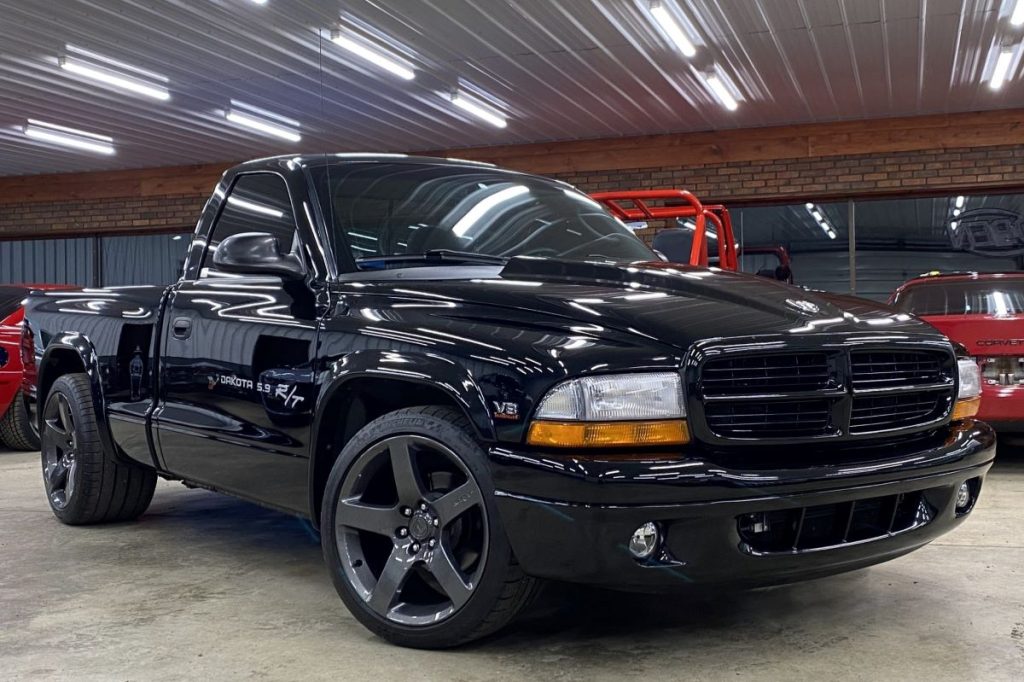
Modern enthusiasts now recognize the Dakota R/T as one of the earliest factory sport trucks to successfully combine muscle car energy with pickup practicality. Its V8 soundtrack, aggressive styling, and unique personality continue attracting collectors searching for forgotten American performance trucks.
- Engine: 5.9-liter Magnum V8
- Torque: 345 lb ft
- Horsepower: 250 hp
- Length/Width: 195.8 in / 71.5 in
2. Chevrolet 454 SS
The Chevrolet 454 SS existed for one reason only: massive torque. During the early 1990s, performance trucks remained a relatively unusual concept, but Chevrolet decided to install one of its largest V8 engines into a regular pickup and create a street machine with true muscle truck personality. The result became one of the boldest factory performance pickups ever produced.
At the center of the truck sat the enormous 454-cubic-inch big block V8. While horsepower figures appear modest compared to modern performance trucks, the engine produced crushing low-end torque that transformed the driving experience completely.
The moment drivers touched the throttle, the truck responded with effortless pulling power and a deep exhaust rumble impossible to ignore.
Chevrolet also gave the 454 SS a distinctive visual identity. Black paint, red interior trim, lowered stance, and unique wheels created an aggressive appearance unlike ordinary work trucks from the same era.
The design looked clean and intimidating without unnecessary styling gimmicks. Even today, the truck carries an enormous street presence because its proportions and attitude feel unapologetically American.
Driving the 454 SS felt very different from modern performance pickups loaded with electronic systems and luxury technology.
Steering remained heavy, suspension tuning prioritized straight-line stability, and the massive V8 dominated the entire experience. The truck behaved more like a traditional muscle car with a cargo bed attached than a refined modern sport truck.
Production numbers remained relatively limited, which helped the 454 SS become collectible years later. Many trucks disappeared through hard use, modifications, or neglect, making surviving original examples increasingly valuable among collectors.
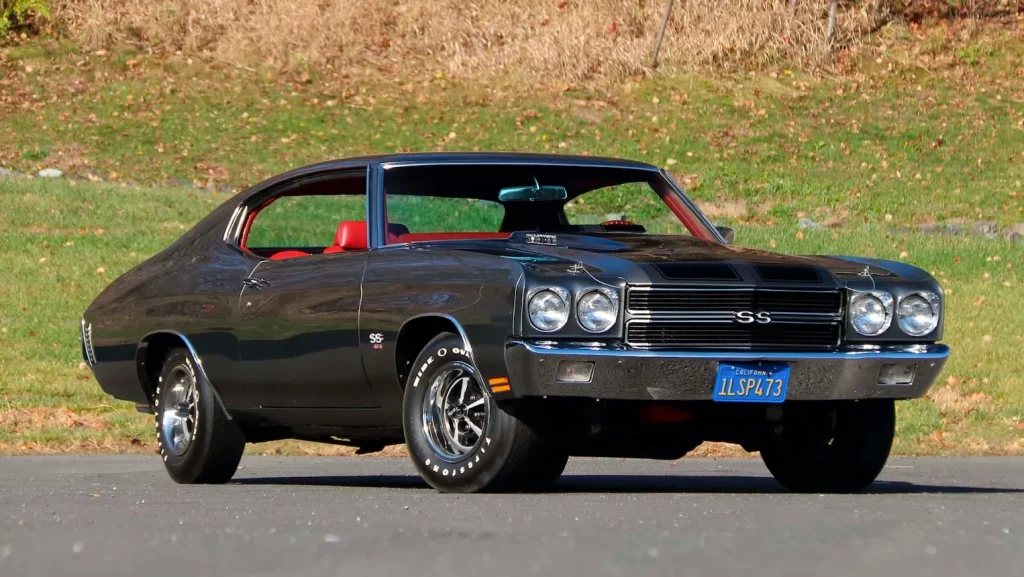
Enthusiasts now appreciate the 454 SS because it represented a fearless era when manufacturers built outrageous vehicles simply because they could. It ignored fuel economy trends, practicality concerns, and subtlety entirely.
Chevrolet created a pickup focused on raw torque and intimidation, and that uncompromising personality still makes the truck unforgettable decades later.
- Engine: 7.4-liter big block V8
- Torque: 385 lb ft
- Horsepower: 230 hp
- Length/Width: 194.0 in / 76.8 in
3. Ford F-150 Lightning SVT
Before modern electric lighting existed, Ford used the name for something completely different. The original F-150 SVT Lightning combined muscle truck aggression with genuine street performance, creating one of the most respected factory performance pickups of the late 1990s and early 2000s.
While newer generations of enthusiasts often focus on modern turbocharged trucks, the SVT Lightning delivered excitement through pure supercharged V8 power.
Ford’s Special Vehicle Team engineered the truck carefully to behave far differently from ordinary F-150 models. Lowered suspension, upgraded shocks, larger sway bars, and revised steering calibration transformed the pickup into a surprisingly capable street machine.
Drivers immediately noticed sharper handling and stronger body control compared to traditional full-size trucks from the same period.
The supercharged 5.4 liter V8 became the truck’s defining feature. Massive torque arrived instantly, launching the Lightning forward with violent acceleration for a vehicle of its size.
The supercharger whine added another layer of personality, creating an unmistakable soundtrack every time the driver pressed the throttle aggressively. Many sports cars underestimated the truck badly until they lined up beside one at a stoplight.
Visually, the Lightning looked muscular without becoming excessive. Unique front fascias, side skirts, special wheels, and subtle badging separated it from standard F-150 trims. The design aged surprisingly well because Ford focused on proportion and stance rather than exaggerated styling tricks.
Another reason enthusiasts continue respecting the Lightning involves modification potential. Owners quickly discovered the supercharged V8 responded exceptionally well to pulley upgrades, tuning, exhaust systems, and improved cooling components.
Many modified examples produced astonishing horsepower figures while maintaining respectable reliability.
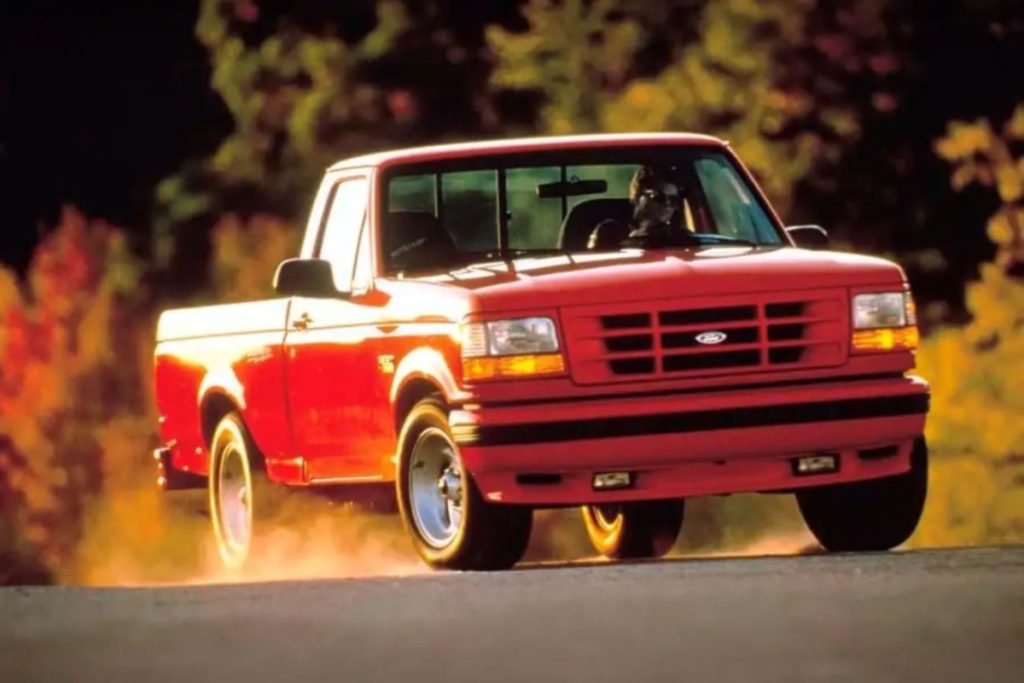
Despite its strong reputation, the Lightning eventually faded from mainstream attention as performance SUVs and luxury trucks became more popular. Clean low-mileage trucks are now increasingly difficult to find because many owners modified or raced them aggressively.
Today, collectors appreciate the SVT Lightning as one of the greatest factory performance trucks ever built. It delivered authentic muscle car energy in pickup form years before high-horsepower trucks became common across the industry.
- Engine: 5.4 liter supercharged V8
- Torque: 450 lb ft
- Horsepower: 380 hp
- Length/Width: 203.1 in / 79.8 in
4. GMC Sierra C3
The GMC Sierra C3 arrived before luxury performance trucks became mainstream, making it one of the most overlooked pickups of the early 2000s.
While many buyers today recognize trucks like the Cadillac Escalade EXT or Ford Raptor, the Sierra C3 quietly blended premium features, all-wheel-drive capability, and V8 performance years earlier. GMC essentially created a high-end sport truck before the segment fully existed.
Power came from a 6.0 liter Vortec V8 shared with several respected GM performance vehicles of the era. The engine delivered smooth but muscular acceleration with excellent towing strength and strong highway passing capability.
Unlike smaller sport trucks focused only on street performance, the Sierra C3 balanced luxury and utility surprisingly well.
The all-wheel drive system separated it further from ordinary pickups. Drivers gained better traction during poor weather while still enjoying confident acceleration and stable handling. GMC tuned the truck to feel more refined than rough, work-oriented pickups, making it comfortable during long-distance driving and daily use.
Inside the cabin, the Sierra C3 looked genuinely upscale for its time. Leather seating, premium audio systems, heated seats, and soft-touch materials created an interior atmosphere uncommon among early 2000s trucks. Buyers who wanted V8 performance without sacrificing comfort found the package extremely appealing.
Styling remained subtle compared to aggressive performance trucks like the Lightning or Dakota R/T. Unique wheels, a monochromatic paint treatment, and a slightly lowered stance gave the truck a clean, sophisticated appearance rather than an overtly sporty image. That understated design may actually explain why many people forgot the C3 existed.
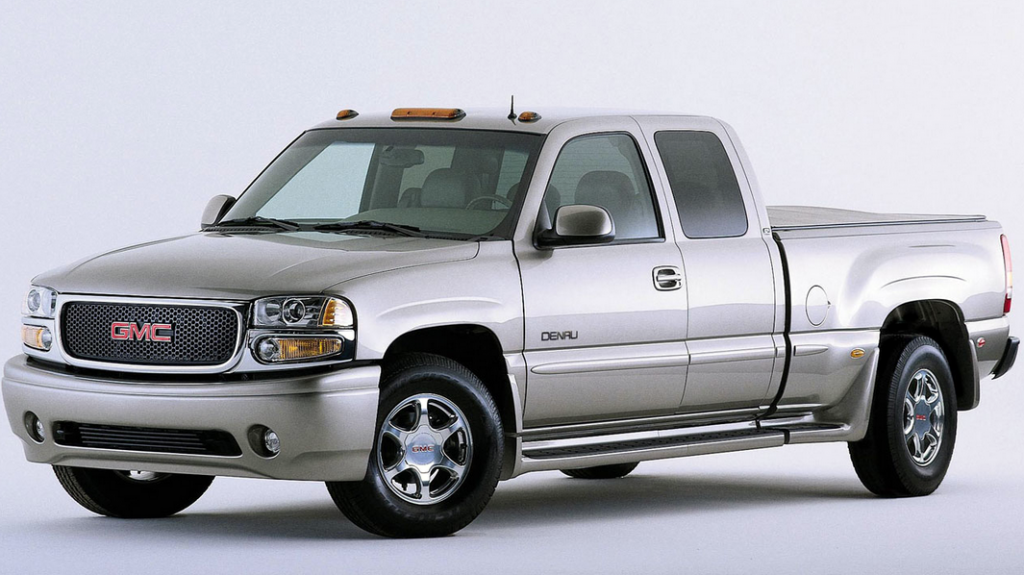
The truck later evolved into the Sierra Denali, but the original C3 remains historically important because it introduced GMC’s modern luxury truck formula. Enthusiasts increasingly appreciate it today because it predicted the rise of premium high-performance pickups years before competitors fully embraced the idea.
Surviving clean examples remain rare since many trucks served as daily transportation instead of collector vehicles. That scarcity continues helping the Sierra C3 gain attention among enthusiasts searching for forgotten V8-powered trucks with genuine personality.
- Engine: 6.0 liter Vortec V8
- Torque: 360 lb ft
- Horsepower: 325 hp
- Length/Width: 222.1 in / 78.5 in
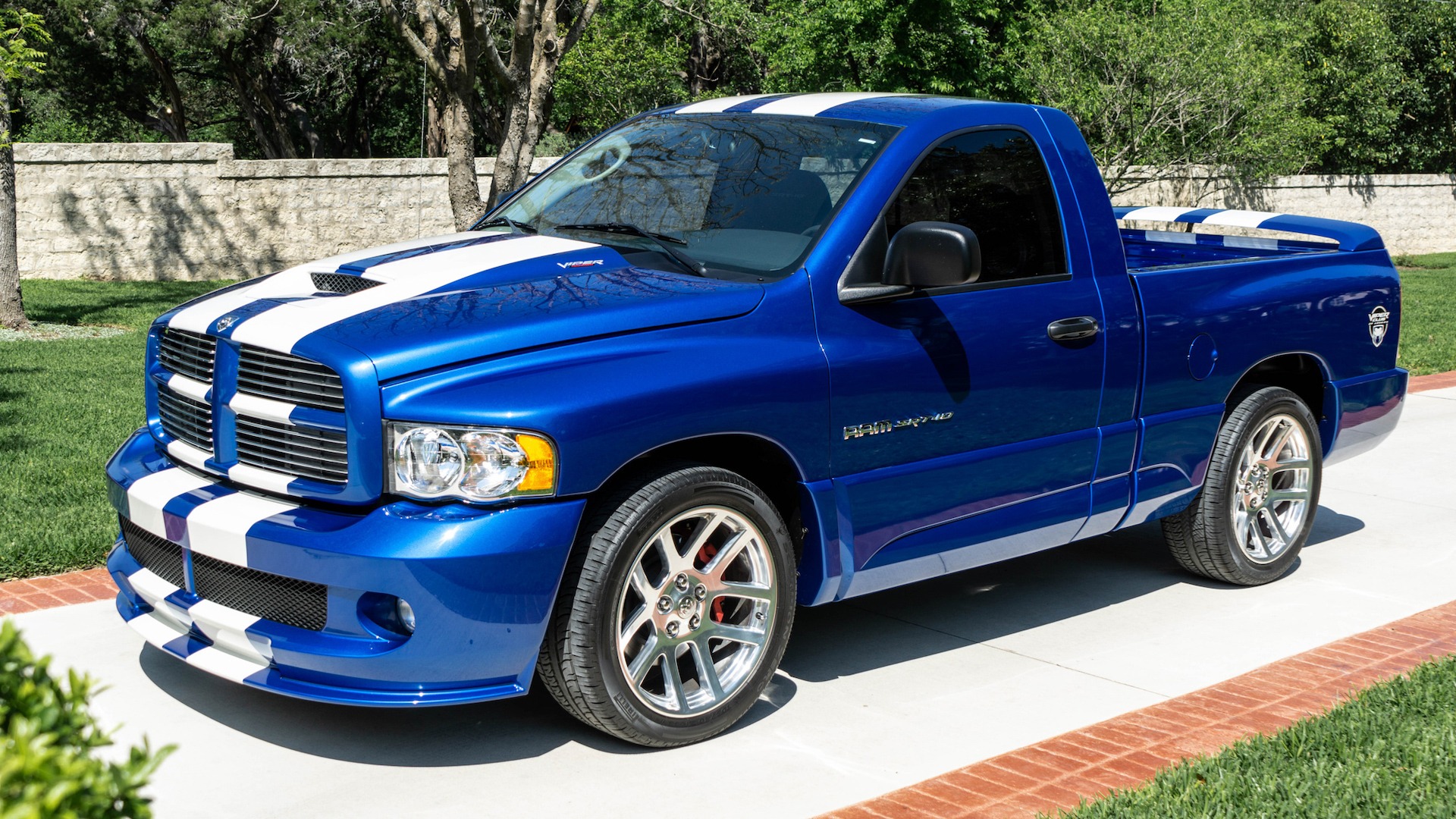
5. Dodge Ram SRT 10
The Dodge Ram SRT-10 remains one of the craziest factory pickup trucks ever built because Dodge ignored every sensible industry trend and installed a massive V10 engine borrowed directly from the Viper sports car into a full-size truck.
The result created a machine so outrageous that it still feels unbelievable years later. Few pickups before or after matched its combination of absurd power, intimidation, and pure American excess.
At the center of the truck sat the legendary 8.3 liter V10, producing thunderous acceleration and enormous torque. Press the throttle hard, and the Ram SRT-10 surged forward with shocking speed for such a large vehicle.
Dodge even offered a six-speed manual transmission in certain versions, giving drivers a truly raw performance experience rarely found in trucks of any era.
The exhaust note became part of the truck’s identity instantly. Deep V10 rumble mixed with aggressive induction noise created a soundtrack closer to an exotic sports car than a work pickup. Every drive felt dramatic because the engine dominated the entire experience.
Dodge also upgraded suspension tuning, brakes, and aerodynamics significantly. Lower ride height and performance tires improved handling stability, while aggressive bodywork made the truck impossible to ignore on the road. Hood scoops, unique fascias, and giant wheels reinforced the truck’s outrageous personality from every angle.
The Ram SRT 10 even earned a Guinness World Record as the world’s fastest production pickup at one point, proving the performance was far more than marketing hype. Drivers respected the truck because it delivered genuine speed while still maintaining pickup practicality.
Despite its legend status today, the SRT 10 disappeared relatively quickly because fuel economy and practicality concerns limited mainstream appeal. Many examples also suffered hard use from owners attracted to the truck’s wild personality.
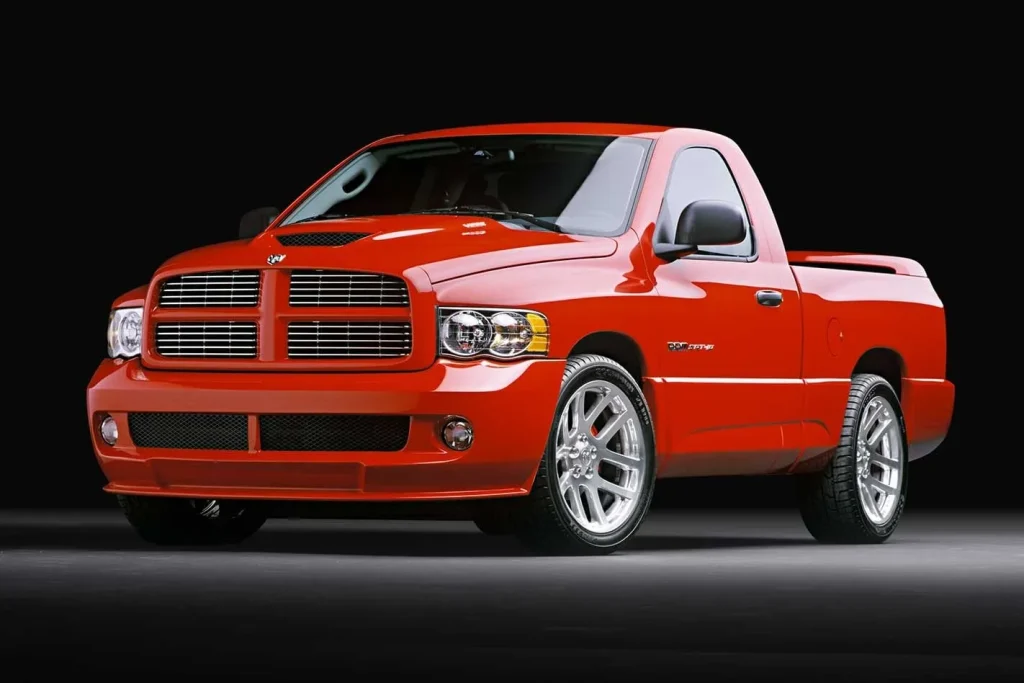
Modern enthusiasts now chase clean SRT 10 trucks aggressively because nothing else feels quite like them. Dodge built a pickup powered by a Viper engine simply because it could, and that fearless attitude makes the truck unforgettable.
- Engine: 8.3-liter V10
- Torque: 525 lb ft
- Horsepower: 500 hp
- Length/Width: 227.7 in / 79.9 in
6. Chevrolet Silverado SS
The Chevrolet Silverado SS attempted to revive the spirit of classic muscle trucks for the early 2000s market. Instead of focusing purely on work capability, Chevrolet engineered the truck around V8 performance, aggressive styling, and all-weather street handling.
While it never achieved the same fame as the Lightning or Ram SRT 10, the Silverado SS delivered a unique blend of speed, comfort, and practicality that enthusiasts increasingly appreciate today.
Its 6.0 liter Vortec V8 provided strong acceleration with a smooth and muscular power band. The engine delivered excellent torque during low-speed driving while still pulling confidently at highway speeds.
Chevrolet paired the powertrain with all-wheel drive, helping the truck launch hard in poor weather conditions while maintaining impressive traction during aggressive driving.
Unlike some extreme performance trucks built purely for straight-line speed, the Silverado SS emphasized balance. Suspension tuning reduced body roll significantly compared to ordinary Silverados, and steering response felt tighter and more controlled. Drivers gained a truck capable of spirited driving without sacrificing daily usability or towing capability.
Styling played a huge role in the truck’s appeal. Monochromatic paint, lowered stance, unique wheels, and clean body cladding gave the Silverado SS a sleek street truck appearance that still looks modern years later.
Chevrolet avoided excessive graphics or oversized aerodynamic pieces, allowing the truck’s proportions and stance to create visual aggression naturally.
Inside, the Silverado SS provided comfortable seating and respectable refinement for long-distance driving. Owners appreciated that they could use the truck daily while still enjoying genuine V8 performance whenever they wanted.
The truck eventually faded into obscurity, partly because Chevrolet never pushed the Silverado SS as aggressively as Ford promoted the Lightning. Rising fuel prices and shifting consumer preferences also hurt interest in V8 street trucks during the mid-2000s.
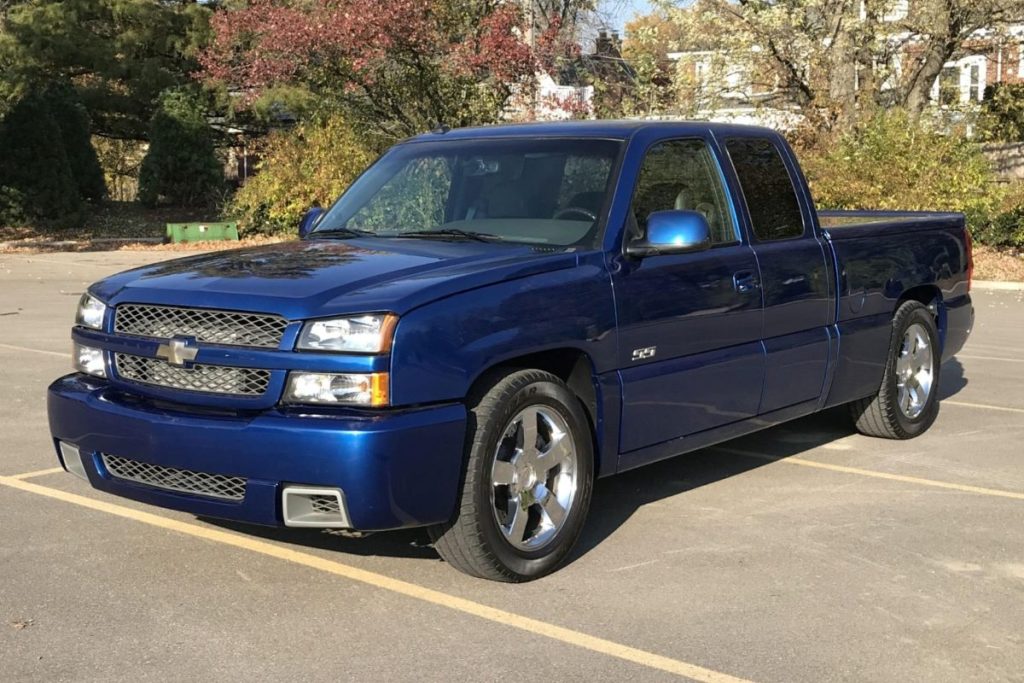
Today, enthusiasts recognize the Silverado SS as one of the last old-school muscle trucks built before manufacturers shifted heavily toward luxury-focused pickups and turbocharged engines.
Its combination of V8 power, all-wheel-drive traction, and understated styling continues attracting attention from collectors searching for overlooked performance trucks.
- Engine: 6.0 liter Vortec V8
- Torque: 380 lb ft
- Horsepower: 345 hp
- Length/Width: 227.6 in / 78.5 in
7. Toyota Tundra TRD Supercharged
The Toyota Tundra rarely enters conversations about forgotten performance trucks because most people associate Toyota pickups with reliability and long-term durability rather than serious V8 power.
That perception changed dramatically when Toyota Racing Development introduced a factory-backed supercharger package for the Tundra.
Suddenly, the dependable full-size truck transformed into a surprisingly aggressive street machine capable of challenging domestic V8 competitors while still maintaining Toyota’s reputation for everyday usability.
What made the TRD supercharged Tundra especially interesting was its personality balance. Unlike extreme trucks such as the Dodge Ram SRT 10 that focused heavily on outrageous power and visual aggression, the Tundra approached performance in a more understated way.
From the outside, many examples looked relatively ordinary aside from subtle TRD badging and upgraded wheels. Drivers unfamiliar with the truck often underestimated just how quickly it could become once the throttle opened fully.
The supercharged 5.7-liter i-Force V8 completely changed the driving experience. The standard engine already produced strong torque and impressive towing capability, but the TRD supercharger added an entirely different level of acceleration.
Power arrived immediately with a smooth yet relentless surge that pushed the large truck forward far harder than most people expected from a Toyota pickup. Highway passing became effortless, and merging onto fast roads required only minimal throttle input.
Another reason enthusiasts respected the truck involved refinement. Toyota engineered the supercharger package carefully so the Tundra retained factory-like drivability and reliability. Idle quality remained smooth, transmission behavior stayed predictable, and the truck never felt temperamental during normal daily driving.
Owners could enjoy major performance improvements without sacrificing the dependable nature that made Toyota trucks famous in the first place.
The cabin also separated the Tundra from older, rough-riding performance trucks. Spacious seating, strong build quality, and comfortable ride characteristics made long trips surprisingly relaxing.
Drivers who wanted V8 excitement without dealing with the compromises associated with hardcore sport trucks often preferred the supercharged Tundra because it blended muscle and practicality so effectively.
The truck’s reputation remained somewhat hidden because Toyota never marketed it as aggressively as domestic brands promoted their performance pickups.
Chevrolet, Ford, and Dodge built entire advertising campaigns around horsepower wars and street dominance, while Toyota maintained a quieter approach focused on balanced capability. As a result, many enthusiasts completely overlooked the existence of factory supercharged Tundras.
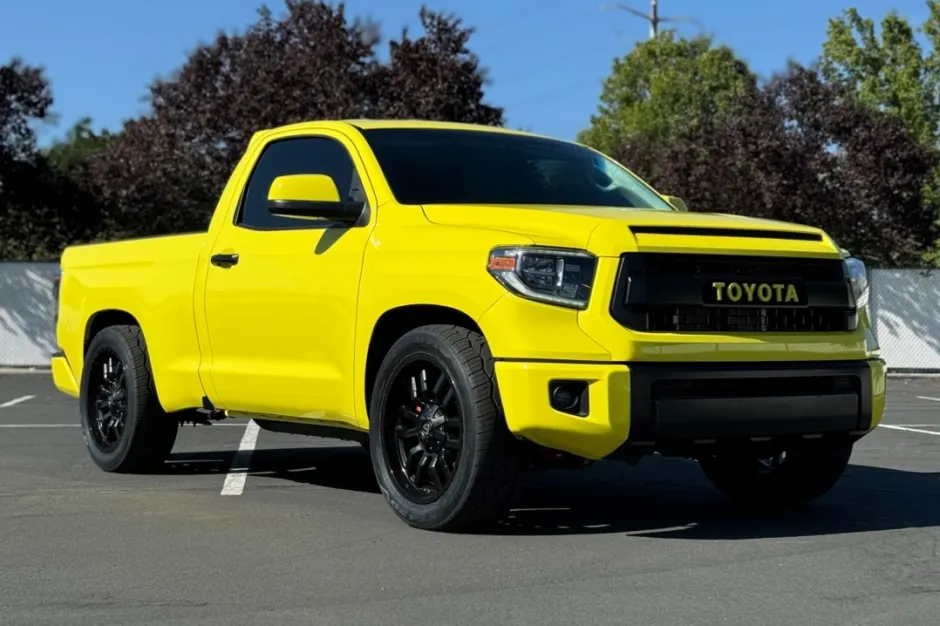
Today, clean TRD-supercharged examples attract increasing attention because they represent a rare chapter in Toyota truck history.
The combination of reliability, V8 power, supercharged performance, and subtle styling makes these pickups especially desirable among enthusiasts searching for something different from mainstream American muscle trucks.
- Engine: 5.7 liter supercharged i-Force V8
- Torque: 550 lb ft
- Horsepower: 504 hp
- Length/Width: 228.7 in / 79.9 in
8. Ford Ranchero GT
The Ford Ranchero GT occupies a unique place in automotive history because it blurred the line between muscle car and pickup truck long before performance trucks became mainstream.
Unlike traditional body-on-frame pickups built primarily for heavy work duties, the Ranchero used a car-based platform that delivered more responsive handling and smoother road manners.
By the late 1960s and early 1970s, Ford realized the formula could become something much more exciting once paired with serious V8 performance.
The Ranchero GT embodied that transformation perfectly. Under the hood sat powerful V8 engines borrowed directly from Ford’s muscle car lineup, giving the vehicle acceleration and sound far beyond what buyers expected from something with a cargo bed.
Drivers experienced the deep rumble and aggressive throttle response associated with classic American performance machines while still retaining light truck practicality.
One reason the Ranchero GT deserves far more recognition today involves styling. Ford successfully blended long-hood muscle car proportions with pickup functionality in a way that looked dramatic rather than awkward.
Hidden headlights, bold grilles, sporty stripes, and sculpted body lines gave the vehicle enormous road presence. Depending on the configuration, certain Ranchero GT models looked almost like Torino muscle cars, carrying an integrated cargo area instead of a traditional trunk.
The driving experience also separated the Ranchero from ordinary pickups of the era. Because it rode on passenger car underpinnings, the truck felt lower, smoother, and more responsive during aggressive driving. Enthusiasts who wanted V8 excitement without the bulk and rough ride of full-size pickups appreciated that balance tremendously.
Despite its strengths, the Ranchero GT slowly faded from public memory as truck culture shifted toward larger body-on-frame pickups during the late 1970s and 1980s.
Muscle cars disappeared temporarily because of emissions regulations and rising insurance costs, which also hurt interest in performance-oriented utility vehicles. Many Rancheros eventually became neglected work vehicles instead of preserved collector pieces.
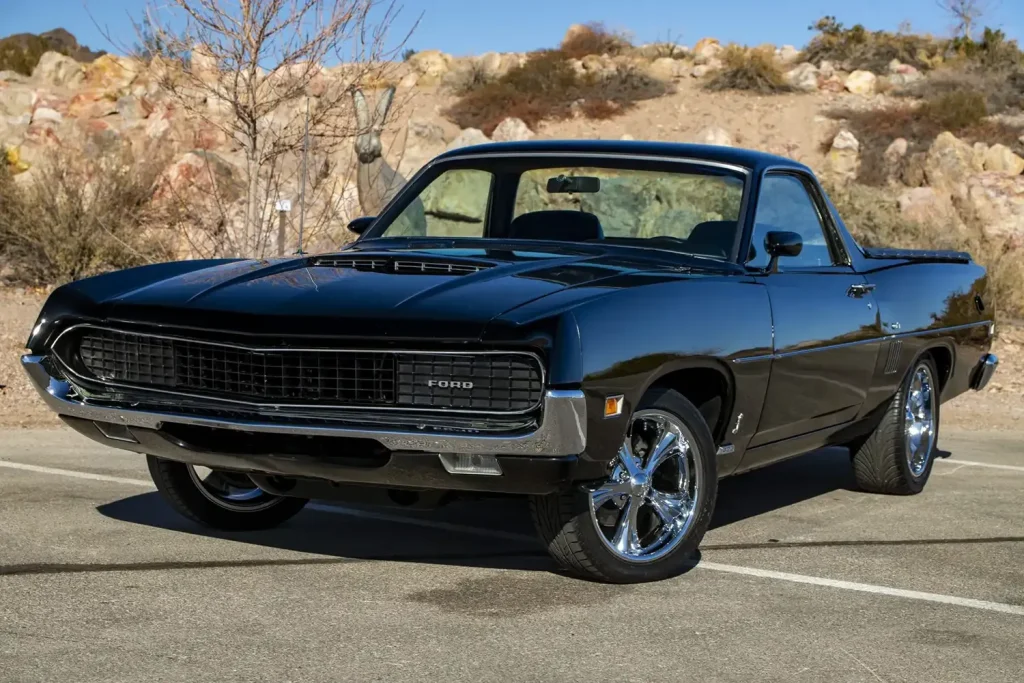
Modern enthusiasts increasingly rediscover the Ranchero GT because it represents something few manufacturers would attempt today. It combined classic muscle car styling, strong V8 power, and practical versatility in one package years before sport trucks became fashionable.
Surviving examples now attract serious collector attention because they symbolize a fearless era of American automotive experimentation.
For enthusiasts searching beyond mainstream muscle cars and famous pickup legends, the Ranchero GT remains one of the most fascinating forgotten V8 performance trucks ever created.
- Engine: 429 Cobra Jet V8
- Torque: 450 lb ft
- Horsepower: 370 hp
- Length/Width: 210.7 in / 79.0 in
V8-powered pickup trucks once represented a completely different era of automotive culture, when manufacturers prioritized torque, sound, and raw driving personality above fuel economy and digital technology.
The forgotten trucks on this list prove that some of the most exciting pickups ever built never received the recognition they truly deserved.
While modern enthusiasts often focus on famous names like the Ford Raptor or RAM TRX, these older V8 machines helped shape performance truck history long before high-horsepower pickups became mainstream.
Trucks such as the Dodge Dakota R/T and Chevrolet 454 SS brought genuine muscle car energy into the pickup segment during the 1990s. Their aggressive styling, loud exhaust notes, and huge low-end torque created unforgettable driving experiences that modern turbocharged engines rarely replicate.
The Ford SVT Lightning later refined the formula further through supercharged power and sharper handling, becoming one of the greatest factory performance trucks ever produced.
Other forgotten pickups focused on blending luxury, practicality, and V8 strength in unique ways. The GMC Sierra C3 quietly introduced the idea of upscale street trucks years before premium pickups dominated the market.
Meanwhile, the Toyota Tundra TRD Supercharged surprised enthusiasts by combining legendary Toyota reliability with serious supercharged performance.
The list also highlighted trucks built with absolutely no restraint. The Dodge Ram SRT-10 remains one of the wildest factory vehicles ever created thanks to its Viper-sourced V10 engine and brutal acceleration.
Vehicles like the Ford Ranchero GT demonstrated that manufacturers once experimented fearlessly by combining muscle cars and utility vehicles into one machine.
Today, these forgotten V8 pickups continue attracting enthusiasts because they feel mechanical, loud, and authentic in ways many modern trucks no longer do.
They represent a period when power and personality mattered more than efficiency numbers or touchscreen displays, making them increasingly special among collectors and truck fans alike.
