
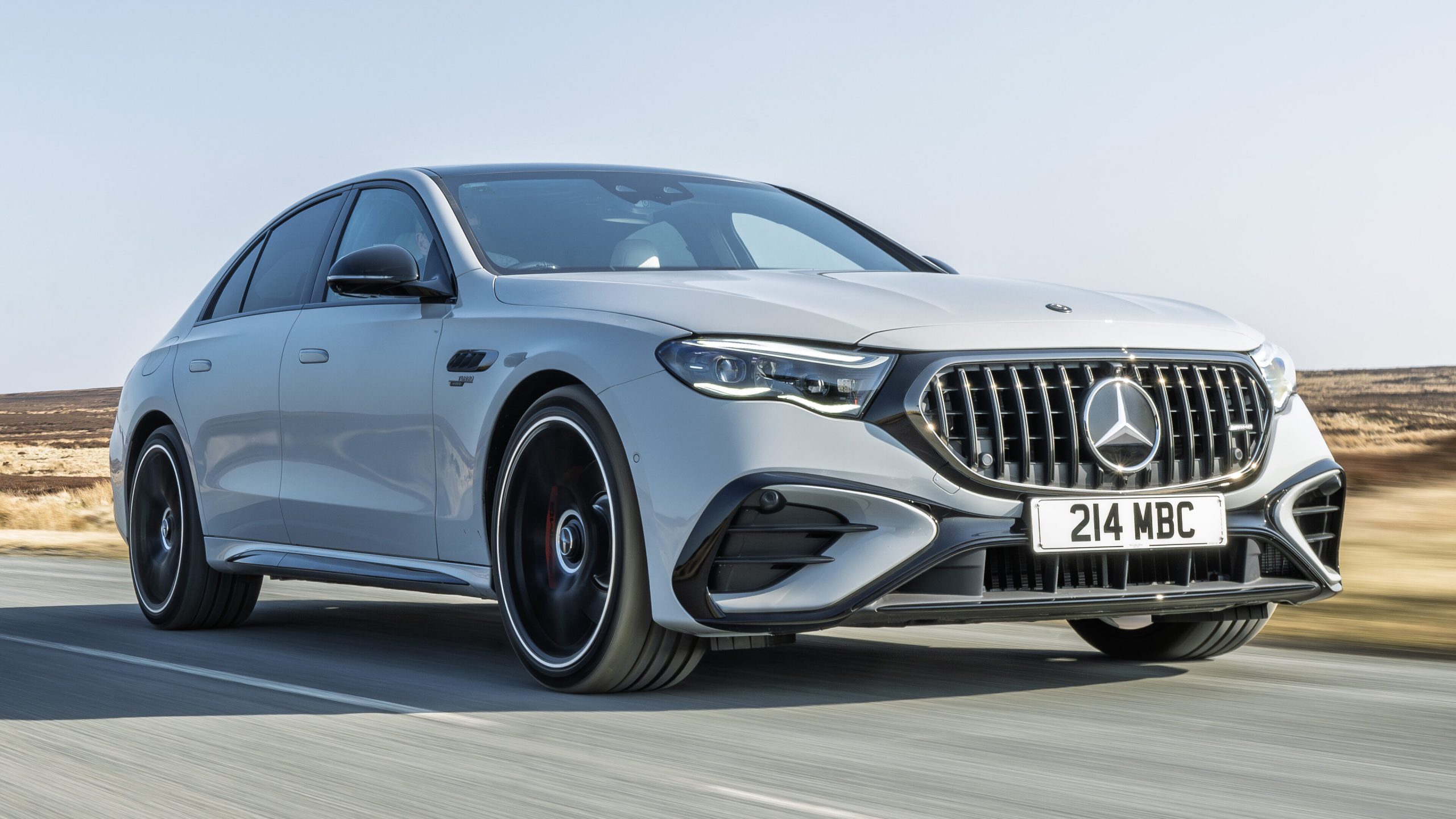
Luxury cars often carry an image that goes far beyond transportation. In certain places, they represent arrival, success, and personal achievement. In others, they simply serve as everyday work vehicles moving people from one location to another.
That difference creates an interesting divide in perception, especially when the same vehicle can mean prestige in one country and routine service duty in another. In the United States, luxury badges such as Mercedes-Benz, BMW, Audi, Lexus, and Cadillac are closely linked with comfort, wealth, and lifestyle expression.
A driver behind the wheel of a premium sedan or SUV is often seen as someone who has reached a certain financial level or personal milestone. Clean styling, advanced features, and smooth performance all contribute to that perception. Outside the United States, the story can be quite different.
In several international cities, especially across Europe, Asia, and the Middle East, some of these same luxury models are used as taxis or ride-hailing vehicles. Their durability, comfort, and reliability make them suitable for high-mileage daily service. A car that turns heads in one country may be lined up at an airport taxi rank in another.
This difference does not reduce the quality of these vehicles. Instead, it highlights how design, engineering, and brand positioning can take on different meanings depending on location and usage culture. A premium sedan can be both a symbol of success and a practical workhorse, depending on where it operates.
The following sections take a closer look at ten luxury cars that carry strong prestige in America but often serve a more practical role abroad.
1. Mercedes-Benz E-Class Sedan (W213 Series)
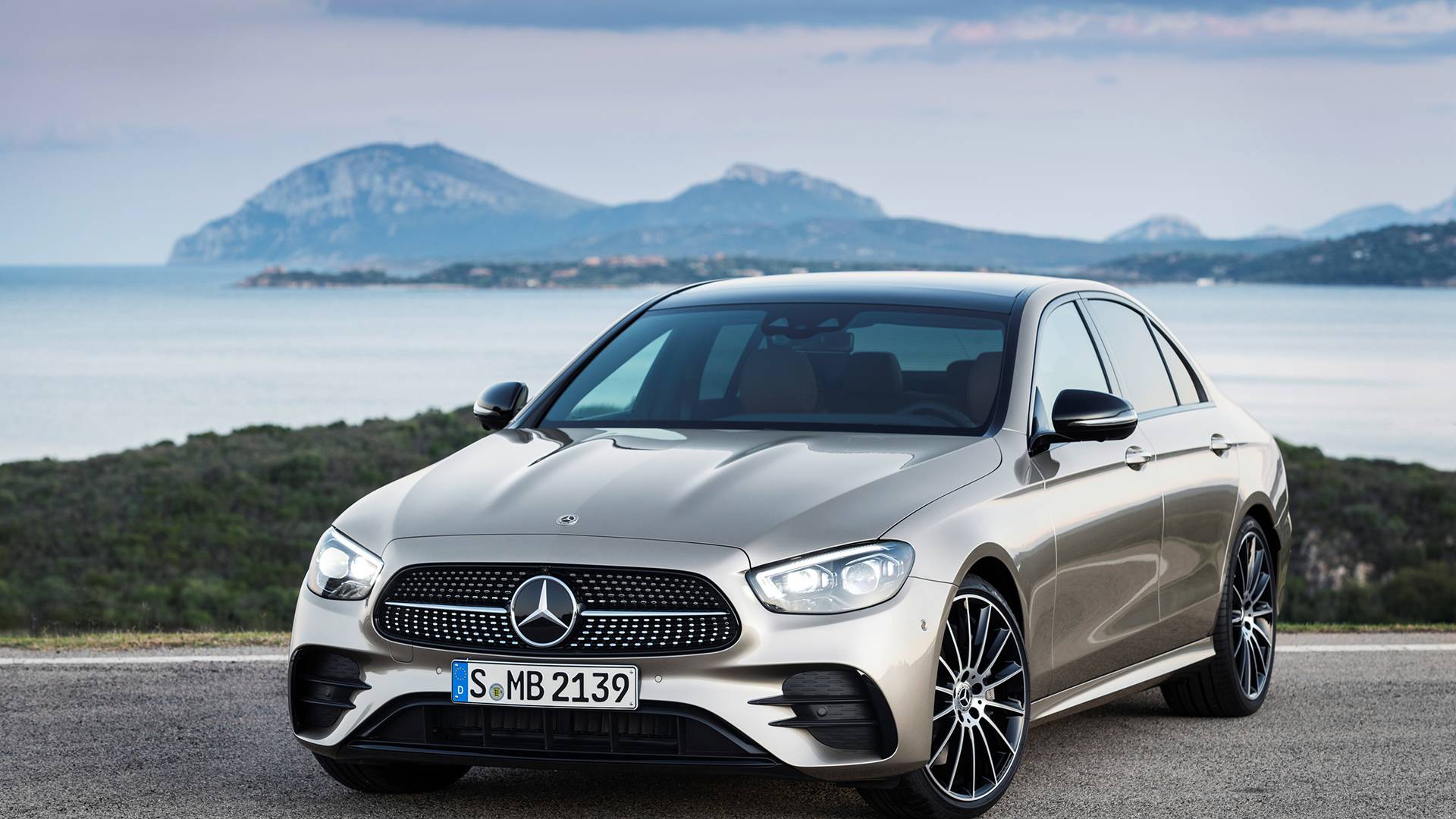
Perception of luxury often begins with the Mercedes-Benz E-Class Sedan W213 series, a vehicle widely recognized in the United States as a symbol of refined taste and financial comfort. Its exterior design presents a calm and balanced appearance, with smooth lines that suggest quiet confidence rather than aggressive styling.
Inside, the cabin delivers premium materials, ambient lighting, and a layout designed to prioritize comfort during long journeys. For many American drivers, owning this model signals a step into established success. Outside the United States, especially in parts of Europe and the Middle East, this same vehicle frequently operates as a taxi or executive transport car.
Its reputation for durability and long-distance comfort makes it a practical choice for professional drivers who accumulate high mileage daily. The spacious rear seating area becomes a working environment rather than a private luxury space, accommodating passengers ranging from business travelers to airport commuters.
Engineering plays a major role in this dual identity. The suspension system is tuned to absorb road imperfections effectively, allowing passengers to experience a smooth ride even on uneven city streets. Diesel and petrol engine options in many global markets provide efficiency suitable for continuous operation.
This mechanical reliability ensures that the vehicle remains functional under demanding conditions without frequent mechanical interruptions. Interior technology also supports its versatility. Digital instrument clusters, infotainment systems, and driver assistance features allow both private owners and professional operators to benefit from modern convenience.
However, the usage context determines how these features are perceived. In America, they enhance personal luxury driving. Abroad, they assist in maintaining productivity during long movements behind the wheel. Public perception differs sharply depending on geography.
In the United States, the E-Class is often parked in residential driveways as a sign of personal achievement. In cities such as Dubai or Berlin, similar models line taxi ranks, waiting for passengers. That difference highlights how the same engineering can serve both prestige and utility without losing its identity.
2. BMW 5 Series Sedan (G30 Generation)
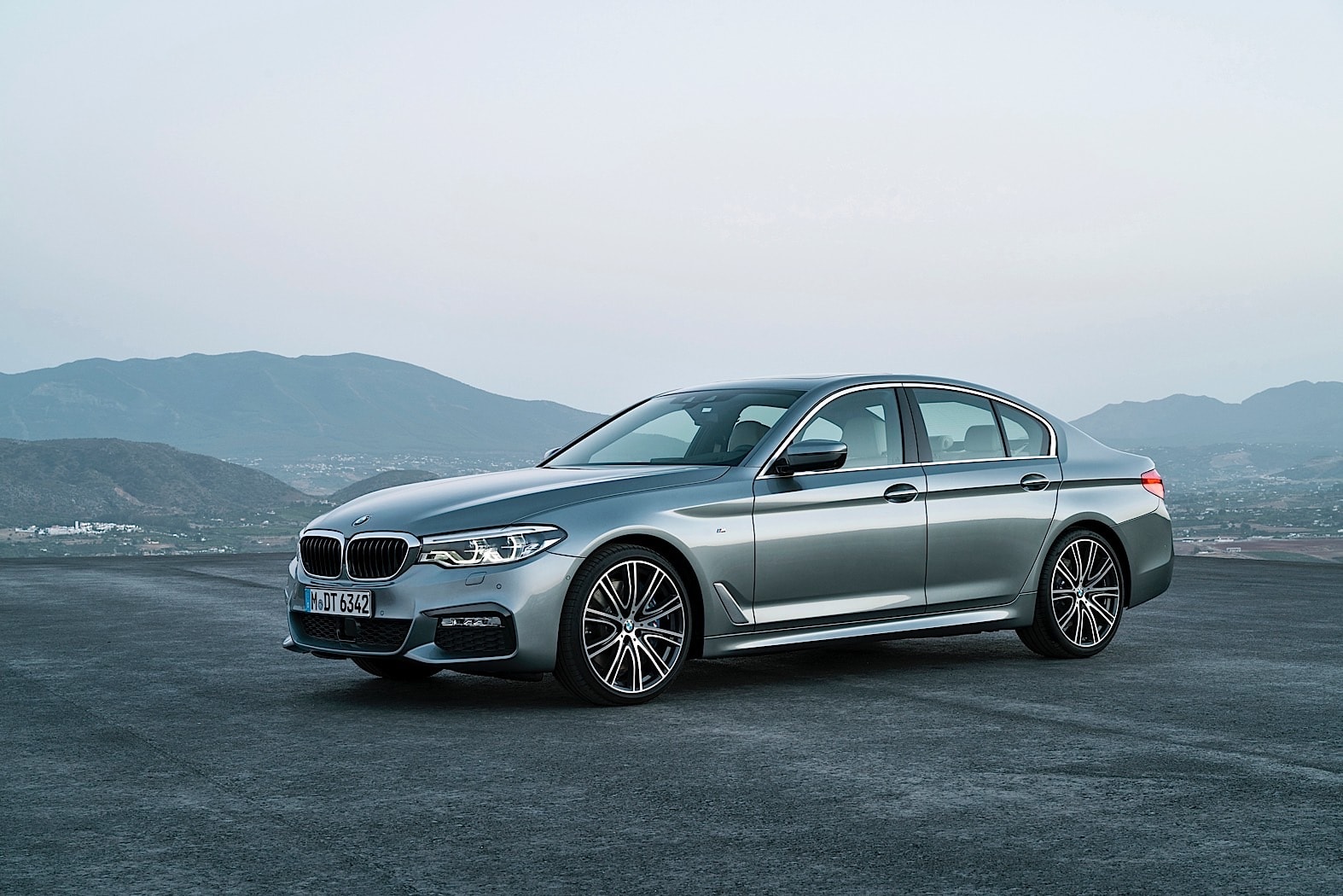
Recognition of executive driving comfort is strongly associated with the BMW 5 Series Sedan G30 generation. In the American market, this model represents a refined balance between performance and comfort, often chosen by professionals who want a vehicle that reflects success without appearing overly extravagant.
Its design language leans toward subtle aggression, with a wide stance and precise detailing that communicates controlled power. In international cities, particularly in Europe and parts of Asia, the same model is frequently used as a licensed taxi or ride service vehicle.
The reason lies in its ability to handle high daily mileage while maintaining passenger comfort. Rear-seat space, climate control systems, and suspension tuning make it suitable for carrying passengers across urban and highway routes for extended periods.
Performance characteristics are another reason for its widespread professional use. Engine options in diesel and petrol variants offer a combination of fuel efficiency and reliable output. The driving dynamics remain stable even under constant use, allowing drivers to maintain consistent operation throughout long working hours.
Steering precision and balanced weight distribution contribute to predictable handling in crowded city environments. Inside the cabin, technology plays a dual role depending on usage. For private owners in America, features such as gesture control, advanced infotainment, and ambient lighting create a premium driving environment.
For taxi operators abroad, those same features support passenger comfort and operational efficiency. Rear-seat controls and infotainment options can enhance the experience for paying customers, making the vehicle suitable for executive transport services.
The perception gap between regions remains clear. In the United States, the BMW 5 Series is often viewed as a personal executive sedan associated with career success. In other regions, it becomes a dependable service vehicle chosen for practicality and long-term durability. That dual identity reflects the adaptability of its engineering.
Also Read: 6 Budget Cars That Beat Luxury Cars at Their Own Game
3. Audi A6 Sedan (C8 Platform)
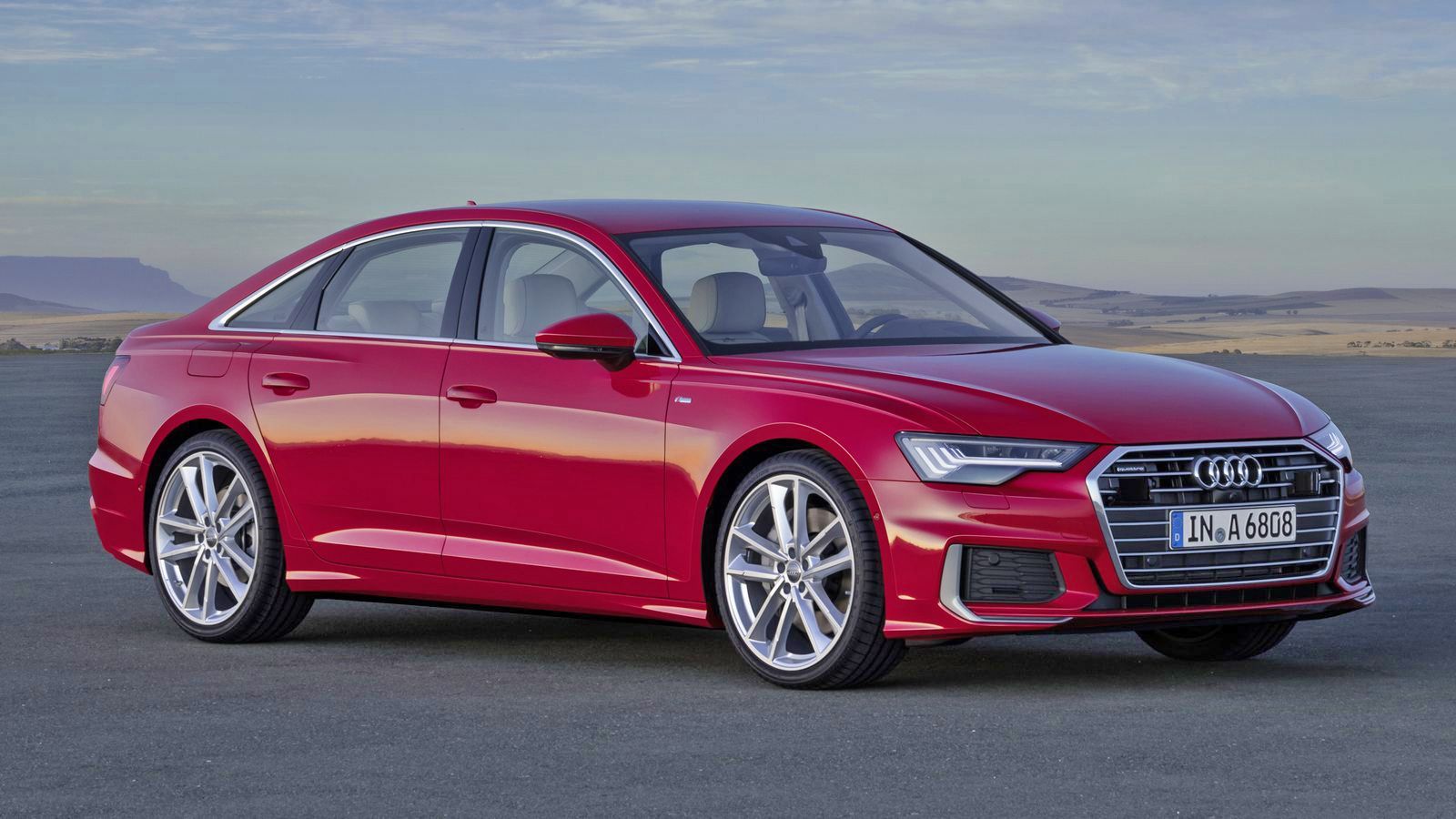
Modern luxury expression is strongly represented by the Audi A6 Sedan C8 platform, a vehicle that emphasizes clean design and advanced technology integration. In the American market, it is commonly associated with professionals who value understated luxury. Its exterior design avoids excessive styling cues, instead focusing on sharp lines, balanced proportions, and a refined presence that communicates confidence without loud presentation.
In several international markets, this same model serves as a premium taxi or chauffeur-driven vehicle. Its reputation for comfort and technological stability makes it suitable for transporting passengers across urban and intercity routes. The rear cabin is spacious enough to accommodate business travelers, while suspension tuning ensures a smooth ride across varying road conditions.
Audi’s engineering approach contributes to its dual usage. Quattro all-wheel-drive systems provide stability in diverse weather conditions, while engine options deliver a balance of efficiency and performance. Diesel variants in particular are favored for high-mileage professional use due to fuel economy and long-term durability.
Inside the cabin, digital displays dominate the driving experience. Dual touchscreen interfaces, virtual cockpit systems, and customizable controls create a technology-focused environment. For private owners, this setup reinforces the feeling of modern luxury. For taxi services, it offers functional tools that enhance passenger comfort and driver efficiency.
Ride quality remains one of its strongest attributes. Suspension systems are tuned to absorb road imperfections, ensuring a smooth experience even during extended trips. This makes the A6 a preferred choice for airport transfers and executive transportation services in several countries.
Perception varies depending on geography. In the United States, it is viewed as a premium executive sedan that signals success and refined taste. In other regions, it becomes a reliable working vehicle that combines comfort with practicality. That difference highlights how luxury engineering can adapt to different cultural expectations.
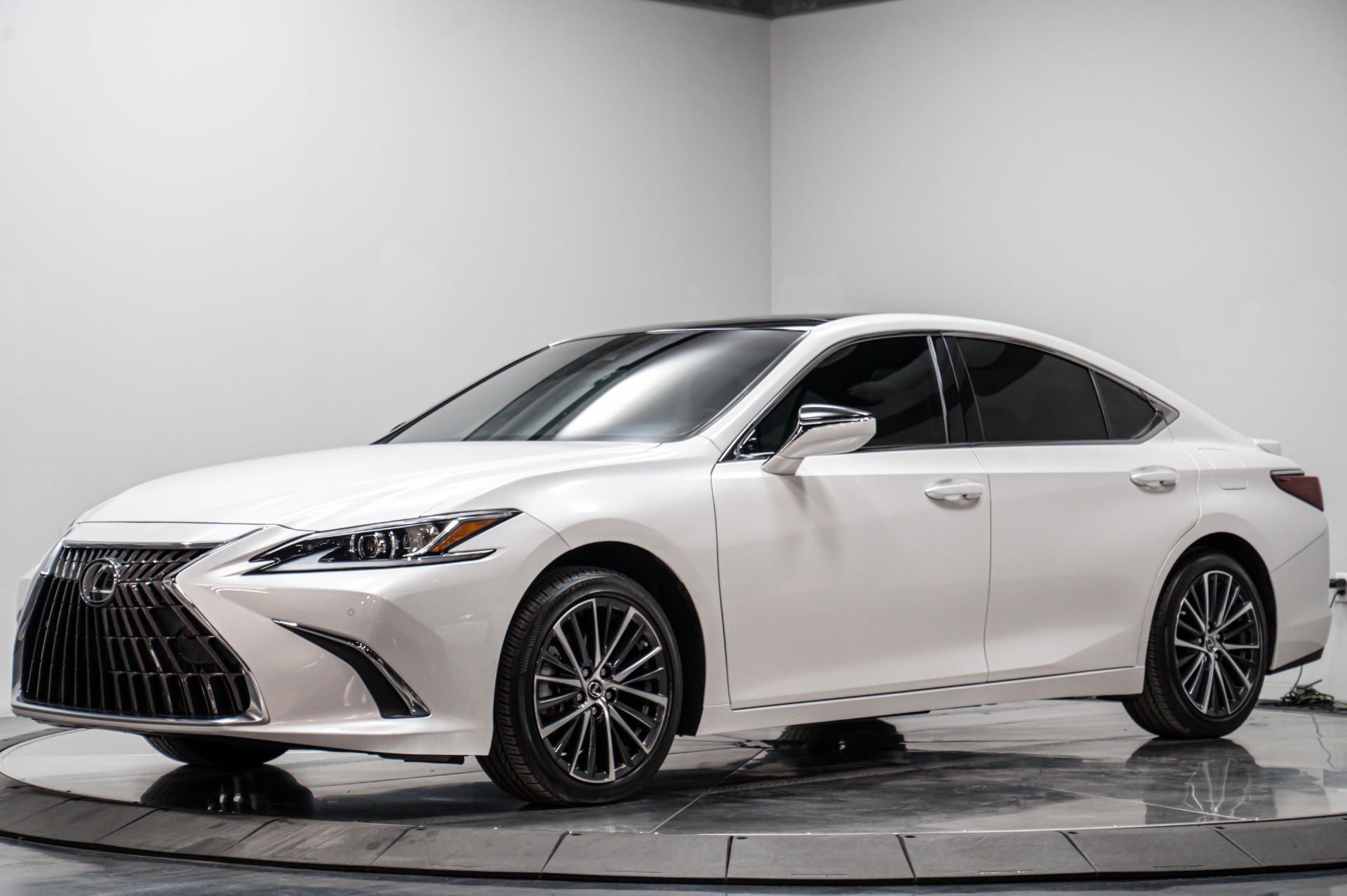
4. Lexus ES 350 Sedan (XV70 Series)
Comfort-oriented luxury finds strong expression in the Lexus ES 350 Sedan XV70 series, a model widely recognized in the United States for its smooth ride quality and reliability. Its design philosophy focuses on calmness, with a quiet cabin, soft suspension tuning, and an emphasis on passenger comfort.
Many American buyers choose it for its reputation for long-term dependability and stress-free ownership experience. In several international cities, particularly in Asia and the Middle East, the same model is commonly used as a premium taxi or chauffeur vehicle.
Its reputation for durability and low maintenance requirements makes it suitable for continuous daily operation. High mileage usage does not compromise its performance consistency, which is a major advantage for professional drivers. Engineering plays a central role in its dual identity.
The suspension system is tuned to prioritize comfort, absorbing road irregularities effectively. Hybrid variants available in many markets improve fuel efficiency, making it cost-effective for commercial use. Smooth power delivery ensures a relaxed driving experience, whether in stop-and-go traffic or highway cruising.
Interior design emphasizes quietness and comfort. Soft-touch materials, spacious seating, and advanced climate control systems create a calm environment for passengers. In private ownership, this translates into a relaxing luxury experience. In a taxi service, it enhances passenger satisfaction during long trips.
Technology integration supports both usage types. Infotainment systems, driver assistance features, and connectivity options allow the vehicle to remain modern and functional. However, usage interpretation differs. Personal owners see convenience and luxury. Professional drivers see efficiency and reliability tools.
Perception varies widely. In America, the Lexus ES 350 is often viewed as a refined personal luxury sedan chosen for comfort and dependability. Abroad, it becomes a trusted executive taxi known for reliability and passenger comfort. That dual identity reinforces its position as a versatile luxury vehicle.
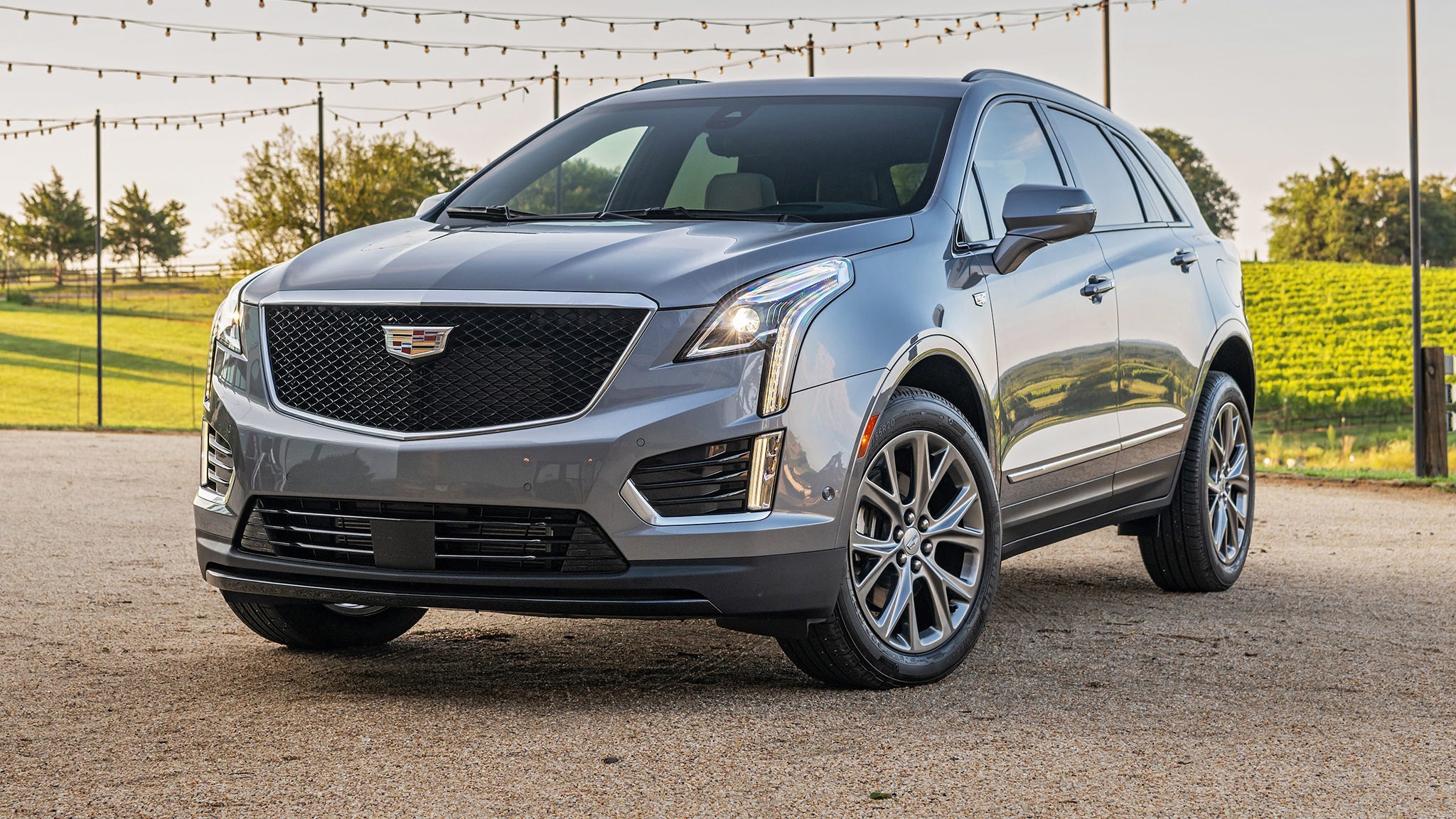
5. Cadillac XT5 Luxury SUV (1st Generation)
American luxury SUV design is strongly represented by the Cadillac XT5 Luxury SUV, first generation, a vehicle that emphasizes comfort, space, and premium styling. In the United States, it is commonly associated with suburban luxury living, offering a commanding driving position, spacious interior, and a design that reflects modern American automotive identity.
In international markets, particularly in regions where luxury SUVs are used for executive transport, the same model often serves as a high-end taxi or chauffeur-driven vehicle. Its size, comfort, and smooth ride quality make it suitable for transporting passengers in style while maintaining practicality for daily use.
Performance characteristics are tuned toward comfort rather than aggressive driving. Engine options provide adequate power for highway travel and city movement, while suspension systems prioritize smoothness over sporty handling. This makes the vehicle well-suited for long-distance passenger transport.
Interior design reflects premium comfort. Leather seating, spacious rear cabin layout, and advanced infotainment systems create a refined environment. For private owners in America, this represents personal luxury and status. For taxi operators abroad, it becomes a professional tool for premium transport services.
Technology integration includes driver assistance systems, connectivity features, and climate control enhancements. These systems improve both safety and comfort, making the vehicle suitable for diverse operating conditions. Perception remains split depending on location.
In the United States, the Cadillac XT5 is seen as a symbol of American luxury SUV ownership. In other regions, it functions as a reliable executive transport vehicle used in professional service fleets.
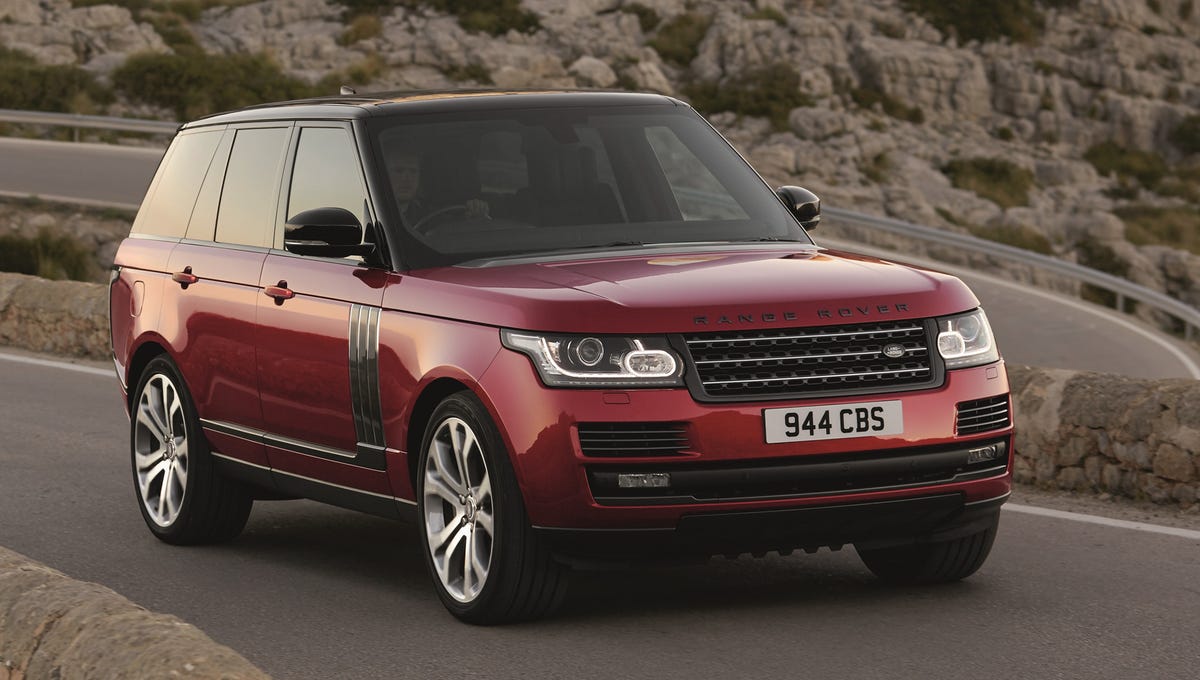
6. Range Rover Autobiography (British Luxury SUV Used as Executive Transport Abroad)
Luxury SUVs often signal high social standing in the United States, and the Range Rover Autobiography sits firmly in that category. Its tall stance, clean body lines, and refined interior design communicate wealth and lifestyle comfort. Many American buyers choose it as a personal statement vehicle, one that blends off-road capability with high-end materials and advanced cabin features.
The driving position feels commanding, while the cabin delivers leather surfaces, wood trim, and quiet insulation that separates occupants from road noise. Outside the United States, the same vehicle often serves a very different purpose. In several regions across Europe, the Middle East, and parts of Asia, it is frequently used as an executive taxi or chauffeur-driven transport.
Its large interior space makes it suitable for carrying business clients, tourists, and airport passengers who expect comfort during long rides. The rear seating area, often more important than the driver’s seat in these contexts, is designed to provide a smooth and relaxed travel experience.
Engineering choices support this dual identity. Air suspension systems adjust ride height and damping depending on road conditions, ensuring comfort across uneven surfaces. Engine options provide enough power to move a heavy body without strain, while maintaining smooth acceleration suitable for passenger transport. Diesel variants in some markets are preferred for their fuel efficiency and long operating range, especially in commercial use.
Inside the cabin, luxury materials remain consistent regardless of market usage. Soft leather seating, panoramic roof designs, and advanced climate control systems create an environment focused on passenger comfort. In personal ownership, these features represent exclusivity and status. In taxi service environments, they provide functional comfort for paying passengers.
Technology systems include navigation, infotainment, and driver assistance features that enhance usability. In private ownership, these systems support convenience and entertainment. In professional use, they assist drivers in managing multiple trips and long working hours. The vehicle adapts easily to both roles without losing its identity.
Perception differences remain clear. In the United States, the Range Rover Autobiography is associated with a luxury lifestyle and premium SUV ownership. In other regions, it becomes a trusted executive transport option used for high-end passenger services. That dual function highlights how luxury engineering can serve both personal expression and commercial practicality.
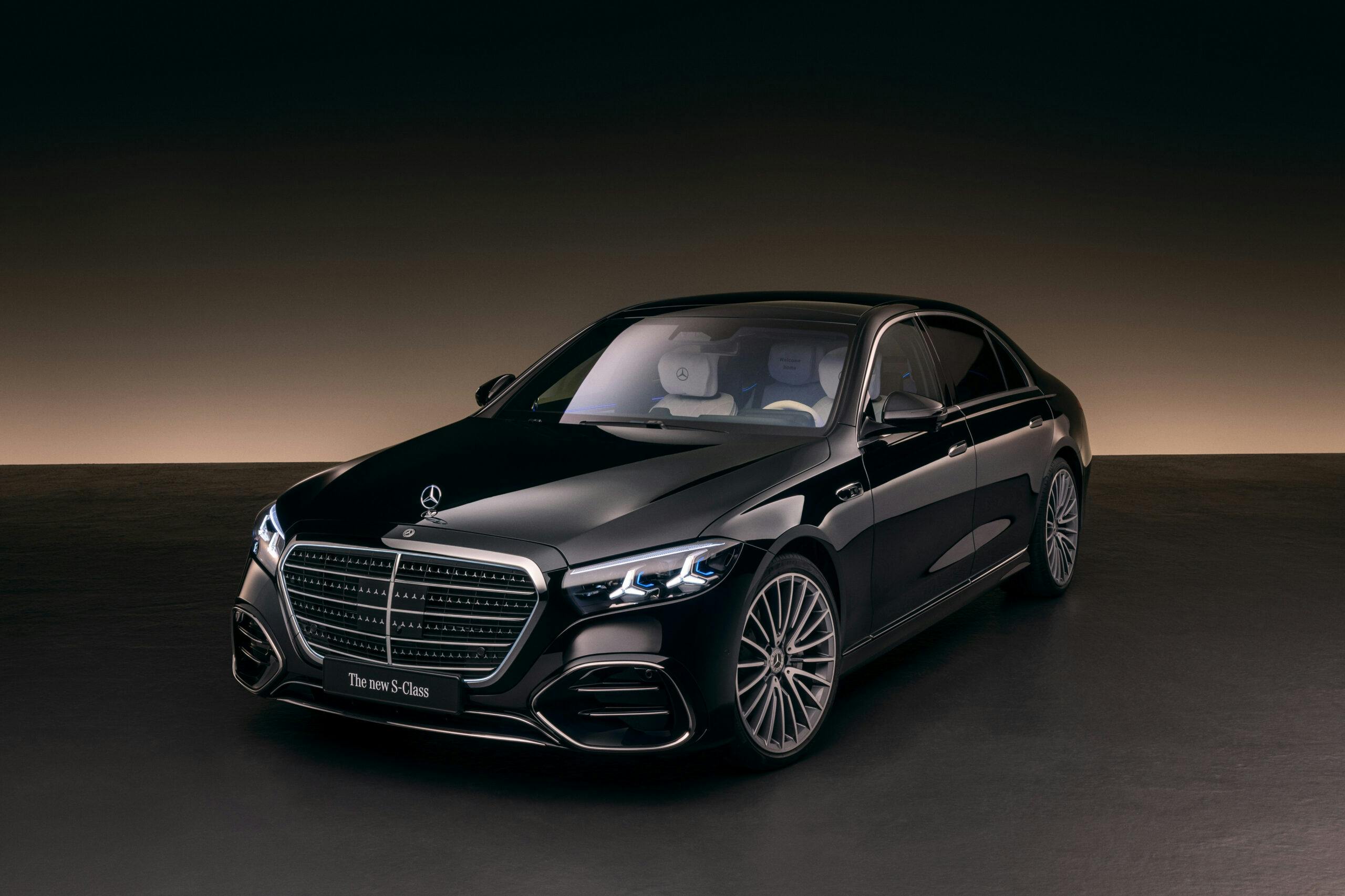
7. Mercedes-Benz S-Class (Flagship Sedan with Dual Identity Across Markets)
The Mercedes-Benz S-Class represents the highest level of traditional luxury sedan engineering from the brand. In the United States, it is widely recognized as a symbol of executive success and personal achievement. Its design focuses on smooth elegance, with a long body, subtle styling details, and a cabin built to deliver maximum comfort.
Owners often associate it with personal prestige, comfort during long drives, and advanced technology integration. In many international markets, especially in Europe, Asia, and the Middle East, the S-Class frequently operates as a chauffeur-driven taxi or executive transport vehicle.
Its reputation for rear-seat comfort makes it particularly suitable for passengers who prioritize relaxation and privacy. In these environments, the back seat becomes the primary focus, offering reclining functions, entertainment systems, and climate controls.
Engineering refinement plays a central role in its global appeal. Suspension systems are tuned for exceptional ride comfort, absorbing road imperfections with ease. Engine options, including efficient diesel and hybrid variants in certain regions, provide smooth power delivery suited for long-distance travel. The vehicle maintains stability at highway speeds, which is essential for both private ownership and professional transport services.
Inside the cabin, luxury is expressed through attention to detail. Premium leather, ambient lighting, and advanced infotainment systems create a refined atmosphere. In private ownership, these features support comfort and prestige. In taxi or chauffeur service, they provide a premium experience for passengers who expect high standards of travel quality.
Technology integration includes advanced driver assistance systems, digital instrument clusters, and connectivity features that enhance usability. These systems support both personal convenience and professional efficiency, depending on usage context.
Perception varies widely between regions. In the United States, the S-Class is often seen as the ultimate personal luxury sedan. In other parts of the world, it becomes a high-end transport vehicle used for business travel and executive services. This dual identity reflects its engineering focus on comfort, refinement, and long-term reliability.
8. BMW 7 Series (Executive Sedan with Global Service Role)
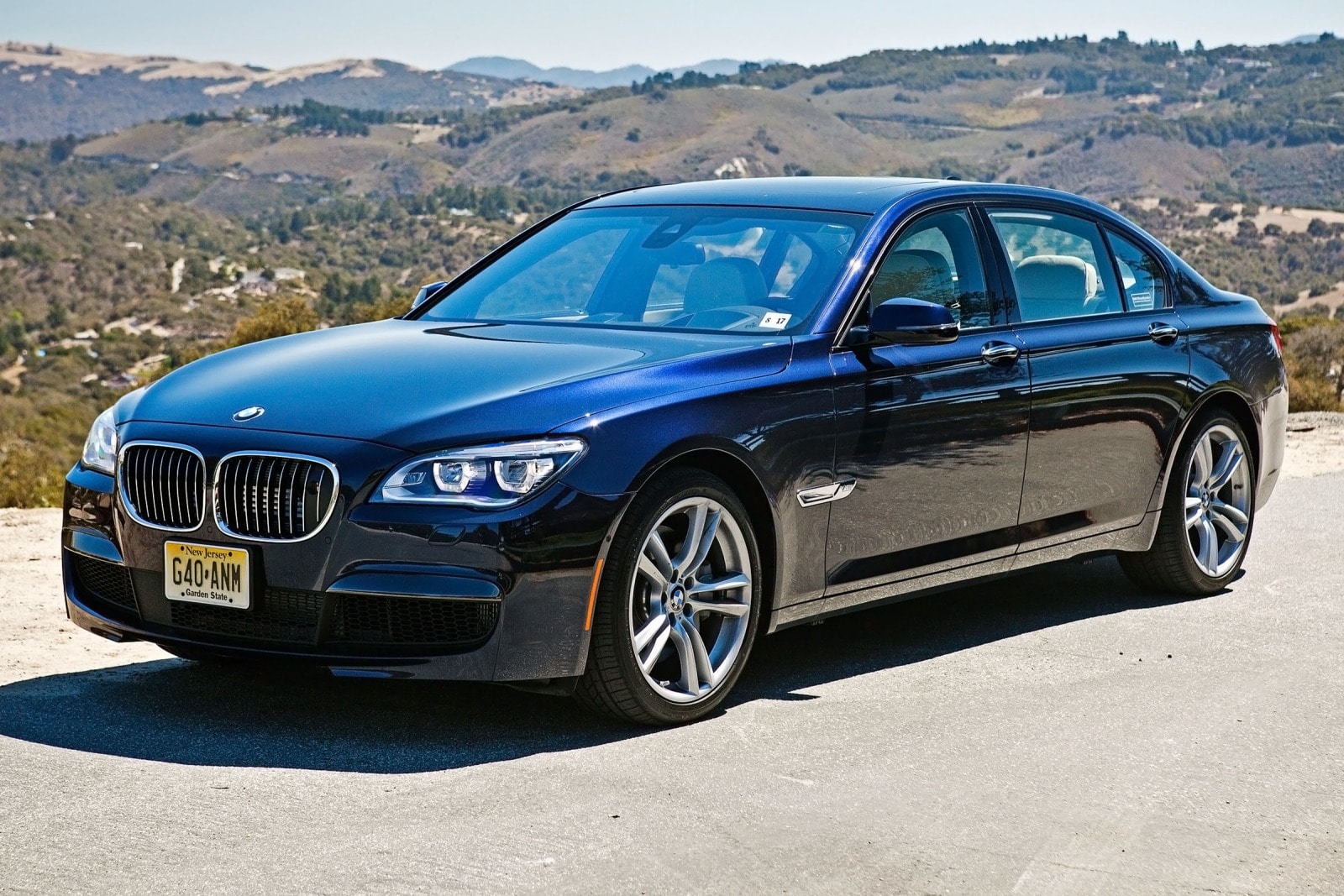
The BMW 7 Series occupies a strong position in the luxury sedan segment, especially in the United States, where it is associated with executive success and high-level professional achievement. Its design combines bold exterior styling with a refined interior layout that emphasizes comfort and advanced technology. Many American owners choose it for its blend of performance capability and luxury presence.
In several international cities, the BMW 7 Series also functions as a premium taxi or chauffeur vehicle. Its spacious rear seating and smooth ride quality make it suitable for transporting business travelers and high-paying passengers. In these environments, the vehicle serves more as a mobile office or relaxation space than a personal driving machine.
Performance characteristics are tuned to support comfort during long journeys. Engine options deliver smooth acceleration, while suspension systems prioritize stability and ride comfort. The vehicle maintains composure on highways and urban roads, making it suitable for continuous daily use in professional transport settings.
Inside the cabin, luxury is expressed through technology and material quality. Leather seating, advanced infotainment systems, and configurable rear-seat controls create a premium experience. In personal ownership, these features reflect status and convenience. In taxi service applications, they enhance passenger satisfaction and comfort.
Digital systems play a central role in the driving experience. Touch controls, voice interaction, and rear entertainment systems contribute to a modern and connected environment. These features support both individual use and commercial transport efficiency.
Perception differences remain clear across regions. In the United States, the BMW 7 Series is viewed as a personal executive sedan associated with success and prestige. In other countries, it often operates as a luxury transport vehicle used for professional chauffeur services. This dual identity reflects its adaptability in both private and commercial environments.
9. Audi A8 (Quiet Luxury Sedan with Executive Transport Role)
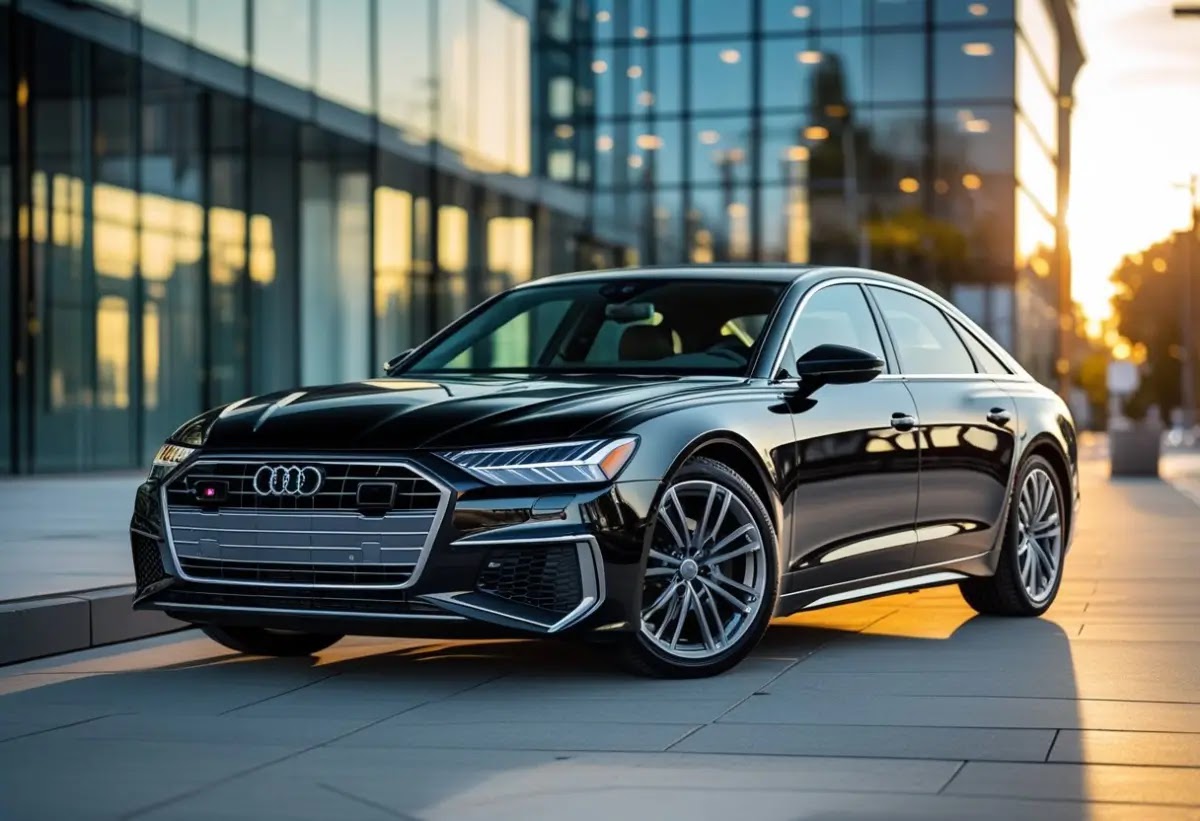
The Audi A8 represents Audi’s highest level of sedan luxury, and in the United States, it is widely recognized as a refined executive vehicle. Its exterior design emphasizes subtle elegance, with clean lines and a restrained appearance that communicates sophistication rather than aggression. Many American buyers appreciate it for its understated luxury and advanced technology integration.
In several international markets, the Audi A8 is frequently used as a premium taxi or chauffeur-driven executive car. Its smooth ride quality and spacious interior make it suitable for business clients and long-distance passenger transport. The rear seating area is designed for comfort, often serving passengers who spend extended time in transit.
Engineering focus centers on comfort and stability. Air suspension systems adjust automatically to road conditions, ensuring a smooth ride across varying surfaces. Engine options provide quiet and efficient performance, supporting both private ownership and commercial use. Diesel variants in certain markets offer long-range efficiency for high-mileage applications.
Interior design highlights digital technology and refined materials. Dual-screen infotainment systems, virtual cockpit displays, and premium seating materials create a modern luxury environment. In personal ownership, these features enhance driving enjoyment and convenience. In taxi service, they provide passengers with a comfortable and technologically advanced travel experience.
The cabin remains quiet even at higher speeds, reinforcing the vehicle’s reputation for refinement. Climate control systems and sound insulation contribute to a calm environment suitable for both business and leisure travel. Perception differences remain strong depending on location.
In the United States, the Audi A8 is seen as a personal luxury sedan for executives and professionals. In other regions, it functions as a high-end transport vehicle used in chauffeur services. That dual role highlights its ability to combine comfort, technology, and practicality.
Also Read: 5 Luxury Cars That Are Actually Reliable and 5 Money Pits
10. Lincoln Navigator (American Luxury SUV Used in Executive Fleet Services Abroad)
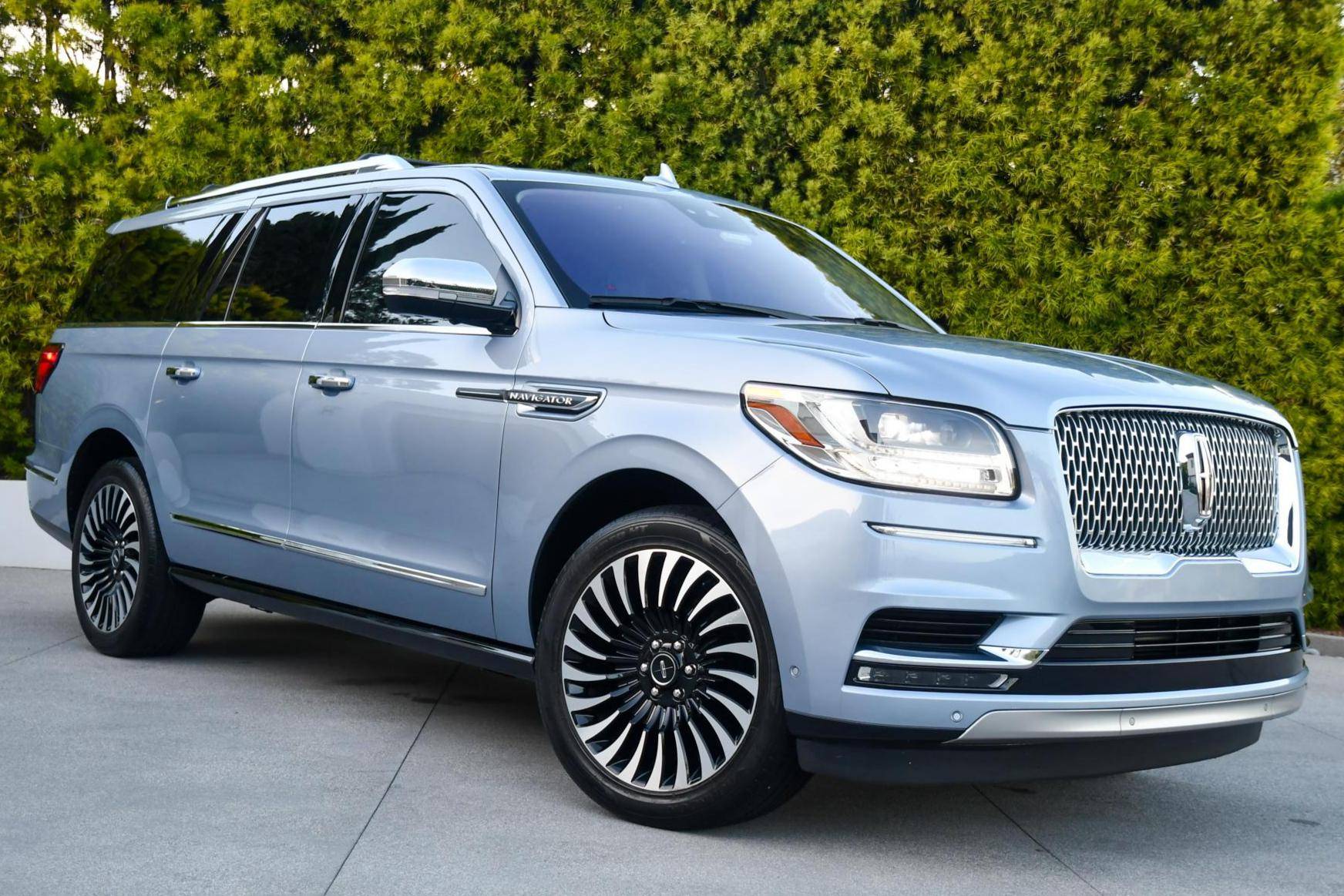
The Lincoln Navigator represents American full-size luxury SUV design, widely recognized in the United States as a symbol of comfort, space, and premium styling. Its large body, bold front design, and spacious interior make it a popular choice among families and professionals who prefer a commanding road presence combined with luxury features.
In international markets, particularly in regions where luxury SUVs are used for executive transport, the Lincoln Navigator often operates as a high-end taxi or chauffeur vehicle. Its three-row seating configuration and generous cargo space make it suitable for airport transfers, corporate travel, and group transportation services.
Performance characteristics prioritize smoothness and comfort rather than aggressive driving. The engine delivers strong torque for moving a large vehicle with ease, while suspension systems are tuned to absorb road imperfections effectively. This ensures passengers experience a stable and comfortable ride even on long journeys.
Inside the cabin, luxury is expressed through space and materials. Leather seating, wood accents, and advanced infotainment systems create a premium environment. In private ownership, this reflects American luxury SUV culture. In taxi service applications, it provides a comfortable and spacious transport option for multiple passengers.
Technology features include driver assistance systems, connectivity options, and entertainment displays that enhance both safety and convenience. These systems support personal use while also improving operational efficiency in professional transport environments.
Perception varies depending on the region. In the United States, the Lincoln Navigator is seen as a luxury family SUV with a strong presence. In other countries, it functions as a premium transport vehicle used in executive fleet services. This dual identity reinforces its position as a versatile luxury SUV capable of serving both personal and commercial roles.
