Not every car disappears because it is old, outdated, or completely unsuccessful. Sometimes, automakers pull the plug on vehicles long before their intended lifespan ends, cutting production short despite ambitious goals, strong marketing, or even flashes of brilliance.
In the automotive world, being killed mid-production often happens when reality collides with expectation. Poor sales, rising costs, bad timing, corporate politics, changing consumer tastes, or flawed execution can quickly turn a promising project into an expensive mistake.
The eight vehicles on this list represent some of the most fascinating examples of cars that started with big dreams but failed to survive. From the innovative mid-engine Pontiac Fiero and luxurious Cadillac XLR to oddball experiments like the Chevrolet SSR and Lincoln Blackwood, these models all carried bold ideas that either arrived too early, missed their audience, or suffered from compromises that undermined their purpose. Others, like the Chrysler Crossfire and Plymouth Prowler, became victims of corporate restructuring and brand shakeups.
Yet failure is only part of their story. Many of these vehicles later developed cult followings, proving that automotive history often treats bold risks more kindly with time.
1. Pontiac Fiero
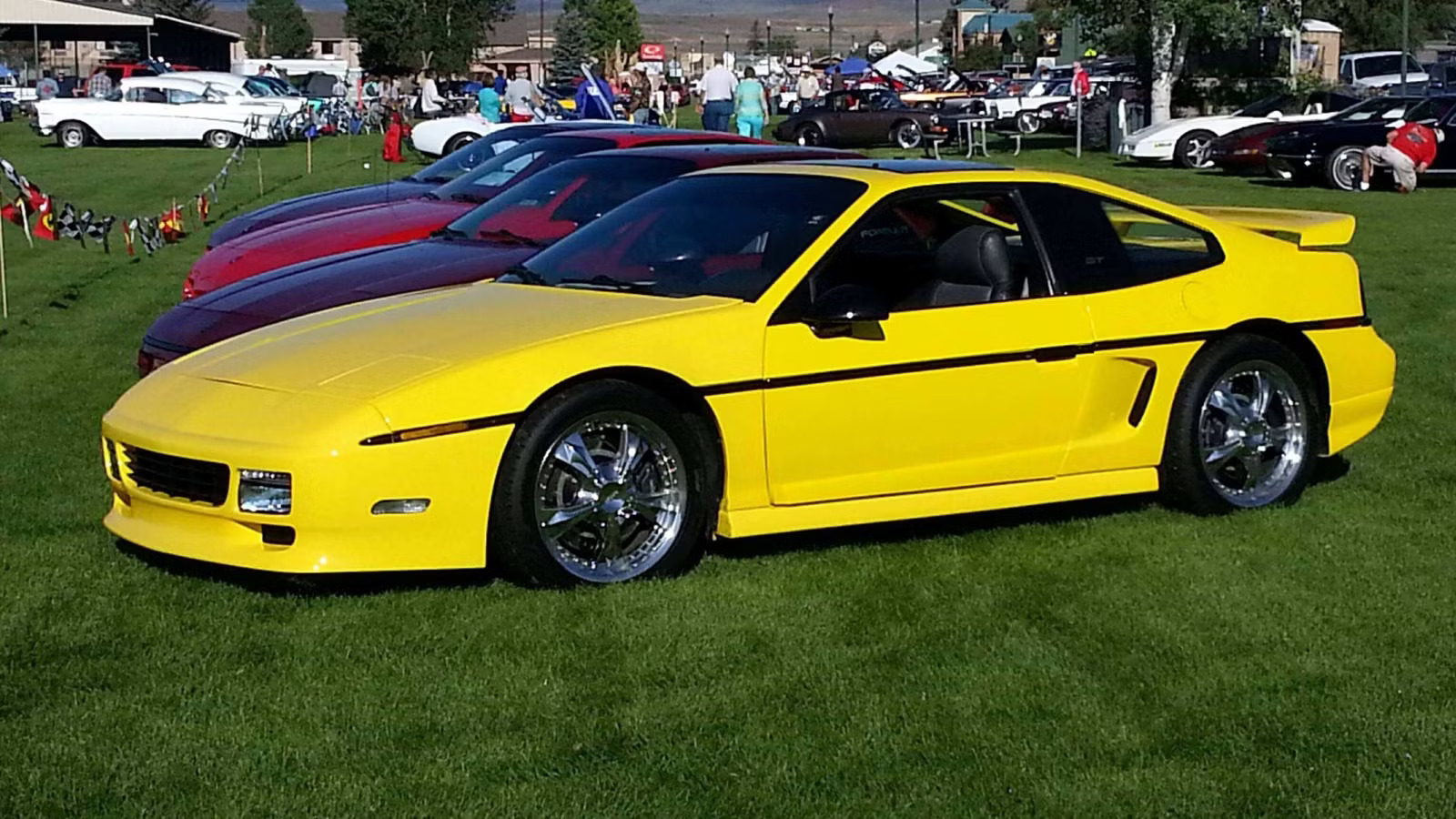
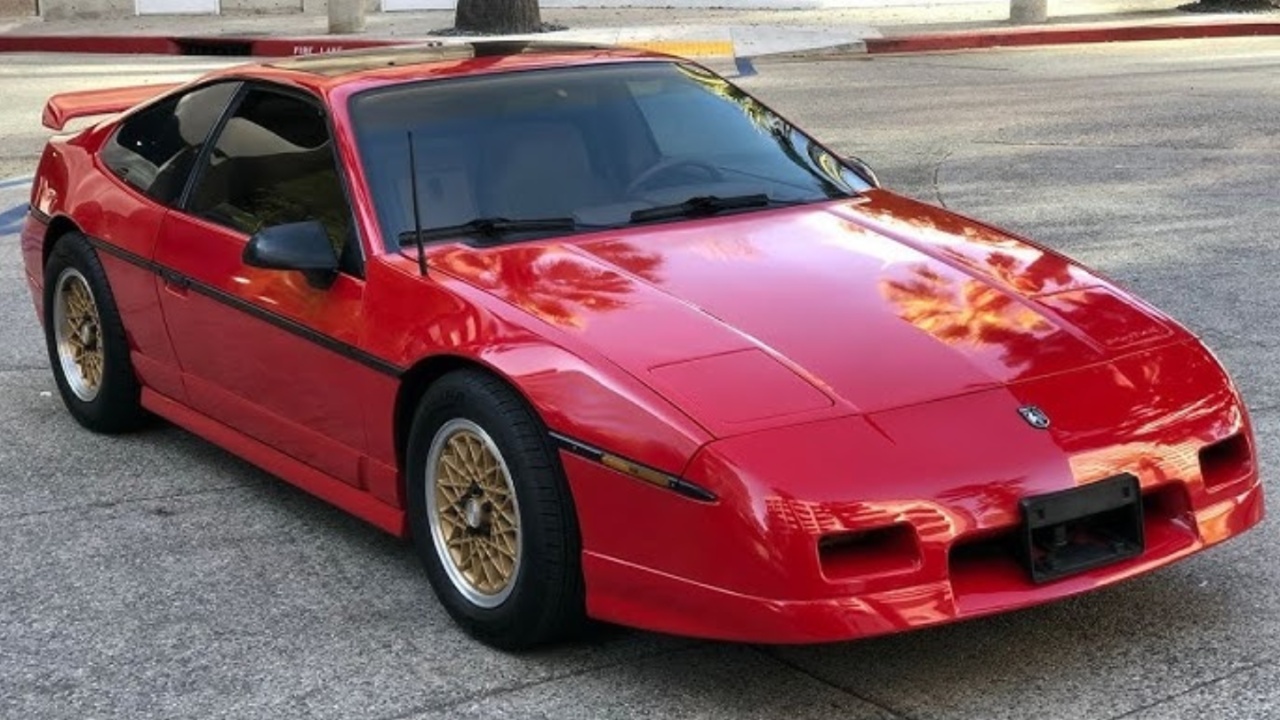
The Pontiac Fiero (1984–1988), developed by General Motors under Pontiac, was an ambitious mid-engine sports coupe intended as an efficient commuter car that could evolve into a performance platform. Built with strict budget constraints, engineers relied heavily on GM parts-bin components, including the underpowered 2.5L “Iron Duke” four-cylinder, which limited early performance.
Although Pontiac envisioned V6 and turbo variants, the early models suffered from reliability issues, poor handling, and widely publicized engine-fire incidents, damaging its reputation. Sales initially reflected curiosity but quickly declined due to negative press and internal corporate skepticism.
Despite its rocky start, continuous development led to significant improvements. By 1988, the Fiero received a fully revised suspension, upgraded braking system, and the stylish GT fastback variant.
These changes transformed it into a genuinely capable and enjoyable driver’s car, closer to Pontiac’s original vision of a lightweight mid-engine sports machine. However, by this point, consumer trust had already eroded, and General Motors faced financial pressure, leading to the program’s cancellation after the 1988 model year.
Internally, the Fiero’s fate was also shaped by corporate politics. Underutilization of its large production facility and the collapse of the GM-80 platform plan made the project economically difficult to justify. Meanwhile, concerns within Chevrolet about the Chevrolet Corvette’s positioning added tension, as a more advanced Fiero with higher power output and improved handling could have threatened its market dominance.
After cancellation, the Fiero’s legacy persisted through design and engineering influence. Elements of its styling and development experience informed later GM projects, including the Chevrolet Camaro and Pontiac Firebird, while several engineers later contributed to the C5 Corvette program. In modern times, the Fiero has gained renewed appreciation among enthusiasts, especially within retro car culture, where its innovative concept and unrealized potential are re-evaluated more positively.
Today, the Pontiac Fiero is reassessed by collectors who value its bold engineering for the era and its role as an early mainstream mid-engine American sports car. Once dismissed due to early flaws and corporate politics, it now enjoys cult status at enthusiast events and serves as a reminder of unrealized General Motors innovation potential, indeed, legacy.
- Engine: 2.5L Inline-4 (Base/Sport) / 2.8L V6 (GT/Formula)
- Horsepower: 92–98 hp (Inline-4) / 135–140 hp (V6)
- Torque: 132 lb-ft (Inline-4) / 160–170 lb-ft (V6)
- Length: 160.3 in (Base/Sport) / 165.1 in (GT/Formula)
- Width: 68.9 in (Base/Sport) / 69.0 in (GT/Formula)
2. Cadillac XLR (2004–2009)
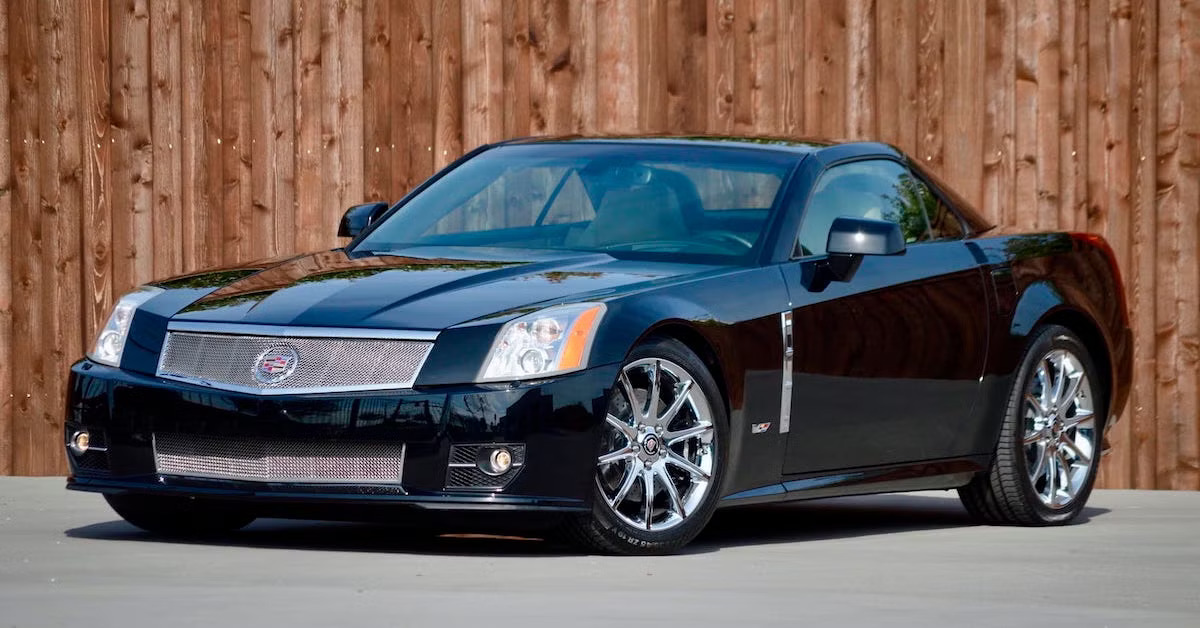
The Cadillac XLR (2004–2009) was an ambitious luxury roadster that marked Cadillac’s effort to modernize its image and compete in the high-end convertible segment. Built on the Chevrolet Corvette C6 platform, it combined angular styling, a retractable hardtop, and a Northstar V8 engine. Cadillac positioned it against rivals such as the Mercedes-Benz SL, Jaguar XK, and Porsche 911, aiming to showcase a new era of performance luxury.
Despite its striking design and advanced features, the XLR struggled to gain traction in the market due to several structural weaknesses. Its price placed it in direct competition with far more established European brands, where buyers valued heritage as much as performance. Cadillac’s lack of pedigree in this segment reduced its credibility among luxury convertible shoppers.
Performance limitations also affected its reputation. Although Cadillac used a Northstar V8 tuned for refinement, it delivered less power than the lighter Chevrolet Corvette it shared a platform with. The heavier body and comfort-focused suspension reduced agility, while narrow run-flat tires further limited handling precision. A lack of manual transmission also reduced driver engagement.
Practicality concerns further hurt its appeal. Cargo space was extremely limited, shrinking to just four cubic feet when the retractable roof was lowered. Unlike competitors, the XLR offered little storage behind the seats and no rear seating, making it less versatile as a grand tourer.
Cadillac later introduced the XLR-V in 2006, featuring a supercharged V8 that significantly increased output and performance. Despite improved speed, its high price placed it against elite competitors such as the Mercedes SL 55 AMG, Jaguar XK R, and Porsche 911 Cabriolet. These rivals offered stronger brand prestige and more complete performance packages.
Critical reception placed the XLR at the bottom of several comparison tests due to its pricing, limited engagement, and lack of refinement compared to rivals. While it delivered strong straight-line speed and comfort, it failed to meet expectations for a performance-focused luxury convertible. Sales remained modest, with only around 15,000 units produced during its run.
Production ended in 2009 as Cadillac shifted focus to successful performance-oriented models, marking a clearer direction for its evolving performance strategy.
- Engine: 4.6L naturally aspirated Northstar V8 (Base) / 4.4L supercharged Northstar V8 (XLR-V)
- Horsepower: 320 hp (Base) / 443 hp (XLR-V)
- Torque: 310 lb-ft (Base) / 414 lb-ft (XLR-V)
- Length: 177.7 in (4.51 m)
- Width: 72.3 in (1.84 m)
3. Chevrolet SSR (2003–2006)
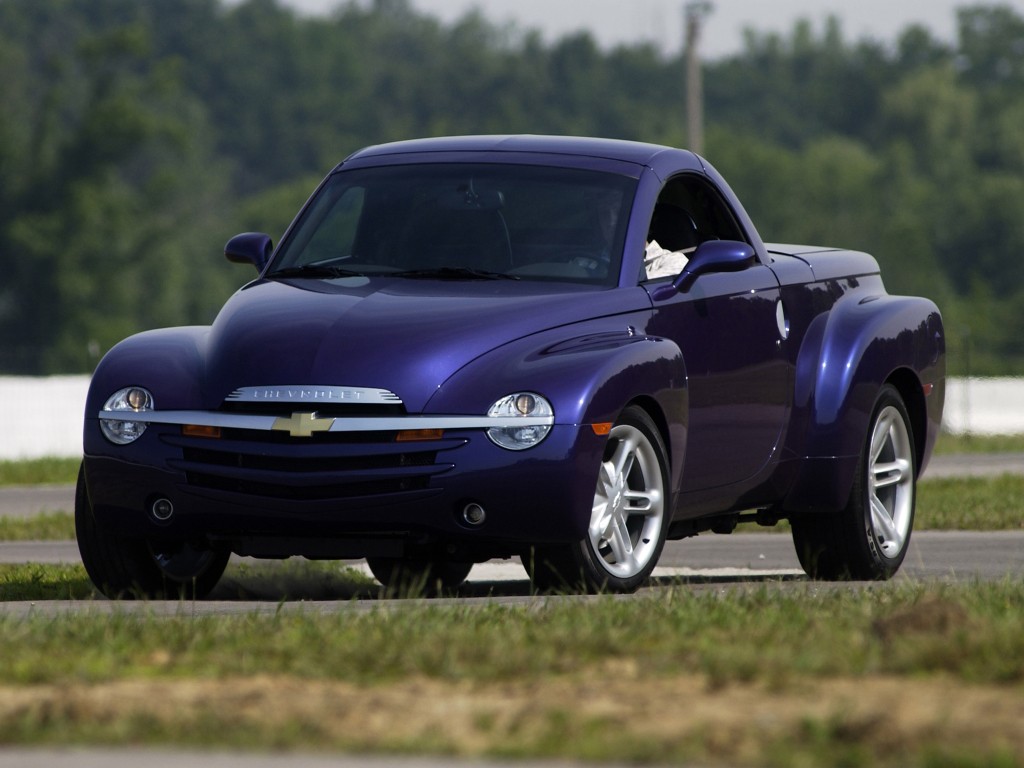
The Chevrolet SSR (Super Sport Roadster) was one of General Motors’ most unusual experiments, blending a retro-inspired hot-rod design, a retractable hardtop convertible, and a small pickup truck bed.
Intended as a bold lifestyle vehicle, it was built on a heavy SUV-based platform rather than a lightweight sports architecture, which immediately shaped its performance and practicality limitations. Although it generated strong pre-release hype and even served as the pace car for the 2003 Indianapolis 500, it struggled to convert attention into sustained sales.
When it launched, the SSR used a 5.3-liter Vortec V8 producing around 300 horsepower, but its 0–60 mph time of roughly 7.7 seconds reflected its considerable weight and lack of performance focus. In 2005, Chevrolet upgraded the model with a 6.0-liter LS2 V8 shared with the Corvette C6, increasing output to about 390 horsepower. A manual transmission was also introduced later, improving driver engagement, but these changes came too late to reshape public perception.
Despite its muscular engines, the SSR was burdened by a 4,700-pound curb weight that limited handling and acceleration. It was not a capable sports car, nor was it a practical pickup truck. Its cargo bed was small and largely symbolic, while the cabin seated only two passengers, reducing its utility compared to traditional trucks. This mismatch between design intent and real-world function was a major weakness.
Pricing further complicated its position. With a starting price of around $42,000 and fully optioned models approaching $50,000, the SSR was significantly more expensive than many more capable trucks and performance cars. Buyers were hesitant to pay premium prices for a vehicle that delivered neither strong utility nor competitive performance.
Sales reflected this disconnect. Although 9,000 units were sold in its first year, total production reached only about 24,000 vehicles before Chevrolet discontinued it in 2006. The SSR’s combination of high cost, limited practicality, and underwhelming performance prevented it from achieving mainstream success.
Over time, however, the SSR has developed a cult following. Its distinctive retro styling and unusual concept have made it more appreciated among collectors and enthusiasts today than during its production years. Still, its legacy remains that of a bold but commercially misaligned experiment in automotive design.
- Engine: 5.3L Vortec 5300 V8 (2003–2004) / 6.0L LS2 V8 (2005–2006)
- Horsepower: 300 hp (2003–2004) / 390–400 hp (2005–2006)
- Torque: 331 lb-ft (2003–2004) / 400–405 lb-ft (2005–2006)
- Length: 191.4 in (4.86 m)
- Width: 78.6 in (2.00 m)
4. Chrysler Crossfire (2004–2008)
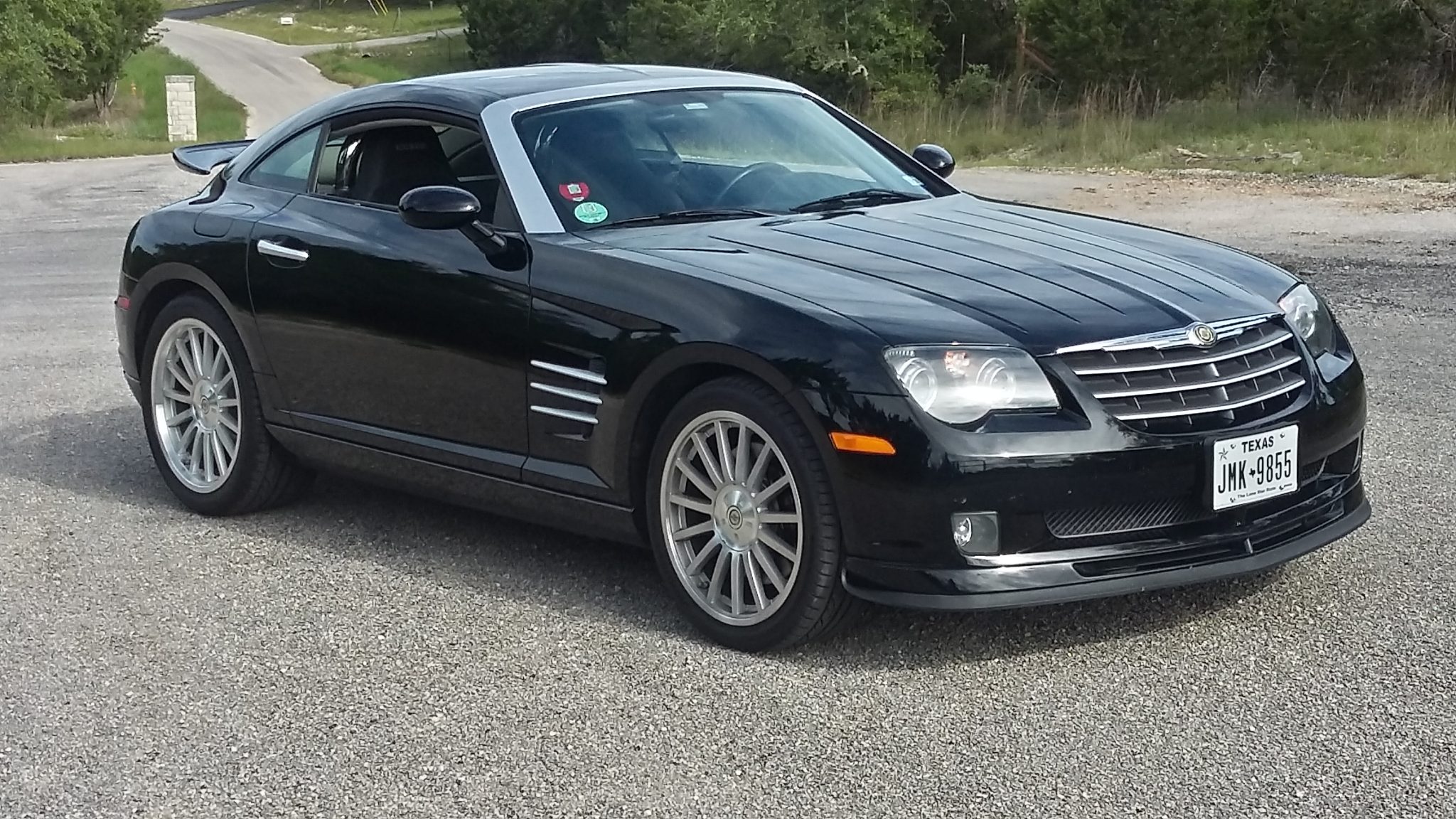
The Chrysler Crossfire (2004–2008) emerged from the DaimlerChrysler merger as an attempt to inject performance and design excitement into Chrysler’s lineup. Built on the Mercedes-Benz R170 SLK platform, it was intended to be a compact rear-wheel-drive sports coupe that would revive interest in the brand following the discontinuation of niche models like the Prowler.
The Crossfire originated from a well-received 2001 concept by Eric Stoddard, which emphasized lightness, agility, and expressive styling, generating enough enthusiasm to push the project into production.
However, the production version underwent significant changes that diluted its original promise. Designed under Andrew Dyson, the final styling introduced a polarizing fastback shape and a controversial rear section that drew criticism for its unusual proportions. While visually distinctive, it divided opinion and limited its mainstream appeal.
Beneath the styling, the Crossfire shared approximately 80% of its components with the Mercedes SLK 230, including its chassis and drivetrain, and was even built by German coachbuilder Karmann before being shipped to the United States.
Performance was modest for its price bracket. Early models used a 3.2-liter Mercedes V6 producing around 215 horsepower, which felt underwhelming given the car’s premium pricing of more than $33,000 at launch. The steering system, based on outdated recirculating-ball technology, further reduced driving precision and modern appeal. While the car was rear-wheel drive and reasonably balanced at around 3,000 pounds, it lacked the engagement expected from a dedicated sports coupe.
In 2005, Chrysler introduced the Crossfire SRT-6, which featured a supercharged AMG-enhanced V6 producing 330 horsepower. Although significantly faster, it failed to reverse declining demand, with only about 4,071 units produced. High production costs driven by German engineering, transatlantic logistics, and shared Mercedes components pushed pricing even higher in the U.S. market, making the car difficult to justify against stronger competitors.
Sales never met expectations. Chrysler had planned for roughly 20,000 units per year, but the Crossfire fell far short of that target, with only a few hundred units sold in its final year. Buyers were hesitant to pay premium prices for a rebadged foreign-designed sports car with limited performance and divisive styling.
As the DaimlerChrysler partnership dissolved and platform-sharing projects were discontinued, the Crossfire was left without a successor or future development path, cementing its place as a misaligned experiment in brand strategy and product identity.
- Engine: 3.2L Mercedes-Benz M112 V6 (Base) / 3.2L supercharged AMG-tuned V6 (SRT-6)
- Horsepower: 215 hp (Base) / 330–335 hp (SRT-6)
- Torque: 229 lb-ft (Base) / 310 lb-ft (SRT-6)
- Length: 159.8 in (4.06 m
- Width: 69.5 in (1.77 m)
Also read: 10 Cars From the 1960s That Should Be Relaunched With the Same Design
5. Pontiac Aztek (2001–2005)
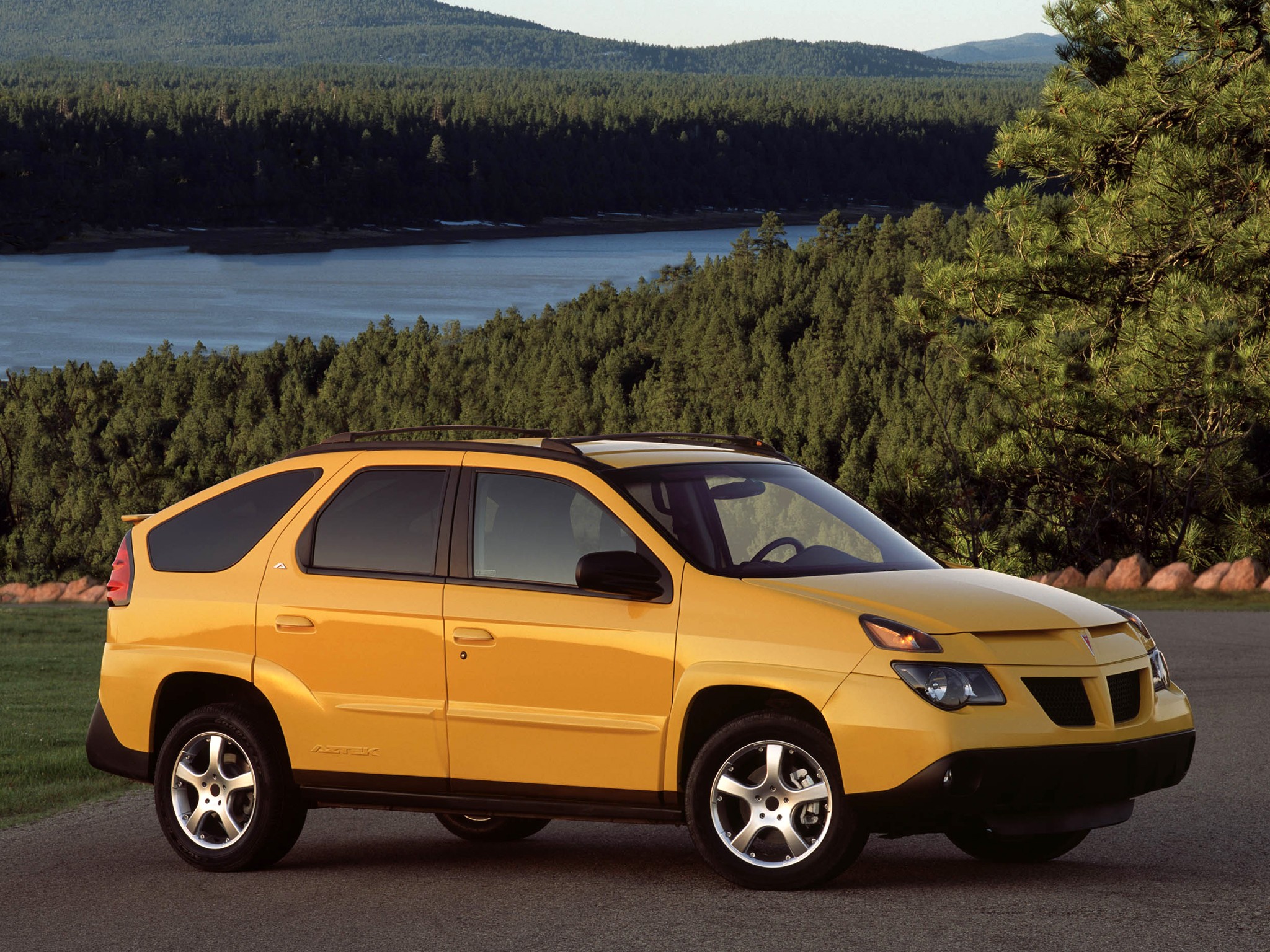
The Pontiac Aztek (2001–2005) is often remembered as one of the most divisive vehicle designs in automotive history, yet beneath its unusual appearance was a surprisingly innovative crossover concept.
Developed by General Motors as a youth-oriented, adventure-focused vehicle, the Aztek sought to combine SUV practicality with features aimed at active lifestyles. Long before crossovers dominated the market, it introduced camping accessories, flexible cargo systems, and lifestyle-focused utility that anticipated future consumer trends.
The Aztek’s origins traced back to General Motors experiments in the 1990s, when designers explored blending sporty styling with pickup and SUV practicality. Early ideas eventually evolved into a minivan-based platform, a decision that shaped both the vehicle’s practicality and its awkward proportions.
Compared with the concept model, the production version appeared taller, narrower, and visually less balanced. Heavy plastic body cladding, a sharply divided front fascia, and small wheels created a design that many consumers considered unattractive. Public criticism focused heavily on its unusual proportions, and negative first impressions quickly became difficult to overcome.
Although styling overshadowed the vehicle’s strengths, the Aztek performed reasonably well for its class. Powered by a 3.4-liter V6 engine producing around 185 horsepower, it offered competitive acceleration for an early-2000s crossover. Its performance was respectable compared with contemporary SUVs, though refinement issues such as mediocre transmission behavior, limited rear visibility, and occasional electrical problems reduced confidence in the driving experience.
Where the Aztek stood out most was inside the cabin. Pontiac designed the interior with practicality and versatility in mind, offering a generous cargo space of up to 93.5 cubic feet and numerous functional features. A removable center console doubled as a cooler, while a sliding rear cargo tray made loading heavy equipment easier.
The rear hatch also included a built-in seating area with cupholders, and optional features such as rear-seat headphone jacks, upgraded audio systems, and a head-up display added convenience. Buyers seeking outdoor adventures could choose a Camping Lifestyle Package that includes an inflatable mattress and an attachable tent, transforming the vehicle into a compact camping solution.
Pontiac introduced only modest updates during the Aztek’s short production life, including body-colored cladding intended to soften its harsh appearance. Still, sales consistently fell short of GM’s expectations, leading to the vehicle’s cancellation in 2005.
Years later, the Aztek gained renewed recognition through Breaking Bad, where it became closely associated with Walter White. While once mocked, it is now viewed by some enthusiasts as a creative and early example of the lifestyle crossover formula that would later become highly successful.
- Engine: 3.4L LA1 V6
- Horsepower: 185 hp @ 5,200 rpm
- Torque: 210 lb-ft @ 4,000 rpm
- Length: 182.1 in (4.63 m)
- Width: 73.7 in (1.87 m)
6. Ford Thunderbird (2002–2005)
Ford revived the Thunderbird nameplate in 2002 as part of the growing retro-design movement of the early 2000s, hoping to capture nostalgia for the original 1955 model while appealing to modern buyers.
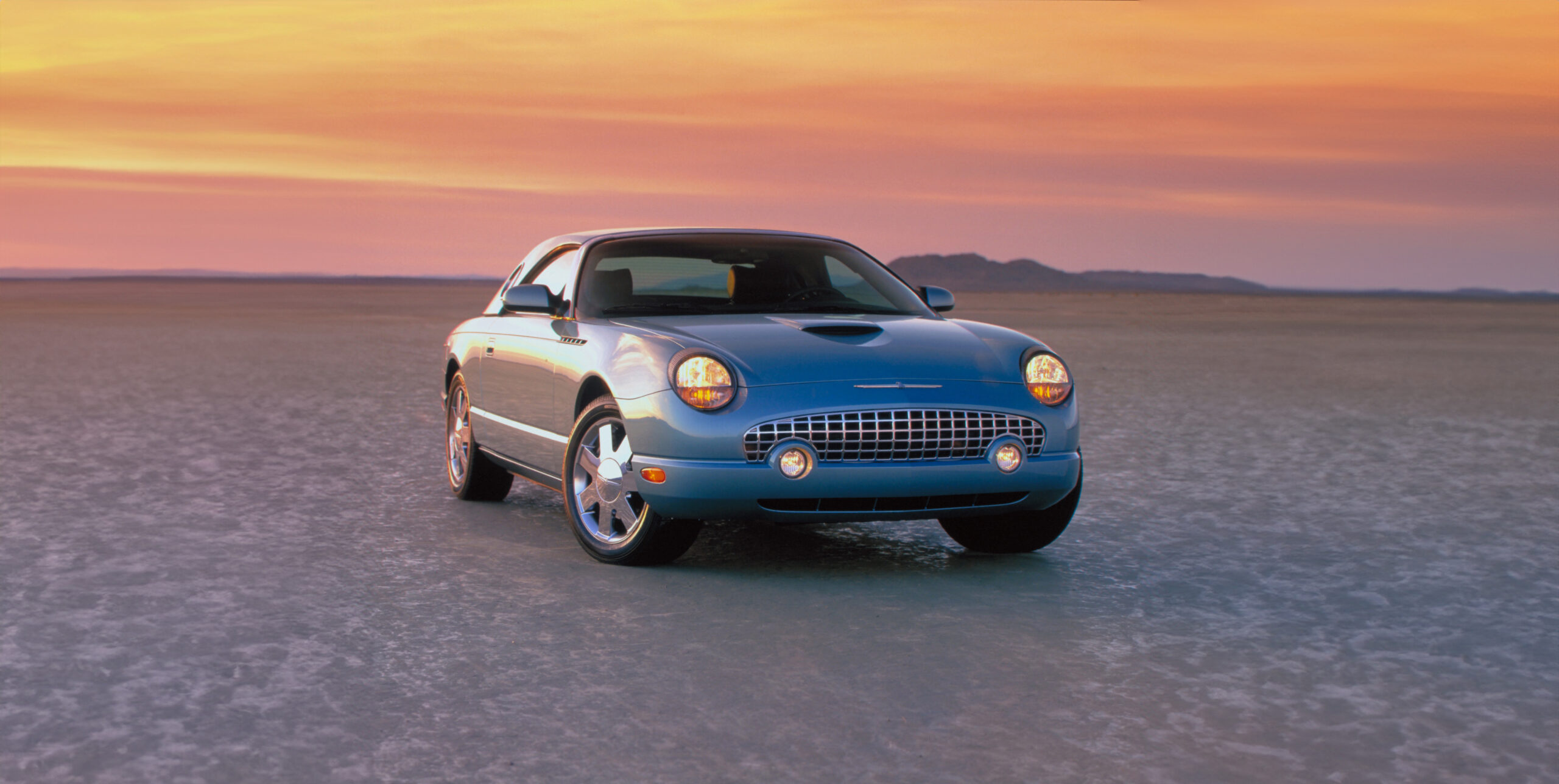
The eleventh-generation Thunderbird embraced a retro-futuristic design, closely mirroring the styling of its classic predecessor with rounded body lines, chrome accents, and a luxury roadster layout. At launch, excitement was strong, generating dealer waiting lists and significant attention from collectors and longtime enthusiasts.
Despite early enthusiasm, interest faded quickly. Buyers found that the Thunderbird prioritized comfort over performance, offering soft and relaxed driving dynamics that disappointed enthusiasts expecting a sportier experience. While marketed as a glamorous two-seat luxury roadster, it lacked the engaging handling and excitement associated with performance-oriented convertibles of the era.
The car’s pricing also became a challenge. With a starting price of more than $37,000, many consumers expected a premium interior experience but instead encountered materials and plastics shared with lower-cost Ford vehicles. This mismatch between price and perceived quality weakened the car’s appeal, especially among casual buyers who were less influenced by nostalgia.
Sales declined steadily after launch. Ford had originally projected annual sales of about 25,000 units, but actual performance fell short. In 2002, sales reached roughly 19,000 units in the United States before dropping significantly in the following years. Excess inventory led to growing dealership stockpiles and incentives such as discounts and dealer cash to encourage purchases.
Facing declining demand and uncertain long-term appeal, Ford chose to discontinue the Thunderbird after a short production run rather than invest in major updates. Although the revival failed to sustain momentum, the model remains a memorable example of early-2000s retro styling and is still appreciated by collectors for its nostalgic design and limited production.
- Engine: 3.9L 32-valve DOHC V8
- Horsepower: 252 hp (2002) / 280 hp (2003–2005)
- Torque: 267 lb-ft (2002) / 286 lb-ft (2003–2005)
- Length: 186.3 in (4.73 m)
- Width: 72 in (1.83 m)
7. Lincoln Blackwood (2002)
The Lincoln Blackwood (2002) stands as one of the shortest-lived failures in automotive history, lasting only a single model year before production was canceled. Introduced as Lincoln’s attempt to create a luxury pickup segment, the Blackwood aimed to blend the rugged image of a truck with the comfort and exclusivity of a premium SUV.
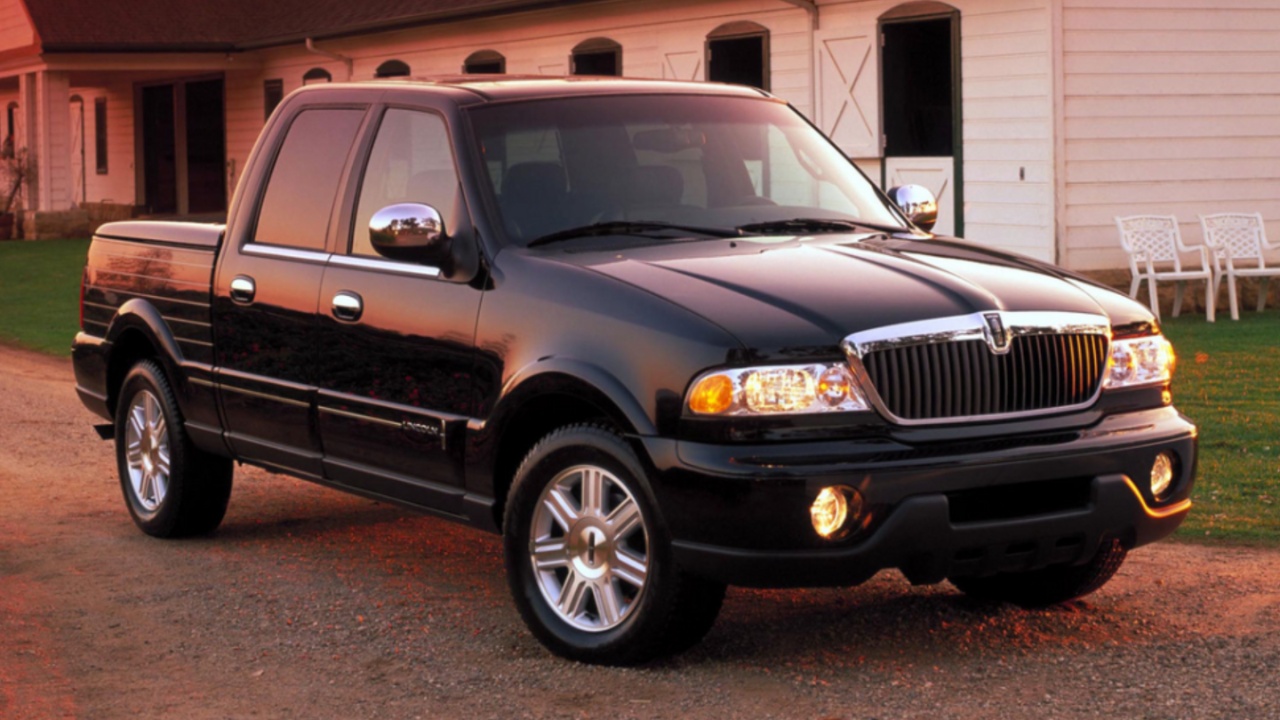
Built on the Ford F-150 platform, it featured upscale materials, advanced technology for its time, and distinctive styling intended to appeal to affluent buyers. However, the concept failed because it sacrificed practicality for luxury in ways that made it unsuitable for traditional truck use.
The Blackwood’s defining feature was its cargo bed, which reflected Lincoln’s attempt to turn a pickup into a high-end lifestyle vehicle. Instead of a durable work-focused bed, it included carpeting, stainless steel trim, and premium African Wenge wood accents.
A power-operated tonneau cover enclosed the cargo area, creating an elegant appearance but significantly limiting functionality. While visually impressive, the bed was impractical for hauling dirt, construction supplies, tools, or even rough household cargo, as the premium materials could easily be scratched, stained, or damaged.
Practical limitations extended beyond the bed. The Blackwood was sold only as a rear-wheel-drive crew cab and came exclusively in black with a black leather interior, severely limiting buyer choice.
In snowy or rough-weather regions, the lack of four-wheel drive reduced confidence and usability, especially when compared with conventional trucks or luxury SUVs that offered better all-weather capability. Buyers looking for premium transportation often preferred the Lincoln Navigator, which offered luxury without sacrificing practicality.
Lincoln also underestimated the importance of customization in the luxury market. The Blackwood offered minimal options, with navigation being one of the few available upgrades. Production complications related to its specialized bed trim further delayed deliveries and added costs.
Sales quickly collapsed. Lincoln reportedly hoped to sell around 18,000 units, but only about 3,356 were produced, forcing dealers to slash prices to clear inventory. Critics were harsh, frequently labeling the truck as misguided and unnecessary. Within fifteen months, Lincoln canceled the Blackwood, making it one of the fastest failures in the company’s history.
Though unsuccessful, the Blackwood foreshadowed today’s luxury pickups by demonstrating demand for premium truck features. Its downfall came from prioritizing appearance over utility, leaving buyers unsure whether it was meant to be a luxury vehicle or a functional truck.
- Engine: 5.4L InTech DOHC 32-valve V8
- Horsepower: 300 hp @ 5,000 rpm
- Torque: 355 lb-ft @ 2,750 rpm
- Length: 220.2 in (5.59 m)
- Width: 78.0 in (1.98 m)
8. Plymouth Prowler (1997–2002)
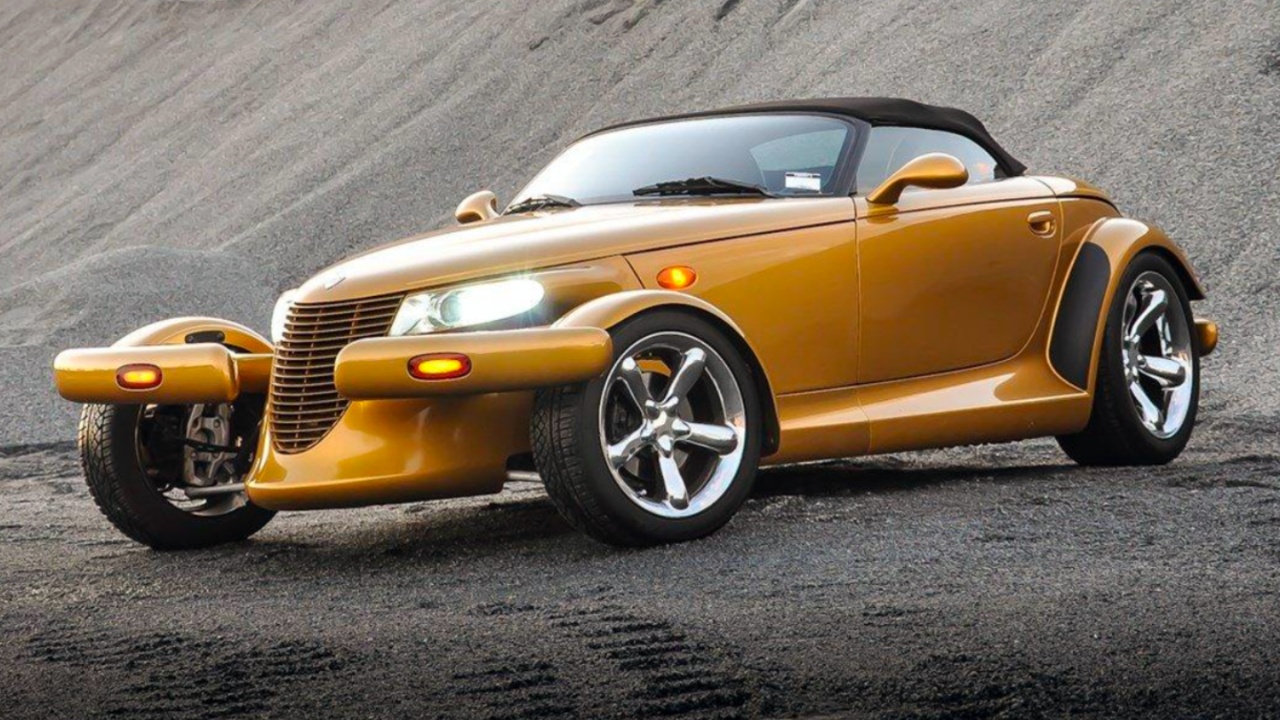
The Plymouth Prowler (1997–2002) was one of Chrysler’s boldest design experiments, created to inject excitement into the struggling Plymouth brand through retro-inspired styling and hot rod culture. First introduced as a concept car at the 1993 North American International Auto Show, the Prowler generated strong public enthusiasm thanks to its dramatic open-wheel design, low stance, and nostalgic appearance inspired by 1930s American hot rods. The positive reaction convinced Chrysler to move the car into production, where it became one of the most visually distinctive vehicles of its era.
Visually, the Prowler delivered exactly what buyers expected from a factory-built hot rod. It featured exposed front wheels, sculpted bodywork, and lightweight aluminum construction that gave it a striking presence unlike anything else on the road. Initially sold in bold colors such as Prowler Purple, the car served as a halo vehicle intended to showcase Chrysler’s design creativity and engineering ambition.
Despite its dramatic styling, the Prowler disappointed many enthusiasts because it failed to deliver traditional hot rod performance. Instead of a powerful V8 engine and manual gearbox, it used a 3.5-liter V6 producing 253 horsepower paired exclusively with a four-speed automatic transmission featuring AutoStick manual shifting. While respectable for the period, this setup felt underwhelming to buyers expecting aggressive acceleration and driver involvement from a car that looked so extreme.
Practicality was another major weakness. The Prowler lacked a traditional trunk, offering almost no usable cargo space. Chrysler attempted to address this limitation with an optional matching trailer, though relying on a trailer for basic storage highlighted the vehicle’s shortcomings as an everyday car.
The Prowler remained a niche product, selling just over 11,000 units during its production run. Although Chrysler originally intended a five-year lifecycle, the car’s future became uncertain when the Plymouth brand was discontinued in 2000. Production briefly continued under the Chrysler name before ending in 2002.
Although flawed, the Prowler remains admired for its daring design and willingness to bring concept-car styling into mass production. Its downfall stemmed less from appearance and more from unmet expectations, as buyers wanted a true hot rod experience rather than a stylish cruiser with limited practicality.
- Engine: 3.5L SOHC 24-valve V6 (1997–1998) / upgraded aluminum 3.5L SOHC V6 (1999–2002)
- Horsepower: 214 hp (1997–1998) / 253 hp (1999–2002)
- Torque: 221 lb-ft (1997–1998) / 255 lb-ft (1999–2002)
- Length: 165 in (4.19 m)
- Width: 76 in (1.93 m)
The cars on this list may have been killed mid-production, but many never truly disappeared from automotive memory. Whether due to flawed engineering, impractical ideas, pricing mistakes, or shifting corporate priorities, each model reveals how difficult it can be to balance innovation with market expectations. Some failed because they promised more than they delivered, while others simply arrived before buyers were ready for them.
Interestingly, several of these vehicles gained appreciation long after cancellation. The Pontiac Aztek found pop-culture fame, the Plymouth Prowler became a collectible retro cruiser, and the Pontiac Fiero earned renewed respect for the performance potential it never fully realized. Even the Lincoln Blackwood and Chevrolet SSR are now remembered for daring to be different.
In hindsight, these cars remind us that failure in the auto industry is not always about bad ideas. Sometimes, it is about timing, execution, and whether buyers are willing to embrace something unconventional before it disappears.
Also read: 5 Cars Where Trade-In Beats Private Sale vs 5 Where It Doesn’t