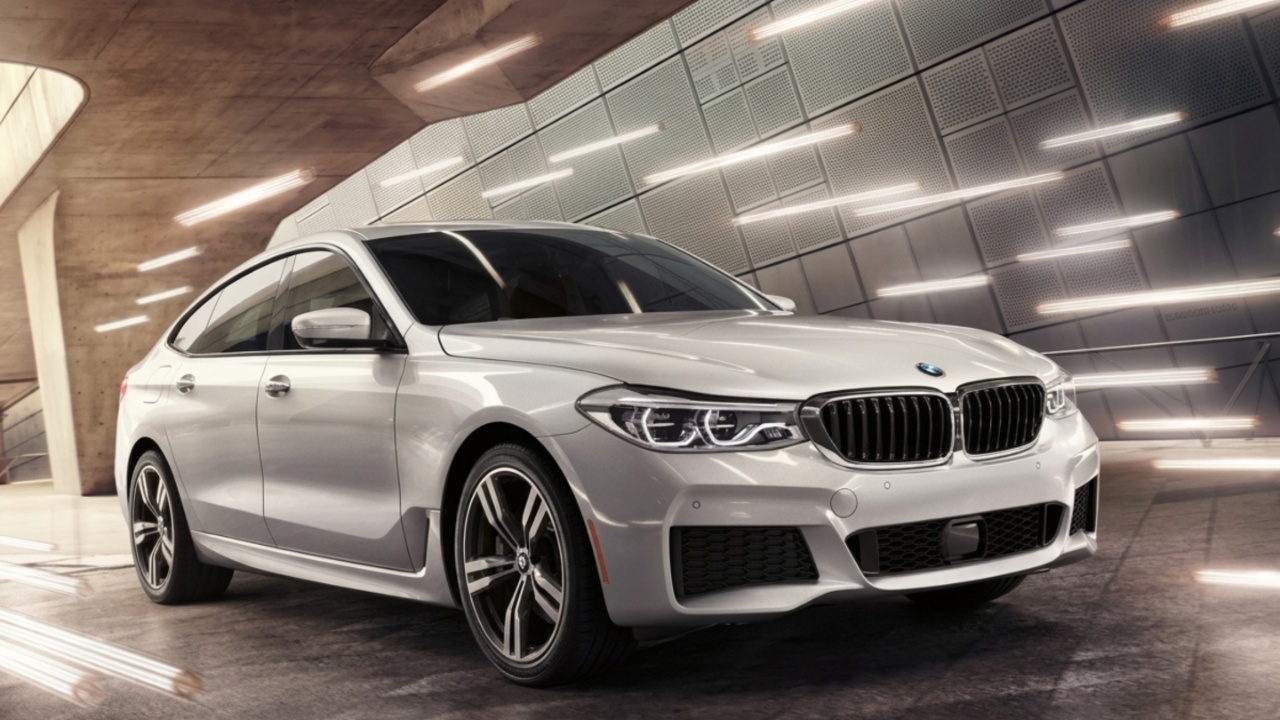
Deciding whether to trade in or privately sell your vehicle can have a major impact on how much money you walk away with and how much effort you invest in the process. In this guide, “5 Cars Where Trade-In Beats Private Sale vs 5 Where It Doesn’t,” the differences become clear when you look at specific models and their market behavior. Vehicles like the Toyota HiAce highlight why trade-ins can sometimes be the smarter move.
As a high-mileage commercial van, the HiAce often faces skepticism from private buyers who worry about wear, hidden issues, and costly repairs. This makes private selling slow and negotiation-heavy.
Dealerships, on the other hand, are better equipped to handle such vehicles through refurbishment and established commercial networks. Understanding these dynamics helps you make a more informed decision based on your car’s condition, demand, and resale environment rather than relying on a one-size-fits-all approach.
5 Cars Where Trade-In Beats Private Sale
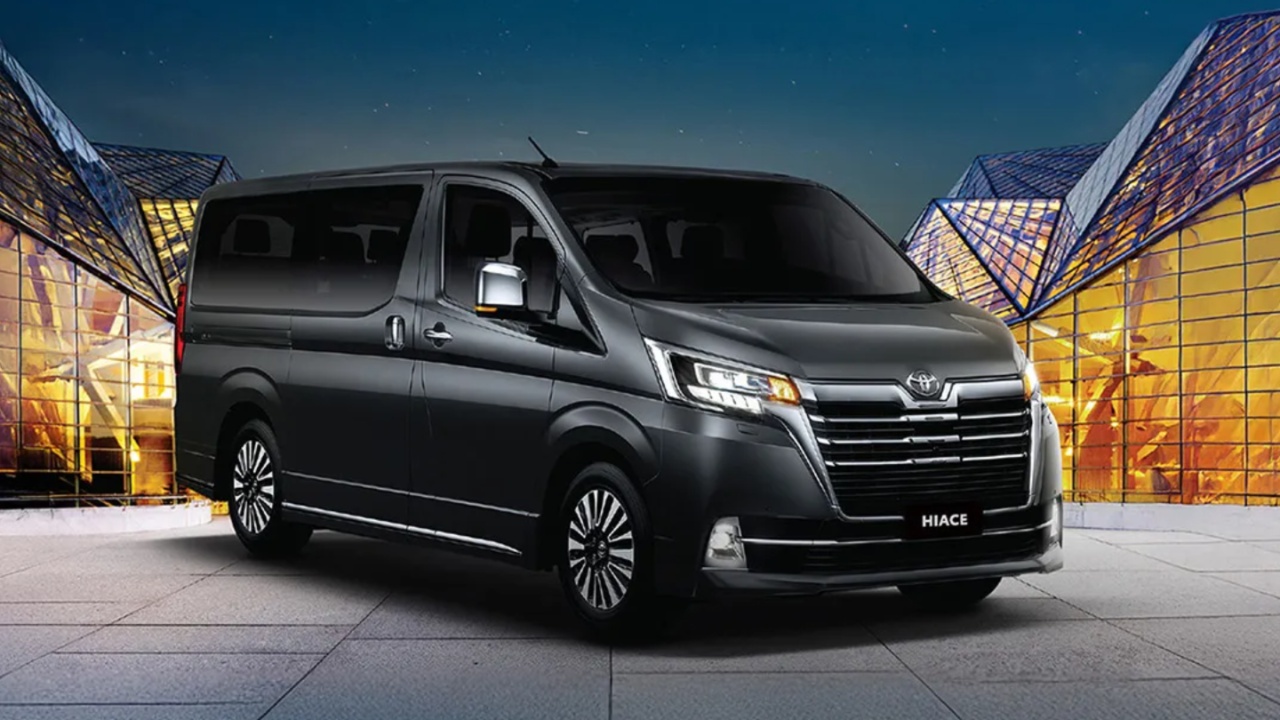
1. Toyota HiAce
The Toyota HiAce is a widely used commercial van that typically accumulates very high mileage and heavy wear due to fleet, shuttle, and delivery service use. Because of this, private buyers are often hesitant to purchase it, fearing hidden mechanical issues, expensive repairs, and possible unverified modifications.
This makes private selling difficult, slow, and often subject to aggressive price negotiations. In contrast, dealerships are better suited for absorbing the HiAce because they have commercial buyer networks, in-house refurbishment capabilities, and a preference for utility vehicles, allowing faster and more efficient resale or trade-in processing.
Trading in a HiAce offers several advantages. It provides immediate cash or trade credit, eliminates the stress of finding and negotiating with private buyers, and can even reduce sales tax on a new vehicle purchase. Dealerships are also more willing to accept minor wear and tear, saving owners the cost and effort of repairs required for private sales. For best results, owners are encouraged to check valuation tools such as Kelley Blue Book or Edmunds before trading in to understand market value.
The latest Toyota HiAce also brings significant improvements in performance, comfort, safety, and technology. It features a modern design, a 2.8L turbo diesel engine, improved fuel efficiency, better cabin comfort, and enhanced driving stability thanks to its revised engine placement. Safety is upgraded with Toyota Safety Sense, multiple airbags, and advanced driver-assist features, while practicality is supported by increased cargo space and flexible accessories.
The Toyota HiAce remains a durable, reliable, and high-resale-value commercial van. With its upgrades and strong trade-in advantages, it continues to be a smart choice for both businesses and private owners looking for efficiency and long-term value.
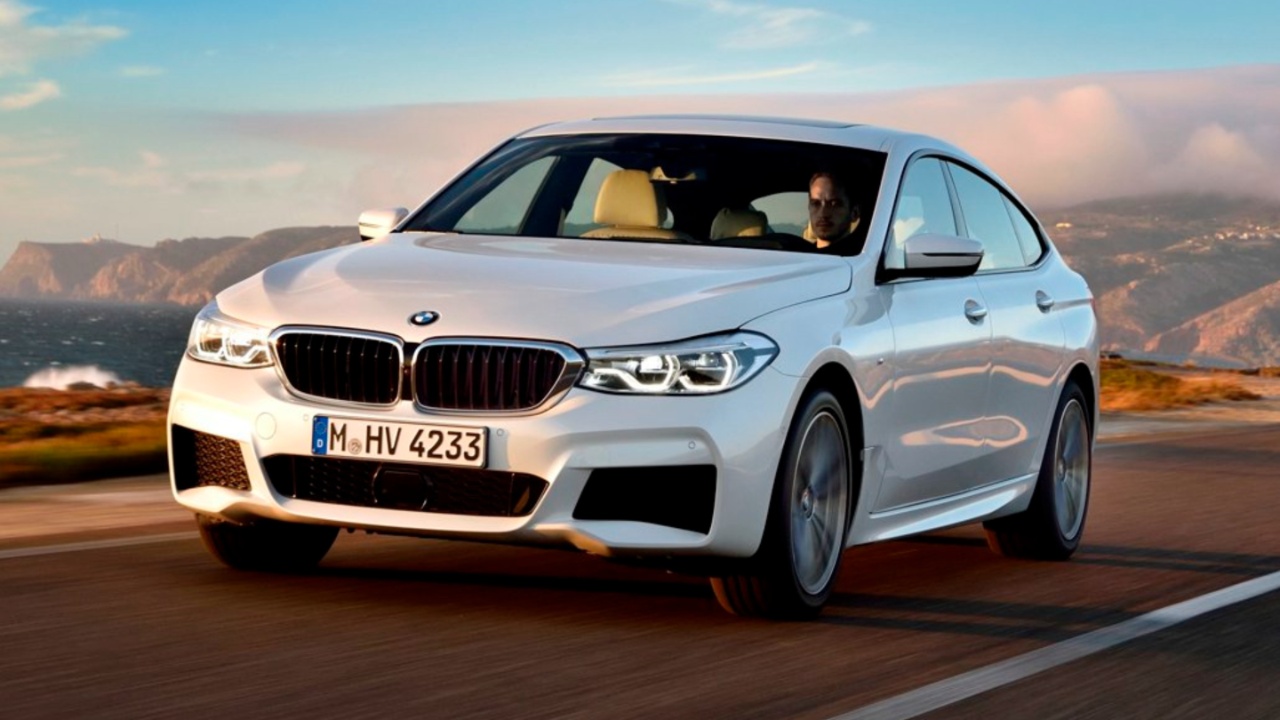
2. BMW 6 Series
The BMW 6 Series is a luxury grand tourer that suffers from steep depreciation, high maintenance costs, and a very limited private resale market. As a used high-end German performance car, it appeals to a narrow group of buyers who can afford it, understand its complexity, and are willing to accept the risks of owning an out-of-warranty vehicle. This makes private selling slow, difficult, and often frustrating due to low demand and frequent lowball offers.
Trading in a BMW 6 Series is usually the more practical and financially secure option. Dealerships can quickly absorb the vehicle and offer immediate payment or trade credit, eliminating the uncertainty of waiting months for a private buyer. They also have access to in-house financing options that make it easier to resell the car, even to budget-conscious luxury buyers. This creates a smoother transaction compared to dealing with private buyers who often expect perfect condition, multiple test drives, and extensive negotiation.
A major advantage of trading in is protection from future liability. In private sales, sellers may still face disputes if expensive mechanical or electronic issues arise after purchase. A trade-in removes this risk entirely, as the dealership takes ownership “as-is.” Financially, trade-ins can also reduce sales tax on a new vehicle by applying the value of the old car as credit.
The BMW 6 Series itself remains a powerful and refined vehicle, offering turbocharged inline-six and V8 engine options, premium interiors with high-quality materials, advanced iDrive infotainment, and strong performance-oriented handling. However, its tight rear seating, high running costs, and rapid depreciation reinforce its position as a better trade-in candidate than a private sale.
Trading in a BMW 6 Series ensures convenience, reduced risk, and faster financial return, making it the smarter choice for most owners.
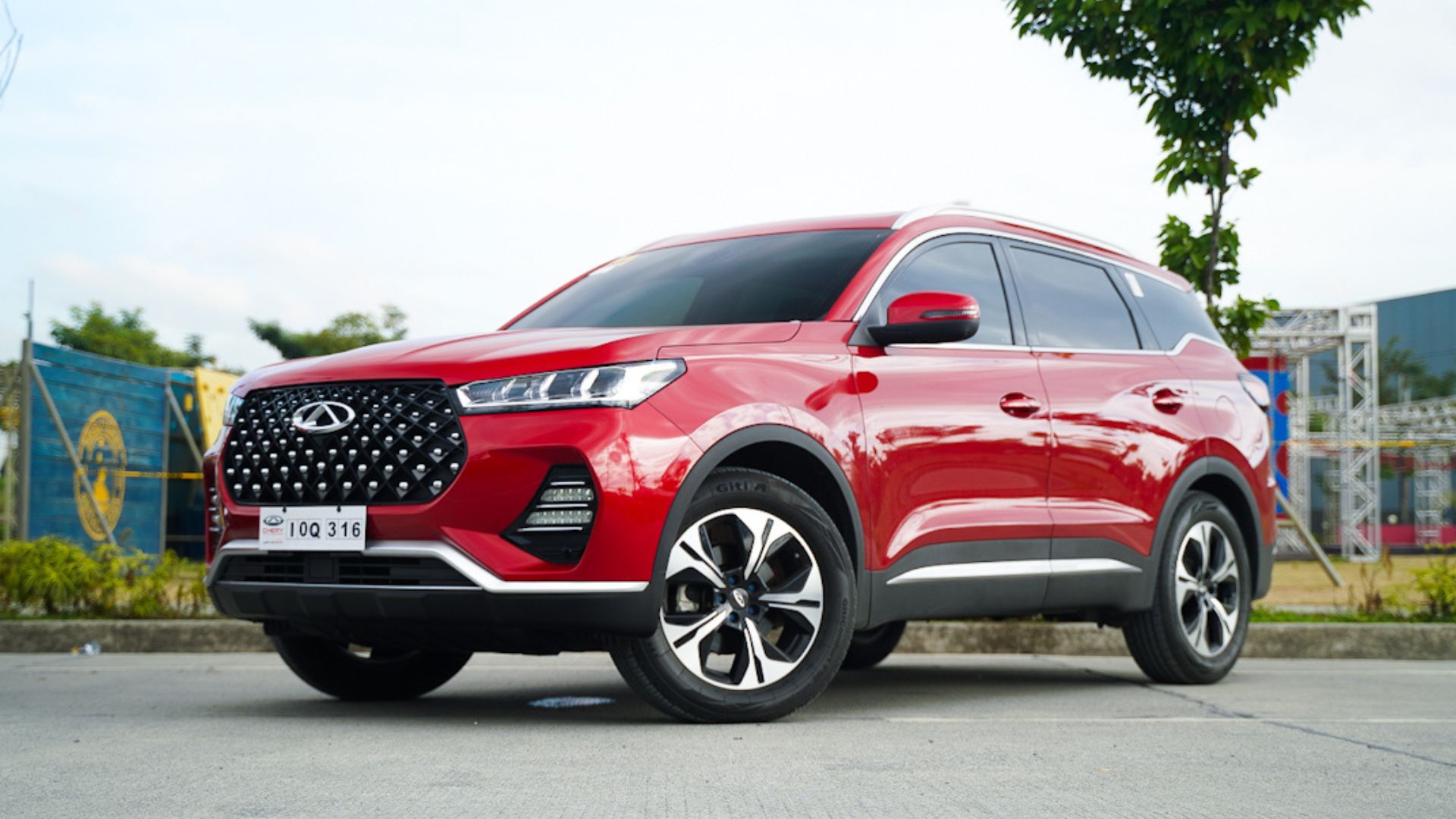
3. Chery Tiggo 7 Pro
The Chery Tiggo 7 Pro is a well-equipped compact crossover that showcases how quickly Chinese automakers have improved in design, technology, and comfort. Despite its strengths, it still faces challenges in the used-car market, mainly due to brand perception, faster depreciation, and concerns about long-term parts availability. Because of this, private selling can be difficult, as buyers often approach with skepticism, expect large discounts, and prefer vehicles with stronger resale reputations or longer-established badges.
Trading in the Tiggo 7 Pro is usually the more efficient option. Dealerships are more willing to accept it because it helps them build inventory and meet sales targets. A trade-in also provides immediate value through cash or credit toward another vehicle, which eliminates the waiting period and uncertainty of finding a private buyer. It can also reduce the tax burden on a replacement vehicle since the trade-in value is deducted from the purchase price. In addition, dealerships handle paperwork, ownership transfer, and any remaining loan settlement, which removes administrative stress and reduces the risk of post-sale disputes.
The Tiggo 7 Pro itself offers a strong appeal for its segment. It comes with a 1.5-liter turbo mild hybrid engine producing 154 horsepower, a smooth CVT, and a feature-rich cabin with digital displays, wireless charging, a panoramic sunroof, and a 360-degree camera system. It also delivers decent ride comfort and competitive fuel efficiency for everyday use.
Even with these advantages, private buyers often prioritize brand reputation over features, which limits demand in resale situations. This leads to prolonged negotiations and frequent low offers that reduce the final selling price.
Trading in the Chery Tiggo 7 Pro provides a faster, more predictable, and less stressful way to exit ownership while preserving value through dealer incentives and trade credit.
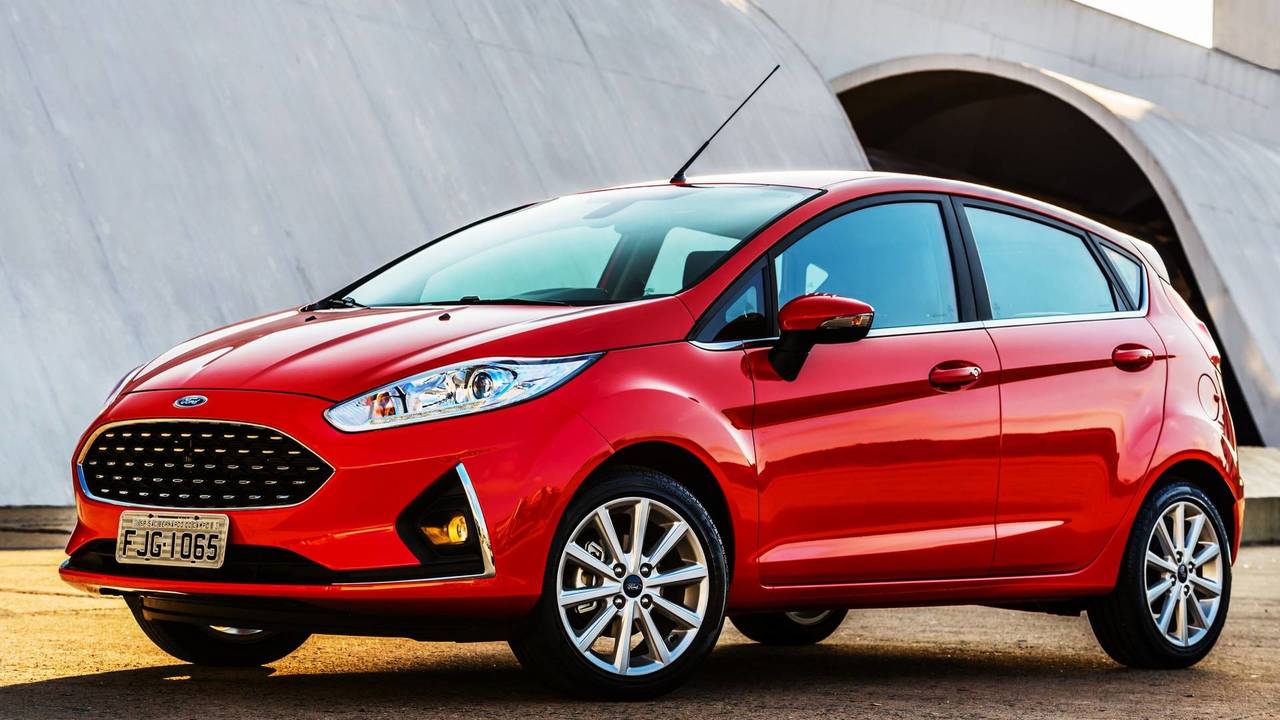
4. Ford Fiesta (PowerShift)
The Ford Fiesta equipped with the PowerShift dual-clutch transmission is widely known for its mechanical issues, including clutch shudder, slipping, and long-term reliability concerns that have led to lawsuits and a strong negative reputation in the used-car market. Because of this, selling it privately is extremely difficult. Informed buyers often avoid the model entirely after researching its history, while others demand steep discounts to compensate for potential transmission repairs. This creates a low-value, high-stress selling environment.
Trading in the Fiesta is usually the more practical solution. Dealerships are better equipped to absorb vehicles with known issues because they can repair, refurbish, or wholesale them through auction channels. This allows owners to exit the vehicle quickly without dealing with skeptical buyers, repeated test drives, or extended negotiations. It also removes disclosure risks, since private sellers may still face disputes if the transmission fails after the sale, while trade-ins are accepted on an “as-is” basis.
Another major advantage of trading in is financial and administrative simplicity. The trade-in value can reduce the taxable amount on a replacement vehicle, offering immediate savings. Dealerships also handle paperwork, ownership transfer, and any remaining financing, which eliminates legal and logistical burdens for the seller.
Despite its transmission reputation, the Fiesta itself is otherwise a capable small car. It features a lively 1.0-liter EcoBoost engine, decent fuel efficiency, and agile handling that make it enjoyable in city driving. The PowerShift gearbox can deliver smooth shifts when functioning properly, and the car’s compact chassis and steering responsiveness give it a sporty feel.
The interior is functional with modern styling, SYNC infotainment, and steering-wheel controls, though it lacks some expected features like cruise control and a larger screen.
Trading in a Ford Fiesta PowerShift provides a faster, safer, and more predictable exit, especially given the model’s reputation and the risks tied to private resale.
5. Modified Subaru WRX
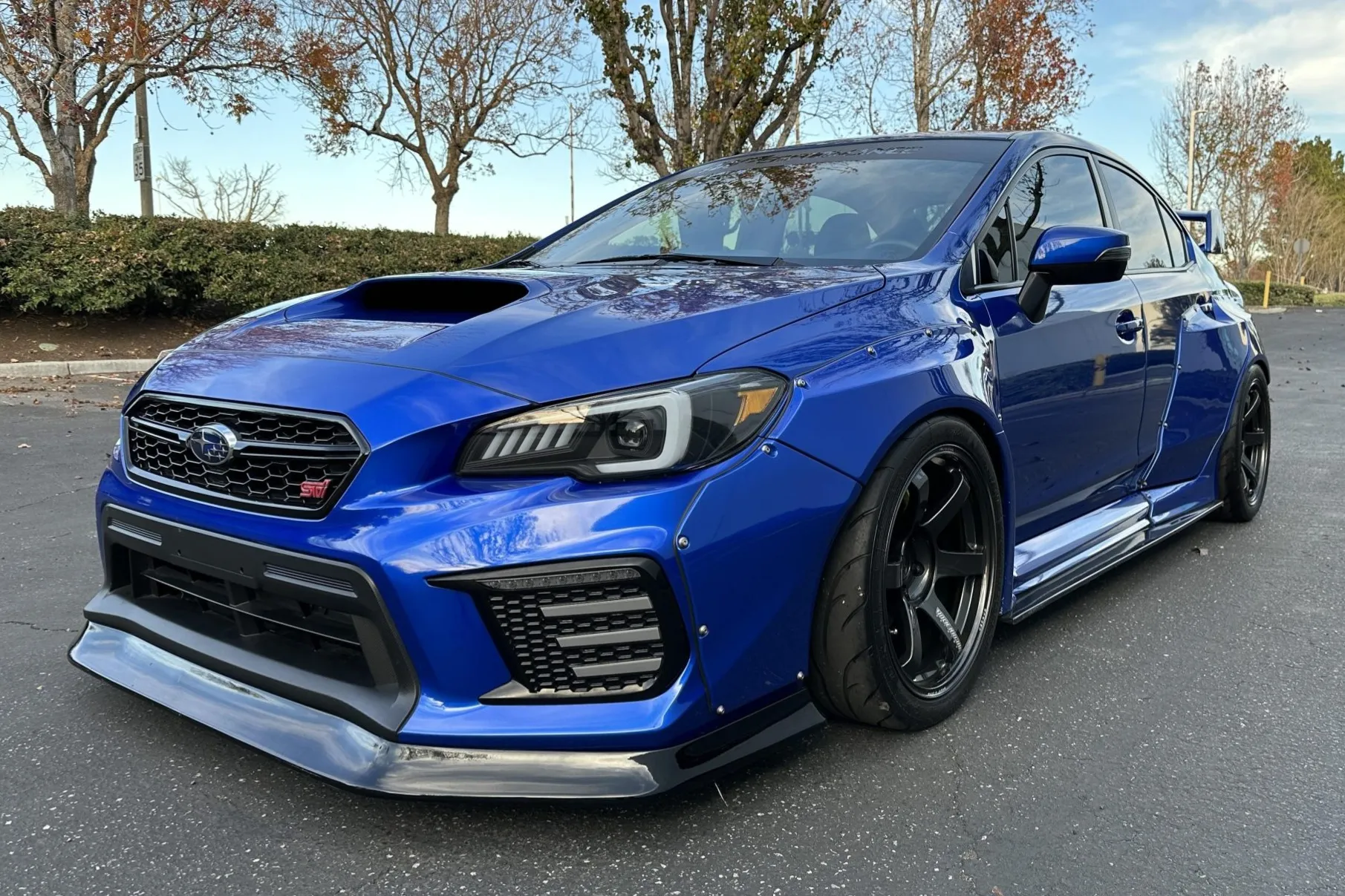
A modified Subaru WRX sits in a difficult position in the used-car market because it appeals only to a narrow group of enthusiasts while raising concerns for everyone else. Aftermarket upgrades such as engine tunes, exhaust systems, suspension changes, and aesthetic modifications often scare away casual buyers who worry about reliability, previous abuse, and voided factory warranties. As a result, private selling becomes slow and complicated, with limited interest and frequent demands for deep discounts.
Trading in a modified WRX is usually the more efficient and less stressful option. Dealerships are more willing to accept these vehicles “as-is” because they can quickly resell them through wholesale channels or auctions. This allows owners to avoid long negotiations, repeated test drives, and the challenge of justifying modifications that may not appeal to the average buyer. In addition, trade-ins often provide immediate value in the form of cash or credit toward another vehicle, along with potential sales tax savings that reduce the cost of upgrading.
The main challenges in private sales come from perception. Buyers often assume modified WRXs have been heavily driven, possibly raced or tracked, increasing concerns about engine and transmission wear. Extensive modifications also eliminate remaining factory warranty coverage, further reducing buyer confidence. On top of that, customization is highly subjective, meaning upgrades that appeal to one enthusiast may reduce interest from many others.
Despite these resale challenges, the WRX remains a strong performance platform. It is known for its turbocharged power, all-wheel-drive system, and engaging handling characteristics. Modifications can significantly enhance cornering ability, braking performance, and acceleration, transforming it into a more aggressive and capable driver’s car.
Trading in a modified Subaru WRX offers a faster, safer, and more predictable exit, avoiding the uncertainty and limited market of private enthusiast sales.
Also read: 10 Cars Where the Key Replacement Costs Hundreds Out of Warranty
5 Where It Doesn’t
1. Toyota Vios
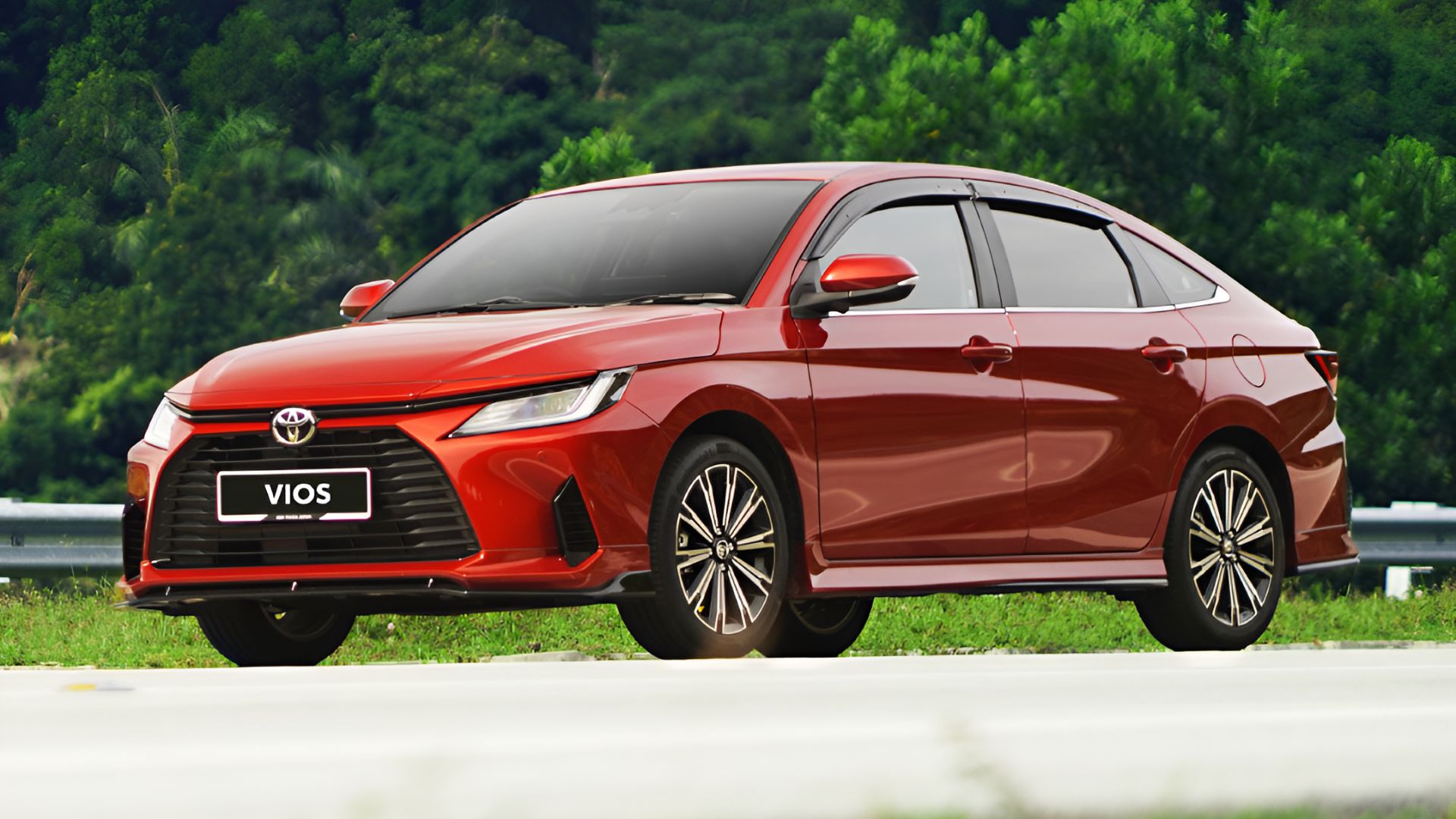
The Toyota Vios is a widely recognized subcompact sedan known for its reliability, fuel efficiency, and low ownership costs, making it highly desirable in many used-car markets across Asia, the Middle East, and other developing regions. In markets where it is available, strong demand from budget-conscious drivers, ride-hailing operators, and first-time car buyers helps the Vios retain value better than many competitors in its class. Because of this steady demand, well-maintained used units often sell quickly when listed privately.
Private selling the Toyota Vios typically results in higher returns compared to dealership trade-ins. Dealerships generally offer wholesale pricing so they can refurbish and resell the vehicle for profit, while private buyers are often willing to pay closer to retail value due to the model’s reputation for dependability and low running costs. This gap can translate into roughly 15% to 25% more money for sellers who take the private route instead of trading in.
The Vios also benefits from strong market confidence. Buyers already view it as a practical, no-nonsense sedan, which reduces hesitation during negotiations and helps sellers close deals faster than with less established models. However, private sales require more effort, including handling inquiries, scheduling test drives, and completing ownership transfer paperwork.
Trade-ins offer convenience but usually come with lower valuations because dealerships factor in reconditioning costs, resale risk, and profit margins. They are still attractive for owners who prioritize speed and simplicity over maximizing sale price.
The Toyota Vios itself is typically equipped with a modest 1.3-liter engine that balances efficiency and adequate everyday performance. It offers a spacious cabin, a practical trunk, and comfortable ride quality, though base trims may lack modern infotainment systems and advanced safety features found in newer competitors.
Despite its simplicity, the Vios remains a strong value holder and an easy-to-sell sedan in global used-car markets where practicality and affordability are key buying factors.
2. Mitsubishi Xpander
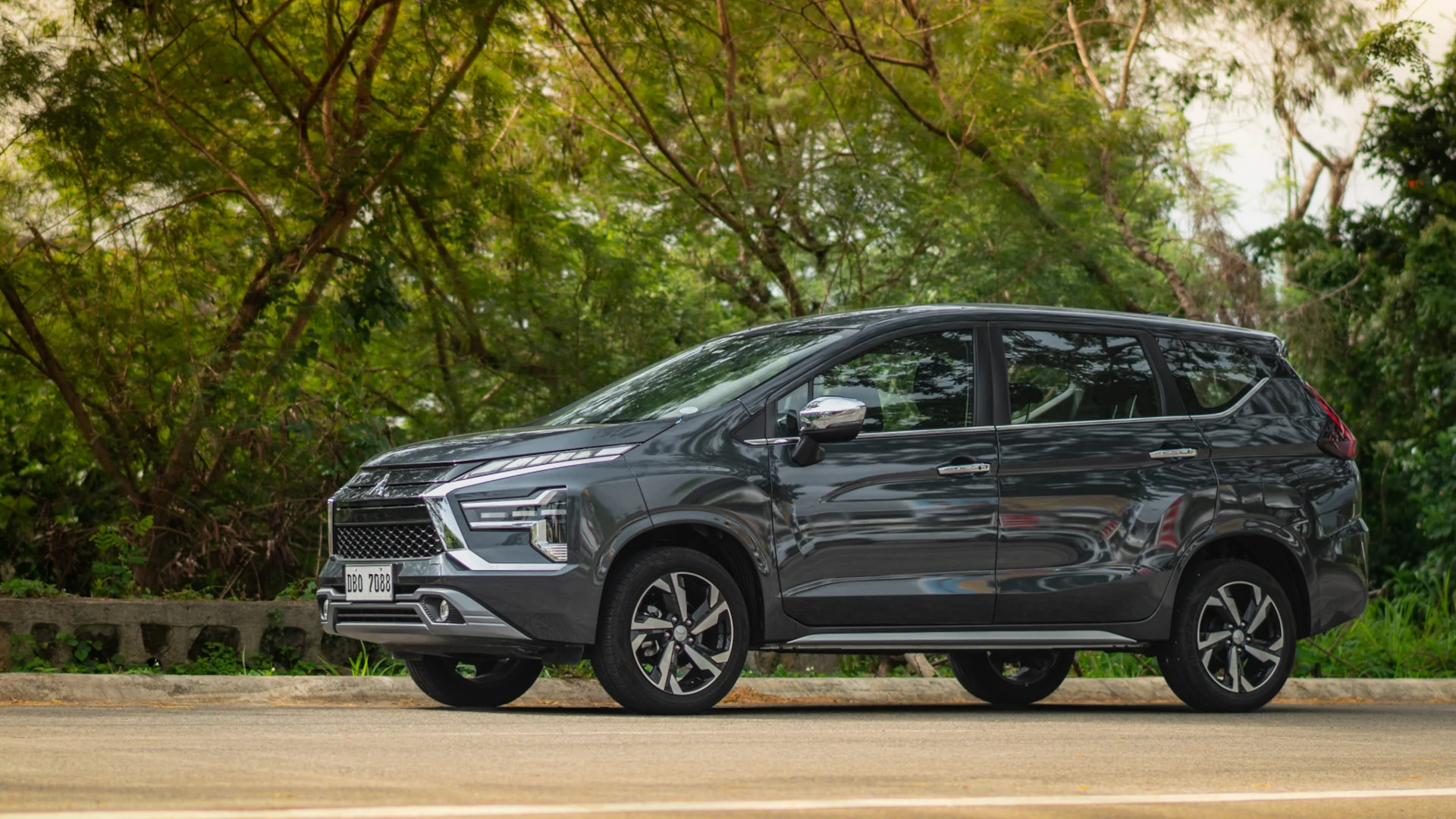
The Mitsubishi Xpander is one of the most in-demand seven-seater MPVs in many used-car markets due to its strong reputation for practicality, reliability, and SUV-inspired styling. Families often prefer it for its spacious cabin, fuel efficiency, and low maintenance costs, making it a highly desirable choice for buyers looking to avoid long waiting lists or high new-car financing rates. Because of this consistent demand, well-maintained used Xpanders tend to attract strong interest and competitive offers from private buyers.
Private selling is often more profitable than trading in an Xpander. Dealerships typically offer lower wholesale prices so they can recondition and resell the vehicle at a margin, while private buyers are willing to pay closer to real market value due to the model’s popularity. This means sellers can often retain a larger portion of the car’s value by dealing directly with end users instead of accepting a reduced trade-in appraisal.
The Xpander’s strong resale performance is supported by its reputation for durability, low running costs, and practical design. In many cases, it retains a significant percentage of its value even after several years, which further strengthens its position in the secondhand market. Its active buyer base also makes it easier to find interested customers through online listings and community marketplaces, reducing selling time compared to less popular vehicles.
However, private selling does require more effort, including managing inquiries, arranging viewings, and completing ownership transfer paperwork. Trade-ins offer greater convenience and speed but generally sacrifice profit potential.
The Mitsubishi Xpander itself is powered by a 1.5-liter engine designed for efficiency rather than performance. It provides a comfortable ride, high ground clearance for rough roads, and a practical interior with modern features such as a touchscreen infotainment system, smartphone connectivity, and improved cabin materials in newer versions.
With its strong demand and family-focused appeal, the Xpander remains a vehicle where private selling typically delivers better financial returns than dealership trade-ins.
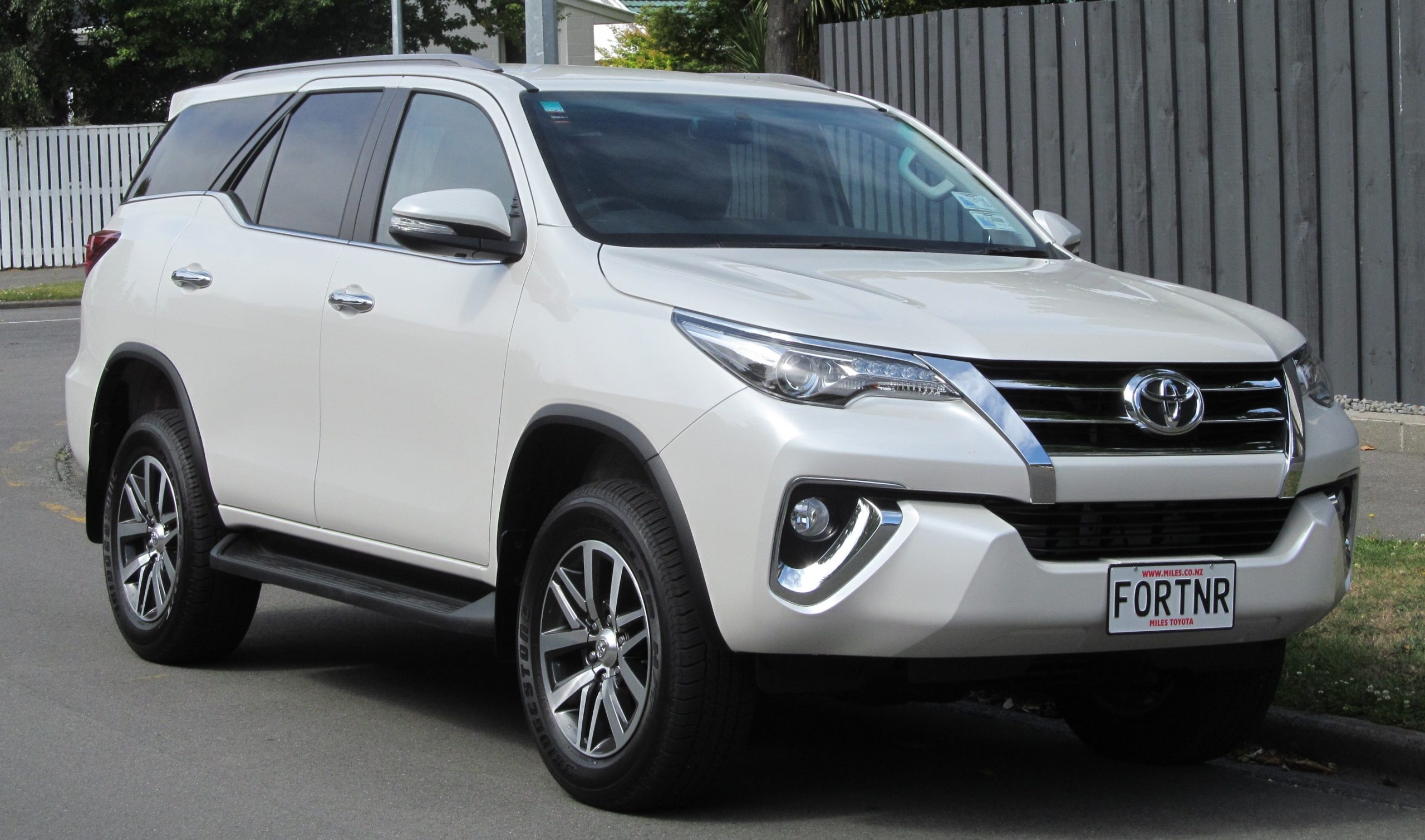
3. Toyota Fortuner
The Toyota Fortuner is one of the strongest resale performers in the mid-size SUV segment, largely due to its reputation for rugged reliability, strong brand trust, and consistent demand from families, business owners, and fleet buyers. Because of this demand, the used market remains highly active, and private buyers are often willing to pay close to retail value for well-maintained units. This makes private selling more financially rewarding than dealership trade-ins in many cases.
Dealerships typically appraise the Fortuner using standard valuation guides, which can undervalue its real-world market strength. They also deduct margins for reconditioning and resale profit, often resulting in offers that are noticeably lower than what private buyers will pay. In contrast, selling privately allows owners to capture more of the vehicle’s retained value, which is especially significant because the Fortuner depreciates more slowly than most SUVs.
The Fortuner itself is a body-on-frame 4WD SUV based on the HiLux platform, powered by a 2.8-liter turbo-diesel engine producing strong torque for towing and off-road use. It offers seven-seat practicality, solid ground clearance, and proven off-road capability, making it a popular choice for both urban families and rural users. However, its interior design and technology are beginning to feel outdated compared to newer competitors, with smaller infotainment screens and less refined driver-assist systems.
While it delivers durability, safety, and capability, it is not class-leading in comfort or modern features. Ride quality is firm, performance is adequate rather than quick, and fuel economy is moderate for its size and weight.
Despite these drawbacks, the Fortuner’s reputation keeps demand high, which strengthens its resale position. Private selling allows owners to benefit from this demand directly, while trade-ins offer convenience but at the cost of reduced payout.
4. Honda Brio
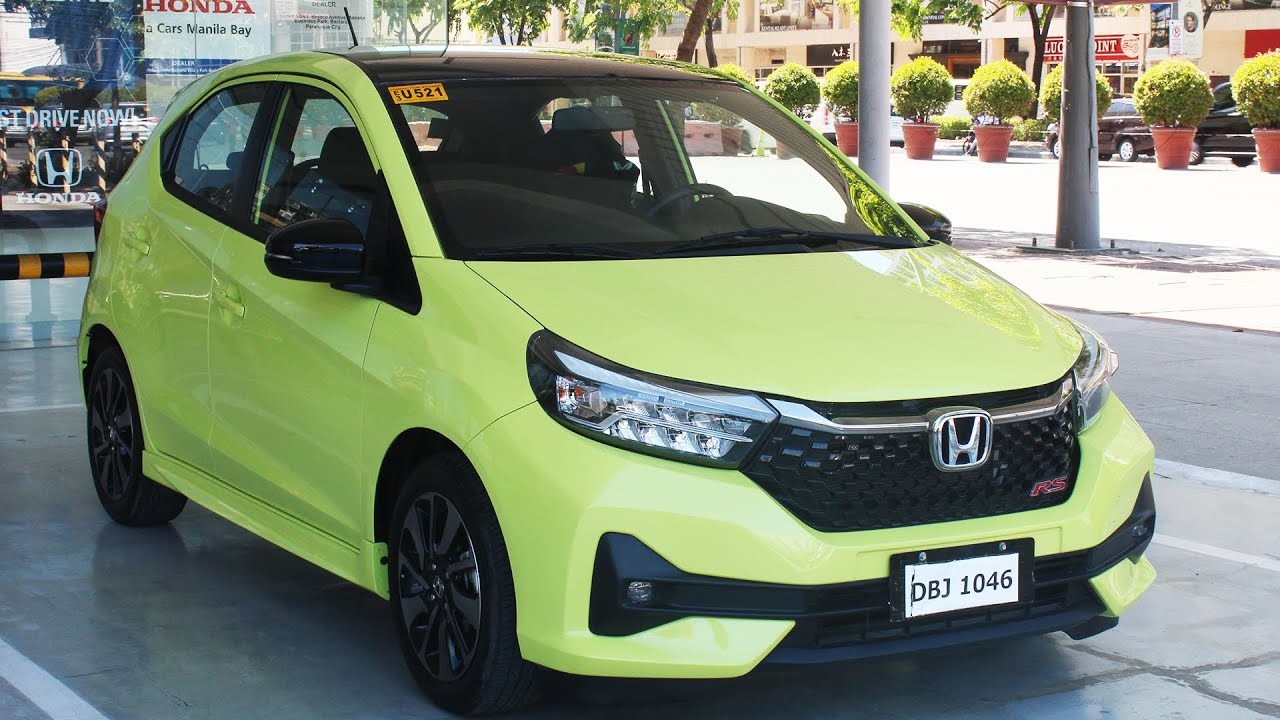
The Honda Brio is a popular entry-level hatchback known for its strong fuel efficiency, compact size, and reliability, making it especially attractive to city commuters, students, and first-time car buyers. Its easy drivability, low running costs, and Honda’s reputation for durability help it maintain steady demand in the used-car market. Because of this consistent interest, clean and well-maintained Brio units often attract multiple private buyers quickly, especially in urban areas where small, easy-to-park cars are in high demand.
Private selling the Honda Brio generally yields better financial returns than trading it in. Dealerships typically offer wholesale pricing since they need to recondition the vehicle and resell it at a profit, which reduces the payout to the seller. In contrast, private buyers are often willing to pay closer to true market value because the Brio is seen as a practical and economical daily driver. This allows sellers to capture the middleman margin, often resulting in significantly higher earnings compared to trade-in offers.
The Brio also benefits from relatively slow depreciation compared to many other entry-level hatchbacks. Its efficient 1.2-liter engine, lightweight design, and strong fuel economy make it a cost-effective option for budget-conscious buyers, further strengthening its resale appeal. Demand remains high for recent model years, particularly well-kept units with low mileage and accident-free history.
While private selling requires effort, such as handling inquiries, preparing documents, and listing the vehicle on online marketplaces, it provides greater control over pricing and negotiation. Trade-ins offer speed and convenience but usually come with lower financial returns.
The Honda Brio itself delivers practical performance, agile handling, and excellent fuel economy, along with a surprisingly spacious cabin for its size. Despite its simple build and modest power output, it remains a highly trusted urban hatchback.
Because of strong demand and solid resale value, the Honda Brio is best sold privately for owners aiming to maximize financial return.
5. Toyota Raize
The Toyota Raize stands out as one of the most in-demand compact crossovers, making it a strong candidate for a private sale instead of a dealership trade-in. Its popularity comes from a blend of modern styling, practical size, elevated ground clearance, and cost-efficient ownership. These traits attract a wide range of buyers, from young professionals to small families, ensuring strong interest in the secondhand market.
Because demand remains consistently high, well-maintained units tend to sell quickly. Private sellers often receive multiple inquiries within days, creating a competitive environment that pushes selling prices closer to retail value. In contrast, dealerships typically offer lower trade-in prices since they need room for reconditioning costs and resale profit margins. This difference can translate to an additional 10 to 20 percent in earnings when selling directly to another buyer.
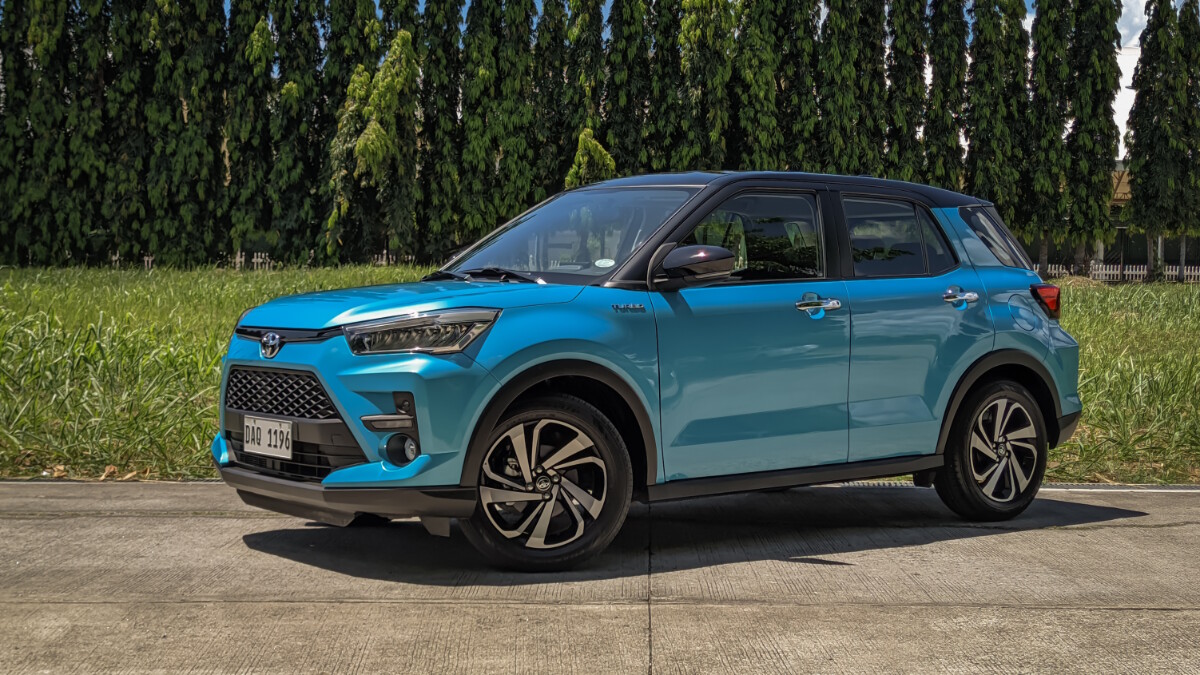
Another advantage of a private sale is pricing flexibility. New Raize models from Toyota are relatively affordable, but many buyers still prefer slightly used units to save money. This allows sellers to position their vehicles at an attractive middle price point that appeals to budget-conscious buyers while still maximizing returns.
The Raize also benefits from strong resale value, retaining a significant portion of its original cost after several years. Combined with accessible financing options for private buyers, selling independently has become easier than before.
While a trade-in offers speed and convenience, a private sale rewards patience with a noticeably higher payout, making it the better financial move for most Raize owners.