
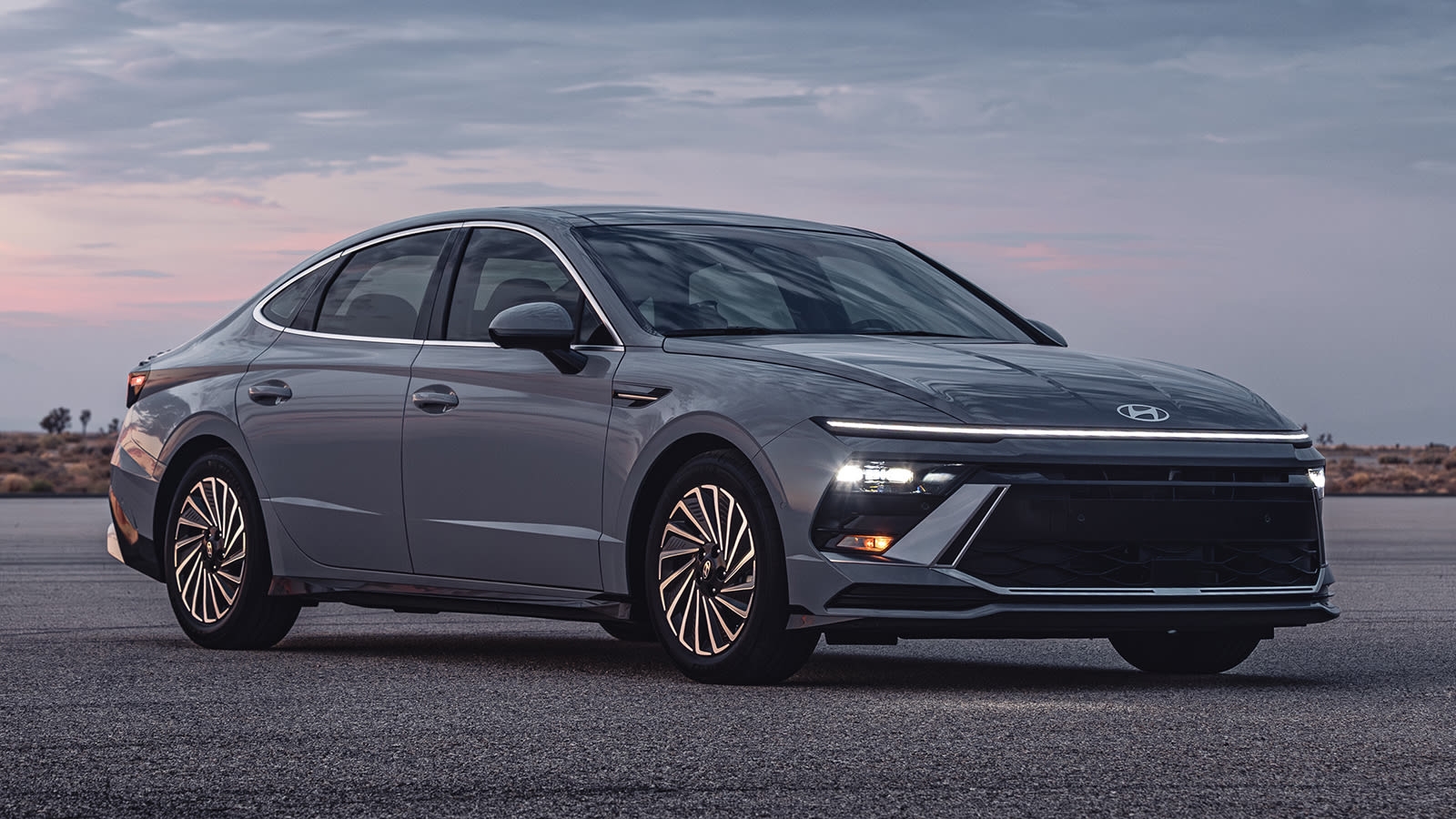
In the United States automotive industry, visual design has become one of the most influential factors in consumer decision making, sometimes even rivaling performance, reliability, and pricing.
Modern buyers are no longer choosing vehicles based solely on mechanical specifications or fuel efficiency; instead, they are heavily influenced by how a car looks on the road, how it feels to own, and how it reflects personal identity. This shift has pushed automakers to invest heavily in exterior styling and interior refinement, even for entry-level and mid-range vehicles.
As a result, the gap between economy cars and luxury cars has narrowed significantly in terms of appearance. Brands such as Hyundai, Kia, Toyota, Mazda, Honda, Nissan, and Volkswagen have adopted design languages that closely resemble those of premium manufacturers like BMW, Mercedes-Benz, Audi, Lexus, and Acura.
Sleek LED lighting signatures, aggressive grille designs, coupe-inspired rooflines, and minimalist interiors are no longer exclusive to luxury vehicles. These design elements are now widely used across mainstream segments, allowing affordable cars to project a premium identity.
Technology has also played a major role in this transformation. Features once reserved for high-end luxury cars, such as large touchscreen infotainment systems, digital driver displays, ambient interior lighting, wireless smartphone connectivity, and advanced driver assistance systems, are now standard or optional in many non-luxury models. This has significantly changed how cars are perceived both visually and experientially.
Another important factor is consumer psychology in the US market. Many buyers want vehicles that communicate success, modern taste, and sophistication without paying luxury brand pricing.
Automakers understand this demand and design cars that deliver strong road presence and upscale styling cues while maintaining affordability. In many cases, a well-designed $25,000 sedan can visually compete with a $50,000 luxury vehicle when viewed casually on the road.
Social media has further amplified this trend. Automotive content creators regularly showcase budget-friendly cars that look premium, influencing millions of viewers and shaping purchase decisions. This online visibility has encouraged manufacturers to prioritize aesthetics more than ever before.
This article explores 9 cars available in the US that look significantly more expensive than they actually are, proving that premium design is no longer limited to luxury brands.
Also Read: 8 Cars That Are Nearly Impossible to Steal
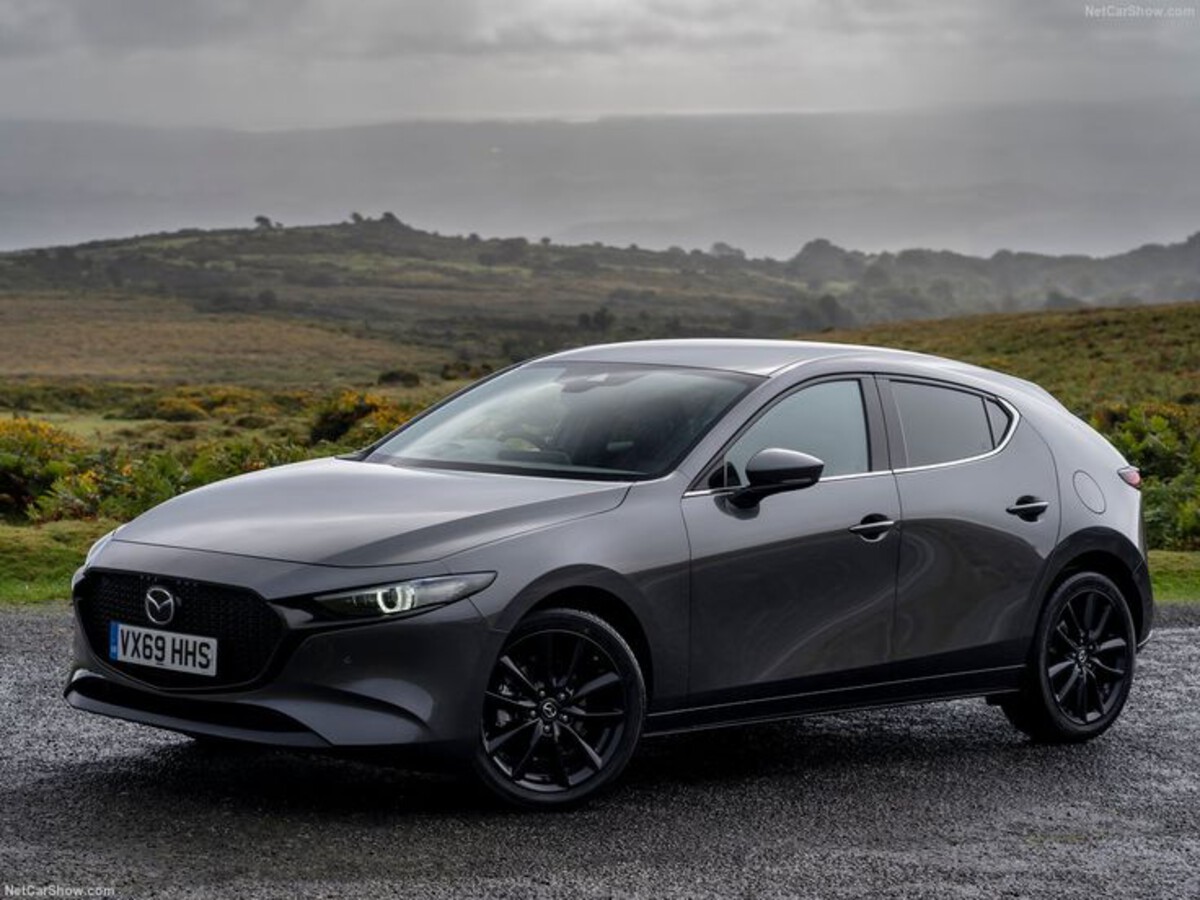
- Engine: 2.5L 4-cylinder (base), 2.5L Turbo 4-cylinder (optional AWD trims)
- Horsepower: 191 hp (base), up to 250 hp (turbo on premium fuel)
- Torque: 186 lb-ft (base), up to 320 lb-ft (turbo)
- Length: ~183.5 inches (sedan), ~175.6 inches (hatchback)
- Width: ~70.7 inches
1. Mazda3
The Mazda3 is widely considered one of the most premium-looking compact cars in the United States, largely because of Mazda’s commitment to its “Kodo” design philosophy. This philosophy emphasizes simplicity, elegance, and natural motion, which results in a vehicle that looks far more expensive than its price suggests.
Unlike many compact cars that rely on sharp angles or exaggerated styling, the Mazda3 focuses on smooth surfaces and refined proportions, giving it a near-luxury presence on the road.
One of the most important aspects of the Mazda3’s expensive look is its exterior balance. The long hood, low stance, and clean body lines create a silhouette that closely resembles entry-level European luxury sedans. The hatchback version enhances this effect even further with its coupe-like rear design, making it look similar to premium fastbacks. Even in base trims, the Mazda3 avoids looking cheap or overly simplified, which is rare in this segment.
The front design also contributes heavily to its upscale appearance. The signature Mazda grille is wide and elegant, paired with slim LED headlights that give it a sharp yet mature face. Instead of trying to look aggressive like many competitors, the Mazda3 maintains a restrained and sophisticated character, which is often associated with luxury vehicles. This subtle design approach helps it stand out in a crowded compact segment.
Inside the cabin, Mazda has gone beyond typical mainstream expectations. The interior feels carefully designed rather than cost-optimized. Soft-touch materials are used generously, and the dashboard layout is clean and minimalistic.
In higher trims, leather upholstery, heated seats, and premium audio systems further enhance the driving experience. The rotary infotainment controller may seem simple, but it helps create a cleaner, more organized, and premium-feeling interior environment.
On the road, the Mazda3 delivers a refined and controlled driving experience. The suspension tuning prioritizes comfort while maintaining engagement, making it feel closer to a European touring car than a basic economy vehicle. Steering precision and cabin insulation also contribute to its upscale driving character. The Mazda3 consistently delivers a premium impression that far exceeds its actual price point.
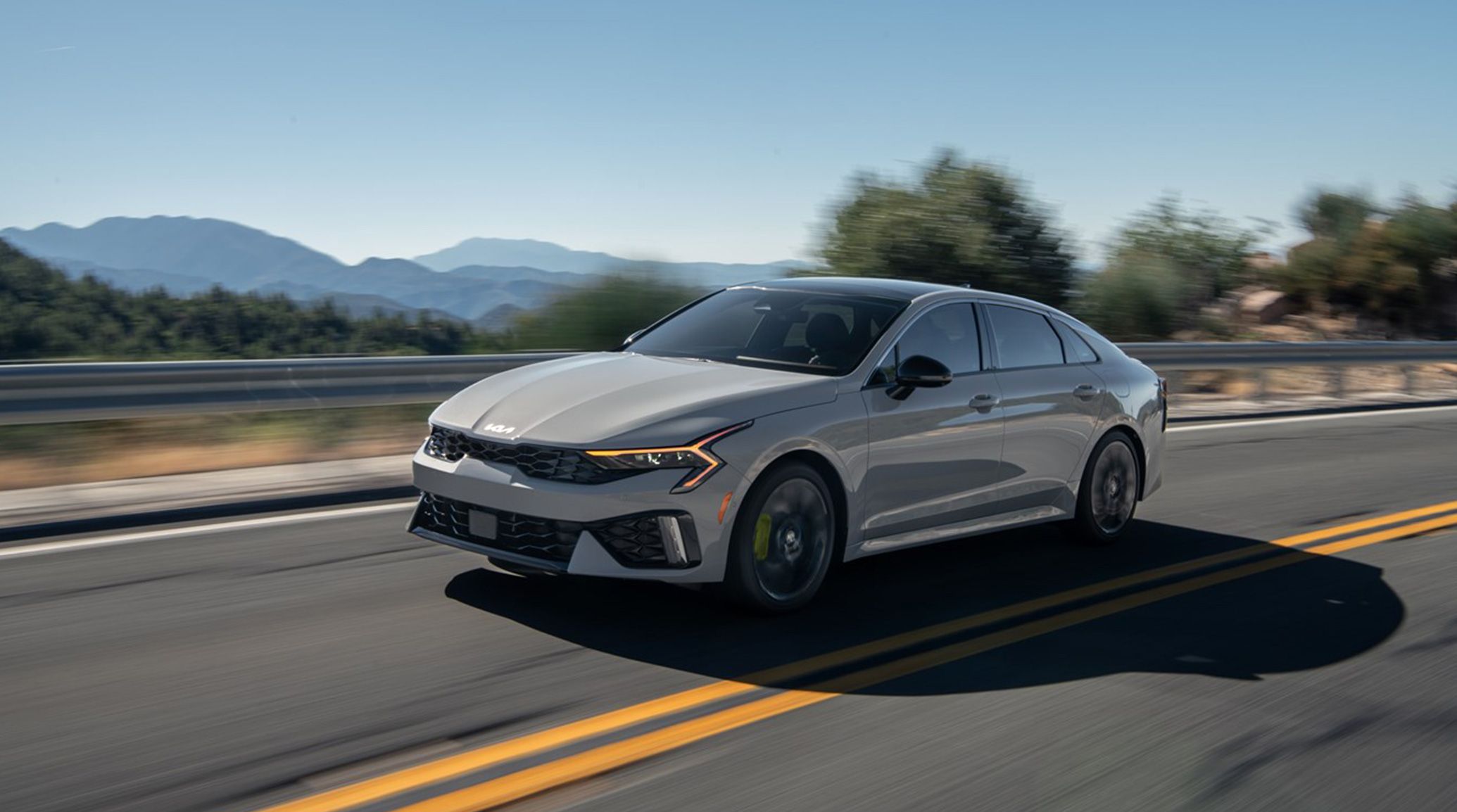
- Engine: 1.6L turbo 4-cylinder, 2.5L turbo 4-cylinder (GT)
- Horsepower: 180 hp (base), 290 hp (GT)
- Torque: 195 lb-ft (base), 311 lb-ft (GT)
- Length: ~193.1 inches
- Width: ~73.2 inches
2. Kia K5
The Kia K5 is one of the most visually striking mid-size sedans currently available in the US market, and it is often mistaken for a much more expensive European sports sedan. Kia completely transformed its sedan identity when it replaced the Optima with the K5, introducing a bold fastback-inspired design that immediately stands out in traffic.
The long, low stance and aggressive proportions give it a road presence that feels closer to luxury performance sedans than mainstream family cars.
A major reason the K5 looks expensive is its front fascia design. The signature tiger nose grille blends seamlessly into the LED daytime running lights, creating a continuous visual flow that feels modern and high-end.
The sharp lighting elements and sculpted hood add depth and complexity to the design, making it look far more sophisticated than its price suggests. Even in base trims, the design does not feel stripped down, which is uncommon in this segment.
The side profile is equally important in its premium appearance. The sloping roofline gives it a coupe-like silhouette, while the long wheelbase ensures proportions that resemble luxury sedans.
The character lines are sharp but controlled, avoiding the overly busy styling seen in some competitors. This balance of sportiness and elegance makes the K5 appear like a vehicle from a higher price category.
Inside the cabin, Kia has significantly improved material quality and layout design. The dashboard is clean and horizontal, with a modern infotainment system that integrates well into the interior. Higher trims include digital instrument clusters and ambient lighting, which enhance the upscale impression. The cabin feels thoughtfully designed rather than purely cost-driven, which strengthens its premium identity.
On the road, the K5 delivers a smooth and confident driving experience. It is tuned more for comfort and stability than aggressive performance, which aligns with luxury sedan behavior. The quiet cabin, stable highway ride, and composed handling all contribute to an experience that feels more expensive than the badge suggests.
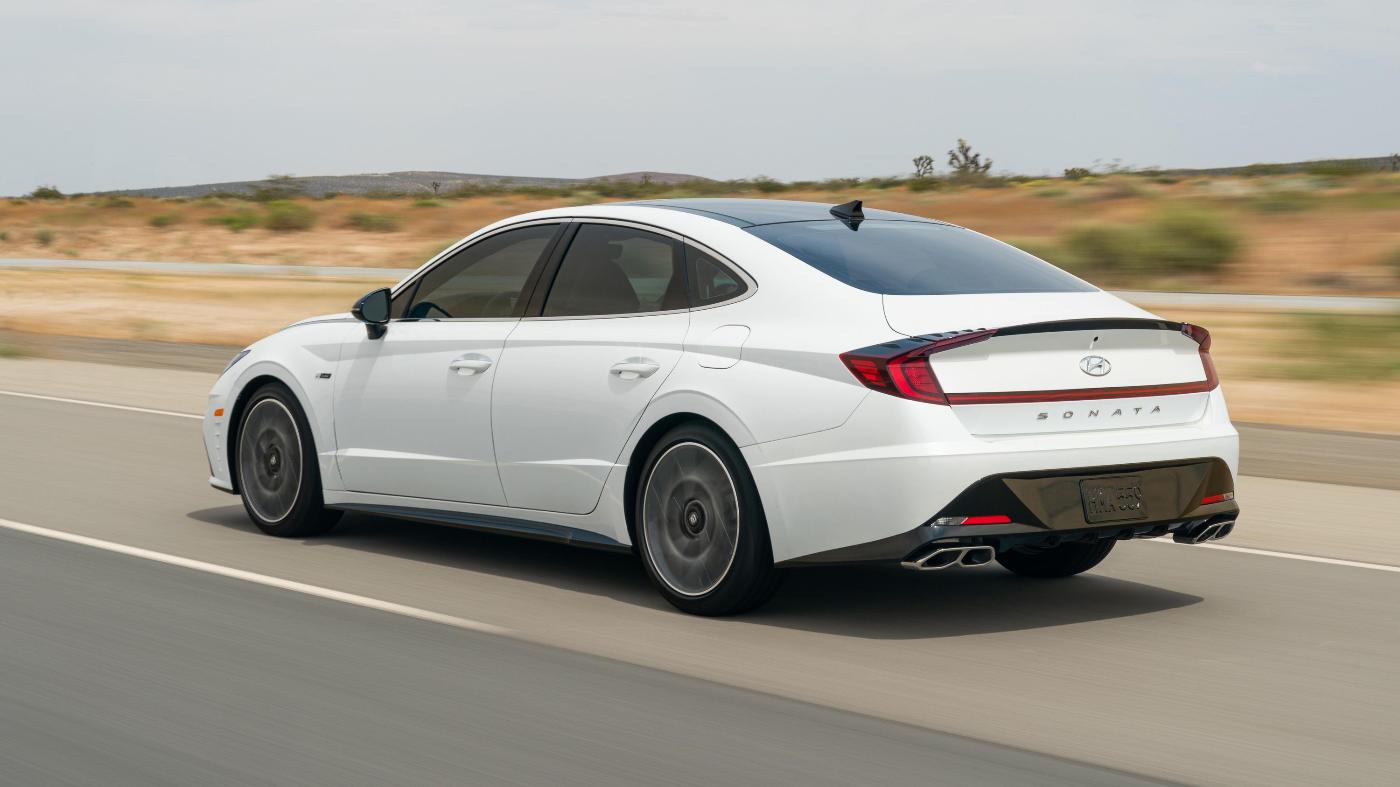
- Engine: 2.5L 4-cylinder, 1.6L turbo hybrid option in some trims
- Horsepower: 191 hp (standard), up to ~290 hp (N Line)
- Torque: 181 lb-ft (standard), up to 311 lb-ft (N Line)
- Length: ~192.9 inches
- Width: ~73.2 inches
3. Hyundai Sonata
The Hyundai Sonata has undergone one of the most dramatic transformations in the US sedan market, evolving from a conservative family car into a futuristic-looking vehicle that often gets mistaken for a luxury hybrid or even a concept car. Its bold design language has made it one of the most distinctive sedans in its price range, with styling that can easily compete with entry-level luxury vehicles.
The exterior design is centered around Hyundai’s “Sensuous Sportiness” philosophy, which focuses on dynamic proportions and striking visual elements.
The most eye-catching feature is the hidden lighting strip that integrates into the chrome trim when turned off, creating a seamless and futuristic appearance. When illuminated, it produces a distinctive lighting signature that enhances its premium feel significantly.
The Sonata’s proportions also play a major role in its expensive appearance. The long hood, wide stance, and low roofline give it a sleek coupe-inspired profile. Unlike traditional sedans, it avoids boxy or upright styling, instead opting for a flowing shape that resembles higher-end luxury models. This gives it a strong visual presence even when parked among more expensive vehicles.
Inside, the Sonata continues its modern and tech-focused identity. The dashboard is clean and symmetrical, featuring a large infotainment screen and a fully digital instrument cluster in higher trims. The interior layout is designed to feel open and wide, which enhances the sense of space and luxury. Materials are significantly improved over older Hyundai models, especially in upper trims.
On the driving side, the Sonata prioritizes comfort and smoothness. It is not a performance-oriented sedan, but it delivers a refined ride quality that feels appropriate for long highway journeys. Cabin insulation is strong, and the driving experience feels calm and controlled, reinforcing its premium-inspired character.
- Engine: 2.5L hybrid 4-cylinder, 2.4L turbo hybrid (Hybrid MAX)
- Horsepower: ~236 hp (standard hybrid), up to 340 hp (Hybrid MAX)
- Torque: ~163 lb-ft (standard), up to 400 lb-ft (Hybrid MAX)
- Length: ~196.1 inches
- Width: ~72.4 inches
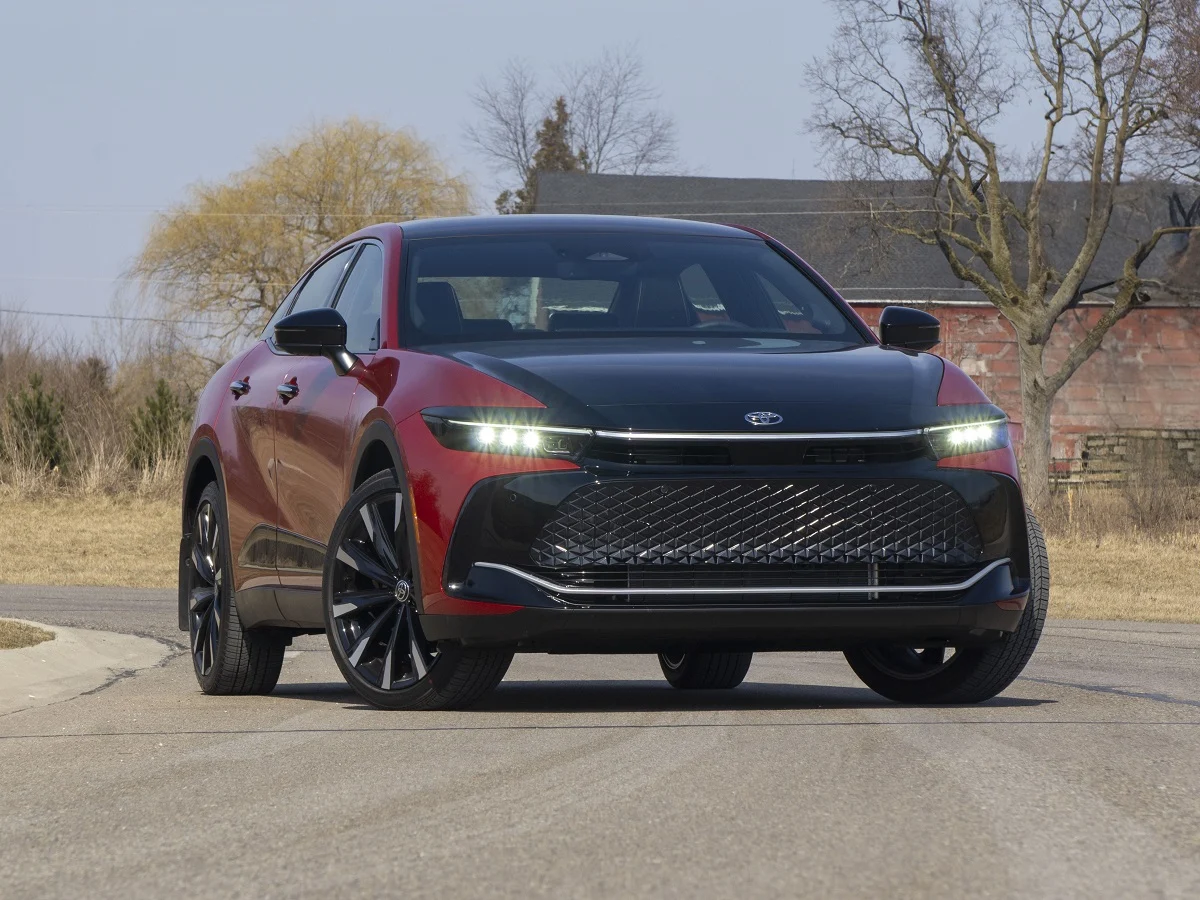
4. Toyota Crown
The Toyota Crown is one of the most unique mainstream vehicles sold in the US, and its design immediately positions it closer to luxury crossovers than traditional sedans. Toyota has intentionally designed the Crown to sit above the Camry, giving it a more upscale identity that often confuses buyers into thinking it belongs to Lexus.
The exterior design is bold and unconventional, featuring a lifted sedan stance that blends characteristics of both sedans and SUVs. This higher ride height gives it a more commanding road presence and a more upscale appearance than its price might suggest. Two-tone paint options and sharp body lines further strengthen its premium visual appeal.
The front design is especially important in its luxury perception. The large grille, sleek LED headlights, and clean surfacing create a modern and sophisticated face. The lighting signature is subtle yet distinctive, which is a common trait in higher-end vehicles.
Inside, the Crown delivers a strong sense of comfort and refinement. The cabin uses high-quality materials, soft-touch surfaces, and a modern dual-screen layout. Seating comfort is a priority, with supportive seats designed for long-distance driving. Features like ambient lighting and advanced driver assistance systems contribute to a near-luxury experience.
On the road, the hybrid powertrain provides smooth and quiet performance. The driving experience is focused on comfort and efficiency rather than excitement, which aligns with luxury-oriented vehicles. The suspension tuning absorbs road imperfections effectively, giving it a relaxed and premium feel.
- Engine: 1.5L turbo 4-cylinder
- Horsepower: 158 hp
- Torque: 184 lb-ft
- Length: ~186.5 inches
- Width: ~70.8 inches
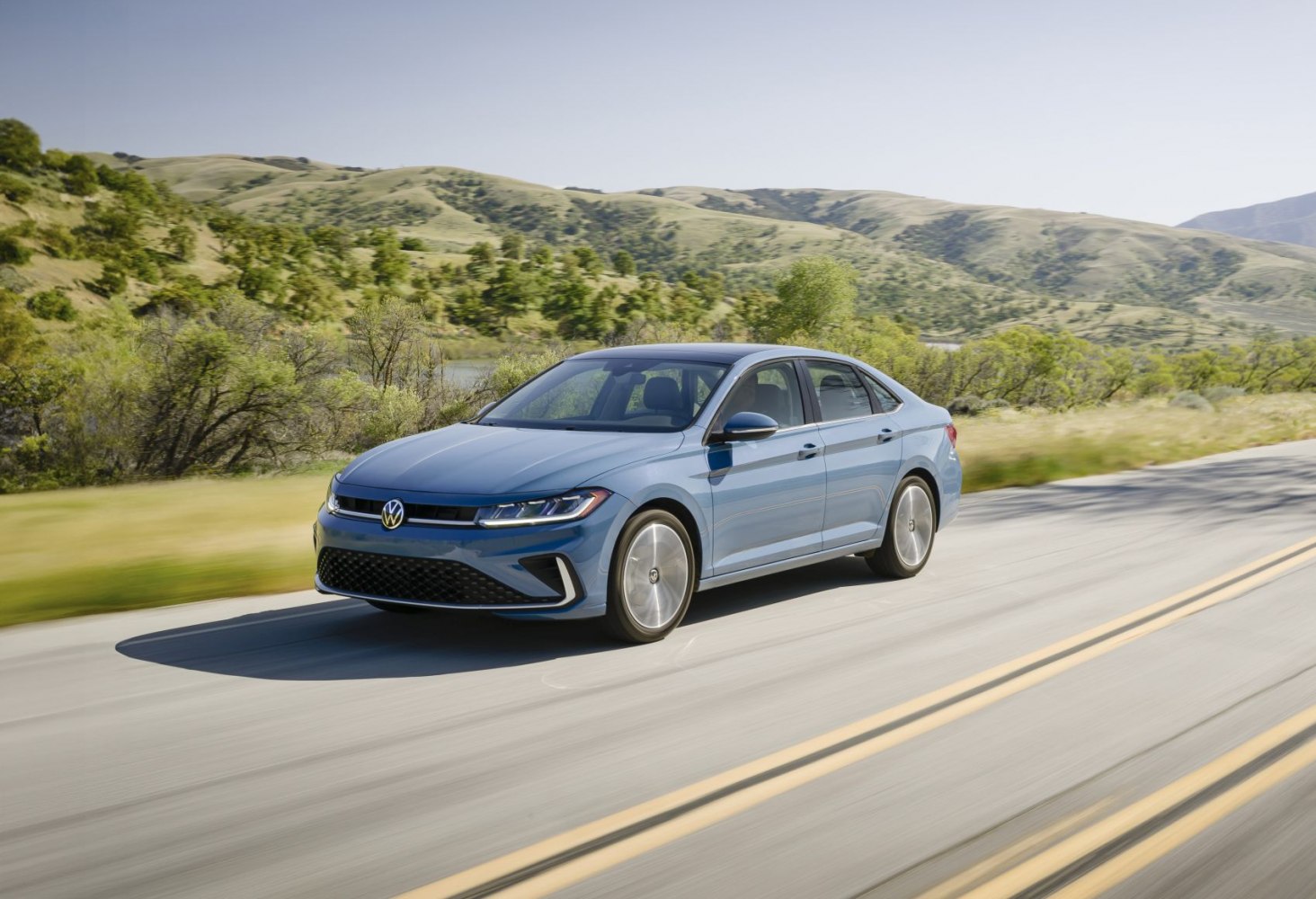
5. Volkswagen Jetta
The Volkswagen Jetta is one of the most understated yet premium-looking compact sedans in the US market. Unlike many competitors that rely on aggressive styling, the Jetta takes a more European-inspired approach with clean lines and simple proportions. This restrained design language often makes it look more expensive than it actually is.
The exterior design is minimal but well executed. The sharp character lines, clean grille design, and balanced proportions create a mature appearance that resembles entry-level Audi sedans in some ways. It does not try to look sporty or flashy, which ironically gives it a more premium identity.
The side profile is particularly elegant. The long wheelbase and smooth roofline give it a refined silhouette that feels more executive than economy-focused. The design avoids unnecessary visual clutter, making it appealing to buyers who prefer subtle sophistication over aggressive styling.
Inside, the Jetta offers a functional yet refined cabin. Higher trims include digital displays, soft-touch materials, and a clean dashboard layout. While not overly luxurious, the interior feels solid and well assembled, which contributes to its premium perception. Volkswagen’s attention to detail in ergonomics and layout enhances the experience.
On the road, the Jetta delivers a composed and stable ride. It is not sporty in nature, but it feels confident at highway speeds. The suspension tuning and cabin insulation help it maintain a calm driving environment, reinforcing its near-luxury character.
- Engine: 2.5L 4-cylinder, 2.0L VC-Turbo (select trims)
- Horsepower: 188 hp (2.5L), up to 248 hp (VC-Turbo)
- Torque: 180 lb-ft (2.5L), up to 273 lb-ft (VC-Turbo)
- Length: ~192.9 inches
- Width: ~72.9 inches
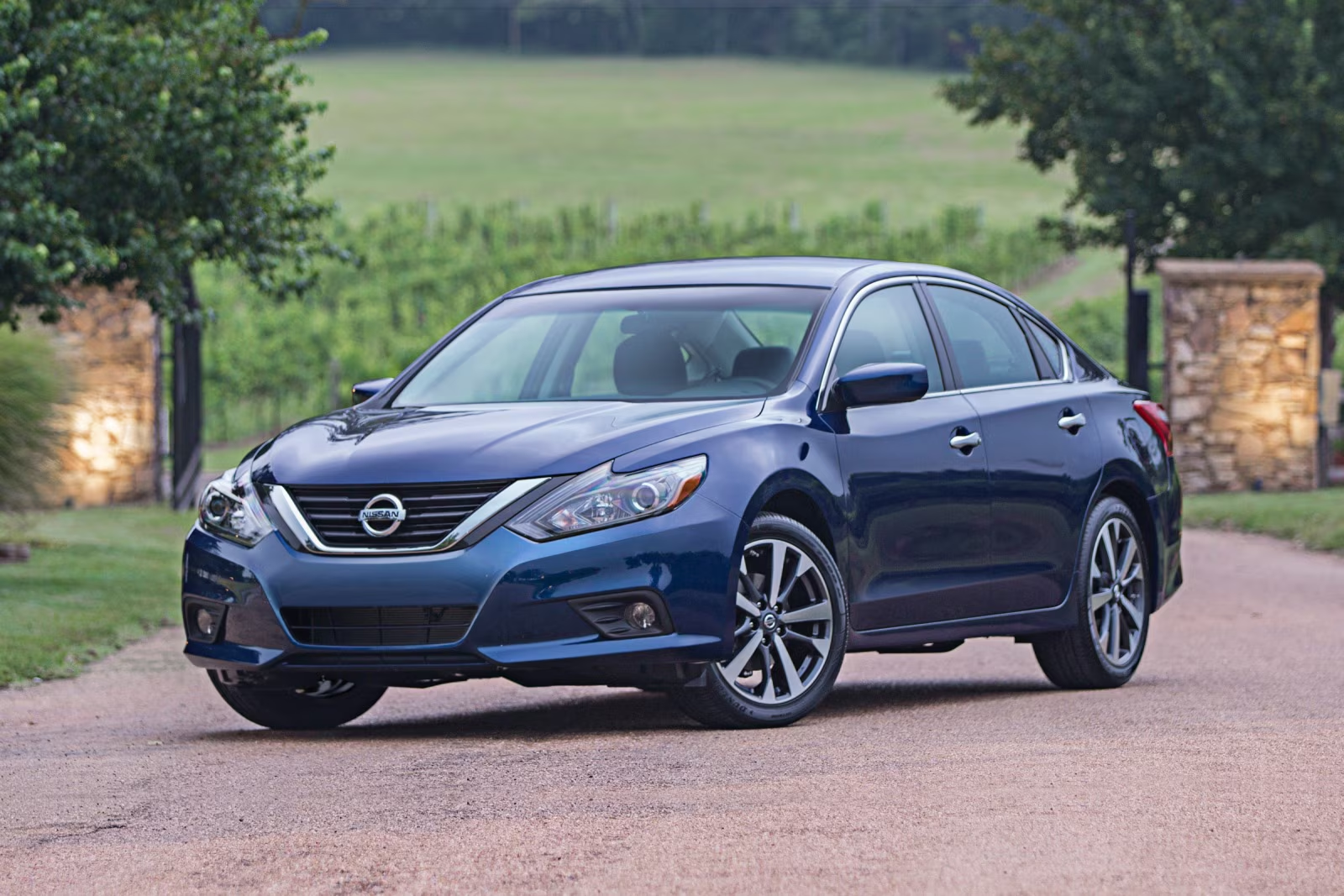
6. Nissan Altima
The Nissan Altima is one of the most recognizable midsize sedans in the U.S., and its modern styling gives it a more premium appearance than its price might suggest. Nissan has worked to refine its sedan lineup, and the Altima benefits from a bold, sporty design language that helps it stand out in a highly competitive segment.
The front design features Nissan’s signature V-motion grille, which is large and visually dominant. This gives the Altima a strong front presence that resembles more expensive sedans. The sharp LED headlights and sculpted hood add further depth to the design, enhancing its upscale appearance.
The side profile introduces a coupe-like roofline that adds sportiness to its look. This design choice helps it avoid the traditional family sedan shape, making it appear more dynamic and modern. The proportions are well balanced, giving it a confident stance on the road.
Inside, the Altima offers a comfortable and practical cabin. The layout is straightforward, but higher trims include improved materials, touchscreen infotainment, and driver assistance features. Nissan’s Zero Gravity seats add a level of comfort that feels more premium than expected in this price range.
On the road, the Altima provides a smooth and relaxed driving experience. It is designed for comfort and daily usability, with stable highway performance and quiet cabin behavior. These traits contribute to its near-luxury feel in everyday driving.
- Engine: 1.5L turbo 4-cylinder, hybrid 2.0L system
- Horsepower: 192 hp (1.5T), up to 204 hp (hybrid system)
- Torque: 192 lb-ft (1.5T), electric assist varies (hybrid)
- Length: ~195.7 inches
- Width: ~73.3 inches
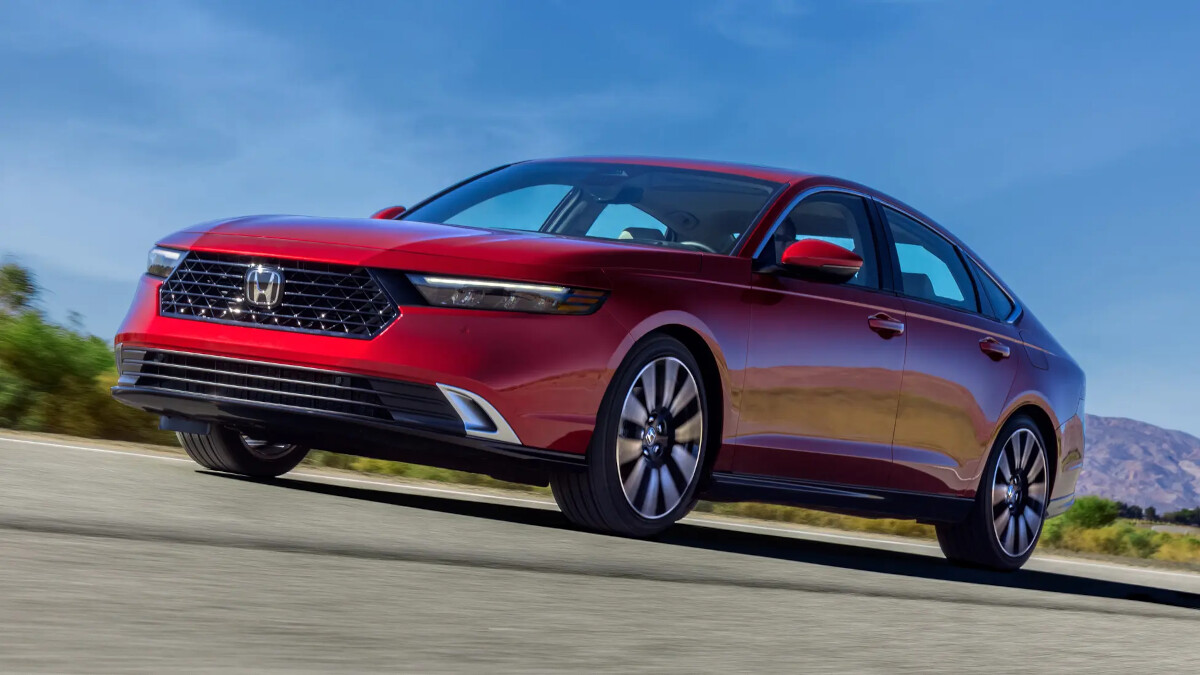
7. Honda Accord
The Honda Accord has long been considered one of the most refined mainstream sedans in the US, and its latest generation pushes its design even closer to entry-level luxury territory. Its long, low, and wide proportions give it a mature and executive appearance that rivals more expensive sedans.
The exterior design is clean and elegant, with a wide front grille and slim headlights that create a sophisticated face. Unlike overly aggressive competitors, the Accord focuses on simplicity and balance, which enhances its premium perception. Its proportions resemble larger luxury sedans more than typical mid-size cars.
The side profile is especially important in its upscale look. The long wheelbase and smooth roofline create a stretched, elegant silhouette that feels refined and stable. This design makes it visually comparable to vehicles from Acura or Lexus in real-world conditions.
Inside, the Accord offers one of the most spacious and well-designed cabins in its segment. The dashboard is modern and minimal, with a large infotainment screen and a clean layout. Higher trims include premium materials, digital displays, and advanced comfort features.
On the road, the Accord delivers a smooth and confident driving experience. It is tuned for comfort and stability, making it ideal for long-distance travel. The quiet cabin and refined ride quality strengthen its near-luxury identity.
- Engine: 2.5L 4-cylinder, 2.4L turbo 4-cylinder (XT)
- Horsepower: 182 hp (base), 260 hp (XT)
- Torque: 176 lb-ft (base), 277 lb-ft (XT)
- Length: ~191.1 inches
- Width: ~72.4 inches
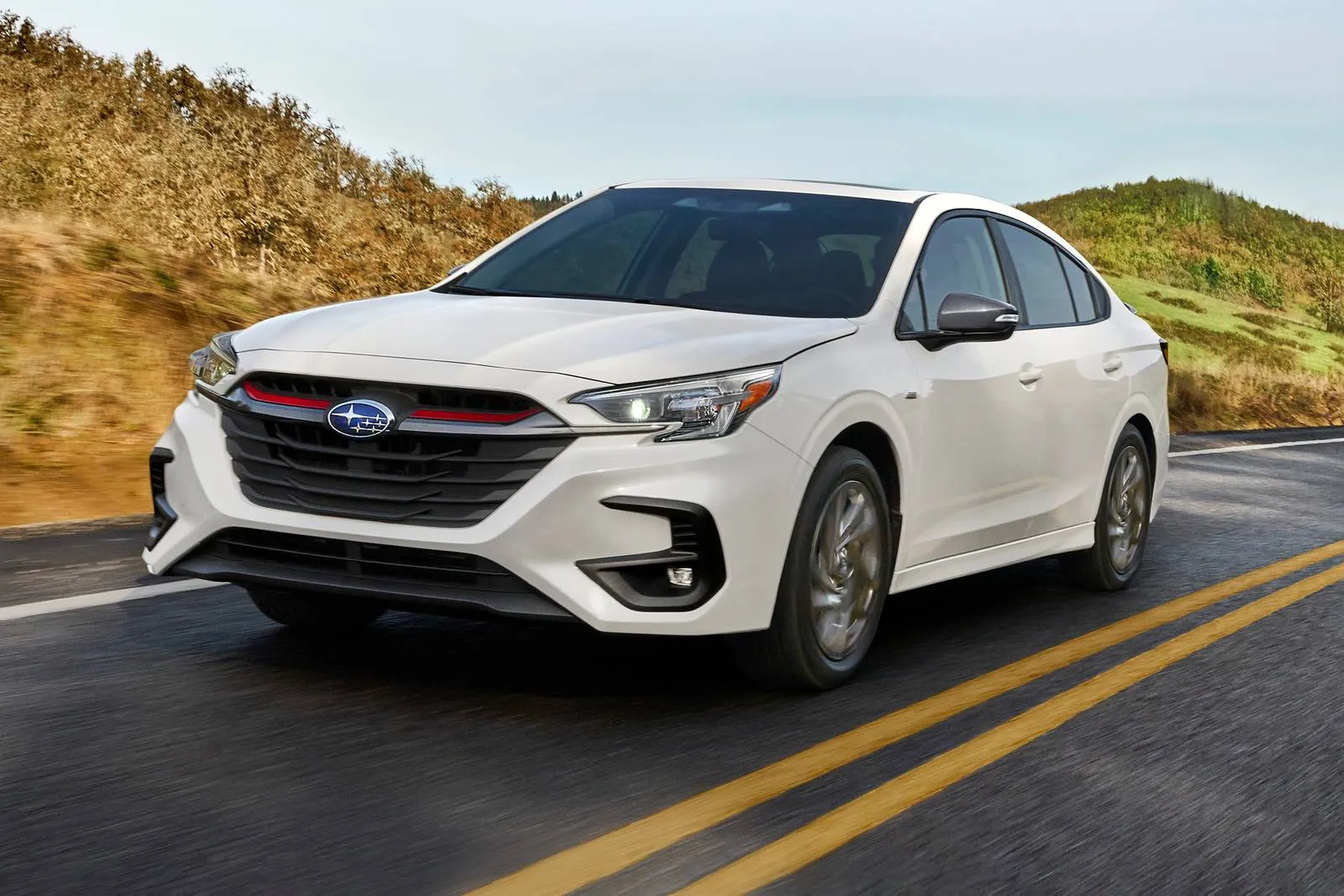
8. Subaru Legacy
The Subaru Legacy is one of the most understated sedans in the US market, but its clean and conservative design gives it a subtle premium appearance. It does not rely on flashy styling, which allows it to blend naturally into higher price segments visually.
The exterior design is simple and balanced, with smooth body panels and a wide stance. This understated approach often makes it look more expensive than it actually is, especially in everyday traffic where aggressive styling is common.
The front design is clean and functional, with sharp headlights and a modest grille. It avoids unnecessary design elements, which gives it a mature and executive feel. This simplicity is one of its strongest visual advantages.
Inside, the Legacy offers a comfortable and practical cabin. The layout is user-friendly, with a large vertical infotainment screen in newer models and good material quality throughout. It prioritizes comfort and usability over luxury flashiness.
On the road, the Legacy provides a smooth and stable ride. Subaru’s All Wheel Drive system adds confidence in various conditions, and the driving experience feels secure and composed, contributing to its premium perception.
- Engine: 1.5L turbo 4-cylinder
- Horsepower: 163 hp
- Torque: 184 lb-ft
- Length: ~194.2 inches
- Width: ~73.0 inches
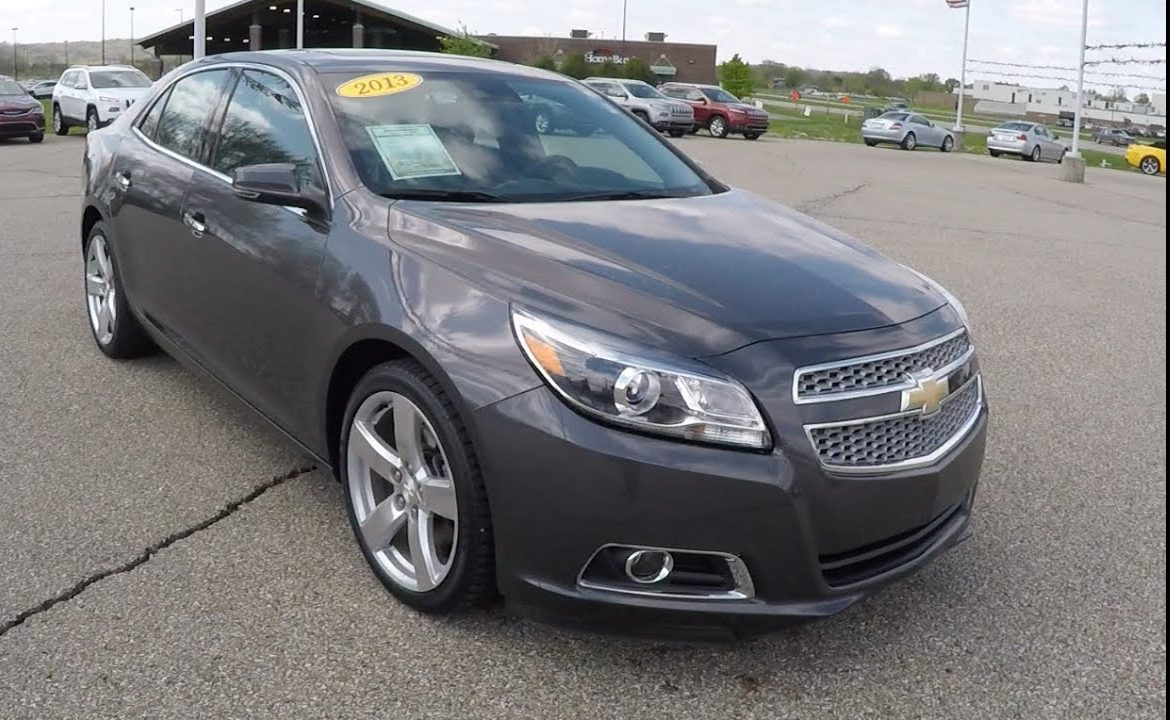
9. Chevrolet Malibu
The Chevrolet Malibu is one of the more stylish American sedans in the mainstream segment, and its design gives it a surprisingly premium appearance when viewed on the road. It features a sleek and aerodynamic shape that helps it stand out among competitors.
The exterior design is smooth and flowing, with a long body and subtle character lines. The front fascia is modern and clean, especially in higher trims with chrome accents and LED lighting. This gives it a refined appearance that feels more expensive than its price range.
The side profile emphasizes elegance rather than aggression. The long proportions and sloping roofline create a near-luxury silhouette, making it visually appealing in daily driving conditions. It avoids overly complex styling, which enhances its sophistication.
Inside, the Malibu offers a straightforward and comfortable cabin. While not overly luxurious, higher trims include decent materials, touchscreen infotainment, and supportive seating. The layout is simple but functional.
On the road, the Malibu provides a smooth and quiet ride. It is designed for comfort and daily commuting, and its stable driving behavior contributes to its upscale feel in real-world use.
