
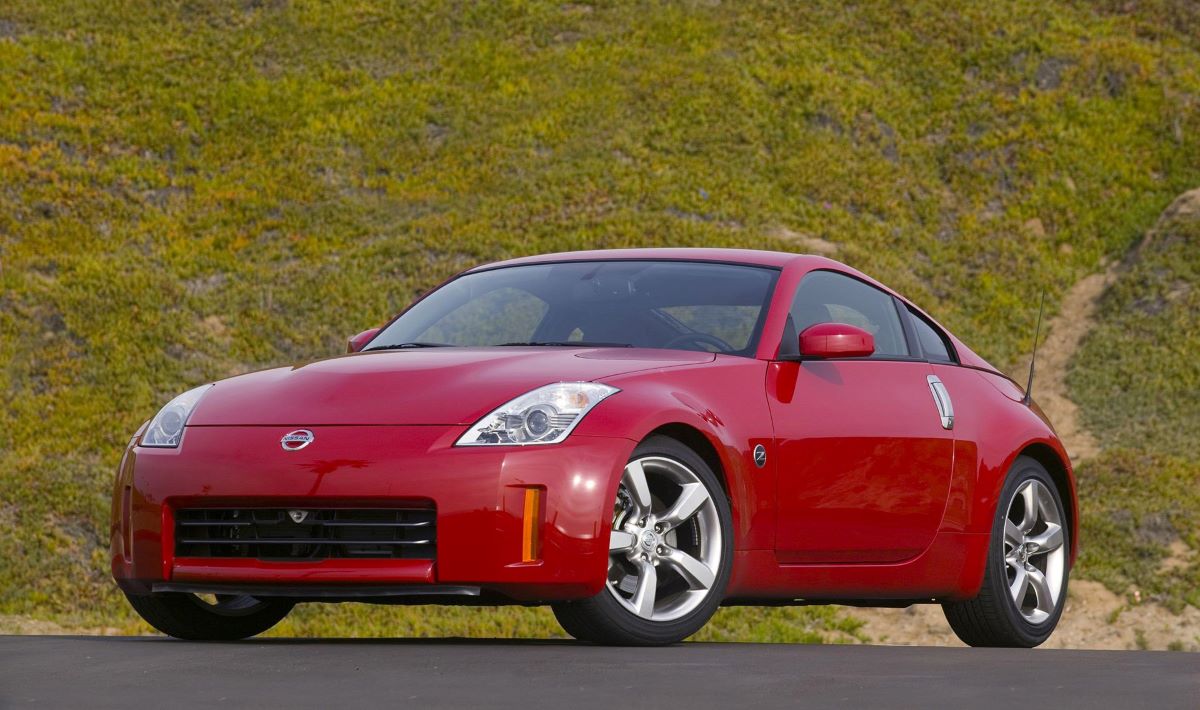
Drifting was never supposed to become a billion-dollar automotive culture. In its earliest years, it existed mostly in mountain roads, abandoned industrial areas, and small local circuits where drivers pushed inexpensive rear-wheel-drive cars beyond their limits.
The entire spirit of drifting revolved around accessibility. Young enthusiasts bought cheap used cars, welded differentials, installed basic suspension upgrades, and learned car control through trial and error. Nobody imagined many of those rough practice machines would later become highly valuable collector cars.
What made drift cars special was not necessarily raw horsepower. Balance, predictable handling, lightweight construction, and easy modification mattered far more. Drivers wanted vehicles that could slide naturally while remaining affordable enough to repair after inevitable mistakes.
Japanese manufacturers accidentally created perfect platforms during the 1980s and 1990s by producing compact rear-wheel-drive coupes and sedans with durable engines and simple mechanical layouts.
As drifting exploded globally through motorsport events, video games, movies, and online culture, demand for these once-ignored cars skyrocketed. Vehicles that could previously be purchased for very little money suddenly became legendary icons.
Many examples were destroyed through hard driving, aggressive modifications, and poor maintenance, making surviving clean cars increasingly rare. Collectors eventually recognized their cultural importance, and prices climbed dramatically.
Today, several former drift practice cars are worth many times their original values. Enthusiasts who once treated these machines as disposable now struggle to find affordable examples anywhere in the world.
Auctions regularly show astonishing prices for cars that were once covered in mismatched body panels and tire smoke at local drift events.
The cars on this list represent some of the best examples of that transformation. Each one started life as an affordable platform favored by grassroots drifters before eventually becoming a respected collectible.
Their rise in value reflects not only rarity but also the massive influence drifting culture had on the automotive industry and enthusiast communities worldwide.
Also Read: 10 V8 Cars Worth Buying for the Sound Alone
1. Nissan Silvia S13
The Nissan Silvia S13 may be the single most important drift car ever created. During the 1990s and early 2000s, these cars were everywhere in grassroots drifting because they combined lightweight handling, rear-wheel drive balance, turbocharged tuning potential, and low purchase prices into one perfect package.
At the time, many people viewed them simply as cheap used sports coupes. Few imagined the S13 would later become one of the most sought-after Japanese collector cars in the world.
Part of Silvia’s popularity came from its forgiving chassis. New drivers could practice slides without feeling intimidated, while experienced drifters appreciated how naturally the car transitioned between corners.
The steering response felt sharp, and the suspension geometry allowed impressive control during aggressive sideways driving.
Another reason the S13 became dominant was the legendary SR20DET engine. Tuners quickly discovered the turbocharged four-cylinder could handle substantial power increases with relatively simple modifications.
Owners installed larger turbochargers, upgraded intercoolers, and basic suspension kits while keeping costs manageable. This created an endless supply of drift builds appearing at tracks throughout Japan, Europe, and North America.
Unfortunately, that popularity also contributed to the car’s rising value. Many S13s were crashed, stripped for parts, or modified beyond recognition during the golden era of drifting. Clean and original examples gradually became rare, especially unmolested turbocharged models.
Modern collectors now chase surviving Silvias aggressively because they represent an important part of automotive culture.
Younger enthusiasts who grew up watching drifting videos and playing racing games see the S13 as an icon rather than an ordinary used coupe. Prices that once seemed impossible for an old Nissan are now becoming common at auctions and private sales.
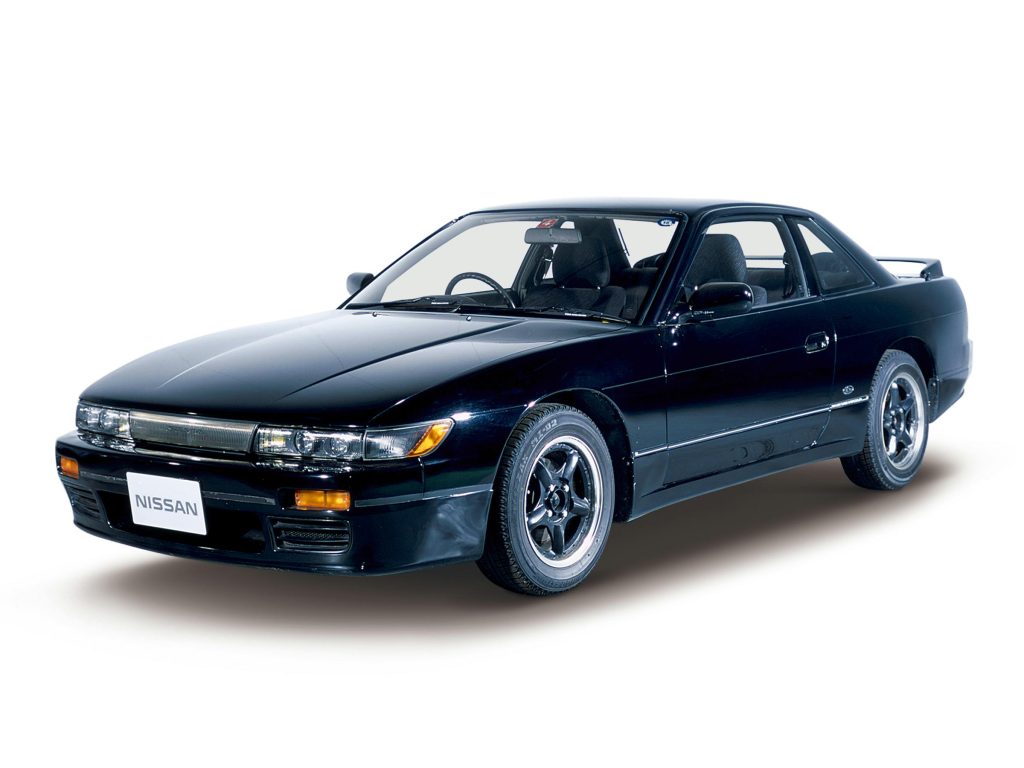
The Silvia S13 perfectly represents how drifting transformed overlooked, affordable sports cars into highly respected collector machines. What started as a cheap tire-shredding platform eventually became one of the defining Japanese performance cars of its generation.
Specifications:
- Engine: 2.0-liter turbocharged inline 4
- Torque: 202 lb ft
- Horsepower: 205 HP
- Length/Width: 176.8 inches / 66.5 inches
2. Toyota AE86 Corolla
The Toyota AE86 Corolla earned legendary status through a combination of motorsport history, drifting culture, and pure driving simplicity. Long before values exploded, the AE86 was simply an old lightweight Toyota that enthusiasts could buy cheaply and abuse relentlessly at local drift events.
Its small size and modest power actually made it ideal for learning car control because drivers needed skill and momentum instead of brute force.
Unlike many turbocharged drift platforms, the AE86 relied on balance and responsiveness rather than overwhelming horsepower.
The naturally aspirated 4A GE engine delivered lively, high-revving character, while the lightweight chassis responded instantly to steering inputs. Drivers could slide the car smoothly through corners while learning throttle control and weight transfer techniques.
Japanese drifting pioneers helped cement the AE86’s reputation during the early days of the sport. Mountain road drifting videos frequently featured these small Corollas dancing through tight corners with incredible precision. That image eventually spread worldwide and turned the AE86 into one of the most recognizable drift cars ever built.
For years, enthusiasts treated these cars as disposable practice tools. Many examples received rough modifications, stripped interiors, welded differentials, and mismatched body panels. Rust and hard driving destroyed countless AE86s across multiple countries.
Because the cars started as inexpensive economy-based coupes and hatchbacks, few owners worried about long-term preservation.
Everything changed as drifting culture entered mainstream automotive media. Movies, anime, racing games, and social media dramatically increased demand for surviving AE86s. Collectors began searching for clean examples, especially original cars that escaped years of abuse and modification.
Today, finding a well-preserved AE86 has become extremely difficult and expensive. Enthusiasts who once ignored them now compete fiercely at auctions for the opportunity to own one.
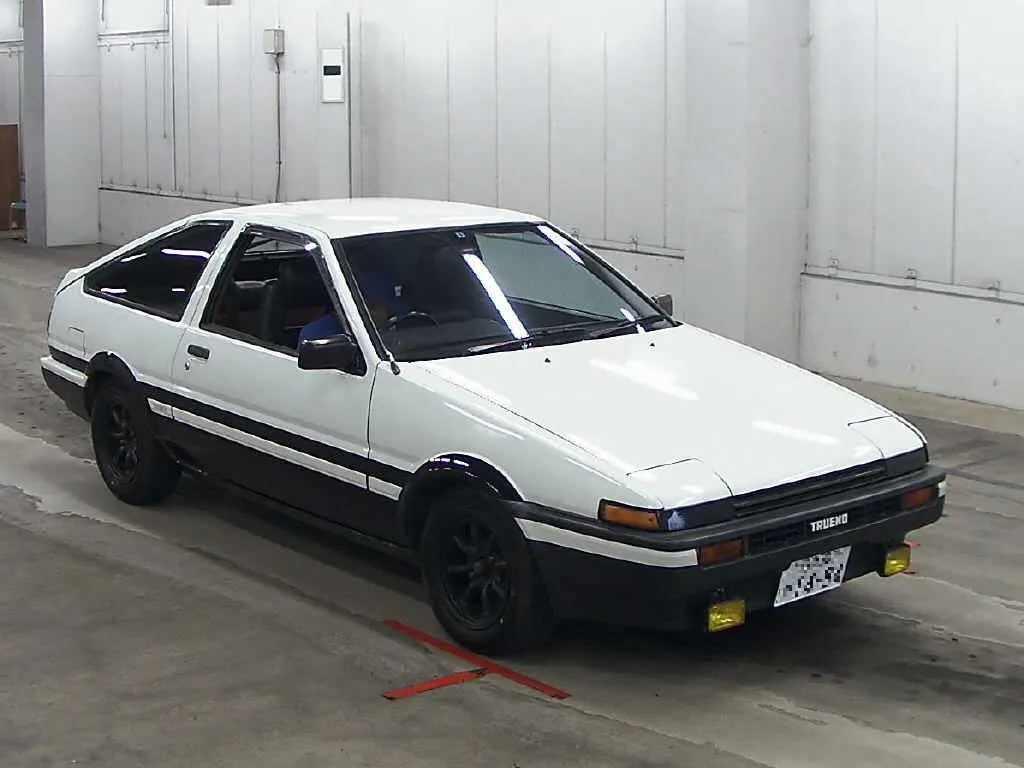
The car’s value is no longer tied only to performance numbers. It represents an entire era of grassroots drifting and driver-focused simplicity that modern sports cars rarely replicate.
Specifications:
- Engine: 1.6-liter naturally aspirated inline 4
- Torque: 110 lb ft
- Horsepower: 128 HP
- Length/Width: 164 inches / 64 inches
3. Mazda RX-7 FC
The Mazda RX-7 FC spent years living in the shadow of the more famous FD generation, but grassroots drifters understood its potential long before collectors did.
During the late 1990s and early 2000s, the FC became a favorite cheap practice platform because it delivered rear-wheel-drive balance, lightweight construction, and turbocharged rotary power for surprisingly little money.
Enthusiasts could buy them cheaply, modify them aggressively, and slide them hard without worrying much about long-term value.
The FC’s balanced chassis made it especially appealing for drifting. Compared to heavier performance cars of the era, the RX-7 felt nimble and responsive while transitioning between corners. Drivers appreciated the predictable steering feel and low center of gravity, which gave the car a smooth and controllable character during long slides.
Its rotary engine also added a unique personality. The turbocharged 13B delivered power differently than traditional piston engines, producing a high-revving and almost electric-feeling driving experience.
That distinctive sound quickly became part of the FC’s identity within drift culture. Many enthusiasts were drawn to the car simply because nothing else sounded remotely similar on track.
Back then, reliability concerns kept values low. Rotary engines intimidated many casual buyers, and replacing or rebuilding them could become expensive if neglected. As a result, FC RX-7s often ended up as affordable drift missiles with rough body kits, stripped interiors, and mismatched wheels.
Over time, the surviving clean examples became increasingly rare. Hard driving, engine failures, and rust eliminated large numbers of FCs from the market.
Once collectors began appreciating Japanese performance cars more seriously, attention shifted toward the FC generation as well. Enthusiasts realized it represented an important bridge between classic analog sports cars and the more advanced Japanese machines that followed.
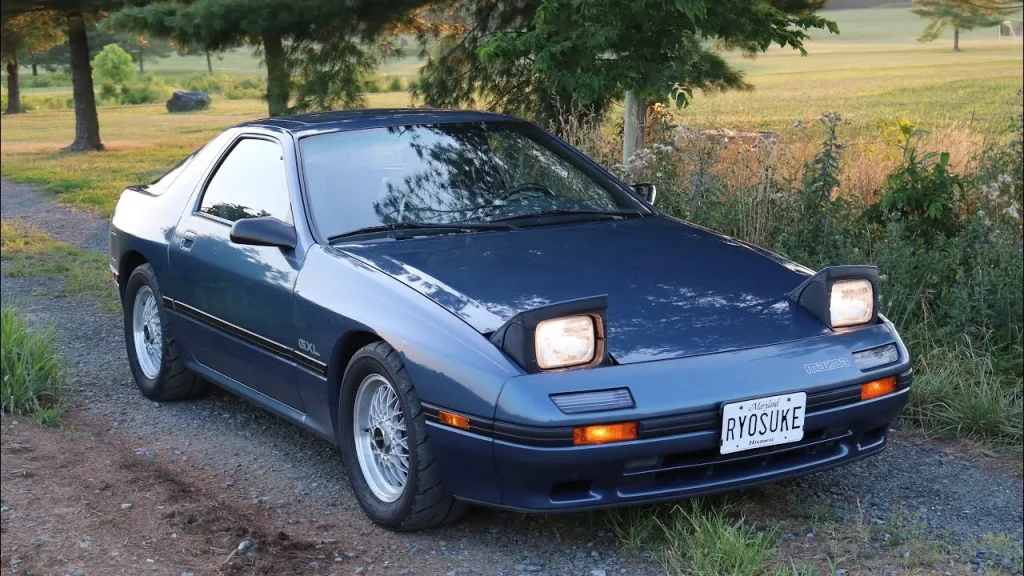
Today, unmodified RX 7-FC models command dramatically higher prices than they once did. What was once considered a cheap rotary drift car has evolved into a respected collectible admired for its unique engineering and connection to drifting’s golden era.
Specifications:
- Engine: 1.3-liter turbocharged rotary twin rotor
- Torque: 183 lb ft
- Horsepower: 200 HP
- Length/Width: 169.9 inches / 66.5 inches
4. BMW E36 3 Series
The BMW E36 became one of the most common drift practice cars outside Japan because it offered an ideal combination of rear-wheel drive dynamics, strong aftermarket support, and affordable pricing.
For many years, these cars were simply cheap used German sedans and coupes that enthusiasts could purchase without major financial risk. Nobody expected clean E36 models would later gain collector attention around the world.
Drifters quickly realized the E36 chassis possessed remarkable balance. The near-perfect weight distribution allowed smooth transitions and predictable slides, making the car approachable for beginners while still rewarding experienced drivers. Even stock versions felt surprisingly composed during aggressive driving.
Another advantage was engine variety. Enthusiasts could choose between smaller inline six models for budget builds or more powerful trims for competitive drifting.
The engines responded well to modifications, and replacement parts remained relatively affordable for a European car during that era. This made the E36 especially attractive in regions where Japanese drift cars were harder to find.
Unlike flashy sports coupes, the E36 initially carried little collector prestige. Many examples became rough drift builds featuring cut springs, welded differentials, stripped interiors, and damaged bodywork. Enthusiasts treated them as disposable learning tools because replacement cars were easy to locate at low prices.
As years passed, that abundance disappeared quickly. Constant abuse, poor maintenance, and rust destroyed countless E36s worldwide. Meanwhile, automotive enthusiasts started recognizing how important analog BMWs had become in an increasingly digital performance car market.
Collectors now appreciate the E36 not only for drifting history but also for its pure driving feel. Hydraulic steering, balanced handling, and mechanical simplicity make it feel engaging in ways many modern cars struggle to replicate. Well-preserved manual transmission examples have become particularly desirable.
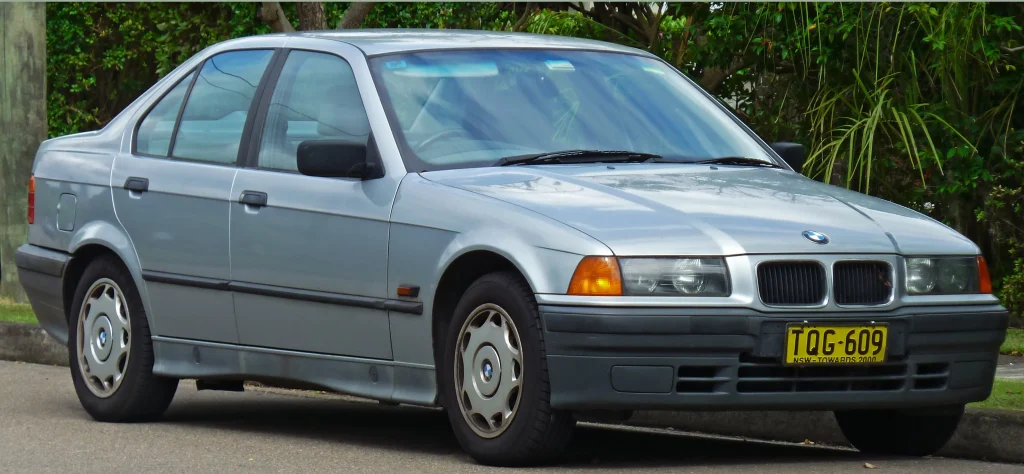
The E36 proves that even ordinary sports sedans can transform into valuable enthusiast icons when an entire generation builds memories around them. Its journey from a cheap drift practice machine to a respected collectible perfectly reflects the evolution of automotive culture.
Specifications:
- Engine: 3.2-liter naturally aspirated inline 6
- Torque: 236 lb ft
- Horsepower: 240 HP
- Length/Width: 174.5 inches / 67.3 inches
5. Nissan 350Z
When the Nissan 350Z first appeared in the early 2000s, enthusiasts immediately recognized it as a perfect modern drift platform.
Prices on used examples eventually dropped low enough that grassroots drivers could buy them cheaply, install suspension upgrades, and spend entire weekends destroying rear tires at local drift events.
At that stage, the 350Z was viewed less as a future collectible and more as an affordable tool for learning aggressive car control.
The formula was simple but extremely effective. Nissan gave the 350Z a naturally aspirated V6, a rear-wheel-drive layout, strong manual transmission options, and a short wheelbase that made transitions feel quick and controllable. Drivers appreciated how easily the car could maintain long slides without requiring excessive modifications.
One major advantage involved reliability. Compared to some older turbocharged Japanese drift cars that constantly demanded mechanical attention, the 350Z handled abuse surprisingly well.
Owners regularly drove them hard at drift events, swapped tires repeatedly, and continued using them daily afterward. That durability made the platform especially popular among younger enthusiasts working with limited budgets.
The VQ35DE engine also helped create the car’s identity within drifting culture. Its aggressive exhaust note became instantly recognizable at tracks worldwide.
While some purists initially criticized the heavier chassis compared to older lightweight Japanese coupes, drivers soon discovered the car offered excellent stability and predictable handling once suspension setups were dialed in properly.
For years, the used 350Z prices remained extremely affordable. This encouraged aggressive modifications, rough body kits, angle kits, hydraulic handbrakes, and stripped interiors. Many examples suffered crashes or mechanical neglect after years of hard driving. As a result, finding clean and original cars has become increasingly difficult.
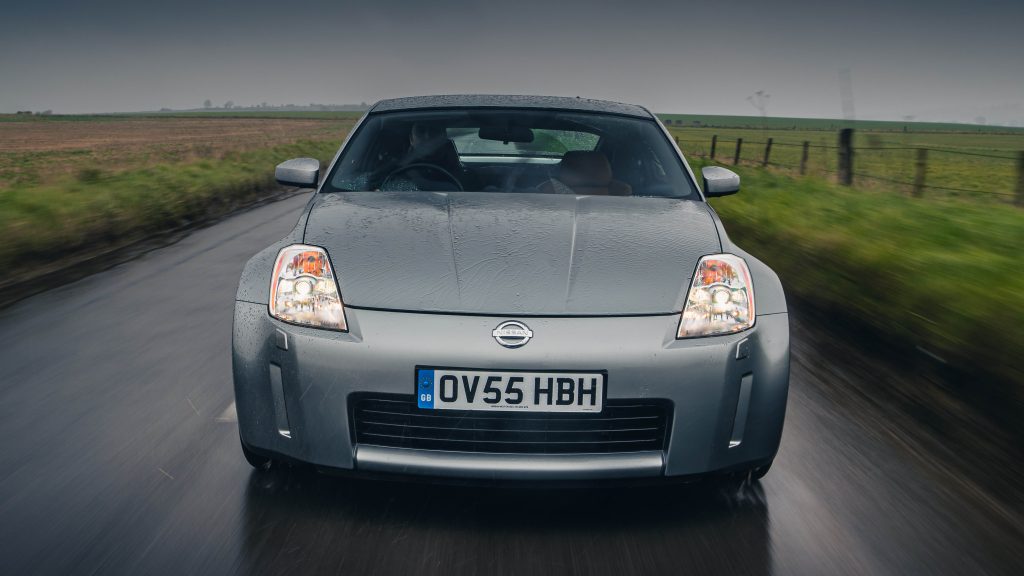
Collectors eventually realized the 350Z represented an important era in Japanese performance car history. It carried the Z car legacy into a new generation while simultaneously becoming one of the defining grassroots drift cars of the 2000s.
Values for low-mileage manual transmission examples continue rising steadily as enthusiasts search for preserved cars untouched by years of track abuse.
Specifications:
- Engine: 3.5-liter naturally aspirated V6
- Torque: 274 lb ft
- Horsepower: 287 HP
- Length/Width: 169.8 inches / 71.5 inches
6. Lexus IS300
The Lexus IS300 followed a very different path into drifting culture compared to traditional Japanese sports coupes. Originally marketed as a compact luxury sport sedan, the IS300 spent years being overlooked by mainstream enthusiasts.
Once the prices dropped, drifters discovered the car shared several important qualities with legendary Toyota performance models, and its reputation changed completely.
At the center of the IS300’s appeal sat the famous 2JZ-GE inline six engine. Although naturally aspirated from the factory, the engine’s durability and tuning potential attracted enthusiasts immediately.
Drivers realized they could create reliable drift builds capable of handling serious abuse without constant mechanical failures. The car quickly became popular among grassroots drifters searching for affordable rear-wheel-drive platforms.
Unlike lightweight coupes such as the AE86 or Silvia, the IS300 approached drifting with a smoother and more stable personality.
The chassis felt balanced during transitions, while the longer wheelbase made slides easier to control for beginners. Many drivers appreciated how approachable the car felt when learning advanced drifting techniques.
Another reason the IS300 gained popularity involved availability. During the late 2000s and early 2010s, clean examples could be purchased cheaply because most buyers viewed them simply as used luxury sedans.
Enthusiasts often stripped interiors, installed coilovers, welded differentials, and converted them into dedicated drift cars without hesitation.
As drifting culture continued growing globally, appreciation for the IS300 increased dramatically. Enthusiasts began recognizing its connection to Toyota’s legendary performance engineering, especially because of the shared engine family with the Supra. Surviving stock examples slowly became harder to locate as more cars disappeared into the drift scene.
Modern collectors now seek clean, manual-swapped, or factory-original IS300s because they represent a fascinating chapter in Japanese tuner culture. The car transitioned from a forgotten used sedan to a respected enthusiast machine through grassroots drifting rather than traditional motorsport success.
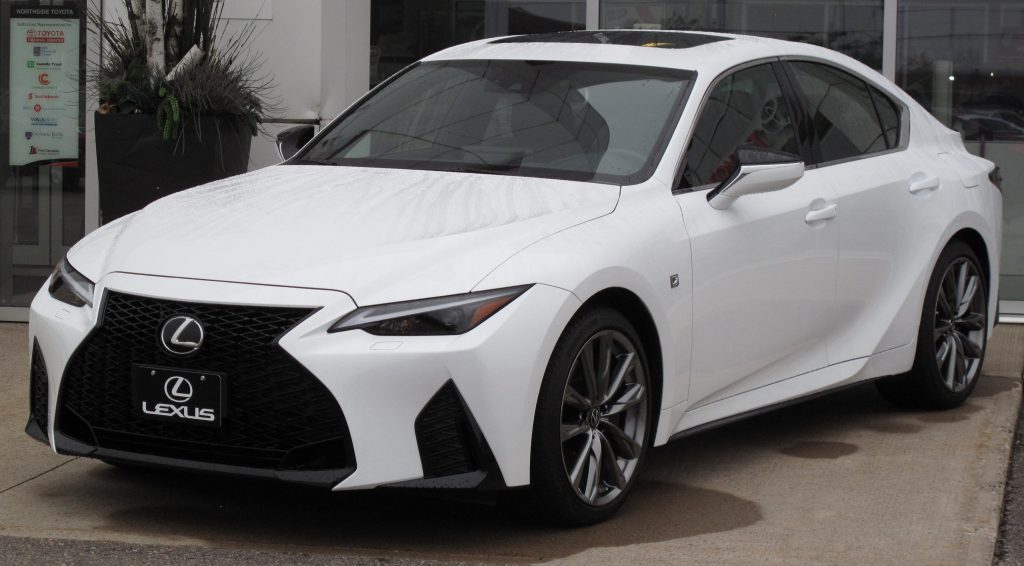
The IS300 proves that drifting culture could upgrade unexpected vehicles into collector status. What once looked like an ordinary compact luxury car eventually became one of the most admired rear-wheel-drive Japanese sedans of its generation.
Specifications:
- Engine: 3.0-liter naturally aspirated inline 6
- Torque: 218 lb ft
- Horsepower: 215 HP
- Length/Width: 174.2 inches / 67.9 inches
7. Infiniti G35 Coupe
The Infiniti G35 Coupe entered the market as a stylish luxury sports coupe, but drifting culture quickly transformed its reputation into something far more aggressive.
During the late 2000s and early 2010s, used G35 prices dropped enough that enthusiasts could buy them cheaply and convert them into capable drift machines without spending massive amounts of money. At the time, few people imagined the car would later gain serious collector interest among Japanese performance fans.
Much of the G35’s appeal came from its shared platform with the Nissan 350Z. The FM chassis delivered excellent balance, rear-wheel drive dynamics, and predictable handling characteristics that worked beautifully for drifting.
Drivers appreciated how stable the car felt while maintaining long, controlled slides, especially during higher-speed transitions.
The VQ35DE engine also became a huge part of the G35’s drifting identity. It produced strong naturally aspirated power with a loud and unmistakable exhaust note that echoed across drift tracks worldwide.
Enthusiasts liked the engine because it handled abuse relatively well compared to older turbocharged platforms that required constant repairs and tuning adjustments.
Another factor that helped the G35 spread through grassroots drifting was affordability. Used luxury coupes depreciated quickly during that era, allowing younger enthusiasts to buy rear-wheel-drive performance cars at surprisingly low prices.
Many owners aggressively modified their cars with angle kits, aftermarket suspension setups, bucket seats, and wide-body panels.
Because so many G35S entered the drift scene, clean and unmodified examples gradually became uncommon. Hard driving, crashes, and neglected maintenance eliminated large numbers of cars over time. Today, enthusiasts searching for stock manual transmission G35 Coupes often struggle to find preserved examples.
Collectors now appreciate the car for representing an important stage in modern Japanese drifting culture. It bridged the gap between older lightweight drift legends and newer high-horsepower street drifting machines.
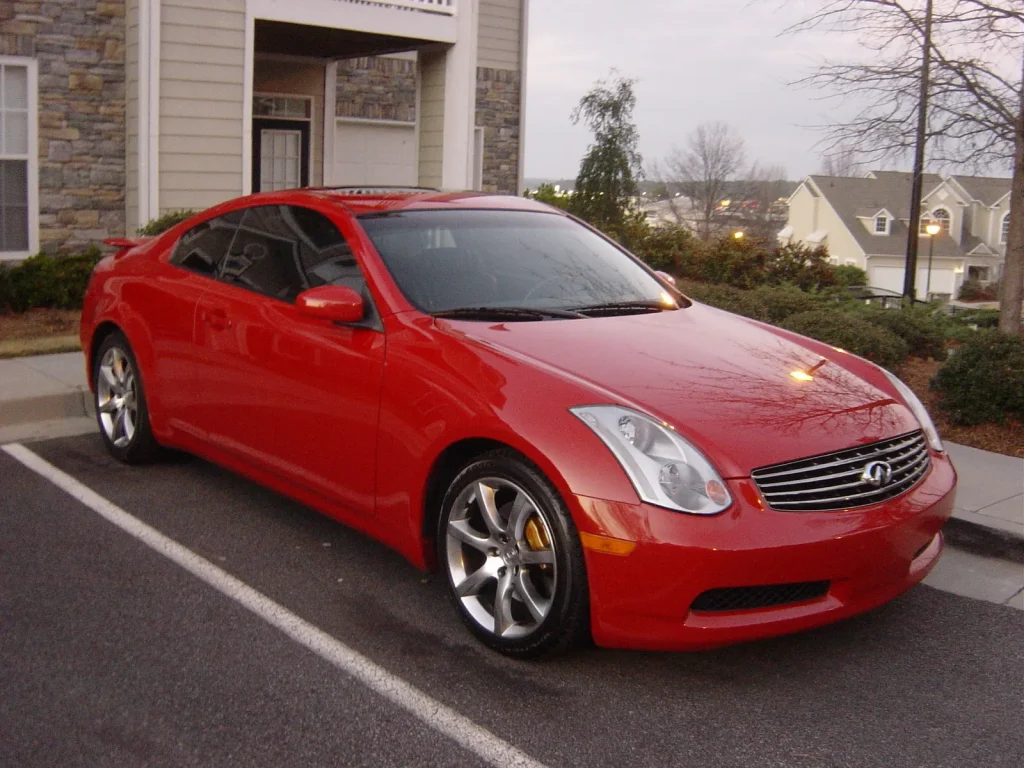
The G35 also introduced many younger drivers to rear-wheel-drive performance during a period when affordable sports cars were becoming increasingly rare.
Its rise from depreciated luxury coupe to respected enthusiast collectible perfectly reflects how drifting culture can completely reshape automotive perception and long-term value.
Specifications:
- Engine: 3.5-liter naturally aspirated V6
- Torque: 270 lb ft
- Horsepower: 280 HP
- Length/Width: 182.3 inches / 71.5 inches
8. Toyota Chaser JZX100
The Toyota Chaser JZX100 became legendary in drifting circles because it combined the practicality of a four-door sedan with the performance potential of a serious sports car.
During the early years of Japanese drifting culture, these sedans could be purchased relatively cheaply, making them popular choices for drivers who wanted turbocharged rear-wheel-drive power without paying premium prices for coupes like the Supra or Skyline.
At the heart of the JZX100 sat the famous 1JZ GTE inline six engine. Enthusiasts quickly realized this turbocharged powerplant could produce enormous performance gains with simple modifications while remaining remarkably durable.
The engine’s smooth power delivery and strong torque characteristics made the Chaser incredibly effective during long drift runs and high-speed transitions.
Unlike smaller drift cars that felt twitchy or nervous, the Chaser delivered a more stable and flowing personality. Its longer wheelbase allowed drivers to maintain controlled slides with confidence, especially on larger circuits where smooth momentum mattered more than sudden direction changes.
Professional drifters in Japan helped upgrade the car’s reputation by using heavily modified Chasers in competitions and demonstration events.
Back then, many people overlooked the car because it was still fundamentally a midsize sedan. Owners often removed rear seats, installed roll cages, and treated the cars as disposable drift tools rather than future classics. Large numbers were crashed or heavily altered during years of hard motorsport use.
As international interest in Japanese performance cars exploded, the JZX100 gained enormous collector attention. Enthusiasts outside Japan started importing surviving examples aggressively, especially factory manual turbocharged models. Prices increased dramatically once buyers realized how few clean cars remained.
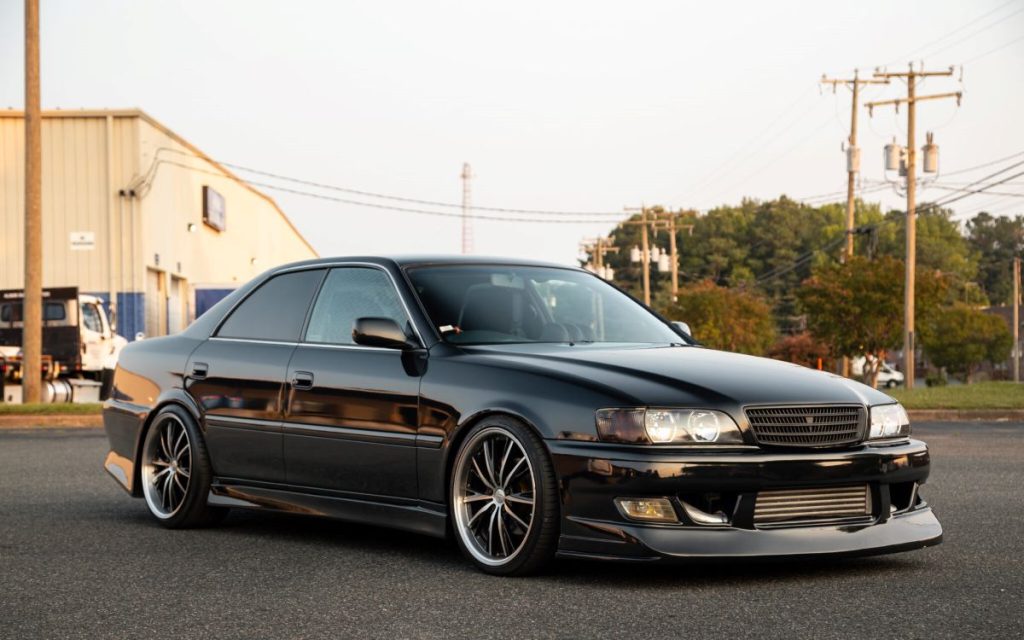
Today, the Chaser represents one of the most desirable drift-inspired Japanese sedans ever produced. Collectors admire it not only for performance potential but also for its direct connection to professional drifting’s golden era.
What once served as an affordable tire shredding practice machine has evolved into a respected icon commanding serious money worldwide.
Specifications:
- Engine: 2.5-liter turbocharged inline 6
- Torque: 268 lb ft
- Horsepower: 276 HP
- Length/Width: 185 inches / 69.4 inches
9. Ford Mustang Fox Body
The Fox Body Ford Mustang became one of the most important grassroots drift cars in America almost by accident. Originally, these cars were everywhere because Ford sold huge numbers during the 1980s and early 1990s.
For years, they were simply cheap used V8 coupes that young enthusiasts could buy for very little money. While Japanese drift cars dominated early conversations, American drivers soon realized the lightweight Fox Body platform offered enormous drifting potential at an unbeatable price.
One reason the Fox Body adapted so well to drifting was its simplicity. The rear-wheel-drive layout, lightweight chassis, and strong aftermarket support allowed owners to modify the car easily without complicated electronics or expensive components.
Enthusiasts could install suspension upgrades, differential modifications, steering kits, and more powerful engines using relatively basic tools and affordable parts.
The V8 engine gave the Fox Body a completely different personality compared to smaller Japanese drift cars. Instead of relying heavily on momentum and precision, the Mustang delivered aggressive torque that could instantly break rear tire traction.
Drivers enjoyed the raw and violent feel of sliding these cars, especially on larger tracks where the engine’s power advantage became obvious.
During the early 2000s, Fox Bodies became extremely common at grassroots drift events across the United States. Many owners treated them harshly because replacement cars remained cheap and plentiful. Interiors were stripped, body panels were damaged, and countless examples were turned into rough practice cars with little concern for future value.
Over time, availability changed dramatically. Rust, crashes, drag racing abuse, and drift damage eliminated huge numbers of Fox Body Mustangs from the road. Meanwhile, nostalgia for 1980s and 1990s American performance cars started growing rapidly among collectors.
Today, clean Fox Body Mustangs command far more money than anyone expected twenty years ago. Manual transmission V8 cars are especially desirable because they represent a unique era of affordable American performance before modern electronics and heavier platforms transformed the Mustang formula.
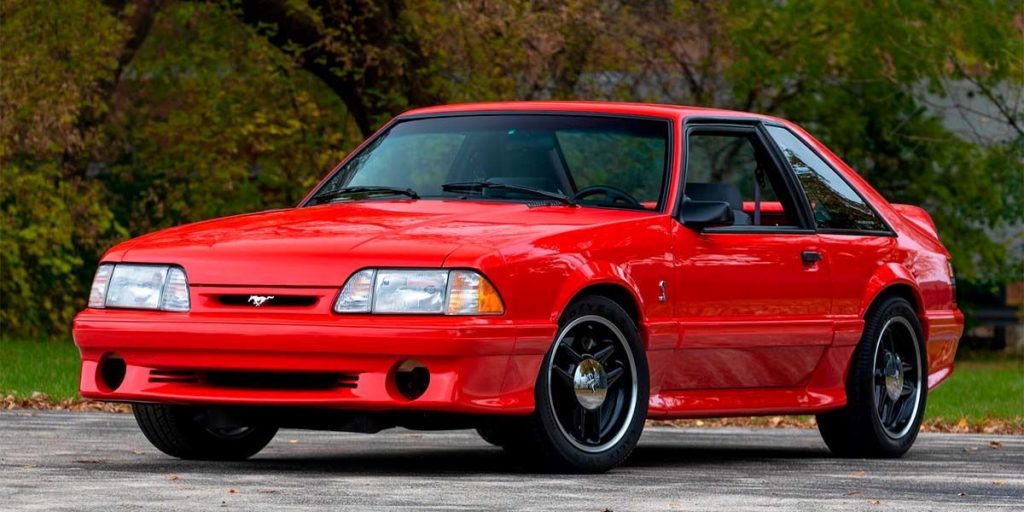
The Fox Body’s journey from cheap burnout machine to respected collectible perfectly mirrors the evolution of grassroots car culture itself. What was once considered disposable transportation eventually became an automotive icon deeply connected to drifting, street performance, and enthusiast history.
Specifications:
- Engine: 5.0-liter naturally aspirated V8
- Torque: 300 lb-ft
- Horsepower: 225 HP
- Length/Width: 179 inches / 68.3 inches
