
Bankruptcy in the automotive industry does not always mean the end. Sometimes it means a reset, a painful, expensive, humbling reset that forces a company to confront every bad decision it made across years of complacency, mismanagement, and missed market opportunities.
The brands that survive that process and come out producing cars people actually want to buy again are the ones with something genuine underneath the financial wreckage. They had engineering talent, brand loyalty, or product potential that survived the crisis and gave the company something to rebuild around.
Car companies that brush up against bankruptcy and pull back tell stories that are worth understanding, not just for their historical drama, but for what they reveal about how automotive brands actually work. Production costs, platform development cycles, dealer networks, labor agreements, and supply chain dependencies all play roles in how quickly a brand can collapse and how difficult recovery actually is once the financial freefall begins.
These are not simple stories of bad luck. They are stories about institutional decisions, market timing, and the resilience of brand equity when everything else is falling apart. Eight brands are covered in this article. Some of them sought formal bankruptcy protection and reorganized under court supervision.
Others came close enough to insolvency that their survival required emergency intervention from outside parties, whether government bodies, private equity buyers, or foreign manufacturers who saw value in what the brand represented. All of them came back producing vehicles that remind buyers why the brand mattered in the first place.
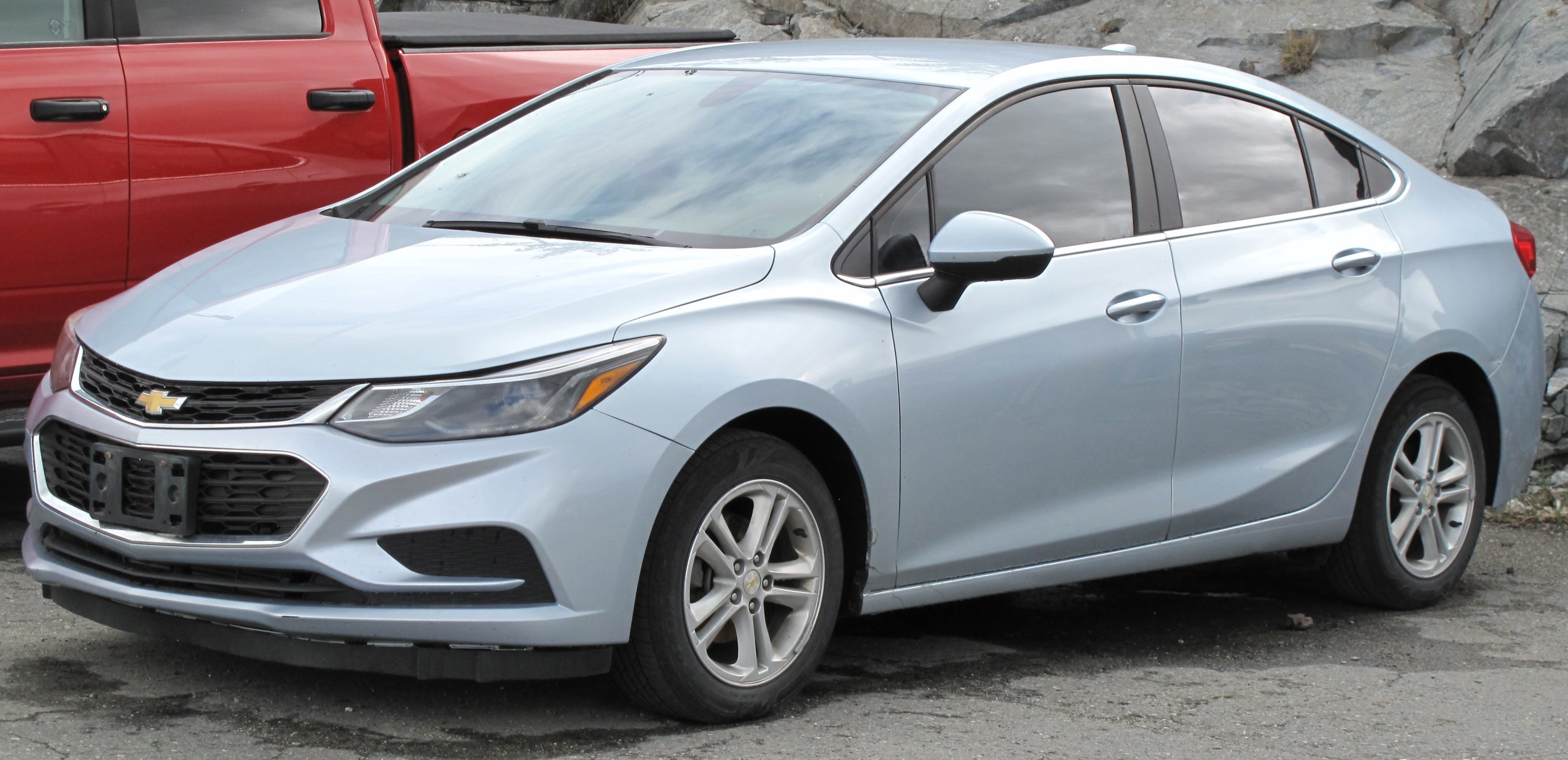
1. General Motors and the Chevrolet Cruze LTZ RS Sedan
- Engine: 1.4L turbocharged inline-4
- Horsepower: 138 hp
- Torque: 148 lb-ft
- Length: 181.0 in
- Width: 70.7 in
General Motors entered Chapter 11 bankruptcy protection in June 2009 under conditions that few industry observers had anticipated in earlier years. A corporation that had once dominated global vehicle production found itself dependent on a federal government intervention valued at $49.5 billion.
The crisis was driven by a combination of the 2008 economic downturn, longstanding pension obligations, labour cost pressures, and a product lineup that had gradually lost competitive strength against foreign manufacturers. At the time, the filing represented the largest industrial bankruptcy in United States history.
Recovery from that position required more than financial restructuring. While the intervention provided immediate liquidity and reduced debt obligations, it did not directly address the weaknesses in product quality and consumer perception that had contributed to declining market share.
Buyers had already turned toward alternatives from manufacturers such as Toyota, Honda, and Hyundai, whose vehicles offered better perceived value, efficiency, and durability. Restoring confidence required deliberate changes in engineering priorities and production standards.
Restructuring created the opportunity for decisive internal reform. General Motors reduced its brand portfolio, closed inefficient manufacturing facilities, and redirected resources toward developing vehicles capable of competing in major segments. This process demanded a renewed focus on product quality, cost control, and market relevance.
The objective was not merely survival, but the creation of a company capable of sustaining long-term competitiveness. The Chevrolet Cruze LTZ RS Sedan, introduced in 2011, emerged as a clear indicator of that transformation. Designed as a compact sedan, it competed directly with established rivals such as the Honda Civic and Toyota Corolla.
Unlike earlier GM compact offerings, the Cruze delivered a balanced combination of efficiency, comfort, and refinement. Its 1.4-liter turbocharged engine provided respectable fuel economy alongside adequate performance, while interior materials and assembly quality reflected improved manufacturing standards.
Leadership changes played an important role in this outcome. Post-bankruptcy management placed product development and quality assurance at the centre of corporate strategy. Manufacturing processes were refined, supplier relationships were strengthened, and quality control measures were enforced more rigorously. Consumer perception began to improve gradually, supported by measurable gains in reliability ratings and customer satisfaction surveys.
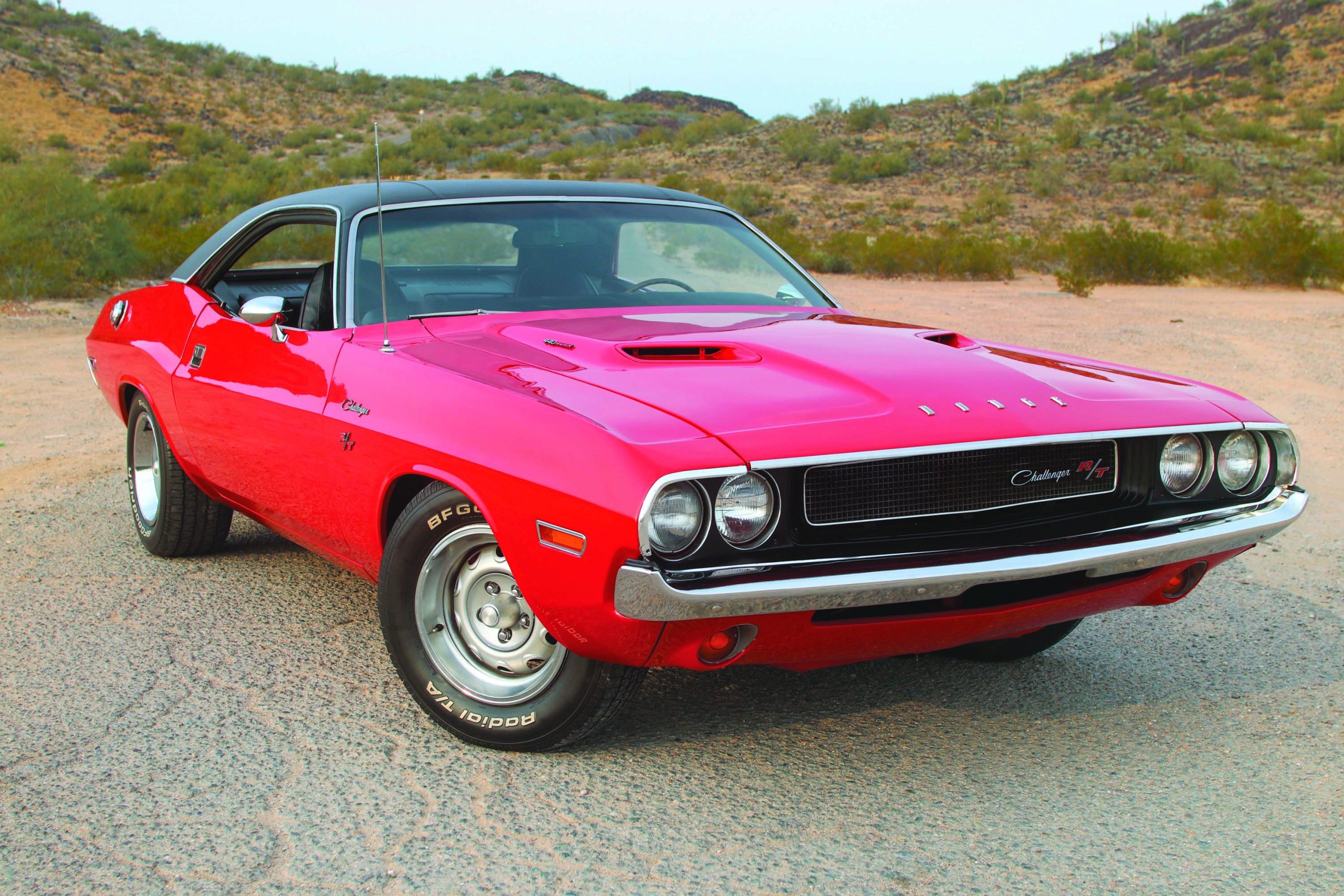
2. Chrysler and the Dodge Challenger R/T Classic Coupe
- Engine: 5.7L HEMI V8
- Horsepower: 375 hp
- Torque: 410 lb-ft
- Length: 197.7 in
- Width: 75.7 in
Chrysler’s entry into Chapter 11 bankruptcy in 2009 occurred during a period of severe instability within the American automotive sector. Filed shortly before General Motors underwent a similar process, Chrysler’s financial distress highlighted the structural weaknesses affecting traditional manufacturers.
The company entered bankruptcy with a restructuring plan that involved a partnership with the Italian automaker Fiat, a decision that attracted both support and criticism at the time. Concerns regarding Fiat’s involvement were widespread.
Questions were raised about whether a foreign manufacturer should assume influence over an established American brand. Additional skepticism focused on Fiat’s own financial history and whether it possessed the operational discipline required to guide Chrysler toward recovery.
Integrating two distinct corporate cultures presented further challenges, particularly in areas such as engineering practices, labour relations, and product strategy. Despite these concerns, Fiat’s leadership introduced a level of clarity that had been lacking within Chrysler’s previous management structure.
Under the direction of Sergio Marchionne, the company adopted a more focused approach to product development and brand identity. Each division, including Chrysler, Dodge, Jeep, and Ram, was assigned a clearer role within the broader portfolio. This restructuring reduced internal overlap and allowed for more targeted investment in vehicle development.
The Dodge Challenger R/T Classic Coupe became a visible symbol of this renewed direction. While many manufacturers concentrated on efficiency and compact vehicles during the recovery period, the Challenger maintained a commitment to traditional American performance values.
Equipped with a 5.7-liter HEMI V8 engine producing approximately 375 horsepower, the R/T Classic delivered strong performance within a design that drew inspiration from earlier muscle cars. This approach appealed to buyers seeking a connection to established automotive heritage.
Continuation of the Challenger through the bankruptcy period demonstrated confidence in the viability of performance-oriented vehicles within the American market. Sales performance during the recovery years supported this decision, indicating that demand for rear-wheel-drive coupes with V8 engines remained strong.
These developments reflected a transition from crisis management to long-term corporate integration. The Dodge Challenger R/T Classic Coupe represents more than a performance vehicle within this context. It symbolizes the effectiveness of a restructuring process that combined strategic leadership with disciplined execution.
Also Read: 9 Car Brands That Did Not Make It to Consumer Reports Rank in 2025
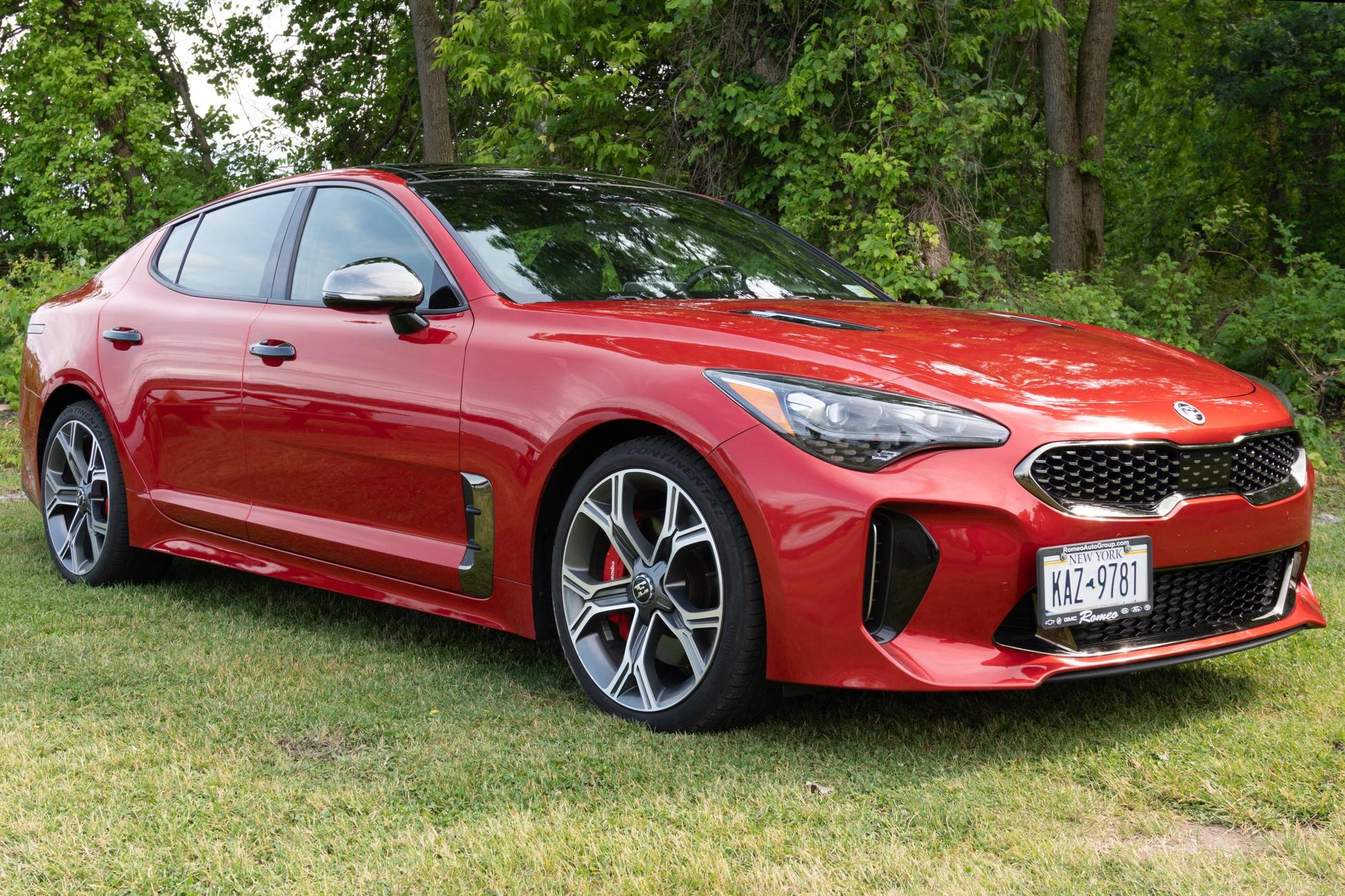
3. Kia Motors and the Kia Stinger GT2 AWD Sedan
- Engine: 3.3L twin-turbo V6
- Horsepower: 365 hp
- Torque: 376 lb-ft
- Length: 190.2 in
- Width: 73.6 in
Kia’s near-bankruptcy experience predates the more familiar American automotive crisis stories and serves as a reminder that financial disaster in the automotive industry is not exclusively an American phenomenon. Kia Motors filed for court receivership in 1997 during the Asian financial crisis that swept through South Korean, Thai, Indonesian, and Malaysian economies with devastating speed and thoroughness.
Korean automotive manufacturers were particularly vulnerable because their aggressive expansion strategies had been financed through debt during years of strong growth, leaving them exposed when the credit environment reversed suddenly. Hyundai Motor Company acquired a controlling stake in Kia through the receivership process, creating the Hyundai Kia Automotive Group that has grown into one of the largest automotive conglomerates in the world.
At the time of acquisition, Kia was producing vehicles that were inexpensive primarily because they were cheap rather than because they represented genuine value engineering, and the brand’s quality reputation in international markets reflected that reality accurately.
Hyundai’s management challenge was to retain Kia’s price accessibility while fundamentally improving the engineering, manufacturing quality, and product design that determined whether buyers would return after their initial purchase experience.
Recovery took years of deliberate investment in engineering talent, manufacturing process improvement, and design philosophy development that did not produce immediate sales results. Kia’s decision to hire renowned automotive designer Peter Schreyer, who had previously led Audi’s design department, represented a commitment to visual product quality that matched the mechanical improvements being pursued simultaneously.
Schreyer’s work established a coherent visual language across Kia’s product lineup that transformed the brand’s showroom presence from forgettable to distinctly recognizable. Kia Stinger GT2 AWD Sedan, introduced for 2018, represents perhaps the clearest single-vehicle statement of how far Kia traveled from its 1997 receivership to competitive standing in the global automotive market.
Twin-turbocharged 3.3-liter V6 producing 365 horsepower through an 8-speed automatic transmission in a rear-wheel-drive biased AWD package, wrapped in a fastback body that genuinely competed with BMW 4 Series Gran Coupe and Audi A5 Sportback for visual drama and interior quality, was not a vehicle that the 1997 receivership-era Kia could have contemplated building. Stinger GT2’s existence as a production reality demonstrates what consistent post-crisis investment in product quality can accomplish across two decades.
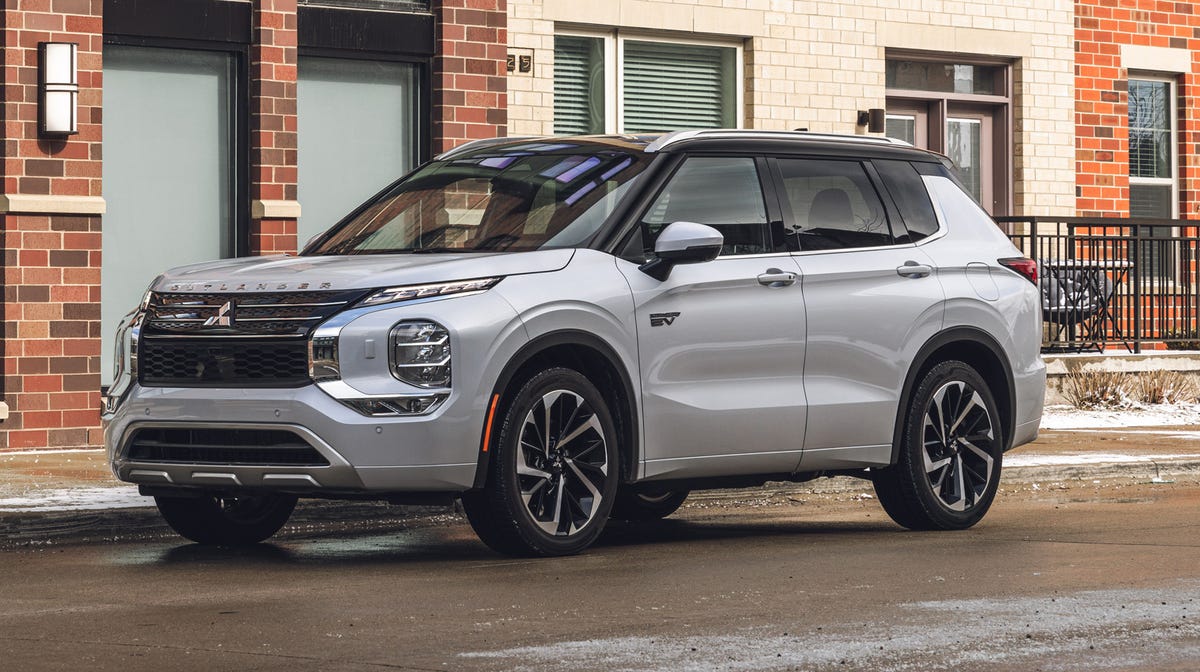
4. Mitsubishi Motors and the Mitsubishi Outlander PHEV SEL S-AWC
- Engine: 2.4L inline-4 plug-in hybrid system
- Horsepower: 248 hp (combined)
- Torque: 332 lb-ft
- Length: 185.4 in
- Width: 71.3 in
Mitsubishi Motors’ brush with financial catastrophe came in multiple waves rather than a single crisis event, which makes its story somewhat different from the more dramatic bankruptcy filings that define other brands on this list. A major product recall scandal in 2000, involving fuel economy data manipulation that Japanese authorities investigated and penalized, damaged Mitsubishi’s domestic reputation severely enough that the company required emergency financial support from the broader Mitsubishi Group corporate structure to avoid insolvency.
That crisis was managed, but it left the company weakened and dependent on continued group support rather than self-sustaining financial health. A second, more public crisis arrived in 2016 when Mitsubishi Motors admitted to manipulating fuel economy test data for vehicles sold in Japan, including models produced jointly with Nissan Motor Company. Nissan had contracted Mitsubishi to produce kei cars for the Nissan-branded lineup, and the fuel economy discrepancies affected vehicles that Nissan was selling to its own customers.
Nissan’s response was to acquire a 34 percent stake in Mitsubishi Motors at a price that reflected the scandal’s damage to Mitsubishi’s market value, effectively rescuing the company from financial consequences that the scandal’s dealer network impact, customer compensation requirements, and regulatory penalties would likely have made unsurvivable independently.
Nissan’s acquisition of the controlling stake brought Mitsubishi into the Renault-Nissan-Mitsubishi Alliance, providing access to shared platform development, joint purchasing power, and manufacturing rationalization that an independent Mitsubishi could not have achieved. Alliance membership gave Mitsubishi the financial and engineering resources to continue product development during a period when its own resources were insufficient to fund the next generation of models that its lineup required.
Mitsubishi Outlander PHEV SEL S-AWC became the brand’s most successful product argument for recovery, establishing Mitsubishi as an early leader in the plug-in hybrid SUV segment before larger manufacturers had prioritized the technology in their mainstream lineups.
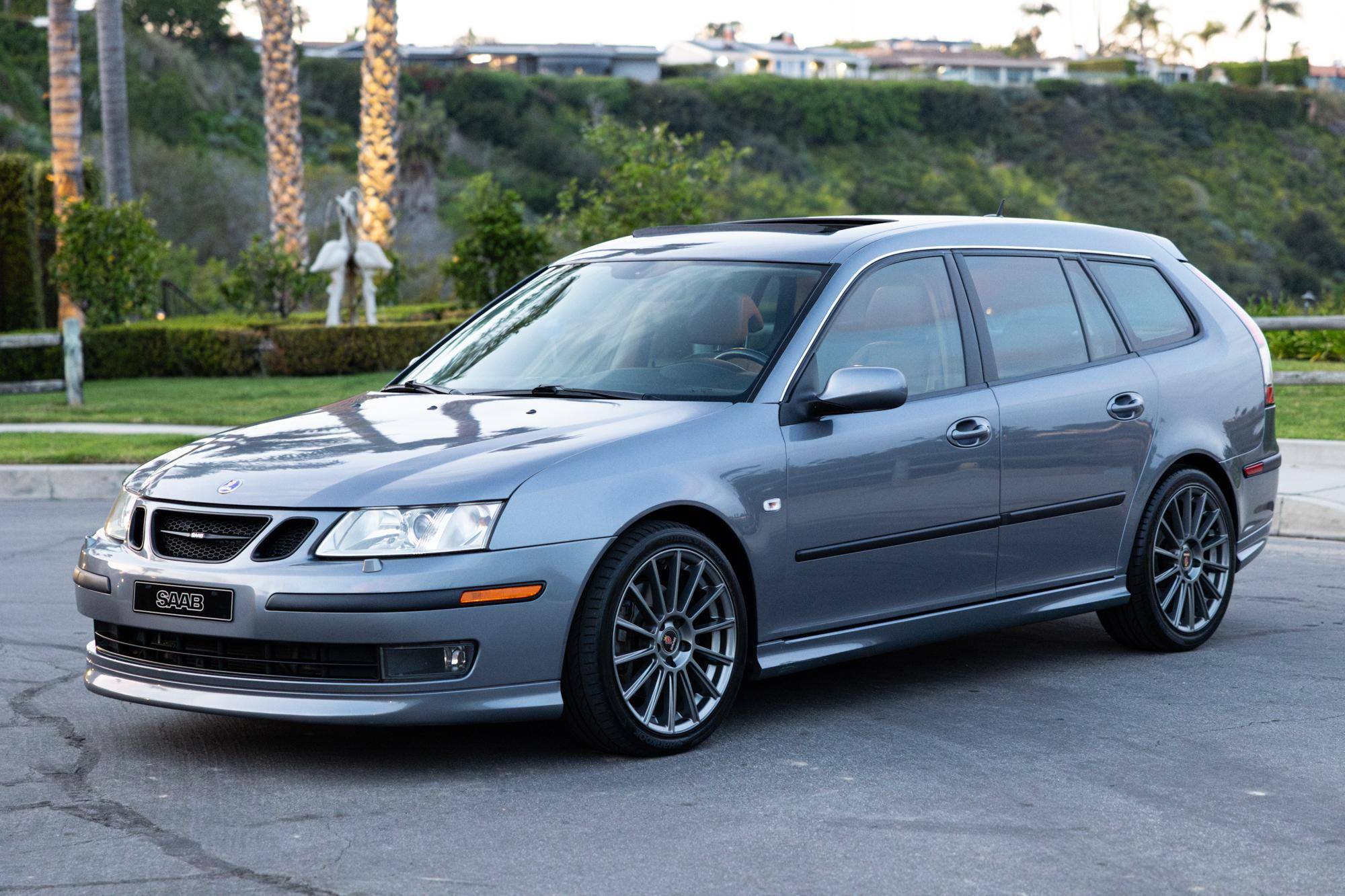
5. Saab Automobile and the Saab 9-3 Aero SportCombi Wagon
- Engine: 2.8L turbocharged V6
- Horsepower: 280 hp
- Torque: 262 lb-ft
- Length: 182.5 in
- Width: 69.1 in
Saab Automobile’s history presents a case that requires careful distinction between periods of recovery and eventual closure. Public discussions often merge its financial struggles into a single account, yet there was a genuine interval during which the company regained operational footing before its final collapse.
General Motors acquired Saab in 1990 at a time when Saab-Scania faced increasing difficulty sustaining the automotive division independently. That acquisition provided essential capital, allowing Saab to continue producing vehicles that retained its engineering identity while benefiting from shared platforms and reduced development costs.
Circumstances changed during the global financial crisis that affected the automotive sector in 2008 and 2009. General Motors, facing its own restructuring process, identified Saab as a brand to be divested. This decision initiated a prolonged period of uncertainty.
Several acquisition discussions were announced and later withdrawn, leaving employees, suppliers, and dealerships without clarity regarding the company’s future. Such instability weakened Saab’s market position, even before ownership was transferred.
A resolution eventually emerged when Spyker Cars, a Dutch manufacturer, acquired Saab in 2010. This transaction restored production and offered a renewed opportunity for the brand to stabilise. For a brief period, Saab resumed operations with optimism, supported by a loyal customer base that had remained attached to its distinctive approach to engineering and design.
Within this context, the Saab 9-3 Aero SportCombi Wagon stood as a clear representation of the brand’s strengths. The vehicle combined practicality with performance in a manner that appealed to buyers seeking both utility and driving engagement.
Its turbocharged engines delivered smooth and consistent power, while the wagon body style provided space for family use without compromising driving dynamics. The front-wheel-drive configuration was tuned with attention to balance and control, ensuring that the driving experience remained engaging rather than purely functional.
Interior design reflected Saab’s long-standing commitment to ergonomics. Controls were arranged with the driver’s ease of use in mind, and the cabin environment maintained a distinctive identity separate from mainstream competitors. Aero specification, equipped with a turbocharged 2.8-liter V6 engine producing approximately 280 horsepower, offered performance levels that were not immediately apparent from the vehicle’s understated exterior design.
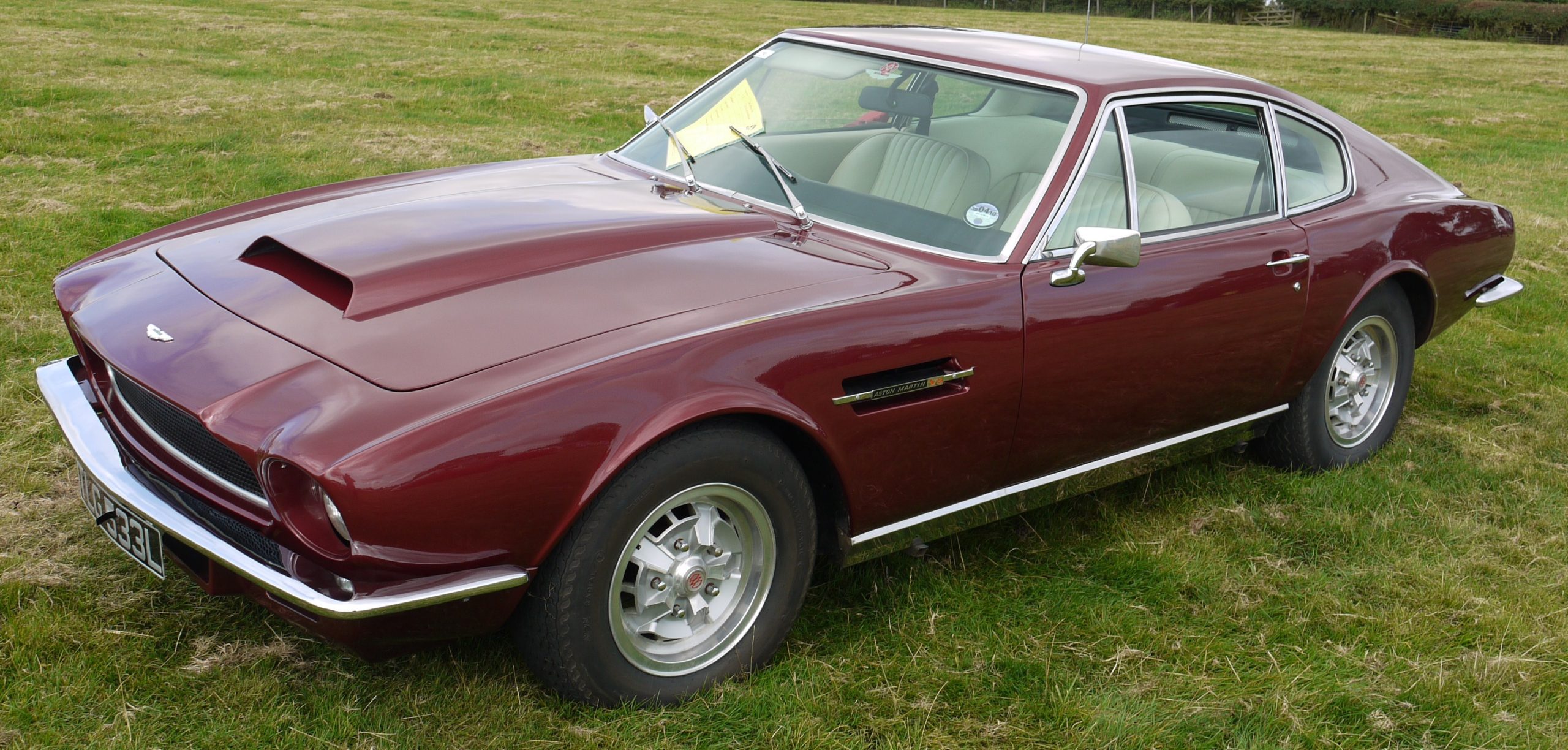
6. Aston Martin Lagonda and the Aston Martin Vantage V8 Coupe
- Engine: 4.0L twin-turbo V8
- Horsepower: 503 hp
- Torque: 505 lb-ft
- Length: 175.8 in
- Width: 76.5 in
Aston Martin Lagonda has experienced a history marked by repeated financial challenges and restructuring efforts. Few automotive manufacturers have faced as many ownership changes while continuing to operate within the luxury sports car segment. This pattern reflects both the financial demands associated with low-volume production and the enduring belief among investors that the brand retains strong value and desirability.
A major financial challenge emerged in 2020 when a combination of high debt levels, production imbalances, and reduced demand during the global health crisis placed the company under severe pressure. The situation required immediate financial intervention to prevent insolvency.
A consortium led by Canadian investor Lawrence Stroll provided substantial capital investment, enabling the company to stabilise its operations and restructure its management approach. Leadership changes introduced a renewed emphasis on financial discipline and strategic product development.
Previous periods of instability had often been linked to inconsistent planning and overextension of resources. Under new ownership, Aston Martin focused on aligning production volumes with demand while maintaining the exclusivity associated with its vehicles. This approach aimed to create a more sustainable operating model.
The Aston Martin Vantage V8 Coupe played an important role during this period. Serving as an entry point into the brand’s lineup, the Vantage combined performance with distinctive styling that differentiated it from competitors. Powered by a twin-turbocharged 4.0-liter V8 engine sourced from Mercedes-AMG, the vehicle produced approximately 503 horsepower.
This powertrain delivered strong acceleration and responsive performance within a rear-wheel-drive configuration that emphasised driving engagement. Design remained a central aspect of the Vantage’s appeal. Exterior styling maintained the elegance associated with Aston Martin, while incorporating more aggressive elements suited to a modern sports car.
Interior craftsmanship focused on high-quality materials and attention to detail, reinforcing the brand’s luxury positioning. Buyers selecting the Vantage expected a blend of performance and refinement, and the model was developed to meet those expectations.
Partnership with Mercedes-Benz provided access to advanced engineering resources that Aston Martin could not independently sustain. This collaboration allowed the company to utilise proven powertrain technology while concentrating its own development efforts on chassis tuning, design, and brand identity. Such partnerships have become increasingly necessary for smaller manufacturers operating in a competitive global market.
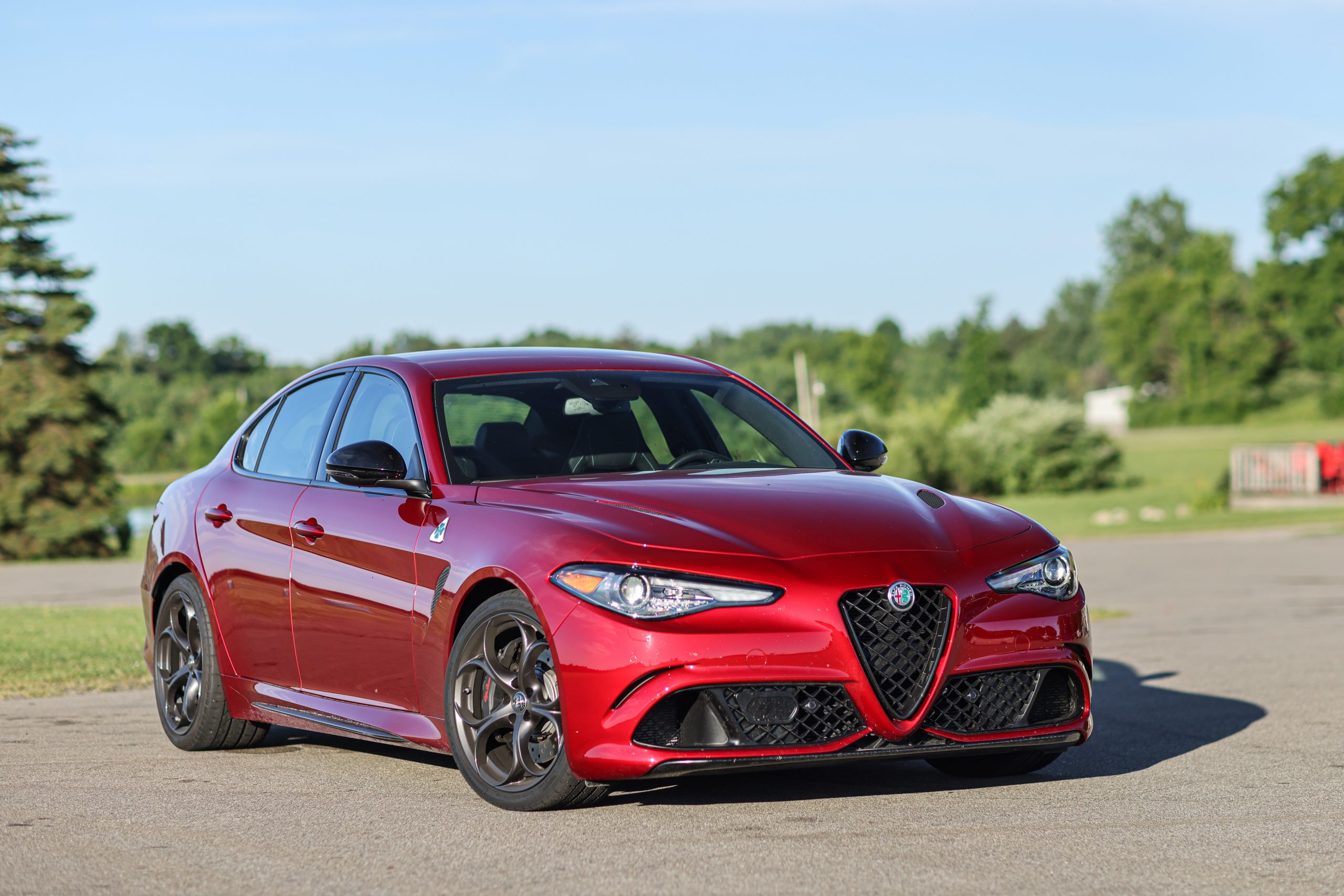
7. Alfa Romeo and the Alfa Romeo Giulia Quadrifoglio Sedan
- Engine: 2.9L twin-turbo V6
- Horsepower: 505 hp
- Torque: 443 lb-ft
- Length: 182.5 in
- Width: 73.7 in
Alfa Romeo’s near-bankruptcy experience is inseparable from Fiat’s corporate history, because the two brands’ fates were intertwined through a series of ownership and financial arrangements that placed Alfa’s survival in the hands of decisions made at the Fiat Group level rather than by Alfa Romeo management independently.
By the early 1990s, Alfa Romeo had been part of Fiat since 1986, following an acquisition that rescued the brand from the Italian state holding company IRI, which had owned Alfa since 1933 and had been unable to fund the product development investment that the brand required to remain competitive.
Fiat’s ownership brought Alfa into a larger corporate structure with shared platform development, manufacturing rationalization, and the financial scale that an independent Alfa Romeo could not have sustained. It also brought years during which Alfa’s product lineup was constrained by Fiat’s broader corporate priorities in ways that left the brand with an aging model range that frustrated the enthusiast community.
American market withdrawal in 1995, following emissions compliance challenges and the cost of maintaining a separate U.S. dealer and parts network for declining sales volumes, removed Alfa from the world’s largest automotive market for more than two decades.
American market return in 2015, enabled by Fiat Chrysler Automobiles under Sergio Marchionne’s leadership, was accompanied by product investment that produced the Giulia and Stelvio platforms on an entirely new rear-wheel-drive architecture developed specifically for Alfa Romeo rather than adapted from existing Fiat or Chrysler platforms.
Giulia Quadrifoglio Sedan, introduced for the American market in 2017, announced the seriousness of that investment with a twin-turbocharged 2.9-liter V6 producing 505 horsepower, a 0-60 mph time of 3.8 seconds, and Nurburgring Nordschleife lap times that placed the car among the fastest production sedans ever recorded at that circuit.
Giulia Quadrifoglio’s track performance numbers, independently verified through multiple publications’ testing programs, established that Alfa Romeo’s return to the American market was not a nostalgia exercise or a marketing positioning project but a genuine engineering commitment that produced a product capable of competing with BMW M3 and Mercedes-AMG C63 AMG on objective performance metrics while offering the visual and driving character distinctiveness that Alfa Romeo buyers historically purchased for. Recovery from the brand’s various near-extinction moments produced something worth the effort of survival.
Also Read: 5 Car Brands With Affordable Factory Parts and 5 That Charge a Premium
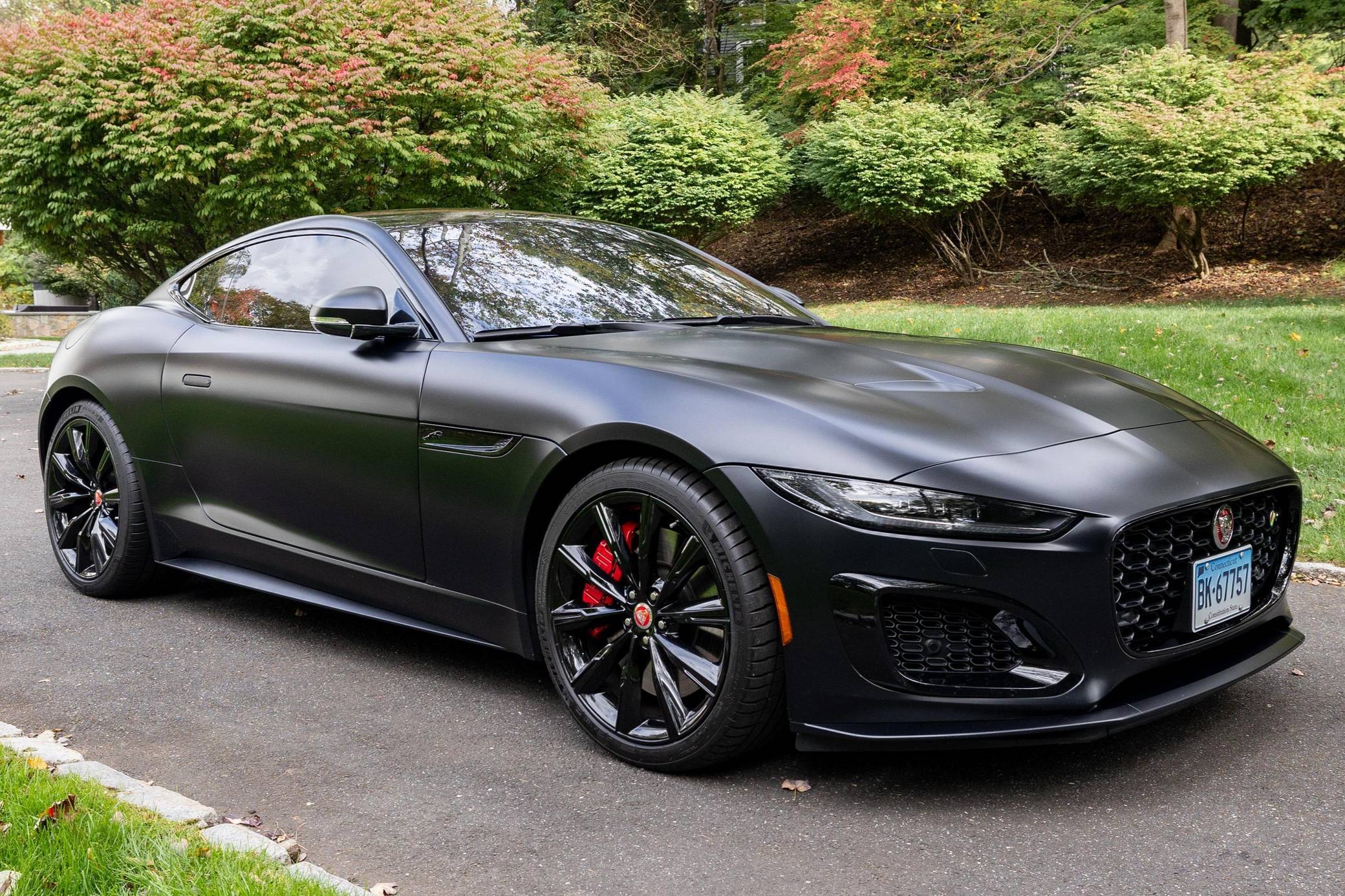
8. Jaguar Land Rover and the Jaguar F-TYPE R AWD Coupe
- Engine: 5.0L supercharged V8
- Horsepower: 550 hp
- Torque: 502 lb-ft
- Length: 176.0 in
- Width: 75.0 in
Jaguar Land Rover’s path through near-financial collapse to current status as one of the stronger premium automotive brands in global markets runs through a sale that automotive traditionalists initially viewed with deep skepticism. Ford Motor Company, which had acquired both Jaguar and Land Rover as part of its Premier Automotive Group strategy in the 1990s and early 2000s, made the decision to divest the brands during its own financial difficulties in 2008, selling the combined entity to Tata Motors of India for approximately $2.3 billion.
Ford’s ownership period had produced genuine product investment, particularly for Land Rover, but had not resolved the fundamental challenge of making Jaguar’s product lineup commercially successful enough to justify continued investment.
Jaguar’s sales volumes remained modest relative to German premium competitors, and the brand’s positioning between traditional British luxury character and German-influenced performance attributes had not been resolved into a coherent product strategy that buyers could identify clearly.
Tata Motors’ acquisition was viewed skeptically by observers who questioned whether an Indian commercial vehicle manufacturer had the expertise and resources to steward British premium car brands effectively. Those questions were reasonable given the available evidence at the time of purchase.
What Tata provided was patient capital investment without the quarterly financial pressure that publicly traded Western companies impose on product development timelines, and a willingness to commit to long-term investment in new platforms, powertrains, and manufacturing capability that Ford’s own financial difficulties had prevented.
Jaguar F-TYPE R AWD Coupe became the most important product in Jaguar’s post-Tata portfolio for demonstrating what the revived brand was capable of producing when given adequate development resources and a clear product vision.
Supercharged 5.0-liter V8 producing 550 horsepower in AWD configuration, delivered through an 8-speed automatic with launch control and active exhaust management that created one of the most theatrical exhaust sounds in the production car market, established the F-TYPE as a genuine sports car rather than a grand tourer compromise.
Jaguar’s subsequent product expansion under Tata ownership, including the I-PACE electric SUV that won the World Car of the Year award in 2019, demonstrated that the Indian ownership’s investment had produced a company with genuine product development capability across multiple vehicle categories and powertrain technologies.
Recovery from the near-collapse of the Ford divestiture period was complete enough that Jaguar could begin planning a complete brand reinvention toward an all-electric ultra-luxury positioning that only a financially stable company could contemplate.
