
Consumer Reports rankings carry enormous influence in the automotive world because they combine road testing, predicted reliability, owner satisfaction, and safety data into a single full score.
When a brand performs well, the rankings often strengthen resale values and buyer confidence almost immediately. When a manufacturer struggles or fails to qualify for the rankings entirely, consumers begin asking difficult questions about reliability, consistency, and product quality.
In the 2025 rankings, several well-known automotive brands failed to appear in the final brand standings. Some were excluded because Consumer Reports did not test enough current models to calculate meaningful scores.
Others struggled with limited lineups, inconsistent reliability histories, shrinking market presence, or rapid transitions into new technologies such as electric vehicles.
Not appearing in the rankings does not automatically mean a brand builds terrible vehicles. Some manufacturers produce excellent niche products but simply lack enough tested models to qualify under Consumer Reports’ methodology.
Others face challenges because frequent redesigns, low sales volume, or inconsistent quality lead to unreliable data patterns, making ranking difficult.
Luxury and performance brands often encounter unique problems in these evaluations. Limited production numbers reduce survey sample sizes, while advanced technology and expensive engineering can introduce reliability concerns not typically seen in mainstream vehicles.
Meanwhile, smaller manufacturers entering the EV market face additional pressure because battery systems, software updates, and charging technology continue evolving rapidly.
Another important factor involves changing market strategy. Several brands reduced sedan lineups, focused on specialty models, or shifted heavily toward electric vehicles in recent years. These transitions sometimes leave companies with too few established products to meet Consumer Reports’ ranking requirements.
The brands in this article all missed the 2025 Consumer Reports brand rankings for different reasons. Some lacked enough tested vehicles. Others struggled with shrinking product ranges or inconsistent ownership data.
A few continue producing desirable vehicles despite their absence from the rankings, while others face more serious long-term challenges involving reliability perception and market relevance.
Understanding why these brands failed to appear helps explain how modern automotive rankings work and why consistency across multiple models matters just as much as producing one great vehicle.
Also Read: 10 Cars With the Coldest AC Out of the Factory
1. Fiat
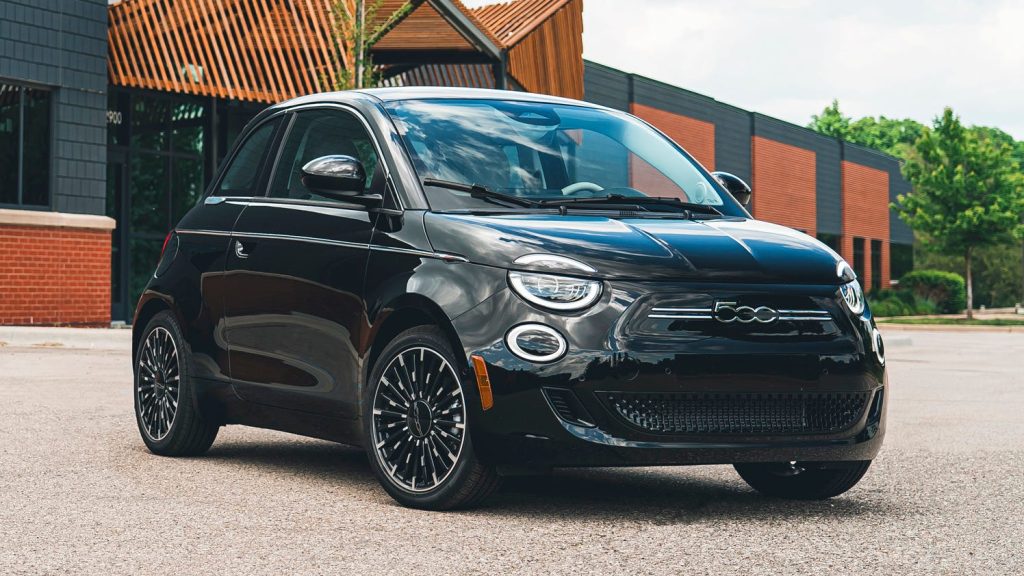
The Fiat has long carried a complicated reputation in the American market. While the brand remains historically important in Europe, its modern presence in the United States shrank dramatically over recent years. By the time Consumer Reports released its 2025 rankings, Fiat did not qualify because the company simply lacked enough tested models in the market.
This absence reflects deeper problems beyond limited inventory. Fiat struggled for years to establish a stable identity among American buyers.
Vehicles such as the Fiat 500 initially attracted attention with retro styling and compact city-friendly dimensions, but long-term sales momentum weakened considerably. Many consumers viewed the cars as fashionable rather than practical, limiting repeat purchases.
Reliability concerns also affected the brand’s reputation. Older Fiat models frequently faced criticism involving electrical systems, interior quality, and maintenance costs.
Even though some later vehicles improved significantly, negative perceptions remained difficult to overcome in a highly competitive market dominated by stronger Japanese and Korean reliability reputations.
Another major issue involved dealership presence. Fiat’s retail network became increasingly limited, creating concerns about servicing and long-term ownership convenience. Buyers often hesitate to purchase niche vehicles when local support infrastructure appears uncertain.
The brand’s tiny American lineup further complicated Consumer Reports’ qualification requirements. Since the organization only ranks manufacturers with enough tested current models, Fiat’s shrinking portfolio effectively removed it from contention.
Interestingly, Fiat still maintains strengths internationally where small urban cars remain more popular and practical. However, the American market shifted heavily toward SUVs and trucks, categories where Fiat lacked strong offerings capable of competing effectively.
The company’s absence from the rankings, therefore, symbolized more than missing survey data. It highlighted how dramatically Fiat’s position in North America had weakened. Without a broader lineup and stronger consumer confidence, the brand struggled to maintain relevance in a market increasingly focused on utility vehicles and long-term dependability.
2. Infiniti
The Infiniti once represented a serious challenger within the Japanese luxury segment, competing directly against Lexus and Acura during the 1990s and early 2000s. Over time, however, the brand lost much of its momentum.
By the 2025 Consumer Reports rankings, Infiniti failed to appear because it lacked enough tested current models to qualify for inclusion.
The absence reflected years of shrinking relevance within the luxury market. Infiniti continued producing comfortable and reasonably powerful vehicles, yet many products aged without meaningful redesigns while competitors introduced newer technology, hybrid systems, and more refined interiors.
Buyers increasingly viewed Infiniti as outdated compared with German rivals and even Japanese competitors.
Another challenge involved product overlap with mainstream Nissan vehicles. Some consumers questioned whether Infiniti models justified their premium pricing when certain interiors, infotainment systems, and engineering elements felt too similar to less expensive Nissan products. This perception weakened the brand’s luxury identity considerably.
The company also reduced its sedan lineup dramatically as SUVs became dominant. While crossovers such as the Infiniti QX60 remained available, the full range no longer carried the depth needed to maintain strong market visibility or broad testing coverage.
Reliability perception created mixed results as well. Infiniti models generally avoided catastrophic reliability disasters, but they rarely achieved the exceptional consistency associated with Lexus.
Consumer Reports rankings reward strong reliability patterns across entire lineups, and Infiniti struggled to deliver enough standout performance in that area.
Technology progression within the luxury market further exposed weaknesses. Buyers increasingly demanded cutting-edge infotainment systems, advanced driver assistance features, and electrified powertrains. Infiniti moved more slowly than many rivals, causing the brand to appear behind industry trends.
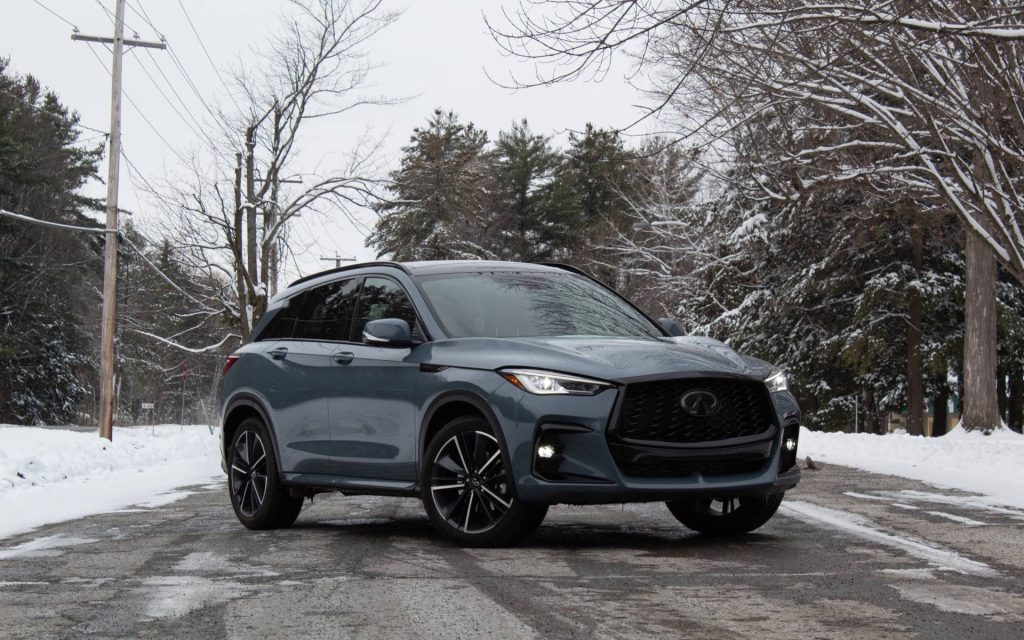
The lack of ranking eligibility, therefore, reflected broader strategic problems rather than one specific failure. Infiniti still produces vehicles with comfortable rides and attractive styling, but limited lineup diversity and fading market influence prevented the brand from maintaining a stronger standing within modern automotive evaluations.
Its absence from the 2025 rankings highlighted how difficult it has become for smaller luxury brands to remain competitive without constant product development and a clear brand identity.
3. Alfa Romeo
The Alfa Romeo remains one of the most emotionally appealing names in the automotive world, known for passionate styling and engaging driving dynamics.
Yet despite the brand’s strong enthusiast reputation, Alfa Romeo did not appear in the 2025 Consumer Reports rankings because the company lacked enough tested models and consistent reliability data to qualify fully.
Alfa Romeo faces a unique challenge in the American market. Enthusiasts often praise vehicles like the Giulia and Stelvio for sharp handling and distinctive personality, but mainstream buyers tend to prioritize long-term dependability and dealership support more heavily.
Consumer Reports rankings reward broad reliability and consistency across multiple vehicles, an area where Alfa Romeo has struggled historically.
The brand also maintains a relatively small lineup compared with larger luxury competitors. Limited production numbers and lower sales volumes reduce the amount of owner survey data available for reliability scoring. Without enough tested vehicles and ownership feedback, qualifying for comprehensive rankings becomes difficult.
Reliability perception continues to affect Alfa Romeo strongly as well. Older Italian performance cars developed reputations for electrical and mechanical issues, and although modern Alfa products improved significantly in many areas, lingering consumer skepticism remains powerful.
Buyers spending premium money on luxury vehicles often hesitate when long-term ownership confidence appears uncertain.
Another factor involves market visibility. German luxury brands dominate much of the premium segment through extensive advertising, broad dealership networks, and constant product updates. Alfa Romeo operates on a far smaller scale in North America, limiting mainstream exposure considerably.
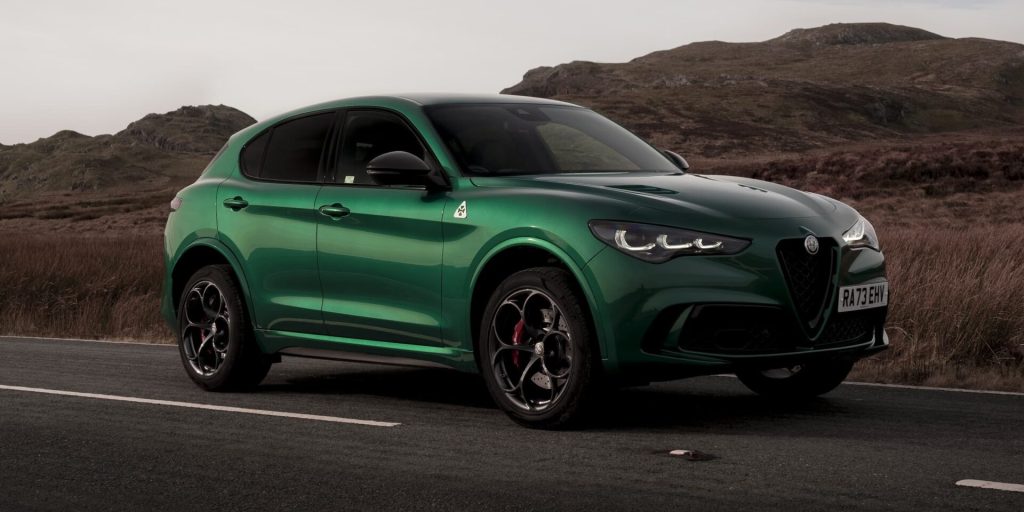
The absence from Consumer Reports rankings, therefore, reflects both data limitations and broader market challenges. Alfa Romeo still produces vehicles praised for steering feel, styling, and emotional character, but those strengths alone do not guarantee strong placement in reliability-focused evaluations.
Its missing position highlighted how difficult it can be for niche luxury brands to satisfy modern consumers demanding technology, dependability, resale strength, and widespread dealer support simultaneously.
4. Maserati
Maserati built its identity around exclusivity, performance, and dramatic Italian design, but those qualities have not translated into a strong Consumer Reports standing in recent years. The brand failed to appear in the 2025 rankings largely because of limited tested models and insufficient data volume.
Unlike mainstream automakers producing millions of vehicles annually, Maserati operates within a far smaller niche. Limited sales reduce the amount of reliability information available from owners, making it difficult for organizations like Consumer Reports to generate broad statistical conclusions across the lineup.
The brand also struggles with long-standing reliability concerns. Maserati vehicles often receive praise for engine sound, styling, and road presence, yet ownership costs and maintenance complexity continue to affect the reputation negatively.
Luxury buyers spending six-figure sums increasingly expect both performance and dependability, especially as competitors improve dramatically in those areas.
Another issue involves product age. Certain Maserati models remained on sale for extended periods without major redesigns while rivals introduced newer technology, updated interiors, and advanced hybrid systems. This caused some vehicles to feel outdated despite their premium pricing.
Resale values have created additional challenges. Maserati depreciation rates often remain steep, which influences consumer confidence significantly. Buyers aware of rapid value loss may hesitate to purchase new vehicles, weakening long-term market stability.
The luxury market itself has become more competitive than ever. Brands like Porsche, BMW, Mercedes-Benz, and even high-end electric manufacturers now offer performance, comfort, and advanced technology simultaneously. Maserati, therefore, faces intense pressure while operating with a relatively limited lineup.
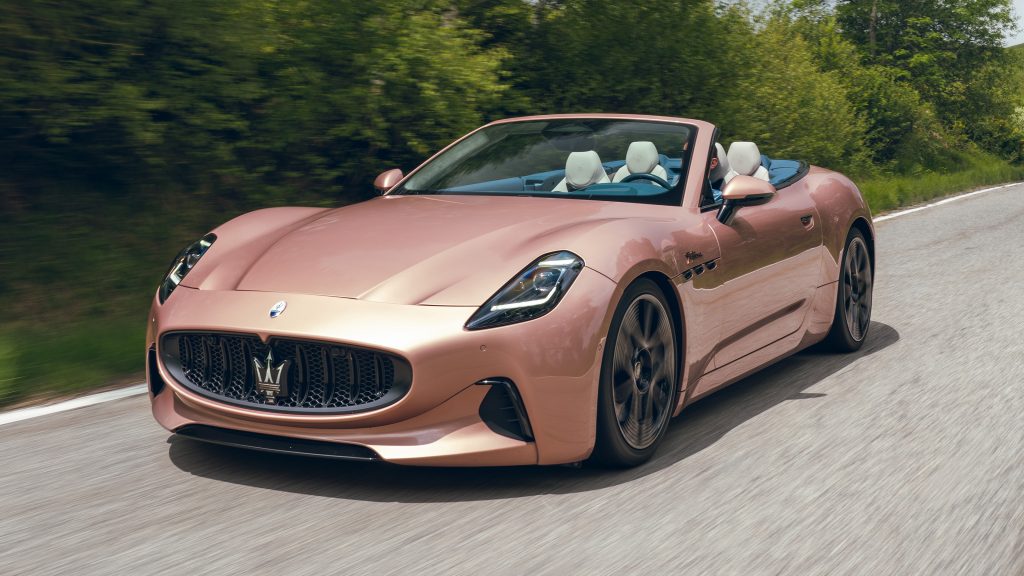
Despite the missing ranking position, Maserati still appeals strongly to buyers wanting emotional styling and exclusivity rather than purely logical transportation. However, Consumer Reports’ evaluation prioritizes consistency, reliability, and broad ownership satisfaction, categories where smaller exotic brands frequently struggle.
The company’s absence from the 2025 rankings illustrated how niche luxury manufacturers can remain desirable yet still fail to meet the data and reliability requirements necessary for broader consumer scoring systems.
5. Lucid
Lucid Motors entered the automotive industry with ambitious goals and impressive engineering claims. The company quickly attracted attention through the Lucid Air sedan, which offered remarkable driving range, strong performance, and advanced battery technology.
Despite the excitement surrounding the brand, Lucid did not appear in the 2025 Consumer Reports rankings because it lacked enough tested models and long-term ownership data.
One major issue involved the company’s extremely small lineup. Consumer Reports requires sufficient tested vehicles and reliability survey participation to calculate meaningful brand scores. Since Lucid currently sells only a limited number of models compared with established manufacturers, there simply was not enough broad data available for ranking inclusion.
Another challenge concerns the realities facing startup automakers. Building advanced electric vehicles is one thing, but maintaining quality consistency across production and long-term ownership is much harder.
Early Lucid models impressed reviewers with technology and luxury features, yet buyers still questioned long-term reliability, software stability, and service support.
Infrastructure also matters heavily in the premium EV market. Established luxury manufacturers operate vast dealership and service networks, while Lucid continues to expand gradually. Potential owners sometimes hesitate when repair access and nationwide support remain uncertain compared with traditional brands.
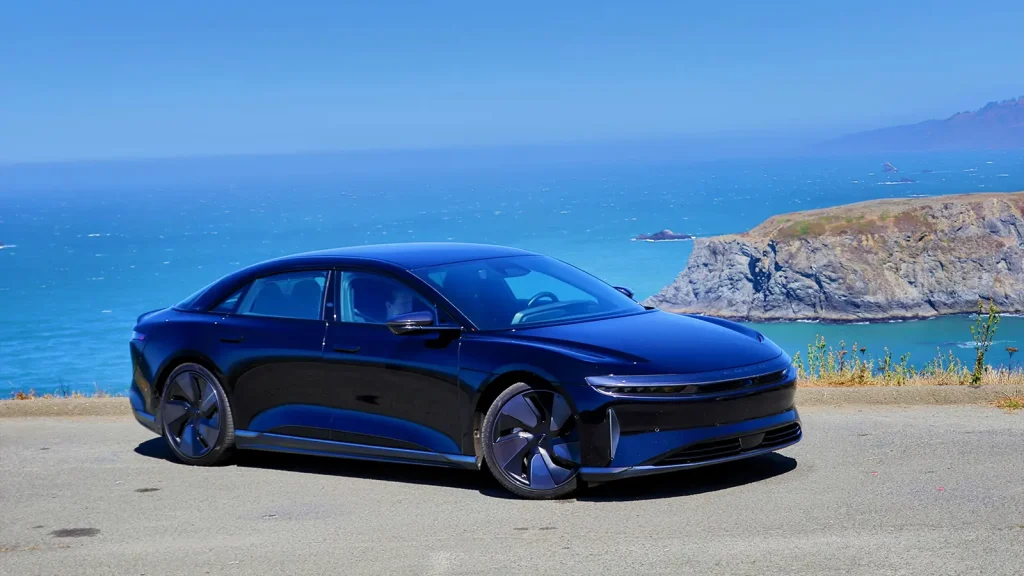
The EV market itself adds more pressure. Battery technology, software systems, and charging capabilities evolve rapidly, forcing newer manufacturers to update products constantly. Lucid must compete not only with Tesla but also with luxury giants investing billions into electric vehicle development.
Financial uncertainty surrounding startup automakers further affects consumer confidence. Buyers spending luxury-level money often consider long-term brand stability before making purchases. Concerns about future resale value and company growth can influence ownership satisfaction significantly.
Even with these challenges, Lucid still represents one of the more technologically impressive new EV brands in the market. The company’s absence from the rankings reflected limited data availability more than poor engineering.
Still, it demonstrated how difficult it is for young manufacturers to qualify for major consumer scoring systems before building broader product ranges and longer ownership histories.
6. Polestar
The Polestar emerged from Volvo’s performance division with a mission focused heavily on premium electric vehicles and minimalist Scandinavian design. Vehicles such as the Polestar 2 gained attention for strong build quality, sharp styling, and impressive driving manners.
Yet, despite positive reviews in several areas, Polestar failed to appear in the 2025 Consumer Reports rankings because the company lacked enough tested models and ownership data.
The brand’s limited lineup played a major role immediately. Consumer Reports rankings depend heavily on broad reliability information collected across multiple vehicles and large owner survey groups. Polestar’s relatively small sales volume prevented enough meaningful data from being gathered.
Another issue involves market awareness. Although enthusiasts recognize the connection between Polestar and Volvo, many mainstream buyers still view the company as unfamiliar compared with established luxury brands. That limited visibility naturally reduces owner participation and long-term market presence.
Technology transition challenges also affect newer EV manufacturers heavily. Software systems, battery management, charging updates, and connectivity features require constant refinement.
Even when vehicles perform well dynamically, owners may report frustrations tied to digital systems and updates, areas increasingly important in Consumer Reports evaluations.
Polestar also operates within a highly competitive segment. Premium electric buyers now have options from Tesla, BMW, Mercedes-Benz, Audi, Hyundai, Porsche, and several emerging EV companies simultaneously. Standing out consistently becomes difficult when rivals expand aggressively each year.
The company’s retail structure differs from traditional dealership systems, too. Polestar relies heavily on online ordering and smaller showroom concepts, which some buyers appreciate, while others find it less convenient for service and ownership support.
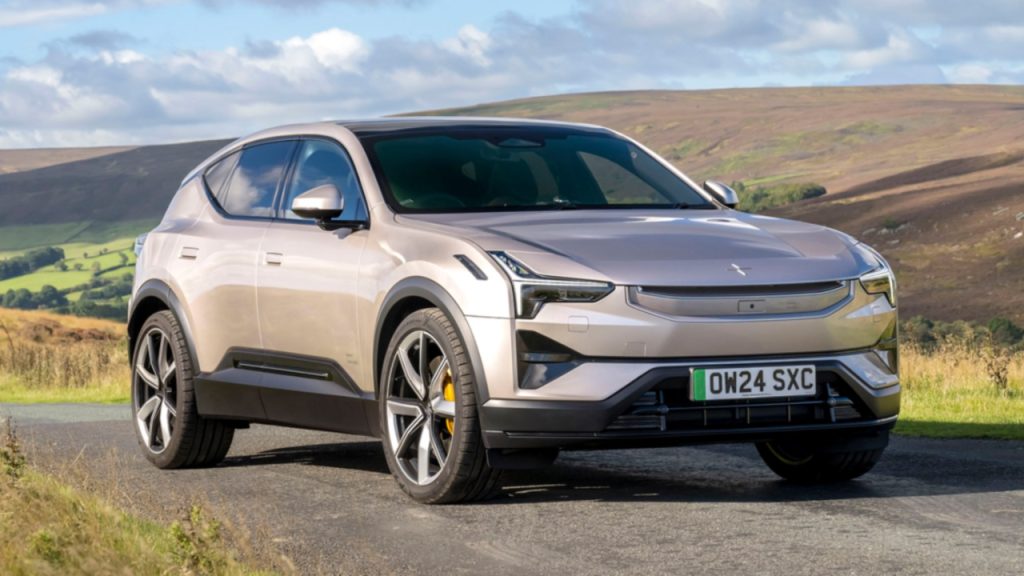
Despite missing the rankings, Polestar continues building a reputation for clean design and refined driving behavior. Many reviewers praise the vehicles for feeling mature and well-engineered rather than experimental.
However, Consumer Reports rankings prioritize broad ownership patterns and long-term reliability trends, categories requiring more time and data than Polestar currently possesses.
Its absence, therefore, reflects the challenges newer EV brands face while attempting to establish themselves in a rapidly evolving luxury market dominated by larger and more experienced manufacturers.
7. Rivian
The Rivian entered the automotive industry with enormous attention because it focused on adventure-oriented electric trucks and SUVs at a time when most EV companies concentrated on sedans and crossovers.
Vehicles like the Rivian R1T and R1S impressed reviewers with off-road capability, innovative storage solutions, and strong performance.
Even with the excitement surrounding the brand, Rivian did not appear in the 2025 Consumer Reports rankings because the company still lacked enough long-term ownership data and tested models for full qualification.
One major challenge involves Rivian’s status as a young manufacturer. Established automakers benefit from decades of production experience, large service networks, and extensive reliability histories.
Rivian, meanwhile, continues learning how to scale manufacturing while maintaining quality consistency across increasingly large production numbers.
Consumer Reports rankings rely heavily on owner survey data covering reliability, repair frequency, and long-term satisfaction. Because Rivian vehicles remain relatively new and low volume compared with mainstream brands, the organization simply did not have enough broad information to calculate reliable rankings.
Another factor involves software complexity. Rivian vehicles depend heavily on digital systems, over-the-air updates, and advanced electronic features.
While these technologies create impressive user experiences, they can also generate bugs, glitches, and owner frustration during early production years. New EV brands often face these growing pains while refining software platforms.
Service infrastructure creates additional concerns. Rivian operates a far smaller support network than major manufacturers, meaning some owners must travel long distances for repairs or maintenance. This can influence customer satisfaction significantly, especially for buyers accustomed to widespread dealership access.
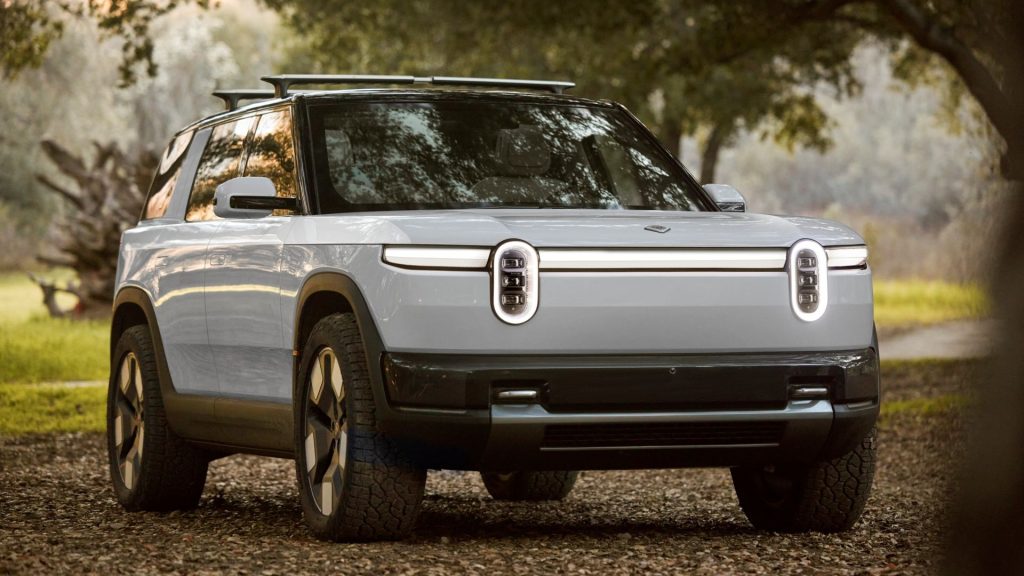
The company also competes within one of the most demanding market segments in America. Truck and SUV buyers expect durability, towing capability, and long-term dependability. Meeting those expectations consistently takes years of proven ownership experience.
Even with these obstacles, Rivian still earned praise for innovation and engineering ambition. Many owners appreciate the vehicles’ combination of luxury, performance, and outdoor practicality. However, Consumer Reports evaluations prioritize broad consistency and verified long-term reliability trends rather than early excitement alone.
Rivian’s absence from the rankings, therefore, highlights the difficulties startup EV companies face while transitioning from promising newcomers into fully established automotive manufacturers trusted across mainstream markets.
8. VinFast
The VinFast represents one of the newest attempts to enter the American electric vehicle market, arriving with ambitious plans and rapid expansion goals. The company attracted global attention because it aimed to transform from a relatively unknown manufacturer into an international EV competitor within only a few years.
Despite this aggressive strategy, VinFast did not appear in the 2025 Consumer Reports rankings because the brand lacked sufficient tested vehicles, ownership data, and an established market presence.
One major issue involved limited sales volume. Consumer Reports rankings depend heavily on large owner surveys and reliability feedback collected across multiple models. VinFast simply has not sold enough vehicles in North America yet to generate meaningful statistical data compared with larger manufacturers.
Another challenge came from early product reception. Initial reviews of some VinFast models criticized software calibration, ride quality, interior refinement, and driving dynamics. In the highly competitive EV market, first impressions matter tremendously because buyers already have strong alternatives from established brands.
Brand recognition also remains extremely limited. Most consumers in North America are unfamiliar with VinFast, creating hesitation about long-term reliability, resale value, and service accessibility. Trust plays a major role in automotive purchasing decisions, especially for expensive electric vehicles loaded with advanced technology.
The company’s rapid expansion timeline created additional pressure. Developing competitive EVs while simultaneously building dealerships, service systems, charging partnerships, and manufacturing operations is enormously difficult.
Established automakers spent decades refining those networks, while VinFast attempted to accelerate the process dramatically.
Consumer Reports rankings reward reliability and consistency across entire lineups. New manufacturers rarely achieve a strong standing immediately because long-term ownership patterns take years to establish properly. VinFast, therefore, faced structural disadvantages before evaluations even began.
Financial stability concerns surrounding newer automakers also affect buyer confidence. Consumers often hesitate when uncertainty exists about future support, warranty service, and long-term business sustainability.
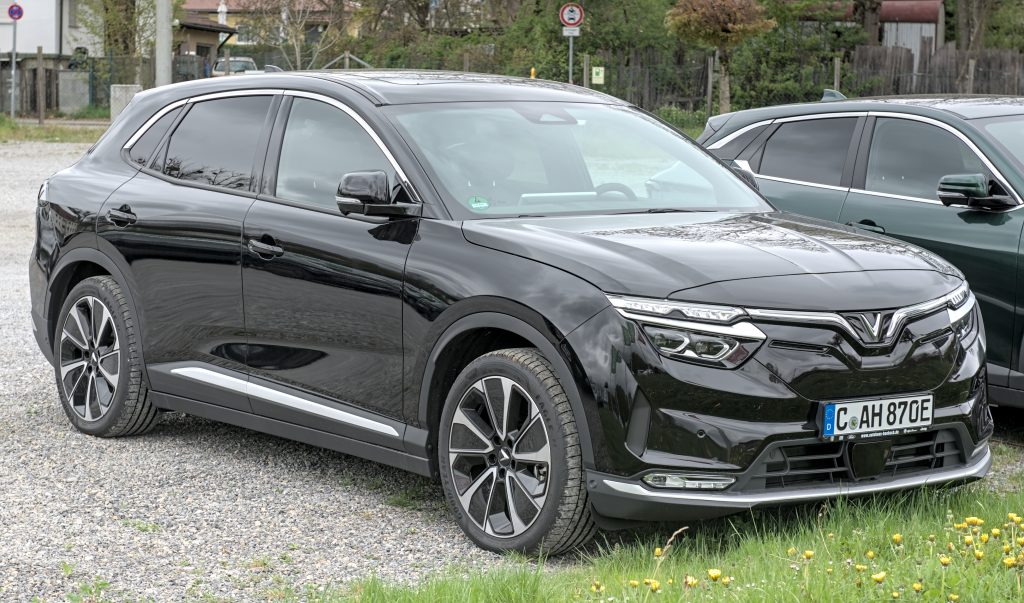
Despite these problems, VinFast continues pushing aggressively into international markets and investing heavily in electric vehicle development. The company’s absence from the rankings reflected limited data availability and early-stage growing pains rather than permanent failure.
Still, the situation demonstrated how difficult it is for completely new automotive brands to gain trust and recognition in a market where reliability reputation often takes decades to build successfully.
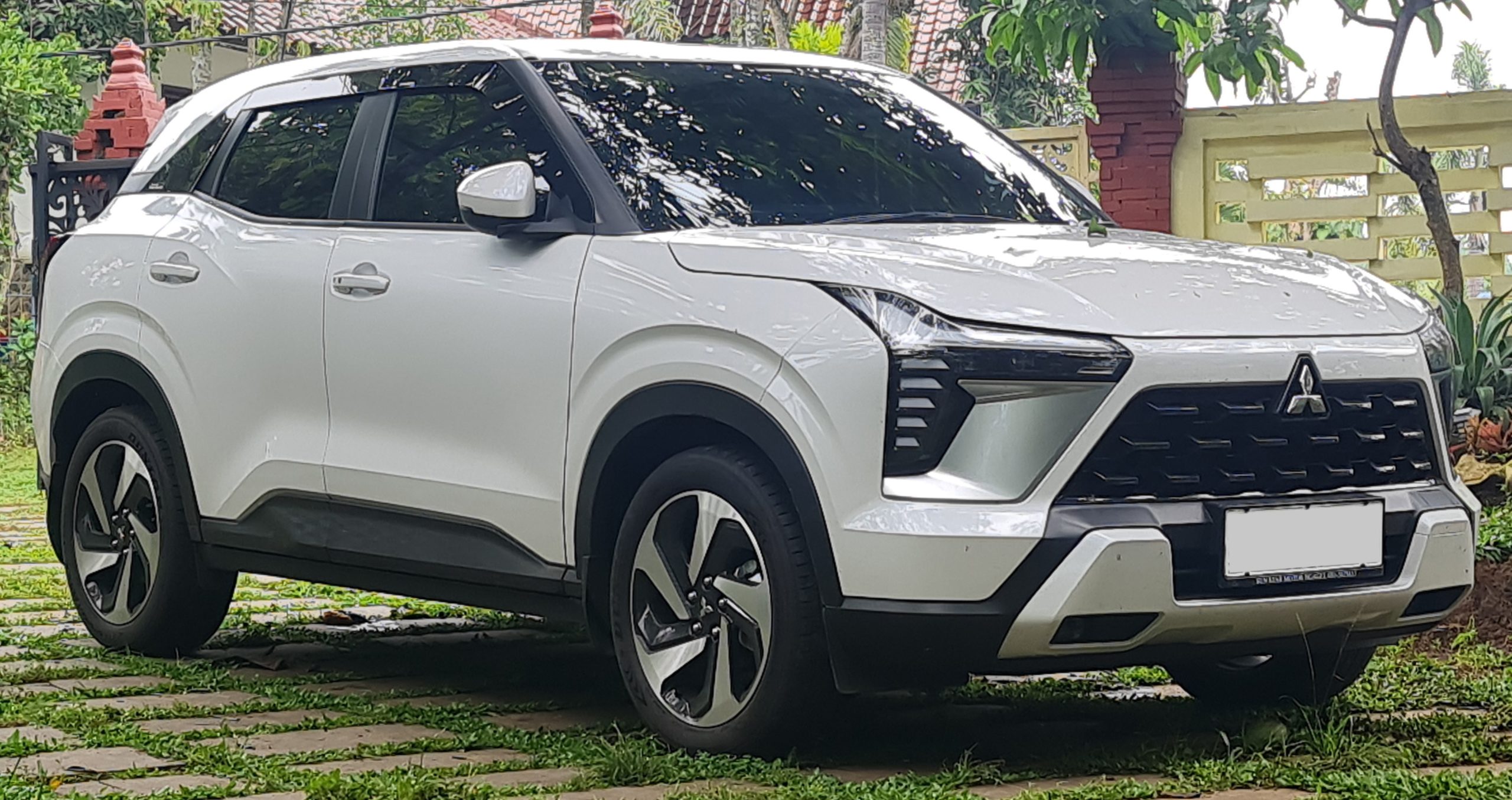
9. Mitsubishi
Mitsubishi Motors once held a far stronger position in the automotive industry, especially during the 1990s, when vehicles like the Eclipse and Lancer Evolution created strong enthusiast followings.
Over time, however, the brand’s American presence shrank dramatically. By the 2025 Consumer Reports rankings, Mitsubishi failed to qualify because the company no longer offered enough tested models or sufficient ownership data across a broad lineup.
One major problem involves product range limitations. Compared with larger Japanese rivals such as Toyota, Honda, and Nissan, Mitsubishi now sells a much smaller selection of vehicles in North America.
Consumer Reports requires enough current tested products to calculate meaningful brand rankings, and Mitsubishi’s reduced portfolio limited eligibility significantly.
Another challenge concerns market visibility. The company receives far less advertising exposure than major competitors, causing many buyers to overlook the brand entirely while shopping for crossovers and sedans. Limited consumer attention naturally reduces survey participation and long-term ownership data collection.
Mitsubishi also struggled to maintain a strong technological identity. While competitors expanded hybrid systems, advanced safety technology, and premium interior development aggressively, Mitsubishi often appeared behind broader industry trends. Buyers increasingly viewed the lineup as basic transportation rather than segment-leading products.
Reliability perception remained mixed as well. Some Mitsubishi vehicles delivered dependable service at affordable prices, but the brand rarely achieved the exceptional reliability reputation enjoyed by top Japanese manufacturers.
Consumer Reports rankings reward consistent excellence across multiple categories, something Mitsubishi struggled to establish strongly in recent years.
The company’s enthusiastic image faded, too. Earlier performance icons helped create emotional appeal around the brand, but modern Mitsubishi products focus mainly on affordability and practicality. Without standout halo vehicles attracting attention, the company gradually lost cultural relevance in many markets.
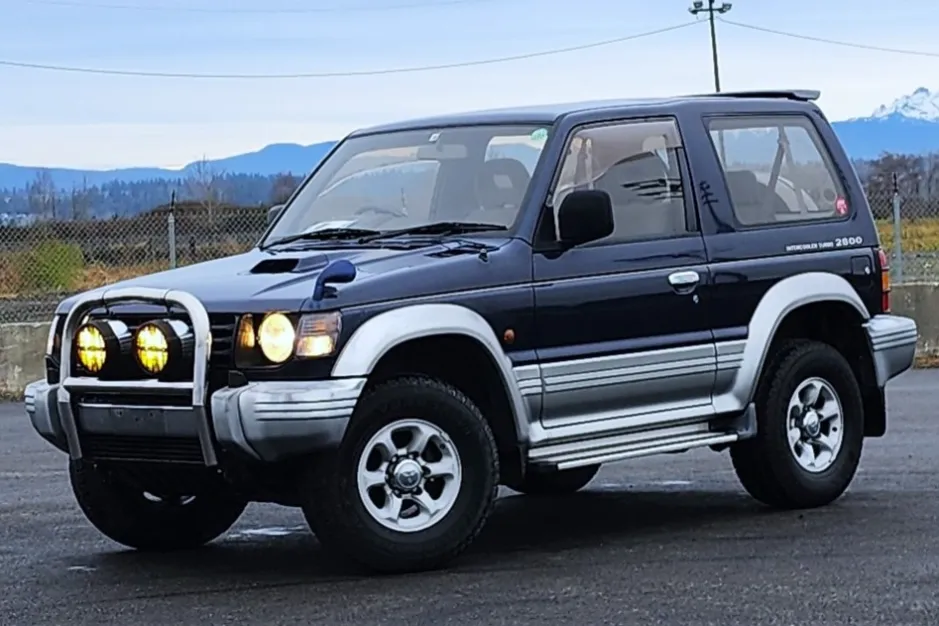
Even so, Mitsubishi continues offering value-focused transportation that appeals to budget-conscious buyers. Models such as the Outlander still provide reasonable practicality and warranty coverage for consumers prioritizing affordability.
Its absence from the rankings reflected broader challenges involving shrinking market presence, limited product diversity, and reduced consumer awareness rather than a single catastrophic issue.
The 2025 Consumer Reports rankings highlighted how difficult the modern automotive market has become for smaller, niche, and developing brands.
Companies such as Fiat, Infiniti, and Mitsubishi Motors struggled with shrinking lineups and fading market presence, while newer EV brands like Rivian, Lucid Motors, and VinFast lacked enough long-term ownership data to qualify.
Luxury brands, including Maserati and Alfa Romeo, faced ongoing reliability perception challenges. Their absence showed that consistent quality, broad product ranges, and strong consumer confidence remain critical for ranking success.
Also Read: 8 Cars. Where the Catalytic Converter Costs More Than the Engine
