
Electric vehicles have advanced rapidly over the last decade, but range remains the number one factor influencing buying decisions. Manufacturers know this, which is why advertised range figures often become the centerpiece of marketing campaigns.
While official numbers can provide a useful benchmark, they do not always reflect what drivers experience in everyday conditions. Weather, driving speed, terrain, passenger load, and charging habits all play a role in determining how far an EV can actually travel before needing to recharge.
That gap between advertised range and real-world usability has created two distinct categories of electric vehicles. On one side are EVs that consistently deliver practical mileage, making ownership easy and predictable.
These vehicles maintain strong efficiency across highways, urban traffic, and changing climates. Owners can plan trips confidently because the car performs close to expectations. Such models demonstrate that range is not just about achieving a high number on paper but about providing dependable transportation every day.
On the other side are EVs that generate excitement with impressive official figures yet struggle to match those claims under common driving conditions.
Some are affected by aggressive energy consumption at highway speeds, while others lose substantial range when temperatures drop or when larger wheels and performance settings are used. The result can be frustration for owners who expected greater freedom from charging stops.
This comparison focuses on both sides of that equation. First, we examine five electric vehicles that have earned a reputation for delivering genuinely useful range in the situations that matter most.
These models stand out because they combine efficiency, battery management, and practical engineering in ways that translate into real-world confidence.
After that, we turn to five EVs that tend to overpromise. These vehicles are not necessarily bad products, but their advertised capabilities can create expectations that are difficult to meet consistently. Understanding where they fall short helps buyers make more informed decisions and avoid disappointment.
The goal is simple: identify which EVs provide range you can genuinely rely on and which ones require a closer look beyond the headline numbers.
Also Read: 10 Vehicles With the Longest Stopping Distances From 60 MPH
5 EVs With Genuinely Useful Range
Range matters most when it removes stress from daily ownership. The best electric vehicles are not always the ones with the highest official figures. Instead, they are the models that deliver predictable performance whether commuting, running errands, or taking long highway trips.
A useful range figure is one that owners can realistically achieve without driving unnaturally slowly or constantly monitoring battery percentages.
The following five EVs have built strong reputations because their real-world performance aligns closely with expectations. They combine efficient powertrains, sophisticated battery management systems, and charging networks that make long-distance travel practical. More importantly, they continue to perform well across different climates and driving conditions.
These vehicles were selected because they represent examples of EV engineering done right. Their range is not merely a marketing statistic.
It is a characteristic that owners regularly benefit from. Each one demonstrates a different approach to solving the range challenge, whether through aerodynamic efficiency, battery technology, software optimization, or energy management.
By highlighting these models, this article aims to show that meaningful range is about consistency rather than record-breaking numbers. Buyers looking for an electric vehicle that fits comfortably into everyday life can learn a great deal from these examples.
The first two vehicles on this list illustrate how thoughtful engineering can turn battery capacity into dependable mobility, helping drivers spend more time on the road and less time searching for charging stations.
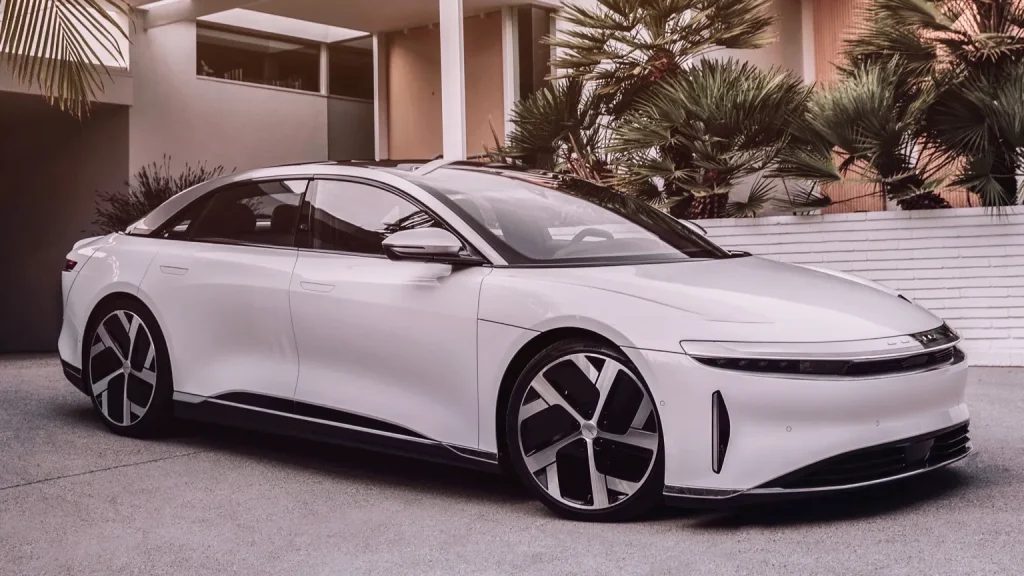
1. Lucid Air Grand Touring
The Lucid Air Grand Touring has become one of the strongest examples of what modern EV technology can achieve when efficiency becomes the primary engineering objective.
Rather than relying solely on a massive battery pack, Lucid focused on extracting as much distance as possible from every kilowatt-hour. The result is an electric sedan capable of traveling extraordinary distances while maintaining luxury-car comfort.
What makes the Air Grand Touring especially noteworthy is how well it performs outside laboratory conditions. Many owners report that highway journeys remain remarkably efficient, even at speeds that would significantly reduce range in competing vehicles.
The sleek aerodynamic shape, advanced motor technology, and intelligent energy management system work together to minimize waste.
Another reason this model deserves recognition is that it changes the ownership experience. Long trips require fewer charging stops, reducing one of the most common concerns associated with EV adoption. Drivers who regularly travel between cities benefit from the ability to cover substantial distances without carefully planning every charging session.
I am including the Lucid Air Grand Touring because it demonstrates that range leadership does not have to come with major compromises. The car delivers strong performance, premium comfort, and exceptional efficiency simultaneously. It proves that real-world range can be more than a marketing promise.
For buyers who prioritize practicality, the Air Grand Touring represents a benchmark. Its ability to maintain impressive mileage in everyday driving situations makes it one of the most convincing electric vehicles currently available. Few EVs inspire as much confidence when the destination is hundreds of miles away.
Specifications
- Engine: Dual electric motors
- Torque: 885 lb-ft
- Horsepower: 819 hp
- Length/Width: 195.9 in / 76.7 in
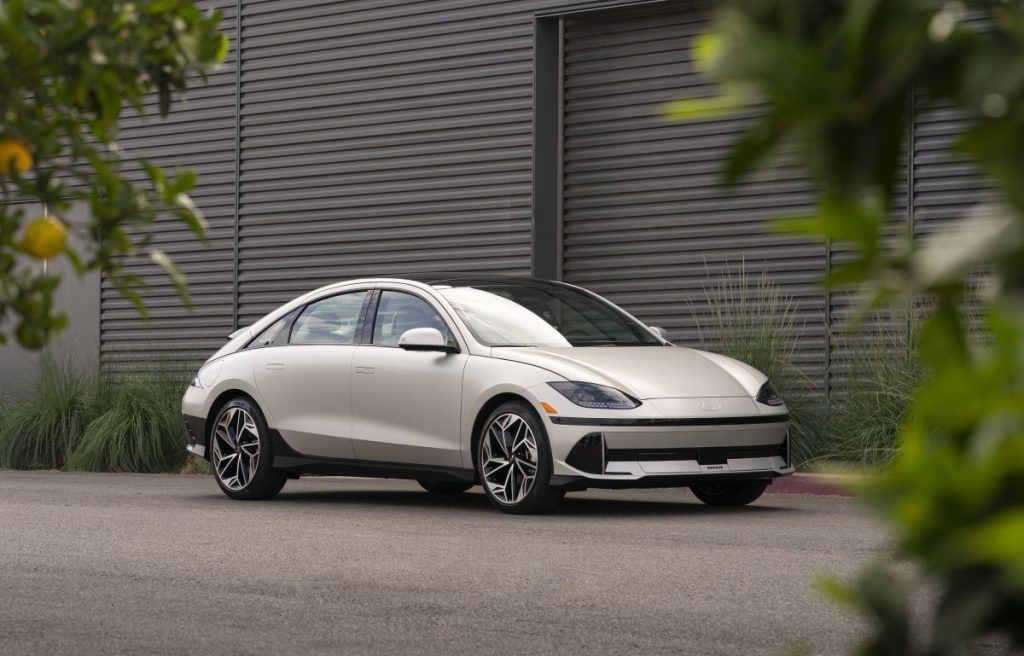
2. Hyundai Ioniq 6 Long Range RWD
The Hyundai Ioniq 6 approaches the range challenge from a different direction. Instead of overwhelming buyers with sheer battery size or performance figures, it focuses on efficiency. Its streamlined profile is among the most aerodynamic shapes in the EV market, helping it travel farther while consuming less energy.
One of the strongest aspects of the Ioniq 6 is how consistently it performs. Drivers often find that real-world efficiency remains competitive across urban and highway environments. This predictability is valuable because it allows owners to trust the vehicle’s estimates rather than constantly second-guessing them.
The cabin also contributes to its appeal. Comfortable seating, modern technology, and thoughtful design make long drives easier. Combined with ultra-fast charging capability, the vehicle becomes a practical tool for people who frequently cover significant distances.
This model appears on the list because it highlights the importance of intelligent design. The Ioniq 6 does not rely on brute force engineering. Instead, Hyundai optimized airflow, weight distribution, and power management to maximize every charge.
Many electric vehicles advertise impressive capabilities, but the Ioniq 6 earns praise because drivers can regularly access a large portion of its claimed range. That reliability creates a better ownership experience and reduces anxiety during longer journeys.
For consumers transitioning from gasoline vehicles, the Ioniq 6 serves as evidence that an EV can be both efficient and easy to live with. Its practical range, fast charging, and everyday usability make it one of the smartest electric vehicle choices available today.
Specifications
- Engine: Single electric motor
- Torque: 258 lb-ft
- Horsepower: 225 hp
- Length/Width: 191.1 in / 74.0 in
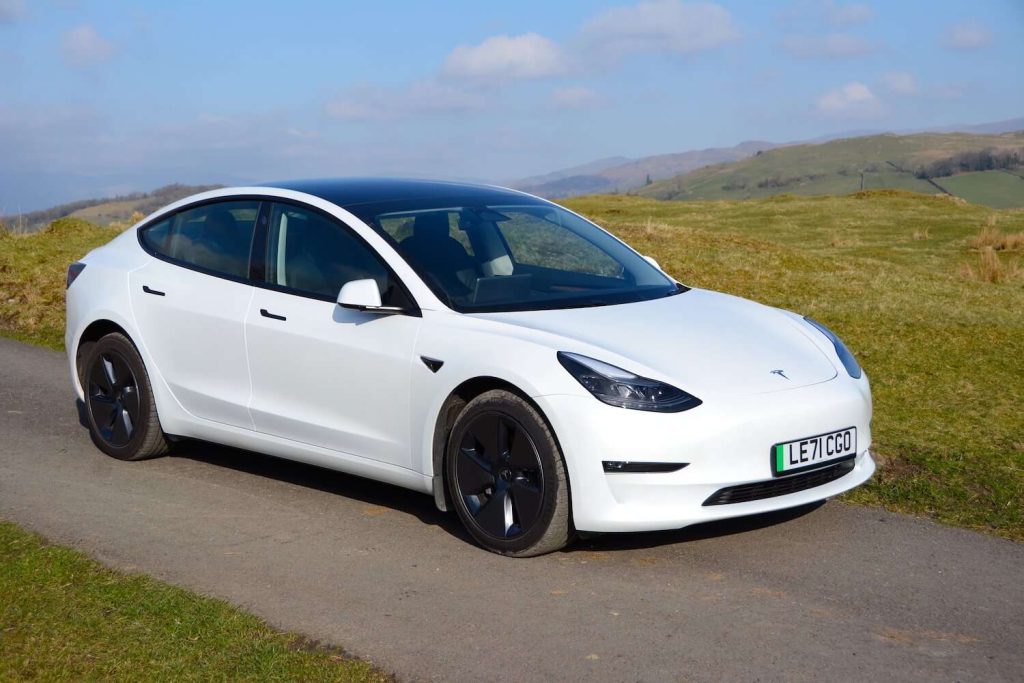
3. Tesla Model 3 Long Range
Numbers on a specification sheet only tell part of the story. What separates the Tesla Model 3 Long Range from many competitors is how frequently drivers achieve results that are reasonably close to the vehicle’s advertised capabilities. In the EV world, that consistency is far more valuable than a headline figure that is difficult to reach in normal use.
The Model 3 Long Range has benefited from years of refinement. Tesla continuously improved battery management, motor efficiency, thermal systems, and software controls.
These upgrades may not always be visible to consumers, but they contribute significantly to the vehicle’s ability to stretch every charge. The result is an EV that remains efficient whether it is navigating city traffic or spending hours on the highway.
Another factor that strengthens its position is the charging ecosystem surrounding it. Range becomes even more useful when drivers can quickly replenish the battery during long journeys. Combined with efficient energy consumption, the vehicle creates a travel experience that feels less restrictive than many electric cars with similar battery capacities.
I am writing about the Model 3 Long Range because it helped redefine expectations for practical EV ownership. Rather than focusing exclusively on luxury or performance, Tesla built a vehicle that makes electric transportation convenient for a wide variety of drivers. Families, commuters, and frequent travelers can all benefit from its balance of efficiency and usability.
The car also demonstrates how software can influence range. Intelligent route planning, battery conditioning, and real-time energy monitoring help owners make better use of available charge. These features contribute to confidence behind the wheel and reduce uncertainty during longer trips.
For buyers who want a vehicle that consistently delivers useful mileage in day-to-day operation, the Model 3 Long Range remains one of the strongest examples on the market. Its reputation was built not simply on impressive claims but on the ability to deliver dependable results across thousands of miles of real-world driving.
Specifications
- Engine: Dual electric motors
- Torque: 376 lb-ft
- Horsepower: 498 hp
- Length/Width: 185.8 in / 72.8 in
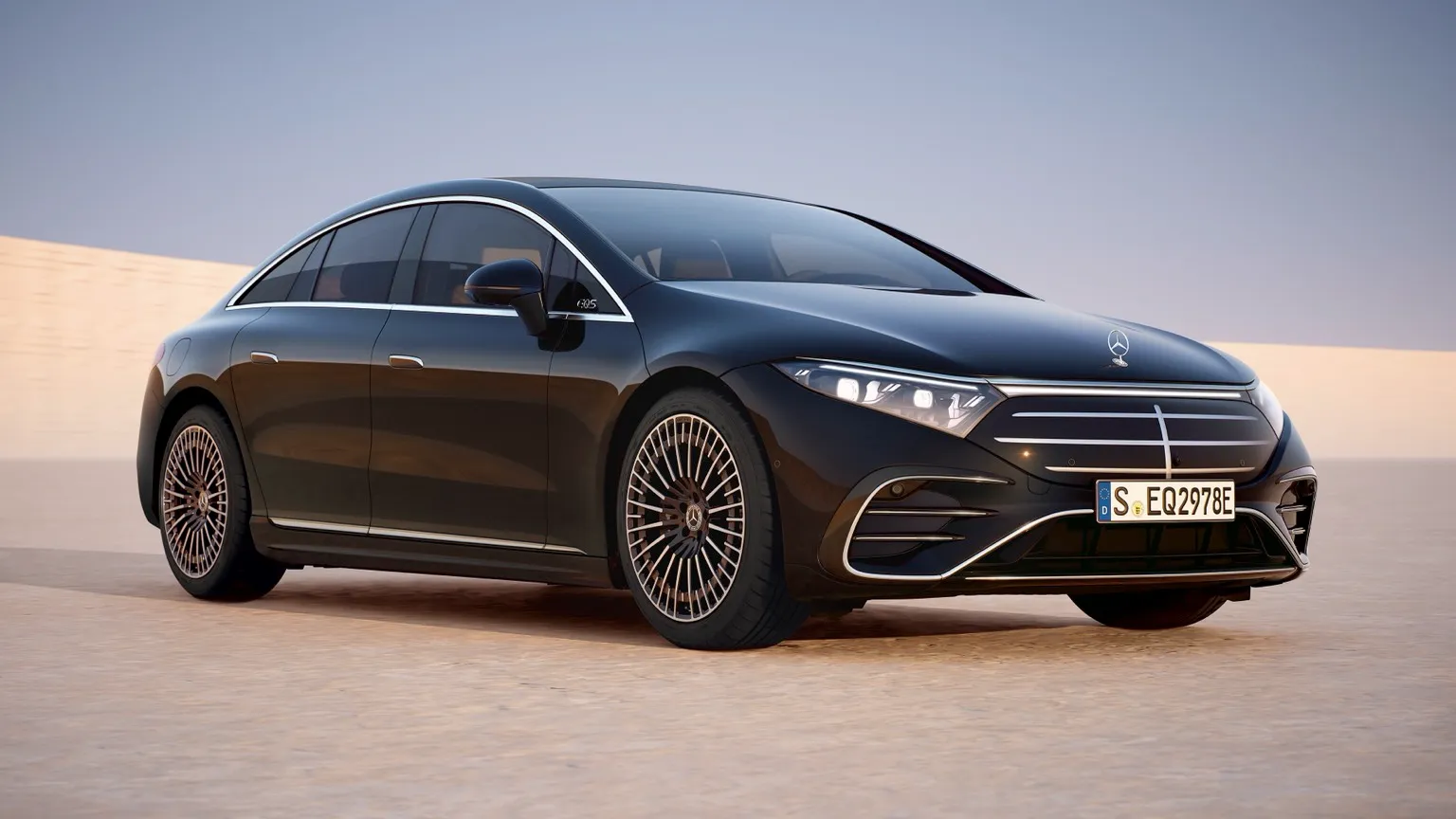
4. Mercedes-Benz EQS 450+
Luxury vehicles are often associated with comfort first and efficiency second. The Mercedes-Benz EQS 450+ challenges that assumption. It combines flagship luxury with exceptional energy management, creating one of the most capable long-distance electric sedans available today.
A major reason for its success is aerodynamic engineering. The EQS was designed with remarkable attention to airflow, allowing it to move through the air with minimal resistance. This decision has a direct impact on range, particularly during highway travel, where aerodynamic drag becomes one of the largest consumers of energy.
Step inside the vehicle, and the focus shifts from efficiency to comfort. The cabin is exceptionally quiet, the ride quality is refined, and long journeys feel less demanding. What makes this combination special is that owners do not have to sacrifice driving distance to enjoy those premium qualities.
The EQS 450+ earns a place on this list because it proves that large luxury EVs can still deliver meaningful range. Historically, bigger vehicles have struggled to match the efficiency of smaller counterparts. Mercedes approached the challenge differently, emphasizing energy conservation throughout the vehicle’s design process.
Another strength lies in its predictable behavior. Drivers can often rely on range estimates with greater confidence than in some competing luxury EVs. That reliability is important because luxury customers frequently use their vehicles for business travel, airport transfers, and extended road trips.
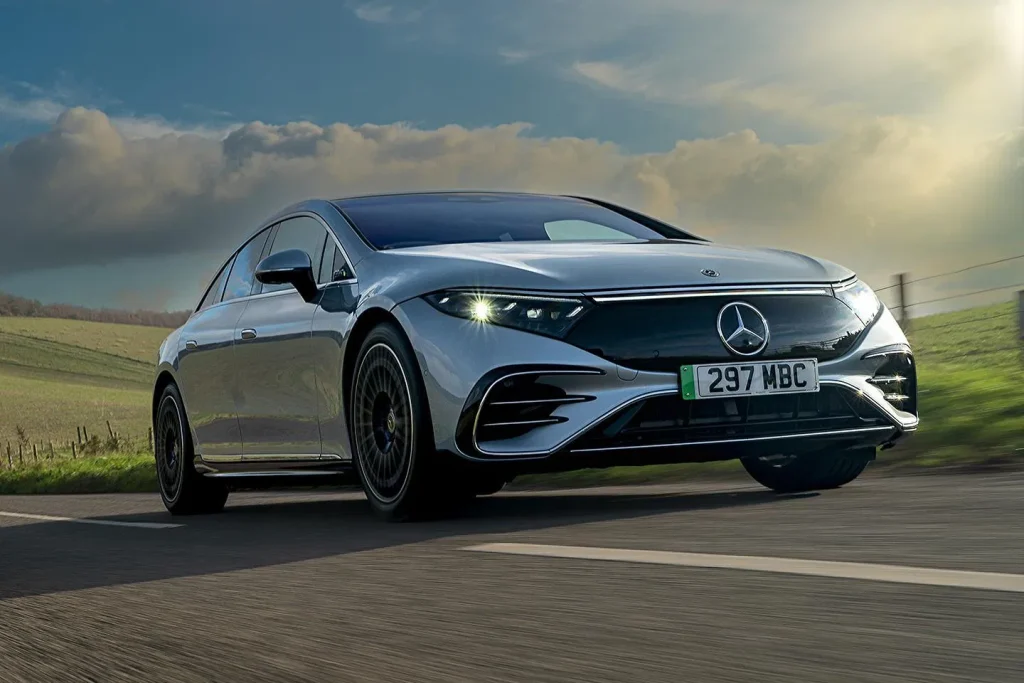
I chose the EQS 450+ because it highlights how thoughtful engineering can overcome the traditional limitations of size and weight. Rather than relying on dramatic marketing claims, the car quietly delivers strong real-world performance.
For buyers seeking a premium electric sedan that can comfortably cover long distances between charges, the EQS 450+ stands among the most convincing choices currently available.
Specifications
- Engine: Single electric motor
- Torque: 417 lb-ft
- Horsepower: 355 hp
- Length/Width: 205.4 in / 75.8 in
5. BMW iX xDrive50
Not every vehicle with an excellent range comes in the form of a sleek sedan. The BMW iX xDrive50 demonstrates that a larger SUV can also provide impressive distance without compromising practicality. That achievement deserves attention because SUVs generally face greater aerodynamic and weight-related challenges than lower vehicles.
The iX approaches efficiency through a combination of advanced battery technology, lightweight construction techniques, and intelligent energy management.
BMW paid close attention to every aspect of the vehicle’s design, from motor performance to thermal regulation. These efforts help transform a large luxury SUV into a surprisingly capable long-distance traveler.
One of the reasons I am including the iX xDrive50 is that it addresses the needs of buyers who require additional space. Many families want an EV that can carry passengers and cargo comfortably while still offering substantial driving range. The iX succeeds in balancing those priorities.
Unlike some electric SUVs that experience dramatic efficiency losses at highway speeds, the BMW maintains respectable performance across a variety of driving environments. This consistency helps drivers feel more comfortable planning trips and relying on the vehicle as primary transportation.
The interior further strengthens its appeal. Spacious seating, advanced technology, and premium materials create an environment suited to long journeys. Combined with strong range capability, the vehicle becomes a compelling option for those who frequently travel with family or luggage.
BMW’s achievement with the iX is significant because it shows that utility and efficiency do not have to be opposing goals. The vehicle manages to provide luxury, practicality, and dependable mileage in a single package.
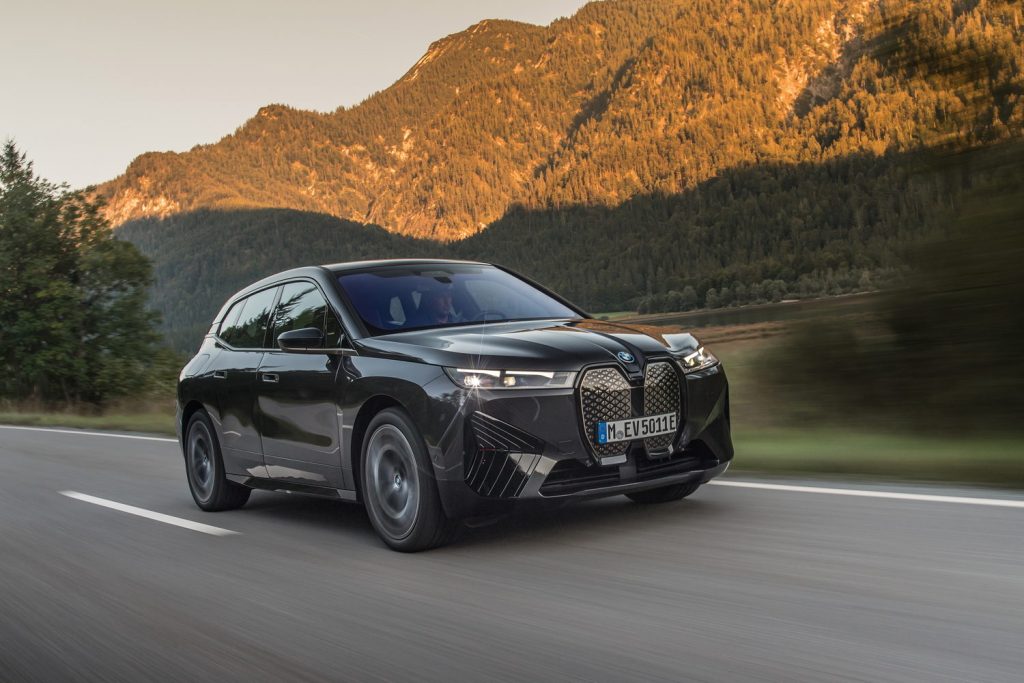
For consumers seeking an electric SUV that genuinely delivers on its range promises, the iX xDrive50 deserves serious consideration. It rounds out this list by demonstrating that a useful range can exist across multiple vehicle categories, not just among specialized efficiency-focused sedans.
Specifications
- Engine: Dual electric motors
- Torque: 564 lb-ft
- Horsepower: 516 hp
- Length/Width: 195.0 in / 77.4 in
5 That Overpromise
Electric vehicle marketing often revolves around maximum range figures. While official testing procedures provide valuable benchmarks, they cannot account for every real-world condition. As a result, some vehicles develop reputations for falling noticeably short of expectations during everyday use.
That does not automatically make them poor vehicles. Many of these models offer impressive acceleration, advanced technology, attractive styling, or luxurious interiors. The issue arises when the advertised range becomes a major selling point yet proves difficult for typical drivers to achieve consistently.
Several factors contribute to this gap. Heavy vehicles consume more energy. Performance-oriented setups prioritize speed over efficiency. Large wheels increase rolling resistance. Aggressive software estimates can also create unrealistic expectations. When these elements combine, the difference between official ratings and actual results becomes more apparent.
The next five EVs were selected because they are frequently discussed in conversations about range disappointment. In many cases, owners enjoy other aspects of the vehicles but acknowledge that real-world mileage often falls short of what promotional materials suggest.
Understanding these examples helps consumers approach EV shopping with realistic expectations. The goal is not to criticize these vehicles unfairly but to highlight situations where buyers should look beyond headline numbers and evaluate how a vehicle performs under ordinary driving conditions.
1. GMC Hummer EV Pickup
The GMC Hummer EV Pickup attracts attention immediately. Its massive dimensions, extreme off-road capabilities, and astonishing power figures make it one of the most talked-about electric vehicles on the market. Yet when the conversation shifts from performance to efficiency, the vehicle tells a different story.
A major challenge for the Hummer EV is simple physics. It is exceptionally heavy, carrying a battery pack large enough to support its ambitious mission while also moving a tremendous amount of mass. Every acceleration event requires substantial energy, and that reality affects range regardless of how advanced the technology may be.
Many prospective buyers see the official range numbers and assume the vehicle will behave like other long-range EVs.
In practice, factors such as highway driving, aggressive acceleration, large off-road tires, and cold weather can have a noticeable impact on battery consumption. Drivers who regularly take advantage of the truck’s immense performance often discover that energy use rises quickly.
The reason I am writing about the Hummer EV Pickup is that it represents an important lesson in evaluating electric vehicles. Range cannot be viewed in isolation.
Vehicle weight, tire choice, aerodynamics, and intended use all influence real-world outcomes. The Hummer excels in areas such as capability and presence, but efficiency is not among its strongest attributes.
Another point worth considering is that buyers often associate larger battery packs with guaranteed long-distance travel. While a bigger battery certainly helps, it does not eliminate the effects of a heavy and aerodynamically challenging vehicle. The Hummer demonstrates this reality clearly.
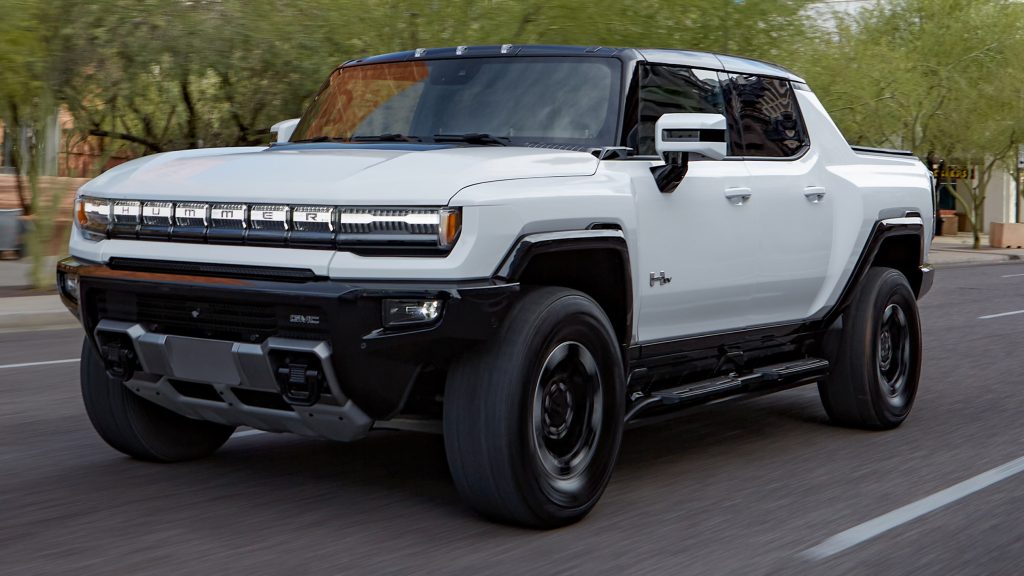
None of this takes away from the truck’s impressive engineering achievements. It remains one of the most capable electric trucks available.
However, its advertised range can create expectations that prove difficult to maintain under demanding conditions. For shoppers prioritizing dependable mileage above all else, that distinction is worth understanding before making a purchase decision.
Specifications
- Engine: Three electric motors
- Torque: 11,500 lb-ft (wheel torque claimed by manufacturer)
- Horsepower: 1,000 hp
- Length/Width: 216.8 in / 86.7 in
2. Mercedes-Benz EQB 300 4MATIC
The Mercedes-Benz EQB 300 4MATIC enters the market with the advantage of a respected luxury badge and the practicality of a compact three-row SUV.
On paper, it appears to offer a balanced combination of premium features, family utility, and electric mobility. The challenge arises when buyers expect range performance that matches some of the newer EVs in the segment.
Unlike purpose-built electric platforms designed from the beginning around battery efficiency, the EQB traces much of its architecture to a vehicle originally developed for multiple powertrain types. This approach brings packaging compromises that can affect efficiency and ultimately influence driving range.
What makes the EQB relevant to this discussion is not that its official range numbers are inaccurate. Rather, many drivers find that real-world conditions reduce available mileage more noticeably than expected. Highway travel, passenger loads, and climate control usage can make a substantial difference during longer journeys.
I chose to include the EQB because it highlights how vehicle design philosophy affects results. Two EVs with similar battery capacities can deliver very different experiences depending on aerodynamics, weight distribution, and platform optimization. The EQB remains a comfortable and practical family vehicle, but range is not its standout attribute.
Its strengths lie elsewhere. The cabin is refined, visibility is good, and the available third row increases versatility. Families who prioritize these features may find the vehicle perfectly suitable. Problems occur only when shoppers focus heavily on the advertised range without considering how they intend to use the vehicle.
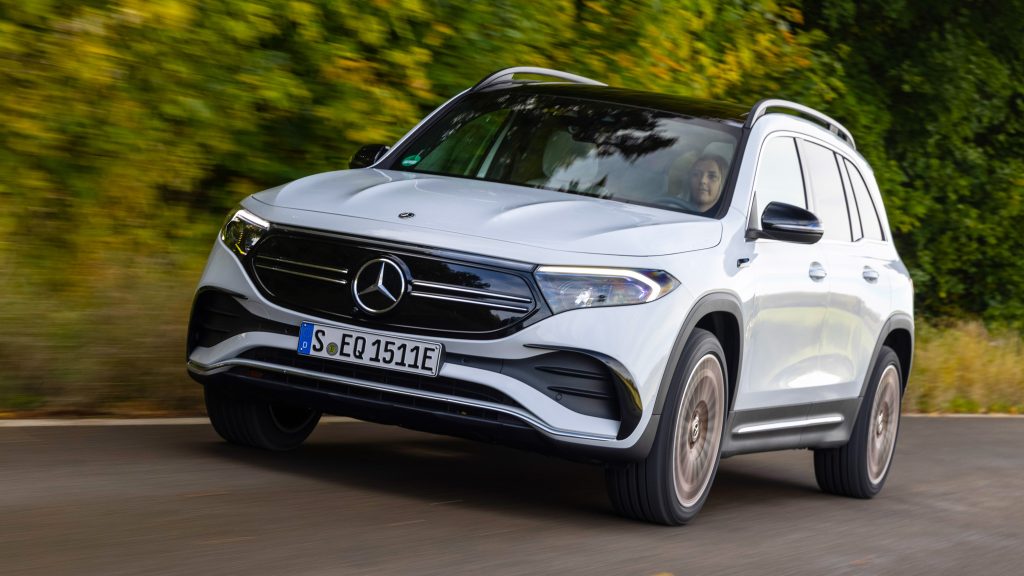
The EQB serves as a reminder that official figures should be viewed as a starting point rather than a guarantee. Buyers who frequently undertake longer highway trips may discover that charging stops arrive sooner than anticipated.
Understanding that limitation beforehand leads to more realistic expectations and ultimately a more satisfying ownership experience.
Specifications
- Engine: Dual electric motors
- Torque: 384 lb-ft
- Horsepower: 225 hp
- Length/Width: 184.4 in / 72.2 in
3. Ford F-150 Lightning Extended Range
The Ford F-150 Lightning Extended Range arrived with enormous expectations because it carries one of the most recognizable truck names in North America.
Buyers naturally assumed that adding electric power to the popular F-150 formula would create a long-distance workhorse. While the truck succeeds in many areas, range can become a concern depending on how it is used.
Unlike passenger cars, pickup trucks often perform demanding tasks. Towing trailers, carrying heavy cargo, and driving at highway speeds significantly increase energy consumption. The Lightning is particularly sensitive to these conditions, and owners frequently report noticeable reductions in available driving distance when using the truck as intended.
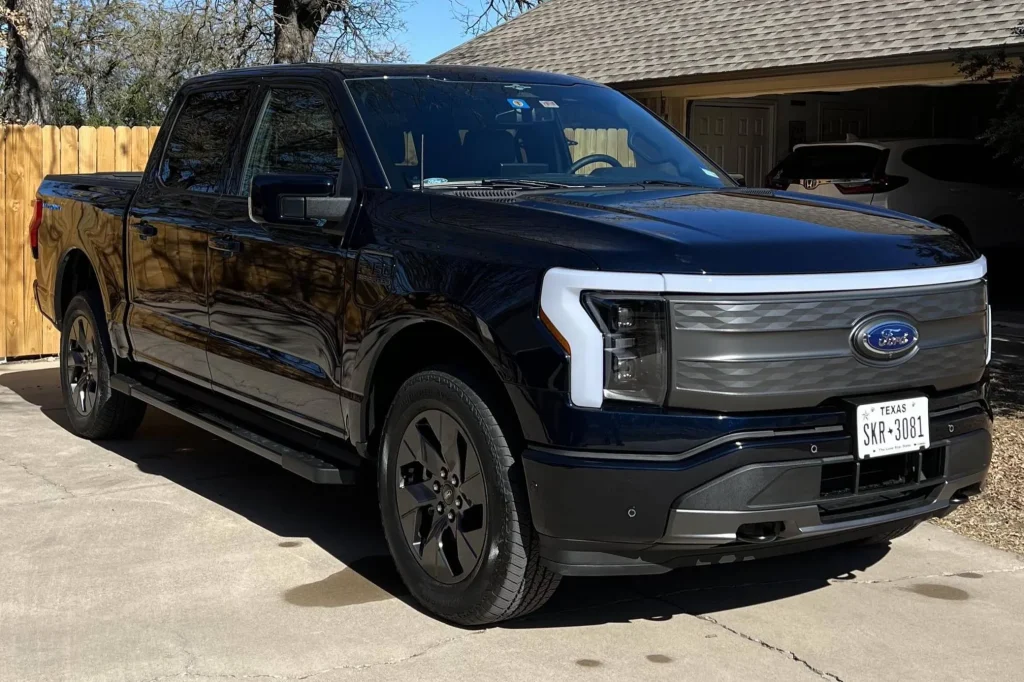
That is why it appears on this list. Ford advertises competitive range figures, but those numbers can shrink quickly when the vehicle is asked to perform real truck duties. Buyers expecting identical results regardless of load may be disappointed.
The Lightning remains an excellent electric pickup with strong acceleration, practical features, and a comfortable cabin. It simply illustrates that official ratings do not always reflect demanding real-world usage.
Specifications
- Engine: Dual electric motors
- Torque: 775 lb-ft
- Horsepower: 580 hp
- Length/Width: 232.7 in / 80.0 in
4. Audi Q8 e-tron
The Audi Q8 e-tron delivers luxury, refinement, and impressive build quality. Its quiet cabin and premium materials make it a pleasant place to spend time, especially during longer drives. However, efficiency has never been the vehicle’s strongest selling point.
Audi focused heavily on comfort and stability, but the result is a relatively heavy SUV that consumes more energy than several rivals. Drivers often discover that highway travel reduces range more noticeably than expected, particularly when compared with newer EVs designed around maximum efficiency.
I included the Q8 e-tron because it demonstrates how luxury features can sometimes come at the expense of mileage. There is nothing inherently wrong with that tradeoff, provided buyers understand it beforehand.
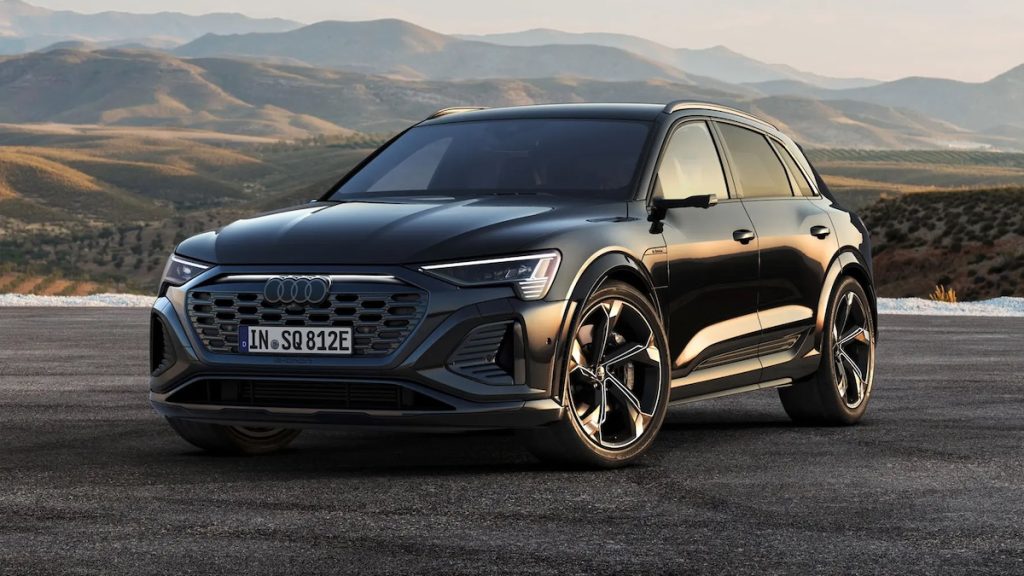
Many owners appreciate the vehicle for its ride quality and sophisticated interior. Yet shoppers who place range at the top of their priority list may find stronger alternatives elsewhere. The gap between expectations and reality is what places the Q8 e-tron in this category.
Specifications
- Engine: Dual electric motors
- Torque: 490 lb-ft
- Horsepower: 402 hp
- Length/Width: 193.5 in / 76.3 in
5. Porsche Taycan Turbo
The Porsche Taycan Turbo was engineered with a different objective than most EVs. Its primary mission is delivering sports car performance, precise handling, and rapid acceleration. Those strengths have earned widespread praise, but they also influence range expectations.
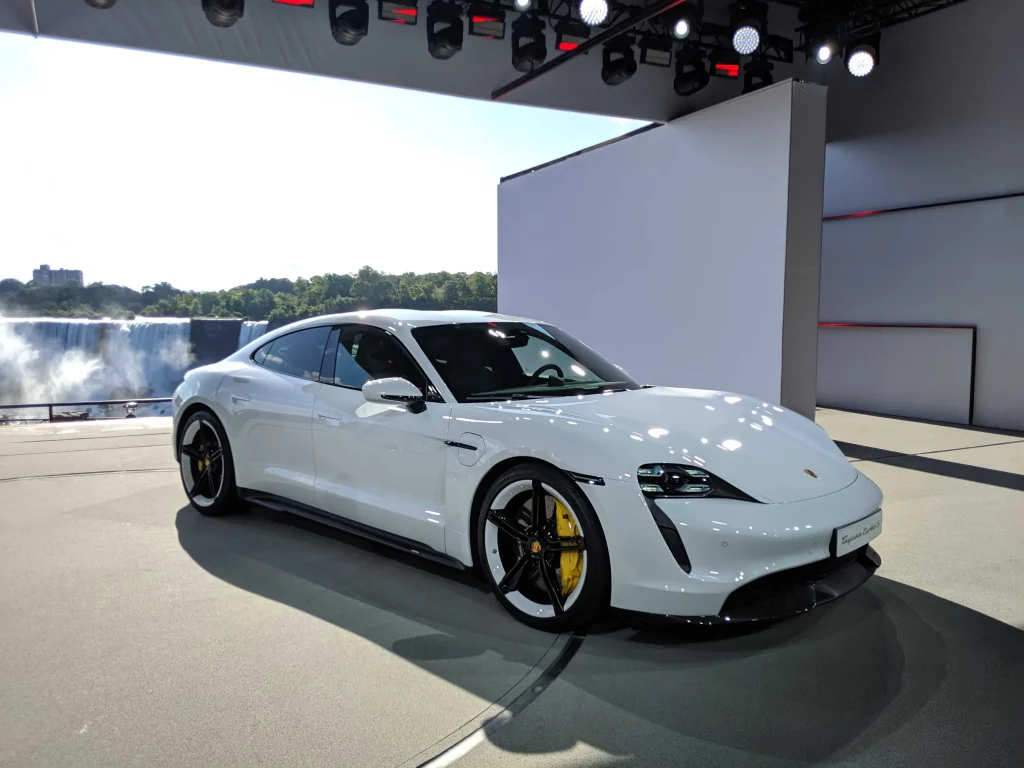
Performance vehicles consume energy differently from efficiency-focused models. The Taycan encourages enthusiastic driving, and its capabilities make it difficult for many owners to resist using the available power. As a result, the real-world range often falls below what buyers initially expect.
This car deserves a place on the list because its advertised figures can look reasonable on paper, yet everyday usage frequently tells a different story. Fast acceleration, larger wheels, and performance-oriented tuning all contribute to increased consumption.
That does not diminish the Taycan’s achievements. It remains one of the best-driving electric vehicles available. The point is simply that buyers seeking maximum mileage may not receive the experience suggested by official ratings. For drivers prioritizing excitement above efficiency, that compromise is usually acceptable.
Specifications
- Engine: Dual electric motors
- Torque: 626 lb-ft
- Horsepower: 670 hp
- Length/Width: 195.4 in / 77.4 in
Also Read: 8 Cars Still Offering a Manual in 2026
