People shopping for a vehicle often focus on horsepower, fuel economy, interior technology, towing capacity, or exterior styling.
One critical performance factor that frequently gets overlooked is braking distance. A vehicle may accelerate quickly and look impressive on the road, but if it cannot stop safely in an emergency, it can become a serious safety concern.
Stopping distance from 60 miles per hour is one of the most important measurements used by automotive engineers, reviewers, and safety analysts because it reflects how effectively a vehicle can avoid collisions during sudden braking situations.
The longer the stopping distance, the greater the risk of accidents, especially on crowded highways or in poor weather conditions. Heavy-weight, outdated brake systems, poor tire grip, high centers of gravity, and suspension limitations can all contribute to weak braking performance.
Modern vehicles have improved tremendously over the past two decades, thanks to advanced anti-lock braking systems, electronic brake force distribution, improved tire technology, and better chassis engineering. However, not every vehicle performs equally when panic braking occurs.
Some trucks, SUVs, and large utility vehicles still require alarmingly long distances to come to a complete stop from highway speeds. In many cases, the very qualities that make these vehicles useful, such as heavy construction, off-road tires, or large cargo capacities, also negatively affect braking capability.
Large body-on-frame SUVs and pickup trucks are especially vulnerable because they often weigh far more than passenger sedans and crossovers. In addition, performance-oriented tires and brake systems are expensive, so manufacturers sometimes prioritize affordability or ruggedness over maximum stopping power.
Automotive testing organizations regularly evaluate braking performance under controlled conditions, measuring how many feet a vehicle requires to stop from 60 MPH. While average modern passenger cars often stop in roughly 110 to 130 feet, poorly performing vehicles may require well over 140 feet, and in some extreme cases, over 160 feet.
Those extra feet can mean the difference between a close call and a severe collision. Drivers should understand that stopping distance is not only affected by the vehicle itself but also by maintenance, road conditions, tire wear, and driver reaction time. Nevertheless, manufacturer engineering plays the biggest role in determining baseline braking performance.
This article explores ten vehicles that became known for unusually long stopping distances from 60 MPH. Some were criticized heavily by reviewers during their release periods, while others revealed the compromises involved in designing heavy-duty utility vehicles.
Each section explains why the vehicle struggled during braking tests, what factors contributed to the issue, and how these weaknesses affected safety perceptions and consumer opinions. Understanding these vehicles provides valuable insight into automotive engineering and highlights why braking performance deserves far more attention from everyday drivers.
Also Read: 8 Cars That Are Nearly Impossible to Steal

- Engine: 5.4L Triton V8, 6.8L V10, or 7.3L Power Stroke diesel
- Horsepower: 255 to 310 HP
- Torque: 350 to 525 lb ft
- Length: Approximately 226.7 inches
- Width: Approximately 79.9 inches
1. Ford Excursion
The Ford Excursion remains one of the largest SUVs ever mass-produced, and its massive dimensions directly contributed to its poor stopping performance. Introduced as a heavy-duty family SUV built on a truck platform, the Excursion was designed primarily for towing and carrying large numbers of passengers.
While its size appealed to buyers seeking utility and road presence, automotive reviewers quickly discovered that its braking capability lagged far behind smaller SUVs and sedans. Some test results placed its 60 MPH stopping distance well beyond 150 feet, which was considered extremely poor even during its production years.
Weight played the biggest role in the Excursion’s braking struggles. Depending on trim and engine configuration, the vehicle could weigh well over 7000 pounds. That enormous mass placed tremendous stress on the braking system during emergency stops.
Physics simply worked against the Excursion because more energy must be dissipated when a heavy object slows down from highway speeds. Even though Ford equipped the SUV with large brakes for the time, they often proved insufficient for controlling such a massive vehicle quickly.
Another factor affecting braking performance was the vehicle’s truck-based suspension design. The Excursion prioritized towing durability and off-road toughness over precise road handling. During hard braking, the suspension geometry could create instability and nose-dive behavior, reducing driver confidence and increasing stopping distances. Tire selection also played a role because many trims used all-terrain tires designed more for durability than maximum pavement grip.
Consumer Reports and several automotive publications criticized the Excursion heavily for its braking limitations. Many drivers were shocked by how much road space was required for sudden stops, particularly when carrying passengers or towing trailers.
Families purchasing the vehicle for long highway trips sometimes overlooked these concerns because they prioritized cabin space and towing capability. However, braking performance remained a consistent criticism throughout the vehicle’s lifespan.
The Ford Excursion eventually became a symbol of excess during an era when massive SUVs dominated American roads. Although it excelled in hauling capability and interior space, its stopping distance demonstrated the compromises associated with oversized body-on-frame vehicles.
Today, automotive engineers use more advanced brake technology and electronic stability systems to manage large SUVs more effectively, but the Excursion remains one of the clearest examples of how sheer mass can dramatically affect emergency braking performance.
- Engine: 5.7L HEMI V8 or 5.9L Cummins turbo diesel inline 6
- Horsepower: 245 to 345 HP
- Torque: 335 to 610 lb ft
- Length: Approximately 227 to 259 inches depending on cab configuration
- Width: Approximately 79.5 inches
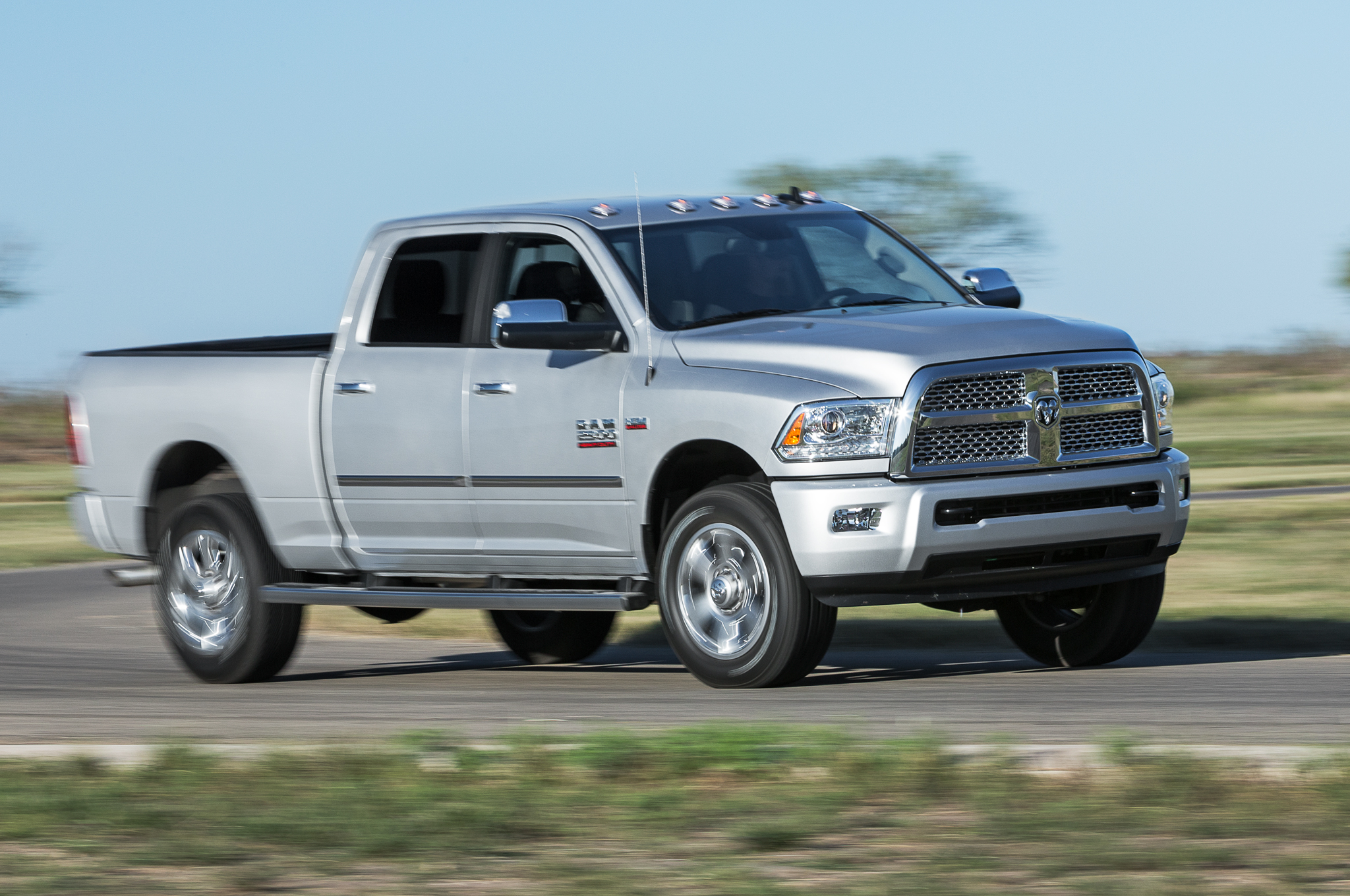
2. Dodge Ram 2500 Heavy Duty
The Dodge Ram 2500 Heavy Duty earned a reputation for impressive towing capability and rugged durability, but early versions often struggled in braking tests. Pickup trucks built for heavy hauling frequently prioritize payload strength over stopping efficiency, and the Ram 2500 exemplified this engineering compromise.
Several automotive reviews measured stopping distances approaching or exceeding 150 feet from 60 MPH, placing the truck among the weakest braking performers in its class during certain model years.
One major reason for the truck’s poor stopping ability was its heavy-duty construction. The reinforced frame, solid axles, diesel engine options, and towing-oriented components added substantial weight. Diesel-equipped versions were especially problematic because the large Cummins engine significantly increased front-end mass.
During hard braking situations, the truck’s momentum overwhelmed the braking system, leading to long stopping distances and reduced driver confidence.
The suspension system also influenced braking behavior. Heavy-duty trucks are designed to support large payloads, meaning the suspension can feel stiff and less responsive when the truck is unloaded.
This setup sometimes reduced tire contact efficiency during sudden braking maneuvers. Additionally, older tire technology and conservative brake tuning contributed to weak stopping performance compared to lighter passenger vehicles.
Brake fade became another concern during repeated stopping tests. Heavy trucks generate enormous heat during braking, and earlier Ram 2500 models sometimes struggled to dissipate that heat effectively. As temperatures increased, braking performance could decline further, creating additional safety concerns for drivers traveling through mountainous terrain or towing large trailers.
Despite these weaknesses, many owners accepted the tradeoff because the Ram 2500 excelled in work-related tasks. Contractors, ranchers, and towing enthusiasts valued its durability and torque more than high-performance braking numbers. Nevertheless, critics argued that better brake engineering should have accompanied the truck’s enormous power and weight.
Modern heavy-duty trucks have improved substantially thanks to larger brake rotors, integrated trailer brake controls, electronic stability systems, and improved tire compounds.
However, older versions of the Dodge Ram 2500 remain memorable examples of how utility-focused engineering can compromise emergency stopping capability. The truck’s long braking distances highlighted the importance of balancing strength with safety, especially for vehicles expected to operate under demanding conditions.
- Engine: 5.3L or 6.0L V8
- Horsepower: 285 to 352 HP
- Torque: 325 to 382 lb ft
- Length: Approximately 219.3 inches
- Width: Approximately 79.1 inches
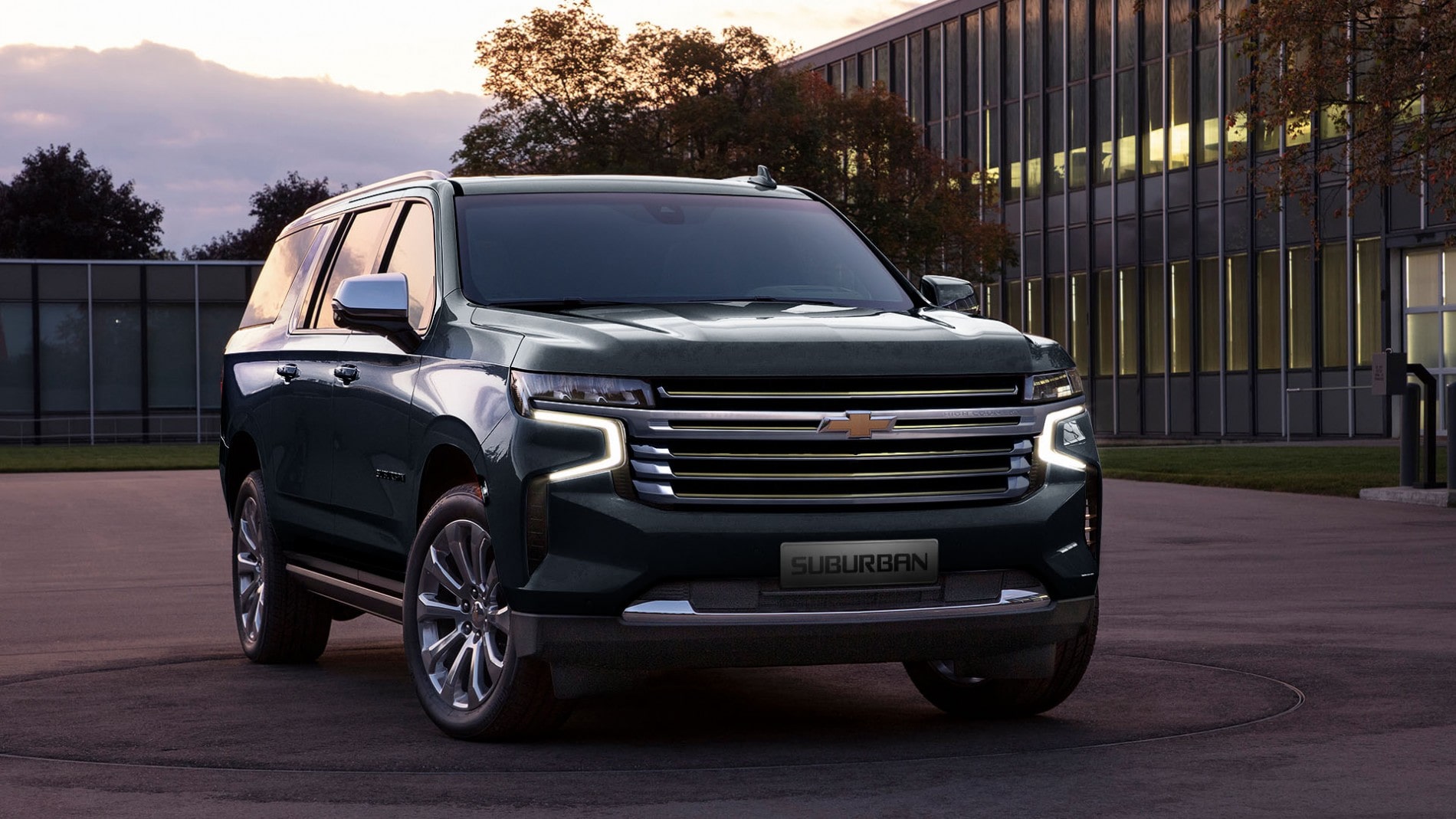
3. Chevrolet Suburban
The Chevrolet Suburban has been a cornerstone of the American SUV market for decades, known for its spacious interior, towing strength, and long-distance comfort. However, older generations of the Suburban often recorded disappointing braking performance during independent testing. Due to its massive size and body-on-frame construction, the SUV frequently required exceptionally long distances to stop from highway speeds.
The Suburban’s weight was a significant disadvantage. Fully loaded models could weigh thousands of pounds more than standard crossovers, especially when equipped with Four Wheel Drive systems and large V8 engines.
This additional mass placed tremendous pressure on the braking system during emergency stops. In several tests conducted by automotive magazines, stopping distances exceeded 140 feet, placing the vehicle near the bottom of its competitive segment.
Another issue involved the vehicle’s center of gravity. Large SUVs like the Suburban sit higher off the ground than passenger cars, which affects weight transfer during braking.
Excessive forward weight transfer can reduce rear wheel traction and destabilize the vehicle during panic stops. Although anti-lock braking systems helped maintain directional control, they could not fully compensate for the challenges created by the SUV’s physical dimensions.
Tire design further contributed to braking limitations. Many Suburban models came equipped with touring or all-terrain tires optimized for comfort, durability, and towing rather than aggressive road grip. Tire traction plays a crucial role in stopping performance because even powerful brakes cannot stop a vehicle effectively if the tires lose grip on the pavement.
Despite criticism from reviewers, the Suburban maintained strong sales because buyers prioritized its versatility. Large families appreciated the spacious cabin, while towing enthusiasts valued the powerful drivetrain options.
Many owners accepted longer braking distances as a natural compromise for owning such a large utility vehicle. However, safety-conscious consumers often viewed these braking numbers as concerning, particularly when transporting children or driving in heavy traffic.
Over time, Chevrolet improved the Suburban with stronger brake components, lighter materials, and advanced electronic safety technologies. Modern versions perform significantly better than earlier generations. Nevertheless, historical braking tests involving the Chevrolet Suburban remain important examples of how vehicle size and utility priorities can negatively affect emergency stopping capability.
- Engine: 6.0L or 6.2L V8
- Horsepower: 316 to 393 HP
- Torque: 360 to 415 lb ft
- Length: Approximately 203.6 inches
- Width: Approximately 81.2 inches
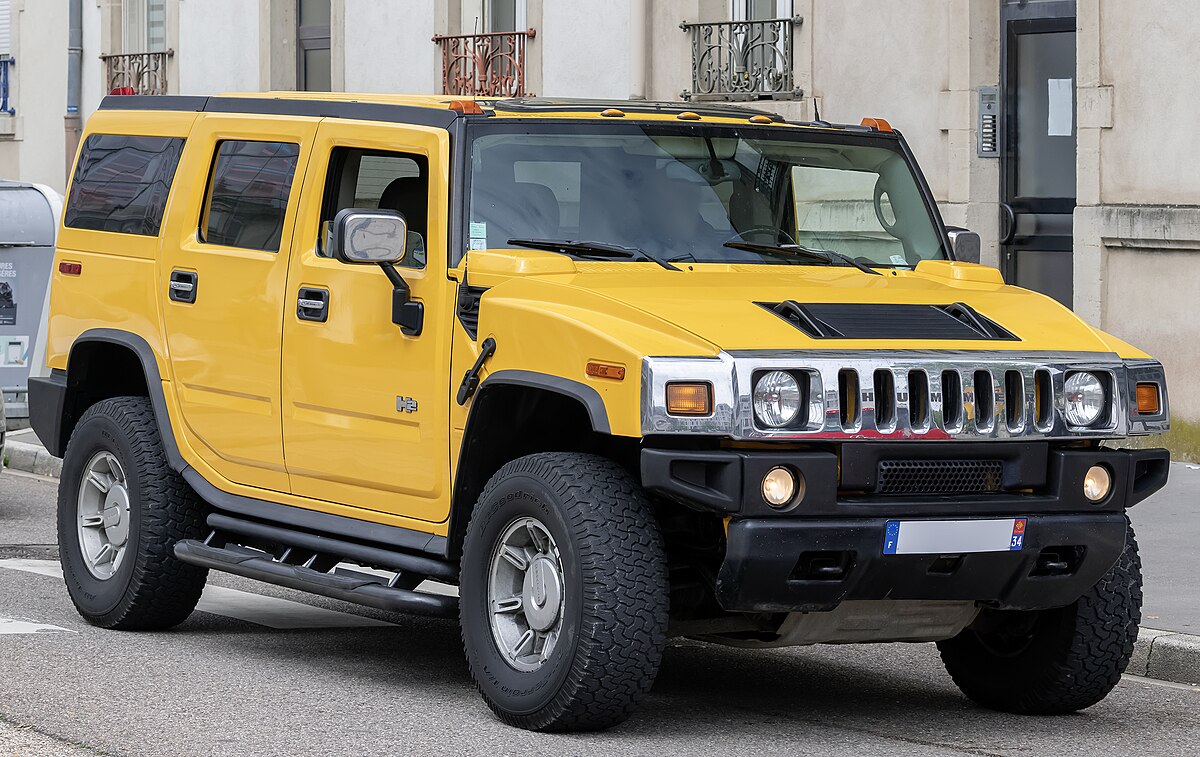
4. Hummer H2
The Hummer H2 became an iconic symbol of oversized SUV culture during the early 2000s. Inspired by military styling and designed for maximum road presence, the H2 prioritized appearance and off-road capability over refined driving dynamics. Unfortunately, its braking performance often drew criticism from automotive experts who considered its stopping distances dangerously long for a modern SUV.
The H2’s enormous curb weight was the primary culprit behind its weak braking capability. Built on a heavy truck platform and featuring substantial off-road hardware, the SUV weighed well over 6000 pounds in many configurations. Such mass created immense momentum at highway speeds, making rapid stops extremely difficult even with large brake components installed.
Off-road tire design also reduced braking efficiency on pavement. The H2 often uses aggressive all-terrain tires optimized for dirt, mud, and rocky surfaces rather than maximum highway grip.
These tires sacrificed on-road stopping power in exchange for off-road durability and traction. During emergency braking tests, reduced pavement grip contributed to extended stopping distances that sometimes exceeded 150 feet from 60 MPH.
Vehicle height and aerodynamics added further complications. The H2’s tall body generated significant weight transfer during sudden braking, affecting balance and stability.
Additionally, the boxy design created poor aerodynamic efficiency, which negatively affected driving dynamics. Although aerodynamic drag does little to assist emergency braking at short distances, the SUV’s shape reflected a broader design philosophy that prioritized style and toughness over precision engineering.
Critics frequently argued that the H2’s braking performance did not match its premium price tag. Drivers expected better control and safety from such an expensive vehicle, yet many reviewers described the braking feel as vague and unrefined. Some tests revealed a substantial nose-dive under hard braking, which could reduce driver confidence during emergency situations.
Despite these criticisms, the Hummer H2 remained popular among buyers seeking status, luxury, and an off-road image. It represented an era when bold styling and extreme vehicle size dominated certain market segments.
However, the H2’s poor stopping distances became one of the clearest reminders that visual presence and rugged capability cannot replace effective safety engineering. Today, modern SUVs employ far more sophisticated brake systems and lightweight construction methods to avoid the shortcomings that plagued vehicles like the Hummer H2.
- Engine: 4.7L or 5.7L V8
- Horsepower: 245 to 381 HP
- Torque: 315 to 401 lb ft
- Length: Approximately 218 to 247 inches depending on cab style
- Width: Approximately 79.9 inches
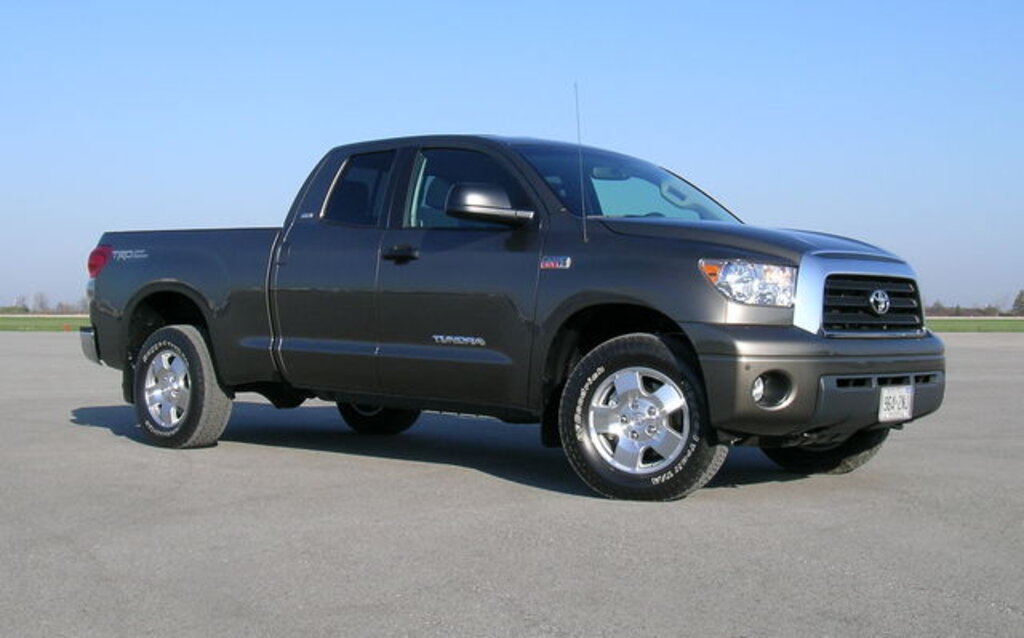
5. Toyota Tundra
The Toyota Tundra earned praise for reliability and durability, but certain early models struggled with braking performance during independent testing. While Toyota built a strong reputation for quality engineering, some Tundra generations revealed weaknesses in brake tuning and stopping capability that surprised reviewers and consumers alike.
One major issue involved the truck’s brake sizing relative to its weight. Full-size pickups are inherently heavy vehicles, especially when equipped with large engines and Four Wheel Drive systems. Early Tundra models sometimes lacked the aggressive brake hardware necessary to control that mass effectively during panic stops. As a result, stopping distances occasionally exceeded expectations for the segment.
Automotive reviewers also noted inconsistent pedal feel under hard braking. Some tests described the brakes as soft or unresponsive during emergency maneuvers, making it difficult for drivers to modulate braking force confidently. Brake fade became another concern during repeated testing because heat buildup reduced effectiveness over time.
Tire composition and suspension tuning further affected performance. Pickup trucks often use tires designed to balance durability, towing capability, and ride comfort.
However, these compromises can reduce maximum pavement grip during sudden braking events. Additionally, suspension systems designed for hauling cargo may behave unpredictably when the truck is unloaded, affecting tire contact and stability.
Consumer complaints regarding brake wear emerged during certain production years. Some owners reported premature brake component wear, vibration, and reduced stopping confidence. Toyota eventually addressed several braking-related concerns through updates and service campaigns, improving the truck’s safety reputation.
Despite these criticisms, the Tundra maintained strong popularity because of its dependable powertrain and long-term reliability. Many buyers viewed braking performance as secondary compared to ownership longevity and resale value. However, safety experts consistently emphasized that reliable braking should be considered just as important as engine durability.
Later generations of the Toyota Tundra improved significantly thanks to larger brake systems, revised suspension tuning, and advanced safety electronics. Nevertheless, early models remain notable examples of how even respected manufacturers can struggle to optimize stopping performance in heavy-duty vehicle categories.
Also Read: 8 Car Mods That Actually Raise Resale Value
- Engine: 5.4L V8
- Horsepower: 300 to 310 HP
- Torque: 365 lb ft
- Length: Approximately 208 to 222 inches depending on wheelbase
- Width: Approximately 78.8 inches
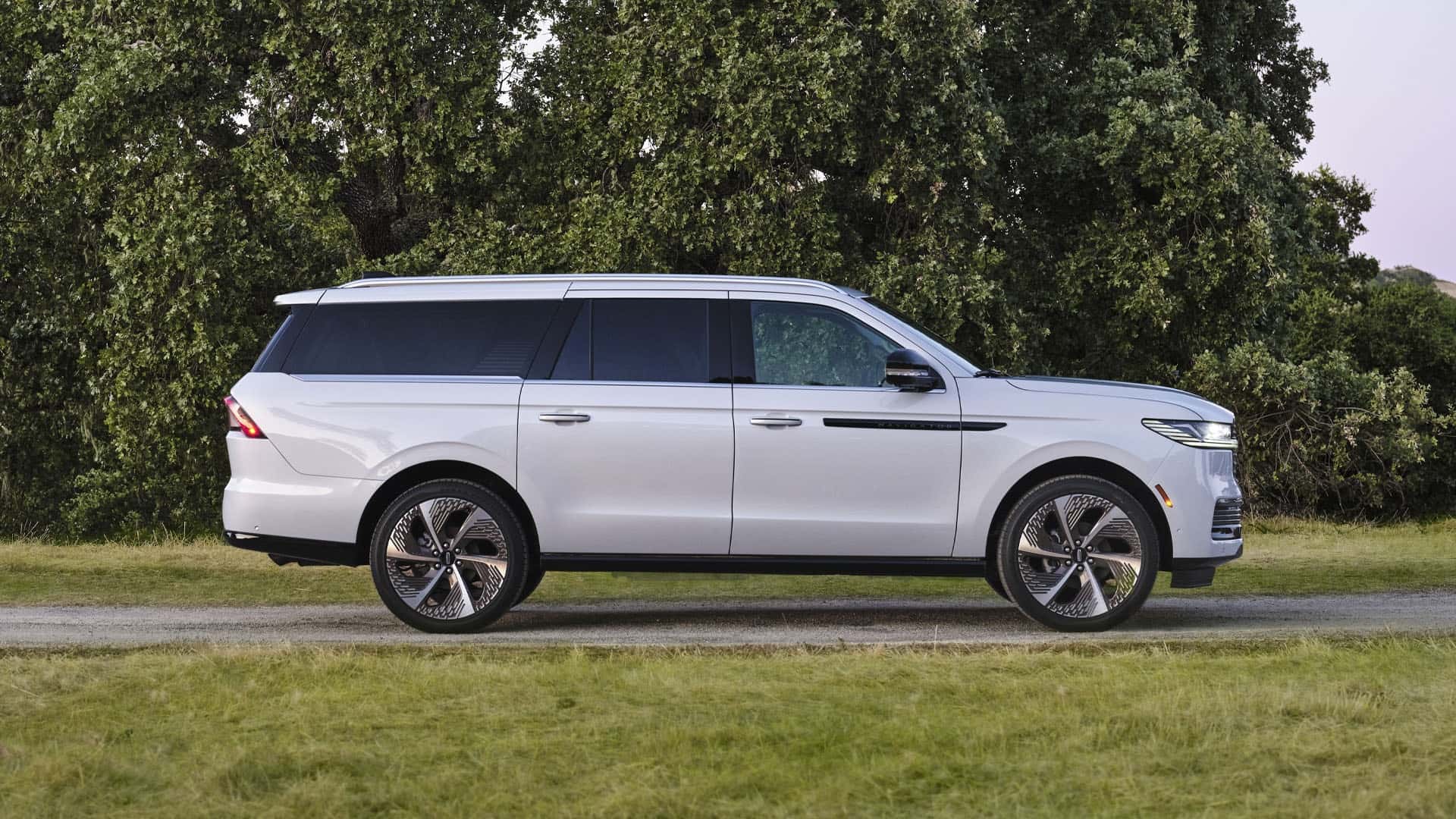
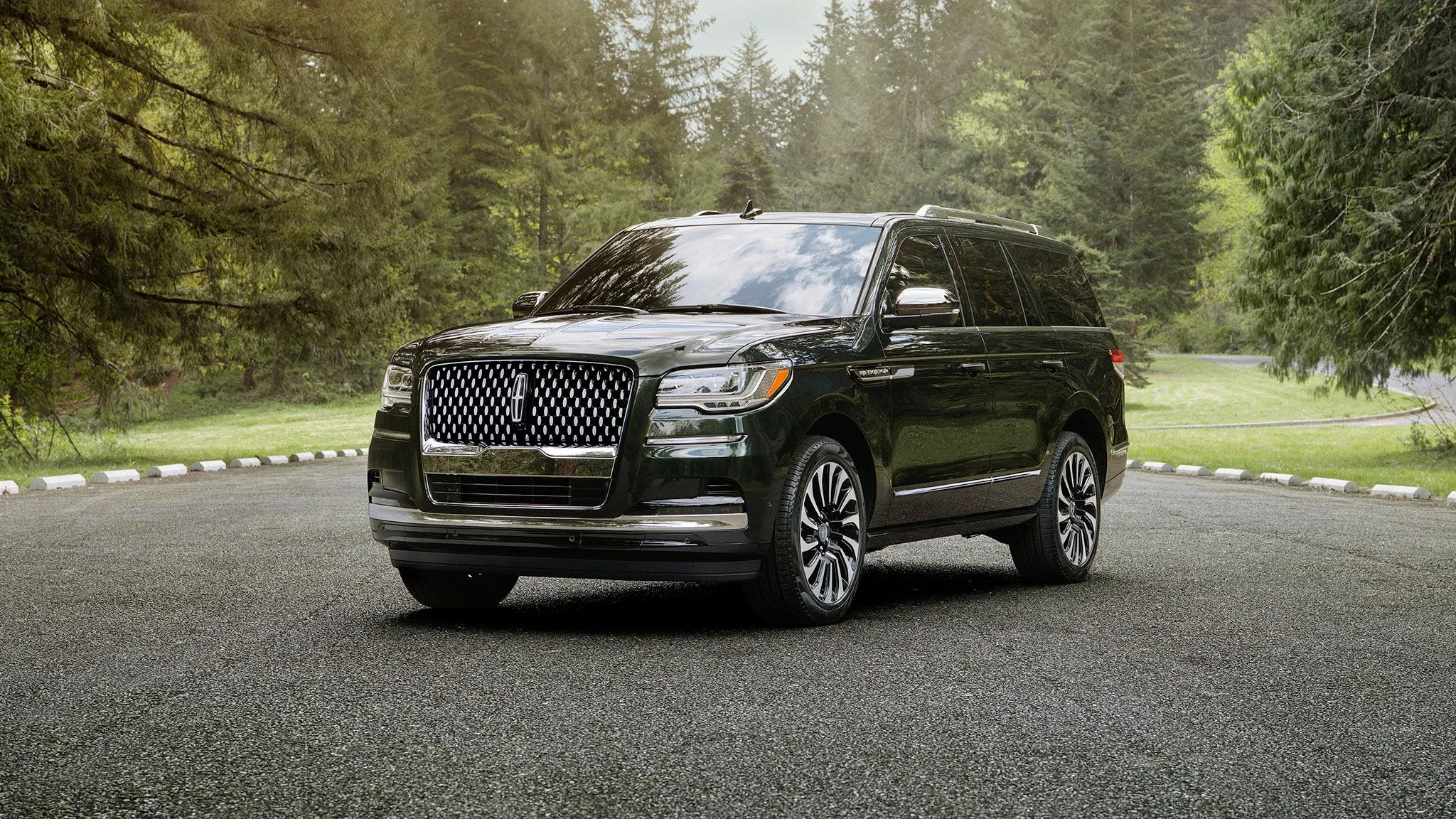
6. Lincoln Navigator
The Lincoln Navigator combined luxury and size in a package designed to compete with premium full-size SUVs. While the vehicle offered exceptional comfort and powerful V8 performance, earlier generations often disappointed reviewers with long braking distances.
Luxury buyers expected refined handling and confident stopping power, but the Navigator’s massive dimensions created serious engineering challenges.
The SUV shared many structural characteristics with large truck-based vehicles, meaning it inherited substantial weight and body-on-frame construction. Depending on trim level and drivetrain configuration, curb weight could exceed 6000 pounds. This tremendous mass required highly capable brakes to achieve competitive stopping distances, yet earlier systems frequently fell short of expectations.
Road tests often revealed stopping distances approaching or exceeding 145 feet from 60 MPH. For comparison, many midsize sedans during the same era stopped nearly 30 fewer feet. Such differences become critically important during emergency situations where every foot matters. Reviewers noted that the Navigator felt heavy and cumbersome during aggressive braking maneuvers.
Luxury-oriented suspension tuning also played a role. The Navigator emphasized smooth ride quality over sporty responsiveness. Softer suspension settings allowed more body movement during hard braking, contributing to nose-dive and reduced driver confidence.
While passengers appreciated the comfortable ride during highway cruising, emergency braking exposed the compromises associated with comfort-focused engineering.
Large wheel and tire packages sometimes complicate braking consistency as well. Although larger wheels improved visual appeal, tire compounds often prioritized quiet operation and ride refinement instead of maximum grip. Combined with the vehicle’s weight, this reduced braking efficiency.
Despite these weaknesses, buyers continued to embrace the Navigator for its spacious interior, upscale materials, and commanding road presence. Luxury SUV consumers frequently valued comfort and prestige more than track-style performance numbers. However, automotive journalists consistently highlighted braking distance as a major weakness compared to rival luxury SUVs.
Modern Navigators have improved dramatically thanks to better chassis engineering, electronic driver assistance systems, and stronger brake components. Nevertheless, earlier models remain important examples of how luxury and size can create significant braking challenges when engineering priorities focus more on comfort than emergency stopping capability.
- Engine: 5.6L Endurance V8
- Horsepower: 305 to 317 HP
- Torque: 385 lb ft
- Length: Approximately 206.9 inches
- Width: Approximately 79.3 inches
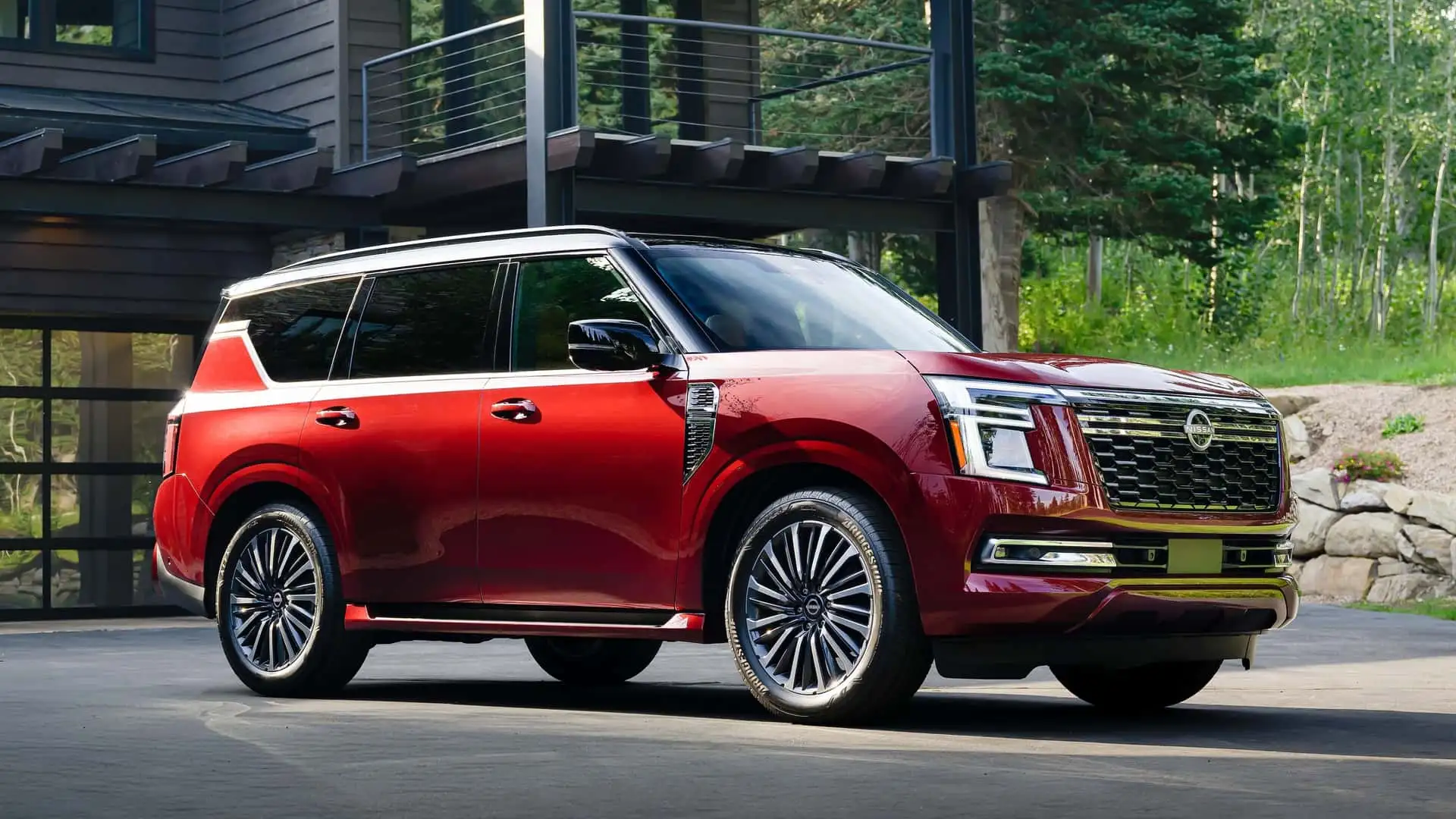
7. Nissan Armada
The Nissan Armada entered the full-size SUV market as a powerful and spacious family hauler, but early versions developed a reputation for disappointing braking performance. Built on a truck-based platform shared with large utility vehicles, the Armada combined substantial weight with a high center of gravity, both of which negatively affected stopping capability.
Independent tests frequently recorded stopping distances above average for the SUV segment. Some reviewers described the braking feel as inconsistent, particularly during repeated hard stops. Brake fade became noticeable under demanding conditions, reducing confidence during mountain driving or emergency braking situations.
One reason for the Armada’s struggles was its considerable mass. Large V8 engines, heavy-duty frames, and spacious three-row interiors created a vehicle that demanded significant braking force.
Unfortunately, the brake systems used in some early versions did not fully match the vehicle’s size and momentum. Drivers often experienced longer stopping distances than expected from a modern SUV.
Suspension design also contributed to the issue. Truck-based SUVs prioritize towing strength and durability, which can compromise agility and braking balance. During hard stops, excessive front-end dive sometimes affected stability and control. Although electronic safety systems improved directional management, physical limitations remained difficult to overcome.
Tire selection represented another compromise. Many Armadas used tires focused on comfort and long tread life rather than aggressive braking grip. Tire performance directly influences stopping distance because braking force depends on the traction between the tires and the road surface.
Consumer reactions were mixed because many owners appreciated the Armada’s interior space, reliability, and strong engine performance.
Families valued its roomy seating and towing capability, while critics continued to question its braking confidence. Safety-conscious shoppers often compared braking results closely when evaluating full-size SUVs, making stopping distance an important factor in purchase decisions.
Later Nissan Armada generations introduced improved brake systems and updated safety technologies that enhanced stopping performance. However, the earlier models remain notable examples of the engineering compromises associated with heavy-body-on-frame SUVs designed primarily for utility rather than sharp driving dynamics.
- Engine: 5.3L or 6.0L V8
- Horsepower: 295 to 366 HP
- Torque: 335 to 380 lb ft
- Length: Approximately 221.3 inches
- Width: Approximately 79.1 inches
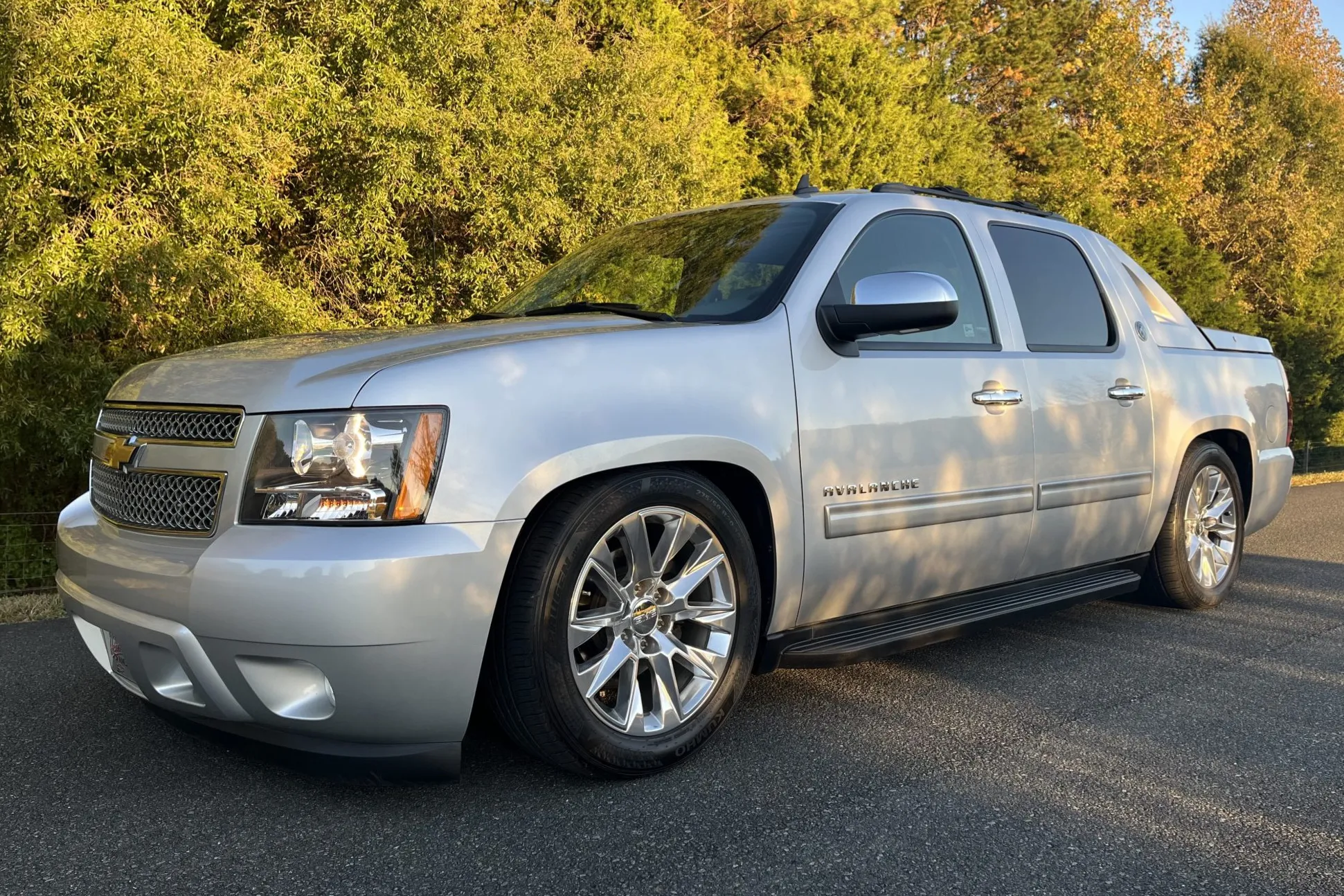
8. Chevrolet Avalanche
The Chevrolet Avalanche blended pickup truck utility with SUV comfort, creating a unique vehicle that appealed to buyers seeking versatility. However, its unusual design and substantial weight contributed to braking distances that often disappointed automotive reviewers. While the Avalanche offered practical cargo solutions and comfortable interiors, stopping performance became a recurring criticism.
Built on a large truck platform, the Avalanche inherited many of the same braking challenges associated with full-size pickups and SUVs. Heavy construction, large V8 engines, and body-on-frame architecture created significant momentum during highway driving. Emergency braking tests sometimes produced stopping distances exceeding 140 feet, placing the vehicle behind many competitors.
Reviewers frequently noted that the Avalanche felt heavy during sudden braking maneuvers. The brake pedal response lacked the sharpness expected from lighter passenger vehicles, and repeated hard stops occasionally revealed signs of brake fade. Heat management remained a challenge because the vehicle’s mass generated substantial thermal stress during aggressive braking.
The Avalanche also used suspension systems designed to balance comfort with hauling capability. While this setup provided a smooth ride and decent utility, it compromised handling precision during emergency situations. Excessive body movement during braking reduced stability and made the vehicle feel less controlled than smaller crossovers or sedans.
Tire characteristics further influenced stopping capability. Many Avalanche models used all-season tires focused on durability and ride comfort. Although suitable for everyday driving, these tires did not always provide optimal traction during panic stops. Tire grip becomes especially important for heavy vehicles because even strong brakes cannot overcome traction limitations.
Consumers generally appreciated the Avalanche for its innovative cargo design and comfortable cabin. It offered practical flexibility that few competitors matched at the time. However, braking performance remained an area where critics believed Chevrolet should have invested more engineering attention.
Eventually, advancements in braking technology and electronic stability systems improved safety standards across the industry. The Avalanche serves as an example of how multifunction utility vehicles often require careful engineering balance between comfort, capability, and stopping performance.
- Engine: 3.6L Pentastar V6 or earlier 3.8L V6
- Horsepower: 202 to 285 HP
- Torque: 237 to 260 lb ft
- Length: Approximately 184.9 inches
- Width: Approximately 73.7 inches
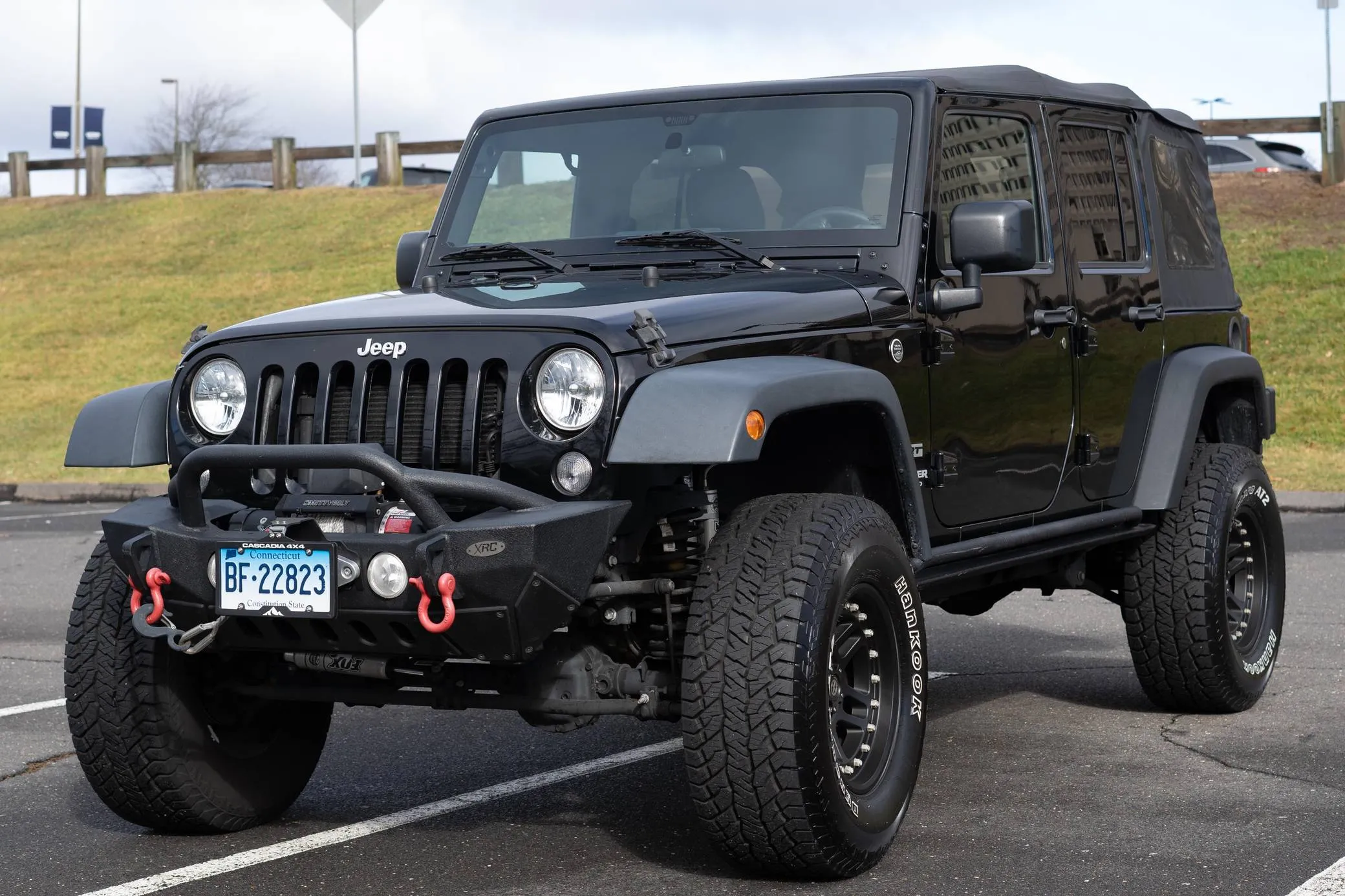
9. Jeep Wrangler Unlimited
The Jeep Wrangler Unlimited is celebrated for off-road capability and rugged styling, but braking performance has historically been one of its weakest areas. Unlike many modern SUVs designed primarily for pavement use, the Wrangler prioritizes trail performance, durability, and mechanical simplicity. These priorities inevitably affect highway braking behavior.
One of the biggest factors influencing stopping distance is tire design. Wranglers frequently use aggressive off-road tires with deep tread patterns intended for dirt, mud, and rocky terrain. While these tires excel off pavement, they typically provide less grip during emergency highway braking. As a result, stopping distances often exceed those of more road-focused SUVs.
Vehicle aerodynamics and suspension design also contribute to weak braking performance. The Wrangler’s solid axles and high ride height improve off-road articulation but reduce handling precision during sudden stops. Excessive body motion and weight transfer can create instability, especially at highway speeds.
The Wrangler Unlimited’s relatively heavy construction further complicates braking efficiency. Four-door models weigh considerably more than earlier two-door versions, placing additional demands on the braking system.
Although modern Wranglers include advanced anti-lock brakes and electronic stability control, the vehicle’s fundamental design still prioritizes off-road utility over refined road manners.
Automotive reviewers often criticized the Wrangler for requiring unusually long stopping distances compared to crossovers and family SUVs. Some tests recorded distances well above average for the segment. Drivers accustomed to sporty sedans or modern crossovers sometimes found the Wrangler’s braking feel vague or imprecise.
Despite these criticisms, Wrangler buyers generally accept such compromises because off-road performance remains the vehicle’s primary mission.
The Wrangler’s ability to tackle difficult terrain, remove doors and roof panels, and maintain legendary durability outweighs braking concerns for many enthusiasts. Nevertheless, safety experts continue emphasizing that drivers should remain aware of the vehicle’s limitations during emergency highway situations.
The Jeep Wrangler Unlimited demonstrates how specialized engineering priorities can directly affect braking performance. While modern versions have improved substantially, the vehicle still reflects the tradeoffs involved in designing a true off-road machine capable of surviving harsh environments.
- Engine: 5.3L, 6.0L, or 6.2L V8
- Horsepower: 285 to 403 HP
- Torque: 325 to 417 lb ft
- Length: Approximately 202 to 222.9 inches depending on version
- Width: Approximately 79 inches
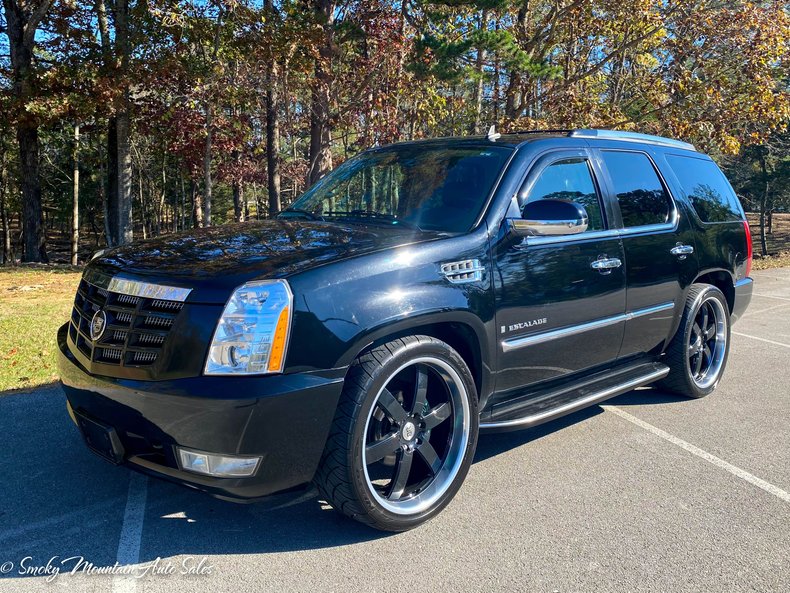
10. Cadillac Escalade Early Generations
The Cadillac Escalade became one of the most recognizable luxury SUVs in the world, combining premium features with massive road presence. However, early generations often struggled with braking performance due to their enormous weight and truck-based architecture. Although buyers loved the Escalade’s luxurious interior and powerful engines, automotive critics frequently highlighted its long stopping distances.
Sharing structural components with large General Motors trucks and SUVs, the Escalade inherited many of the same braking challenges found in vehicles like the Chevrolet Suburban. Heavy V8 engines, large dimensions, and body-on-frame construction created substantial momentum during highway driving. Emergency braking tests often produced results exceeding 140 feet from 60 MPH.
Luxury-focused suspension tuning introduced additional complications. The Escalade emphasized comfort and smoothness, leading to softer suspension behavior that increased body movement during hard braking. Excessive front-end dive reduced driver confidence and contributed to a less controlled feel compared to smaller luxury SUVs.
Wheel and tire combinations also affected braking consistency. Large chrome wheels became a defining Escalade design feature, but tire compounds frequently prioritized quiet operation and ride comfort rather than maximum braking grip. Combined with the SUV’s weight, this reduced emergency stopping efficiency.
Automotive journalists often argued that the Escalade’s braking capability failed to match its premium positioning. Buyers spending luxury-level prices expect stronger safety performance and more refined driving dynamics. While the Escalade excelled in comfort, prestige, and interior space, braking remained a consistent weakness during early production years.
Consumer demand remained extremely strong despite these concerns. The Escalade became a cultural icon associated with luxury, celebrity status, and upscale American SUV design. Many owners prioritized image and comfort over performance metrics like stopping distance.
Modern Escalade models have improved significantly thanks to advanced brake technology, magnetic ride suspension systems, and sophisticated electronic safety features. However, early generations continue to illustrate how luxury vehicles can still suffer from braking limitations when excessive size and weight dominate engineering priorities.