
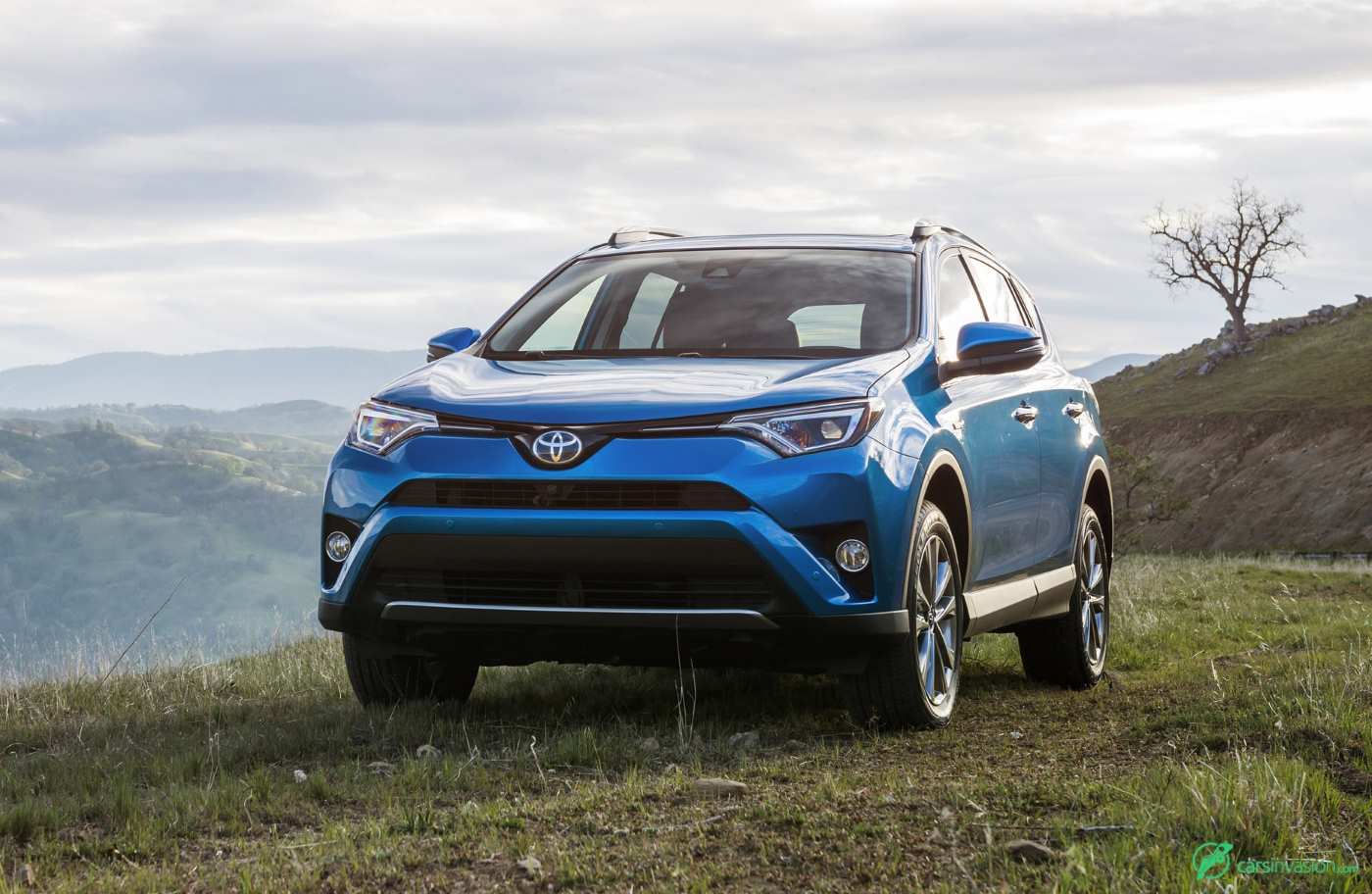
The Toyota RAV4 has spent years dominating the American SUV market, becoming one of the most recognizable and consistently successful vehicles on the road. For 2026, Toyota completely redesigned its bestselling crossover and made a bold decision that immediately caught industry attention: every RAV4 is now electrified.
There is no traditional gasoline-only version anymore. That shift makes the new RAV4 Hybrid one of the most important vehicles Toyota has launched in recent years. It is not simply another hybrid option sitting alongside conventional models. It is now the core of the entire RAV4 lineup.
To find out how the SUV performs beyond first drive reviews and short media events, Edmunds recently added a 2026 Toyota RAV4 Hybrid XLE Premium to its long-term test fleet, where it will spend the next year covering thousands of miles in real-world driving conditions. The goal is simple: discover what daily life with America’s favorite SUV is actually like once the excitement of a new vehicle wears off.
Early impressions suggest Toyota has refined many of the RAV4’s biggest strengths while still leaving a few familiar weaknesses intact.
Also Read: 8 Forgotten JDM Sedans With Sports Car Engines
The New Hybrid System Feels Like the Heart of the SUV
One of the most significant changes for 2026 is Toyota’s decision to make hybrid power standard across the lineup.
The RAV4 Hybrid now uses an updated version of Toyota’s fifth-generation hybrid system paired with a 2.5-liter four-cylinder engine.
Front-wheel-drive models produce 226 horsepower, while all-wheel-drive versions generate 236 horsepower. That gives the SUV noticeably stronger performance than many buyers expect from a fuel-focused family crossover.
In everyday driving, the hybrid setup appears to be one of the vehicle’s strongest qualities. Initial testing shows smoother transitions between gasoline and electric power compared to older Toyota hybrids.
Around town, the system operates quietly and efficiently, making stop-and-go traffic less stressful. Drivers are unlikely to think about the hybrid technology very often because it works largely in the background. That effortless behavior has become one of Toyota’s biggest advantages in the hybrid market.
Unlike some competitors that constantly remind drivers when the system switches power sources, the RAV4 tends to behave like a normal SUV that simply happens to consume less fuel.
Fuel economy remains a major selling point as well. Official figures reach into the mid-40 mpg range depending on configuration, while real-world highway testing has produced numbers comfortably above many rival compact SUVs.
For long-term ownership, those savings could become one of the vehicle’s most valuable benefits.
Everyday Practicality Still Defines the RAV4 Experience
The reason the RAV4 continues dominating sales charts has never been dramatic styling or sports car performance. Its success comes from consistently handling everyday transportation needs better than most rivals. The 2026 model continues following that formula.
Inside, the redesigned cabin offers improved technology, updated displays, and a more modern dashboard layout. Toyota’s new software platform responds faster than previous systems, while wireless smartphone integration finally feels competitive with newer rivals.
Higher trims can be equipped with large digital displays and upgraded infotainment screens that make the cabin feel far more current than before. Visibility remains excellent thanks to the upright body shape and large glass area.
Rear seat passengers still receive generous space, and cargo capacity remains among the better offerings in the compact SUV segment. Families, commuters, and road trip travelers are unlikely to find major complaints when it comes to practicality.
Toyota also improved structural rigidity and chassis tuning for this generation. Reinforced subframes, additional adhesive bonding, and suspension revisions help the SUV feel more solid over rough pavement while reducing some of the vibrations present in older models.
That improvement may not be obvious during a short dealership test drive, but it becomes more noticeable during daily ownership.
The RAV4 continues to feel like a vehicle designed around usability first rather than chasing luxury trends or flashy technology. That approach may sound boring, but it is exactly why so many buyers keep returning to it.
Not Everything Feels Perfect
Despite the upgrades, the new RAV4 Hybrid still faces some criticisms that appeared in previous generations. The most common complaint involves refinement.
While the hybrid system works smoothly under normal conditions, the four-cylinder engine can become loud and coarse during hard acceleration.
Several early reviews noted that engine noise remains more noticeable than in competitors such as the Honda CR-V Hybrid. Under heavy throttle, vibrations and engine sound still enter the cabin more than some buyers might expect from a modern hybrid SUV. Interior materials also remain somewhat mixed.
Toyota improved technology significantly, but portions of the cabin still use harder plastics that do not feel especially premium compared to some rivals. Buyers stepping out of more upscale crossovers may notice that immediately.
Ride quality presents another area where competitors occasionally hold an advantage. The RAV4 handles daily driving comfortably, but some reviewers believe alternatives such as the Honda CR-V offer smoother road manners and a quieter full experience.
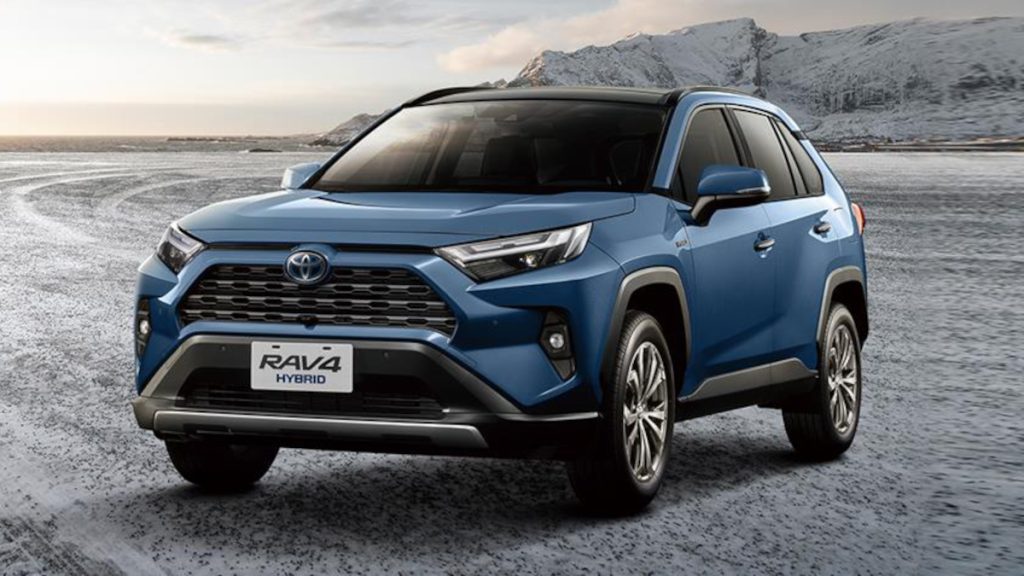
Even so, those criticisms rarely outweigh the vehicle’s broader strengths. The RAV4 continues succeeding because it delivers a balanced package rather than dominating any single category.
Why the Long-Term Test Matters
First impressions only reveal part of the ownership story. The real challenge for any vehicle comes after months of commuting, grocery runs, road trips, maintenance visits, and daily use. That is why Edmunds plans to keep the RAV4 Hybrid in its fleet for roughly 20,000 miles over the next year.
Long-term testing often uncovers issues that short reviews cannot. Fuel economy consistency, technology reliability, seat comfort, cabin wear, and maintenance costs become much clearer once a vehicle experiences real-life conditions.
For Toyota, those tests carry extra importance because the 2026 RAV4 represents a major shift toward hybrid-only powertrains. So far, the early signs appear encouraging.
The redesigned SUV remains practical, efficient, spacious, and easy to live with. It may not be the most luxurious vehicle in its class, and it still has room for improvement in refinement, but Toyota seems to understand exactly what most RAV4 buyers want.
They are not looking for the fastest crossover or the flashiest technology showcase. They want something dependable, efficient, comfortable, and versatile enough to handle nearly every part of daily life.
The first months with the 2026 RAV4 Hybrid suggest Toyota’s bestselling SUV still excels at doing exactly that.
Also Read: 8 Cars Where the Battery Is Hidden in a Bizarre Spot
