
Japanese automakers built some of the greatest sports car engines in automotive history, but many of those legendary powerplants did not remain limited to coupes and halo performance cars.
During the golden era of Japanese engineering in the 1980s, 1990s, and early 2000s, manufacturers frequently installed high-performance engines into ordinary-looking sedans.
These cars blended practicality with serious performance in a way that felt almost rebellious. From the outside, many appeared calm and understated, yet beneath the hood sat engines closely related to machines dominating racing circuits and enthusiast culture.
That formula created a unique category of JDM sedans that enthusiasts deeply admired. Buyers could enjoy rear seats, daily comfort, and subtle styling while still experiencing turbocharged acceleration, high-revving character, or racing-inspired engineering normally associated with sports cars.
Some of these sedans even shared platforms, drivetrains, and suspension components with famous coupes that later achieved worldwide recognition.
Unfortunately, many of these models remained overshadowed by the sports cars connected to them. Cars like the Supra, Skyline GT-R, RX 7, and Silvia captured most of the international attention, leaving their sedan counterparts largely forgotten outside dedicated enthusiast circles.
As years passed, many were neglected, modified heavily, or scrapped entirely because few people initially viewed them as collectible machines.
Today, appreciation for these forgotten JDM sedans is growing rapidly. Enthusiasts have started recognizing how special these cars truly were.
They delivered genuine performance while maintaining practicality and understated charm that modern sports sedans often struggle to replicate. Many also provide a more affordable way to experience legendary Japanese engines without paying extreme prices for iconic coupes.
The sedans on this list represent some of the best examples of that philosophy. Each one carried an engine connected to a respected Japanese sports car or performance program, creating machines that combined everyday usability with serious enthusiast appeal.
They may have spent years overlooked, but they remain some of the coolest sleeper sedans ever produced by Japanese automakers.
Also Read: 10 V8 Cars Worth Buying for the Sound Alone
1. Toyota Aristo V300
The Toyota Aristo V300 perfectly embodied the Japanese performance sedan philosophy during the 1990s. While international enthusiasts obsessed over the Supra, many overlooked the fact that Toyota installed the same legendary 2JZ GTE engine into this luxurious four-door sedan.
At the time, the Aristo appeared refined and understated, but beneath its elegant exterior sat one of the most respected turbocharged engines ever built.
The twin-turbocharged 2JZ-GTE transformed the Aristo into a genuine high-performance machine. Smooth power delivery, massive tuning potential, and exceptional durability gave the sedan capabilities far beyond what its luxury appearance suggested.
Drivers could comfortably cruise through city traffic during the day and unleash serious acceleration whenever the road opened up.
Unlike many aggressive sports cars, the Aristo delivered its performance with remarkable refinement. The cabin remained quiet and comfortable, while the suspension balanced handling confidence with long-distance comfort. This dual personality made the car especially appealing to enthusiasts who wanted speed without sacrificing practicality.
Toyota engineers also gave the Aristo strong high-speed stability. The rear-wheel-drive platform handled power impressively well, especially once tuners began increasing boost pressure and modifying the engine. Many owners discovered the sedan could produce enormous horsepower numbers while retaining daily usability.
For years, the Aristo remained relatively affordable because buyers focused mainly on the Supra. This caused many examples to disappear into tuning culture, receiving aftermarket wheels, large turbo conversions, and aggressive suspension setups. Clean original cars became increasingly difficult to find.
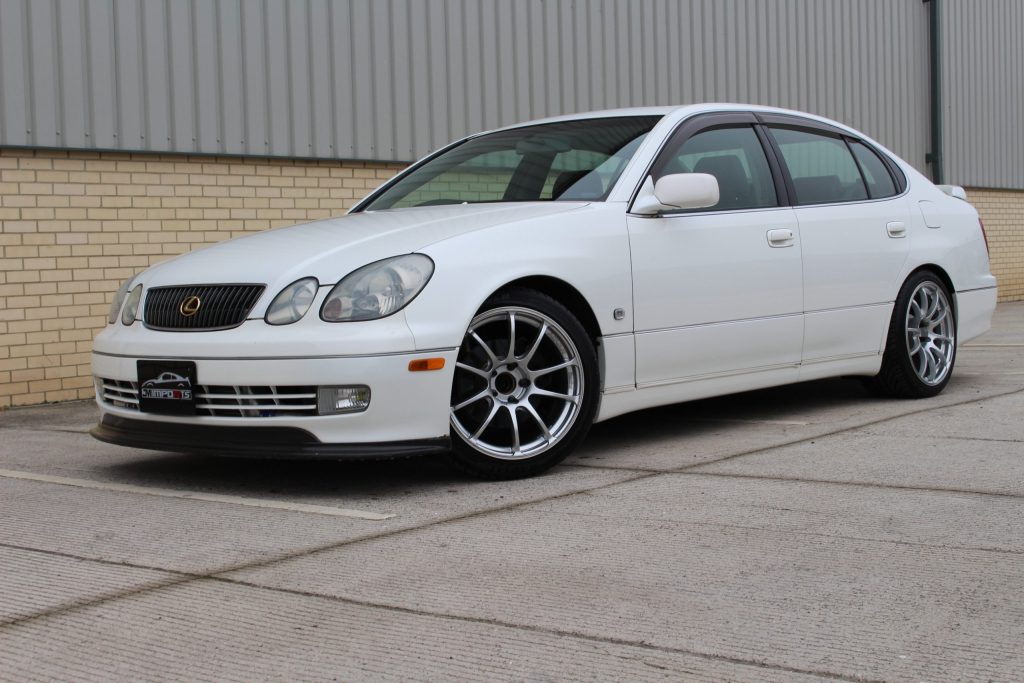
Modern collectors now recognize the Aristo as one of the ultimate sleeper sedans from Japan’s golden era. It offered Supra performance in a far more discreet and practical package while retaining the bulletproof reputation of the 2JZ platform.
Enthusiasts searching for forgotten JDM legends are finally giving the Aristo the attention it deserved all along.
Specifications:
- Engine: 3.0-liter twin-turbocharged inline 6
- Torque: 333 lb ft
- Horsepower: 276 HP
- Length/Width: 189 inches / 70.8 inches
2. Nissan Laurel C35
The Nissan Laurel C35 rarely receives the same attention as the Skyline or Silvia, yet it quietly carries one of Nissan’s greatest performance engines beneath its conservative sedan bodywork.
Designed primarily as a refined executive sedan, the Laurel unexpectedly became a hidden favorite among enthusiasts because certain versions shared the famous RB series engines connected to Nissan’s sports car legends.
Turbocharged RB25DET-powered models completely changed the character of the Laurel. The smooth inline six delivered strong midrange torque, a high-revving personality, and enormous tuning potential.
Drivers quickly realized they could experience Skyline-inspired performance without paying Skyline prices. That made the Laurel particularly attractive during the early years of drifting and Japanese tuner culture.
One reason enthusiasts loved the C35 Laurel was its balance between comfort and aggression. The car retained a spacious cabin and comfortable ride quality, but the rear-wheel-drive chassis remained playful and capable once pushed harder. Tuners frequently modified suspension setups and installed limited-slip differentials to unlock the sedan’s hidden potential.
Unlike flashy sports coupes, the Laurel maintained understated styling. Many people viewed it as just another Japanese luxury sedan, which only increased its appeal among enthusiasts who appreciated sleeper cars. A lightly modified Laurel could surprise far more expensive performance vehicles while carrying four passengers comfortably.
The RB engine soundtrack also became a defining characteristic. The smooth turbocharged inline six produced a deep and unmistakable tone that immediately connected the Laurel to Nissan’s famous performance heritage. Drivers seeking an alternative to more expensive Skyline models often gravitated toward the C35 for this reason alone.
Unfortunately, many Laurels were heavily modified or destroyed through drifting and street racing culture. Because they started as relatively affordable used sedans, few owners focused on long-term preservation. Today, surviving clean turbocharged examples have become increasingly uncommon.
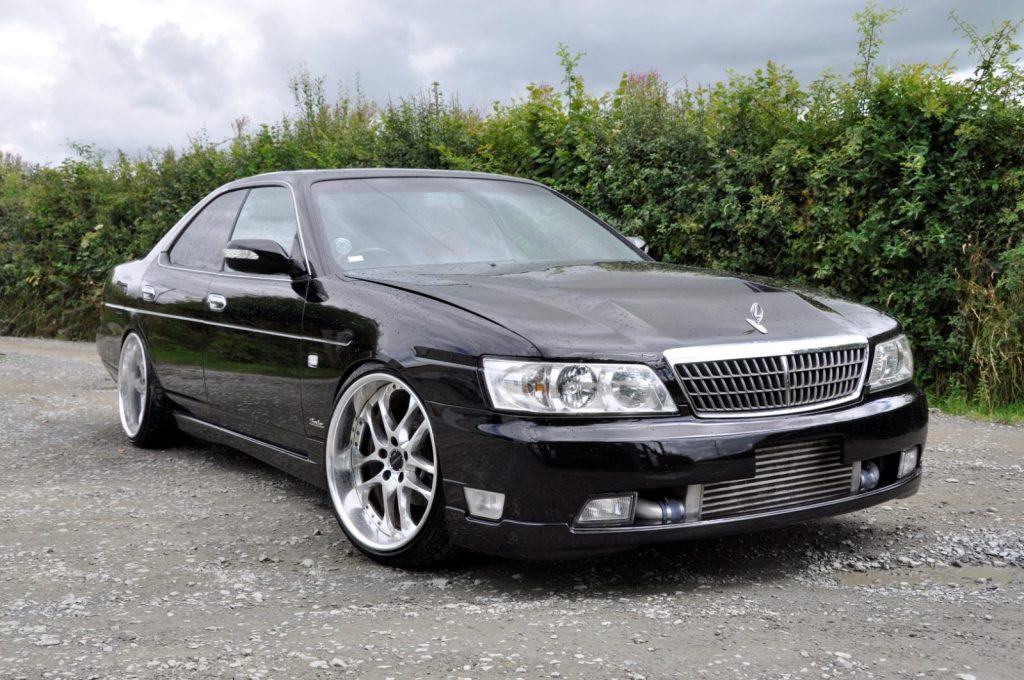
Collectors and enthusiasts now appreciate the Laurel C35 for its unique combination of practicality, luxury, and Skyline-related performance. It remains one of the most underrated JDM sedans ever built during Japan’s golden performance era.
Specifications:
- Engine: 2.5-liter turbocharged inline 6
- Torque: 235 lb ft
- Horsepower: 276 HP
- Length/Width: 186.8 inches / 68.9 inches
3. Mitsubishi Galant VR 4
The Mitsubishi Galant VR 4 arrived years before high-performance all-wheel-drive sedans became common, and in many ways it laid the foundation for what enthusiasts would later admire in the Lancer Evolution.
At first glance, the Galant looked like a respectable family sedan from the late 1980s and early 1990s. Hidden beneath that conservative styling, however, was serious rally-inspired engineering connected directly to Mitsubishi’s motorsport ambitions.
The heart of the VR 4 was the turbocharged 4G63 engine, the same legendary powerplant that later became famous in the Evolution lineup.
This engine earned respect worldwide for its strength, tuning potential, and ability to handle aggressive boost increases without sacrificing reliability. In the Galant, it transformed an ordinary sedan into a machine capable of embarrassing far more expensive sports cars.
Mitsubishi also equipped the VR 4 with advanced all-wheel drive technology that felt remarkably sophisticated for its era. The sedan delivered impressive traction in poor weather while maintaining excellent stability during spirited driving.
Enthusiasts quickly discovered the car could launch aggressively and handle winding roads with far more confidence than typical sedans of the time.
Unlike flashy performance coupes, the Galant VR 4 carried an understated appearance. Many buyers had no idea the sedan contained rally-inspired hardware beneath its restrained bodywork. That sleeper personality became a huge part of the car’s appeal. Drivers could enjoy turbocharged excitement without attracting constant attention.
Another fascinating aspect involved the car’s historical significance. The VR 4 directly influenced the development of Mitsubishi’s later rally legends. Many engineering ideas and drivetrain technologies refined in the Galant eventually evolved into the iconic Evolution series that dominated enthusiast culture during the 1990s and 2000s.
Sadly, relatively few clean VR 4 models survived. Rust, hard driving, modifications, and neglect eliminated many examples over the years. Because they started life as affordable used sedans, preservation was rarely a priority among owners.
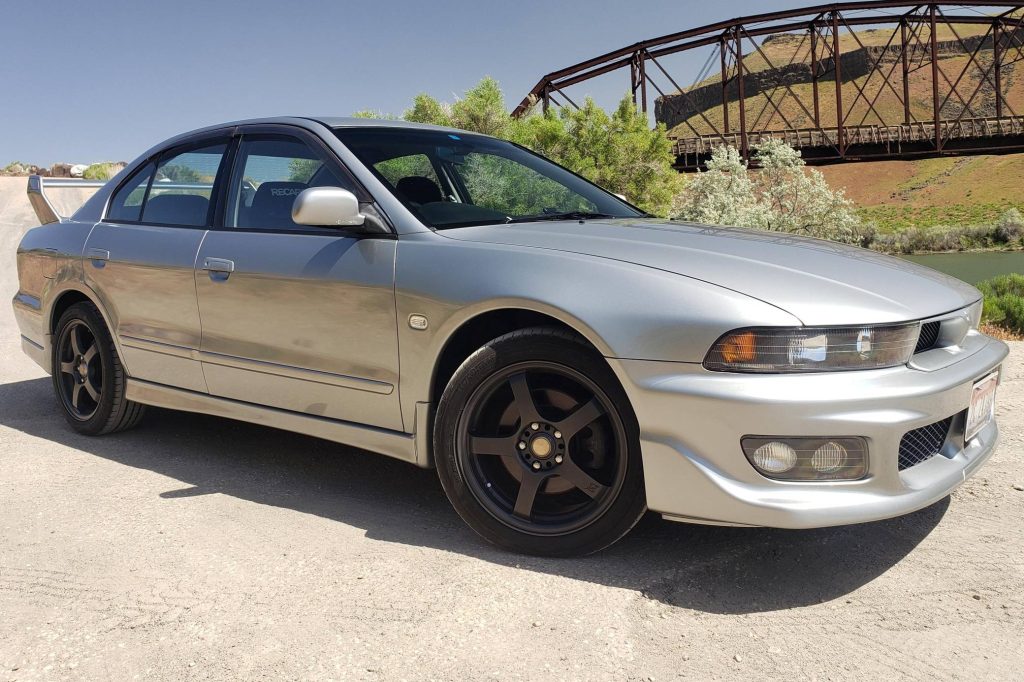
Modern collectors increasingly recognize the Galant VR 4 as an important forgotten JDM performance sedan. It combined rally technology, turbocharged power, and practical usability long before modern sports sedans embraced the same formula.
Specifications:
- Engine: 2.0-liter turbocharged inline 4
- Torque: 224 lb ft
- Horsepower: 237 HP
- Length/Width: 179.7 inches / 67.7 inches
4. Mazda Sentia Limited
The Mazda Sentia Limited represents a very different interpretation of the JDM performance sedan formula. Rather than focusing purely on aggressive handling or turbocharged tuning culture, Mazda created a luxurious executive sedan powered by an engine derived from the company’s sports car ambitions.
Today, the Sentia remains largely forgotten outside dedicated Japanese car enthusiasts, yet it offered an incredibly unique driving experience during its era.
One of the most interesting parts of the Sentia Limited was its available Miller-cycle supercharged V6 engine. This unusual powerplant reflected Mazda’s willingness to experiment with advanced engineering solutions during the 1990s.
The engine delivered smooth and refined performance while still producing strong power for a luxury sedan of its time.
Unlike many traditional sports sedans, the Sentia emphasized quiet confidence rather than aggressive styling. The exterior looked elegant and understated, blending into executive parking lots without drawing much attention. Yet beneath that calm personality sat engineering that separated it from ordinary Japanese luxury sedans.
Mazda tuned the chassis carefully to balance comfort and composure. Highway cruising felt stable and refined, but the sedan also responded confidently when pushed harder through corners. The rear-wheel-drive layout gave the Sentia a surprisingly balanced character that enthusiasts appreciated once they spent time behind the wheel.
Another factor that makes the Sentia fascinating today is its rarity. Mazda never produced the car in massive global numbers, and many examples disappeared quietly as years passed. Unlike famous Japanese sports coupes that enthusiasts preserved carefully, the Sentia often lived ordinary lives before eventually being scrapped or forgotten.
The supercharged engine added another layer of uniqueness. While turbocharging dominated Japanese performance culture, Mazda pursued a smoother and more linear power delivery through supercharging technology.
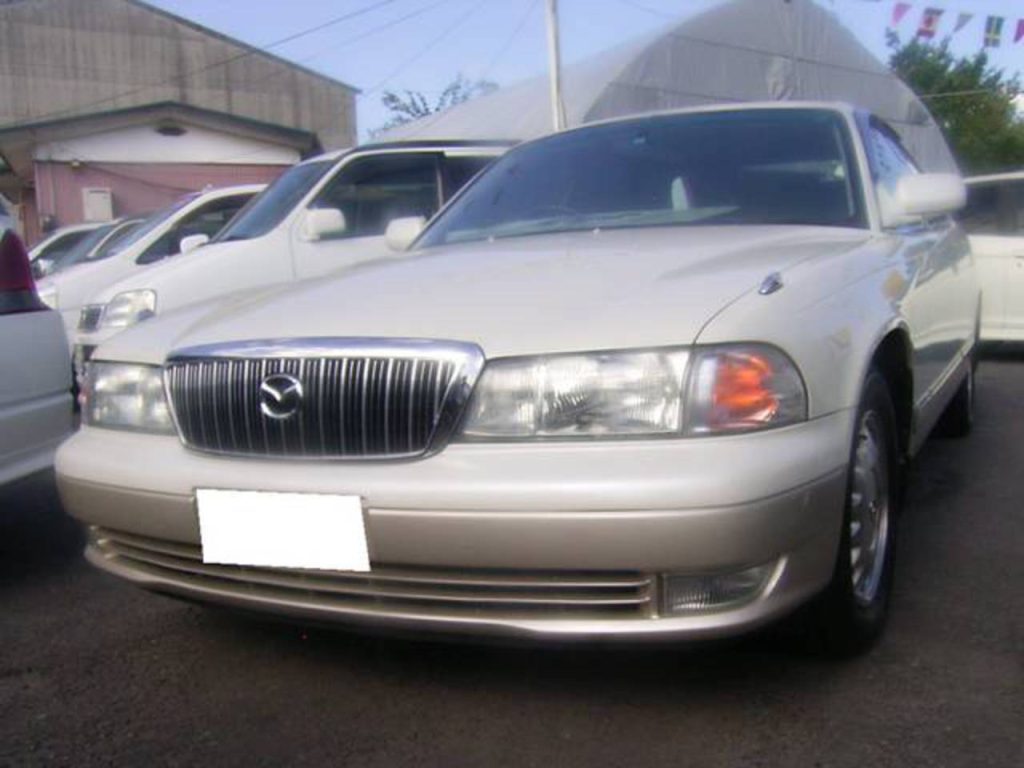
This gave the Sentia a refined yet capable personality completely different from many aggressive tuner cars of the same era.
Collectors now admire the Sentia Limited because it reflects a forgotten period when Japanese manufacturers experimented boldly with engineering and luxury performance. It remains one of the rarest and most unusual JDM sedans ever connected to sports car-inspired technology.
Specifications:
- Engine: 2.3-liter supercharged V6
- Torque: 215 lb ft
- Horsepower: 210 HP
- Length/Width: 193.7 inches / 70.4 inches
5. Subaru Legacy B4 RSK
The Subaru Legacy B4 RSK carried much of the excitement and engineering spirit that later made the WRX STI famous, yet it remained hidden beneath the body of a practical midsize sedan.
During the late 1990s and early 2000s, Subaru quietly transformed the Legacy into a high-performance machine by equipping it with advanced turbocharged technology and rally-inspired drivetrain engineering.
Enthusiasts who discovered the B4 quickly realized it delivered sports car character without the aggressive styling usually associated with performance models.
One of the defining features of the Legacy B4 RSK was its twin-turbocharged EJ20 flat-four engine. Subaru developed a sequential twin turbo setup designed to improve low-end response while still delivering strong top-end power.
The result was a sedan that accelerated far harder than most drivers expected from its understated appearance.
The all-wheel drive system gave the B4 tremendous confidence in difficult weather conditions. Rain-soaked highways and winding mountain roads suited the car perfectly.
Drivers appreciated how stable and planted the sedan felt, even when pushing through corners aggressively. Unlike many front-wheel-drive sedans from the same period, the B4 maintained a balanced and composed personality.
Subaru also paid close attention to chassis tuning. The suspension setup delivered sharper handling than ordinary family sedans while still maintaining daily comfort. This dual nature became one of the car’s greatest strengths. Owners could commute comfortably during the week and enjoy spirited driving on weekends without compromise.
Despite its capabilities, the Legacy B4 often remained overshadowed by the Impreza WRX and STI models. Enthusiasts searching for rally-inspired performance usually focus on the smaller and more famous Subaru platforms. As a result, the B4 stayed relatively affordable for many years.
Unfortunately, numerous examples suffered from heavy modifications, mechanical neglect, or rust as values remained low. Clean twin-turbo cars gradually became harder to locate, especially original right-hand-drive Japanese market versions.
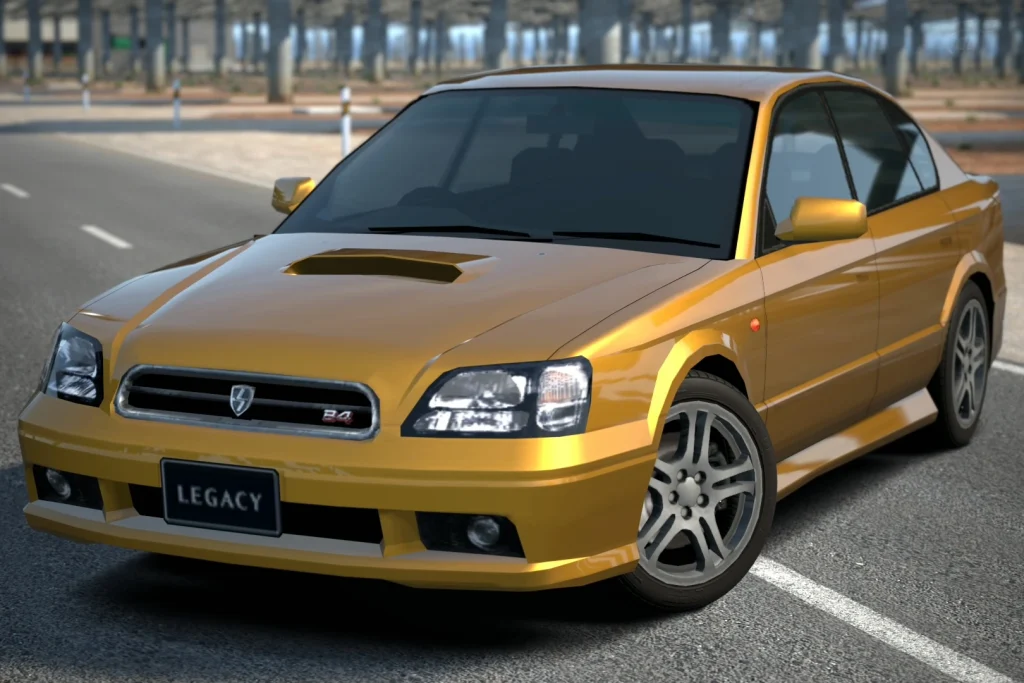
Collectors today increasingly appreciate the Legacy B4 RSK because it represents a fascinating blend of practicality and genuine performance engineering. It delivered much of the excitement associated with Subaru’s rally heritage while maintaining the comfort and refinement of a proper sports sedan.
Specifications:
- Engine: 2.0-liter twin-turbocharged flat 4
- Torque: 253 lb ft
- Horsepower: 276 HP
- Length/Width: 184.4 inches / 67.5 inches
6. Honda Accord SiR T
The Honda Accord SiR T proved that Honda could inject genuine sports car character into a midsize sedan without sacrificing refinement or reliability.
During the late 1990s, Honda engineers installed high-revving VTEC performance into the Accord lineup, creating a sedan that quietly delivered excitement far beyond what most buyers expected from an everyday family car.
At the center of the SiR-T sat the famous H22A engine, closely related to the powerplant used in the Prelude sports coupe. This naturally aspirated four-cylinder became legendary among Honda enthusiasts because it combined smooth low-speed manners and aggressive high-RPM performance.
Once the VTEC system engaged, the engine transformed completely and delivered an energetic surge that made the sedan feel alive.
Unlike turbocharged rivals, which focused heavily on torque, the Accord SiR T rewarded drivers who enjoyed revving the engine and working through the gears. The manual transmission paired beautifully with the responsive nature of the H22A, creating a highly engaging driving experience despite the car’s practical four-door layout.
Honda also tuned the suspension more aggressively than standard Accord models. Steering response felt sharper, body control improved noticeably, and the chassis remained composed during enthusiastic driving. Yet the sedan still retained excellent ride comfort for daily commuting and long-distance travel.
Another reason the SiR T remains special is its understated appearance. Honda avoided excessive body kits or dramatic styling changes, allowing the car to blend in easily with ordinary traffic. Many people had no idea the sedan contained one of Honda’s most respected performance engines beneath the hood.
Because the Accord lacked the iconic image of the Civic Type R or Integra Type R, many SiR T models disappeared quietly over time. Owners modified them heavily, neglected maintenance, or used them simply as affordable transportation once values dropped.
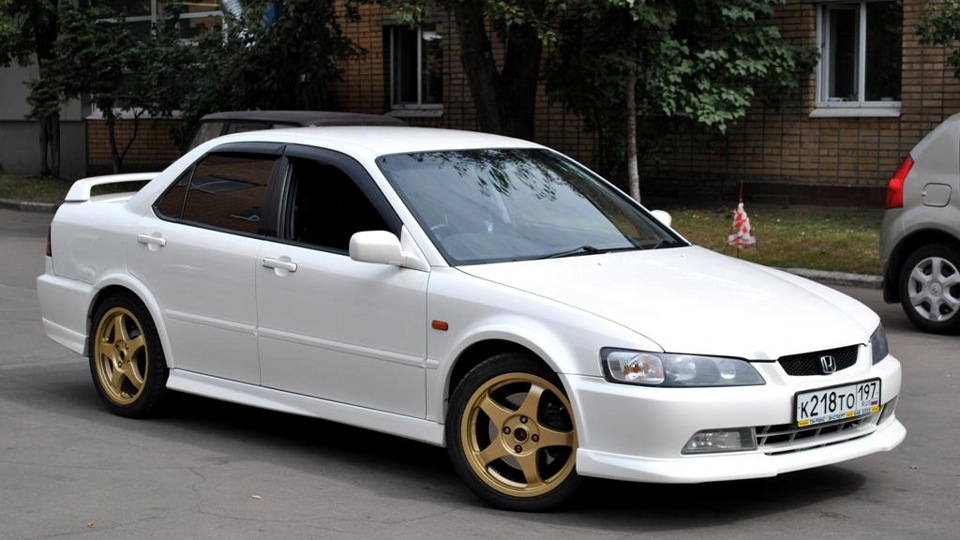
Today, enthusiasts searching for forgotten Honda performance cars are finally giving the Accord SiR T proper recognition. It offered Prelude-inspired performance, legendary VTEC character, and daily practicality in one refined package that perfectly reflected Honda engineering during its golden era.
Specifications:
- Engine: 2.2-liter naturally aspirated inline 4
- Torque: 163 lb ft
- Horsepower: 217 HP
- Length/Width: 182.1 inches / 69.3 inches
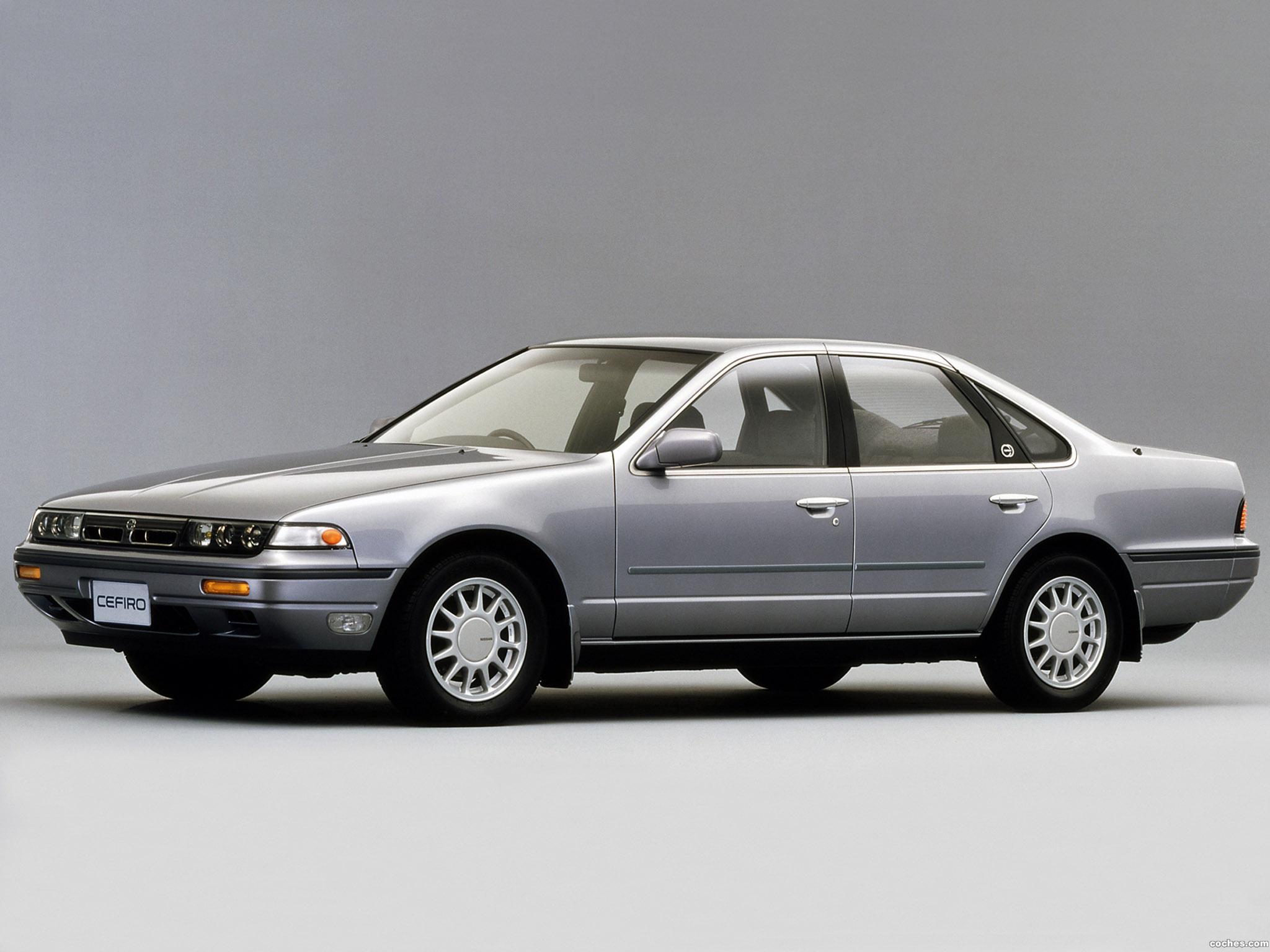
7. Nissan Cefiro A31
The Nissan Cefiro A31 occupies a fascinating place in Japanese performance car history because it combined executive sedan comfort with the same engineering DNA that helped make the Skyline legendary.
During the late 1980s and early 1990s, Nissan quietly created a sedan that enthusiasts would later embrace for drifting, street performance, and tuning culture. Yet for many years, the Cefiro remained overshadowed by its more famous coupe relatives despite sharing several important mechanical components.
One of the biggest reasons the A31 became respected among enthusiasts was its available RB-series inline six engines. Turbocharged RB20DET and RB25DET variants transformed the Cefiro into far more than a calm luxury sedan.
These engines delivered smooth power delivery, strong tuning potential, and the unmistakable sound that Nissan performance fans loved. Drivers quickly realized they could enjoy Skyline-inspired performance without paying Skyline prices.
The rear-wheel-drive layout made the Cefiro especially attractive to drifters. Unlike many sedans designed primarily for comfort, the A31 chassis handled sideways driving remarkably well once suspension upgrades and differential modifications were added.
Professional and grassroots drifters throughout Japan helped increase the car’s popularity during the early growth of drift culture. Many drivers appreciated the sedan’s predictable handling and long wheelbase, which made transitions feel stable and controllable.
Another interesting aspect of the Cefiro was its understated appearance. The car looked elegant and mature rather than aggressive or flashy.
That sleeper personality became one of its greatest strengths because very few people expected serious performance from what appeared to be an ordinary executive sedan. Enthusiasts enjoyed surprising sports cars while driving a practical four-door Nissan.
Unfortunately, drifting culture also contributed heavily to the Cefiro’s decline in numbers. Large amounts of A31S were modified aggressively, crashed at drift events, or stripped for parts. Because they remained affordable for many years, preservation rarely became a priority among owners. Clean, factory-original cars slowly disappeared from the market.
Modern collectors now recognize how historically important the A31 really was. It represented one of the earliest Japanese sedans to successfully combine luxury comfort with true tuner car potential.
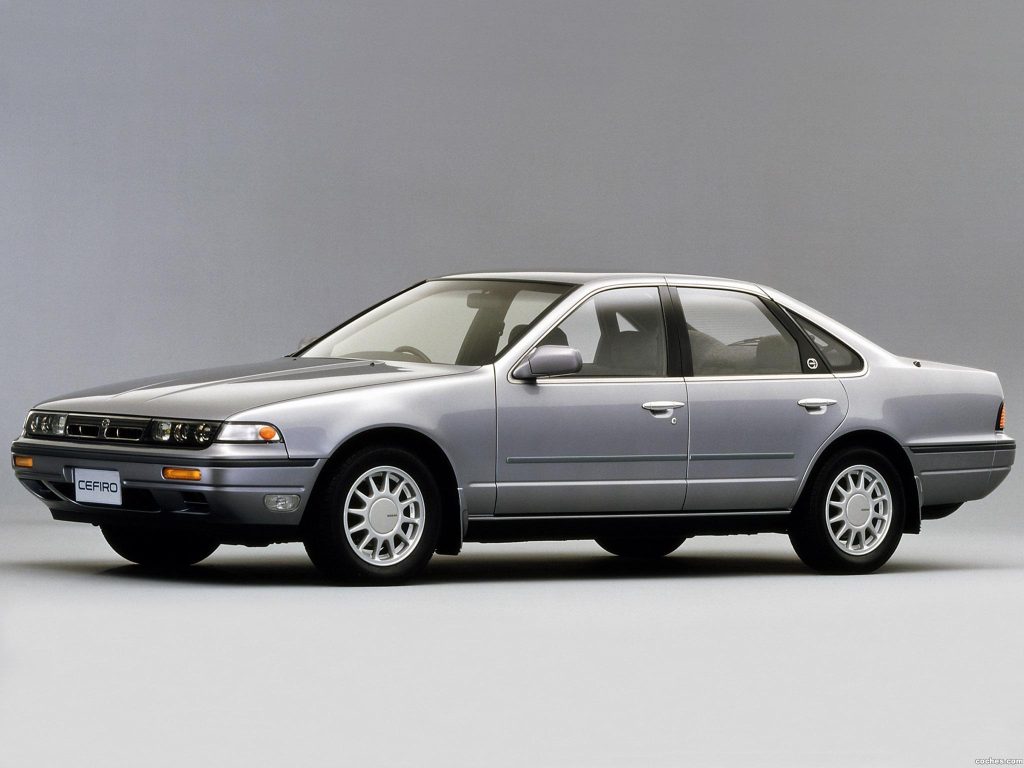
Enthusiasts searching for forgotten JDM icons increasingly view the Cefiro as a hidden gem connected directly to Nissan’s golden era of performance engineering.
Today, finding an unmodified turbocharged A31 has become surprisingly difficult, especially outside Japan. The car’s rise in appreciation reflects how enthusiast culture eventually rewarded overlooked sedans that carried a genuine sports car heart beneath conservative styling.
Specifications:
- Engine: 2.0-liter turbocharged inline 6
- Torque: 195 lb-ft
- Horsepower: 205 HP
- Length/Width: 184.4 inches / 66.9 inches
8. Mitsubishi Diamante VR X
The Mitsubishi Diamante VR X represented a completely different side of Japanese performance engineering compared to the aggressive turbocharged tuner sedans dominating enthusiast magazines during the 1990s.
Instead of building a raw sports machine, Mitsubishi developed a refined luxury sedan that quietly incorporated advanced performance technology inspired by the company’s motorsport ambitions. As a result, the Diamante became one of the most forgotten yet fascinating JDM sedans of its era.
At the heart of the VR X sat a sophisticated V6 engine designed to deliver smooth power and strong highway performance. While it lacked the explosive turbocharged personality of the Lancer Evolution, the engine still reflected Mitsubishi’s commitment to advanced engineering during Japan’s automotive golden age.
The sedan felt confident at high speeds and delivered effortless acceleration that suited long-distance driving perfectly.
What made the Diamante especially interesting was its focus on refinement combined with hidden capability. Mitsubishi equipped certain versions with advanced suspension technology and all-wheel-drive systems that dramatically improved handling stability.
Drivers experienced a sedan that felt composed and secure even when pushed harder through sweeping corners or rough road conditions.
Unlike many traditional performance cars, the Diamante emphasized quiet confidence instead of aggressive styling. The bodywork looked elegant and mature, allowing the car to blend easily into executive environments.
Yet beneath that calm exterior sat engineering sophistication far beyond what most buyers expected from a luxury sedan of the period.
The interior further reinforced the car’s upscale identity. Soft materials, comfortable seating, and smooth ride quality created a relaxed atmosphere during everyday driving. However, the chassis still possessed enough composure to remind drivers that Mitsubishi engineered the VR X with enthusiast influences in mind.
Because the Diamante never achieved the fame of Mitsubishi’s rally-inspired models, many examples disappeared quietly over the years.
Owners treated them as ordinary used sedans once depreciation reduced their values significantly. Rust, neglect, and limited enthusiast preservation caused surviving clean cars to become increasingly uncommon.
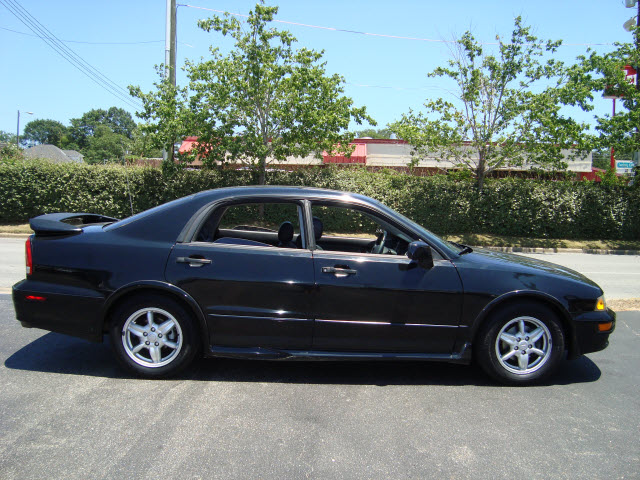
Collectors today appreciate the Diamante VR X because it reflects an era when Japanese automakers experimented fearlessly with combining luxury and performance.
The car offered sports sedan character in a refined and understated package that modern vehicles rarely attempt to replicate. Its rarity and forgotten status now make it especially appealing to enthusiasts searching for unusual JDM machines connected to Japan’s ambitious engineering era.
Specifications:
- Engine: 3.0-liter naturally aspirated V6
- Torque: 195 lb-ft
- Horsepower: 240 HP
- Length/Width: 189.2 inches / 70.1 inches
Also Read: 8 Cars That Are Nearly Impossible to Steal
