
A vehicle’s tires are among the most important components affecting safety, comfort, handling, braking performance, and fuel efficiency. Despite their significance, they are often overlooked when people evaluate a new car.
Buyers tend to focus on horsepower, technology features, interior quality, cargo space, and styling while paying little attention to the rubber connecting the vehicle to the road.
Manufacturers frequently face a difficult balancing act when selecting factory tires. They must consider cost, noise levels, ride comfort, fuel economy targets, durability requirements, and performance expectations.
In some cases, automakers choose tires that help achieve efficiency goals or reduce production costs, even if those tires fail to deliver the driving experience owners expect.
As a result, certain vehicles have developed reputations for leaving the factory with tires that generate complaints. Owners may report excessive road noise, poor wet-weather traction, rapid wear, uncomfortable ride quality, or disappointing grip levels.
Interestingly, many of these vehicles improve dramatically after receiving higher-quality replacement tires. Drivers often describe the transformation as if they purchased an entirely different car.
It is important to note that a vehicle itself may not be fundamentally flawed. Sometimes the factory tire selection simply fails to match the capabilities of the chassis, suspension, or powertrain. A capable car can feel less refined, less secure, or less enjoyable when paired with mediocre original equipment tires.
The vehicles on this list became known among owners and enthusiasts for factory tire choices that attracted significant criticism.
While the cars themselves often possessed many strengths, their original tires frequently became one of the first components owners wanted to replace. These examples demonstrate how much influence a set of tires can have on the perception and performance of an automobile.
Also Read: 10 Best Beginner Drift Cars You Can Actually Afford
1. Toyota Prius (Low Rolling Resistance Tire Models)
The Toyota Prius revolutionized hybrid transportation and became one of the most successful fuel-efficient vehicles ever produced. Buyers appreciated its exceptional fuel economy, reliability, and practicality. However, one recurring criticism among many owners involved the factory’s low rolling resistance tires fitted to numerous Prius generations.
Toyota’s decision was understandable. The Prius was designed primarily to maximize efficiency, and low rolling resistance tires help reduce energy losses as the vehicle moves.
Even small improvements in tire efficiency can contribute to better fuel economy figures, an important selling point for hybrid buyers. The downside became apparent in everyday driving conditions.
Many owners reported that the original tires delivered less grip than expected, particularly during wet weather. While the vehicle remained safe and predictable when driven responsibly, some drivers felt the tires sacrificed too much traction in pursuit of efficiency.
Emergency braking distances and cornering confidence occasionally became areas of concern compared with premium replacement options.
Another common complaint involved road feel. The origin of prioritized efficiency over driving engagement resulted in steering characteristics that some drivers considered less responsive. While few Prius owners purchased the car for sporty handling, many noticed meaningful improvements after upgrading to higher-quality replacement tires.
The issue became especially noticeable in regions that experienced heavy rainfall. Drivers frequently reported increased confidence after replacing the original equipment tires with alternatives offering stronger wet weather performance. The transformation was often described as one of the most beneficial upgrades available for the vehicle.
What makes this case particularly interesting is that the Prius itself remained highly competent. The hybrid system performed exceptionally well, the interior offered practicality, and long-term reliability remained excellent. The criticism focused primarily on the tire selection rather than the vehicle as a whole.
Automotive forums and owner communities regularly discussed tire replacement recommendations, with many drivers choosing to replace the factory set earlier than necessary. Improved traction, reduced noise, and better ride quality were among the benefits commonly reported after the switch.
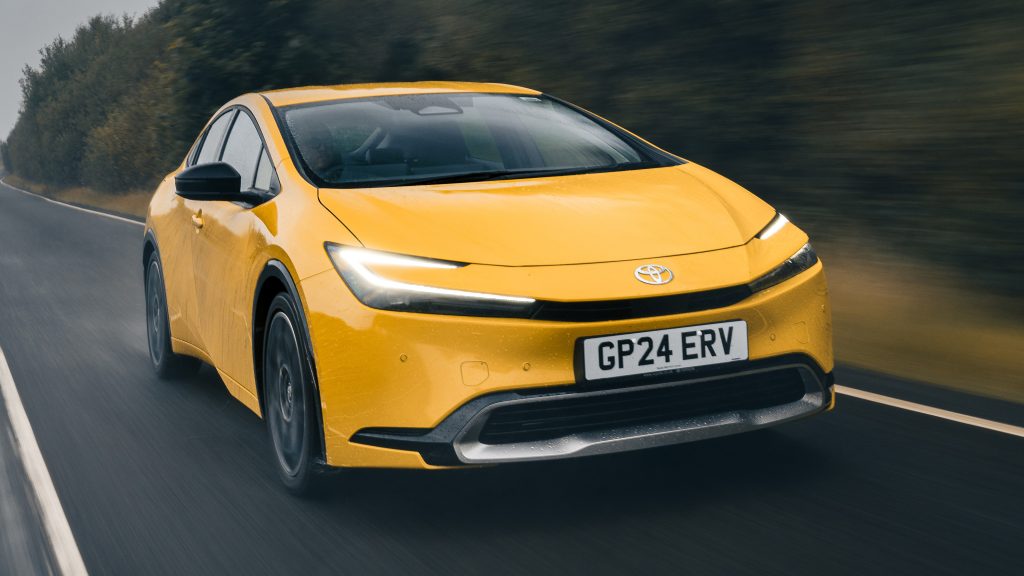
The Prius demonstrates how a manufacturer’s pursuit of maximum efficiency can sometimes lead to compromises in other areas. While the original tires helped achieve impressive fuel economy figures, many owners concluded that a slight reduction in efficiency was worth the gains in grip and confidence.
Specifications
- Engine: 2.0L Hybrid Inline 4
- Torque: 139 lb-ft
- Horsepower: 194 hp
- Length/Width: 181.1 in / 70.2 in
2. Chevrolet Corvette C7 Stingray (Run Flat Tire Equipped Models)
The Chevrolet Corvette C7 Stingray earned praise for its powerful V8 engine, impressive handling capabilities, and strong value relative to many European sports cars. It was widely regarded as one of the finest Corvettes ever built. Yet despite its many strengths, one component consistently generated debate among owners: the factory run-flat tires.
Unlike conventional tires, run-flats are designed to continue operating for a limited distance after losing air pressure. This eliminates the need for a spare tire and provides additional convenience in the event of a puncture.
From a practical standpoint, the technology offers clear advantages. Performance enthusiasts, however, often viewed the factory setup differently.
Many owners criticized the ride quality associated with the original run-flat tires. Because run-flats require reinforced sidewalls to support the vehicle after a loss of pressure, they tend to ride more firmly than traditional performance tires. On rough pavement, some drivers felt the tires transmitted too much harshness into the cabin.
Noise was another recurring topic. Certain owners reported higher levels of road noise compared with premium non-run-flat alternatives. While this issue varied depending on road surfaces and driving conditions, it remained a frequent discussion point within Corvette communities.
Perhaps the most significant criticism involved handling the field. Although the Corvette remained an outstanding performance car with the factory tires, many enthusiasts discovered that switching to high-quality non-run-flat tires improved steering response, ride comfort, and grip characteristics. Some described the difference as surprisingly dramatic.
The situation created an interesting paradox. The Corvette possessed a highly capable chassis developed to compete with world-class sports cars, yet some owners believed the original tire choice prevented the suspension from reaching its full potential. Once alternative tires were installed, the vehicle often felt more compliant and connected to the road.
This does not mean the factory setup was inherently poor. Chevrolet selected run-flats partly because they offered practical advantages and allowed the car to avoid carrying a spare tire. For many drivers, those benefits outweighed any drawbacks.
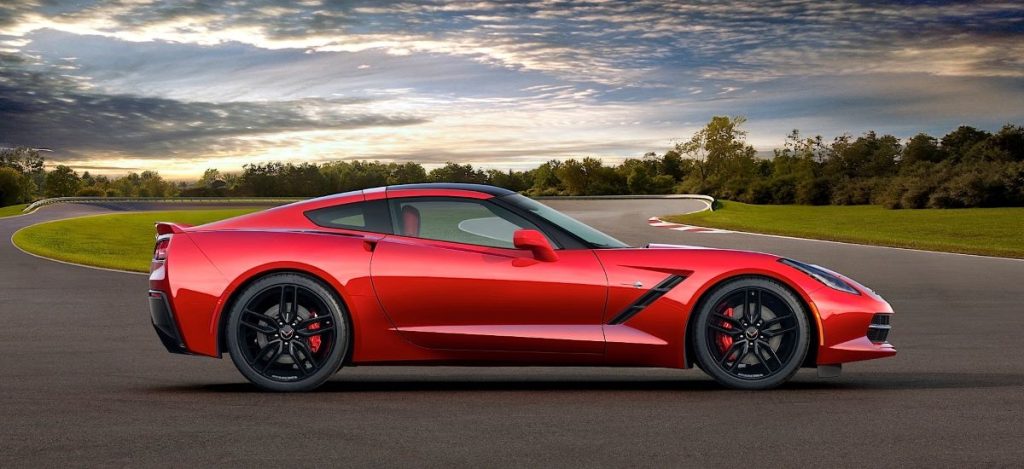
Nevertheless, among performance enthusiasts, replacing the original tires became one of the most common modifications. The C7 Stingray itself received widespread admiration, but its factory run-flat tires frequently generated criticism from owners seeking maximum driving enjoyment.
The Corvette serves as a reminder that even outstanding sports cars can benefit significantly from a different tire choice, proving just how influential tires are in shaping a vehicle’s character.
Specifications
- Engine: 6.2L Naturally Aspirated V8
- Torque: 460 lb-ft
- Horsepower: 455 hp
- Length/Width: 176.9 in / 73.9 in
3. Tesla Model 3 (Early Production Factory Tire Setups)
When the Tesla Model 3 arrived, it quickly became one of the most influential electric vehicles in the automotive industry. Buyers praised its impressive range, strong acceleration, advanced technology, and minimalist interior design.
The car proved that electric vehicles could appeal to mainstream consumers while competing directly with established premium sedans. Despite these strengths, one area that generated recurring discussion among owners involved certain factory tire configurations used on early production models.
Electric vehicles place unique demands on tires. They are generally heavier than comparable gasoline-powered vehicles because of their battery packs, and they produce instant torque that can accelerate tire wear.
Manufacturers must also prioritize efficiency because rolling resistance directly affects driving range. Tesla faced the challenge of balancing all these requirements while maintaining acceptable ride quality and handling.
Many owners discovered that the original tires emphasized efficiency above nearly everything else. While this helped maximize range figures, some drivers reported compromises in grip, especially during aggressive driving or adverse weather conditions.
The Model 3’s powerful electric motors were capable of delivering rapid acceleration, yet some owners felt the factory tires struggled to fully utilize the vehicle’s potential.
Road noise became another common topic. Depending on the specific tire supplied and road surface encountered, certain drivers reported more cabin noise than expected from a premium electric sedan.
Because electric vehicles operate quietly without engine noise masking external sound, tire noise becomes more noticeable than it would in a conventional car.
Tread life also generated complaints among some owners. Instant electric torque can be demanding on tires, particularly when drivers frequently enjoy the vehicle’s impressive acceleration capabilities. Several owners reported replacing factory tires sooner than anticipated.
Interestingly, many drivers found that switching to premium aftermarket alternatives transformed the vehicle’s behavior. Improvements in ride comfort, wet weather traction, cornering confidence, and noise levels were frequently reported. The changes highlighted how much influence tires have on the driving experience.
The Model 3 itself remained an impressive vehicle with strong performance and innovative technology. Most criticism focused not on the car’s engineering but on the compromises necessary to balance efficiency, cost, and range. As Tesla refined production over time, tire choices evolved as well.
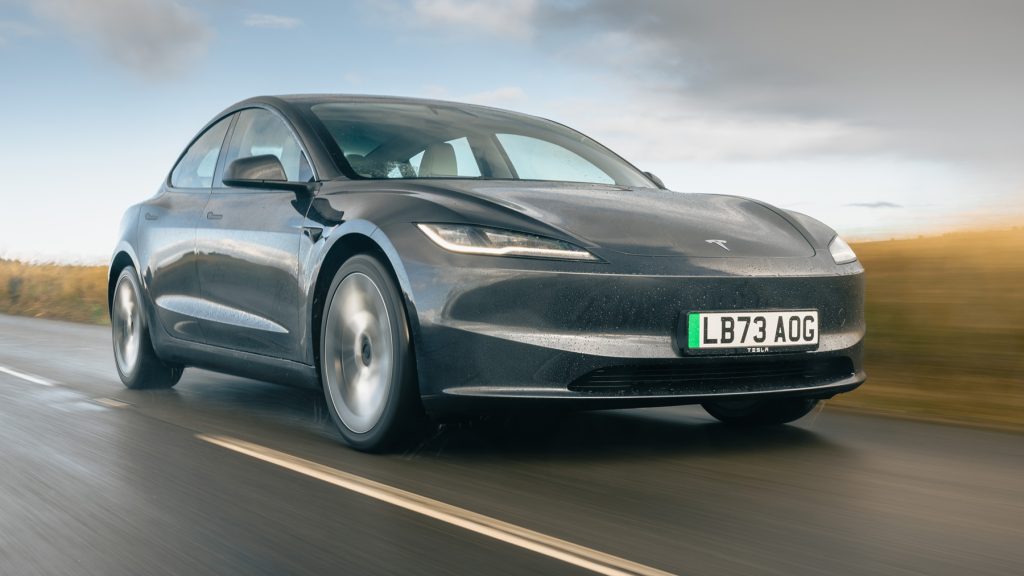
For many enthusiasts, the experience served as another example of how factory tire selection can significantly influence owner satisfaction, even when the underlying vehicle is highly capable.
Specifications
- Engine: Dual Electric Motors
- Torque: 487 lb-ft
- Horsepower: 450 hp
- Length/Width: 184.8 in / 72.8 in
4. Ford Focus RS (Michelin Pilot Sport Cup 2-equipped examples)
The Ford Focus RS earned a reputation as one of the most exciting hot hatches of its generation. Featuring a turbocharged engine, sophisticated all-wheel-drive system, and aggressive performance tuning, it delivered thrilling driving dynamics that attracted enthusiasts worldwide.
However, one factory tire option created controversy among owners who used the vehicle as a daily driver.
Certain Focus RS models were available with Michelin Pilot Sport Cup 2 tires, a tire developed with serious track performance in mind. On a race circuit or warm, dry road, these tires offered tremendous grip and sharp handling characteristics.
Enthusiasts seeking maximum performance often appreciated their capabilities. The problem appeared when the car was driven outside those ideal conditions.
Unlike conventional high-performance tires, the Cup 2 compound was heavily optimized for warm temperatures and aggressive driving. Owners living in colder climates quickly discovered that the tires could become far less effective as temperatures dropped. Grip levels diminished noticeably, and caution became essential during cooler weather.
Rainy conditions also generated concerns among some drivers. While the tires performed admirably when used as intended, they were not designed primarily for everyday commuting through varying weather conditions. Drivers expecting year-round versatility sometimes found the factory setup less practical than anticipated.
Another issue involved tread life. Ultra-high-performance compounds typically wear faster than ordinary street tires, and the Cup 2 was no exception. Owners who regularly drove their cars on public roads often reported accelerated wear compared with more conventional alternatives.
The situation highlighted an interesting challenge faced by manufacturers. Ford wanted to showcase the Focus RS’s impressive capabilities and provide enthusiasts with maximum performance potential. The Cup 2 tire helped achieve that objective. However, not every owner intended to take their car to a racetrack.
Many drivers eventually switched to more versatile high-performance tires that offered stronger all-weather usability while retaining much of the vehicle’s athletic character. These replacements often improved daily driving comfort and practicality without significantly diminishing enjoyment.
Importantly, criticism was directed at the suitability of the tire for certain owners rather than its inherent quality. The Michelin Pilot Sport Cup 2 remains a highly respected performance tire when used in the environment for which it was designed.
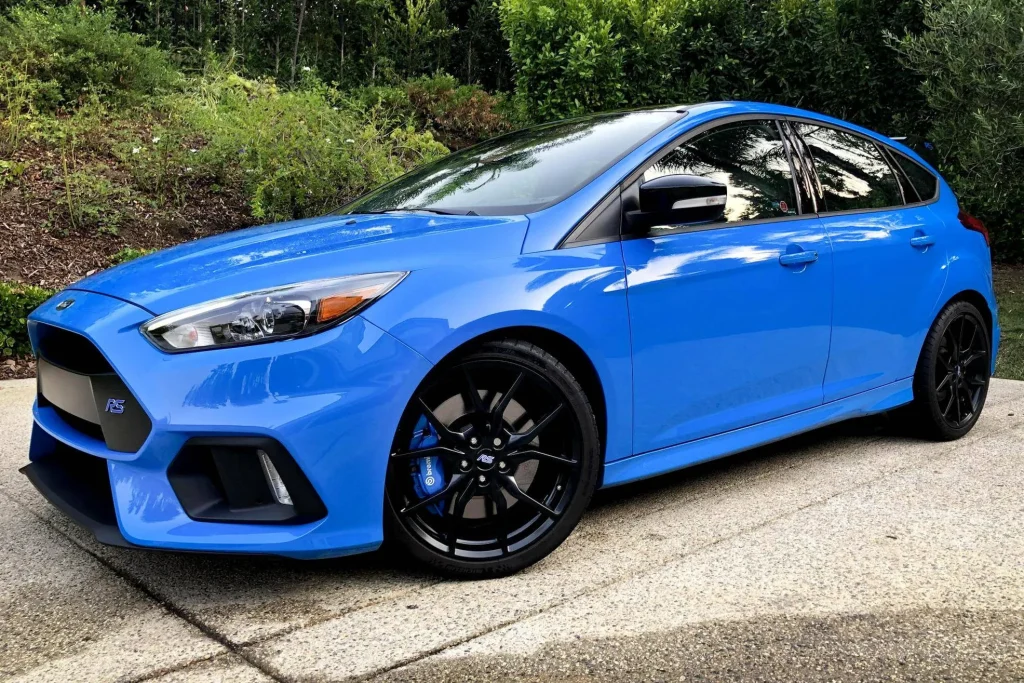
The Focus RS demonstrated how a factory tire can be exceptional in one context yet frustrating in another. Matching tire characteristics to real-world driving conditions remains one of the most important considerations for vehicle owners.
Specifications
- Engine: 2.3L Turbocharged Inline 4
- Torque: 350 lb-ft
- Horsepower: 350 hp
- Length/Width: 172.8 in / 71.8 in
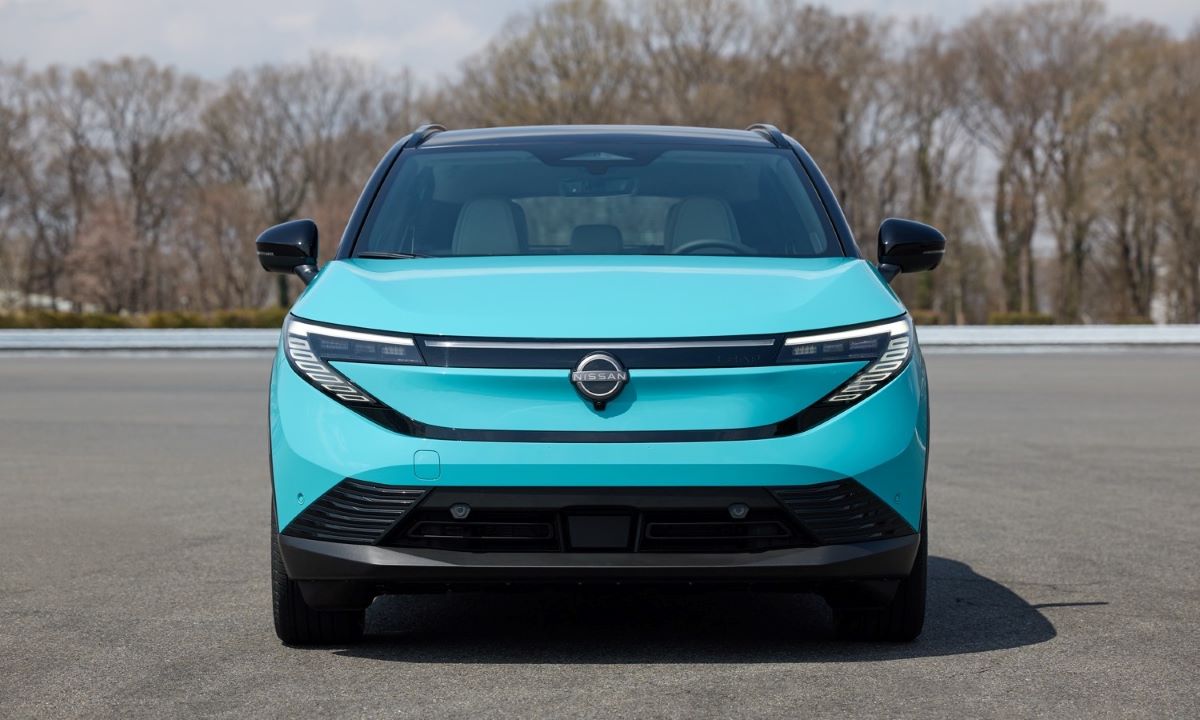
5. Nissan Leaf (Early Ecopia Tire-Equipped Models)
The Nissan Leaf occupies an important place in automotive history as one of the first mass-market electric vehicles to achieve widespread success. Long before many major manufacturers fully committed to electrification, the Leaf demonstrated that battery-powered transportation could be practical for everyday use.
Owners appreciated its quiet operation, low running costs, and simple driving experience. Despite these strengths, one component frequently became the subject of discussion among early owners: the factory-supplied low rolling resistance tires.
To understand the criticism, it is important to remember the environment in which the Leaf was launched. Electric vehicle range was a major concern for buyers, and manufacturers were searching for every possible way to maximize efficiency.
One solution involved fitting specialized low-rolling-resistance tires designed to reduce energy consumption and extend driving range. From an efficiency perspective, the strategy worked.
The factory tires helped squeeze additional miles from each battery charge, which was a significant advantage during a period when charging infrastructure was less developed than it is today. However, achieving those gains required certain compromises that some owners noticed almost immediately.
One of the most common complaints involved grip levels. Compared with premium touring or performance-oriented alternatives, the original tires often felt less reassuring during aggressive cornering or emergency maneuvers.
The Leaf itself was not intended to be a sports car, but drivers still expected confident road holding during everyday driving situations.
Wet weather performance generated another area of concern. Many owners reported that the factory tires struggled to inspire confidence on rain-soaked roads. While the vehicle remained predictable when driven sensibly, replacement tires often delivered noticeably better traction and braking performance.
Ride quality also entered the conversation. Depending on road conditions, some drivers felt the original tires transmitted more vibration and road imperfections into the cabin than expected. Because electric vehicles operate so quietly, small shortcomings in tire refinement become more apparent than they might in a conventional gasoline-powered car.
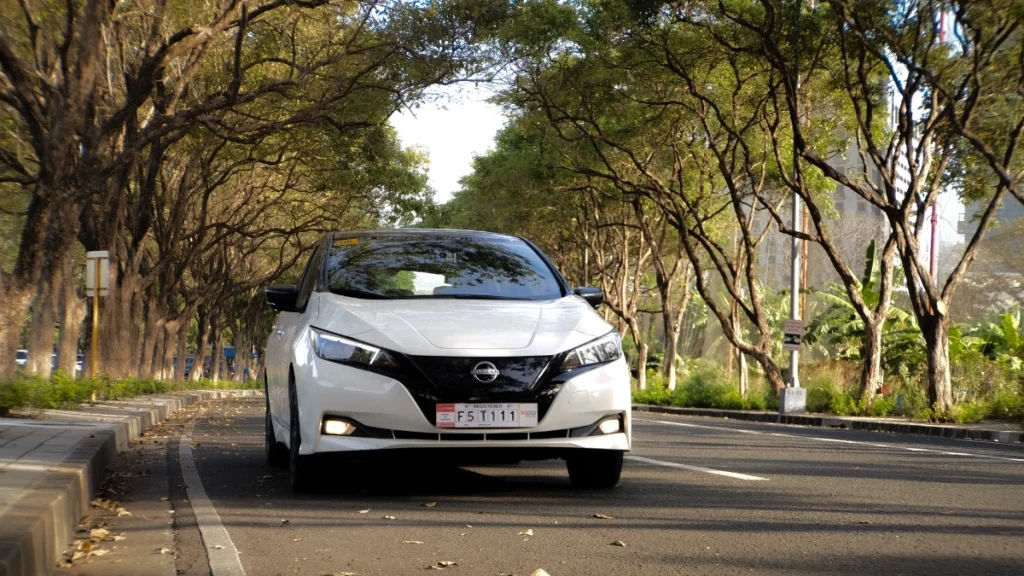
What made the issue particularly noticeable was the dramatic improvement many owners experienced after replacing the factory tires. Upgrading to higher-quality alternatives often improved handling, braking, ride comfort, and road noise simultaneously. The transformation surprised drivers who had assumed the vehicle itself was responsible for certain characteristics.
The Leaf remained a groundbreaking and highly practical electric vehicle. Its factory tire criticism stemmed largely from the challenge of maximizing range while maintaining strong all-around performance. In the pursuit of efficiency, some compromises became unavoidable.
For many owners, replacing the original tires became one of the most rewarding upgrades available, demonstrating once again that tire selection can dramatically influence the character of an automobile.
Specifications
- Engine: Single Electric Motor
- Torque: 236 lb-ft
- Horsepower: 214 hp
- Length/Width: 176.4 in / 70.5 in
6. BMW 3 Series (Certain Run Flat Tire Configurations)
The BMW 3 Series has long been regarded as the benchmark sports sedan. For decades, it earned praise for combining luxury, practicality, and engaging driving dynamics in a single package.
Whether commuting through city traffic or tackling winding roads, the 3 Series developed a reputation for balance and precision. Yet among enthusiasts, one topic repeatedly surfaced when discussing certain generations of the car: factory-run flat tires.
BMW adopted run-flat technology across much of its lineup to improve convenience and eliminate the need for a spare tire. In theory, the concept made perfect sense. Drivers experiencing a puncture could continue driving for a limited distance without immediately stopping to change a wheel. This provided added safety and practicality.
Unfortunately, many owners felt the technology introduced compromises that conflicted with the 3 Series’ driving-focused identity.
The most frequent complaint involved ride quality. Run-flat tires use reinforced sidewalls capable of supporting the vehicle even after air pressure is lost.
While effective for puncture protection, those stiff sidewalls often transmit more impacts and road imperfections into the cabin. Drivers accustomed to BMW’s traditionally refined ride sometimes found the setup harsher than expected.
Road noise generated additional criticism. Depending on tire brand and road surface, certain factory run-flat combinations produced more cabin noise than comparable conventional tires. Since premium sedan buyers often value refinement, this became a notable concern.
Handling characteristics also sparked debate. While the 3 Series remained highly capable with its factory setup, many enthusiasts reported meaningful improvements after switching to traditional performance tires. Steering feel became more natural, ride comfort improved, and the vehicle seemed better able to communicate road conditions to the driver.
The issue became especially evident on rough pavement. Owners frequently commented that replacing the original run flats transformed the vehicle’s personality, making it feel more compliant and enjoyable without sacrificing everyday usability.
Importantly, BMW’s decision was not without merit. The absence of a spare tire saved space and weight while providing practical advantages in the event of a puncture. Many owners appreciated those benefits and never experienced significant concerns with the factory setup.
However, among driving enthusiasts, conventional tires often became the preferred choice. The change highlighted how sensitive a well-engineered chassis can be to tire characteristics.
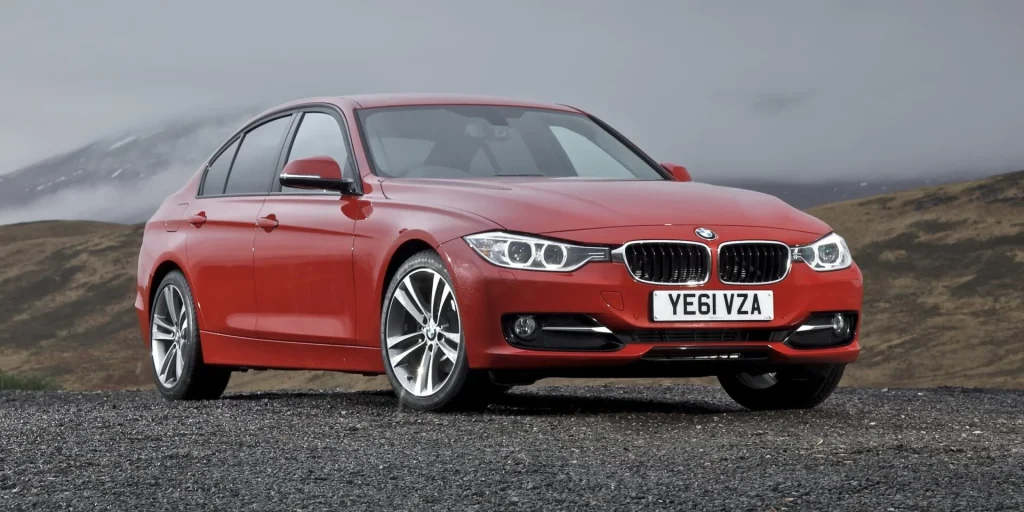
The BMW 3 Series remained one of the finest sports sedans on the market, but its factory run-flat tire configurations generated enough criticism to earn a lasting reputation. The experience demonstrated that even exceptional vehicles can benefit from different choices when owners’ priorities differ from the manufacturer’s objectives.
Specifications
- Engine: 2.0L Turbocharged Inline 4
- Torque: 295 lb-ft
- Horsepower: 255 hp
- Length/Width: 185.7 in / 71.9 in
7. Jeep Wrangler (Factory All-Terrain Tire Setups on Certain Trims)
The Jeep Wrangler has built its reputation on capabilities that few vehicles can match. It is designed to tackle rocky trails, muddy terrain, deep ruts, and challenging off-road environments that would stop many ordinary SUVs in their tracks.
Buyers choose the Wrangler because of its rugged character, removable doors, open-air driving experience, and exceptional off-road credentials.
However, some factory tire combinations fitted to certain Wrangler trims have generated criticism among owners who spend most of their time on paved roads. The source of the issue lies in the Wrangler’s mission.
Unlike crossovers engineered primarily for urban commuting, the Wrangler is designed with off-road performance as a top priority.
To support that goal, some versions leave the factory equipped with aggressive all-terrain tires intended to provide traction on dirt, gravel, sand, and uneven surfaces.
These tires perform admirably when conditions become challenging, helping the vehicle maintain grip where conventional road tires would struggle. The downside becomes apparent during everyday highway driving.
Many owners have reported that certain all-terrain tires generate noticeable road noise, particularly at higher speeds. The aggressive tread patterns that off-road traction can create additional sound when rolling across pavement. For drivers expecting a quiet daily commute, this characteristic can become frustrating during long journeys.
Ride comfort is another area where opinions differ. Aggressive all-terrain tires soften features, stronger sidewalls and tread blocks designed to withstand rough conditions. While beneficial off-road, these characteristics can sometimes produce a firmer or less refined feel on paved roads compared with highway-focused alternatives.
Wet weather performance has also been a discussion point among some owners. While modern all-terrain tires are generally capable, certain factory tire selections have received criticism for not matching the confidence-inspiring behaviour of premium road-oriented tires during heavy rain.
Drivers who rarely venture off-road occasionally feel they are accepting compromises without fully benefiting from the tires’ intended strengths.
Tread wear can vary significantly depending on driving habits as well. Owners who spend nearly all their time on highways sometimes report uneven wear patterns or faster degradation than expected. Tire rotation becomes particularly important to maximize lifespan and maintain consistent performance.
Interestingly, many Wrangler owners who replace the factory tires with more road-focused options describe substantial improvements in comfort, noise levels, and daily drivability. The vehicle often feels more refined while still retaining much of its rugged personality.
This does not mean the factory tires are poor products. In fact, they often perform exceptionally well in the environments for which they were chosen. The criticism arises because many Wranglers spend the majority of their lives on pavement rather than on difficult trails.
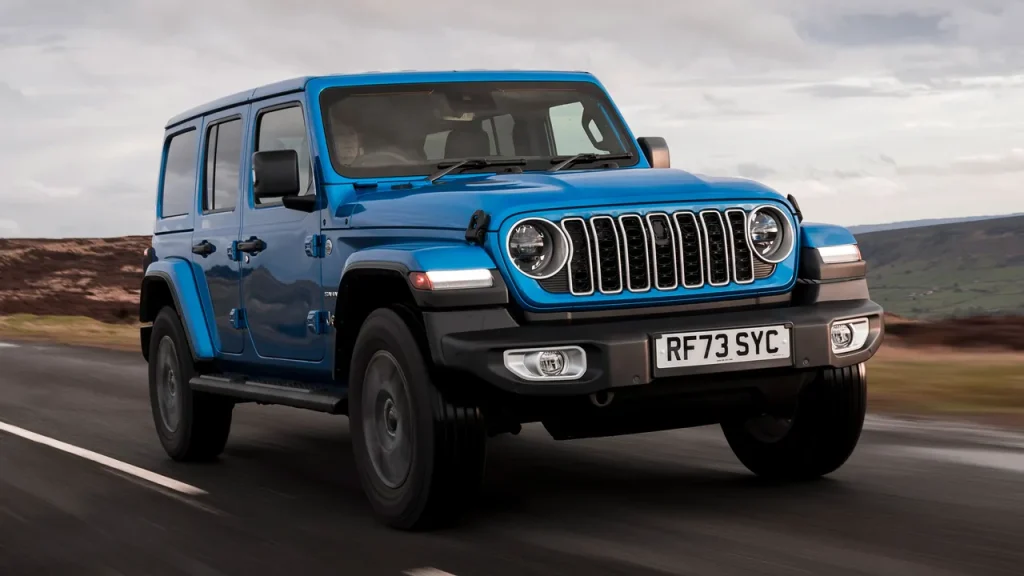
The Wrangler serves as a perfect example of how tire selection depends heavily on intended use. Atyree that excels in one setting may feel less impressive in another.
For owners who frequently venture off-road, the factory setup often makes sense. For those using the vehicle primarily as a commuter, alternative tire choices can unlock a more comfortable and refined driving experience.
Specifications
- Engine: 3.6L Pentastar V6
- Torque: 260 lb-ft
- Horsepower: 285 hp
- Length/Width: 188.4 in / 73.8 in
Also Read: 8 Cars Where the Battery Is Hidden in a Bizarre Spot
