
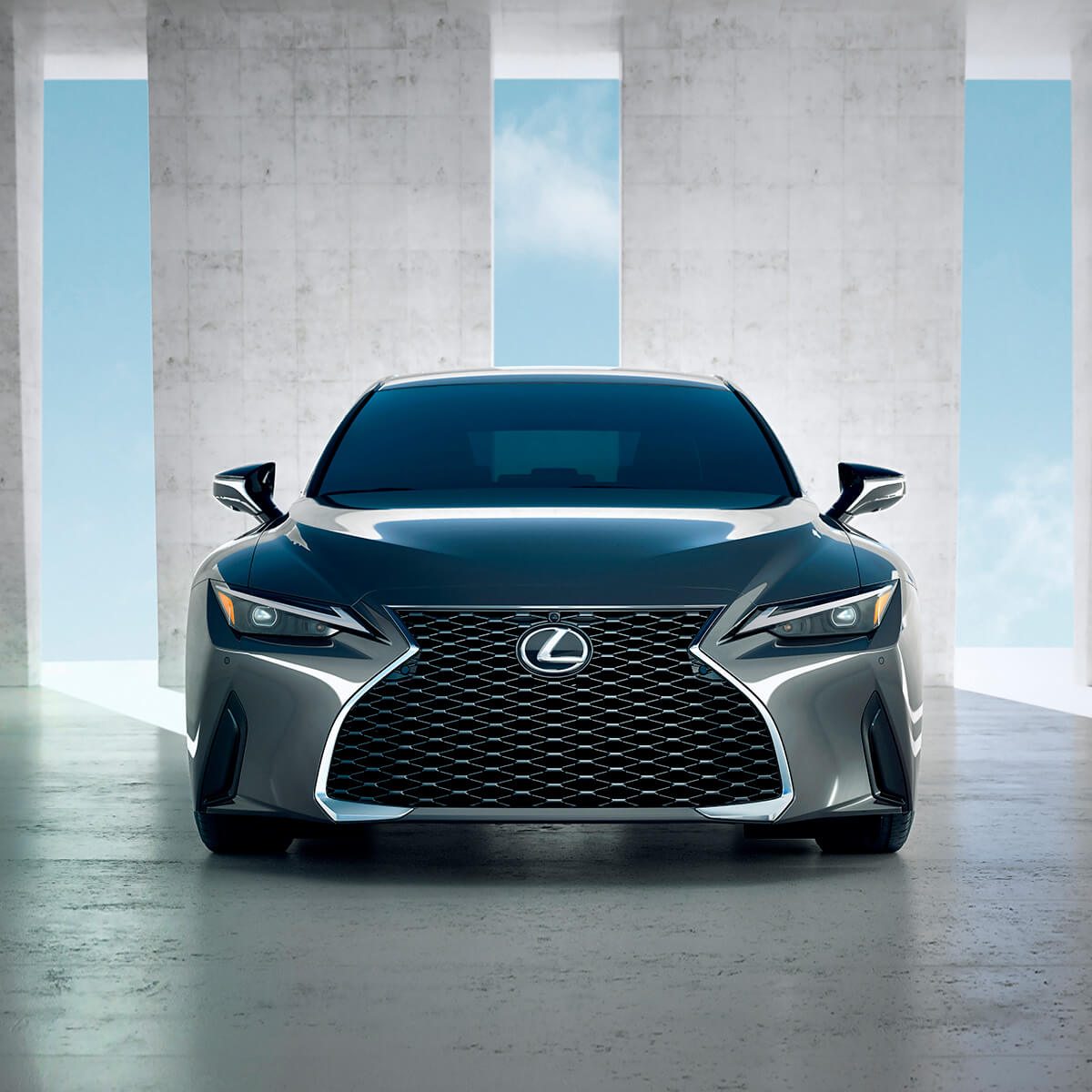
Drifting has grown from a niche motorsport into one of the most exciting forms of car culture in the world. What makes it so appealing is the balance between skill, car control, and mechanical simplicity.
Unlike many racing disciplines that require massive budgets, drifting can still be entered without spending supercar money. A beginner does not need a 700-horsepower monster to learn how to slide through corners.
In fact, lighter and cheaper rear-wheel-drive cars are often better teachers because they communicate their limits more clearly and are easier to maintain.
The perfect beginner drift car usually shares a few important traits. Rear-wheel drive is essential, aftermarket support matters a lot, and reliability can save new drivers from frustration.
A predictable chassis is also important because learning throttle control and weight transfer becomes much easier in a forgiving platform. Many older Japanese and American performance cars became legends in the drifting scene for exactly these reasons.
Some were never designed specifically for drifting, yet enthusiasts transformed them into icons because of their balance and affordability.
Another major advantage of beginner drift cars is how customizable they are. Suspension kits, welded differentials, angle kits, and engine upgrades are widely available for the right models.
This allows drivers to start with a mostly stock car and slowly improve it as their skills develop. Insurance, maintenance costs, and parts availability also play a huge role when choosing the right starter platform.
The cars on this list are realistic options for enthusiasts who want to enter drifting without draining their savings. Some are lightweight Japanese classics, while others are affordable American V8 machines with huge aftermarket support.
Every car here has earned respect among drift communities for different reasons. More importantly, these are cars that can genuinely teach a beginner the fundamentals of drifting while still being fun to own on normal roads.
Also Read: 10 V8 Cars Worth Buying for the Sound Alone
1. Nissan 350Z
The Nissan 350Z became one of the most popular beginner drift cars because it combines strong power, rear-wheel drive balance, and excellent reliability in one affordable package.
When Nissan launched the Z33 generation, it was intended as a modern sports coupe with sharp handling and a powerful V6 engine. Drift enthusiasts quickly realized it had nearly everything needed for sideways action straight from the factory.
One of the biggest strengths of the 350Z is its naturally aspirated 3.5-liter VQ engine. The motor produces enough torque to break traction easily without requiring expensive modifications.
New drivers benefit from this because they can focus on learning steering corrections and throttle modulation instead of constantly fighting for power. The car also has a relatively long wheelbase, which makes slides feel smoother and more controllable compared to twitchy compact coupes.
Another reason the 350Z became a drift favorite is the huge aftermarket surrounding it. Suspension upgrades, angle kits, limited-slip differentials, and replacement body panels are available almost everywhere.
This matters because beginner drift cars often experience tire wear and occasional body damage. Parts availability keeps ownership manageable and less stressful.
The chassis also deserves praise for its communication. Steering feedback is predictable, and the car reacts naturally to weight transfer during transitions.
Even drivers with limited experience can start understanding the fundamentals of drifting after a few practice sessions. The interior may feel dated today, but mechanically, the car still holds up extremely well.
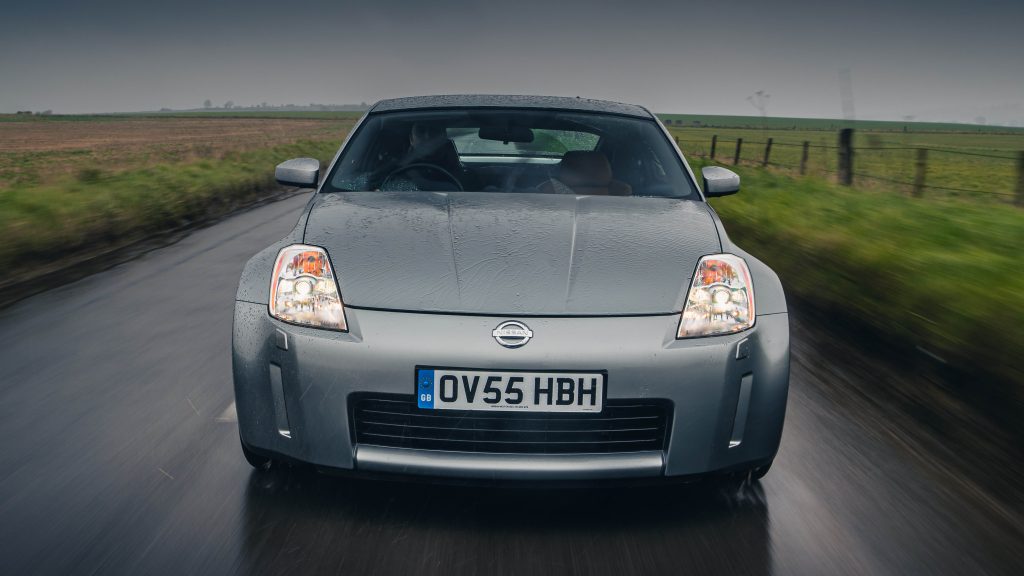
Prices have risen slightly in recent years because clean examples are becoming harder to find, but rougher cars remain reasonably attainable.
Enthusiasts continue choosing the 350Z because it offers a near-perfect balance between power, durability, and learning potential. Few affordable sports cars provide this much drifting capability without major modifications.
- Engine: 3.5-liter naturally aspirated V6
- Torque: 274 lb ft
- Horsepower: 287 HP
- Length/Width: 169.8 inches / 71.5 inches
2. Mazda MX-5 Miata NA
The first-generation Mazda MX-5 Miata approaches drifting from a completely different philosophy compared to high-horsepower machines. Instead of relying on brute force, the lightweight Miata teaches drivers momentum, balance, and precision. That is exactly why many experienced drifters recommend it as one of the best learning tools available.
At first glance, the tiny roadster may not seem ideal for drifting. Early NA models produced modest power figures, and the narrow tires look insignificant beside muscular drift builds. Yet those same traits make the car incredibly approachable.
Beginners quickly learn how to use clutch kicks, steering input, and body movement to maintain slides because the Miata rewards technique instead of raw aggression.
Weight distribution is another major advantage. The front engine, rear wheel drive layout gives the Miata excellent balance, and the low curb weight allows transitions to feel light and responsive.
Drivers can sense exactly what the chassis is doing beneath them. Mistakes happen more slowly compared to heavier cars, which gives newcomers valuable time to react and improve.
The aftermarket scene for the NA Miata is enormous. Suspension packages, steering angle modifications, differential upgrades, and engine swap kits are widely available. Some owners eventually install turbochargers or larger engines, though stock power is surprisingly useful for technical drift courses and smaller tracks.
Running costs remain impressively low as well. Fuel consumption is manageable, replacement parts are cheap, and the engine is known for reliability when maintained properly. Insurance is often cheaper than larger sports coupes, too, making the Miata attractive for younger enthusiasts entering motorsport for the first time.
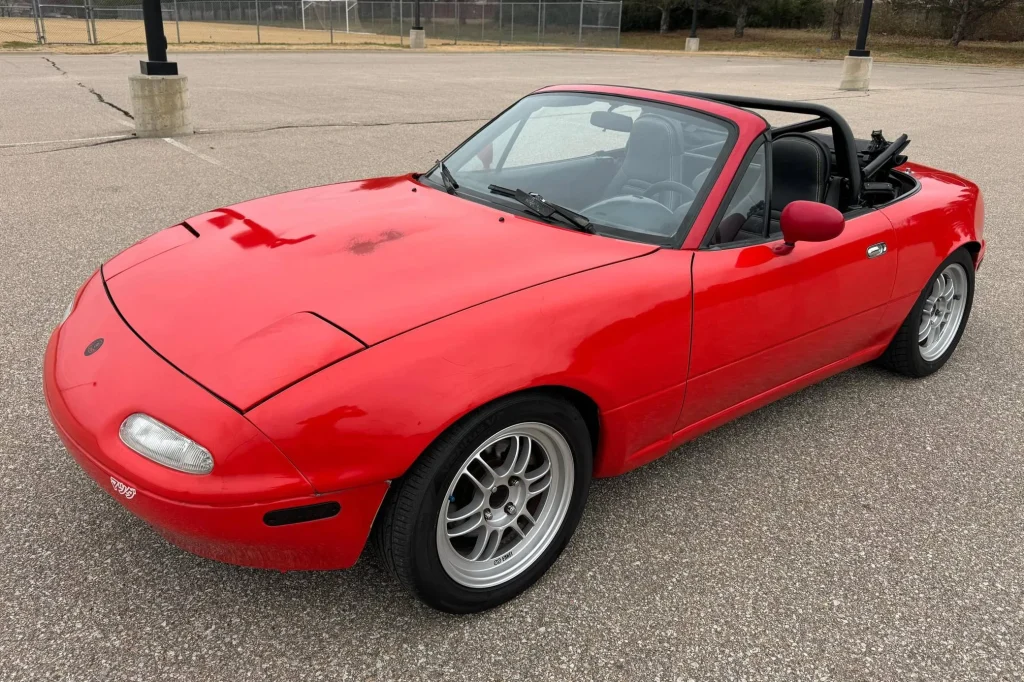
The Miata proves that drifting is not purely about horsepower numbers. It is about control, rhythm, and confidence behind the wheel. Drivers who master an NA Miata usually develop stronger fundamentals that translate well into more powerful drift cars later on.
- Engine: 1.6-liter inline 4
- Torque: 100 lb ft
- Horsepower: 116 HP
- Length/Width: 155.4 inches / 65.9 inches
3. Ford Mustang GT SN95
The Ford Mustang GT represents a very different side of beginner drifting. Instead of lightweight precision, the SN95 relies on traditional American muscle car character with a naturally aspirated V8 and simple rear wheel drive dynamics.
For many enthusiasts, this generation of Mustang became an affordable entry point because prices stayed low for years while aftermarket support exploded.
One reason drifters appreciate the SN95 is its mechanical simplicity. The platform is easy to work on, parts are inexpensive, and modifications can be installed without endless electronic complications.
That matters for beginners because drifting can be hard on suspension components, clutches, and tires. Owning a car that is cheap to repair removes a lot of stress from the learning process.
The V8 soundtrack also plays a huge role in the experience. The 4.6-liter engine may not produce massive power by modern standards, but it delivers smooth torque across the rev range.
That predictable power delivery makes throttle control easier for new drivers. Instead of sudden turbo surges, the SN95 responds progressively, allowing beginners to practice holding longer slides with more confidence.
Another strength is the wheelbase. The Mustang feels stable during high-speed transitions, especially on larger drift circuits. It does carry more weight than smaller Japanese drift cars, but many drivers enjoy that heavier and more aggressive personality. Once suspension upgrades are added, the chassis becomes much more composed and responsive.
The Mustang community is massive, which means technical advice and replacement parts are easy to find. Limited-slip differentials, coilovers, steering upgrades, and angle kits are widely available at reasonable prices. Even cosmetic panels remain easy to source compared to some rare import platforms.
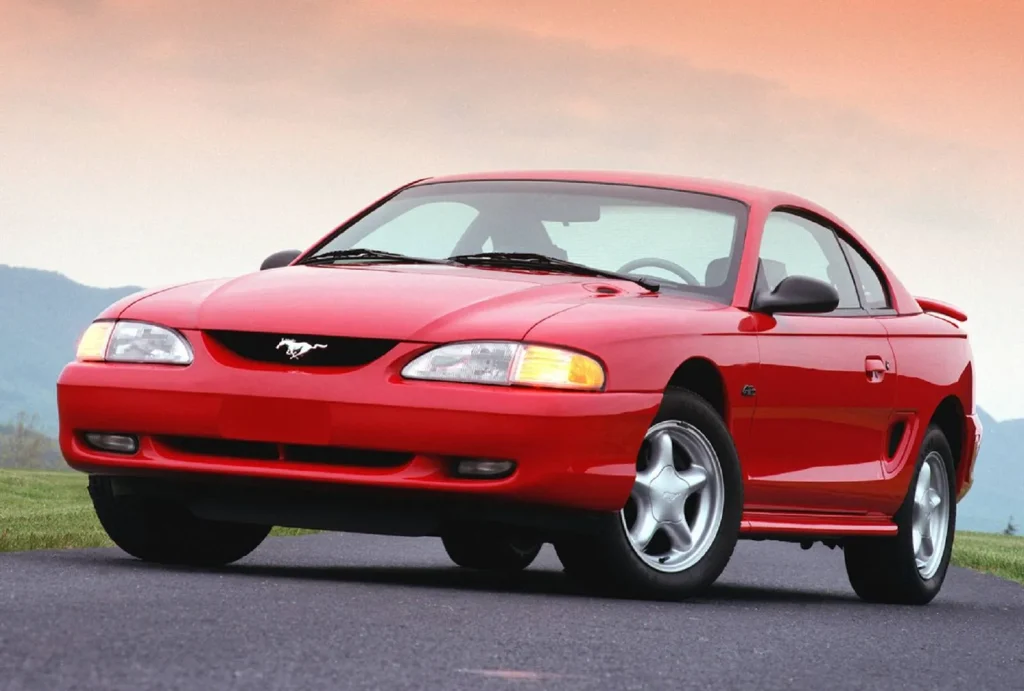
Fuel economy is not impressive, and interior quality was never a major highlight, but those are minor concerns for enthusiasts focused on drifting. The SN95 remains appealing because it delivers affordable V8 power, durability, and classic muscle car charm in one approachable package.
- Engine: 4.6-liter naturally aspirated V8
- Torque: 302 lb ft
- Horsepower: 260 HP
- Length/Width: 183.2 inches / 73.1 inches
4. BMW E36 3 Series
The BMW 3 Series built its reputation in the drifting world through balance and chassis sophistication.
Long before drifting became mainstream outside Japan, enthusiasts discovered that the E36 offered exceptional handling characteristics for relatively little money. Even today, it remains one of the smartest affordable platforms for drivers who value precision and feedback.
Unlike some beginner drift cars that need major upgrades immediately, the E36 already feels composed from the factory. The steering is communicative, the suspension geometry works well during slides, and the weight distribution is close to ideal. These qualities help drivers develop smoother techniques instead of relying on aggressive corrections.
Different engine options were available depending on the market, though the inline 6 models became the most desirable for drifting. BMW’s naturally aspirated six-cylinder engines produce linear power delivery and a distinctive sound that enthusiasts still admire.
They may not generate huge horsepower figures, but they respond beautifully to throttle inputs while remaining durable under repeated use.
One interesting advantage of the E36 is how adaptable it can become. Some owners prefer maintaining mild street builds with welded differentials and basic suspension upgrades.
Others transform the chassis into full competition drift cars with turbocharged engines and extreme steering angle modifications. The platform accepts both approaches comfortably.
The cabin also feels more refined than many budget drift cars from the same era. That may not matter on a track, but it makes the E36 enjoyable as a daily driver too. A car that can handle commuting during the week and drifting on weekends appeals strongly to beginners working within tight budgets.
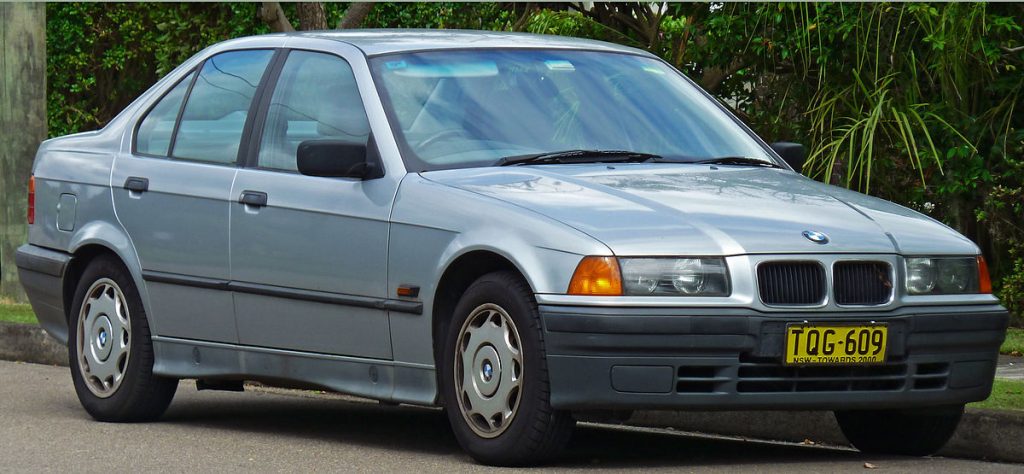
Finding clean E36 examples is becoming harder because many have already been modified or abused. Rust can also be an issue in some regions. Still, the chassis continues earning praise because it blends European balance, mechanical simplicity, and strong aftermarket support into one highly capable beginner drift platform.
- Engine: 2.5-liter naturally aspirated inline 6
- Torque: 181 lb ft
- Horsepower: 189 HP
- Length/Width: 174.5 inches / 67.3 inches
5. Lexus IS300
The Lexus IS quietly became one of the most respected budget drift cars because it combines Toyota reliability with rear-wheel-drive balance and one legendary engine. While many people originally bought the IS300 as a compact luxury sedan, drifters noticed its similarities to the Toyota Altezza sold in Japan and quickly realized the platform had serious potential.
The biggest attraction is the famous 2JZ-GE inline 6 engine. Although it is the naturally aspirated version rather than the turbocharged unit found in the Supra, the motor is still durable and smooth.
It handles abuse well, which is extremely important for drifting. Beginners benefit from a car that can survive repeated practice sessions without constant mechanical drama.
The chassis itself feels predictable and stable during slides. Steering response is natural, and the suspension design gives the car a balanced personality through corners. Unlike some heavier sedans that feel clumsy when pushed sideways, the IS300 maintains a playful character that encourages drivers to keep improving their technique.
Another major advantage is comfort. Many affordable drift cars feel stripped down or outdated inside, but the IS300 still delivers a refined cabin with supportive seats and solid build quality. That makes it practical for people who need one car to handle both daily commuting and weekend drift events.
Modification potential is another reason the platform gained popularity. Coilovers, differential upgrades, steering kits, and turbo conversions are widely available. Some owners eventually perform full 2JZ GTE swaps, though beginners can enjoy the stock setup for a long time before needing extra power.
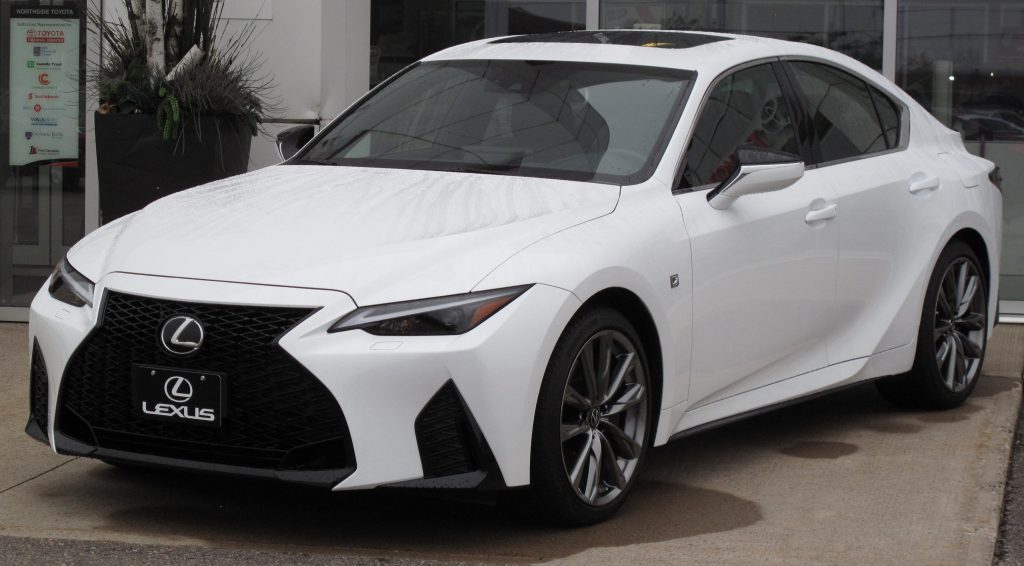
The IS300 remained affordable for years because it lived in the shadow of more famous drift cars. Prices have started climbing recently as enthusiasts recognize its value, but decent examples can still be found without spending a fortune.
It remains one of the smartest choices for drivers who want reliability, tuning potential, and a more mature driving experience.
- Engine: 3.0-liter naturally aspirated inline 6
- Torque: 218 lb ft
- Horsepower: 215 HP
- Length/Width: 173.6 inches / 67.9 inches
6. Nissan 240SX S13
Few cars are as deeply connected to drifting culture as the Nissan 240SX. Even decades after production ended, the S13 remains one of the most recognizable drift platforms in the world. Lightweight construction, rear wheel drive balance, and endless aftermarket support turned it into a true icon among enthusiasts.
The appeal of the S13 starts with its chassis dynamics. The car feels agile and responsive, making transitions between corners smooth and controllable. Beginners often appreciate how naturally the car rotates during slides. Instead of fighting the chassis, drivers can focus on refining steering inputs and throttle timing.
Weight is another key advantage. The S13 is lighter than many modern sports coupes, which helps reduce strain on tires and brakes during practice sessions. Lower weight also means modest power outputs still feel entertaining. Even relatively stock examples can drift effectively with the right suspension setup and differential modifications.
One reason the S13 became so popular is the enormous tuning scene built around it. Owners can choose from countless suspension combinations, body kits, steering angle kits, and engine swaps.
Some stick with the original KA24 engine in North American models, while others install turbocharged SR20DET motors imported from Japan. The flexibility of the platform is part of what keeps it relevant today.
Driving an S13 also delivers a raw mechanical feeling that newer performance cars sometimes lack. Visibility is excellent, steering feedback is direct, and the compact dimensions help drivers feel connected to the road. Those traits create an engaging learning experience that many newer vehicles cannot replicate.
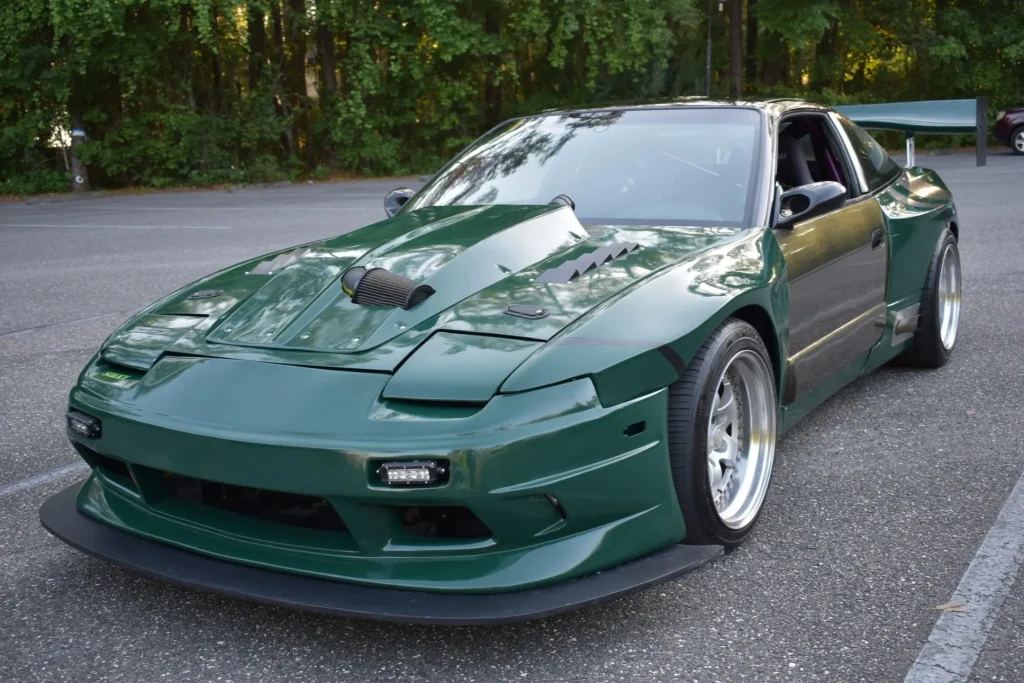
Unfortunately, rising demand has made clean S13 examples much more expensive than they once were. Many have also been heavily modified or damaged over the years. Despite that, the 240SX continues to hold legendary status because few affordable cars shaped drifting culture as strongly as this Nissan.
- Engine: 2.4-liter naturally aspirated inline 4
- Torque: 160 lb ft
- Horsepower: 155 HP
- Length/Width: 177 inches / 66.7 inches
7. Infiniti G35 Coupe
The Infiniti G35 entered the drifting world almost by accident. Originally marketed as a stylish luxury sports coupe, the G35 eventually gained a reputation for being one of the best value drift platforms available. Underneath the upscale badge, the car shares major components with the Nissan 350Z, including its strong VQ series engine and rear-wheel drive architecture.
That connection immediately gave the G35 serious credibility among enthusiasts. The 3.5-liter V6 provides enough torque for effortless slides, especially compared to smaller four-cylinder beginner cars. Drivers do not need extensive modifications just to break traction. Even stock examples can deliver entertaining drift sessions with proper tires and suspension tuning.
What separates the G35 from some other beginner drift cars is its mix of comfort and aggression. The cabin feels significantly more premium than older budget sports coupes, with supportive seats and higher-quality materials.
For drivers who spend long hours commuting, that extra refinement becomes surprisingly valuable. Yet once sideways, the car still delivers sharp responses and predictable handling.
The longer wheelbase also helps stabilize the car during high-speed drifting. Beginners often find the chassis forgiving because transitions happen smoothly instead of snapping violently. This gives new drivers more confidence when linking corners or correcting mistakes mid-slide.
Another major benefit is affordability. For years, the G35 lived in the shadow of the 350Z despite offering very similar mechanical performance. That kept prices relatively low, making it attractive for younger enthusiasts. Parts availability is excellent as well because many components interchange with Nissan models.
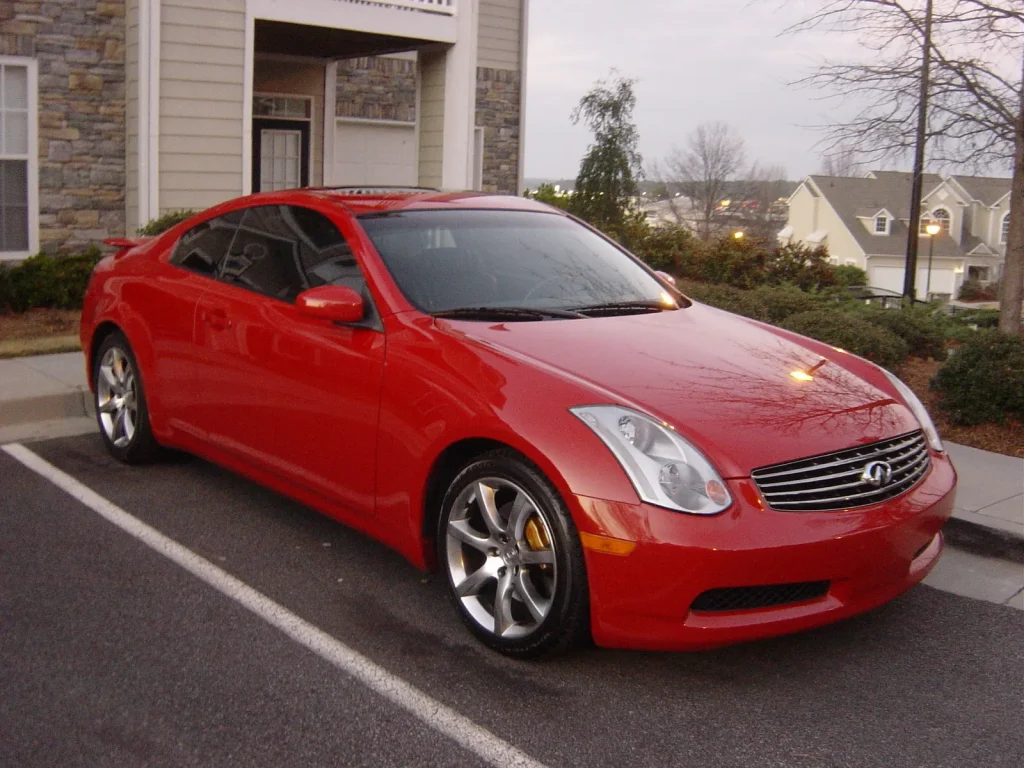
The downside is weight. The G35 is heavier than lightweight drift legends like the S13 or Miata, so tire wear and fuel consumption can increase.
Still, many drivers gladly accept those compromises because the platform offers dependable power, strong aftermarket support, and a much more comfortable ownership experience than older stripped-out drift machines.
- Engine: 3.5-liter naturally aspirated V6
- Torque: 270 lb ft
- Horsepower: 280 HP
- Length/Width: 182.3 inches / 71.5 inches
8. Toyota Corolla AE86
The Toyota Corolla is one of the most legendary drift cars ever created. Its status comes not from massive horsepower or expensive engineering, but from simplicity, lightweight handling, and its deep connection to Japanese drifting history.
Long before drifting became globally popular, the AE86 was already earning respect on mountain roads and technical circuits across Japan.
Driving an AE86 feels completely different from modern performance cars. The chassis is light, compact, and highly communicative. Every steering correction, throttle adjustment, and weight transfer can be felt instantly.
Because the car has relatively low power, beginners must learn proper momentum techniques instead of relying on brute force. This creates a pure and rewarding driving experience.
The naturally aspirated 4A GE engine became famous for its willingness to rev high while remaining durable. Although horsepower numbers look modest today, the combination of low weight and responsive handling keeps the car entertaining. Skilled drivers can maintain long controlled drifts using rhythm and precision rather than excessive speed.
Another reason enthusiasts continue admiring the AE86 is its cultural importance. Anime, motorsport history, and Japanese tuner culture transformed it into a global icon. Many modern drifters grew up dreaming about this car because of its legendary reputation.
Owning one today can be challenging, however. Prices have increased dramatically as collectors and enthusiasts compete for surviving examples. Rust is another serious concern because most AE86 models are now decades old. Finding clean and affordable cars requires patience.
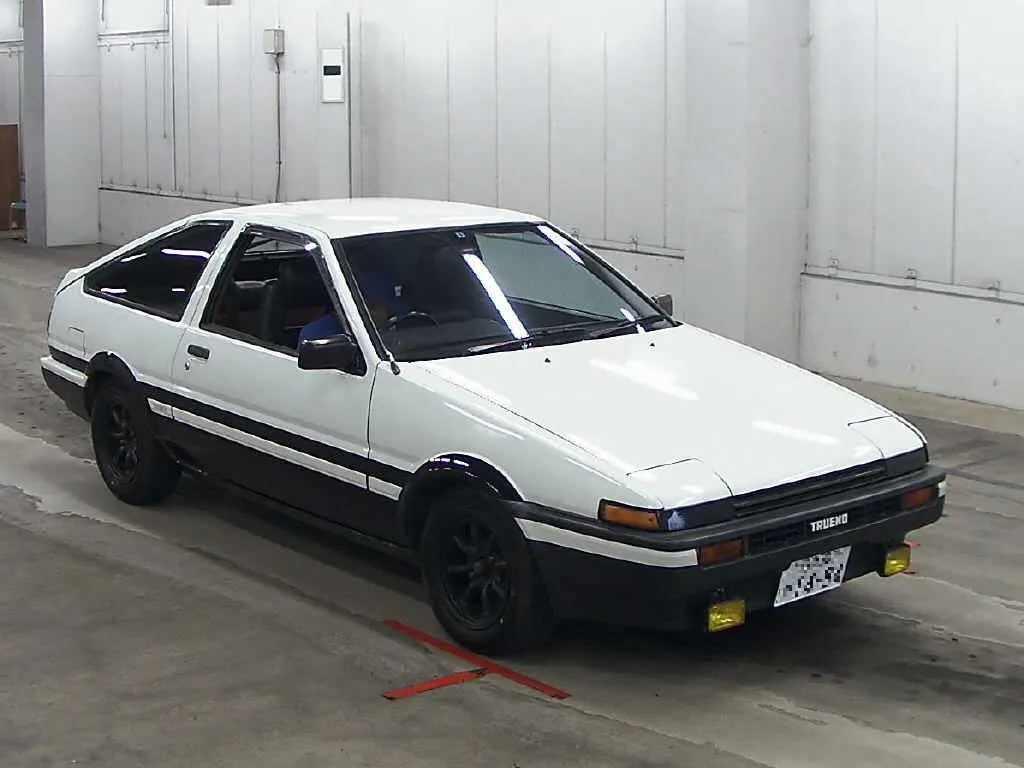
Even with rising values, the AE86 remains one of the greatest learning tools in drifting history. It teaches finesse instead of intimidation. Drivers who spend time mastering an AE86 often develop smoother and more disciplined techniques than those who begin with extremely powerful machines.
- Engine: 1.6-liter naturally aspirated inline 4
- Torque: 97 lb ft
- Horsepower: 128 HP
- Length/Width: 164 inches / 63.4 inches
9. Chevrolet Camaro Fourth Generation
The fourth-generation Chevrolet Camaro offers a completely different drifting experience compared to lightweight Japanese coupes. Built around classic American performance philosophy, the car delivers strong V8 power, long gearing, and aggressive rear-wheel drive behavior at prices that remained surprisingly reasonable for years.
Many beginners gravitate toward smaller import platforms first, but the Camaro proves that muscle cars can become excellent drift machines with the right setup. The available LS series V8 engines provide abundant torque almost everywhere in the rev range.
That makes initiating slides easy without needing constant clutch kicks or high RPM launches. For inexperienced drivers, having accessible torque can simplify the learning process significantly.
The chassis personality is also unique. The Camaro feels heavier and more planted compared to compact drift cars, especially during fast corners.
Some drivers enjoy that sensation because it creates dramatic and stable slides once the car settles into a drift. On larger circuits, the long wheelbase helps maintain confidence during transitions and sustained sideways movement.
One area where the fourth-generation Camaro shines is affordability. For a long time, these cars cost far less than many Japanese drift icons despite offering much stronger factory power.
Replacement parts are widely available across North America, and aftermarket support remains massive. Suspension kits, differential upgrades, steering modifications, and engine tuning packages can all be sourced relatively easily.
The styling also gives the Camaro a strong presence. Wide proportions and muscular body lines create a more intimidating appearance than compact coupes from the same era. Some enthusiasts specifically choose American drift builds because they stand out in a scene dominated by Japanese platforms.
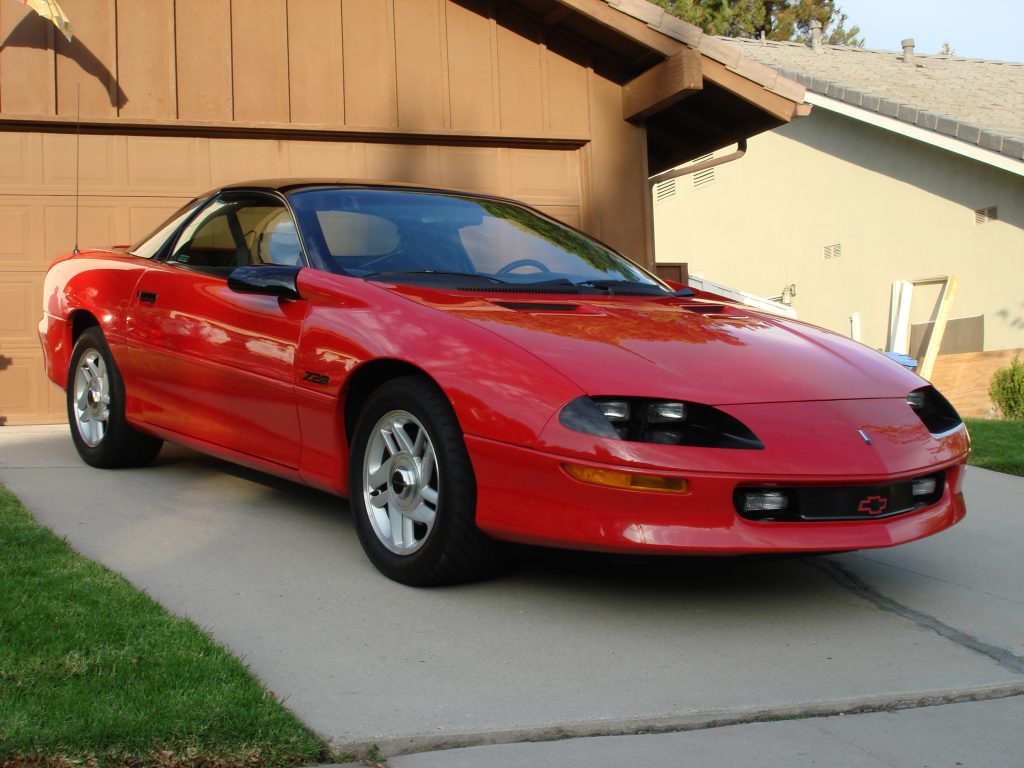
Visibility is not perfect, and the interior materials feel dated today, but neither issue matters much during drift sessions. The fourth-generation Camaro continues attracting enthusiasts because it combines affordable V8 performance, durability, and strong tuning potential into one exciting beginner-friendly package.
- Engine: 5.7-liter naturally aspirated V8
- Torque: 335 lb ft
- Horsepower: 305 HP
- Length/Width: 193.2 inches / 74.1 inches
10. Toyota GR86
The Toyota GR86 represents a modern interpretation of the affordable beginner drift car formula. While many vehicles on this list are older platforms requiring maintenance and restoration work, the GR86 provides contemporary reliability, updated safety technology, and sharp rear-wheel drive handling in a fresh package.
Toyota and Subaru designed the GR86 specifically around driver engagement. The low center of gravity, lightweight construction, and balanced chassis make the car incredibly responsive during cornering. Unlike heavier modern sports cars loaded with excessive power, the GR86 focuses on communication and precision. Those traits translate beautifully into drifting.
The naturally aspirated boxer engine delivers enough performance for beginners without becoming intimidating. Power arrives progressively, allowing drivers to learn throttle control and drift initiation techniques with confidence. The car also reacts quickly to steering inputs, making transitions feel crisp and predictable.
Another major advantage is how approachable the GR86 feels straight from the factory. Many older drift cars require suspension upgrades, differential modifications, or reliability repairs before they become track-ready.
The GR86 already offers a limited-slip differential, balanced suspension tuning, and modern braking performance. Owners can start learning almost immediately with minimal preparation.
The aftermarket scene has also expanded rapidly. Since the car became popular among enthusiasts, companies began offering coilovers, angle kits, exhaust systems, turbo kits, and chassis braces. Drivers can gradually transform the GR86 from a fun street coupe into a dedicated drift machine without struggling to find parts.
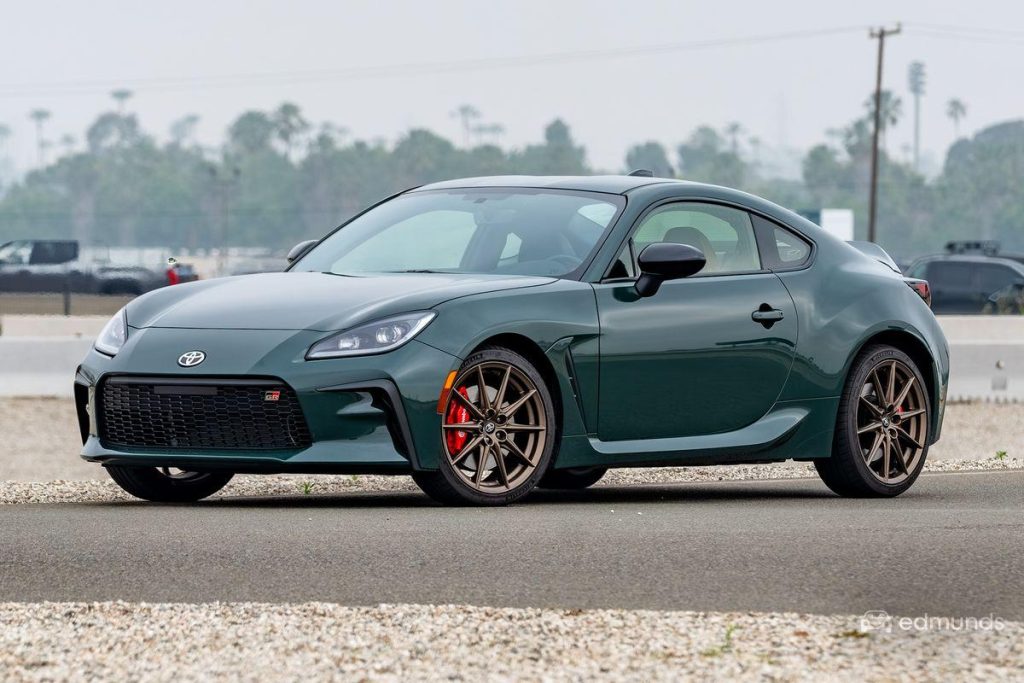
Fuel economy is better than that of many larger drift platforms, and the cabin feels modern enough for daily driving duties. Insurance costs may still be higher for younger drivers because it is classified as a sports car, but the reliability and usability help justify the expense.
The GR86 proves that affordable drifting does not have to rely entirely on aging platforms. It captures the spirit of classic lightweight sports cars while delivering the dependability and refinement expected from a modern performance coupe.
- Engine: 2.4 liter naturally aspirated boxer 4
- Torque: 184 lb ft
- Horsepower: 228 HP
- Length/Width: 167.9 inches / 69.9 inches
Also Read: 8 Cars Still Offering a Manual in 2026
