
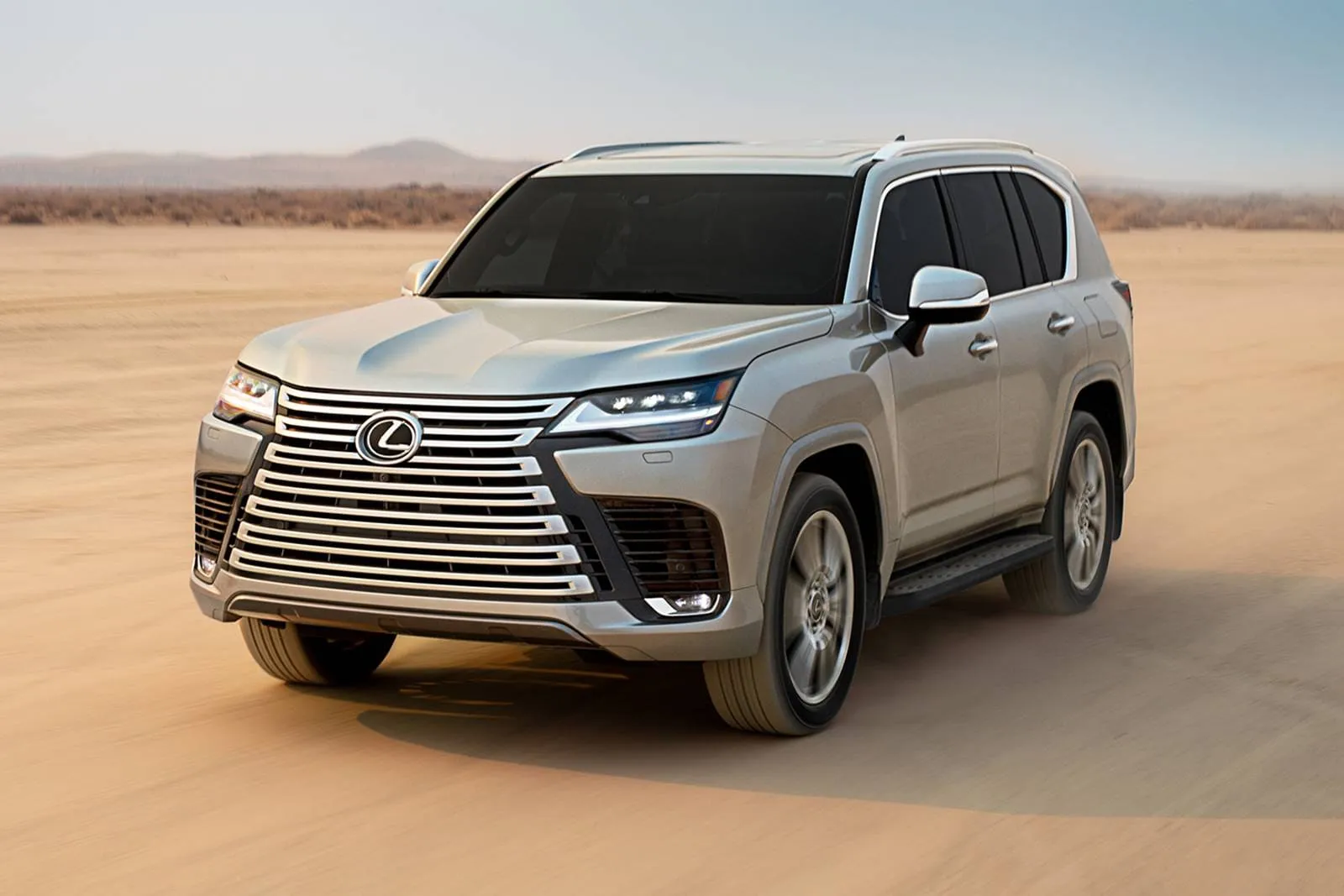
Advanced Driver Assistance Systems, commonly called ADAS, have transformed the modern SUV market. Features such as adaptive cruise control, lane keeping assist, automatic emergency braking, blind spot monitoring, forward collision warning, and traffic sign recognition are now expected in many midsize and luxury sport utility vehicles.
While these technologies improve safety and convenience, they have also created a hidden ownership cost that many drivers do not discover until a windshield replacement becomes necessary. A cracked windshield used to be a relatively straightforward repair involving glass removal and installation.
Today, however, many SUVs integrate cameras, radar sensors, rain sensors, lidar components, and other precision equipment directly into the windshield area. Once the glass is replaced, these systems often require detailed recalibration to ensure that every safety function works correctly.
In premium SUVs, calibration costs alone can exceed $1,400 before taxes and labor surcharges are added. This reality has surprised countless owners who assumed comprehensive insurance or standard repair pricing would cover everything. In many cases, calibration requires specialized dealership tools, controlled lighting conditions, laser alignment equipment, and factory-trained technicians.
Even slight deviations in camera positioning can affect braking distances, lane centering accuracy, or collision detection performance. Luxury automakers have increased the complexity of ADAS systems significantly over the last few years, especially in vehicles equipped with semi-autonomous driving functions.
As SUVs continue to dominate the automotive market, understanding the financial implications of windshield-related ADAS recalibration becomes increasingly important for consumers. Some insurance providers now classify calibration as a separate procedure from windshield installation, which can create additional out-of-pocket expenses.
Drivers shopping for high-end SUVs often focus on horsepower, fuel economy, cargo space, and technology features while overlooking long-term repair costs tied to advanced electronics. This article explores nine SUVs known for expensive ADAS calibration procedures after windshield replacement.
Each model demonstrates how cutting-edge safety systems can lead to substantial maintenance expenses. Whether you currently own one of these vehicles or plan to purchase a luxury SUV in the future, knowing the true cost of sensor recalibration can help you make a smarter financial decision and better prepare for the realities of modern automotive ownership.
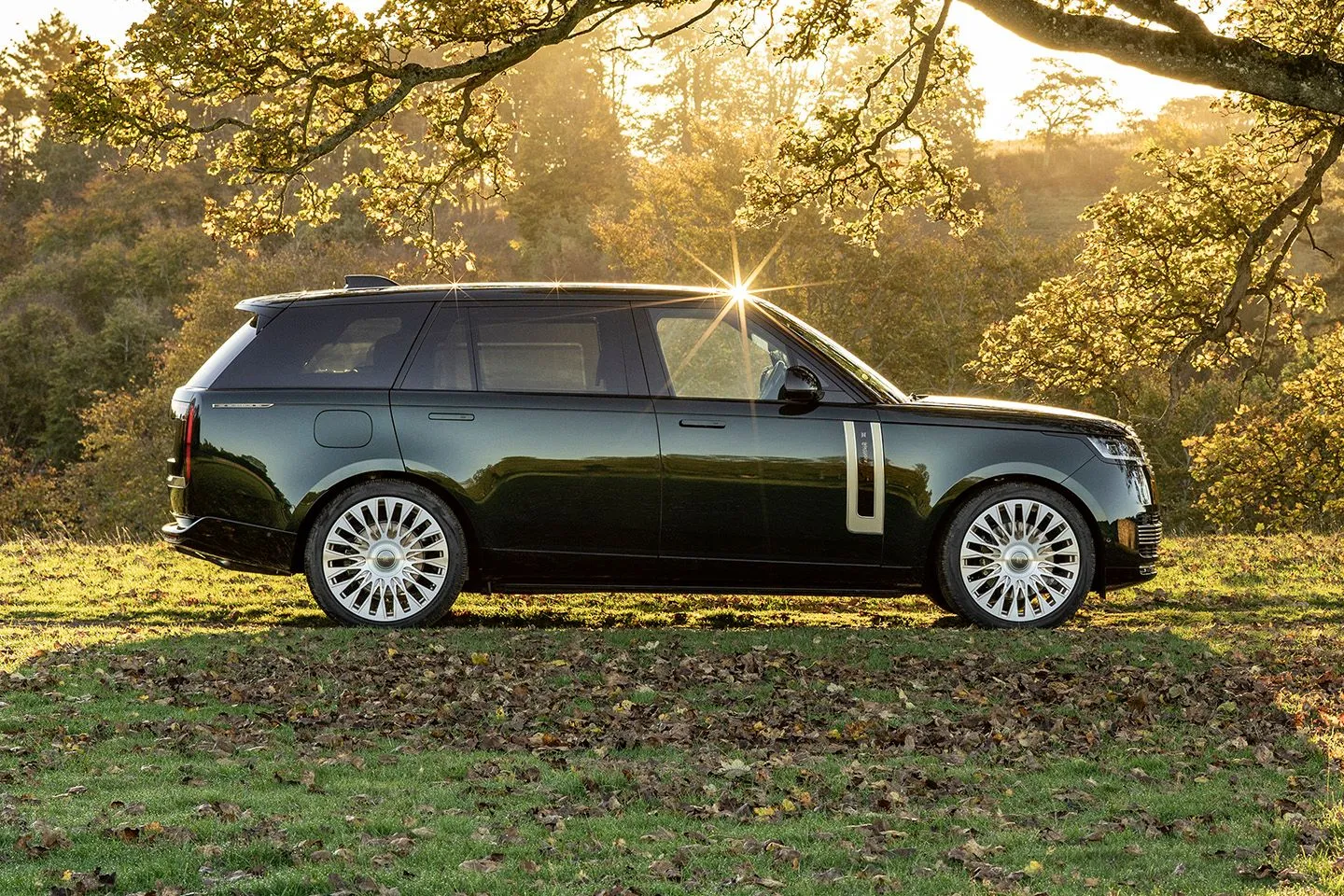
- Engine: 3.0L inline 6-cylinder mild hybrid / 4.4L twin turbo V8
- Horsepower: 395 hp to 523 hp (depending on variant)
- Torque: 550 Nm to 750 Nm
- Length: 5052 mm (standard wheelbase) / 5252 mm (long wheelbase)
- Width: 2047 mm
1. Range Rover
The Range Rover stands among the most technologically sophisticated luxury SUVs on the market, and its ADAS calibration requirements reflect that complexity. Modern Range Rover models feature an extensive collection of driver assistance technologies integrated into the upper windshield assembly and surrounding body architecture.
These systems commonly include adaptive cruise control, lane departure warning, lane centering assistance, traffic sign recognition, driver attention monitoring, and automated emergency braking. Because many of these functions rely on forward-facing cameras mounted near the windshield, replacing the glass often triggers mandatory recalibration procedures that can easily push total costs beyond $1,400.
One major factor behind the expensive recalibration process is the precision demanded by the vehicle’s camera systems. Range Rover engineers designed these technologies to operate within extremely narrow alignment tolerances. Even a minor discrepancy in camera angle or sensor positioning can interfere with the SUV’s ability to identify lane markings, judge following distance, or detect obstacles accurately.
Calibration technicians often require dealership-grade software and controlled indoor environments to complete the process successfully. This level of technical sophistication increases labor costs significantly compared with standard SUVs.
Another contributor to high calibration expenses is the layered sensor architecture used in many newer Range Rover trims. Some models combine windshield-mounted cameras with radar sensors positioned in the front fascia and side panels. During windshield replacement, technicians may need to perform both static and dynamic calibrations.
Static calibration involves using specialized targets and alignment equipment while the vehicle remains stationary. Dynamic calibration requires road testing under specific driving conditions to verify sensor accuracy in real-world situations. Combining these procedures increases service time and raises total repair bills considerably.
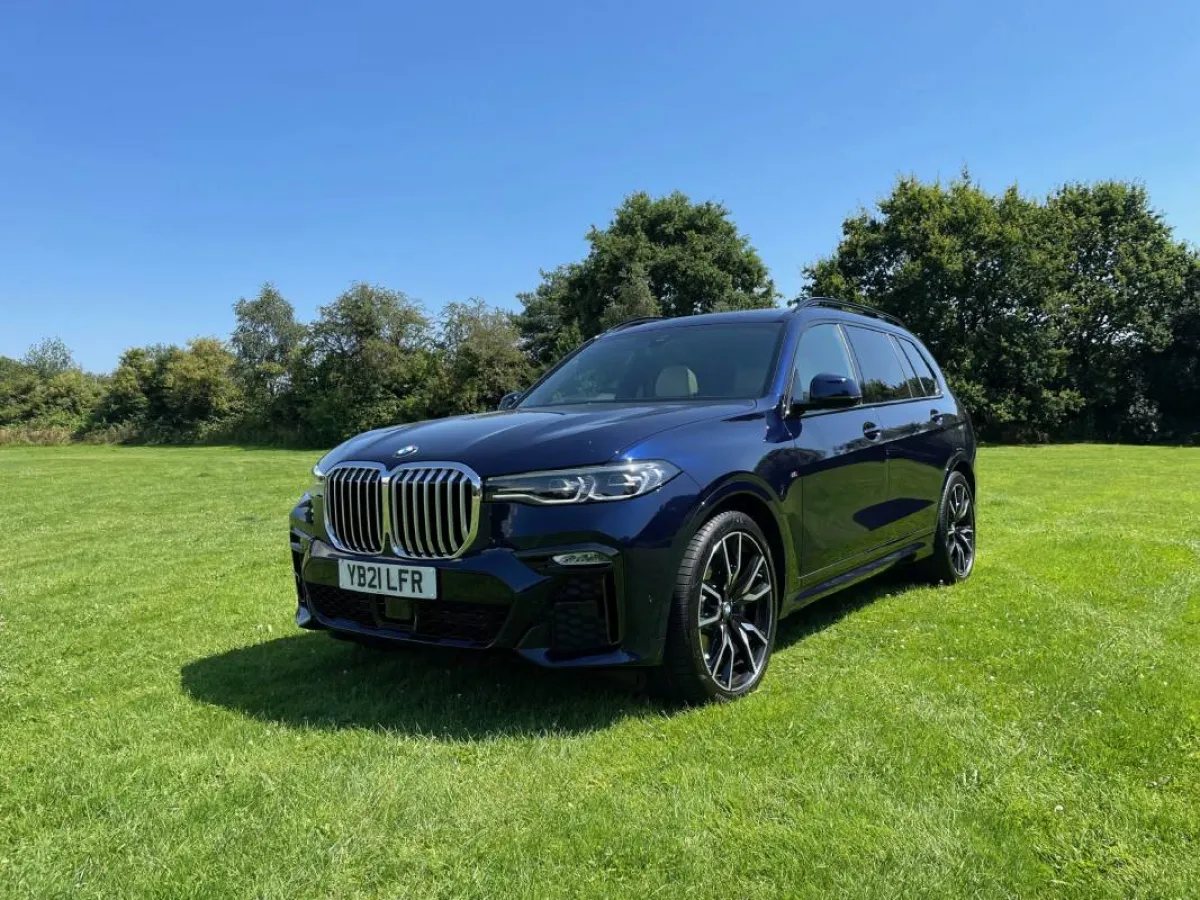
- Engine: 3.0L turbo inline 6-cylinder / 4.4L twin turbo V8
- Horsepower: 375 hp to 523 hp
- Torque: 540 Nm to 750 Nm
- Length: 5181 mm
- Width: 2000 mm
2. BMW X7
The BMW X7 represents BMW’s flagship SUV offering, combining premium comfort with highly advanced driver assistance technology. The vehicle includes sophisticated systems such as Highway Assistant, active lane keeping, adaptive cruise control, collision mitigation braking, parking assistance, and traffic jam assistance.
These technologies rely heavily on cameras and sensors integrated near the windshield assembly, making calibration after windshield replacement both essential and expensive. In many service situations, calibration costs alone exceed $1,400, depending on dealership labor rates and equipment requirements.
BMW designed the X7 with a strong emphasis on precision electronic integration. The forward camera system works continuously with radar sensors and onboard computing modules to monitor road conditions and surrounding traffic.
Following windshield replacement, technicians must recalibrate the camera alignment to ensure accurate communication between all safety systems. Because BMW uses highly specialized calibration software, independent repair facilities often lack the required tools and certifications to complete the procedure properly. This limitation drives many owners toward dealership service centers where labor costs are considerably higher.
Another factor influencing calibration pricing is the complexity of BMW’s sensor synchronization process. The X7 does not rely on a single forward camera alone. Instead, the SUV uses multiple electronic systems that constantly exchange data in real time.
If calibration fails to meet factory standards, warning lights may appear, or critical safety features could malfunction. Technicians, therefore, spend substantial time verifying alignment accuracy, testing camera responsiveness, and conducting diagnostic scans after installation. The additional labor increases total service expenses rapidly.
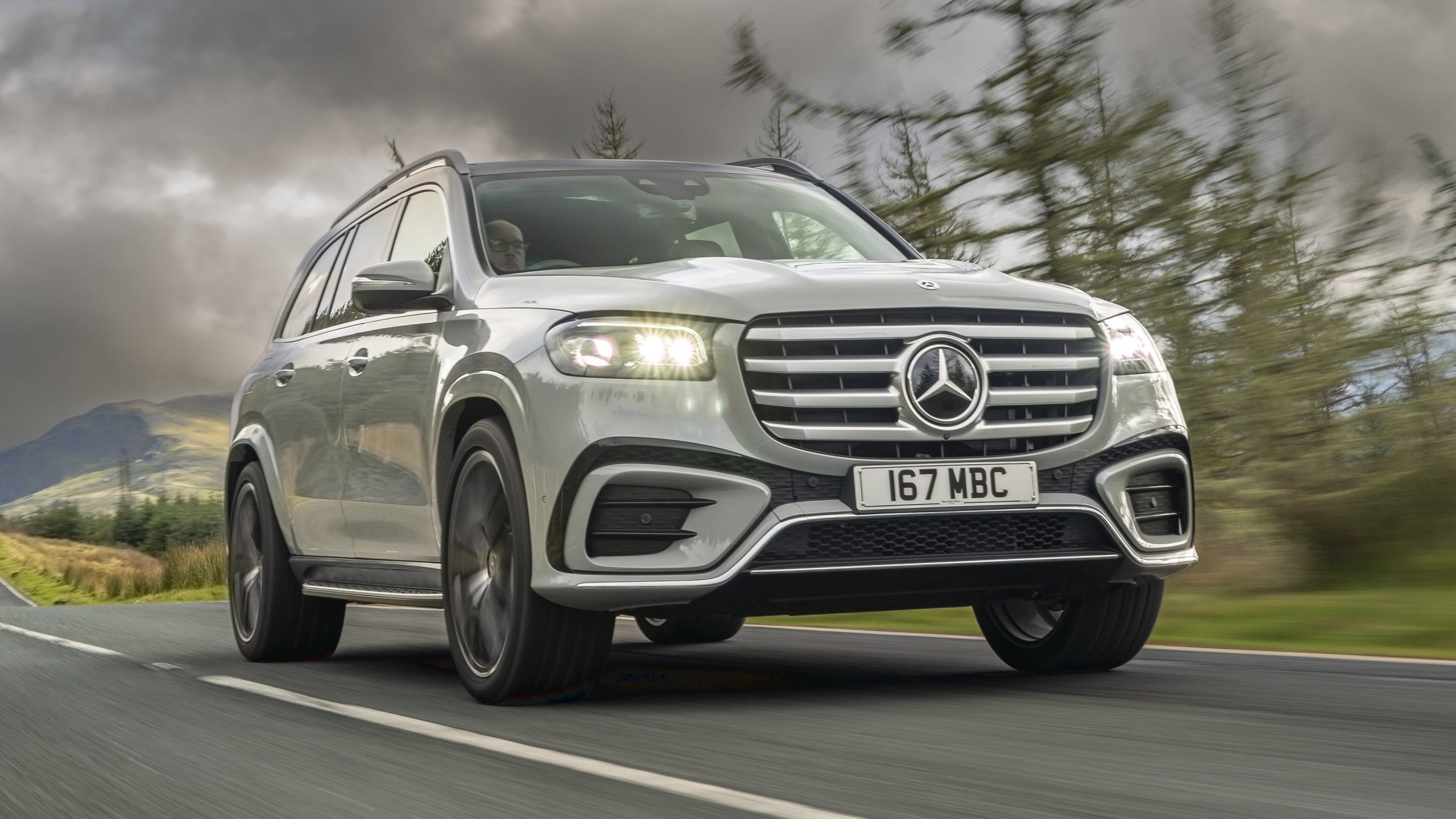
- Engine: 3.0L turbo inline 6 / 4.0L twin turbo V8
- Horsepower: 375 hp to 603 hp
- Torque: 500 Nm to 850 Nm
- Length: 5209 mm
- Width: 1956 mm
3. Mercedes-Benz GLS
The Mercedes-Benz GLS is known for delivering a refined driving experience supported by an extensive suite of advanced driver assistance technologies. Features such as Active Distance Assist, Active Steering Assist, lane change monitoring, automatic emergency braking, and intelligent parking systems all depend on precisely calibrated cameras and sensors integrated into the windshield and surrounding body structure.
When windshield replacement becomes necessary, recalibrating these systems can easily exceed $1,400 due to the technical complexity involved.
Mercedes-Benz engineers prioritize seamless communication between multiple safety systems, which increases the importance of exact sensor positioning. The GLS uses forward-facing cameras mounted behind the windshield to interpret lane markings, traffic movement, and road signs.
Even a slight variance in camera alignment can interfere with vehicle response timing or compromise driver assistance accuracy. To restore proper functionality after windshield replacement, technicians must perform detailed recalibration procedures using manufacturer-approved software and specialized equipment.
The premium nature of Mercedes-Benz ownership also contributes to higher service pricing. Certified repair facilities invest heavily in diagnostic technology, technician training, and calibration infrastructure to meet factory standards. These overhead expenses are reflected in customer repair invoices.
Additionally, many GLS models use acoustic laminated windshields with integrated heating elements, rain sensors, and camera mounts, making the replacement process itself more complicated and expensive before recalibration even begins.
- Engine: 3.0L V6 turbo / 4.0L V8 (SQ8)
- Horsepower: 335 hp to 500 hp
- Torque: 500 Nm to 770 Nm
- Length: 4995 mm
- Width: 1995 mm
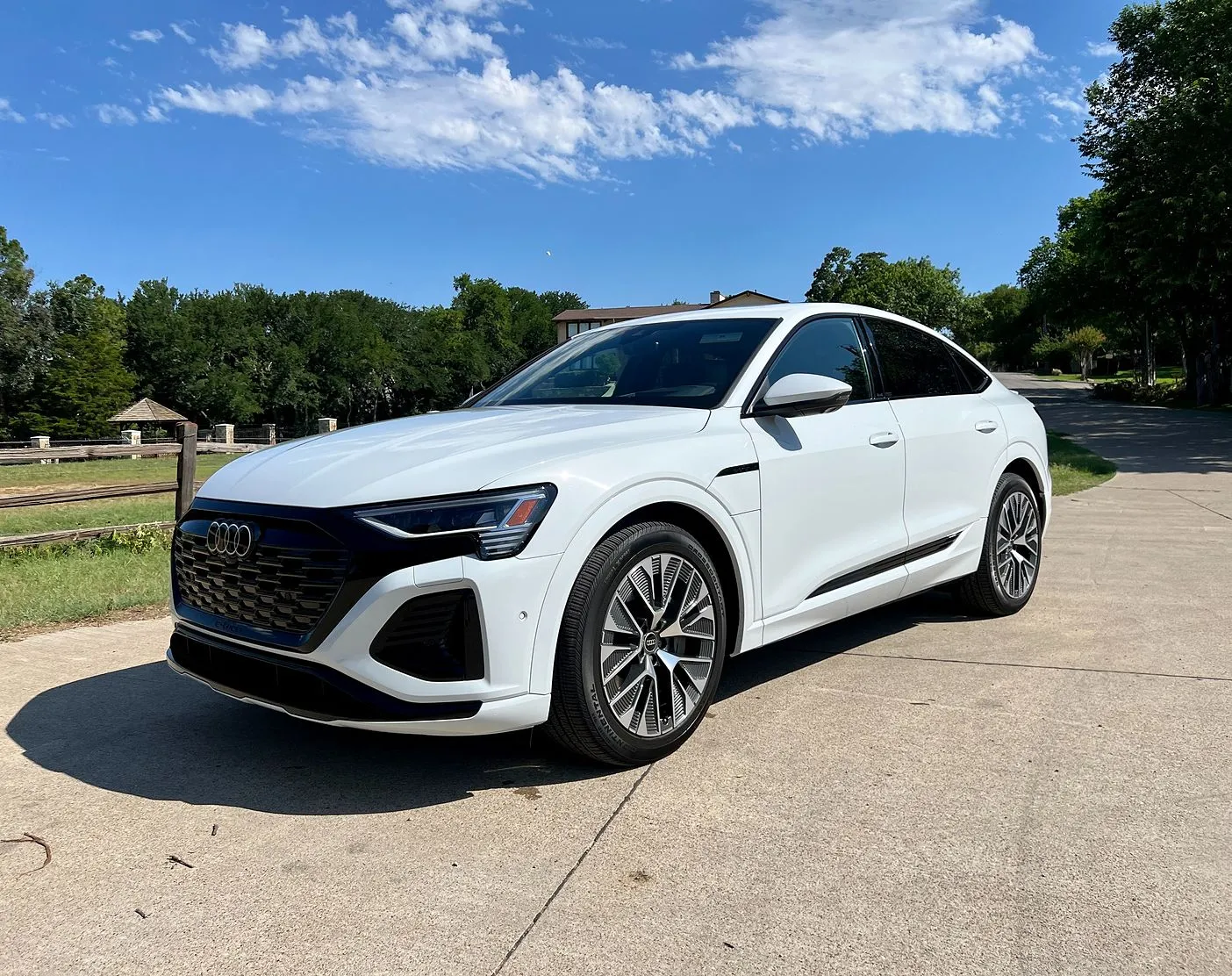
4. Audi Q8
The Audi Q8 combines high-performance engineering with advanced digital safety technology, making it one of the most electronically sophisticated SUVs in its segment. Audi equips the Q8 with numerous ADAS features, including adaptive cruise assist, lane guidance, predictive efficiency assist, intersection monitoring, and emergency braking systems.
Many of these technologies rely on windshield-mounted cameras and precision sensors that require meticulous recalibration after windshield replacement. In many repair scenarios, calibration costs alone can surpass $1,400.
Audi’s approach to ADAS integration emphasizes constant data communication between onboard sensors and central processing systems. The front-facing camera positioned behind the windshield serves as a critical component for multiple driver assistance functions.
If the windshield is replaced without precise recalibration, systems may deliver inaccurate warnings or reduced operational reliability. To avoid these issues, Audi technicians use highly controlled calibration procedures that involve exact measurements, laser alignment tools, and manufacturer-approved software platforms.
The Q8’s calibration process often becomes more expensive because of the vehicle’s layered electronic architecture. Radar sensors, ultrasonic sensors, and camera systems work together to support semi-autonomous driving features.
Replacing the windshield may affect the positioning of one or more integrated systems, requiring comprehensive diagnostic evaluations and multiple calibration stages. This level of complexity increases labor hours and extends service times significantly compared with traditional SUVs that use simpler safety technology.
The Audi Q8 demonstrates how rapidly advancing automotive technology can create hidden ownership costs that many buyers overlook during the purchasing process. While advanced driver assistance systems provide valuable safety benefits and driving convenience, they also increase repair complexity whenever windshield damage occurs.
Owners often expect windshield replacement to be relatively affordable, only to discover that calibration requirements transform the service into a major financial event. As luxury SUVs continue incorporating more sophisticated autonomous technologies, vehicles like the Q8 illustrate the growing connection between electronic innovation and rising long-term maintenance expenses.
- Engine: 2.0L 4-cylinder mild hybrid/plug-in hybrid
- Horsepower: 247 hp to 455 hp
- Torque: 350 Nm to 709 Nm
- Length: 4953 mm
- Width: 2008 mm
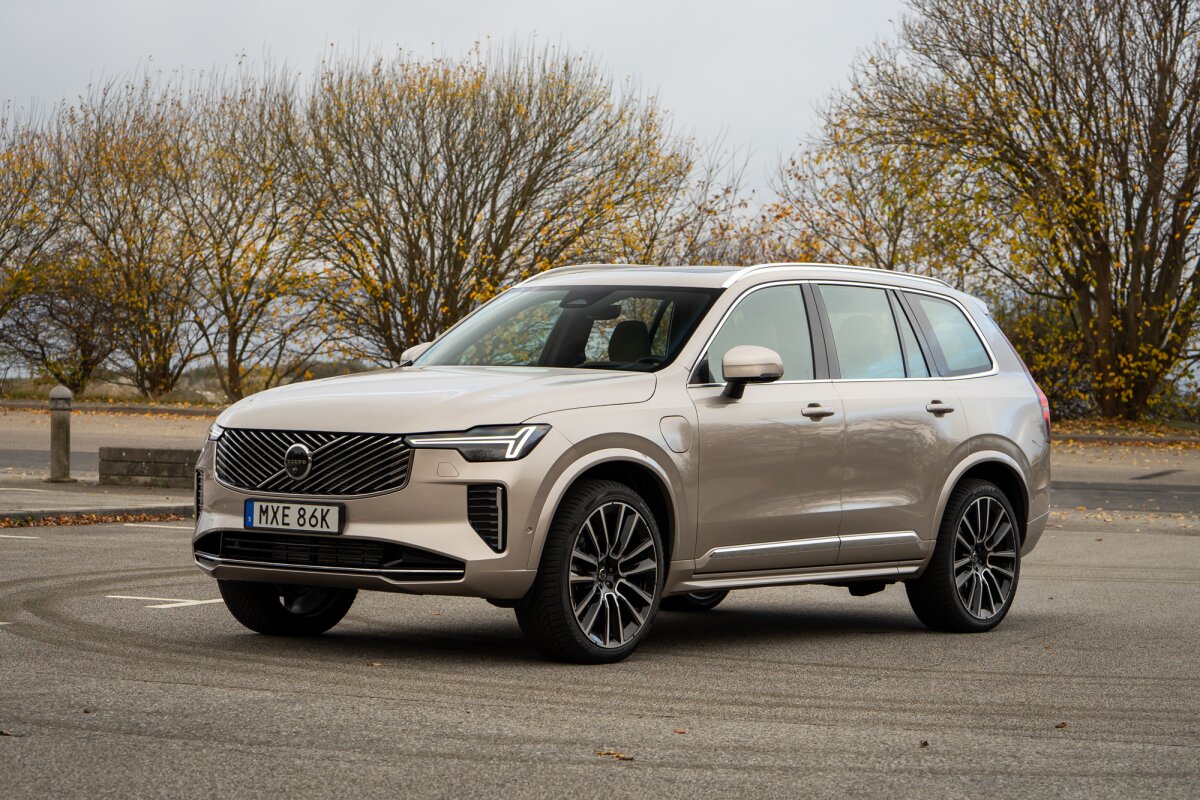
5. Volvo XC90
The Volvo XC90 has earned a strong reputation for safety innovation, and its advanced driver assistance systems play a central role in that identity. Volvo equips the XC90 with features such as Pilot Assist, collision avoidance technology, lane keeping aid, road sign information, blind spot monitoring, and automatic emergency braking.
These systems depend heavily on cameras and sensors integrated around the windshield area, making recalibration after windshield replacement both mandatory and expensive. In many cases, calibration expenses exceed $1,400 before accounting for premium glass and labor charges.
Volvo’s safety philosophy centers on precision and reliability, which is why recalibration standards are particularly strict for the XC90. The windshield-mounted camera system continuously monitors traffic conditions, lane markings, and nearby vehicles.
If camera positioning changes even slightly after glass replacement, safety systems may respond inaccurately or become partially disabled. Technicians must therefore follow exact factory calibration procedures using advanced diagnostic software and specialized alignment equipment to restore full operational accuracy.
One element contributing to the XC90’s high recalibration cost is the interconnected nature of Volvo’s safety systems. Pilot Assist and collision mitigation technologies rely on synchronized communication between cameras, radar sensors, and onboard computing modules.
During recalibration, technicians must ensure that all systems recognize and interpret environmental data consistently. This process often requires static calibration inside a precisely measured service bay, followed by dynamic road testing under controlled driving conditions.
Volvo owners may also face higher service expenses because certified calibration centers are not widely available. Many independent repair shops do not have the specialized equipment required to properly recalibrate Volvo’s advanced safety systems.
As a result, owners frequently rely on authorized dealerships or highly specialized repair centers where labor rates are significantly higher. Additional expenses may arise if software updates or sensor diagnostics are required during the recalibration process.
- Engine: 6.2L V8 / supercharged V8 (Escalade V)
- Horsepower: 420 hp to 682 hp
- Torque: 624 Nm to 885 Nm
- Length: 5382 mm
- Width: 2059 mm
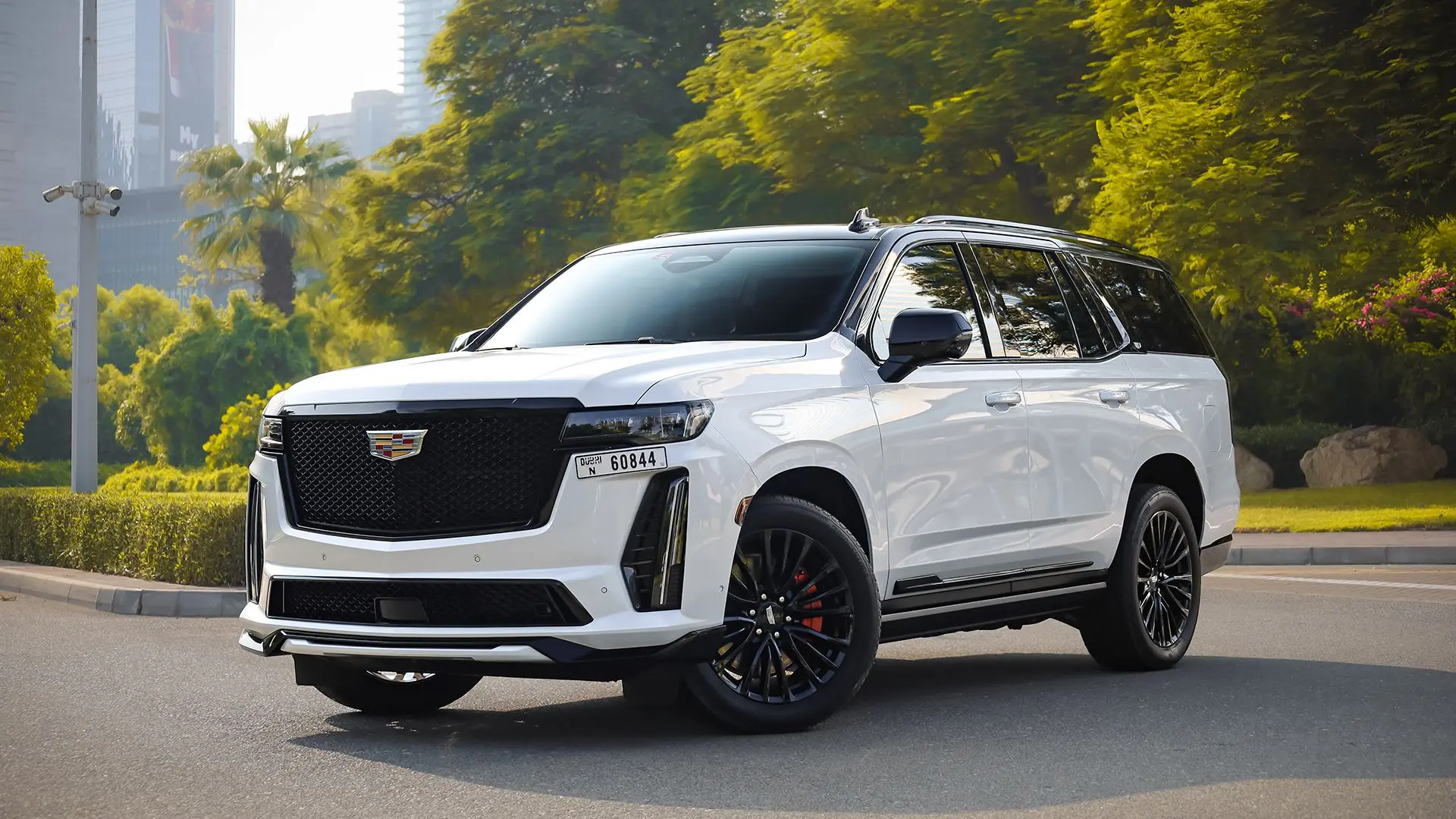
6. Cadillac Escalade
The Cadillac Escalade has evolved into a technology-heavy flagship SUV featuring sophisticated driver assistance systems and premium electronic integration. Modern Escalade models include Super Cruise capability, adaptive cruise control, lane centering technology, enhanced automatic braking, pedestrian detection, and surround vision systems.
These advanced safety features rely extensively on windshield-mounted cameras and precision-calibrated sensors. After windshield replacement, recalibration expenses can easily exceed $1,400 due to the vehicle’s highly advanced electronic architecture.
One major reason for the Escalade’s expensive calibration procedures is the integration of Super Cruise technology. This semi-autonomous driving system depends on precise communication between cameras, GPS data, radar sensors, and onboard mapping systems.
The windshield-mounted camera plays a crucial role in interpreting lane markings and monitoring road conditions. Even a small calibration error can affect system performance or deactivate key safety functions entirely. Technicians, therefore, must follow detailed factory procedures using specialized equipment to ensure complete system accuracy.
The Escalade’s large size and luxury positioning also contribute to elevated service costs. Cadillac dealerships typically maintain advanced calibration bays equipped with laser alignment tools and digital target systems designed specifically for ADAS service work.
Because calibration procedures require substantial technician training and expensive equipment investments, labor rates at certified facilities tend to be considerably higher than those at standard repair shops. Owners frequently discover that calibration charges alone rival the cost of windshield replacement itself.
Another factor increasing expenses is the complexity of sensor coordination within the Escalade’s safety ecosystem. Multiple cameras and radar units operate simultaneously to support lane guidance, emergency braking, parking assistance, and collision detection systems.
Following windshield installation, technicians often perform extensive diagnostic checks to confirm that every component communicates correctly with the central vehicle control modules. Dynamic road testing may also be necessary to validate calibration accuracy under real driving conditions.
- Engine: Dual motor / Tri motor electric setup
- Horsepower: ~670 hp (Dual Motor) to ~1020 hp (Plaid)
- Torque: ~660 Nm to ~1420 Nm (instant electric torque)
- Length: 5036 mm
- Width: 1999 mm
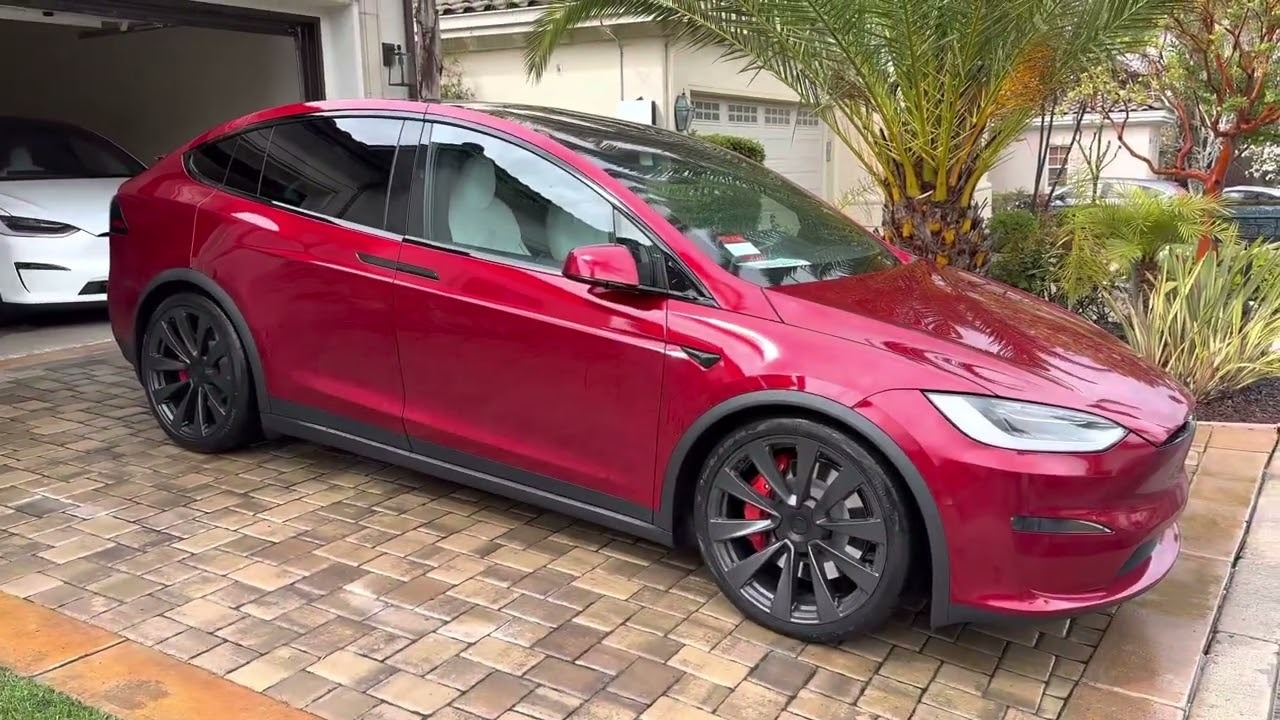
7. Tesla Model X
The Tesla Model X stands out as one of the most technologically advanced electric SUVs available today. Equipped with Autopilot and optional Full Self Driving capabilities, the Model X relies heavily on cameras, sensors, and sophisticated software systems to support semi-autonomous driving functions.
Because many of these systems are connected directly to the windshield-mounted camera assembly, replacing the windshield often triggers expensive recalibration procedures that can exceed $1,400, depending on service location and vehicle configuration.
Tesla’s ADAS ecosystem differs from many traditional automakers because the company emphasizes camera-based technology rather than relying primarily on radar hardware. The windshield-mounted forward camera cluster serves as a critical component for lane centering, adaptive cruise control, automatic braking, and traffic monitoring functions.
After windshield replacement, calibration is essential to ensure that the camera array interprets road conditions accurately. Without proper calibration, Autopilot-related features may operate incorrectly or remain disabled.
One challenge associated with Model X calibration is Tesla’s tightly controlled service environment. Independent repair facilities often have limited access to Tesla diagnostic systems and proprietary calibration software. As a result, many owners must visit Tesla service centers where labor rates and repair procedures are closely standardized by the manufacturer.
Scheduling delays and limited service availability in certain regions can further complicate the repair process and increase associated costs.
The complexity of Tesla’s software-driven safety systems also contributes to high recalibration expenses. Calibration procedures may involve software synchronization, camera alignment verification, firmware updates, and dynamic driving validation.
Unlike simpler ADAS systems found in older vehicles, Tesla’s autonomous driving platform requires extensive system communication checks after any windshield-related repair. These additional technical steps increase labor time and elevate the final service bill significantly.
- Engine: 3.5L twin turbo V6
- Horsepower: 409 hp
- Torque: 650 Nm
- Length: 5100 mm
- Width: 1990 mm
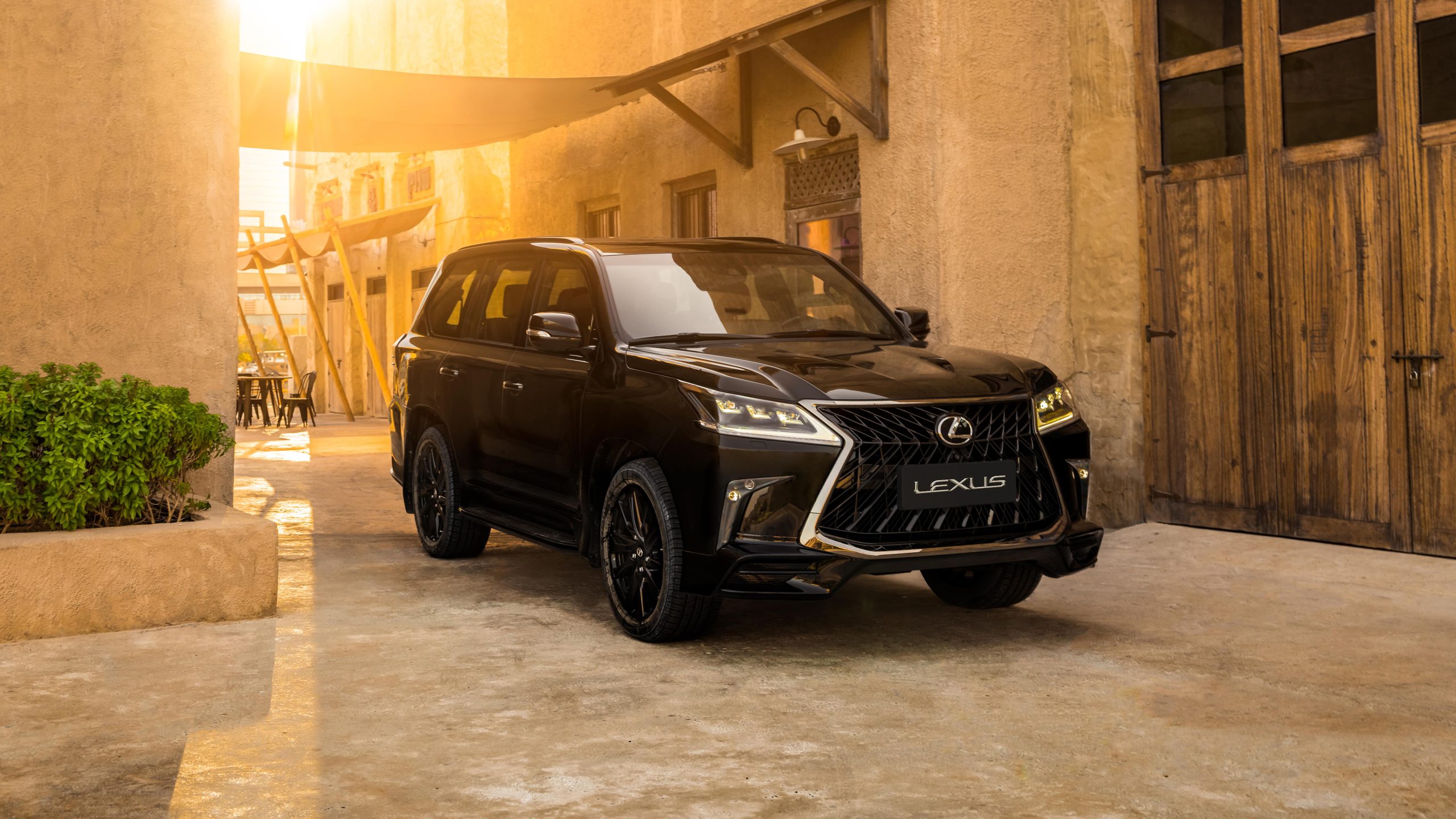
8. Lexus LX
The Lexus LX combines off-road capability with high-end comfort and advanced safety technologies. Lexus equips the LX with an extensive suite of driver assistance systems, including adaptive cruise control, lane tracing assist, pre-collision warning, pedestrian detection, blind spot monitoring, and road sign recognition.
Many of these functions depend on cameras mounted near the windshield, making recalibration after windshield replacement both necessary and expensive. In premium service environments, recalibration costs can exceed $1,400 with ease.
Lexus places strong emphasis on the reliability and precision of its safety systems. The LX uses carefully aligned forward-facing cameras to interpret lane markings, monitor traffic flow, and support emergency braking functions.
Following windshield replacement, even a small deviation in camera positioning can affect the accuracy of these systems. Technicians, therefore, perform detailed recalibration procedures designed to restore factory specifications exactly. The process often requires advanced alignment tools, calibration targets, and manufacturer-approved software systems.
The luxury nature of the LX also contributes to elevated recalibration expenses. Lexus dealerships invest heavily in technician certification programs and specialized calibration facilities to meet strict factory standards.
Maintaining this infrastructure adds operational costs that are reflected in repair pricing. Additionally, many LX models feature premium acoustic windshields with integrated sensors and mounting hardware that increase both installation complexity and replacement costs before calibration procedures even begin.
Another factor influencing total repair expenses is the need for comprehensive system diagnostics during recalibration. Modern Lexus safety systems rely on communication between multiple electronic modules, cameras, and radar sensors.
Technicians frequently perform complete system scans after windshield replacement to confirm that every component functions properly. Dynamic testing may also be required to validate lane-keeping and adaptive cruise control performance under real driving conditions.
- Engine: 3.0L V6 turbo / 2.9L twin turbo V6 / 4.0L V8 (Turbo E-Hybrid)
- Horsepower: 348 hp to 729 hp
- Torque: 500 Nm to 950 Nm
- Length: 4930 mm
- Width: 1983 mm
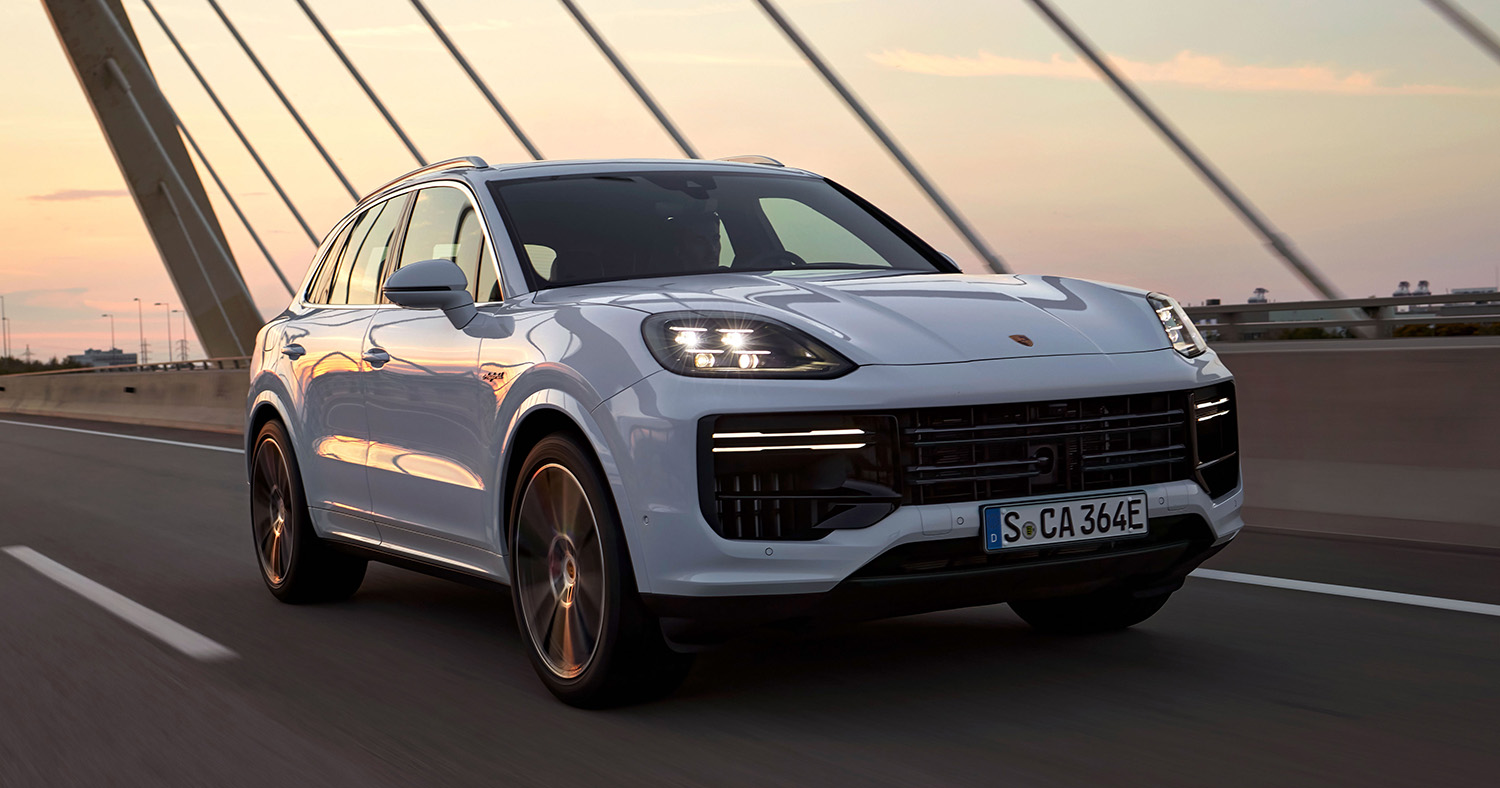
9. Porsche Cayenne
The Porsche Cayenne blends sports car-inspired performance with advanced driver assistance technology, creating a highly sophisticated luxury SUV experience. Modern Cayenne models include features such as adaptive cruise control, lane keeping assist, traffic jam support, night vision systems, and automated emergency braking.
These technologies rely heavily on precision-mounted cameras and sensors integrated near the windshield assembly. After windshield replacement, recalibration costs can easily exceed $1,400 due to the complexity of Porsche’s electronic systems and service requirements.
Porsche engineers designed the Cayenne with an emphasis on precise handling and responsive safety systems. The windshield-mounted camera array continuously analyzes road markings, surrounding vehicles, and driving conditions to support multiple ADAS functions simultaneously.
If windshield replacement alters camera positioning even slightly, the SUV’s safety technologies may lose accuracy or fail to operate correctly. Technicians must therefore perform exact recalibration procedures using factory-approved equipment and highly controlled alignment environments.
The Cayenne’s performance-oriented technology package adds another layer of complexity to calibration procedures. Porsche integrates multiple electronic systems that work together in real time, including radar sensors, cameras, suspension controls, and braking systems. Recalibrating one component often requires verifying communication across the broader vehicle network. This interconnected architecture increases labor time and demands advanced diagnostic expertise, both of which contribute to higher service costs.
Premium dealership pricing also plays a significant role in the Cayenne’s expensive recalibration process. Porsche certified service centers maintain specialized calibration equipment and technician training programs to meet manufacturer standards.
These facilities frequently charge luxury-level labor rates that significantly exceed those of standard repair shops. In addition, some Cayenne configurations require extensive post-calibration testing to ensure that high-speed driver assistance systems function correctly under real-world driving conditions.
