
Volvo has built a reputation as one of the most respected automotive manufacturers in the world. Known for pioneering safety innovations, delivering comfortable interiors, and emphasizing long-term durability, the Swedish brand has attracted loyal customers for decades.
From family-oriented wagons and practical SUVs to luxury sedans, Volvo has consistently offered vehicles that balance refinement with real-world usability.
However, like every automaker, Volvo has produced some models that stand out as excellent long-term ownership choices and others that have developed reputations for costly repairs, reliability concerns, or ownership experiences that fail to meet expectations.
When shopping for a used Volvo, understanding which models have proven themselves over time can make a significant difference in ownership satisfaction and costs. Many buyers are drawn to Volvo because of its strong safety ratings and premium feel, but not every vehicle in the lineup delivers the same level of dependability.
Some models have demonstrated remarkable longevity, often surpassing hundreds of thousands of miles with proper maintenance. Others have struggled with complex mechanical systems, expensive electronic failures, or drivetrain issues that can quickly turn a seemingly attractive purchase into a financial burden.
The used vehicle market is filled with opportunities for buyers seeking premium features without paying luxury brand-new vehicle prices. Volvo models are often particularly appealing because they tend to depreciate faster than some German competitors while still offering high-quality interiors and advanced safety technologies.
This combination can create tremendous value when selecting the right model. However, depreciation alone should never be the deciding factor. Reliability history, maintenance requirements, parts availability, and owner satisfaction all play critical roles in determining whether a specific Volvo deserves consideration.
This guide examines four Volvo models that have earned strong reputations among owners, mechanics, and automotive enthusiasts. These vehicles have demonstrated qualities that make them worthwhile purchases for those seeking dependable transportation and premium comfort.
At the same time, we will also look at four Volvo models that prospective buyers may want to approach cautiously. While these vehicles are not necessarily terrible automobiles, their ownership challenges can outweigh their benefits for many consumers.
By understanding the strengths and weaknesses of these models, buyers can make more informed decisions and avoid common pitfalls in the used Volvo market.
Also Read: 10 Best Beginner Drift Cars You Can Actually Afford
4 Volvo Models Worth
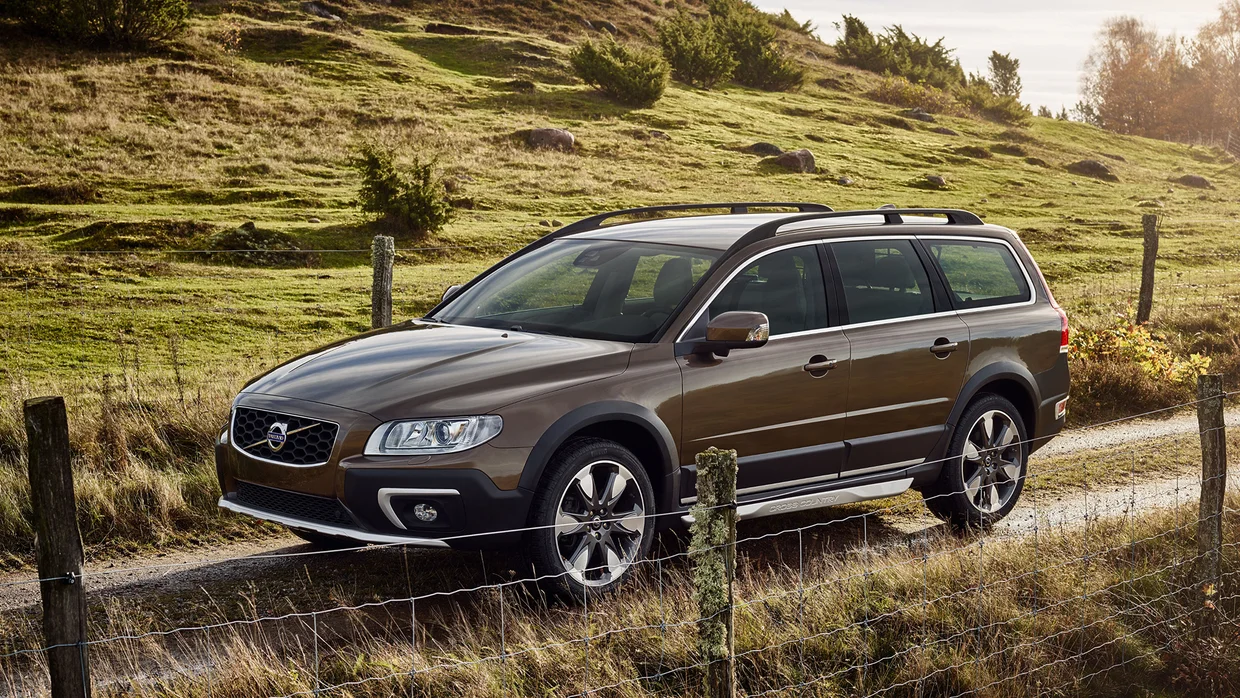
- Engine: 3.2-liter inline 6 cylinder
- Horsepower: 235 hp
- Torque: 236 lb ft
- Length: 190.5 inches (4,839 mm)
- Width: 73.3 inches (1,862 mm)
1. Volvo XC70
The Volvo XC70 remains one of the most beloved vehicles ever produced by the Swedish manufacturer. Combining wagon practicality with increased ground clearance and all-weather capability, the XC70 carved out a unique position in the automotive marketplace.
For families, outdoor enthusiasts, and long-distance travelers, it offered a blend of comfort and versatility that few competitors could match. Unlike many crossover SUVs that prioritize style over substance, the XC70 focused on delivering genuine utility while maintaining the comfortable driving characteristics of a traditional wagon.
One of the biggest strengths of the XC70 is its durability. Many examples equipped with the proven five-cylinder engines have accumulated exceptionally high mileage while maintaining strong reliability records. Routine maintenance remains important, but the core mechanical components often demonstrate impressive longevity.
Owners frequently report driving these vehicles well beyond 200,000 miles with relatively manageable repair costs. This reputation for endurance has helped the XC70 become a favorite among buyers looking for a premium vehicle that can serve reliably for many years.
Safety has always been a defining characteristic of Volvo, and the XC70 exemplifies that tradition. Advanced safety features for its era, strong crash protection, and a sturdy vehicle structure helped establish the model as a favorite among safety-conscious buyers.
Even older examples continue to provide reassuring protection compared with many vehicles from the same period. The vehicle was engineered with occupant safety as a top priority, reinforcing Volvo’s longstanding commitment to protecting drivers and passengers.
The interior also contributes significantly to the XC70’s appeal. Comfortable seats, excellent visibility, and practical cargo space make it an outstanding daily driver. Whether transporting family members, luggage, pets, or outdoor equipment, the vehicle handles a wide range of tasks with ease.
The cabin design may appear understated by modern standards, but functionality remains exceptional. Long journeys are particularly enjoyable thanks to the supportive seating and quiet ride quality that Volvo vehicles are known for.
Another advantage of the XC70 is its versatility in different weather conditions. Equipped with available All Wheel Drive systems, the vehicle performs confidently on wet roads, snowy highways, and light off-road trails.
This capability makes it particularly attractive for buyers living in regions with harsh winters or unpredictable weather. Unlike larger SUVs, the XC70 retains car-like handling while offering additional traction when needed.
The cargo-carrying capability of the XC70 is another major selling point. The spacious rear compartment and flexible seating arrangement allow owners to transport bulky items with ease. Whether carrying sports equipment, camping gear, furniture, or groceries, the vehicle adapts to a wide variety of needs. This practicality has made it especially popular among active families and outdoor enthusiasts.
Ownership costs are generally reasonable when compared with those of many luxury vehicles from the same era. While maintenance expenses can exceed those of mainstream brands, the XC70 often avoids the severe reliability concerns that plague some competitors. Buyers who invest in preventive maintenance frequently enjoy years of dependable service without facing constant repair bills.
The timeless design of the XC70 also deserves recognition. Its rugged appearance, raised stance, and practical proportions have aged remarkably well. Even older models retain a distinctive and purposeful look that appeals to drivers seeking something different from the sea of modern crossovers. This enduring design helps maintain the vehicle’s desirability in the used market.
For buyers seeking a used Volvo that combines reliability, practicality, safety, and long-term value, the XC70 stands among the strongest options. Its combination of proven engineering, comfort, and everyday usefulness makes it one of the best used Volvos available for families and individuals alike.

- Engine: 2.3-liter inline 4 cylinder
- Horsepower: 114 hp
- Torque: 136 lb ft
- Length: 188.4 inches (4,785 mm)
- Width: 67.7 inches (1,720 mm)
2. Volvo 240
Few vehicles have achieved the legendary status of the Volvo 240. Produced for nearly two decades, this model became synonymous with durability, simplicity, and safety. Even decades after production ended, many examples remain on the road, a testament to the vehicle’s engineering quality. The 240 established a reputation that continues to influence how consumers view the Volvo brand today.
The greatest strength of the Volvo 240 lies in its mechanical simplicity. Unlike many modern vehicles packed with complex electronic systems, the 240 was designed with straightforward engineering principles.
This simplicity often translates into lower repair costs and easier maintenance compared with newer luxury vehicles. Owners and mechanics alike appreciate the vehicle’s accessibility and ease of servicing.
Reliability is another area where the 240 excels. Well-maintained examples frequently surpass 300,000 miles and sometimes reach significantly higher figures.
The engines, transmissions, and chassis components earned reputations for surviving years of daily use under challenging conditions. This durability has helped create a passionate community of enthusiasts who continue to preserve and restore these vehicles.
The practical nature of the 240 further enhances its appeal. Wagon versions offer remarkable cargo capacity, while sedan models provide comfortable transportation for families and commuters. The boxy design may not appeal to everyone, but it maximizes interior space and contributes to excellent visibility. Functionality always took precedence over fashion, resulting in a vehicle that excels in everyday use.
Safety was a major selling point during the 240’s production run. Volvo invested heavily in crash protection technologies, structural integrity, and occupant safety systems. Many innovations that later became common throughout the automotive industry were first introduced or refined in vehicles like the 240. This commitment to safety helped establish Volvo as a leader in automotive protection.
Another reason the 240 remains desirable is its strong aftermarket and enthusiast support. Replacement parts, technical resources, and community knowledge are widely available. Buyers interested in a classic Volvo that can still serve as reliable transportation often find the 240 difficult to surpass. Online forums and owner groups provide extensive assistance for maintenance and restoration projects.
The driving experience offers a unique sense of character that many modern vehicles lack. While it is not particularly fast by today’s standards, the 240 delivers predictable handling, excellent visibility, and a feeling of solidity that inspires confidence. The straightforward nature of the vehicle creates a connection between driver and machine that enthusiasts appreciate.
The classic styling of the 240 has also aged remarkably well. Its distinctive square shape has become iconic, representing an era when practicality and durability were prioritized over aggressive styling trends. Today, many collectors actively seek well-preserved examples due to their historical significance and growing rarity.
For buyers seeking a dependable classic car with a proven reputation for longevity, the Volvo 240 remains one of the most compelling options available. Its combination of reliability, practicality, safety, and timeless design ensures its place among the greatest vehicles Volvo has ever produced.
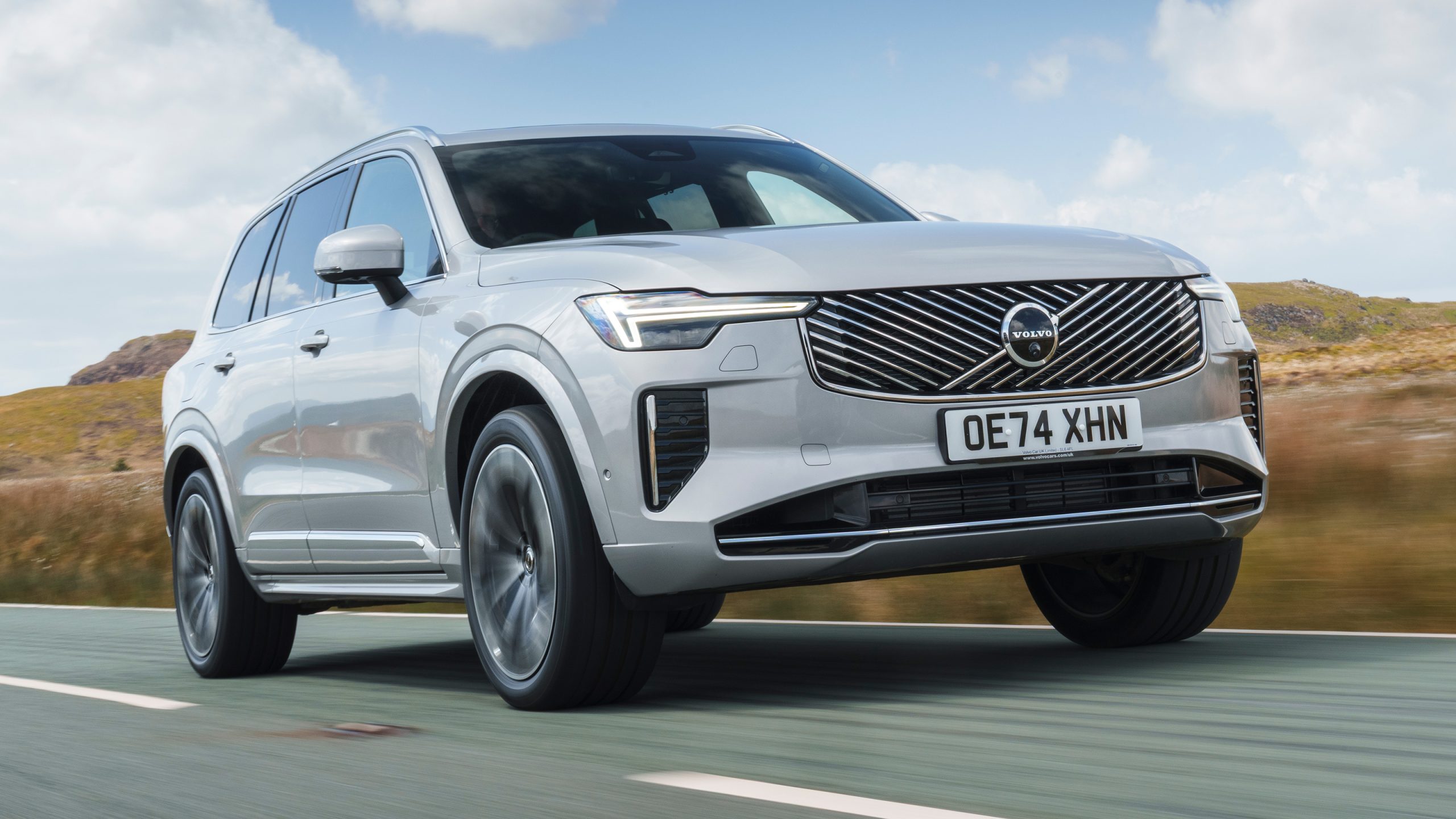
- Engine: 2.0-liter turbocharged and supercharged inline 4 cylinder (T6)
- Horsepower: 316 hp
- Torque: 295 lb ft
- Length: 194.8 inches (4,948 mm)
- Width: 79.1 inches including mirrors (2,008 mm)
- Width without mirrors: 74.9 inches (1,902 mm)
3. Volvo XC90 Second Generation
The second-generation XC90 marked a major turning point for Volvo. Introduced with modern styling, advanced technology, and a luxurious interior, it helped redefine the brand’s image while maintaining Volvo’s commitment to safety and practicality. The vehicle demonstrated that Volvo could compete directly with established luxury SUV manufacturers while retaining its unique Scandinavian identity.
One of the most impressive aspects of the XC90 is its interior quality. Premium materials, elegant Scandinavian design, and exceptional seating comfort create an upscale environment that rivals many luxury competitors.
Passengers benefit from thoughtful ergonomics and a spacious cabin suitable for families and long road trips. The minimalist design philosophy gives the interior a sophisticated appearance that remains attractive years after its introduction.
Safety remains a key selling point. The XC90 incorporates a wide range of advanced driver assistance technologies designed to reduce accident risks and protect occupants. Volvo’s reputation for safety innovation is clearly evident throughout the vehicle’s design and engineering.
Features such as collision avoidance systems, lane keeping assistance, and advanced structural protection contribute to exceptional safety credentials.
The SUV also provides strong versatility. With available three-row seating, substantial cargo capacity, and confident road manners, it meets the needs of a broad range of buyers. Families particularly appreciate the balance between practicality and premium comfort. The flexible interior configuration allows the vehicle to adapt to changing passenger and cargo requirements.
Another major strength is ride comfort. The XC90 delivers a refined driving experience that isolates occupants from road imperfections while maintaining stability and control. Long-distance travel becomes remarkably comfortable thanks to supportive seating, low cabin noise levels, and advanced suspension systems.
The exterior design has aged gracefully and continues to attract buyers. Clean lines, distinctive lighting elements, and understated elegance separate the XC90 from many competitors that rely on aggressive styling. The vehicle projects confidence and sophistication without appearing overly flashy.
Technology integration is another area where the XC90 excels. The infotainment system, digital displays, and connectivity features provide modern convenience while maintaining a relatively intuitive user experience. Although some owners may require time to learn the system’s functions, the technology package remains competitive within the luxury SUV segment.
The vehicle’s powertrain options offer a balance between performance and efficiency. Volvo’s engineering approach focused on delivering strong acceleration and responsive driving characteristics without relying on excessively large engines. This strategy helps reduce fuel consumption while maintaining the performance expected from a premium SUV.
While maintenance costs can be higher than those of mainstream vehicles, the ownership experience is often rewarding when the vehicle is properly maintained.
Buyers seeking a modern Volvo with luxury credentials, advanced safety technology, and family-friendly functionality frequently find the second-generation XC90 to be one of the best choices in the used luxury SUV market.
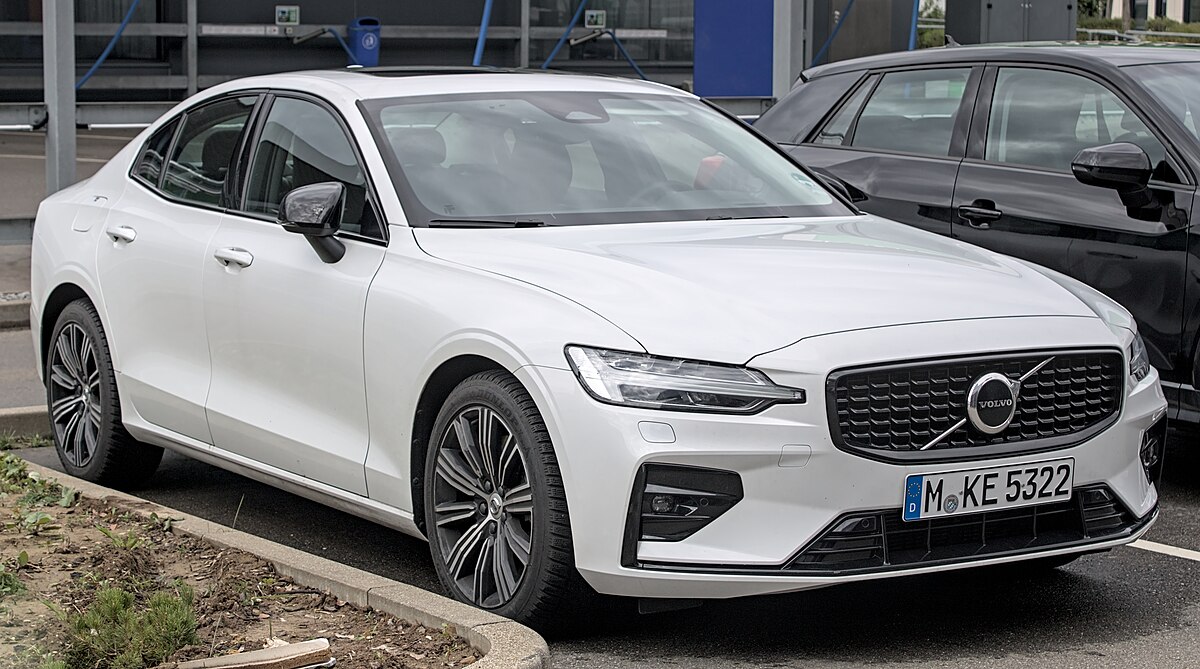
- Engine: 2.0-liter turbocharged inline 4 cylinder
- Horsepower: 250 hp
- Torque: 258 lb ft
- Length: 187.4 inches (4,760 mm)
- Width: 72.8 inches (1,849 mm)
4. Volvo S60
The Volvo S60 has earned recognition as one of the brand’s most balanced sedans. Combining attractive styling, enjoyable driving dynamics, and strong safety performance, it appeals to buyers looking for an alternative to traditional German luxury sedans. The model successfully blends comfort, technology, and practicality into a package that remains competitive in the premium sedan segment.
One of the S60’s strengths is its driving experience. The vehicle delivers composed handling and a comfortable ride while maintaining the refinement expected in the premium segment.
Drivers often appreciate the balance between comfort and responsiveness. Whether driving through city streets or cruising on the highway, the S60 delivers a confident and enjoyable driving experience.
The interior design reflects Volvo’s modern Scandinavian philosophy. Clean lines, high-quality materials, and supportive seating contribute to a pleasant environment for both drivers and passengers. Long-distance comfort remains a standout characteristic. Volvo’s seats are widely regarded among the best in the automotive industry, and the S60 continues that tradition.
Safety technology is another major advantage. The S60 includes numerous active and passive safety features that enhance occupant protection and driver confidence. Volvo’s longstanding focus on safety remains evident throughout the model. Advanced driver assistance systems help reduce accident risks while improving everyday convenience.
The exterior styling deserves significant praise as well. The S60 features elegant proportions, modern lighting elements, and a distinctive appearance that helps it stand out in a crowded luxury sedan market. Its design balances sophistication and sportiness without relying on excessive visual drama.
Practicality is often overlooked when discussing premium sedans, but the S60 performs well in this area. The cabin provides sufficient passenger space, while the trunk offers useful cargo capacity for everyday needs. Families, professionals, and commuters can all find value in the vehicle’s well-rounded design.
The available powertrains offer a variety of performance levels to suit different preferences. Whether buyers prioritize fuel efficiency, balanced performance, or stronger acceleration, the S60 lineup provides options capable of meeting diverse expectations. This flexibility broadens the model’s appeal among luxury sedan shoppers.
Reliability has generally been respectable, particularly among well-maintained examples. While no luxury vehicle is completely immune to repairs, many owners report positive long-term experiences. Regular maintenance and timely servicing help ensure the vehicle continues to perform as intended throughout its lifespan.
For buyers seeking a stylish, comfortable, safe, and refined premium sedan, the Volvo S60 represents one of Volvo’s strongest offerings. Its blend of luxury, practicality, and driving enjoyment makes it an attractive alternative to more commonly chosen competitors.
Also Read: 8 Cars Where the Battery Is Hidden in a Bizarre Spot
4 to Pass On
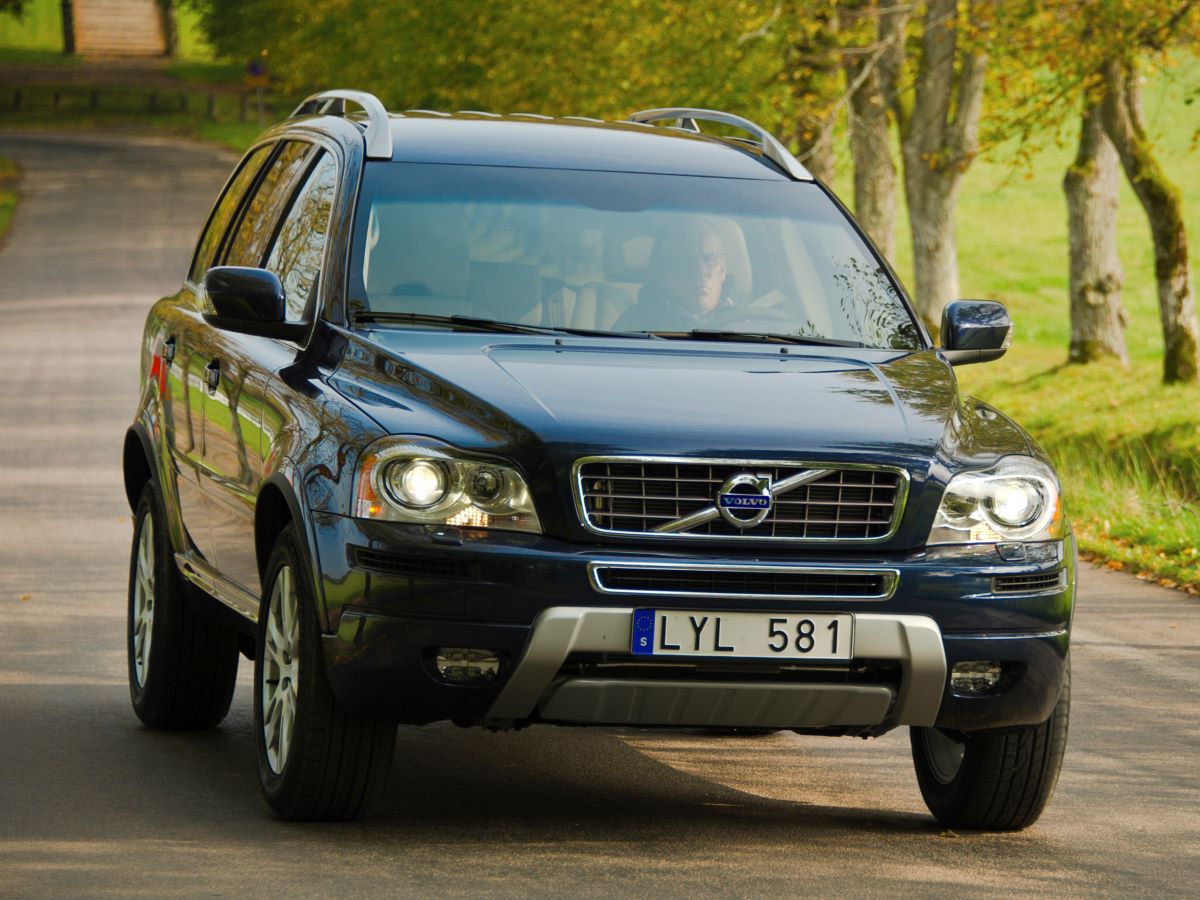
- Engine: 4.4-liter V8
- Horsepower: 311 hp
- Torque: 325 lb ft
- Length: 189.3 inches (4,809 mm)
- Width: 74.7 inches (1,897 mm)
1. Volvo XC90 First Generation V8
Although the first-generation XC90 introduced Volvo to the modern luxury SUV market, V8-equipped versions have developed a reputation for expensive ownership challenges.
While the vehicle offers strong performance and a premium feel, potential buyers should proceed carefully. On paper, the combination of a powerful V8 engine and a spacious luxury SUV appears highly attractive, but real-world ownership experiences often reveal concerns that are difficult to ignore.
One of the primary issues involves maintenance complexity. The V8 engine was tightly packaged within the engine bay, making many repairs more labor-intensive than buyers might expect. Even routine maintenance procedures can require additional time and effort. As a result, labor costs can become significantly higher compared with other Volvo models equipped with simpler powertrains.
As these vehicles age, electronic problems can become increasingly common. Owners have reported issues involving sensors, control modules, dashboard warning systems, and various electrical components.
Diagnosing these faults can be time-consuming because modern luxury vehicles rely on numerous interconnected systems. What initially appears to be a minor issue can sometimes lead to expensive troubleshooting and repairs.
Fuel economy is another major drawback. The V8 engine delivers respectable performance, but efficiency was never its strongest attribute. Drivers who spend considerable time commuting or taking long trips may find fuel expenses noticeably higher than expected. In an era where many SUVs achieve improved efficiency through advanced powertrain technology, the XC90 V8 can feel outdated.
Transmission-related concerns have also been noted by some owners. While not every vehicle experiences major drivetrain failures, aging components can lead to shifting issues, hesitation, or costly repairs. Prospective buyers should pay close attention to service records and transmission performance during inspections.
The weight of the vehicle places additional stress on suspension and braking components. Over time, wear and tear can result in the need for replacement parts that are not always inexpensive. Buyers considering older examples should be prepared for potential suspension refurbishments and related maintenance costs.
Another challenge is the increasing age of available examples. Since these vehicles have been out of production for years, even low-mileage examples are now aging mechanically and electronically. Rubber seals, hoses, wiring, and various components naturally deteriorate over time, potentially creating maintenance needs regardless of mileage.
Depreciation may make the XC90 V8 appear like a bargain in the used market, but low purchase prices can sometimes be misleading. The savings achieved at the time of purchase can quickly disappear if major repairs become necessary. Buyers who focus solely on initial cost may underestimate long-term ownership expenses.
While some owners enjoy years of reliable service, the first-generation XC90 V8 remains a vehicle that requires careful consideration. For most used SUV shoppers, there are safer and more dependable alternatives within Volvo’s own lineup that offer lower ownership risks and better value.
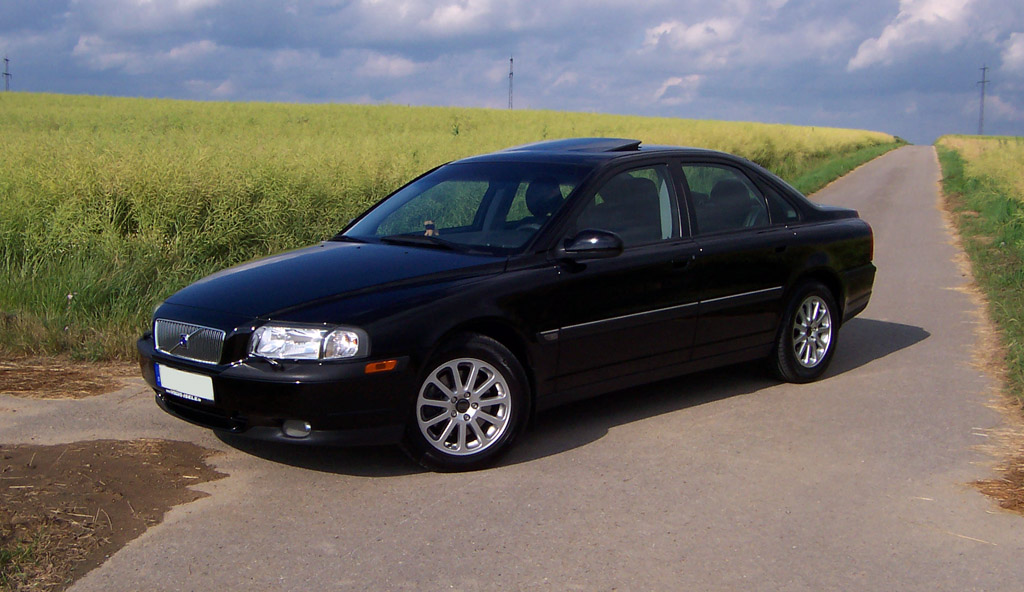
- Engine: 2.9-liter twin-turbo inline 6 cylinder
- Horsepower: 268 hp
- Torque: 280 lb ft
- Length: 189.8 inches (4,821 mm)
- Width: 72.1 inches (1,831 mm)
2. Volvo S80 T6 Early Models
The Volvo S80 represented the brand’s flagship sedan, but early T6 versions encountered reliability challenges that damaged their reputation. Although the vehicle delivered impressive comfort and performance, several mechanical concerns make it a less desirable used purchase.
Buyers attracted by luxury features and affordable used prices should understand the potential drawbacks before making a decision.
Transmission problems have historically been among the most frequently cited concerns. Some early models experienced premature transmission wear and failures that resulted in expensive repairs.
These issues significantly affected owner satisfaction and contributed to the model’s reputation for unreliability. Replacing or rebuilding a transmission can easily turn an inexpensive purchase into a costly ownership experience.
The turbocharged powertrain introduced additional complexity. While the engine produced strong performance and smooth acceleration, turbocharged systems generally involve more components that can fail over time. Turbochargers, associated plumbing, and supporting systems can require expensive repairs as vehicles age and accumulate mileage.
Electronic issues have also been reported in various examples. Problems involving climate control systems, dashboard displays, sensors, and electrical accessories can be frustrating for owners. Luxury features that once enhanced the driving experience may eventually become sources of ongoing maintenance expenses.
Repair costs can be particularly concerning because the S80 was designed as a premium sedan. Parts and labor often cost more than comparable repairs on mainstream vehicles. Owners who are accustomed to economy car maintenance expenses may be surprised by the financial commitment required to keep an aging S80 operating properly.
Another drawback is the model’s depreciation pattern. Although low purchase prices may initially appear attractive, poor resale values often reflect concerns about long-term reliability. Vehicles that depreciate heavily sometimes do so because the market recognizes potential ownership risks.
The complexity of the vehicle’s systems can also make troubleshooting difficult. Modern luxury sedans often contain numerous interconnected components, and identifying the root cause of a problem may require specialized diagnostic equipment. This can increase both repair times and service costs.
Some owners report satisfactory experiences when maintenance has been performed consistently and proactively. However, buying a neglected example can be particularly risky. Missing service records or evidence of deferred maintenance should be treated as warning signs by prospective buyers.
Although the S80 remains comfortable, spacious, and refined, many shoppers will find stronger long-term value elsewhere in the Volvo lineup. The combination of transmission concerns, aging electronics, and potentially expensive repairs reduces its appeal compared with more dependable alternatives.
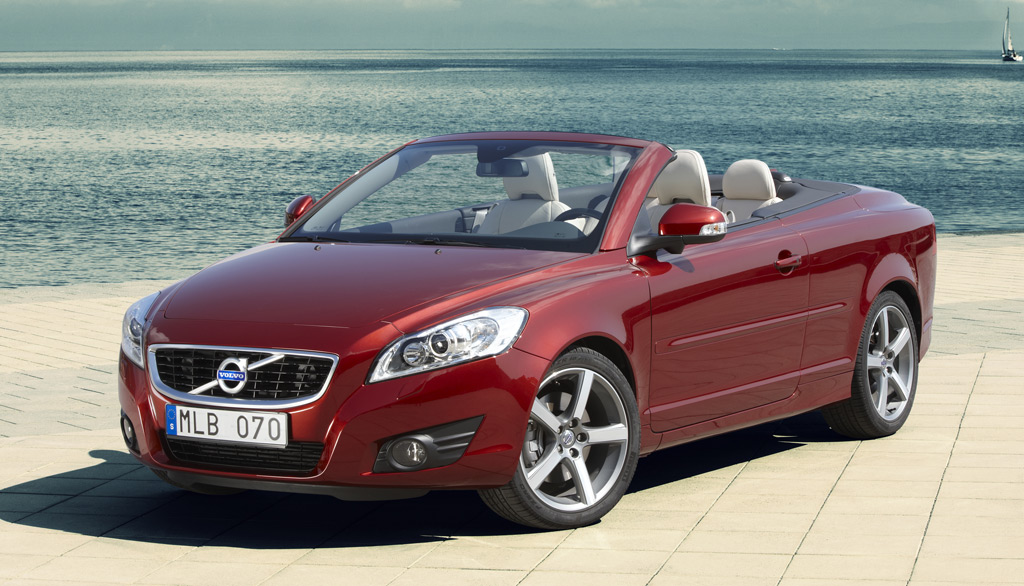
- Engine: 2.5-liter turbocharged inline 5 cylinder
- Horsepower: 227 hp
- Torque: 236 lb ft
- Length: 180.4 inches (4,582 mm)
- Width: 72.2 inches (1,834 mm)
3. Volvo C70 Hardtop Convertible
The Volvo C70 hardtop convertible brought unique styling and open-air driving enjoyment to the brand’s portfolio. Its retractable metal roof was an impressive engineering achievement that allowed drivers to enjoy both coupe and convertible experiences in a single vehicle. Unfortunately, that same complexity often becomes the source of significant ownership challenges.
The folding roof mechanism consists of numerous motors, sensors, hinges, hydraulic components, and electronic controls working together. When functioning properly, the system operates smoothly and provides a premium experience. However, failures can be difficult and expensive to repair. Diagnosing roof-related issues often requires specialized expertise that may not be available at every repair facility.
As the vehicle ages, wear on moving components becomes increasingly likely. Repeated operation of the retractable roof places stress on mechanical parts that eventually require maintenance or replacement. Even small problems can prevent the roof from functioning correctly, leading to inconvenience and costly repairs.
Water intrusion is another commonly discussed concern. Convertible vehicles naturally face greater challenges in keeping moisture out of the cabin compared with traditional coupes or sedans. Aging seals and weather stripping can allow leaks to develop, potentially leading to interior damage and electrical problems.
Electrical issues can become particularly frustrating because many systems are connected to the roof mechanism. A malfunctioning sensor or control module may trigger warning messages or prevent normal operation. Owners sometimes face lengthy diagnostic processes before the underlying problem is identified.
The vehicle’s niche status can also impact ownership costs. Certain convertible-specific parts are less common than components found in mainstream Volvo models. Limited availability can increase both replacement costs and repair times, particularly as the vehicle becomes older.
Practicality is another area where the C70 struggles. The retractable roof mechanism occupies a significant amount of trunk space when stored, limiting cargo capacity. Buyers who frequently need luggage or cargo room may find the vehicle less versatile than other options in the Volvo lineup.
Depreciation has made the C70 relatively affordable in the used market, which can be tempting for buyers seeking a luxury convertible at a low price. However, affordable purchase prices should not be confused with affordable ownership. Unexpected roof or electrical repairs can quickly outweigh any savings achieved during the purchase process.
While the C70 remains attractive and enjoyable during fair weather driving, buyers seeking dependable daily transportation may be better served by simpler Volvo models. The potential for roof-related complications and age-related repairs makes it a vehicle that should be approached with caution.

- Engine: 3.0-liter turbocharged inline 6 cylinder
- Horsepower: 300 hp
- Torque: 325 lb ft
- Length: 182.8 inches (4,643 mm)
- Width: 74.4 inches (1,890 mm)
4. Volvo XC60
The XC60 has become one of Volvo’s most successful and recognizable models, but some early production examples experienced issues that warrant caution. While the vehicle introduced appealing styling, advanced safety technology, and strong market appeal, certain reliability concerns affected owner satisfaction during its initial years.
Electrical problems have been among the most commonly reported concerns. Modern vehicles rely heavily on electronic systems, and early XC60 models occasionally experienced glitches involving warning lights, sensors, infotainment functions, and driver assistance technologies. While some issues were minor, others required professional diagnosis and repair.
Some owners also reported drivetrain-related concerns. Depending on the specific model year and configuration, issues involving transmissions or other drivetrain components occasionally emerged. Although not every vehicle was affected, the possibility of expensive repairs remains an important consideration for used vehicle shoppers.
Technology systems represented another challenge during the early years. Infotainment systems, electronic interfaces, and software-driven features sometimes suffered from bugs or operational inconsistencies. While software updates addressed certain concerns, aging electronic hardware can continue to create problems as vehicles grow older.
Repair expenses can be relatively high because the XC60 occupies the premium vehicle segment. Even seemingly minor issues may involve specialized components or diagnostic procedures. Buyers should factor potential repair costs into their purchasing decisions rather than focusing solely on the vehicle’s attractive market price.
Another issue relates to maintenance history. Because many early XC60 models are now older vehicles, their condition can vary dramatically depending on previous ownership. Examples that have received consistent servicing often perform much better than neglected vehicles with incomplete maintenance records.
The growing complexity of modern safety systems also introduces additional risks. Features designed to improve safety and convenience often rely on cameras, sensors, and electronic modules. When these systems malfunction, repairs can become expensive and technically demanding.
Market demand for the XC60 remains relatively strong due to its attractive design and practical nature. However, popularity should not automatically be interpreted as proof of reliability. Buyers should carefully research specific model years and inspect vehicles thoroughly before committing to a purchase.
The XC60 matured into a highly competitive luxury SUV, and later model years generally earned stronger reliability reputations. For this reason, buyers interested in the XC60 are often better served by selecting newer examples that benefited from engineering improvements and refinement.
While early production models are not necessarily vehicles to avoid at all costs, they require greater caution and more extensive due diligence than some of Volvo’s most dependable offerings.
