
Among the many safety innovations introduced in modern vehicles, airbags stand out as one of the most important life-saving technologies. Since becoming widely adopted in the 1970s, airbags have played a crucial role in reducing the risk of severe head and body injuries during collisions.
Over the years, the system has expanded to provide protection throughout the passenger compartment. However, airbags rely on a network of sensors and control modules that must accurately detect a crash and activate deployment when needed.
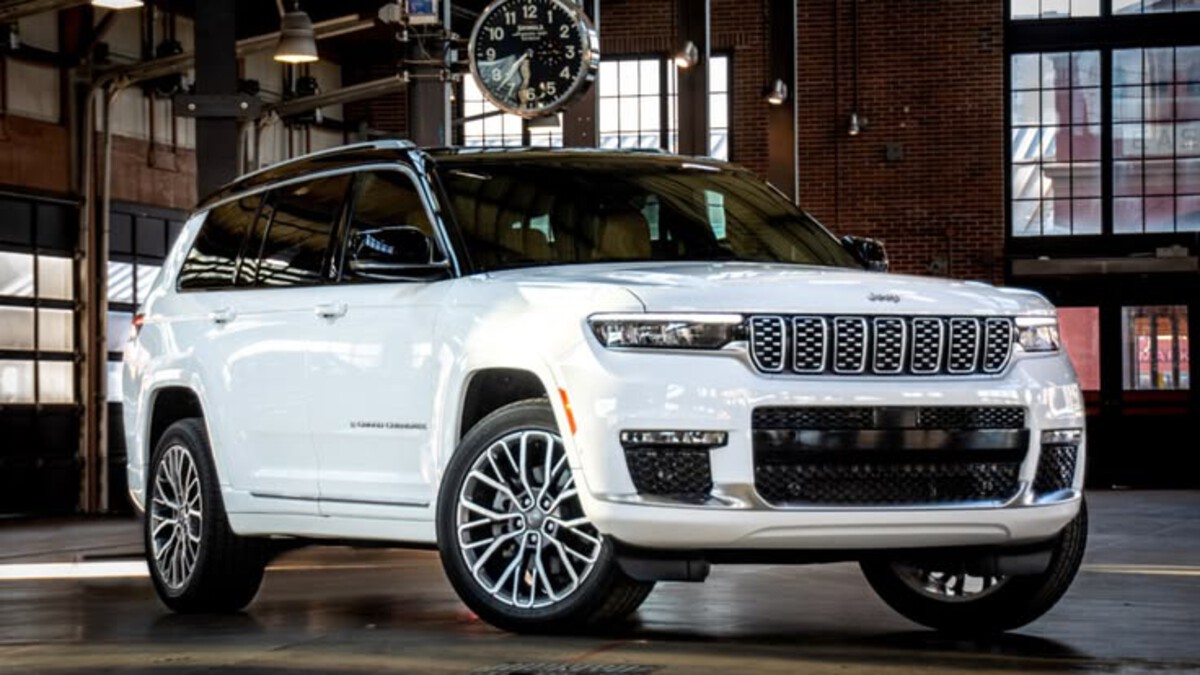
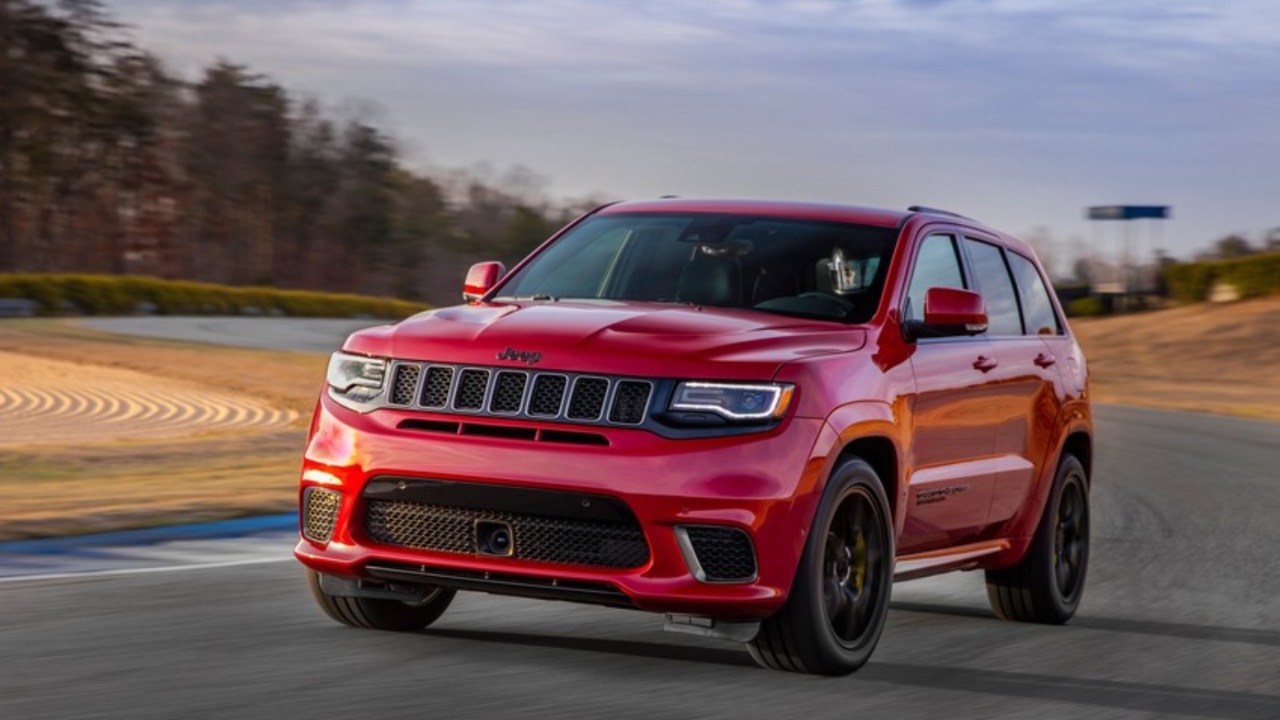
A recent recall affecting 2022–2026 Jeep Grand Cherokee and 2023–2025 Grand Cherokee L models has been issued because a software issue may prevent the system from clearing certain fault codes even after repairs have been completed.
The recall covers 419,035 vehicles across several model years, with approximately 278,905 of those being Grand Cherokee L SUVs. At the center of the issue is the Occupant Restraint Controller (ORC), which manages airbag-related functions.
Due to a software defect, fault records linked to side-impact airbag sensors may remain permanently stored within the module. As a result, the ORC can continue to recognize a repaired problem as an active fault, despite the underlying issue having already been corrected.
Also Read: 10 Best Beginner Drift Cars You Can Actually Afford
According to Jeep’s parent company, Stellantis, the problem first came to light through warranty reports submitted in early 2023. The company conducted a lengthy investigation lasting more than three years to determine the root cause.
During the process, engineers ruled out other possible factors, including sensor failures and wiring-harness routing concerns in the doors.
By April 2026, Stellantis concluded that the software defect could cause affected vehicles to fall short of federal airbag safety requirements, prompting the recall of the specified Grand Cherokee and Grand Cherokee L model years.
The company also noted that vehicles produced after the 2026 model year, as well as other models sharing the same platform, do not use the affected ORC unit.
Fortunately, resolving the issue does not require replacing the control module. Owners can have the ORC software updated at an authorized dealership, which is expected to eliminate the problem.
Dealerships were scheduled to receive recall instructions and reprogramming details before public notification, while vehicle owners are expected to begin receiving official recall notices around the middle of June.
