
Modern vehicles have evolved far beyond simple transportation machines. Today’s cars are packed with advanced connectivity features, voice assistants, cloud-based services, navigation systems, emergency response technologies, and smart infotainment platforms that rely heavily on microphones.
While these technologies offer convenience and safety benefits, they have also raised important questions about privacy. Many drivers are unaware that the microphones built into their vehicles may remain active even when they are not actively using voice commands.
In many cases, these microphones are designed to listen continuously for specific wake words or activation phrases, allowing the system to respond instantly when a driver requests assistance.
Although manufacturers generally state that audio is processed according to privacy policies and system requirements, concerns continue to grow regarding how much information is collected, when it is collected, and how it may be stored or transmitted.
The rise of connected vehicles has transformed the relationship between drivers and their cars. Features such as hands-free calling, voice-controlled navigation, emergency crash response, remote vehicle monitoring, and virtual assistants have become increasingly common.
To support these capabilities, automakers often integrate always-listening microphone systems that remain ready to detect commands. This functionality can improve safety by reducing the need for drivers to interact physically with screens and buttons. However, it also means that microphones may be operating in the background more frequently than many people realize.
Privacy advocates have pointed out that vehicle data collection is becoming one of the most significant issues in the automotive industry. As vehicles become more connected to cloud services and mobile applications, the amount of information they can collect continues to expand.
Microphone-related technologies are only one part of a much larger ecosystem that includes location tracking, driving behavior monitoring, diagnostic reporting, and user profile management. Understanding which vehicles use always-listening technology can help consumers make informed decisions about the features they want and the privacy tradeoffs they are willing to accept.
It is important to note that an active microphone does not necessarily mean conversations are constantly recorded or stored. In most cases, manufacturers claim that systems are listening only for activation keywords and process audio according to predefined rules.
Nevertheless, the presence of always-ready microphones has become a major topic of discussion among consumers, regulators, and privacy experts. As connected vehicle technology continues to advance, awareness of these systems becomes increasingly valuable.
In this article, we explore nine vehicles known for incorporating advanced voice assistant systems and microphone technologies that may remain active while waiting for commands. We also examine how these systems work, what benefits they provide, and why privacy considerations remain an important part of the conversation.
Also Read: 8 Family Cars With Secret Performance Versions
- Engine: Dual electric motor (AWD)
- Horsepower: ~670 hp (Long Range) / up to ~1,020 hp (Plaid)
- Torque: ~1,050 Nm (Plaid)
- Length: ~4,970 mm
- Width: ~1,964 mm
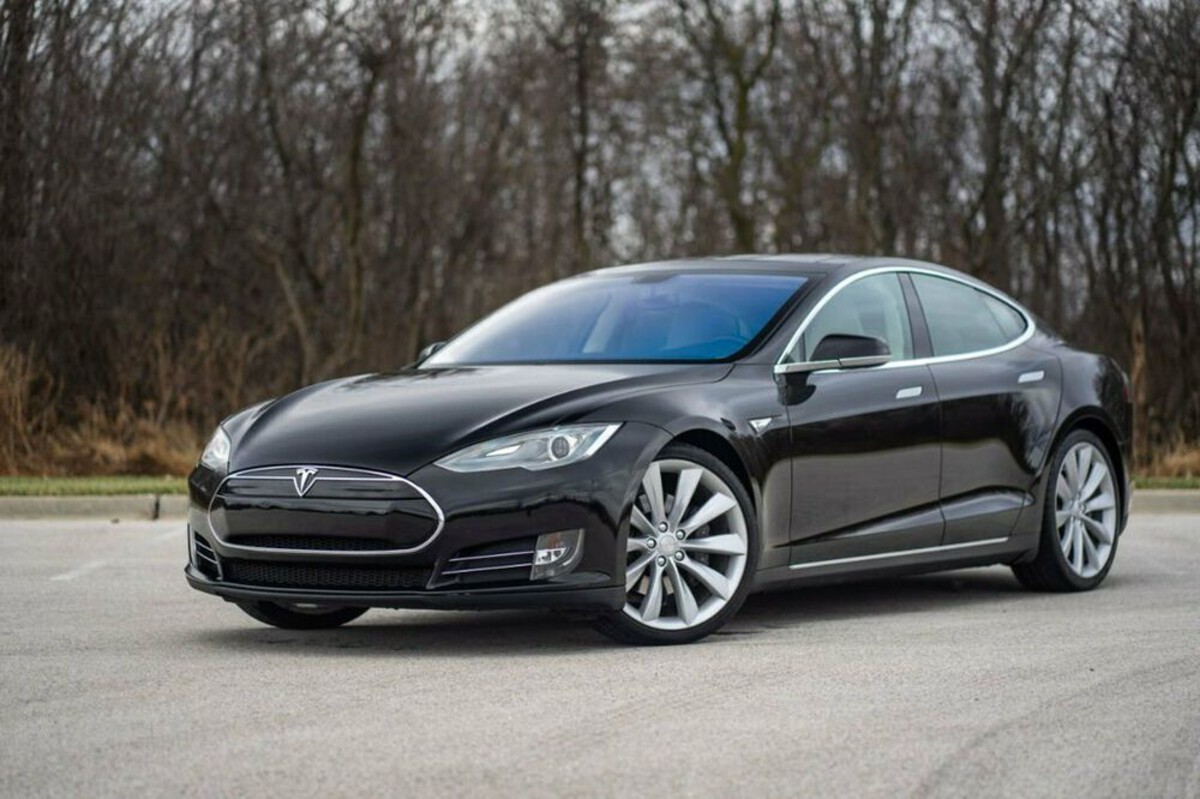
1. Tesla Model S
The Tesla Model S is one of the most technologically advanced electric vehicles on the market. Its extensive infotainment system relies heavily on voice controls that allow drivers to manage navigation, climate settings, media playback, and vehicle functions without taking their hands off the wheel. To provide this seamless experience, the vehicle incorporates microphones that remain ready to detect user interactions.
Tesla has continuously expanded voice command capabilities through software updates. This approach reflects the company’s philosophy of treating vehicles more like connected computing devices than traditional automobiles. As a result, voice recognition plays a critical role in the user experience.
Many drivers appreciate the convenience of speaking commands naturally instead of working through complicated menus. The system can handle a wide range of requests, making everyday driving easier and potentially safer. Quick access to directions, communication features, and other tools is especially useful during long trips.
Privacy discussions surrounding connected vehicles often include Tesla because of its extensive use of data-driven technologies. While the company provides information regarding data handling practices, consumers remain interested in understanding how voice-related information is processed and managed within the broader ecosystem.
The Model S demonstrates how modern automotive innovation increasingly depends on microphones and voice interfaces. Its sophisticated technology highlights both the advantages and the concerns associated with always available listening systems.
- Engine: 3.0L inline 6-cylinder turbo mild hybrid
- Horsepower: ~429 hp
- Torque: ~520 Nm
- Length: ~5,179 mm
- Width: ~1,954 mm
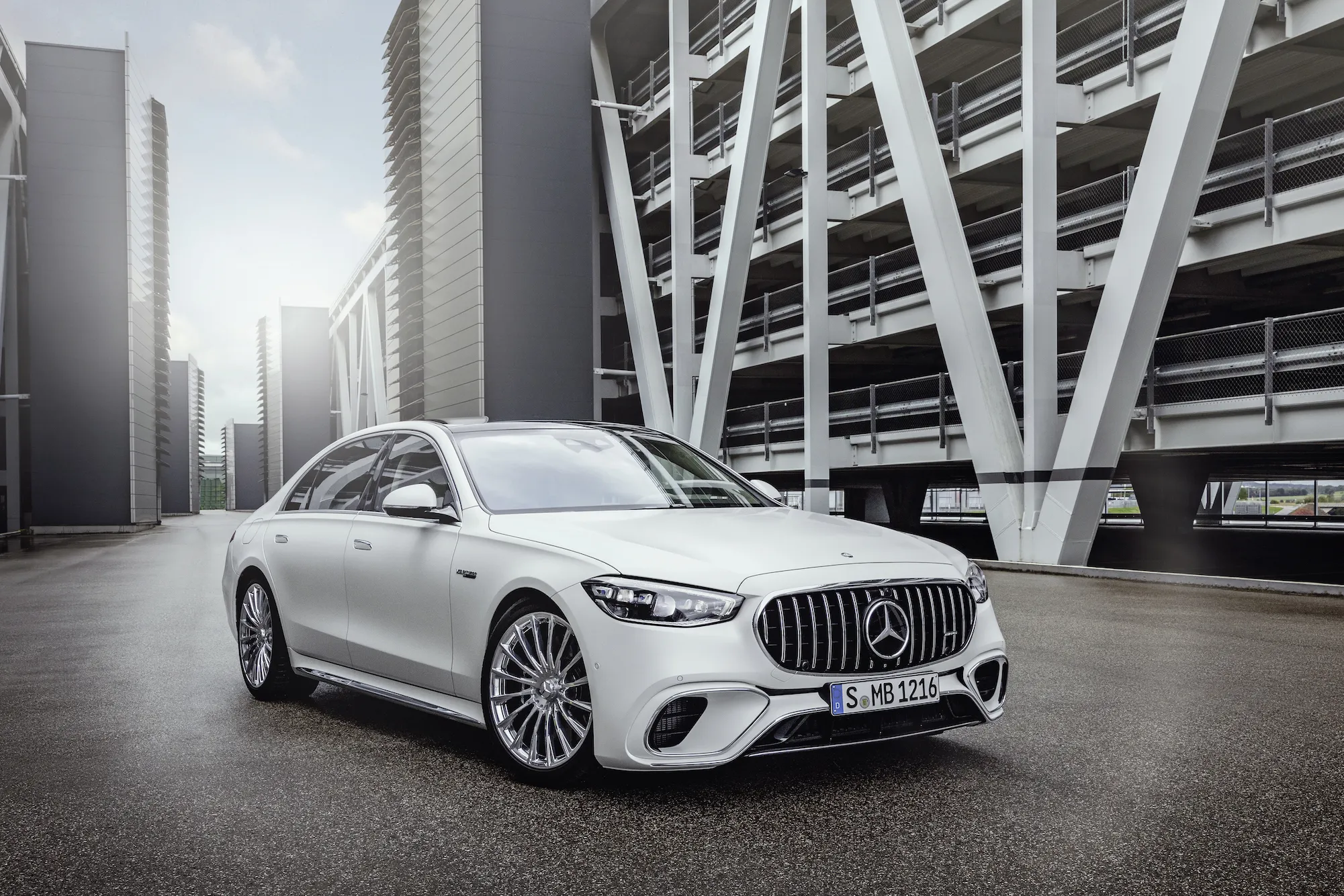
2. Mercedes-Benz S Class
The Mercedes-Benz S-Class features the MBUX voice assistant system, which has become one of the most recognized automotive voice technologies in the luxury segment. The system can be activated through natural language commands and is designed to understand conversational requests.
One of the defining features of MBUX is its ability to respond quickly to spoken instructions. To achieve this level of responsiveness, microphones remain prepared to detect activation phrases and user interactions. This allows the vehicle to provide a seamless hands-free experience.
Luxury buyers often expect cutting-edge convenience features, and advanced voice recognition helps meet those expectations. Drivers can control navigation, entertainment, climate settings, and communication functions using spoken commands rather than physical controls.
The integration of artificial intelligence and cloud-connected services further enhances the functionality of the system. As these capabilities expand, discussions about data collection and privacy become increasingly relevant for consumers evaluating premium vehicles.
The S-Class represents the direction of the luxury automotive industry, where voice interaction is becoming a central component of the driving experience. Its microphone systems support convenience, personalization, and advanced vehicle control features.
- Engine: Dual electric motor (AWD)
- Horsepower: ~536 hp
- Torque: ~745 Nm
- Length: ~5,391 mm
- Width: ~1,950 mm
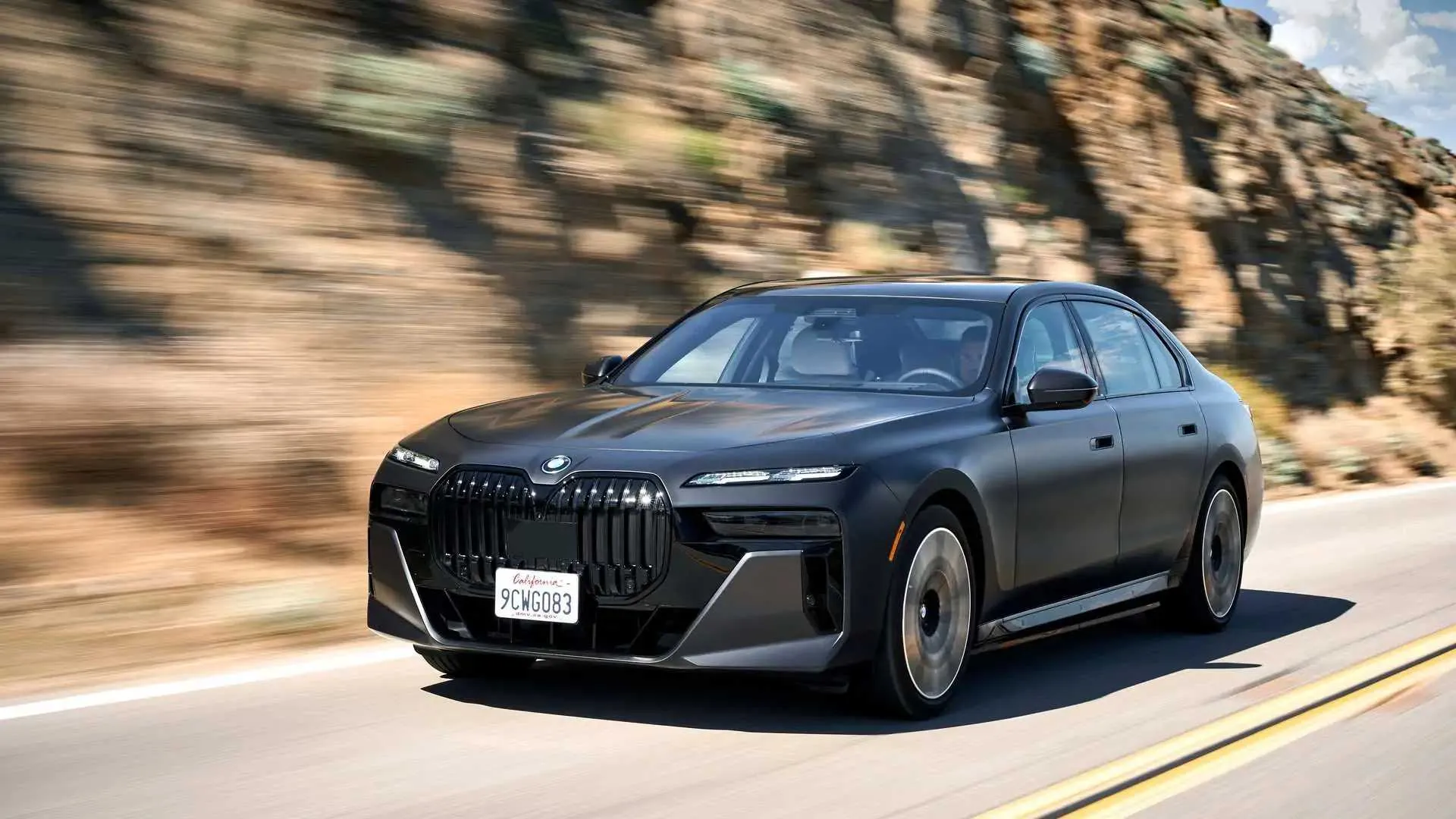
3. BMW i7
The BMW i7 incorporates the BMW Intelligent Personal Assistant, a sophisticated voice recognition platform designed to create a more natural interaction between driver and vehicle. The system responds to conversational commands and supports numerous vehicle functions.
Drivers can adjust settings, request navigation assistance, manage entertainment options, and access vehicle information through voice interactions. To facilitate these features, the vehicle maintains microphone readiness for rapid command recognition.
BMW has emphasized creating a personalized experience that adapts to individual user preferences. Voice technology plays a major role in achieving this objective, helping drivers interact with complex systems in a more intuitive way.
As connected vehicle features become more advanced, questions regarding microphone operation and data management naturally arise. Consumers increasingly seek transparency regarding how voice systems function and what information may be processed.
The i7 illustrates how luxury electric vehicles are embracing sophisticated voice technologies that rely on continuously available microphones to deliver seamless user experiences.
- Engine: 3.0L V6 turbo petrol mild hybrid
- Horsepower: ~335 hp
- Torque: ~500 Nm
- Length: ~5,172 mm
- Width: ~1,945 mm
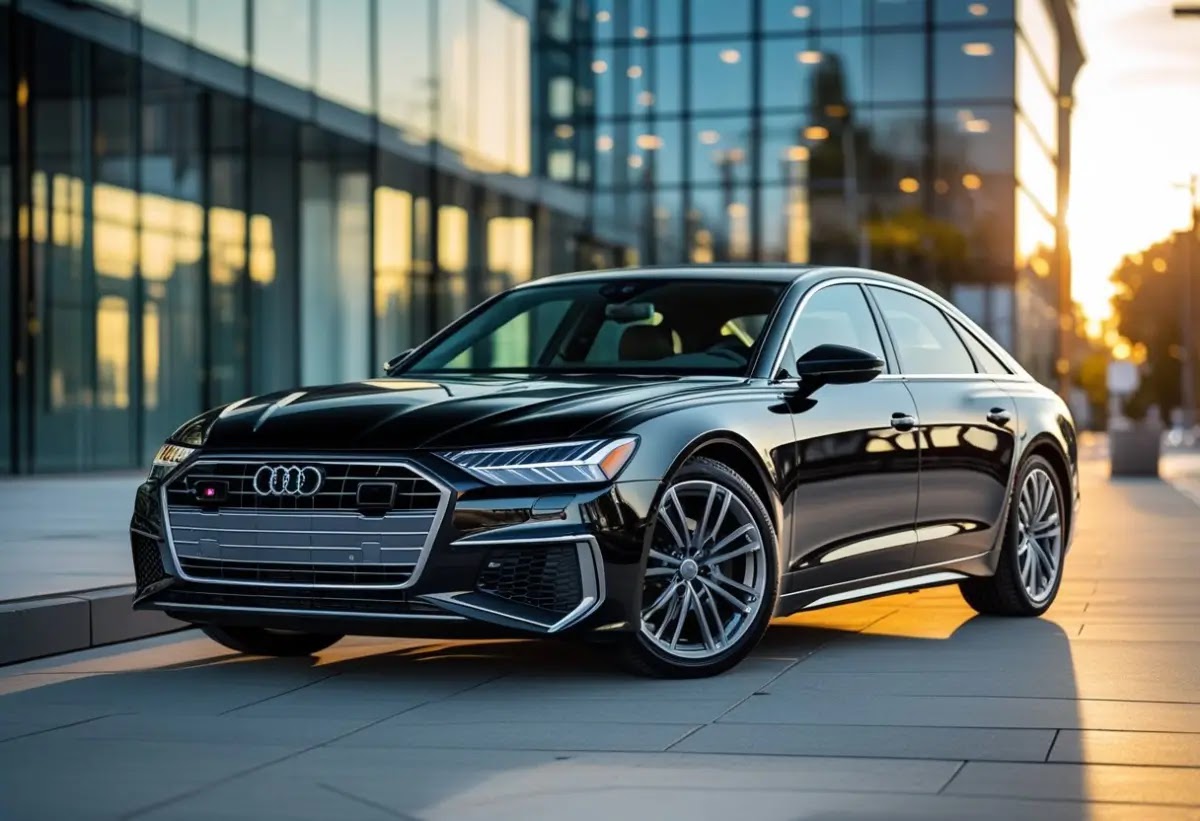
4. Audi A8
The Audi A8 represents Audi’s flagship luxury sedan and is known for its strong focus on digital technology, driver assistance systems, and intelligent infotainment features.
One of its standout systems is the Audi MMI Voice Control, which allows drivers and passengers to interact with the car using natural speech. This system is designed to understand everyday language rather than rigid command structures, making it more intuitive for users who want a seamless driving experience.
To enable this functionality, the Audi A8 uses a network of cabin microphones that are always ready to detect voice input. These microphones are integrated into the vehicle’s infotainment and communication systems, ensuring that commands can be recognized instantly when the driver speaks.
The system is also optimized to filter out background noise, which improves accuracy even in challenging driving environments such as highways or busy city streets.
The convenience of voice control in the Audi A8 extends across multiple functions. Drivers can adjust navigation routes, control climate settings, manage phone calls, and even request information about traffic conditions.
This reduces the need for manual interaction with the central display, helping to keep attention on the road. Audi has positioned this technology as part of its broader strategy to enhance safety and user comfort through digital innovation.
However, like many modern vehicles, the always-ready microphone system in the Audi A8 has contributed to ongoing discussions about privacy and data usage.
While Audi states that voice data is processed according to strict privacy standards, the idea that microphones are continuously prepared for activation raises questions among consumers who are increasingly aware of digital surveillance concerns.
Despite these concerns, the Audi A8 demonstrates how voice-activated systems are becoming a core feature in luxury vehicles. Its microphone technology supports a more connected and responsive driving experience, reflecting the growing integration of artificial intelligence in automotive design.
- Engine: Dual electric motor (AWD)
- Horsepower: ~480 hp
- Torque: ~860 Nm
- Length: ~4,712 mm
- Width: ~1,881 mm
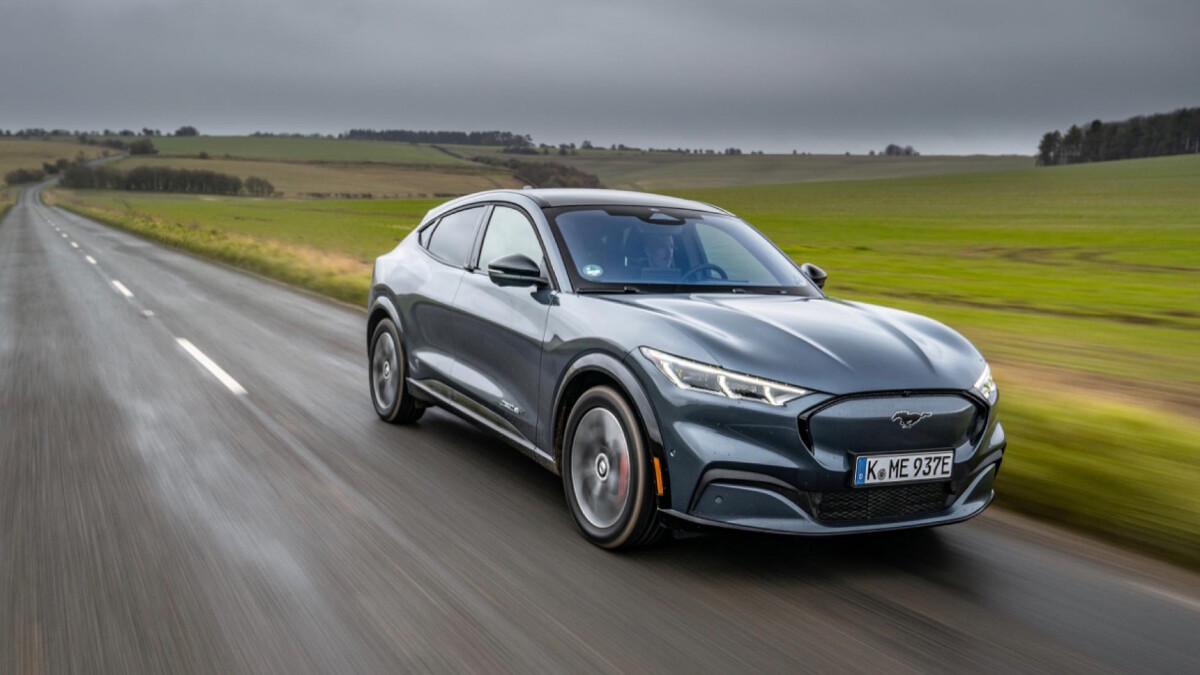
5. Ford Mustang Mach-E
The Ford Mustang Mach-E is Ford’s all-electric SUV that blends performance-inspired design with modern digital technology. One of its key features is the Ford SYNC voice recognition system, which allows drivers to control various vehicle functions using spoken commands. This includes navigation, entertainment, climate control, and smartphone integration.
The vehicle uses interior microphones that are designed to remain active in a standby mode, ready to detect activation phrases such as voice assistant triggers. This ensures that the system can respond quickly without requiring the driver to press buttons or interact with the touchscreen. The goal is to improve convenience and reduce distractions while driving.
Ford has invested heavily in improving the accuracy and responsiveness of its voice systems over the years. The Mach E benefits from these advancements by offering more natural language processing capabilities. This means drivers can speak in full sentences rather than memorized commands, making the system more user-friendly.
The Mustang Mach-E also integrates with cloud-based services, allowing voice commands to access real-time information such as traffic updates, weather conditions, and route optimization. This connectivity enhances the usefulness of the microphone system but also introduces broader discussions about data transmission and storage.
As with many connected vehicles, Ford emphasizes that voice data is handled according to privacy policies and is primarily used to improve system performance. Still, the presence of always-ready microphones continues to be an important consideration for buyers who value transparency in vehicle technology.
Also Read: 9 Vehicles with Worst Blind Spots
- Engine: Dual electric motor (AWD)
- Horsepower: ~320 hp
- Torque: ~605 Nm
- Length: ~4,635 mm
- Width: ~1,890 mm
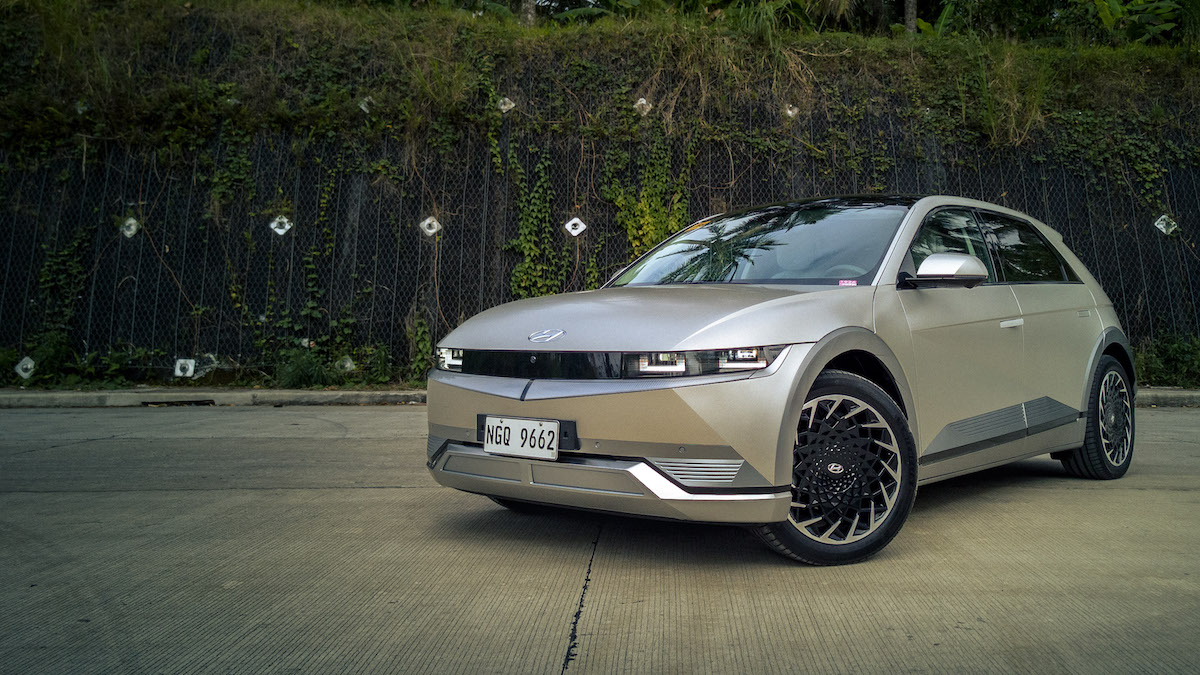
6. Hyundai Ioniq 5
The Hyundai Ioniq 5 is a futuristic electric vehicle that has gained popularity for its design, performance, and advanced technology features. Among these features is the Hyundai voice recognition system, which allows drivers to control a wide range of functions using spoken commands. This system is designed to make driving more intuitive and reduce reliance on physical controls.
Inside the Ioniq 5, microphones are strategically placed to capture voice input from both the driver and front passenger. These microphones remain in a standby state, ready to activate when a wake word or command is detected. This enables hands-free operation of navigation, media, and climate systems.
Hyundai has focused on creating a user-friendly interface that integrates voice control with touchscreen functionality. The combination of these systems allows drivers to choose how they interact with the vehicle based on preference and convenience. Voice commands are particularly useful during driving conditions where manual interaction may be less safe.
The Ioniq 5 also connects to online services that enhance the capabilities of its voice assistant. This includes real-time navigation updates, charging station information, and smart route planning for electric vehicle efficiency. These features rely on continuous connectivity, which is supported by the vehicle’s microphone and communication systems.
As with other modern vehicles, privacy considerations remain relevant. While Hyundai outlines data usage policies, consumers are increasingly interested in understanding how voice data is processed. The Ioniq 5 highlights the balance between innovation and privacy in the rapidly evolving electric vehicle market.
- Engine: 5.3L V8 petrol
- Horsepower: ~355 hp
- Torque: ~519 Nm
- Length: ~5,352 mm
- Width: ~2,057 mm (without mirrors)
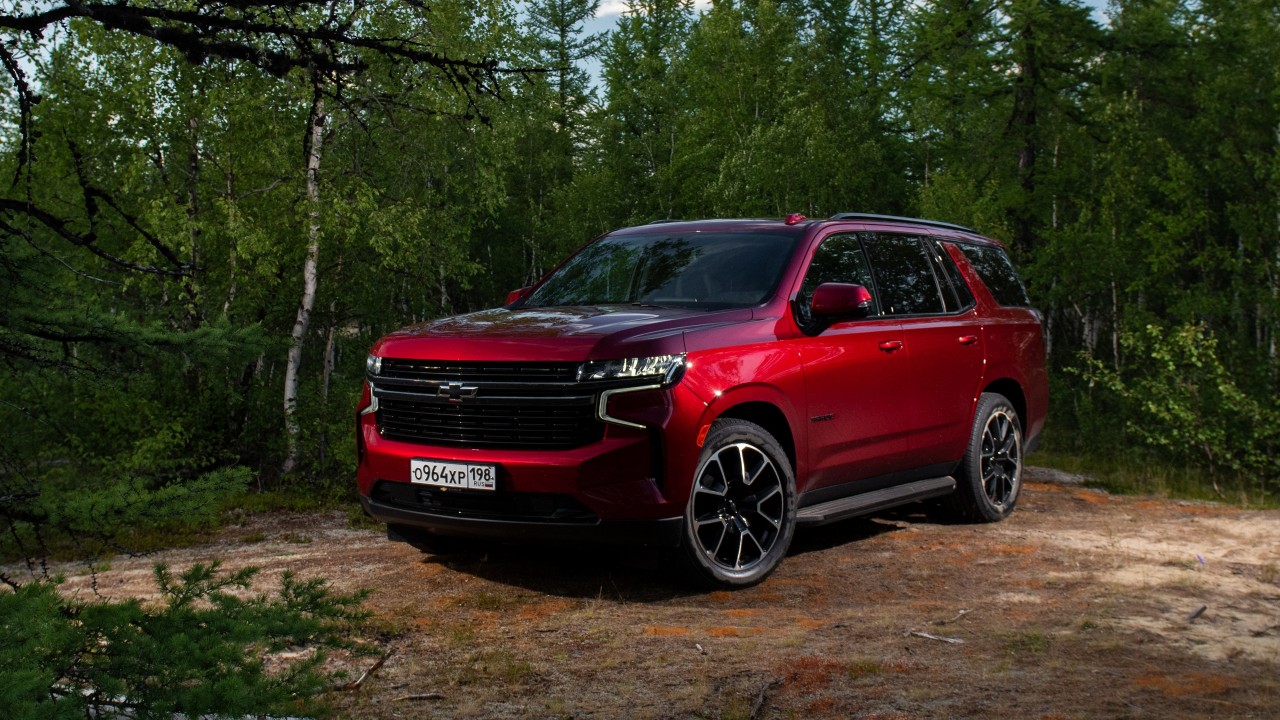
7. Chevrolet Tahoe
The Chevrolet Tahoe is a full-size SUV that combines traditional power with modern connectivity features. One of its key technologies is the Chevrolet Infotainment 3 system, which includes voice recognition capabilities that allow drivers to control navigation, phone calls, and media through spoken commands.
The Tahoe is equipped with interior microphones that remain in a listening mode to detect activation phrases. This ensures that voice commands can be recognized instantly without requiring manual activation. The system is designed to improve safety by minimizing driver distraction.
Chevrolet has worked to make its voice assistant more accurate and responsive over time. The system supports natural speech patterns, allowing users to interact more comfortably with the vehicle. This is especially useful in larger vehicles like the Tahoe, where reaching for controls may be less convenient while driving.
In addition to convenience, voice control in the Tahoe is integrated with smartphone connectivity platforms, enabling access to contacts, music, and navigation apps. This creates a more unified digital experience for drivers who rely heavily on mobile devices.
As with other connected vehicles, the presence of always-ready microphones raises questions about how data is handled. Chevrolet states that voice information is used to improve system functionality, but consumers remain attentive to how such technologies evolve in the automotive industry.
- Engine: 2.5L 4-cylinder hybrid petrol
- Horsepower: ~208 hp (combined system output)
- Torque: ~221 Nm
- Length: ~4,885 mm
- Width: ~1,840 mm
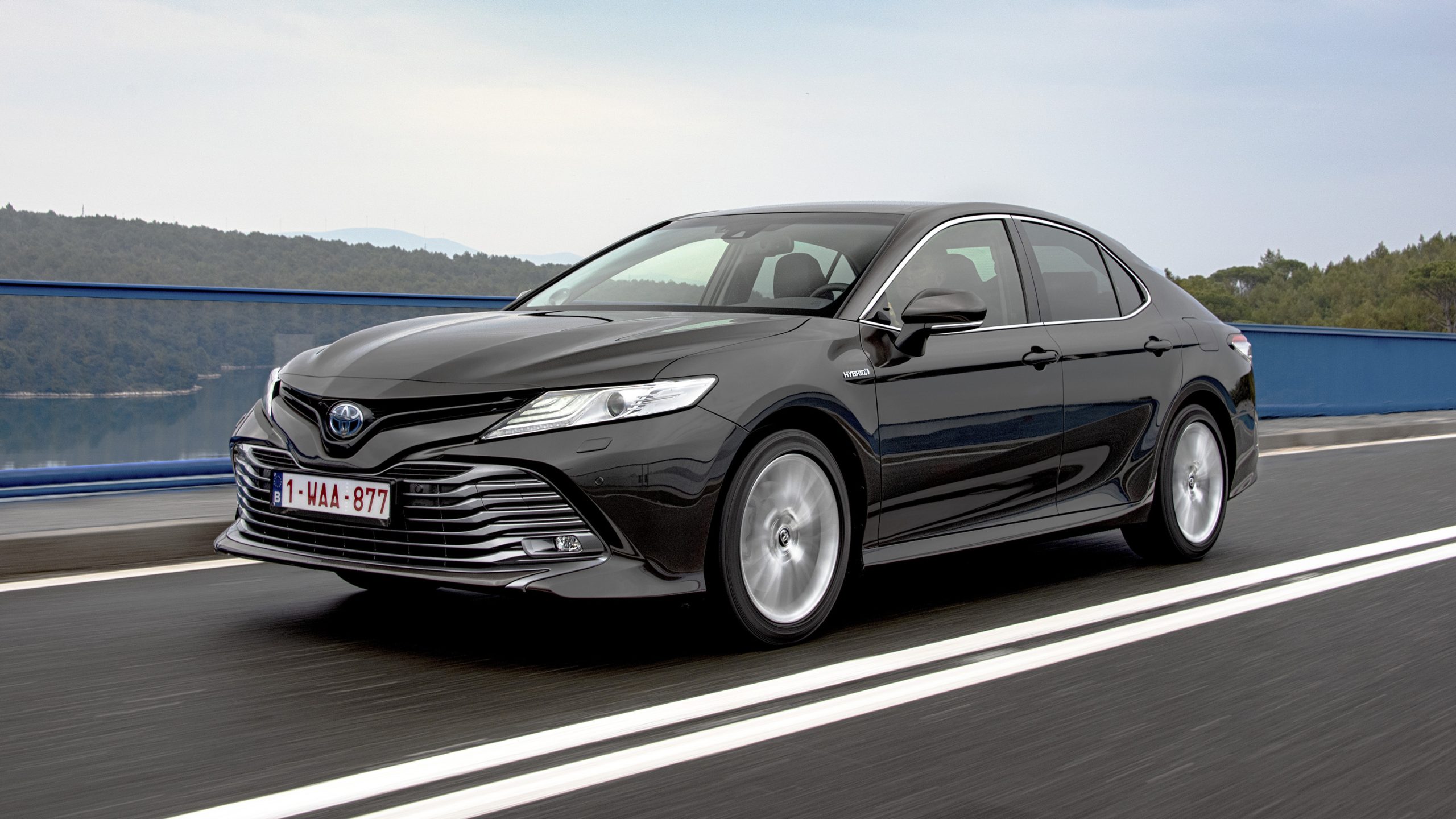
8. Toyota Camry
The Toyota Camry is one of the most popular midsize sedans globally and has gradually integrated more advanced technology features over time. One of these features is the Toyota voice recognition system, which allows drivers to interact with navigation, phone functions, and entertainment systems using spoken commands.
The Camry uses cabin microphones that are designed to stay alert for voice input. These microphones support hands-free operation, enabling drivers to access key functions without taking their attention away from the road. The system is especially useful during commuting and long-distance travel.
Toyota has focused on improving reliability and ease of use in its voice systems. While earlier versions were limited in functionality, newer models offer more natural language understanding and improved responsiveness. This makes the system more practical for everyday use.
The integration of voice control in the Camry also connects with smartphone platforms, allowing users to access music streaming, messaging, and navigation services. This enhances the driving experience by combining mobile technology with in-car systems.
As vehicle connectivity increases, Toyota continues to emphasize responsible data handling. However, the presence of always-listening microphones remains a topic of interest among consumers who want to better understand how their vehicle systems operate.
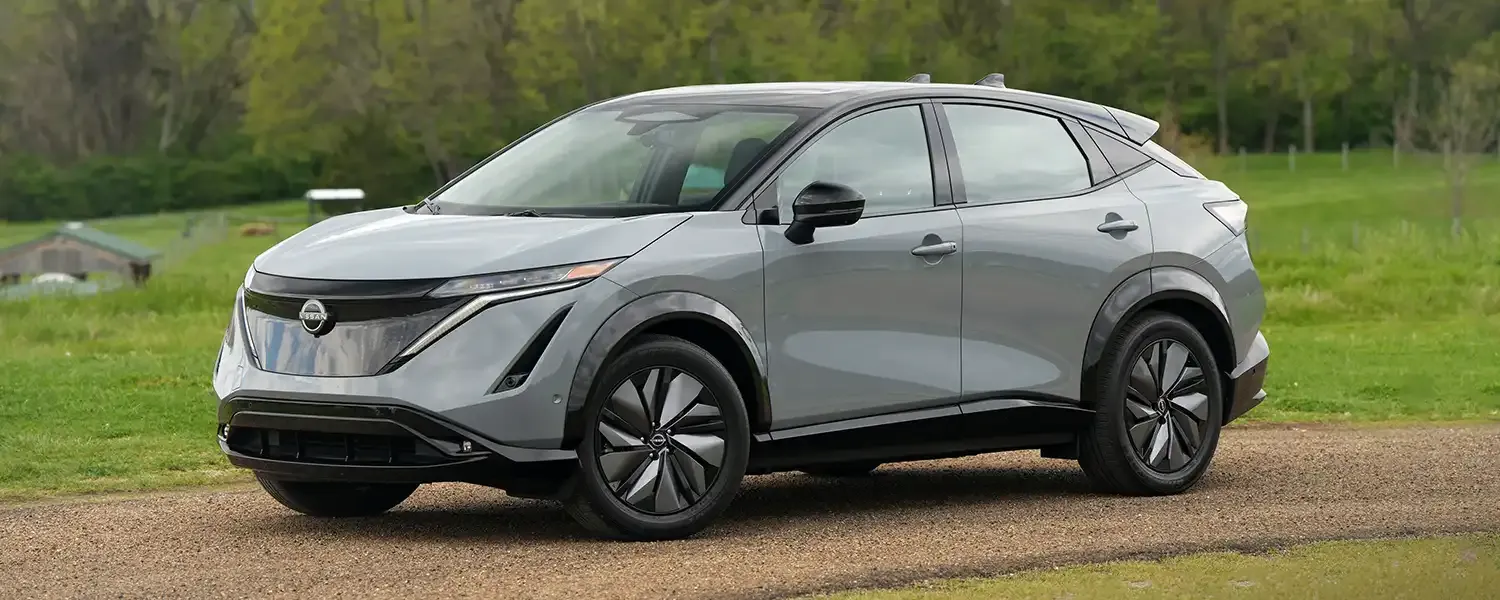
- Engine: Dual electric motor (AWD)
- Horsepower: ~389 hp
- Torque: ~600 Nm
- Length: ~4,595 mm
- Width: ~1,850 mm
9. Nissan Ariya
The Nissan Ariya is an all-electric SUV that represents Nissan’s move toward advanced digital mobility. It features the Nissan voice control system, which allows drivers to operate navigation, climate settings, and infotainment features using spoken commands.
The Ariya uses multiple interior microphones that remain in a standby listening mode, ready to detect activation phrases. This enables quick and efficient voice interaction, reducing the need for physical controls while driving.
Nissan has designed the Ariya’s system to integrate with cloud-based services, improving the accuracy and responsiveness of voice recognition. This allows the system to provide real-time information such as charging station locations, route optimization, and traffic updates.
The voice interface is part of a broader digital ecosystem within the Ariya, which includes smartphone connectivity and over-the-air updates. These features make the vehicle more adaptable and capable of evolving over time.
As with other connected vehicles, privacy considerations are important. Nissan outlines how data is managed, but consumers continue to evaluate the tradeoffs between convenience and digital data collection.
