
Blind spots are one of the most overlooked yet critical aspects of vehicle safety. They refer to the areas around a vehicle that the driver cannot easily see using mirrors alone. While every vehicle has some level of blind spot, certain designs make these areas significantly larger and more dangerous, especially in busy traffic conditions, on highways, in parking lots, and urban driving environments.
Understanding which vehicles tend to have worse visibility can help drivers make more informed purchasing decisions and improve road safety.
In modern automotive design, manufacturers often prioritize aesthetics, aerodynamics, cabin comfort, and advanced safety technology. However, these improvements sometimes come at the cost of outward visibility. Large pillars, high beltlines, thick rear structures, oversized mirrors, and higher seating positions can all contribute to reduced visibility zones.
SUVs, pickup trucks, and some performance-oriented vehicles are especially known for having challenging blind spot issues. Even though many of these vehicles are equipped with sensors, cameras, and driver assistance systems, the physical limitations of visibility still play a major role in real-world driving confidence.
This article explores 9 vehicles that are widely known for having some of the worst blind spots based on design characteristics and common driver feedback. These are not unsafe vehicles by default, but they do require more attention, careful mirror adjustment, and frequent use of modern driver assistance systems such as blind spot monitoring and rear view cameras.
The goal is to provide SEO friendly, factually grounded insights into cars with poor visibility so drivers can better understand the trade-offs involved in different vehicle types.
We will also examine why these blind spots exist, how they affect everyday driving, and what drivers can do to mitigate the risks. Many of these vehicles are popular and highly capable in their respective categories, including off-road SUVs, full-size trucks, and family-oriented models. However, their size and structure often create significant visibility challenges, especially in tight urban spaces or heavy traffic conditions.
By the end of this guide, you will have a clearer understanding of which vehicles tend to suffer from larger blind spots and why, helping you become a more aware and safer driver on the road.
Also read: 10 Cars Where the Cheaper Option Was Always the Smarter One
- Engine: 4.0-liter V6 engine
- Horsepower: 270 hp
- Torque: 278 lb ft
- Length: Approximately 191.3 inches
- Width: Approximately 75.8 inches
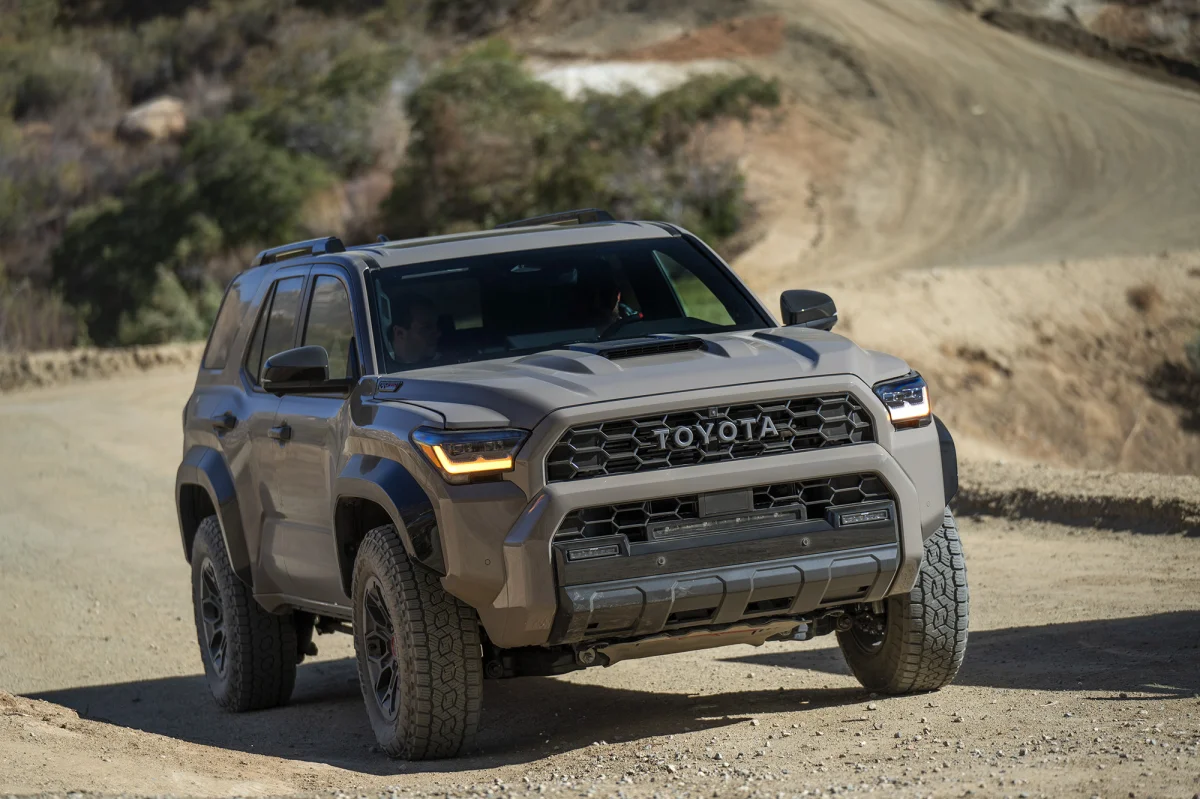
1. Toyota 4Runner
The Toyota 4Runner is widely recognized as one of the most durable midsize SUVs in the global automotive market. It is built on a body-on-frame platform, which gives it exceptional off-road strength and long-term reliability.
However, this same rugged construction plays a major role in creating visibility limitations. The tall and boxy structure of the vehicle naturally reduces the amount of glass area available for the driver to see through, which directly contributes to larger blind spots compared to modern crossover SUVs.
One of the most significant visibility issues in the Toyota 4Runner comes from the rear design. The vehicle has a high and upright tailgate with a relatively small rear window.
This limits the driver’s ability to clearly see vehicles approaching from behind or objects directly in the rear path. In everyday driving situations such as reversing out of parking spots or moving through tight residential streets, this reduced rear visibility becomes very noticeable and often requires complete dependence on the rear camera system.
The side visibility of the 4Runner is also affected by its thick rear pillars. These pillars are designed to provide structural strength and support during off-road use and potential rollovers, but they block a large portion of the diagonal view.
This creates a blind zone that can hide fast-approaching motorcycles, bicycles, or smaller cars during lane changes. Drivers often need to physically turn their heads more than usual to compensate for this obstruction.
Another factor that contributes to blind spot difficulty is the elevated driving position. While sitting higher does improve forward road visibility, it also changes depth perception.
Objects that are close to the vehicle, especially on the sides, can appear farther away than they actually are. This can lead to misjudgment in crowded traffic conditions, particularly in urban environments where space is limited, and vehicles move closely together.
Despite these challenges, the Toyota 4Runner continues to be highly popular because of its rugged capability and long-lasting performance. Drivers who choose this SUV often accept the visibility trade-off in exchange for reliability and off-road strength.
Modern safety systems, such as blind spot monitoring and rear cross traffic alert, help reduce risk, but they cannot completely eliminate the natural structural blind spots.
- Engine: 3.6-liter Pentastar V6 engine
- Horsepower: 285 hp
- Torque: 260 lb ft
- Length: Approximately 188.4 inches for the Unlimited model
- Width: Approximately 73.9 inches
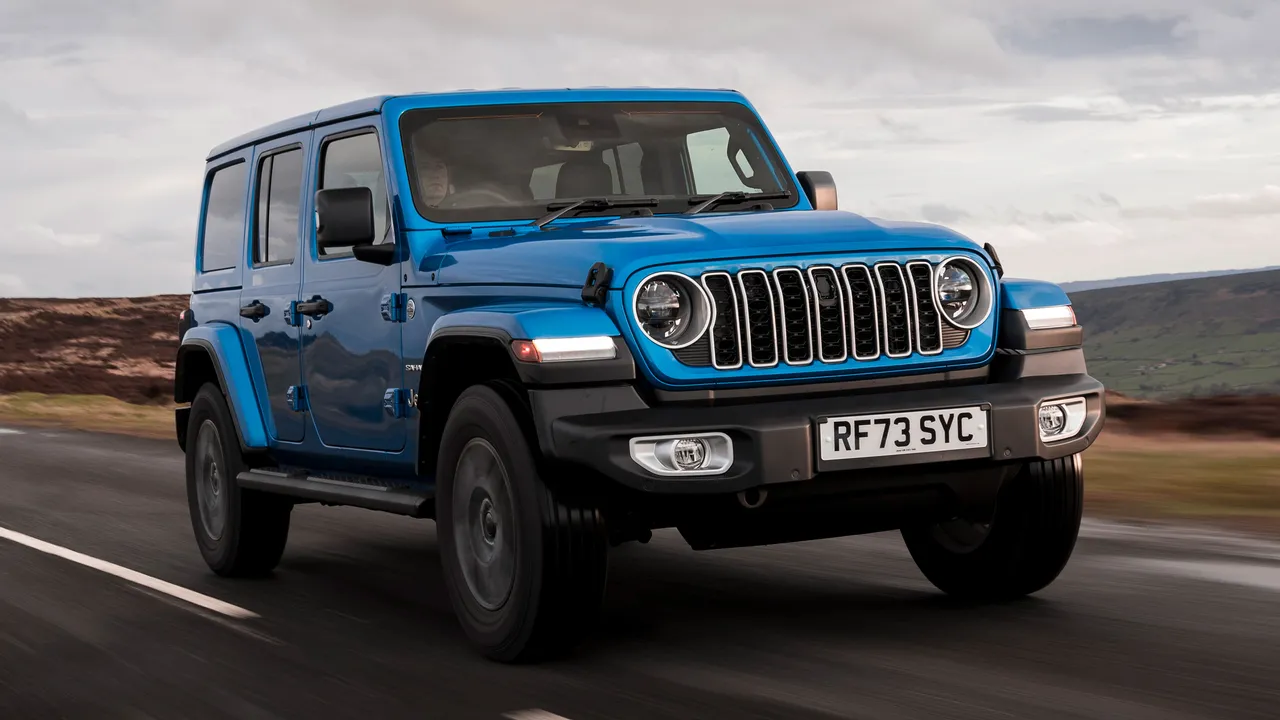
2. Jeep Wrangler
The Jeep Wrangler is one of the most iconic off-road vehicles ever produced, known for its rugged design, removable doors, and open-air driving experience.
However, its design philosophy prioritizes durability and off-road performance over urban visibility, which results in some of the most noticeable blind spot issues among mainstream SUVs. The boxy exterior shape and upright windshield contribute significantly to restricted side and rear visibility.
The rear visibility in the Jeep Wrangler is particularly limited due to multiple design factors working together. The rear-mounted spare tire is one of the biggest contributors, as it blocks a large portion of the rear window.
Even when the driver attempts to use the rearview mirror, the spare tire reduces the effective field of vision. This makes reversing and parking more challenging, especially in tight city environments or crowded parking lots.
In addition to the spare tire, the rear pillars of the Wrangler are thick and structurally reinforced for off-road safety. These pillars reduce diagonal visibility, creating blind zones where approaching vehicles may not be visible until they are very close.
This becomes especially noticeable during highway driving, where fast-moving cars can quickly enter and exit these blind spots, requiring constant mirror checks and awareness.
Side visibility is also restricted due to the Wrangler’s tall and narrow window openings. The doors are designed for durability and off-road protection, not for maximizing glass area. As a result, the side windows feel small compared to modern SUVs, limiting peripheral vision. Drivers often rely heavily on side mirrors and frequent shoulder checks to ensure safe lane changes.
Even with its visibility challenges, the Jeep Wrangler remains extremely popular among off-road enthusiasts. Its design is intentionally rugged, and many drivers accept the blind spot limitations as part of its character. Modern versions include features such as blind spot monitoring and rear cameras, but the structural design still defines its visibility limitations in everyday driving.
- Engine: 5.3-liter V8 engine
- Horsepower: 355 hp
- Torque: 383 lb ft
- Length: Approximately 225.7 inches
- Width: Approximately 81.1 inches
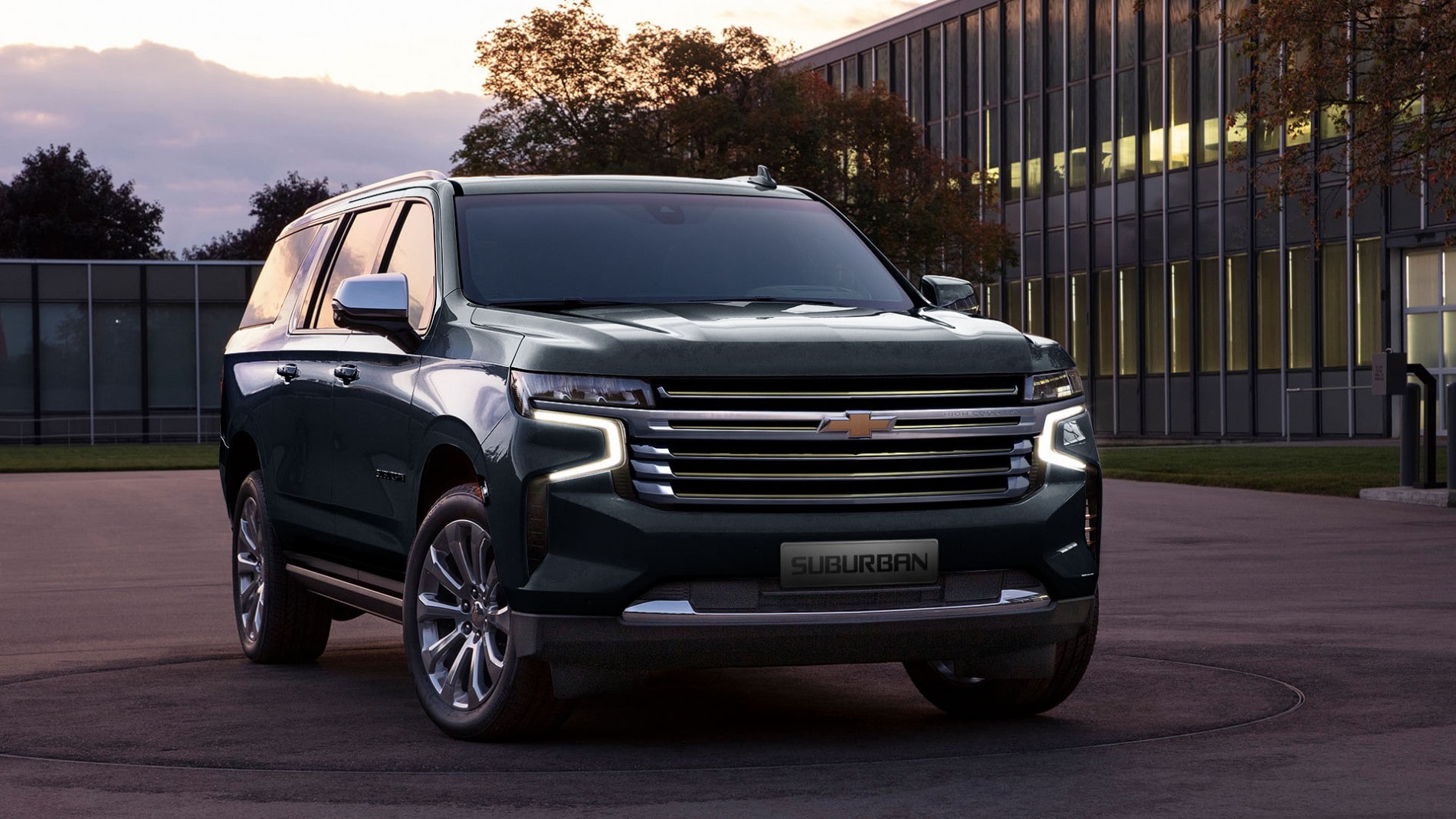
3. Chevrolet Suburban
The Chevrolet Suburban is one of the largest and most spacious SUVs available in the automotive market. It is designed primarily for families, long-distance travel, and towing heavy loads. However, its large physical dimensions also create significant visibility challenges that contribute to some of the most noticeable blind spots in its class.
One of the main issues with the Suburban is its sheer length. The extended rear cargo area creates a large rear blind zone that makes it difficult for drivers to judge distance behind the vehicle.
This becomes especially problematic when reversing in tight spaces or moving through crowded parking lots. Even with rearview cameras, the lack of direct line of sight means drivers must rely heavily on technology rather than natural visibility.
The side blind spots in the Suburban are also significant due to its wide body design. Vehicles traveling in adjacent lanes can easily disappear into these blind zones, particularly during highway driving. This requires drivers to be extremely cautious during lane changes, as the size of the vehicle makes quick head checks less effective compared to smaller cars.
Another contributing factor is the high beltline and thick rear pillars. These structural elements are designed to enhance safety and stability but reduce outward visibility. The rear pillars in particular, block diagonal sight lines, making it harder to detect fast approaching traffic from the rear corners of the vehicle.
Despite these challenges, the Chevrolet Suburban remains one of the most popular full-size SUVs in the world. Its spacious interior, towing capability, and comfort features outweigh the visibility concerns for many buyers. Most drivers adapt by using blind spot monitoring systems and adopting slower, more cautious driving habits in congested environments.
- Engine: 3.5-liter EcoBoost V6 engine
- Horsepower: 400 hp
- Torque: 500 lb ft
- Length: Approximately 231.7 inches
- Width: Approximately 79.9 inches
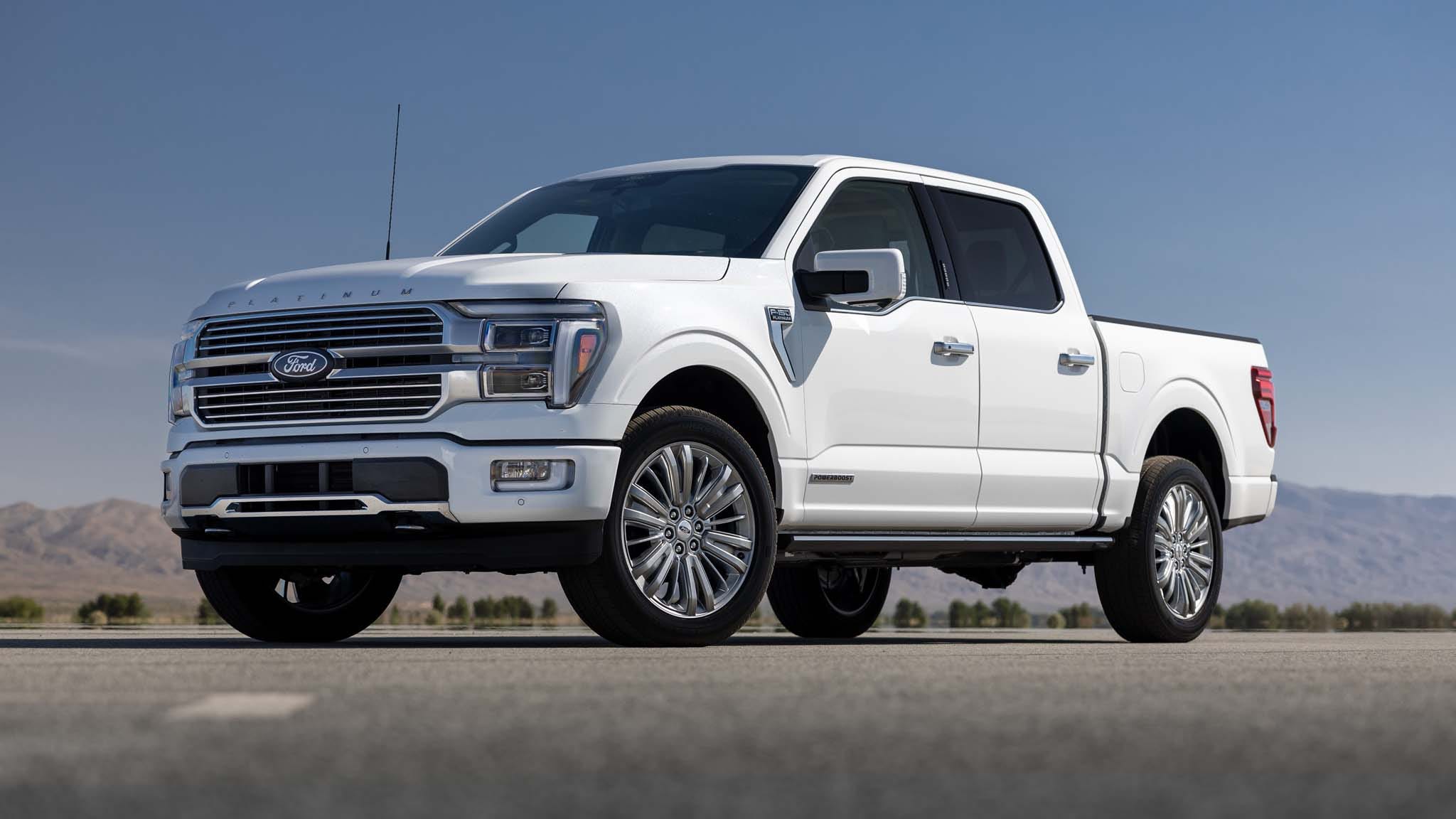
4. Ford F-150
The Ford F-150 is one of the best-selling vehicles globally and represents the full-size pickup truck category. While it is known for its power, versatility, and advanced technology, it also naturally comes with significant blind spot challenges due to its structural design. The combination of a tall cabin, long hood, and large cargo bed creates multiple visibility limitations.
One of the most prominent blind spots in the Ford F-150 is located directly behind the vehicle. The pickup bed blocks the driver’s rear view entirely, making it impossible to see anything behind the truck without using mirrors or a rear camera.
This becomes even more challenging when the bed is loaded with cargo or when towing a trailer, as the visibility is further reduced.
The side blind spots are also considerable due to the height and length of the truck. The large doors and thick pillars create zones where smaller vehicles can easily disappear from view. During highway driving, this can become a safety concern if drivers do not consistently check mirrors before changing lanes.
Another issue is depth perception. Because the driver sits higher than most surrounding vehicles, it can be difficult to accurately judge how close other cars are, especially in congested traffic. This can lead to miscalculations during parking or merging situations.
Despite these limitations, the Ford F-150 remains extremely popular due to its capability and modern safety features. Technologies such as blind spot monitoring, 360-degree cameras, and trailer assist systems help reduce risks. However, the physical structure of the truck still creates unavoidable blind spots that require driver awareness and caution.
- Engine: 5.6-liter V8 engine
- Horsepower: 400 hp
- Torque: 413 lb ft
- Length: Approximately 208.9 inches
- Width: Approximately 79.9 inches
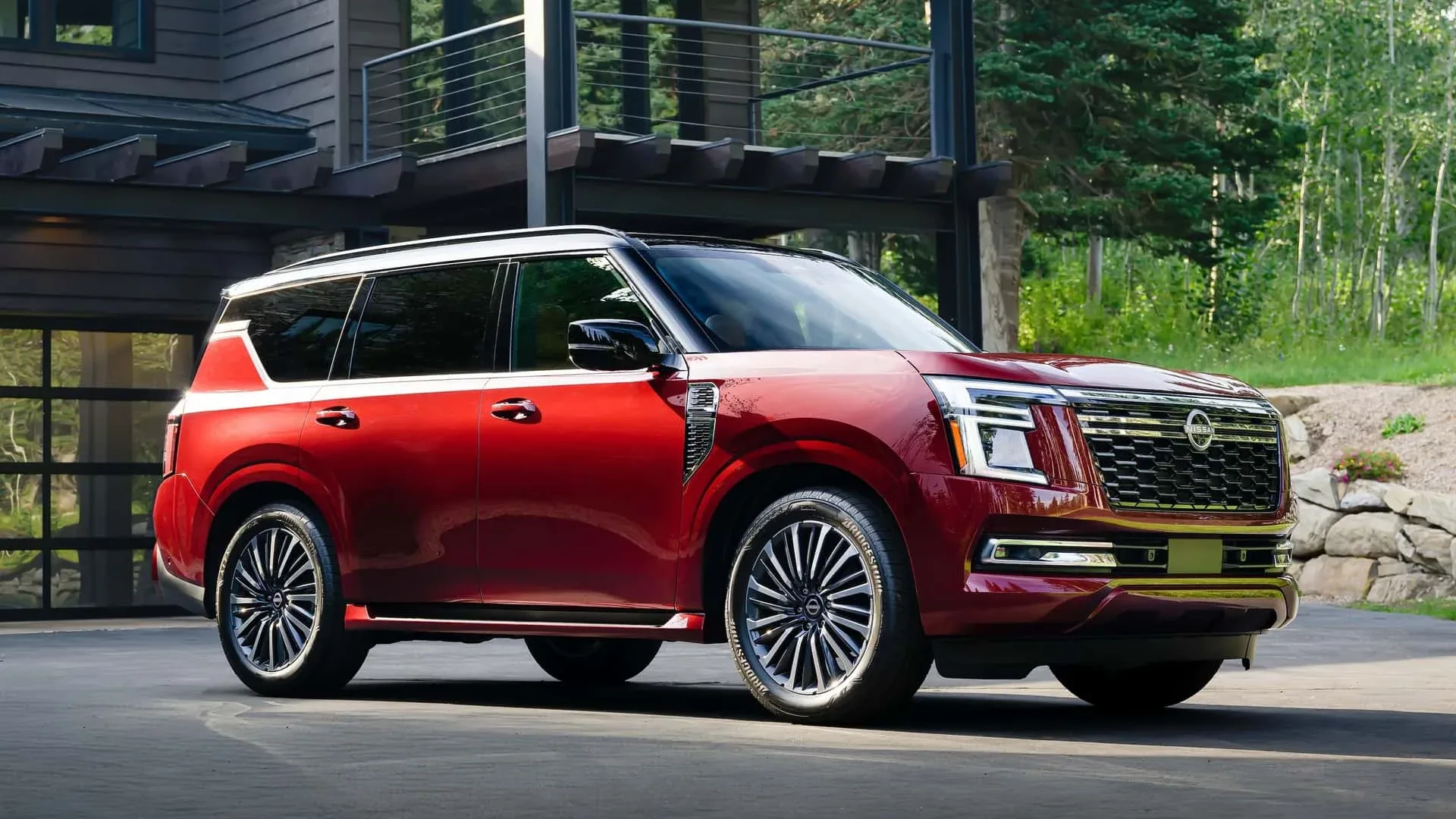
5. Nissan Armada
The Nissan Armada is a full-size SUV designed for families who need space, comfort, and towing capability. While it offers a powerful engine and spacious interior, its large dimensions contribute to noticeable visibility challenges and blind spots that drivers must manage carefully.
The rear visibility of the Nissan Armada is limited due to its large cargo area and thick rear pillars. These structural elements reduce the driver’s ability to see directly behind the vehicle. This becomes especially challenging in parking lots or when reversing in tight urban spaces where obstacles are not always visible through mirrors alone.
Side blind spots are also significant in the Armada because of its wide body design. Vehicles traveling in adjacent lanes can easily fall into these blind zones, particularly during highway driving. This requires consistent use of mirrors and blind spot monitoring systems to ensure safe lane changes.
The elevated driving position improves forward visibility, but it does not eliminate issues related to judging nearby objects. Close-range obstacles, especially low-height ones, can be difficult to detect from the driver’s seat. This is a common issue in large SUVs where the hood and body extend significantly in all directions.
Despite these challenges, the Nissan Armada remains a strong choice for families who prioritize space and comfort. Its visibility limitations are generally manageable with modern driver assistance systems and careful driving habits, making it a practical but large and demanding vehicle in terms of awareness.
Also read: 12 Cars With Bulletproof Drivetrains You Can Buy for Peanuts
- Engine: 4.0-liter twin-turbo V8 engine
- Horsepower: 416 hp
- Torque: 450 lb ft
- Length: Approximately 189.7 inches
- Width: Approximately 76.7 inches
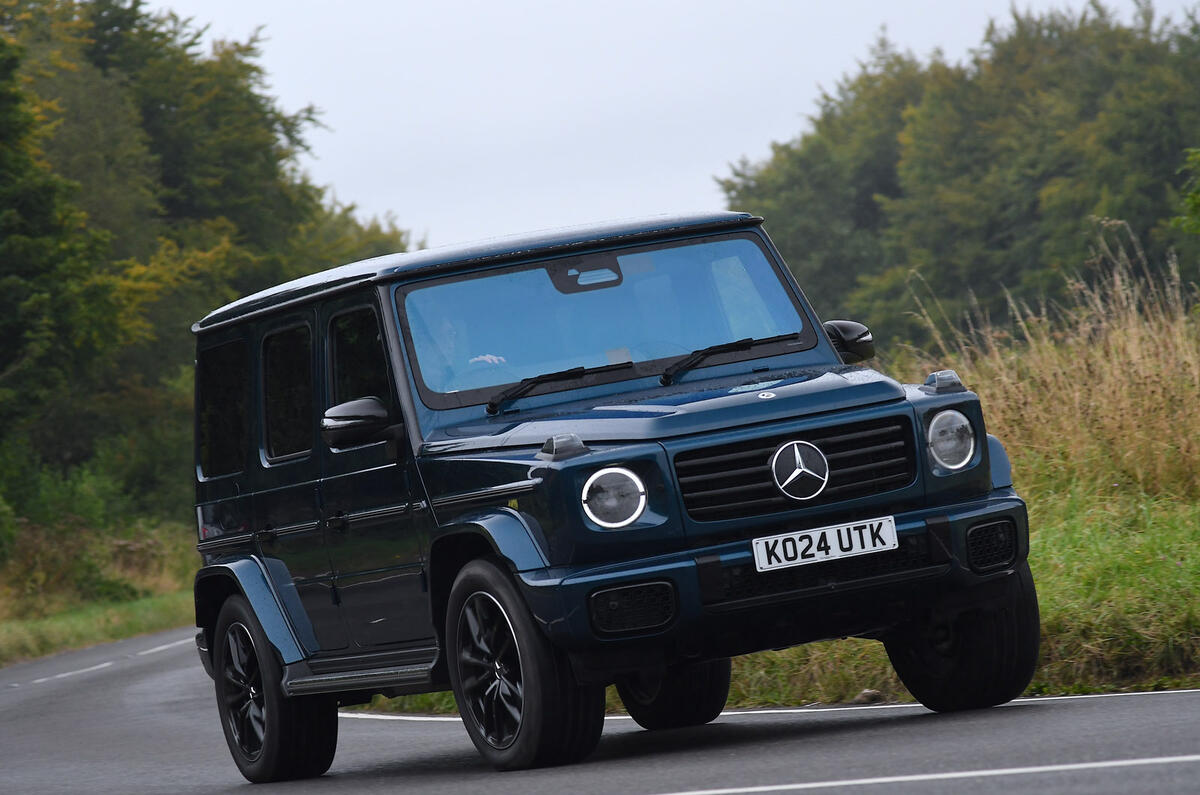
6. Mercedes-Benz G-Class
The Mercedes-Benz G-Class is one of the most recognizable luxury SUVs in the world, known for its iconic boxy shape, premium interior, and strong off-road capability.
Despite its modern upgrades, the vehicle retains a design philosophy that prioritizes structure and durability over aerodynamic efficiency or maximum visibility. This boxy architecture plays a major role in creating noticeable blind spots that drivers must actively manage in daily use.
One of the primary visibility issues in the G Class is the limited rear window size. The rear section of the vehicle is tall and flat, which restricts the driver’s ability to see directly behind the SUV. Even though the seating position is high, the rear view remains partially obstructed, making reversing and parking more dependent on camera systems and sensors rather than natural visibility.
Side blind spots are also present due to the thick structural pillars that support the vehicle’s rigid frame. These pillars are designed for maximum safety and off-road durability, but they reduce diagonal sight lines significantly. This can make it difficult to detect vehicles approaching from the rear sides, especially in fast-moving highway traffic, where timing is critical for safe lane changes.
Another contributing factor is the square body shape, which creates sharp corners and extended blind zones around the edges of the vehicle. These zones can hide smaller vehicles, motorcycles, or pedestrians, depending on the angle. In tight urban environments, this becomes especially important because the driver must constantly adjust positioning to avoid misjudging distances.
Despite these limitations, the Mercedes-Benz G-Class remains extremely popular due to its luxury appeal, strong performance, and iconic status. Drivers accept the visibility compromises because the vehicle offers unmatched prestige and capability. Modern assistance systems help reduce risks, but the structural blind spots remain a defining characteristic of the design.
- Engine: 3.6-liter Pentastar V6 engine
- Horsepower: 295 hp
- Torque: 260 lb ft
- Length: Approximately 200.8 inches
- Width: Approximately 75.8 inches
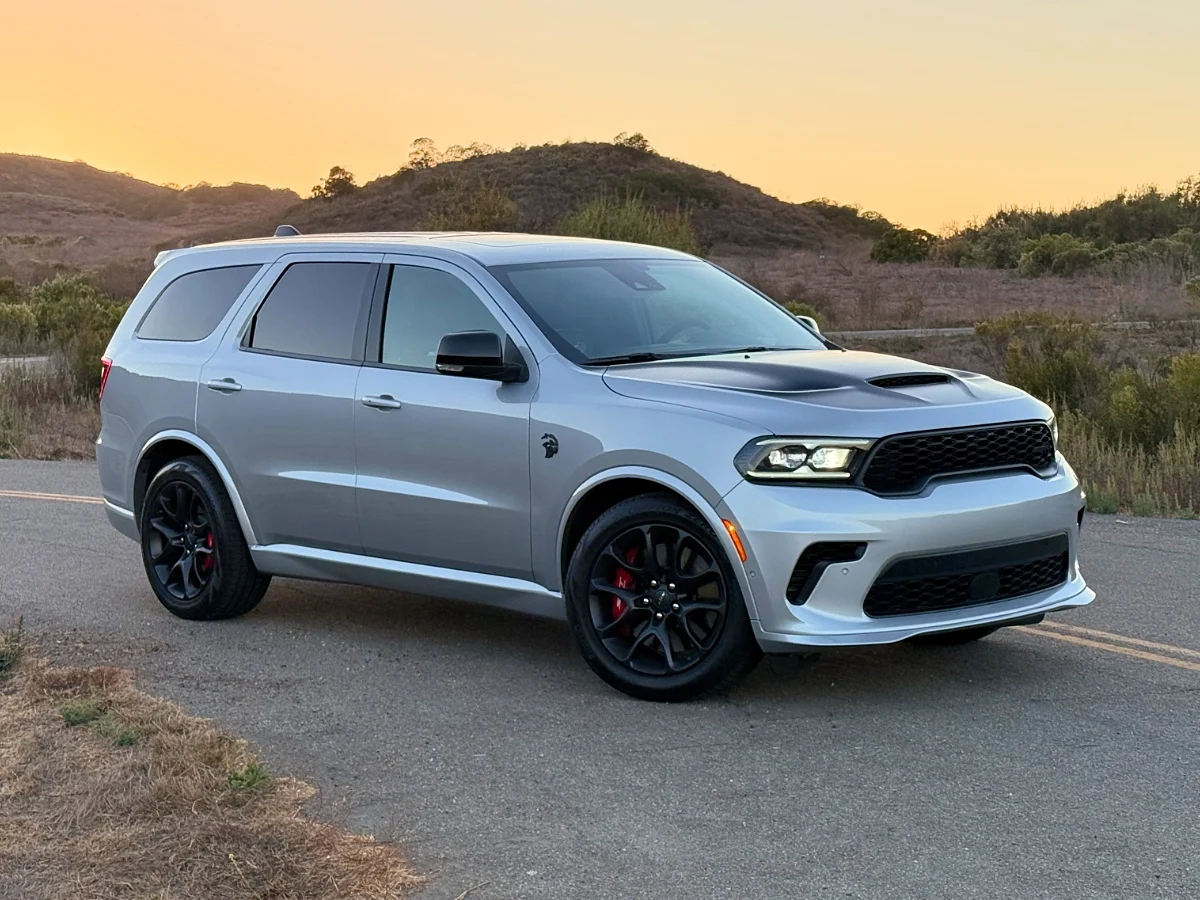
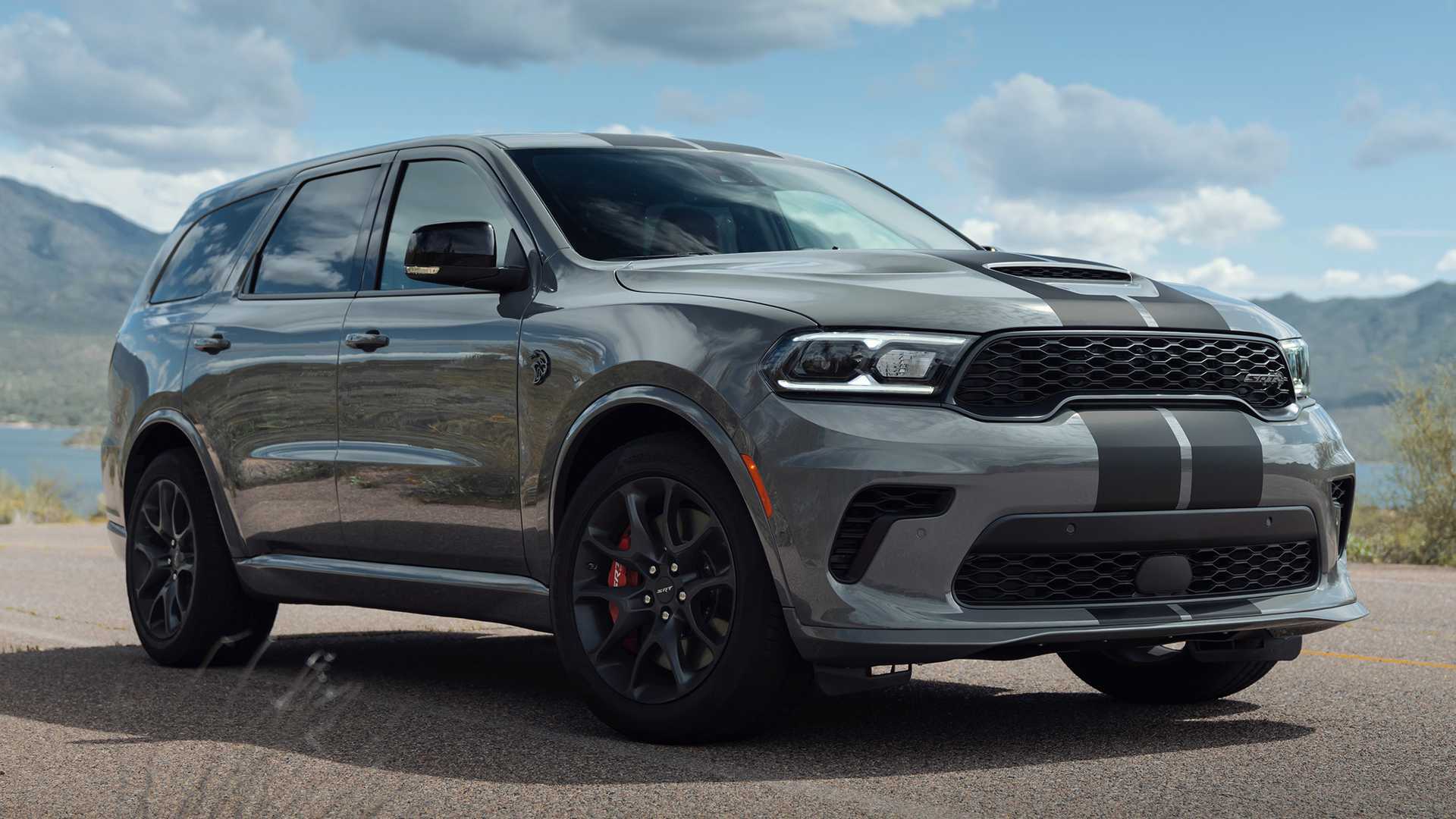
7. Dodge Durango
The Dodge Durango is a performance-oriented midsize to large SUV that combines strong engine options with family-friendly seating and towing capability. However, its muscular design and styling choices contribute to visibility limitations that are often discussed by drivers. The vehicle’s aggressive shape and high beltline reduce outward visibility, especially toward the rear.
One of the main blind spots in the Durango is the rear structure. The sloping rear design, combined with thick pillars, limits the driver’s direct line of sight behind the vehicle. This makes reversing and backing into parking spaces more dependent on rearview cameras and parking sensors, especially in crowded areas where precision is required.
Side visibility is also affected by the Durango’s design. The thick doors and relatively small window openings reduce peripheral vision. This creates blind zones where nearby vehicles can temporarily disappear, particularly during highway driving or lane changes in dense traffic conditions.
The elevated seating position helps improve forward visibility, but it does not fully compensate for rear and side blind spots. While drivers can see further ahead, judging the distance of nearby vehicles still requires careful mirror usage and awareness of surrounding traffic movement patterns.
Despite these limitations, the Dodge Durango remains popular due to its strong performance capabilities and spacious interior. Many drivers appreciate its power and versatility enough to accept the visibility trade-offs, especially with modern safety systems helping to reduce risk.
- Engine: 5.3-liter V8 engine
- Horsepower: 355 hp
- Torque: 383 lb ft
- Length: Approximately 210.7 inches
- Width: Approximately 81 inches
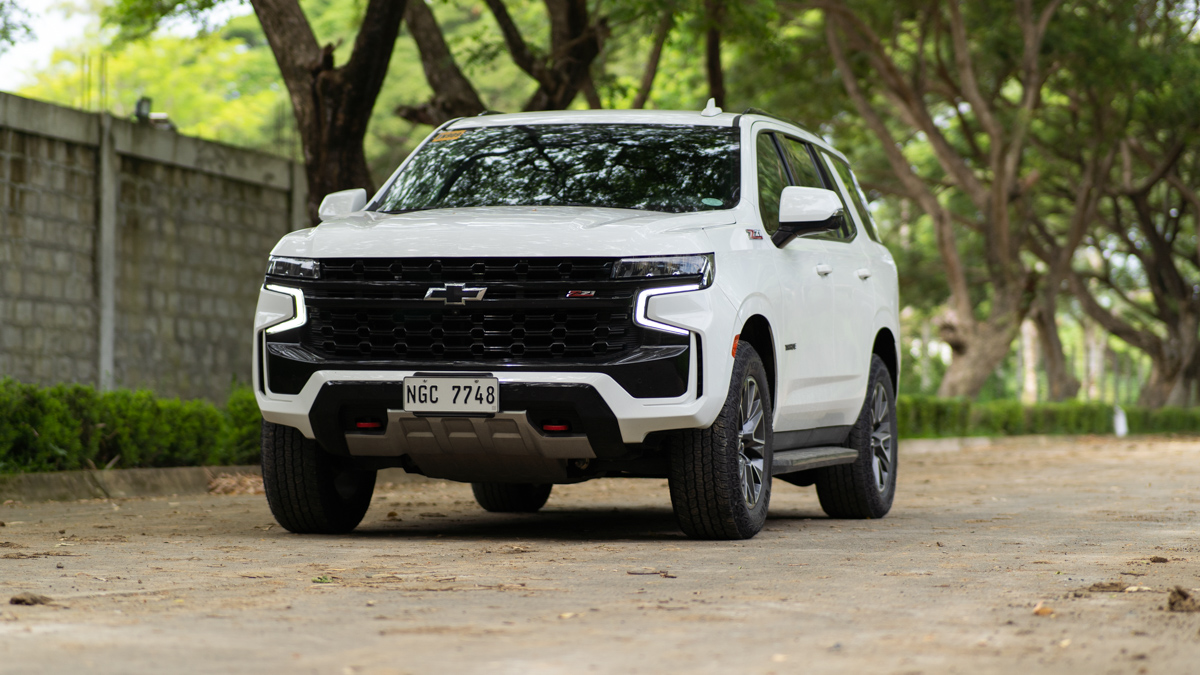
8. Chevrolet Tahoe
The Chevrolet Tahoe is a full-size SUV designed for comfort, towing, and family transportation. It shares many design elements with other large SUVs, including a tall body, extended length, and wide stance. While these features contribute to comfort and capability, they also result in significant blind spot challenges that require careful driving attention.
One of the most noticeable visibility issues in the Tahoe is the rear blind zone created by its large cargo area. The extended rear section blocks direct visibility, making it difficult for drivers to see vehicles or objects behind them without relying entirely on rear cameras. This is particularly important when reversing in tight parking areas or driving through urban streets.
The side blind spots in the Tahoe are also substantial due to its width and height. Smaller vehicles can easily disappear into these zones, especially when they are positioned slightly behind the driver’s shoulder line. This makes lane changes on highways more demanding and requires frequent mirror checks and careful timing.
Another factor contributing to reduced visibility is the thick rear pillars, which are designed for structural strength and safety. These pillars block diagonal sight lines and limit the driver’s ability to detect fast approaching traffic from the rear corners of the vehicle.
Despite these challenges, the Chevrolet Tahoe remains one of the most popular large SUVs in its segment. Its combination of space, comfort, and towing power makes it a preferred choice for families and long-distance travelers. Most drivers adapt to its blind spots through technology and cautious driving habits.
- Engine: 2.4-liter turbocharged 4-cylinder engine
- Horsepower: 278 hp
- Torque: 317 lb ft
- Length: Approximately 213 inches
- Width: Approximately 77.9 inches
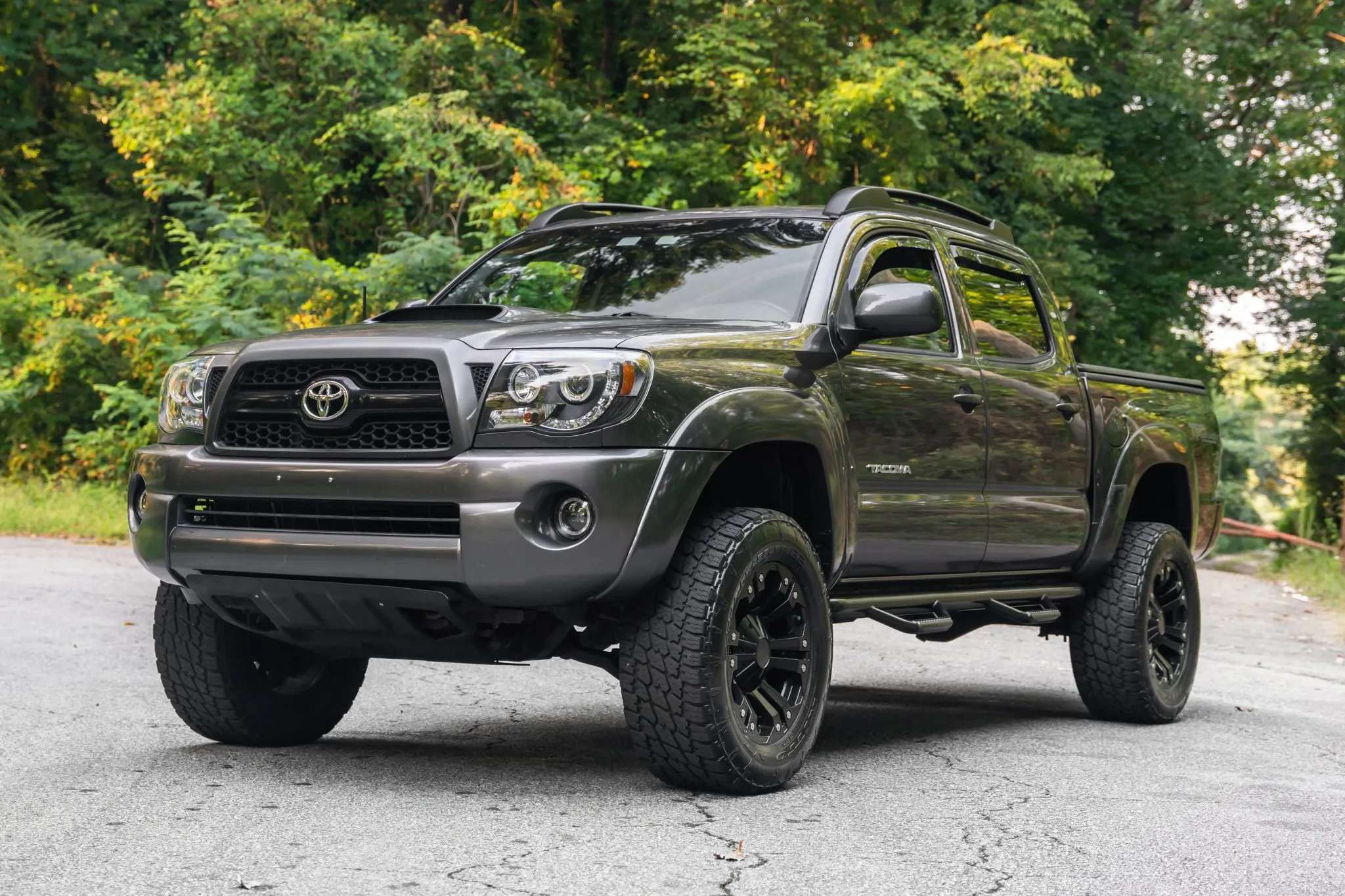
9. Toyota Tacoma
The Toyota Tacoma is a midsize pickup truck known for its reliability, strong resale value, and off-road capability. While it is smaller than full-size trucks, it still inherits many of the same visibility limitations that come with pickup truck design. The structure of the vehicle creates natural blind spots that drivers must actively manage.
The most significant visibility limitation in the Tacoma is the rear blind spot created by the cargo bed. The truck bed blocks the driver’s direct view of anything behind the vehicle, making it impossible to rely on a rearview mirror alone.
This becomes especially challenging when reversing or parking in tight spaces, requiring full dependence on rear cameras and side mirrors.
Side blind spots are also present due to the height of the cabin and thick structural pillars. Smaller vehicles, motorcycles, or pedestrians can easily disappear into these blind zones depending on their position relative to the truck. This makes lane changes and merging into traffic more demanding, particularly in busy urban or highway environments.
The elevated driving position improves forward visibility but introduces challenges in judging proximity. Objects that are close to the vehicle, especially near the front corners, can be harder to accurately assess. This can affect parking precision and low-speed maneuvering in tight areas.
Despite these limitations, the Toyota Tacoma remains highly popular due to its durability and strong performance in both urban and off-road environments. Drivers typically adapt quickly to its blind spots, relying on mirrors, cameras, and cautious driving techniques to ensure safety.
